





What People Packed for Vacation in the 1950s
The way we pack says a lot about the era we’re living — and traveling — in. Look around any airport terminal today, and there’s a good chance you’ll find plenty of athleisure, comfortable shoes, and maybe a few pairs of noise-canceling headphones. Conversely, travelers in the 1950s prioritized polish and practicality — at least with what technology they had available to them at the time. Here’s a closer look at how packing for vacation in the 1950s compares to the gadget-filled, comfort-forward bags we roll through airports with now.
Travel Wear
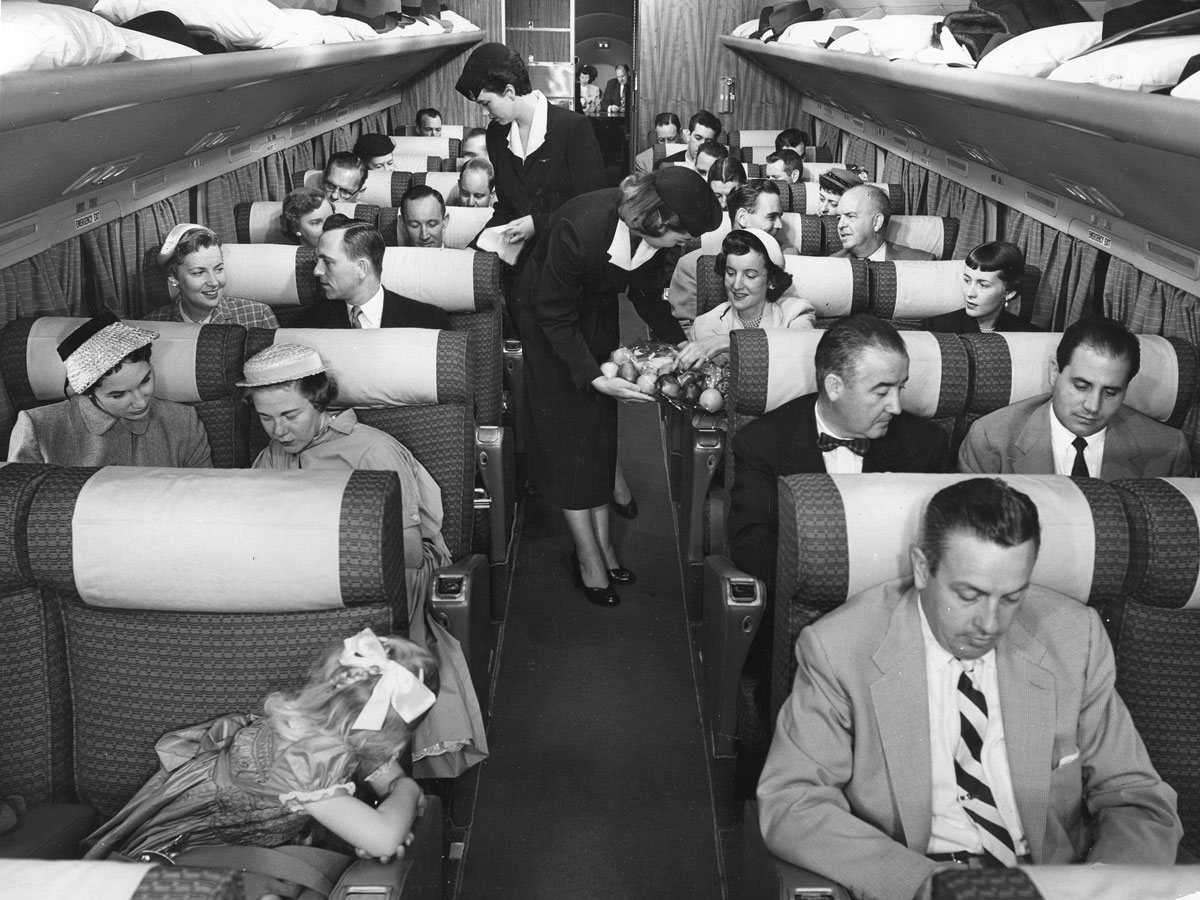
In the mid-20th century, air travel was considered a glamorous, luxurious event — not just a way to get from point A to point B. It was also expensive: According to one study, the average airfare from Los Angeles to Boston in 1941 was over $4,500 in today’s dollars, compared to $480 for the same route in 2015. Those who could afford to fly dressed to impress, wearing suits, dresses, hats, and gloves — and viewing the entire experience like a special occasion.
Today, most people would agree that comfort wins out over formality. With air travel becoming far more accessible than in the past, airport outfits have followed suit to reflect a more relaxed, practical, and comfortable style.
Daily Wear

In the 1950s, many people traveled with elegant wardrobes that looked more like they were heading to a wedding than a vacation. Men in that era typically wore suits, dress shirts, ties, and stylish hats, such as a fedora, for everyday attire. Women donned dresses, skirts, and blouses, along with gloves, stockings, and an elegant daytime hat. Evenings on holiday often meant cocktail dresses and tuxedo jackets, topped with formal outerwear like trench coats or peacoats if the weather called for it.
These days, vacation wear is a very different story. Of course, some travelers who are jetting to expensive destinations will come prepared with a stylish wardrobe, but for many others, the priority is to pack comfy mix-and-match outfits, leggings and jeans, and shoes that can handle everything. Sunglasses and baseball caps might replace dress hats and gloves, and tailored coats may be swapped for a lightweight raincoat or casual jacket that works for any occasion.
Swimwear
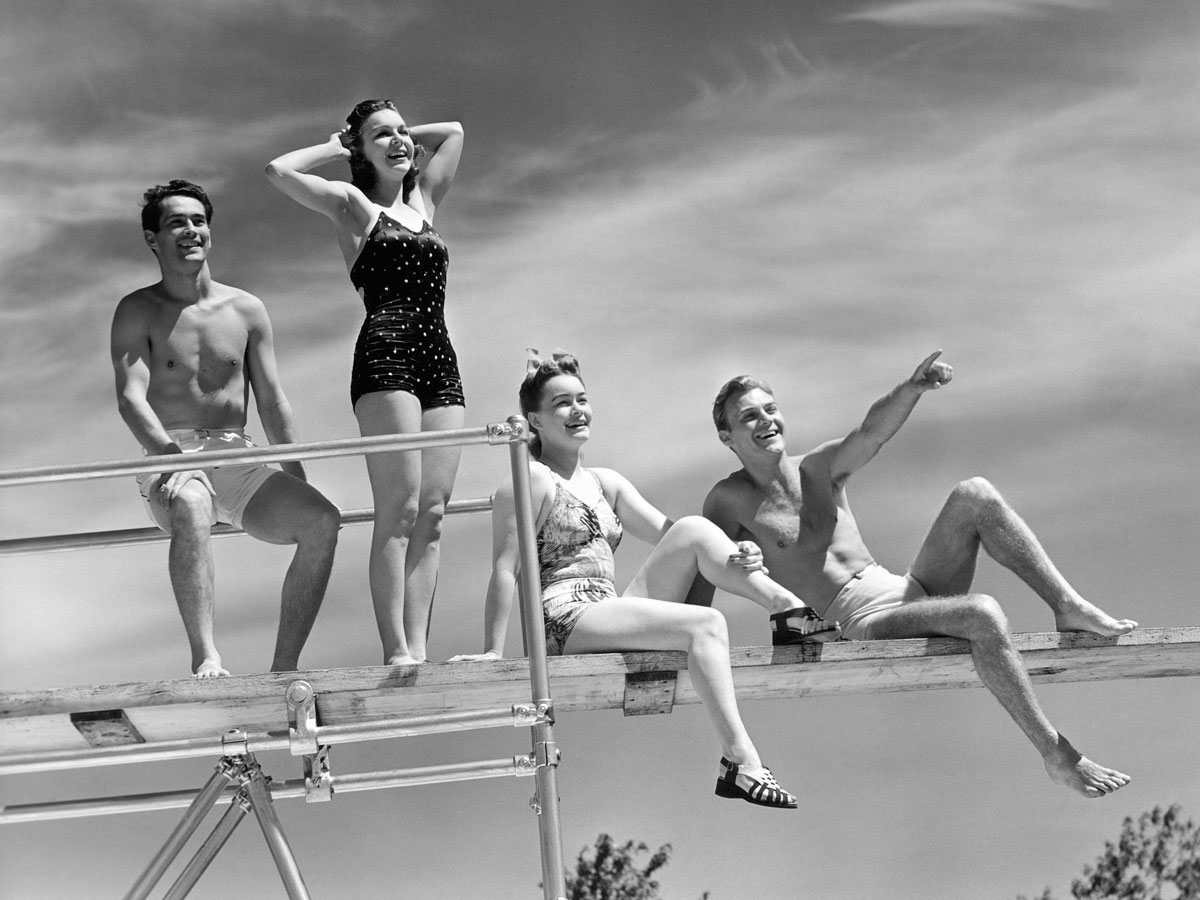
In the 1950s, women typically wore one-piece swimsuits (bikinis were just starting to become popular) paired with oversized sun hats and sometimes swim caps, while men sported high-waisted shorts and polo shirts. Espadrilles or leather sandals might have completed the look. Fast-forward to today, and the vibe is much more relaxed: bikinis, tankinis, or fashionable one-pieces for women, and board shorts or swim trunks for men. Flip-flops, plastic slides, or even going barefoot are standard, and for many travelers, hats are more about sun protection than style.
Undergarments and Accessories
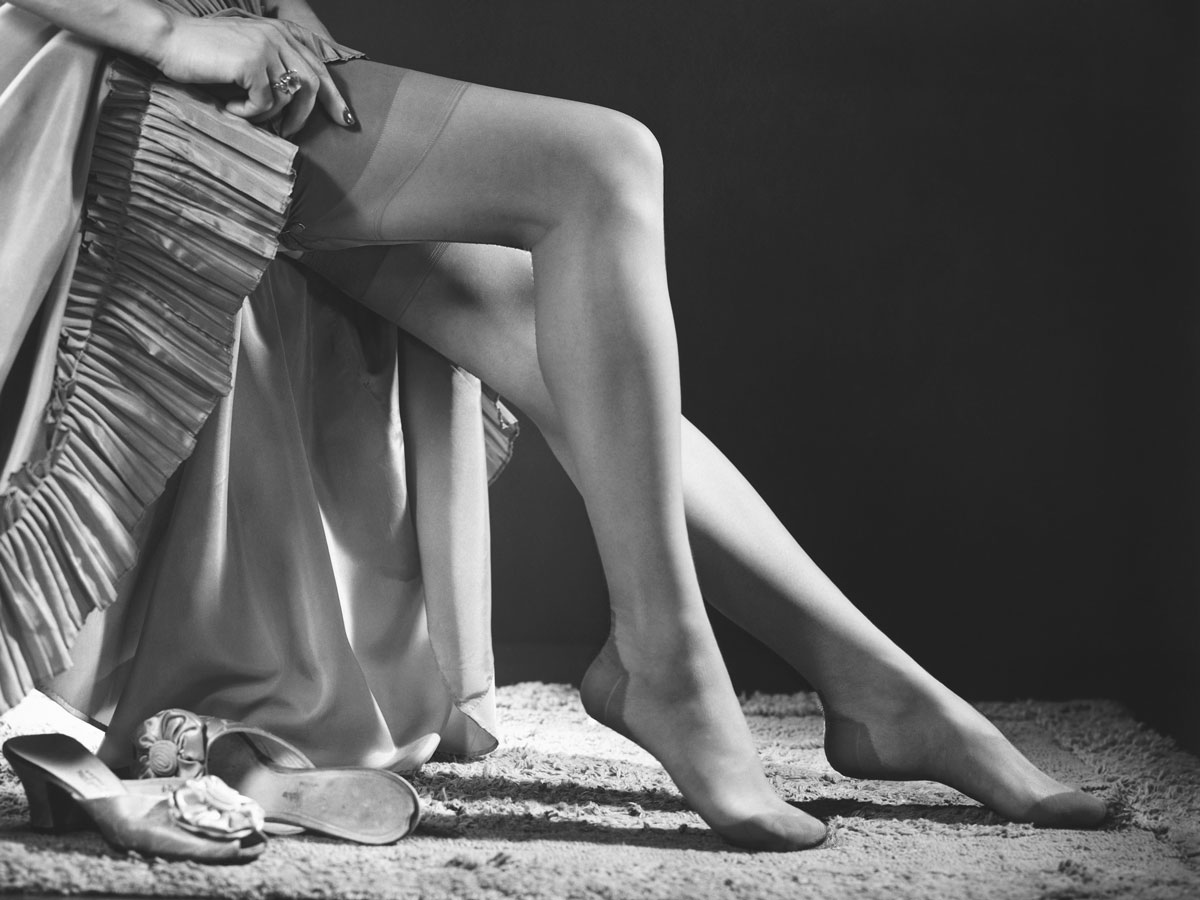
In the past, women commonly pulled on stockings and garter belts, while men donned suspenders to keep everything in place (though by the 1950s they were starting to fall out of style). Meanwhile, scarves, neckties, and pocket squares added flair to complete the look, and jewelry such as brooches, costume necklaces, bracelets, and flashy watches were common accessories. In 2025, you likely won’t find many of these opulent accessories, and jewelry might be kept to a minimum to avoid hassle with TSA screening.
Bags and Luggage
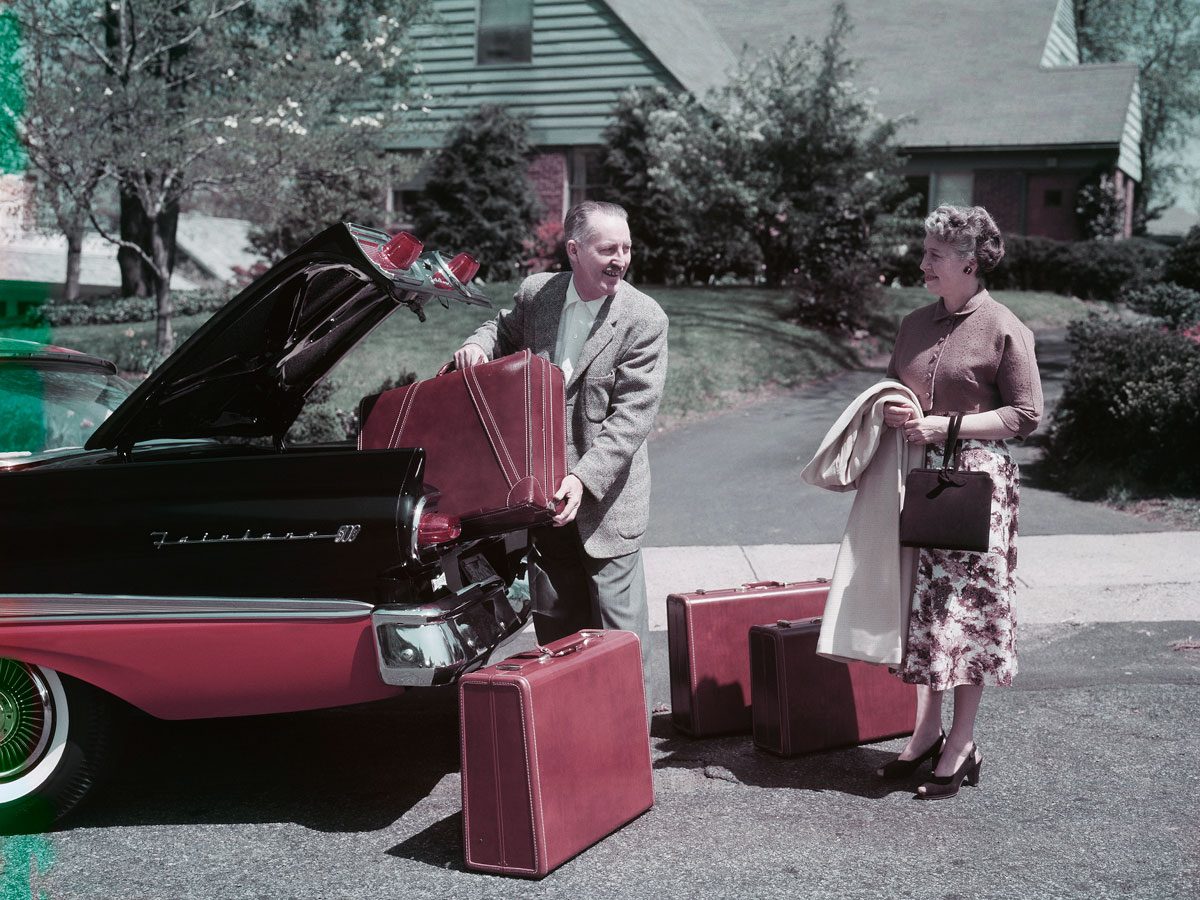
Back in the ’50s, sturdy trunks, leather suitcases with hard shells, garment bags, and even wardrobe trunks — suitcases that opened up like closets — were the norm, especially for well-heeled travelers. Women often carried hat boxes to protect their fancy, perfectly shaped headwear. Small leather carry-on travel bags or cases were common, too, and bags emblazoned with airline logos became a popular status symbol during the early jet age.
Today, travelers tend to opt for lightweight rolling suitcases that unzip to expand, many with TSA-friendly locks and built-in charging ports — features that didn’t exist in midcentury travel. (In fact, the first wheeled suitcase wasn’t invented until after the moon landing.) Hat boxes have largely disappeared, replaced by travel-friendly hats that can be folded and stuffed into a spare corner of a suitcase. Backpacks and totes have become the go-to carry-ons, and laptop bags or other sturdy compact cases are essential for protecting electronics that 1950s travelers never had to think about.
Toiletries and Personal Items
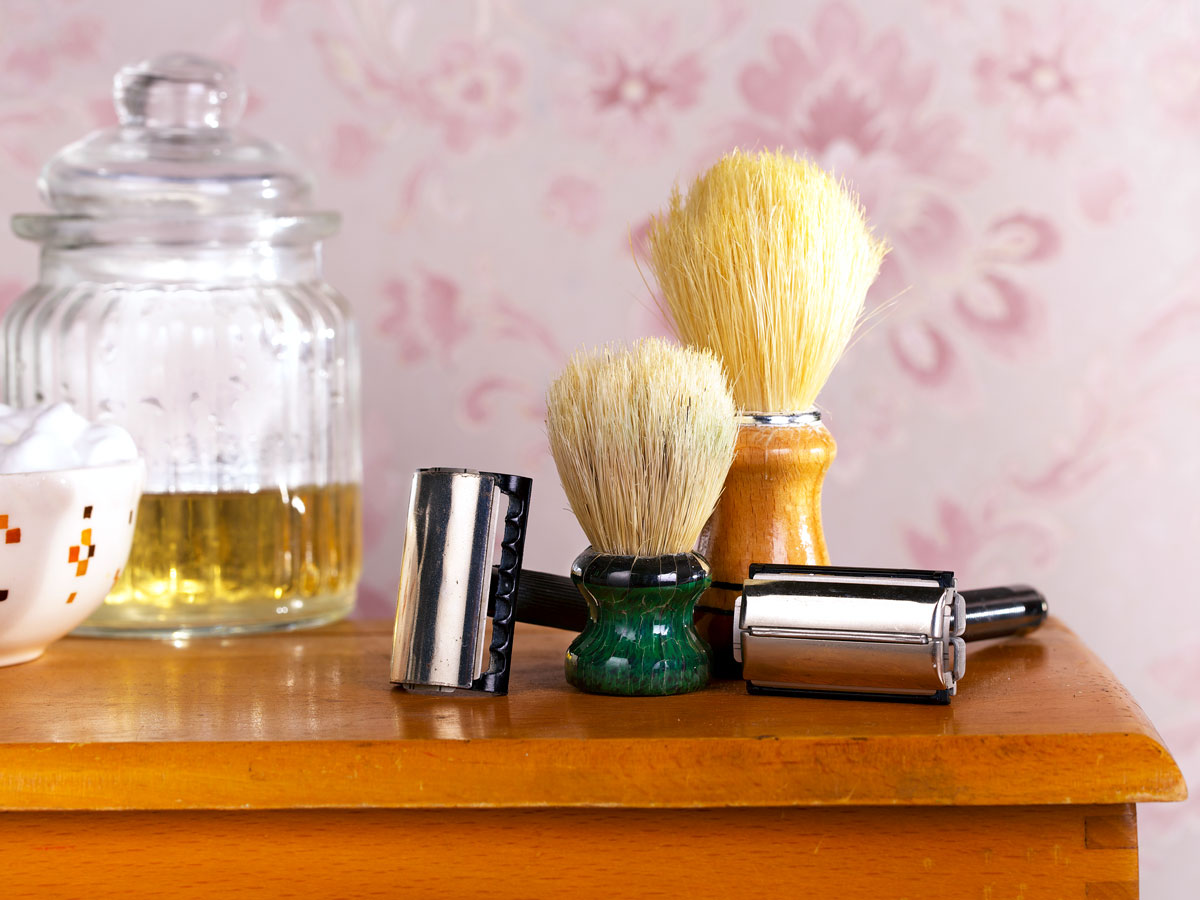
In the 1950s, it simply wasn’t possible to pop over to the drugstore and peruse an aisle filled with travel-size toiletries, though small samples of perfumes were common. But travelers back then didn’t have to worry about strict liquid rules for carry-ons, which the TSA introduced in 2006.
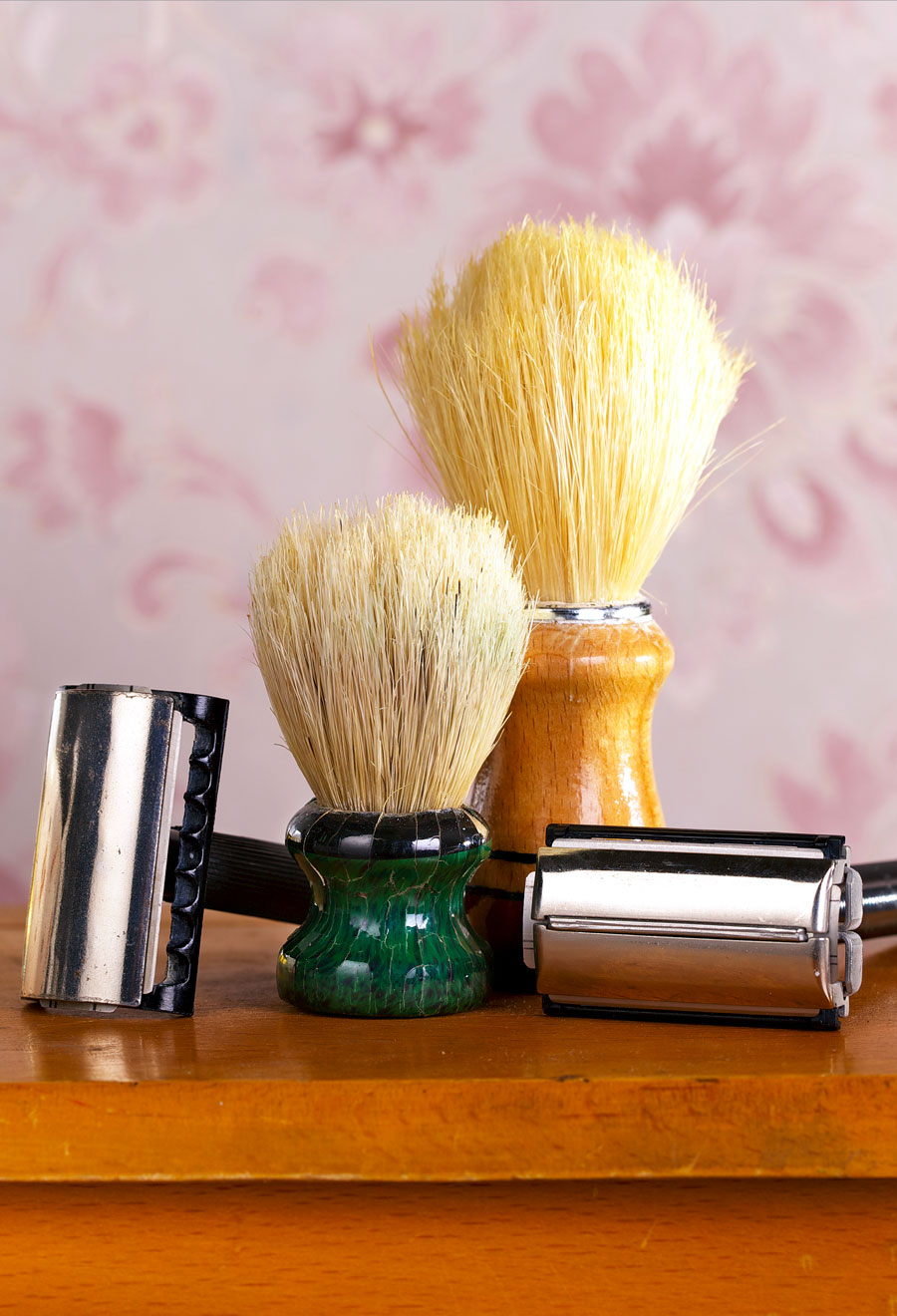
Toiletry kits also looked different: Essentials might have included metal combs and hairbrushes, glass perfume bottles, razors with shaving brushes, soap bars, hair rollers, and more. For women, makeup was a must-have, and they often carried “train cases” with a built-in mirror and roomy compartments for the essentials. Peek into a modern traveler’s toiletry bag and you’ll find plastic or silicone bottles with carefully measured amounts of product, both to save space and to comply with TSA’s liquid rules. Most hotels and rentals provide other basics, like a hair dryer, so travelers can pack lighter and skip the bulky gear.
Travel Essentials and Extras
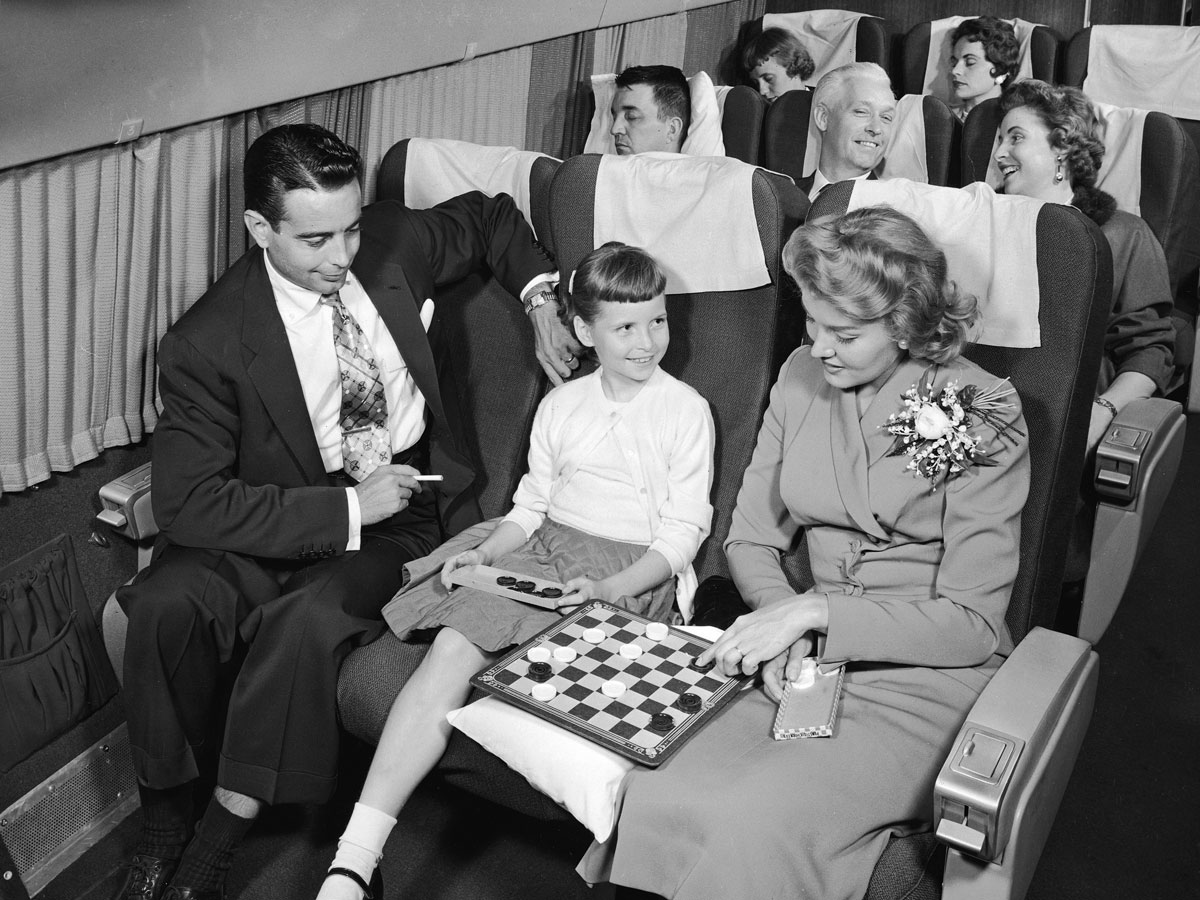
In the 1950s, travelers relied on printed guides and fold-out maps, carried cigarette cases and lighters, packed handkerchiefs, and brought along bulky box cameras or early 35mm models, which became more common during the decade. Today, most of that has been replaced by a single item: the smartphone. Maps, guides, and cameras all live on our screens, smoking is far less prevalent, and modern travelers are more likely to pack portable chargers, earbuds, and a compact digital camera if they want higher-quality photos.
More from our network
Daily Passport is part of Inbox Studio, an email-first media company. *Indicates a third-party property.