





What Airlines Know About You Before You Even Board
What Airlines Know About You Before You Even Board

Checking in or lining up to board a flight may feel like the start of a traveler’s time with an airline. But in reality, airline staff already have a surprisingly detailed snapshot of every passenger before they even set foot on the jetway. Cabin crew and gate agents often use technology that shows much more than just the name of the person who’s ticketed for the flight. Here are six things airlines usually know about you before you board the plane.
Your Behavior
By the time boarding begins, airline staff may already have a sense of a passenger’s behavior — not just from that specific flight, but from previous flights, too. Incidents such as disruptive behavior or noticeable intoxication can be logged and attached to a passenger’s reservation profile, giving crew useful context if similar issues should arise again. That might mean someone is monitored more closely during a flight, or it may simply influence how quickly an issue is escalated if something does happen.
Airlines deal with thousands of disruptive passenger incidents each year. While rates have dropped significantly from the peak in 2021, there were more than 1,600 reported in 2025 alone, according to the FAA. Staff are trained to watch for signs of agitation or distress at the gate before anyone even steps onto the plane.
If You’re Celebrating
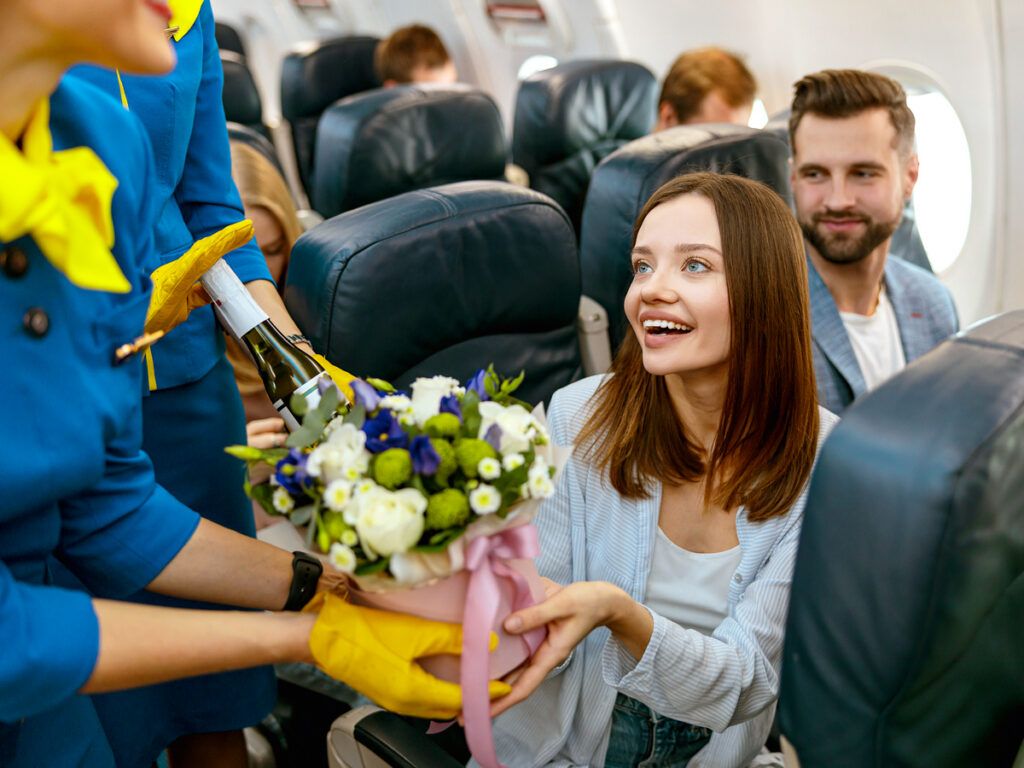
Airlines already have basic passenger details as part of each booking, including, of course, a person’s date of birth. In some cases, that information is displayed on the flight attendants’ tablet or smartphone on board. Airlines such as JetBlue even use a birthday cake icon on their seat map to indicate someone who is travelling on their big day.
But although airline staff may know it’s your birthday, milestones aren’t always automatically acted on. United Airlines, for instance, leaves it to the discretion of flight attendants to decide whether a passenger might appreciate that kind of acknowledgment or prefer to remain anonymous. If they do choose to acknowledge a passenger’s birthday, United flight crews have been known to offer passengers a complimentary snack and drink and even a note or card.
Your Value as a Passenger
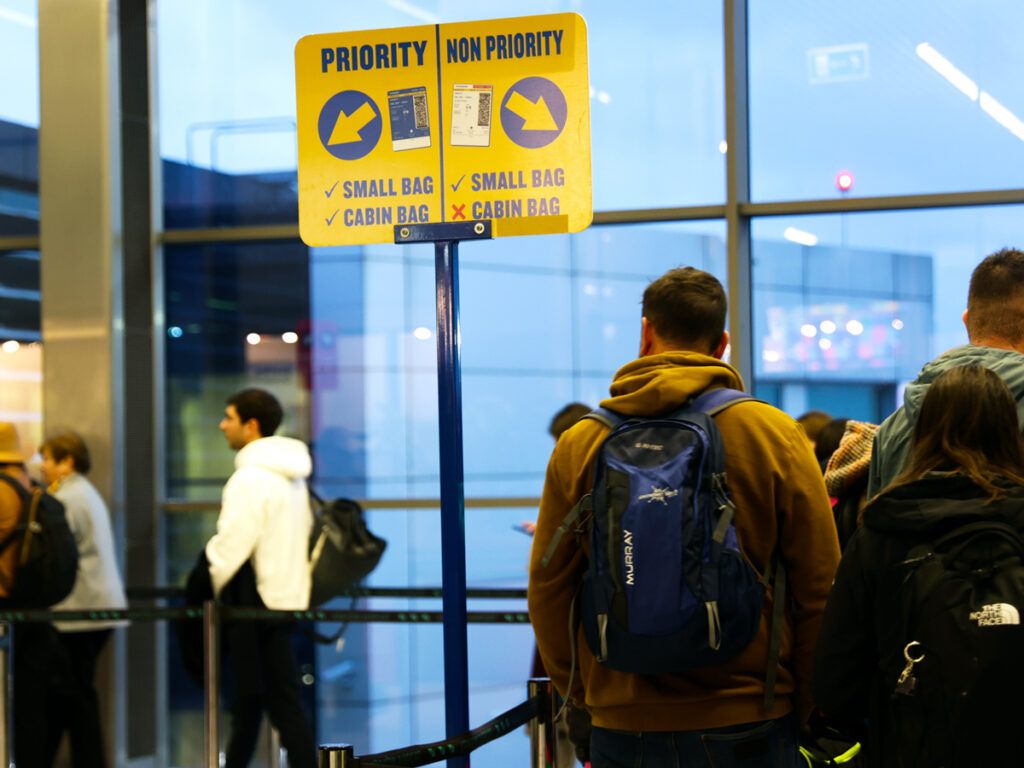
When you’re a member of an airline’s loyalty program, you often get to enjoy perks such as airport lounge access, preferred seat selection, free checked bags, and priority boarding. Your frequent flyer status, how often you fly, and whether you hold a co-branded credit card are all also visible to staff.
This data may influence how any potential issues get handled for the passenger. When flights are delayed or canceled, for example, loyalty members may get quicker direct contact with customer service to get rebooked first or priority for limited seats. Sometimes loyalty passengers will receive extra attention on board, too. This could include a simple thank you for your patronage or an acknowledgment of your many miles flown.
If You Need Additional Support
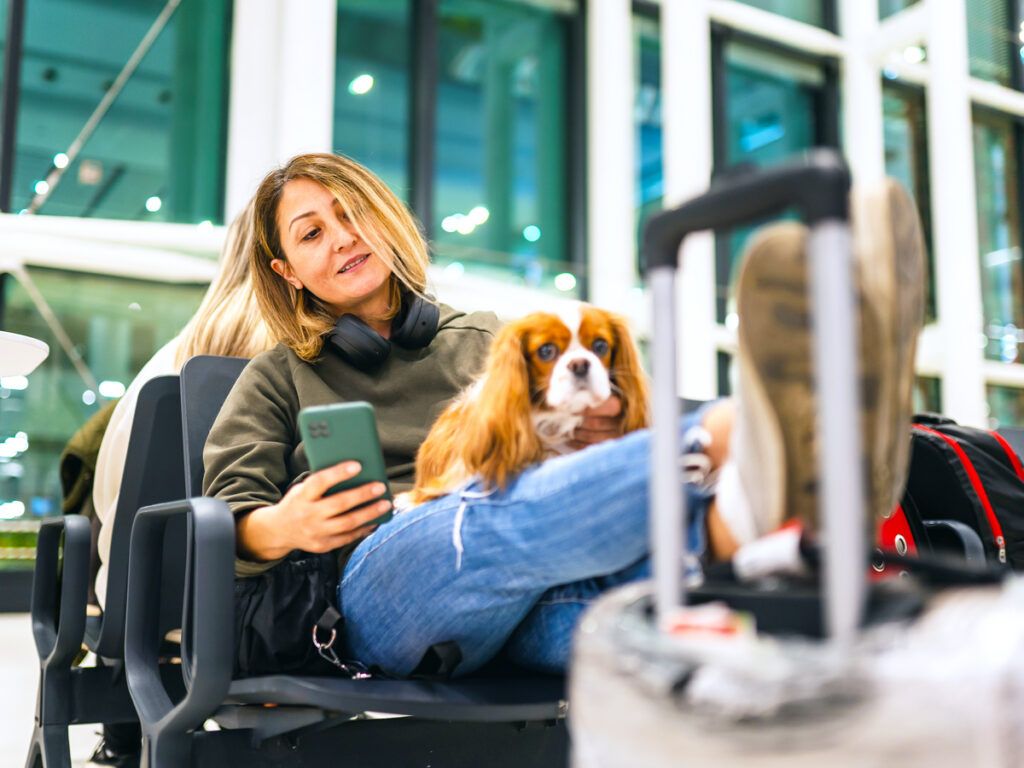
When you book a flight, you can usually indicate any requests for assistance or notes about your specific needs. That information should be visible to the airline staff on the ground and in the air, so it shouldn’t take more than a quick check-in with staff for information or reassurance once you’re at the gate.
These notes may include requests for mobility support, medical considerations, food allergies, or traveling with a service animal. Those details are flagged in the booking system, so staff can see them at a glance and prepare ahead of time. Just make sure they’re noted in advance — some airlines ask that these requests be made from 72 hours to a minimum of 24 hours ahead of your flight.
How Your Travel Day Has Been
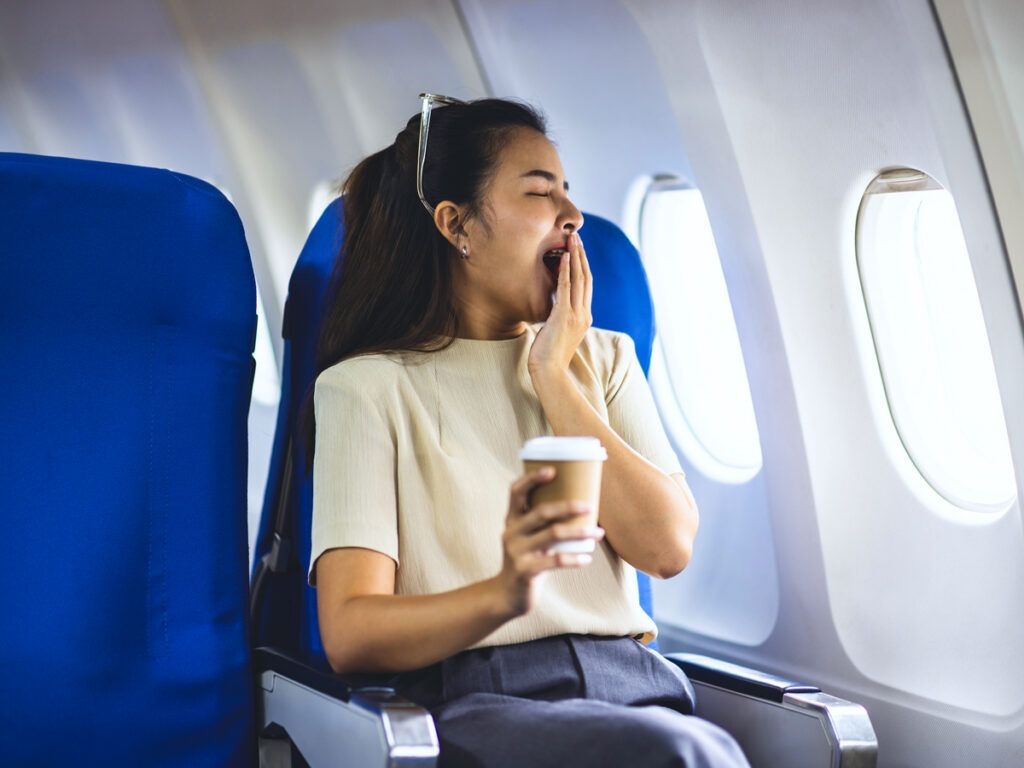
Your boarding pass might show a single flight, but airlines are often looking at the full trajectory of your travel day. If you’ve already dealt with delays, missed connections, or last-minute rebookings, that information tends to follow you through the system. In some cases, gate agents and cabin crew are aware when a passenger has had a grueling journey before arriving on board.
This knowledge doesn’t guarantee anything specific, but it may influence how situations are handled — for instance, prioritizing a seat change, offering extra time during boarding, or trying to make the rest of the trip a little smoother by easily accommodating any requests a passenger might have.
What You Like To Order
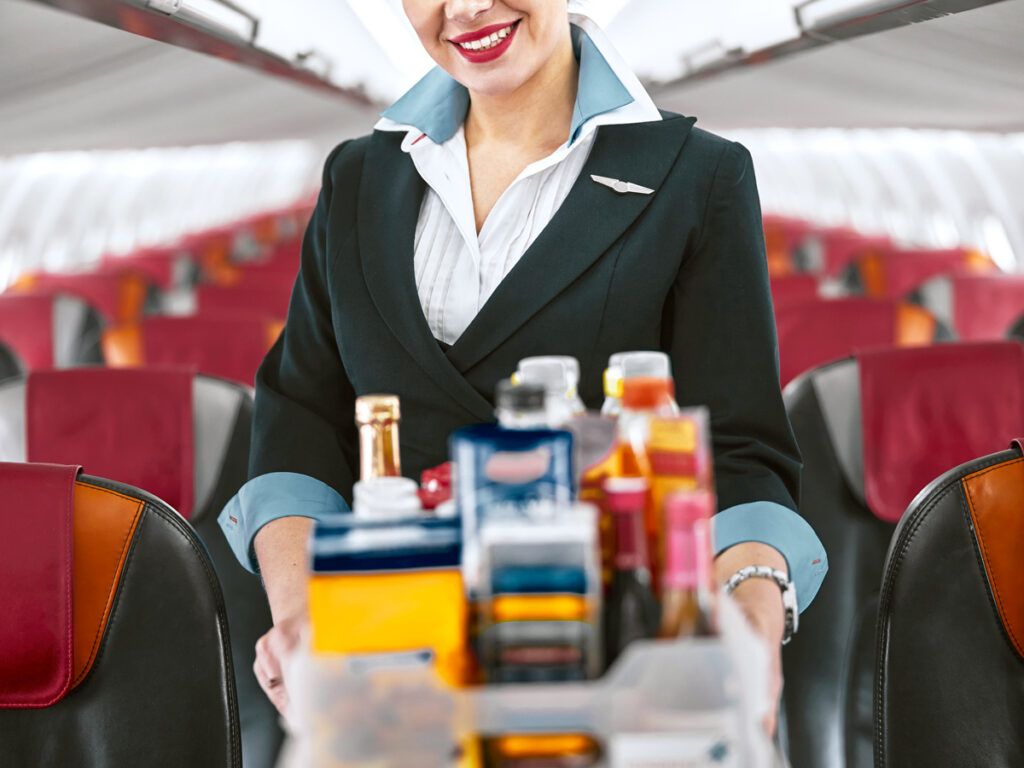
Airlines are increasingly using loyalty data to build a sense of passenger preferences over time. Depending on the carrier, this can include things like onboard purchases or repeated service choices — what you tend to drink, whether you usually order food, or even if you consistently decline it. This might mean a frequent passenger could have their usuals offered to them more quickly. Or for premium cabin customers, they may have services such as their correctly sized in-flight pajamas ready to go as soon as they board.
More from our network
Daily Passport is part of Inbox Studio, an email-first media company. *Indicates a third-party property.