




What Are the Tips on the End of a Plane’s Wing?
What Are the Tips on the End of a Plane’s Wing?
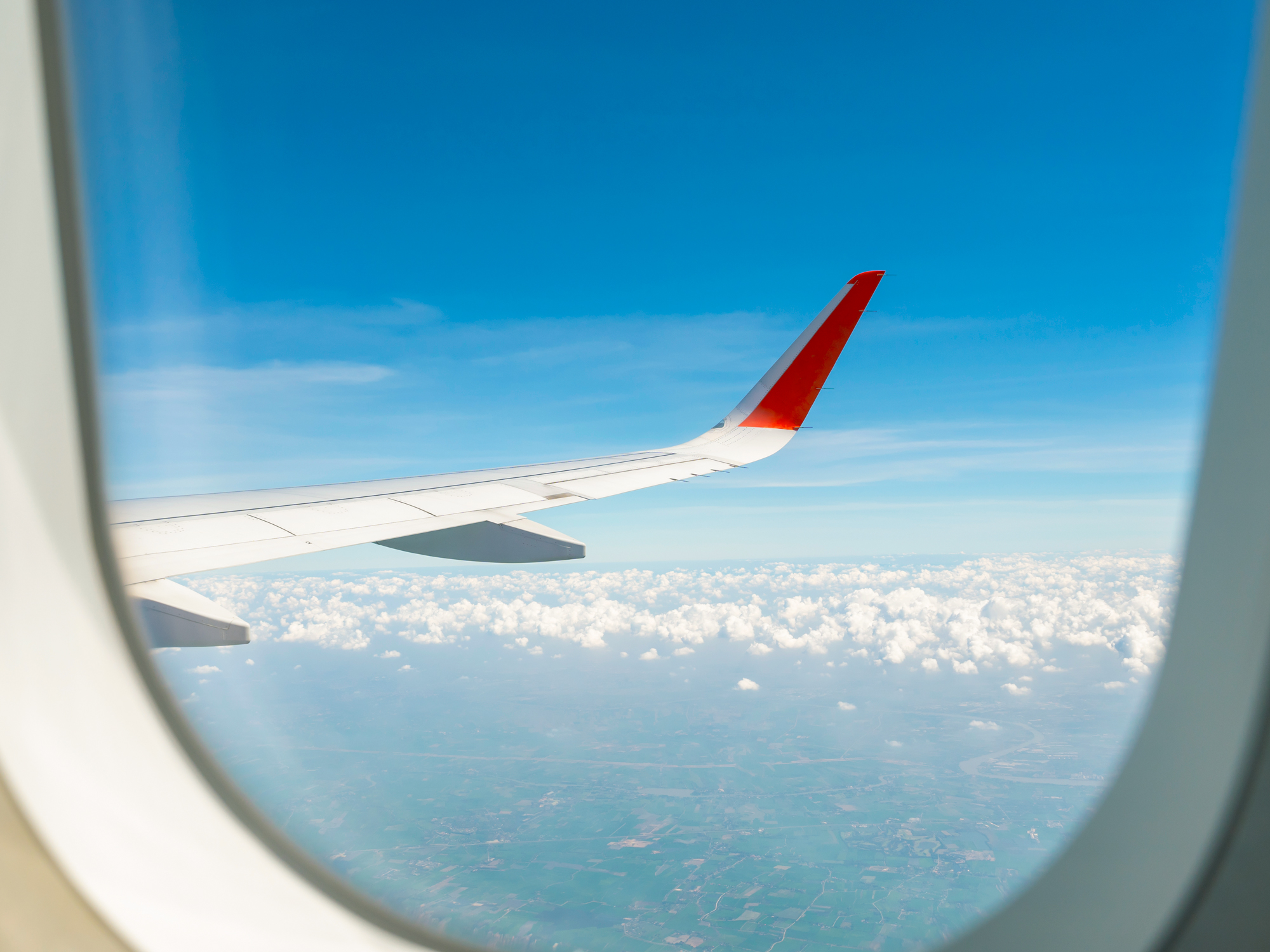

For many passengers, the best seat on the plane is one by the window, where you can watch the world pass by beneath you. When gazing out at the open skies, however, you might notice that some aircraft have small vertical tips that protrude upward from the end of the wing, while others are missing this feature. Ever wonder why? Find out more about the important role that winglets play in flight.
What Happens at a Plane’s Wingtip?
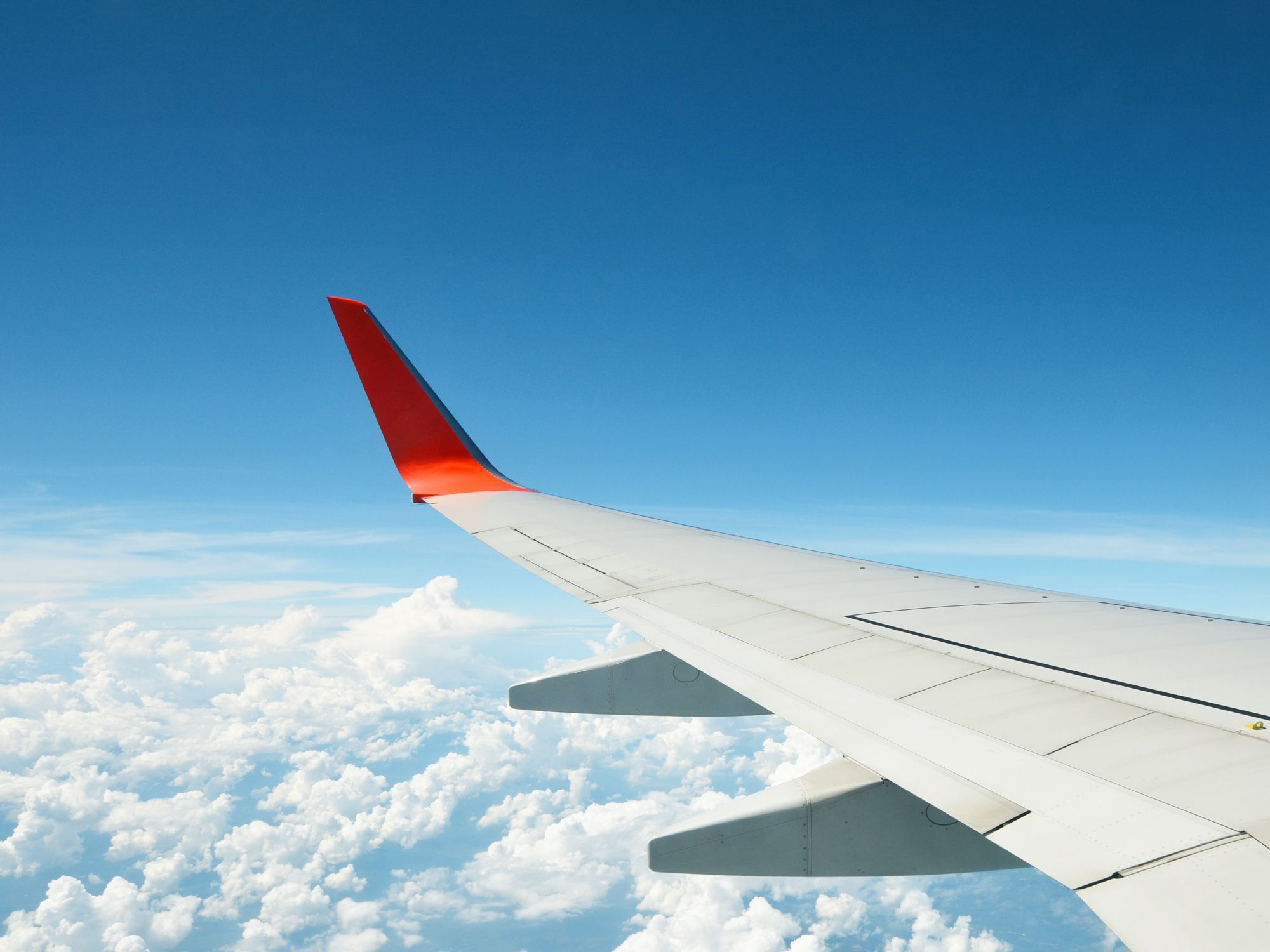
Simply put, a wingtip is the outermost part of an aircraft’s wing. As a wing generates lift, it results in higher air pressure underneath the wing than above it. Some of this air circulates around the tip toward the lower pressure above, creating a wingtip vortex — essentially a spinning trail of air.
These vortices create induced drag, a type of aerodynamic resistance that makes a plane less efficient. In other words, some of the energy used to keep an aircraft airborne is effectively left swirling behind. The stronger the vortex, the greater the drag and the harder the plane has to work.
All of this makes wingtips a key place for aircraft designers and engineers to look for improvements. If they can control the airflow and weaken the vortex, they can reduce drag and make planes more efficient.
The Rise of the Winglet
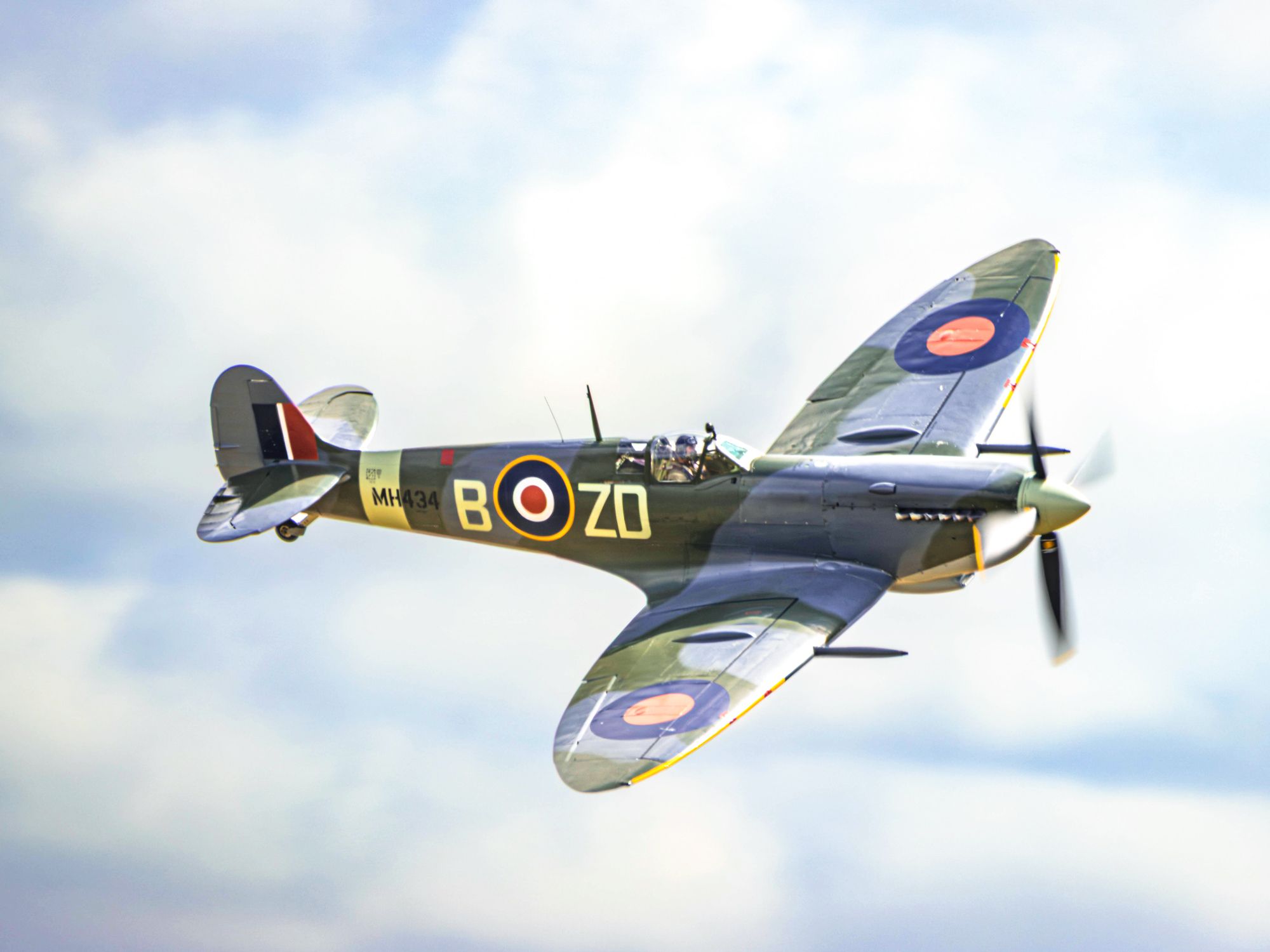
The search for more efficient wings dates back to the beginnings of aviation. The pioneering Wright brothers used wind-tunnel testing to refine their wing shapes, and the elliptical wing of Britain’s Supermarine Spitfire helped reduce drag during World War II. Then, in the 1970s, NASA engineer Richard Whitcomb took a closer look at what was happening at the wingtip. Working at NASA’s Langley Research Center, he studied whether adding an upright surface to a wing’s tip could weaken the vortex and reduce drag.
His research helped establish what became known as the “winglet” as a practical way to tackle the problem. Think of the winglets as “baby wings” placed at an angle at the end of an airplane’s wing, which is how California Aeronautical University describes them.
A winglet helps control the airflow around the wingtip by reducing the strength of the vortex and the drag it generates. It can also mimic some of the benefits of a longer wing without changing wingspan. This is particularly useful for larger planes, which have to comply with the space restrictions around airport gates, hangars, and taxiways.
In 1979 and 1980, NASA and the U.S. Air Force tested the winglet concept on a modified KC-135 Stratotanker. Flight tests confirmed that there was a significant reduction in induced drag, with NASA reporting a 7% improvement in the aircraft’s range (how far it can fly). Business jets and commercial airlines later utilized the concept, and the Boeing 747-400 (introduced in 1989) was among the first major commercial airliners to adopt it. The 747-400 offered about 3.5% more range than the 747-300, which shared much of the same design but lacked winglets.
Different Designs
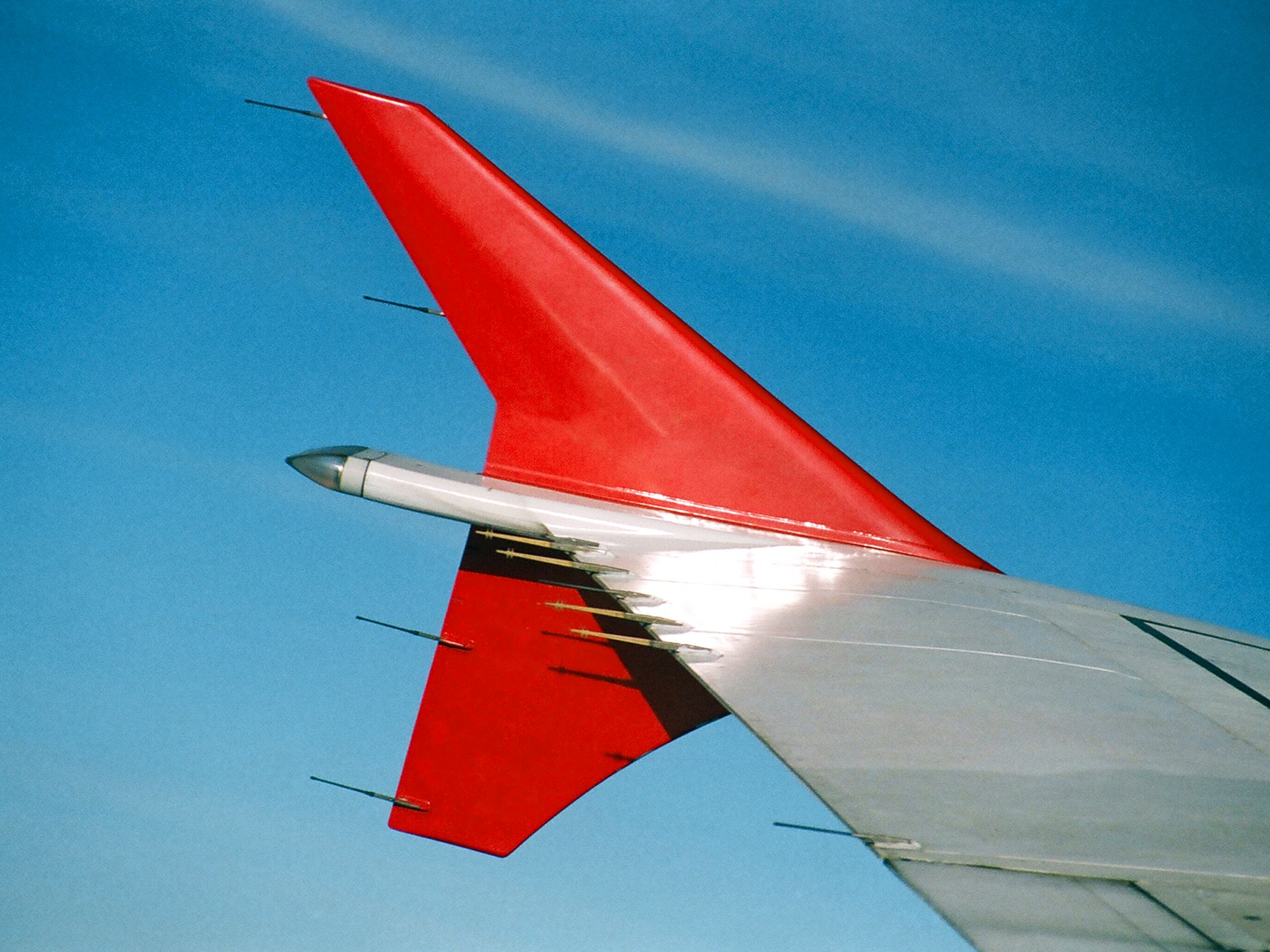
As with many aspects of aviation design, engineering, and technology, there isn’t one solution that works for all. Winglet shapes depend on the aircraft’s size and operating characteristics, as well as what designers are trying to achieve. Some aircraft don’t have traditional winglets but have newer designs with similar functions.
One familiar example is the blended winglet found on aircraft such as the Boeing 737 Next Generation family (737-600, 737-700, 737-800, and 737-900). Rather than protruding sharply at an angle, the blended winglet curves smoothly outward and upward from the end of the wing. This design can reduce drag by up to 7% on long flights. Airbus took a similar approach with the Sharklet, introduced in 2009 on the A320 family aircraft. The design contributes to around a 700-metric-ton reduction in carbon dioxide emissions per aircraft per year.
Newer raked wingtips take a different approach. Rather than curving upward from the wing, the outer section of a wing with raked wingtips sweeps backward horizontally from the wing, creating a long, pointed extension, as seen on several Boeing commercial aircraft such as the 787 Dreamliner. The shape of the wing itself helps redirect airflow and reduce vortex strength. This design has led to improved fuel efficiency and better takeoff and climb performance.
Other examples of wing designs include wingtip fences, which are small vertical plates that extend above and below the wing tip, found on older Airbus A320 family planes. And then there’s the latest-generation Boeing 737 MAX, which has a unique wingtip design that resembles a three-way hybrid of a winglet, wingtip fence, and raked wingtip. There are also split-scimitar winglets, which add an extra swept-back section, and folding winglets, featured on the upcoming Boeing 777X, that can be moved to allow larger planes to comply with airport gate limits.
The Bottom Line
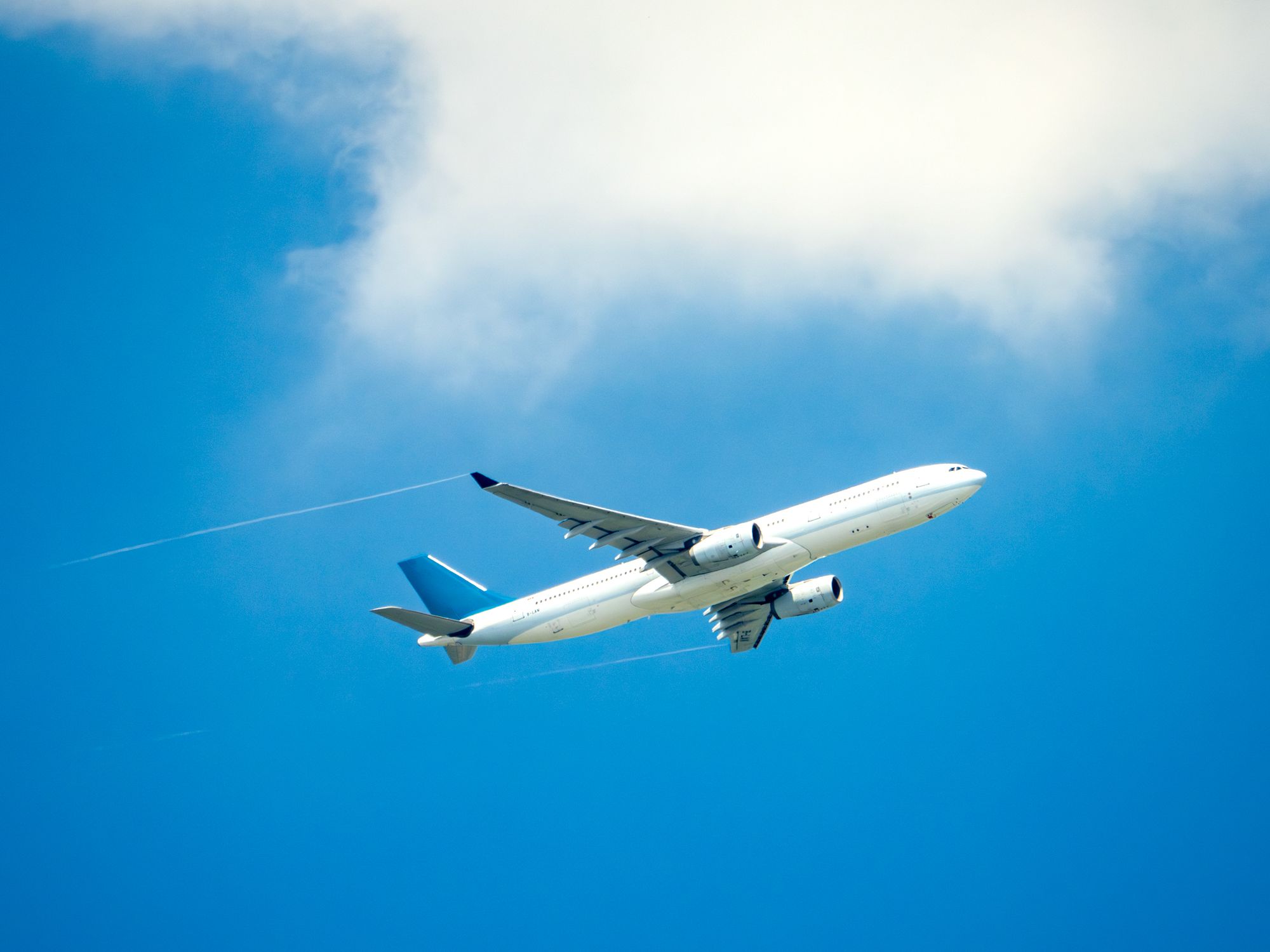
As you can see, airplane wings have become visually distinctive through many years of research and experimentation. A few feet of strategically shaped material can make a meaningful difference to operating costs — especially when multiplied by thousands of hours of flying time over an aircraft’s lifespan. It all contributes to using less fuel, producing fewer emissions, and making air travel a little more sustainable.
Featured image credit: © Gam1983—iStock/Getty Images
More from our network
Daily Passport is part of Inbox Studio, an email-first media company. *Indicates a third-party property.