





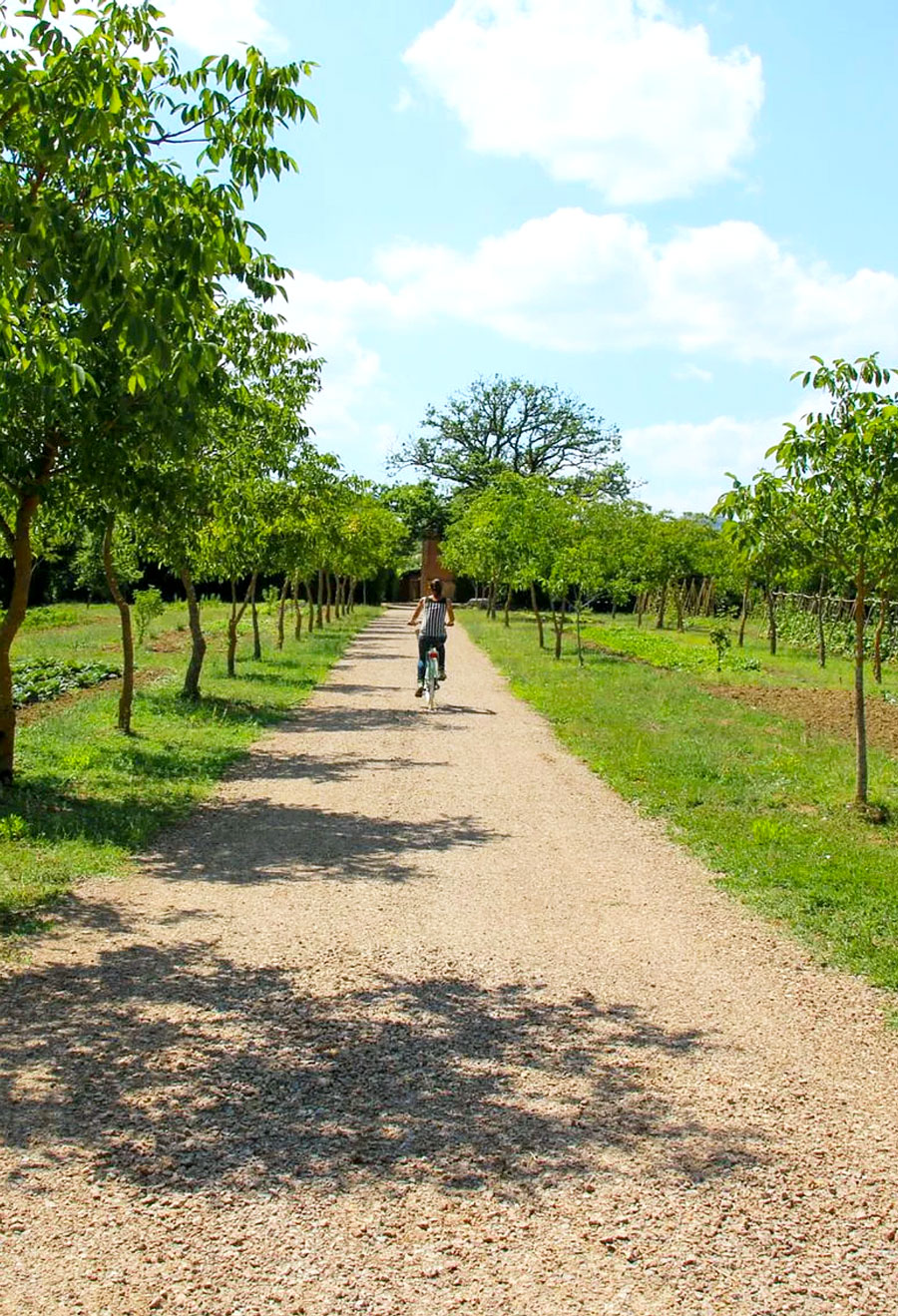
What Is a Farm Stay? (And Where To Experience One)
Increasingly, travelers’ priorities are shifting away from overtouristed destinations and experiences toward sustainable boutique resorts, farm-to-table dining, and activities that support local communities. This is especially true in the world of luxury travel. A decade or so ago, farm stays wouldn’t have been considered luxury accommodations, but that perception is quickly changing as travelers seek a more authentic and meaningful connection to their destination. Here’s how to join this growing travel trend.
What Is a Farm Stay?
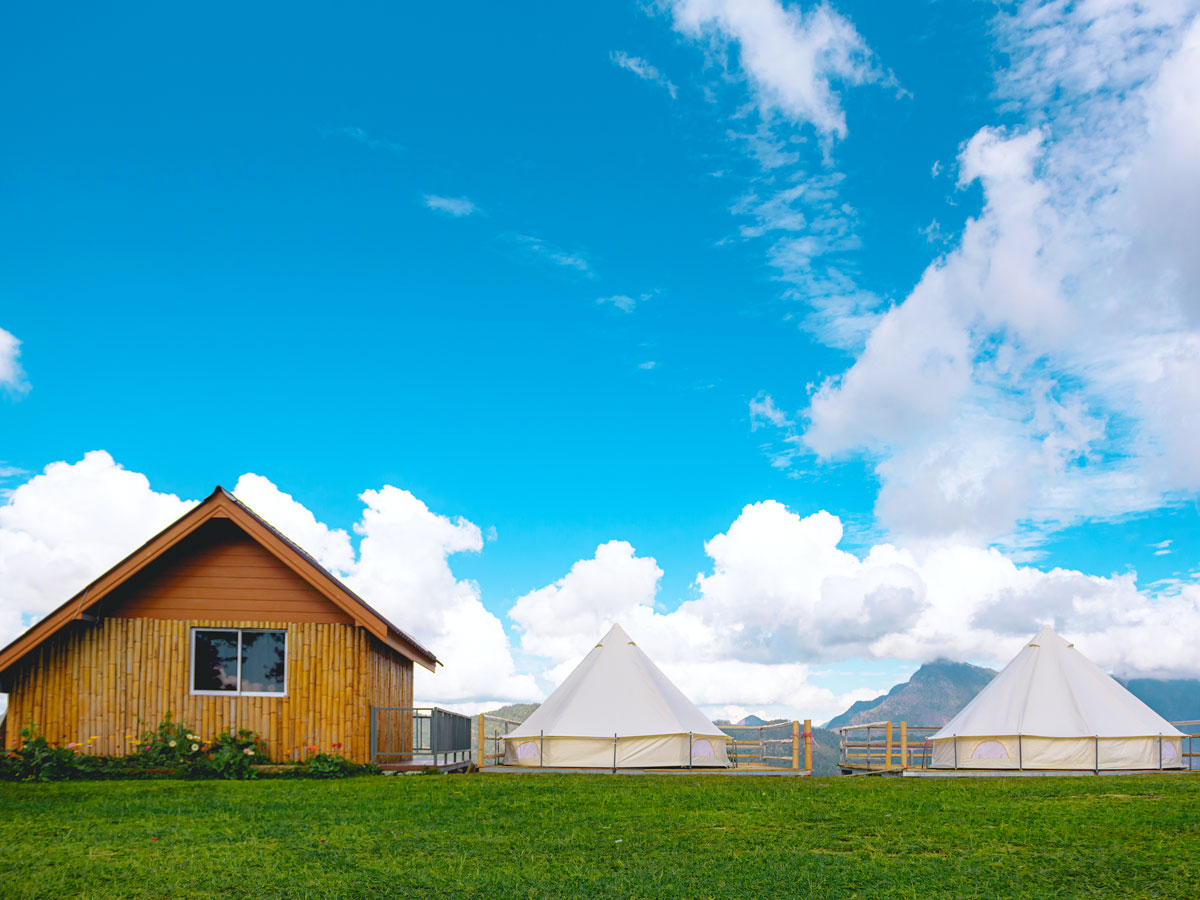
Simply put, a farm stay is any type of accommodation located on a working farm, but it can take many forms. Some are simple and rural, others have a rustic-chic aesthetic, and others offer high-end luxury. No matter the type of farm stay you choose, the common thread is an immersive, hands-on experience that connects guests to the land and daily rhythms of farm life.
Farm stays have been around for a while — even before there was an official name for them. In 1985, the term agriturismo (agritourism) was coined in Italy, officially and legally recognizing and protecting farm stays as a rural activity. Over the years, the concept has gained traction with travelers looking for experiences that feel meaningful, restorative, and connected to the local community.
Why Are Travelers Choosing Farm Stays?
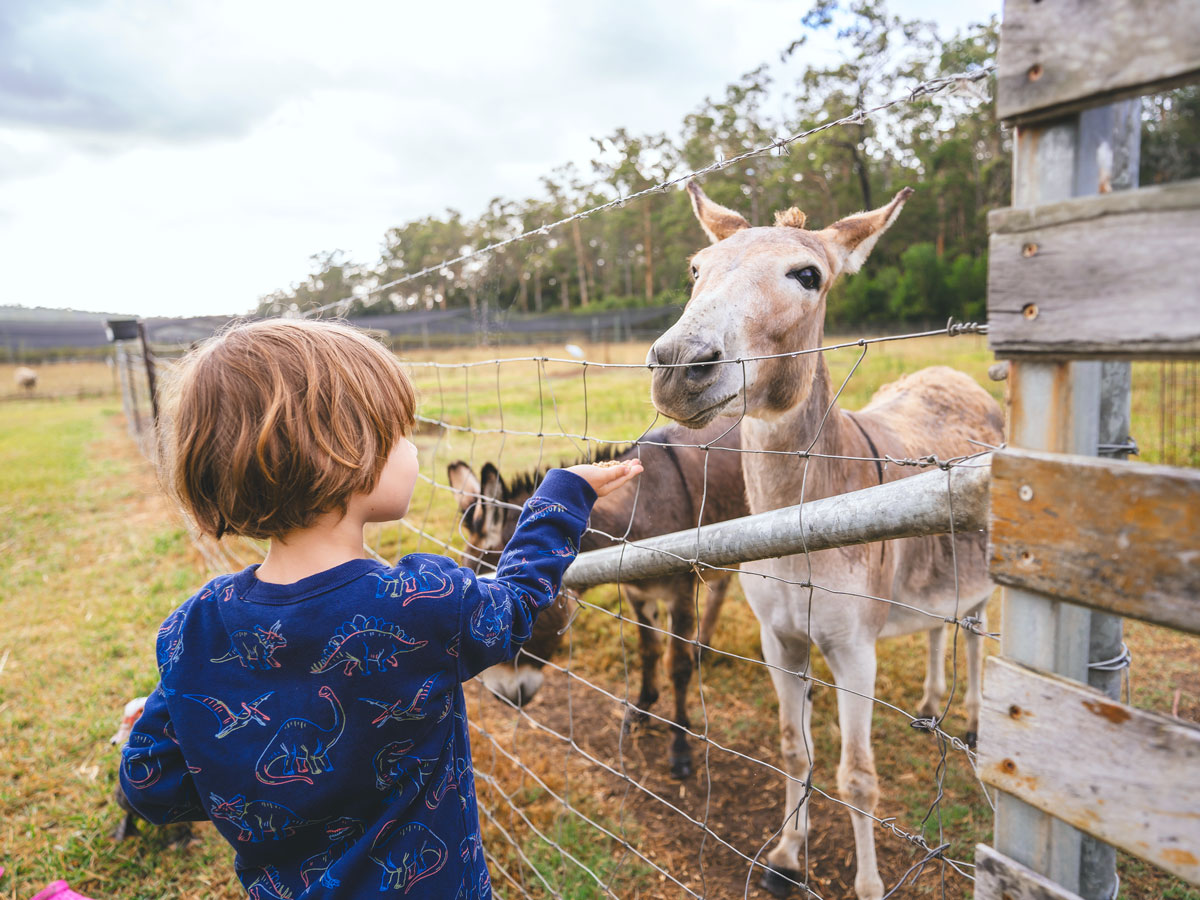
So, what’s all the hype about and why are some travelers choosing to stay on a farm, instead of in a hotel? A few key reasons stand out:
- Authenticity: Travelers increasingly want to know where their food comes from, meet the people behind a place, and experience local culture firsthand. Farm stays showcase this side of a destination that’s hard to find in conventional accommodations.
- Sustainable travel: Many farm stays operate with a lighter environmental footprint, using local ingredients, renewable practices, and small-scale operations. Guests can feel good knowing their stay directly supports local agriculture and economies.
- Farm-to-table experiences: Fresh, seasonal meals, often sourced just steps from the kitchen, are a major draw. For many diners, eating food grown on-site is a luxury in itself.
- Restorative travel: Farm stays encourage travelers to unplug, follow the rhythms of nature, and embrace a slower pace. Open landscapes, fresh air, and fewer crowds make them especially appealing to those seeking tranquility and simplicity.
- Hands-on experiences: From harvesting vegetables to learning traditional crafts or animal care, farm stays offer immersive activities that appeal to curious travelers.
Where To Experience a Farm Stay
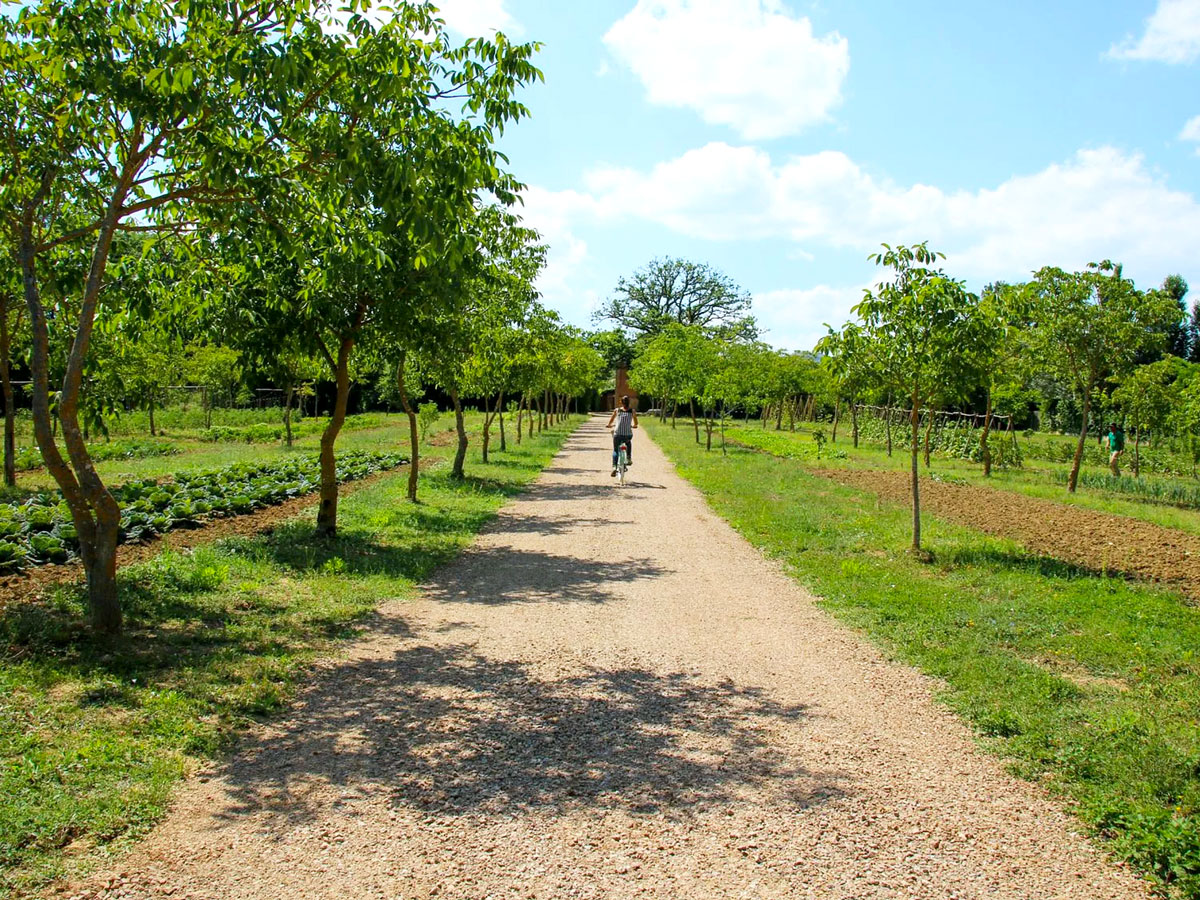
Farm stays are available all over the world — from their origins (officially, at least) in Italy to charming rural farms in the U.S. According to Fortune Business Insights, the worldwide agritourism industry was valued at $69.2 billion in 2019 and is expected to grow to $197.4 billion by 2032. Interested in experiencing it for yourself? Here are a few appealing farm stay options:
- Borgo Santo Pietro – Italy
Borgo Santo Pietro is a dreamy 13th-century estate turned five-star hotel set deep in the Tuscan countryside, about 45 minutes by car from Siena, near the village of Chiusdino. Known simply as “Borgo,” it blends historic charm with modern luxury, featuring a sprawling organic working farm, a Michelin-starred restaurant, lush gardens, and a spa focused on holistic wellness. Experiences include on-site herbal medicine workshops, forest bathing, cooking classes with homegrown ingredients, farm-to-fork dining, and wine tastings.
- Fat Sheep Farm – Vermont
Fat Sheep Farm is a cozy hideaway located on 60 acres of land in the New England countryside. Here, you can soak up rural life without giving up comfort. See: cabins with full kitchens, plush beds, and beautiful views over the farmland. During a stay at this award-winning farm, guests can join in farm activities like feeding animals, collecting eggs, or milking sheep. There are also lawn games, a natural playground, and a fire pit perfect for evening chats. The farm grows vegetables, fruit, and berries, so you get a true sense of where your food comes from. Seasonal workshops like cheesemaking or sourdough baking are just a few of the hands-on activities on offer.
- Zava Ranch – California
Zava Ranch is a chemical-free farm that’s family-owned and operated. Set in the rolling hills of Southern California’s Ventura County, the farm spreads across 20 acres of lemon and avocado groves. Guests can wander through the organic orchards, pick seasonal fruit, or simply relax and soak in the peaceful surroundings. Accommodations range from cozy cottages to a larger farmhouse, all with rustic charm and modern comforts. Days here include long countryside walks, stargazing at night, or participating in veganic (animal-free) planting and harvesting methods.
- São Lourenço do Barrocal – Portugal
Another family-owned estate, São Lourenço do Barrocal is nestled in Portugal’s Alentejo region, located near the medieval village of Monsaraz, close to the Spanish border. The property has been carefully restored into a collection of elegant, yet understated cottages, spread across rolling hills of olive groves, vineyards, and orchards. Guests can enjoy farm-driven meals, homemade wines, spa treatments, and outdoor experiences like biking, horseback riding, and guided walks, along with seasonal activities such as olive and grape harvesting.
More from our network
Daily Passport is part of Inbox Studio, an email-first media company. *Indicates a third-party property.