





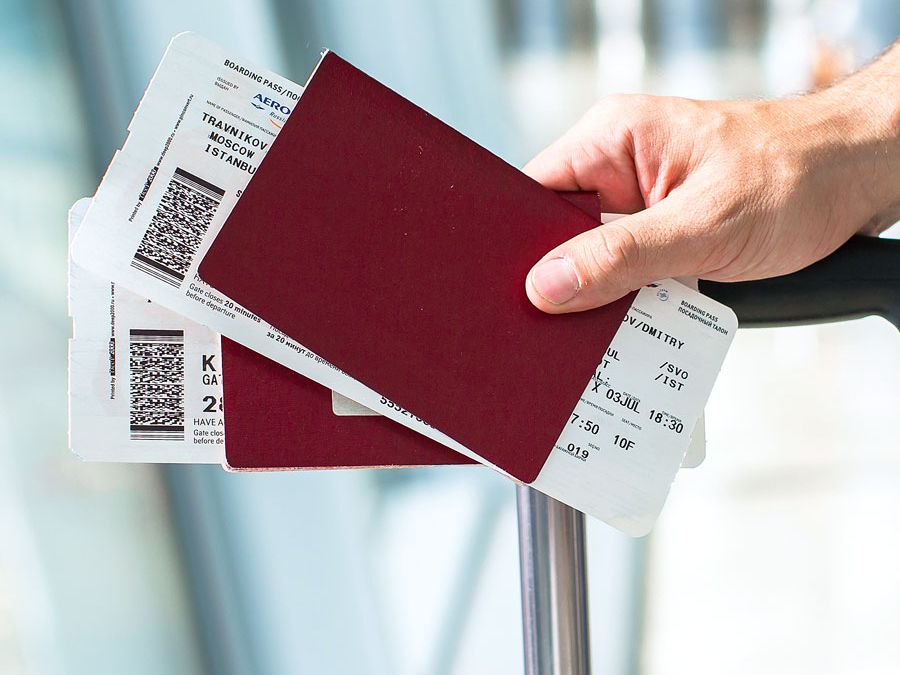
What To Do if the Airline Switches Your Seat Assignment
What To Do if the Airline Switches Your Seat Assignment
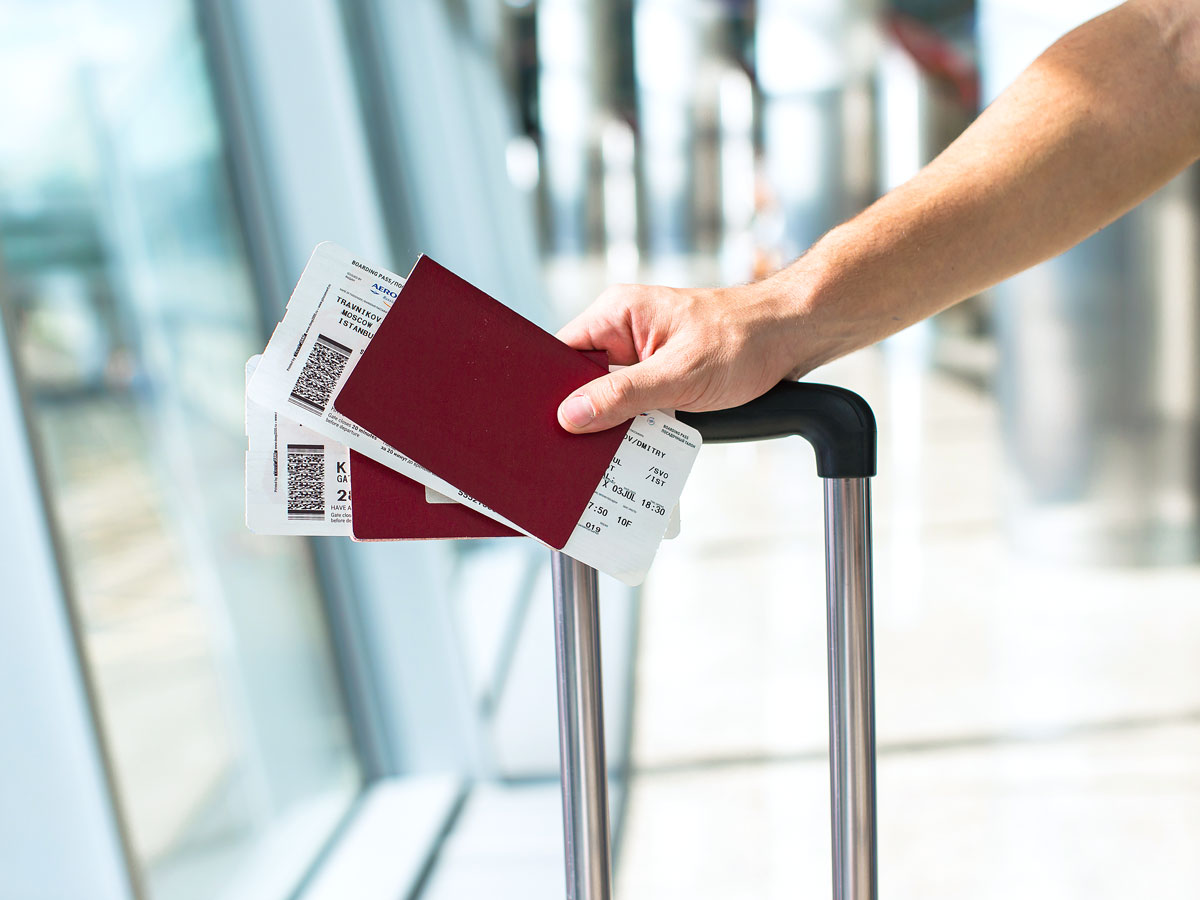

In an age where airlines charge for every possible extra, seat assignments have become an increasingly common frustration. Even if you’ve reserved in advance, booked rows together as a family, or forked over extra for a window seat, the airline could still switch your seat at the last minute. While seat selection is a major source of revenue for airlines, most carriers stop short of guaranteeing your choice. This doesn’t mean you’re completely out of luck, though. Here’s what to do if your airline switches your seats.
Why Do Airlines Change Seat Assignments?
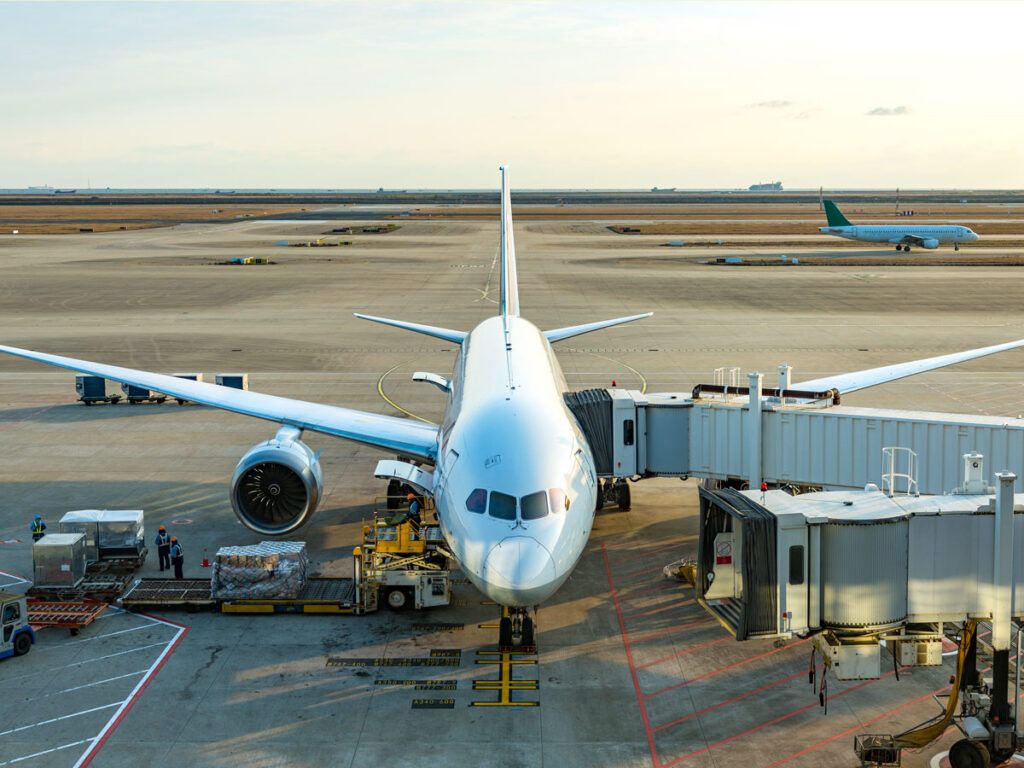
From a passenger’s perspective, seat changes often feel arbitrary. However, they are usually the result of behind-the-scenes operational decisions. Among the most common reasons is an aircraft swap. If a replacement plane is required, the new one might have a different seat configuration. This can make it impossible to honor every original assignment.
Safety and accessibility requirements can trigger changes, too. This can include moving passengers to meet an aircraft’s weight-and-balance requirements, accommodating travelers with disabilities, or providing seating for crew members. Most carriers also prioritize seating young travelers with a parent or accompanying adult.
Schedule disruptions are another reason. Delays, missed connections, and rebookings can sometimes force seating reshuffles. While frustrating, these changes are typically made with the goal of getting a flight out on time, without leaving passengers behind.
Are Seat Assignments Guaranteed?

While you might think the answer is “yes,” especially after paying for more legroom or a coveted window or aisle seat, for example, the reality is the opposite. Booking a flight means you purchase transit from one destination to another, not a guaranteed seat in a specific spot. Airlines stipulate in their contracts of carriage — the terms and conditions passengers agree to but rarely read — that they reserve the right to change seat assignments for operational needs, security reasons, or aircraft swaps.
Because of this, there may be times when you preselect a seat, only to receive a different assignment at check-in. As a general rule, the seat number displayed on your boarding pass when you board is your official assignment, and cabin crew will treat it as the final authority.
How To Deal With Seat Changes
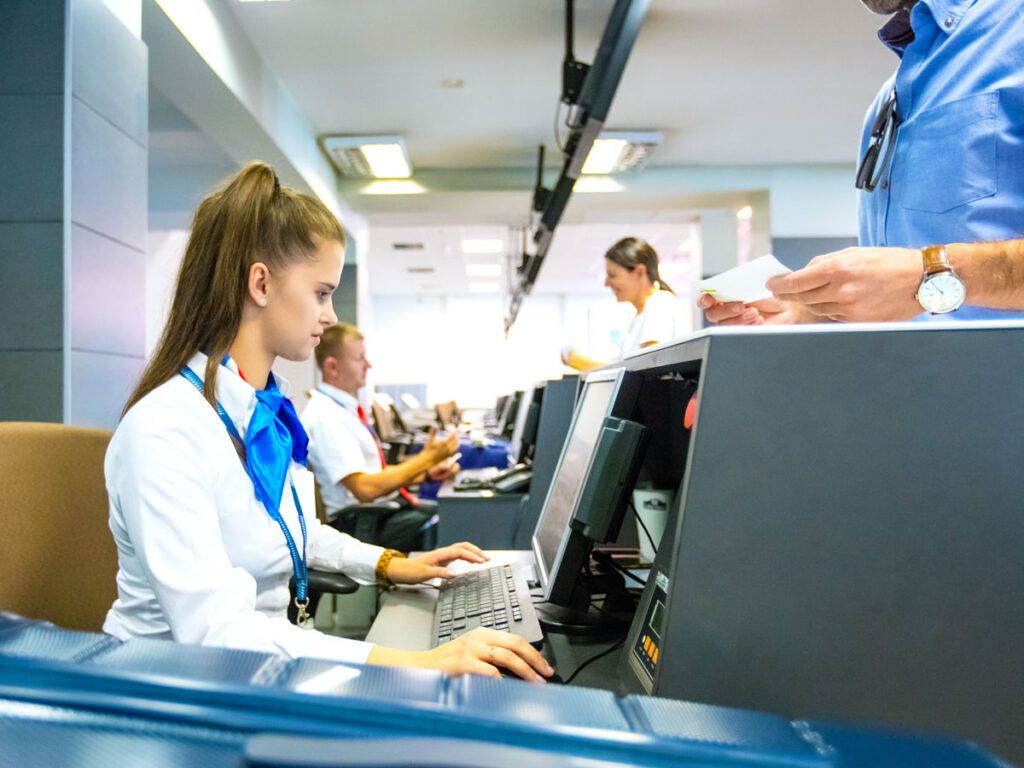
If you ever face the inconvenience of a seat change, acting quickly is crucial. The sooner you spot a discrepancy, the better the chance of recovering your original seat or a comparable alternative. Before heading to the airport, contact the airline via its customer service channels, app, or website. Earlier is better: More options are likely to be available before check-in closes.
If you’re already at the airport, speak with gate agents as soon as you can. Once boarding starts, the chances of recovering your seat (or obtaining a similar one) diminish. Whether you’re trying to keep your family seated together or addressing accessibility requirements, explain your situation clearly and politely — a friendly conversation will be more effective than quoting regulations in a raised voice. After all, staff are working within the constraints of seat availability.
In the event that you can’t resolve your situation before you board, don’t panic: Cabin crew can sometimes rearrange passengers and allocate empty seats once boarding is complete.
Helpful Tips
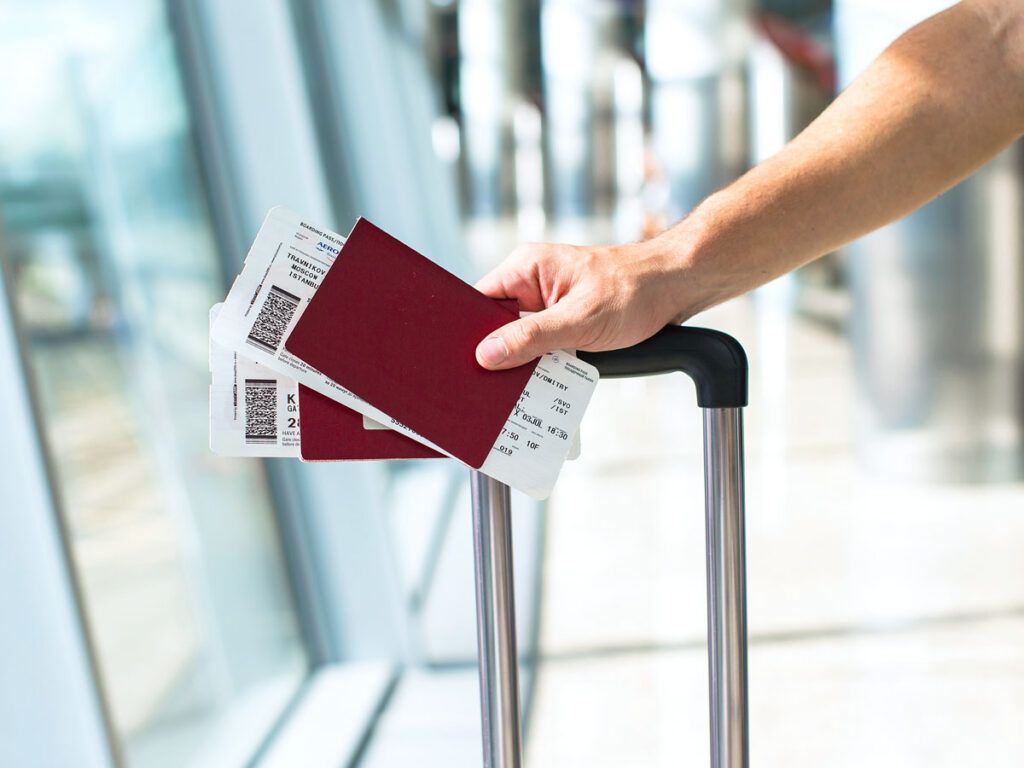
While no traveler can completely remove the risk of a seat reassignment, there are a few ways to reduce the chances of it happening.
- Avoid seats that may be needed for special circumstances: Bulkhead rows are typically reserved for bassinets; these seats could also be needed for passengers with reduced mobility.
- Save a record of your booking: This can include your receipt, confirmation email, or even a screenshot displaying your seat selection. This evidence can help if your seat gets moved and you request to be put back in your original seat.
- Check your reservation frequently: Seat changes can happen anywhere from weeks to hours before departure, and without much notice, so keep a regular eye on your itinerary on the airline’s website or app.
- Check in early and arrive with time to spare: Early check-in can give you a wider selection of available seats, and arriving early to the airport gives gate agents more time to resolve issues.
- Use seat-tracking apps: Services like ExpertFlyer let you monitor flight seat maps and receive notifications when a specific seat becomes available.
Can You Get a Refund or Compensation for Seat Changes?
Your passenger rights vary depending upon where you’re flying and with which airline. In the U.S., as covered above, airlines do not guarantee the right to a specific seat, even if you’ve chosen one in advance. However, if you paid an additional fee and didn’t receive your choice, or were moved to a less desirable seat, you could be entitled to a refund. For example, this applies if you lose an extra-legroom seat that carries additional charges and are moved to a regular economy seat.
When it comes to downgrades, the U.S. Department of Transportation (DOT) requires airlines to refund any passengers who are moved to a lower class of service (for example, first class to economy class). If you choose not to travel, you are entitled to a full refund instead of only vouchers or travel credits. If you choose to still fly and accept the class change, you’ll get a cash refund for the difference in fare between the original cabin and the one you actually fly in. Lucky passengers might be offered frequent flyer miles as an additional customer service gesture, but don’t count on it.
For flights throughout the European Union and United Kingdom, however, the protections are stronger. Passengers who are involuntarily downgraded can claim compensation ranging from 30% to 75% of the ticket price. The exact amount is determined by the flight distance. On longer flights, this can amount to a substantial refund for passengers who still travel in the lower fare cabin. It’s part of the EU 261 regulations, which also cover cancellations, delays, and denied boarding.
More from our network
Daily Passport is part of Inbox Studio, an email-first media company. *Indicates a third-party property.