





The Real Reason Flight Attendants Greet You at the Boarding Door
When you board an aircraft, your mind is likely focused just on finding your seat and settling in. If you’re greeted by a flight attendant, you may just think they’re offering a friendly welcome aboard and nothing more. But in fact, this fleeting interaction is more important than you might think.
Flight Attendants Are Assessing Your Mood and Physical State
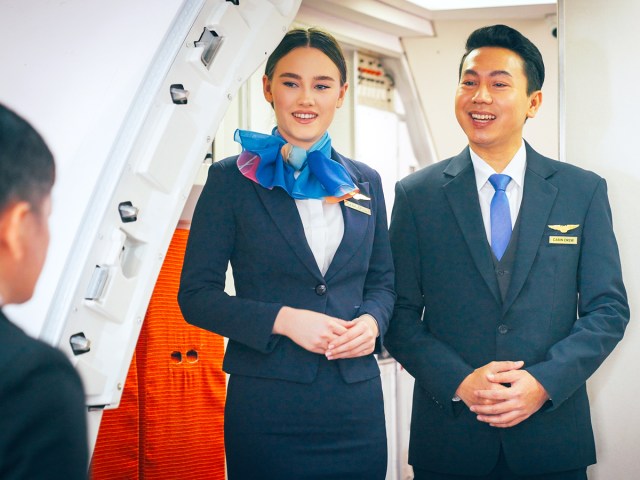
A simple greeting and a smile from the cabin crew isn’t all it may seem. Flight attendants use those few seconds to determine if a passenger is in a fragile state emotionally, is a high-maintenance or nervous flyer, or is displaying any important indicators, such as the sunflower lanyard worn by those with hidden disabilities.
They’ll also be looking for clues that any passenger may be intoxicated and could become uncooperative — flight attendants want to be confident that passengers are going to comply with instructions. Identifying potentially unruly passengers helps cabin crew ensure that everyone has a safe and smooth journey.
They’re Determining Who May Need Assistance During the Flight
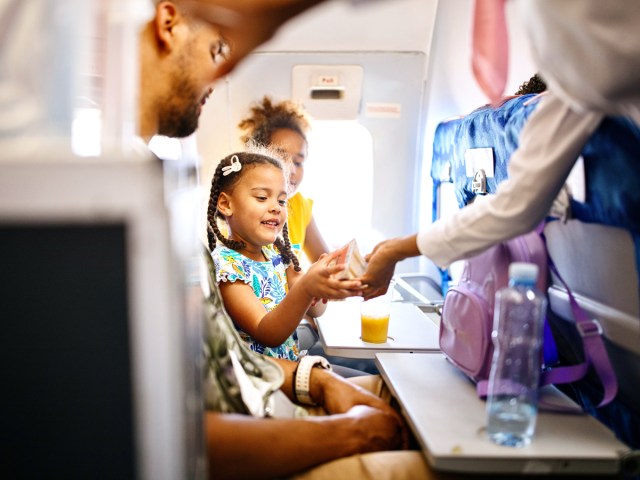
Flight attendants also need to know who may need physical assistance during the flight and crucially, in the event of an emergency. Safety is their top priority, so they’ll be looking out for anyone who might appreciate a helping hand, such as an adult traveling solo with young children or an elderly passenger who may take longer to deplane in an emergency.
Knowing this in advance helps the crew be more prepared and enables them to make a mental note of anyone that they may need to check on a little more frequently while in the air. Similarly, flight attendants are also clocking able-bodied passengers (ABPs) who have the capacity to look after others or assist with heavy doors in an emergency, and can be called upon by cabin crew if required.
It’s an Opportunity To Look for Anything Suspicious or Unusual

Even though airports carefully screen passengers and their luggage before they make it to the gate, the ultimate responsibility for passengers while in the air remains with the pilot and, by extension, their crew. So, it makes sense that those greeting passengers as they board will take the opportunity to assess whether anything appears out of the ordinary. Airline staff might also check boarding pass as another security measure to make sure no one sets foot on the plane who isn’t supposed to be there.
Additionally, anyone attempting to board with excessively large carry-ons or too many bags will be flagged at this stage, especially because it can slow down the boarding process. On wide-body aircraft, flight attendants often check boarding passes to tell passengers which aisle is best to use to reach their seat.
The Greeting Sets the Tone for the Flight
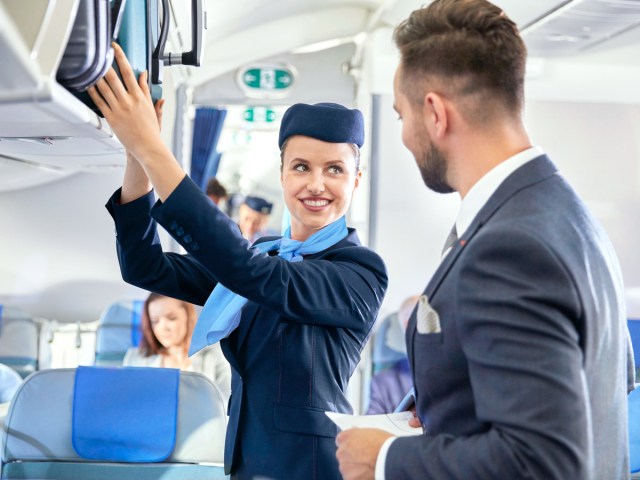
Passengers have their first interaction with the cabin crew as they board the plane, and it’s in everyone’s interest to get off to a good start. This is the first instance in which flight attendants can set the tone — some airlines are more formal than others, but friendliness and mutual respect should be universal. A congenial greeting helps foster a welcoming and inclusive atmosphere onboard where everyone can be comfortable.
More from our network
Daily Passport is part of Inbox Studio, an email-first media company. *Indicates a third-party property.