
Why Your Passport Photo Could Get Rejected
Why Your Passport Photo Could Get Rejected
Taking a passport photo is a relatively straightforward process. Many post offices and convenience stores offer it as a quick and easy service. But there are a number of reasons why the photo may be rejected with your passport application, forcing you to get another picture taken. Knowing the requirements can help ensure you get it right the first time. With that in mind, here are some of the most common reasons why passport photos get rejected.
Improper Lighting
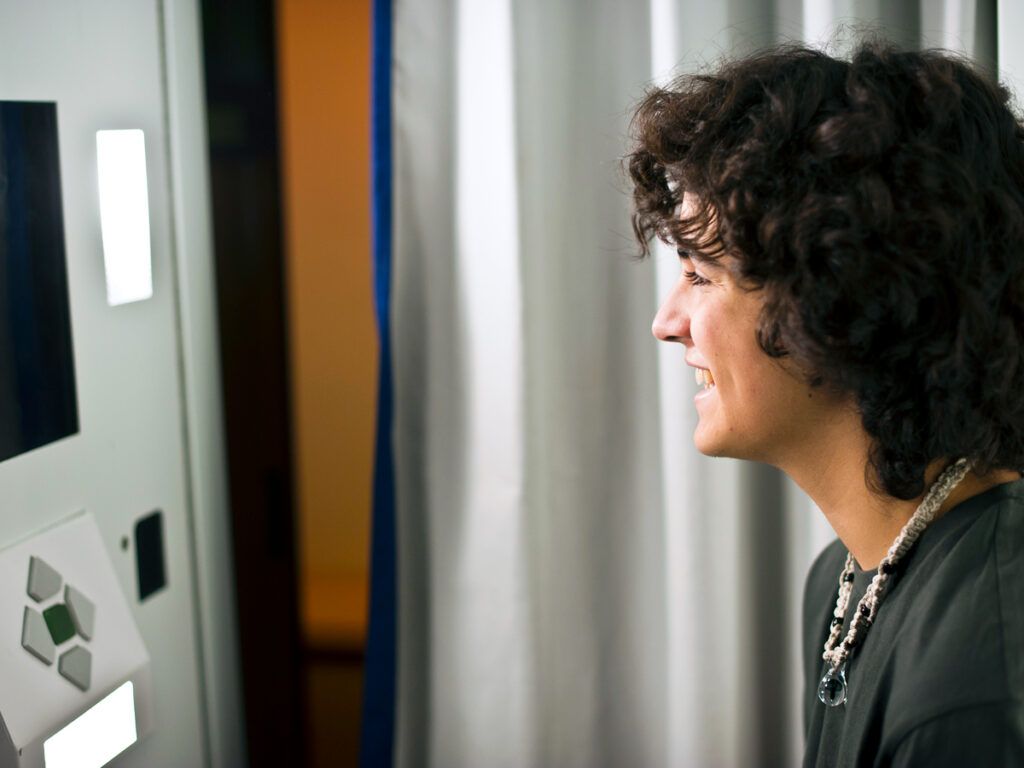
According to the U.S. Department of State, improper lighting and unwanted shadows are among the most common issues with passport photos. Overly bright lights can cause an image to be overexposed, dim lighting may lead to shadows that obscure the face, and a poorly placed overhead lamp can create uneven distribution of light. To ensure that your passport photo gets approved, make sure that lighting is evenly distributed on the face without any shadows in the foreground or background.
Prohibited Accessories
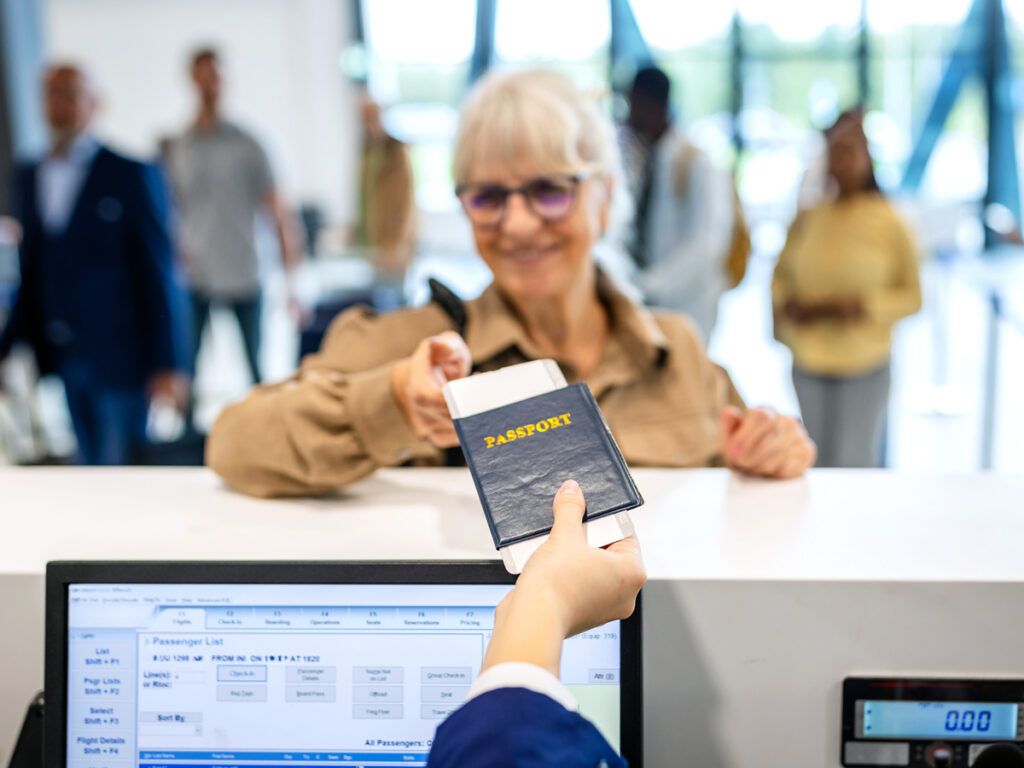
Passport photos are often rejected because the applicant is wearing eyeglasses, so be sure to remove yours beforehand. That said, there are medical exceptions that allow you to keep your glasses on. According to the State Department, “If you cannot remove your glasses for medical reasons, please include a signed note from your doctor with your application.”
When it comes to attire, avoid wearing any uniforms and camouflage clothing. Additionally, remove any masks, headphones, hands-free devices, or other accessories that obscure your face or identity. Jewelry and facial piercings are permitted as long as they don’t obstruct your facial features.
Lastly, be sure to remove hats or head coverings, except those of a religious or medical nature. Religious headwear is permitted as long as you submit a signed statement affirming you wear it each day (and it doesn’t obscure your face), while medical headwear is allowed with a signed doctor’s note. That said, headwear should still allow the face to be fully visible, and the item must be one color without any patterns.
Incorrect Background
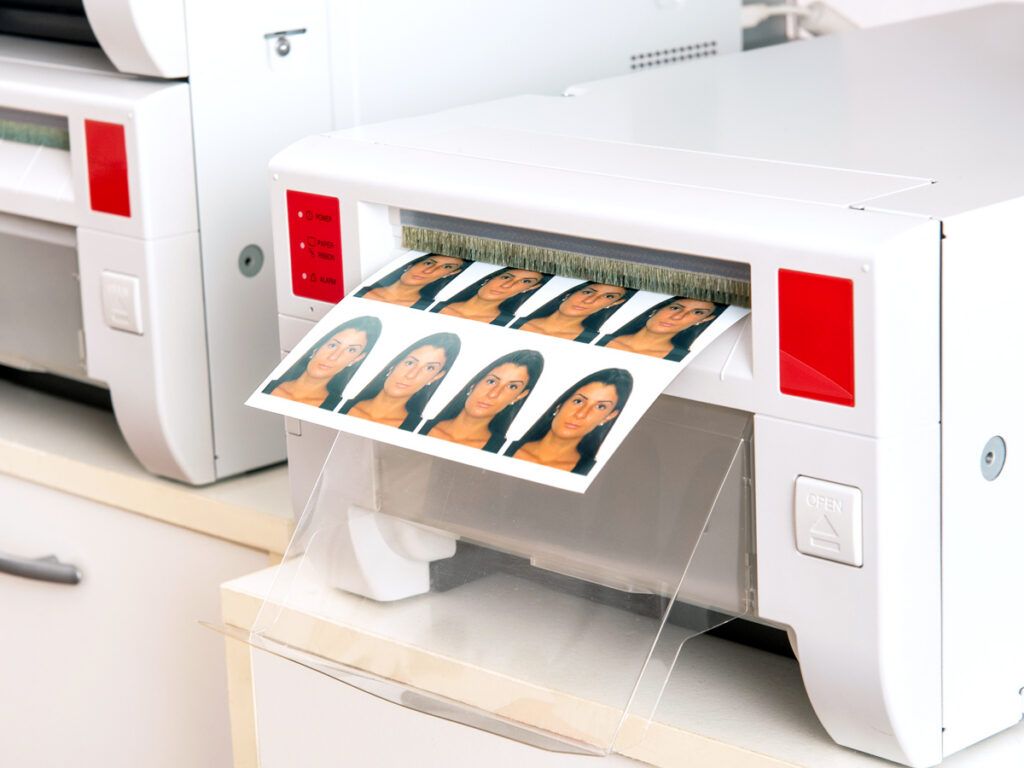
When taking a passport photo, always stand in front of a plain white or off-white background with no patterns, lines, objects, or shadows. A white brick wall, for instance, may result in rejection due to the textured nature of the brick, and a wall that has windows will also be flagged. That said, there are rare medical exceptions in which it’s permitted for an item to appear in the background — for example, if you sit in a wheelchair with a visible headrest. (You must include a medical note in your application that states the need for a wheelchair, however.)
Facial Expressions
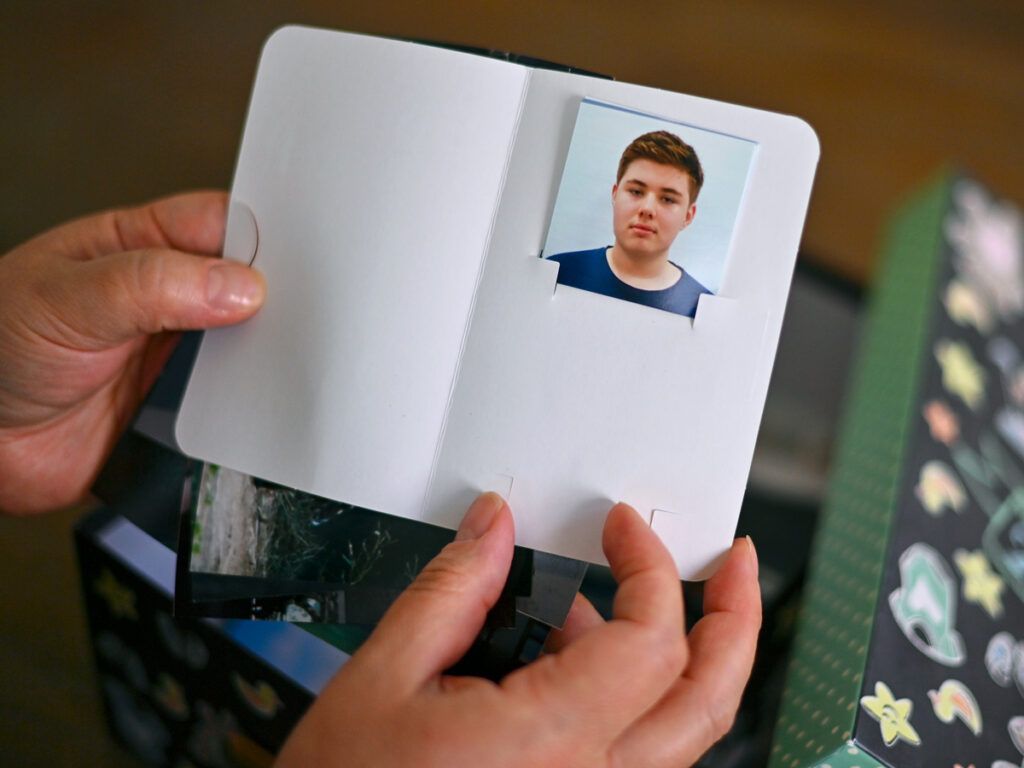
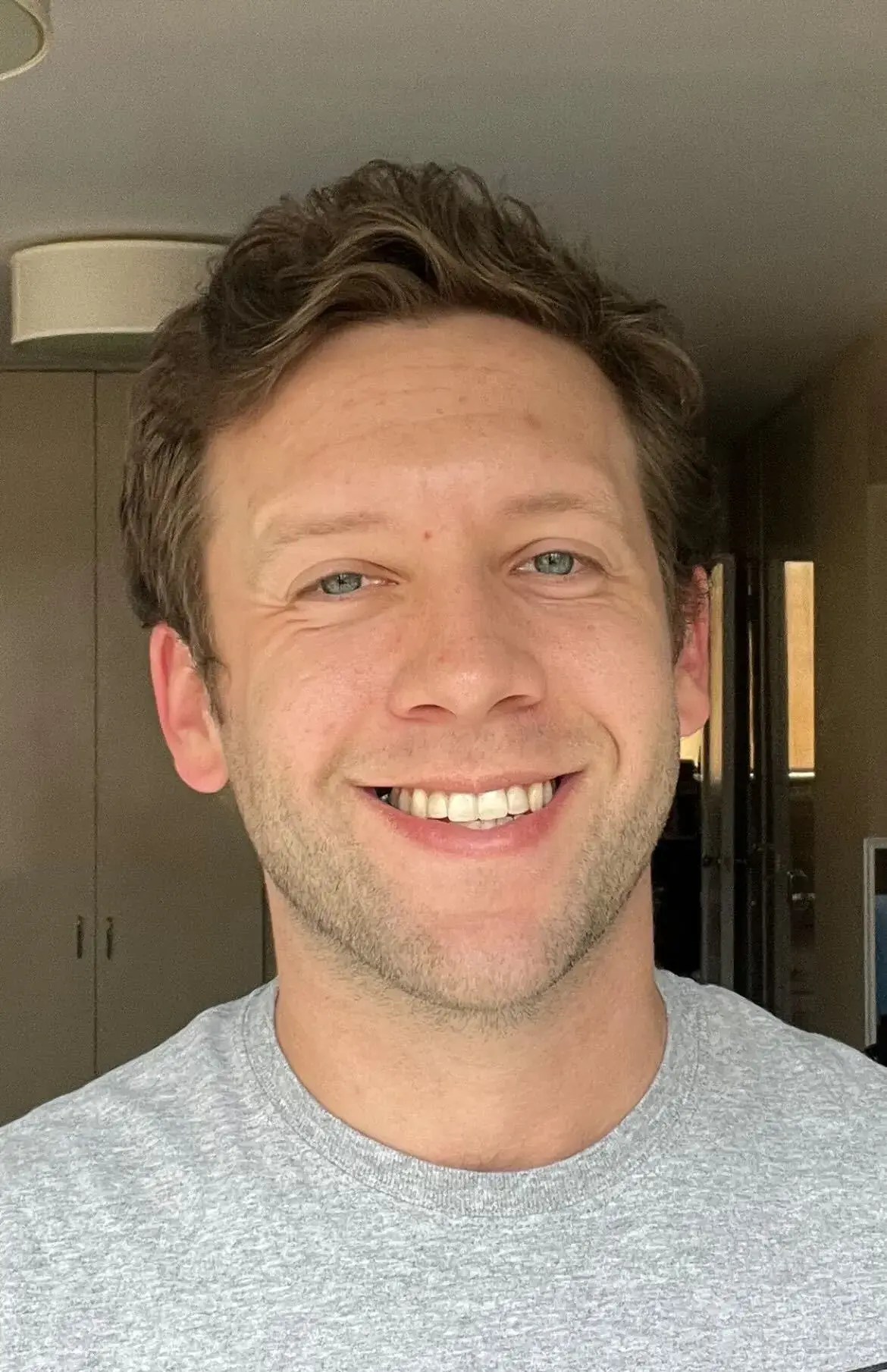
While you might like to make a goofy face when taking personal photos, always maintain a neutral expression when taking your passport photo. Keep both eyes open, too, so the color of your pupils is clearly visible. And while smiling is allowed, you should keep your mouth closed and avoid displaying any teeth. Lastly, it’s important to face directly toward the camera. Turning your head to the side or angling it upward or downward increases the odds that your photo will be rejected.
Digital Alterations
Passport photos must be 100% unaltered images; any edits or filters will result in rejection. For instance, say you snap a passport picture in front of a black wall, and then use digital editing software to remove the black paint and make it white. You may think this is a clever workaround, but the cropped photo will likely be flagged since you retouched the outline of your head and neck. The passport photo must remain in its original, authentic condition.
Poor Quality
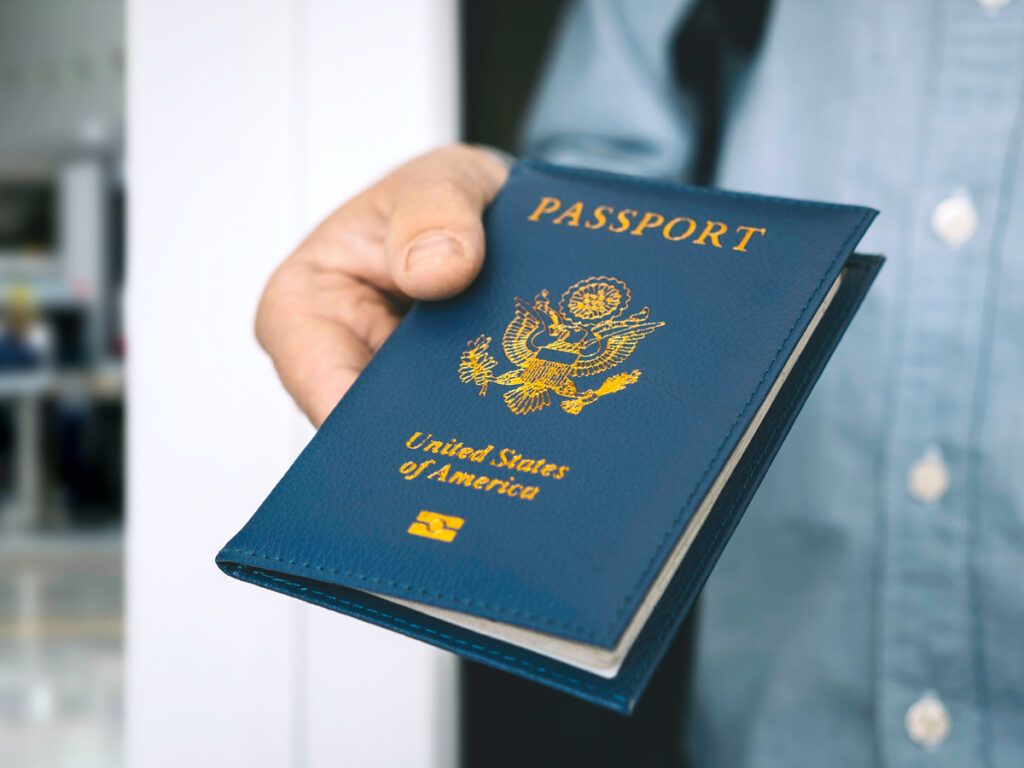
The State Department has strict guidelines when it comes to passport photo quality. Use only high-resolution images, and avoid anything that’s grainy, pixelated, or blurry. Also, your photo must be printed on matte or glossy photo paper; lower-quality photocopies are likely to be rejected. Lastly, the photo should measure exactly 2 inches by 2 inches, and the size of your head in the photo must be between 1 inch and 1 3/8 inches from the bottom of the chin to the top of the scalp.
More from our network
Daily Passport is part of Inbox Studio, an email-first media company. *Indicates a third-party property.