





Why You Sleep Worse When Traveling
Why You Sleep Worse When Traveling
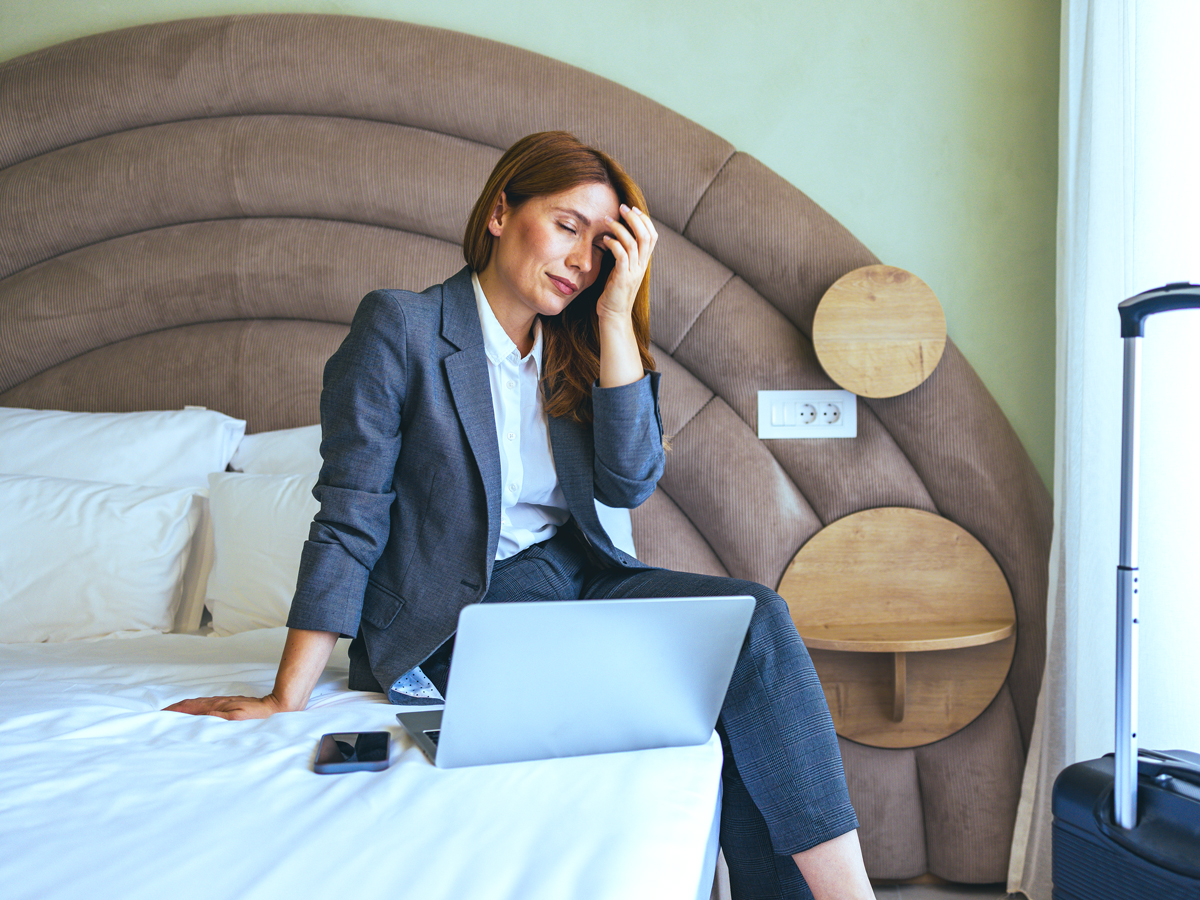

You’ve just stepped off a 10-hour flight, made it to your hotel, and crawled into a plush bed at long last. But instead of conking out immediately after an exhausting day of travel, you find yourself wide awake and unable to sleep. You’re not alone: Many travelers sleep worse on the road than they do at home. And there’s an explanation for that.
The First-Night Effect
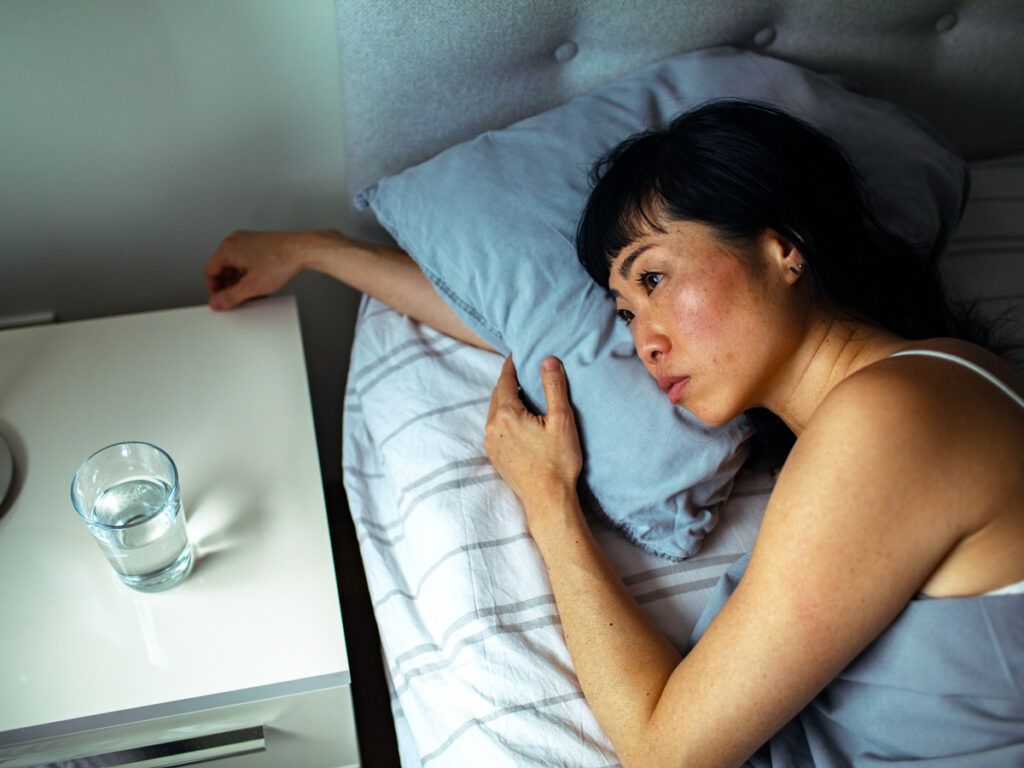
When you attempt to fall asleep in an unfamiliar environment, you may suffer from a phenomenon scientists call the “first-night effect.” This typically happens for a night or two after you settle into an unfamiliar environment, particularly while traveling. Although hotels are intended to be safe and comfortable, the human brain is wired to stay on high alert and detect potential threats in less familiar places, even if threats aren’t likely to be present.
Studies have shown the brain remains highly vigilant when sleeping somewhere new for the first time. It’s prone to react to any unusual sounds, light, or other sensory stimuli. Clinical psychologist Dr. Madeleine Jago warned in an interview with Condé Nast Traveler that such hyperactivity in the brain often “leads to more wakings and trouble falling back asleep throughout the night.” All it takes is a rattling air conditioner, a creaky housekeeping cart, or a person speaking in the hallway to trigger the brain into thinking something could be wrong, causing you to spring up, wide awake.
Thankfully, this hyperalert state of vigilance fades the longer you stay in a hotel room, so you should feel more at ease a few days into the trip. But it can be difficult if you’re spending just a night or two in a hotel room before moving to the next destination. You may find that, in those cases, you never really get settled and feel restless for the entire trip.
Changes in the Sleep Environment
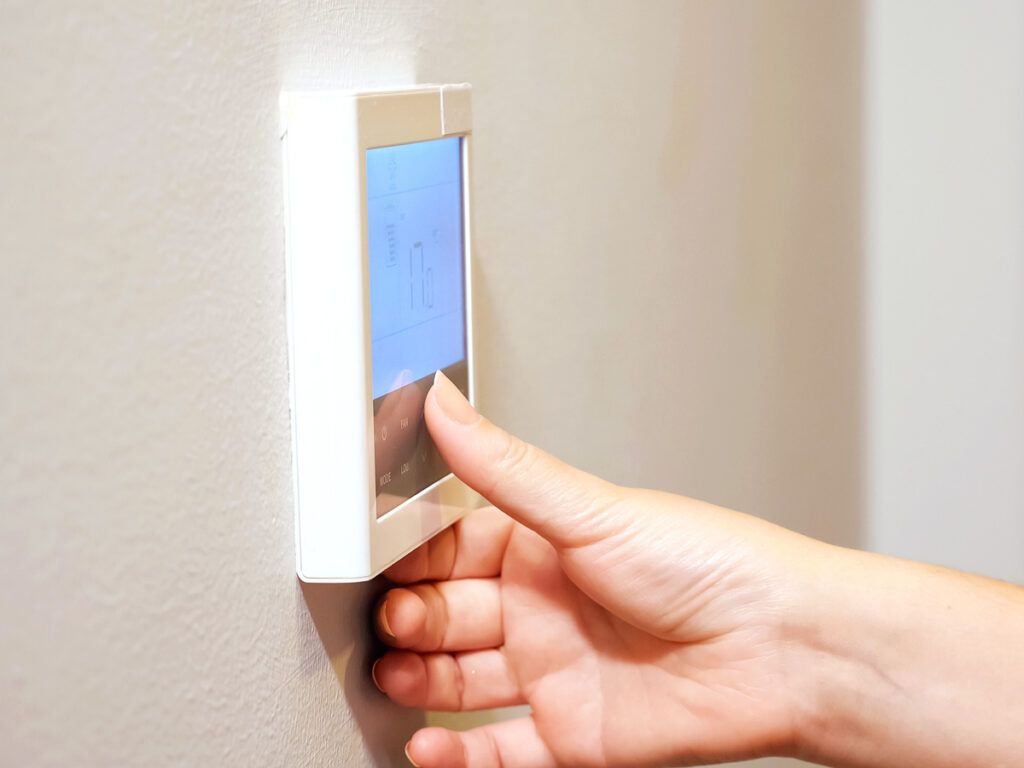
At home, you probably have your sleep routine down to a science. You can set the temperature precisely to your liking, turn on a sound machine, and use blackout window curtains to keep light at bay. But all those comforting elements are easily disrupted when traveling, and some may be out of your control to remedy.
For instance, the hotel thermostat may prevent you from setting the temperature as low as you’d like it to be (though there’s a work-around that may help), or the mattress and pillows may be much firmer than you’re used to. (That’s where pillow menus come in handy.) You may also find that your hotel room overlooks a busy highway or city street, and those noises can be tough to drown out. All of these factors can leave you feeling stressed and unable to decompress.
Mental Factors
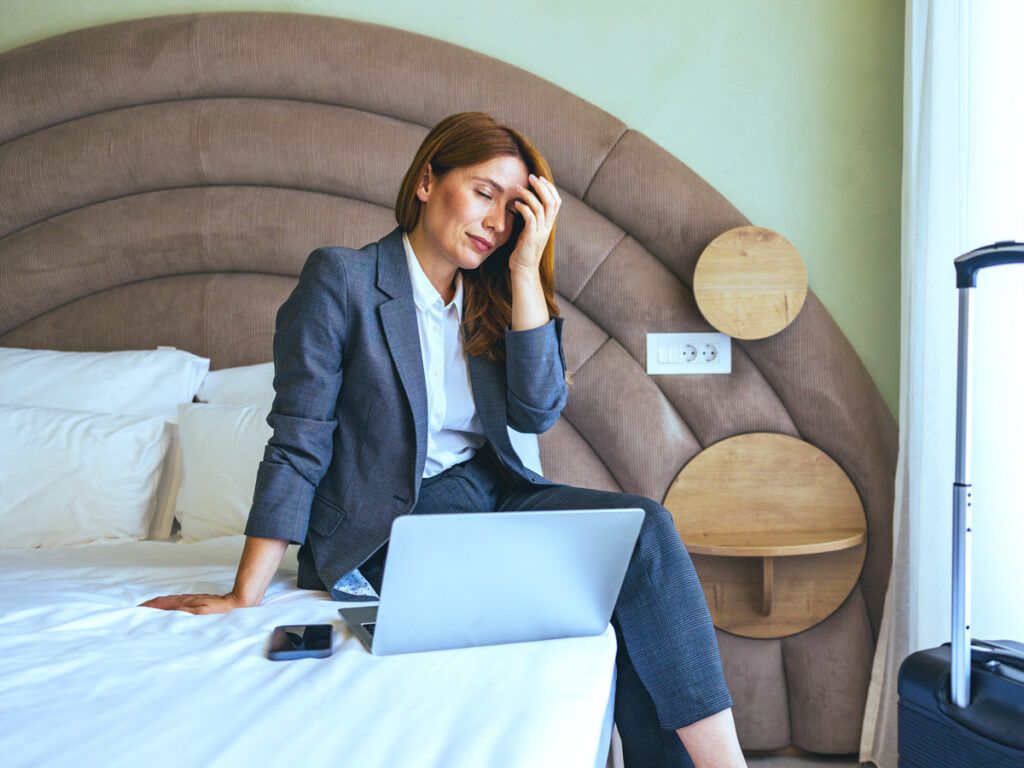
Even if you’ve spent a few days adjusting to the room, certain anxieties may persist that keep you awake. The reality is that travel can be stressful. If you’re traveling for work, for example, you may toss and turn all night worrying about a big meeting the next day. Or if you’re traveling for pleasure, you may feel so excited for a fun day of activities ahead that you struggle to shut off your brain.
Additionally, jet lag plays a major role when you cross into different time zones. It may be 3 a.m. in the city you’re visiting, but your body may think it’s 1 p.m. (Check out our tips for beating jet lag here.) Plus, getting a proper night’s sleep before a flight can be stressful in its own right, as you may fret over missing your flight.
How To Sleep Well When Traveling

Fortunately, there are several solutions that can help you get a better night’s sleep on vacation. First, try introducing calming sensory stimuli into the room. Familiar scents, for example, have been proven to break negative thought cycles and can be used to help you relax. Consider bringing a blanket, shirt, or something else that smells like your bedroom back home, and sleep with it close to your body for comfort.
In a similar vein, a travel-sized sound machine can play a role in promoting rest. The simple and consistent sound of rainfall, a flowing river, or a fan, for instance, can mask disruptive noises and help you to decompress. Also consider a sleep mask to block out unwanted light from outside or the hallway.
Importantly, try to stick to your normal bedtime routine as closely as possible. If you meditate or read before bed at home, do the same on the road.
If you still can’t sleep, instead of just tossing and turning in bed, get up and do something calm yet productive to help you wind down. In an interview with National Geographic, Dr. Rebecca Robbins of Harvard Medical School suggested writing down what’s bothering you on a piece of paper, which helps relieve the brain of any stressful thoughts. It may also be helpful to do a low-light, low-impact activity, like breathing exercises or even folding clothing. Robbins said that you should spend time in bed only when you feel tired, as that can “strengthen associations between your bed and a good night’s rest.”
More from our network
Daily Passport is part of Inbox Studio, an email-first media company. *Indicates a third-party property.