

The Most Famous Roads in America, From Route 66 to Pennsylvania Avenue
The Most Famous Roads in America, From Route 66 to Pennsylvania Avenue

While practically every town in the country’s got a quaint Main Street to call its own, there are just a handful of stretches of road that go far beyond that — avenues, boulevards, and highways that have become world-famous cultural icons and destinations unto themselves. Embodying America’s rich, varied cultural history, these are 10 of the most famous roads in America.
Route 66 – Chicago, Illinois, to Los Angeles, California
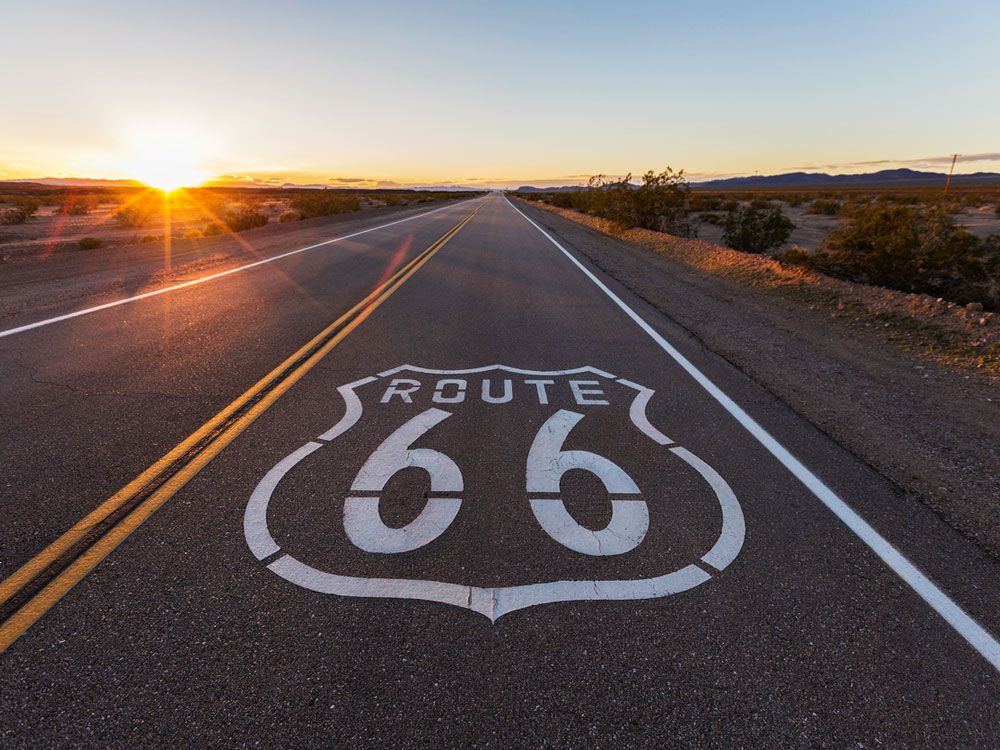
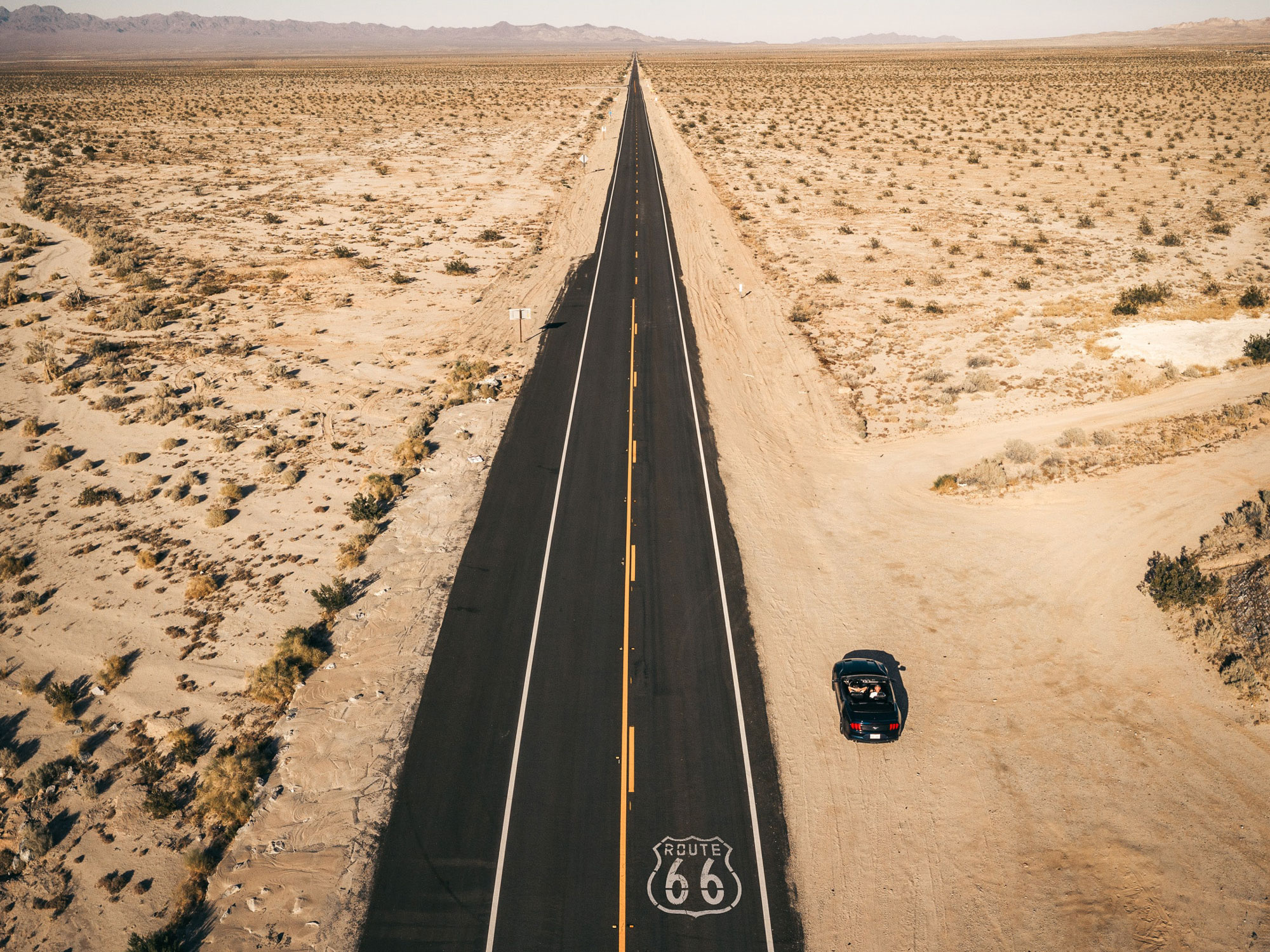
Perhaps no road in the U.S. is more famous than Route 66, which celebrates its 100th anniversary in 2026. Connecting Chicago to Los Angeles, Route 66 was the country’s first all-weather paved highway. Its origins date back to the Federal Aid Highway Act of 1916 and the desire to connect small communities to the rest of the country. In 1926, America’s independent transportation trails were integrated into a unified numerical system, the United States Numbered Highway System, and Route 66 officially opened in November of that year.
Stretching 2,448 miles through eight states, the new highway allowed agricultural goods to be transported more efficiently and gave truckers a direct route to California. As the route grew in popularity with travelers, so too did its kitschy, roadside attractions, leading to the popularity of the modern-day road trip and the quirky experiences we’ve come to expect along the way. In doing so, Route 66 became more than just a road — it became a symbol of American optimism and adventure.
The Magnificent Mile – Chicago, Illinois
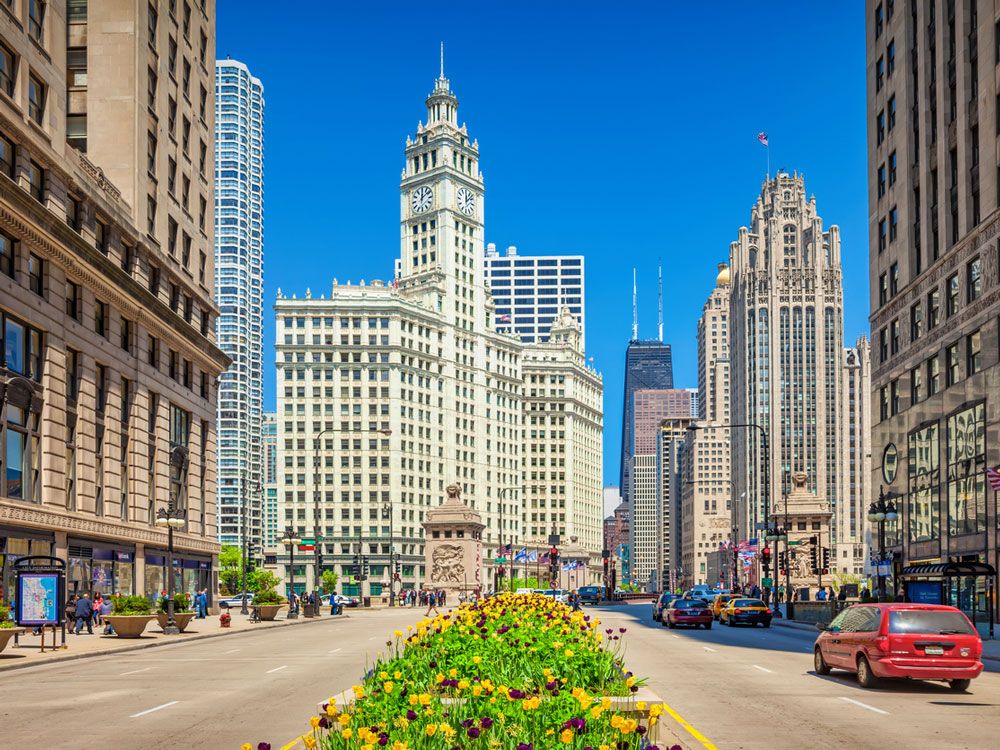
Visitors to the 13-block stretch of Michigan Avenue known as “The Magnificent Mile” enjoy high-end shopping, restaurants, and stunning architecture — all thanks to the Great Chicago Fire. After Mrs. O’Leary’s cow knocked over that infamous lantern that burned down a huge swath of the city, developers created the “Chicago Plan,” a proposal to transform Michigan Avenue from a trading post to a boulevard inspired by the Champs-Élysées in Paris. The Michigan Avenue Bridge opened in 1920 and connected old Chicago to the rebuilt Chicago across the river, which prompted the construction of the many skyscrapers you see today. Commerce continued to expand and the street was officially dubbed the Magnificent Mile in 1947.
Wall Street – New York, New York
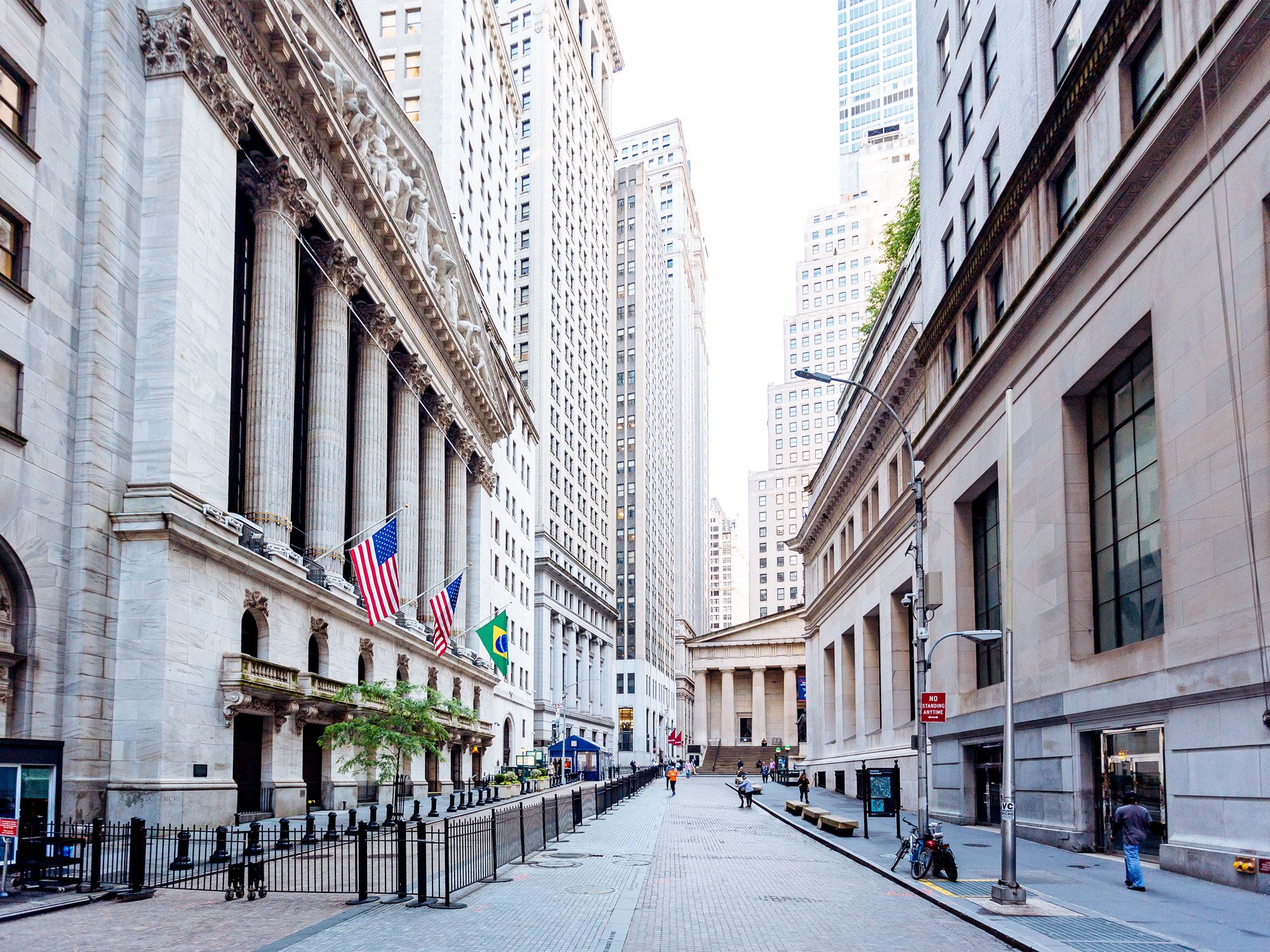
Wall Street didn’t earn its name from the tall buildings surrounding it — the street is actually named after an actual wall. When Dutch colonists controlled Manhattan in the 1600s, residents worried the British or Native Americans would invade, so the governor ordered “de Waal Straat” to be built in 1653 to defend against an expected English invasion. The wall was eventually demolished in 1699, but the street we know today as the nation’s financial capital was built around the original defensive structure. Later, traders attending a bazaar along the wall met below a sycamore tree, where they created the New York Stock Exchange in 1792.
Bourbon Street – New Orleans, Louisiana
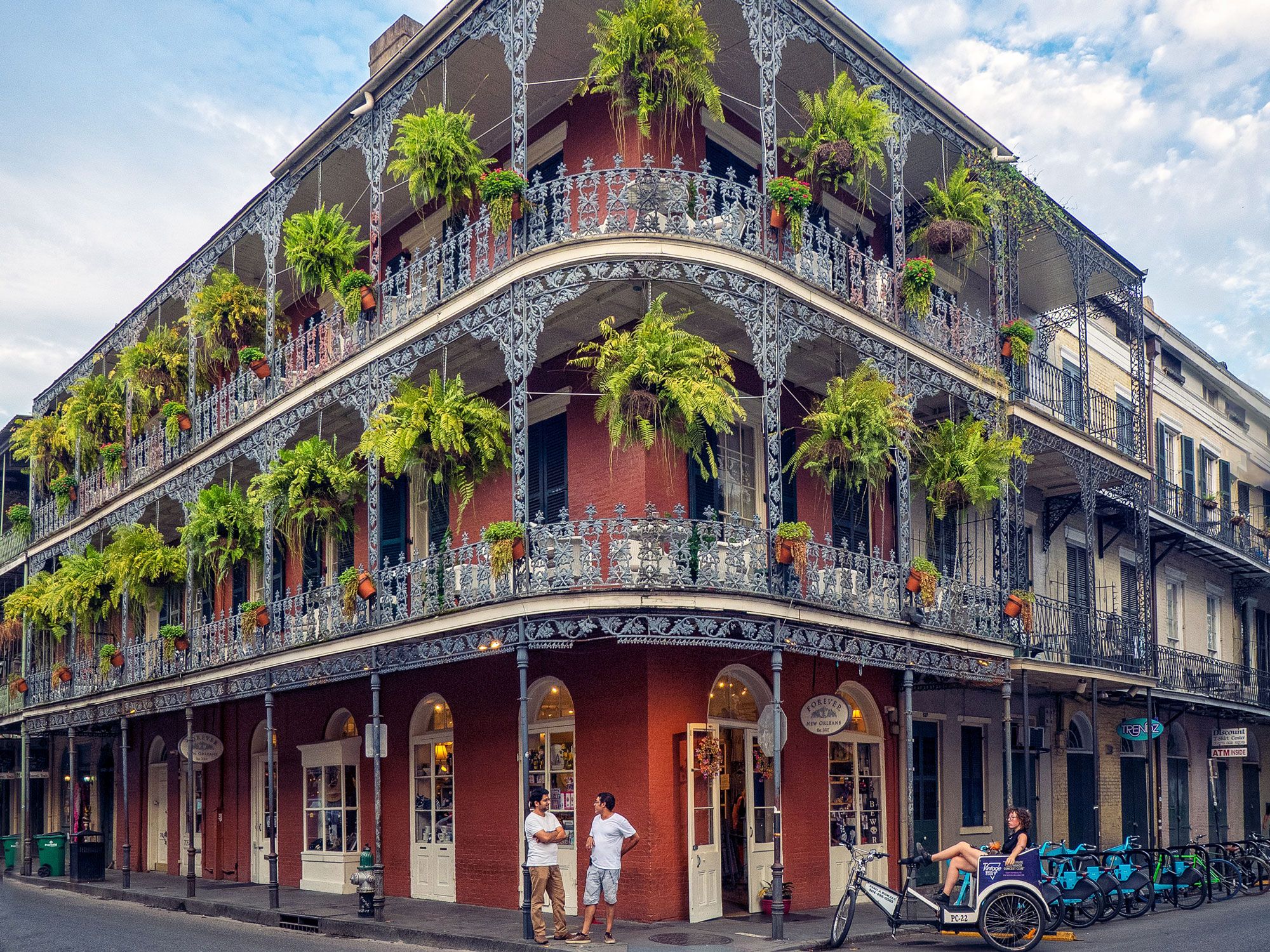
Mardi Gras revelers and other visitors to one of the world’s most famous celebratory thoroughfares may not know this, but Bourbon Street actually wasn’t named after the alcohol. It was named for a French royal family in power when the street was being planned in 1721. The street gained its current reputation in 1917, when a nearby vice district closed and entertainment venues had to be moved somewhere else. Today, it makes up the beating heart of the French Quarter, full of music, food, cocktails, Creole culture, and historic architecture that make it unlike any other street in the country.
Las Vegas Boulevard – Las Vegas, Nevada
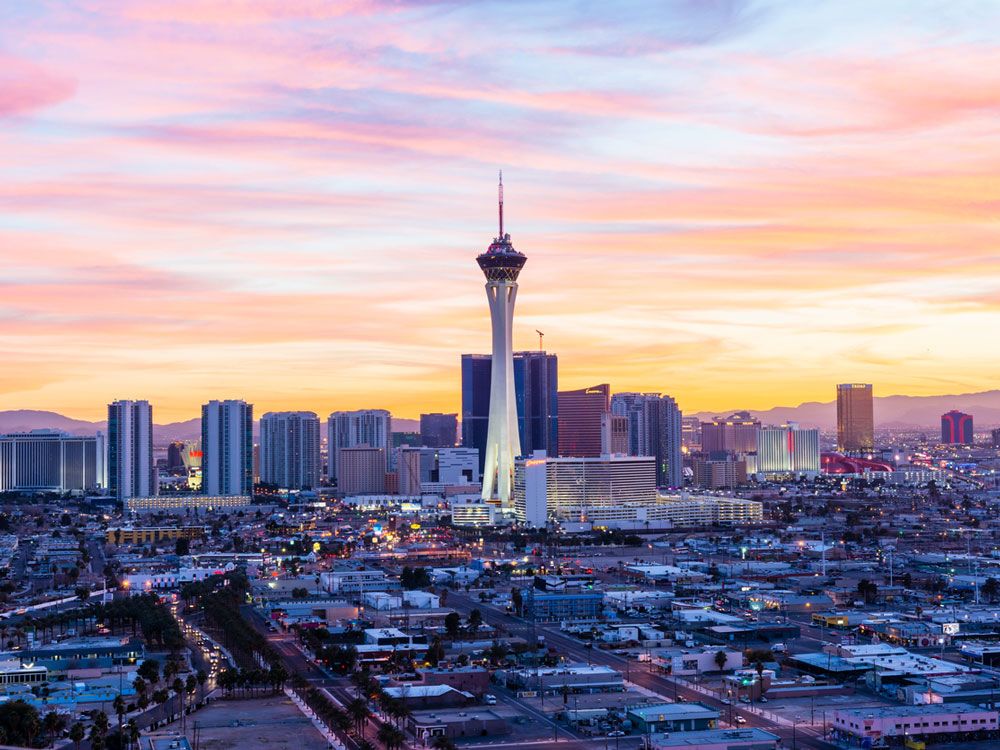
Las Vegas Boulevard, also known as the Strip, is instantly recognizable due to its bright, colorful lights and opulent casino buildings. The first casino resort, El Rancho Vegas, opened in 1941, mimicking the style of casinos that had opened on nearby Fremont Street during construction of the Hoover Dam.
More casinos and hotels followed, but the area didn’t fully take off as a place for big-name entertainment until five years later, when mobster Bugsy Siegel opened his Flamingo resort. From that point on, mobsters continued to build more lavish spots and bring in even more top-billed talent. Today, it makes up the heart of Sin City’s entertainment district and attracts upwards of 40 million visitors each year.
Beale Street – Memphis, Tennessee
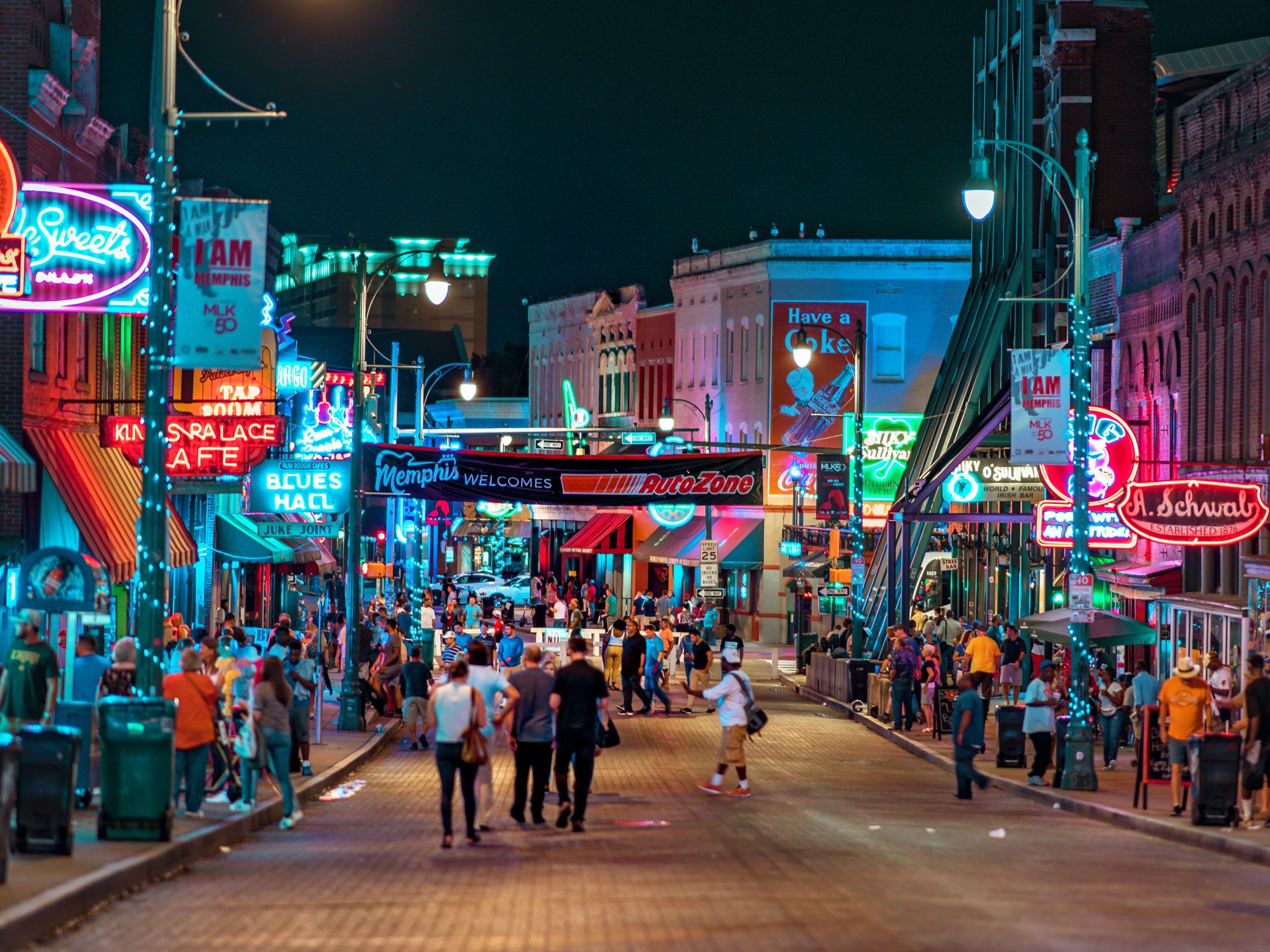
After it was opened in 1841, Beale Street in Memphis became a thriving center for Black business and culture. Robert Church, a former enslaved person, brought the street back to its original glory after yellow fever decimated the area, and Ida B. Wells ran her newspaper from a church there. As it did in the early 1900s, music still spills out into the street from clubs and bars, celebrating the heritage of the area as not just a center for Black enterprise, but also as the official “Home of the Blues.”
Pennsylvania Avenue – Washington, D.C.
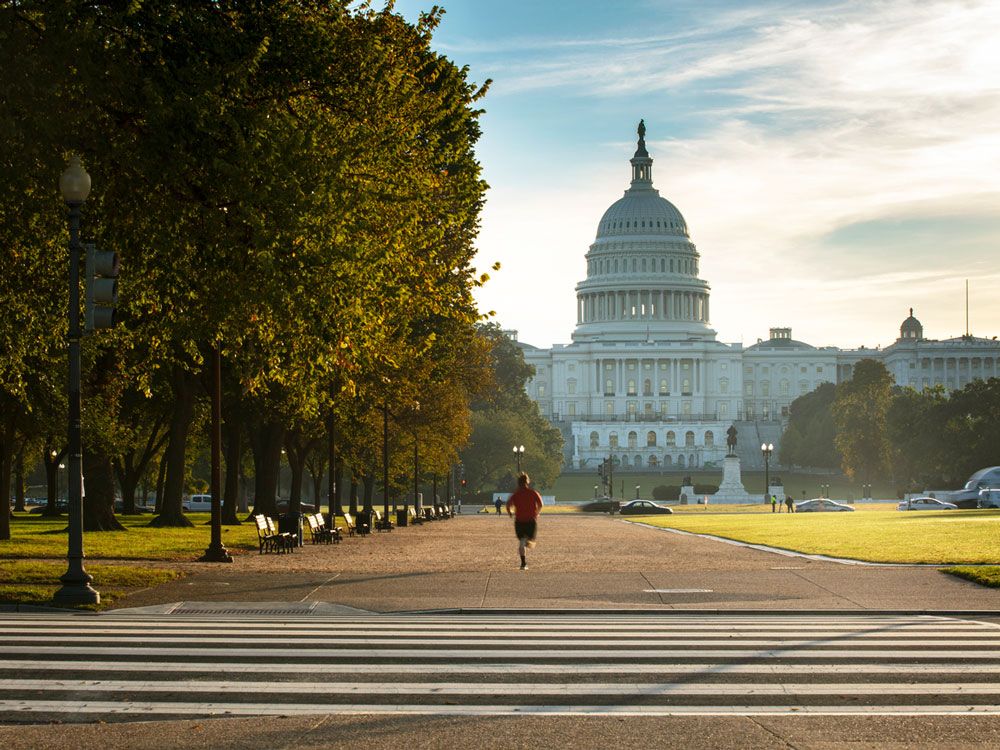
The road to the White House was paved with grand intentions, as it was meant to originally be a main street through the nation’s capital lined with trees planted by George Washington and Thomas Jefferson. Allegedly, the street was named Pennsylvania Avenue to appease those who were angry that the capital was moved from Philadelphia to D.C. Today, it’s mainly a pedestrian street for interested tourists and protestors hoping to effect change on policymakers.
Market Street – Philadelphia, Pennsylvania
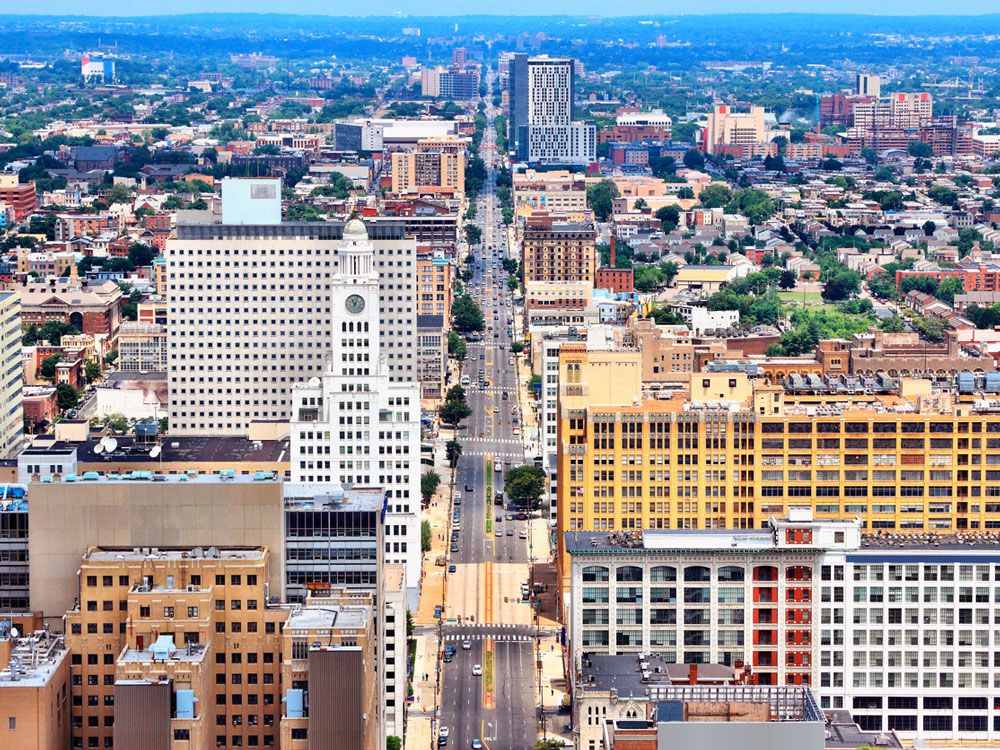
During the Revolutionary War, Market Street (previously known as High Street) was a hub in Philadelphia for momentous occasions still remembered today. Thomas Jefferson wrote the Declaration of Independence from the top floors of a house on Market Street, Benedict Arnold planned his treasonous act in a home on Market Street, and George Washington walked down Market Street to cheering crowds on his way to retire from the military. Today, Market Street is still a major thoroughfare throughout Philadelphia, home to attractions such as Reading Terminal Market, one of the country’s largest and oldest public markets.
Boston Post Road – Boston, Massachusetts
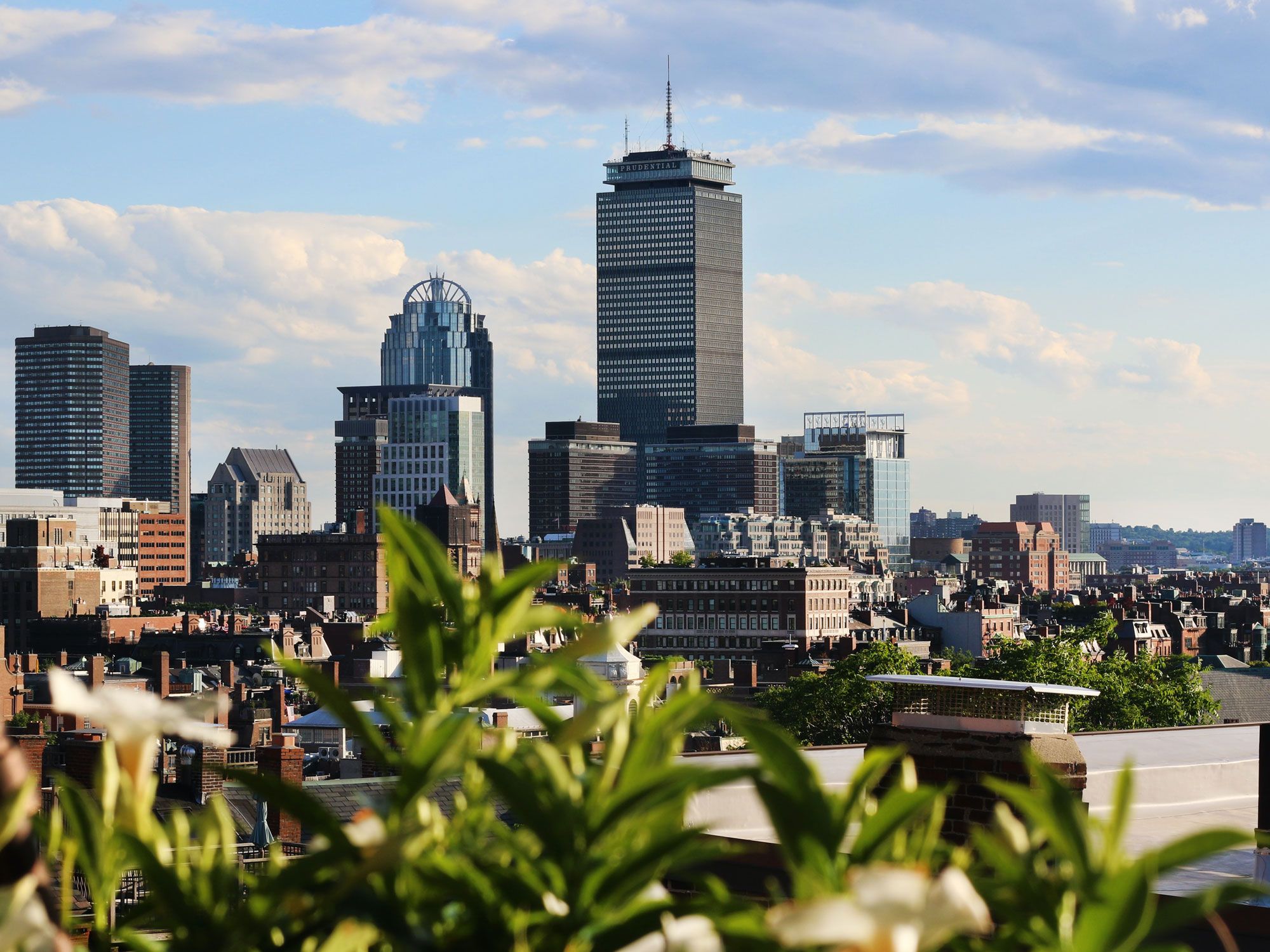
Stretching from New York City to Boston, the Boston Post Road opened in 1673 as the first postal route connecting the two major East Coast cities. It wasn’t much more than a wilderness trail back then, but today it’s mostly taken over by highways, including U.S. Route 1, U.S. Route 20 , and U.S. Route 5. Historical mile markers still line the route, noting how many miles left to Boston in a journey that once took about a month.
Hollywood Boulevard – Los Angeles, California
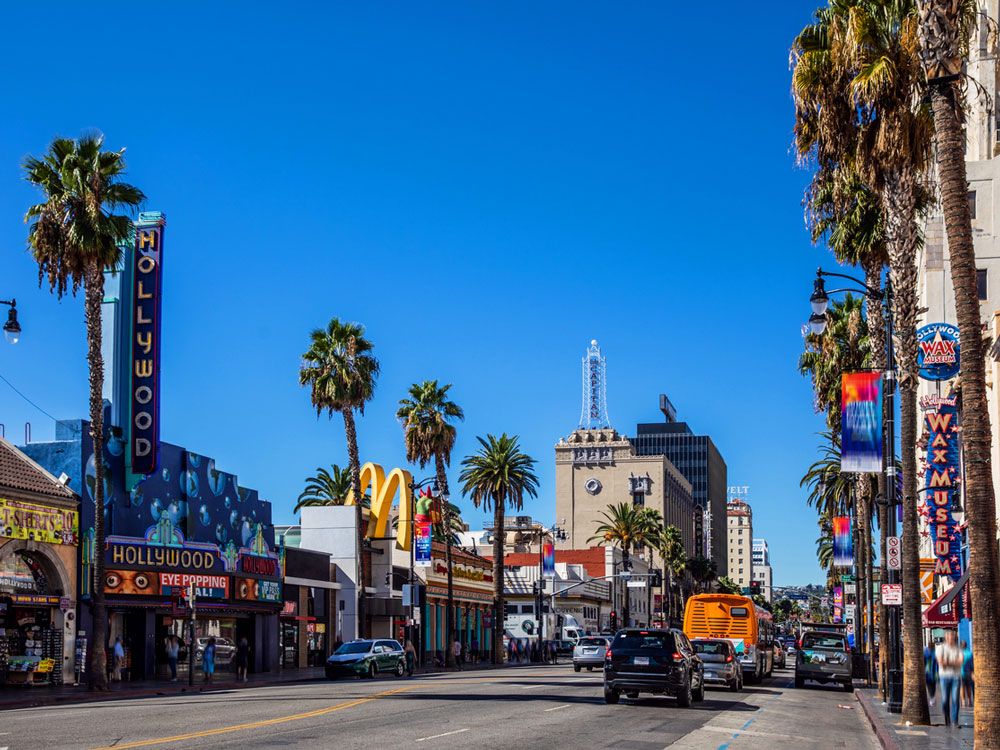
Home to the Hollywood Walk of Fame and other landmarks like Grauman’s Chinese Theatre and the Babylon Courtyard, Hollywood Boulevard is the go-to home for glitz and glamour on the West Coast. The Walk of Fame is perhaps the most well known sightseeing spot there; it first opened in 1960 with Joanne Woodward’s star, and has grown to include the handprints and signatures of more than 2,600 celebrities.
Featured image credit: Alex Meier/ Unsplash
More from our network
Daily Passport is part of Inbox Studio, an email-first media company. *Indicates a third-party property.