




Why Antarctica Is Unlike Any Other Travel Destination
Why Antarctica Is Unlike Any Other Travel Destination

There’s a reason that Antarctica is a bucket-list destination for many travelers. It’s not every day you can kayak among icebergs, photograph penguin colonies, or even brave the frigid Southern Ocean during a true “polar plunge.” Booking a trip to the South Pole is a daunting task, however — both in terms of cost and preparation. You cannot travel to the continent independently, and the environment — extreme cold, high winds, and intense UV exposure — means there is also a short window of time in which you can safely visit. But if you’re committed to navigating seriously unfamiliar territory (and perhaps visiting all seven continents), the trip promises to be one you remember for the rest of your life. Here’s everything you need to know about traveling to Antarctica.
Planning in Advance
If you’re looking for a spontaneous getaway, Antarctica is not for you. Many people start planning their journey to Antarctica up to 18 months in advance, as booking early means more access to discounts and special cabin selections. The season for visiting runs from late October or early November to late March, but peak season dates during the holidays in December and January tend to fill up quickly.
The early travel season in November is colder and icier but will have fewer crowds and some unique wildlife spotting opportunities, such as penguin courtship rituals. December offers more than 20 hours of daylight, while January is the warmest month, when temperatures can reach as high as 50 degrees Fahrenheit. February through late March is ideal for whale watching, and you’ll still experience warmer weather and less snow.
Most visitors spend around 10 to 14 days on a trip to Antarctica, with five to 10 days reserved for exploring the continent and four days (two days each way) at sea from Ushuaia, Argentina, across the treacherous Drake Passage. However, many travel companies advise visitors to account for unpredictable weather conditions and allow for a two-day buffer on either side of the trip in case of a delay.
Choosing a Cruise or Flight
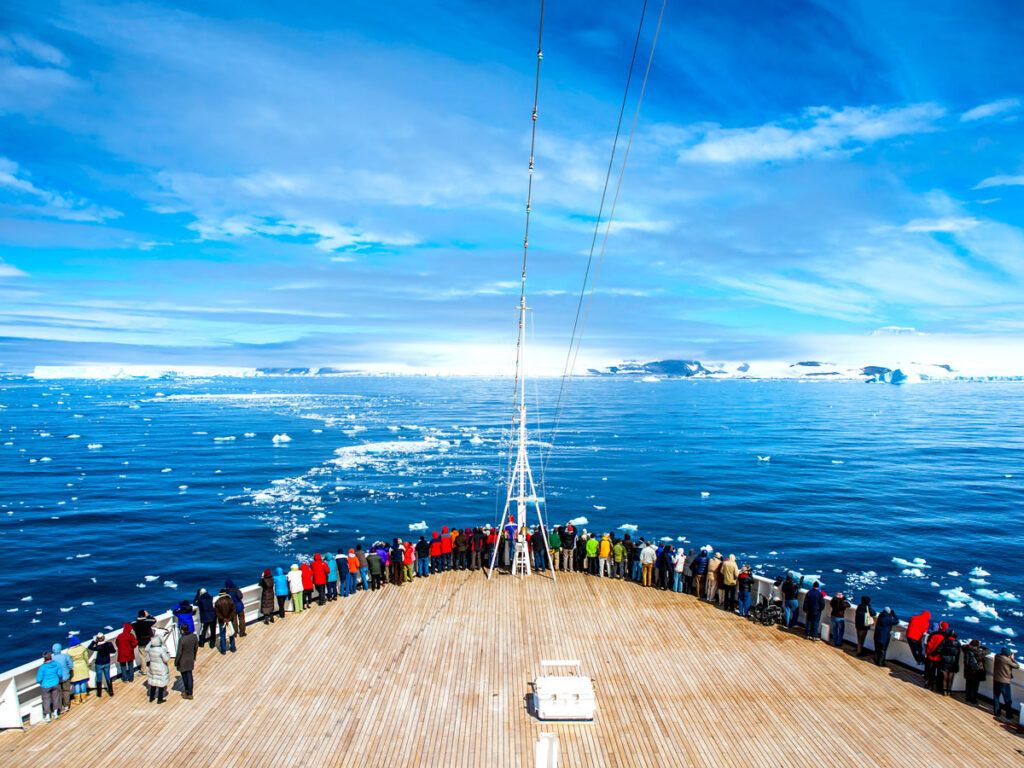
Did you know that you can fly to Antarctica? It’s not the most common way to visit, but if you prefer to arrive quickly, fly-cruises (packages that combine flights to Antarctica with a cruise) are available from King George Island, the largest of the South Shetland Islands, which is just 75 miles off the coast of mainland Antarctica. Typically included in most Antarctica cruise itineraries, the South Shetland Islands are a rugged archipelago with volcanic terrain, home to numerous scientific research stations.
Flying directly to King George Island from Punta Arenas, Chile, means skipping the Drake Passage entirely and avoiding the four days at sea. Flights, however, are costly and weather dependent, which means cancellations and delays are common. Plus, luggage limits are quite strict. DAP Airlines offers flights to the Chilean base, Eduardo Frei Station, on King George Island, and Silversea, Antarctica21, and Quark Expeditions are among the operators offering fly-cruise options.
If you’re prone to seasickness, flying across the Drake Passage can be a smart choice, but these itineraries to Antarctica can easily cost more than $10,000 per person (and sometimes $30,000 or more per person for luxury trips). Therefore, for most travelers, cruising the passage is the most economical option.
Drake Passage cruises can start as low as $6,000 per person during the colder shoulder season months of November and March, and it’s not unheard of to find a last-minute deal. Keep in mind, however, that added activities such as kayaking and camping on the ice will increase costs quickly, so choosing an all-inclusive experience can offer more bang for your buck.
Comparing rates from multiple cruise lines — such as National Geographic Lindblad Expeditions, Silversea, Scenic Luxury Cruises, Antarctica Cruises, Seabourn, Ponant, Viking Expeditions, Quark Expeditions, and Atlas Ocean Voyages — will ensure you find the right voyage for your timeline and budget.
Braving the Drake Passage
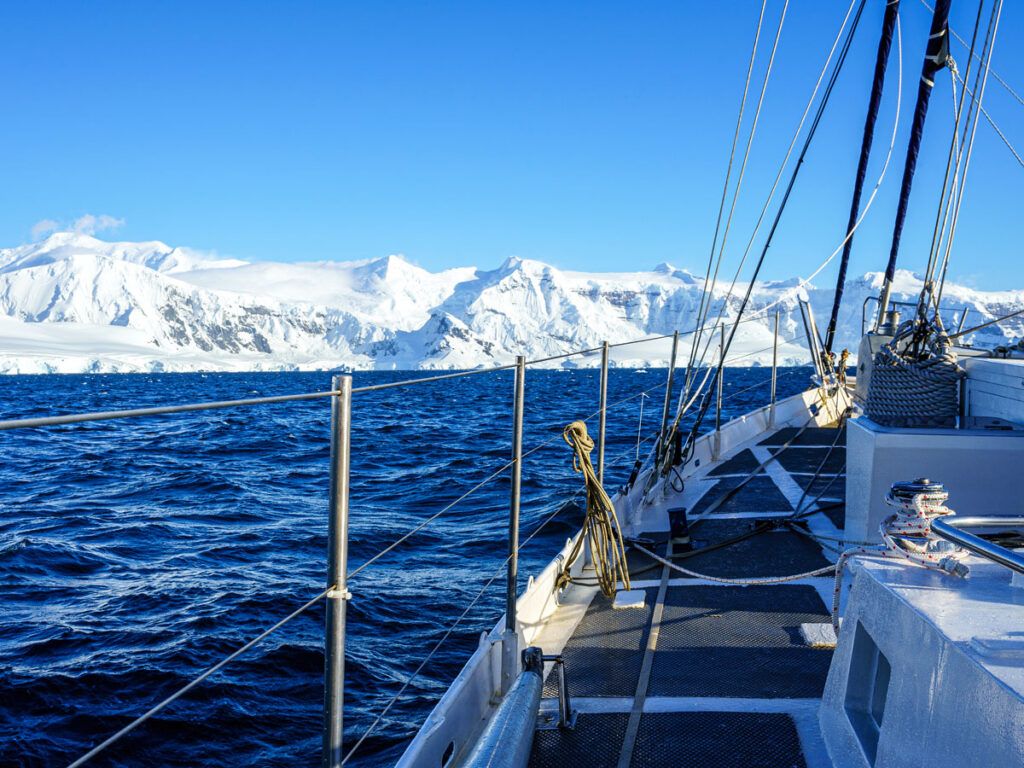
At an impressive 620 miles wide, the Drake Passage is known for being the world’s most treacherous ocean crossing. The strait produces unpredictable and massive waves (sometimes exceeding 65 feet) thanks to the Antarctic Circumpolar Current. It’s famous for the “Drake Shake” (marked by violent gales and intense swells) that causes ships to experience relentless rocking. Passengers crossing the Drake often need to hold on to railings, secure loose belongings, and take extra precautions during extreme weather, as not following orders can be dangerous.
However, seasoned travelers to Antarctica are also familiar with the “Drake Lake,” in which passengers experience exceptionally calm, smooth, and sunny conditions. You never know what to expect on board, so be sure you’re prepared for motion sickness with Scopolamine patches, Bonine (meclizine), or Dramamine, and start taking the medications before waves hit. Ginger tea, mints, candies, crackers or bread, water, and acupressure bands can also help. Those who feel uneasy should seek refuge on lower, more central decks and avoid alcohol and strong odors.
Unforgettable Activities
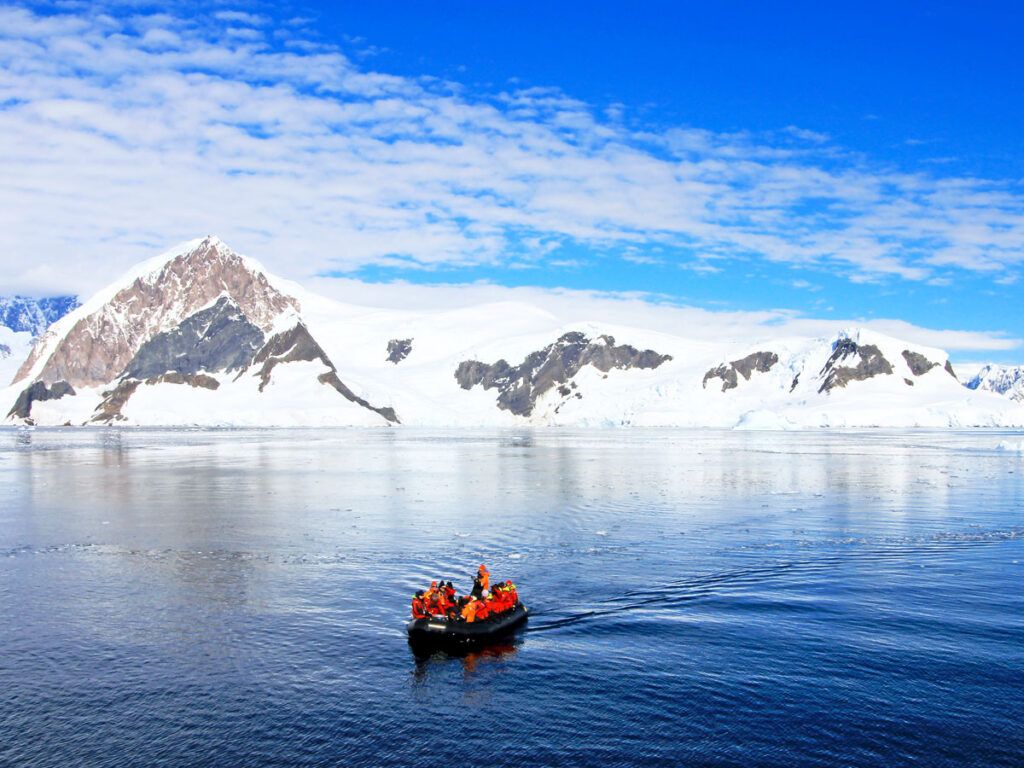
Antarctica isn’t your typical cruise destination, and you’ll be accompanied by a trained expert for every activity. The continent is prime for wildlife watching — sightings of gentoo, chinstrap, and Adelie penguins; elephant seals; leopard seals; albatrosses; humpback whales; orcas; and minke whales are common. Some lucky voyagers may even spot emperor or king penguins and blue, southern right, or fin whales.
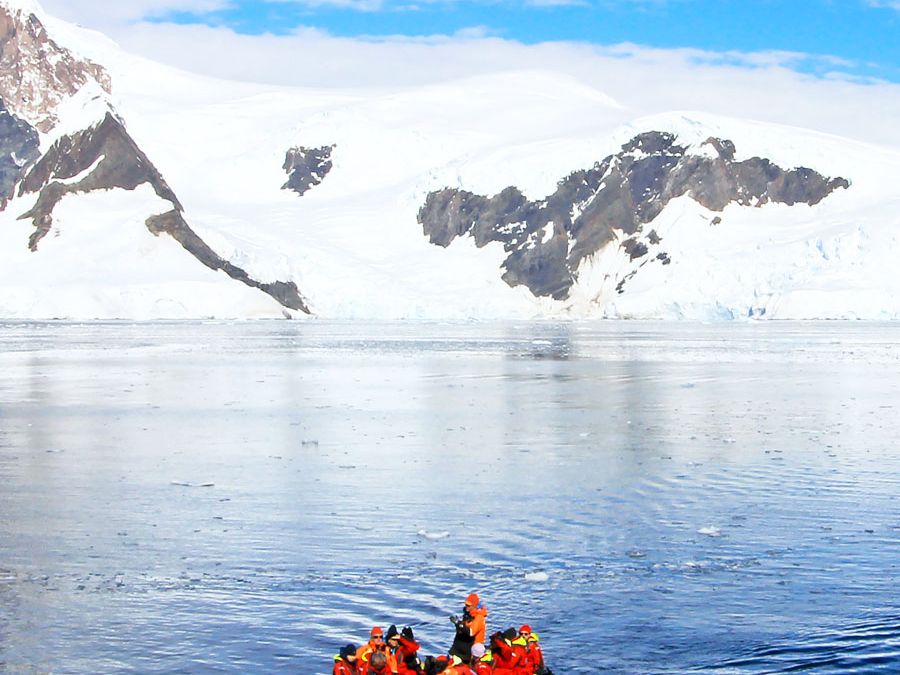
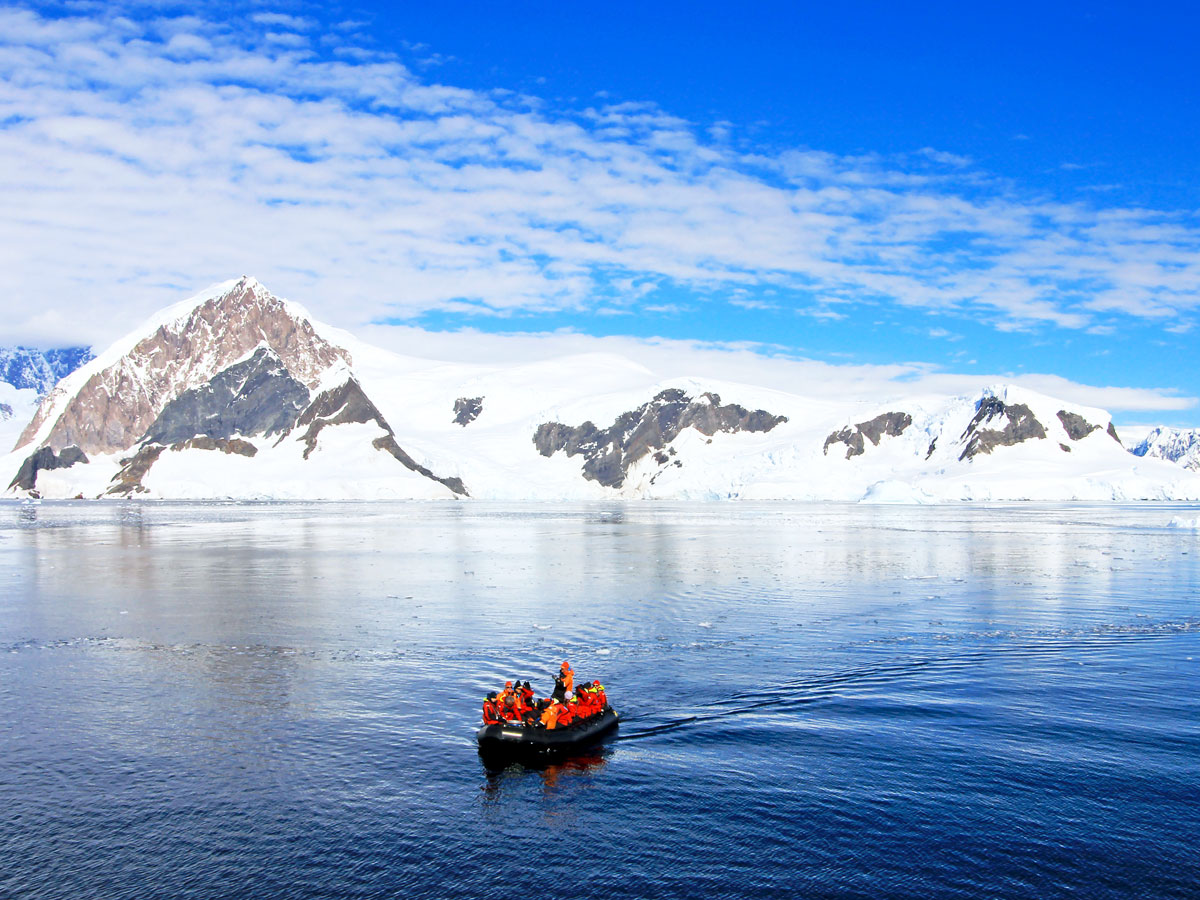
Exploring the waters of the frigid continent by Zodiac boat or kayak will get you up close and personal with majestic glaciers and fjords. Many cruise lines also offer excursions such as ice camping, hiking, snowshoeing, mountaineering, scuba diving, snorkeling, paddleboarding, and polar plunging (for the bravest among us). Helicopter tours to see emperor penguin colonies from above are sometimes available, too, as are skiing excursions.
There aren’t many locations in Antarctica where humans have made a mark, but some operators offer tours of the Ukrainian Vernadsky Research Base, abandoned whaling stations, and historic huts used by early explorers. You can also mail a postcard from the Port Lockroy penguin post office.
What To Pack

One of the most important questions travelers have before visiting Antarctica is what to pack. If you’re flying, you’ll need to pack light, but don’t forget to bring the essentials. Well-insulated, waterproof clothing such as merino wool sweaters, snow pants, windbreakers, fleece layers, warm hats, snow gloves, and neck warmers are a must, but don’t forget casual clothes for lounging on the ship.
High-SPF sunscreen and polarized sunglasses are also essential due to high sun exposure on the frozen land, and you’ll want to bring binoculars for wildlife viewing, as well as a waterproof dry bag, a camera, a swimsuit, memory cards, and a reusable water bottle. Thankfully, most cruises provide parkas and boots.
More from our network
Daily Passport is part of Inbox Studio, an email-first media company. *Indicates a third-party property.