





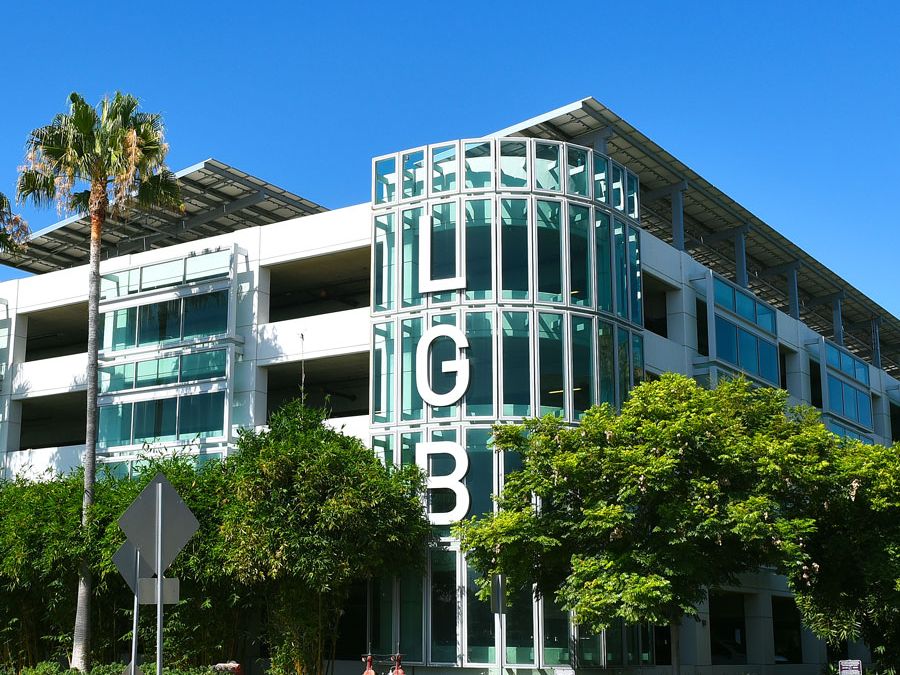
Is This America’s Best Small Airport?
Is This America’s Best Small Airport?
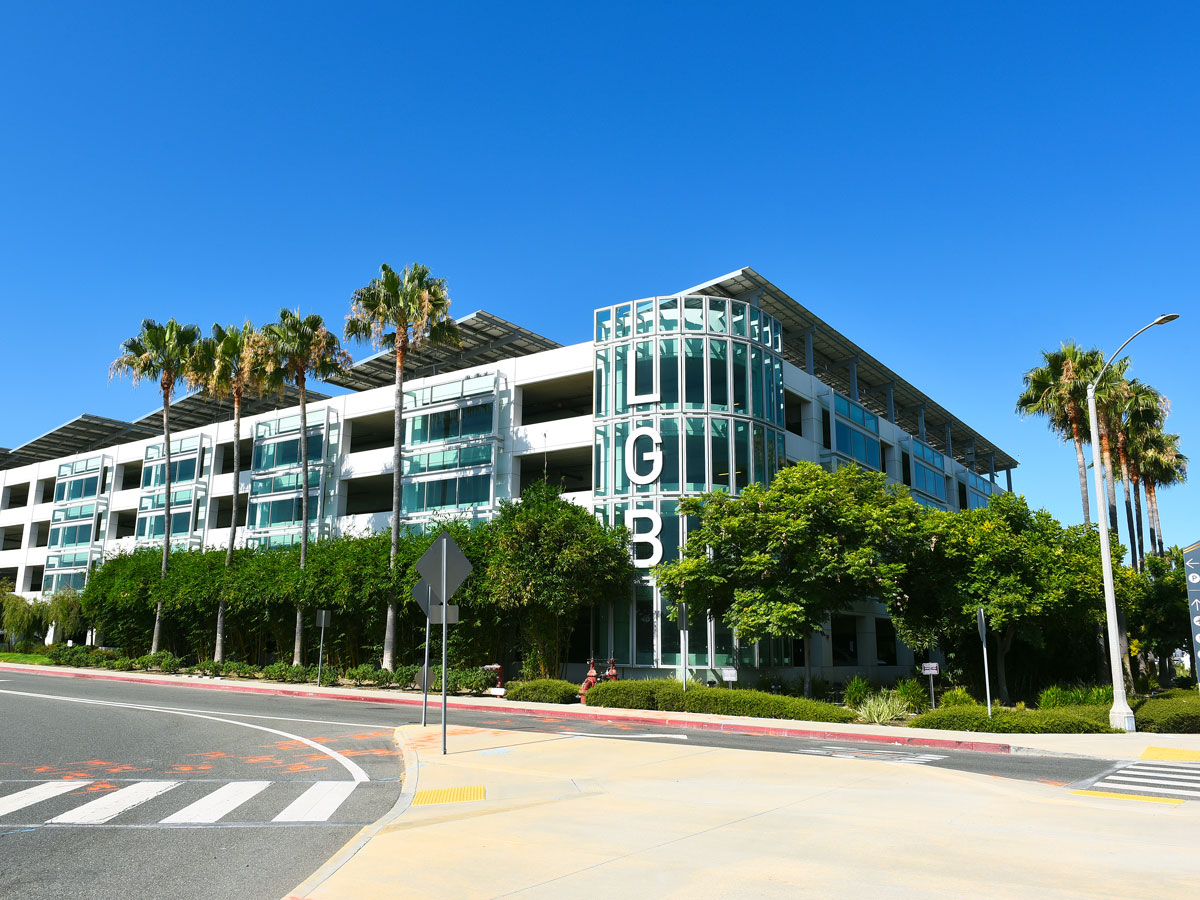

Recently I did something most travelers would scoff at: I deliberately booked a flight with a layover when I could have flown direct. I did it not to save money, but rather because it allowed me to begin and end my trip at my favorite airport: Long Beach Airport (LGB), which happens to be less than 15 minutes from my house in Southern California. Even when I lived much farther from it, however, I admired the country’s self-proclaimed “coolest airport” from afar and found myself wishing I lived close enough to fly in and out of it.
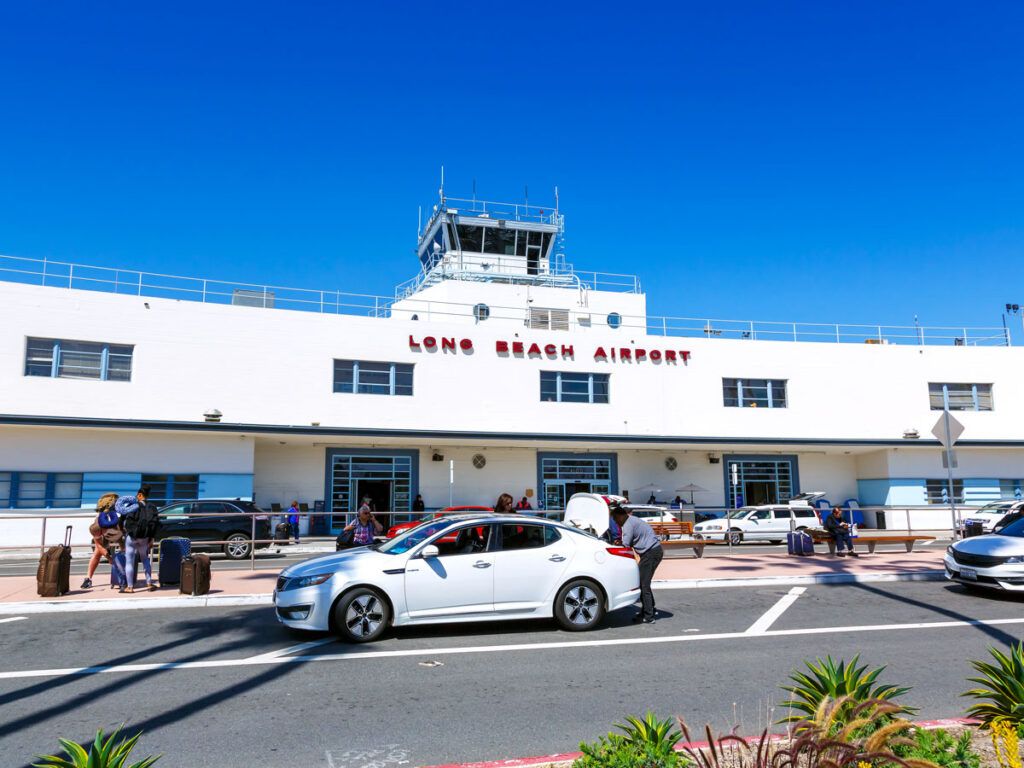
Also known as Daugherty Field and dating back a little more than a century, Long Beach Airport elevates the airport experience from a necessary evil to, if not quite a joy, then certainly a pain-free stopover en route to your final destination. Here’s why I think it’s America’s best small airport.
Small but Mighty
Much of LGB’s appeal is due to its size. The airport, serving the greater L.A. area and Orange County, has just 11 gates used by three airlines: Delta, Hawaiian, and Southwest, with the last of these accounting for the vast majority of its air traffic. You can only fly direct to 21 destinations, among them Las Vegas, Denver, Honolulu, Oakland, Phoenix, and Salt Lake City. But that hasn’t stopped around 4 million people from using the airport annually.
And those who use it seem to love the airport just as much as I do: LGB has been named the No. 2 best airport in the country in The Washington Post, which calls it “simple to navigate and quick to get in and out of.” The BBC deemed it one of the world’s 10 most beautiful airports, praising its “its Bogart-Bacall-era Hollywood charm.” It also ranked as one of the country’s 10 best airports by Condé Nast Traveler, was runner-up in USA Today’s reader poll of America’s best small airports, and was deemed “too perfect” by CNN.
There’s simply no overstating how easy and pleasant LGB is to use, but the airport also has a fascinating history. Dating to 1941, the Streamline Moderne-style main terminal building is a historic landmark that recalls the golden age of air travel; it was restored and renovated in 2024. The airport frequently made headlines in the early days of aviation, welcoming greats like Charles A. Lindbergh and Amelia Earhart, and it also played a key role during World War II. After the war, the Douglas Aircraft Company (later McDonnell Douglas, which was purchased by Boeing) continued to build airplanes there until 2015.
Minute by Minute
For the purposes of this article, I timed every part of my recent trip to Boston. My flight from Long Beach to Chicago was scheduled to depart at 12:05 p.m. I’m an anxious traveler who tries to leave as little to chance as possible, and if I were flying out of LAX or any other major airport, I would have arrived two hours early for such a trip (which would have meant leaving my home around 9 a.m.).
Instead, a friend picked me up at 10:36, I arrived at the airport at 10:47, and I made it through security at 10:56 — a mere 20 minutes from the time I walked out my front door until the most stressful part of my travel day was over.
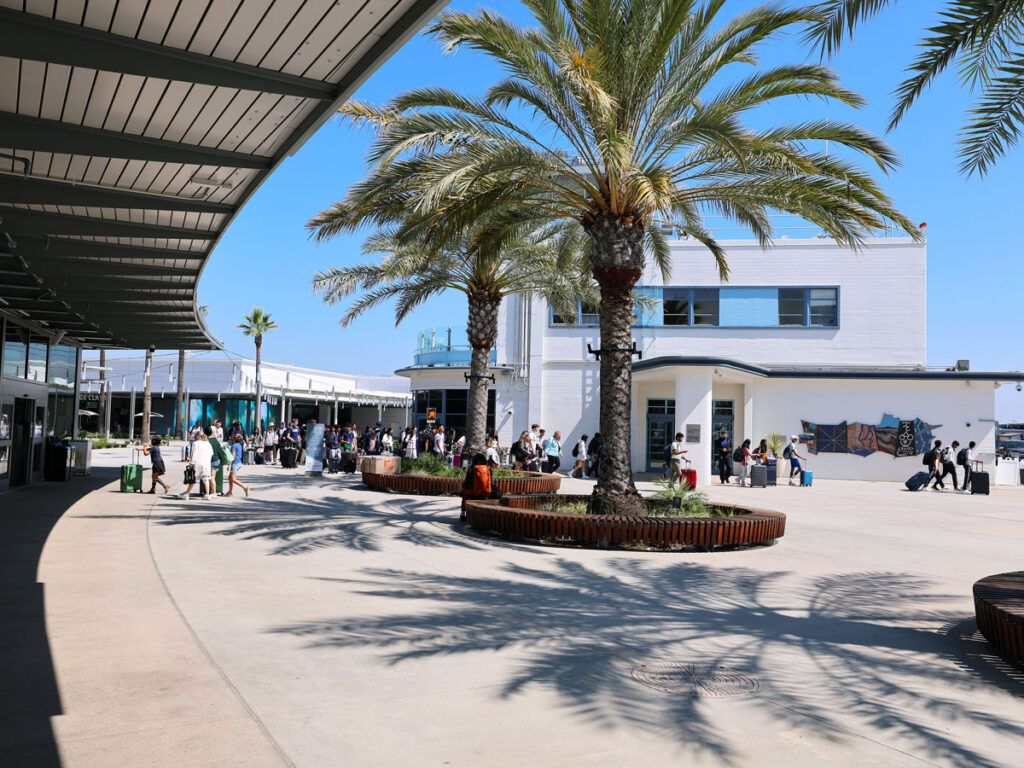
Once there, I was instantly at ease. LGB has an indoor-outdoor concept that wouldn’t be possible in most climates. Its design never makes you feel confined the way a larger, more traditional airport would. The food options aren’t as robust, but my sweet potato fries from the outpost of the Long Beach institution Boathouse on the Bay more than tided me over before my flight.
Returning three days later was just as easy — I was on the curb waiting for my Lyft less than five minutes after landing. I may not look forward to my time in the airport the way I look forward to the trips themselves, but this won’t be the last time I choose LGB and a layover rather than a direct flight from LAX.
Featured image credit: © Steve Cukrov/stock.adobe.com
More from our network
Daily Passport is part of Inbox Studio, an email-first media company. *Indicates a third-party property.