



This Country Is Offering Free National Park Admission All Summer
This Country Is Offering Free National Park Admission All Summer
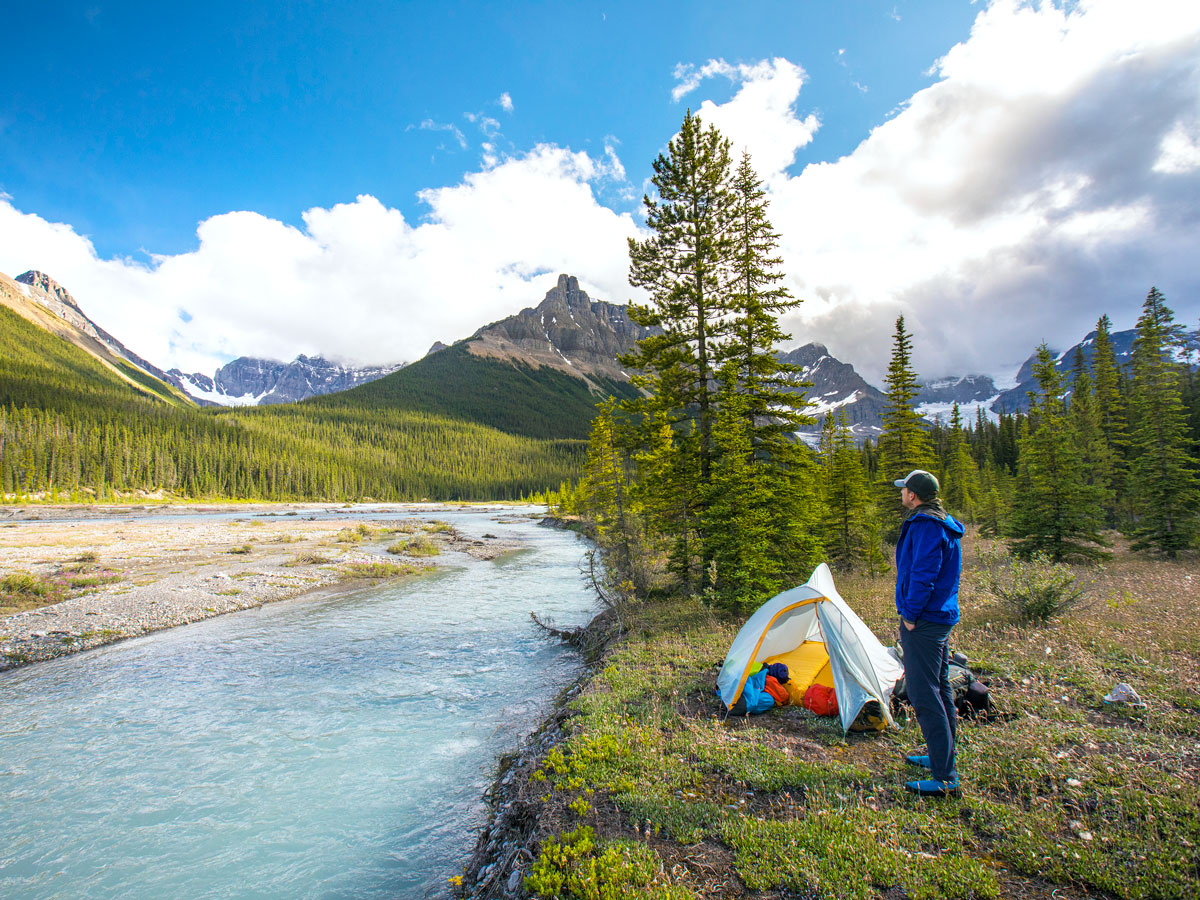

There are more than 6,500 national parks around the world, from majestic natural landscapes to culturally significant monuments. Though you’ll occasionally stumble upon one that offers complimentary admission, these awe-inspiring attractions often charge admission to help cover the cost of maintenance and conservation efforts. But this summer, in one nation close to the U.S., every national park is free to visit. Take a look at the country offering up this special opportunity to see its most stunning natural wonders without paying a dime.
Canada’s National Park System
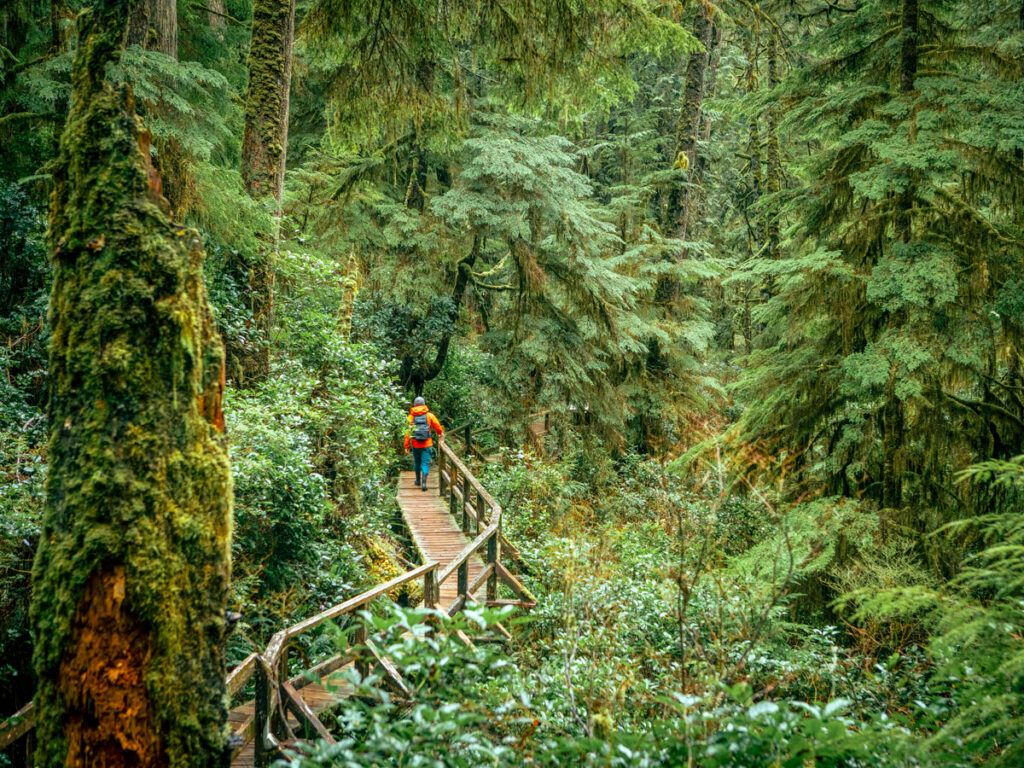
Parks Canada is a federal agency responsible for protecting the natural and cultural heritage of the Great White North. It manages 171 national historic sites, 48 national parks, five national marine conservation areas, and one national urban park, which are spread throughout the nation’s 13 provinces and territories. The organization has existed in its current form since 1998, though it was originally established as the Dominion Parks Branch in 1911, making it the world’s first national park service.
During the 2024-2025 fiscal year (April 1-March 31), more than 15 million people visited Canada’s national parks. The most popular national park in the system is Banff National Park in Alberta, which was Canada’s first national park, established in 1885. The park welcomed 4.23 million visitors in 2024/25. The next most popular park was Pacific Rim National Park Reserve in British Columbia (1.18 million), followed by Saguenay-St. Lawrence Marine Park in Quebec (1.16 million).
In addition to those vast natural landscapes, Park Canada governs historic landmarks such as the Anne of Green Gables house on Prince Edward Island, the Rideau Canal in Ottawa, and the historic fortifications of Quebec City. These are just a few of the many highlights travelers can visit for no cost this summer. And it’s surprisingly easy — find out how below.
The Canada Strong Pass

For the second year running, Parks Canada is offering what’s called the Canada Strong Pass. Intended to boost domestic tourism and foster national pride, it provides all visitors — whether Canadian or from other countries — free admission to each of the national historic sites, national parks, and national marine conservation areas managed by Parks Canada from June 19, 2026, through September 7, 2026.
While admission rates vary, the cost of a single-day national park pass can be as much as $12.25 CAD ($8.84 USD) for the most popular parks, like Banff and Pacific Rim, and it costs $83.50 CAD ($60.26 USD) for an annual Parks Canada Discovery Pass, which offers unlimited admission for one year to over 80 parks.
There’s no need to buy a pass beforehand. All you have to do is show up and walk in — it’s that simple. In addition to free admission, the program offers 25% off various camping fees for overnight stays, discounted or free entry to museums and galleries (50% off for anyone ages 18 through 24, or free for anyone age 17 or under), plus travel discounts on the VIA Rail Canada train service.
However, there are some restrictions to be aware of. This applies only to sites under the purview of Parks Canada. In other words, the pass excludes provincial, territorial, municipal, and private parks, as well as all parks managed by any third parties or Sépaq — an organization responsible for the management of designated nature areas throughout Quebec. Furthermore, it doesn’t cover any costs associated with accommodations, parking, fishing, guided tours, access to hot springs, or other paid services you may encounter at a national park site. The pass solely covers free admission to Parks Canada’s national parks.
Pros and Cons
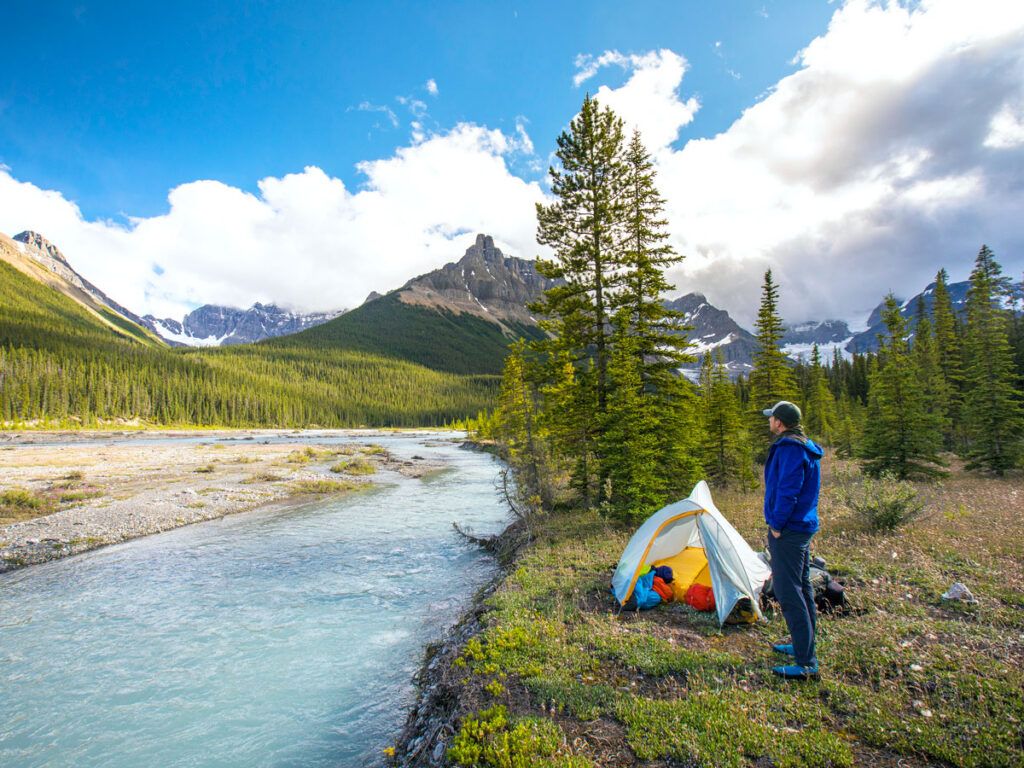
The Canada Strong Pass has both supporters and detractors. Those in favor are proud of the stunning natural wonders that Canada has to offer and want to share those sites with the rest of the world. This pass does just that, while also boosting general tourism revenue. Interestingly, the U.S. has levied a $100 nonresident fee for national park visitors, while Canada is doing the opposite.
But others criticize the Canada Strong Pass for leading to overcrowding. The lack of an entrance fee makes people more likely to visit these parks in large groups, which leads to busier days than normal during an already busy summer season. In turn, this can make it more difficult to book reservations at campsites and other attractions, as there’s increased demand for resources with limited availability. The lack of paid admission also means less revenue for the parks, which can make it more challenging to come up with the funds to support their conservation efforts.
For travelers, though, the Canada Strong Pass provides a unique opportunity to explore Canada’s most awe-inspiring, culturally significant attractions at a discount. Just be prepared for potentially big crowds and try to book accommodations early, as there’s bound to be many other world travelers looking to also take advantage of these bucket-list experiences.
More from our network
Daily Passport is part of Inbox Studio, an email-first media company. *Indicates a third-party property.