The 10 Driest Cities in the U.S.
In some U.S. cities, rainy days are all too common. In others, dry skies are the norm for the vast majority of the year. Using long-term data from the National Oceanic and Atmospheric Administration, the rankings below highlight the major U.S. cities that consistently average under 20 inches annually. They share one thing in common: geography. Every city is located in the American West, where rain shadows and desert climates shape daily life.
10. Salt Lake City, Utah
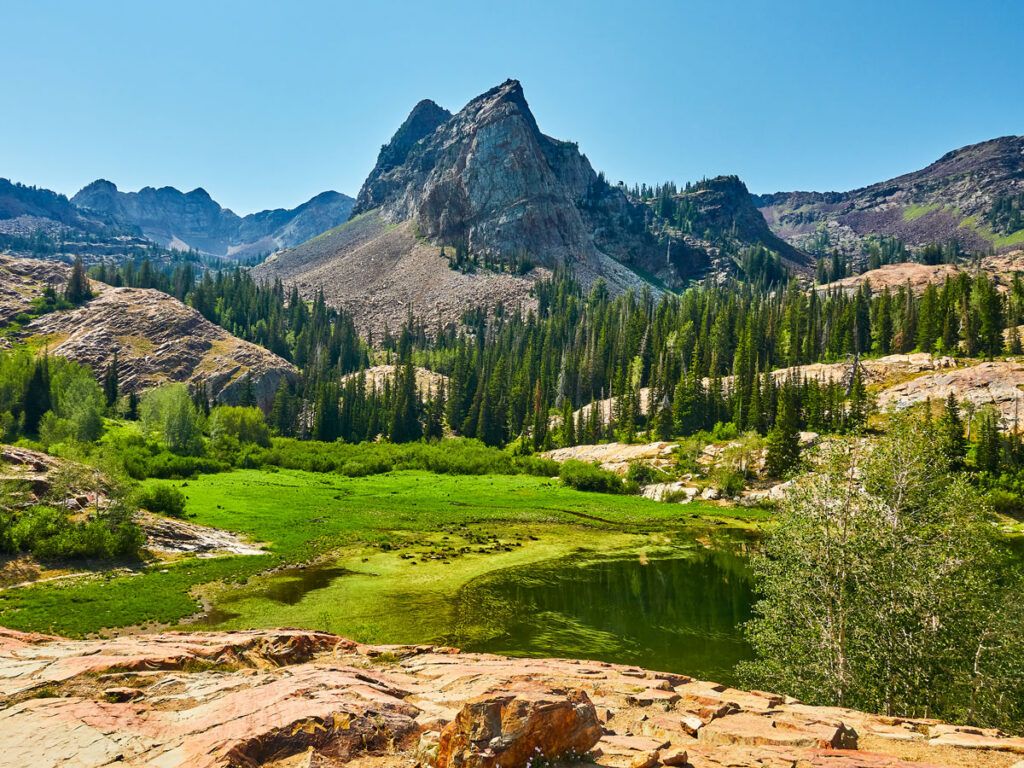
Annual precipitation: 15.5 inches
Salt Lake City and the surrounding region’s dry climate is reflected in the shrinking Great Salt Lake. As an endorheic basin with no outlet, the lake depends entirely on inflow, with water lost only through evaporation. But years of drought have pushed levels to historic lows and sparked efforts to restore it. The aridity does come with an upside: Blue skies and little rain allow for superb hiking in the Wasatch Mountains.
9. Denver, Colorado
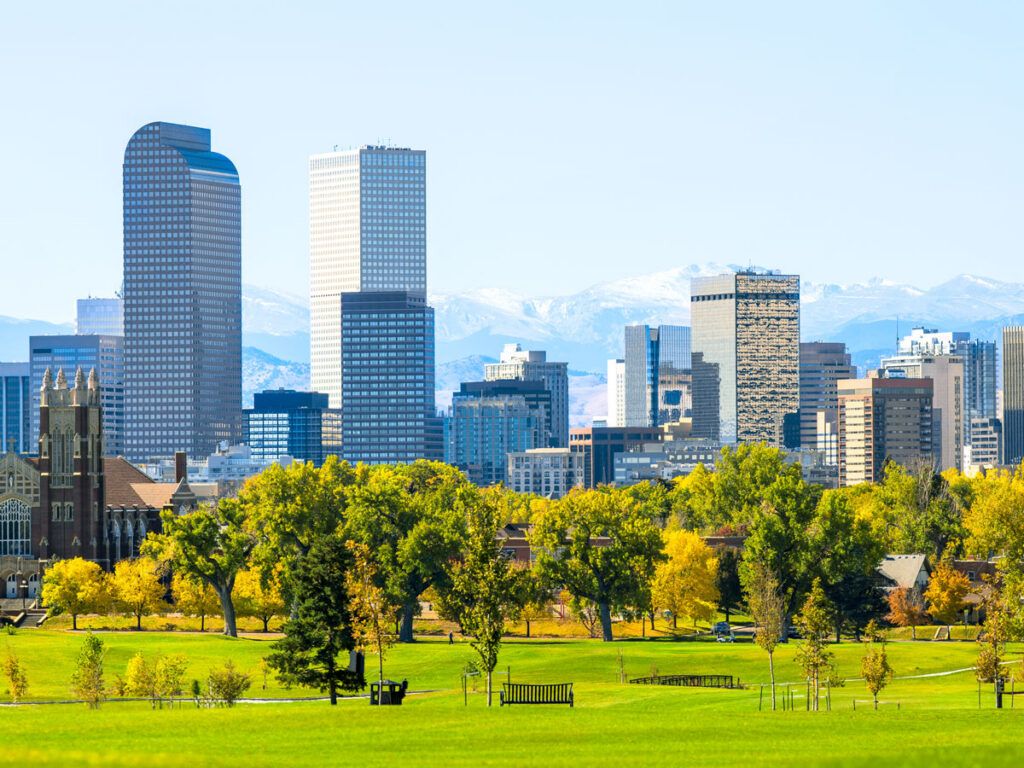
Annual precipitation: 15.4 inches
Despite being the capital of one of the country’s snowiest states and on the doorstep of top-notch ski resorts, Denver is a surprisingly dry city. Its location in the rain shadow of the Rocky Mountains, a semi-arid climate, and low humidity combine to contribute to scorching summer months. Getting outdoors is part of Denver’s cultural fabric, however, especially for concerts at Red Rocks Amphitheatre.
8. Los Angeles, California
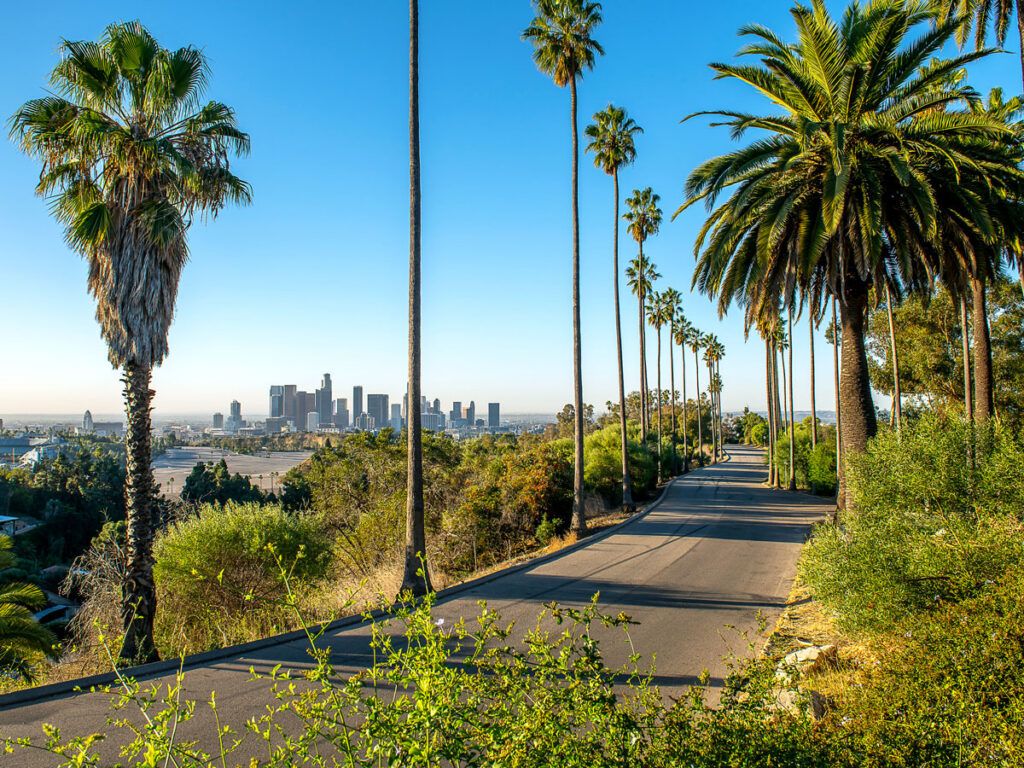
Annual precipitation: 14.3 inches
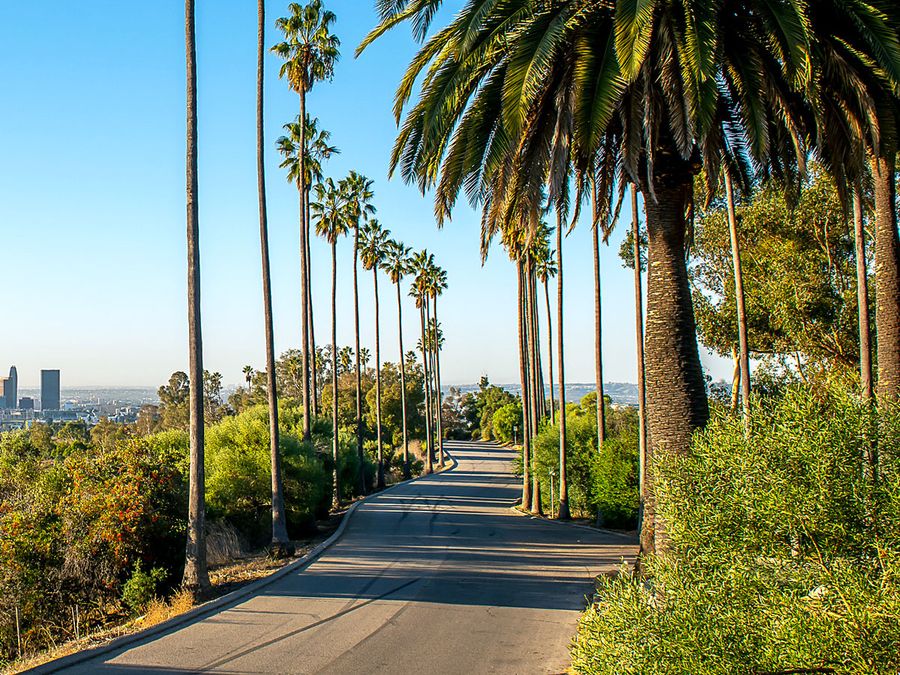
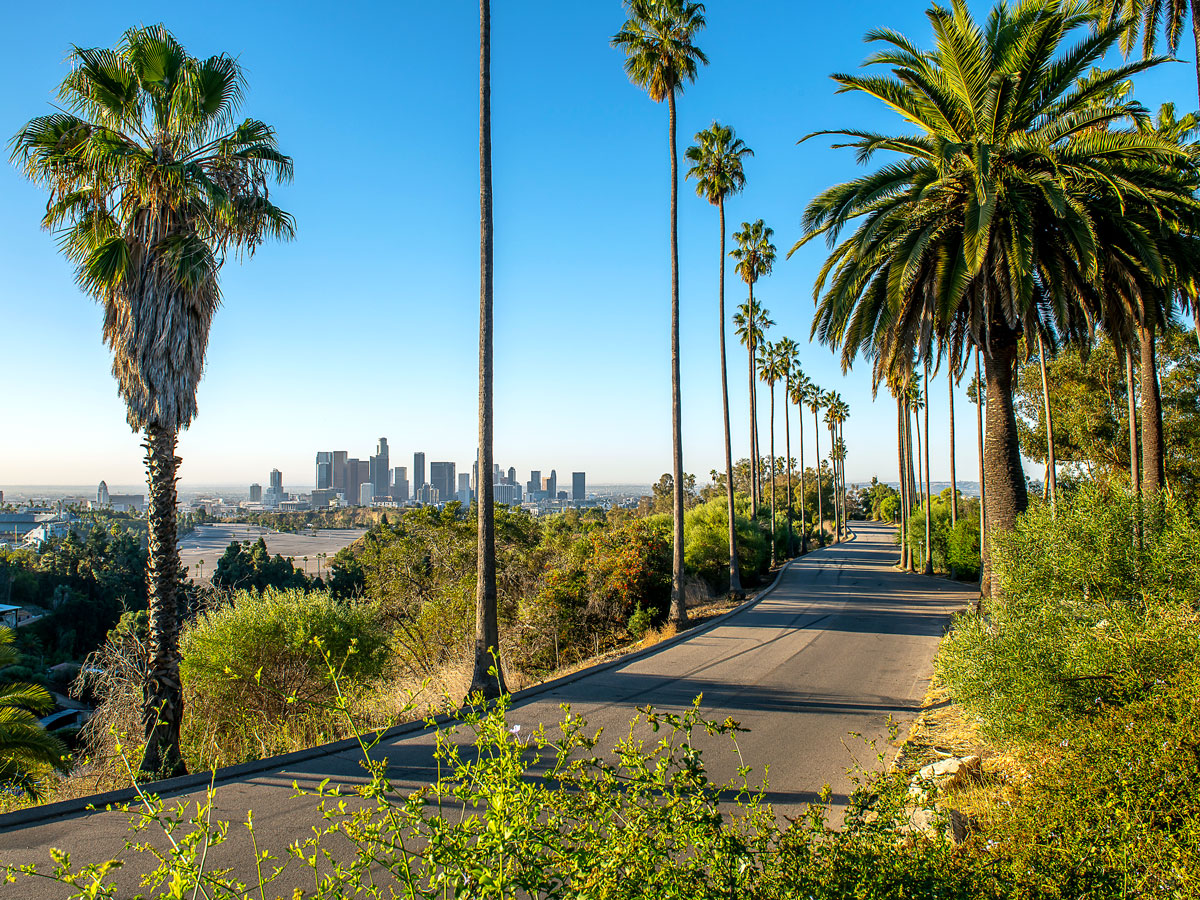
L.A.’s reliably dry weather is welcome news for sightseeing, whether you’re exploring the glitz of Beverly Hills or bar hopping along Sunset Boulevard. The aridity largely comes down to persistent Pacific high-pressure systems that deflect storms offshore. The city has previously recorded dry spells of nearly 200 consecutive days, and forecasters predict over 100 days annually hitting 95 degrees Fahrenheit or more in the coming decades.
7. San Jose, California
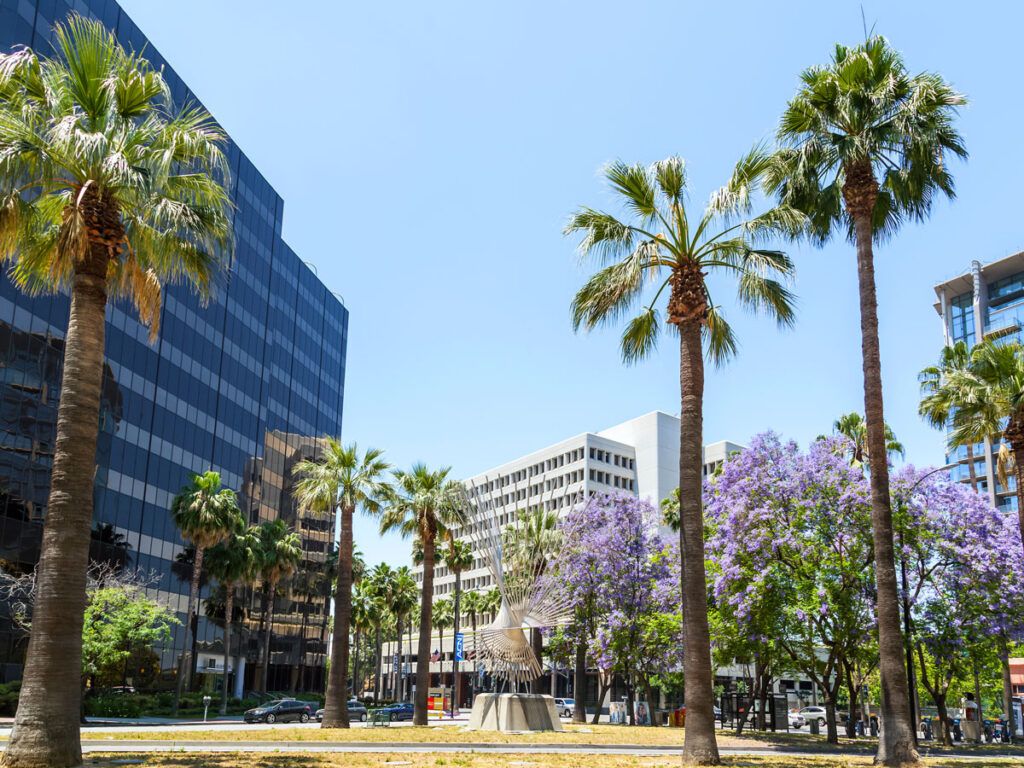
Annual precipitation: 13.5 inches
If you’re planning a summer trip to San Jose, the odds of rainy interruptions are almost nonexistent. From June through August, the city averages only around 0.2 inches of rainfall. In 2018, the National Weather Service reported a 218-day dry spell for the city and neighboring Mountain View. Shoreline Lake Park is a favorite outdoor escape, offering golf, boating, and biking trails.
6. Fresno, California
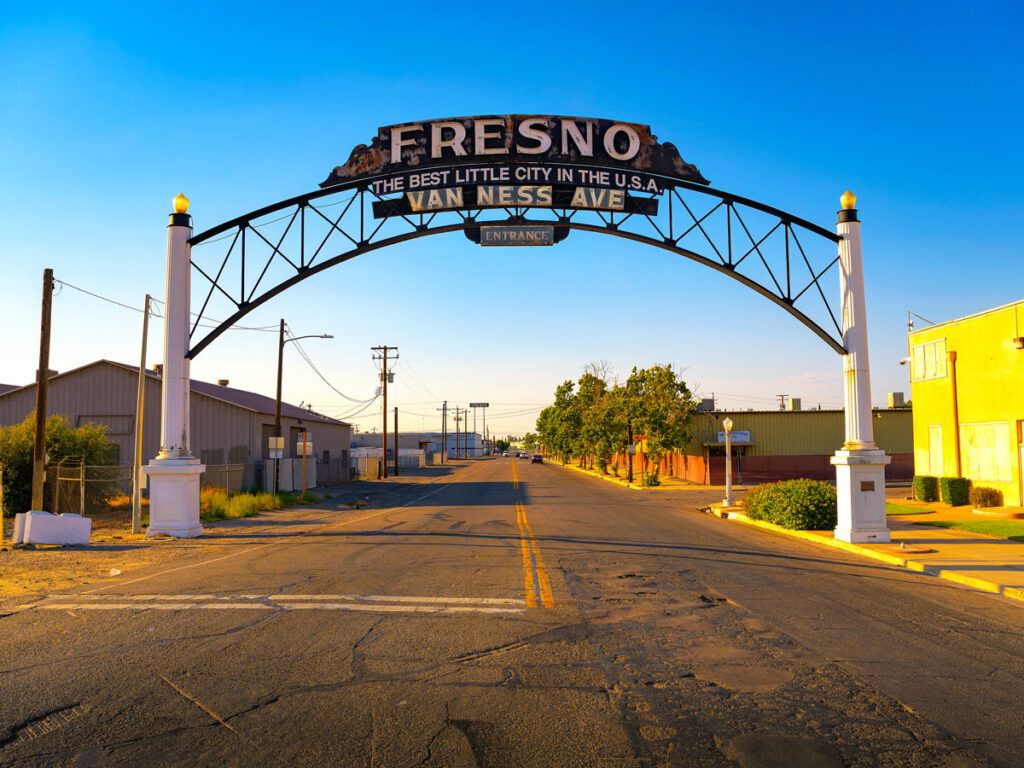
Annual precipitation: 11 inches
Fresno sits in the heart of California’s San Joaquin Valley with a Mediterranean climate that guarantees mild year-round temperatures. The city’s 288 annual sunny days on average are accompanied by long, dry, and hot summers with highs in the 90s. Fresno is a popular base for visiting nearby natural wonders such as Kings Canyon, Sequoia, and Yosemite national parks. If you ever need to escape a brief shower — or the heat — Forestiere Underground Gardens offers a network of subterranean, catacomb-like courtyards and passageways.
5. Tucson, Arizona
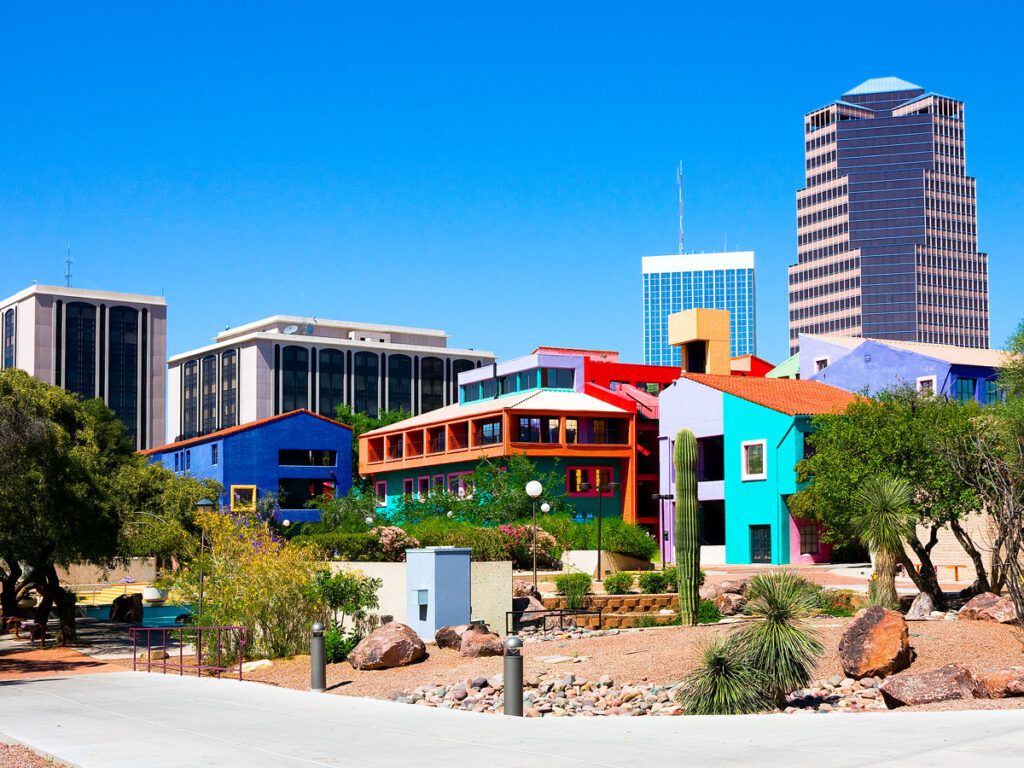
Annual precipitation: 10.6 inches
The first of two Arizona cities to make the list of America’s driest cities, Tucson has a desert climate responsible for long stretches of uninterrupted sunshine. In 1950, 114 consecutive days went by without measurable rain. Surrounded by mountains in the Sonoran Desert, the city typically receives its minimal rainfall during the monsoon season from mid-June through September. When it’s dry, the weather is ideal for discovering the historical Barrio Viejo neighborhood and nearby Saguaro National Park.
4. San Diego, California
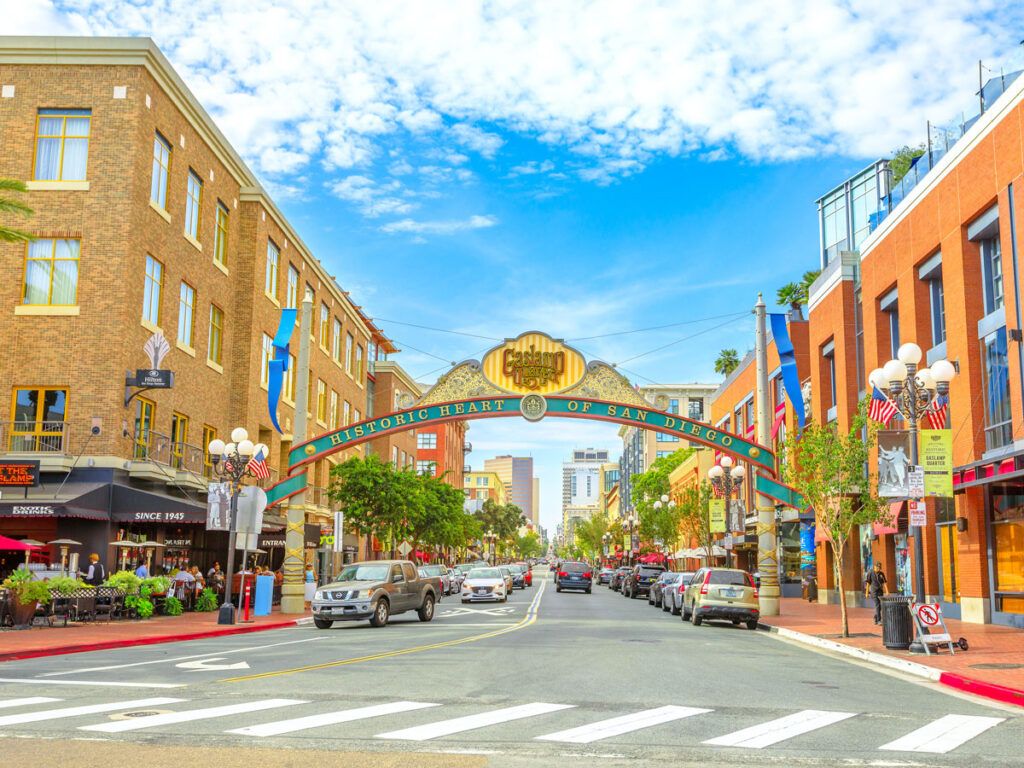
Annual precipitation: 9.8 inches
The weather in San Diego is famously consistent: mild, dry, and rarely extreme. The city averages only 41 days a year with measurable rain, while a Mediterranean climate keeps temperatures hovering around the 60s in winter and 70s in summer. Dramatic heat spikes are uncommon, although Santa Ana winds occasionally increase temperatures with dry desert air. The options for beach and surf days are all but endless, and there’s rarely a bad time for walking Sunset Cliffs Natural Park.
3. Riverside, California
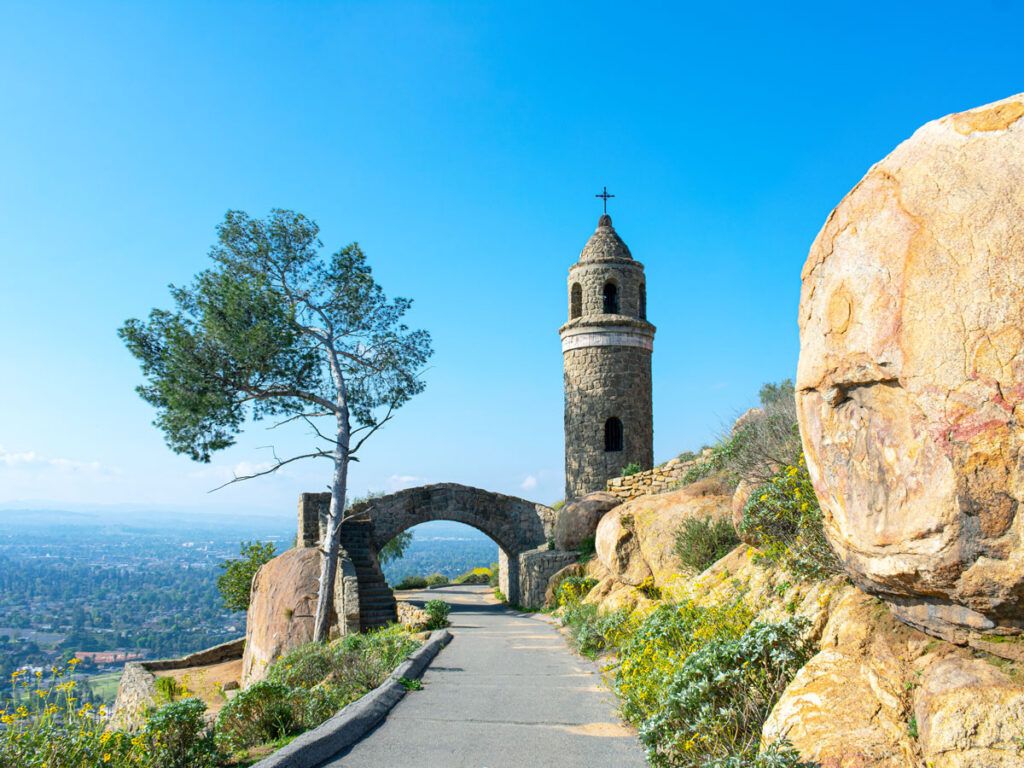
Annual precipitation: 9.4 inches
Riverside’s dry, sun-soaked climate was a catalyst for California’s citrus industry, which began in 1873 with the planting of two orange trees. While the groves are mostly gone, the story lives on at California State Citrus Park, where preserved orchards and exhibits showcase the state’s agricultural boom. Set in the Inland Empire, Riverside experiences summer highs in the 90s and above but mild winters with daily highs commonly in the 60s.
2. Phoenix, Arizona
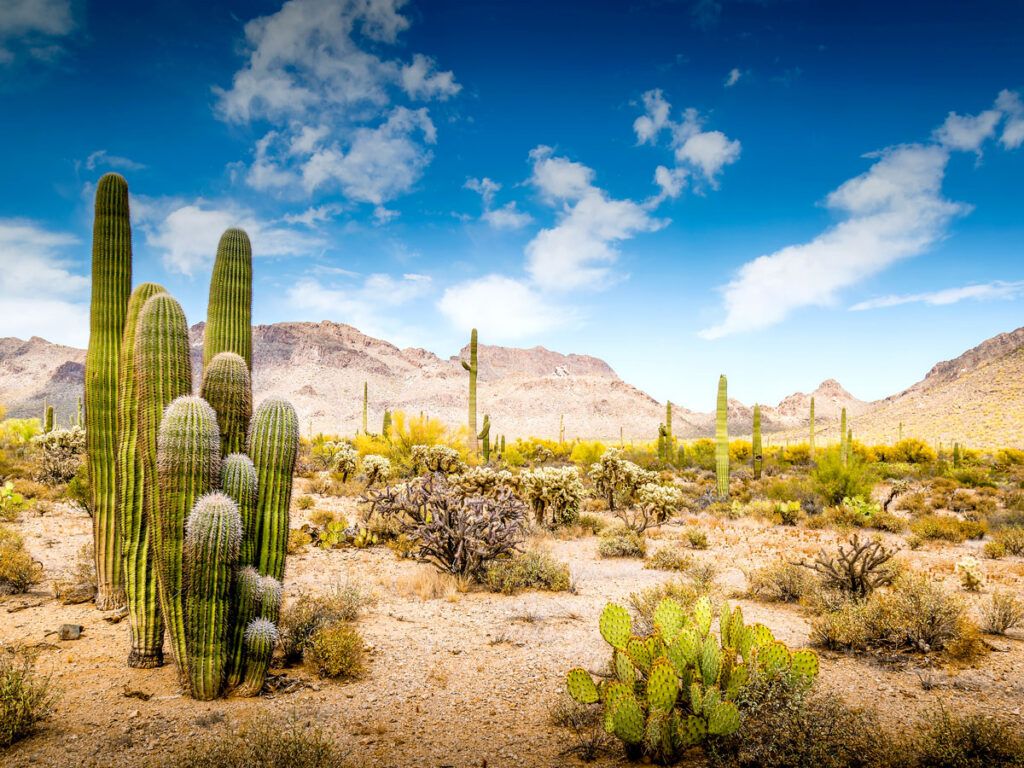
Annual precipitation: 7.2 inches
Hot, sunny conditions are the norm in Phoenix, which anchors the aptly named Valley of the Sun metro area. Arizona’s capital is the hottest major city in the U.S., averaging 111 days reaching 100 degrees Fahrenheit or higher. Its desert location in the Sonoran Basin, combined with clear skies and low humidity, keeps rainfall scarce and sunshine abundant. While you’ll have to work to stay cool and hydrated, outdoor activities around Camelback Mountain and tours of the Desert Botanical Garden can usually be enjoyed without worrying about being washed out.
1. Las Vegas, Nevada
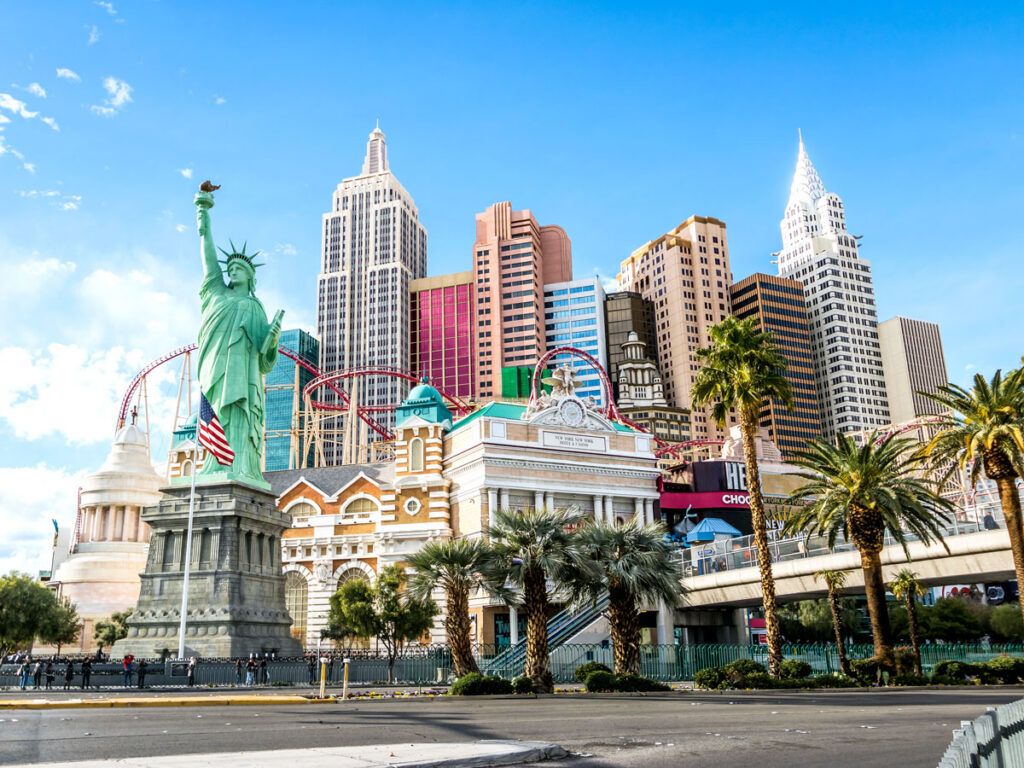
Annual precipitation: 4.2 inches
Las Vegas is the driest major city in the United States. Mountain ranges to the west, namely the Sierra Nevada and Spring Mountains, act as natural barriers, blocking Pacific moisture from entering the valley. The dryness is paired with summer temperatures frequently in the triple digits. While it can be difficult to gauge the time of day inside world-famous casinos, Las Vegas has plenty more to offer outdoors, including the nearby Valley of Fire State Park.
More from our network
Daily Passport is part of Inbox Studio, an email-first media company. *Indicates a third-party property.