


4 States That Have Banned Billboards
4 States That Have Banned Billboards
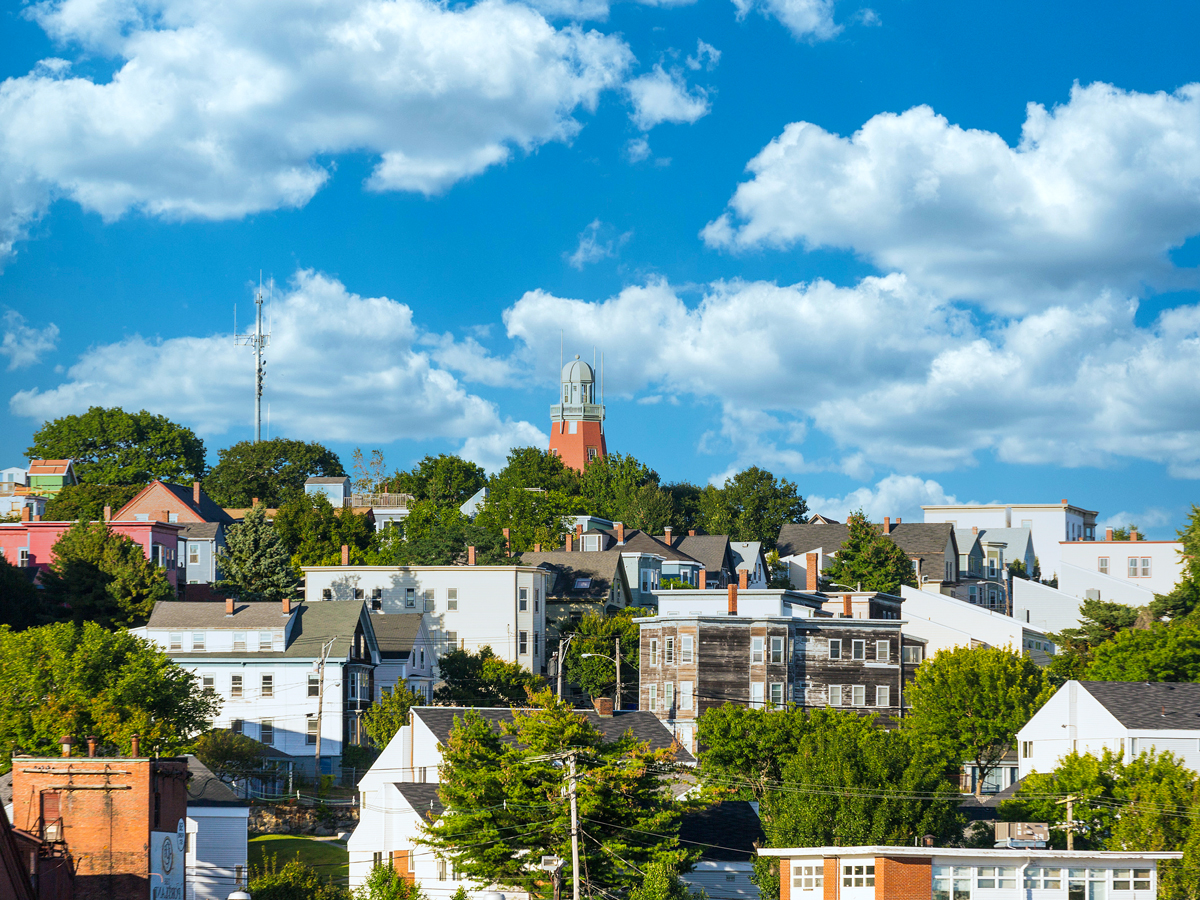

Most road trips in the U.S. come with a steady stream of billboards and roadside ads, but a few states do things differently. Some states have banned billboards entirely, aiming to cut down on visual clutter and keep the focus on the landscape, so driving through these places feels more open and less crowded by advertising. Here’s how these bans came to exist.
Hawaii
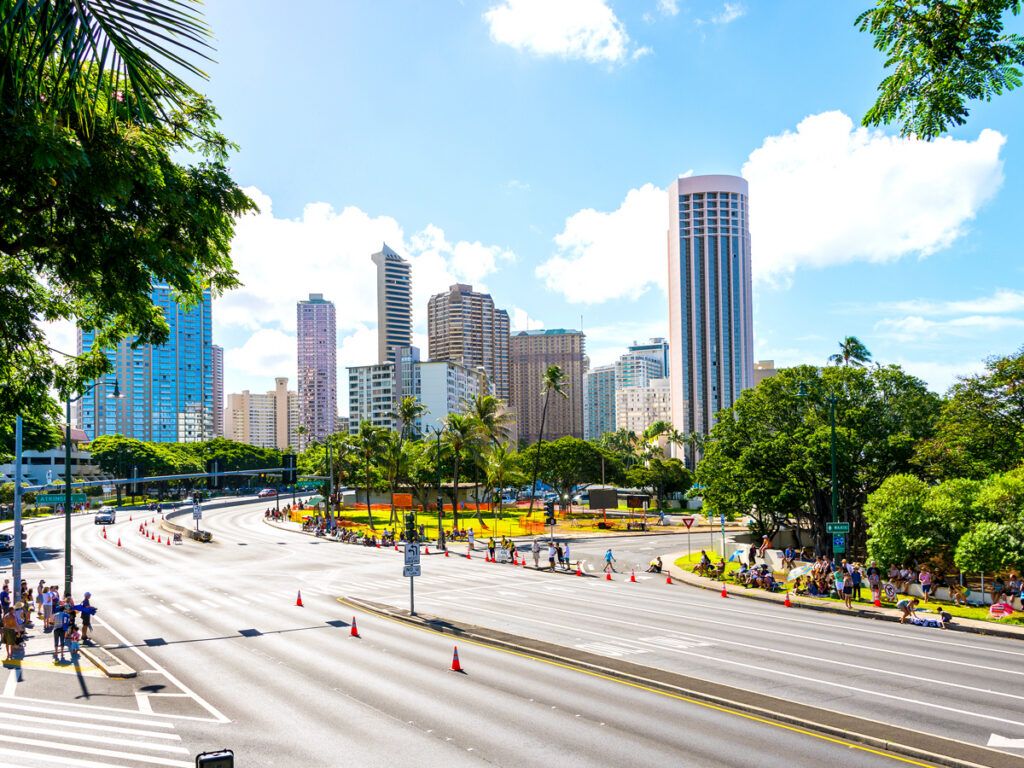
Hawaii feels worlds away from most places in the U.S. — and it’s not just because of the stunning tropical scenery. Hawaii is one of the only four states in the country that completely bans billboards, which means the views of beaches, mountains, and ocean are unobstructed by giant roadside ads.
In 1927, Hawaii became the first U.S. state to ban roadside billboards after local business leaders, residents, and conservation groups pushed for stronger protections for the islands’ scenery. At the time, there was growing concern that large roadside advertisements would take away from Hawaii’s natural beauty and turn the landscape into something more commercialized.
The campaign to ban billboards was spearheaded by the Honolulu Outdoor Circle, a women-led civic group dedicated to keeping Hawaii “clean, green, and beautiful.” They argued that Hawaii’s serenity was part of its identity and should be protected from roadside distractions. The group’s efforts eventually helped pass legislation banning billboards across the territory (Hawaii became a state in 1959). Nearly 100 years later, the difference is still noticeable.
Alaska
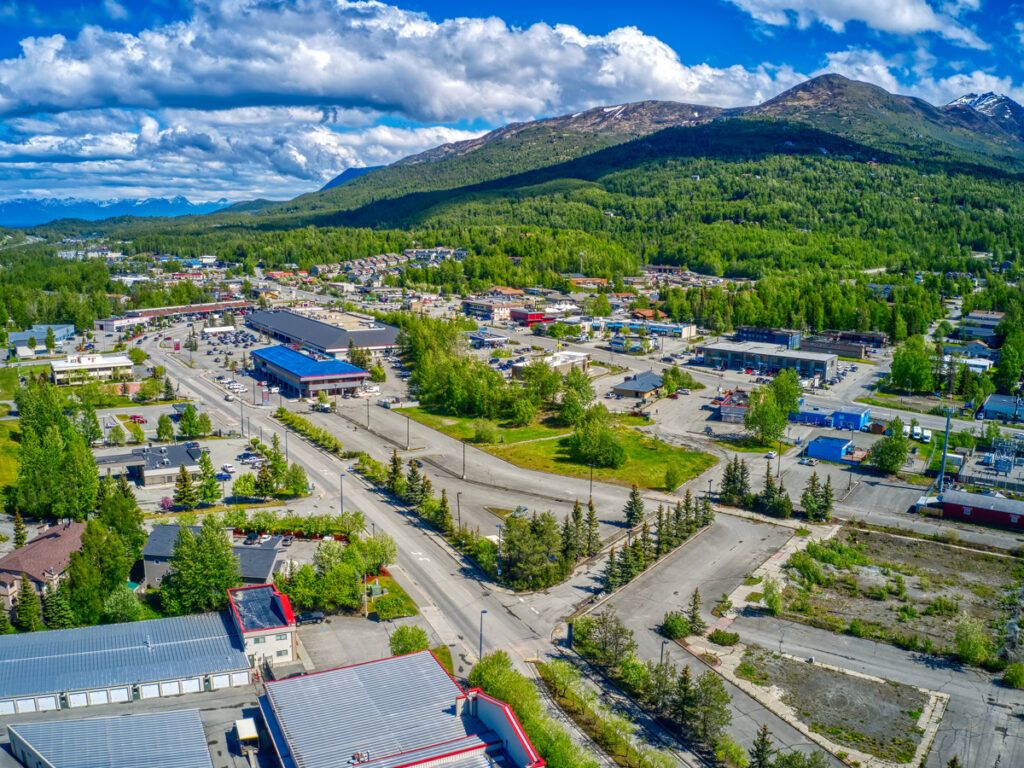
Alaska is another state where you won’t see roadside billboards, and the reason is similar to Hawaii’s: Locals wanted to keep the wilderness looking pristine. The territory passed a billboard ban in 1949, before Alaska was part of the U.S. Later, Alaska gave highway patrol officers the authority to remove illegal billboards. The ban was reinforced in 1998 when state voters overwhelmingly approved a measure permanently prohibiting billboards along roadsides, stating, “Alaska shall forever remain free of billboards.”
State leaders and conservationists pushed for each of these bans to protect the natural scenery that made Alaska famous and to preserve its important tourism industry and outdoor identity. Supporters of the bans argued that giant roadside ads would cheapen the experience of driving through the state; instead of commercial development dominating the highways, they wanted the scenery itself to be the main attraction. Today, thanks to the billboard ban, visitors can soak in uninterrupted views of snow-capped peaks, lakes, and wilderness stretching for miles.
Vermont
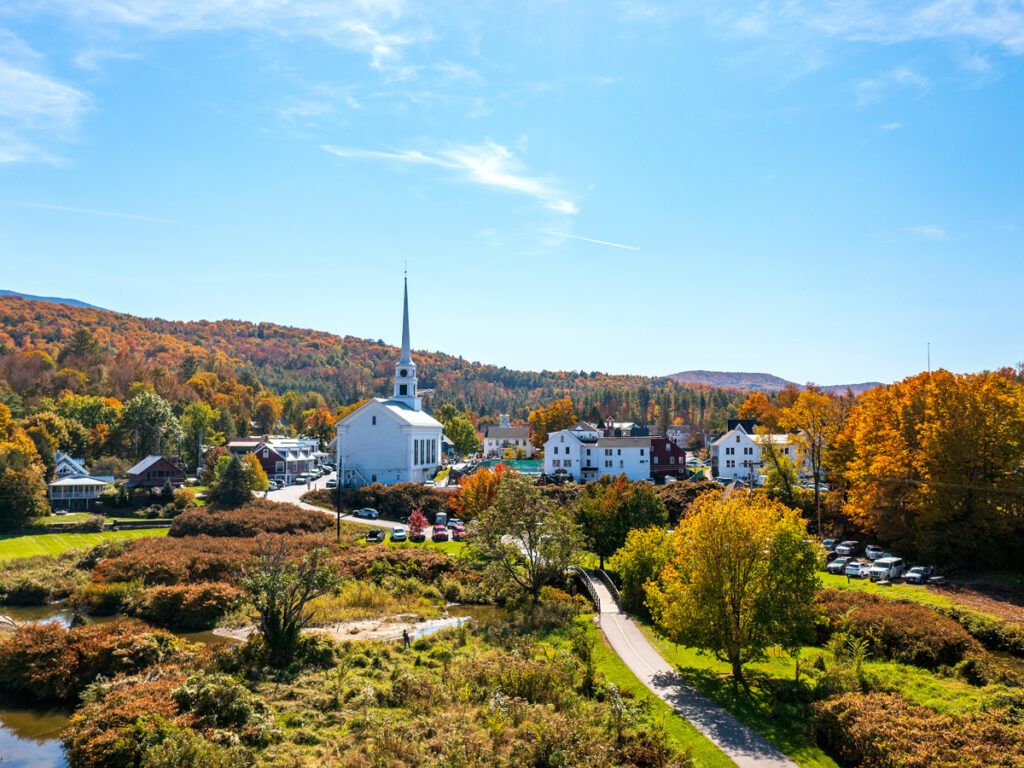
In 1968, Vermont joined Hawaii and Alaska in banning billboards statewide. Like in those other states, lawmakers and conservation advocates in Vermont worried that roadside advertising was detracting from their state’s scenic character and small-town charm. Then-governor Philip H. Hoff strongly supported the effort; he believed preserving the state’s natural assets was important for both cultural and economic reasons.
The law was followed by a broader set of legislation passed in 1970 to protect Vermont from overdevelopment. Around the same time, the state introduced other protections for farmland, forests, and the Green Mountains. Today Vermont is known for its simple wooden business signs, historic general stores, and scenic roads lined with covered bridges and maple forests.
Maine
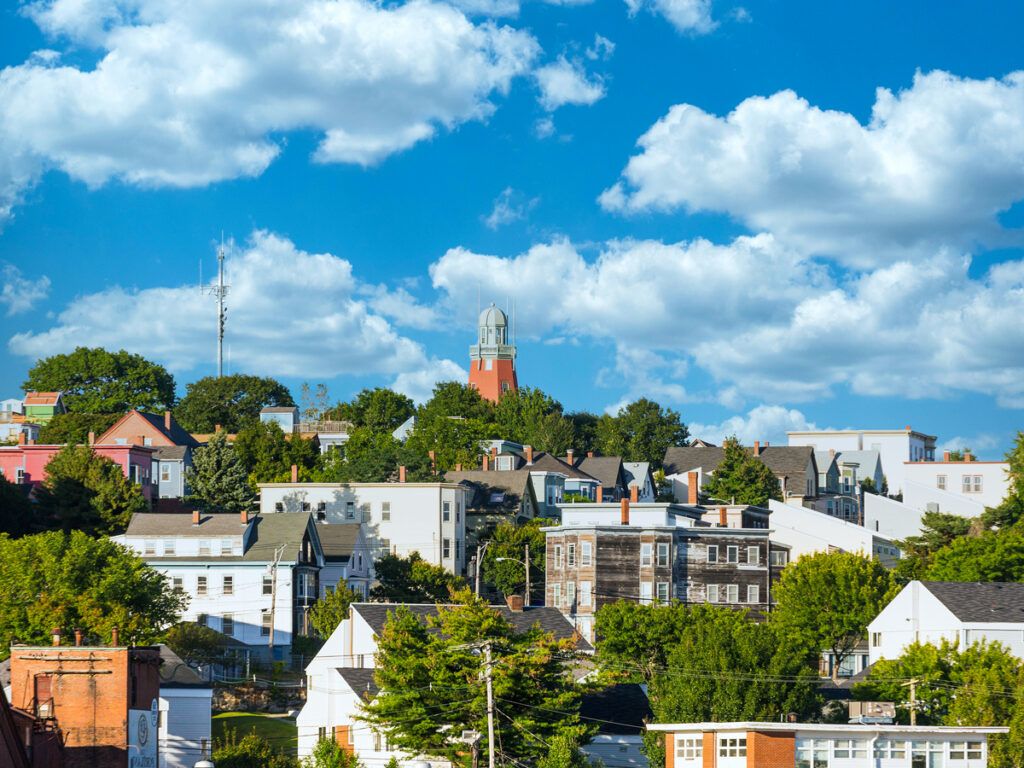
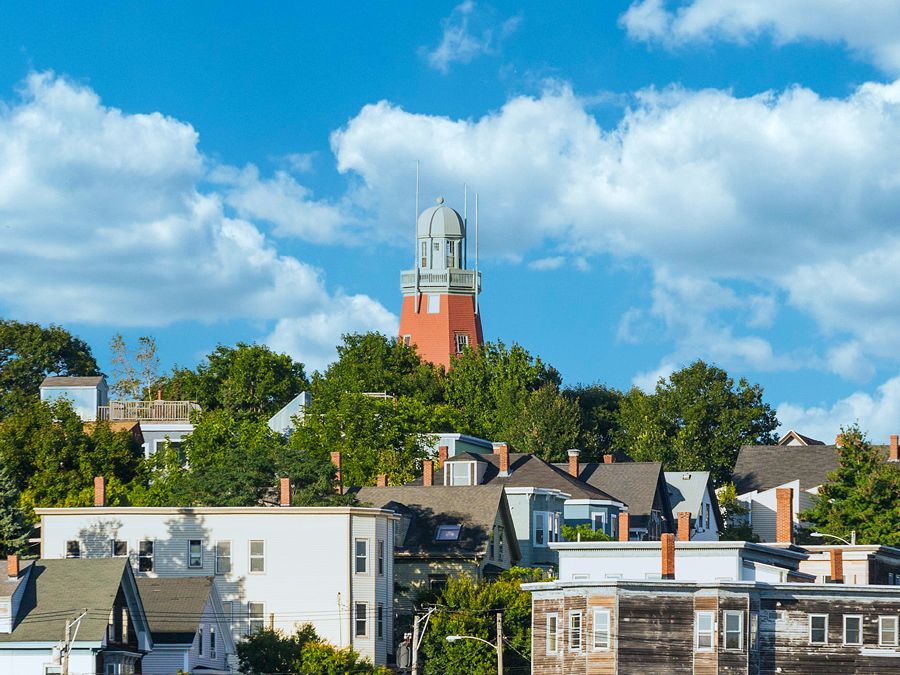
Billboards have been banned in Maine since 1977. The law not only prohibited new billboards but also required the removal of existing ones. The absence of roadside advertising feels especially fitting for a state like Maine, where rugged wilderness, abundant wildlife, and dramatic Atlantic coastline remain largely untouched. For nature lovers, that serene scenery is part of the appeal. There are a few exceptions to the ban, however. Noncommercial and religious messages are still permitted, which is why you’ll spot plenty of Christian billboards around cities such as Lewiston.
One of the main champions of Maine’s billboard removal effort was then-Governor James B. Longley, who argued that the state’s tourism industry depended on preserving Maine’s natural scenery. State representative and environmental activist Marion Fuller Brown also played a key role in championing the legislation. After the law went into effect in 1978, existing billboards were gradually removed over the next six years, with the last one coming down in York County in 1984.
More from our network
Daily Passport is part of Inbox Studio, an email-first media company. *Indicates a third-party property.