





7 Taxi Mistakes You’re Making Abroad

When you’re traveling overseas, it’s often convenient to take taxis or rideshares to get around. But issues can arise, especially in unfamiliar destinations, so it pays to do a little research prior to your trip. Here are seven mistakes that travelers make when using taxis or rideshares in other countries.
Not Checking Your Taxi Is Fully Licensed
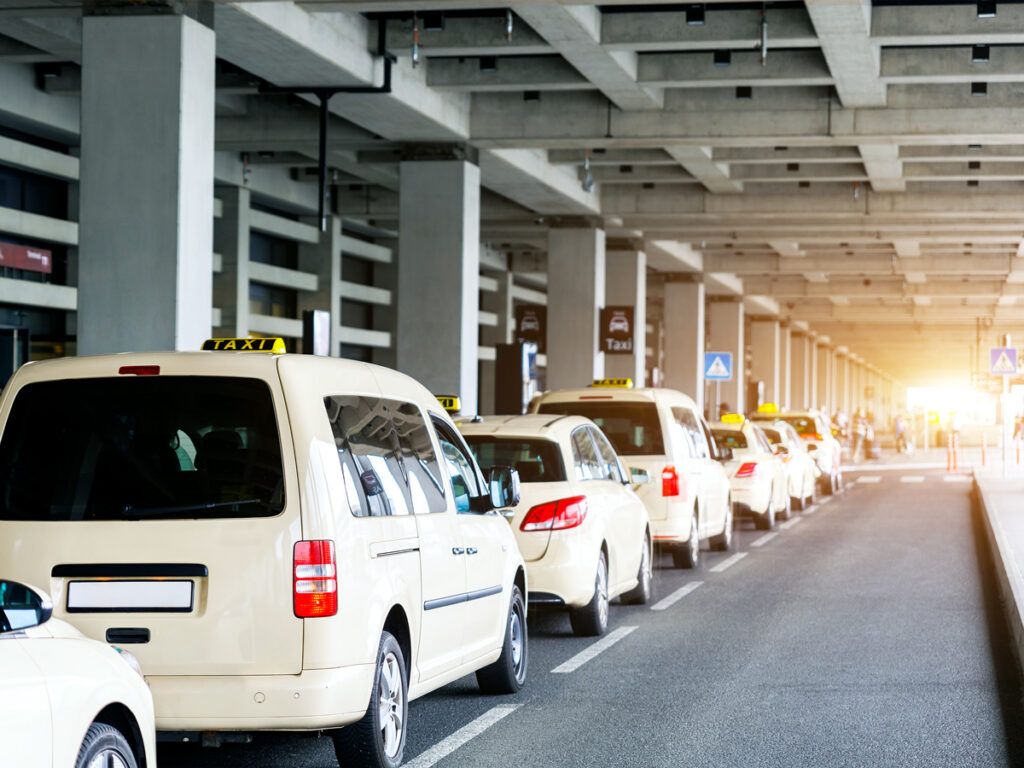
Hailing an unofficial taxi is always more risky than using a reputable licensed operator. In crowded, unfamiliar locations such as the airport arrivals area or a city bus terminal, you might be greeted by someone asking if you need a taxi. When you’re jet-lagged or travel weary, it can be easy to mistake them for a licensed operator, but in many places, drivers are not permitted to solicit rides this way. Instead, look for an official stand, kiosk, or office. That way, you can be confident that you are paying a fair rate and will (hopefully) reach your intended destination without incident.
Not Confirming the Price of Your Ride
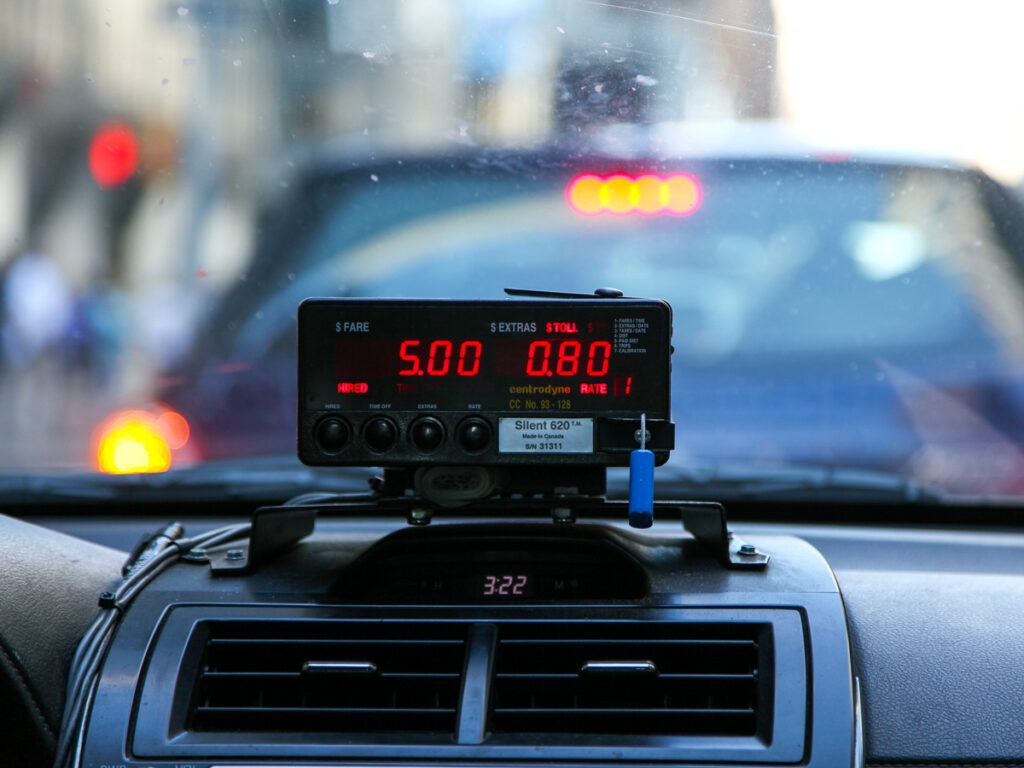
Whether you check for a price on an app such as Uber, a list of flat-rate fares, or with the driver directly, it’s good practice to be sure you have at least a rough idea of how much your journey is going to cost before getting into a vehicle. If you check up front or agree beforehand with the driver on an exact rate, there should be no unpleasant surprises once you reach your destination. In areas where a meter is used, one way to guard against expensive, roundabout routes is by asking a local or your hotel concierge for an approximate figure, which you can reconfirm with the driver.
Paying With Large-Denomination Bills
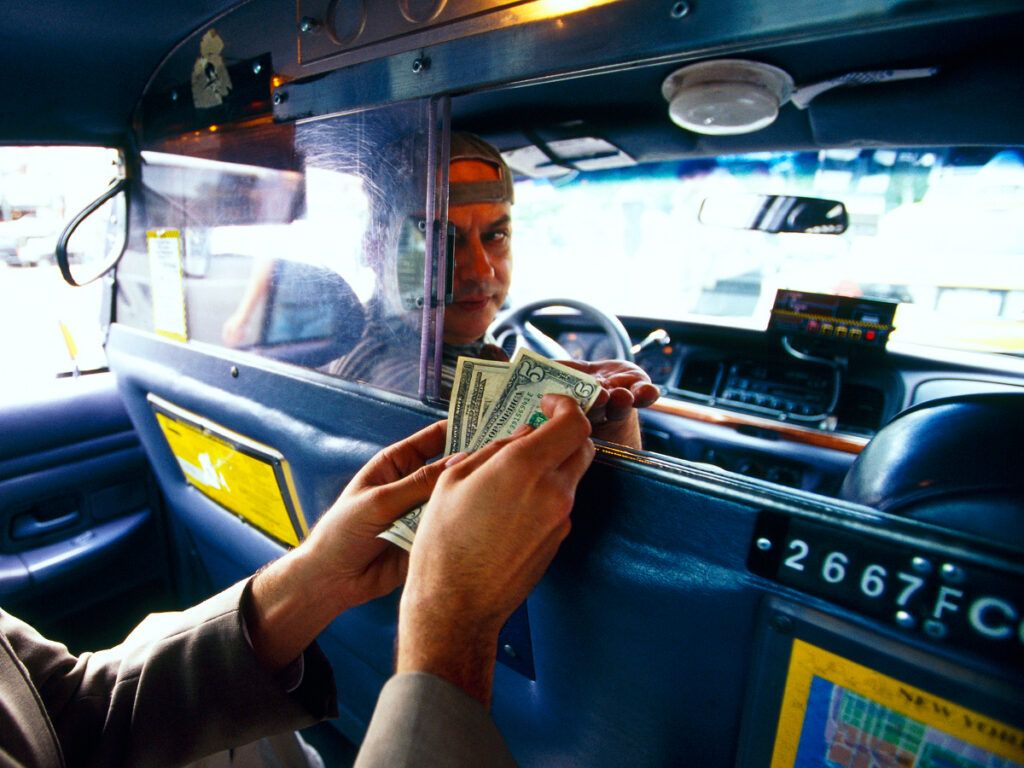
In some parts of the world, you’ll still be expected to pay in cash for a taxi ride. However, think twice before handing over a large bill and expecting change. You may have to wait while the driver wanders off to find someone to break it for them. Or worse, the driver may claim that they have no change. If you are not able to pay by credit card or via an app, make sure you have plenty of smaller bills and coins to be able to settle the fare with the exact amount. If that’s not possible, ask if the driver can give you change before getting in the cab.
Not Knowing the Local Geography
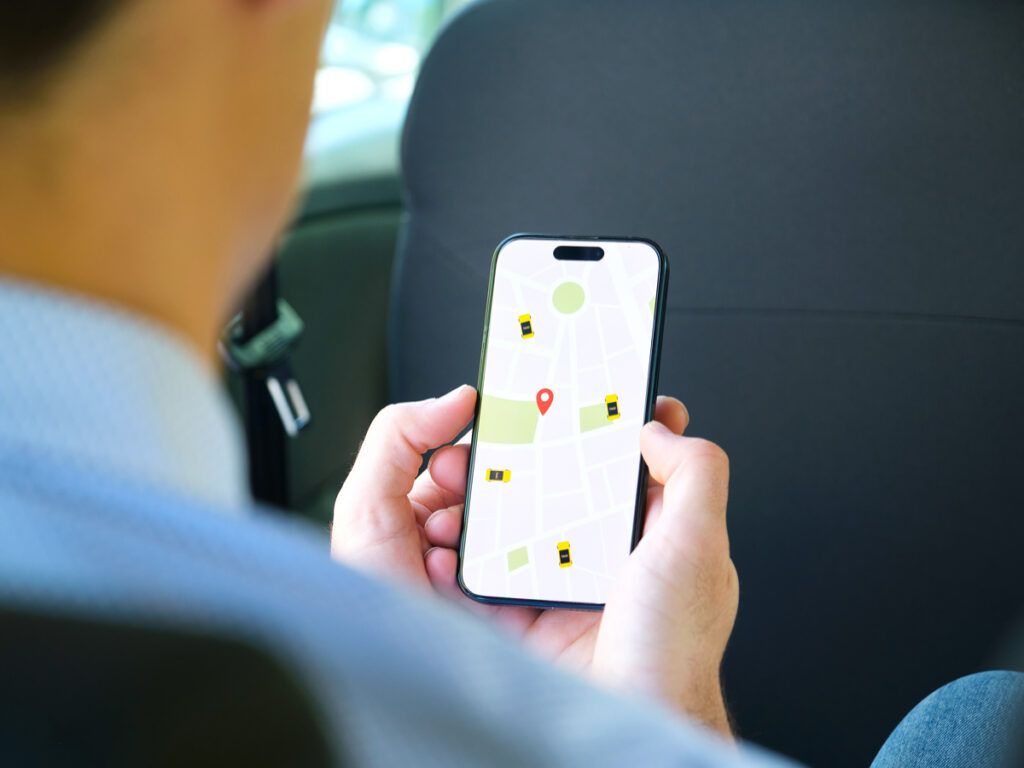
To reduce the chance of being scammed into a pricey and unnecessary detour, it pays to research how far your journey is and the most common routes to reach your destination. During the ride, follow the route on your phone so that you know where you should be going. Though unexpected traffic jams and street closures can necessitate deviations, you’ll be able to check that you’re still more or less on the right track. This will give you peace of mind, especially if you’re a solo traveler or riding late at night.
Allowing a Stranger To Share Your Ride

Unless you’ve opted for a shared service, it’s rarely a good idea to ride in a taxi with a complete stranger. You could find yourself in an awkward situation or even vulnerable to robbery, harassment, or assault. Even if the other passengers seemingly pose no threat, the journey could take considerably longer if you aren’t the first to be dropped off. Sharing can also cause issues when splitting the fare. If you do opt to ride with someone, at least make sure you agree on how much each person will pay.
Assuming Your Usual Rideshare App Is Available

While rideshares of some kind are available in many parts of the world, not all companies operate everywhere. If you plan to use a rideshare app to help you get around, research your destination in advance so you know which one is the best local option.
You might be used to using Lyft at home, for example, but it’s available in only nine European countries — and none in Asia. Additionally, in the past, Uber has been banned in European capitals such as London and Budapest. Those disputes have been resolved and you can currently use the service in both cities, but if your travels take you to, say, Iceland, you’ll need to use the local alternative, Hopp, or a regular taxi.
Paying for Your Ride in U.S. Dollars
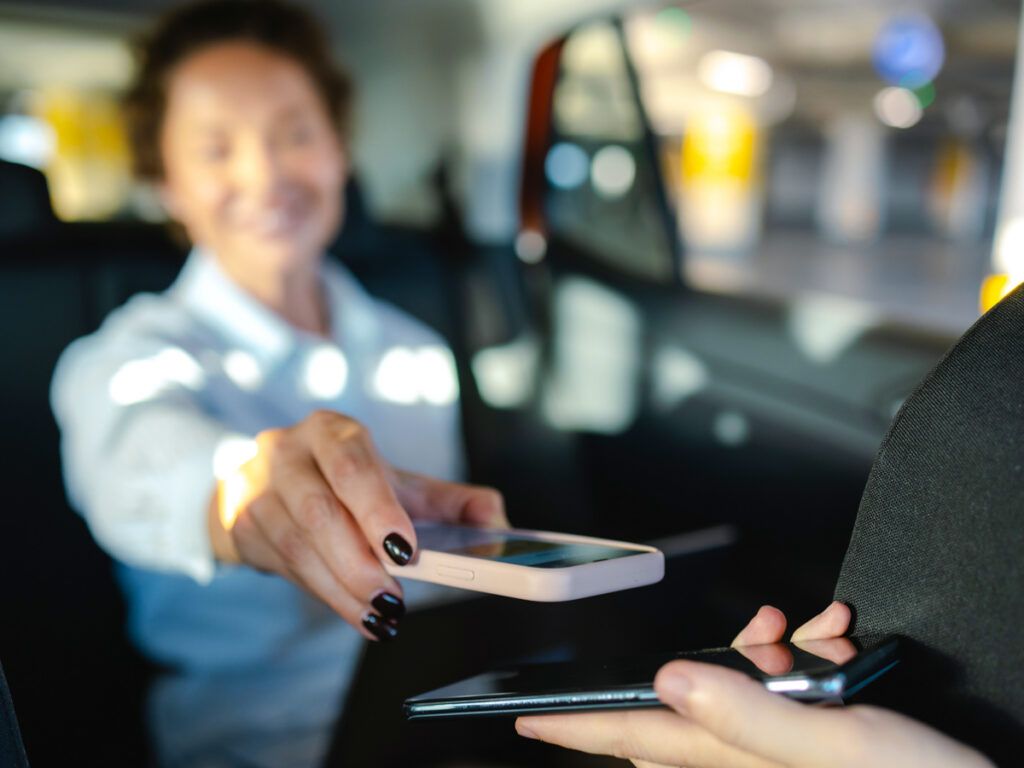
With rideshares, you may be offered multiple ways to pay, but it’s usually not sensible to default to U.S. dollars. Rideshare companies will most likely make sure that the conversion rate is in their favor, meaning you’ll pay more. You may also pay for the convenience of being charged in a currency with which you’re familiar. For example, Uber’s Preferred Currency Pricing comes with a 1.5% surcharge that can quickly amount to a significant markup on longer rides. Check your settings in the app and make sure you aren’t defaulting to this option so you don’t pay more than you need to.
More from our network
Daily Passport is part of Inbox Studio, an email-first media company. *Indicates a third-party property.