






6 Things Retirees Should Know About Traveling Solo
6 Things Retirees Should Know About Traveling Solo


Retirement opens the door to something many people spend years dreaming about: the freedom to travel on your own terms. According to the not-for-profit educational travel company Road Scholar, more seniors are choosing to travel solo than ever before, heading to popular destinations like Italy, Greece, Egypt, and Japan. And while traveling alone can come with concerns about safety, loneliness, and logistics, with the right preparation it can also be one of the most rewarding ways to see the world. Check out these six helpful tips to get you started.
Start Small

If this is your first time adventuring solo, consider starting small with a weekend getaway to a familiar location. National parks, for example, are the most popular destination for retirees, according to Road Scholar. At U.S. parks, seniors (ages 62 and up) can save on park entrance fees with Senior Annual and Senior Lifetime passes, as well as free lifetime passes for U.S. military veterans and anyone with a permanent disability.
The National Park Service’s Accessibility Task Force has improved access to national parks through paved walkways, wheelchair-accessible shuttles, and ADA-friendly trails. A few of the most ADA-friendly national parks include Acadia National Park, Yellowstone National Park, and Grand Canyon National Park.
According to Road Scholar, coastal cities — like Charleston, South Carolina, and Savannah, Georgia — are the second-most-popular destination choice among retirees. This type of trip is a great way to ease into solo travel with a low-stress itinerary that offers plenty of built-in relaxation.
Research Travel Warnings Before You Go

The National Council on Aging (NCOA) recommends that seniors travel and explore new places, as it can be great for mental health, but also offers several safety tips to help things go smoothly. Following public health guidance is important, so be sure to look up your destination on the CDC Travelers’ Health site, where travel health notices are posted.
Travelers heading abroad should also check the U.S. Department of State’s travel advisory list for up-to-date information on guidance and warnings for their destination. While you’re there, join the Smart Traveler Enrollment Program (STEP), a free service that lets you receive security updates, emergency alerts, and embassy notifications at your destination.
Book Group Tours

One potential concern for solo travelers is loneliness, but group tours address this by pairing you with like-minded travelers to share in the experience. Trafalgar, a global guided vacation operator offering escorted coach tours across six continents, is one popular option. The company notes that the average age of solo travelers who book with them has increased from 55 in 2016 to 62 in 2021.
Similarly, Intrepid Travel is no stranger to solo travel. The small-group adventure travel company, which offers tours in more than 100 countries, says that more than 50% of its bookings are from solo travelers. A local guide leads the way through immersive cultural experiences, with enough downtime to accommodate any activity level.
For solo travelers who don’t want a full group tour itinerary but are simply looking for dining companions while traveling, try using an app to find local dining experiences. Eatwith offers cooking classes, food tours, and dining experiences in local hosts’ homes in more than 130 countries. Similarly, group dining experiences, tours, fitness classes, and cultural experiences can be booked through Airbnb, allowing you to make new friends during your travels.
Find a Cruise Line With Solo Staterooms

Cruises are a great way to travel solo since they require minimal logistical planning. Plus, there are plenty of social activities for those wanting to meet new people on board, including organized solo meetups and community-style dining.
Some travelers may think cruising solo isn’t an option due to single supplement fees, which require a single traveler to pay the standard double-occupancy rate. Certain cruise lines offer a slight discount on the double-occupancy rate, but there are also cruise lines that have dedicated solo cabins where you don’t have to pay a single supplement fee.
One such example is Norwegian Cruise Line. From luxurious balcony rooms to budget-friendly studios, all of its ships are equipped to accommodate solo travelers, with hundreds of itinerary options to choose from. On certain Royal Caribbean cruise ships, single travelers can select a studio room and avoid the single supplement fee. Similarly, Holland America offers single ocean-view staterooms on several of its ships.
Employ a Few Smart Strategies To Stay Safe

Falls are the leading cause of injury among adults 65 and older, and getting injured in a foreign country may pose additional challenges with insurance and travel home. Because of this, the NCOA recommends prioritizing a hotel that meets your mobility needs, considering the fact that historical and rural hotels may lack up-to-date accessibility features.
Older adults are also often targets of theft and fraud. Use a hotel safe for your wallet, cash, jewelry, passport, and other important documents. While you’re out exploring, take the bare minimum with you, as pickpockets are common in touristy cities. Choose pants and jackets with interior zippers or consider investing in an anti-theft cross-body bag (featuring a dual zipper lock) or a hidden money belt.
Purchase Travel Insurance
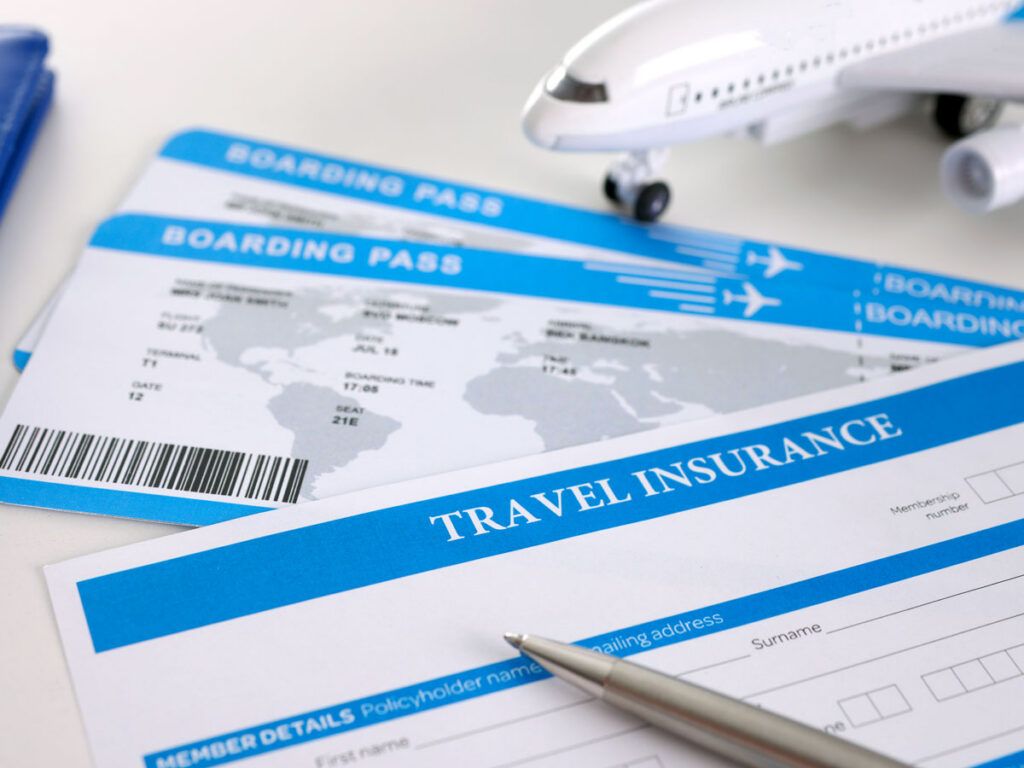
Travel insurance may not be the most exciting tip on this list, but it could be the most important. Seniors traveling solo should consider purchasing comprehensive coverage before their trip because it can alleviate financial losses such as flight cancellations and lost baggage. And more importantly, these plans cover health issues while traveling abroad.
Typically, U.S. health insurance policies offer limited coverage while traveling abroad, and some offer none at all. For example, Medicare and Medicaid generally do not cover incidents during international travel, leaving many seniors unprotected during their trips.
There are a few key considerations for seniors shopping for travel insurance, including coverage for preexisting conditions, medical emergencies, and evacuations. Navigating foreign health care can be difficult, especially alone, so having a travel insurance policy in place will make things easier. If you’re unsure where to begin, the top three travel insurance companies for seniors in 2026, according to U.S. News and World Report, are Seven Corners, IMG Travel Insurance, and WorldTrips.
More from our network
Daily Passport is part of Inbox Studio, an email-first media company. *Indicates a third-party property.