



The 5 Most Expensive States To Visit in 2026
The 5 Most Expensive States To Visit in 2026

With airfares, hotels, and food bills constantly on the rise, traveling is getting more expensive throughout the United States (and around the world). However, not all destinations hit the pocket the same. States with world-famous cities and big-name attractions are often assumed to be the front-runners when it comes to costs, but there are a lot of factors to consider. A new ranking by Timeshare Exit Team, a review website that helps timeshare owners find companies that can help them exit their timeshare, paints a surprising picture of the numbers state by state. Check out the five most expensive states in the contiguous U.S. to visit in 2026, per the study.
5. Florida
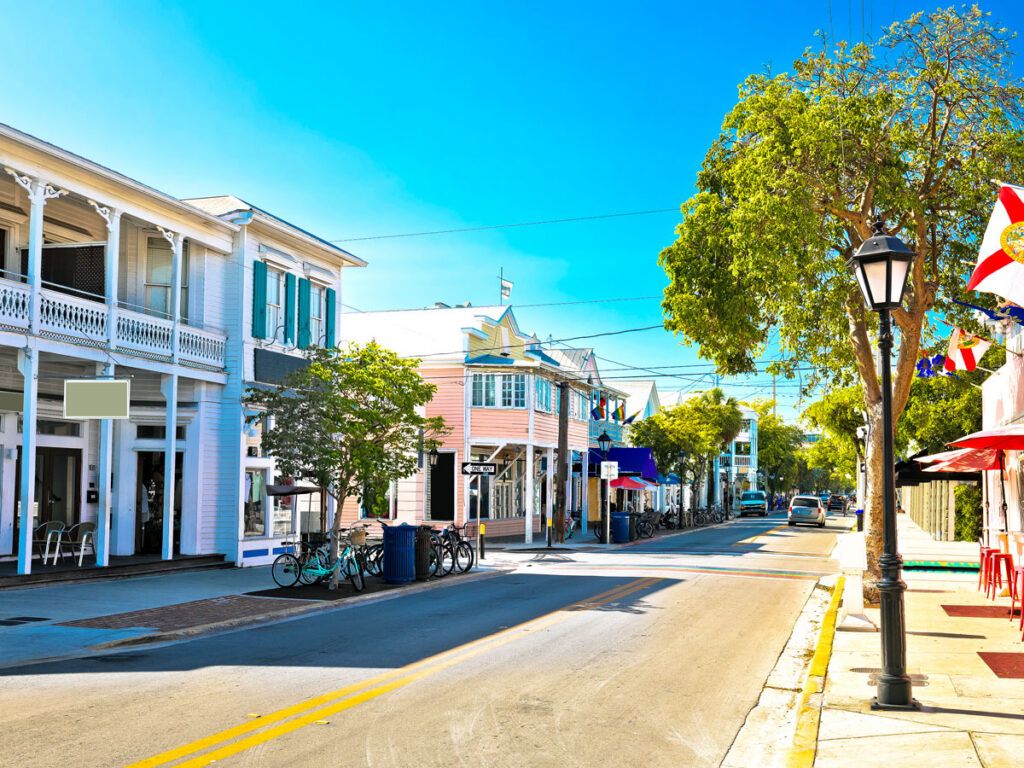
Average daily travel costs: $365.60
Florida ranks among the top 10 most-visited states. This is thanks in part to its mix of world-famous theme parks, vibrant cities, white-sand beaches, and year-round sunshine. While hotel rates average $151.75 per night, the real expense comes when you start exploring. Attraction fees are the state’s biggest cost, averaging $151.30 per person, per day. For example, adult single-day tickets for Walt Disney World now max out at $209 during peak periods.
Outside of Orlando, visitors often head for coastal cities like Destin, Key West, Miami, and St. Petersburg. With perpetually warm weather, tourist demand rarely dips, which means prices stay high. Fortunately, Florida does have plenty of affordable things to do that can help balance the budget. Both the Disney Wilderness Preserve and Florida Keys National Marine Sanctuary, for instance, are free to visit.
4. New York
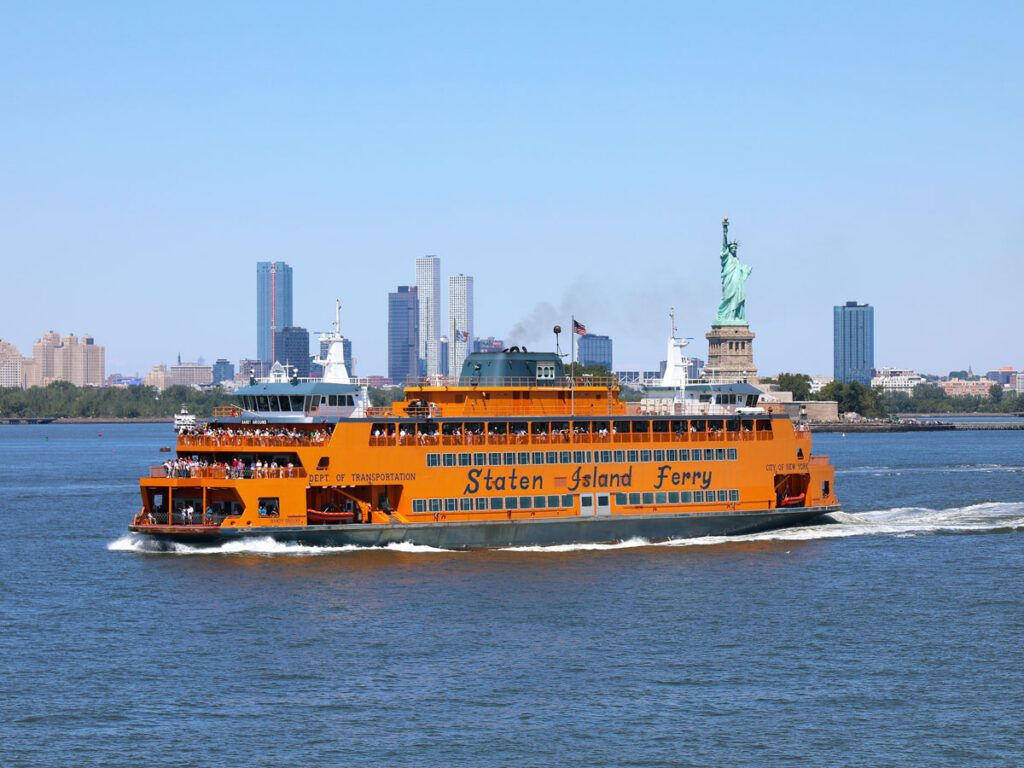
Average daily travel costs: $380.71
The biggest tourism expense in New York state is finding a place to sleep. With accommodations averaging $259.84 per night, it’s one of the priciest states for overnight stays. Travelers also face the nation’s highest average taxi rates — and that’s before you’ve even thought about meals, drinks (the country’s most expensive), and entertainment.
Perhaps surprisingly, daily attraction costs average a modest $24 — great news if you plan to visit Niagara Falls or the Big Apple’s many museums and galleries. Other budget-saving tips include traveling on the statewide network of affordable buses operated by Trailways or the free Staten Island Ferry, which comes with the added benefit of epic views of the Manhattan skyline and Statue of Liberty.
3. California
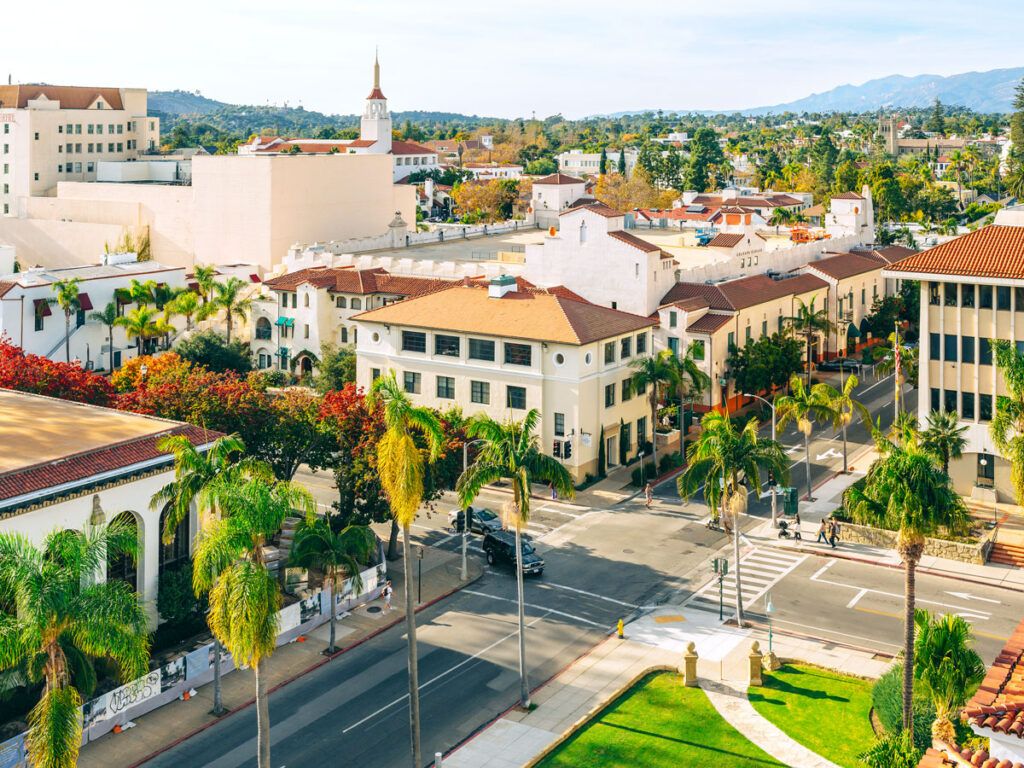
Average daily travel costs: $389.33
The average daily accommodation price in the Golden State is $183.60, which is relatively low compared with other states in the study. However, attraction costs tell a different story. At $131.50, they are the highest in the country. From the theme parks of Southern California to aquariums, zoos, and sporting venues, sightseeing costs can quickly overtake what you spend on hotels.
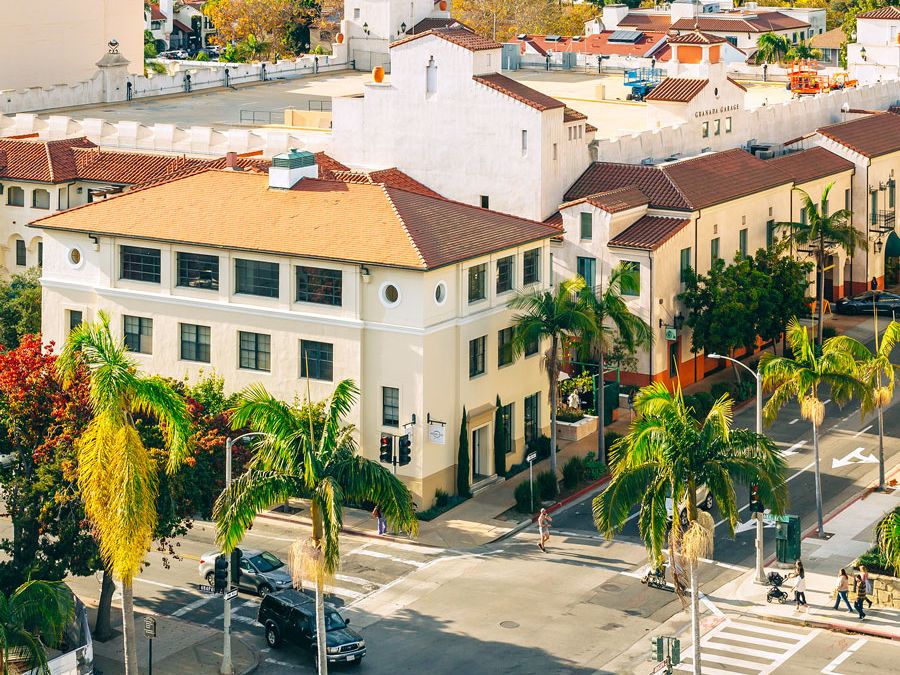
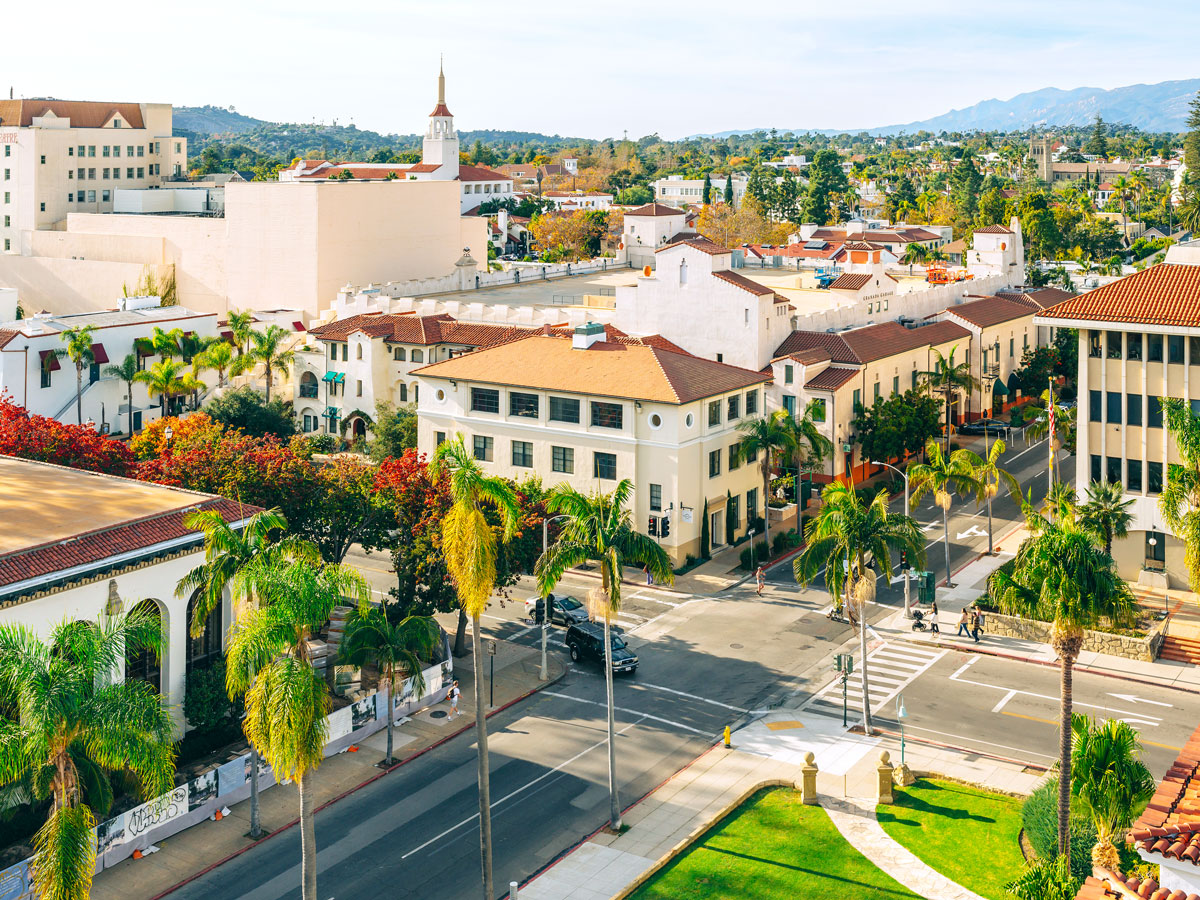
The enormity of California also plays a role in budgeting. Many visitors try to squeeze places such as San Diego and Santa Barbara, one of the country’s most expensive cities, into a single trip, which adds to transportation and activity costs. Luckily, you’ll find dozens of free activities from north to south. Attending live talk show tapings or hugging trees at UC Davis Arboretum are two examples that won’t cost you a dime.
2. Massachusetts
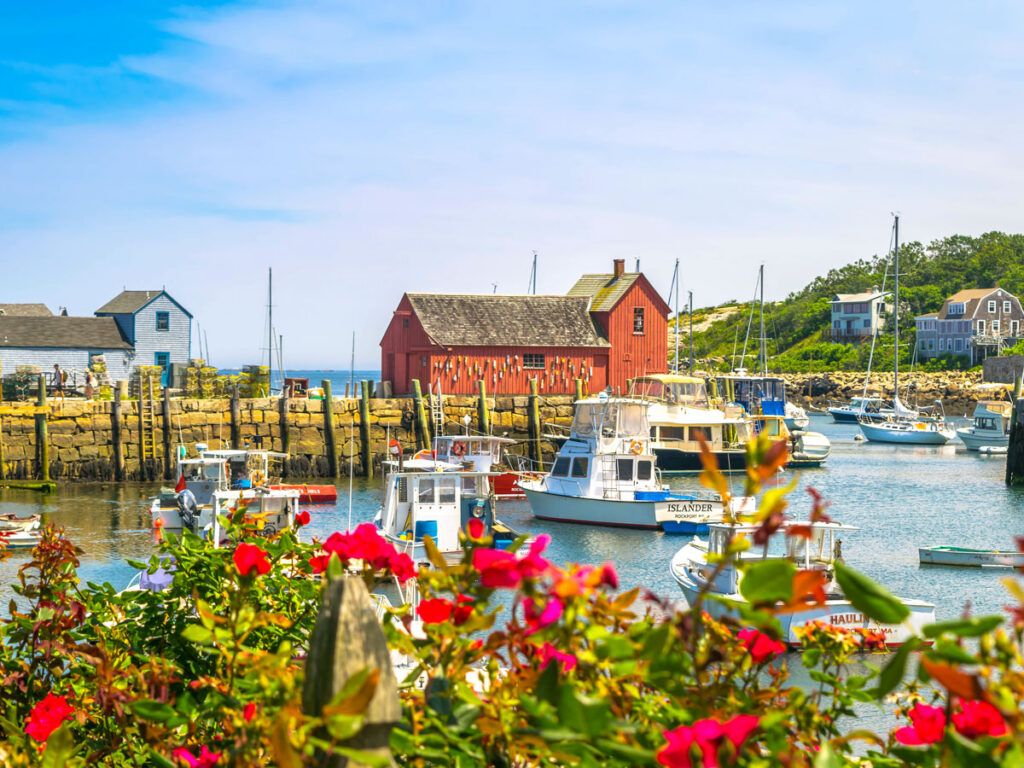
Average daily travel costs: $413.87
Massachusetts attracts visitors with colonial heritage, prestigious universities, and scenic coastlines. But it’s the state with the second-highest cost of living, and traveling here comes at a high price, too. Nightly hotel rates average $329.54, putting a dent in your budget from the get-go. On a positive note, major attractions including the Freedom Trail and Boston Public Garden are free.
Beyond Boston, Massachusetts boasts 16 National Park Service sites, ranging from battlefields and historic homes to sweeping seashores. Resort destinations such as Cape Cod and Nantucket are longtime favorites for their lighthouse-studded beaches, charming villages, and seafood, but they’re notoriously pricey. A 2023 report named Nantucket as the world’s most expensive seaside resort, with the cheapest available hotel rooms near the beach averaging $694 per night.
1. South Carolina
Average daily travel costs: $450.07
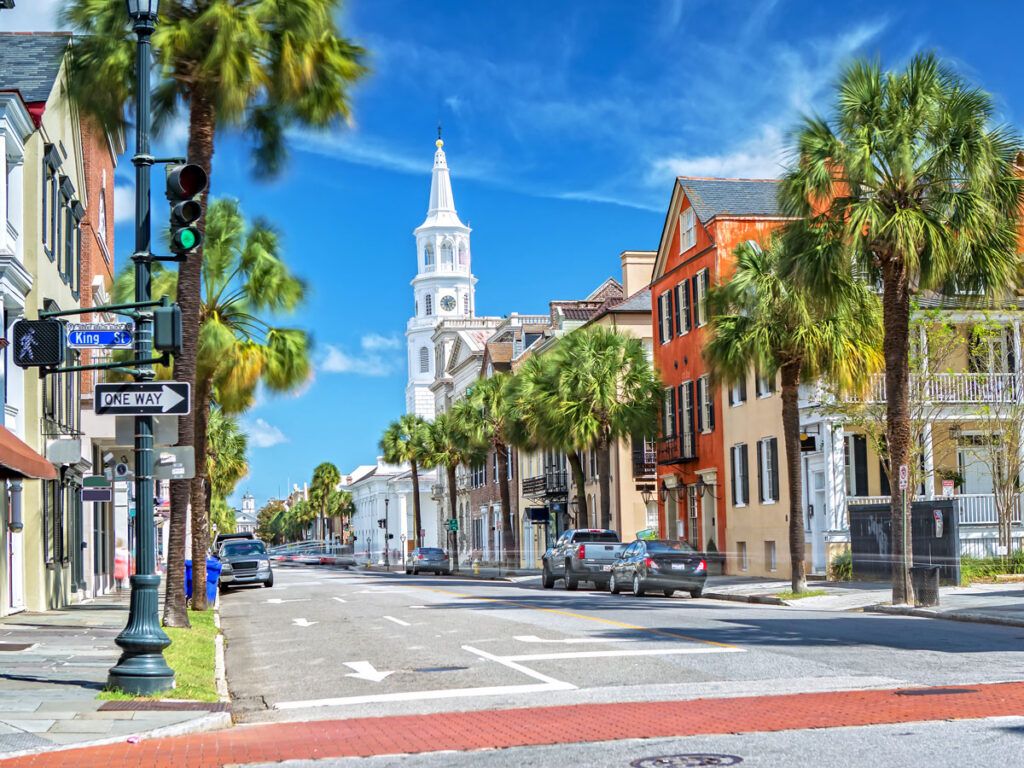
Home to popular destinations such as Charleston, Myrtle Beach, and Hilton Head Island, South Carolina is the most expensive state to visit in the U.S., according to Timeshare Exit Team. Hotel rates average $349.62 per night, while meals average $75 per day, the most expensive nationally in the study.
With some careful planning, however, South Carolina’s expense shouldn’t necessarily be a deterrent to visiting. Beaches, historic districts, and waterfront promenades can be enjoyed for little or no cost. Similarly, the picturesque downtown streets of Charleston and Columbia are best explored on foot. And the state’s only national park, Congaree National Park, has free admission year-round, as does Lynches River County Park.
About the data: This ranking draws on a study conducted by Timeshare Exit Team, shared with Travel + Leisure, which calculated the average per-person daily cost of travel across each of the 48 contiguous states. (The study excluded Alaska and Hawaii.) Costs analyzed included accommodation, attraction admission fees, transport, food and drink, and other everyday spending.
More from our network
Daily Passport is part of Inbox Studio, an email-first media company. *Indicates a third-party property.