





The Rise of ‘Second-City’ Travel

The likes of Venice, Paris, and Miami have no shortage of visitors, and that’s not likely to change anytime soon. But a growing number of travelers who’ve grown tired of crowds and sky-high prices are increasingly choosing the less-famous neighbors of big-name cities. Take a glimpse at the rising trend of “second-city” travel.
What Is Second-City Travel?
“Second-city” travel traditionally refers to visiting the second-largest or second-most-famous city or region in a particular place, but it has expanded to encompass traveling to overlooked destinations generally. Phil Dengler, co-founder of the Vacationer, told HuffPost that partaking in the trend usually means skipping the most popular city or region in an area in favor of the second-, third-, or fourth-most-known spots. Some travelers opt for the best of both, pairing a second city with a nearby, bigger-name destination on the same trip.
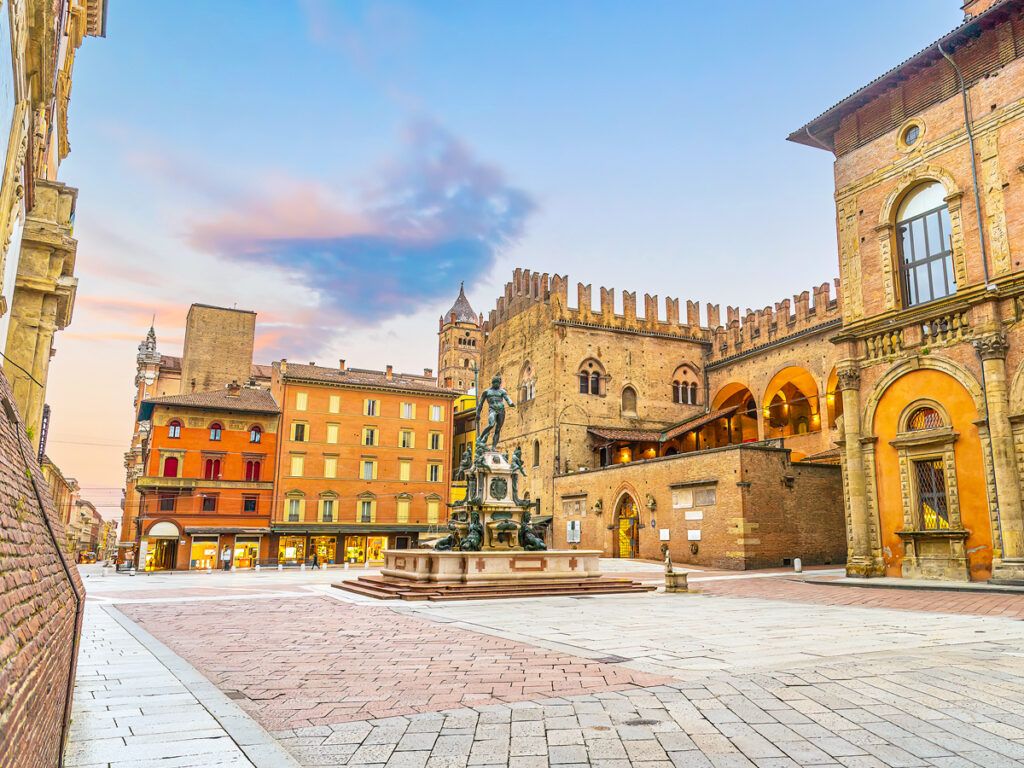
For instance, San Diego plays the role of “second city” to Los Angeles in Southern California, while on the East Coast, Boston offers an alternative to New York City. In Europe, visitors might head for Madrid instead of Barcelona, or Bologna as opposed to Rome or Florence. Only Paris has the Eiffel Tower, but in Rouen, you can stroll along the Seine, visit the city’s own Notre Dame Cathedral, and admire the same views that inspired Monet from the top of Sainte-Catherine Hill. Tokyo pulses with nonstop activity, but Fukuoka — the home of tonkatsu ramen — has far few tourists and boasts an array of hot springs, temples, castles, beaches, and street food carts known as yatai.
Why Now?
Overtourism is the primary driver behind the rise in the popularity of second-city travel. As marquee destinations make headlines for record crowds and rising prices, so-called “second cities” offer less-congested and lower-cost alternatives that still deliver similar cultural and culinary appeal.
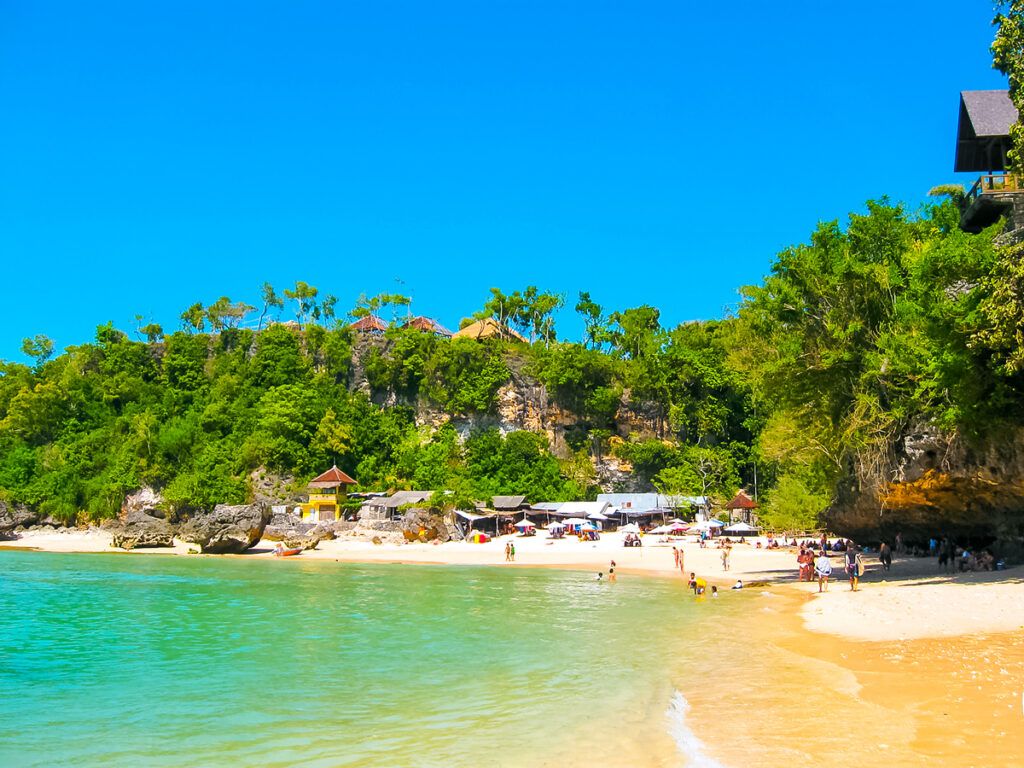
Data illustrates the second-city shift. For instance, in 2026, searches from Singaporean travelers for Guiyang, the capital of China’s Guizhou province, jumped 316% year-over-year, while searches for Padang, Indonesia, rose 141%, according to Skyscanner and Expedia figures cited by Travel and Tour World. And in an uncertain economy, value-sensitive travelers are seeking out secondary cities as an affordable alternative to their better-known neighbors.
Social media is influencing the second-city trend, too. Travel and Tour World reported that platforms such as Instagram and TikTok have pushed under-the-radar destinations into view, citing one traveler whose interest in Lithuania’s Hill of Crosses, sparked by a TikTok video, led her to explore North Macedonia and Croatia as well.
The Appeal of Second Cities
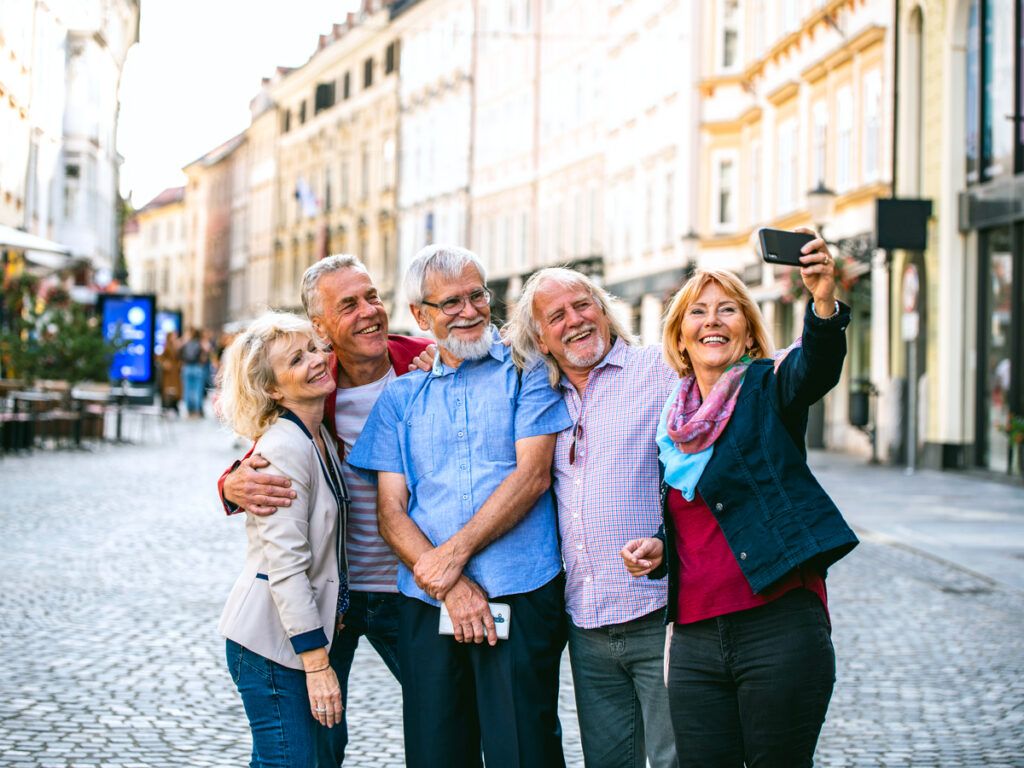
Jen Totten, founder of MeetUS, a travel company specializing in groups and events, told us that second cities offer more overall value, and they can be a particularly good fit for groups.
“You get a more hands-on experience,” Totten said. “These ‘tier 2’ cities are hungry for your business, so you typically see a higher quality of customer service. You get a better bang for your buck.”
The Travel Alliance Partnership, meanwhile, cites the charm, value, and relaxed atmosphere that can come from choosing a hot spot-adjacent destination. Among the benefits: You won’t find as many long lines at landmarks, there’s often less traffic, they’re easier to navigate, and travelers may be able to tap into more authentic local experiences, compared with cities that are swarmed with tourists.
Take it from travel expert Rick Steves, who says that Europe’s second cities “tend to enjoy a creative edge, a strong civic spirit, a Rust Belt toughness, fun-loving eateries with cutting-edge menus, entertaining street art … and far fewer tourists, which also means lower prices, a more authentic welcome, and arguably a more honest cultural experience.”
More from our network
Daily Passport is part of Inbox Studio, an email-first media company. *Indicates a third-party property.