





The Surprising Places Where 10 Popular Foods Originated
The Surprising Places Where 10 Popular Foods Originated

Food traditions are constantly evolving as recipes cross borders, cultures mix, and chefs put fresh spins on classic ingredients. This can make a dish seem as though it belongs to one place, when its true origin story is somewhere more surprising. From the Caesar salad to one of the world’s most beloved pastries, here are 10 foods whose origins aren’t as obvious as they may first seem.
Caesar Salad
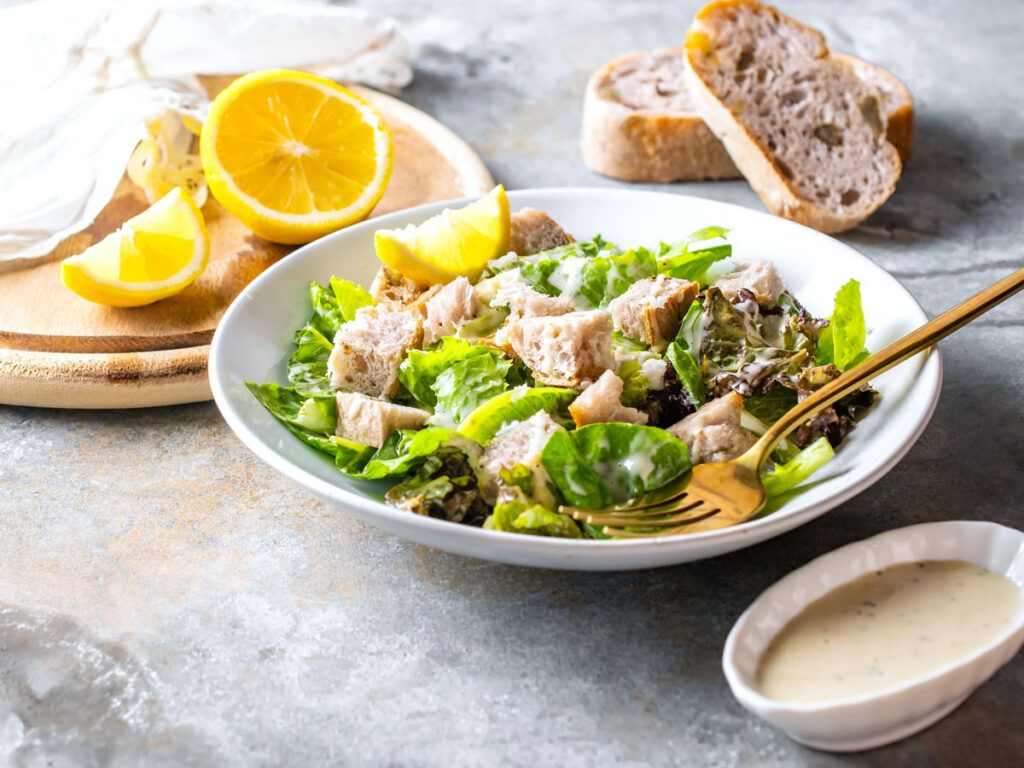
Despite having the same name as a Roman emperor, the Caesar salad wasn’t invented in Rome — or anywhere in Italy, for that matter. It does, however, have Italian connections. After emigrating from Italy, brothers Caesar and Alex Cardini opened a restaurant named Caesar’s in Tijuana, Mexico, in 1924. During a busy Fourth of July in this city close to the U.S. border, Caesar created his now-signature dish as a last-minute solution to running out of many of his kitchen staples, combining leftover ingredients in a flamboyant way to distract diners from that fact.
The original recipe was prepared with romaine lettuce, Parmesan cheese, croutons, and a creamy dressing, though Alex later jazzed it up with anchovies and Dijon mustard. It became a Prohibition-era hit, drawing Californians across the border — even Hollywood stars like Clark Gable — before becoming an international sensation.
Chicken Tikka Masala
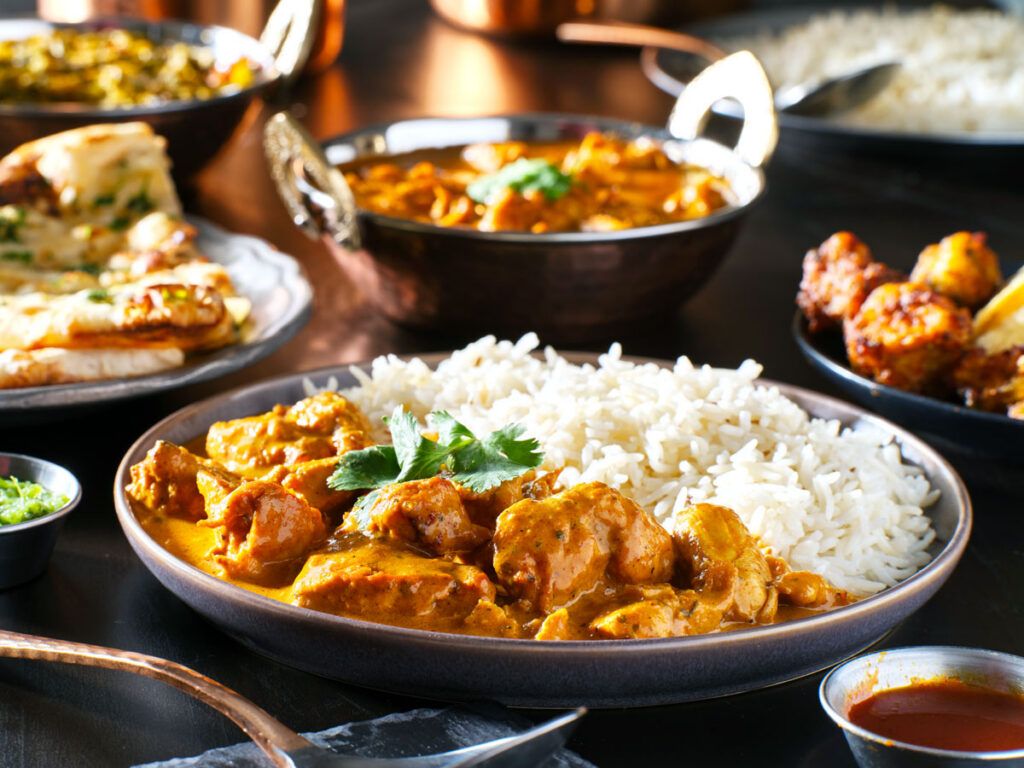
Walk into any Indian restaurant in the United Kingdom and you’ll almost certainly find someone enjoying a chicken tikka masala. The curry dish — which features boneless chicken and ground spices in a creamy tomato sauce — has even been called the U.K.’s “true national dish.” But is it a British or an Indian invention?
It would appear to be the former: The dish is widely credited to Pakistani Scottish chef Ali Ahmed Aslam, who invented it in the 1970s at his Shish Mahal restaurant in Glasgow, Scotland. When a customer complained that his traditional tikka chicken was too dry, Aslam reportedly soaked it in a creamy tomato sauce made with a blend of spices. The origins of the chicken base of the dish, however, reportedly date back to the 16th century and the lavish banquets of the Mongol conqueror Babur.
Croissant
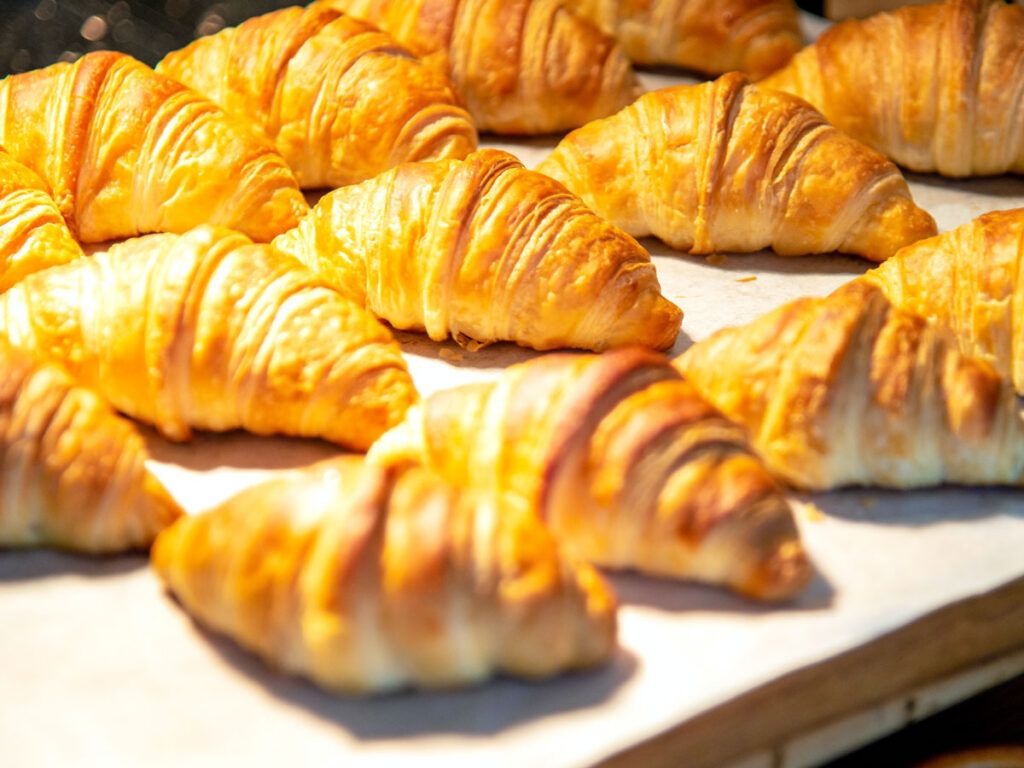
Flaky, buttery, and crescent-shaped, the croissant is a breakfast staple around the world. While it’s synonymous with French boulangeries, the croissant’s story actually began in Austria. Records suggest bakers were making a similar crescent-shaped roll called the kipferl by the 13th century.
The kipferl made its way to France in 1839 courtesy of August Zang, who opened a Viennese bakery in Paris. Local bakers later developed their own versions of the laminated, airy pastry we know today. In another baking twist, Austrians are also credited with introducing the Danish pastry to Denmark.
General Tso’s Chicken
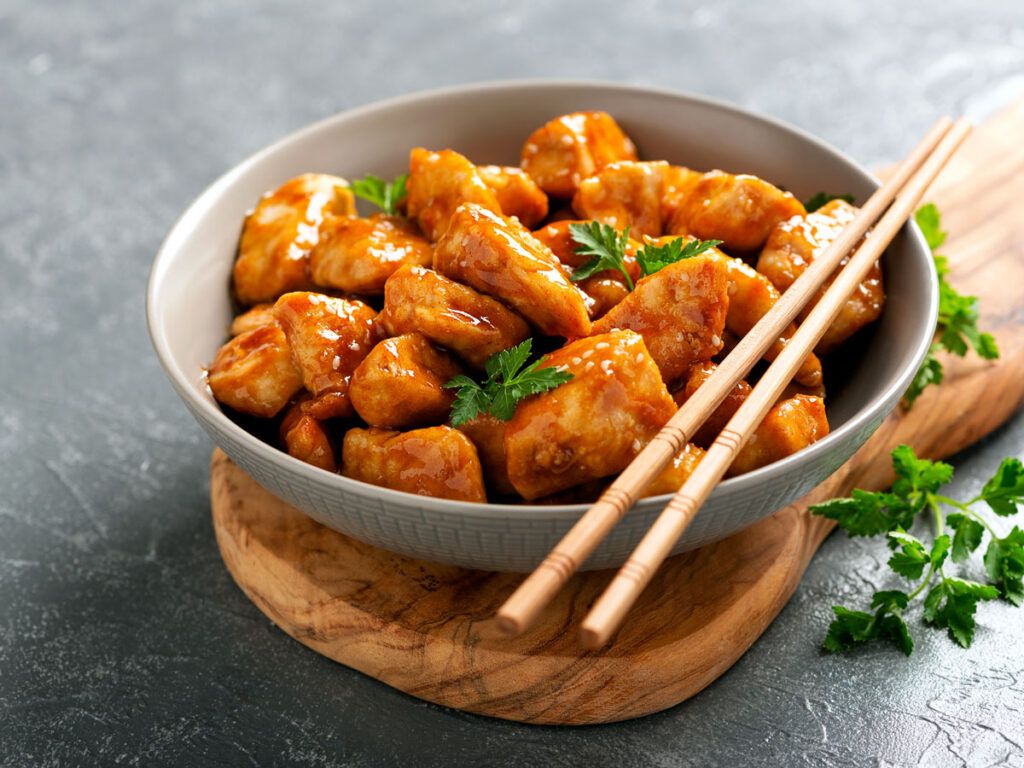
The sweet, sticky chicken dish served in Chinese restaurants across the United States has a surprisingly modern backstory. General Tso’s chicken was created in Taipei in the 1950s by Hunan-born chef Peng Chang-kuei. Following the Communist victory in China in 1949, Peng fled to Taiwan, where he mastered the original hot, sour, and salty recipe at his fine-dining restaurant. He moved to New York City in 1973, opening a restaurant there and adapting the dish to American taste buds.
Some accounts also credit New York chef Tsung Ting Wang with perfecting the version of General Tso’s chicken diners are familiar with today. As for the name? General Tso (whose real name was Zuo Zongtuang) was a famous Hunanese military leader and statesman who passed away in 1872. Chef Peng named it after him to honor his Hunanese roots.
German Chocolate Cake
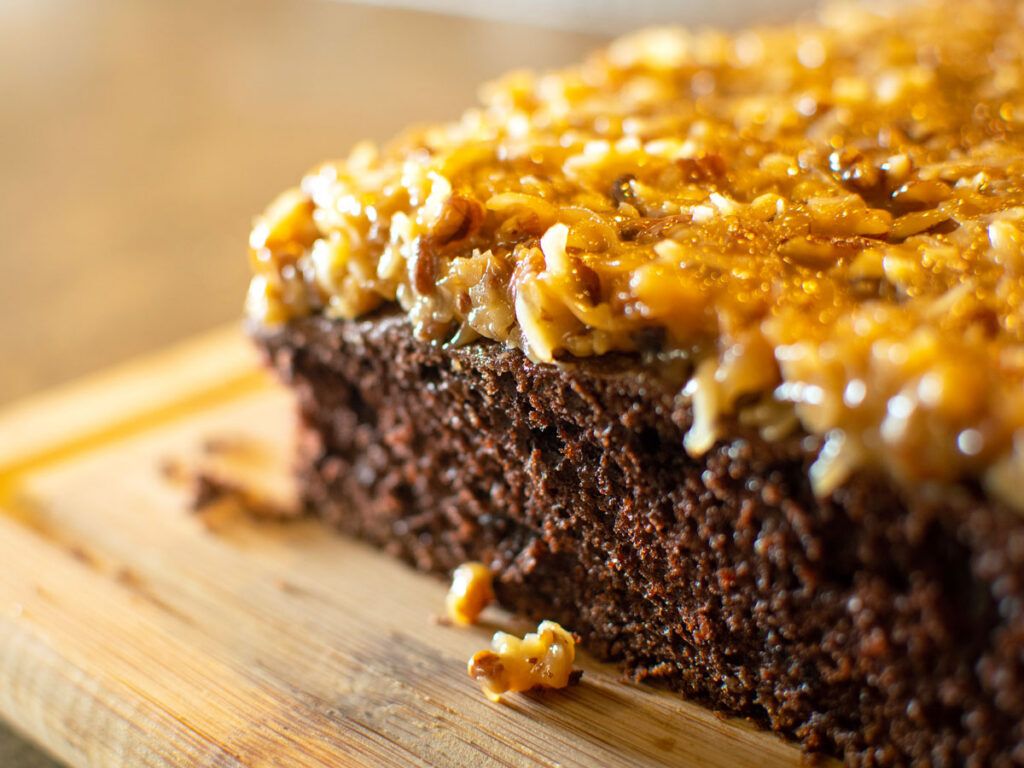
Despite its name, German chocolate cake has no connection to the European country. This moist chocolate sponge cake layered with pecan frosting was instead invented in Dallas, Texas.
Its origins trace back to the 1850s, when a Massachusetts baker named Samuel German, who worked for a company called Baker’s Chocolate, developed a sweetened baking chocolate. The company named the invention German’s Sweet Chocolate in his honor. Over a century later, the first recipe for the now-familiar cake appeared in two Dallas newspapers, The Irving News Record and The Dallas Morning News. It was named German chocolate cake because it called for the use of German’s Sweet Chocolate. Later, President Lyndon Johnson even made the mistake of believing the cake to be of German origin — he offered a slice to German politician Ludwig Erhart at a state dinner in 1963.
Hawaiian Pizza
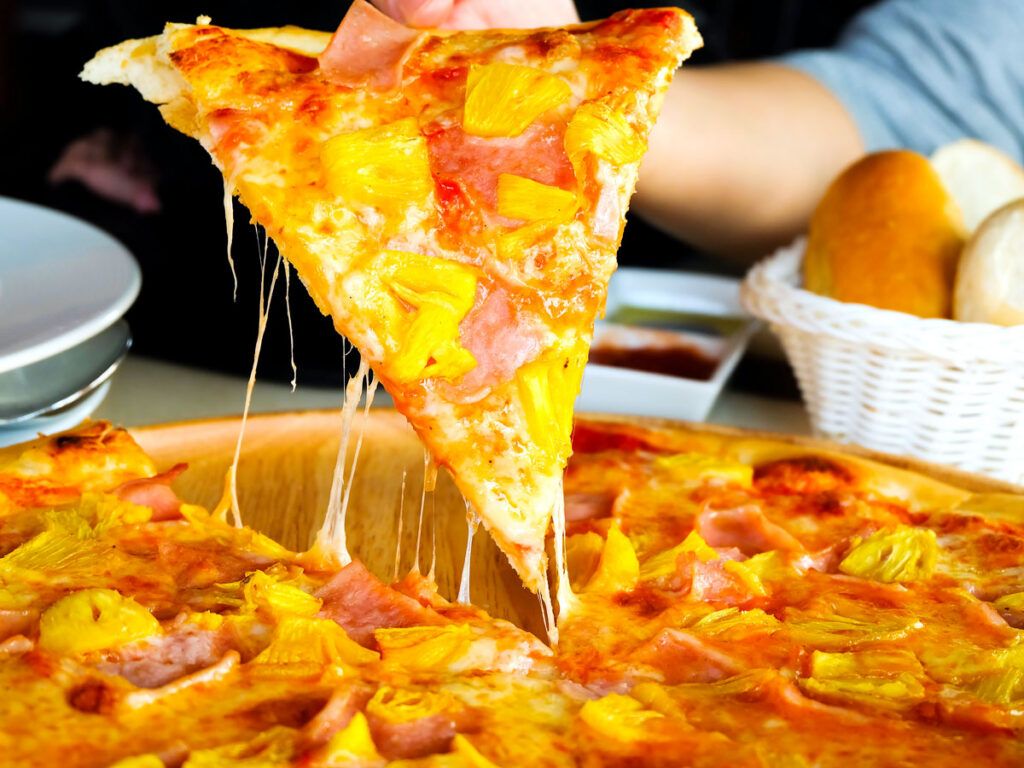
Few pizza toppings have generated as much debate as pineapple. Some people can’t get enough of the sweet-and-savory combination, while others argue fervently that the fruit has no place on a pizza. What’s certain, however, is that Hawaiian pizza’s roots have nothing to do with the Aloha State.
Greek Canadian restaurateur Sam Panopoulos is credited with the creation. After arriving in Canada via Naples, Italy (where pizza itself was created), he introduced pizza to his Satellite Restaurant in Ontario, Canada. The pineapple topping came in 1962, inspired by Panopoulos’ love of Chinese sweet-and-sour cuisine, and a legend was born.
Fortune Cookies
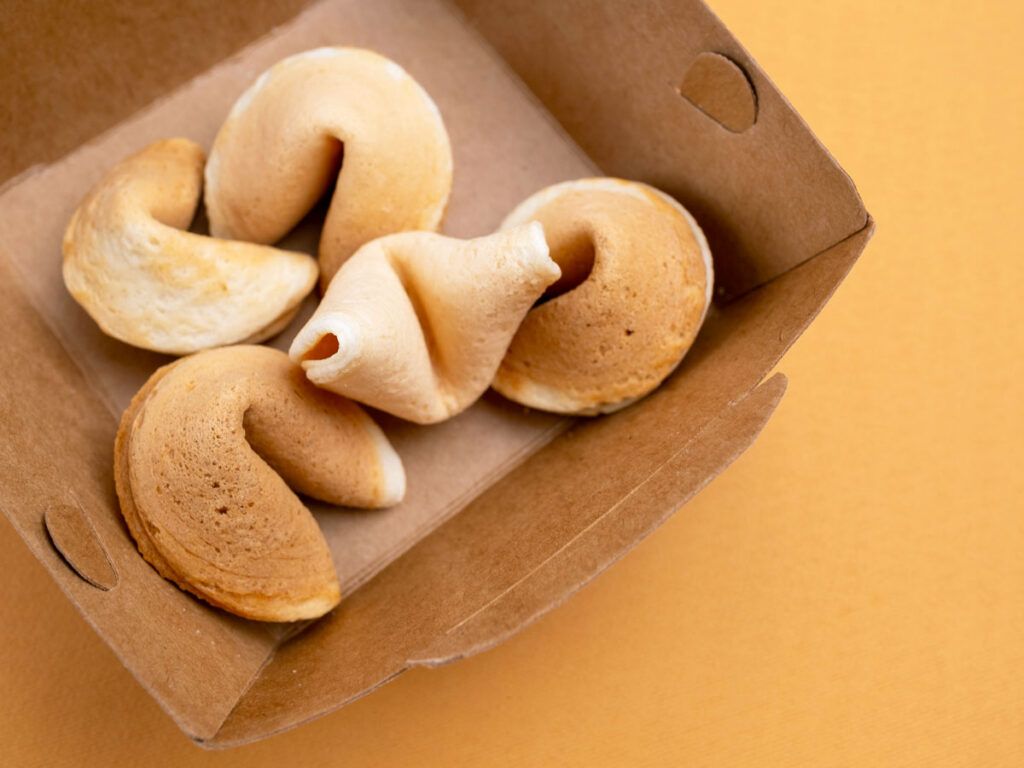
Finish a meal at a Chinese restaurant in the U.S. and you’ll likely receive the sugary wafer treats known as fortune cookies with your bill. Diners crack them open to reveal a slip of paper inside, which offers words of advice, prosperity, or wisdom. Despite their connection with Chinese American dining, however, fortune cookies have Japanese beginnings.
Their story starts in the late 1800s in Kyoto, where bakers made tsujiura senbei (fortune crackers). A wave of Japanese immigration to the West Coast brought many traditions to the U.S., fortune crackers among them. Japanese landscaper Makoto Hagiwara started serving a version of the cookies sweetened for American palates at San Francisco’s Japanese Tea Garden in 1908. As their popularity grew, Japanese bakers began supplying them to Chinese restaurants in addition to Japanese restaurants. Chinese bakers later took over production as Japanese American bakers faced internment during World War II, and the association with Chinese American cuisine stuck.
Ketchup
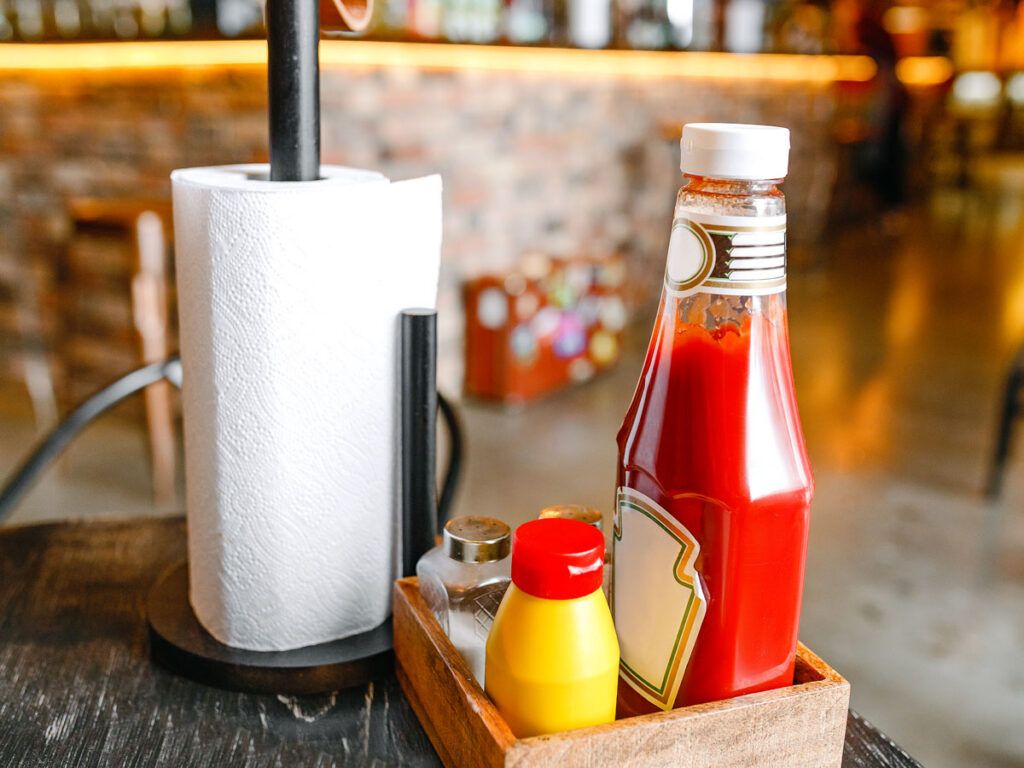
A stalwart of condiments, ketchup is frequently smothered on burgers, fries, and hot dogs, with brands like Heinz and Hunt’s making it a fixture of virtually every kitchen in America. Yet the sweet tomato sauce we love is a far cry from the original ketchup in Asia. The name comes from kê-tsiap, a word in the Hokkein dialect spoken in southeastern China that refers to a sauce made from fermented fish.
British and Dutch traders brought the idea of kê-tsiap home after encountering it in Southeast Asia in the early 18th century. Early British versions were thin and dark, similar to Worcestershire sauce, and were typically added to soups. Recipes for ketchup at the time called for various ingredients such as oysters, mushrooms, walnuts, celery, and fruits like plums or peaches. The addition of tomatoes came in 1812, credited to American horticulturist James Mease. Henry J. Heinz perfected the recipe in 1876, and the rest is ketchup history.
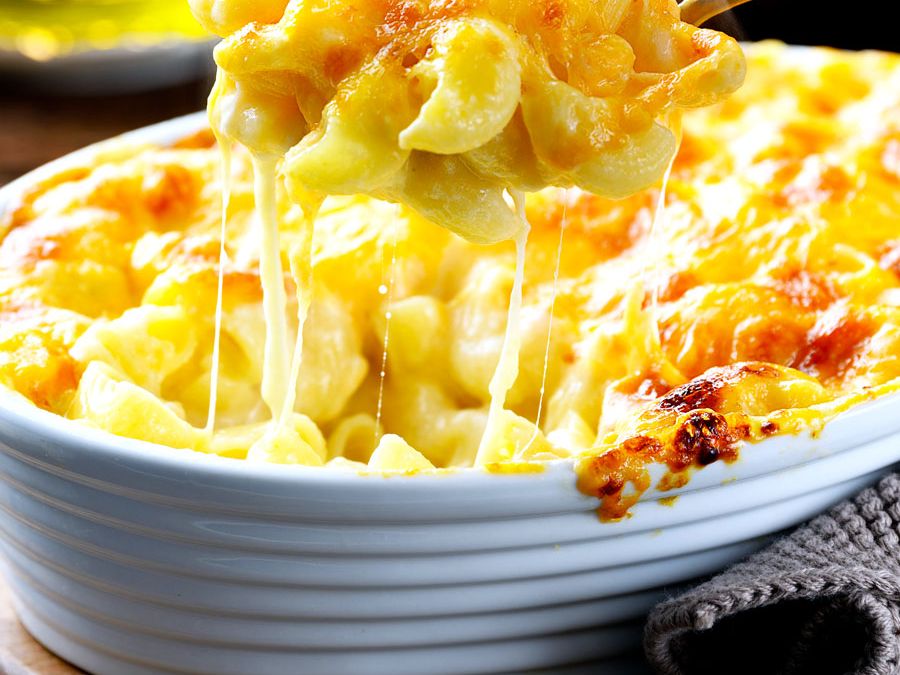
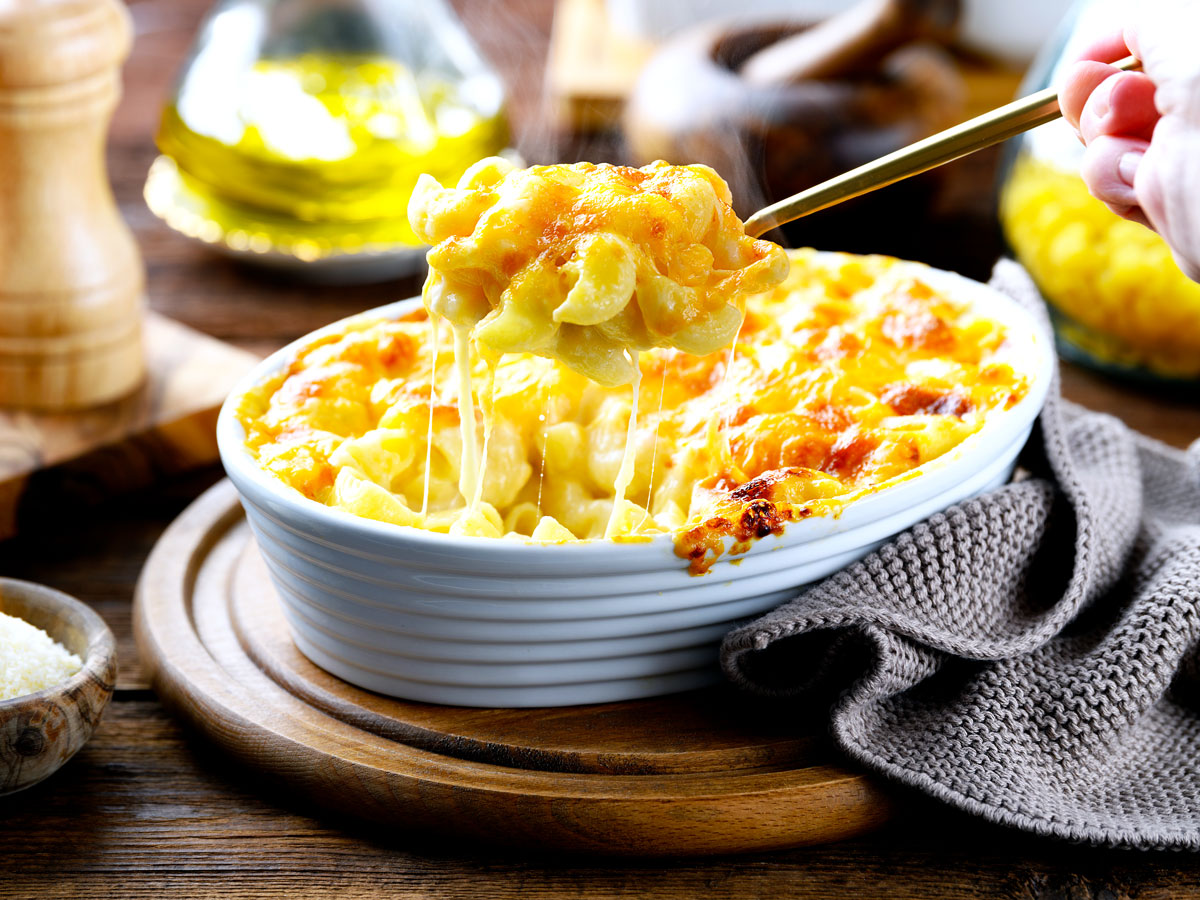
Macaroni and Cheese
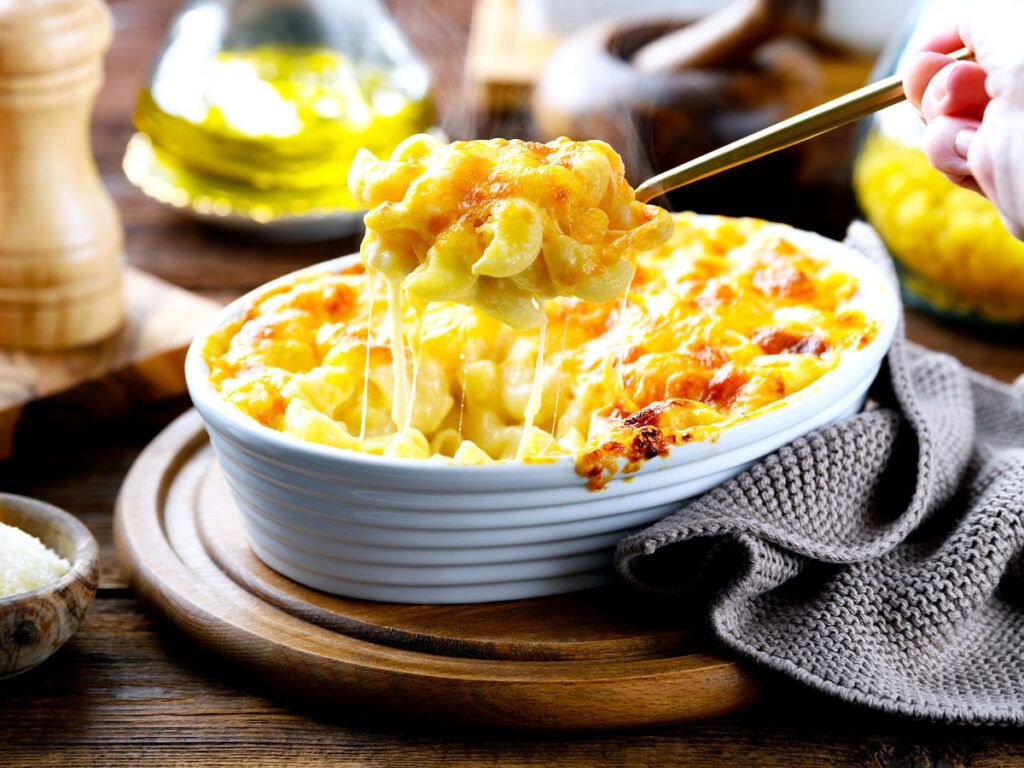
Mac, mac ’n’ cheese, macaroni cheese — whatever you call it, there’s no denying that this comfort food is firmly embedded in American food culture. Nevertheless, Americans have the British to thank for this quintessential family dinner.
One of the earliest known mentions of the meal appeared in The Forme of Cury, a 14th-century cookbook of medieval English recipes. It called for pasta with breadcrumbs, a bechamel-style sauce, and brie-like cheese. Nearly four centuries later, author and inventor Elizabeth Raffald published a recipe for macaroni with parmesan in The Experienced English Housekeeper (1769). It crossed the Atlantic with British settlers, fed thousands during the Great Depression, and remains a classic today.
Swedish Meatballs
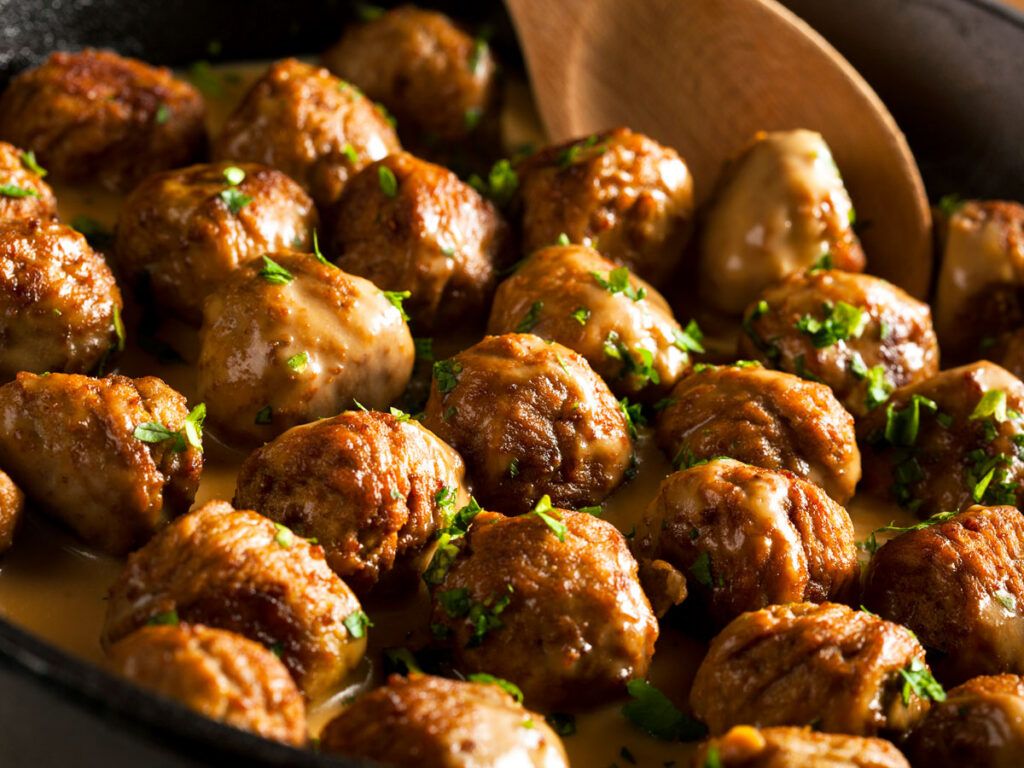
For many Ikea shoppers, no home decor hunt is complete without a plate of meatballs, gravy, and lingonberry jam at the end. Ikea has been serving its version of this Swedish restaurant staple since 1985, and over a million plates are sold in stores around the world every year. But the story of the Swedish köttbulle (meatball) runs much deeper — and it doesn’t begin in Sweden, either.
In 2018, Sweden’s official X (formerly Twitter) account caused a stir by announcing that the culinary icon was in fact of Turkish origin. Records suggest that King Charles XII of Sweden brought the recipe back to his home country in the 1800s after spending five years in the Ottoman Empire. Although the story is unconfirmed, the monarch likely encountered the köfte, a spiced lamb or beef meatball popular throughout the Middle East and North Africa, and introduced it to Sweden, where it later became associated with the country’s most famous retailer.
More from our network
Daily Passport is part of Inbox Studio, an email-first media company. *Indicates a third-party property.