






7 Travel Relics We’re Glad To Leave in the Past
7 Travel Relics We’re Glad To Leave in the Past


Travel has changed dramatically in the last few decades. Today, we can navigate a new city on our phones, check in for a flight from the couch, tap a credit or debit card almost anywhere in the world, and watch whatever TV show or movie we want on our personal devices at 35,000 feet. But it wasn’t always this easy. Some of the things that now seem inconvenient — or even downright unimaginable — were once perfectly normal. Here are seven travel experiences we’re glad to leave in the past.
Smoking on Airplanes

There was a time not long ago when lighting a cigarette during a flight was perfectly legal and quite common. Airlines eventually created designated smoking and nonsmoking sections, but that didn’t exactly keep the smoke contained — passengers in the nonsmoking section were still sharing the same cabin air.
The U.S. began restricting smoking on domestic flights in the late 1980s, and a 1990 federal rule prohibited smoking on most scheduled domestic flights of six hours or less. Finally, in 2000, smoking was banned on all domestic and international flights. Passengers today can board without wondering whether the person in front of them is about to light up — even if you often see people trying to sneakily use their vape or e-cigarette, which is, of course, also banned on flights.
Watching One Movie on One Screen
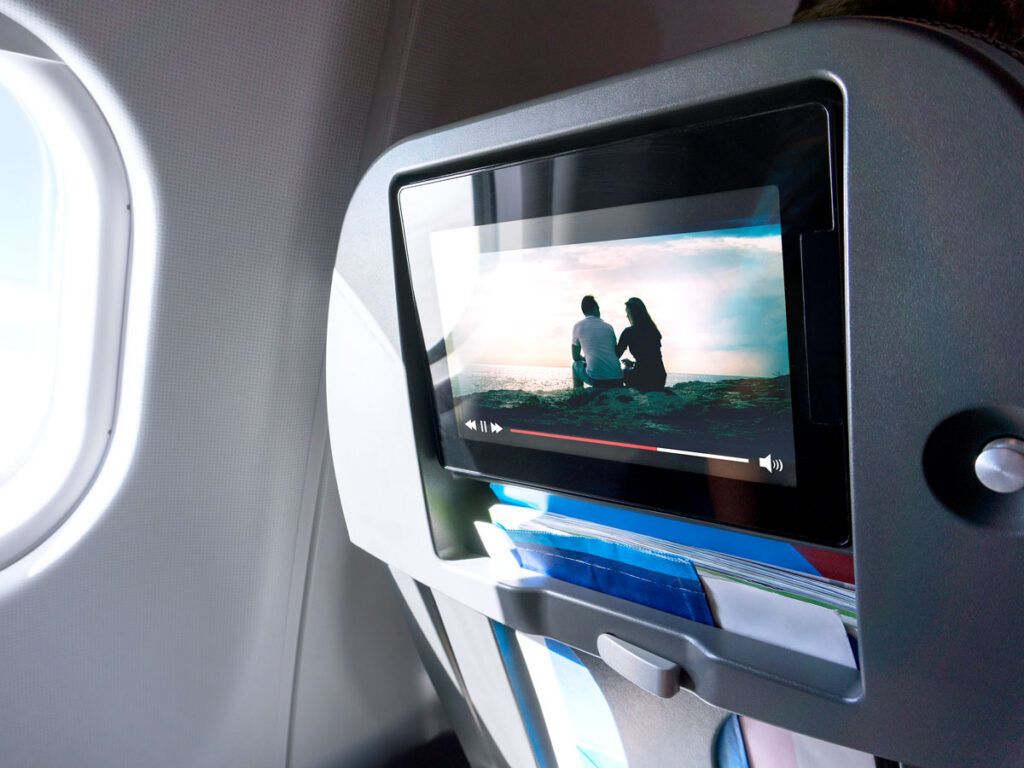
Today’s seatback screens usually offer something for everyone, whether you prefer a recent blockbuster or a classic rom-com. But in-flight entertainment was once a very different experience. In 1961, TWA became the first airline to regularly offer in-flight movies, screening the (somewhat steamy) 1961 film By Love Possessed. For decades after, passengers watched films projected onto screens throughout the cabin, typically at the front near the bulkhead seats, and plugged headphones into the jack in each seat’s armrest.
In those days, everyone watched the same movie at the same time, and if you were sitting too far away or at the wrong angle, you were out of luck. Individual seatback screens were introduced in 1988, giving passengers a much better view and the ability to choose their own entertainment. Today, most airlines also allow travelers to stream movies and shows directly on their own phones, tablets, or laptops.
Paying a Small Fortune To Fly
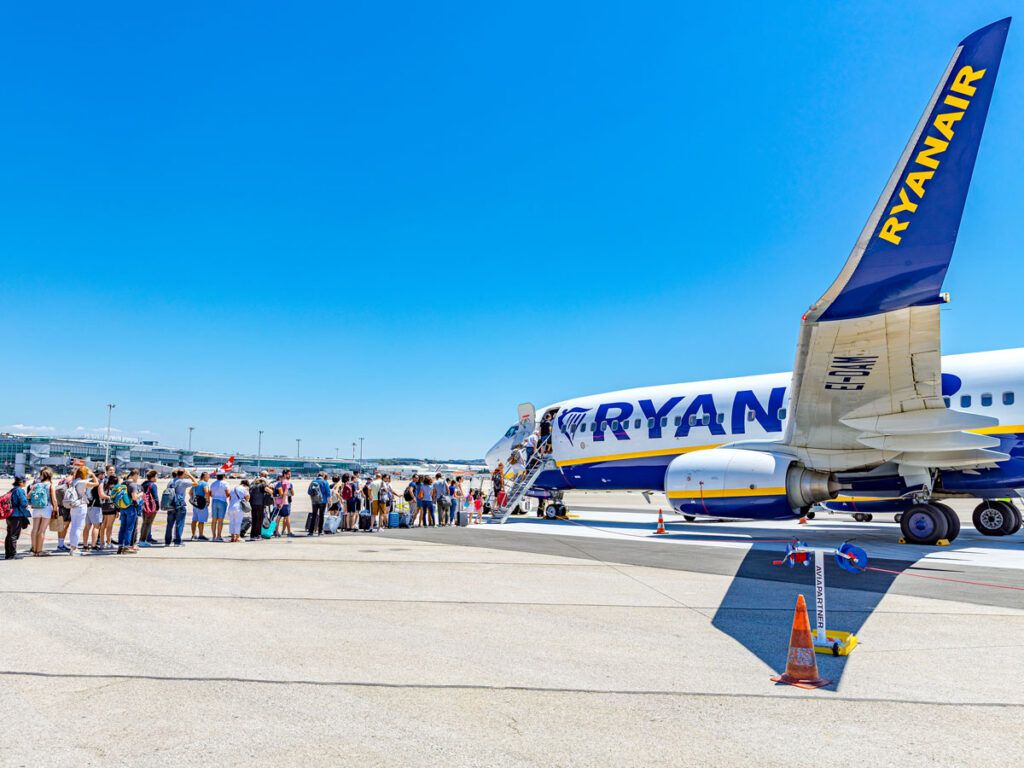
In the 1950s and ’60s, air travel was much more of a luxury than it is today. And we’re not just talking about the nicer meals, additional legroom, and fashionable crew of the so-called “golden age” of flying. Before the U.S. government regulated airlines, flying was generally cost-prohibitive for much of the population.
The shift began in 1978, when the Airline Deregulation Act removed federal control over airline routes and fares, allowing carriers to compete more freely. As competition increased, prices fell. The gradual rise of low-cost airlines, online booking, and fare-comparison tools made flying increasingly affordable and accessible to many more people.
Carrying Traveler’s Checks
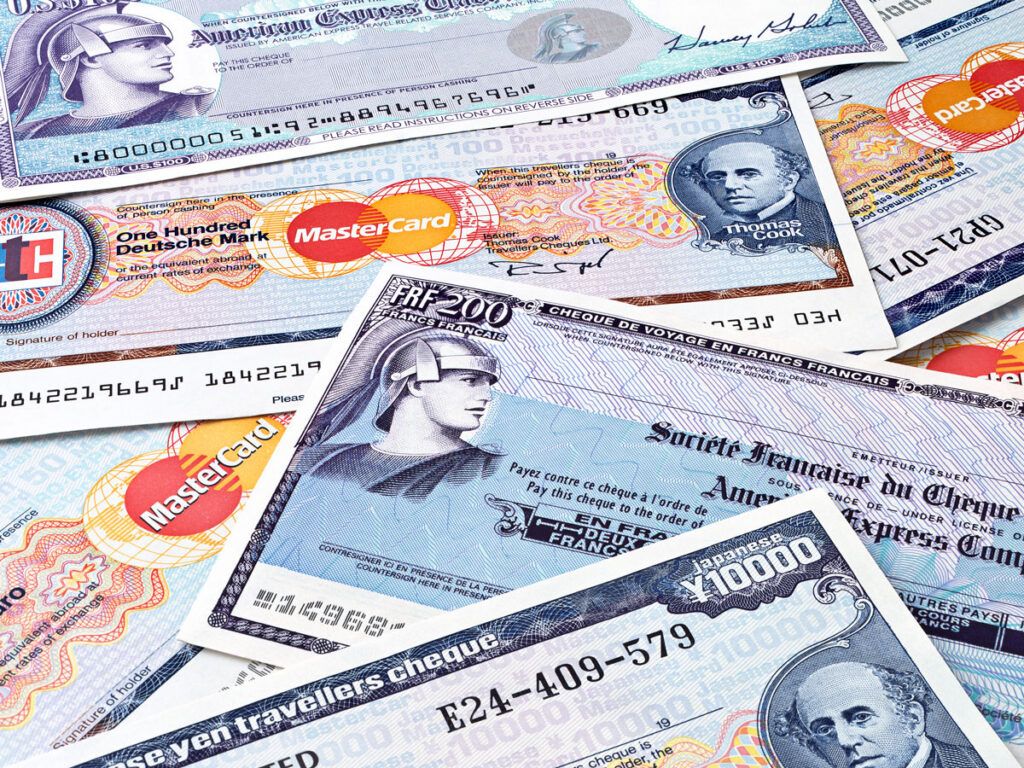
Before ATMs, credit cards, and debit cards were widely available and accepted, getting and spending money while traveling was considerably more difficult than doing so at home. So, travelers often carried traveler’s checks.
American Express was the first U.S. company to introduce traveler’s checks in 1891, and they became a regular part of vacations for generations. They were essentially prepaid checks that travelers could use as money instead of carrying large amounts of cash. You’d buy the checks before a trip, sign them, and then sign each one again when making a purchase. If they were lost or stolen, they could generally be replaced. It was a safer way to carry money abroad, but it was also more complicated than simply tapping a card or withdrawing cash from an ATM.
Starting in the late 1980s and continuing through the 1990s and 2000s, ATMs and credit and debit cards gave travelers a much easier way to use their money abroad, making traveler’s checks largely a relic of the past.
Using Paper Maps

In the past, getting lost on vacation wasn’t something we could immediately remedy with our phones. Travelers once had to plan routes with old-fashioned paper maps or printed Mapquest directions — and then actually keep track of where they were on those pages. Remember pulling over the car and unfolding a big, tattered map on the hood to figure out which road you’d accidentally taken? That was much less convenient than letting a little blue dot and a familiar voice guide you to your destination.
Racking Up Phone Bills To Call Home

Traveling used to come with a very real connection problem: If you needed to call home, it could be expensive and surprisingly complicated. Depending on your travel plans, you might have had to use a pay phone, a calling card, or even an international operator. If you were staying at a hotel, you also probably knew not to dial out from your room unless you wanted a major bill upon checkout.
Today, the ability to communicate instantly and on demand has taken some of the anxiety out of being far from home — even if it has also made it harder to truly disconnect.
Booking by Phone or in Person
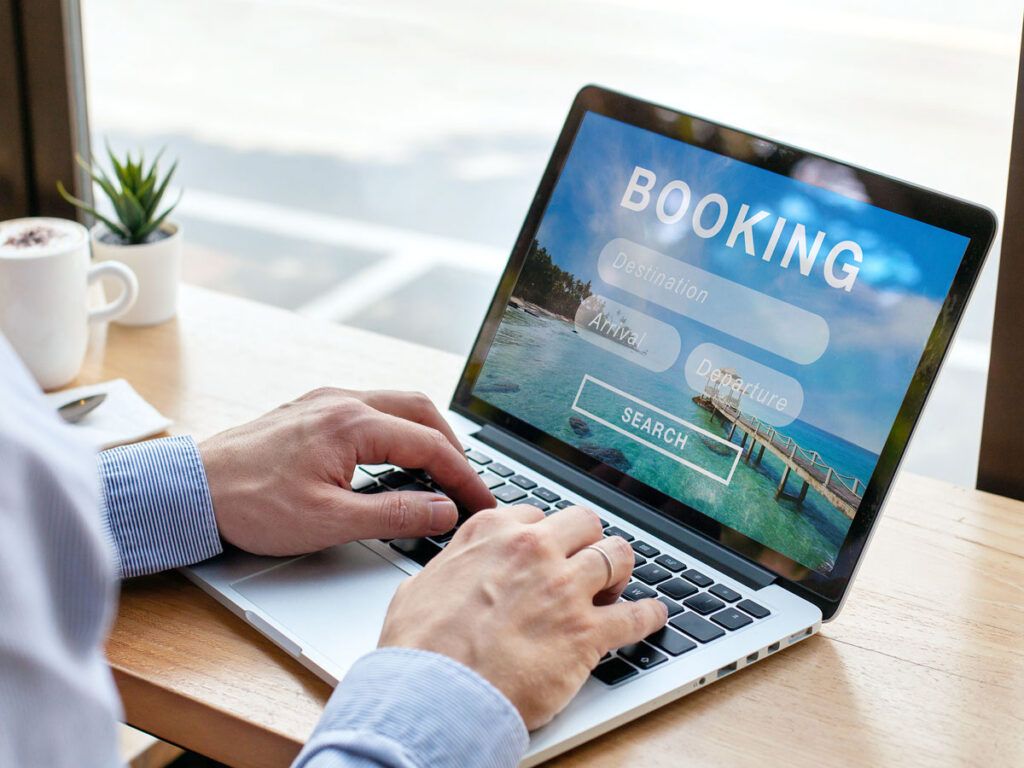
Planning a trip once involved considerably more human interaction than it does today. Typically, you had to call an airline directly, visit a travel agent, or call a hotel and wait for someone to confirm availability (or just show up at the front desk when you were ready to rest and hope for the best).
As computerized reservation systems became more common throughout the 1970s and 1980s, travel companies were able to manage bookings much faster. Then, as the internet became part of everyday life in the 1990s and 2000s, online booking gradually shifted the process directly into the hands of individual travelers.
More from our network
Daily Passport is part of Inbox Studio, an email-first media company. *Indicates a third-party property.