



Another Country Just Changed Its Name
Another Country Just Changed Its Name
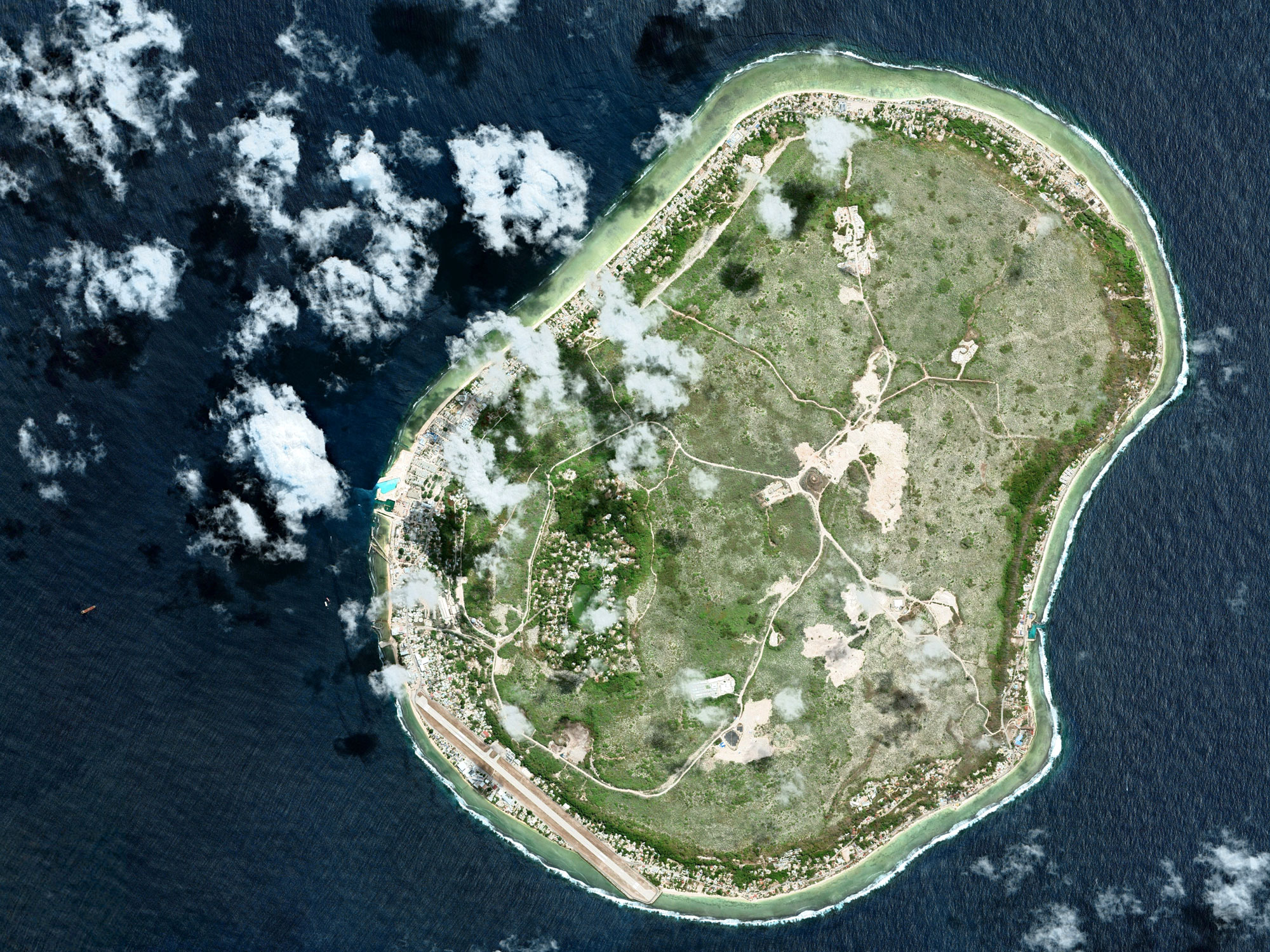

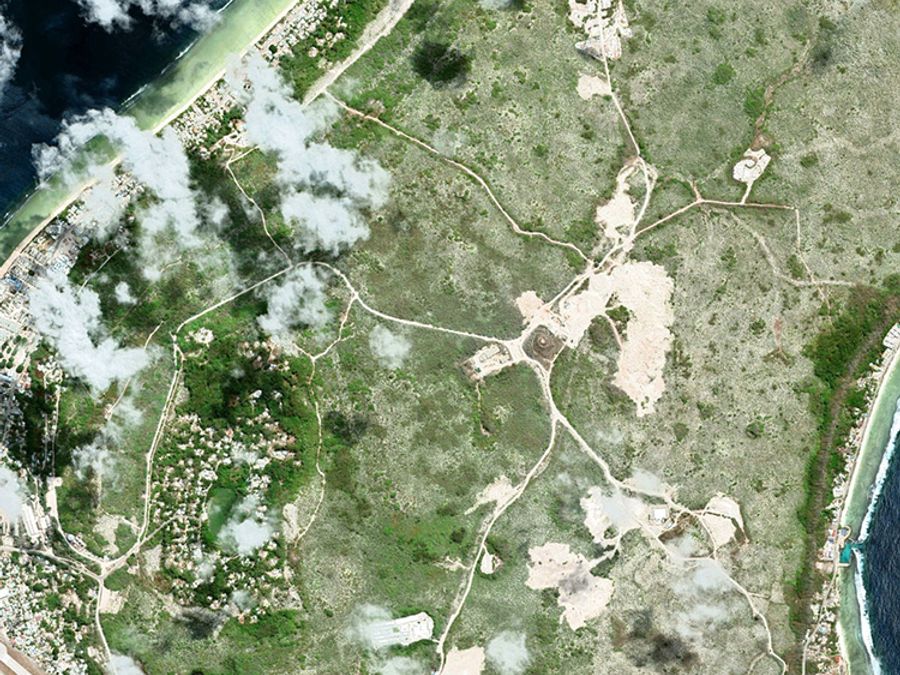
Fans of geographical trivia, take note: The world map looks a little different now. Earlier in 2026, Nauru — the world’s smallest island nation — officially became known instead as the Republic of Naoero and declared that its citizens will be referred to as dei-Naoero rather than Nauruans. Here’s what’s behind this change, along with other recent examples of new names across the globe.
Where Is the Republic of Naoero?
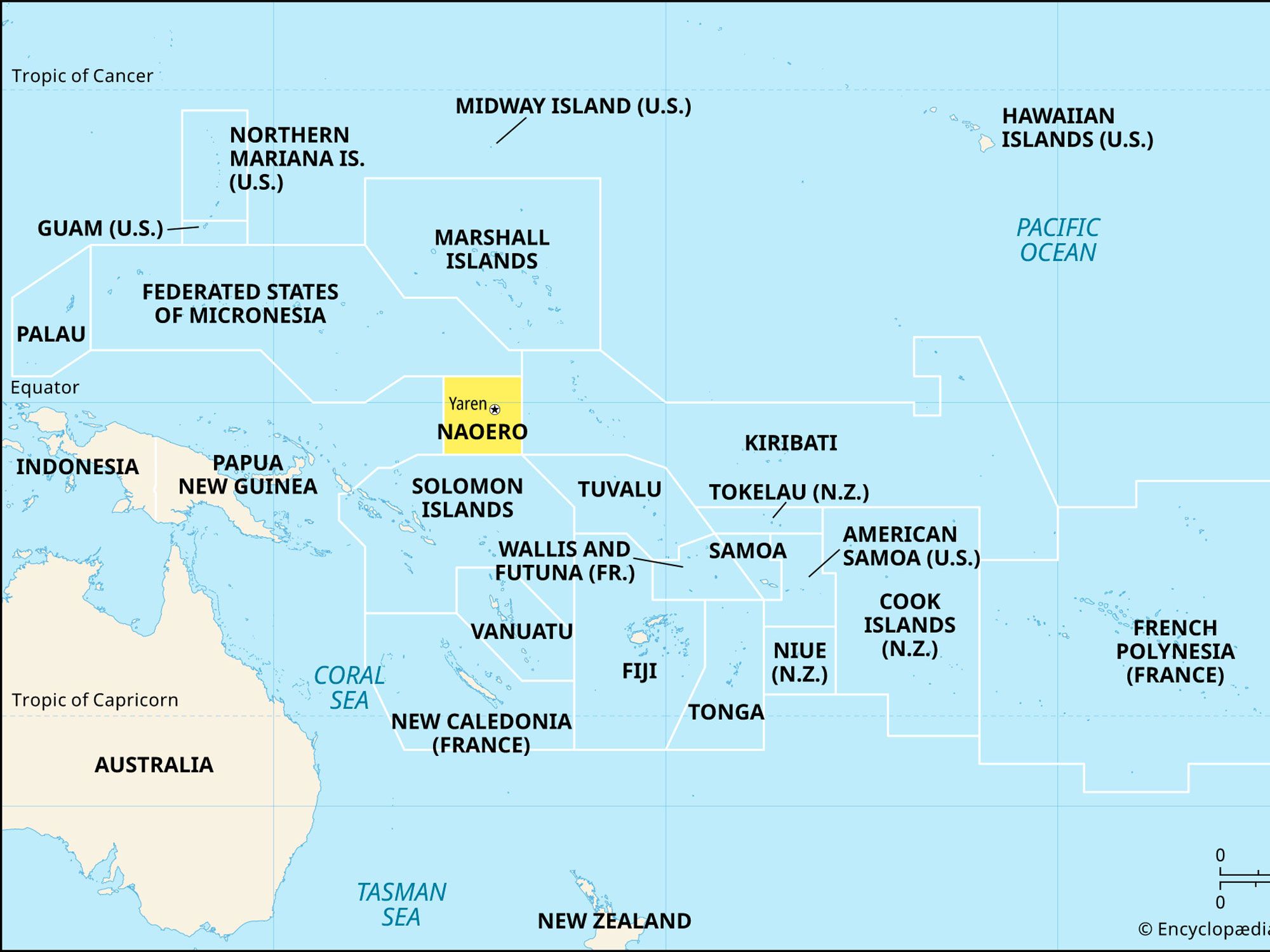
If you’ve never heard of Nauru — let alone the Republic of Naoero, or Naoero for short — that’s understandable. This tiny nation is located in the South Pacific Ocean, around 1,800 miles northwest of American Samoa and about 2,700 miles northeast of Australia.
Whether you look at it by area or by population, it’s the third-smallest country in the world. It covers a mere 8 square miles, larger than only Vatican City and Monaco. The nation is home to approximately 12,000 people, roughly equivalent in terms of population to Branson, Missouri, or Ocean City, New Jersey.
A Unified Language
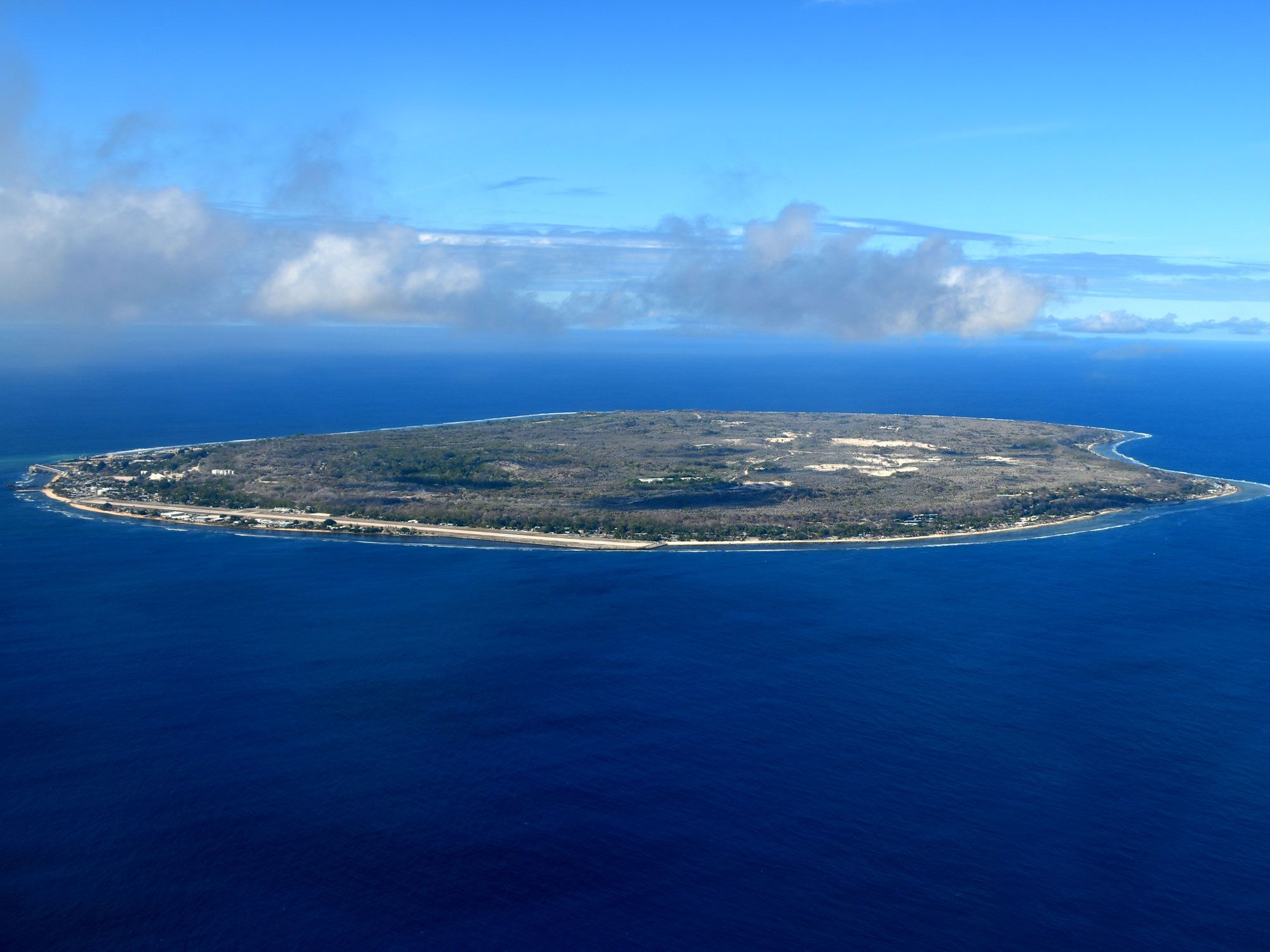
Historians believe that Nauru was first settled by Micronesian and Polynesian peoples around 3,000 years ago. By the time the first Europeans set eyes on this isolated coral atoll in 1798, the population had formed 12 clans, but they didn’t share a single common language.
The first British mariners who arrived there dubbed the land Pleasant Island due to its natural beauty. After the discovery of phosphate, a period of colonial rule began in the late 19th century. By the 1930s, Australians had taken control of the territory and established a Language Committee to standardize and reform the island’s language.
The Impact of Independence

By the time Nauru gained independence from Australia in 1968, a lingua franca had emerged. It was known to English speakers as Nauruan, but to locals as dorerin Naoero (“the language of Naoero” — the traditional Indigenous name for the island). Colonial rulers found that the word Naoero was hard for foreigners to pronounce, which led to the adoption of an alternative that was perceived to be simpler.
This policy was one of the main reasons leading to the country’s name change in 2026, as the dei-Naoero have made it clear that they are prioritizing the traditional name for their country over one that was more convenient for outsiders. After all, language is a crucial element of determining identity.
The New Name’s Significance
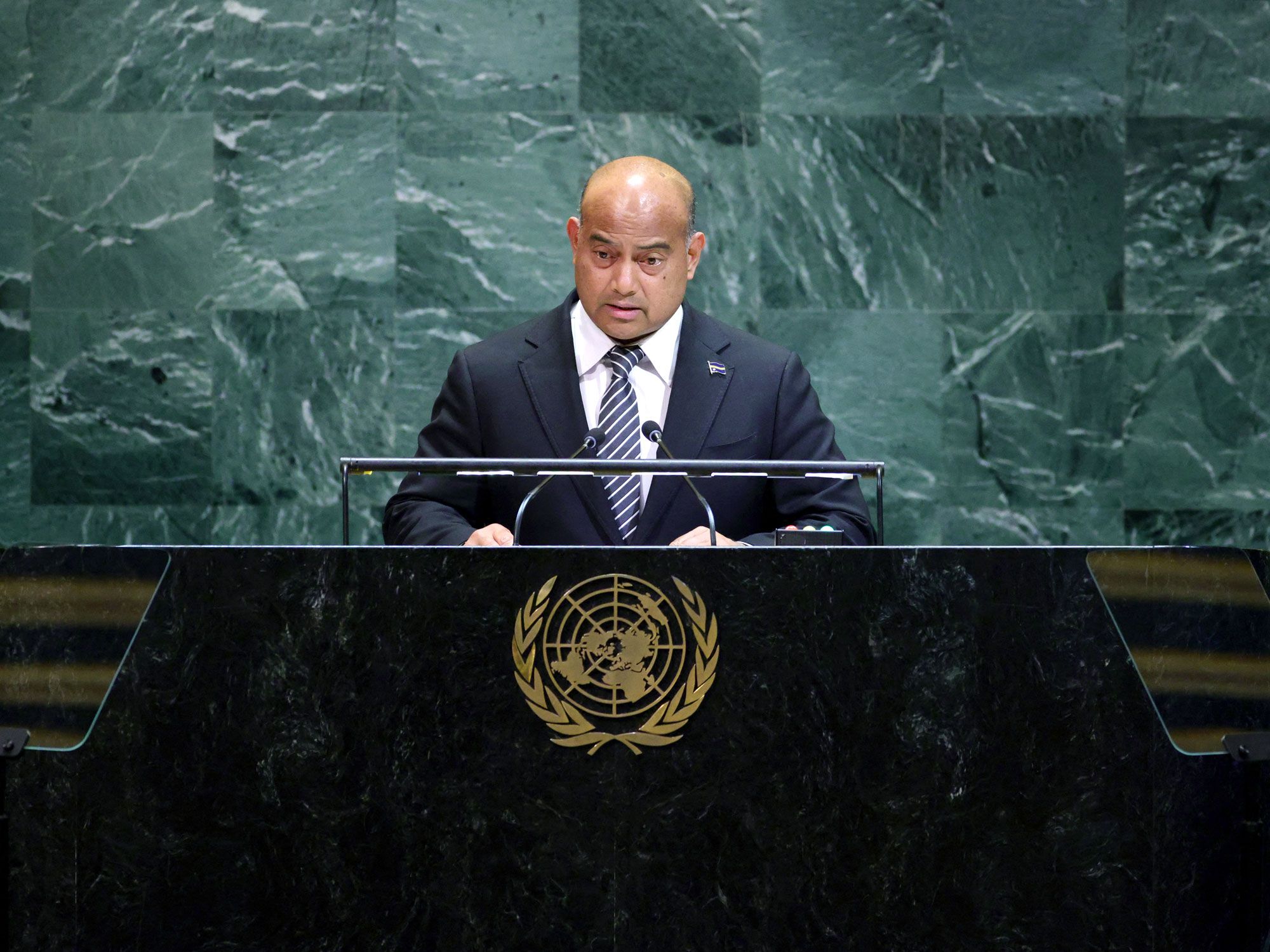
The constitutional amendment needed to authorize the change from Nauru to Naoero was brought to the nation’s Parliament in January 2026. During the debate, President David Adeang explained the reasoning behind the change, stating, “While the name Nauru has been recognized internationally since independence, this proposed change seeks to more faithfully honour our nation’s heritage, our language, and our identity.” After Parliament passed the amendment, the name change was officially adopted in May 2026.
Other Recent Country Name Changes

Nauru’s switch-up isn’t the only example of a country changing its official name in recent history. There are a few reasons nations have done this.
- Adjustments to long-form names: Most of the time, when changes are made to a country’s name, they modify its long-form version. For instance, in 2023, Micronesia officially became the Federated States of Micronesia, while the year before, the Republic of Iceland simplified its name to Iceland.
- Forging a new path post-independence: In 2018, marking 50 years of independence from Britain, Swaziland became the Kingdom of eSwatini. The new name translates as “the land (or place) of the Swazis” in the local language. The country’s King Mswati III also claimed it would put an end to his country being confused with Switzerland.
- Settling political disputes: In 2019, Macedonia formally became the Republic of North Macedonia. Greece had long disputed its neighbor’s right to call itself Macedonia; the Greek government argued that it implied a territorial claim to the northern region of Greece, also called Macedonia. Attempts to resolve the issue eventually resulted in the 2018 Prespa Accord, followed by the official name change a year later.
- Reverting to local names: Turkey transitioned to Türkiye in 2022 to adopt the local spelling of the name, as opposed to the anglicized version. But it also reflected a desire to distance itself from the bird eaten at Thanksgiving and Christmas celebrations overseas.
Featured image credit: Credit: © Aerial View/stock.adobe.com
More from our network
Daily Passport is part of Inbox Studio, an email-first media company. *Indicates a third-party property.