


America Just Got a New National Park
America Just Got a New National Park
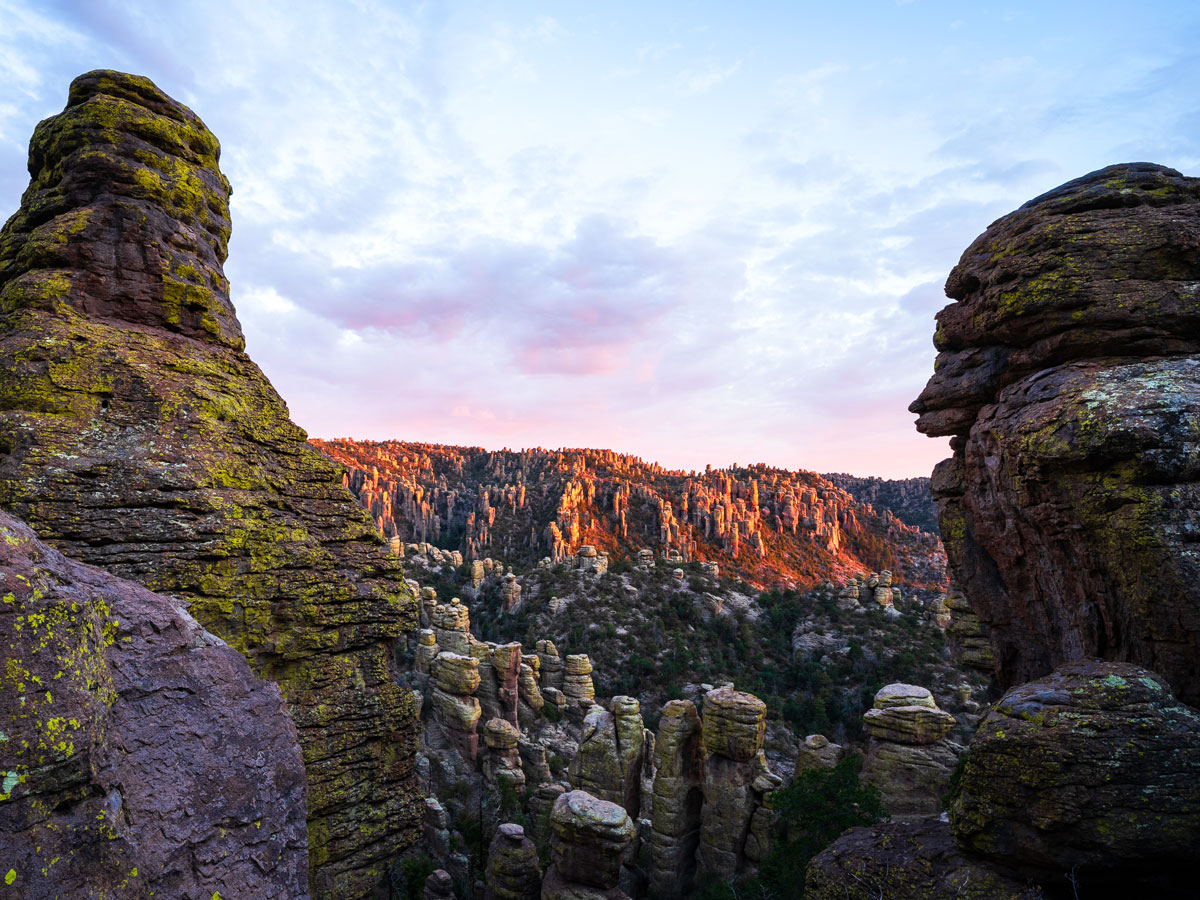

In 1872, Yellowstone was formally established as America’s first national park. Since then, the elite designation has been bestowed on only a few dozen other natural wonders. But as of this month, America has a new national park for the first time since 2020. Take a closer look at America’s 64th national park: Chiricahua National Park in Arizona.
Meet Chiricahua National Park
On October 20, 2026, Chiricahua National Monument was redesignated from a national monument to a national park. Chiricahua is the first new national park in the U.S. since December 2020, when West Virginia’s New River Gorge was granted national park status. Chiricahua is now the fourth national park in Arizona, along with Grand Canyon, Petrified Forest, and Saguaro national parks.
President Calvin Coolidge established Chiricahua as a national monument in 1924, and over the years, bipartisan congressional efforts have attempted, yet failed, to upgrade its status. (A national monument can be established by a president, while a national park requires congressional approval.) Finally, in December 2025, the Chiricahua National Park Act gained traction, eventually making it through both houses of Congress before being signed into law by the president in October 2026.
An Awe-Inspiring Arizona Attraction
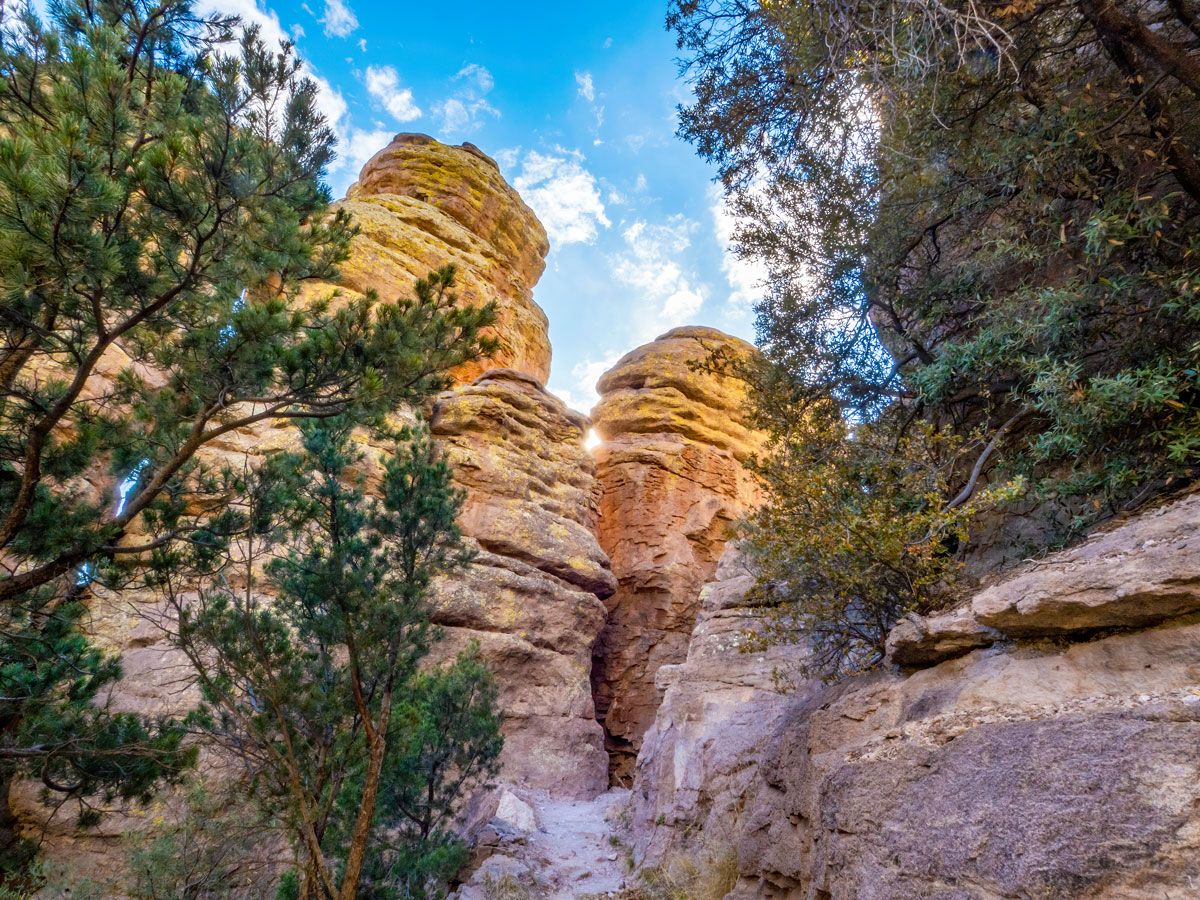
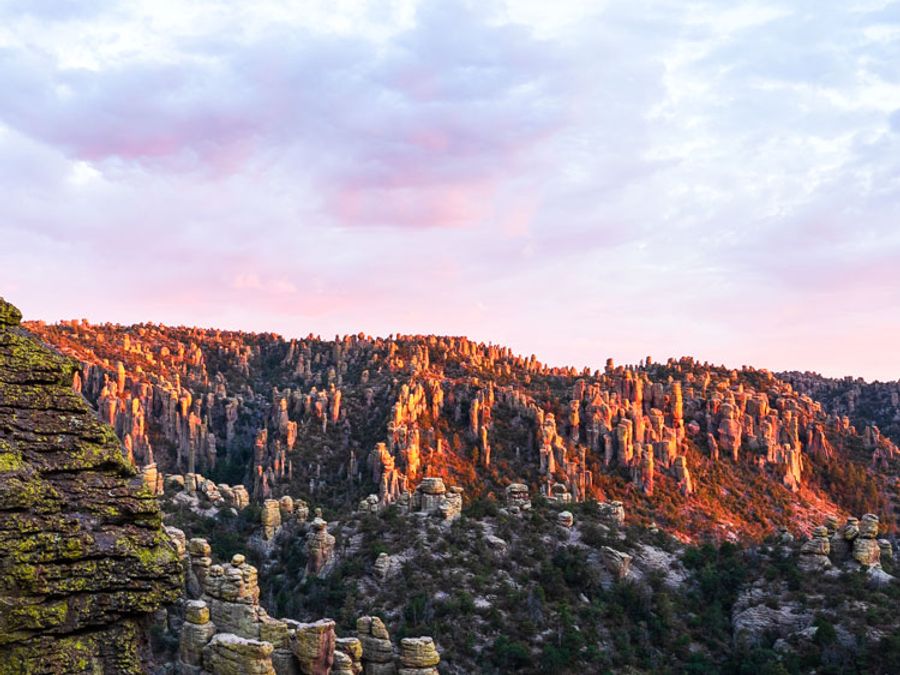
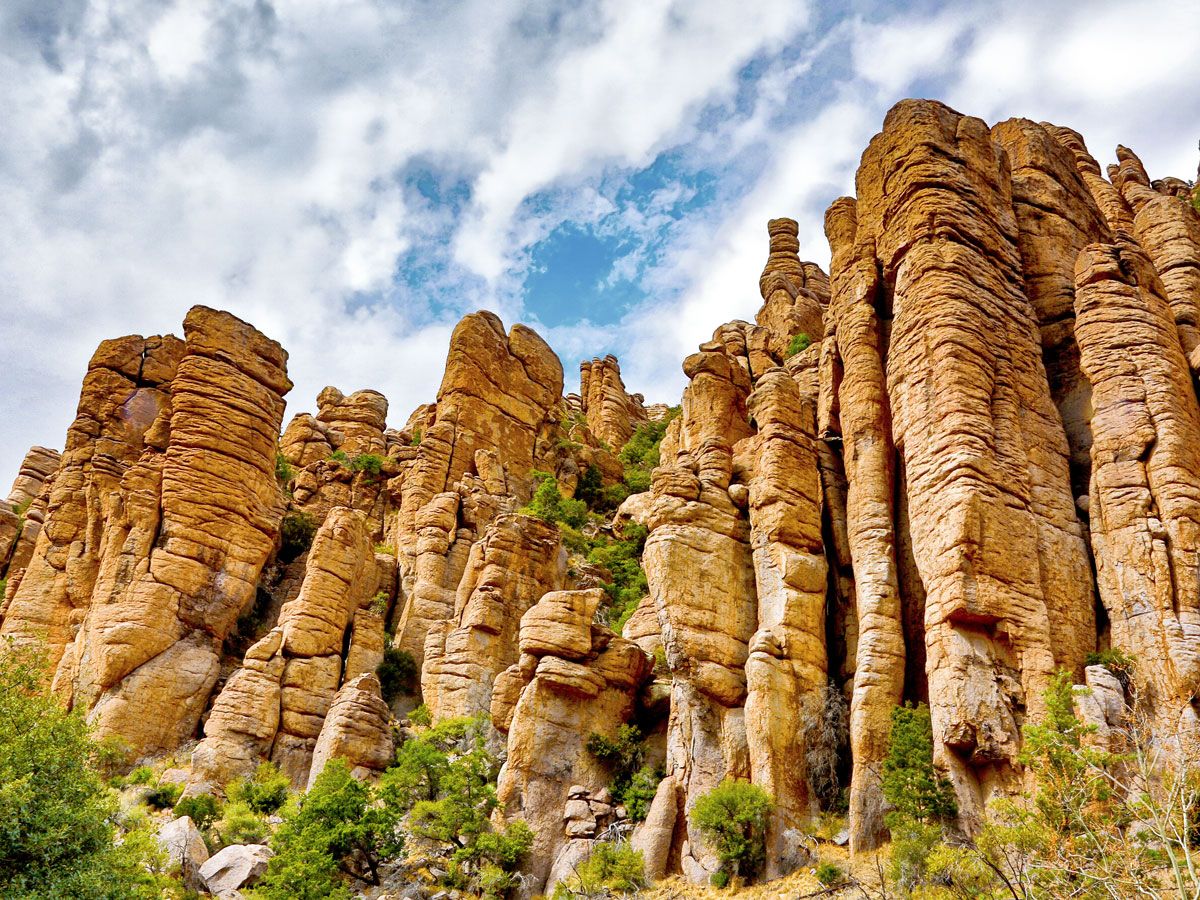
Chiricahua is known as a “sky island,” which is a term for an isolated mountain range that creates a dramatically different environment from the land that surrounds it. The park is located in southeastern Arizona, about a two-hour drive from Tucson, and includes approximately 12,000 acres of volcanic landscape that was formed by an eruption some 27 million years ago. Today, Chiricahua is famous for its towering rock spires, incredible biodiversity, and cultural significance among the Chiricahua Apache peoples who once called the region home.
The park’s geological features include rhyolite rock pinnacles, stone columns that can sometimes reach hundreds of feet in the air while balancing on a small base, giving the illusion that they can topple over at any time. It also contains many caves, faults, and other striking elements formed due to millions of years of erosion.
In terms of biodiversity, the park features elements of five distinct biomes: desert, grassland, deciduous forest, coniferous forest, and chaparral (similar to a desert but with more precipitation). One moment you may be hiking across bare rock formations, while the next you can be winding through a forest with some of the more than 1,000 different species of plants you’ll find within the park.
As for animal life, Chiricahua is home to black bears, mountain lions, white-tailed deer, and a type of wild boar known as a javelina. The park is also located along a migratory road for birds, and it has been identified as an “Important Bird Area” by the American Bird Conservancy, which means the bird-watching opportunities are excellent.
The Park’s History
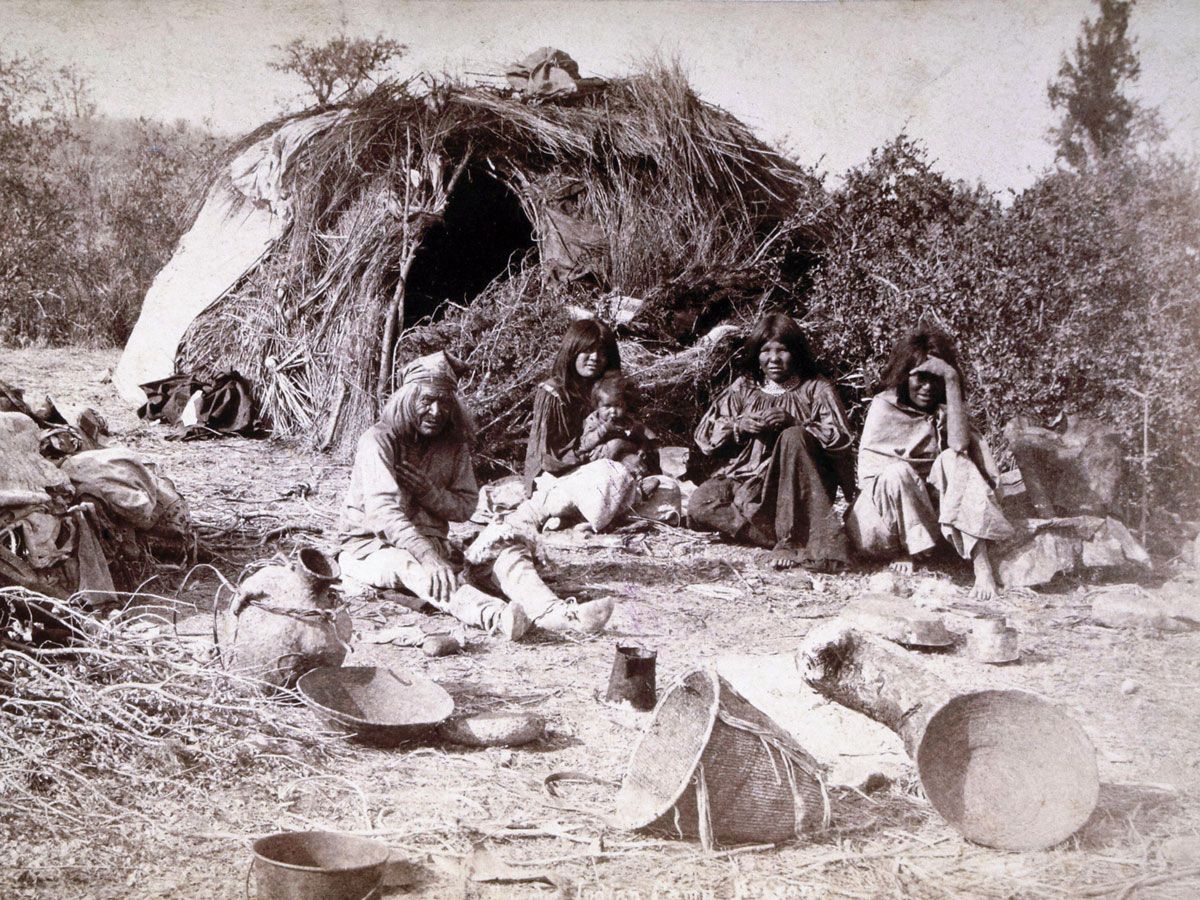
The area’s first known settlers were the Chiricahua Apache peoples, who arrived sometime between 1400 and 1500 and still hold these lands sacred today. They lived and thrived here for centuries, though they endured ongoing conflicts with Spanish and Mexican forces during that time.
When the United States took control of the Southwest in the mid-19th century, it became an appealing destination for European-descended settlers. Swedish immigrants Emma and Neil Erickson moved here and founded the Faraway Ranch in 1887; remnants of this early settlement remain standing on park grounds, which visitors can tour.
Future National Parks?
Whenever a new national park is designated, it raises the question about which location may be next. While there’s nothing official yet in the works, there are a few contenders. One leading candidate is Ocmulgee Mounds in Georgia, which is currently a National Historical Park. Located near the city of Macon, the park has been occupied for thousands of years by Indigenous groups, some of whom built the culturally significant mounds that still exist today.
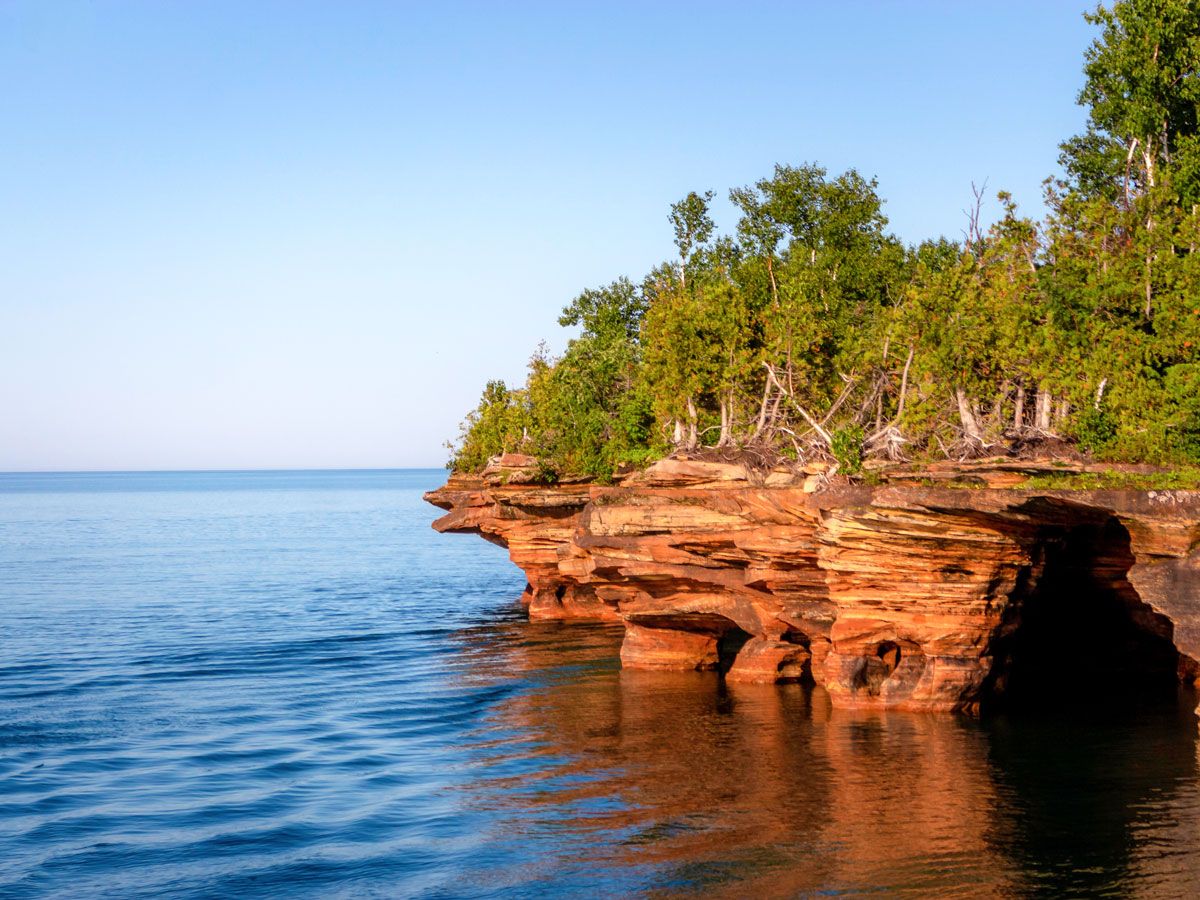
Another possible contender is the Apostle Islands National Lakeshore in Wisconsin. These 21 islands are located along 12 miles of shoreline in Lake Superior, and are famous for their stunning sea caves, coastal lagoons, and the largest collection of lighthouses in the National Park System.
There are also potential sites, like the Delaware Water Gap National Recreation Area, with proposals to turn them into national parks, but they have been met with backlash from local groups who support the state holding on to control of the lands and oppose any sort of federal involvement. Time will tell which area joins the ranks as the 65th national park in the U.S., but for now, travelers have a lot to take in at Chiricahua.
Featured image credit: © Eric Mischke—iStock/Getty Images
More from our network
Daily Passport is part of Inbox Studio, an email-first media company. *Indicates a third-party property.