



10 U.S. Cities With the Gloomiest Weather
Whether you’re planning a vacation or looking to relocate, the weather can make or break your decision. And while many seek out the U.S. cities with the best weather, it’s also wise to check out those with less favorable conditions. To identify these, we’ve used data collected by the NOAA National Centers for Environmental Information (NCEI) for the number of annual clear days, partly cloudy days, and cloudy days. Here are 10 of the gloomiest cities in the U.S. — perfect for those who like snuggling up while it’s cloudy outside.
10. Rochester, New York
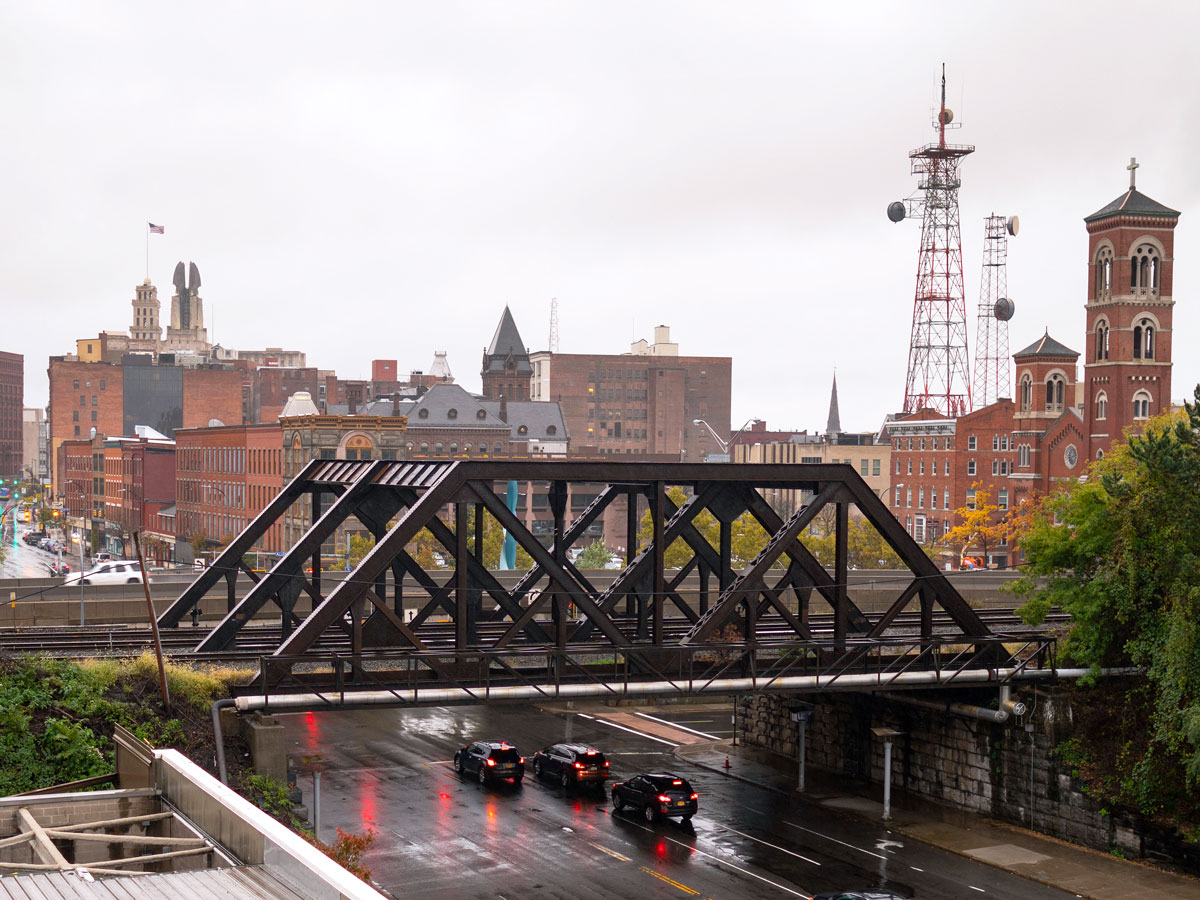
Annual cloudy days: 200
Perpetually overcast winters and sprawling spring cloud cover make Rochester one of the nation’s gloomiest cities. In fact, residents can expect an average of only 61 clear days throughout the year. Cloud cover is most prominent from late fall to early spring and is a result of the Great Lakes effect, when cold winter air passing over warmer lake waters creates moisture, clouds, and potential lake-effect snow. The good news is that there’s plenty to do indoors in Rochester, like exploring the George Eastman Museum and RMSC Rochester Museum & Science Center. When the sun does peek through, the Erie Canal Heritage Trail and Highland Park are great places to get outdoors.
9. Cleveland, Ohio
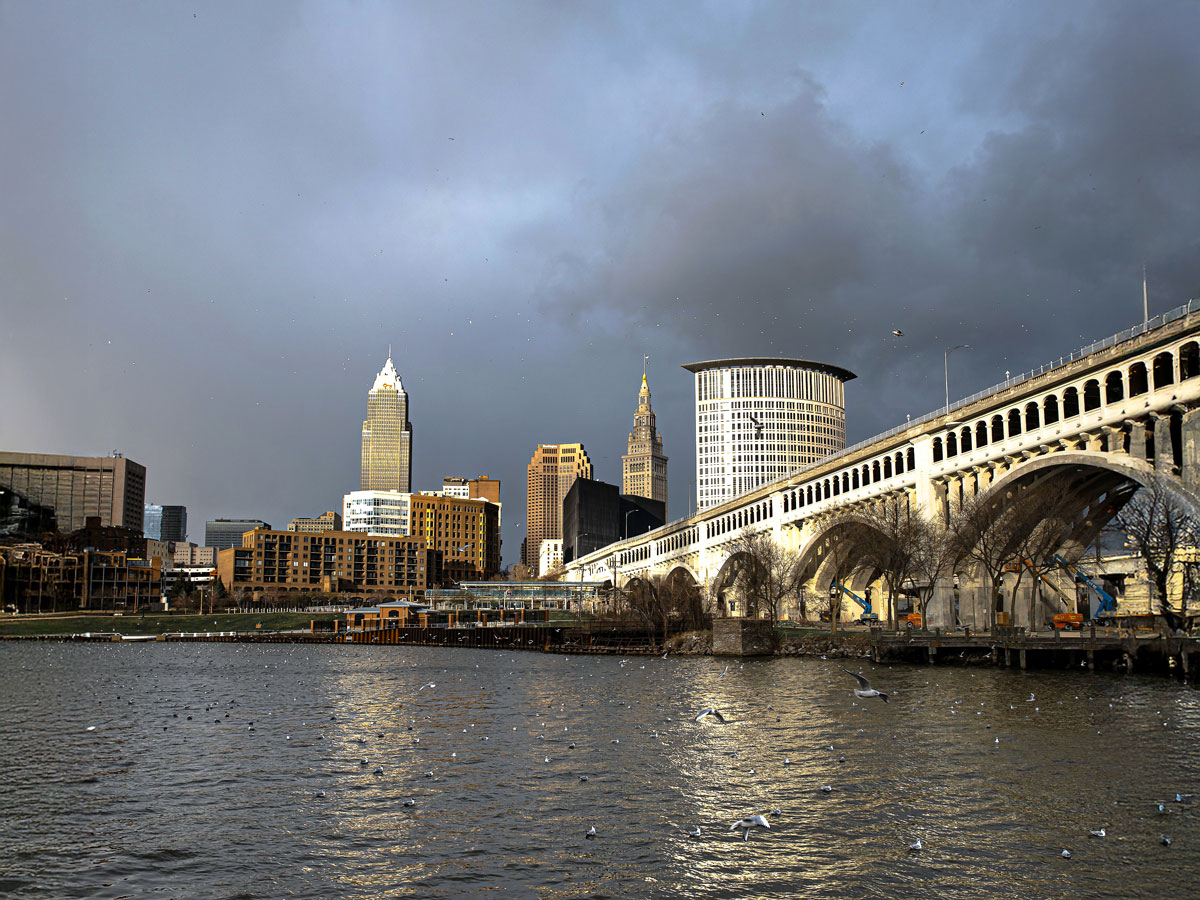
Annual cloudy days: 202
Set on the southern shores of Lake Erie, Cleveland sees over 200 cloudy days, in addition to nearly 100 days which are considered partly cloudy (which the NOAA classifies separately in its reporting). Cleveland is also one of the rainiest cities in the country, with an average of 159 rainy days and 41 inches of annual precipitation. Moreover, the city gets around 46 snow days every year, with snowy NFL games at Cleveland Brown’s Huntington Bank Field not uncommon. When clearer days arrive (or if you don’t mind getting outside beneath the gray sky), the Lake Erie waterfront at Edgewater Park and the 10-mile Towpath Trail are excellent places to explore.
8. Buffalo, New York
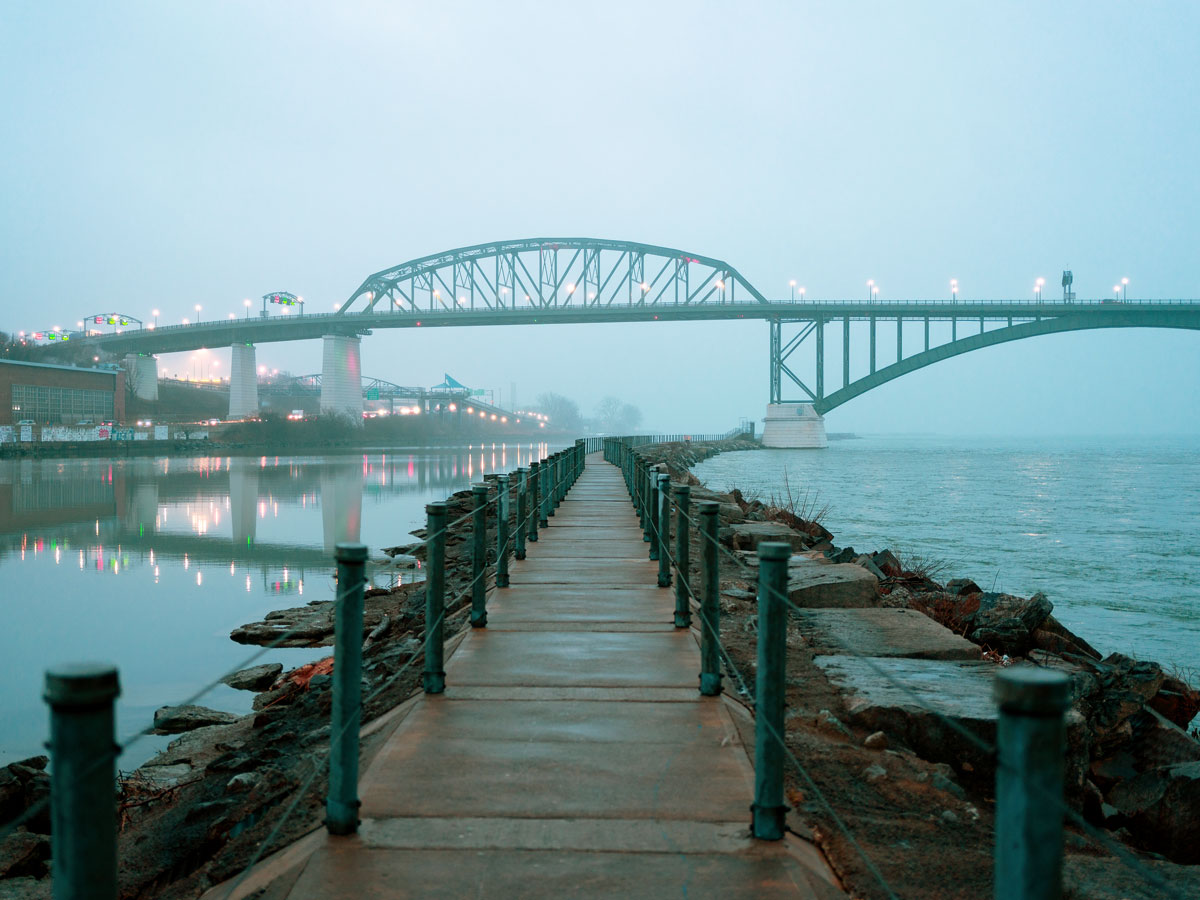
Annual cloudy days: 208
Also located on Lake Erie, Buffalo is no stranger to gloomy skies. Residents of the “Queen City” can expect a paltry 54 clear days per year, compared with 166 rainy days and nearly 60 snow days. Buffalo also sees an average wind speed of 11.8 mph, making it the country’s third-windiest major city. But regardless of the inclement weather, Buffalo residents make the most of being outdoors. Winter is for racing down sledding hills and tobogganing at Chestnut Ridge Park; bird-watching is popular in spring, summers are for hitting the lake beaches, and fall offers apple picking and harvest fests.
7. Binghamton, New York
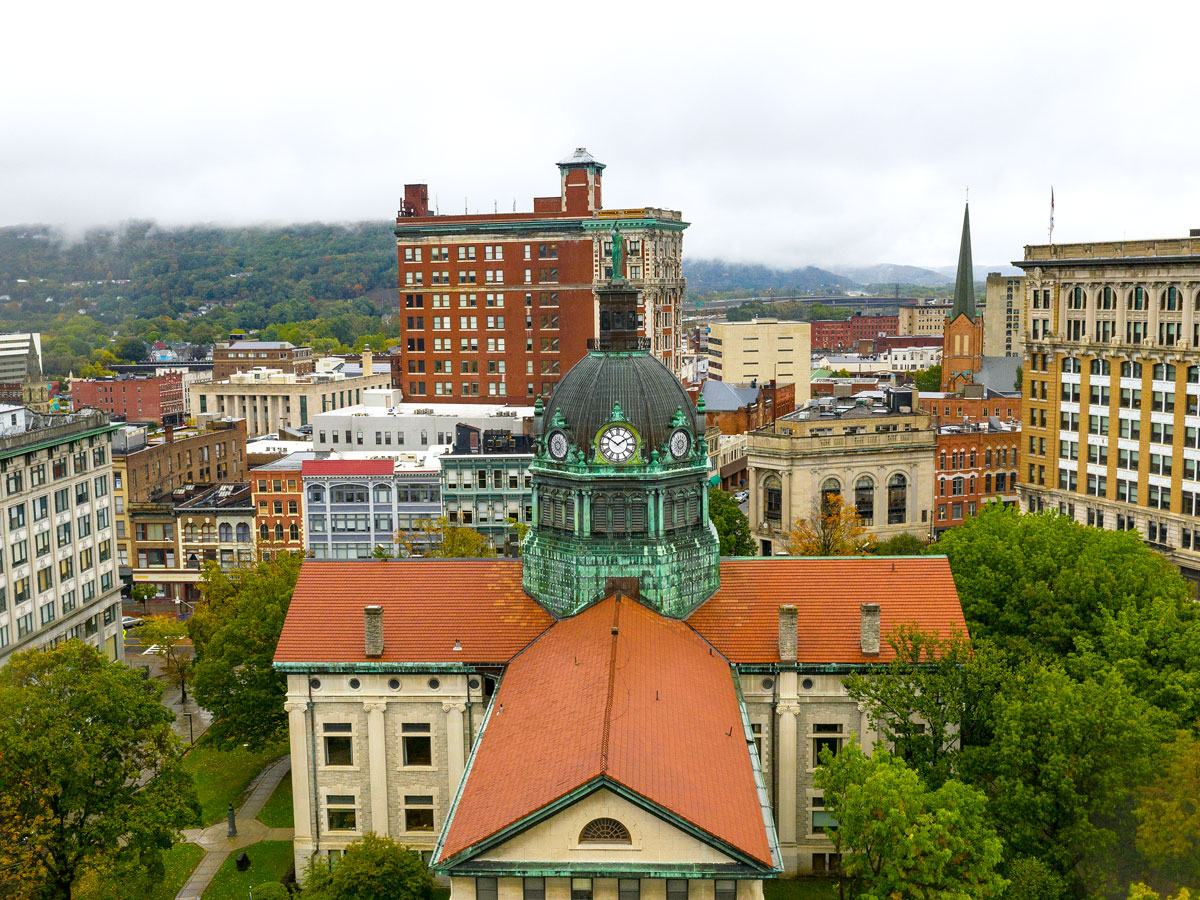
Annual cloudy days: 212
Our third entry from New York state, Binghamton experiences an average of 212 cloudy days, in addition to 102 days which are considered partly cloudy. One of the main reasons for this is the city’s location to the southeast of Lake Ontario and Lake Erie. Cold Canadian air moves over the relatively warm lake surfaces in fall and winter, fueling persistent cloud decks, moisture, and frequent precipitation (39.3 inches annually). But it’s not all doom and gloom: Gray days in Binghamton can be spent discovering local art and culture at the Roberson Museum or viewing 34 animal species at Ross Park Zoo, including arctic foxes, African penguins, and black howler monkeys.
6. Kalispell, Montana
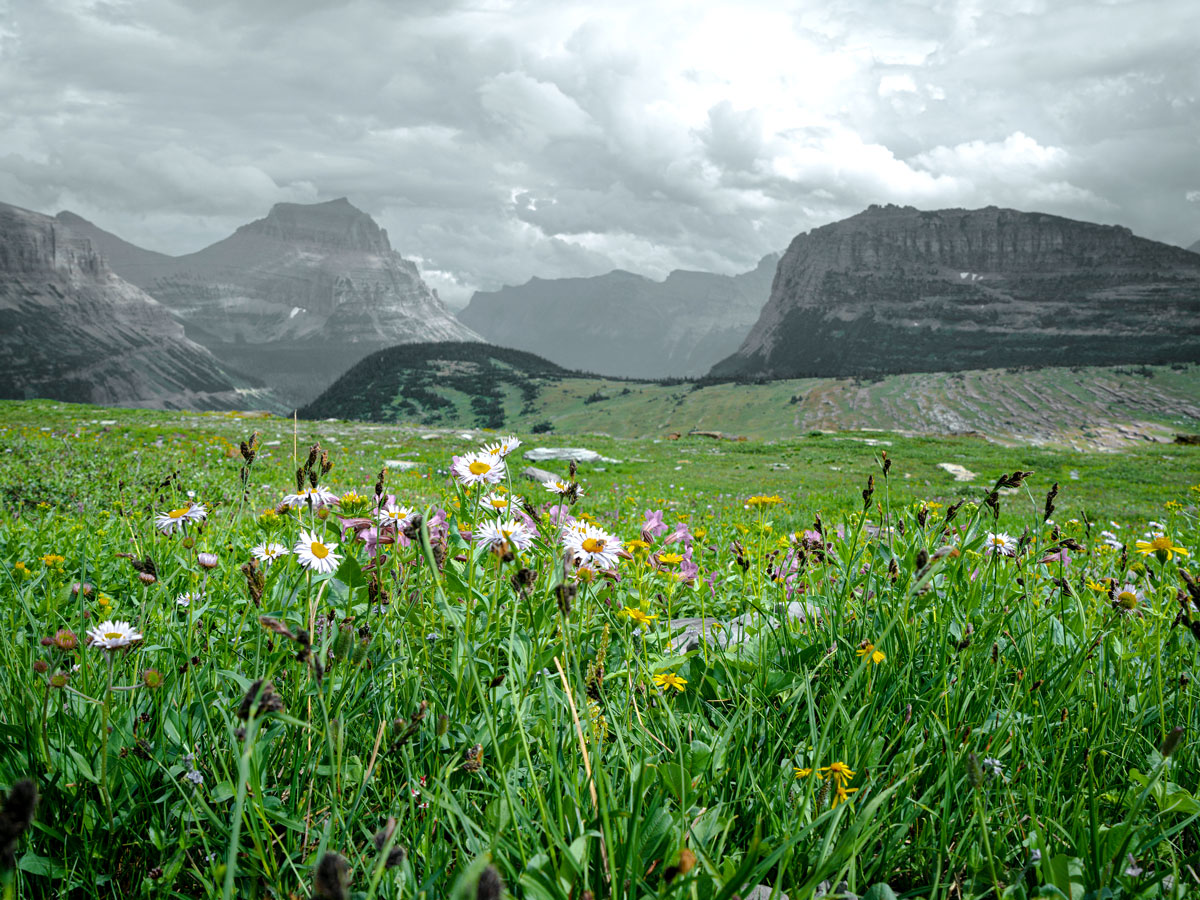
Annual cloudy days: 214
Surrounded by mountains in northwest Montana, Kalispell witnesses only 70 clear days a year, compared with 214 cloudy and 84 partly cloudy days. The typically overcast conditions stem from the city’s valley geography and frequent temperature inversions. Cold air gets compressed in lowlands beneath warmer layers, trapping moisture and fog and leading to persistent stratus clouds over the Flathead Valley. But locals embrace every weather pattern thrown at them. On the city’s doorstep is Glacier National Park, a wilderness of glaciers, lakes, and valleys crisscrossed by over 700 miles of hiking trails. For indoor activities, check out the Glacier Art Museum or the Northwest Montana History Museum.
5. Portland, Oregon
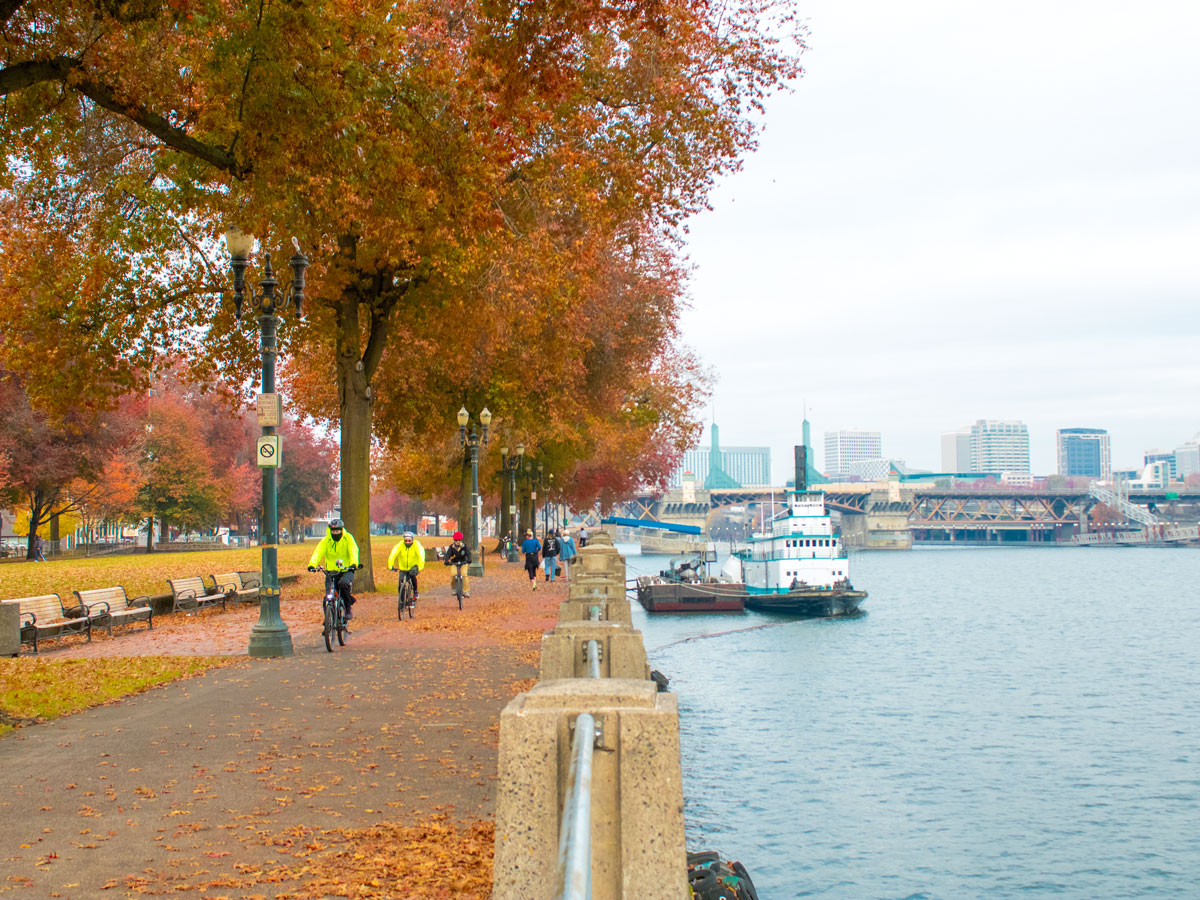
Annual cloudy days: 222
Whether you’re traversing Washington Park or hopping between Portland’s bookstores, coffeehouses, and microbreweries, chances are you’ll be doing so under the clouds. Nearly 300 days each year are either cloudy or partly cloudy in this region of the Pacific Northwest. You can expect an average of 163 annual rainy days, too. This is because the area from Portland to Seattle, Washington, sits beneath a jet stream. When the jet stream moves south, it generates low-pressure systems that create rainfall and strong winds. When the clouds release their moisture, keep dry at Portland’s many intriguing galleries and museums.
4. Seattle, Washington
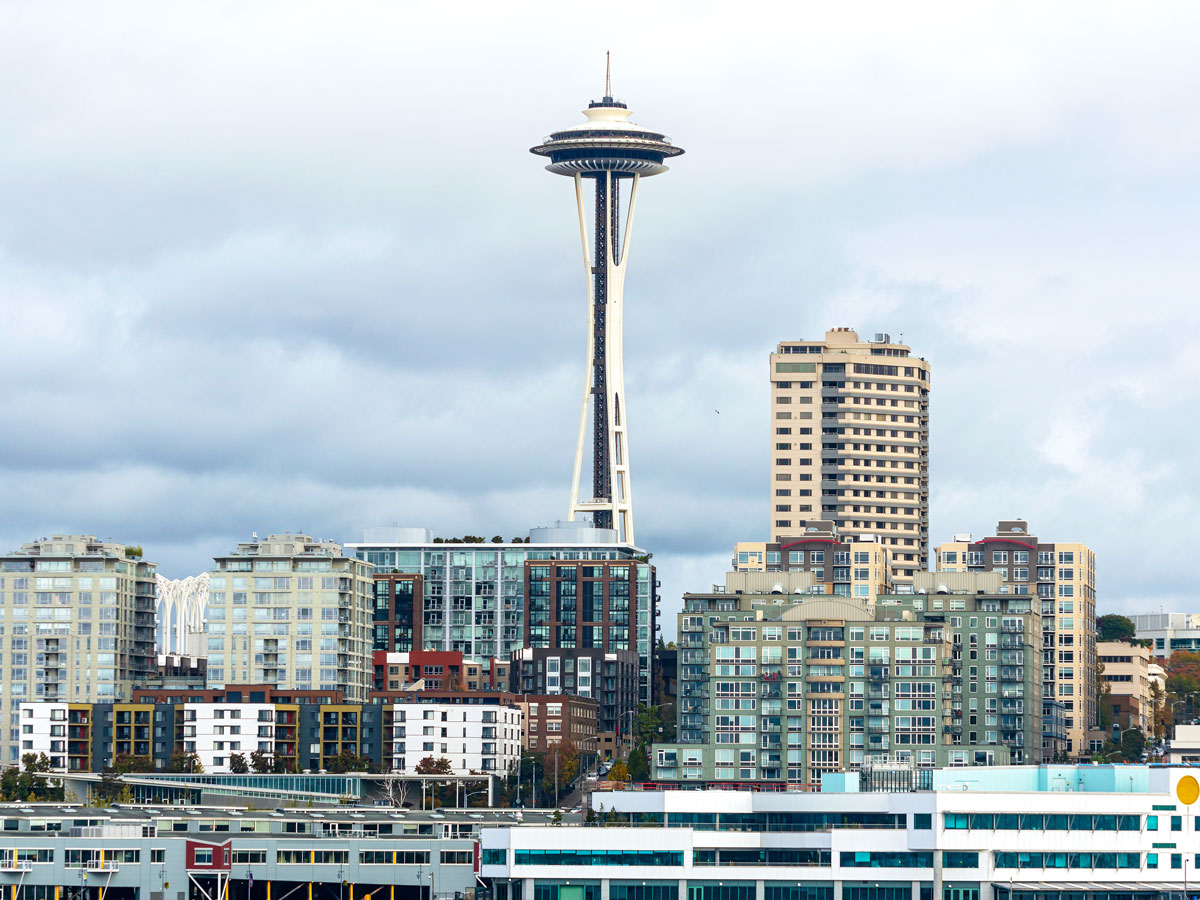
Annual cloudy days: 226
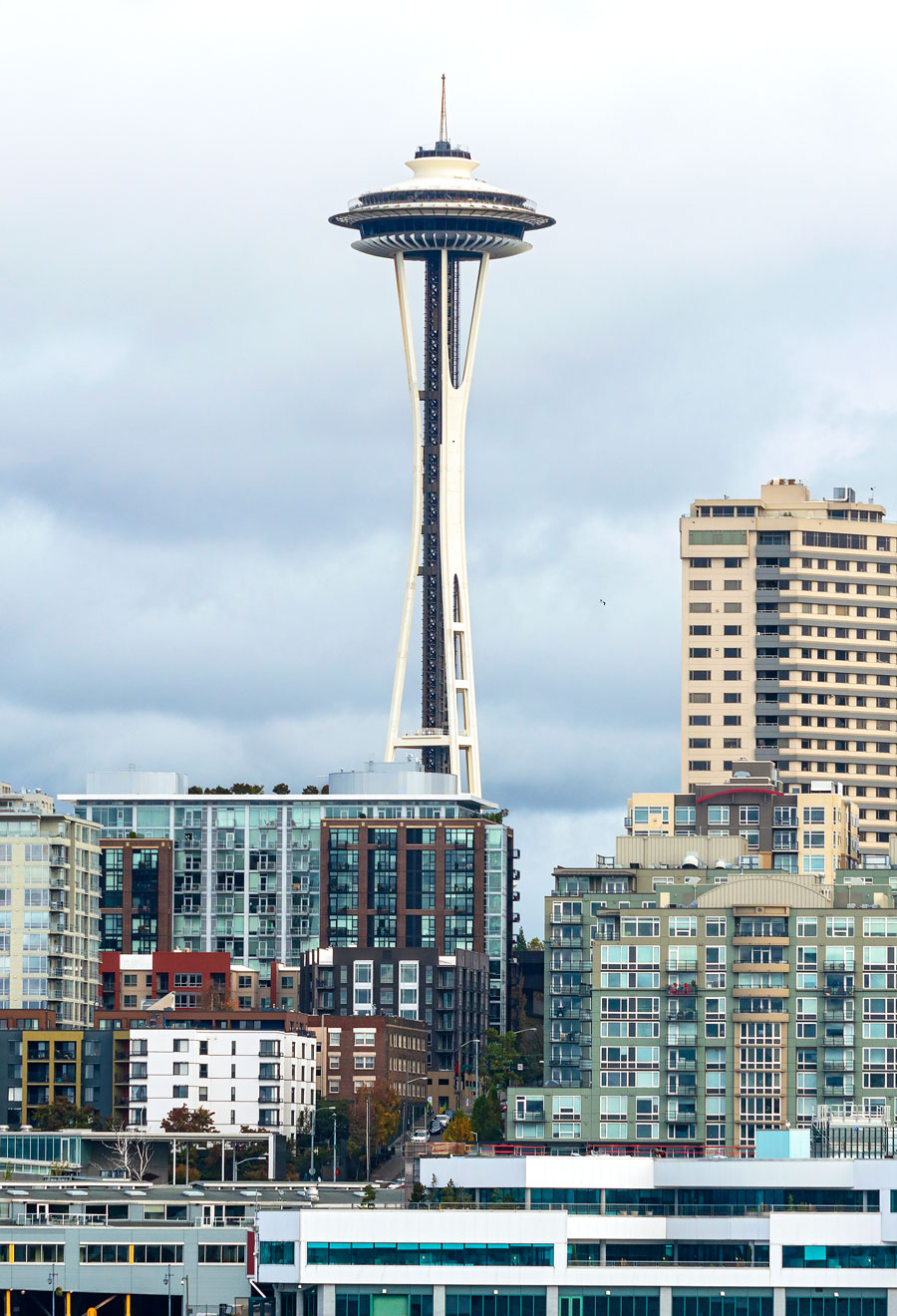
Seattle’s general dreariness is largely caused by the same jet stream that influences Portland’s weather. Cloudiness, fog, and rain (an annual average of 165 days) also stems from the weather fronts slowing as they pass over the Cascade Mountains. On the plus side, the Olympic Mountains that shield Seattle’s western side mean it’s not as cloudy as nearby Olympia. On gray days, the spire of the Space Needle, which reaches 605 feet above downtown, often pierces the low-lying clouds to create one of the city’s most photographed scenes.
3. Olympia, Washington
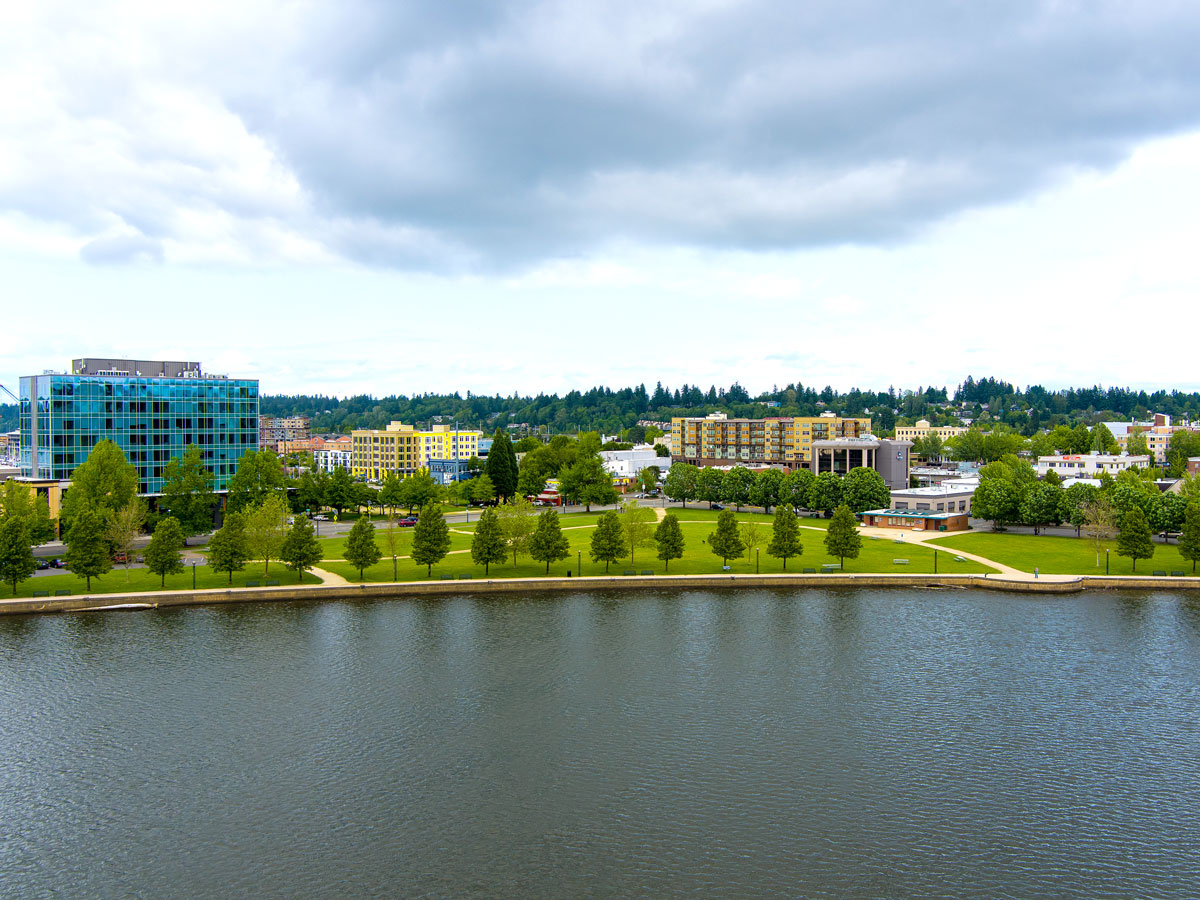
Annual cloudy days: 228
Washington’s capital is the cloudiest city in the contiguous U.S. In Olympia, it’s either cloudy or partly cloudy for 85% of the year. Adding to the gloom is the city’s reputation for fog and frequent rain. This comes from Olympia’s low-lying location near Puget Sound, where cool air and moisture collect and linger, while nearby mountains slow weather systems. After rainy days, clear nights allow heat to escape quickly, creating ideal conditions for dense radiation fog. Besides its drabby skies, Olympia is known for Billy Frank Jr. Nisqually National Wildlife Refuge, home to over 200 bird species and whale-watching opportunities.
2. Anchorage, Alaska
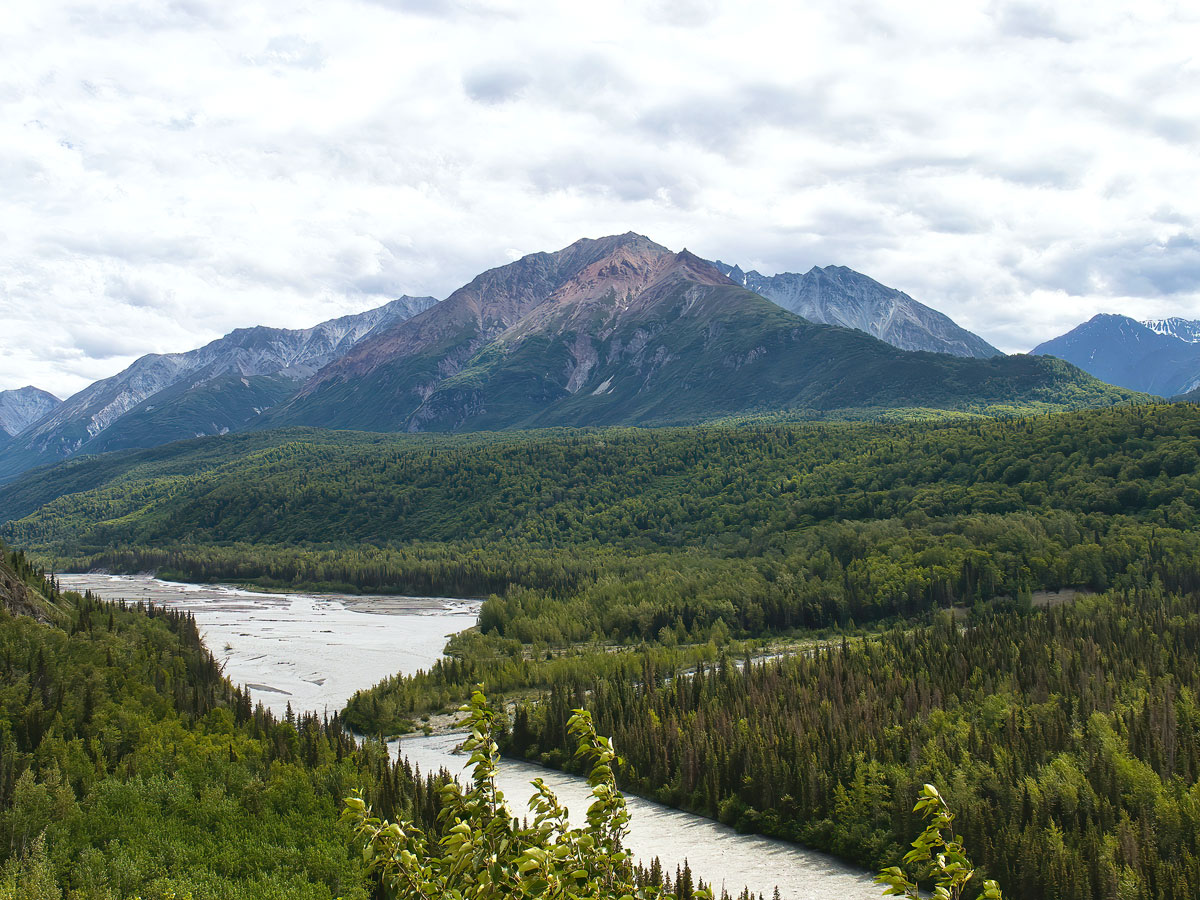
Annual cloudy days: 239
Alaska’s largest city is also one of its cloudiest. Perpetually overcast skies are driven by moist air from the Gulf of Alaska, low winter sun angles, and mountains that trap cloud cover. On top of this, Anchorage sees less than six hours of sunlight each day between December and January. However, winter can be an exciting time to visit Anchorage. Thick ice turns Westchester Lagoon into a natural skating rink, and Kincaid Park becomes a hub for cross-country skiing. Don’t miss the Alaska State Snow Sculpture Championship in February and the start of the Iditarod Sled Dog Race in March.
1. Juneau, Alaska
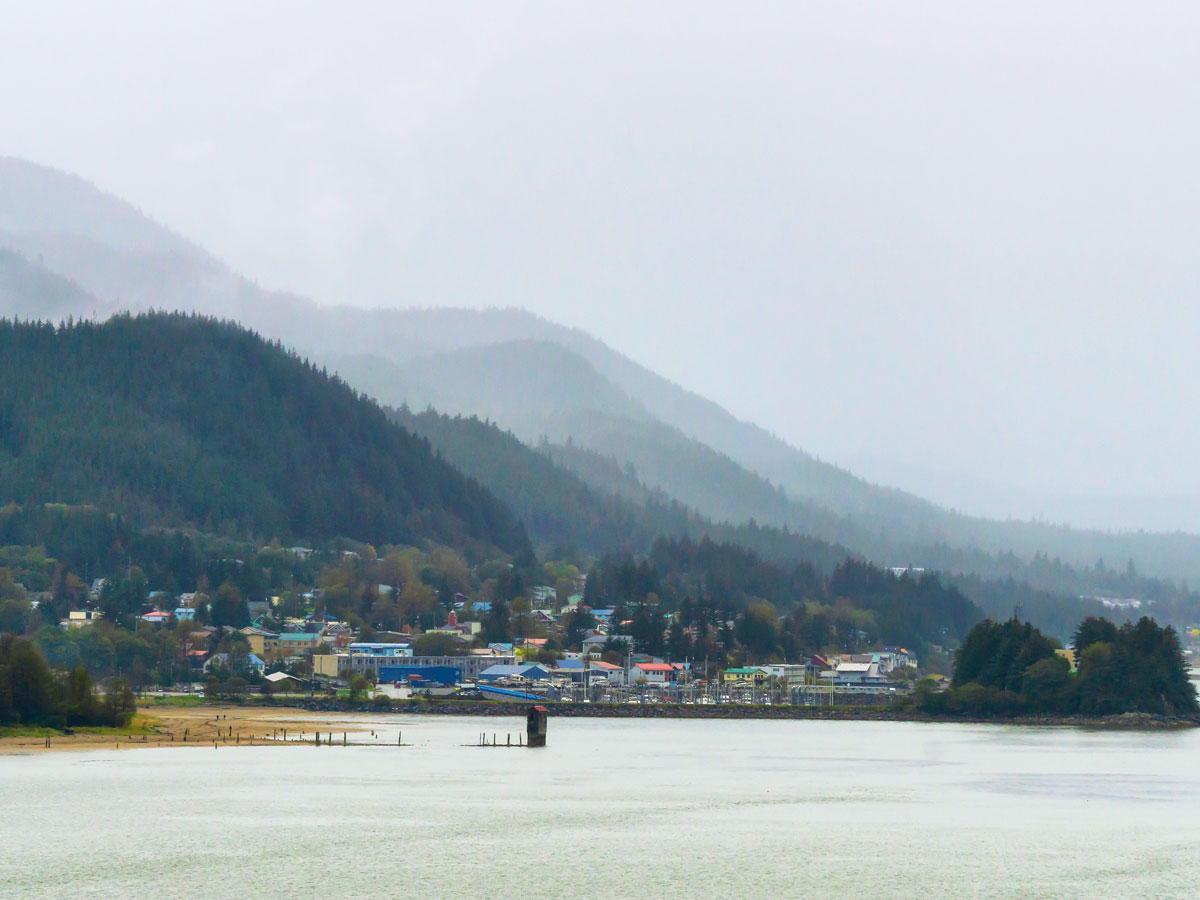
Annual cloudy days: 280
If visiting Alaska’s capital is on your radar, be prepared for cloud cover for more than three-quarters of the year. Set along the remote Gastineau Channel, Juneau is the gloomiest major city in the U.S. Its cloudiness comes from moist Pacific air arriving on prevailing westerly winds, which then cools rapidly over cold coastal waters and rises against steep mountains. Both processes force moisture to condense and produce a combination of clouds, rain, and heavy snow in winter. The best time to visit the city is from April to early July, when it’s most comfortable to enjoy major outdoor attractions like Mendenhall Glacier and Tongass National Forest.
More from our network
Daily Passport is part of Inbox Studio, an email-first media company. *Indicates a third-party property.