




How I Got Over My Fear of Flying
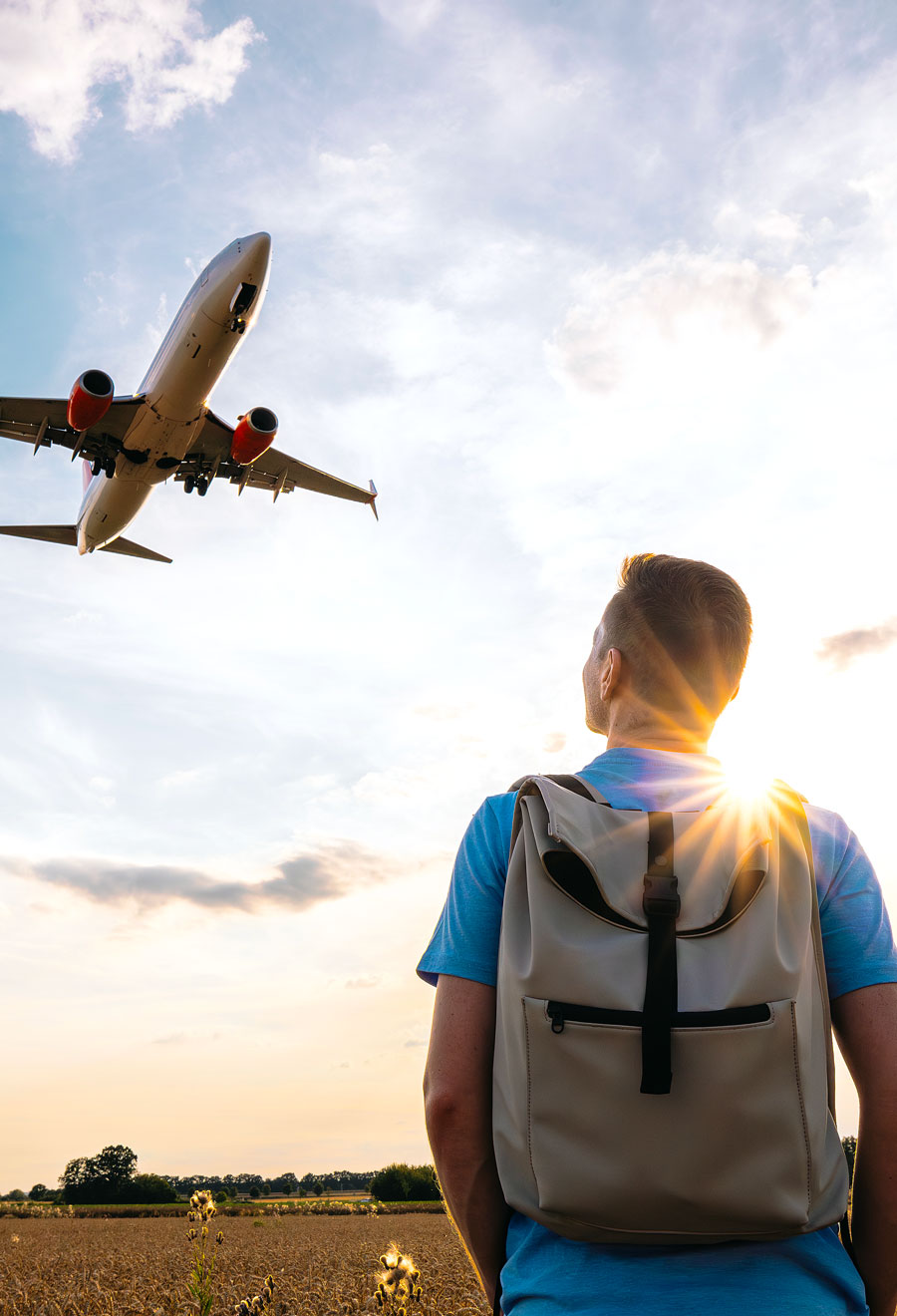
In November 2025, I took what most people would consider to be a pretty uneventful flight from New York to Madrid. But for me, it was a rather significant milestone: It was my first flight in 28 years. You might find that surprising for someone who writes about travel, but for nearly three decades, I faced a crippling fear of flying, and I made all my trips by car or train. Earlier this year, an invite to a European wedding that I couldn’t miss served as a catalyst for finally facing my fears. Here’s how it went — and how my experience may help you, too.
The Backstory
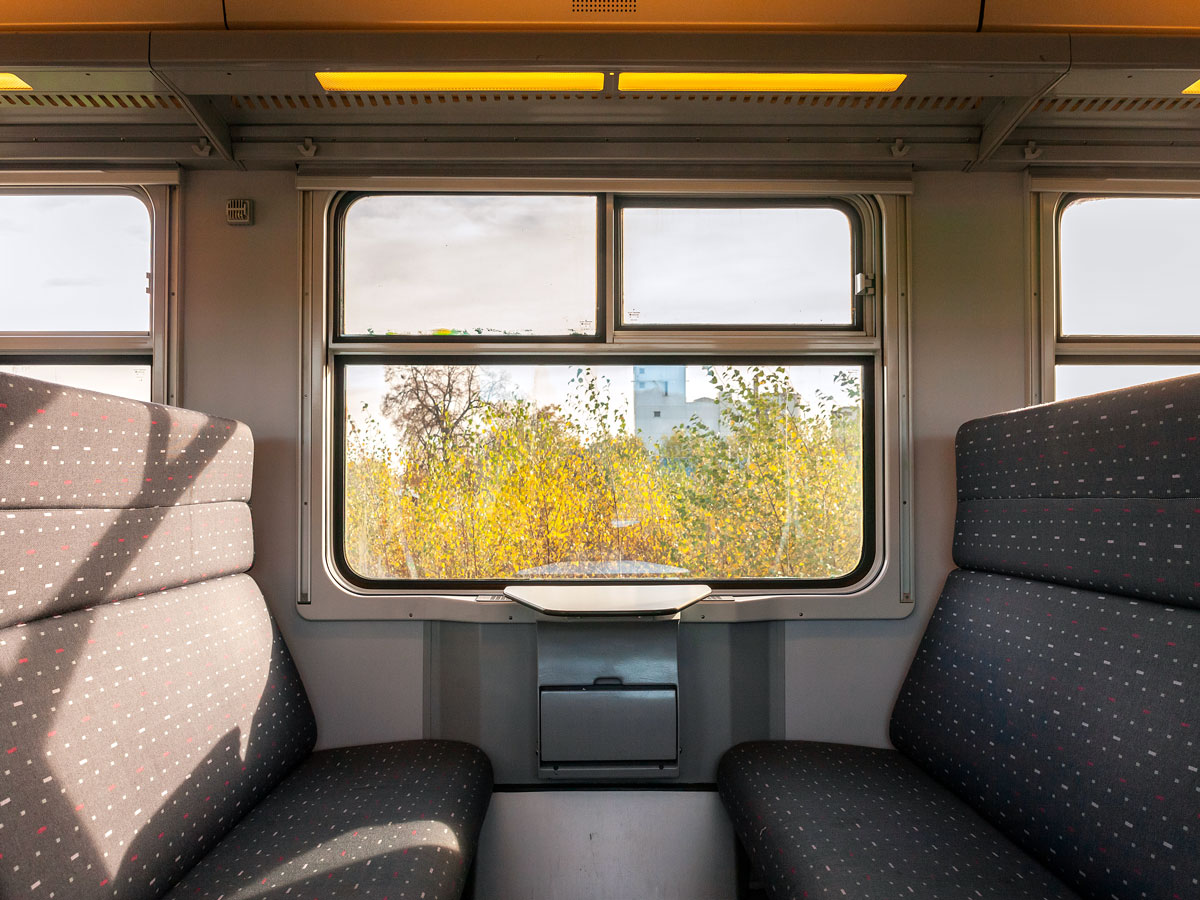
When I was a child, my family flew from New York to Puerto Rico, California, and the Cayman Islands, all without any hiccups or traumatic experiences that I can recall. But in the late 1990s and early 2000s, we started taking vacations closer to home. During this time, years went by where I wasn’t exposed to planes or airports, and an irrational fear of flying began to percolate. The next time my family brought up the idea of flying somewhere, I found myself in a full-blown panic and unwilling to travel with them.
I wasn’t entirely sure where this fear came from, but I was confident that I wanted to travel only by car or train. Despite the many statistics to the contrary, doing so simply made me feel safer. So, from my teenage years until my mid-30s, I shunned airports and stuck to long road trips and train trips, exploring 48 U.S. states and parts of Canada. The fact that I was doing so much domestic travel helped me justify my lack of flying. And all my friends got married close to home, so I never had to worry about missing a big event because of my fear — until the end of 2024, when I was told by a good friend that he would be getting married in Spain the following year.
The Preparation
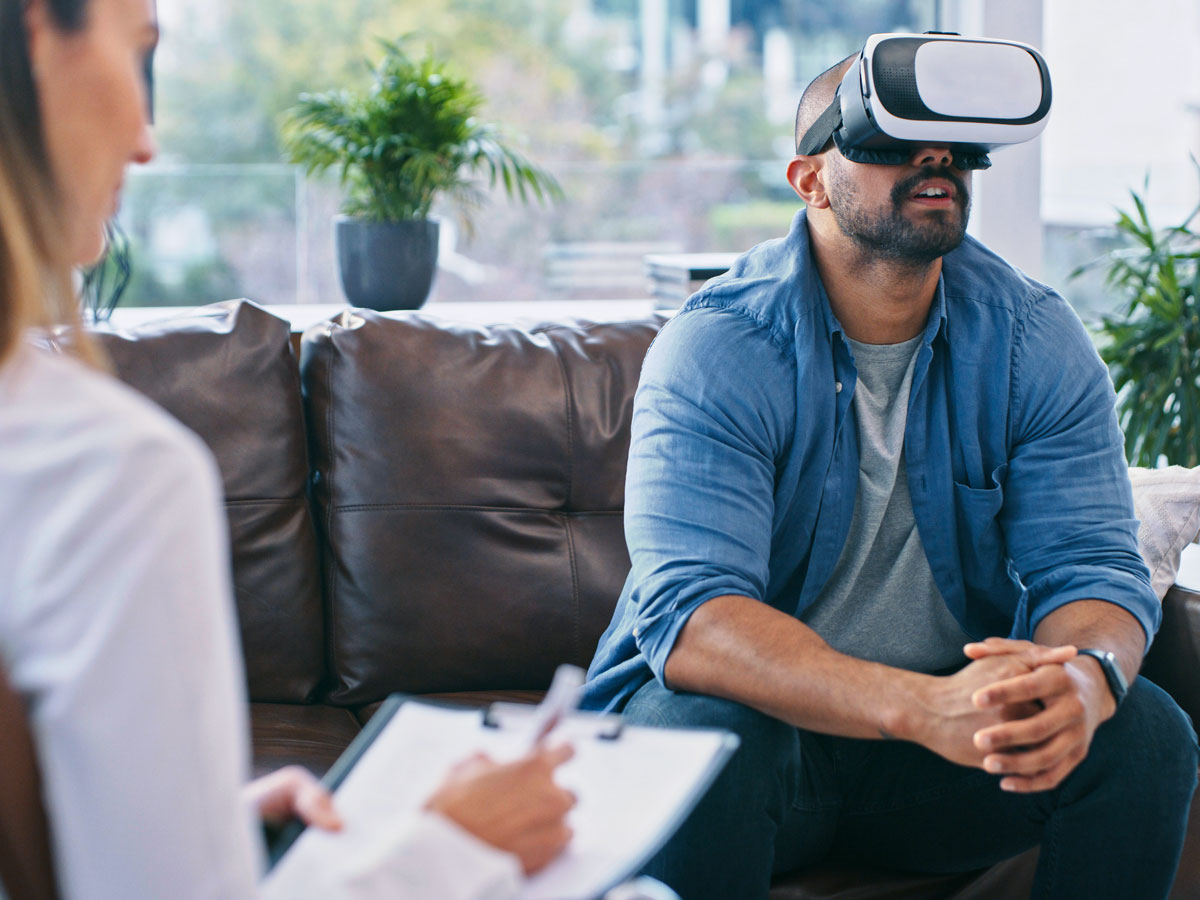
As the wedding grew closer in the summer of 2025, a family member recommended a psychologist who specializes in cognitive behavioral therapy (CBT). This particular practice (Behavioral Associates, for folks based in New York City) utilizes a combination of exposure therapy, biofeedback, and neurofeedback to help people get over their fears of flying. After doing some research, I decided to contact the doctor’s office and schedule an appointment.
I met with the doctor, who explained how the treatment worked, and was assigned to a therapist who specializes in cases like mine. Thus began a 12-week intensive process of overcoming the anxieties that had held me back as a traveler for so long.
Each session began with standard talk therapy, in which I was able to elaborate on my concerns and talk through them. During this time, I was repeatedly encouraged to book nonrefundable plane tickets, lock down hotels, make plans with other friends who were going — all steps I could take to rewire my brain into believing that I was definitely going to make it to Spain. I also practiced breathing techniques that I could use to cap potential anxiety spikes and bring my nerves down to a more manageable level.
In addition to the talk therapy, each session included an immersive virtual reality component to replicate the feeling of being on a plane — at least to the best degree that wearing a VR headset would allow. The videos I watched were recordings from actual passengers in the first-person perspective. They also featured audio intended to recreate the hum of a plane’s engines and a vibrating device attached to the chair to replicate the vibration of turbulence.
The goal with this repeated exposure — which often involved watching the same video over and over — was to make the flying experience seem as “boring” as it could be. I hoped to familiarize myself with the sights and sounds of flying in this VR environment, so that I wouldn’t be shocked or panic when I boarded an actual aircraft. During earlier sessions, I felt my anxiety spike while I watched these videos. But as the sessions went on, the spikes were fewer and far between.
The Flight
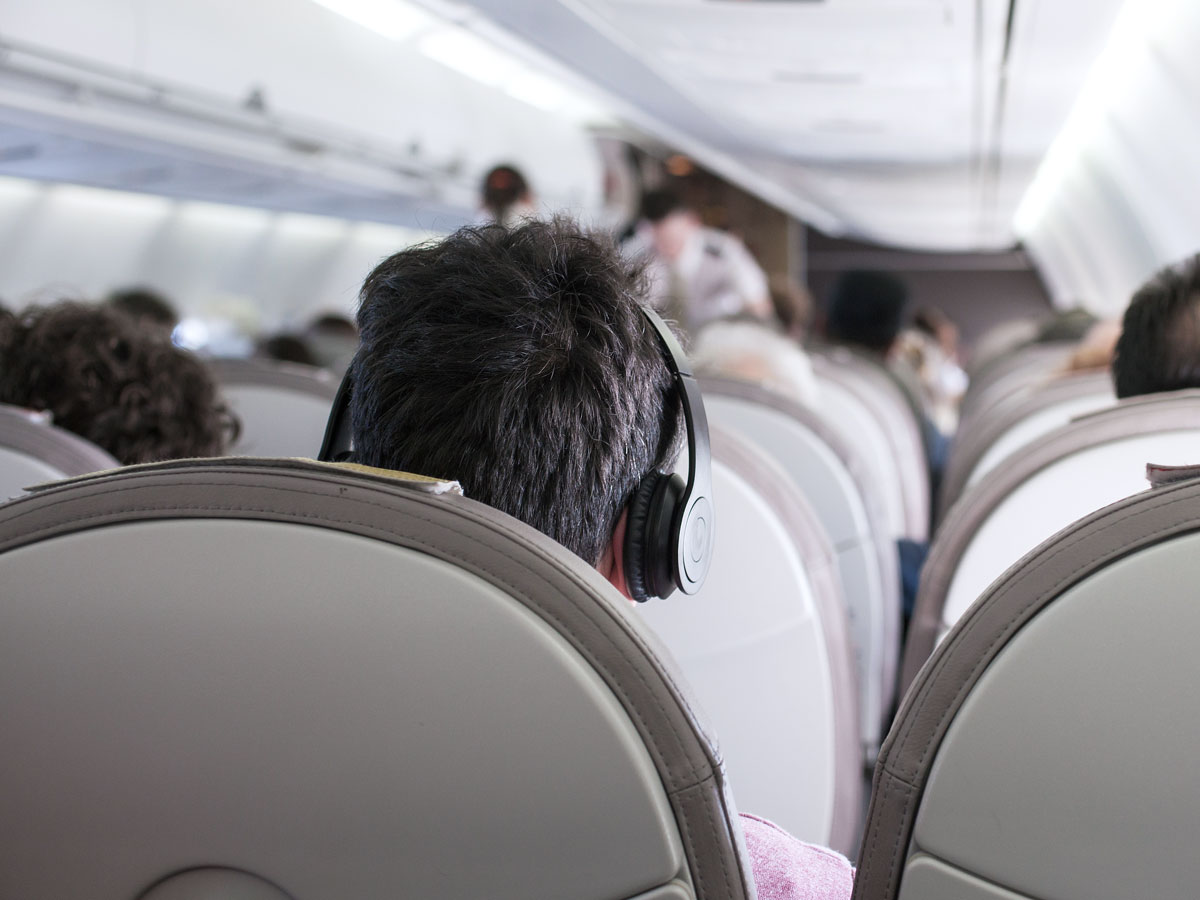
With my flight fast approaching in November 2025, I had no choice but to dive in head first and put my extensive therapy to the test. Despite having not been inside an airport in decades, I surprisingly found the check-in and security process at New York’s JFK Airport straightforward and easy. But my fear was always going to be the actual flight, so as I boarded the aircraft, I wondered what was to come. Thankfully, I was accompanied by a friend — having a familiar face nearby helped put my nerves at ease.
Between finding my seat, listening to the safety instructions, and familiarizing myself with the cabin, I didn’t really have time to let my brain wander. As we began to taxi, however, I realized that I was about to find out if all that therapy would pay off. Before I knew it, we were taking flight — but instead of panic or fear, I spent the first 30 minutes of the trip feeling a sense of bewilderment.
Once we hit cruising altitude, I found the whole experience somewhat unnerving but mostly boring — much to my delight. When the first bit of turbulence hit, I felt a wave of anxiety, but I began to use the breathing techniques I was taught in therapy. That prevented my anxiety levels from spiking beyond control. Seeing the flight attendants go about their business as usual also reminded me that I should stay equally calm.
The overnight flight from New York City to Madrid was about seven hours, but I knew full well that I wasn’t going to get a wink of sleep. Instead, I distracted myself by watching movies, drinking a few whiskey sodas, scrolling mindlessly on my iPad, and listening to hours of Grateful Dead concerts on my noise-canceling headphones. These helped me block out the sounds from the cabin and create my own little world where I could relax more easily.
I did such a good job of distracting myself that although I knew we were nearing the end of the flight, the landing seemed to come quite suddenly, and with a thud we were back on the ground. I didn’t fully appreciate the fact that I had completed my first flight until hours later in my hotel room, but I knew deep down that it was a big deal to have done it without much issue.
The Aftermath
Several weeks later, I can look back on my first flight in nearly 28 years with pride and confidently say that I successfully overcame my fear. But despite the discomforts I felt along the way, I learned that all you need to do is stay calm, breathe, and manage your anxiety levels, and you’ll make it to your destination before too long.
Do I think I’ll ever enjoy flying? The odds are low, at least at this moment. The turbulence was quite uncomfortable, and the cramped nature of an aircraft isn’t exactly pleasant. But having been fortunate enough to attend therapy sessions, I do think repeated VR exposure helped me prepare for the strange sights and unfamiliar sounds that come with being in an airplane cabin, so it was a more familiar and less jarring experience when I actually got onto the plane.
Another thing that helped me get over my fear? Stubbornness. I felt it would’ve been a complete waste of time and money in therapy had I not gone through with the trip — I guess there’s something to be said for buying nonrefundable tickets and spending 12 weeks in therapy making a plan for a smooth trip. And if I can get over a decades-long fear of flying, I believe anyone else experiencing the same type of fear can — if they want to — overcome it with a bit of determination and whatever method works for them.
More from our network
Daily Passport is part of Inbox Studio, an email-first media company. *Indicates a third-party property.