12 Places Where It’s Banned or Illegal To Take Photos
12 Places Where It’s Banned or Illegal To Take Photos

Taking photos while traveling is an opportunity to create a lasting record of memorable experiences. But while in most cases there’s no harm in doing so, there are certain circumstances where snapping a photo can land you in hot water. Here are 12 places where it’s banned or illegal to take photos while traveling.
The Sistine Chapel in Vatican City
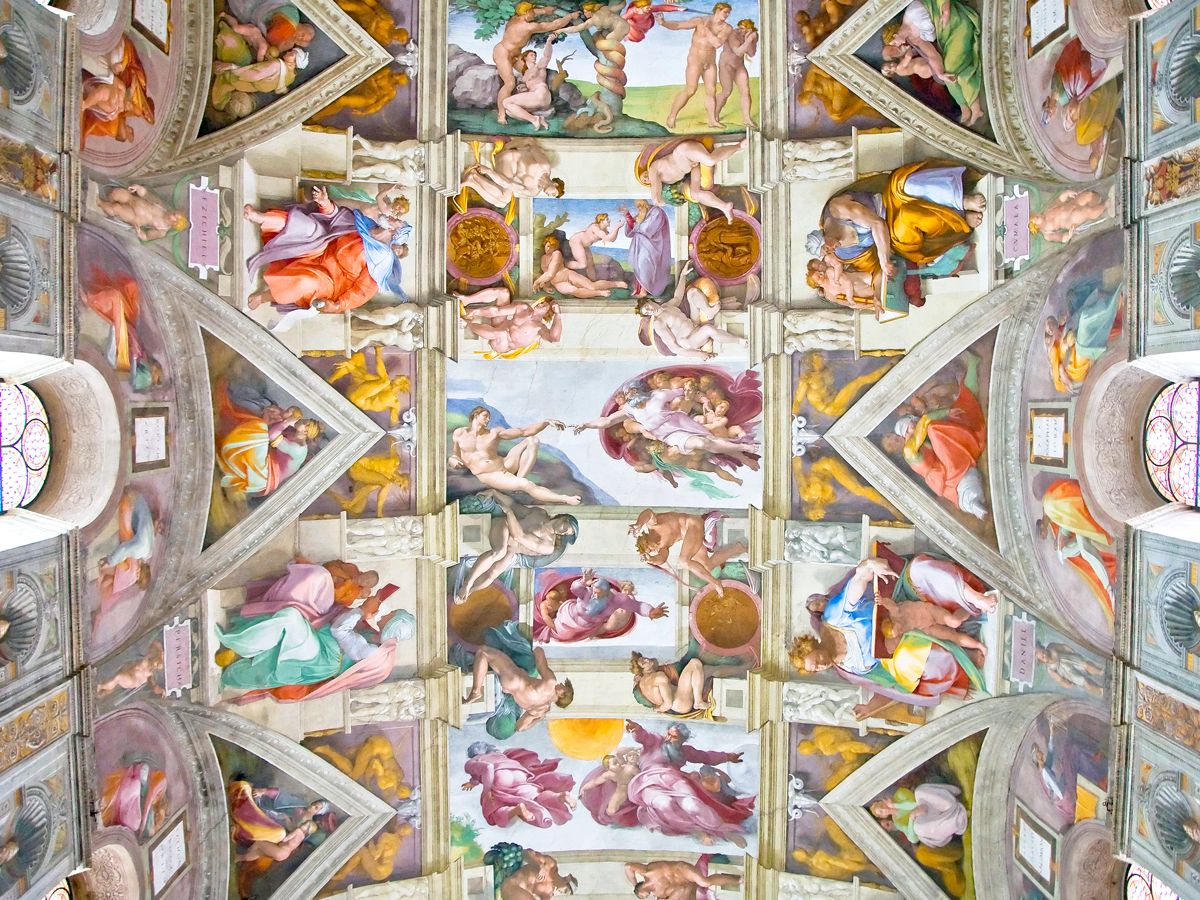
Though it’s tempting to try to capture some of the detail in Michelangelo’s famously frescoed ceiling, you’ll be breaking the rules if you try. Taking pictures or videos of the Sistine Chapel is explicitly banned. The rule is designed to protect the colors of the elaborate work, completed in the 16th century, from the harmful effects of flash photography.
However, some sources report that the ban was put in place during an extensive restoration in 1980, which was funded by the Nippon Television Network Corporation in Japan in exchange for exclusive image rights. Though the deal has expired, the ban on photography is still in place.
Inside the Taj Mahal
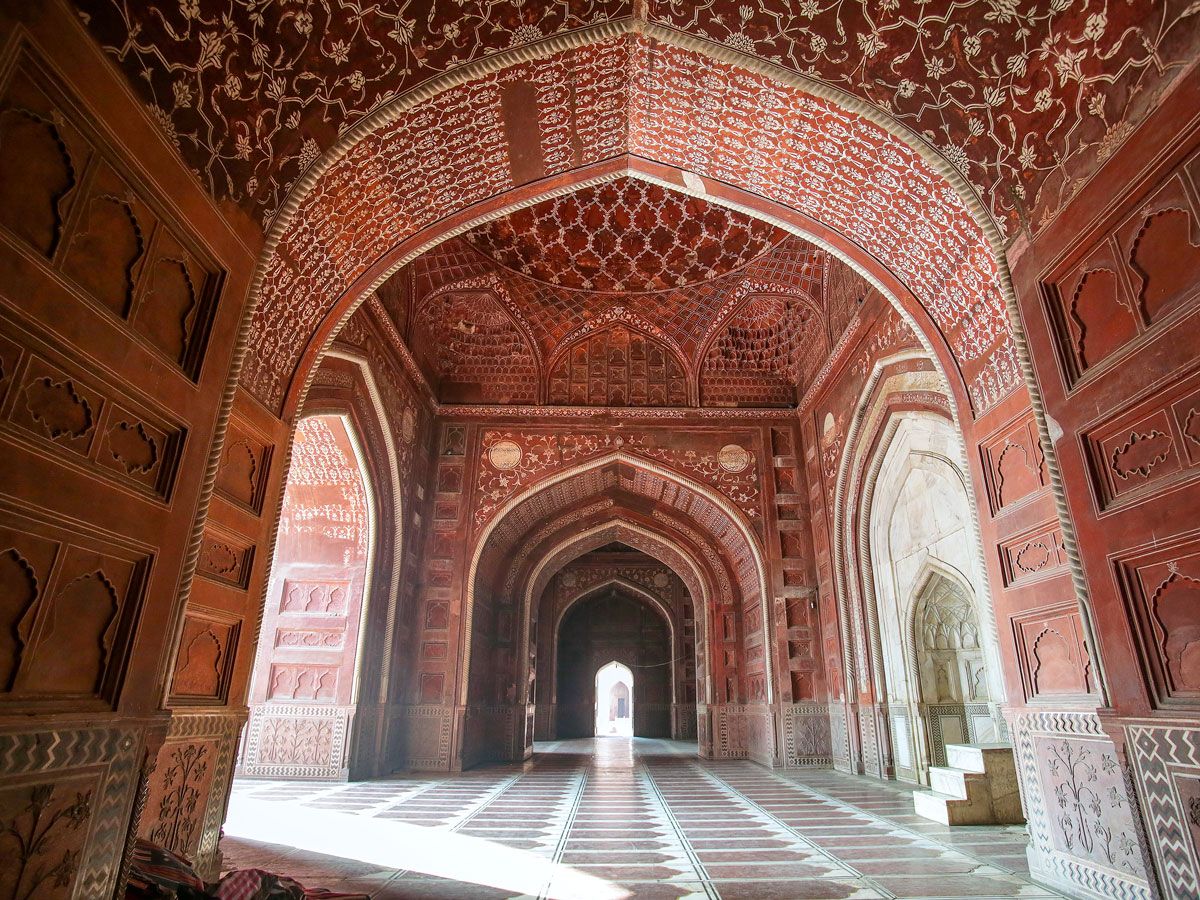
In the 17th century, Emperor Shah Jahan ordered the construction of a mausoleum in honor of his wife Mumtaz Mahal. Today, the Taj Mahal in Agra is India’s most famous tourist attraction, receiving 7 million to 8 million visitors each year. When visiting, there are a number of important rules and regulations to follow. Drone photography isn’t permitted anywhere on site, and you’re also not allowed to photograph the Taj Mahal’s interior.
The Tower of London in England
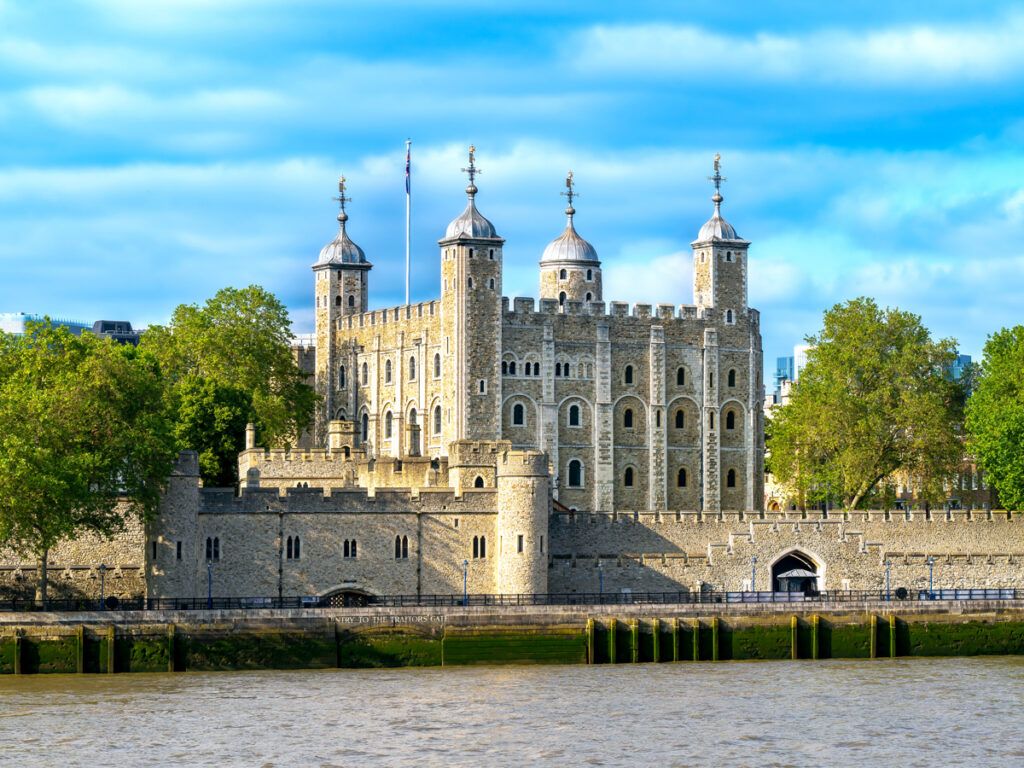
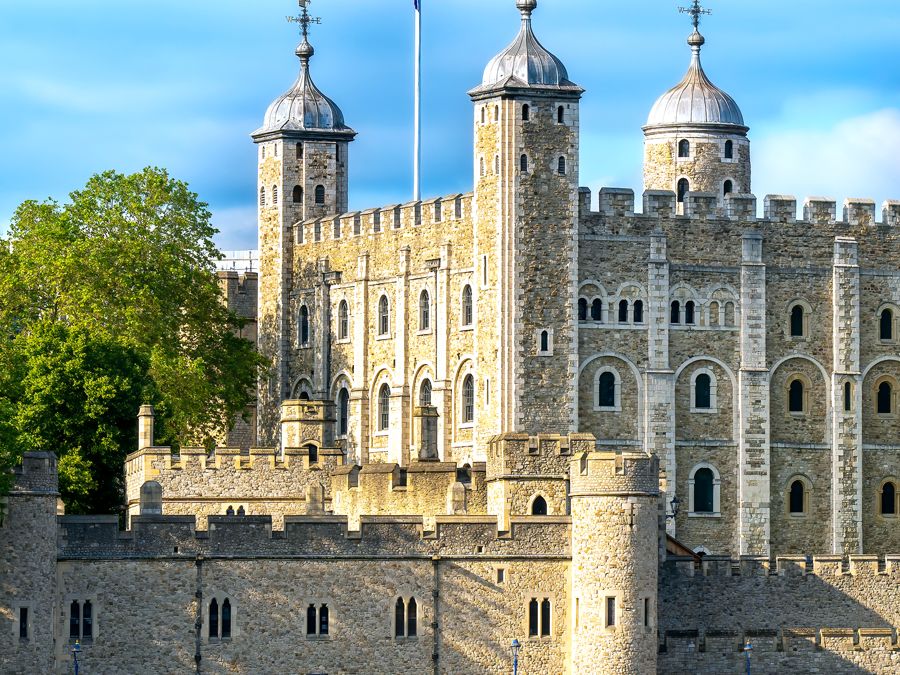
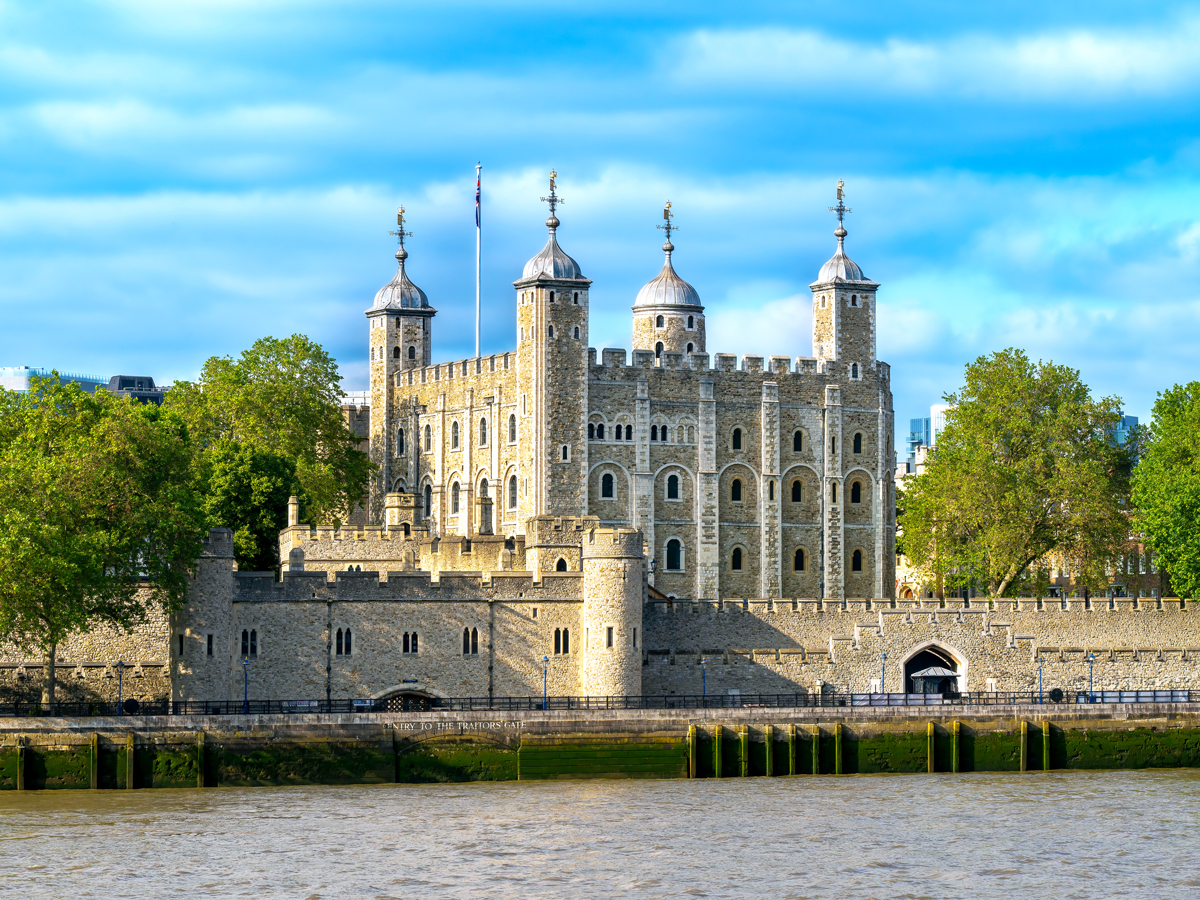
From Big Ben to the buzz of Leicester Square and postcard-perfect views along the River Thames, it’s nearly impossible to not reach for your camera or phone in London. But not every place around England’s capital city is so welcoming when it comes to photos. Inside the Tower of London, photography is banned in the Jewel House, where you’ll find the Crown Jewels exhibition. This means you won’t get any snaps of yourself standing next to the royal treasures, though photos are permitted in other areas of the Tower.
The logic behind the decision is to maintain the safety of this priceless collection of working regalia, which is still used today for coronations and state ceremonies. Staff may even ask about the purpose of your photography and can request that you stop if they suspect you are breaching site policy.
Mosques in Mecca and Medina, Saudi Arabia
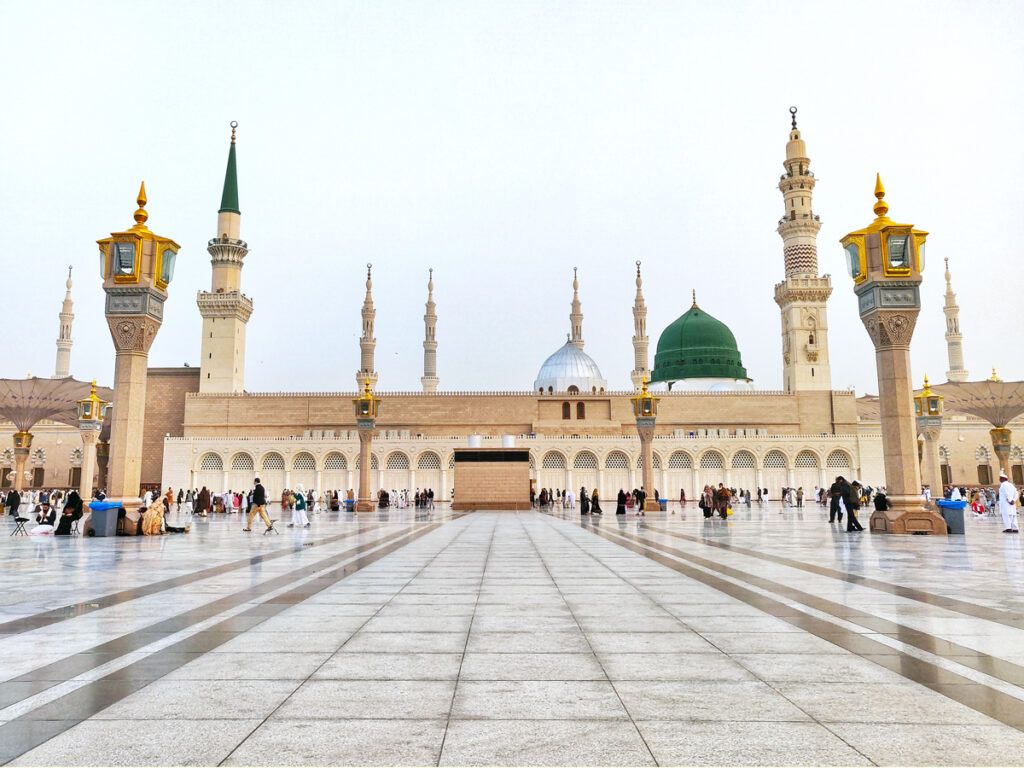
The Saudi Arabian cities of Mecca and Medina welcome millions of visitors each year, especially during the Hajj and Umrah pilgrimages. At the heart of these holy cities are the Great Mosque in Mecca, featuring the sacred Kaaba, and the Prophet’s Mosque in Medina. As they both boast vast marble courtyards, towering minarets, and ornate archways, it’s little wonder visitors find themselves entranced by the architectural beauty.
However, Saudi authorities have increasingly felt that smartphones and selfies distract from the spiritual purpose of a pilgrimage. As far back as 2014, Islamic clerics began criticizing the trend of selfie-taking and tourist-like behavior, commenting that such actions go against the Prophet Muhammad’s wish. Consequently, in 2017, authorities banned all photography and videography in and around both mosques. Today, violations can result in device confiscation and possible legal action.
Parts of Australia’s Uluru-Kata Tjuta National Park
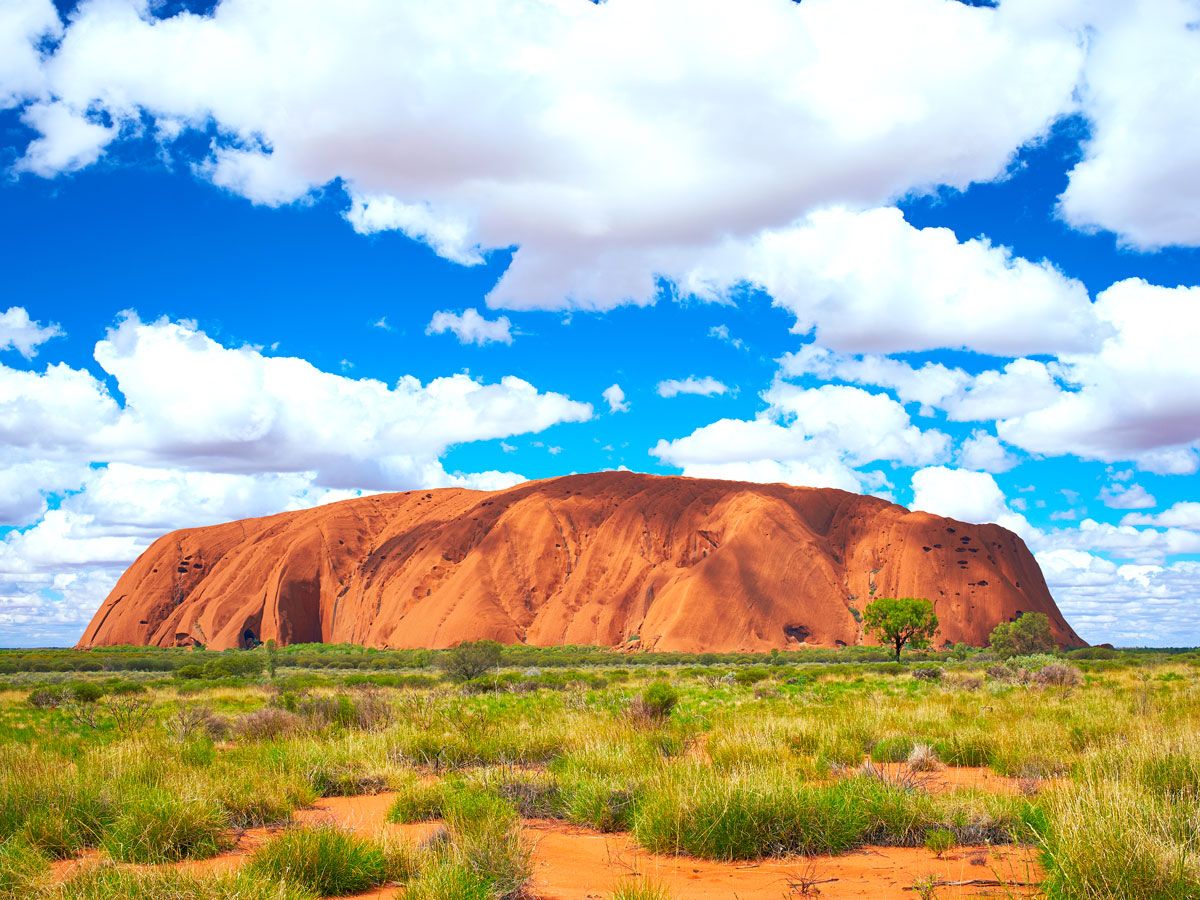
The Anangu peoples are custodians of Uluru, formerly known as Ayers Rock. To them, this famous sandstone monolith in the Australian Outback is a sacred site, and, as such, taking photographs is off-limits in certain places. According to the oral tradition of Tjukurpa, “certain elements of the landscape may only be viewed or understood by certain people.” Signage clearly identifies the culturally sensitive areas where the rocks and their markings shouldn’t be photographed.
Photos of People in the United Arab Emirates
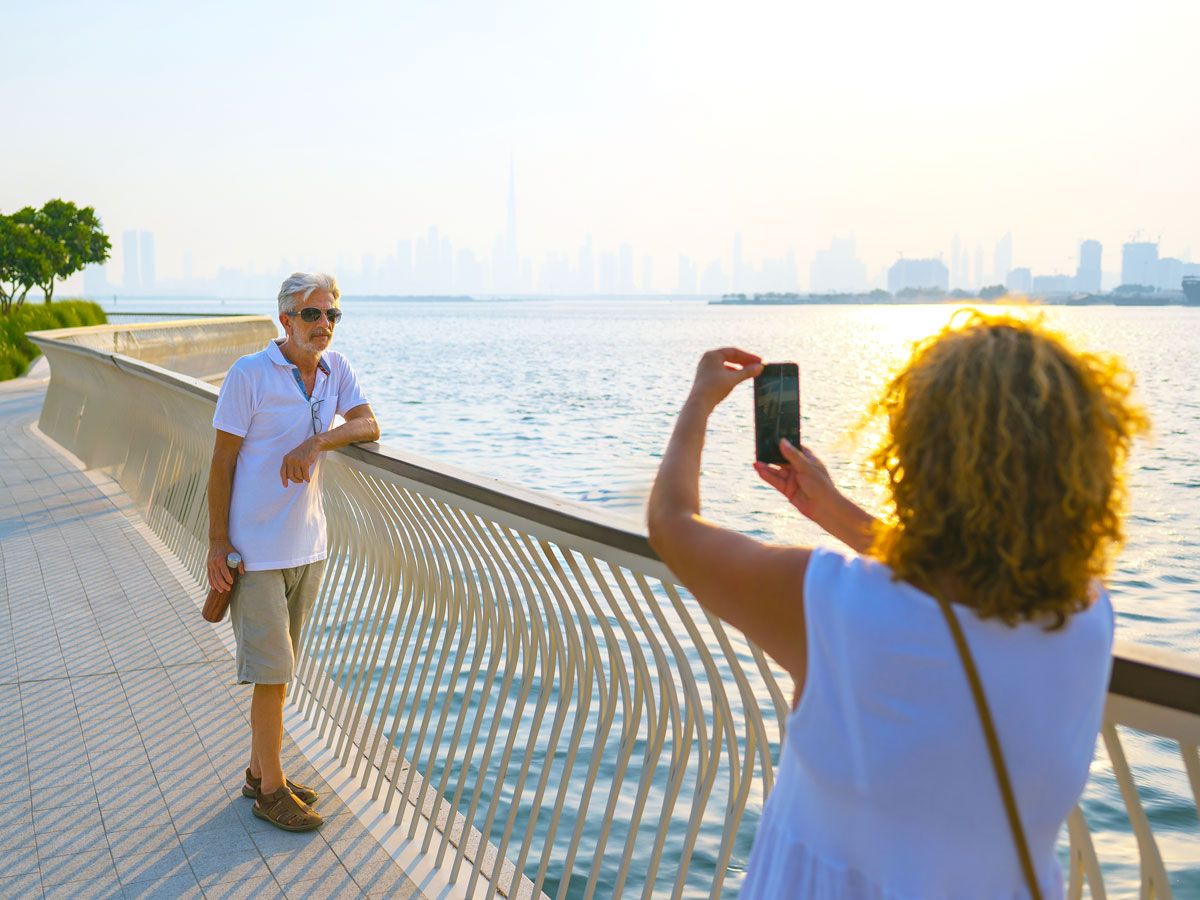
The law in United Arab Emirates prohibits photography of people without their explicit consent. Taking unauthorized images of people, even in public spaces, can land you with a fine of up to Dh500,000 (about $135,000 USD) and potentially lead to jail time. Taking pictures of people without their written permission is considered a violation of their privacy. In 2023, the Abu Dhabi Judiciary Department (ADJD) published a set of guidelines that visitors should adhere to.
Museums in New York, New York
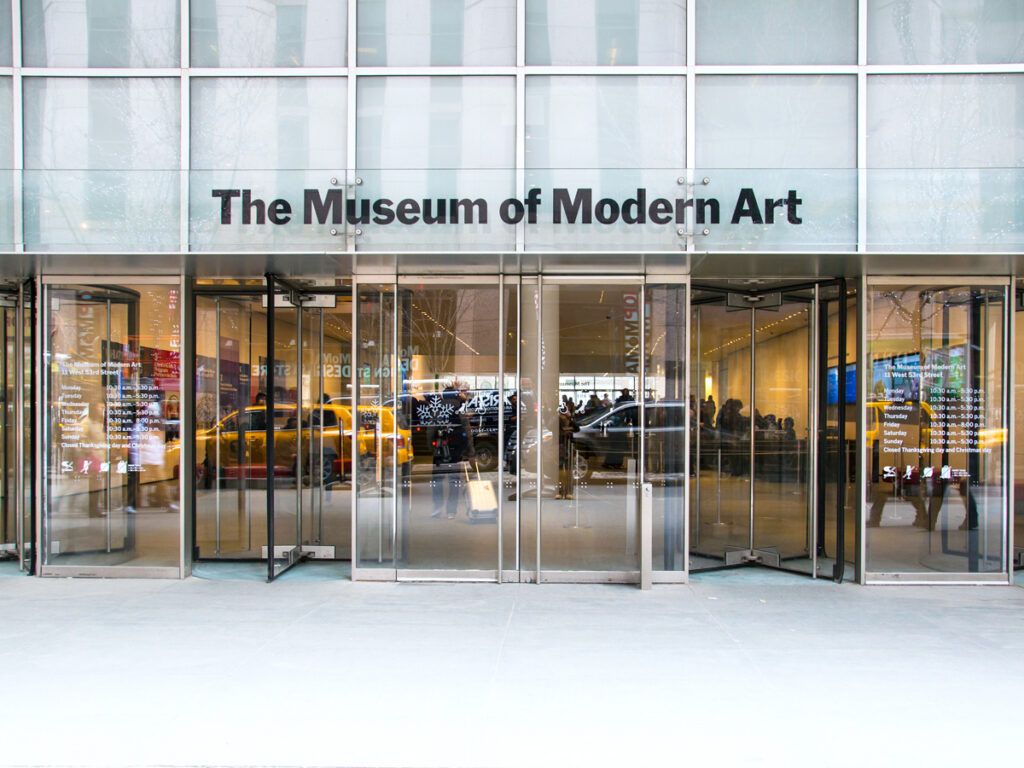
While selfies are practically part of the urban landscape in New York City, most major museums in the Big Apple have taken a stand against the selfie sticks so often seen around Times Square and other city hot spots. Institutions such as the Met, the Museum of Modern Art, and the Cooper Hewitt Smithsonian Design Museum have banned the devices due to concerns over safety and visitor experiences. After all, nobody wants to admire Van Gogh’s “The Starry Night” while other patrons wave selfie sticks around in front of it. However, personal photos or videos taken with your handheld camera are allowed in most museums in the Big Apple.
Pedestrian Bridges on the Las Vegas Strip
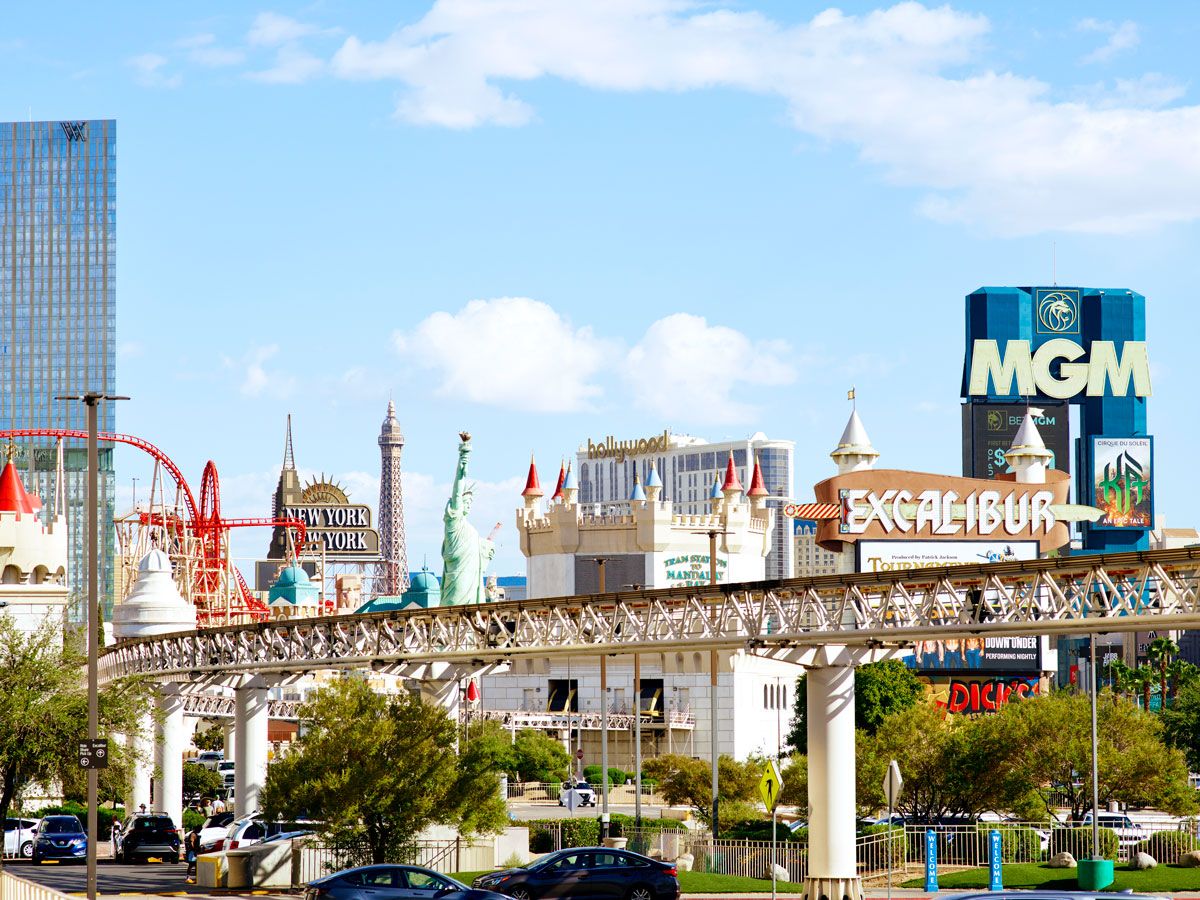
The bright lights and clashing colors of the Las Vegas Strip often have vacationers reaching for their cameras. In an attempt to get a wider view, you might be tempted to pause for a picture while crossing the road on one of its pedestrian bridges. However, doing so can land you in hot water. As of January 2024, it’s now considered unlawful to stop or stand while on such crossings. The new measure was voted into effect for safety reasons, to ensure that pedestrian traffic keeps moving on the bridges.
The Eiffel Tower at Night
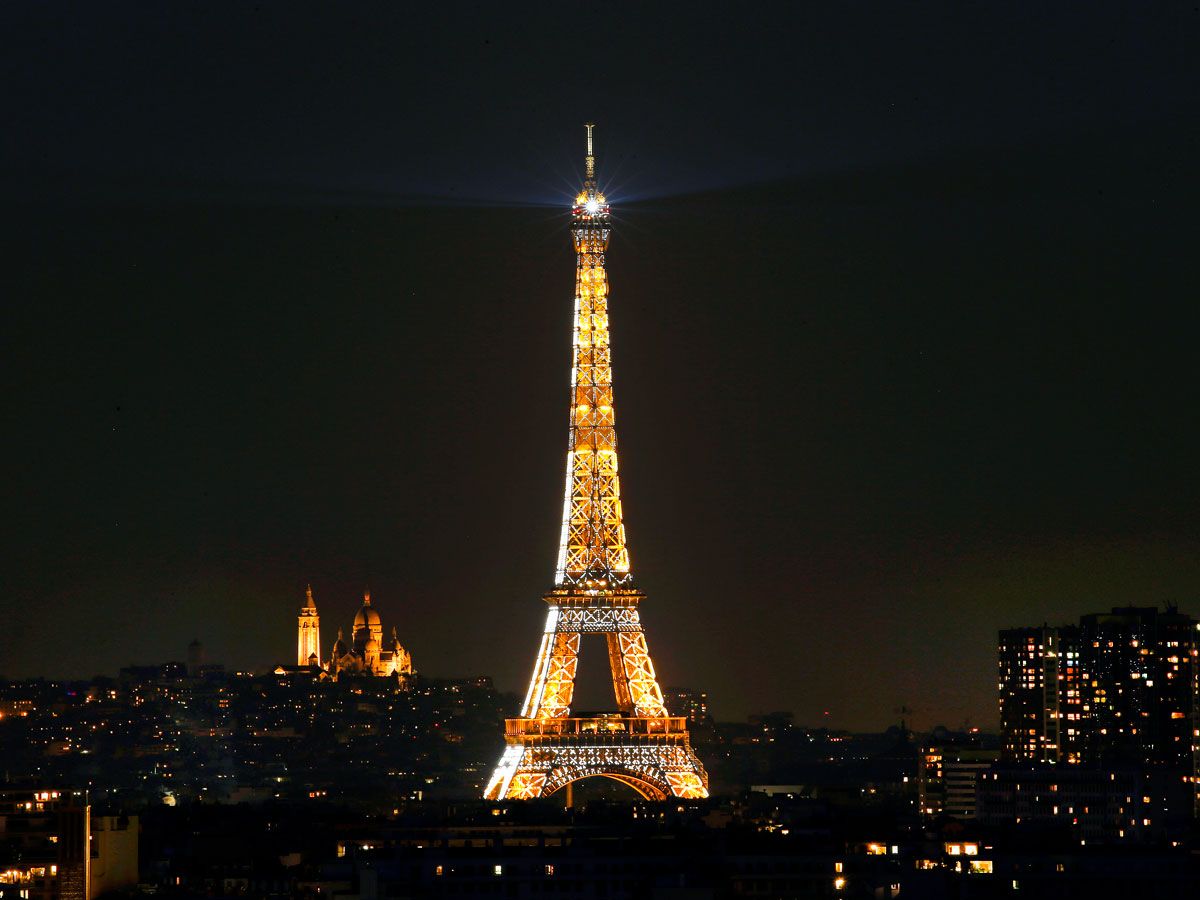
Paris’ most iconic landmark, the Eiffel Tower, shines brightly at night — and for the first five minutes of every hour after dusk, it sparkles, too. There’s a common misconception that it is illegal to snap a picture of the Eiffel Tower at night, but as long as the images are only intended for personal use, it’s permissible to do so. Professionals, however, should obtain the required permissions (which may involve paying a fee) because photographing the illuminations and using the images or video footage for monetary gain is considered a breach of copyright.
Certain Japanese Temples
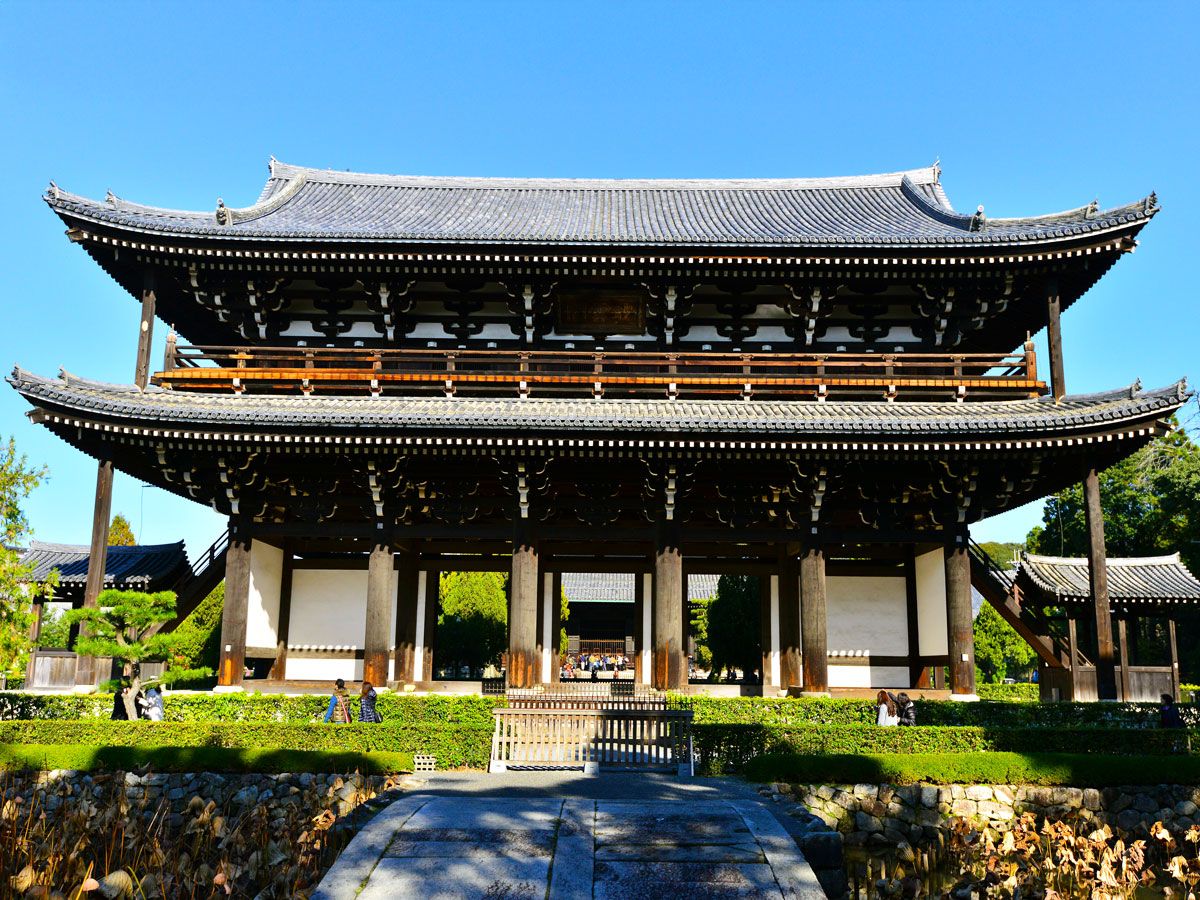
While photography isn’t universally prohibited at Japanese temples, individual temple policies vary. As a mark of respect to those who come for quiet contemplation and to enhance their spiritual well-being, the use of cameras and other recording devices is sometimes banned. Interiors, pathways, bridges, and formal gardens also may be off-limits to photographers.
Rules can be implemented in an attempt to manage congestion, as was the case in Kyoto. Restrictions were introduced in this popular tourist destination in November 2016, halting photography of Tofukuji Temple’s gardens from the Tsutenkyo Bridge when fall foliage was at its most colorful. Bans have also been implemented at the city’s Genko-an, Hosen-in, and Daigo-ji temples.
Running of the Bulls in Pamplona, Spain
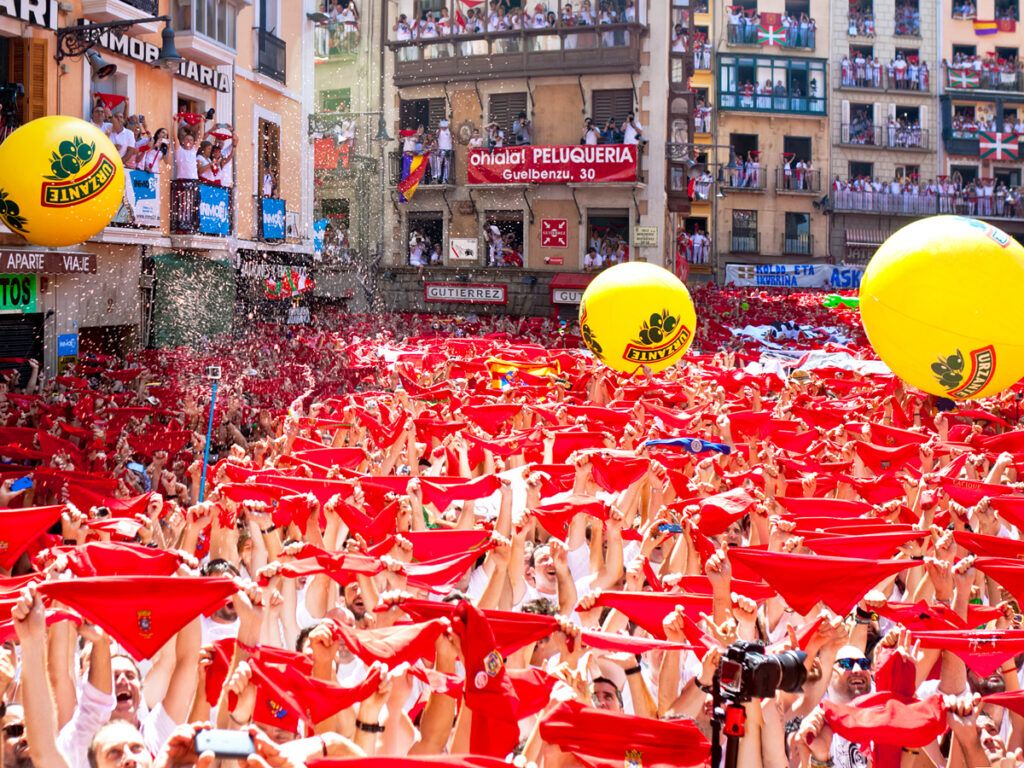
Every July, Pamplona erupts into the color and chaos of the San Fermin festival, best known for the running of the bulls (encierro). The main event attracts thousands of locals and tourists alike, who sprint through narrow medieval streets alongside charging bulls. It’s dangerous from the outset, but some participants have taken it to new levels of extremes by snapping photos as they run.
As a result, ahead of the 2014 festival, event organizers outlawed the use of all photography and videography equipment. The goal was to reduce distractions and accidents during an event that requires the utmost concentration, as well as a certain degree of fortune. However, the ban didn’t deter everyone: In 2014, police launched a public search for a runner caught capturing a souvenir selfie mid-race, who faced a fine of several thousand dollars.
No-Waiting Zones in Portofino, Italy
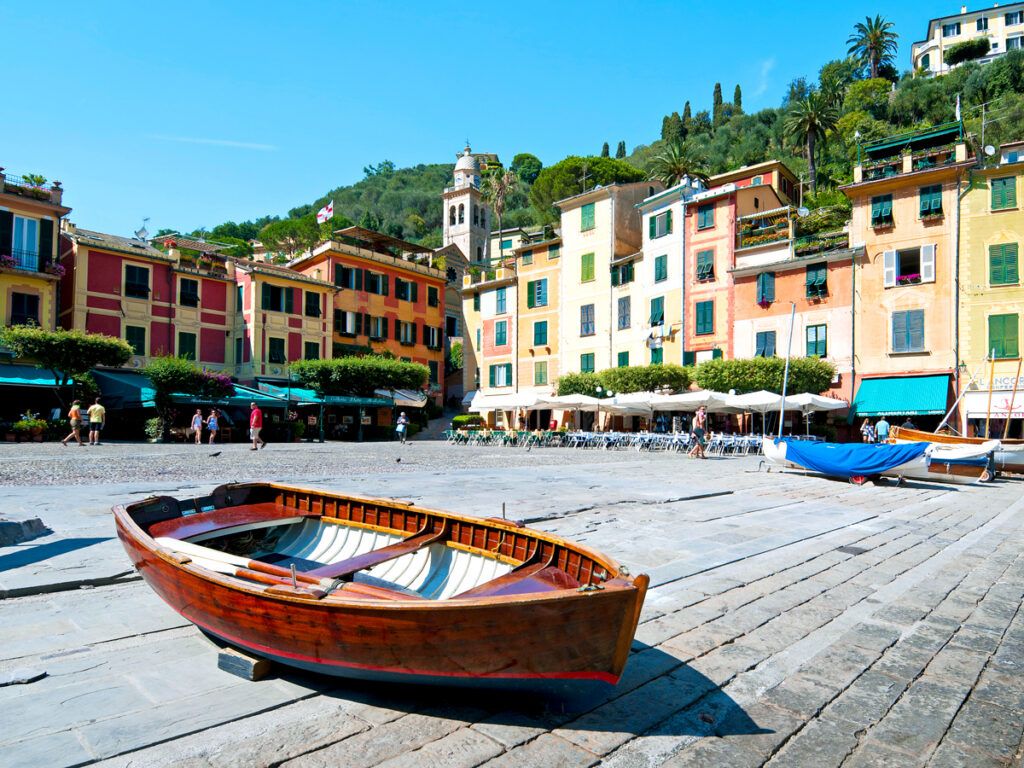
This Italian Riviera village was once the vacation haunt of celebrities like Frank Sinatra, Grace Kelly, and Sophia Loren. But popularity comes with a price, and the village has long struggled with overtourism. To crack down on crowding issues and control the flow of visitors, in 2023, Portofino introduced seasonal “no-waiting zones.”
Now, loitering in areas around Piazza Martiri dell’Olivetta, the Calata Marconi quay, and Umberto I pier is banned, with fines of $300 if caught. Though the official reasoning for the no-waiting zones was to prevent pedestrian jams, many saw it as an unofficial selfie ban, as tourists stopping to take selfies was one of the biggest culprits in the clog-ups.
Additional measures were later included to further crack down on poor tourist behaviors. Visitors can now be fined for wandering around barefoot or shirtless, drinking alcohol in the streets, picnicking in the piazza, or blocking walkways with luggage. The laws are enforced during daytime hours throughout the peak summer tourist season.
More from our network
Daily Passport is part of Inbox Studio, an email-first media company. *Indicates a third-party property.