






7 Things Hotels Don’t Want You To Know
7 Things Hotels Don’t Want You To Know


Hotel revenue in the U.S. is predicted to grow to almost $400 billion annually by 2030. And with hotels incentivized to maximize profits in every way they can, deals can be hard to come by. But there are ways to avoid paying more than you have to during your stay. Here are seven things hotels probably prefer that you not know.
Your Minibar Is Tracking You

Some of the highest profit margins in a hotel come from minibar purchases, and for hotels that still offer this amenity, they want to keep it that way. Before you replace that $8 Diet Coke with one you picked up for a dollar at the convenience store down the street, realize that you may have already been charged. A number of hotels have installed weighted sensors in their refrigerators, so even moving things around to store last night’s leftovers can trigger an automatic charge for consumption. Check your final bill carefully and be prepared to dispute any incorrect items on your folio.
Your Loyalty Points May Not Be Worth Much

The big hotel groups are continually devaluing their rewards points, and many travelers have barely noticed. In 2024, the hotel workers’ union UNITE HERE reported that, despite record-high room rates, Marriott devalued its Bonvoy program’s rewards points by 33% from 2019 to 2023. Hilton Honors and World of Hyatt also saw devaluations. Hotels can change their points systems with no oversight and little notice, so instead of saving up for a big trip, travelers may want to use their points now before they lose value — or switch to another points program (like one for an airline or credit card) that offers more.
There’s a Reason Housekeeping Isn’t Daily Anymore
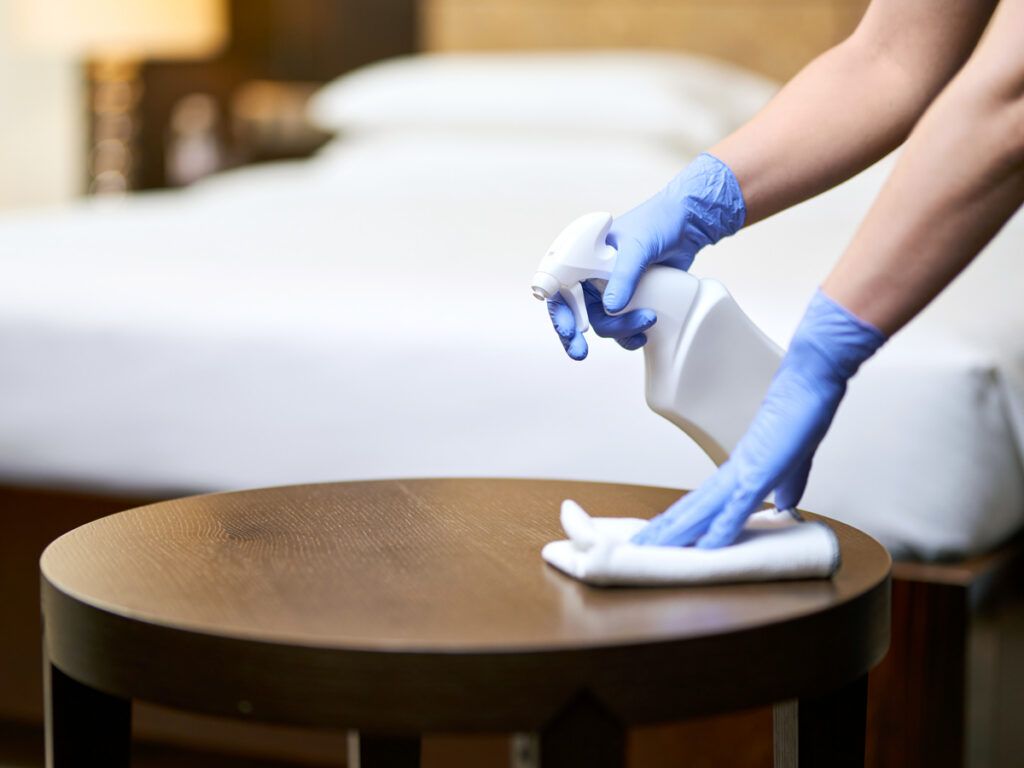
Even between guests, reduced housekeeping staff may mean that your room received little more than a linen change and a quick wipe-down. Some hotel chains, like Hilton, have kept COVID-era cuts, automatically opting guests out of daily housekeeping unless requested. And while those “green” opt-out initiatives do help the environment, according to the Sierra Club, the labor savings are the real reason hotels are pushing them.
You Should Never Pay the “Rack Rate”

Hotels’ “standard” rates are controlled by algorithms and vary wildly by availability and season. These are known as “rack rates,” the published sticker price before any discounts or offers are applied. You’ll do much better by shopping around or even calling the hotel directly — preferably midweek — to inquire about discounts and deals. You can often find promotions on the hotel’s website, too.
Third-Party Bookings Come at a Cost
Online travel agents (OTAs) like Booking.com may show a lower price, but those reduced rates often come with hidden costs. Guests who book via third parties come in dead last on the list of hotel priorities, so don’t expect a lot of effort if the hotel is overbooked or if you need to cancel. (OTAs often have different cancellation terms, so read those carefully before committing.) If you’d like an upgrade, late checkout, complimentary breakfast, or last-minute restaurant reservation, you may be out of luck if you booked with a third party.
Group Bookings Can Cost You More

It seems counterintuitive, but if you’re booking three or four rooms, and only one or two are available at the lowest rate category, you’ll pay more for all of them. You’re better off booking each room separately (preferably not from an OTA) and then contacting the hotel directly to get every reservation in your group on the same floor, in connecting rooms, or whatever you prefer.
Stars Aren’t What They Seem
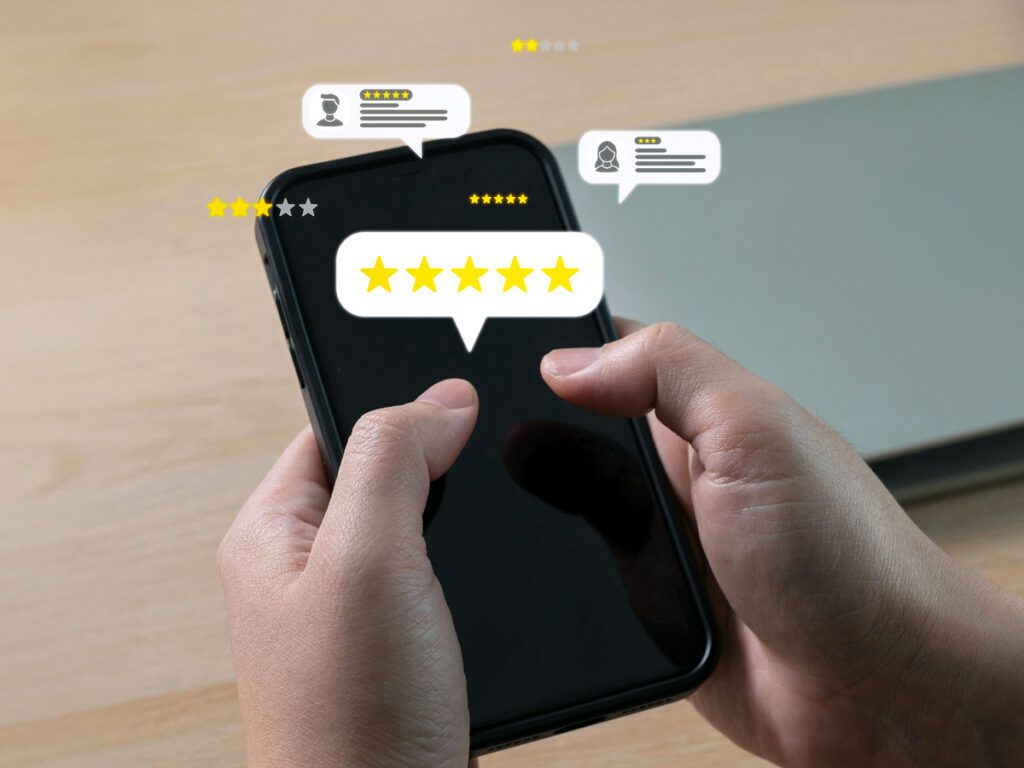
On many booking websites, hotels can award themselves as many stars as they wish, and many of them do. For instance, what one might typically consider a two-star hotel can advertise itself as a four-star property, regardless of whether its amenities, cleanliness, and service warrant that designation. Some governments regulate star standards; others do not. You can check official ratings through agencies such as AAA, which uses a “diamond” rating, or Forbes and Michelin, which both have strict requirements.
More from our network
Daily Passport is part of Inbox Studio, an email-first media company. *Indicates a third-party property.