




4 Surprising Food Capitals Around the World
4 Surprising Food Capitals Around the World

Lists of great food cities often cite the usual suspects: Tokyo, Montreal, Mexico City, etc. And while those destinations definitely deserve the hype, there are other, quieter culinary capitals that have just as much to offer hungry travelers. Here are four underrated cities that belong on any serious foodie’s gastronomic bucket list.
Lyon, France
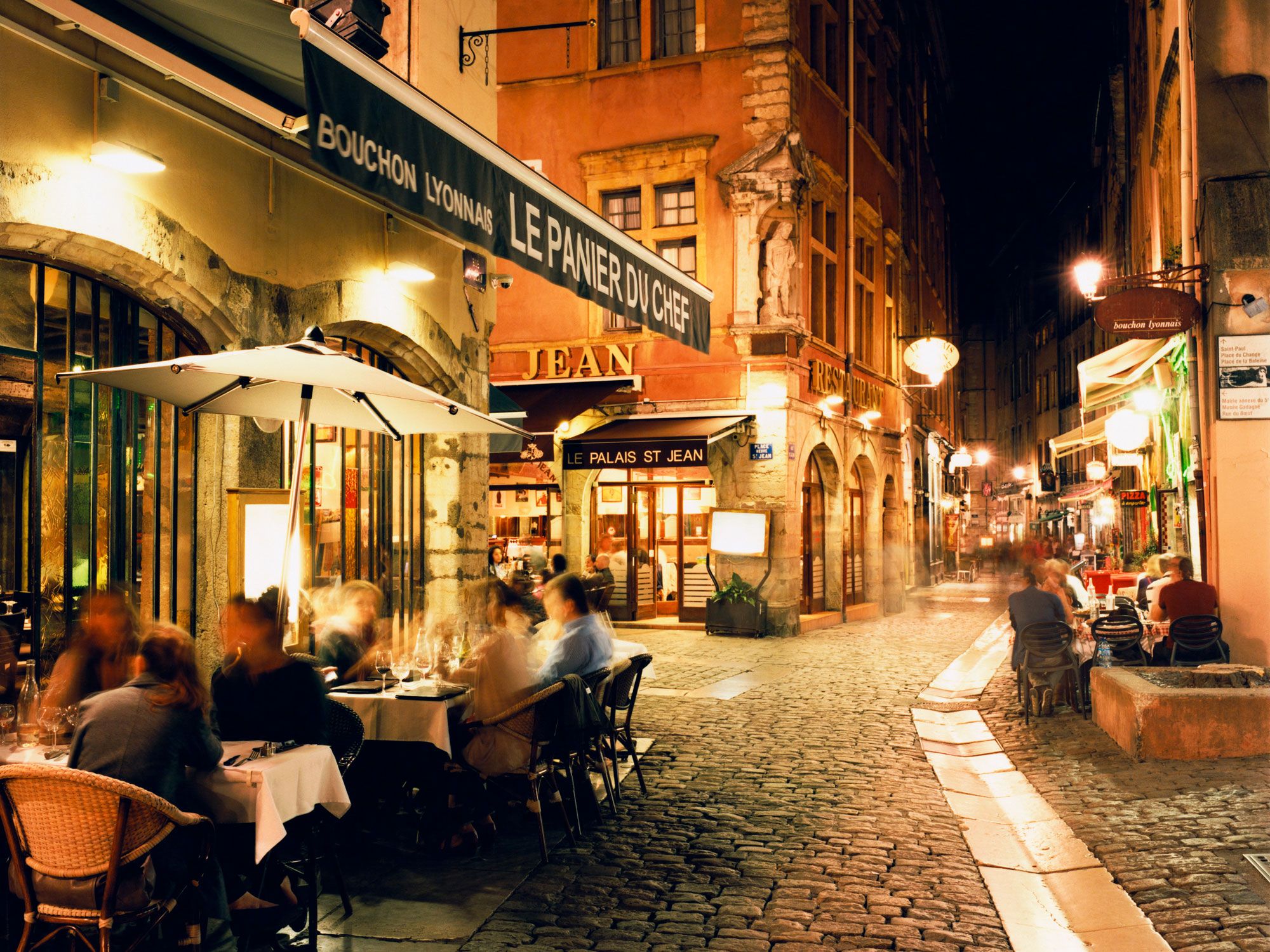
Paris gets the honeymooners, but epicures in the know head south, to the city of Lyon. In 1935, celebrated food critic Curnonsky — known to his admirers as the “Prince of Gastronomes” — co-authored a guidebook titled Lyon, Capitale Mondiale de la Gastronomie (“Lyon, World Capital of Gastronomy”). Ninety years on, Lyon still stands on that reputation, boasting more restaurants per capita than any other city in the famously food-obsessed country.
The city’s modern culinary identity took root in the 18th century, when it was a thriving silk capital. Silk workers (canuts) needed cheap, filling food, and female cooks (Mères lyonnaises) opened small traditional restaurants called bouchons to cater to them. The most famous of these women, Eugénie Brazier, became the first chef to hold six Michelin stars in 1933, and later trained the legendary chef Paul Bocuse.
Lyon’s most iconic dishes are meat-based, such as coq au vin (chicken braised with wine) and pâté en croûte (pâté baked in a layer of crusty dough). But don’t skip cervelle de canuts, a garlicky fresh cheese, and quenelles, fluffy dumplings that are traditionally served in a creamy crayfish sauce.
Taipei, Taiwan
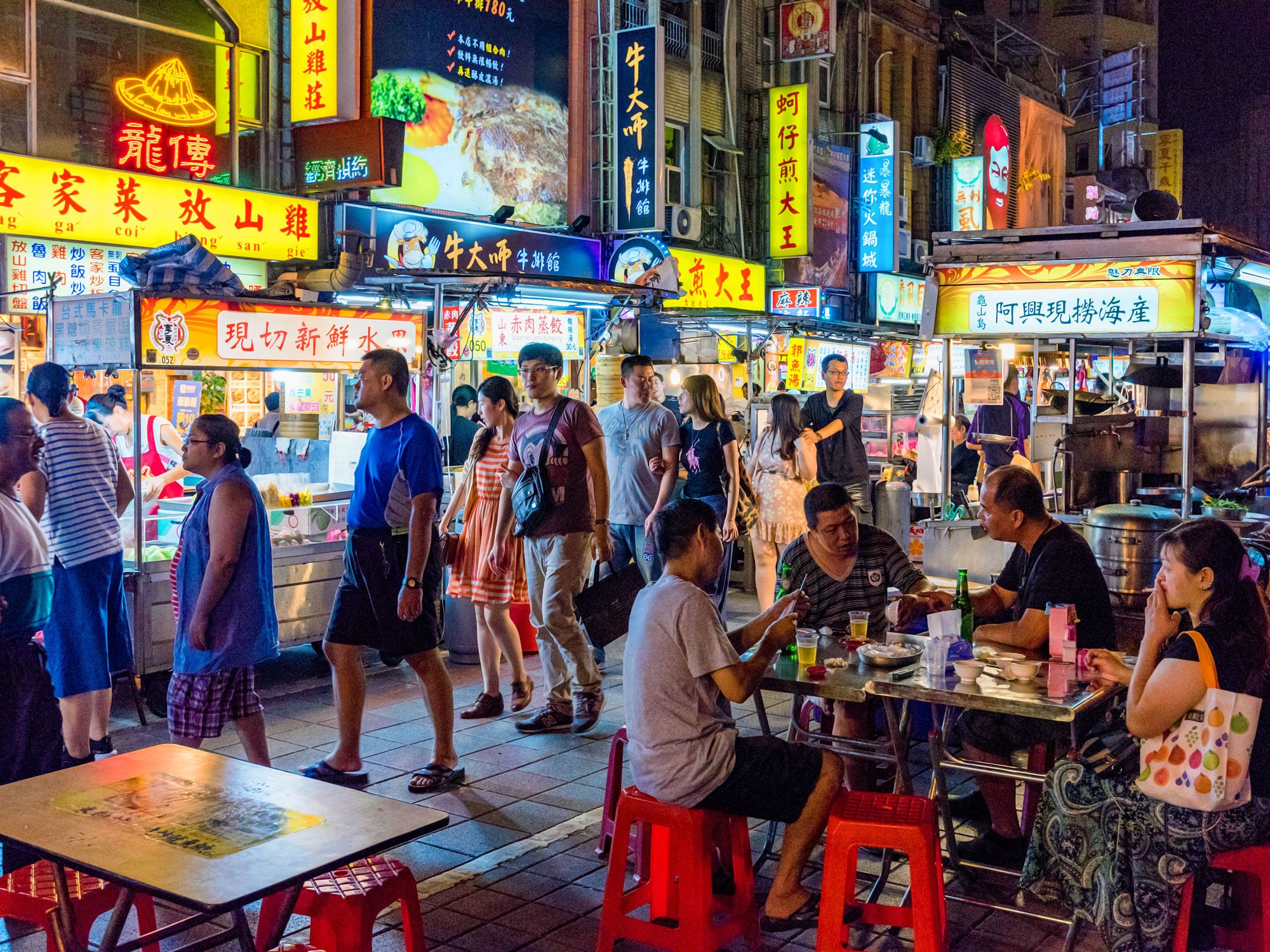
Though it lacks the Michelin star count of some other Asian cities, Taipei wins in affordability. The 2026 Michelin Guide awarded the city 37 Bib Gourmand nods — the category for very good food at moderate prices — with qualifying three-course meals clocking in under 1,000 New Taiwan dollars, or roughly $30 USD. Many of those Bibs went to chefs working on folding tables, with portable gas stoves at their side.
In Taipei, you can walk down the alley of the famous Ningxia Night Market in about three minutes, but you can eat there for hours. It boasts five Bib Gourmand honors, more than any other night market in the country. Ningxia’s competitors are also worth a visit; the market at Raohe is longer and famous for its Fuzhou black pepper buns, while Shilin has been satisfying hungry visitors since 1913. The latter has more than 500 stalls today, including Hot-Star, which reportedly sells as many as 3,000 fried chicken cutlets a night. No matter which market you choose, bring cash and wear comfortable shoes.
Lima, Peru
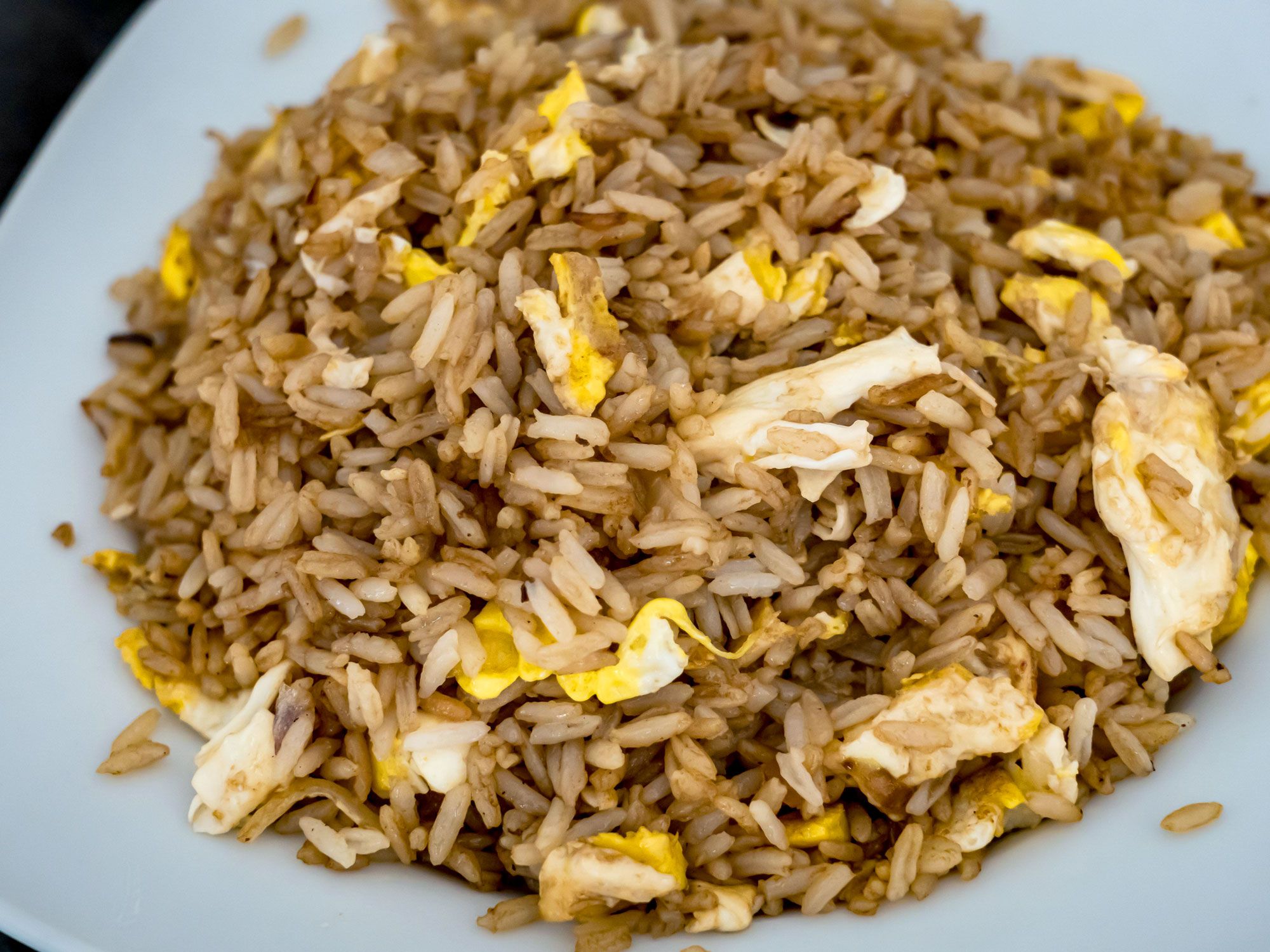
Did you know the best restaurant in the world is in South America? Maido took the top spot on the World’s 50 Best list in 2025 on the strength of its Nikkei cuisine, a tradition that sprung from Japanese immigration to Peru. Chef Mitsuharu “Micha” Tsumura cooks short rib for 50 hours until it can be cut with a spoon, and turns paiche, an Amazonian river fish, into a convincing ham. Maido is actually the second Lima restaurant to take the title, after Central in 2023. Neither has a Michelin star, however, because the organization doesn’t currently cover Peru.
Maido can be pricey, but some of Lima’s best food costs next to nothing. Chifa — the fusion cuisine created by the city’s Chinese population — can be found on virtually every other block in many parts of Lima. Pro tip: Eat your ceviche and tiradito (thinly sliced raw seafood) at lunch; 11 a.m. to 4 p.m. is when the fish is at its freshest.
Tbilisi, Georgia
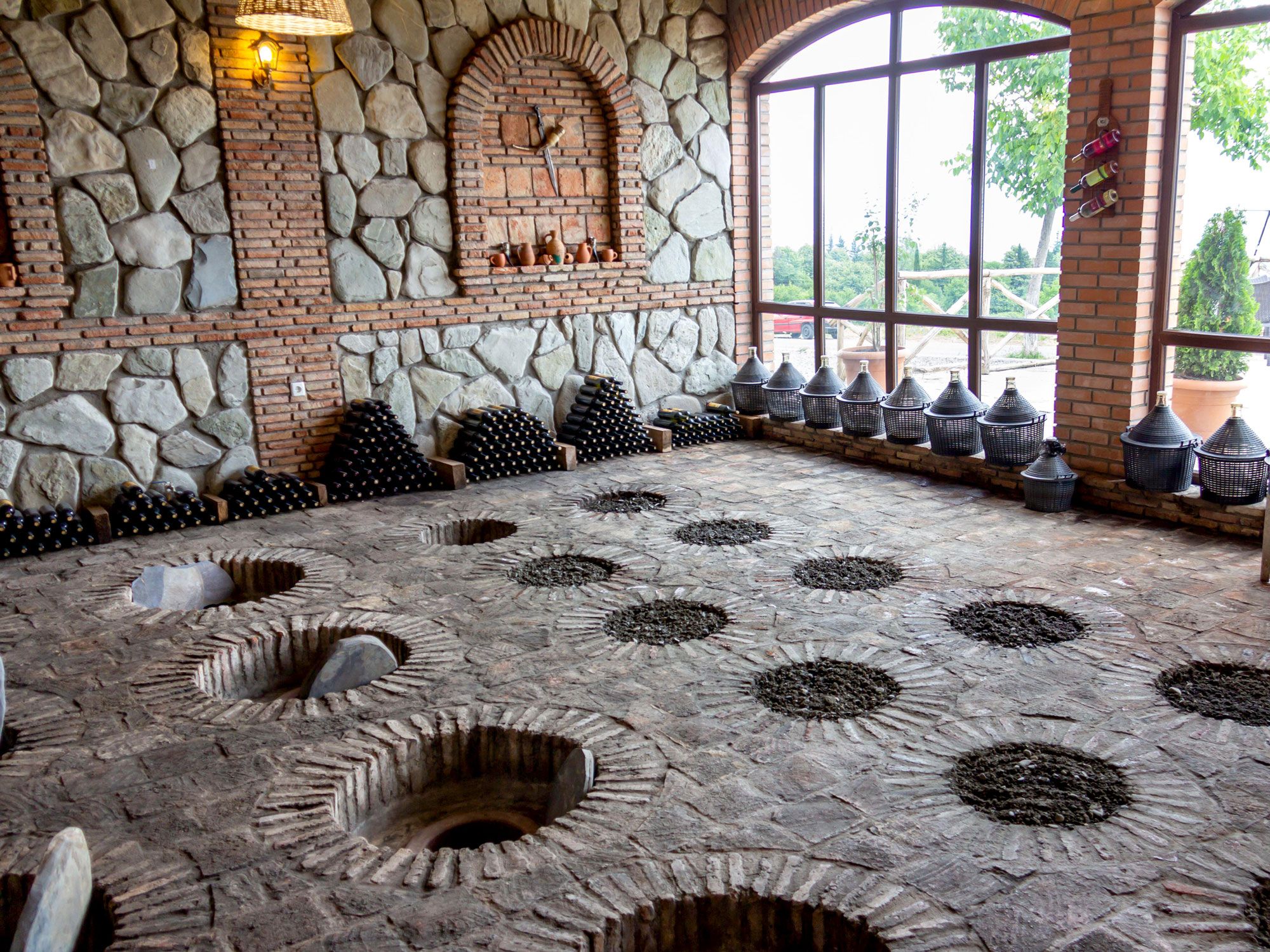
Many wine hot spots tout their heritage, but Georgia has the receipts — the region has been producing wine since before the wheel was invented. Clay vessels unearthed in Georgia show evidence of grape fermentation going back roughly 8,000 years, and local winemaking techniques haven’t changed much since.
After burying an egg-shaped clay vessel called a qvevri with only the rim showing aboveground, winemakers pour in pressed grapes, leaving the skins, stalks, and pips mixed in with the juice. Then, they seal the top, leave it underground for five to six months, and return to dig up the wine. Prolonged skin contact turns the white grape juice a rich gold. While you may call the result “orange wine,” Georgian winemakers insist that the proper name is “amber.” UNESCO added the qvevri method to its Intangible Cultural Heritage list in 2013.
Wine is a central part of the traditional supra feast in Georgia, which runs for hours under a toastmaster called the tamada. The tamada (traditionally male, though that’s evolving) works through a set order of toasts, and guests are expected to drink to every one of them — so pace yourself.
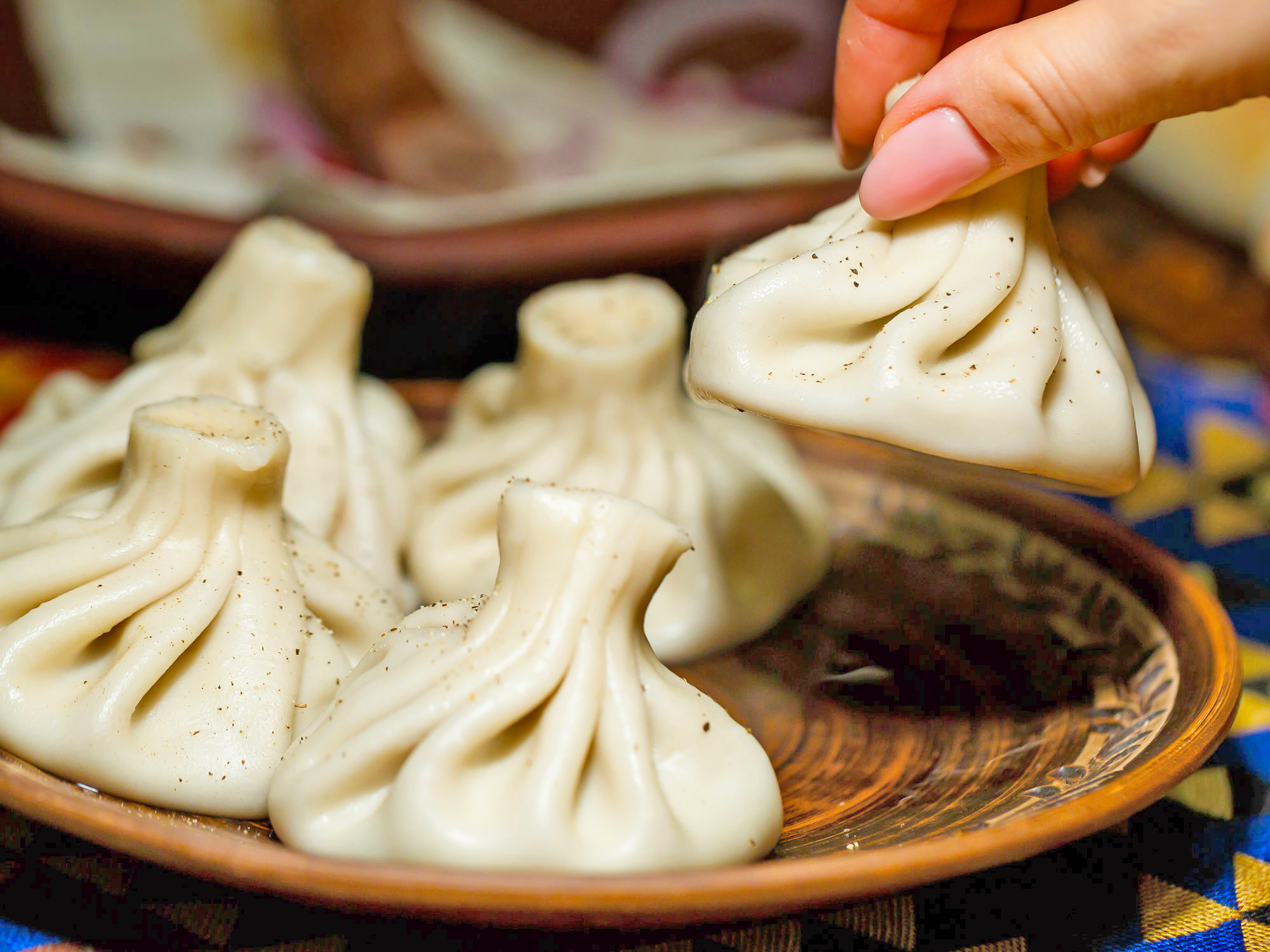
Dishes might include khinkali: fat soup dumplings best consumed by biting a small hole in the skin and drinking the broth first. There’s also khachapuri, a succulent cheese bread that’s sometimes topped with a raw egg and butter. And in the morning, you can nurse your hangover at the Dezerter Bazaar; its tables are laden with fresh cheese, herbs, and churchkhela — walnuts nestled in casings of thickened grape must.
Featured image credit: Credit: © Dmitry Tkachuk—iStock/Getty Images
More from our network
Daily Passport is part of Inbox Studio, an email-first media company. *Indicates a third-party property.