




This Airline Is Cracking Down on an Annoying Passenger Habit
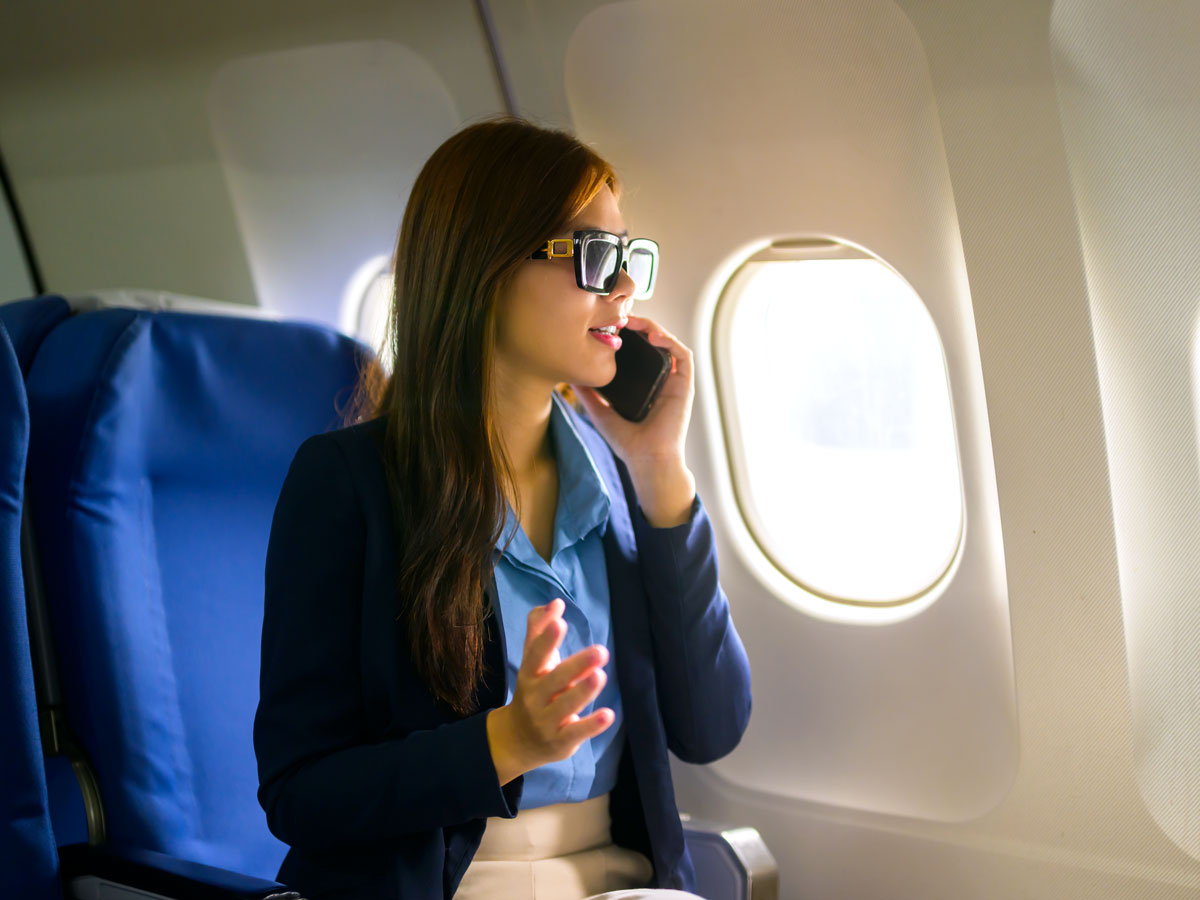
Lately, they’re everywhere — the people in coffee shops, subways, doctors’ offices, and yes, in airports, who broadcast whatever’s playing on their phone for anyone around them to hear. In a recent survey, travelers identified this growing trend of people who conduct calls, watch videos, or listen to music in public without headphones as one of the most annoying behaviors in the sky. For anyone who considers this a major pet peeve, we have good news: One airline recently took steps to crack down on this behavior.
United Threatens To Ban Passengers Who Don’t Use Headphones
Whenever you purchase an airline ticket, you agree to the terms of the airline’s contract of carriage — a legal contract between the carrier and you, the passenger. You can find this on the airline’s website, but since most of these contracts go on for dozens of pages, you’ve probably never read one through. Typically, they cover areas such as the airline’s financial obligations in the event of delays, cancellations, or lost baggage; ticketing rules and any applicable surcharges; and check-in, baggage, and boarding requirements.
A contract of carriage also defines situations in which an airline can deny boarding or refuse to transport a passenger. Usually, these scenarios are obvious or commonsense — for instance, if a passenger causes a disturbance, interferes with crew member instructions, or is visibly intoxicated.
But other rules are more surprising or obscure. In February 2026, United Airlines added a new provision to the “Refusal of Transport” section of the airline’s contract of carriage, aimed specifically at “passengers who fail to use headphones while listening to audio or video content.” The provision states that United has “the right to refuse transport on a permanent or temporary basis or shall have the right to remove from the aircraft at any point” anyone in violation of this rule.
In other words, those who don’t comply could be kicked off of their United flight or even banned from traveling with the airline in the future. While other airlines have yet to formalize similar rules around headphone usage, many — such as Delta — instruct passengers to use headphones when using the in-flight entertainment or any personal electronic devices.
American Takes Aim at “Gate Lice”
While being subjected to someone else’s speakerphone is certainly frustrating, it’s far from the only stressful part of flying. Another part of the process that often irritates travelers is boarding. While even scientists haven’t been able to fully explain why it always seems to take forever, the policy of major airlines charging for checked bags is likely a factor in slowing things down considerably. Baggage fees lead to more and more passengers trying to carry on their luggage and jockeying for limited overhead bin space on the aircraft.
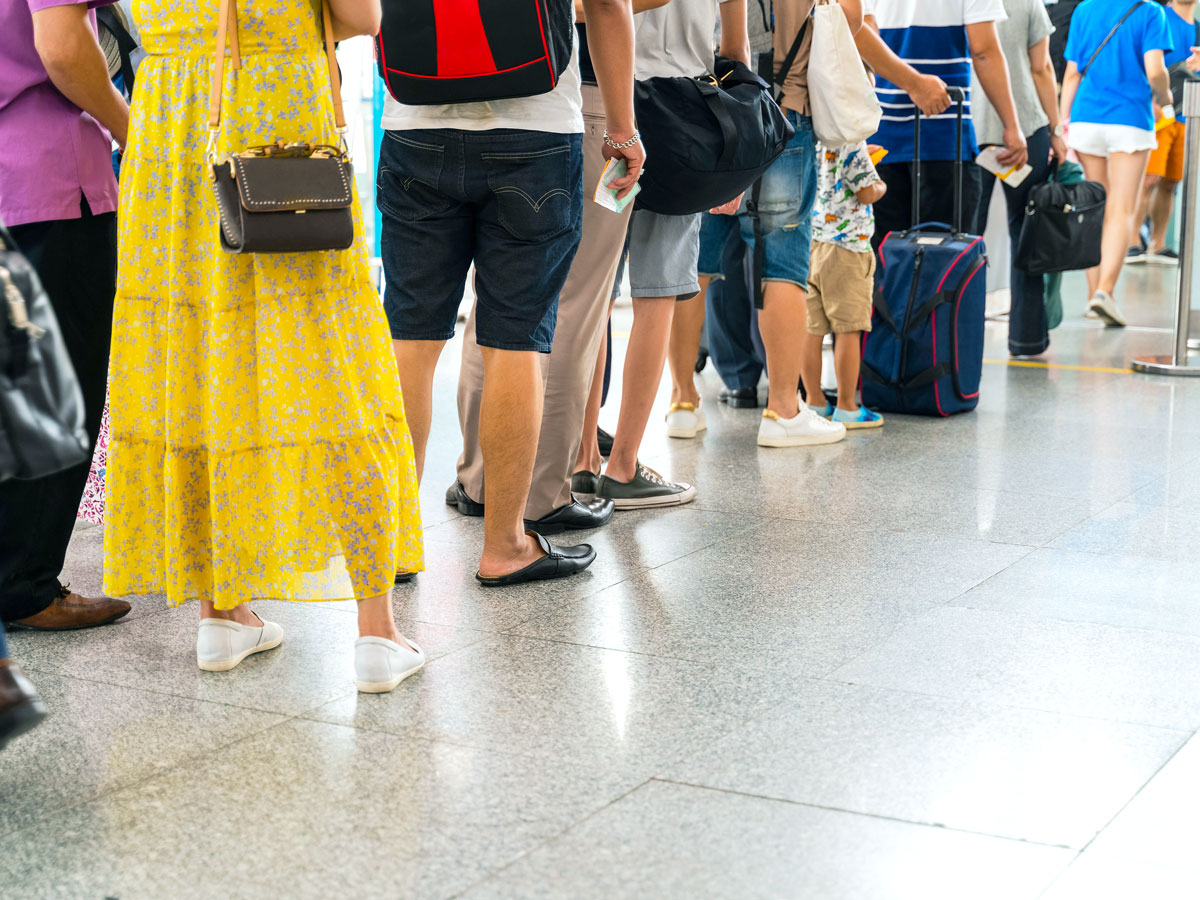
Thus, you’ll often find passengers crowding around the gate well before boarding begins, anxious to be among the first to board and find room to stow their bags. Some may even try to slip by the gate agent before their group is called. There’s a term for this: gate lice.
In late 2024, American Airlines implemented a new automated boarding system that produces an audible “beep” alerting gate staff when someone attempts to board before their group is called. The goal of the new system is to deter such travelers from attempting to cut the line, hopefully reducing the overall crowding in the gate area during the boarding process.
Other Problematic Passenger Behaviors
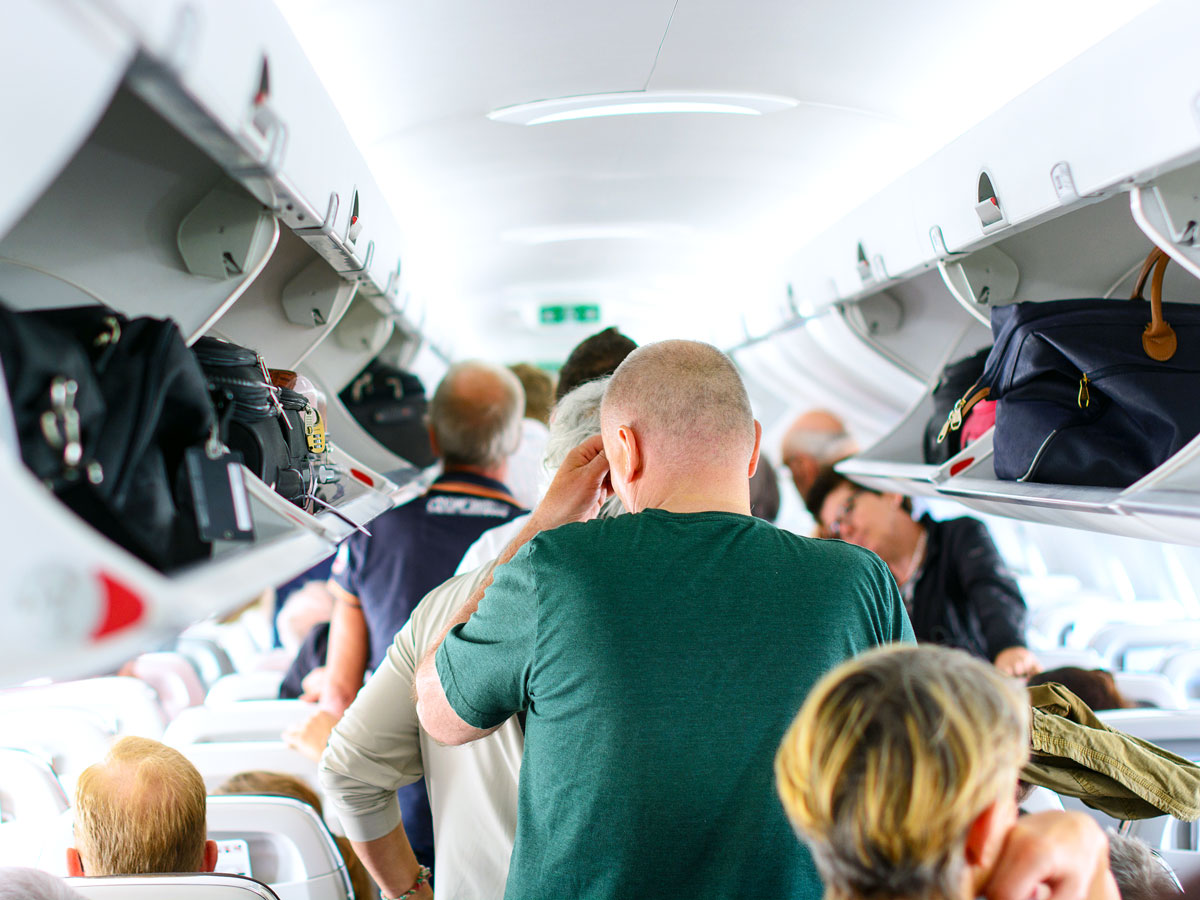
These days, it might seem like anything goes when it comes to plane outfits, but did you know that airlines also have dress codes as part of their contracts of carriage? Airline dress codes tend to be vague, but most carriers can refuse transport to any passenger traveling barefoot, wearing revealing clothing (such as swimsuit attire), or displaying offensive slogans. The same goes for passengers emitting body odor, strong perfume, or other unpleasant scents. Delta Air Lines, for example, states that a passenger can be refused “when the passenger’s conduct, attire, hygiene, or odor creates an unreasonable risk of offense or annoyance to other passengers.”
Traveling while sick is another no-no. United Airlines can deny boarding if a passenger appears unable to complete the flight without medical assistance, poses a health or safety risk to others, or fails to complete a required medical certificate at least 48 hours before departure.
There are also some behaviors that airlines don’t specifically mention in their contracts of carriage but nonetheless fall into an etiquette gray area. Passengers have strong opinions, for example, on the right to recline your seat or who gets to control the window shade. When in doubt, try to be polite and communicate with your fellow passengers to avoid an unnecessary confrontation — if one happens, airlines can indeed kick you off the plane.
With the growing popularity of basic-economy tickets that don’t allow you to choose your seats for free, passengers are increasingly being asked to swap seats, too. Airlines don’t outline their policies in such situations — at least not yet — but travel experts have a few guidelines. In general, if you’re asking to swap, offer an equal seat or better (don’t ask someone in an aisle seat to swap with your middle seat near the back of the plane) and be prepared to accept “no” for an answer. Like with any of these situations, a little consideration goes a long way on a plane.
More from our network
Daily Passport is part of Inbox Studio, an email-first media company. *Indicates a third-party property.