


What Happens if You Dial 911 in Another Country?
For almost 60 years, 911 has been the number to call in the U.S. in the event of an emergency. However, it’s not universally adopted across the globe, as many parts of the world use their own systems. If you plan to travel overseas in the near future, it’s wise to check the number to call in an emergency as part of your pre-trip preparations. In the meantime, here’s a look at what happens if you dial 911 in another country.
The History of Dialing 911 in the U.S.
Before the practice of dialing 911 for emergencies began in 1968, one had to call their local fire department or police station directly to report emergencies. When AT&T facilitated the adoption of a standardized system, its aim was to reduce confusion and speed up response times so that those in urgent need didn’t have to waste precious time looking up local numbers. The number 911 was chosen because it was brief, easy to remember, and easy to dial on the rotary phones of the time.
Calls for a centralized system had been in place for several years before that. In 1957, the National Association of Fire Chiefs recommended that a single set of numbers be used for reporting fires. And during Lyndon B. Johnson’s presidency, the President’s Commission on Law Enforcement noted:
“In trying to call the police from an ordinary telephone, a person may be bewildered by the many police jurisdictions and the various telephone numbers associated with them. In the Los Angeles area alone, there are 50 different telephone numbers that reach police departments within Los Angeles County. It should be possible to have a single telephone number to reach the police directly.”
The report also referenced England, which was the first country to introduce a universal number — 999 — in 1937. In 1968, the U.S. finally followed suit, and the first 911 call in the U.S. was made in a demonstration by Alabama House Speaker Rankin Fite to the Haleyville Police Department.
What Happens if You Dial 911 Elsewhere?
Alas, AT&T’s influence didn’t extend to many other parts of the world, particularly outside the Americas. Had you dialed 911 in London in the 1970s, you would have heard a recorded message stating that the number was not recognized. But the advent of cellphones and the communications technology associated with them — namely, the Global System for Mobile Communications (GSM) — has revolutionized that.
Dial 911 from a cellphone in the U.K. today and you’ll most likely be redirected to the 999 number used locally for emergency services, because modern GSM networks automatically recognize 911 as an emergency number. This is also often, but not always, the case across the EU, where the emergency number is 112.
However, the same can’t be said for landlines, and even with mobile phones, there’s no guarantee that your call will be redirected if you call 911 while overseas. In the event of a true emergency, losing vital seconds as you hang up and dial again could have unwanted consequences, so it makes sense to familiarize yourself with this handy list from the U.S. State Department with the correct emergency numbers for the country in which you’re traveling, just in case.
Where Else Is 911 the Official Emergency Number?
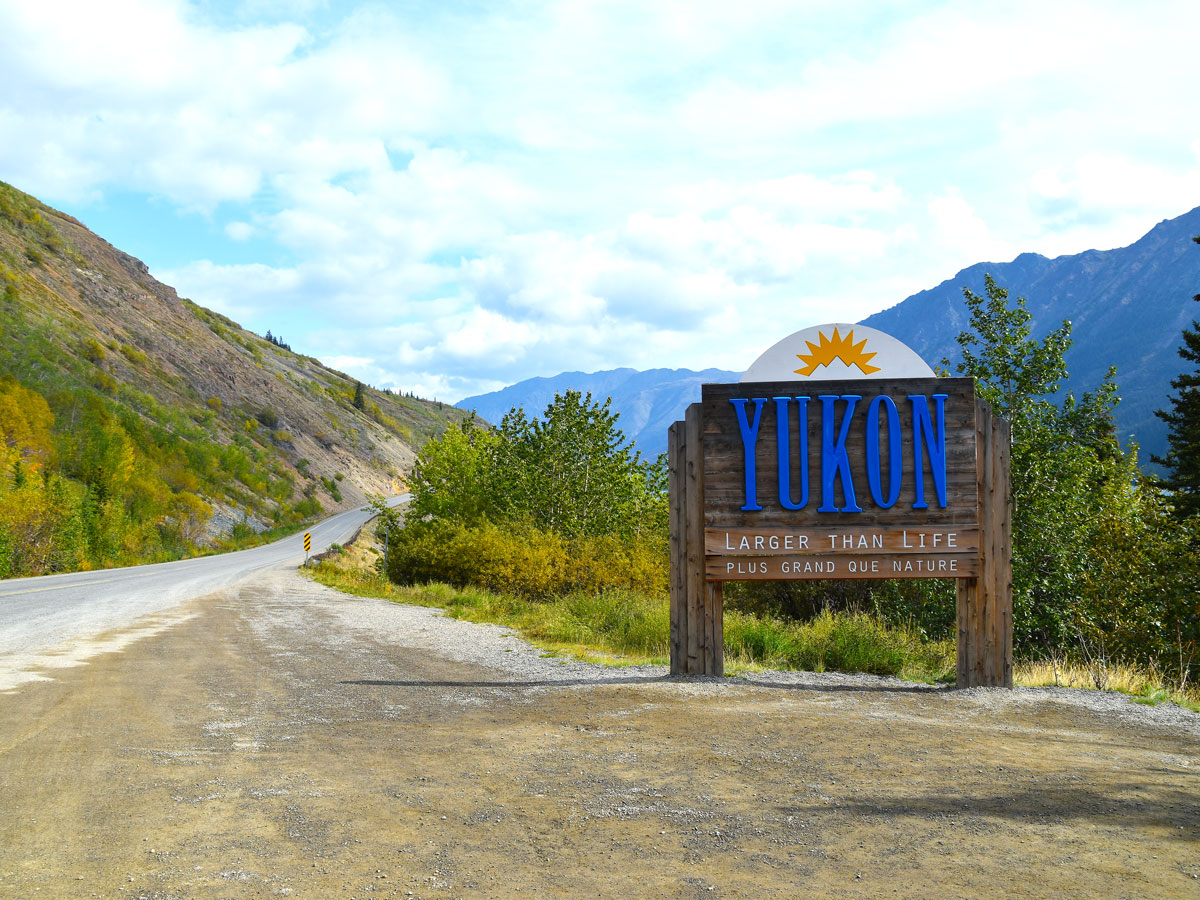
911 is the official emergency number in many parts of the Americas, including Canada. In some remote locations, such as the Yukon Territory, you are advised to use a landline where possible. That’s because cell signal is patchy, and, in some cases, if your cellphone isn’t local, a call may not reach the Yukon 911 call center.
Prior to 2017, Mexico operated a system of three separate numbers: 068 for fire, 065 for ambulance, and 060 for police. But that year, the country officially migrated to 911, beginning with its adoption in states such as Quintana Roo, Baja California, Chiapas, Guanajuato, Nayarit, and Oaxaca in 2016.
Several Latin American countries, including Brazil, Bolivia, and Uruguay, also use 911. Argentina operates a dual system in major cities such as Buenos Aires: 911 is the general emergency number, but you can also access medical help directly by calling 107 and the fire department by dialing 100.
Within the Caribbean, you can dial 911 (999 also works) in countries such as Antigua and Barbuda, St. Lucia, and St. Vincent and the Grenadines. However, Cuba uses 104, 105, or 106, depending on the type of assistance you need; and in Barbados it’s 211, 311, or 511 — each is assigned to a specific service, such as police, fire, or medical.
Meanwhile, in the U.S. territorries of Puerto Rico, Guam, and American Samoa, 911 is the official emergency number. Indeed, 911 is a prominent emergency number across the Pacific region: Samoa, Palau, Tonga, and Fiji all use this number. However, in Vanuatu you’d need to call 111 for police, 113 for fire, or 112 for medical assistance. Farther south, Australia uses 000 (dialing 112 also works on a cellphone, though 911 does not), while neighboring New Zealand requires those in need of assistance to phone 111.
As a final note, remember that, no matter where you’re traveling, emergency numbers are just that — they should be dialed only when there is a genuine need for emergency assistance.
More from our network
Daily Passport is part of Inbox Studio, an email-first media company. *Indicates a third-party property.