





Why Are So Many Gas Stations Right Next to Each Other?
Why Are So Many Gas Stations Right Next to Each Other?
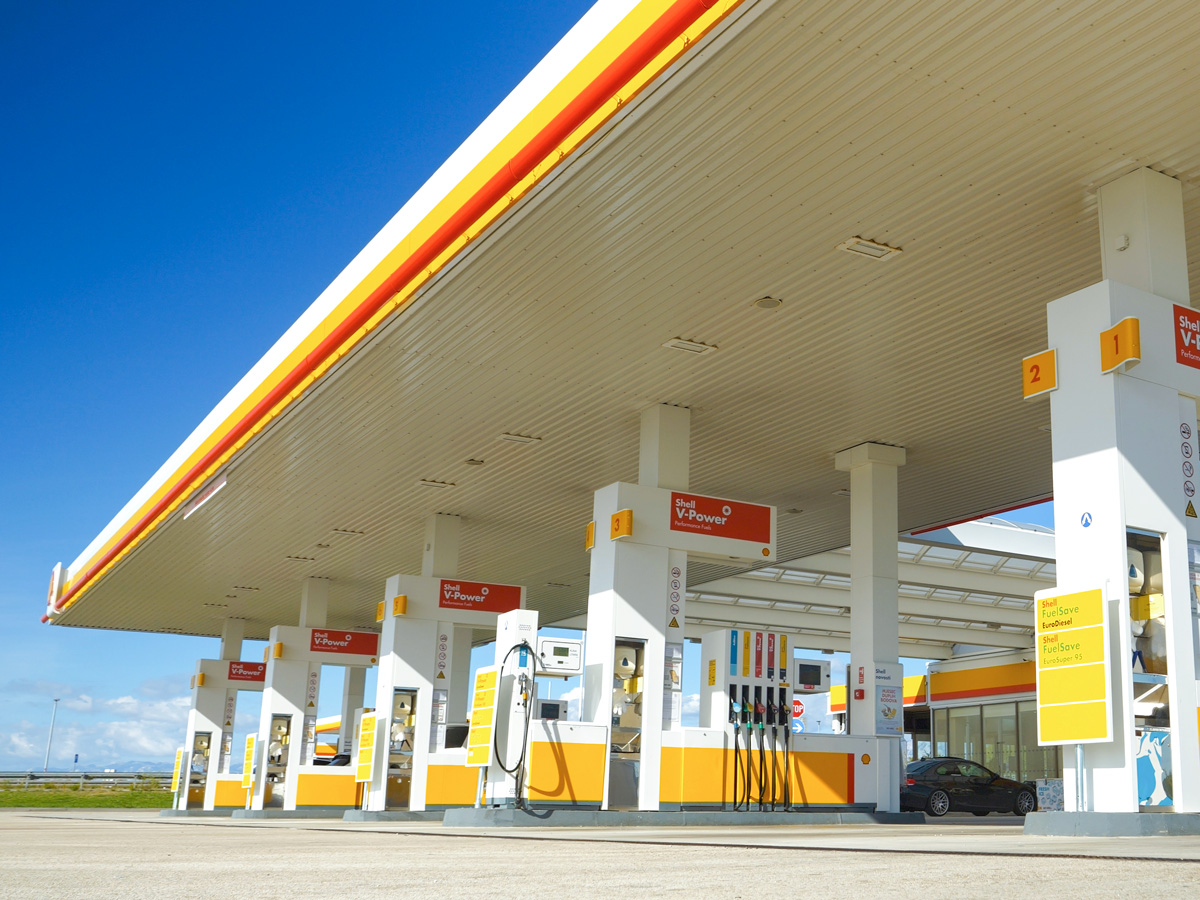

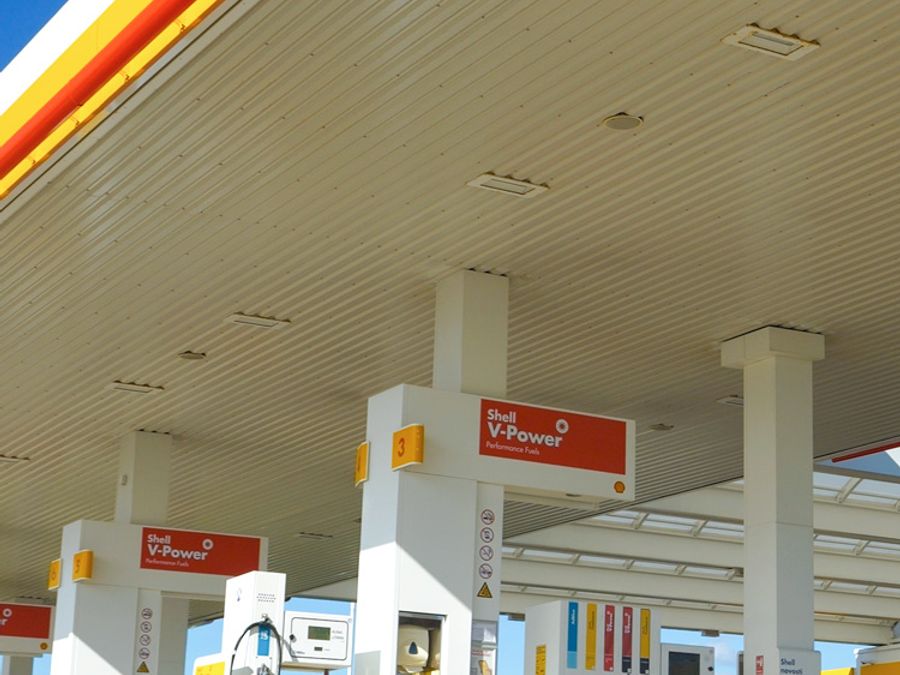
If you’ve ever driven along a busy road, you’ve most likely noticed the curious trend of gas stations clustered together. You could cruise past two or three within a couple of blocks, sometimes with rival brands standing almost side by side. At first glance, it seems like a bizarre way to operate a successful business. Wouldn’t a station have more customers if it were located alone on a stretch of road? But these clusters are very common in towns and cities across the country. Before you embark on your next road trip, discover the fascinating reasons behind this phenomenon.
The Logic Behind the Cluster
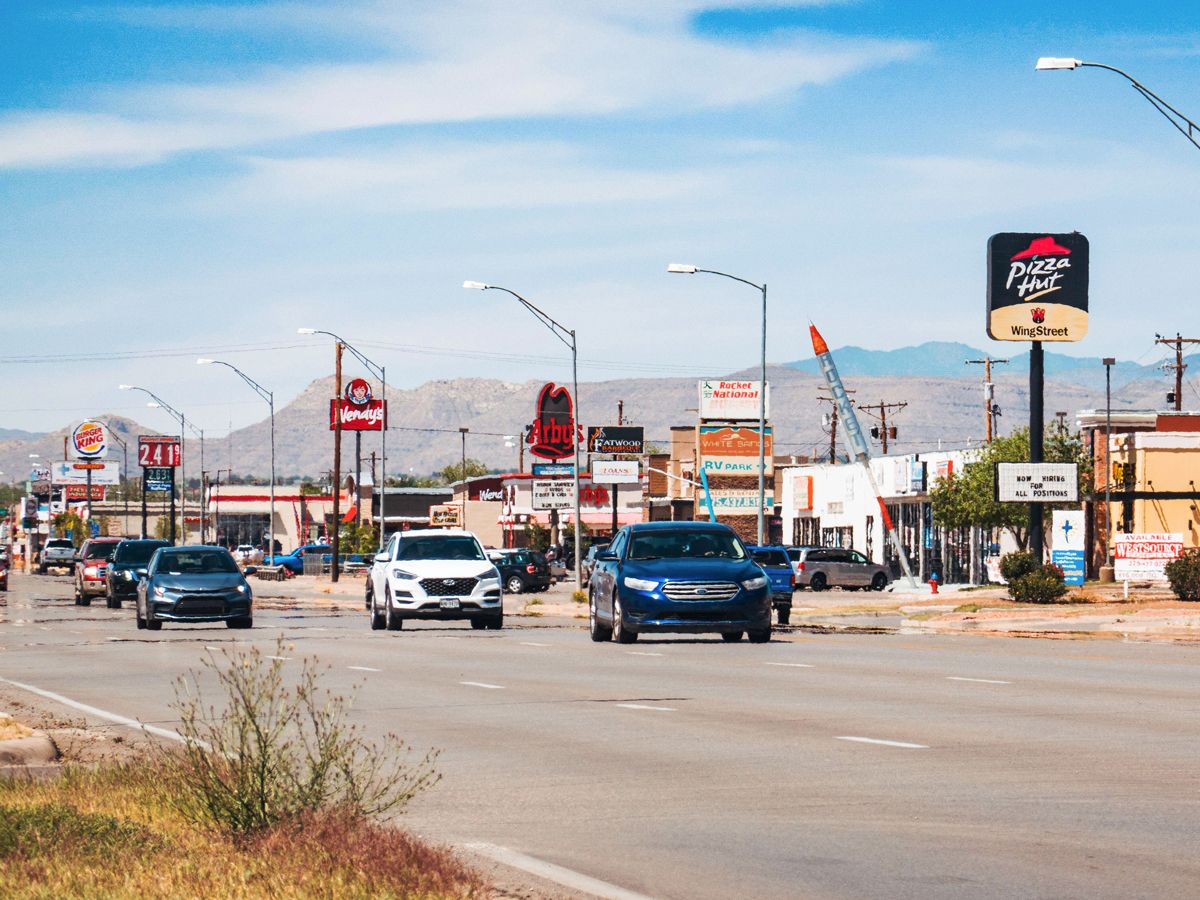
There’s actually a term for the tendency of competing businesses bunching together: Hotelling’s law, also known as the principle of minimal differentiation. It was developed in 1929 by Harold Hotelling, an American mathematical statistician and economic theorist. The basic idea describes how businesses have a tendency to make their locations (as well as their products and prices) as similar as possible to capture the largest share of the market. Businesses are attracted to the same areas because that’s where the customers are going to be. In other words, being close to a competitor isn’t necessarily detrimental to sales if the location benefits from a steady stream of customers.
One example of Hotelling’s law is the positioning of fast-food chains. You’ll frequently see competing Burger King, KFC, and McDonald’s restaurants set around the same intersection, retail district, or highway exit. While their food might have similarities, they are all tapping into the same flow of hungry customers. And choosing to set up shop in one area proves how valuable a prime location can be, despite the competition for market share. This is commonly referred to as “clustering.”
Gas stations face a similar situation. Busy roads, highway exits, and major intersections place them in front of hundreds of drivers every day. Many of those drivers will eventually need fuel. Now, imagine two competing gas stations along a long stretch of highway. If one station is at each end, they divide the drivers roughly equally. But each station can gain customers by moving closer to the other — doing so lets it serve more drivers in the geographic gap between them. This incentivizes both to move closer to the midpoint, so they often end up side by side.
How Do Gas Stations Stand Out From Rivals?
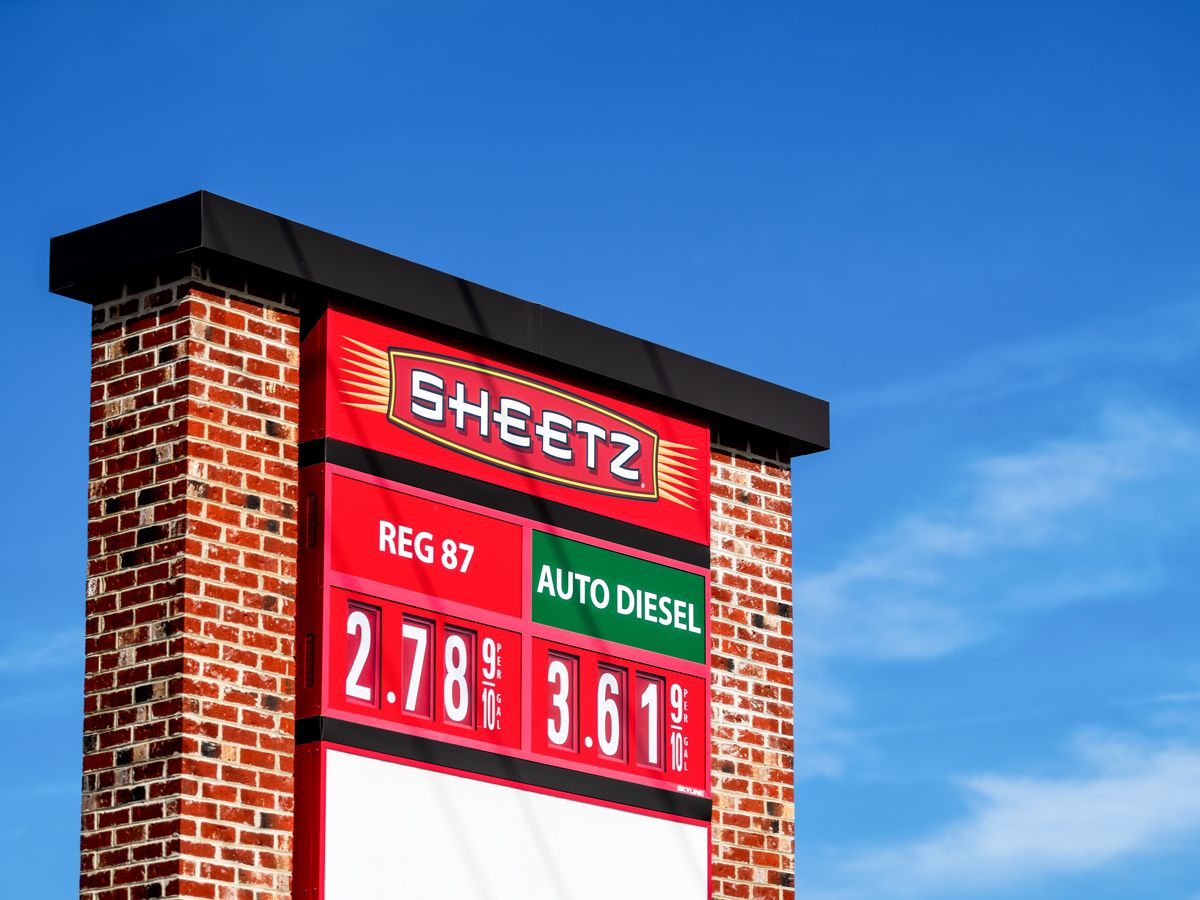
While it certainly helps, an excellent location doesn’t always guarantee success over a rival. In fact, there are many strategies gas stations use to win customers. The most obvious is setting competitive fuel prices. These are displayed prominently at station entrances and exits, making it easy for drivers to make comparisons before pulling in. Even a difference of a few cents can be enough to sway someone.
Branding plays a vital role, too, with instantly recognizable colors, logos, and signs helping a station catch the eye and build familiarity. A clean and well-lit forecourt can also make drivers choose one station over another. And it goes beyond just fuel and signage: Gas stations often double as convenience stores, offering everything from coffee and food to car washes, ATMs, and easy payment options. (Gas stations actually make more money selling those items than gas.)
Why Don’t Gas Stations Just Spread Apart?
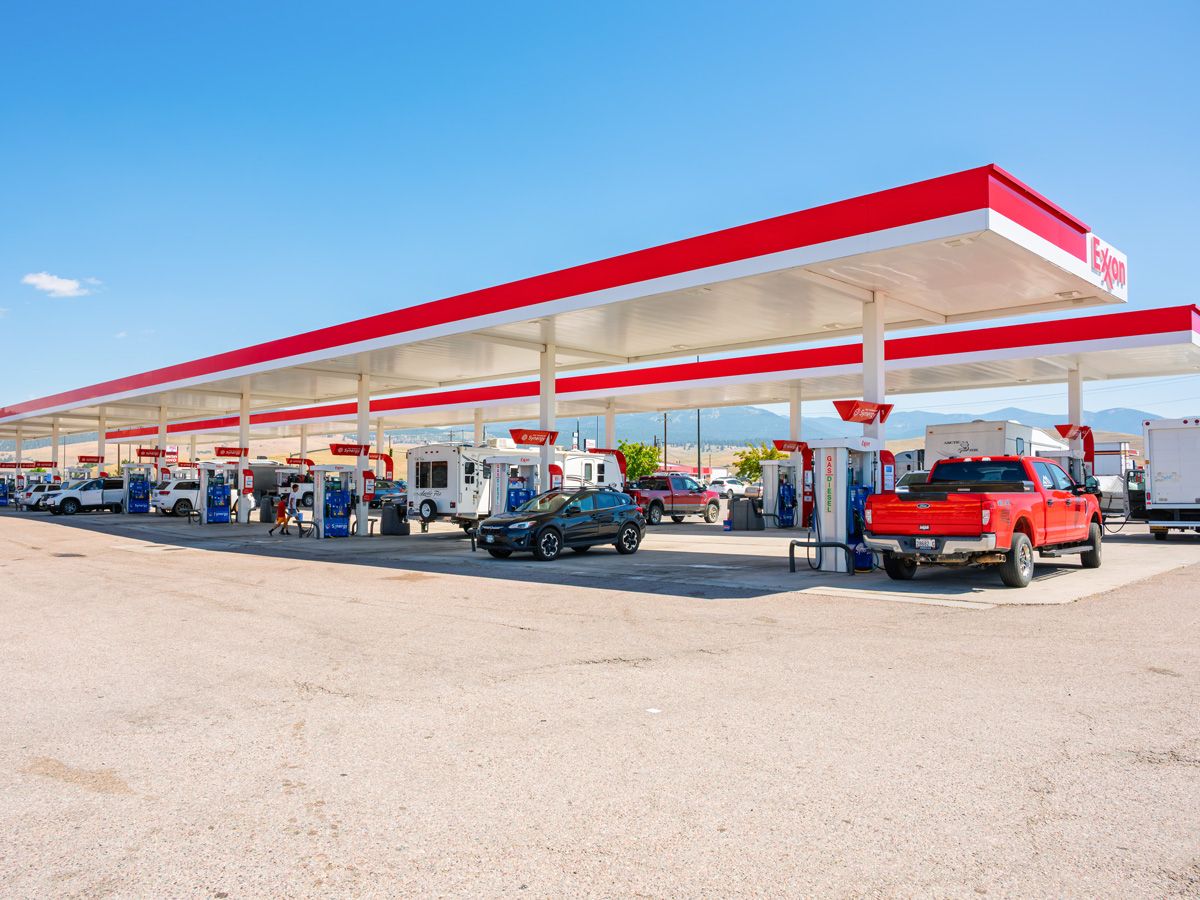
Although there may be plenty of open land along a road, that doesn’t always mean it’s suitable for a gas station. Limiting factors include urban zoning rules, land availability, and road access. A site also needs sufficient space for gas pumps, underground fuel storage tanks, delivery trucks, and vehicle circulation.
Moving away from a cluster can also mean moving away from any infrastructure that makes a location appealing in the first place. New sites could have less convenient access and less traffic. Therefore, while spreading out may seem like a logical solution, finding a viable alternative to established spots isn’t that simple.
Interestingly, some brands may deliberately operate their own stations several miles apart along the same highway, or have locations on opposite sides of a road. This allows them to serve drivers traveling in different directions — brand-loyal drivers can stop at their preferred station without doubling back or crossing a highway.
The Bottom Line
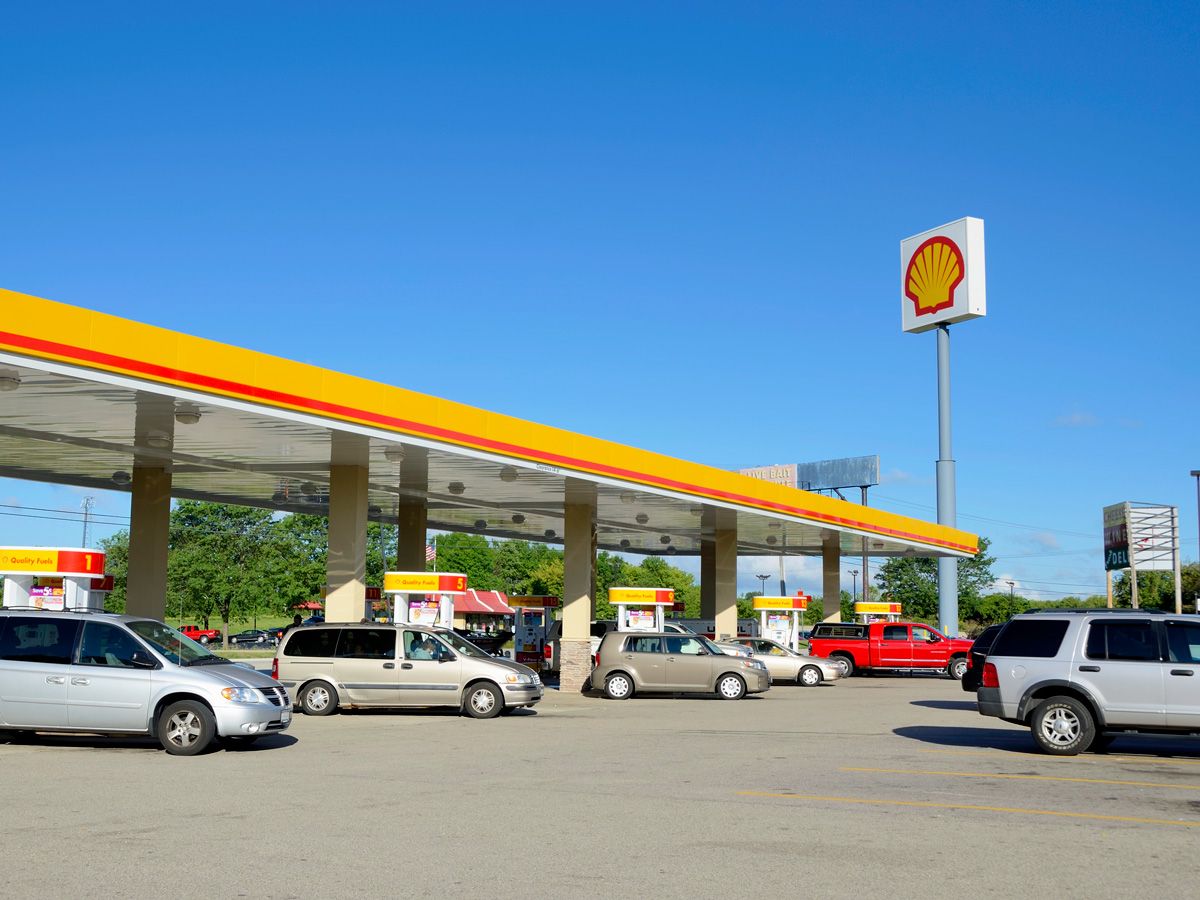
The next time you pass two neighboring gas stations on a road trip, now you’ll know that it probably isn’t a coincidence. Both businesses will have assessed a range of factors, from accessibility to customer demand and road traffic. What seems like poor planning is actually the result of businesses reaching the same conclusion about a potentially successful site — one that can ultimately help them both become more profitable.
Featured image credit: © helivideo—iStock Editorial/Getty Images
More from our network
Daily Passport is part of Inbox Studio, an email-first media company. *Indicates a third-party property.