

The 10 Worst U.S. Cities for Seasonal Allergies in 2026
The 10 Worst U.S. Cities for Seasonal Allergies in 2026
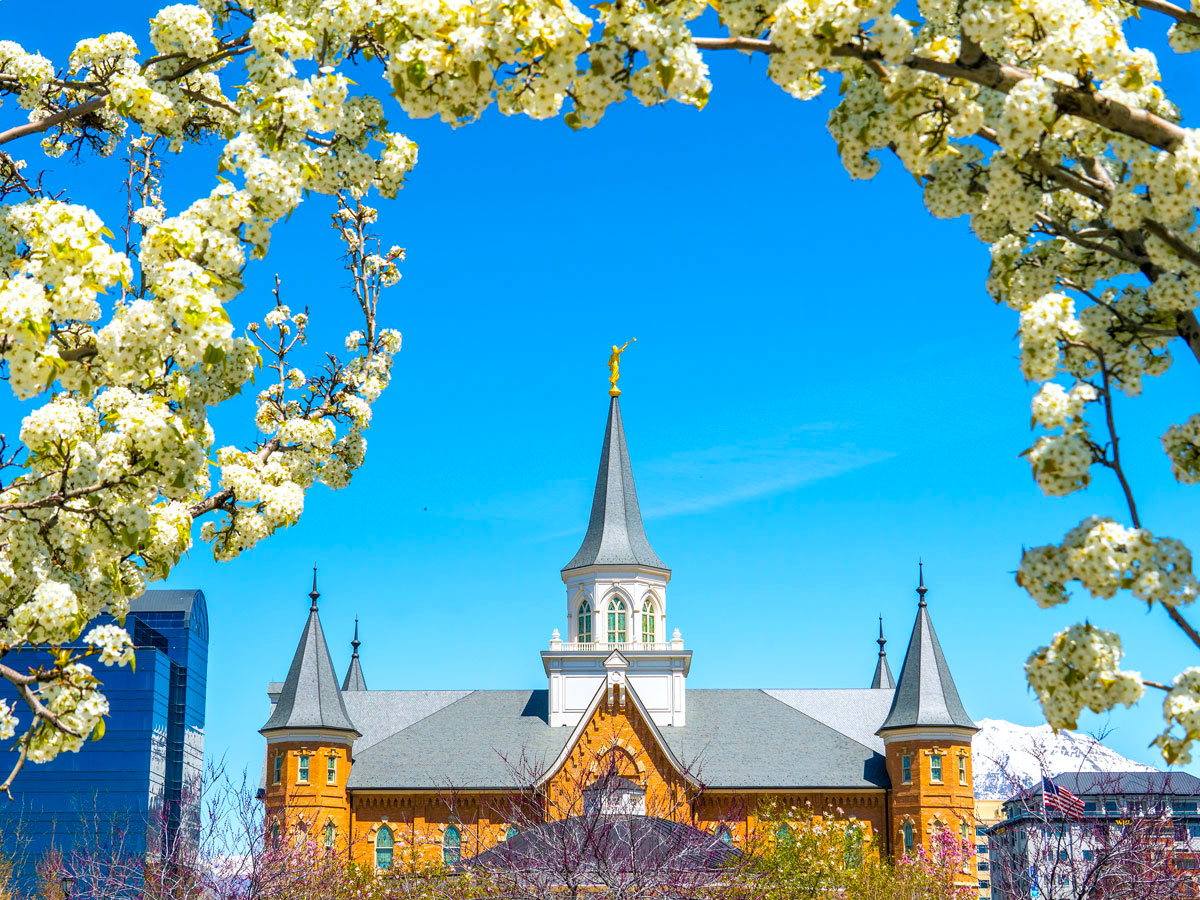

For millions of Americans, the arrival of spring means more than blooming wildflowers and warmer weather. It’s also a trigger for itchy eyes, sneezing fits, and constant pollen alerts. But where you live can make all the difference — pollen season varies from state to state and city to city. To find the biggest offenders, we turned to the Asthma and Allergy Foundation of America’s annual Allergy Capitals report. It ranks the 100 most populated U.S. metro areas according to tree, grass, and weed pollen levels; over-the-counter allergy medicine use; and availability of certified allergists. These are the 10 most challenging U.S. cities for allergy sufferers in 2026.
10. Greenville, South Carolina
Total score: 93.9
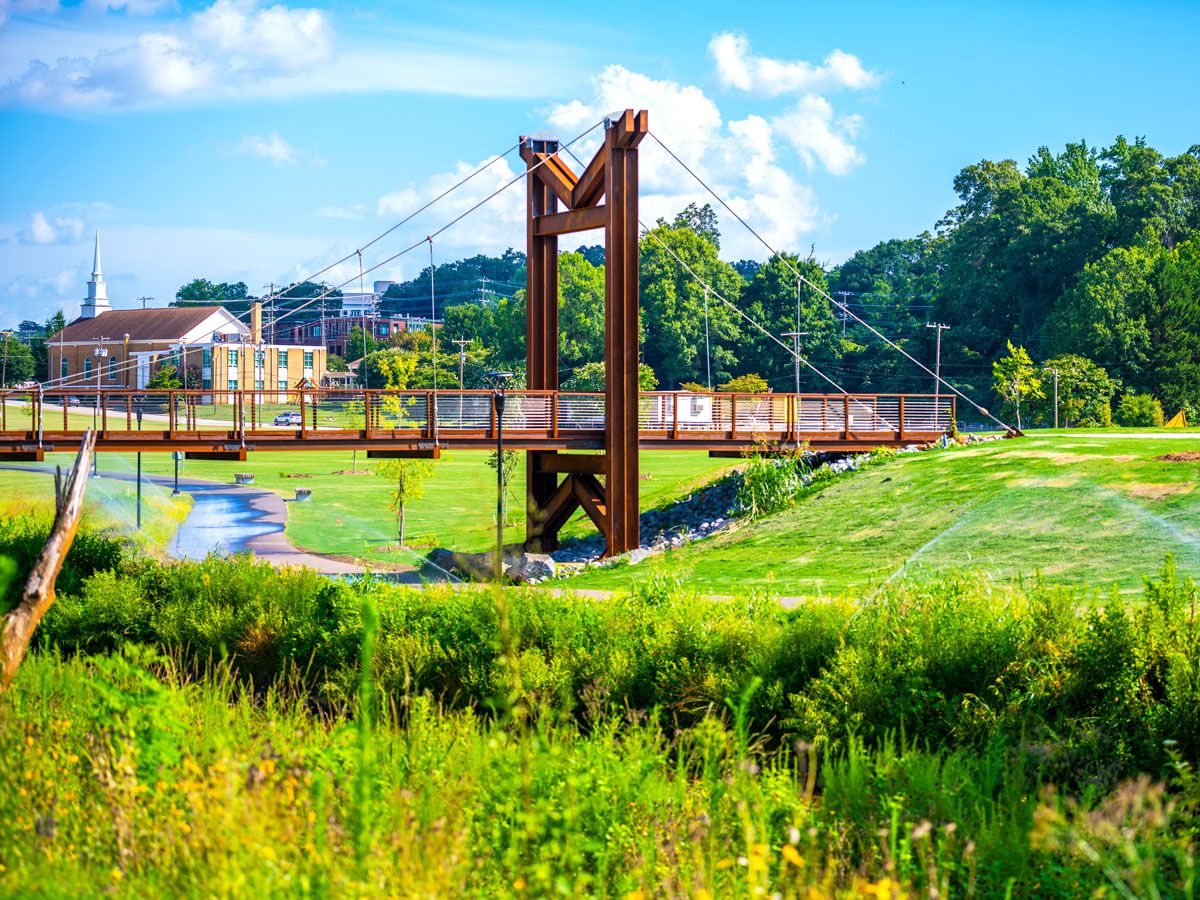
Set in the foothills of the Blue Ridge Mountains, Greenville is surrounded by forests that burst into color every spring. While that’s usually great news for nature and scenery lovers, it’s not so welcome for allergy sufferers. Among the biggest culprits are pine trees, which sprinkle clouds of yellow dust onto sidewalks and homes. Pollen levels in the city and the Upstate region in general are also affected by birch, cedar, and maple trees. Still, Greenville is a wonderful city to enjoy between any flare-ups. Stroll along atmospheric Main Street, relax by the waterfall at Falls Park on the Reedy, or dive into the burgeoning food scene.
9. Spokane, Washington
Total score: 93.93
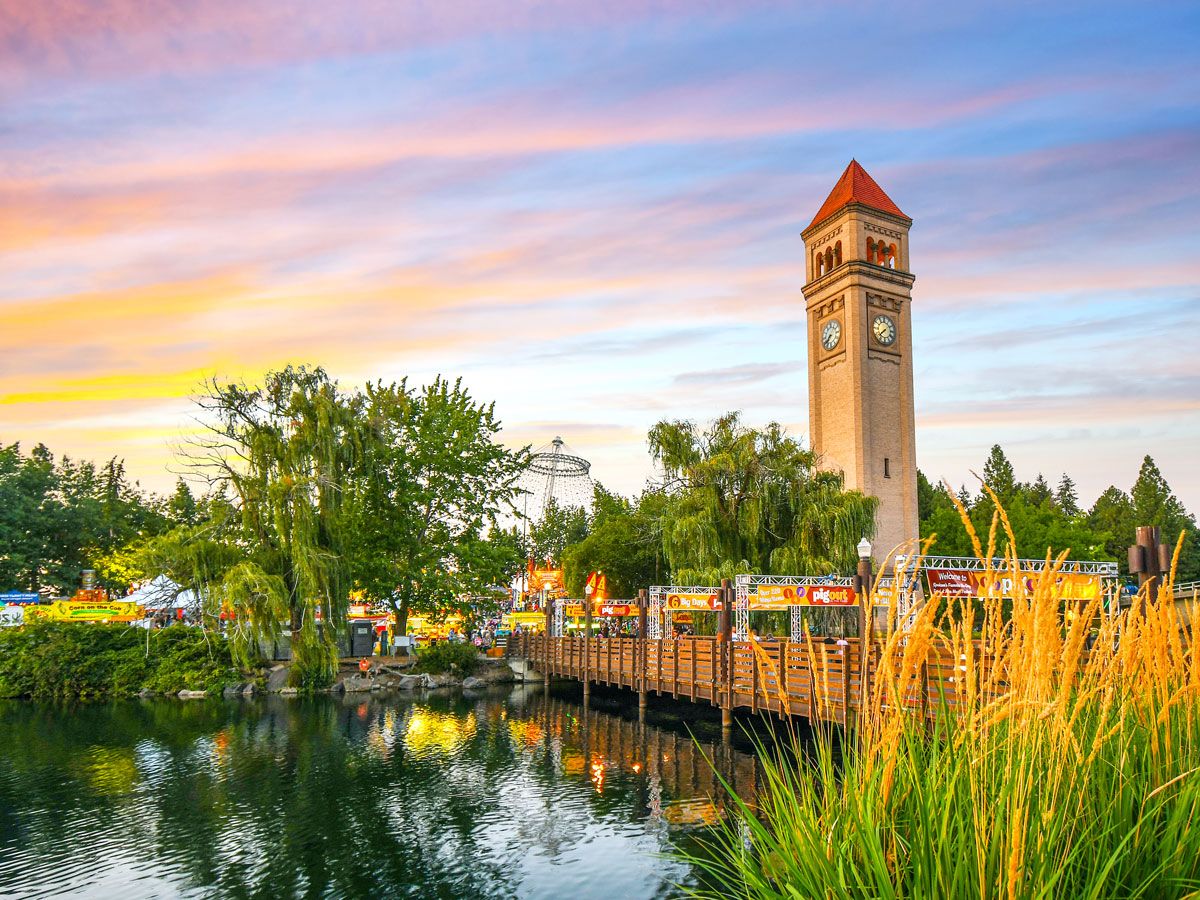
Spokane’s allergy season shifts as the year progresses. Spring typically brings pollen from the city’s many alder, birch, and cedar trees, while ragweed is the main instigator in autumn. Spokane’s hot, arid summers allow pollen, most notably from Bermuda and Timothy grass, to stay airborne for longer. Levels are often lower in the morning, making it the best time if you want to get outdoors. Strolling around Riverfront Park, paddling on the Spokane River, and hiking in Mount Spokane State Park are all great ways to start your day.
8. Ogden, Utah
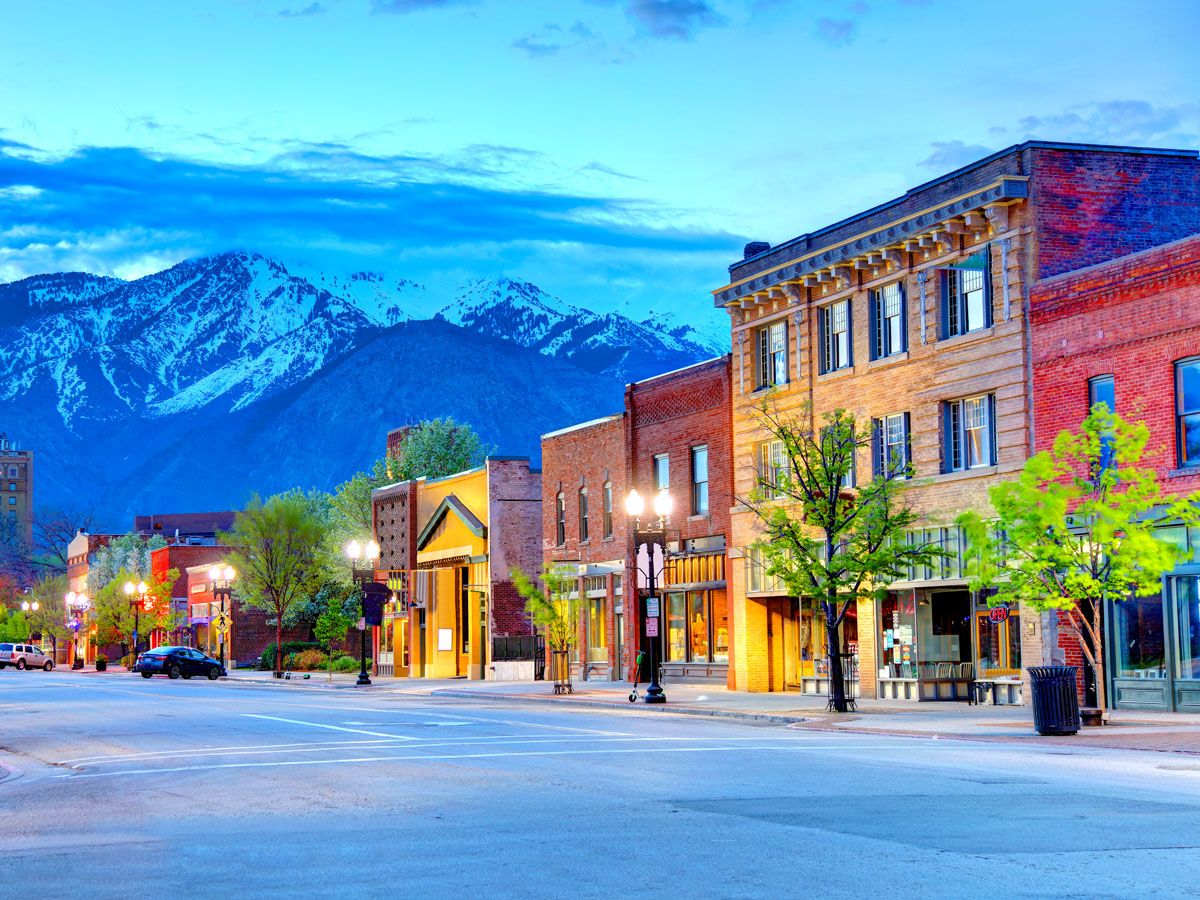
Total score: 94.46
Located in northern Utah, Ogden experiences a long, layered allergy season, similar to other locales along the Wasatch Front metropolitan corridor. Allergy season begins in late winter with tree pollen from box elder, juniper, maple, and oak. Grass pollen arrives in late spring and sticks around until early summer. Thanks (or not) to weeds, the season extends into autumn, while mold spores affect allergy sufferers in winter. Fortunately, you can find respite from allergy triggers at the cafés, galleries, and restaurants on Historic 25th Street. If cooler air offers some relief, make your way to Snowbasin Resort and Powder Mountain for skiing and other snowy adventures.
7. Raleigh, North Carolina
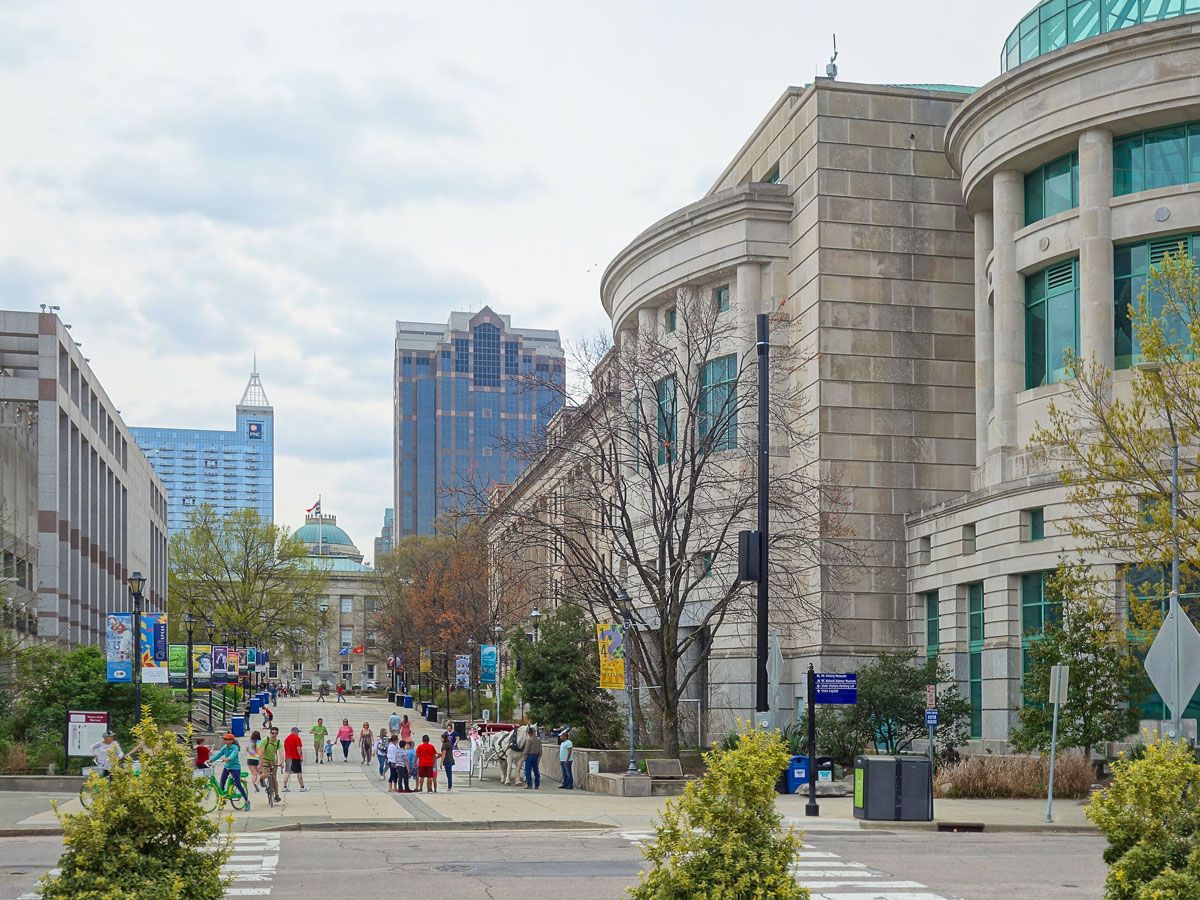
Total score: 94.79
According to recent reports, a longer growing season is making allergies worse in the Raleigh-Durham area. With the freeze-free period increasing by an average of 41 days since the 1970s, plants are starting to release their allergens earlier. Warmer winters allow for earlier tree pollination, and weeds are thriving for longer in fall. This can be a positive for crops and gardens, but a negative for those prone to sneezing and congestion. One of the best ways to keep the triggers at bays is to stay indoors, especially on dry and windy days. Spending time at the North Carolina Museum of Natural Sciences or hopping between breweries on the Raleigh Beer Trail are two great options.
6. Wichita, Kansas
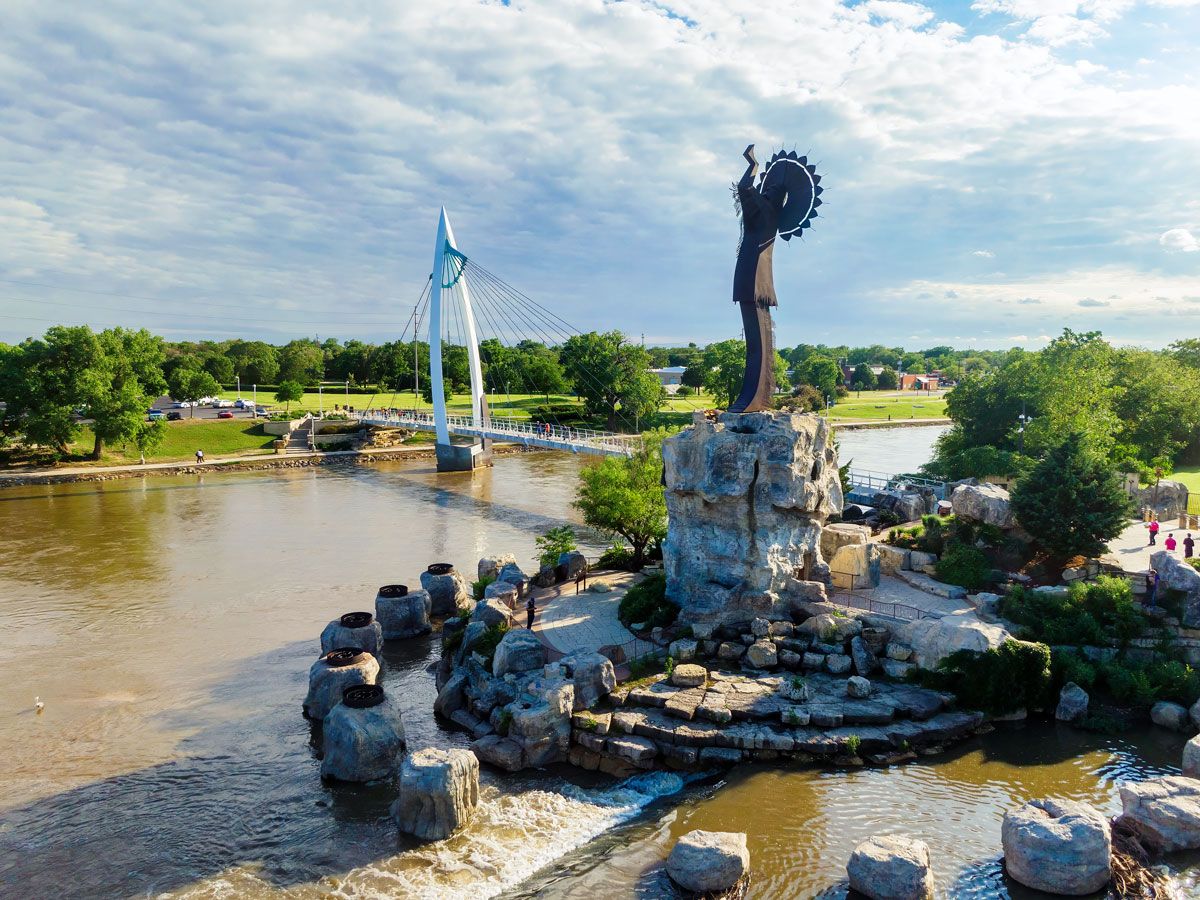
Total score: 95.27
After three years at the top of the list of U.S. cities that are worst for seasonal allergies, Wichita has lost a little bit of its pollen power. But that doesn’t make it a safe haven for sufferers. A major role in the city’s allergy season is the agricultural makeup of the Great Plains and its frequently windy weather. Eastern red cedar trees start to bloom around January, with prairie winds carrying irritants from the state’s sprawling grasslands in summer. It’s not just allergens in the air, though. Wichita is known as the “Air Capital of the World,” with a storied aviation history that you can explore at the Kansas Aviation Museum and the Exploration Place.
5. Rochester, New York
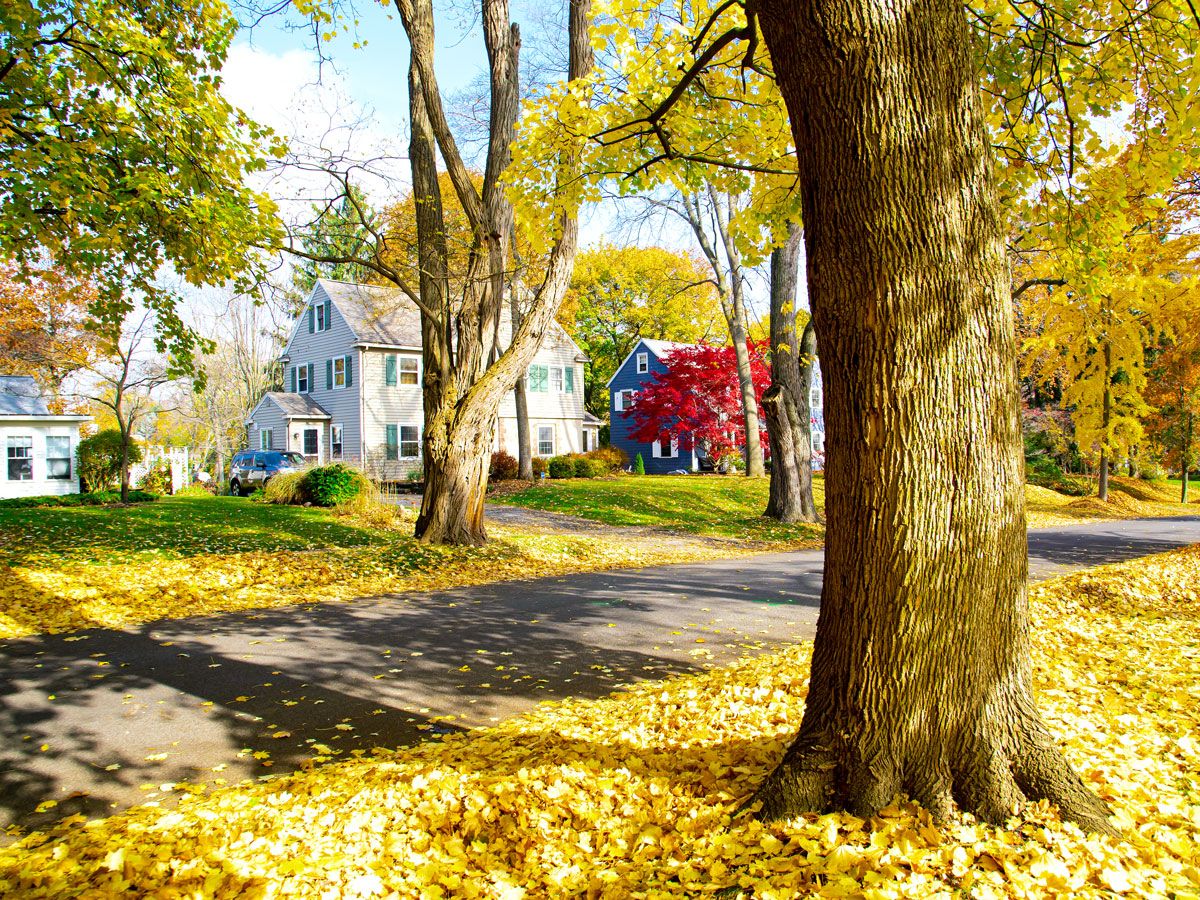
Total score: 96.74
Rochester’s top 10 ranking for worst allergy cities is thanks largely to ragweed, a potent seasonal allergen throughout the U.S. during the fall months. You’ll see it stretching along roadsides and across open fields in upstate New York, releasing pollen that travels for miles. Prior to fall, birch, maple, and oak trees are known to cause spring allergies in Rochester. If you can avoid the triggers, Rochester is a gateway to the Finger Lakes region, where everything from biking to canoeing and snowmobiling awaits. The city also hosts over 140 festivals, celebrating flowers, music, and more.
4. Provo, Utah
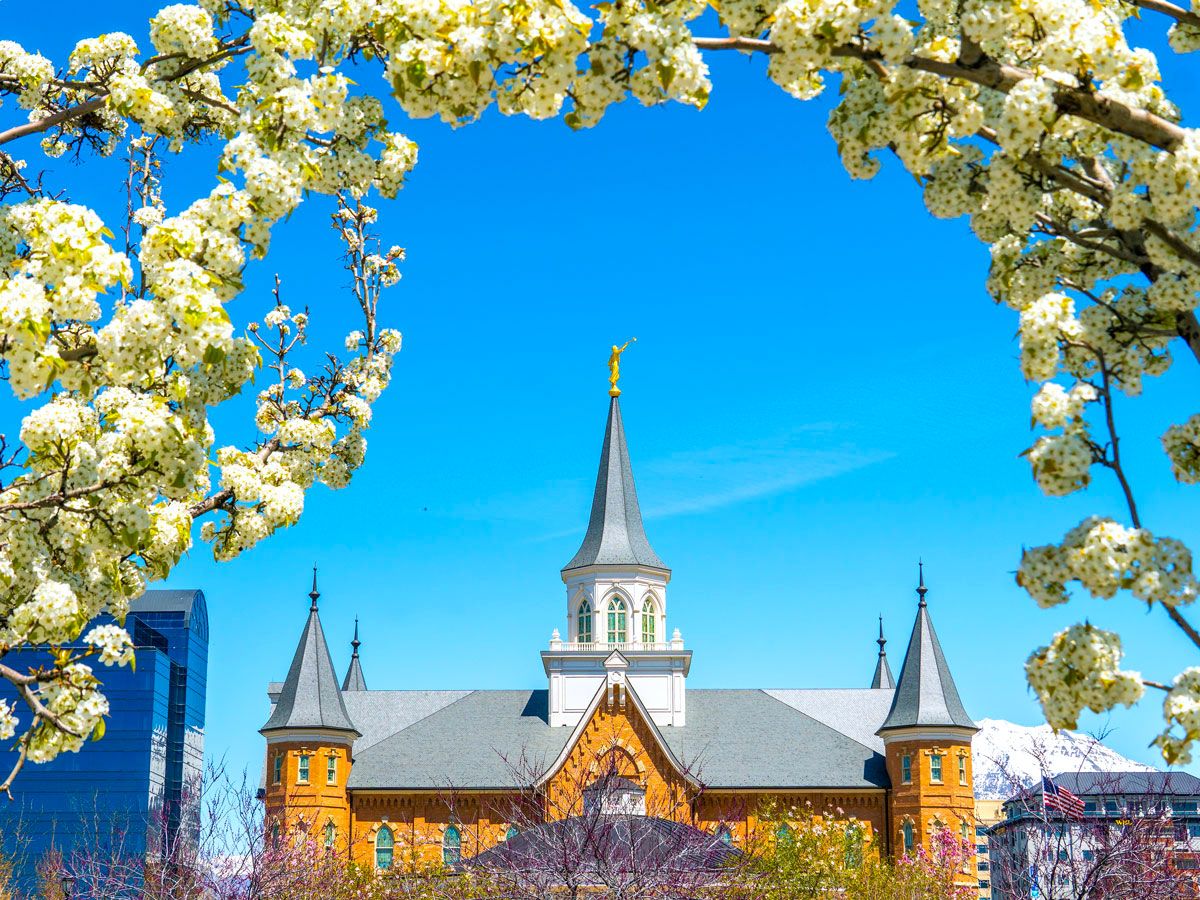
Total score: 97.65
The second entry from Utah, Provo, like Ogden, is part of the Wasatch Front metropolitan corridor. Of the many common allergens in this semi-arid high-desert environment, sagebrush, Russian thistle, and mold spores stand out as the worst offenders. Microscopic dust mites are another concern; they thrive in homes where both high and low humidity levels are present. Peak months for pollen in Provo are April, May, and September. But when winter comes around, freezing temperatures sharply reduce the flow, making it an ideal time to experience the Wasatch Mountains ski season — including the 5,000 acres of terrain and 72 runs at nearby Sundance Mountain Resort.
3. Tulsa, Oklahoma
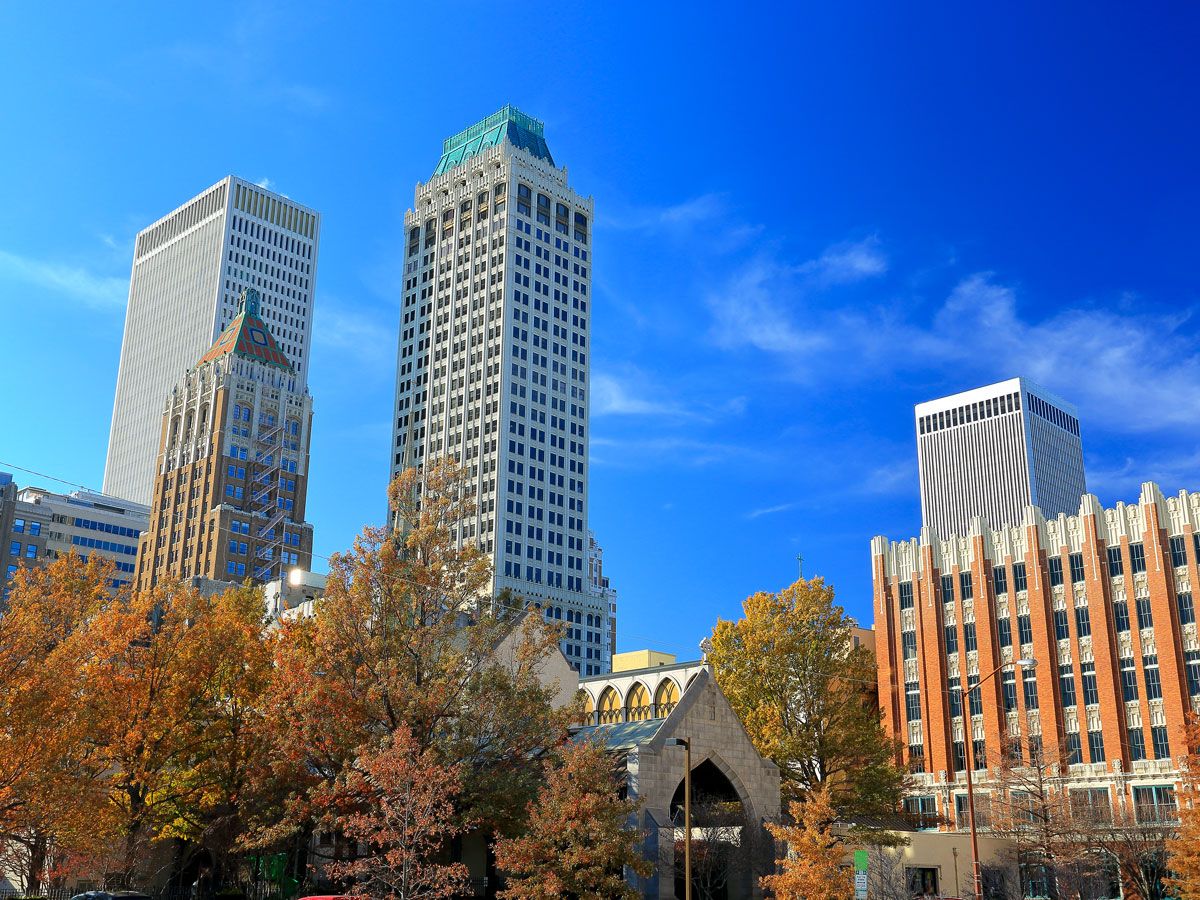
Total score: 98.49
Tulsans have to deal not only with the typical spring and fall allergens, but also with a winter phenomenon called cedar fever. It occurs due to the mountain cedar trees that thrive across Oklahoma, Arkansas, Missouri, and Texas. Pollen from the cedars enters the air from late November until February, hitting a peak in January. Adding to this are the notoriously strong winds that sweep through the state, taking pollen on a long journey from its source. If you want to avoid the allergies altogether, stop to spend some time indoors at the many shops and restaurants in the Greenwood District, a historic Black neighborhood in Tulsa.
2. San Diego, California
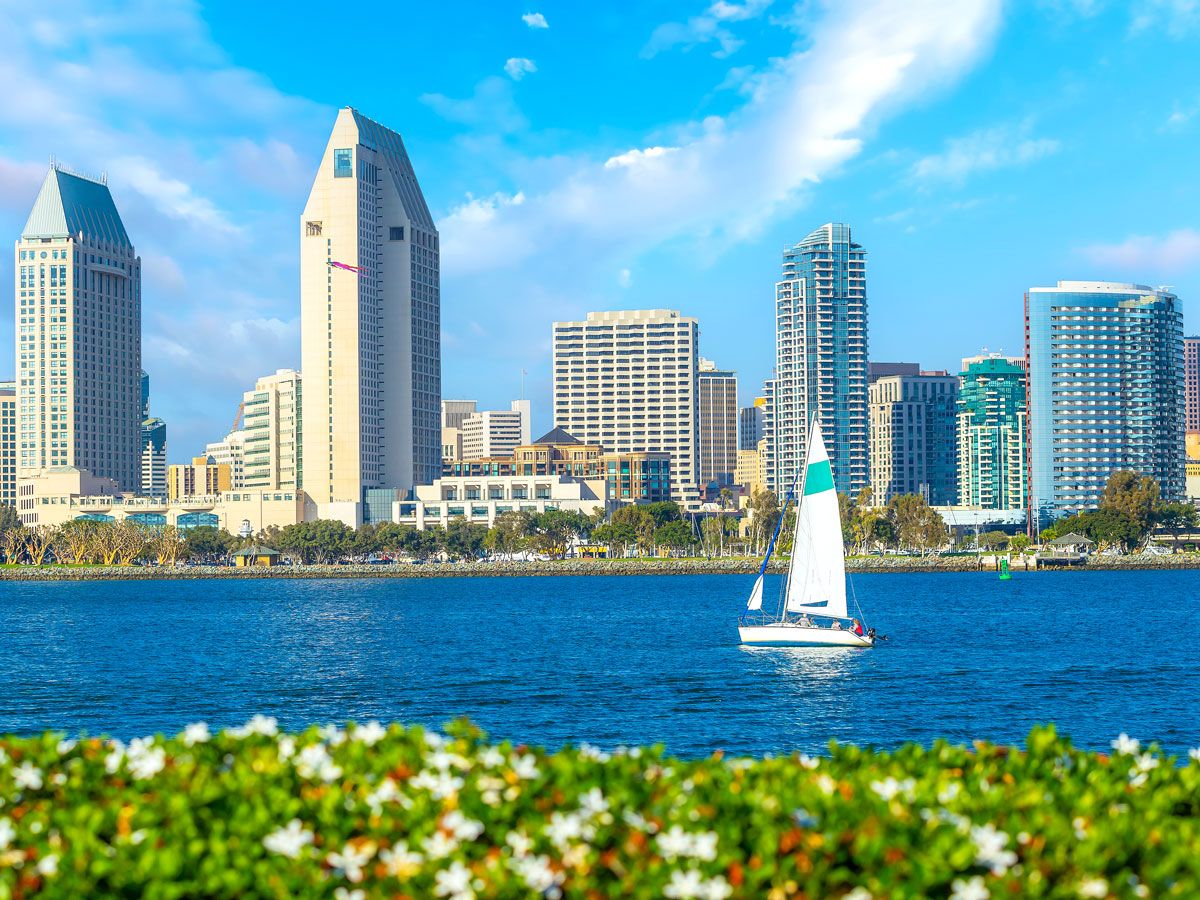
Total score: 99.63
San Diego’s promise of mild temperatures and sun-kissed beach life may look allergy-friendly in photos, but a year-round growing season means residents and visitors rarely get a true break from pollen. A Mediterranean climate encourages constant plant blooms, while elevation changes create microclimates throughout the metro area. And even if oceanic winds are calm, pollen can still arrive from as far as Arizona and Nevada via powerful Santa Ana gusts. Still, many take advantage of the outdoors. Nature abounds at Torrey Pines State Natural Reserve and world-famous beaches like Black’s Beach and La Jolla.
1. Boise, Idaho
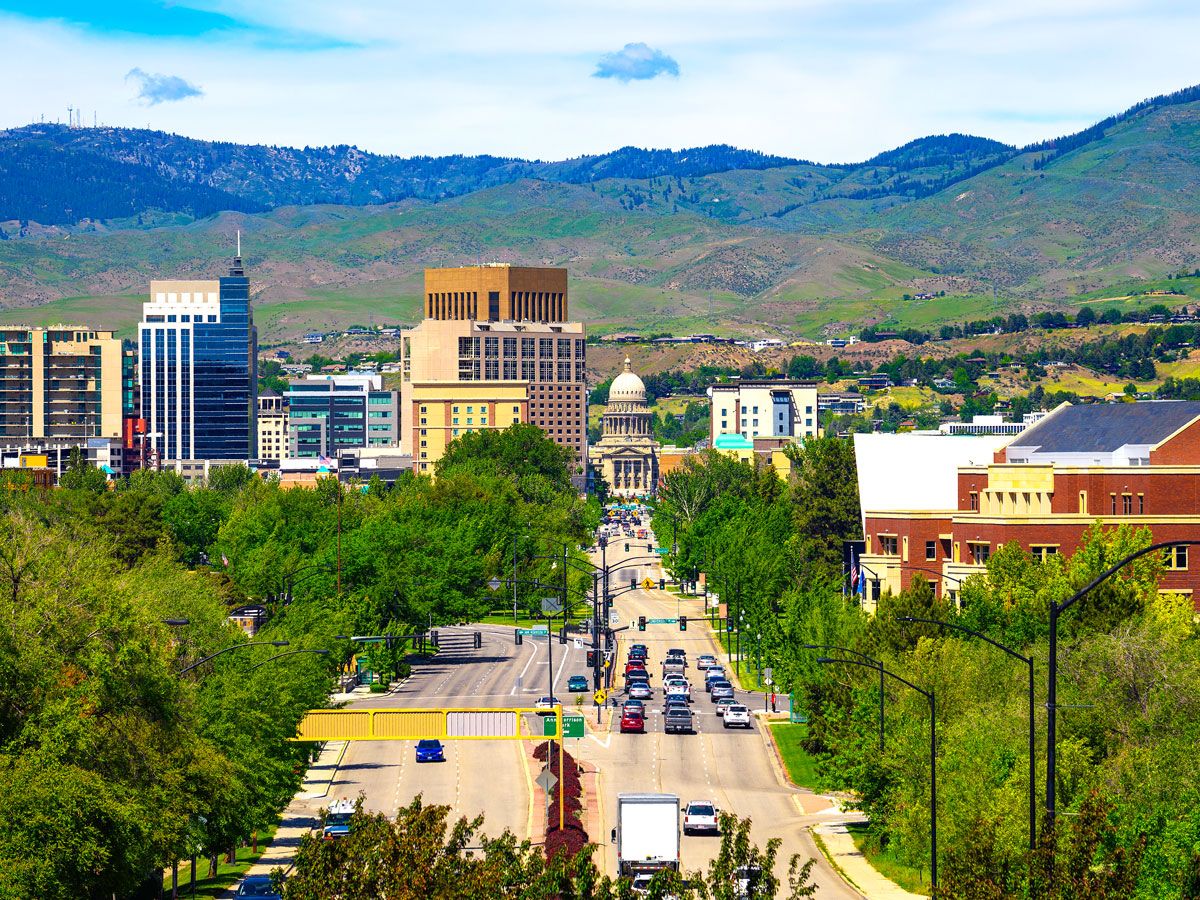
Total score: 100
Idaho’s capital holds the title of the worst city for allergies in America in 2026, thanks to a combination of higher-than-usual pollen counts and limited access to board-certified allergists. Boise is known as the “City of Trees” and is rife with black cottonwood trees, especially along the Boise River Greenbelt. This native species releases clouds of fluffy seeds that drift through the air in late spring and early summer, blanketing paths. Despite this, the riverside is a huge draw in Boise, with miles of trails linking lush parks, breweries, cafés, and museums. Nearby Morley Nelson Snake River Birds of Prey National Conservation Area is also a bird-watcher’s paradise.
More from our network
Daily Passport is part of Inbox Studio, an email-first media company. *Indicates a third-party property.