





The 5 States That Lost Residents Last Year
The 5 States That Lost Residents Last Year


Between July 2024 and July 2025, the U.S. saw an increase of 1.8 million people, taking its total population to 341.8 million. But when you zoom in on the state level, you’ll find that America’s population growth is far from even. Some states attracted thousands of new residents, while a handful saw net negative migration as people relocated elsewhere. Discover the five states that lost residents last year, according to the Census Bureau’s population estimates.
5. California

Population change from 2024 to 2025: -0.02%
Population rank out of 50 states: 1
California may have lost 9,465 residents from July 2024 to July 2025, but it comfortably remains the most populous state in the country, with an estimated 39,355,309 people. Part of the decline in population may be explained by the high cost of living in California, which ranks third nationally. However, the Golden State continued to attract plenty of people from overseas, recording the country’s third-highest net international immigration, with 109,278 arrivals from 2024 to 2025.
Despite its population dip, it’s easy to see why so many still choose to call California home and why so many tourists flock here every year. You can surf in Orange County, hike amid Yosemite’s redwoods and granite landscapes, and sip wine around Napa Valley — all during the same road trip. If the big-city action of Los Angeles and San Francisco isn’t your thing, charming small towns like Avalon and Sausalito offer a more leisurely pace.
4. New Mexico
Population change: -0.06%
Population rank: 36
New Mexico lost 1,276 people last year, bringing its population down to 2,125,498. This continues a longer period of stagnation: Over the past decade, the state’s population numbers have barely grown, due to deaths outnumbering births and changing migration patterns. The population is also getting older, with the median age rising from 27 in 1980 to nearly 40 today.
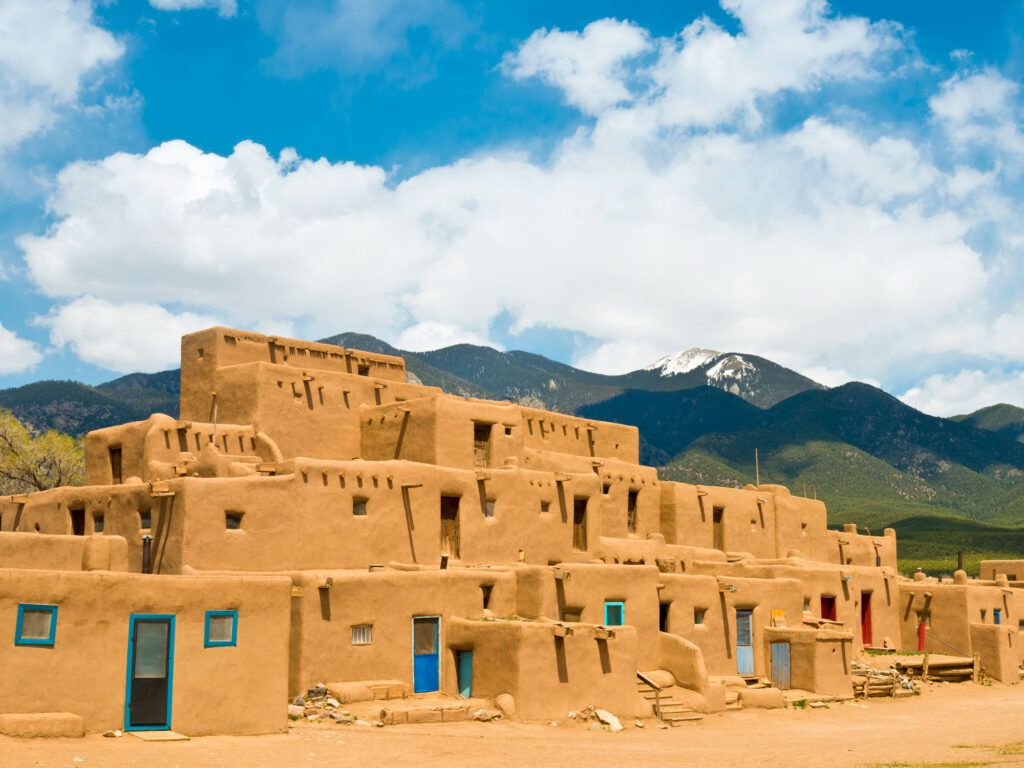
Of course, none of this makes New Mexico any less interesting as a travel destination. Visitors can head to Taos Pueblo to discover one of the oldest continuously inhabited communities in the country or explore the awe-inducing landscapes of White Sands National Park or the Bisti Badlands.
3. West Virginia
Population change: -0.07%
Population rank: 39
West Virginia’s population is getting older. The median age is now 45, making it among the oldest states in the country, with 22.55% of the population 65 or older. This changing age profile helps explain in part why resident numbers are declining in the Mountain State. The current population is estimated at 1,766,147, which is 1,255 fewer people than the previous year. With deaths currently outnumbering births and migration, this downward trend is likely to continue.
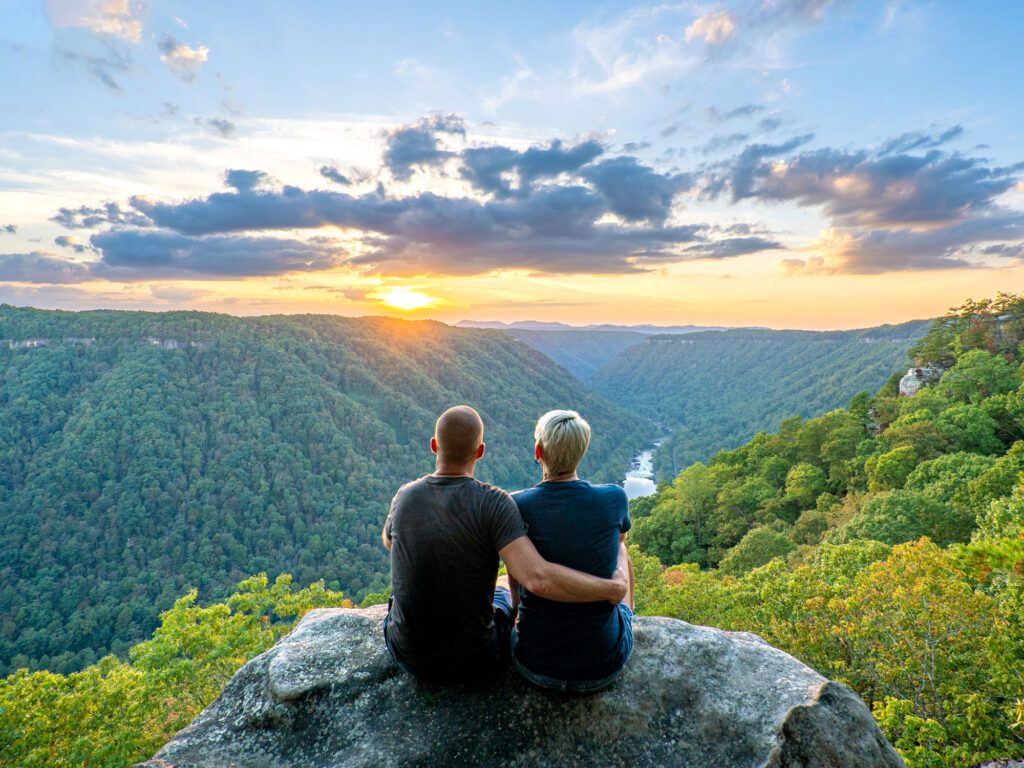
Much of West Virginia’s appeal (for residents and visitors alike) lies in the forested landscapes of the Appalachian Mountains and the Appalachian Trail. In the south, New River Gorge National Park and Preserve is a destination for countless outdoor pursuits, from hiking to whitewater rafting.
2. Hawaii

Population change: -0.15%
Population rank: 40
Famous for beaches, surfing, and beautiful landscapes, Hawaii is a state like no other. But living here comes at a price — the Aloha State is the nation’s most expensive state to call home, with a cost of living that’s over 80% above the national average. Hawaii lost 2,132 people last year, bringing the population down to 1,432,820. Research by the University of Hawaii cites factors such as high living costs, relatively low incomes, and limited economic opportunities to explain the decline. In fact, more people have left the Aloha State than have moved to the islands in 23 of the past 25 years.
Still, Hawaii has plenty to attract visitors, from the volcanoes of the Big Island to Maui’s waterfalls and lush valleys. Honolulu is also one of the world’s safest cities, with some of the country’s best weather, making it an excellent starting point for a trip.
1. Vermont
Population change: -0.29%
Population rank: 49
Vermont’s brief post-pandemic population bump has dissipated. A loss of 1,858 people from 2024 to 2025 saw the population dip to 644,663. Though the state gained a little over 600 residents from abroad, that’s about half of recent levels, and it recorded the lowest birth rates of any U.S. state. Vermont’s median age is currently 44, giving it one of the oldest state populations, with over 24% of residents 65 or older.
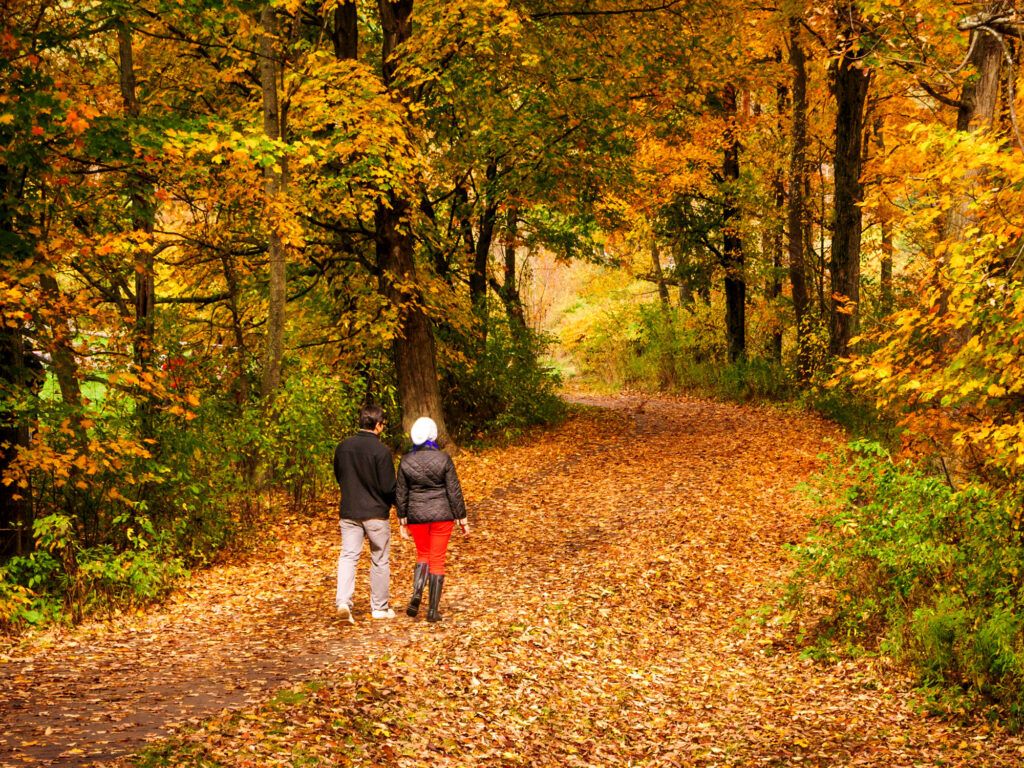
While fewer people are choosing to call the state home, Vermont remains tailor-made for a scenic New England getaway. Few towns in the country are better fall foliage destinations than Stowe, but there are dozens of other quirky small towns to explore and more than 800 lakes.
Featured image credit: © Sundry Photography/stock.adobe.com
More from our network
Daily Passport is part of Inbox Studio, an email-first media company. *Indicates a third-party property.