





5 Surprise Fees You Might Encounter Driving Abroad
5 Surprise Fees You Might Encounter Driving Abroad
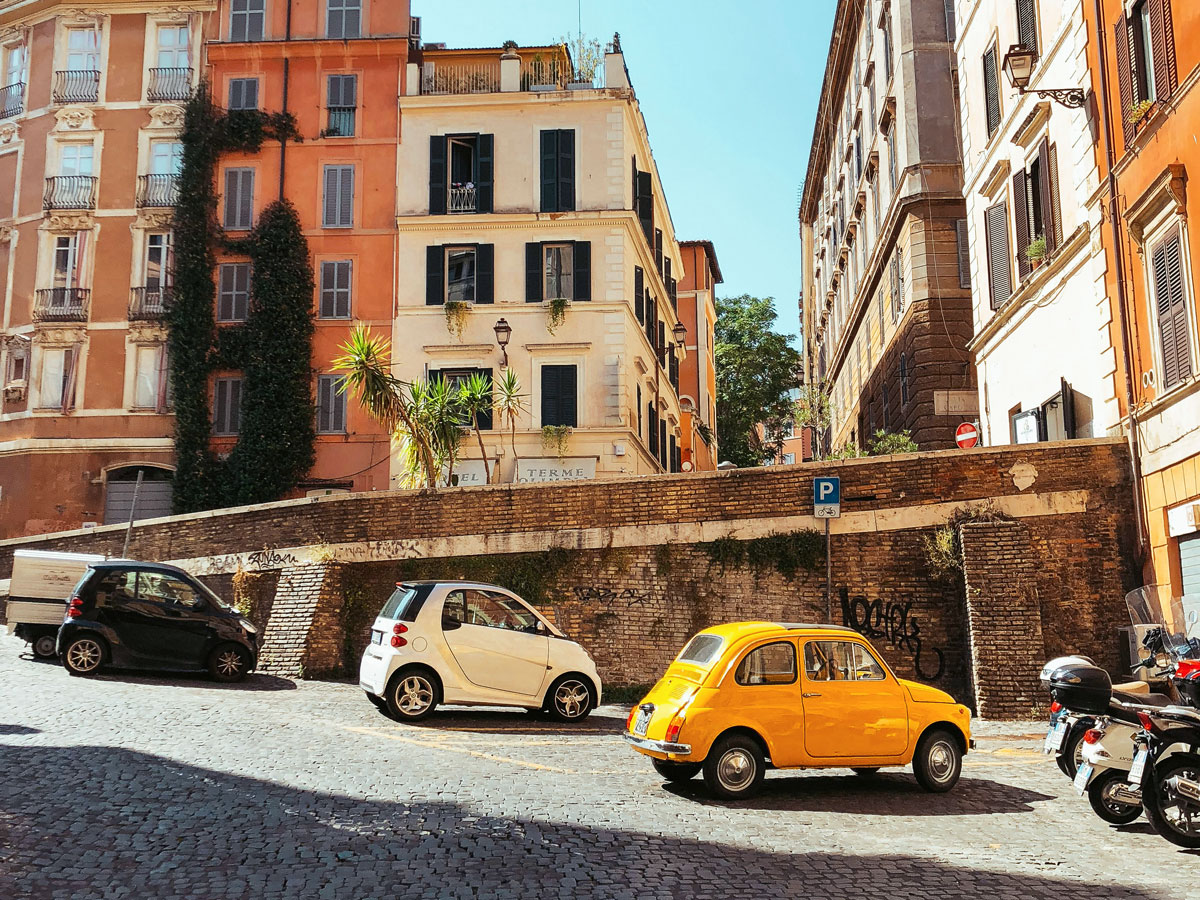

Getting behind the wheel can be a uniquely enjoyable way of experiencing a new country, especially those that drive on the other side of the road. However, there’s a lot to know before reserving a rental car and putting the pedal to the metal — especially if you don’t want to pay a pretty penny while taking the scenic route. Here are five costs of driving abroad that catch many travelers off guard.
An International Driving Permit
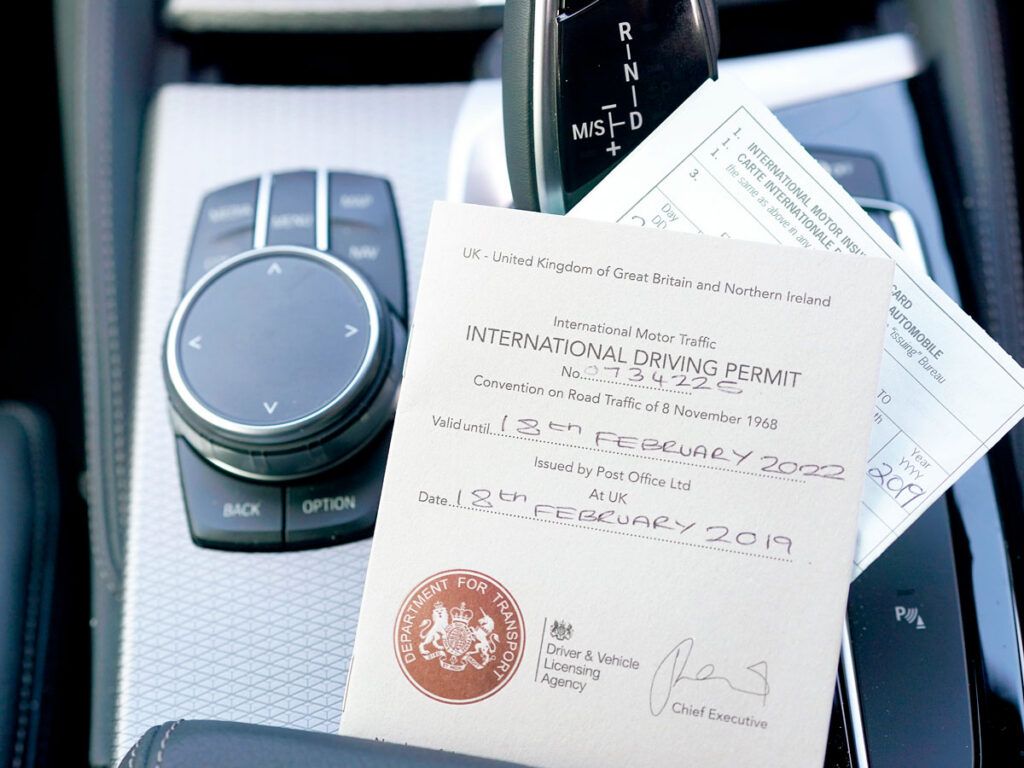
You need more than just a valid U.S. driver’s license to hit the road in much of the world. More than 150 countries also require an International Driving Permit (IDP) before allowing you to rent a car, but the good news is that the process is quite easy.
You can fill out an application online with either the American Automobile Association (AAA) or the American Automobile Touring Alliance (AATA) and pay a $20 fee for the permit. (Additional costs may also apply for shipping and for the required passport photo.) An IDP is good for a full year from its start date, so you can use it on multiple trips if needed.
One-Way Fees
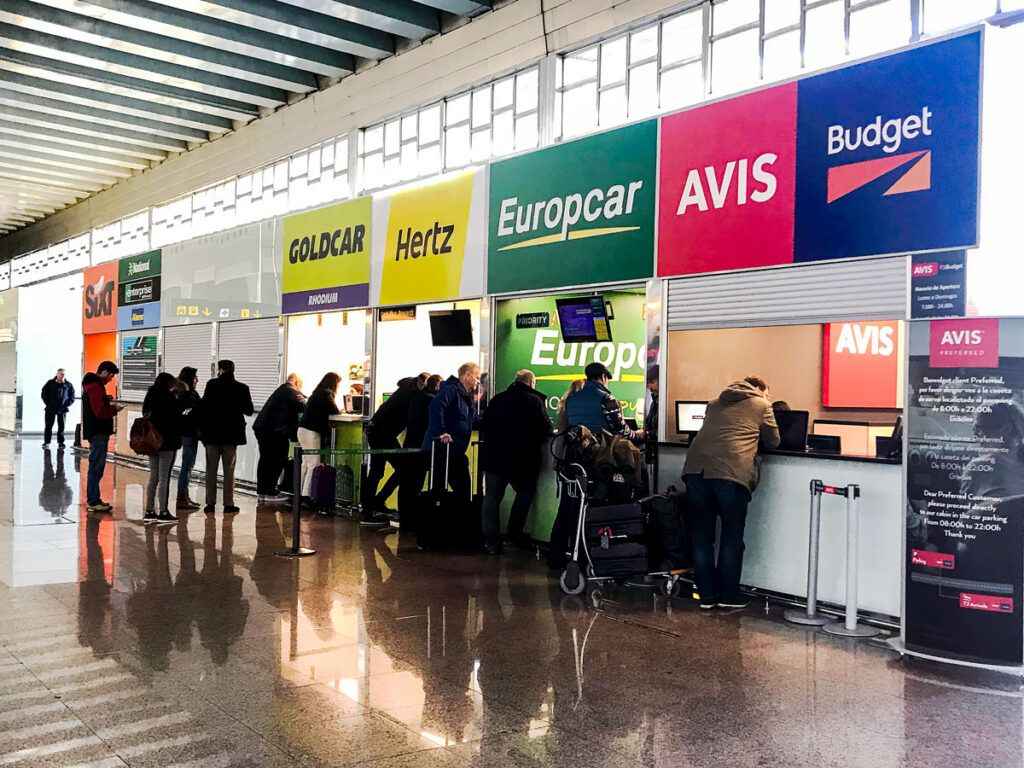
The nice thing about Europe is that traveling from one country to another is relatively easy. The bad thing about driving between those countries is that doing so often incurs a one-way drop-off fee if you don’t return your rental car in the same country you picked it up from — which, given the nature of most European itineraries, isn’t at all unlikely. These fees can range from 100 to 500 euros or more ($110 to $555 USD).
Rental companies aren’t charging these expenses just because they can. “One-way fees are part of the industry,” Kirk Larkin, Auto Europe’s vice president of operations, explained to Auto Rental News. “Rental cars have to be registered and licensed to a specific country, and they have to be returned to the country where the rental originated from. We trust that travelers understand this and see it as our responsibility to provide accurate quotes detailing ahead of time what fees they will be responsible for paying.” So, if you plan to drive across the European continent rather than take the Eurail, consider going in a loop and dropping off your rental car in the same city (or country) you started in.
Surprise Speeding Tickets
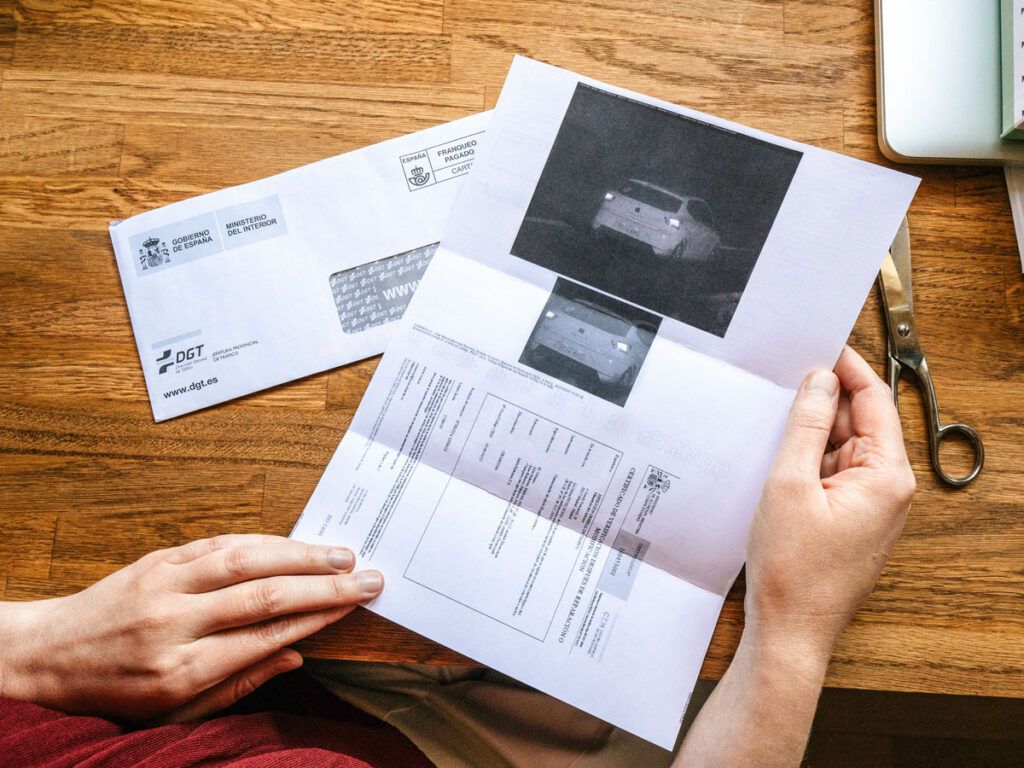
Take it from someone who received a speeding ticket in the mail back home a few weeks after renting a car and driving around Iceland — sometimes, you’ll be well over the speed limit without realizing it, especially in a country that measures speed in kilometers per hour rather than miles (which is most of them). You should always err on the side of caution, even if you’re driving somewhere with light traffic. America isn’t the only country with speed traps, after all.
Vignettes
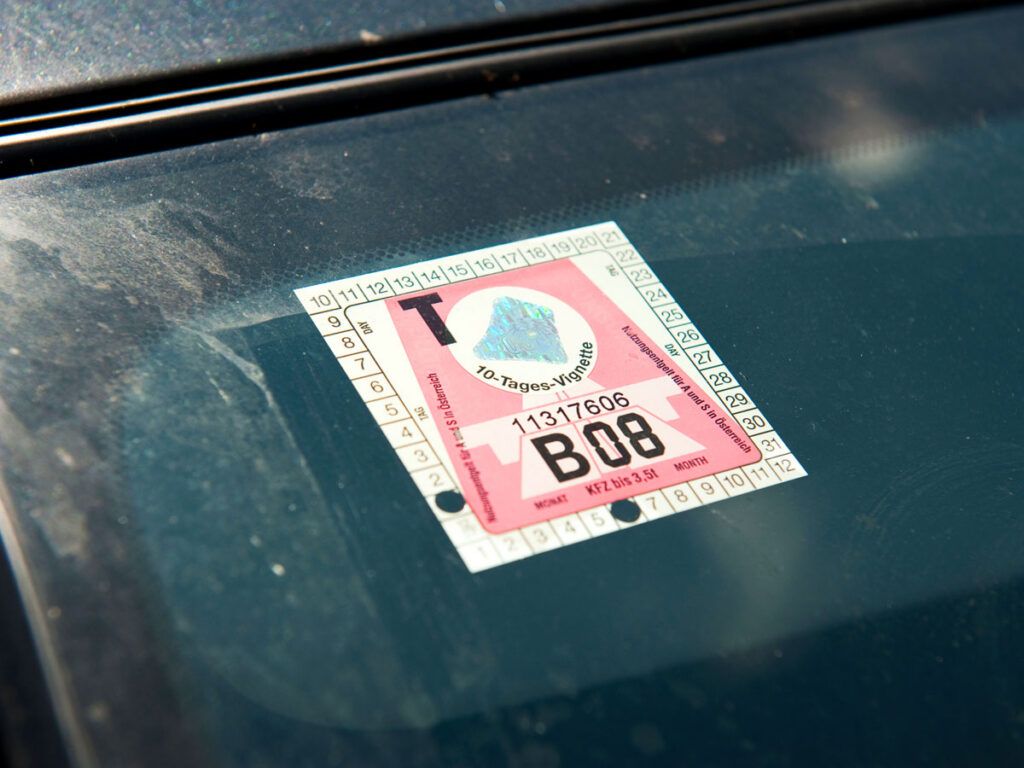
In certain countries, you can’t just drive for free on the motorways. Across Europe — including Austria, Bulgaria, the Czech Republic, Hungary, Moldova, Romania, Slovakia, Slovenia, and Switzerland — you need to purchase a time-based permit known as a vignette. Some are physical stickers that go on your windshield, while others are digital passes connected to your license plate; either way, a vignette needs to be purchased in advance.
Vignettes help move traffic along by avoiding toll booths, and costs vary: Austria’s 10-day vignette costs 11.50 euros (about $13), while Switzerland’s annual vignette is 40 Swiss francs (about $48). Most rental cars come with a vignette, but it’s worth checking in advance to make sure you aren’t on the hook for it yourself. If you attempt to drive through a vignette zone without one, you’ll get fined automatically. For example, in Austria (which levies some of the steepest fines), the fine ranges from 120 to 240 euros ($135 to $270 USD).
ZTL Fines
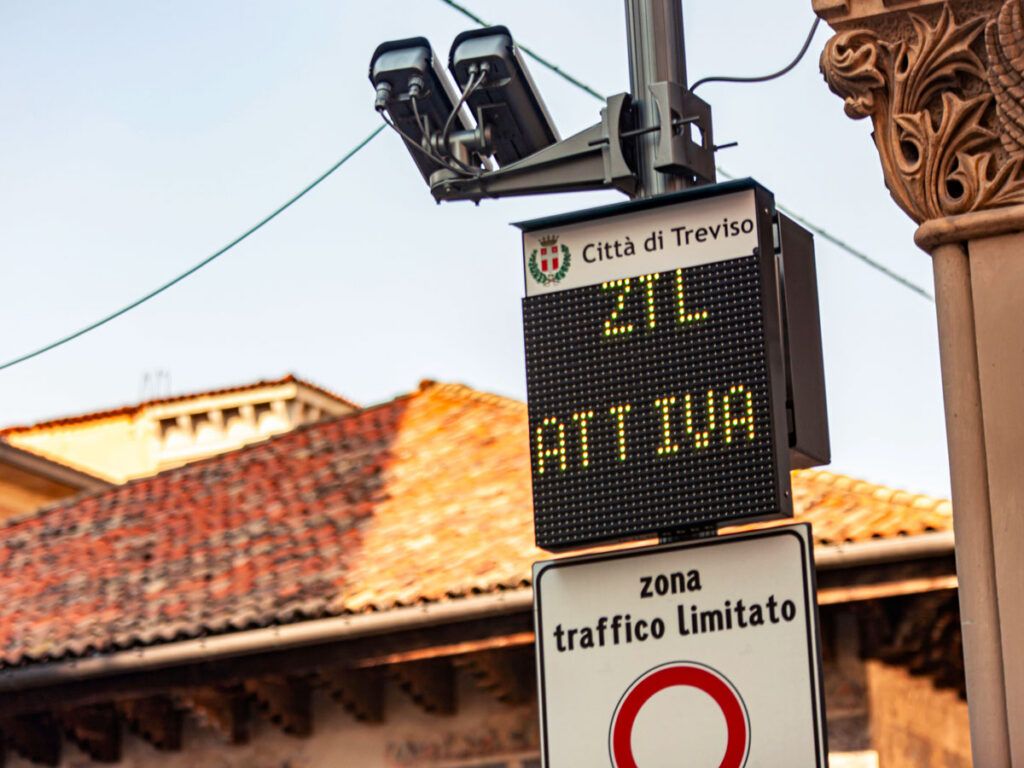
Italy has been dealing with overtourism for quite a while, and many of its attempts to solve that too-much-of-a-good-thing problem involve levying various fees and taxes on visitors. One of them is known as ZTL (Zona a Traffico Limitato), which restricts traffic in congested city centers.
Entering a ZTL without prior authorization will cost unsuspecting motorists anywhere from 83 to 332 euros (around $90 to $370). However, if you pay within five days of receiving the notice, the minimum fine is reduced by 30% to 58.10 euros ($65). Conversely, if you don’t pay or contest the fine within 60 days, it jumps up to 166 euros ($185). ZTL is enforced by automatic traffic cameras, so don’t bet on sneaking in and getting lucky.
Featured image credit: © Arthur Yeti/Unsplash.com
More from our network
Daily Passport is part of Inbox Studio, an email-first media company. *Indicates a third-party property.