





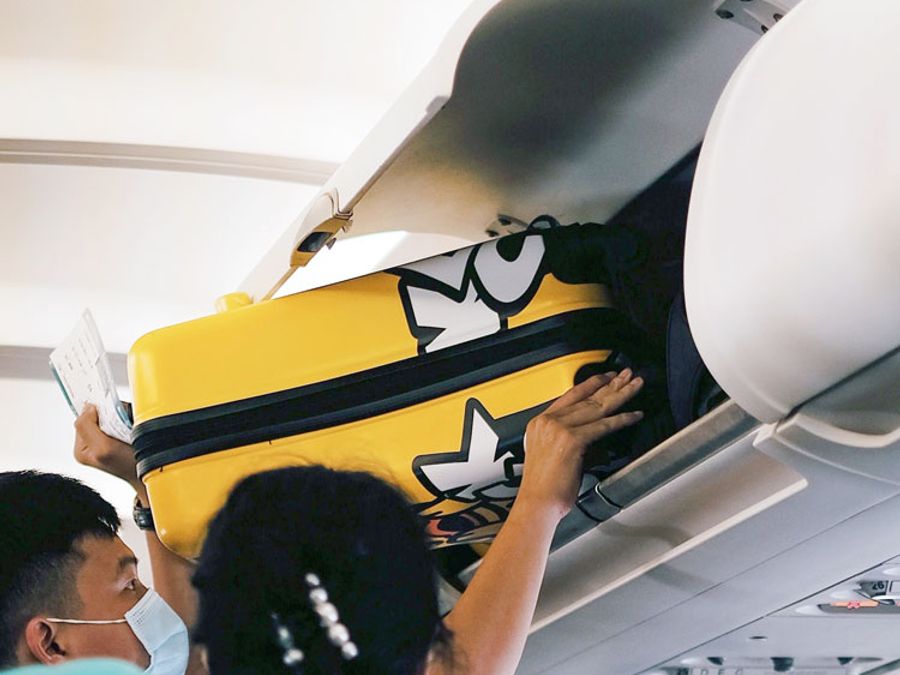
Why Don’t Planes Have Enough Overhead Bin Space for Everyone?
Why Don’t Planes Have Enough Overhead Bin Space for Everyone?
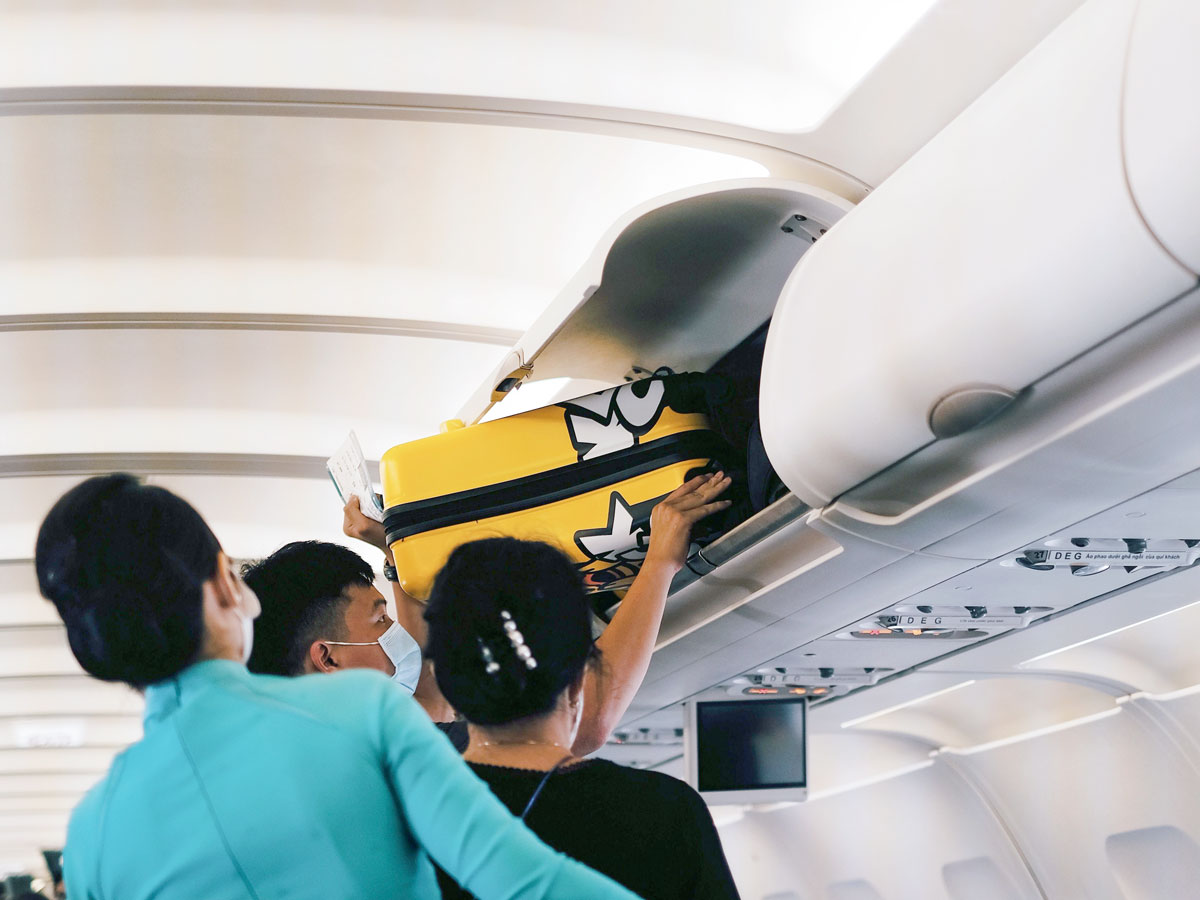

Here’s a scenario many travelers have experienced: You shopped around for the best price on several websites, booked your ticket at the exact right time, showed up to the airport two hours early, and waited patiently at the gate for your boarding group to be called. But now that you’re actually on the plane, a new problem has emerged. There isn’t enough space in the overhead compartments for everyone’s luggage, and you’re at risk of having to gate-check your bag.
This is understandably frustrating. The not-exactly-cheap ticket you bought included one carry-on and one personal item, so why shouldn’t you get what you paid for? For that matter, why isn’t there room for everyone’s bag on board?
The Bottom Line
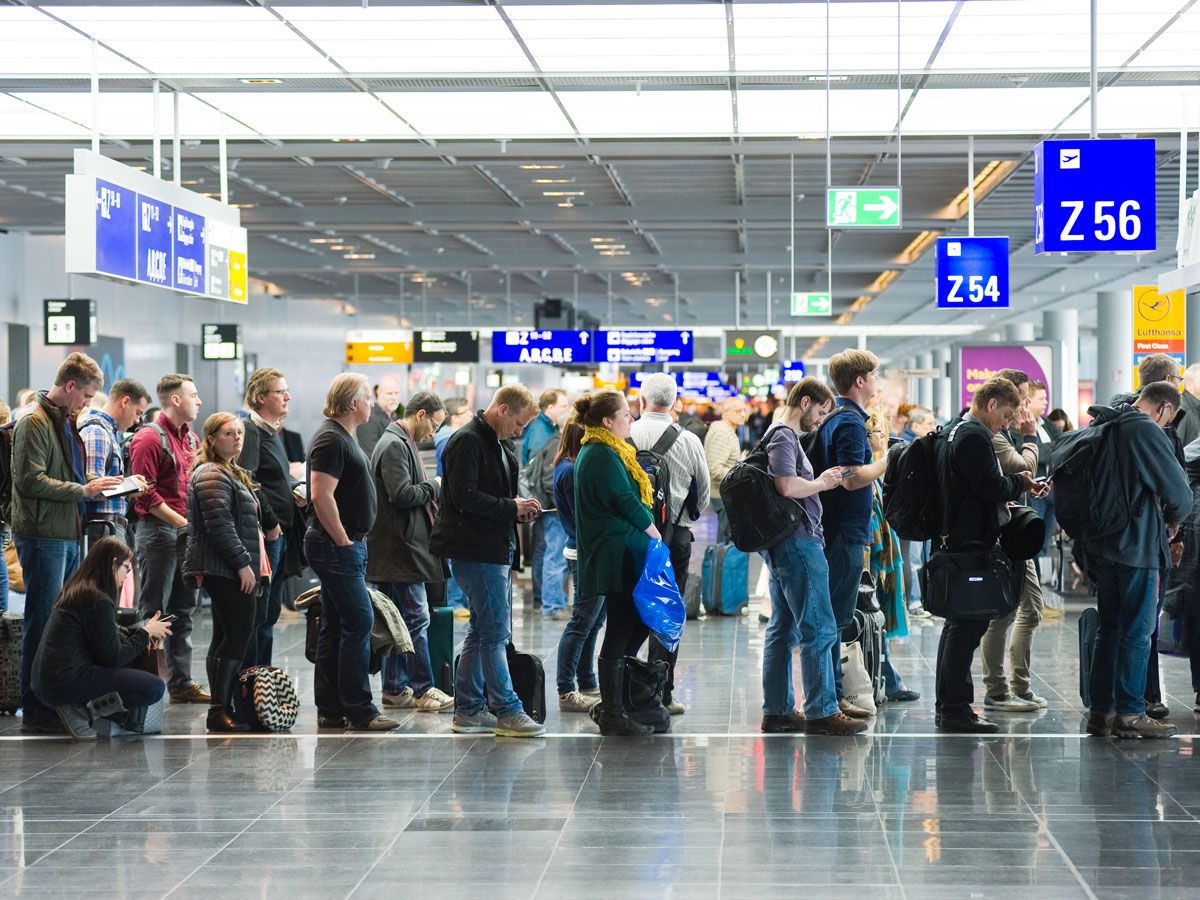
With airlines no longer including the cost of a checked bag in their economy fares, basic or otherwise, it’s no secret that more travelers have begun cramming as much into their carry-ons as possible. In addition to saving money — now usually between $40 and $50 for the first piece of checked luggage — this also spares them the hassle of anxiously waiting at baggage claim while hoping the airline didn’t lose their suitcase.
The practice, unfortunately, has resulted in a different but now-familiar problem altogether: anxiously waiting to board the plane as early as possible in order to claim overhead space.
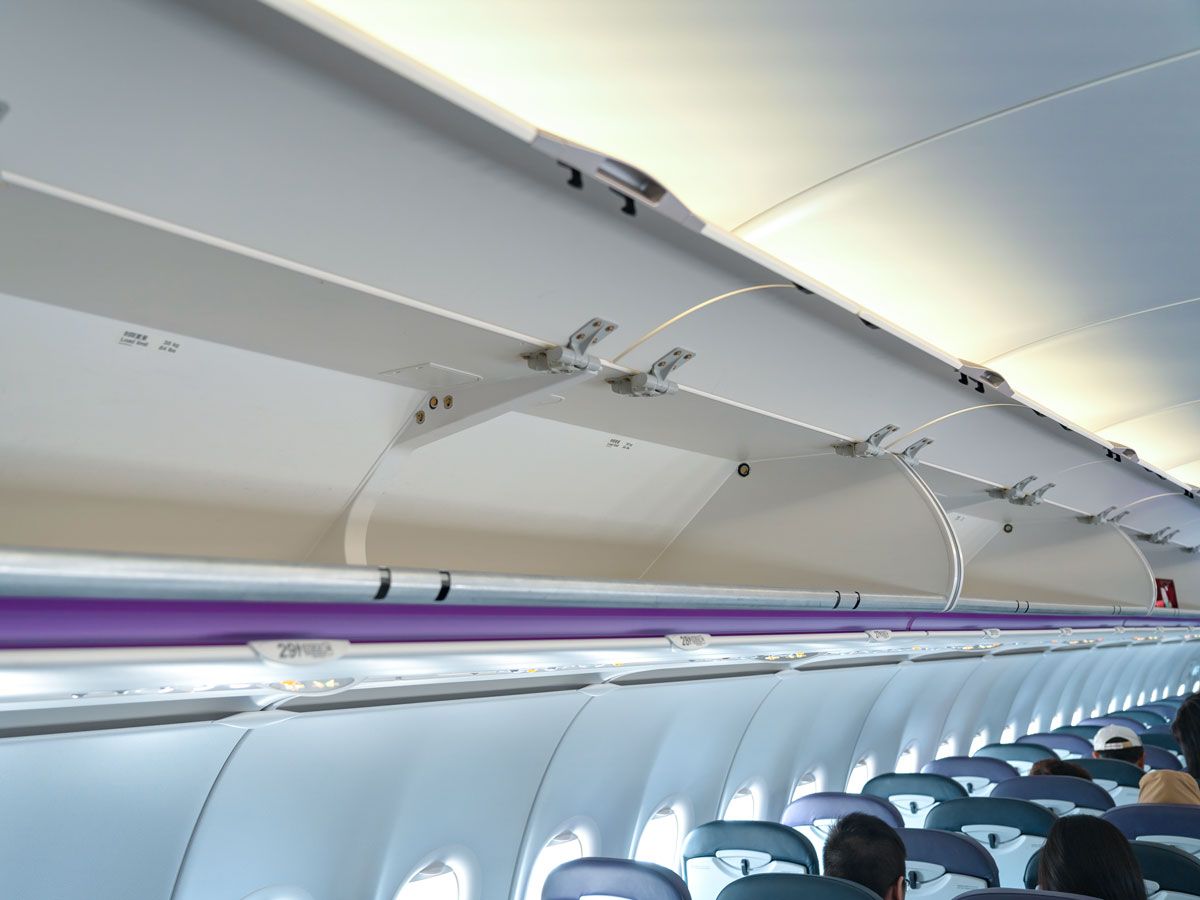
But why is space limited to begin with? Well, checked bag fees haven’t been around that long — American led the pack in charging for a passenger’s first checked bag in 2008, and many of the planes that airlines are flying are older than that. So the overhead bins on many aircraft were designed for a different era when fewer passengers were carrying on bags, and manufacturers have been slow to catch up.
For example, on one of the most popular plane models, the Boeing 737-800, introduced in 1998, a typical seating configuration has 162 seats, according to Boeing. The first-generation shelf bins on that plane can accommodate only 70 standard carry-on bags (22 inches by 14 inches by 9 inches). Newer pivot bins have room for 118 carry-ons, but that still leaves 44 passengers without room for their bags, assuming every one of them brought one.
Additionally, airlines have been cramming more seats into cabins to boost their bottom lines. It’s not always as cheap and simple for aircraft manufacturers to add overhead bin capacity as it is for airlines to add seats. As Andrew Henderson, a flight attendant at a major U.S. airline and a blogger for Two Guys on a Plane, told USA Today, “We just have a limited amount of space to actually store things. It’s not like we have unlimited room for bags. There’s a definitive amount of space to store things safely.”
Good News on the Horizon
The problem is also that airlines aren’t necessarily incentivized to completely fix this issue. Experts agree that the lack of overhead bin space has become a way for airlines to generate as much revenue from every passenger that they can. “The economy and especially basic economy products are intentionally designed so that the back of the plane has become worse and worse, and the incentive is clearly to have more passengers upgrade to other classes,” William McGee, senior fellow for aviation and travel at the American Economic Liberties Project, told Condé Nast Traveler.
Passengers assigned to the boarding groups at the end of the process are more likely to find there isn’t enough room for their bags, either close to their seat or in the cabin at all, which in turn encourages them to pay extra for priority boarding or an upgraded ticket.
However, gate-checking bags at the last minute can also lead to costly flight delays for airlines. “Many [airlines] have installed larger overhead bins, not so much to accommodate passengers but to avoid the gate-checking at the last minute problem,” travel expert Gary Leff wrote in his blog View From the Wing.
The result is that overhead bins are indeed getting bigger. Airlines like Southwest, American, and Alaska have opted for Boeing Space Bins, which can accommodate up to 48% more storage by having passengers stow their bags sideways instead of flat (something many travelers aren’t used to, which is another problem altogether). The new bins have room for 178 carry-ons on the 737-800.
At the end of the day, it’s unlikely the bin space issue will go away entirely. Hopefully, however, there will be fewer bottlenecks as airlines update their cabins. Until then, it’s a bit of a gamble.
Featured image credit: © Pew Nguyen/Pexels
More from our network
Daily Passport is part of Inbox Studio, an email-first media company. *Indicates a third-party property.