





5 Countries Where You Shouldn’t Make Small Talk
5 Countries Where You Shouldn’t Make Small Talk

Whether we’re waiting in line, riding an elevator, or paying for groceries, exchanging a few friendly words with those around us comes naturally to many people. In the U.S., especially, chatting with strangers is a large part of everyday life. But this isn’t the norm everywhere around the world. In some countries, striking up a conversation with people you don’t know can feel awkward — or even invasive. If you’re traveling to a new destination, being aware of unwritten social norms can go a long way toward making your trip go smoothly. Discover five countries where you probably shouldn’t bother with small talk.
Finland
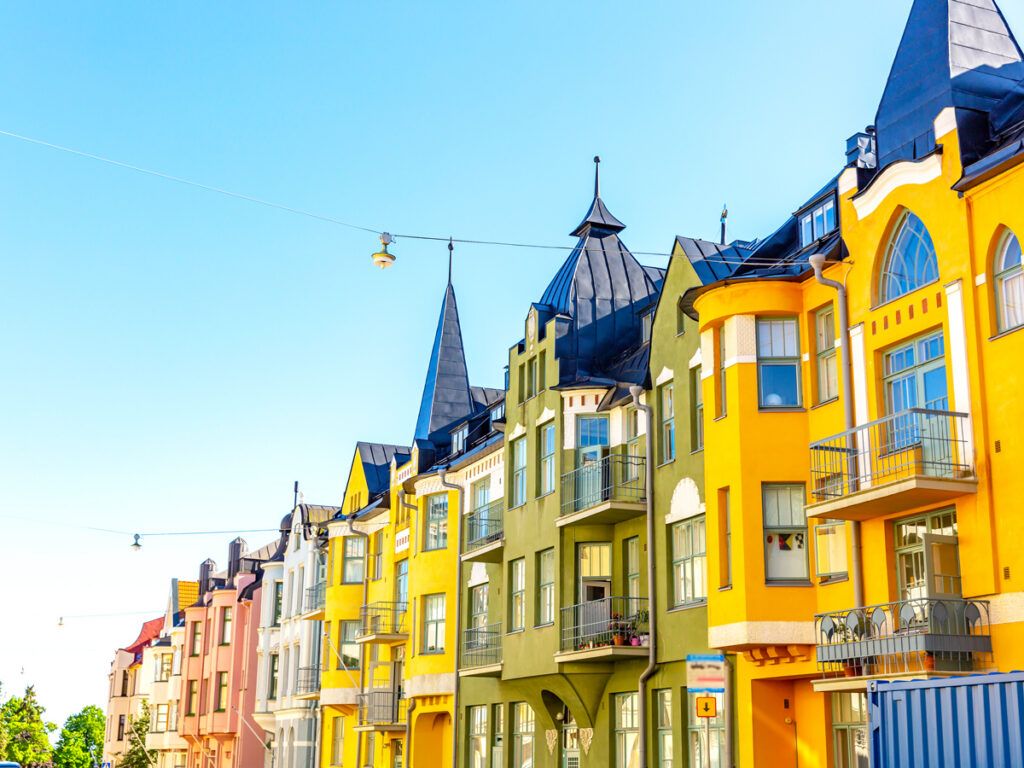
Frequently ranked as the happiest country in the world, Finland is also one of the least enthusiastic about small talk. As the popular local saying goes, “Hiljaisuus on kultaa, puhuminen hopeaa.” (“Silence is gold, speech is silver.”) It comes from a cultural belief that conversations should have a clear purpose. If there’s nothing meaningful to say, silence is perfectly acceptable in Finland. Long pauses that might feel awkward elsewhere are completely natural in this Nordic nation. This philosophy is applied not only among strangers, but also among family, close friends, and colleagues.
Sweden
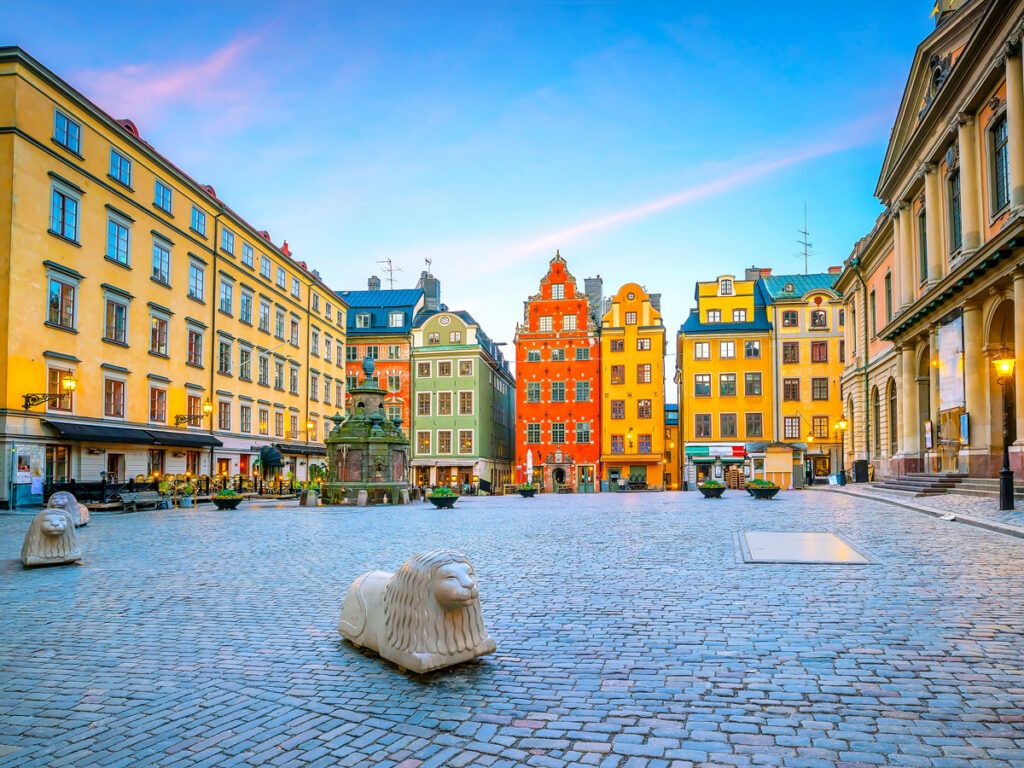
Small talk is uncommon in neighboring Sweden, too, where they call it kallprat (“cold talk”) or dödprat (“dead talk”), referring to meaningless chitchat. Many prefer to get on with their activities rather than strike up conversations with neighbors, old acquaintances, or strangers. It’s even common for apartment residents to wait until a hallway is empty before leaving home to guarantee a silent elevator ride. Some experts link this mentality to the country’s low population density and independent culture.
The Netherlands
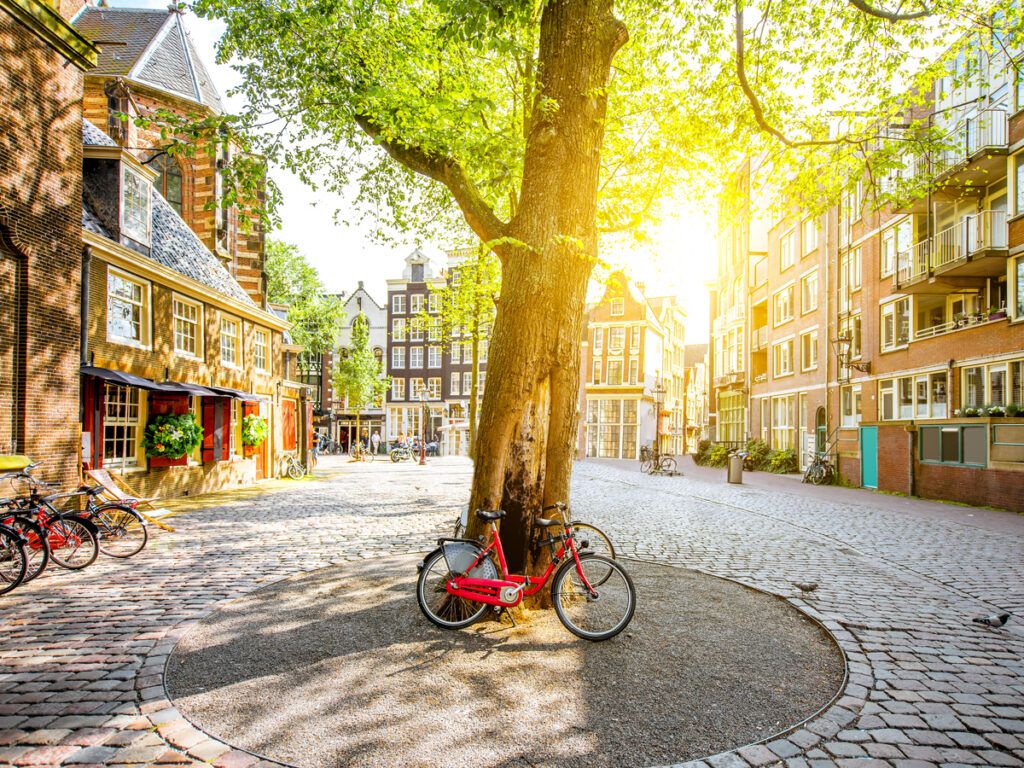
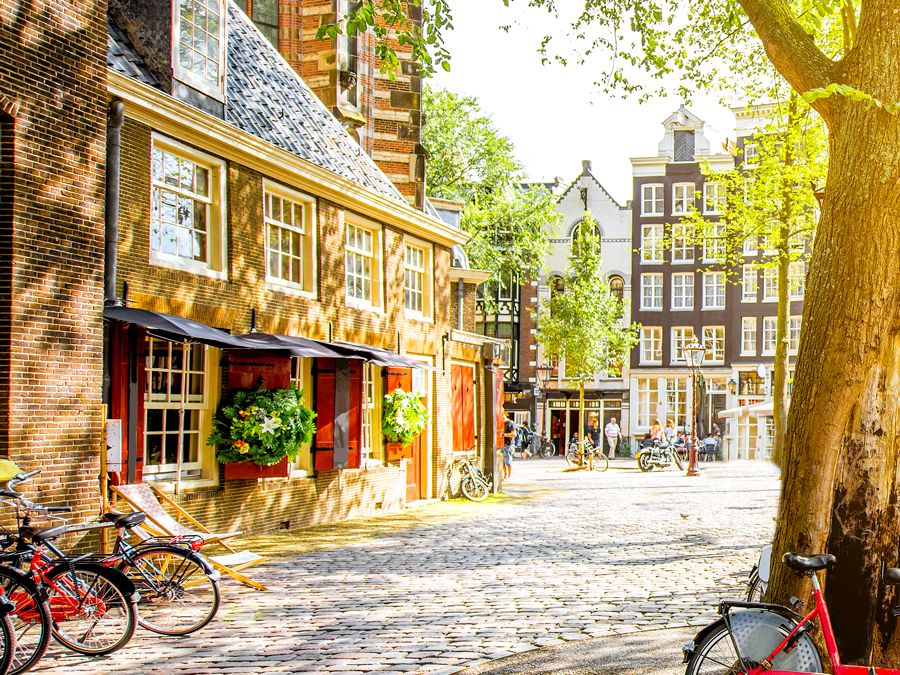
The Dutch are known for getting straight to the point, and that often shapes the way conversations unfold. While over koetjes en kalfjes praten (“small talk”) does exist — notably in multicultural cities like Amsterdam and Rotterdam — it usually has a purpose rather than simply filling a silent pause. Historically, the Dutch have preferred authenticity and directness over social niceties, such as asking about the weather or a recent vacation. If someone asks a question, they’re genuinely interested in the answer.
South Korea
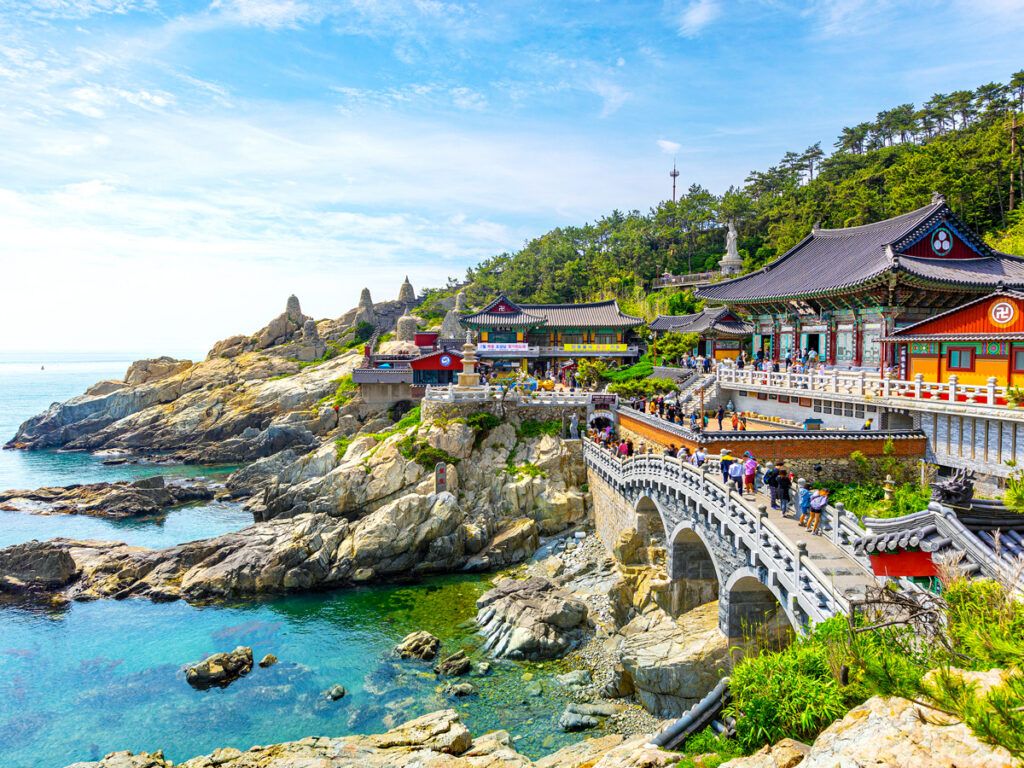
Small talk plays a much smaller role in South Korea than it does in many Western countries. Communication at coffee shops and supermarkets rarely strays from basic questions and answers, while elevator rides and public transport are usually silent affairs. This reserved trait is seen not as unfriendliness, but as a way of respecting the privacy and personal boundaries of others. Social interactions are also defined by age, status, and familiarity, meaning random conversations are less common in Korea. Instead, the ability to read the room, known as nunchi, is highly valued.
Japan

While locals don’t completely avoid it, small talk serves a different purpose in Japan than in many Western countries. Instead of the exchange of trivial information, it’s seen more as a way of maintaining wa, the concept of social harmony and making sure you’re on the same wavelength as the person you’re speaking with. Although striking up casual conversations with colleagues and intimate friends is OK, it’s unusual to do the same with a stranger. This is especially the case in large, fast-paced cities such as Tokyo.
More from our network
Daily Passport is part of Inbox Studio, an email-first media company. *Indicates a third-party property.