
9 National Parks Located Within Major Cities
Typically, visiting a national park means getting off the grid and venturing deep into nature. But in some major cities, you can have the best of both worlds. Here, national parks are found within a stone’s throw from downtown districts. Reached via public transportation, bike paths, and even on foot, these protected areas offer convenient access to spectacular natural, historical, and wildlife-rich landscapes. Read on to discover nine national parks located within the limits of major cities across the globe.
Table Mountain National Park – Cape Town, South Africa
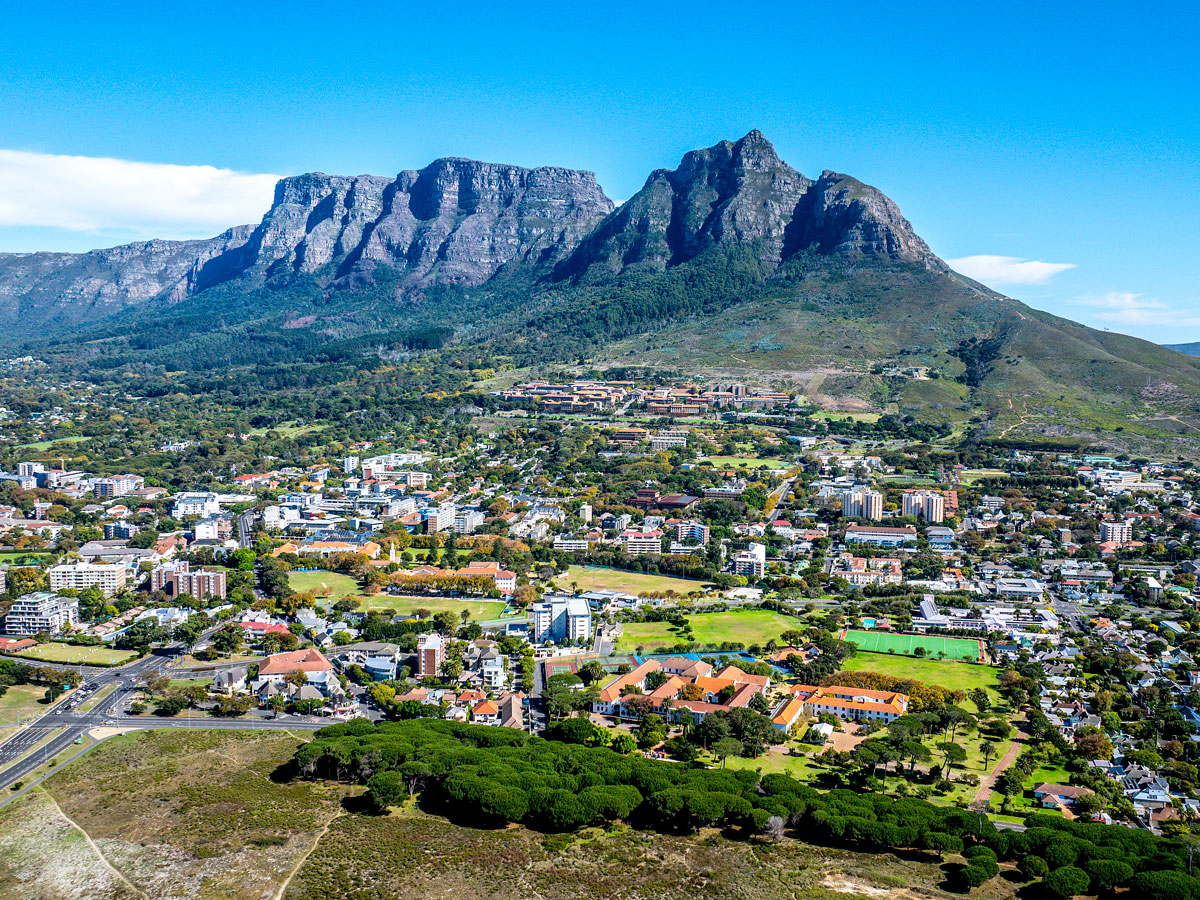
Visible from all over the city, Table Mountain National Park towers above Cape Town with its emblematic, often cloud-covered tabular mountain. After exploring the colorful districts and beaches of Cape Town, visit Table Mountain National Park for 85 square miles of flat-topped peaks, coastal cliffs, and rare fynbos vegetation. The park spills directly into urban neighborhoods like Camps Bay and Sea Point, with trailheads starting near residential streets and beaches.
Two of the most popular ways to reach the peak of Table Mountain are by hiking up Platteklip Gorge or by riding the rotating cableway to Table Mountain. Elsewhere, the moderately challenging hike to Lion’s Head rewards hikers with views of the Cape Peninsula and Twelve Apostles mountains.
Rouge National Urban Park – Toronto, Canada
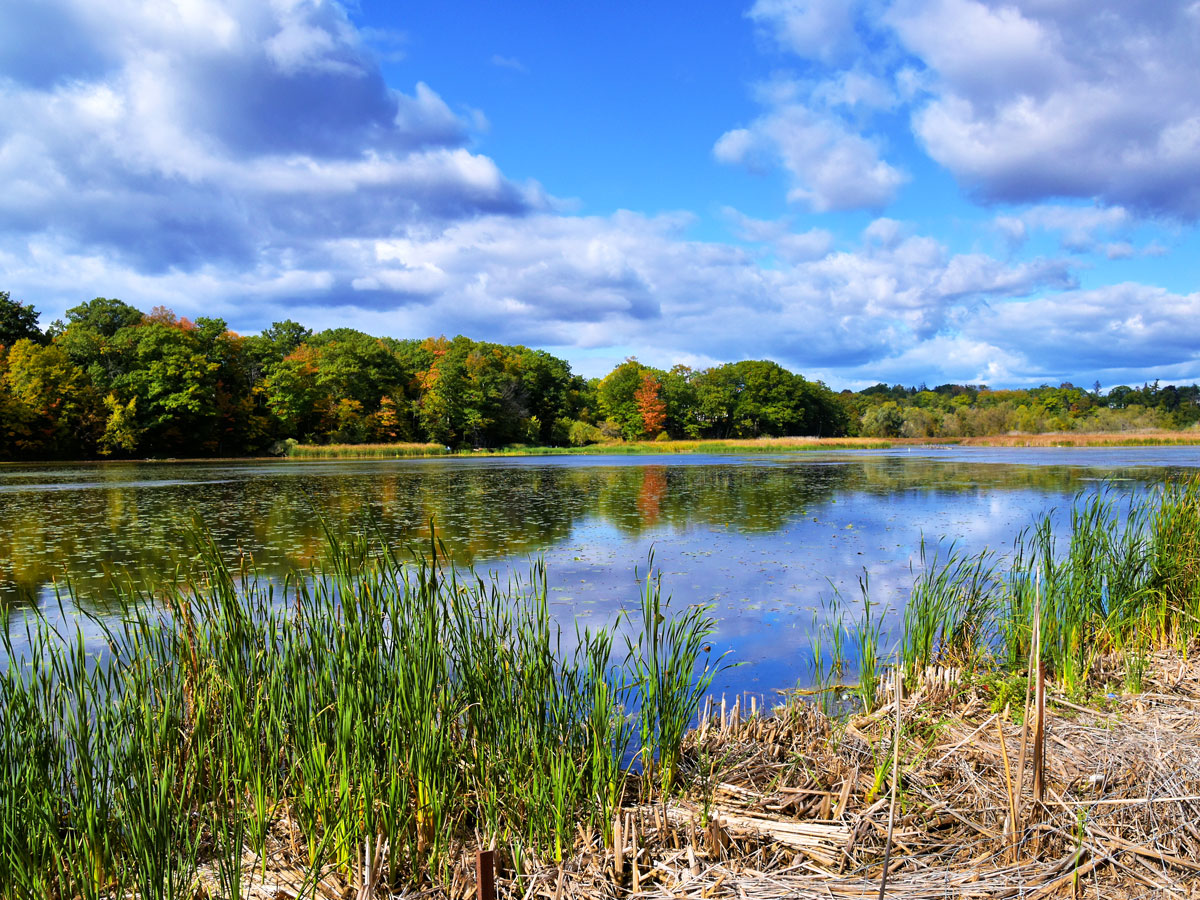
Established in 2015, Rouge National Urban Park was the first park designated as a national urban park in Canada. One of North America’s largest urban parks, it stretches from the shores of Lake Ontario on Toronto’s east end, inland along the Rouge River, through forests, wetlands, and working farmland.
Visitors can hike on nature trails, wade in rivers, go canoeing, and swim at lakeside Rouge Beach. The changing seasons present diverse scenery, from the striking colors of the fall foliage to winter snowfall, when cross-country skiing and snowshoeing are popular. Volunteer programs encourage locals to protect the park through guided walks, restoring ecosystems, wildlife photography, and other hands-on activities.
Margalla Hills National Park – Islamabad, Pakistan
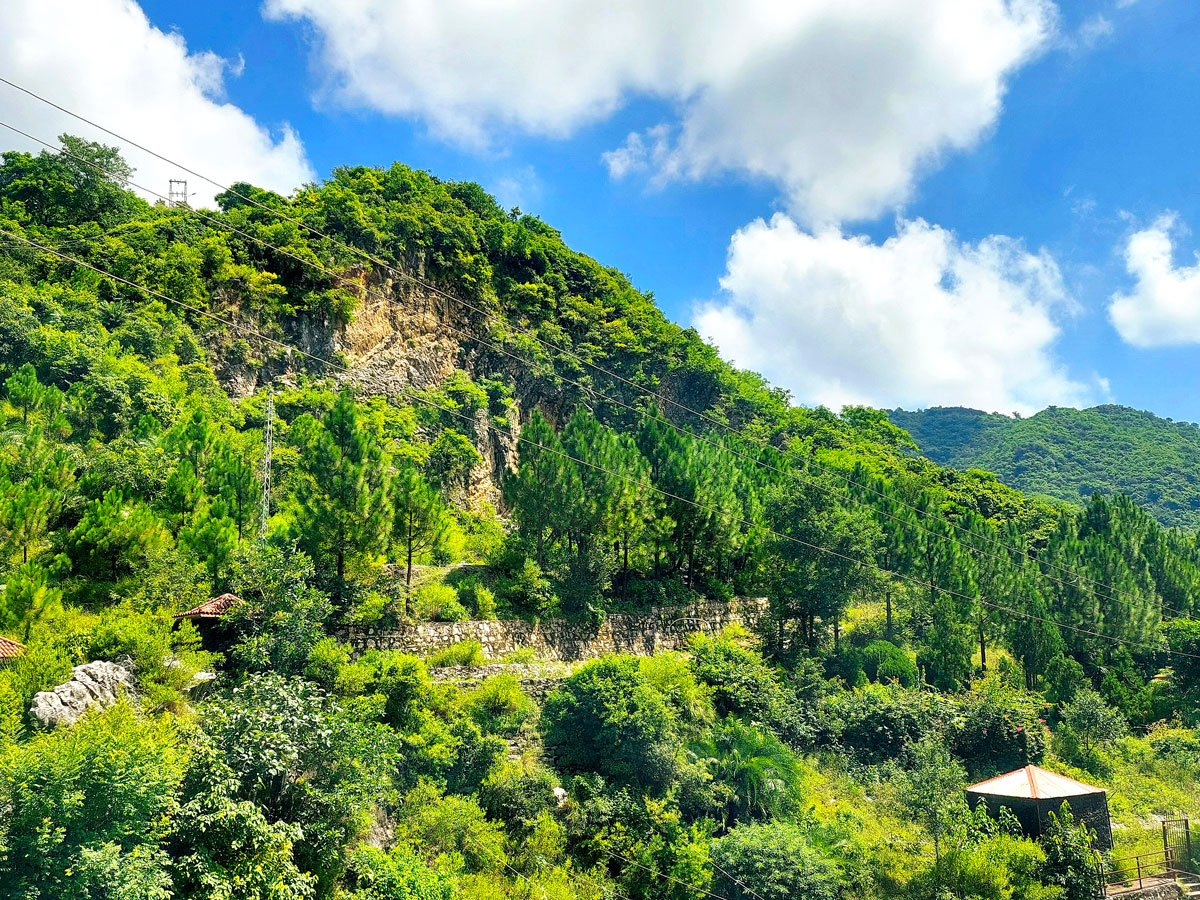
Margalla Hills National Park forms a verdant wall of forested ridges and limestone cliffs at the edge of Islamabad’s urban grid. Set within the Himalayan foothills, it’s easily reachable from the city, with public buses leading straight to the park entrances. Expect a network of trails ranging from easy walks to challenging climbs, all with panoramic views.
Among the most popular routes are Trails 3 and 5, both of which present steep yet rewarding climbs to lookout points. Interpretive signs provide insights into the park’s history, while wildlife spotting can include bears, leopards, and the Himalayan goral, a cross between a goat and an antelope.
Sanjay Gandhi National Park – Mumbai, India
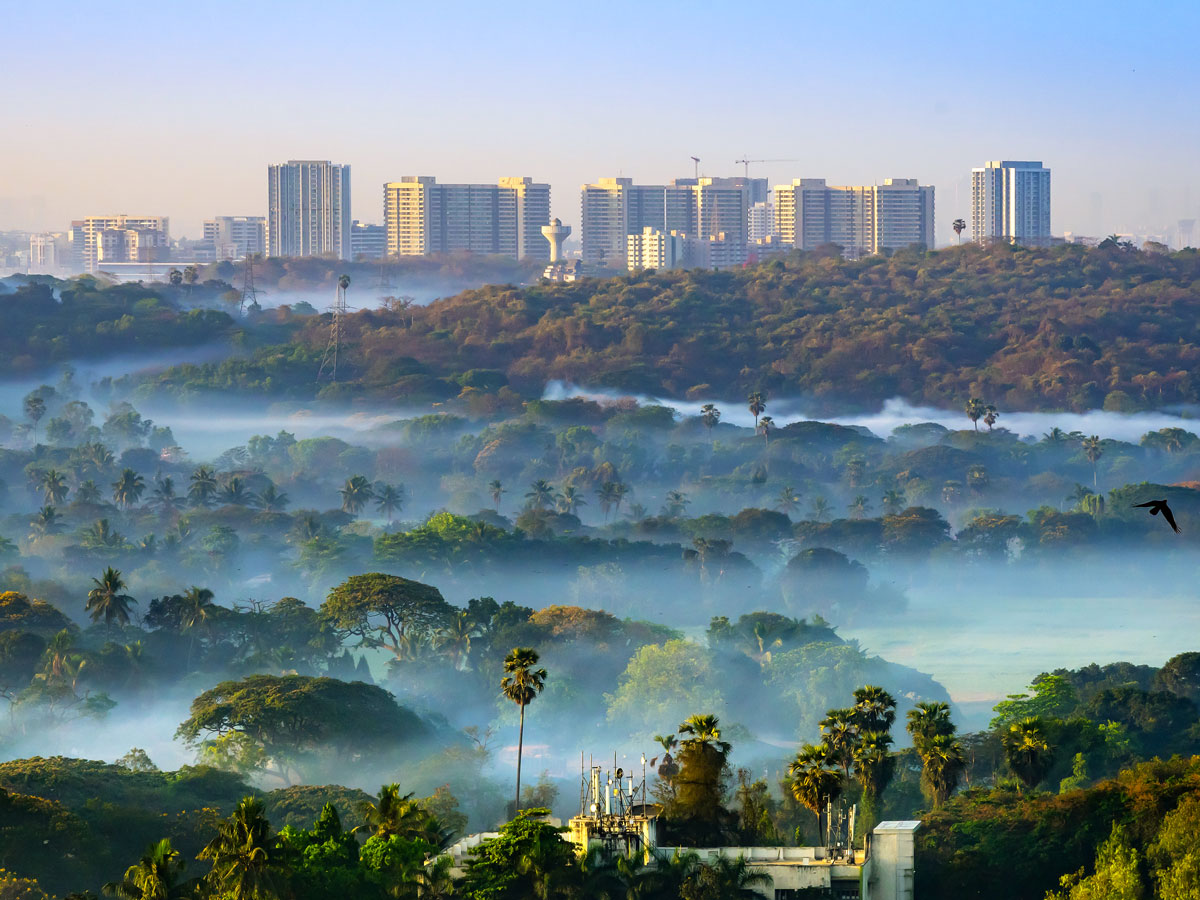
Beyond the bustling bazaars and high-rises of central Mumbai lies Sanjay Gandhi National Park. It protects forested hills, grassland, and lakes within the metropolitan boundary, where over a thousand plant species and almost 500 animal species thrive. Among the most famous landmarks are the Kanheri Caves: Dating back to the first century BCE, this collection of rock-cut caverns features Buddhist statues, living quarters, prayer halls, and stupas. Visitors can also hike the shaded Shilonda Trail or swim in the watering hole of Yeor Waterfall. While winters are great for hiking and spotting fauna, the park is at its greenest during the monsoon period.
Nairobi National Park – Nairobi, Kenya
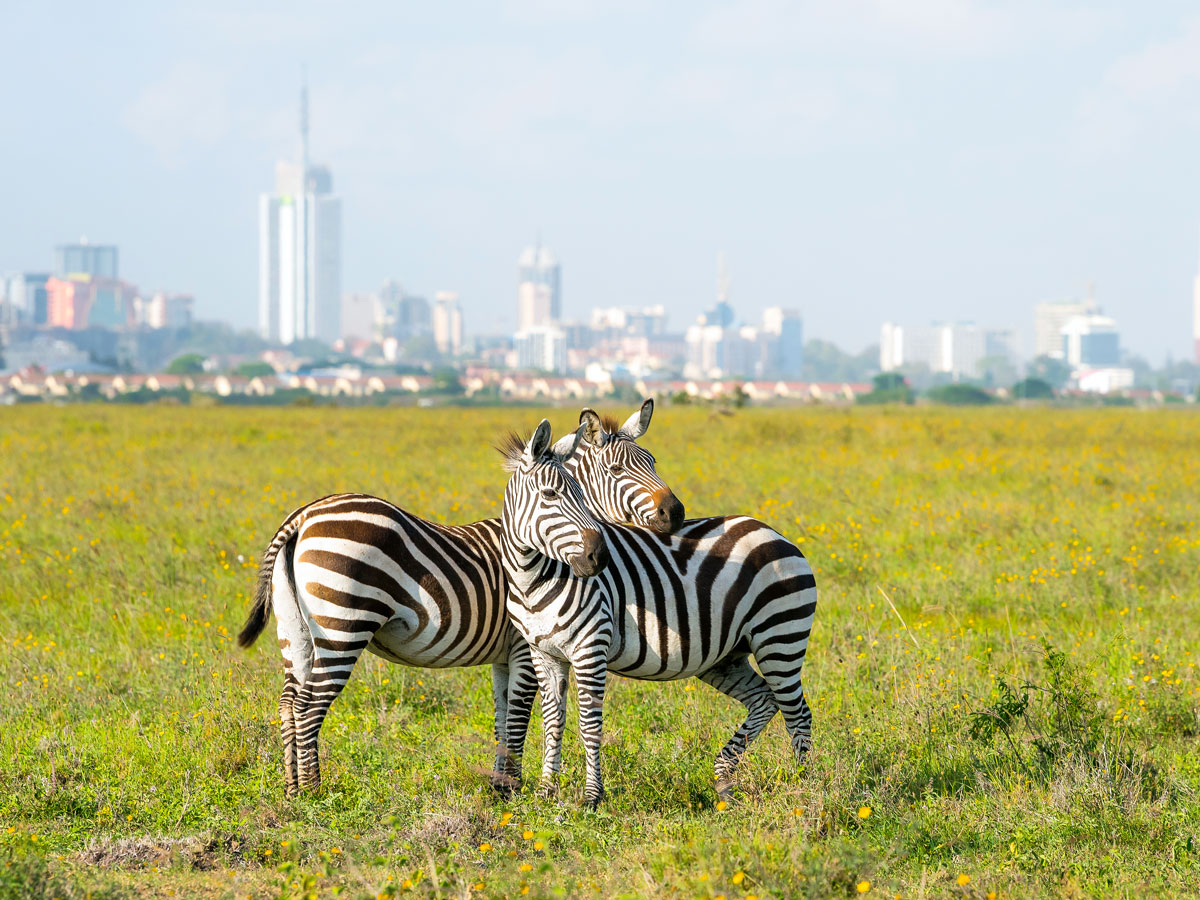
The main entrance to Nairobi National Park is within a 30-minute drive from central Nairobi, making it one of the world’s most accessible safari destinations. From various points around the park, you can see the city rise over the surrounding savanna as buffalo, black rhinos, giraffes, lions, and zebras roam freely. With guided game drives, self-guided drives, and ranger walks, this is a rare opportunity to enjoy spectacular wildlife adventures on a city doorstep. Don’t miss the Nairobi Safari Walk, an elevated boardwalk with interpretive signs and up-close animal encounters.
Tijuca National Park – Rio de Janeiro, Brazil
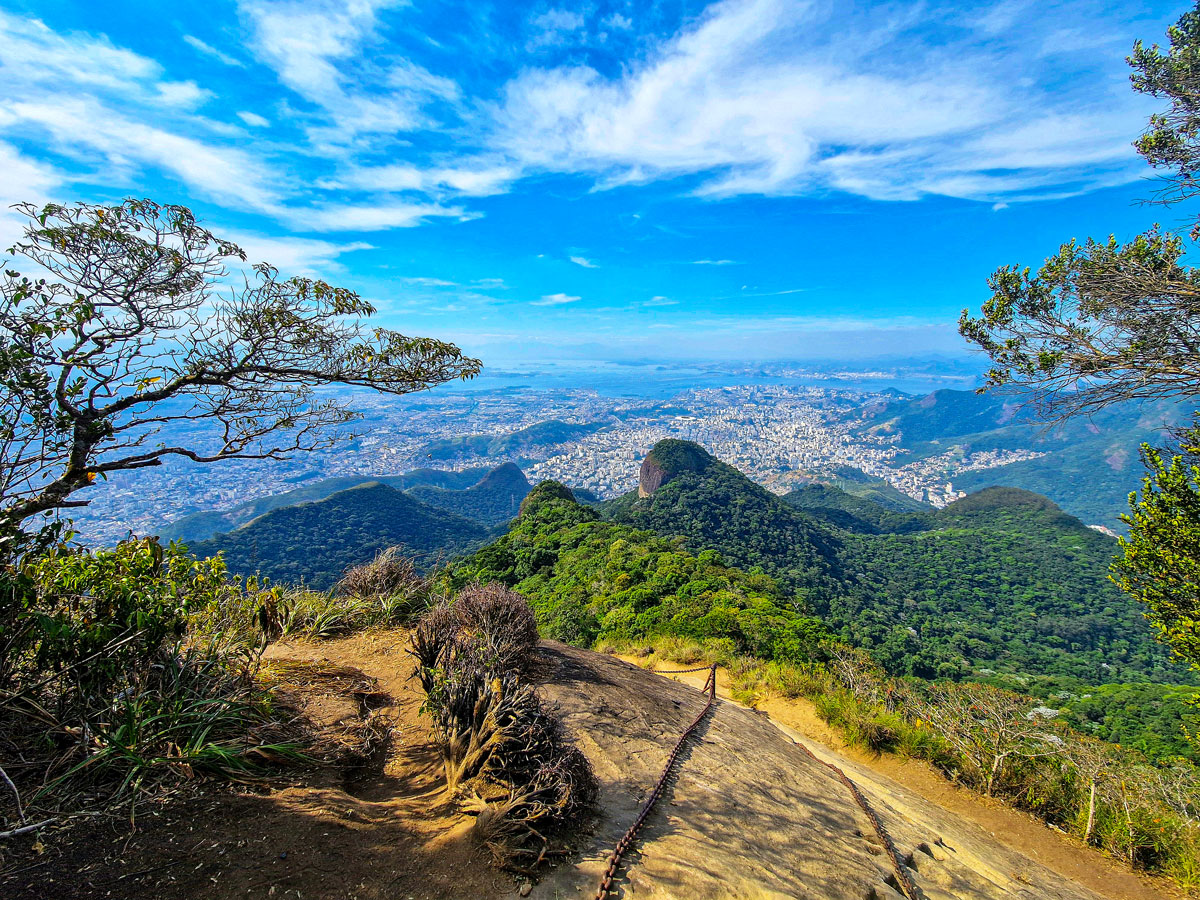
With jungle-clad mountains, world-famous beaches, and iconic landmarks at every turn, Rio de Janeiro has plenty to keep visitors occupied. But did you know that Rio is also home to one of the planet’s largest urban forests? Tijuca National Park is a UNESCO World Heritage Site and Biosphere Reserve that shelters 1,619 plant species and 300 animal species. They are found among the caves, rainforest, waterfalls, and tall peaks like Corcovado, crowned by the famous Christ the Redeemer statue. Trails ranging from easy walks to challenging hikes crisscross the park, where you might spot wildlife such as howler monkeys and toucans.
Bukhansan National Park – Seoul, South Korea
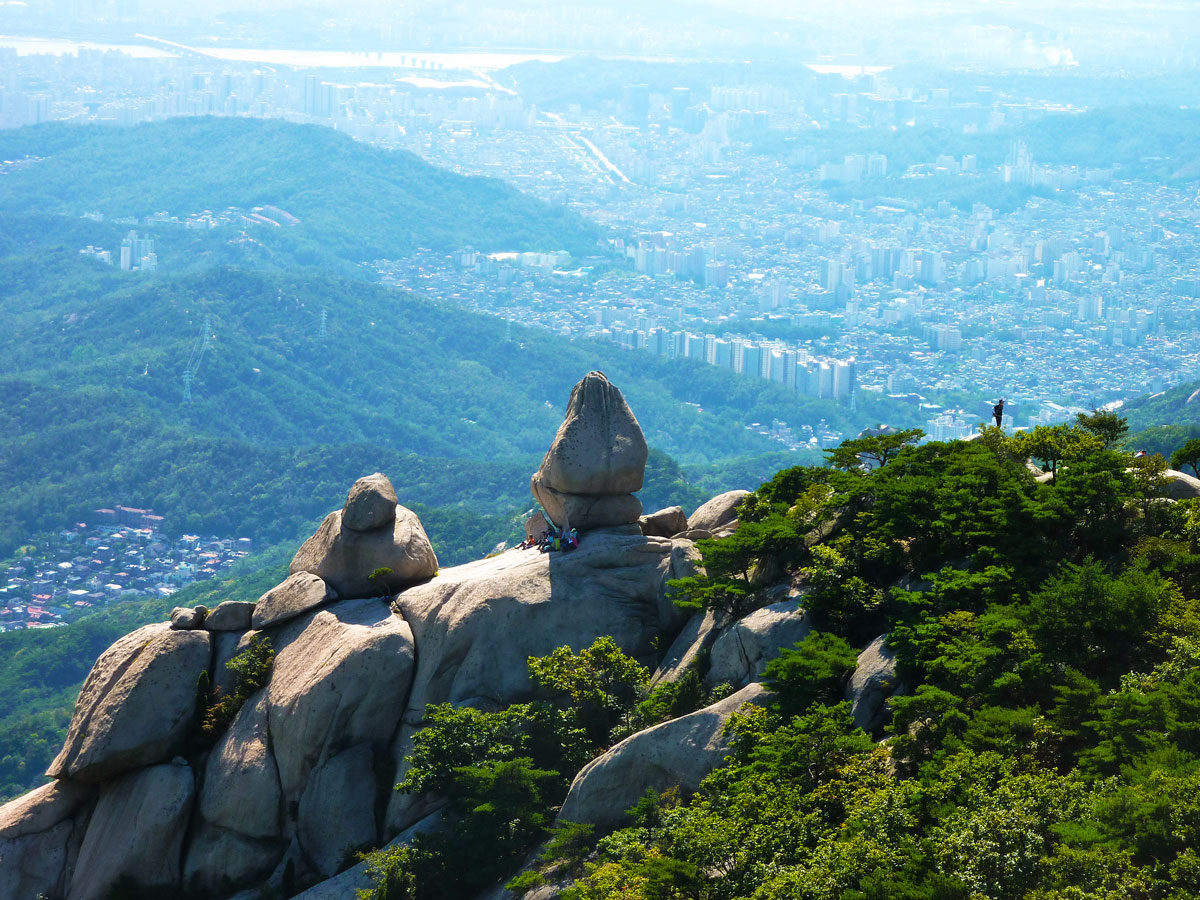
Bukhansan National Park rises abruptly from Seoul’s northern reaches with 30 square miles of dramatic granite peaks, forested ridges, and hiking trails. It’s loosely split into two distinct areas. To the north is the Dobongsan area, notable for its 2,430-foot namesake peak and the Buddhist temples of Cheonchuksa and Mangwolsa. The southern section revolves around 2,743-foot Baegundae Peak.
Public buses and the subway offer convenient connections to the park, and hikes range from the strenuous Bukhansan Trail to the moderate Bokumum Course. Another highlight you shouldn’t miss is the Bukhabsabseong Fortress, which dates back to 132 CE.
Gateway Arch National Park – St. Louis, Missouri
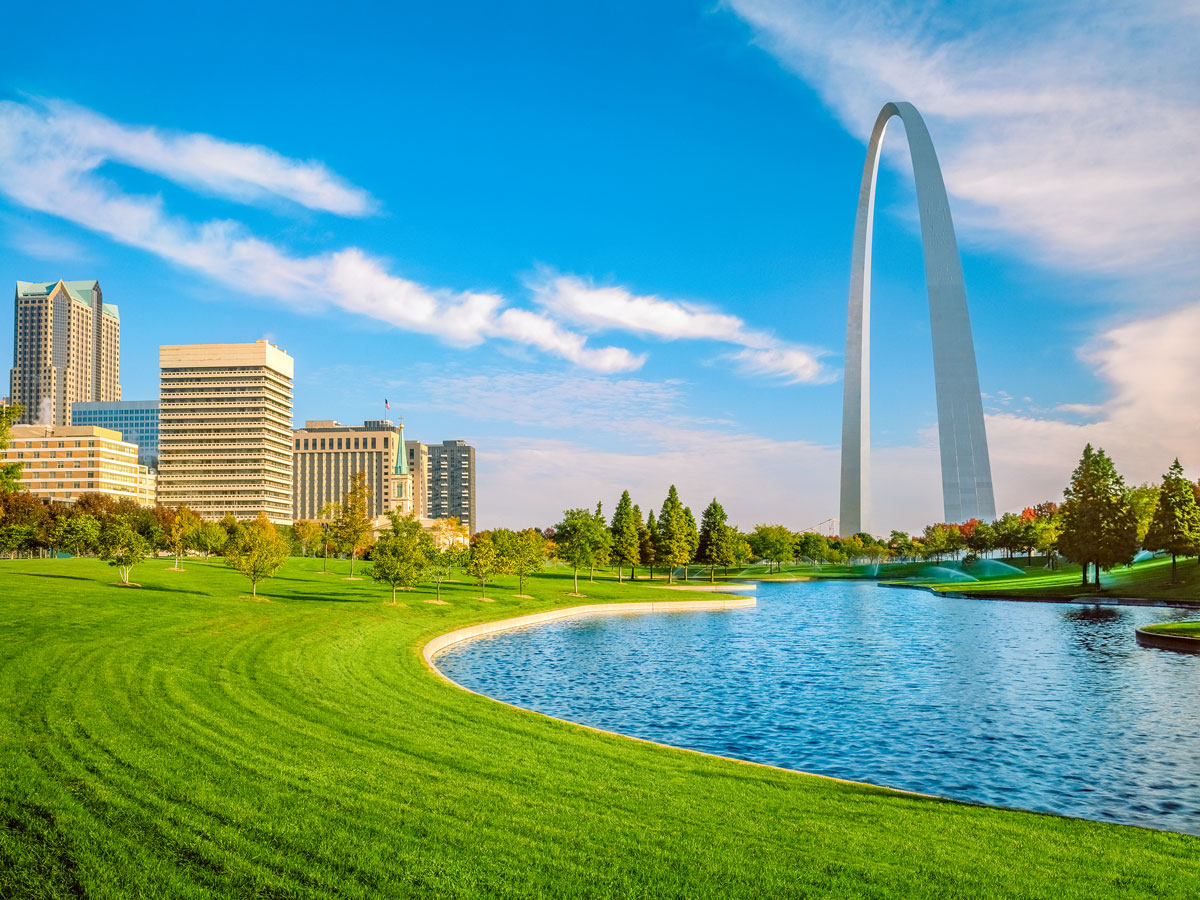
Set along the Mississippi River in downtown St. Louis, 91-acre Gateway Arch National Park is the smallest national park in the U.S. National Park Service — and one of the newest. Previously protected as the Jefferson National Expansion Memorial before it was redesignated in 2018, the park commemorates America’s westward expansion following the 1803 Louisiana Purchase.
Of course, the centerpiece of the park is the 630-foot Gateway Arch, and tram rides take visitors to an observation deck with sweeping views of St. Louis. But the park also features a museum, the historic Old Courthouse, and a bronze sculpture of pioneering explorers Lewis and Clark.
Sydney Harbour National Park – Sydney, Australia
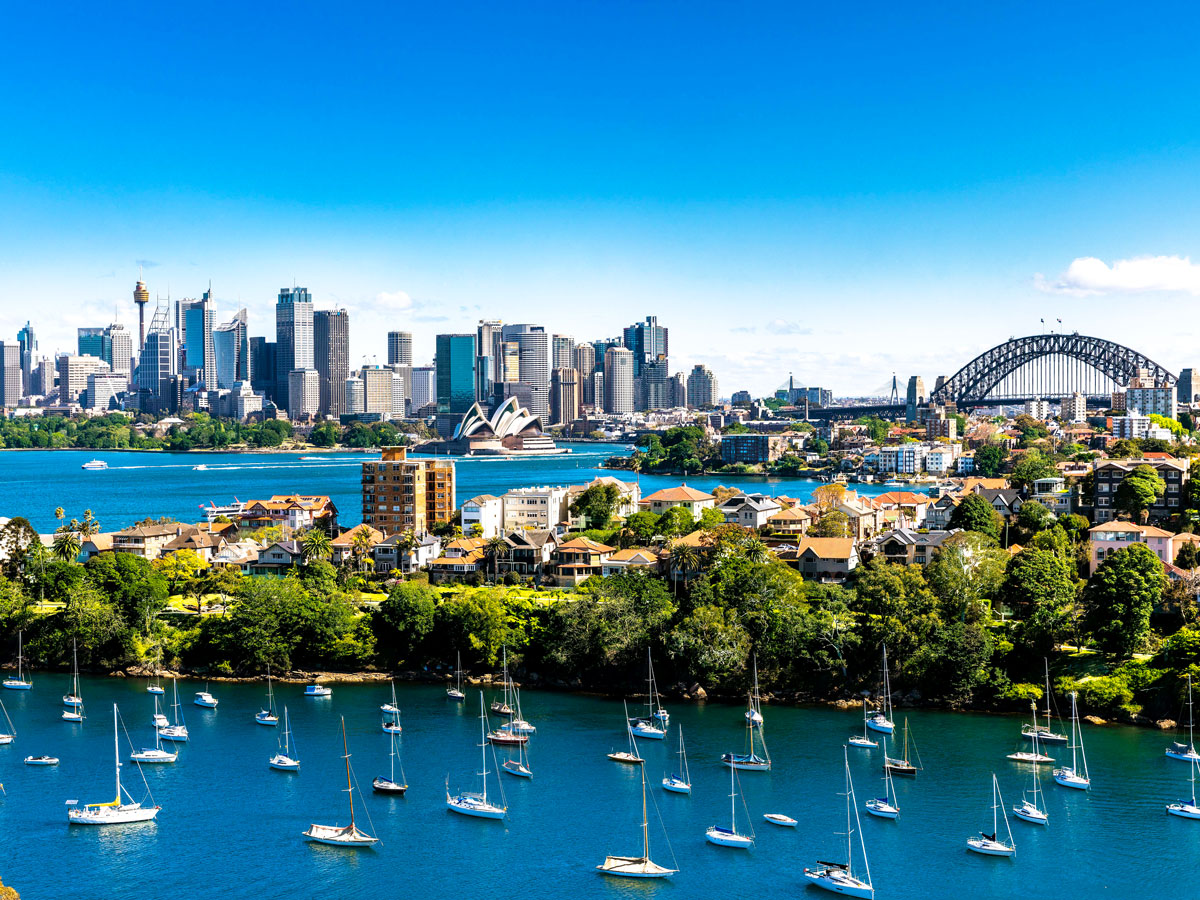
Sydney Harbour National Park preserves pockets of beaches, bushland, and historic sites scattered around one of the world’s most instantly recognizable harbors. Covering the shoreline of several Sydney neighborhoods and accessible via public transportation, this national park spreads across picturesque headlands and harbor islands.
Scenic spots like Bradleys Head offer views of the iconic Sydney Harbour Bridge and Sydney Opera House, while Nielsen Park is home to the isolated Shark Beach. Head along the South Head Heritage Trail for a mix of beaches, military remnants, and whale watching.
More from our network
Daily Passport is part of Inbox Studio, an email-first media company. *Indicates a third-party property.