


7 Surprising Destinations Where English Is Widely Spoken
English is the world’s most spoken language, but it often turns up in corners of the globe you might not expect. Some countries have inherited it through past empires, some have embraced it through trade and tourism, and others are influenced by large expat communities. Whether you’re navigating public transit systems, ordering food, or simply chatting with locals, the ability to communicate in English can make travel refreshingly stress-free (though it’s always a good idea to learn at least a few key words and phrases in the local language, if there is one). Discover seven perhaps surprising destinations where English is widely spoken.
Belize
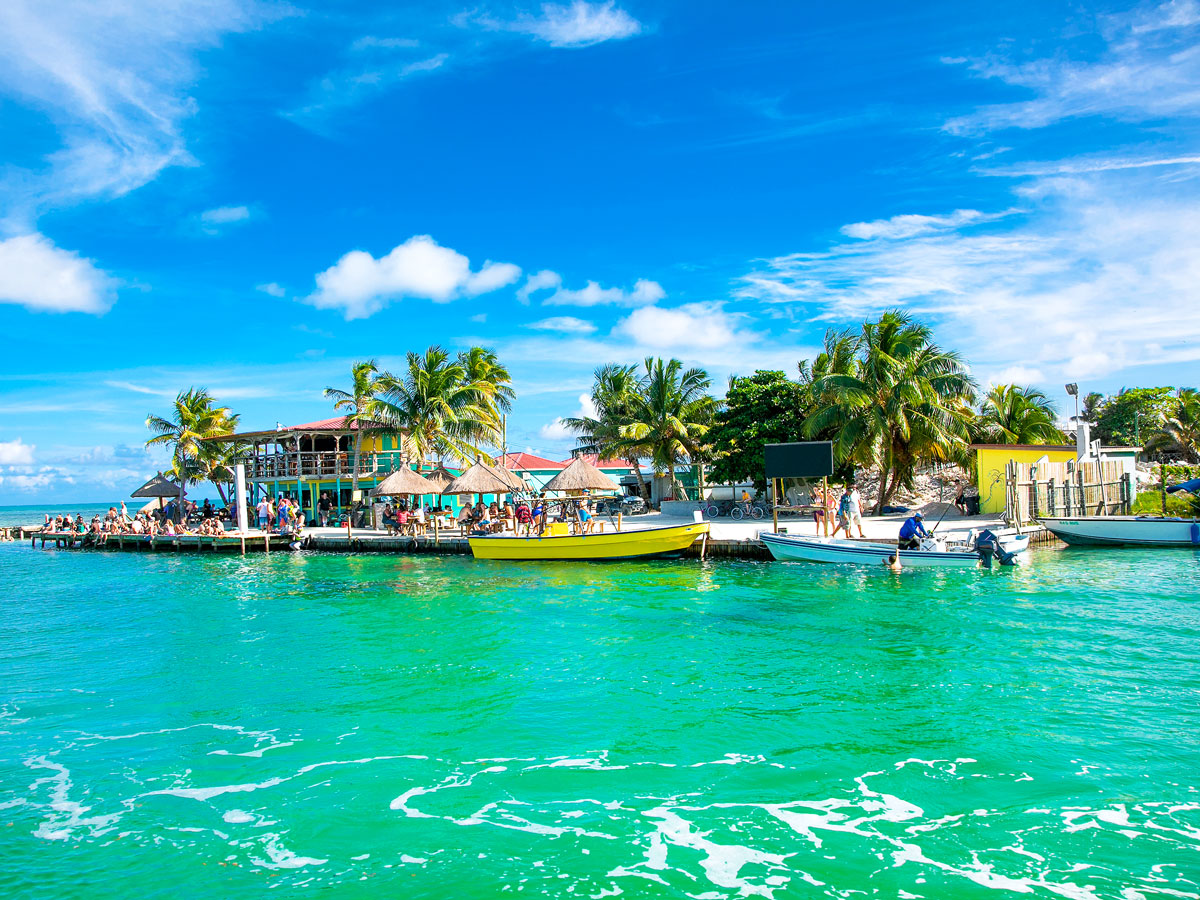
Bordered by Guatemala, Mexico, and the Caribbean Sea, Belize is the only Central American country to adopt English as its official language. Though many locals also speak Belizean Creole and Spanish, English is the language of choice for business, education, government, and general daily communication. This is due to a long history of British colonial presence beginning in 1638. In 1840, the territory became known as the Colony of British Honduras, and in 1862, it was declared a crown colony. Belize became a self-governing nation in 1964 and finally gained independence in 1981.
Travelers are drawn to Belize’s extraordinary biodiversity, ranging from its mangrove-lined coastline to its verdant jungles and mountain ranges. Much of the country is protected by reserves like Cockscomb Basin Wildlife Sanctuary, home to wildlife such as tapirs and toucans. Offshore, the Belize Barrier Reef — the second-largest global reef after the Great Barrier Reef — promises world-class diving and snorkeling. Back on land, adventure awaits at the Chiquibul Cave System, the longest in Central America, while Caracol and Xunantunich offer a glimpse of the country’s ancient Maya culture.
Guyana
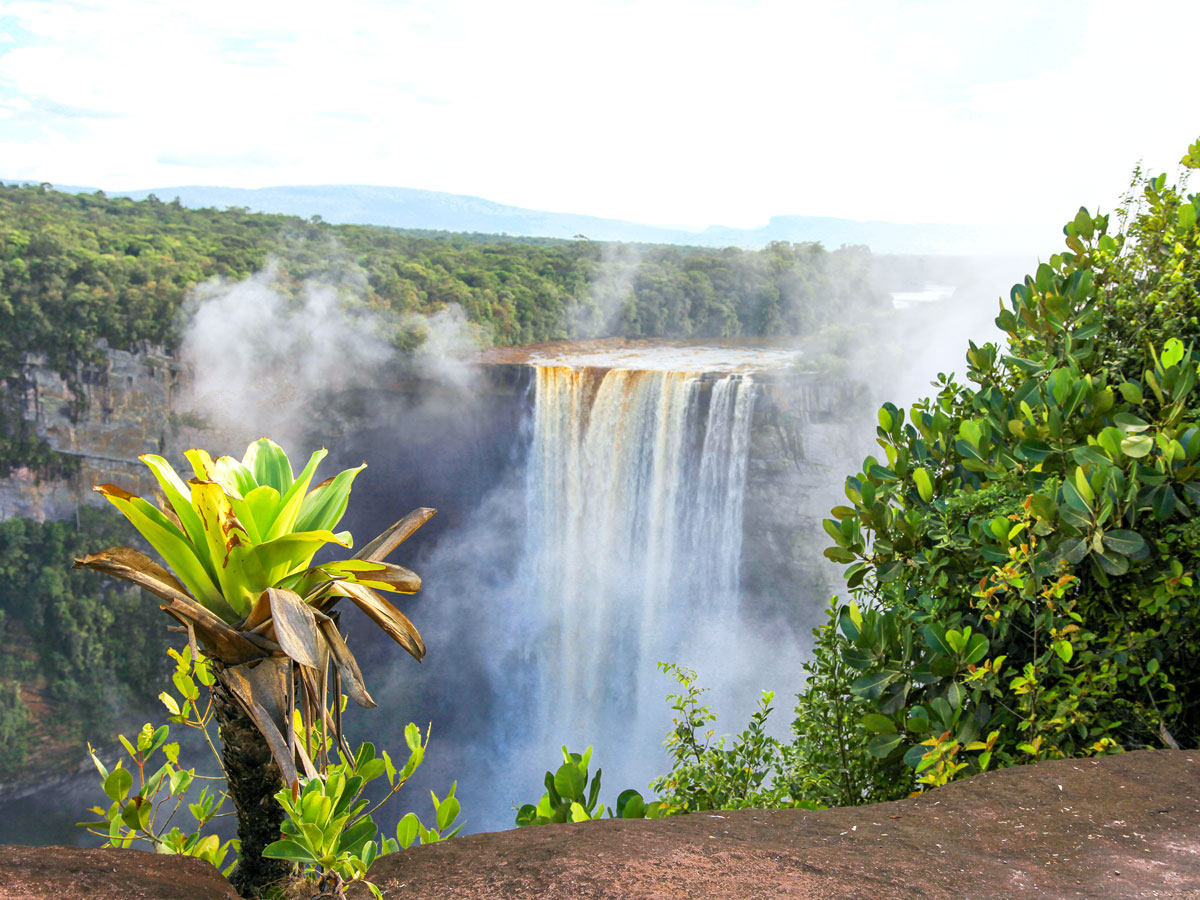
On the North Atlantic coast of South America, Guyana stands out linguistically as the continent’s sole nation with English as its official language. Following years of intermittent Dutch, French, and British colonial rule, the country became the Colony of British Guiana from 1814 until 1966, when it gained independence from the U.K. Today, English can be heard everywhere from schools and the media to the street vendors at Georgetown’s bustling markets. The British influence is not only in the language, but also in the country’s Victorian-era architecture and cricket culture.
For those who make it to this lesser-visited corner of South America, Guyana offers some of the continent’s most unspoiled landscapes. Kaieteur Falls, one of the world’s tallest single-drop waterfalls, is a standout attraction. In the remote Rupununi Savannah, there are opportunities to spot flora and fauna such as giant anteaters, otters, and water lilies. The capital city of Georgetown has plenty of charms, too, including the wooden Gothic-style St. George’s Anglican Cathedral and cricket matches at the Bourda.
Malta
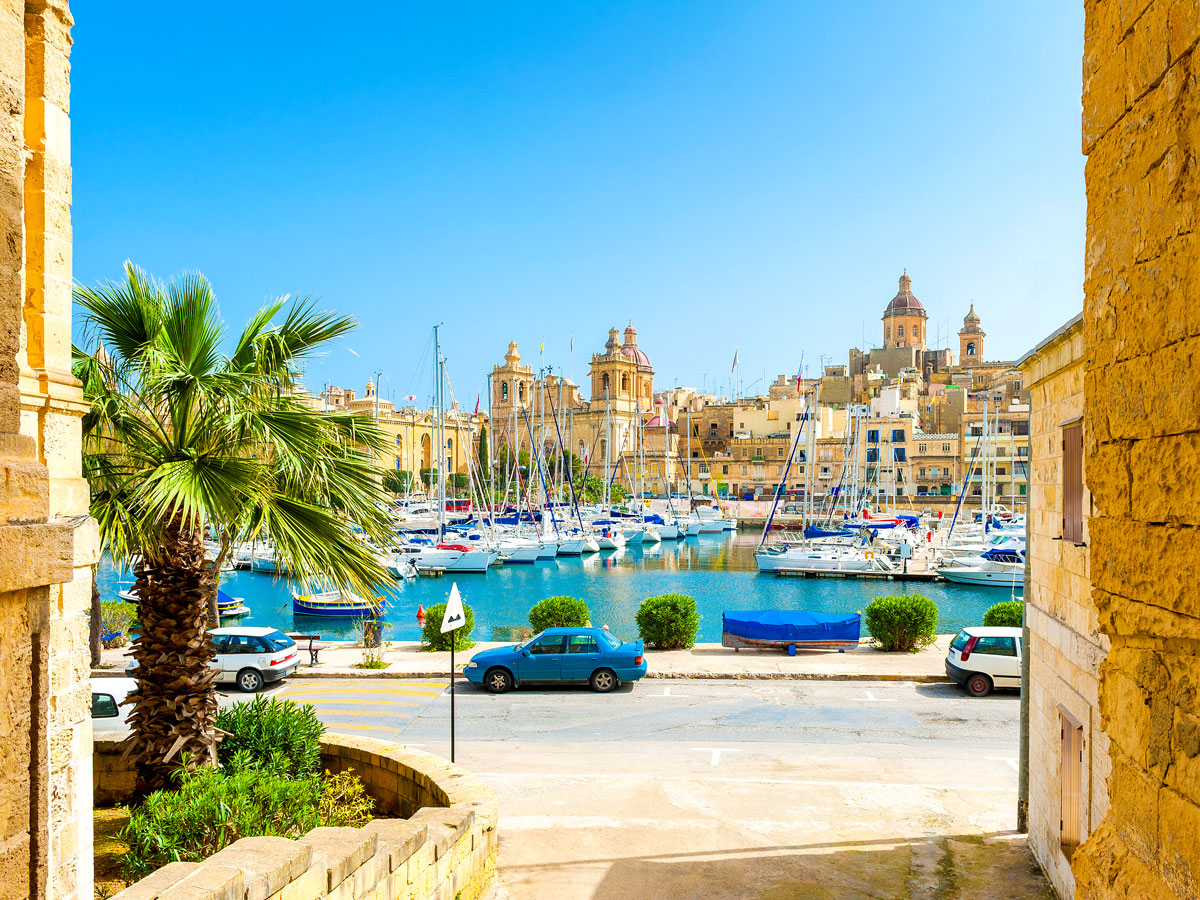
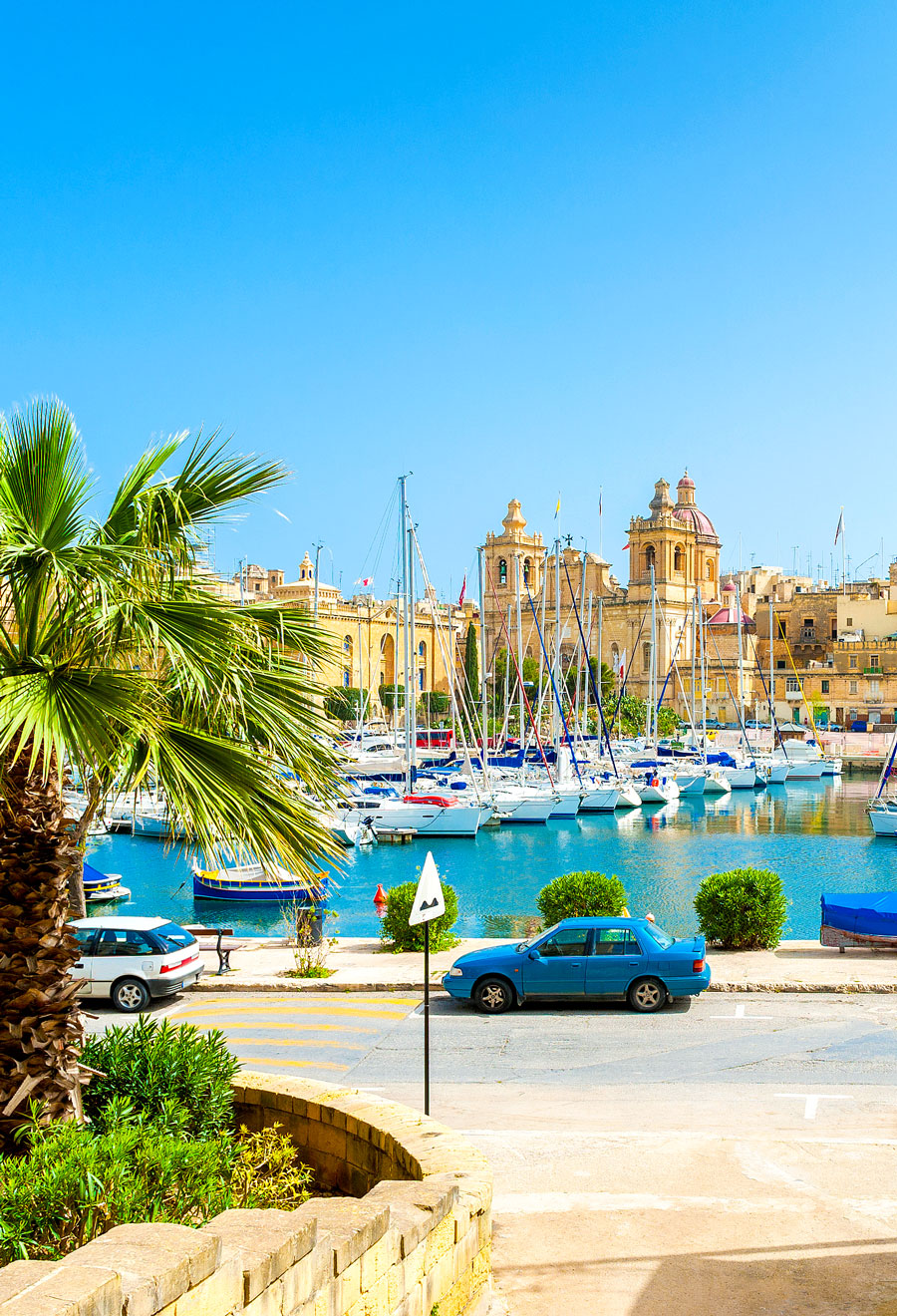
English has deep roots in Malta thanks to more than 150 years of British rule, and today it stands as one of the two official languages alongside Maltese. English is the predominant language for driving and road signs, government services, universities, and the business and tourism sectors. And as in the U.K., cars drive on the left in Malta, since road rules are based on the U.K. Highway Code.
Valletta, the first port of call for many visitors to Malta, stuns visitors with its Baroque architecture and harborside fortresses. The island’s legacy of British culture is also found at traditional pubs and fish and chips shops. Inland from the capital, Mdina is the “Silent City,” popular for its winding medieval lanes, stately buildings, and sea views. Away from the main island, Gozo offers a slower pace alongside pretty beaches, and Comino’s Blue Lagoon is an ethereal blend of turquoise waters and rocky coastlines.
Federated States of Micronesia
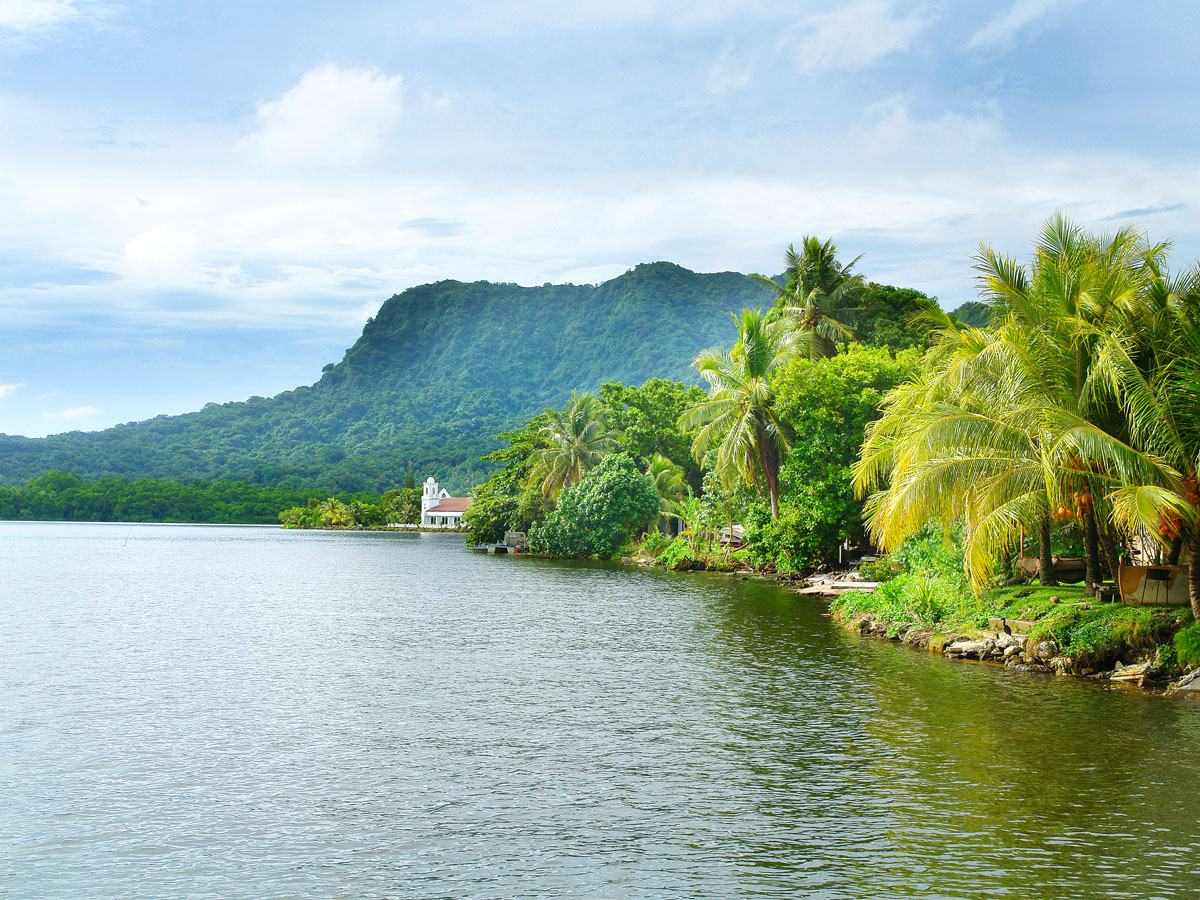
Stretching 1,700 miles west to east in the remote Western Pacific Ocean, the Federated States of Micronesia consists of 607 islands. First settled by voyagers sailing from Asia and Polynesia, the islands were later visited by Spanish, German, and Japanese explorers. They came under U.S. rule following World War II (until 1986). English became the prominent language during that time and is still the default for government and commerce. There are also eight Indigenous languages spoken, including Chuukese, Pohnpeian, and Yapese.
Tourism here is low-key and geared toward the outdoors and nature, though travelers should bear in mind that this is among the world’s most expensive countries to visit. On the island of Pohnpei, Palikir is one of the world’s smallest capital cities, with surfing, diving, and waterfall hikes among the main attractions. Diving is also popular around Kosrae, whose waters shelter hundreds of types of coral and over 250 fish species, including the grey reef shark. Meanwhile, Chuuk offers wreck diving with the remnants of Japanese army war sites.
The Philippines
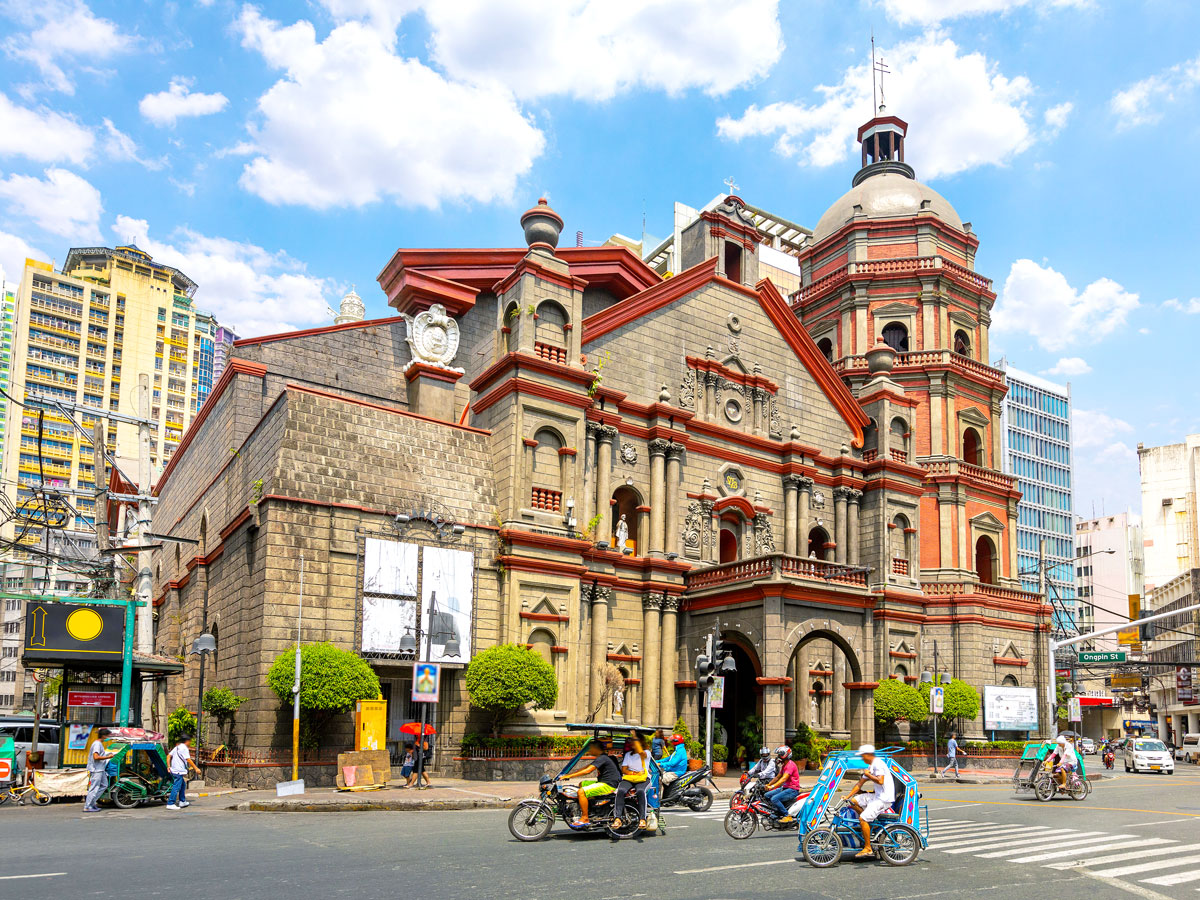
Among over 100 Austronesian languages spoken across the Filipino archipelago, English has been one of the major working languages since the early 20th century. After the U.S. took control of this island nation in 1902, English became dominant in business, government, and the new public school system. The language was so ingrained in the culture that it remained in use even after the Philippines gained independence in 1946. Today, English is heard alongside Filipino, a standardized form of the Tagalog language heavily influenced by both English and Spanish.
From surfing on Siargao Island to the limestone cliffs and lagoons of Palawan and the rice terraces of the Cordillera mountains, adventures are limitless across the 7,000-plus islands of the Philippines. The capital, Manila, is the world’s most densely populated city. Here, the Ateneo de Manila University hosts an annual celebration of writer Paz Marquez Benitez, whose 1925 book Dead Stars was the first modern Filipino short story published in English.
Singapore
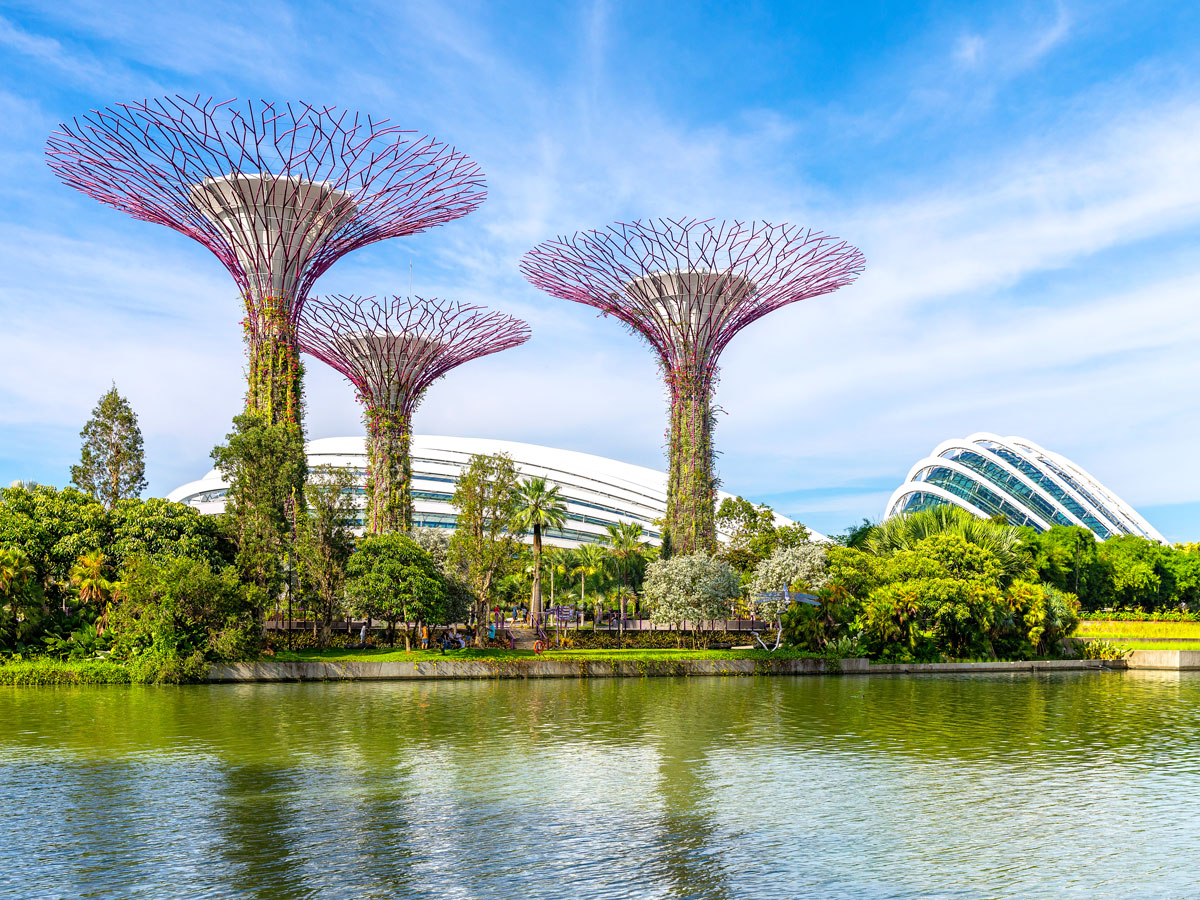
Introduced by the British in the 19th century, English evolved into a natural communication bridge between diverse cultures in this multilingual society following independence. Singapore’s first television station, Radio Television Singapore, introduced a dedicated English channel in 1963. In schools, students started to learn English alongside the country’s other official languages: Chinese Mandarin, Malay, and Tamil. Those four official languages have since merged to create a local, nonstandardized dialect known as Singlish.
A linguistic ease coupled with a city that runs like clockwork and a dining scene like no other guarantee memorable experiences in Singapore. The Lion City is where glistening skyscrapers rise above UNESCO-listed monuments, innovative gardens, and multicultural neighborhoods such as Chinatown and Little India. Even just passing through on a layover at Singapore Changi Airport — named the world’s best airport — is a must on many globetrotters’ bucket lists.
Ghana
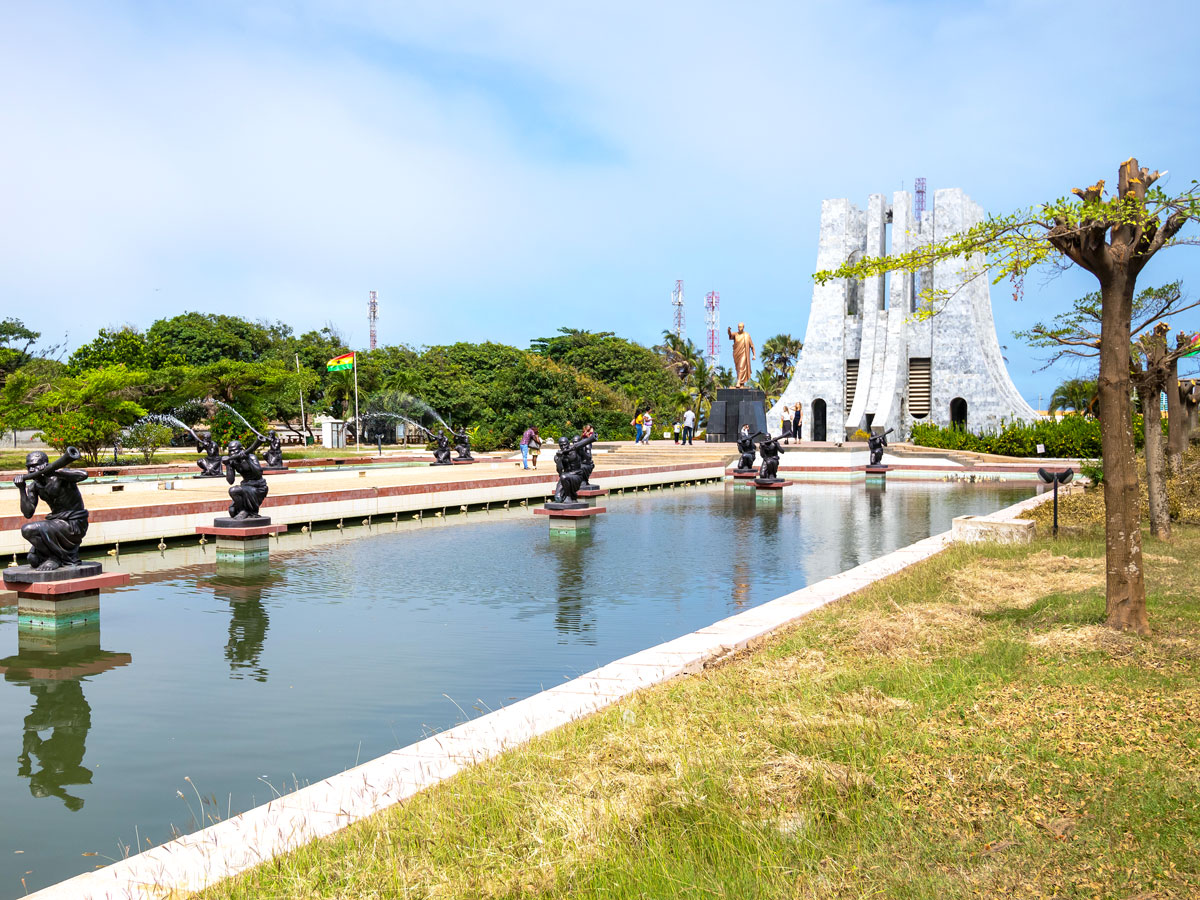
English in Ghana took hold progressively in the 17th century as the British began occupying forts and displacing Portuguese influence. The use of the language was cemented in the subsequent colonial years, and it maintained its importance after Ghana gained independence in 1957. It now coexists with up to 70 Indigenous languages, including Akan, Ewe, Ga, and Dagbani. Many Ghanaians speak fluent English, with Ghanaian English (especially Ghanaian Pidgin) often omitting consonants to make words like opi (“open”) and stan (“stand”).
Stretching north from the shores of the Gulf of Guinea in West Africa, Ghana is a destination that rewards the adventurous. Historic forts like Cape Coast Castle and Elmina Castle dot the coastline, and the city of Kumasi offers a glimpse into the Asante Empire. The Akwasidae Festival is a celebration of Asante culture held in the city every sixth Sunday. Elsewhere, travelers can find rainforest canopy walks in Kakum National Park and bird-spotting in Bunso Arboretum.
More from our network
Daily Passport is part of Inbox Studio, an email-first media company. *Indicates a third-party property.