





The States With Multiple Time Zones (And the Travel Mistakes It Causes)
Most U.S. states are confined to a single time zone, but there are some instances where parts of a state are an hour ahead of or behind other areas within the same state. While many locals have adjusted to these unusual circumstances, the odd time differences may create headaches for uninformed visitors. Take a look at the U.S. states split into multiple time zones and why it can be a problem for travelers.
States Split Into Multiple Time Zones
There are 15 U.S. states split into two time zones. (No state has more than two.)
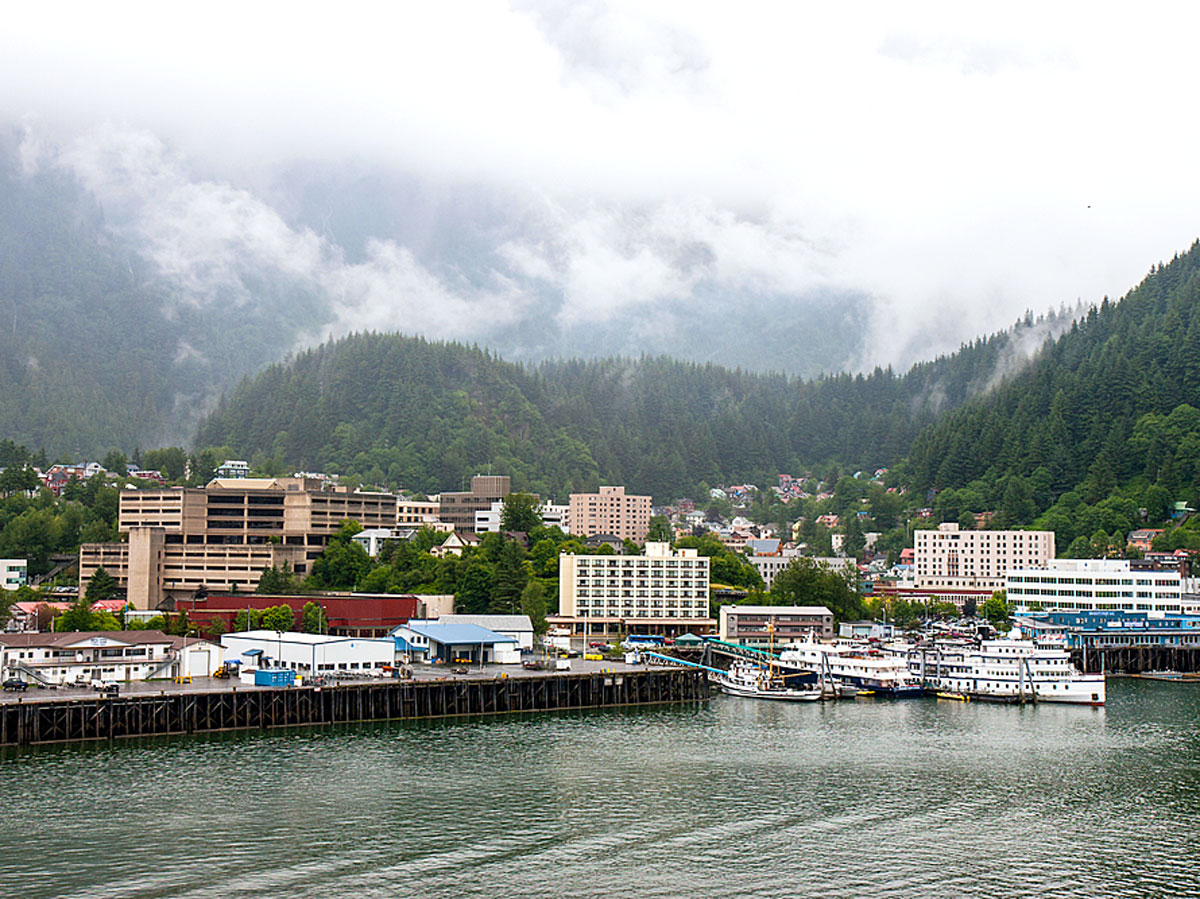
Alaska: Alaska had four different time zones until 1983, when it was simplified to two. Today, the majority of Alaska observes Alaska time, which is an hour behind Pacific time. This includes the capital, Juneau; the state’s biggest city, Anchorage; and many of Alaska’s most beloved natural wonders. However, the westernmost part of the Aleutian Islands — which extend westward from the mainland into the Bering Sea — are located in the Hawaiian-Aleutian time zone, which is an hour behind Alaska time.
Arizona: Arizona observes Mountain Standard Time, but during daylight saving time, the state is divided into two time zones. This is due to the fact that most of Arizona does not observe daylight saving time and remains on Mountain Standard Time year-round (which effectively means it’s on the same time as Pacific Daylight Time). However, the Navajo Nation in northeastern Arizona does observe daylight saving time, which means that, from early March until early November, most Arizonans operate one hour behind those in the Navajo Nation.
Florida: Most of Florida is located within the Eastern time zone, including major cities such as Miami, Tampa, and Orlando. But the westernmost part of the state along the Florida Panhandle observes Central time. The Apalachicola River bisects the Sunshine State into its two separate time zones: Everything east of the river observes Eastern time, and everything west of the river (including Pensacola) observes Central time.
Idaho: Most of Idaho is located in the Mountain time zone, including the state capital, Boise. But along Highway 95, just north of the city of Riggins, you’ll find the Time Zone Bridge, which spans the Salmon River and divides Idaho into two separate time zones. Everything north of the bridge in the Idaho Panhandle observes Pacific time.
Indiana: Until 1961, the entirety of Indiana was located in the Central time zone, but that year the eastern half of the state shifted to Eastern time. In 1969, the map changed again, resulting in more of the state being moved to Eastern time. Today, there are only 12 Indiana counties still located in the Central time zone — six in the northwestern part of Indiana and six in the southwest.
Kansas: Most of the Sunflower State observes Central time, but there are four counties (out of 105 statewide) that observe Mountain time: Greeley, Hamilton, Sherman, and Wallace. These counties are all located in the western part of the state bordering Colorado.
Kentucky: The city of Louisville switched to Eastern time in 1961, and the eastern and northern portions of the state later followed suit. Today, cities like Louisville, Frankfort, and Lexington observe Eastern time, whereas places in western Kentucky, including Bowling Green and Paducah, lie in the Central time zone.
Michigan: Michigan observed Central time until 1915, when Detroit made the shift to Eastern time. By 1931, most of the state followed Detroit’s lead, leaving just four counties in the Upper Peninsula that still observe Central time: Gogebic, Iron, Dickinson, and Menominee counties, which all border Wisconsin.
Nebraska: More than half of Nebraska sits in the Central time zone, including major cities such as Omaha and Lincoln. The western third of the state, which includes the Nebraska Panhandle, observes Mountain time.
Nevada: Nearly the entirety of Nevada is located within the Pacific time zone. The lone exception, which observes Mountain Time, is the city of West Wendover, located along the Utah border and next to the city of Wendover, Utah. The Department of Transportation says the decision for West Wendover to observe Mountain time was “designed to facilitate commerce and reduce confusion” between the similarly named jurisdictions.
North Dakota: Most of North Dakota observes Central time, including Bismarck, the capital, and Fargo. But a small portion in the southwestern corner observes Mountain time. This includes the town of Medora, which is home to Theodore Roosevelt National Park and the future Theodore Roosevelt Presidential Library.
Oregon: All of Oregon observes Pacific time, save the northern part of Malheur County, which observes Mountain time due to its close ties with Idaho. This corner of the Beaver State includes small towns such as Harper, Juntura, and Riverside.
South Dakota: The western part of South Dakota observes Mountain time, while the eastern two-thirds of the state (including Sioux Falls) follow Central time. Many of the state’s popular attractions are located in the Mountain time zone, including Mount Rushmore and the Black Hills National Forest.
Tennessee: While Memphis, Nashville, and the majority of Tennessee observe Central time, that’s not the case statewide. Eastern cities such as Knoxville and Chattanooga observe Eastern time.
Texas: There are only two counties in Texas that observe Mountain time: El Paso and Hudspeth. The vast majority of the state observes Central time, including Austin, Dallas, Houston, and San Antonio.
Time Zone Travel Issues
There are some states where the difference in time zones won’t have much of an effect on visitors. For instance, unless you’re taking a boat far out into the Aleutian Islands during a trip to Alaska, you probably don’t have anything to worry about. The same can be said when visiting Kansas, Michigan, Nebraska, Nevada, and Oregon. The outliers in these states tend to be small and not particularly known for being tourist destinations, so it’s unlikely you’ll encounter any time zone issues as a traveler.
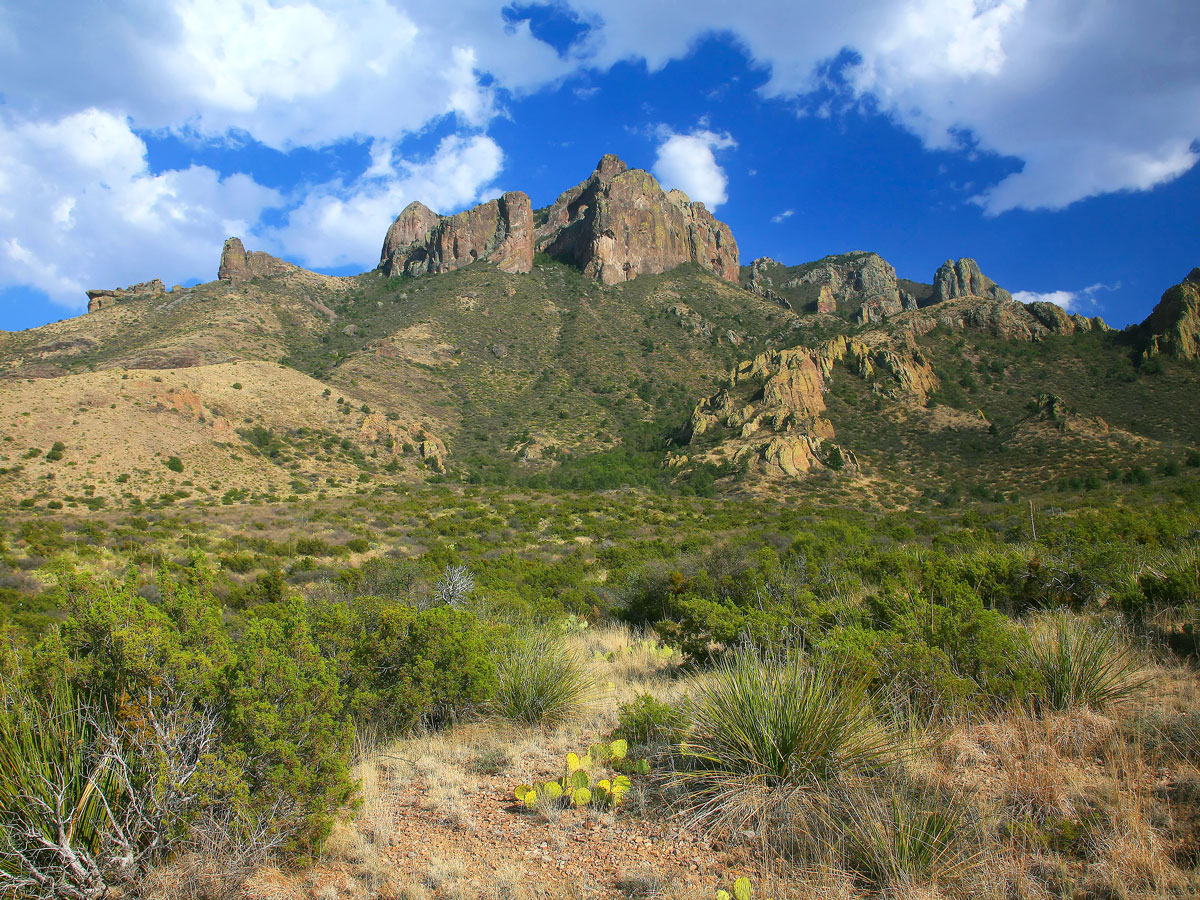
But let’s say you’re visiting Arizona and planning to drive up to the Navajo Nation to visit the popular Antelope Canyon or gaze upon the vast expanses of Monument Valley. If you’re not aware of the time zone change, you may arrive an hour later than you planned, only to find that you’ve missed your guided tour (which is mandatory in Antelope Canyon). A similar issue may occur while staying in El Paso, Texas, before driving to Big Bend National Park, since you lose an hour during the drive.
These time zone changes also affect the operating hours for local businesses. For instance, say you’ve spent the day enjoying the honky-tonks of Nashville, knowing you need to be in Chattanooga for a 7 p.m. reservation at a popular barbecue spot. Nashville is located in Central time, while Chattanooga is an hour ahead. If you aren’t aware of this, you’ll arrive at the restaurant an hour late.
Or perhaps you’ve spent the day exploring Indiana Dunes National Park and have a flight to catch out of Indianapolis International Airport that evening. The park sits in the Central time zone, while the airport observes Eastern time, so you’ll need to plan carefully to avoid missing the flight.
The aforementioned examples concern traveling from west to east, during which you lose an hour. But while traveling east to west, you gain an hour, meaning you could arrive for a reservation or ticketed event too early. You may be happy to have a little extra time to explore, but say you depart Sioux Falls early in the morning because you want to be at Mount Rushmore the moment the gates open — in that case, you’ll actually arrive too early. Consider this your friendly reminder to always keep time zones in mind when visiting the 15 states that span two time zones.
Featured image credit: © Rixie/stock.adobe.com
More from our network
Daily Passport is part of Inbox Studio, an email-first media company. *Indicates a third-party property.