Post Banner Image
Outdoors

10 Cool U.S. Destinations To Beat the Summer Heat
By Cynthia Barnes
Read time: 7 minutes
June 27, 2023
Updated: May 15, 2025

10 Cool U.S. Destinations To Beat the Summer Heat

By Cynthia Barnes
Author
Cynthia Barnes
Cynthia kicked around the world for a while before landing in Colorado. Her work has appeared in Food & Wine, the Boston Globe, and National Geographic, among others. She loves dives — both scuba and bars — baseball, the Oxford comma, and live music.

As summer descends on the United States, the mercury begins to soar in many places, with daily temperatures reaching into the triple digits. While you could embrace the heat like a lizard or retreat behind air conditioning for the next few months, perhaps you should consider a refreshing getaway to cooler climes. Here are 10 of our favorite places for beating the worst of the summer heat.

Flagstaff, Arizona
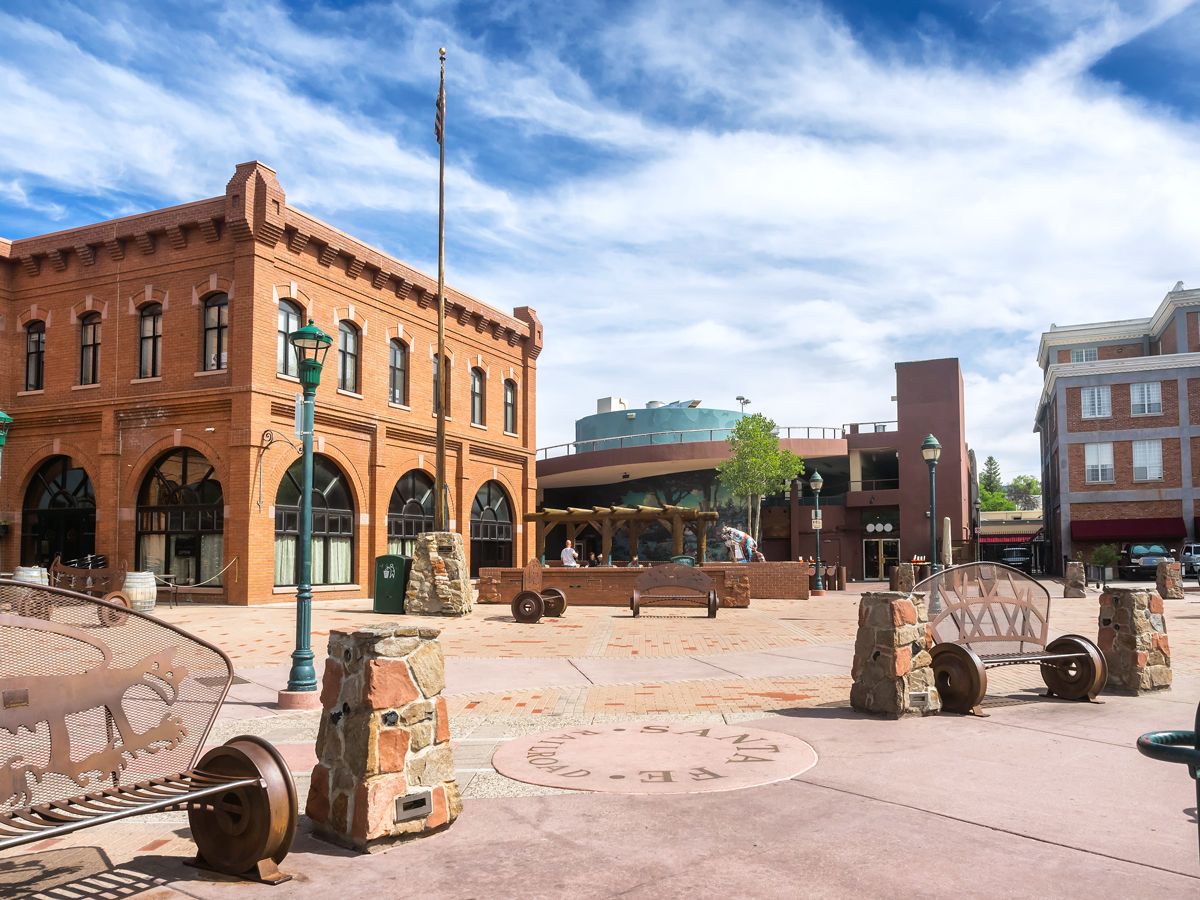
Main square in Flagstaff, Arizona
Credit: frankix/ iStock via Getty Images Plus

During summer, “cool” is one of the last things you’d expect in Arizona, but altitude keeps things chill in Flagstaff, located 7,000 feet above sea level. While the desert sizzles, Flagstaff provides a cool getaway to beat the summer heat, with the average temperature in summer reaching only 73 degrees Fahrenheit. 

For recreation without breaking a sweat, Arizona Snowbowl Ski Resort offers a high-altitude escape. Located on the state’s highest mountains, it’s the perfect summer retreat with cool temperatures and incredible views. Topping out at 11,500 feet, the Arizona Gondola offers sweeping vistas of the San Francisco Volcanic Field and Sedona’s red rocks — or even the Grand Canyon on exceptionally clear days. 

Buffalo and Niagara Falls – New York
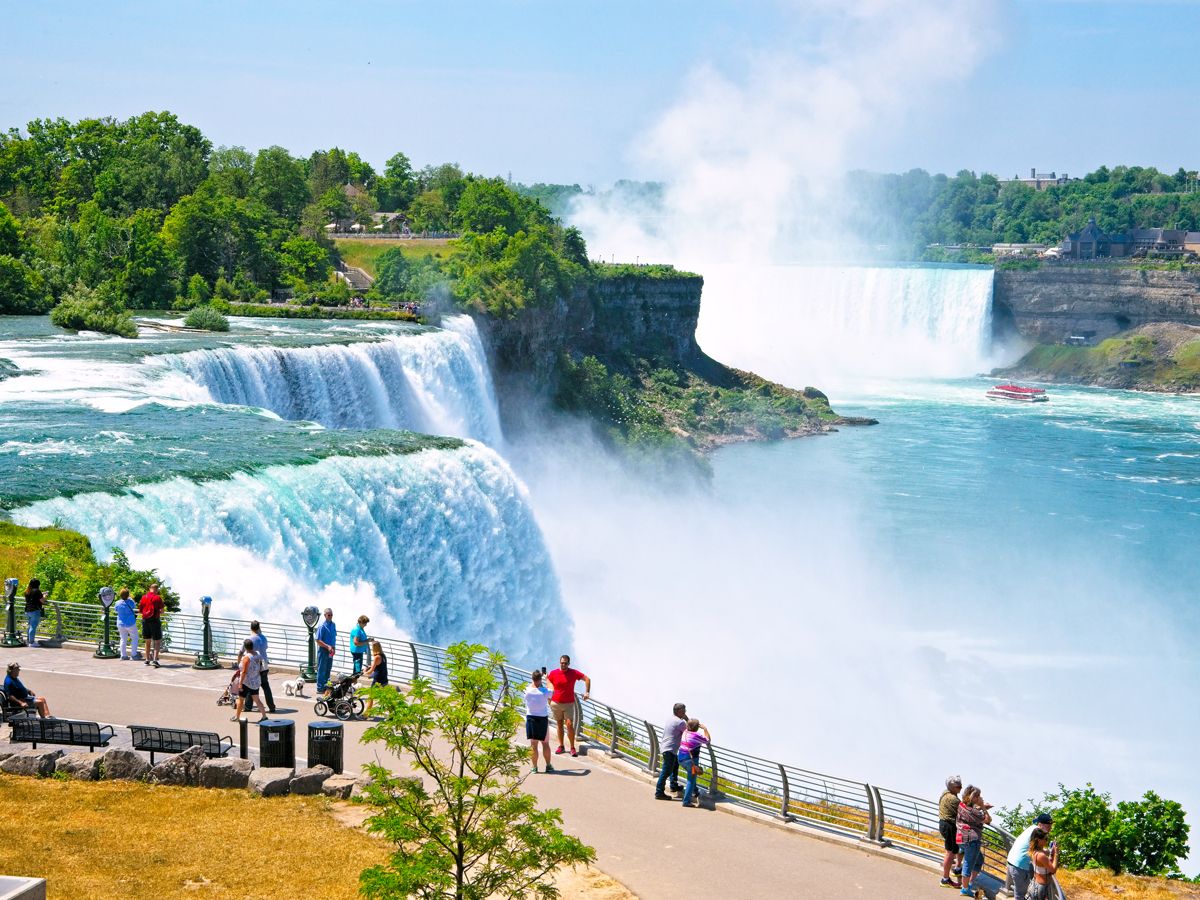
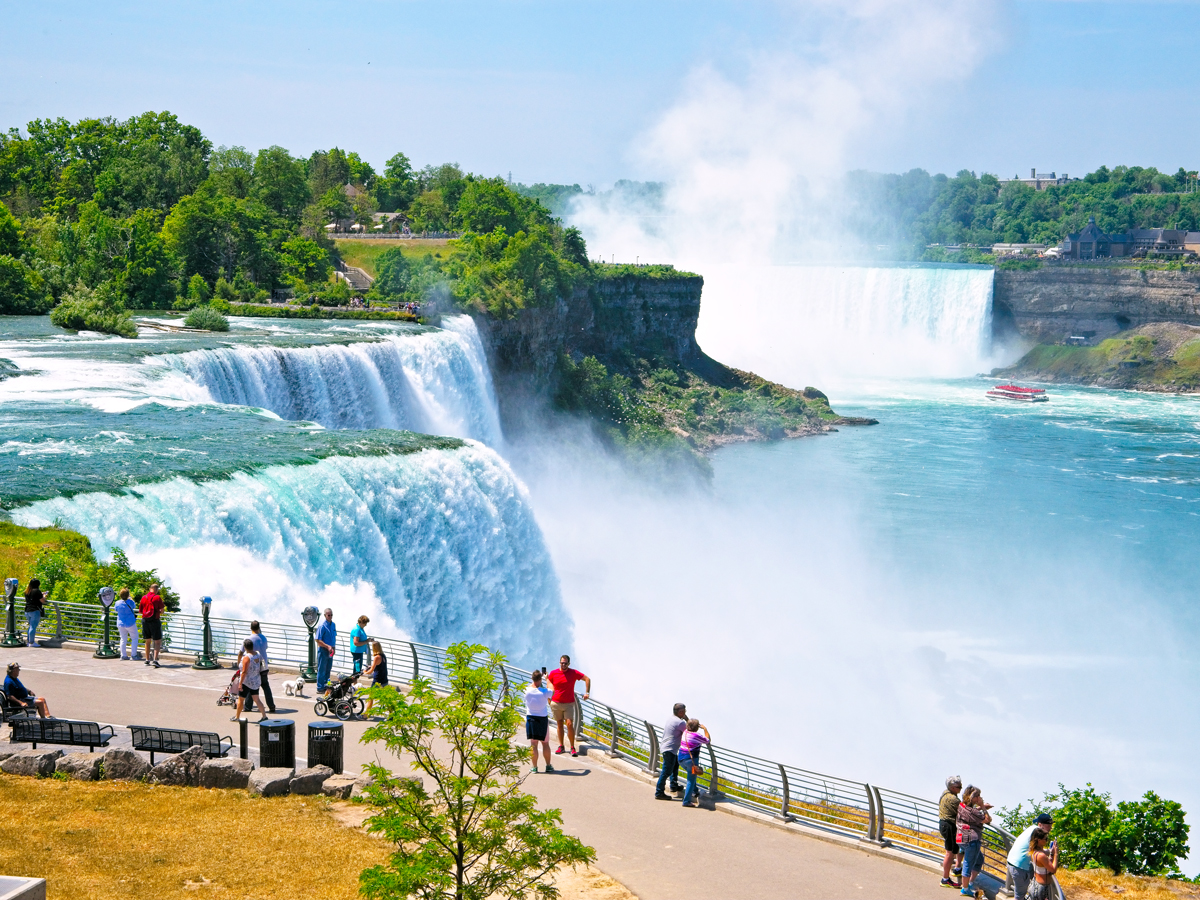
Visitors overlooking Niagara Falls
Credit: Juan Camilo Bernal/ Moment via Getty Images 

Buffalo is legendary when it comes to record-breaking blizzards and subarctic winter temperatures, but it also makes a great destination for those looking to beat the summer heat. While the city is world-renowned as the home of hot wings, you can enjoy an ice wine, a regional specialty, to cool down. 

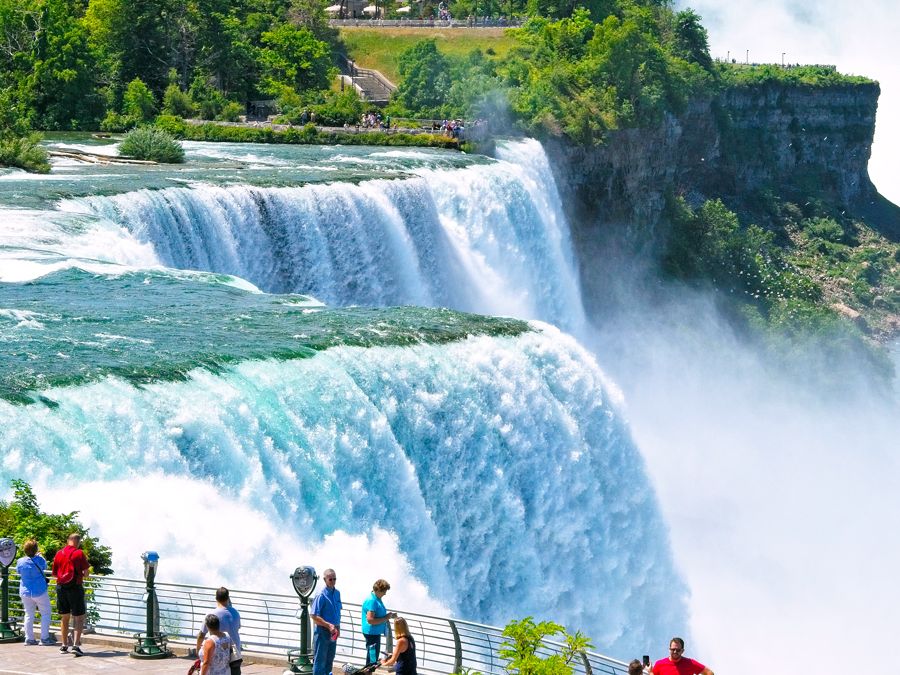
In 2025, Buffalo celebrates the 200th anniversary of the completion of the Erie Canal with the “Waterway of Change” exhibit on the waterfront and the Seneca Chief, a replica of the boat that once traveled on the canal and will serve as a floating museum. And at Niagara Falls, just 25 miles away, let the mist from the powerful waterfalls cool you off as you visit the Cave of the Winds or take a boat ride on the famous Maid of the Mist

Related: 10 U.S. Cities Famous for Their Culinary Creations

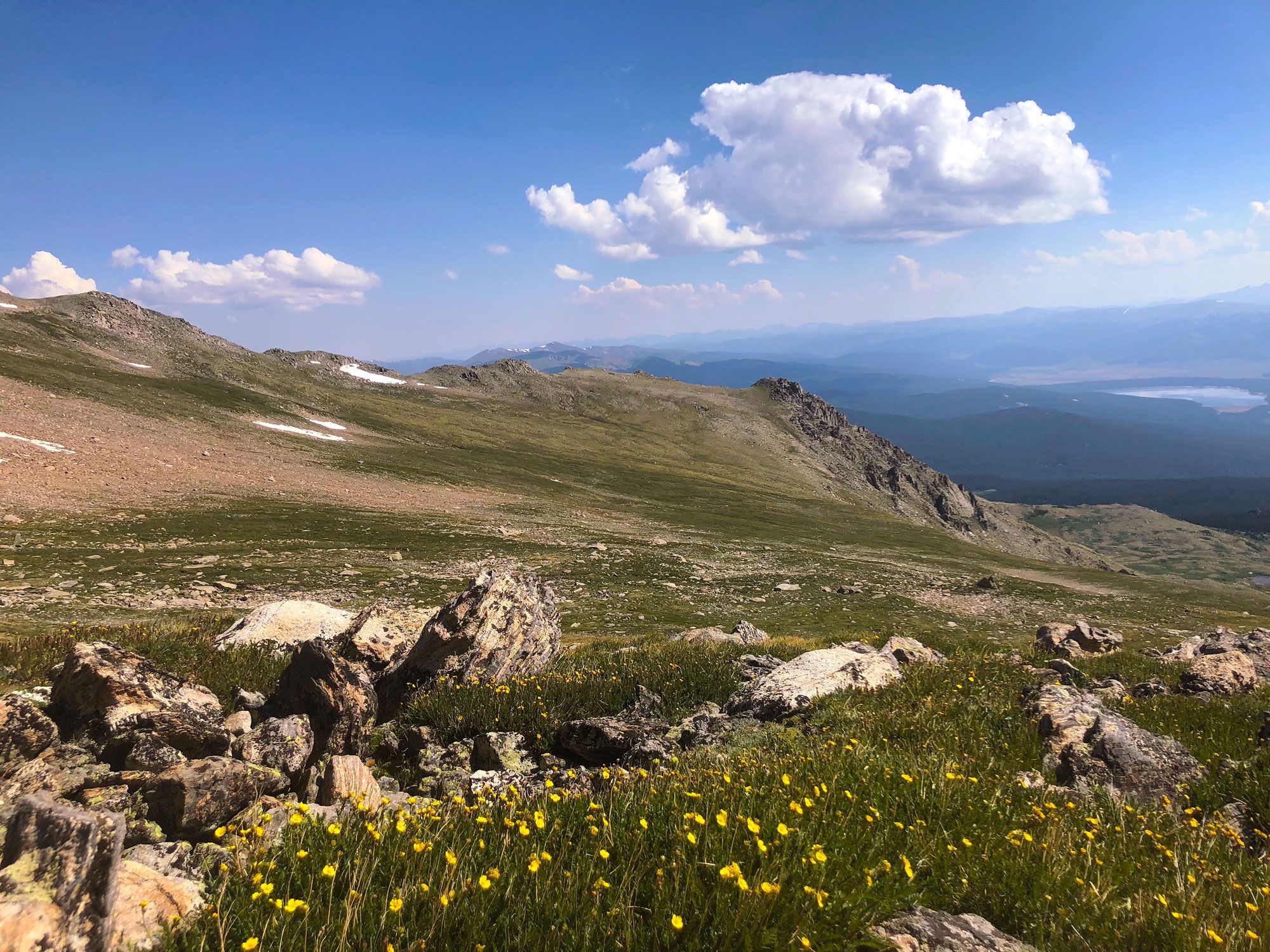
Leadville, Colorado

View of mountain landscape in Leadville, Colorado
Photo credit: Dream2LiveYourDreams/ Shutterstock

Since higher altitudes lead to lower temperatures, the highest incorporated city in North America is a no-brainer for a heat-escaping summer getaway. Situated at 10,158 feet above sea level and surrounded by Colorado’s largest and second-largest mountains (Mount Elbert and Mount Massive), Leadville is a Victorian-era mining town that boasted 30,000 residents at the height of the silver boom in the late 19th century.

Visitors can catch a show at the historic Tabor Opera House, which was one of the most expensive buildings in Colorado when it was built in 1878, or take a refreshing ride along the Continental Divide on the Leadville Colorado and Southern Railroad, which has gorgeous views of the San Isabel National Forest. There are plenty of opportunities for enjoying the surrounding nature, too — kayak, windsurf, fish, or take an icy dip at Turquoise Lake, just five miles out of town. At the end of the day, belly up to the historic bar at the Legendary Silver Dollar Saloon, and don’t miss the pizza at High Mountain Pies.

Bluefield, West Virginia
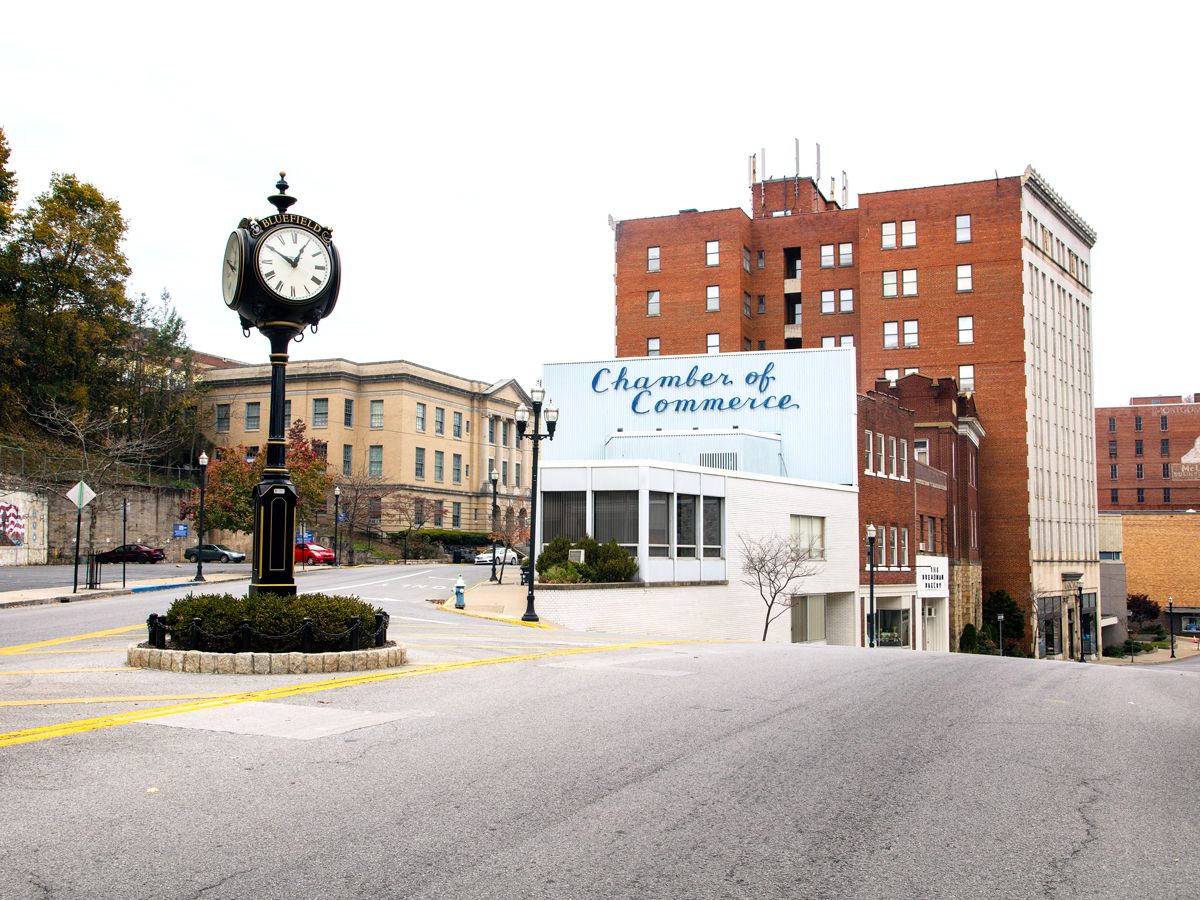
Clock tower in downtown Bluefield, West Virginia
Credit: Alpha Stock/ Alamy Stock Photo

Nicknamed “Nature’s Air-Conditioned City,” Bluefield is known for its cool mountain air and mild summer temperatures, averaging in the upper 60s and 70s from May through August. Between 1960 and 1982, the city recorded only one 90-degree day. When temperatures finally reached 90 degrees again in 2024 — the first time in seven years — Bluefield resumed a beloved local tradition of handing out free lemonade to locals and visitors. 

Bluefield and surrounding Mercer County offer a refreshing Appalachian summer escape, filled with waterfalls, shaded swimming holes, scenic hiking, and mountain overlooks. In the evenings, catch a movie under the stars at Pipestem, one of West Virginia’s last remaining drive-in theaters.

Newport, Rhode Island
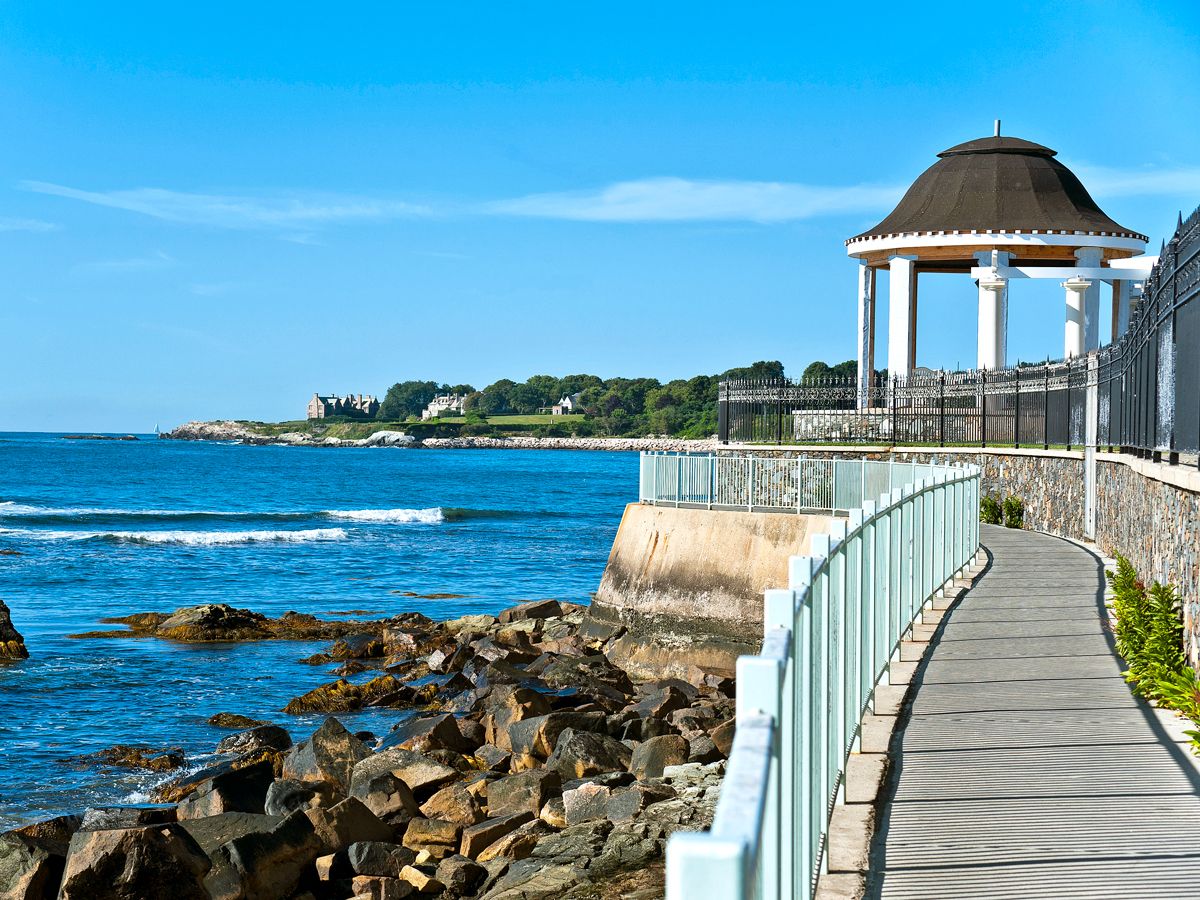
Cliff Walk in Newport, Rhode Island
Credit: iShootPhotosLLC/ iStock via Getty Images Plus 

This Atlantic Ocean enclave has been attracting the rich and famous for more than a hundred years. Step back in time with a tour of Gilded Age mansions like the Breakers and stroll along the Cliff Walk, a National Recreational Trail where breathtaking ocean views and the refreshing sea breeze create the perfect coastal escape. 

Newport’s beaches offer something for everyone. Surfers should head to Sachuest Beach or Easton’s Beach for some incredible waves and prime surfing conditions. For those looking to explore beyond the shore, Newport also offers plenty of other water-based adventures, including sailing and kayaking along its scenic coastline.

Talkeetna, Alaska
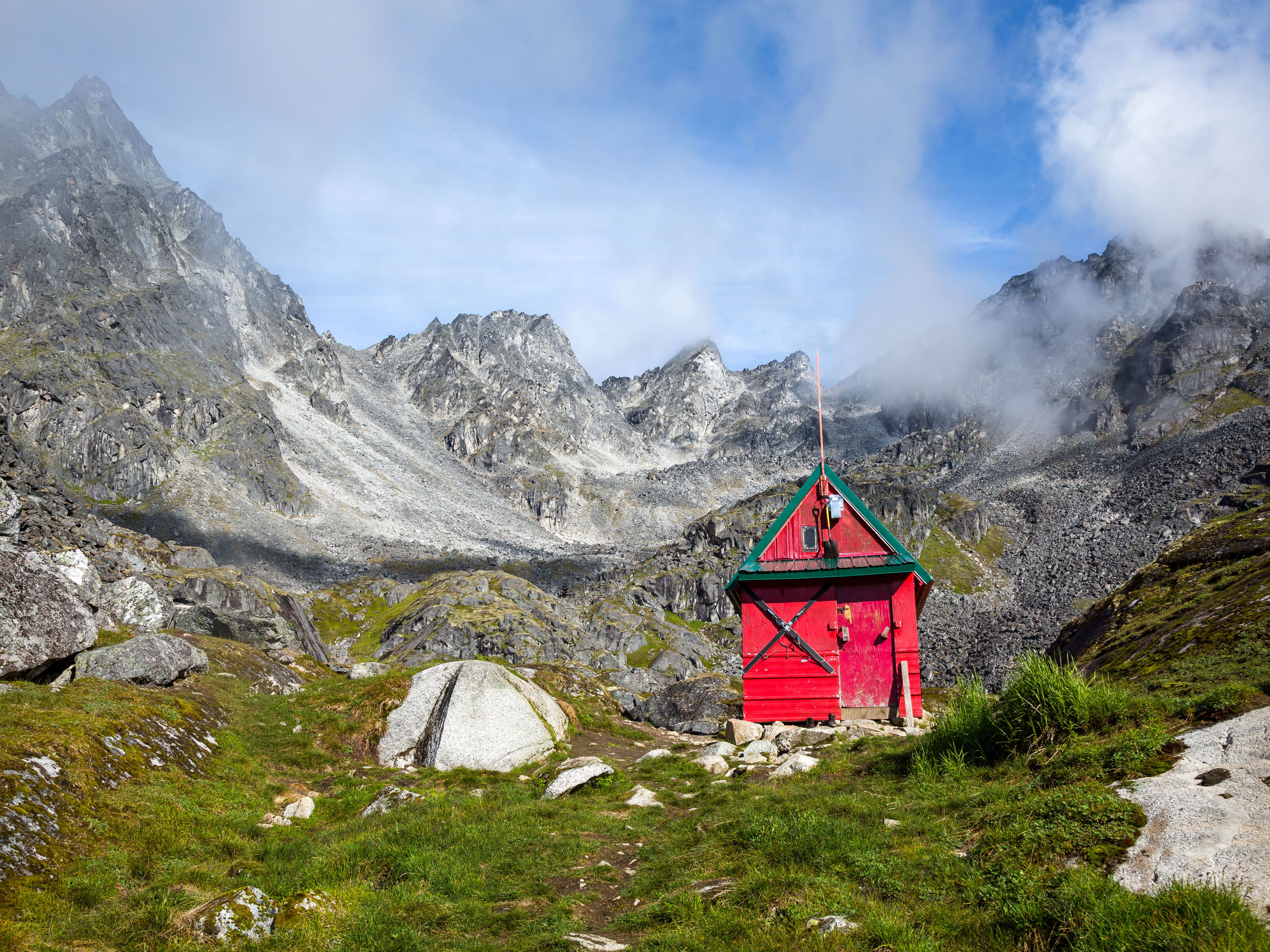
Red cabin in mountains of Talkeetna, Alaska
Photo credit: DCrane/ Shutterstock

Denali — the tallest peak in North America at 20,310 feet above sea level — towers over the tiny town of Talkeetna, which is located just two hours north of Anchorage. Famous as the inspiration for the fictional town of Cicely in the ’90s television drama Northern Exposure, Talkeetna has a quaint two-block downtown filled with historic storefronts, a brewery, and a general store — which is also home of the town’s honorary feline mayor.

After Alaska’s long, chilly winter, summer (and its many hours of daylight) is the ideal time to explore the area’s nature — there are also miles of hiking and cycling trails and three rivers to explore outside of town. (And that’s not counting the hearty folks who challenge themselves on Denali.) After a day of exploration, make yourself at home in front of the grand fireplace at the Talkeetna Alaskan Lodge.

San Francisco, California
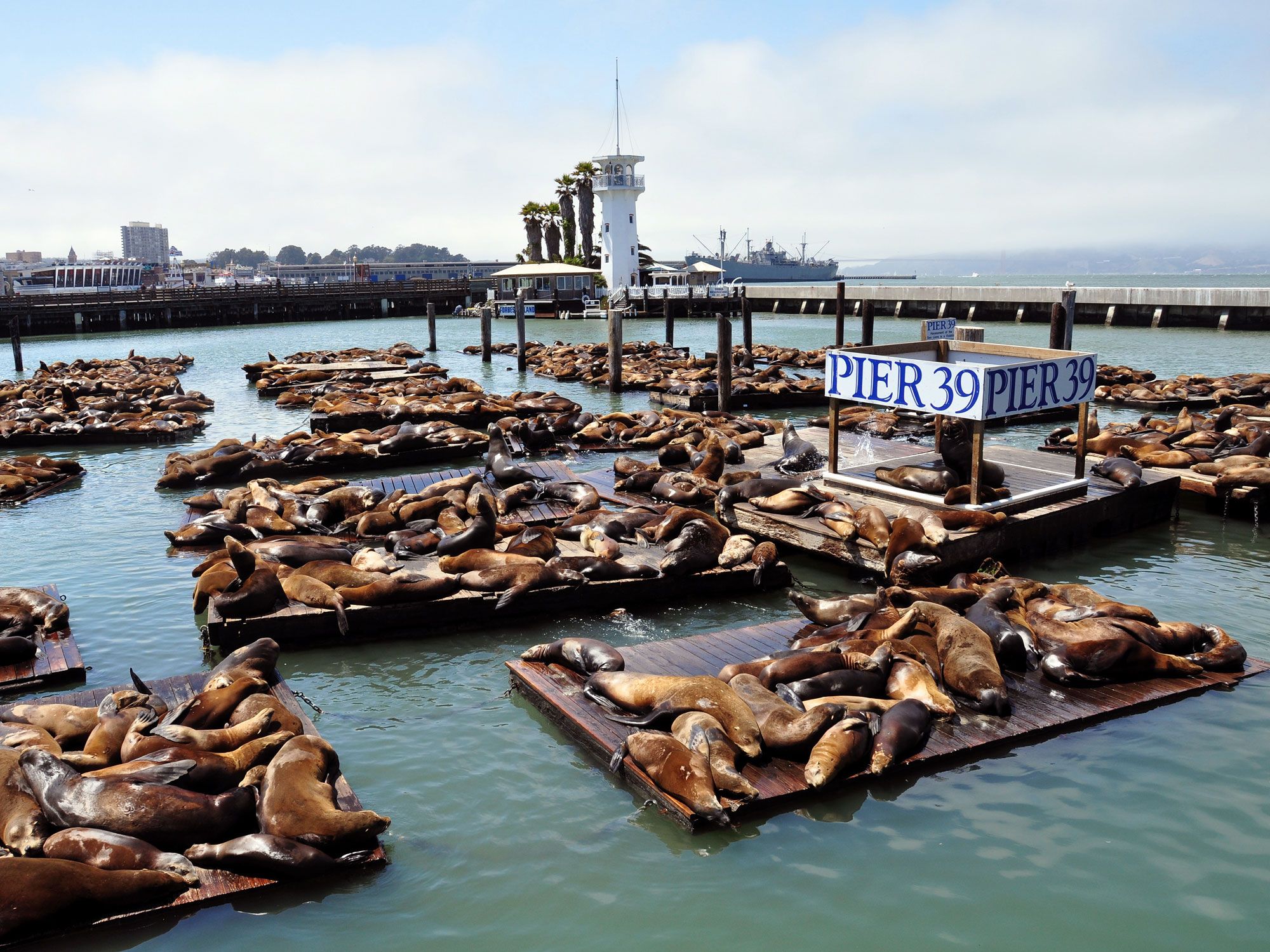
Sea lions resting on Pier 39 in San Francisco, California
Photo credit: Jeff Whyte/ Shutterstock

“The coldest winter I ever spent was a summer in San Francisco” is often (mis)-attributed to Mark Twain, but — like many of his supposed quotes — there’s no evidence of his authorship. But perhaps the phrase caught on for a reason — the city by the bay is (usually) blessed with a temperate marine climate that sees cool summers, and more than one tourist has hurriedly purchased an overpriced sweatshirt to deal with an unexpected chill.

Cable cars, Alcatraz, and the Golden Gate Bridge — there’s no shortage of iconic sights in San Francisco to enjoy (as long as you remember to pack a light jacket). Summer is also filled with events, from the Fillmore Jazz Festival and Outside Lands to Giants games at Oracle Park and a Japanese film festival. 

Bar Harbor, Maine
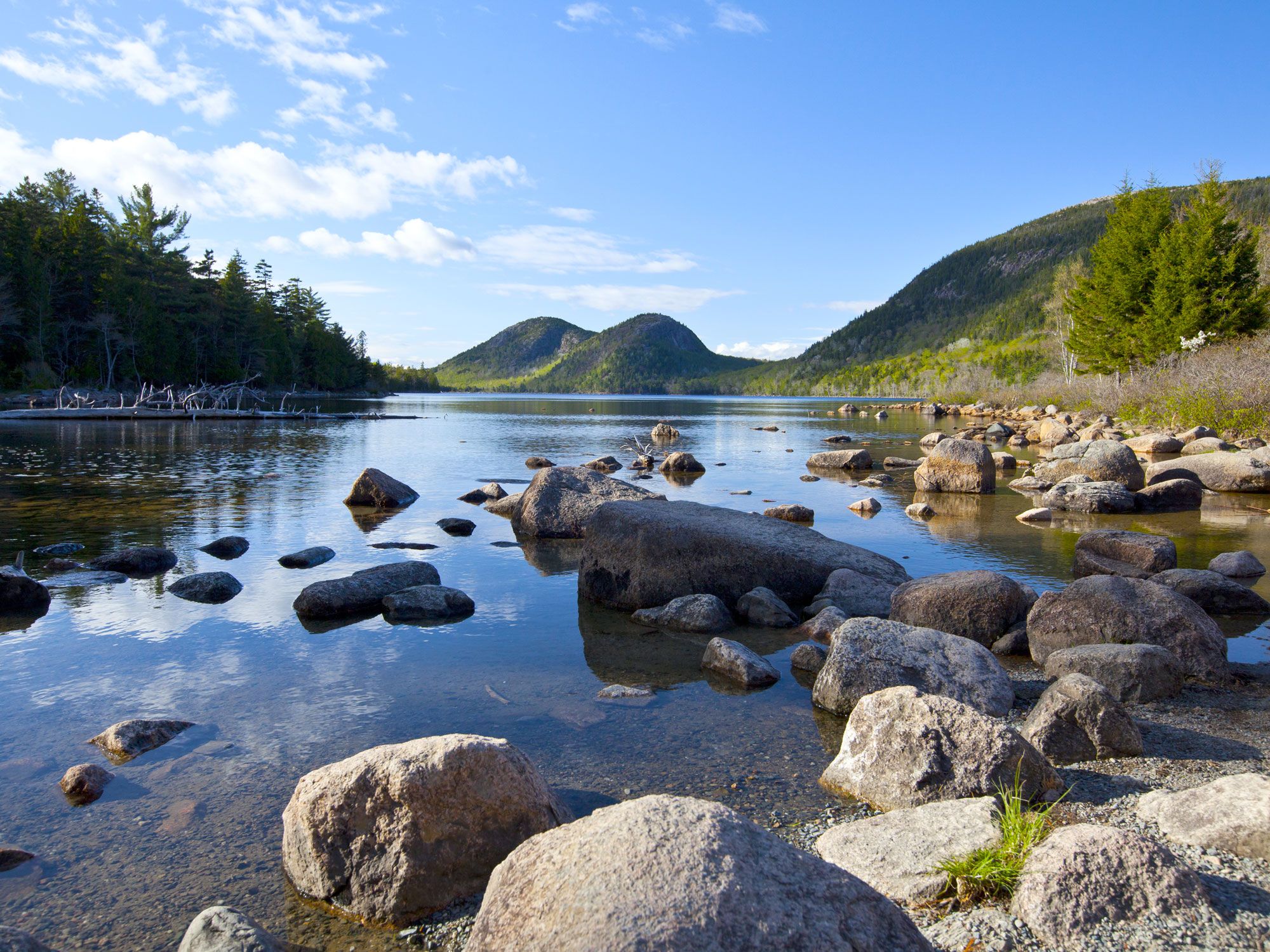
Lake with clear waters in Bar Harbor, Maine
Photo credit: JaysonPhotography/ Shutterstock

Rocky beaches, glacier-scoured granite peaks, vast forests, and a mild coastal climate are the hallmarks of this northeastern corner of the United States — all of which makes Maine ideal for a summer escape. Along the wave-tossed Atlantic Ocean, the charming town of Bar Harbor on Mount Desert Island is a convenient base from which to explore the 47,000-acre Acadia National Park — which became the first national park east of the Mississippi River in 1919. A whale-watching excursion is a must, followed by a traditional New England lobster roll. 

Bellevue, Washington
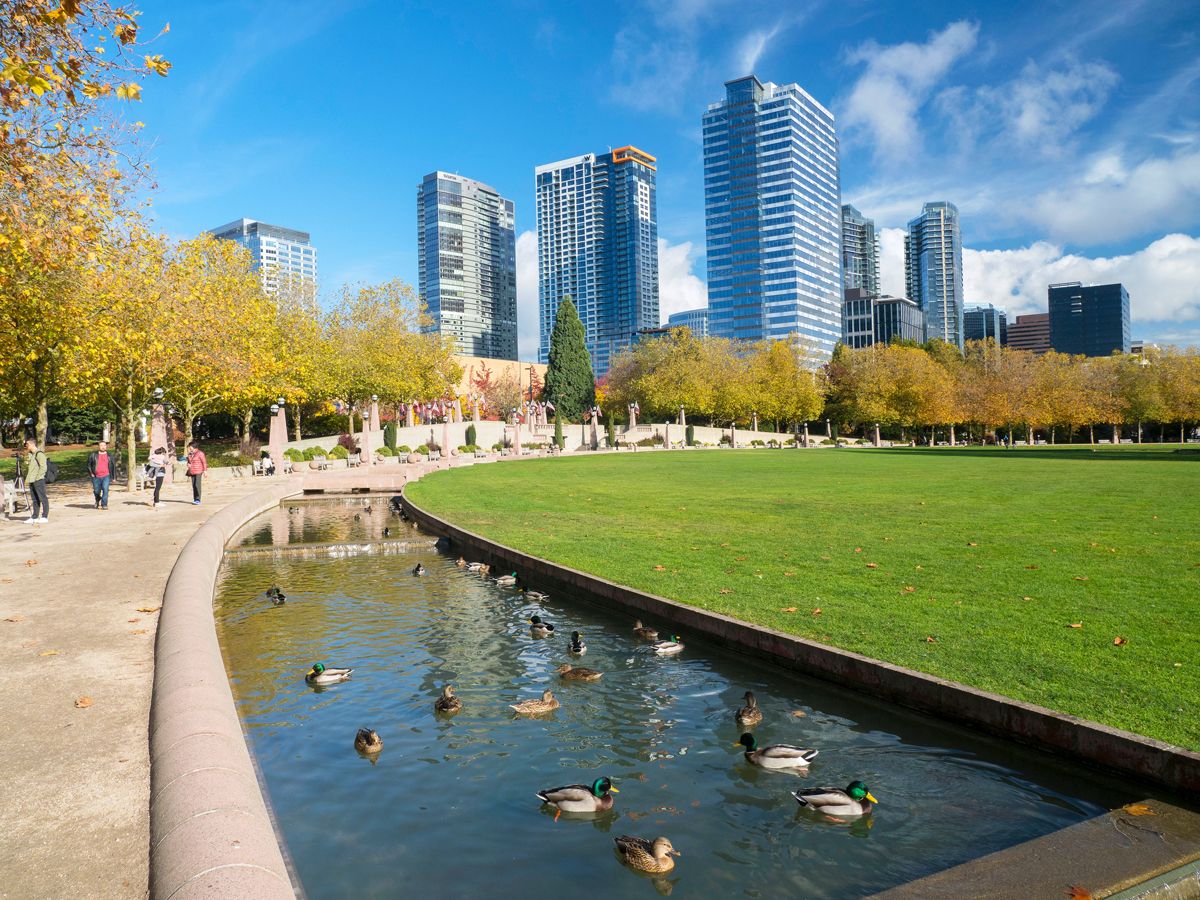
Ducks in pond in Bellevue park
Credit: Danita Delimont Creative/ Alamy Stock Photo

Bellevue is nestled between Lake Washington and the Cascade Mountains, offering a refreshing balance of outdoor adventure and urban sophistication. The city is located about 15 minutes east of Seattle, so you’ll be close to popular Emerald City attractions such as the Space Needle and Pike Place Market. But you can also enjoy shaded hikes to Poo Poo Point, lush greenery at the Bellevue Botanical Garden, and ample opportunities for swimming, boating, and kayaking right at your doorstep. Seattle has previously topped reports of the best U.S. cities to visit for comfortable summers, but heading to nearby Bellevue makes an ideal getaway to stay active while keeping cool.

Apostle Islands National Lakeshore – Wisconsin
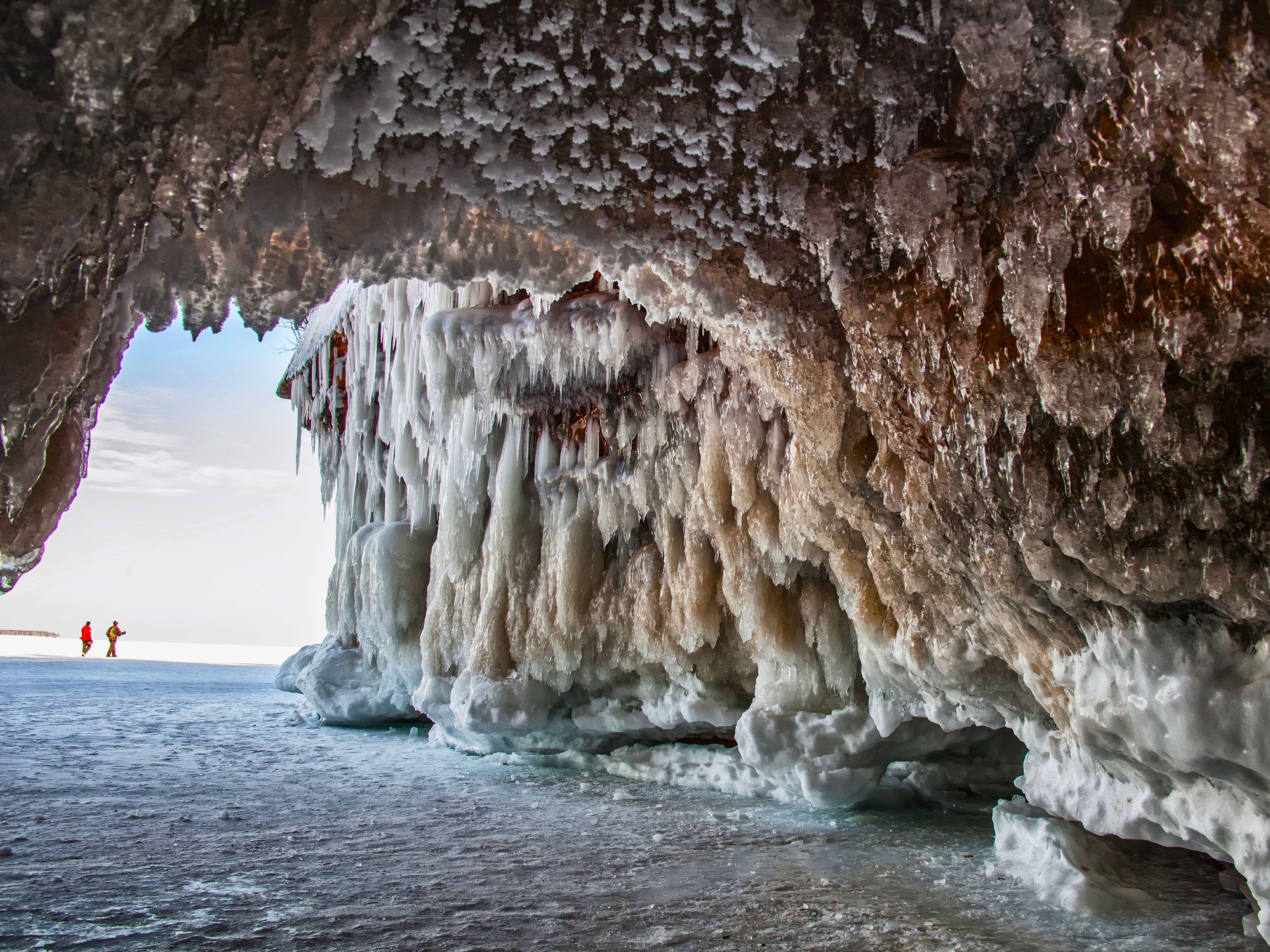
Ice caves of Apostle Islands National Lakeshore, Wisconsin
Photo credit: critterbiz/ Shutterstock

Covering a stretch of shoreline and 22 islands on Lake Superior at the northern tip of Wisconsin, the Apostle Islands National Lakeshore offers an excellent antidote for muggy Midwestern summers. Sea caves, 19th-century lighthouses, and the rich culture of the Ojibwe peoples provide a true retreat from the heated rush of summer. Take the ferry to Madeline Island (the largest of the Apostles) and enjoy hiking, shopping, and a night of live music at Tom’s Burned Down Cafe, where a 1992 fire destroyed the building but didn’t put a stop to the fun. Back on the mainland in Bayfield, enjoy a traditional Wisconsin fish boil at Greunke’s Restaurant.

Though the national lakeshore is a great destination to visit in summertime, be sure to come back in winter to explore the Mainland Ice Caves, a collection of ethereal caves that occur when the lake freezes over and the water that drips from the rocks turns into needle-like icicles. Visitors can explore the caves by hiking on the iced-over lake and even crawling inside to peer through glass-like floors.

Post Banner Image
History

6 Fascinating Revolutionary War Sites To Visit

By Jersey Griggs
Read time: 5 minutes
June 27, 2023
Updated: June 26, 2025

6 Fascinating Revolutionary War Sites To Visit

By Jersey Griggs
Author
Jersey Griggs
Jersey is a travel and lifestyle writer whose work has appeared in publications such as Condé Nast Traveler, Business Insider, and Bust. When she’s not exploring her adopted home state of Maine, she’s likely planning her next big trip.

From the first spark of rebellion at the Battles of Lexington and Concord on April 19, 1775, to the final land battle at Yorktown in 1781, historic sites from the American Revolution can be found throughout the Eastern U.S. Commemorating colonial uprisings, pivotal moments, and historic battles, the following six sites played a key role in the birth of a nation — here’s how history buffs can check them out.

Independence Hall – Philadelphia, Pennsylvania

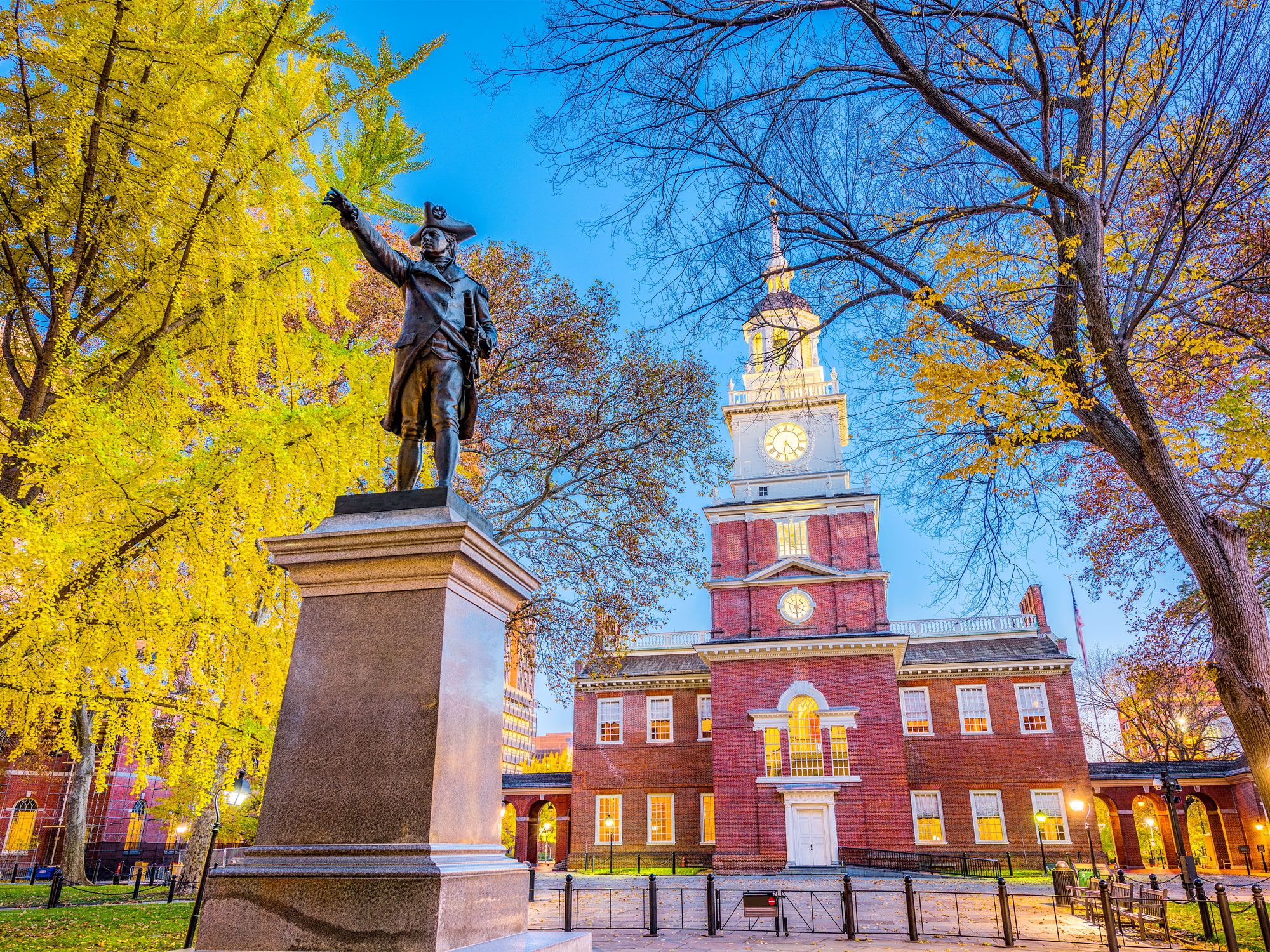
Statue in front of Independence Hall in Philadelphia, Pennsylvania
Photo credit: Sean Pavone/ Shutterstock

Situated in Philadelphia’s historic district, Independence Hall is known as the official birthplace of the nation. Fifty-six Revolutionary leaders gathered within its halls on July 4, 1776, to sign the Declaration of Independence, an act that severed ties between the colonies and England. Eleven years later, Independence Hall also served as the gathering place for 12 state representatives to debate and sign the U.S. Constitution, thus uniting the colonies into a single nation.

Today, the historic building is a UNESCO World Heritage Site and is open to the public via ticketed tours. Led by national park rangers, these tours include a visit to the Assembly Room (where the Declaration of Independence and U.S. Constitution were both signed) and the historic Pennsylvania Supreme Court Chamber. Visitors will also be able to spot George Washington’s rising sun chair, where the first president of the U.S. sat for nearly three months during the Constitutional Convention.

Boston Tea Party Ships and Museum – Boston, Massachusetts

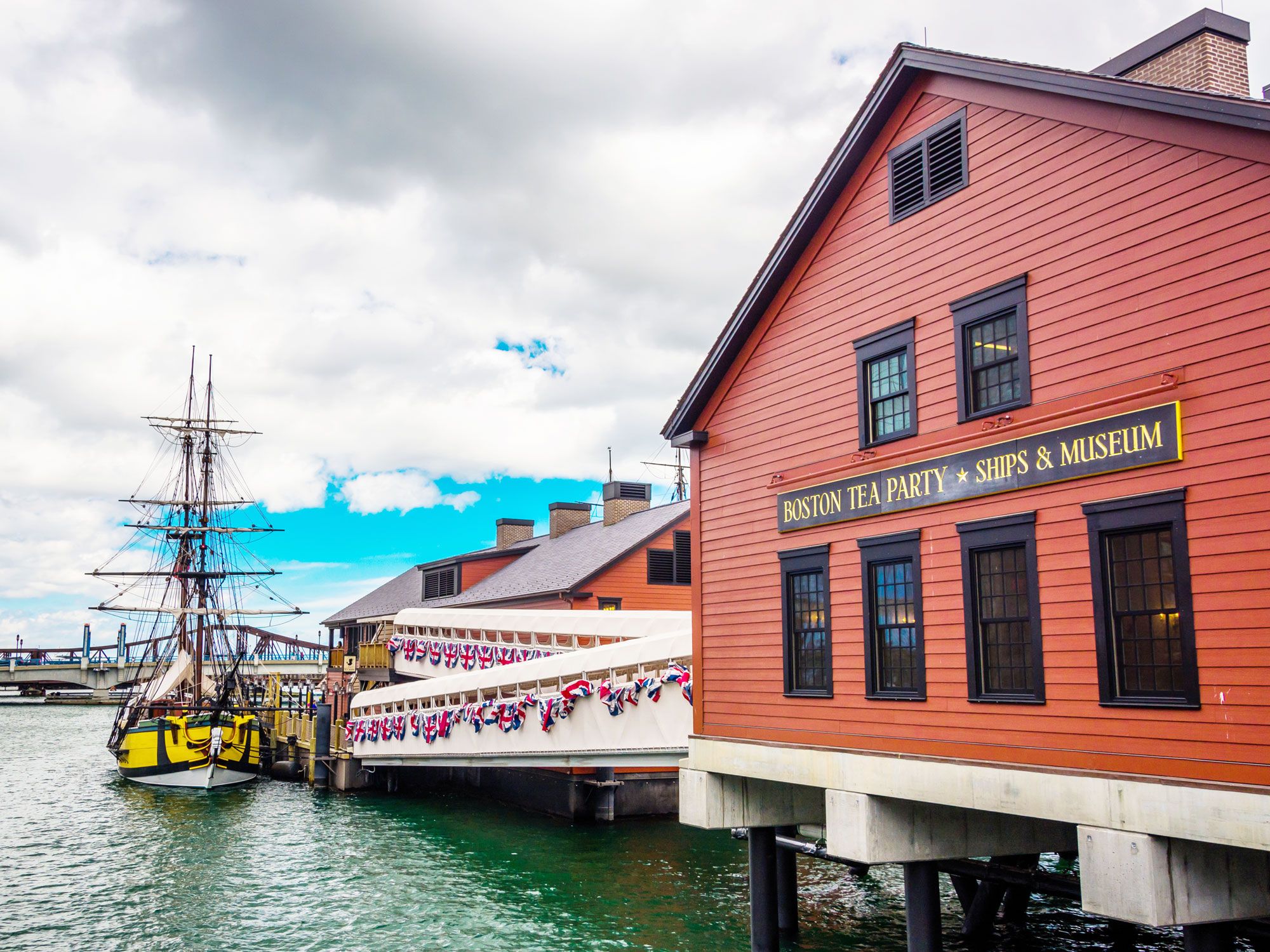
Exterior of Boston Tea Party Ships & Museum with historic ship at dock
Photo credit: ESB Professional/ Shutterstock

The ideological uprising that began brewing in the American colonies reached a tipping point on December 16, 1773, in what became known as the Boston Tea Party. Infuriated by taxes imposed on tea shipped from Britain, colonists rebelled by tossing 40 chests of British East India Company Tea into Boston Harbor. With 92,000 pounds of tea destroyed, the defiant act was a pivotal turning point in the tensions between the colonists and the British, causing patriots to rally for the American Revolution.
Today, the Boston Tea Party Ships and Museum can be found in Griffin’s Wharf, the same location where the tea was famously offloaded 250 years ago. Visitors can marvel at the full-scale replicas of 18th-century sailing vessels and witness a reenactment of the historic town meeting that led to the act of rebellion. Open seven days a week, the museum is home to an original tea chest from the Tea Party, recovered after being dumped into Boston Harbor.

Paul Revere House – Boston, Massachusetts

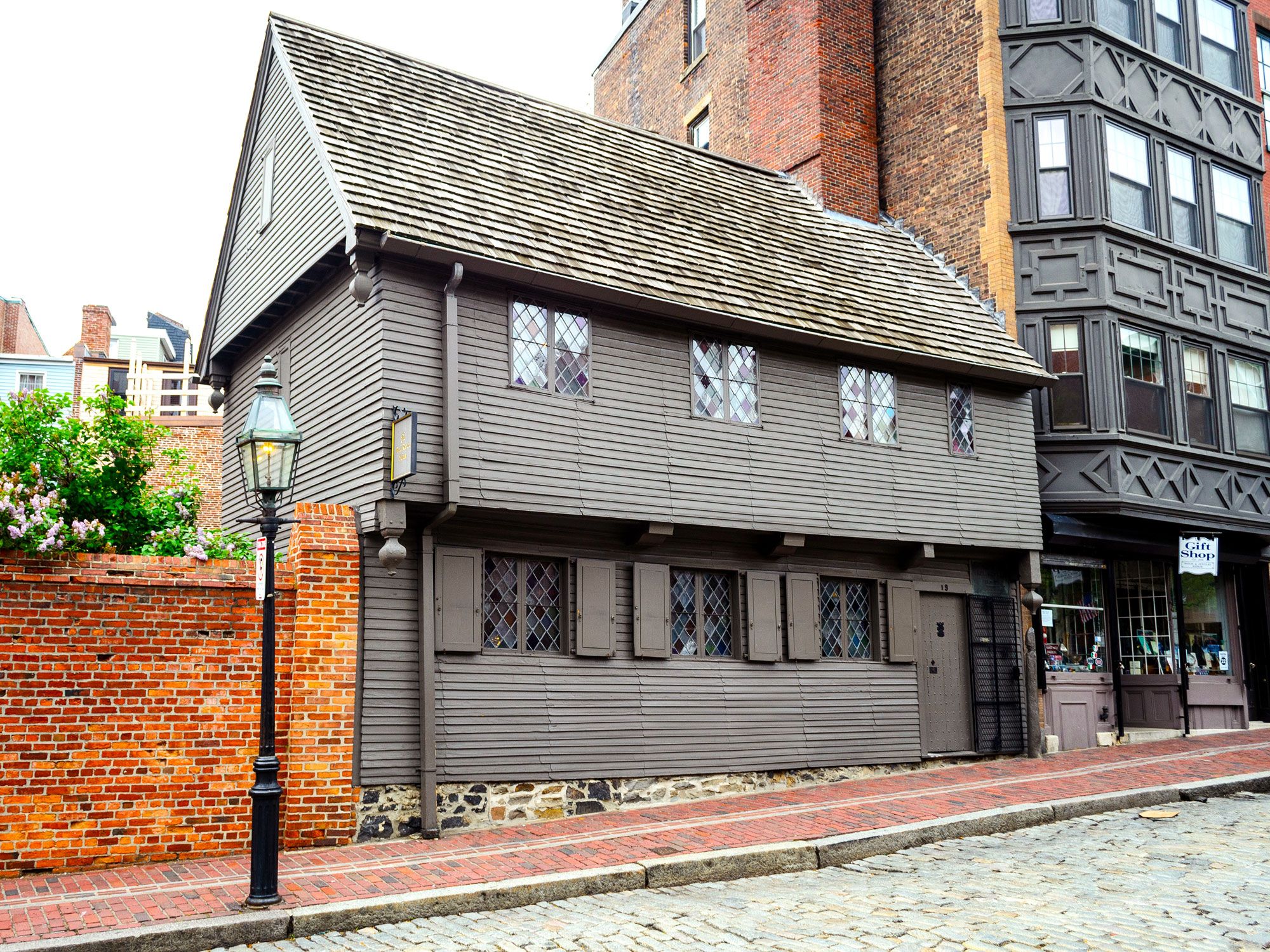
Exterior of Paul Revere House in Boston, Massaschusetts
Photo credit: Zack Frank/ Shutterstock

Dating back to 1680, the Paul Revere House is the oldest building in downtown Boston and the former home of Revolutionary War hero Paul Revere. Revere purchased the house in 1770 and lived there with his wife, mother, and children for several decades. It was during this time that he embarked on his famous midnight ride from Boston to Lexington on April 8, 1775, to warn John Adams and John Hancock about an impending arrest from British soldiers.

After undergoing restoration in the early 1900s, the structure retains about 90% of its original build. To reflect its historical roots, the home is styled with colonial-era furnishings, with several pieces that belonged to the Revere family on display in the bed chambers. As a National Historic Landmark, the Paul Revere House is open year-round for self-guided tours.

Minute Man National Historical Park – Massachusetts

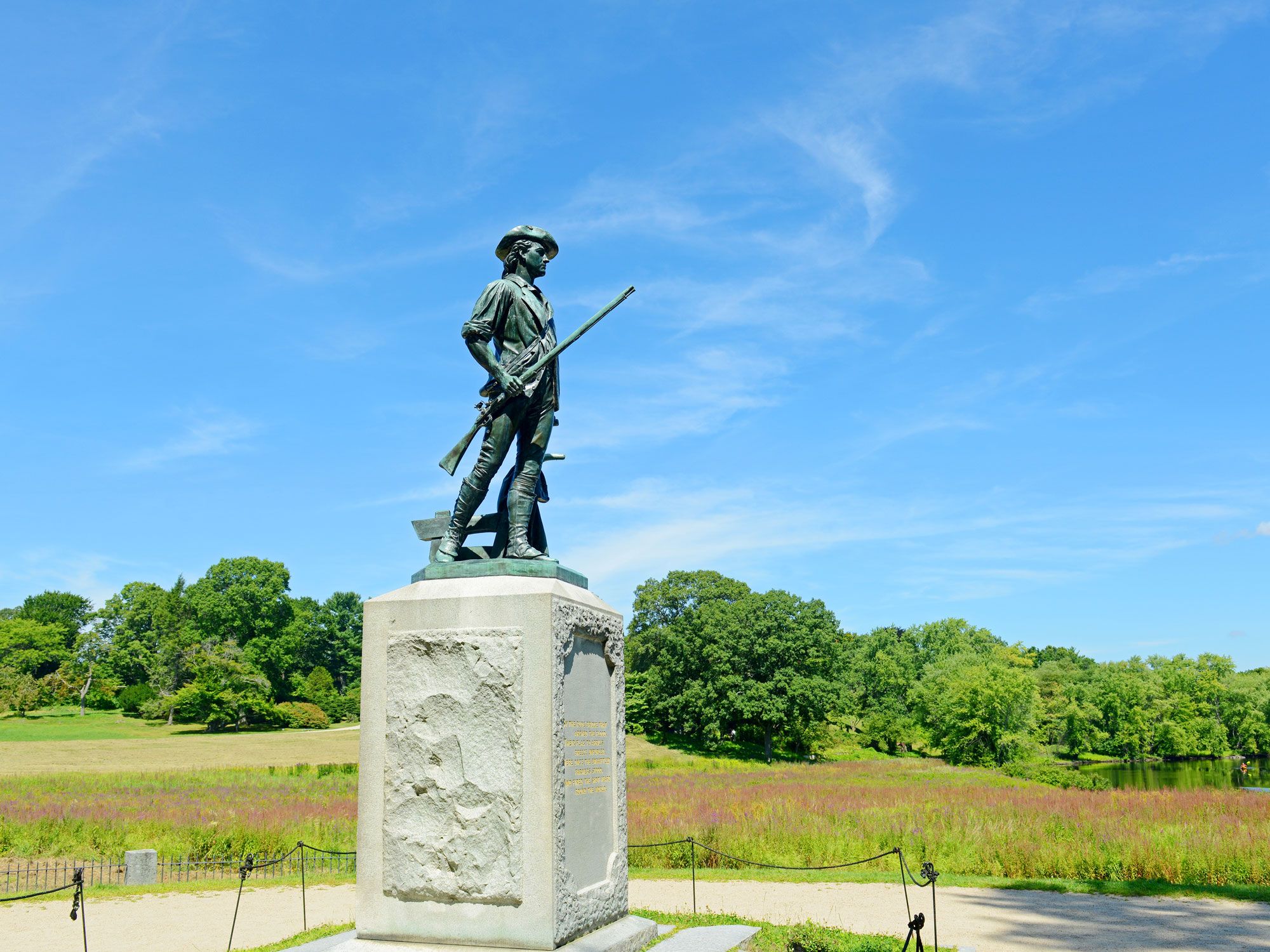
Statue of Revolutionary War soldier at Minute Man Historical Park in Massachusetts
Photo credit: Wangkun Jia/ Shutterstock

Located 22 miles northwest of Boston, Minute Man National Park spans the Massachusetts towns of Lexington, Lincoln, and Concord. On April 19, 1775, these lands were the site of the Battles of Lexington and Concord, which marked the first official engagement between the British and colonists in the Revolutionary War. Guided tours of the park begin at Old North Bridge in Concord, the exact location where the very first shot in the war — known as the “Shot Heard ‘Round the World” — was fired.

The park also contains Battle Road Trail, a five-mile walking trail that runs from Meriam’s Corner in Concord to the park’s boundary in Lexington, following the route of the skirmish between the Minutemen and the Redcoats in 1775. Visitors can also stop by Buckman Tavern, the watering hole where colonial militia gathered, or partake in numerous guided programs led by park rangers.

Washington Crossing Historical Park – Pennsylvania

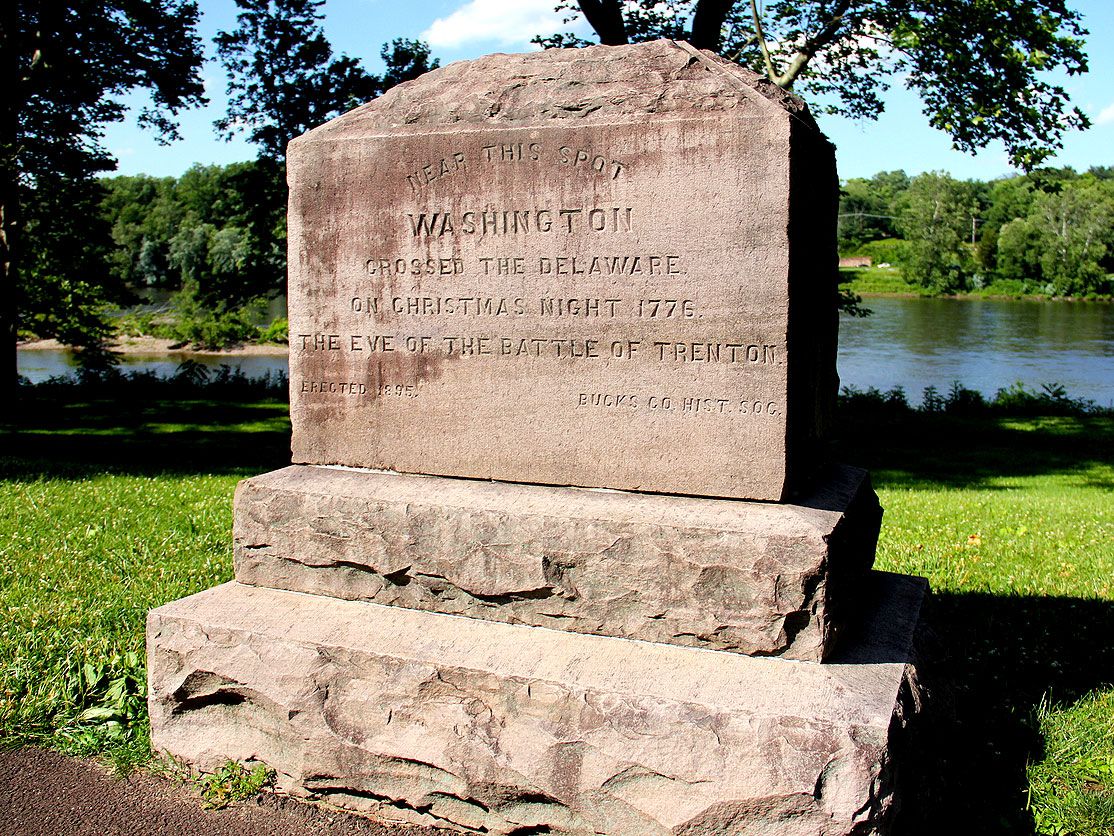
Monument marking the crossing of the Delaware River at Washington Crossing Historical Park
Photo credit: ARK NEYMAN/ iStock

In December 1776, six months after the Declaration of Independence was signed, morale amongst the troops was low. It was Christmas, and the 2,400 soldiers stationed along the Delaware River were cold and weary. In a strategic move, General Washington pushed the Continental Army to cross the icy river under the cover of darkness to launch an attack on the Hessians (German troops hired by the British). The victory was a turning point and proved instrumental to the success of the American Revolution.

Located on the Pennsylvania side of the Delaware River, Washington Crossing Historical Park commemorates this bold river crossing. The park includes a historic village, a blacksmith shop with live demonstrations, and the Thompson-Neely House, which served as a temporary army hospital during the war. A nearby memorial cemetery marks soldier graves who perished not in battle but from illness in the encampment.

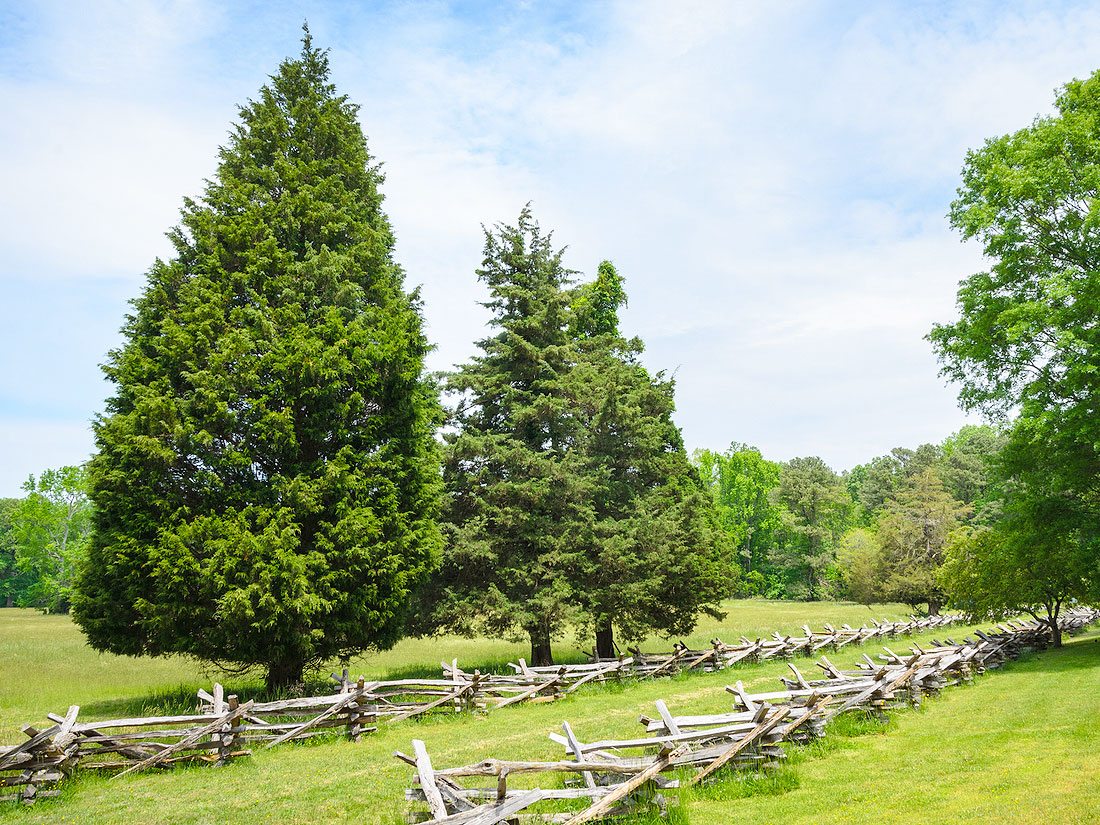
Yorktown Battlefield – Virginia

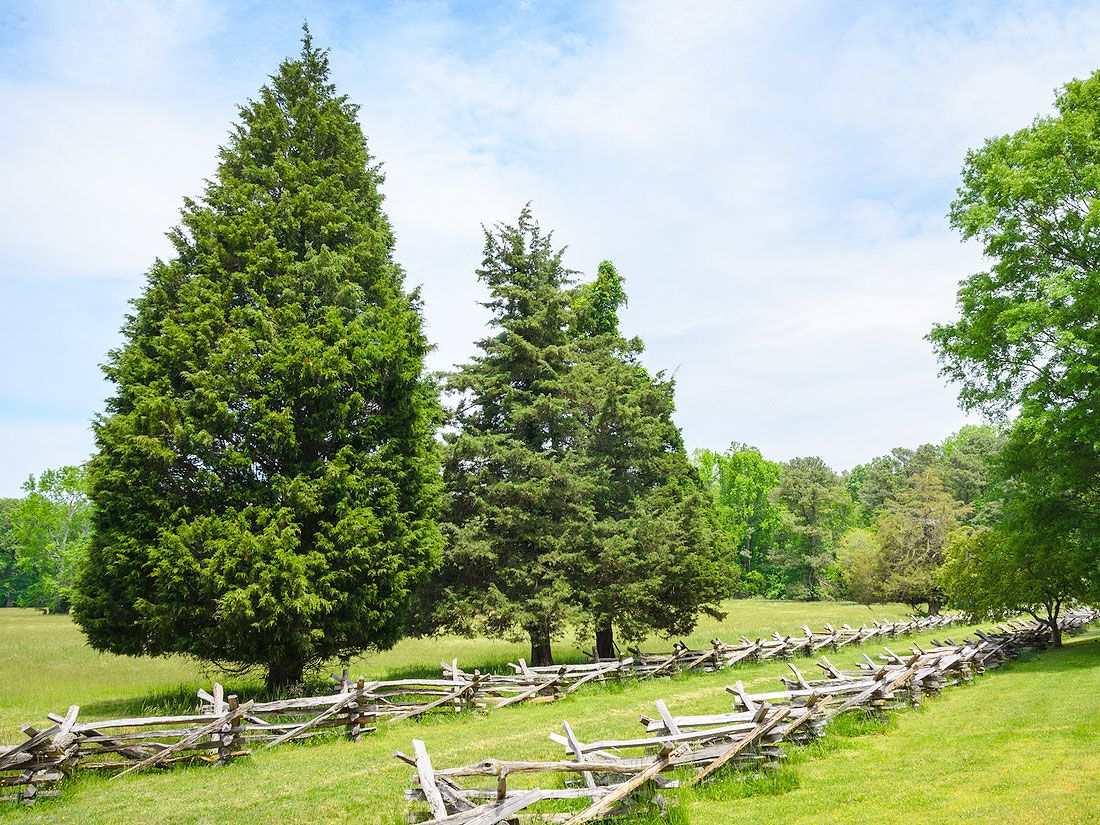
Yorktown Battlefield in Virginia
Photo credit: zrfphoto/ iStock

The Revolutionary War had been raging for six years before the Siege of Yorktown cemented U.S. victory in 1781. A year before, France had sent over thousands of French soldiers commanded by the esteemed General Rochambeau. It was under Washington and Rochambeau’s orders that the Allied armies marched from New York City to Yorktown, Virginia, to launch an attack on British troops.

The final major land battle of the war lasted for three weeks on Yorktown Battlefield, until the British surrendered on October 19, 1781. Today, the Colonial National Historic Park Virginia commemorates the ending point of the Revolutionary War, and visitors can learn more about the battle at the visitor center and museum before taking a self-guided tour of the battlefield.

Post Banner Image
Outdoors

From Green Sands to Glowing Surf, These Beaches Are One of a Kind

By Daily Passport Team
Read time: 6 minutes
June 22, 2023
Updated: May 22, 2025

From Green Sands to Glowing Surf, These Beaches Are One of a Kind

By Daily Passport Team
Author
Daily Passport Team
Daily Passport writers have been seen in publications such as National Geographic, Food & Wine, CBC, Condé Nast Traveler, and Business Insider. They're passionate about uncovering unique destinations and sharing expert tips with curious travelers.

Picture a beach and you’ll probably think of sugar-white sands, warm blue waters, and maybe even a palm tree or two. There’s certainly nothing wrong with this classic ideal of a beach, but the world is also filled with wonderfully weird beaches to soak in — ones with unusually colored sands, interesting rock formations, and even toasty hot waters. Grab your sunscreen and explore the 15 of the planet’s most unique beaches. 

Papakōlea Beach – Hawaii

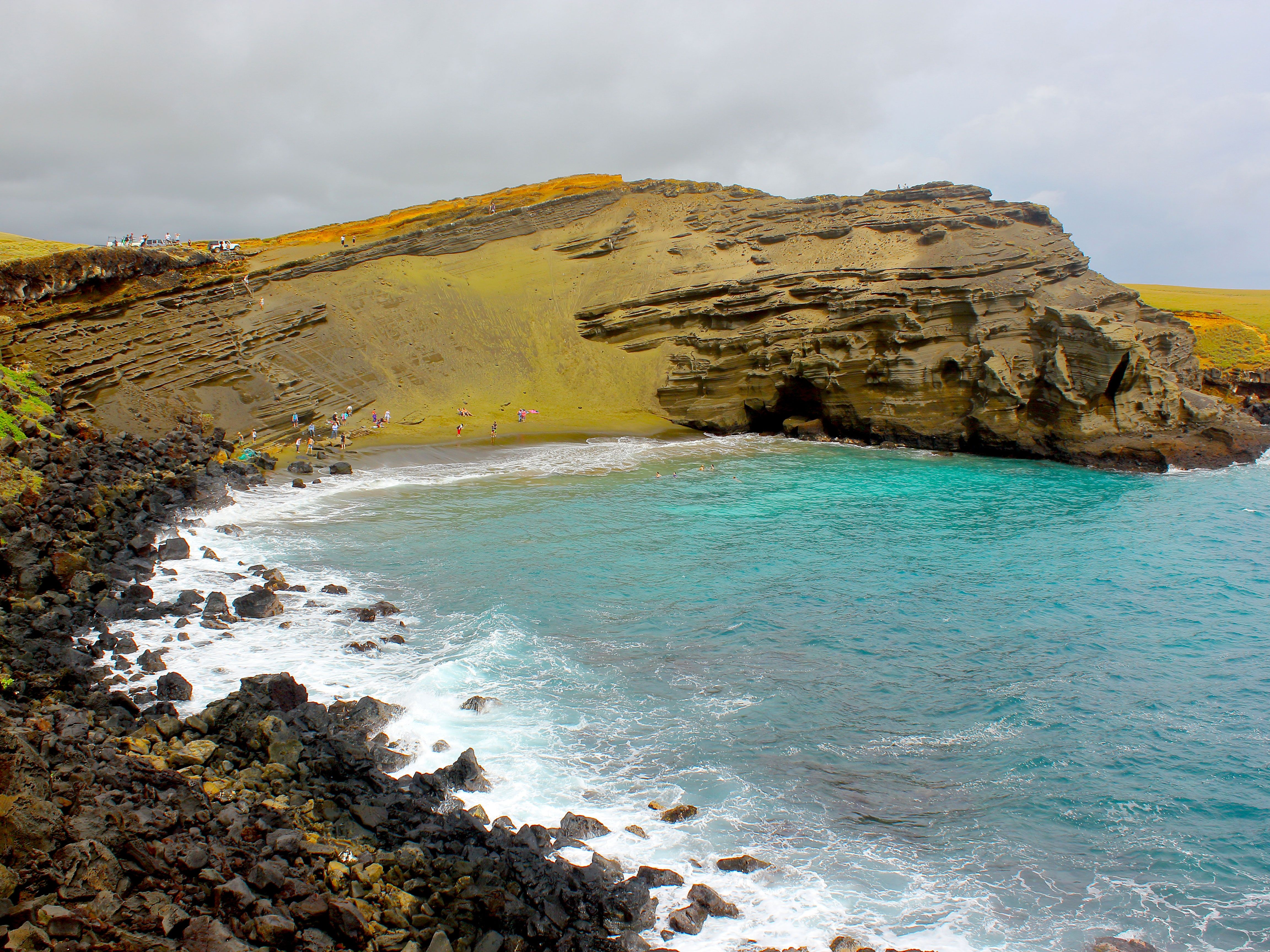
Color other beaches green with envy: This emerald-hued stretch on Hawaii’s Big Island is one of only a handful of green sand beaches in the world. Papakōlea’s stunning sands are the result of small crystalline particles that were formed when the Mauna Loa volcano erupted about 50,000 years ago. These olivine silicates are heavy and don’t wash out to sea as easily as lighter crystals, tinting the beach a lovely deep green.

Lake Laugarvatn – Iceland

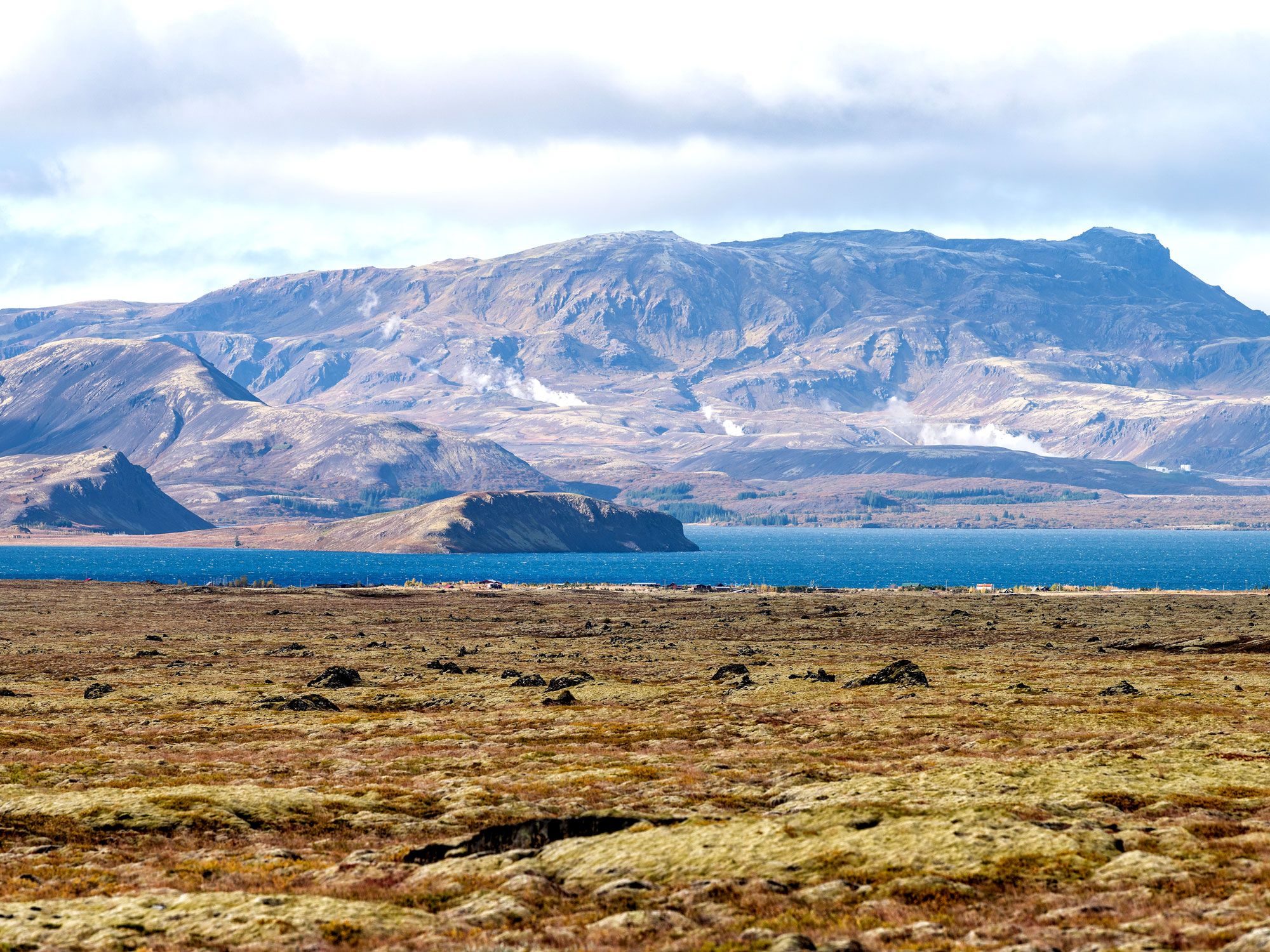
Eating sandwiches on the beach isn’t uncommon, but sandwiches made with bread baked on the beach itself — in sands heated by volcanic lava — is something else. Lake Laugarvatn is located in a region of Iceland where cracks in the tectonic plates allow water scalded by the volcanic hotbed to make its way up to the lake’s shore. Locals dig a hole in the boiling sands, nestle rye dough in a metal pan, and wait for the delicious results. Hardboiled eggs (also cooked in the sand), a bit of butter, and a slice of smoked fish make for an unusual — and tasty — picnic.

Playa del Amor – Mexico

Playa del Amor wouldn’t be out of place in a James Bond movie — in fact, this secluded strip of sand may be the world’s most picturesque bomb site. Located on the Marietas Islands off the coast of Puerto Vallarta, the crater that reveals “Hidden Beach” is said to have been created when the Mexican military used the deserted islands for target practice. To access Playa del Amor, visitors must swim through a short tunnel before emerging onto the secret sands. Don’t forget to bring a thermos of martinis (shaken, not stirred).

As Catedrais – Spain

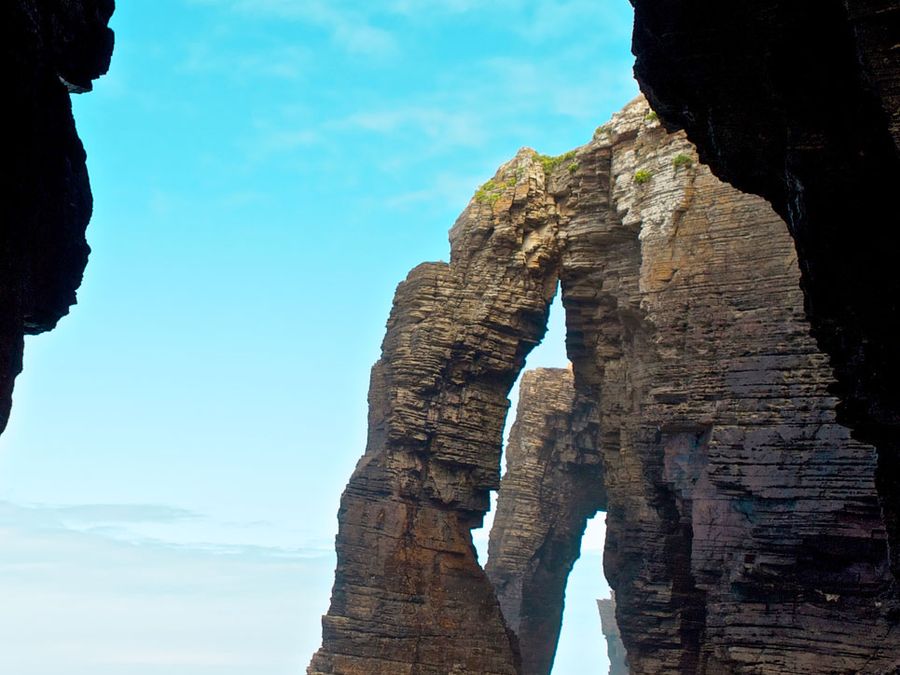
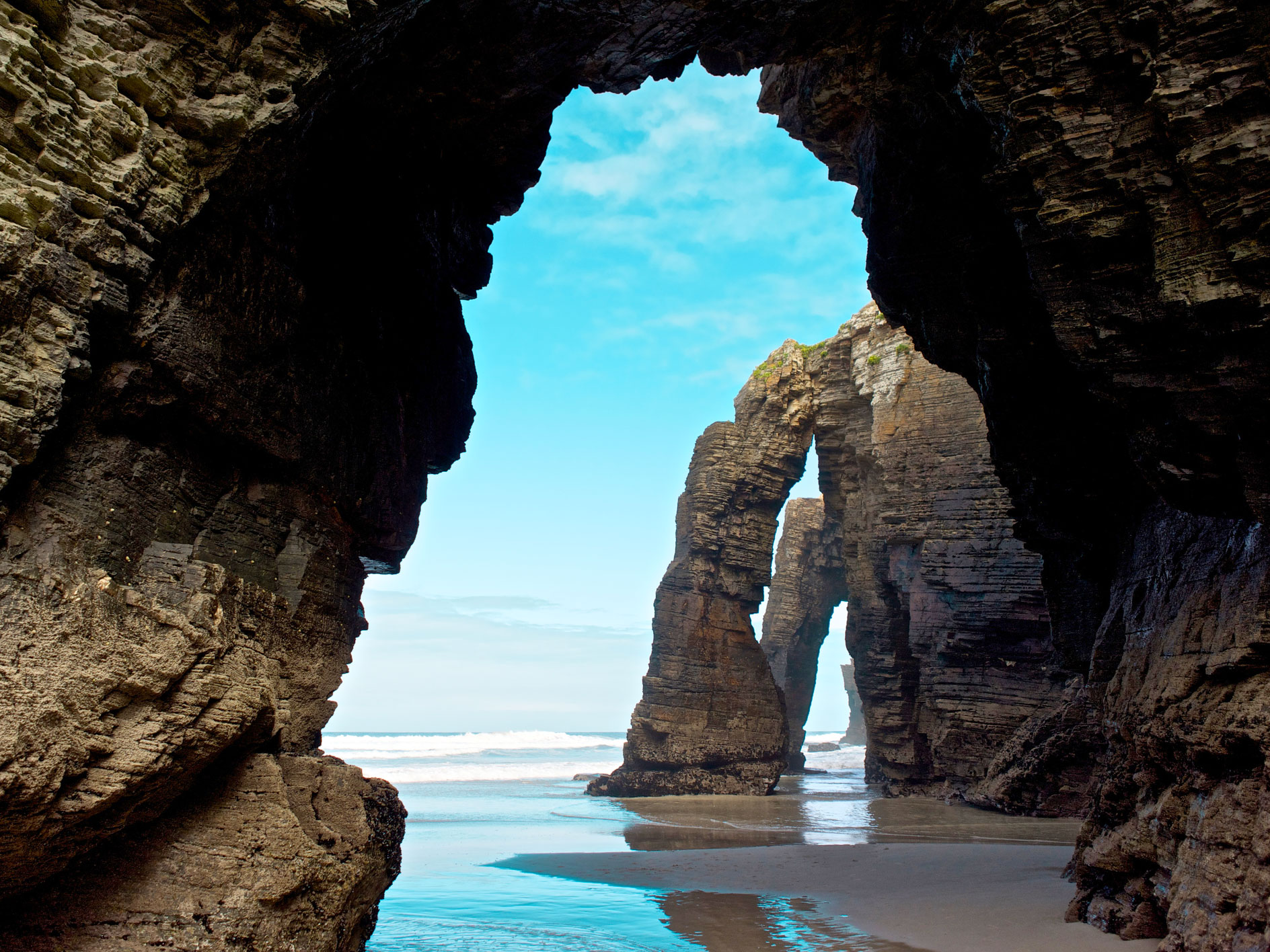
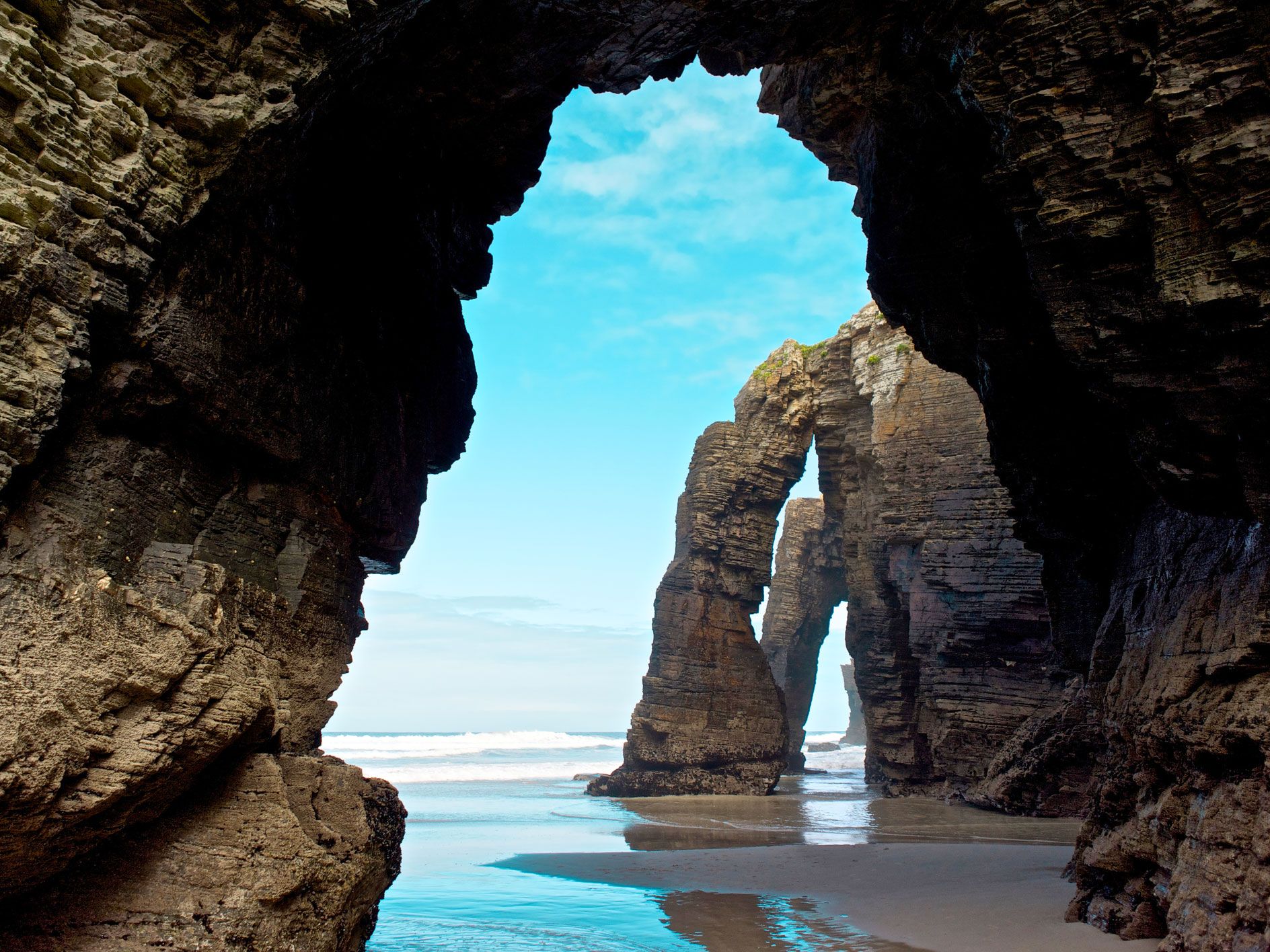
There are plenty of churches in the Lugo province of northwestern Spain, but only one Cathedral Beach. Over millennia, the Cantabrian Sea has sculpted the rocks into a natural monument of towering arches, flying buttresses, soaring stone pillars, and hidden caves, which can be explored when the tide is low.

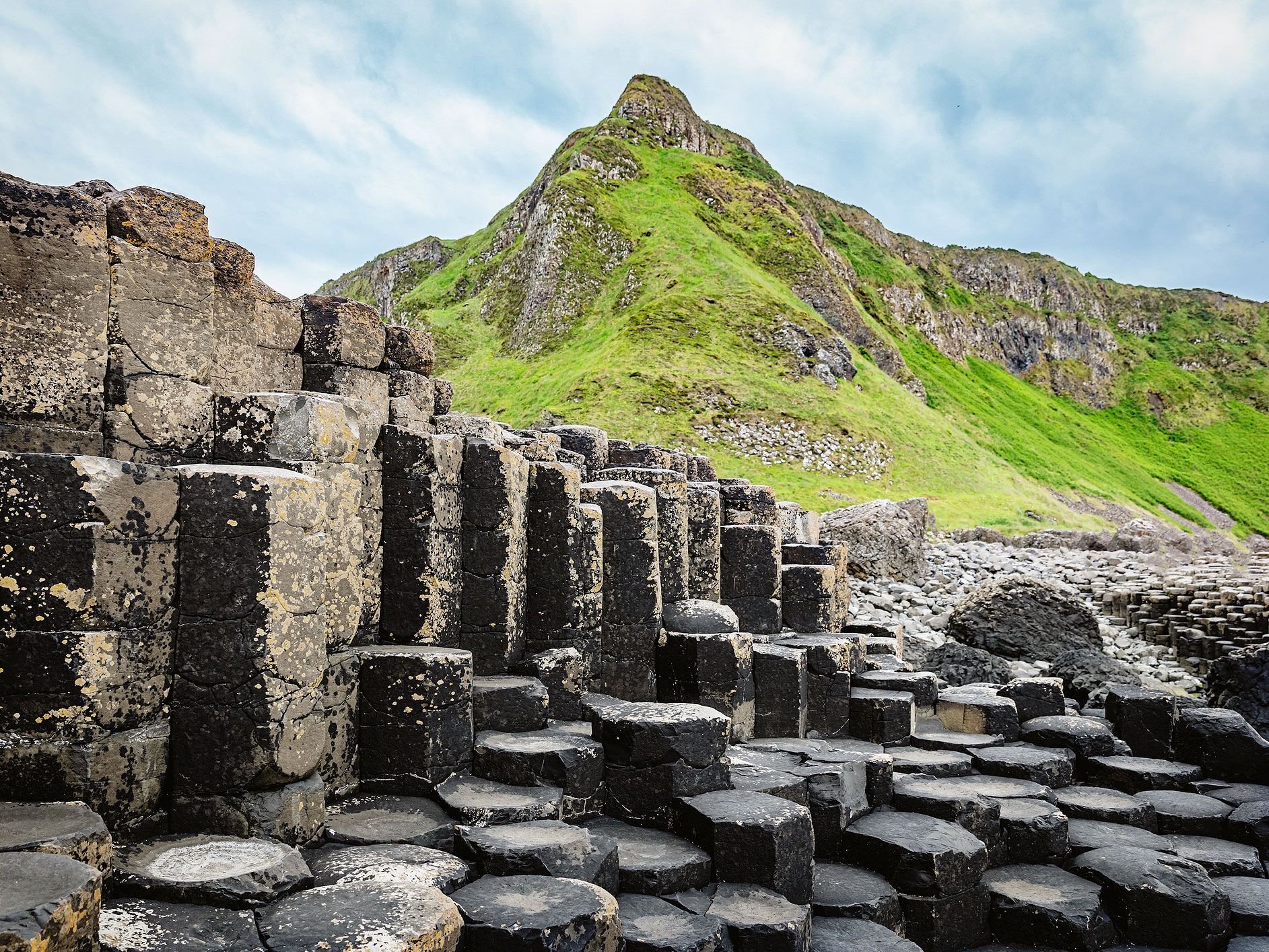
Giant’s Causeway – Ireland

Legend has it that this unusual beach was formed by giants walking across the sea from Northern Ireland to Scotland. Geologists, however, say that this UNESCO World Heritage Site was formed 50 to 60 million years ago, when volcanic activity pushed up about 40,000 black basalt columns that jut from the sea. It resembles a carefully paved avenue — fit for a giant’s jaunt off to the next pub.

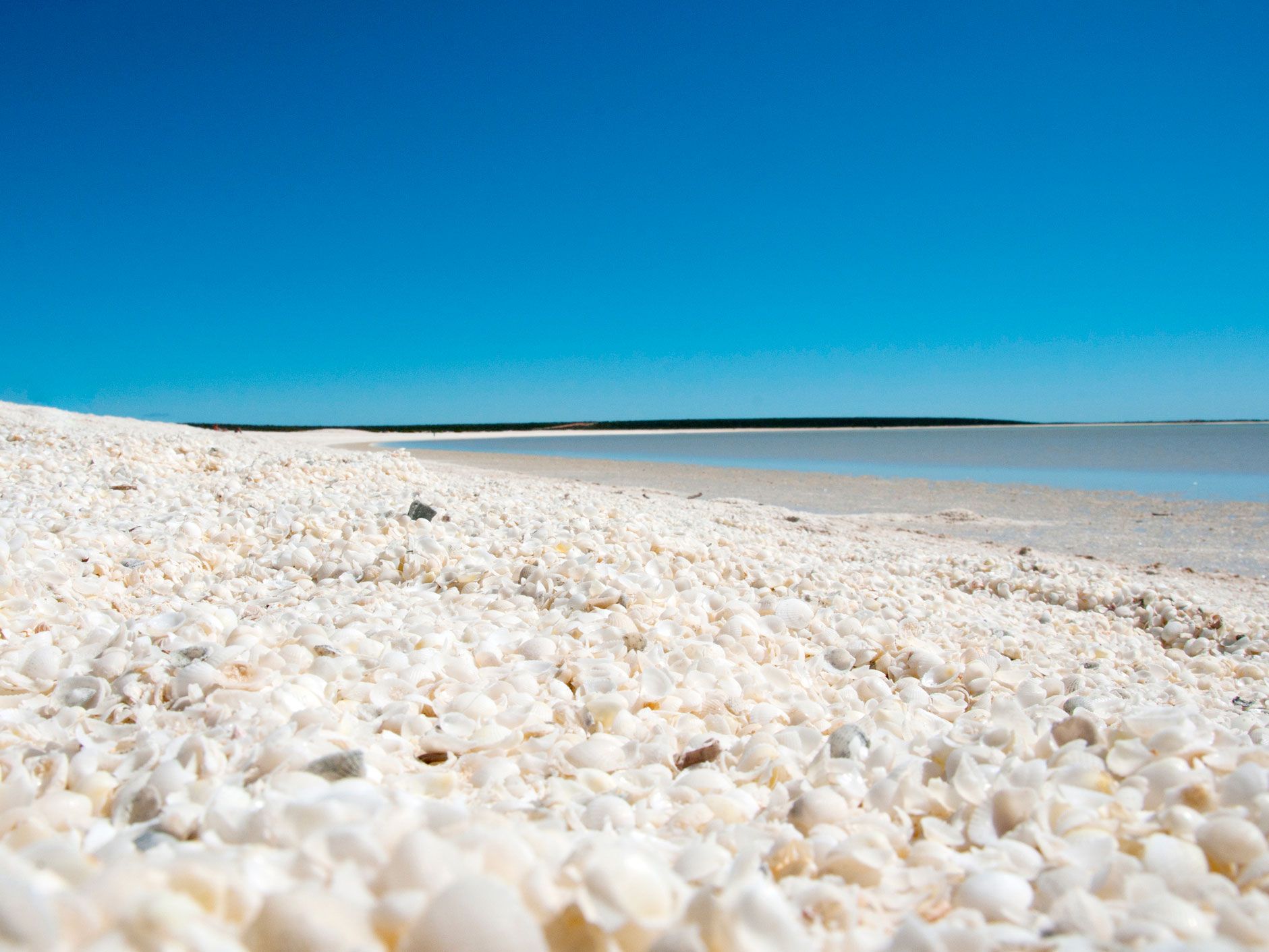
Shell Beach – Australia

Don’t even think of a barefoot stroll along this stretch of beach off Western Australia’s Shark Bay — Shell Beach requires shoes, and sturdy ones at that. The waters off the coast of this UNESCO World Heritage Site contain just the right amount of salt for cockle clams to flourish without predators. This leaves Shell Beach blanketed with millions (billions, probably) of mollusk shells for a stretch almost 40 miles long and 30 feet deep.

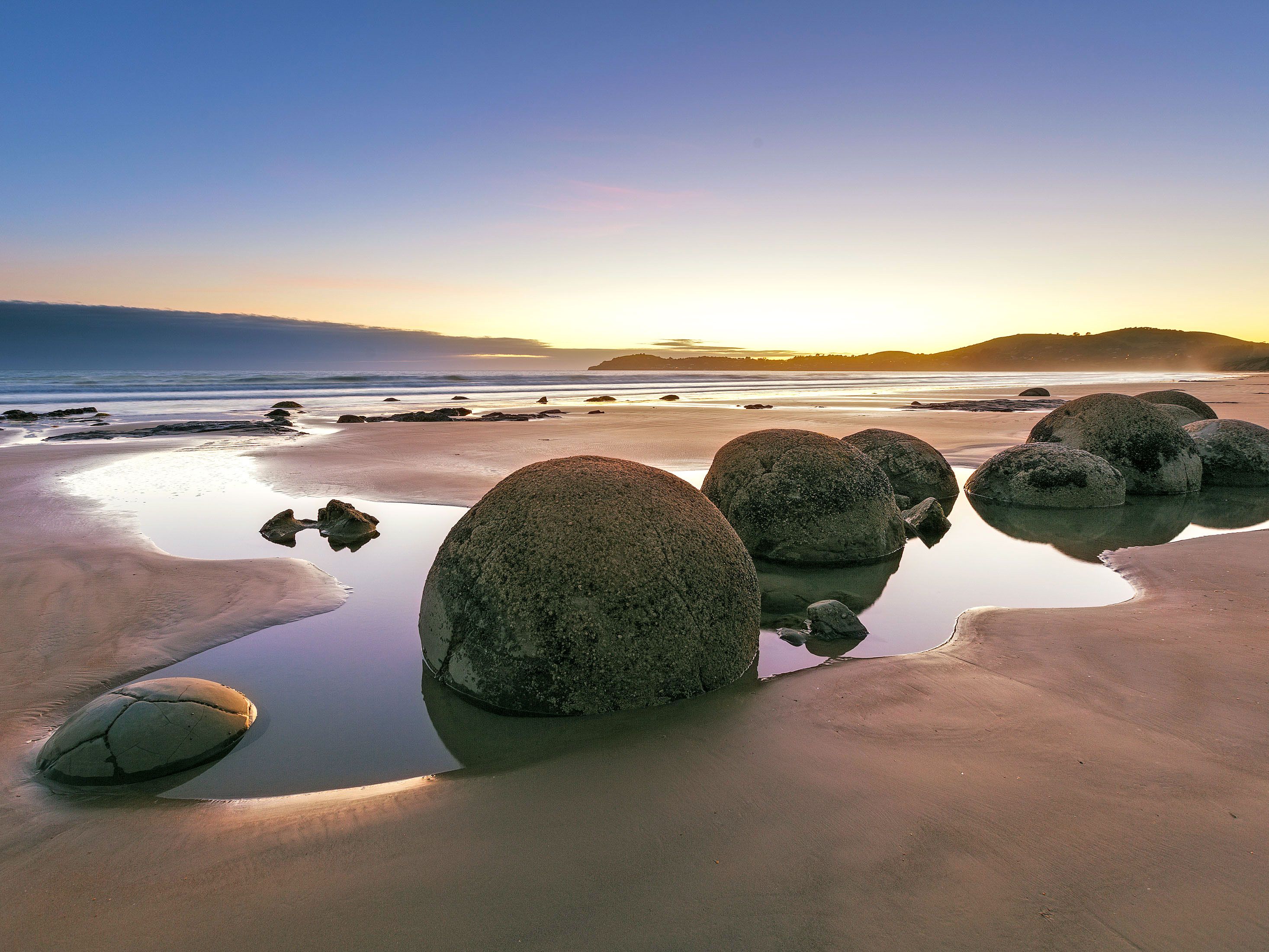
Koekohe Beach – New Zealand

Game of Thrones fans will groove at the massive spherical boulders on this protected scientific reserve on New Zealand’s Otago Coast. Created of mud, silt, and clay over five million years, the Moeraki boulders have a calcified outer layer that has cracked on top, giving rise to the nickname “Dragon’s Egg Beach.”

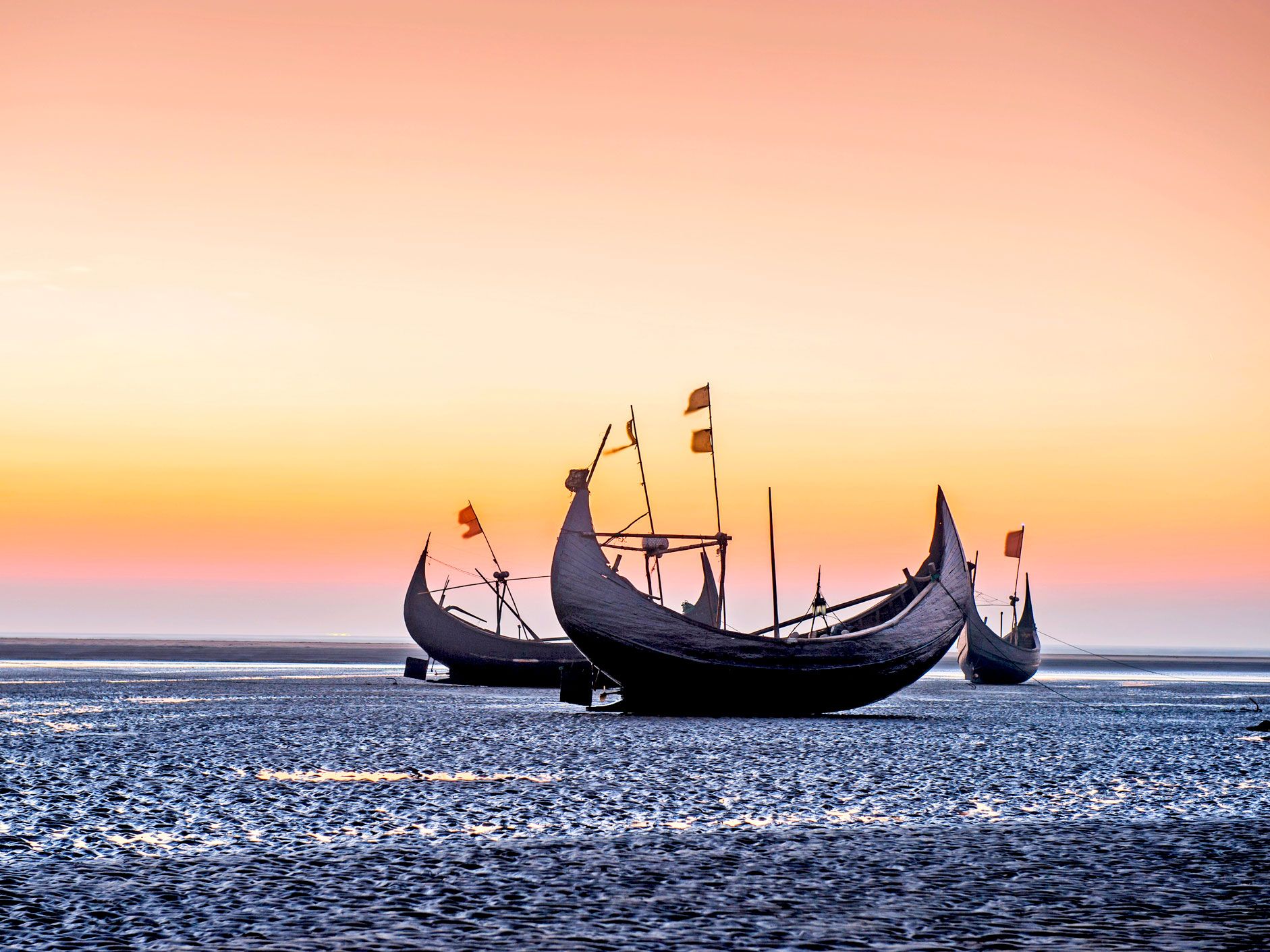
Cox’s Bazar Beach – Bangladesh

Love long walks on the beach? How about really long walks? Visitors to Cox’s Bazar Beach on the Bay of Bengal can stroll 93 miles before reaching the end of one the world’s longest beaches. Stretching 600 feet wide at high tide, the beach can also contain that childhood nightmare — quicksand — during ebb tides. As long as you carefully avoid it, the beach is otherwise lined with many hotels and restaurants interspersed with long miles of blissfully uninterrupted sand.

Skeleton Coast – Namibia

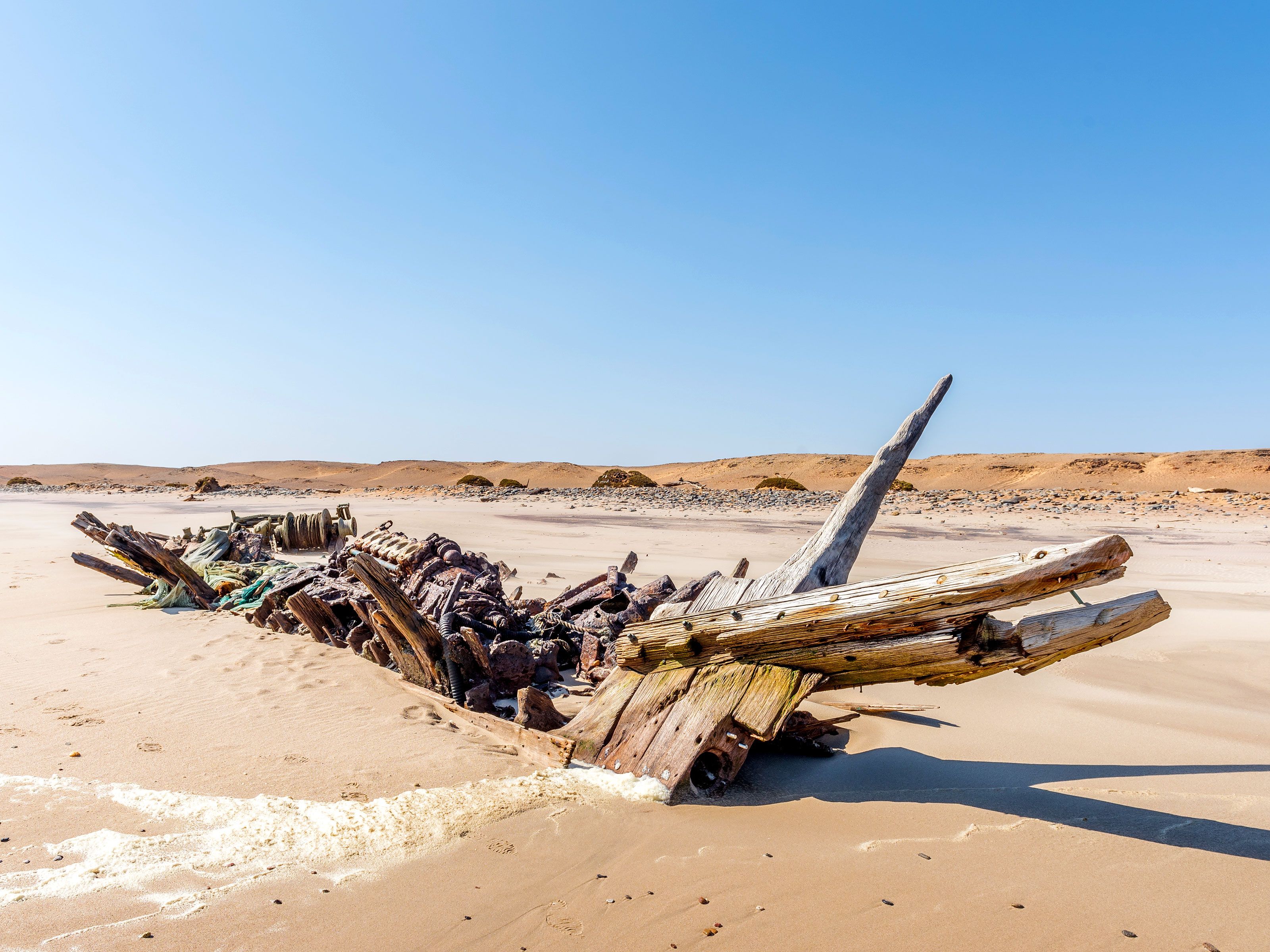
Butting up to the frigid waters of the Atlantic Ocean, western Namibia’s Skeleton Coast runs 300 unforgiving miles of shipwrecks, skulls, and dense fog that rises up to obscure the desert dunes. This rarely visited and remote area is also home to an enormous colony of seals at Cape Cross, covering every available inch of sand. Rare desert lions prowl, taking down the fat seals and the occasional seabird. Because of the dense fog and inhospitable weather, this stretch of coast was the site of countless shipwrecks, with rusting remnants partially covered in the sands.

Sea of Stars – The Maldives

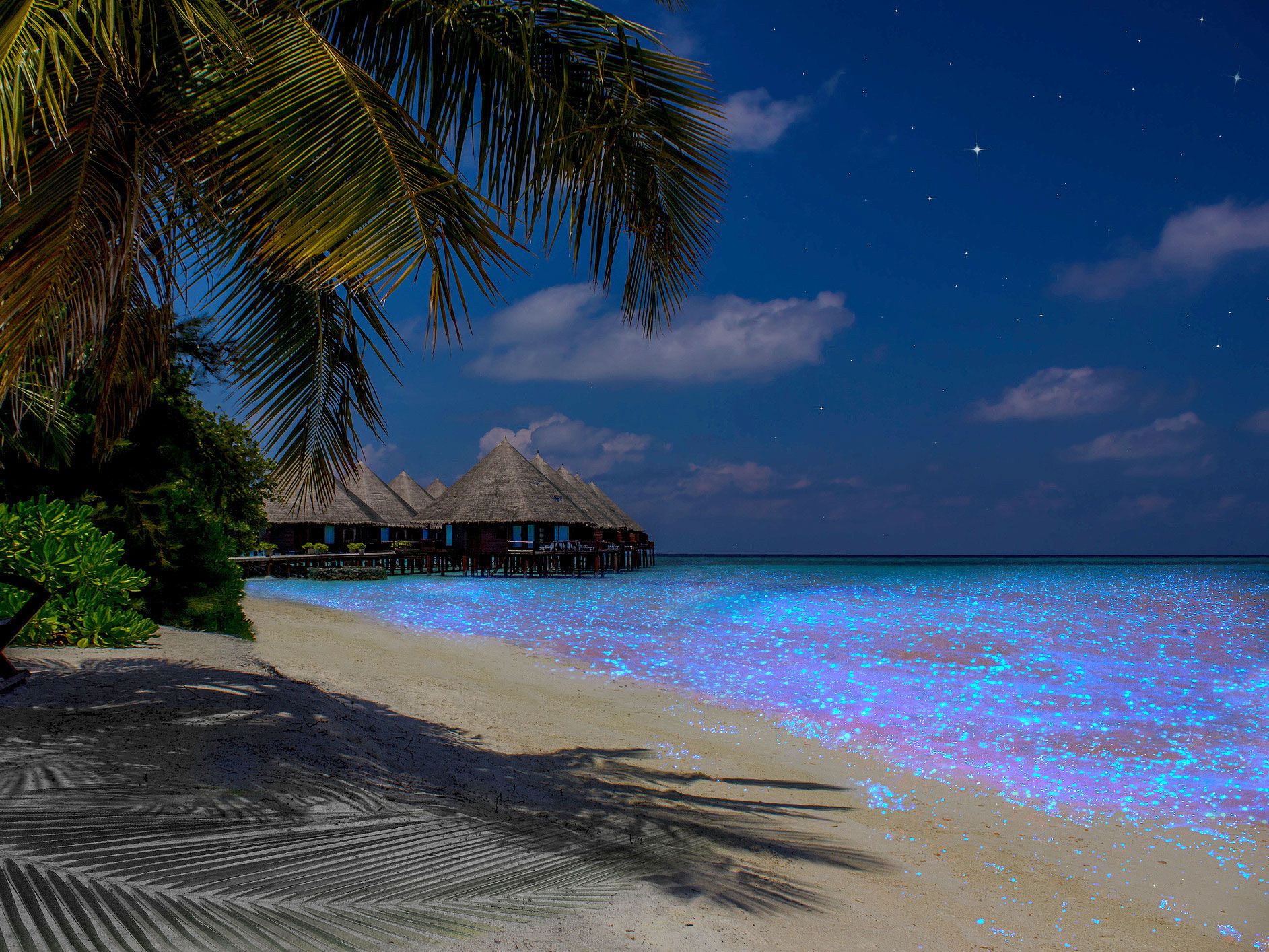
Tiny creatures about a millimeter long called ostracod crustaceans (also known as seed shrimp) create a magical nighttime show in the Maldives, illuminating the waves so that the glowing surf shimmering against the sand appears to contain a galaxy of stars. One of the best places to see this is Mudhdloo Island in the Baa Atoll. Visit in late summer to observe this unearthly phenomenon.

Maho Beach – St. Maarten

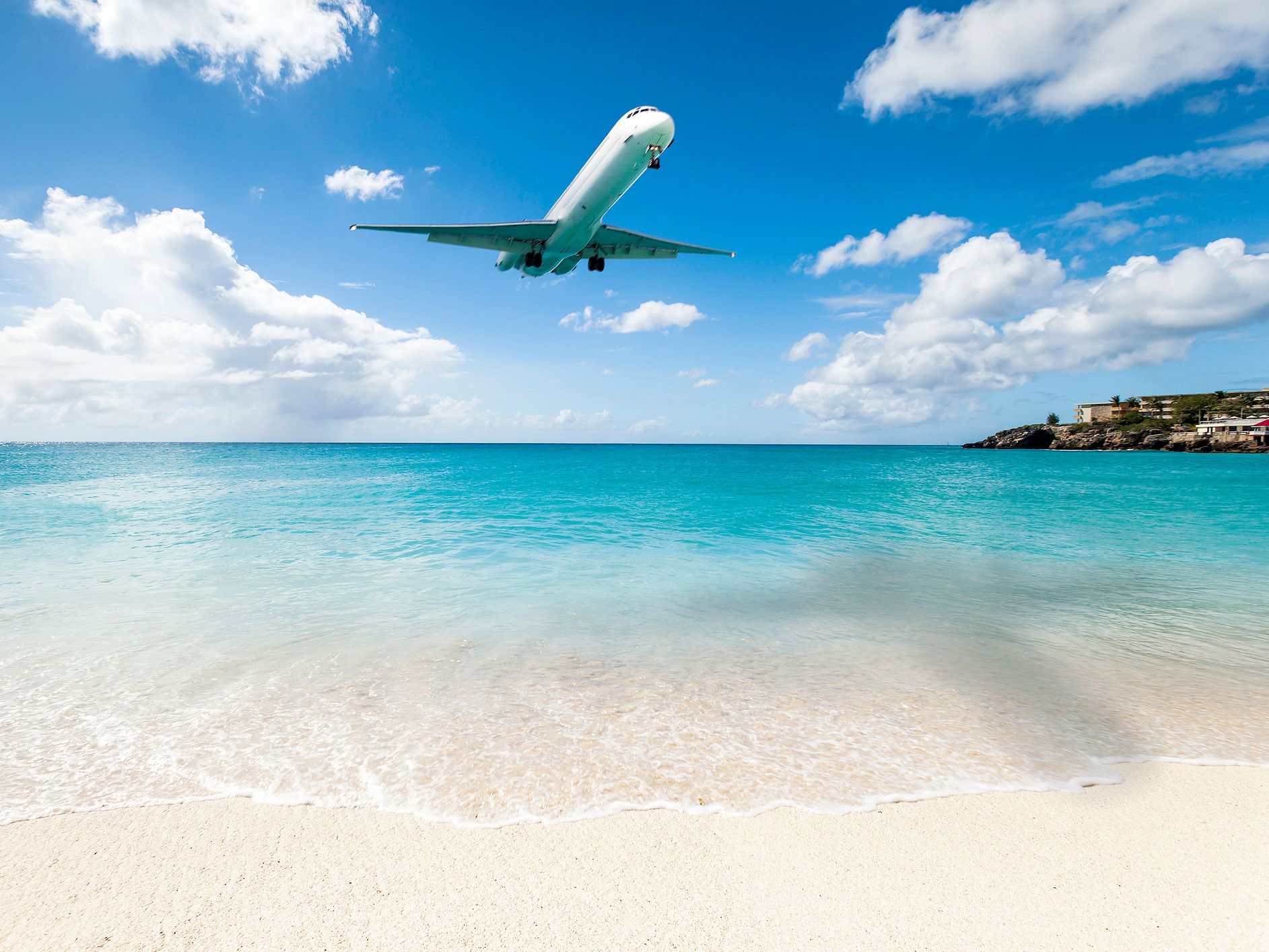
On the Dutch side of this Caribbean island, the beach is natural but the attraction is 100% human-made. Maho Beach is adjacent to Princess Juliana International Airport, close enough to the runway that beach goers can be blown about by the jet blast. This up-close-and-personal proximity makes the beach popular with aviation buffs as well as sun worshippers, and plane spotters come from all over the planet to take in the iconic site (and snap an incredible photo).

Hot Water Beach – New Zealand

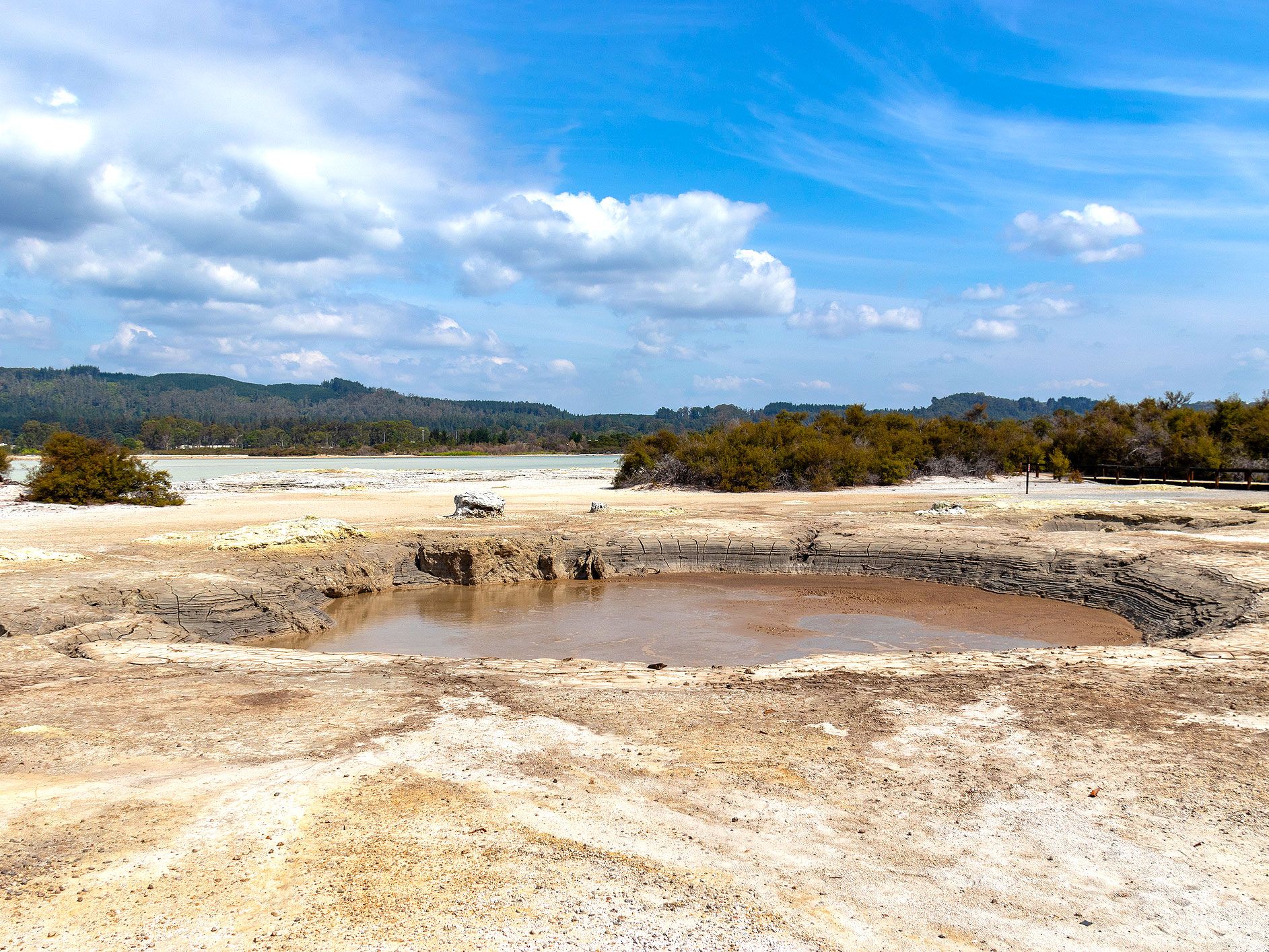
On the east coast of the Coromandel Peninsula, thermal springs filter up through the sands of Hot Water Beach between high and low tides. Bring a shovel (or rent one) and dig your very own hot tub, right on the shore. Don’t get too relaxed, though: The hot springs are quite close to the water even at low tide, and no one wants their soak interrupted by an unexpected breaking wave.

Rabida Island – Ecuador

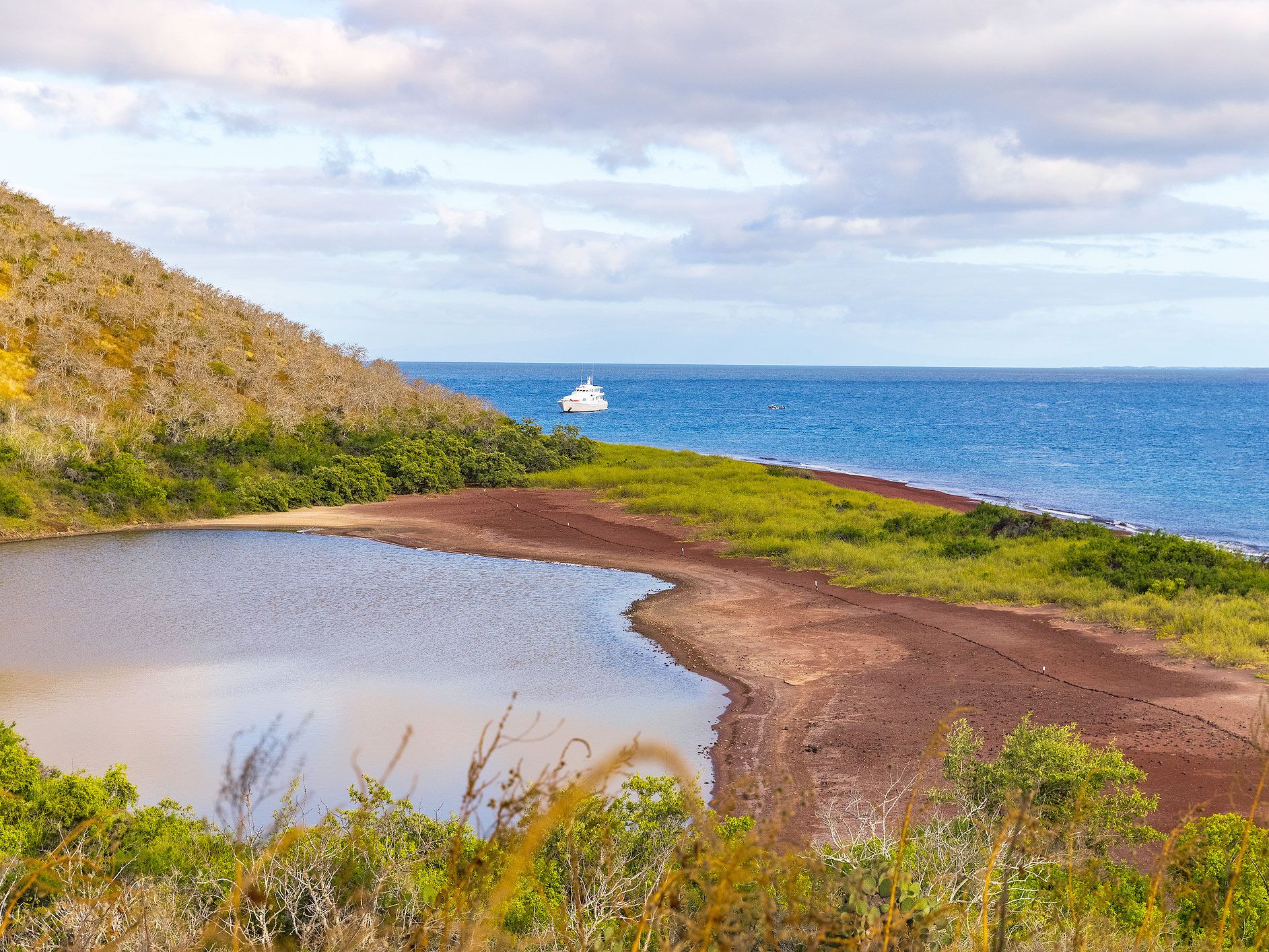
This small island is the only place in the Galápagos that is home to nine varieties of Charles Darwin’s famous finches. Blue-footed boobies, sea lions, and brown pelicans share the deep red sands, which have their distinctive color due to the high iron content of Rabida’s basaltic lava.

Boulders Bay – South Africa

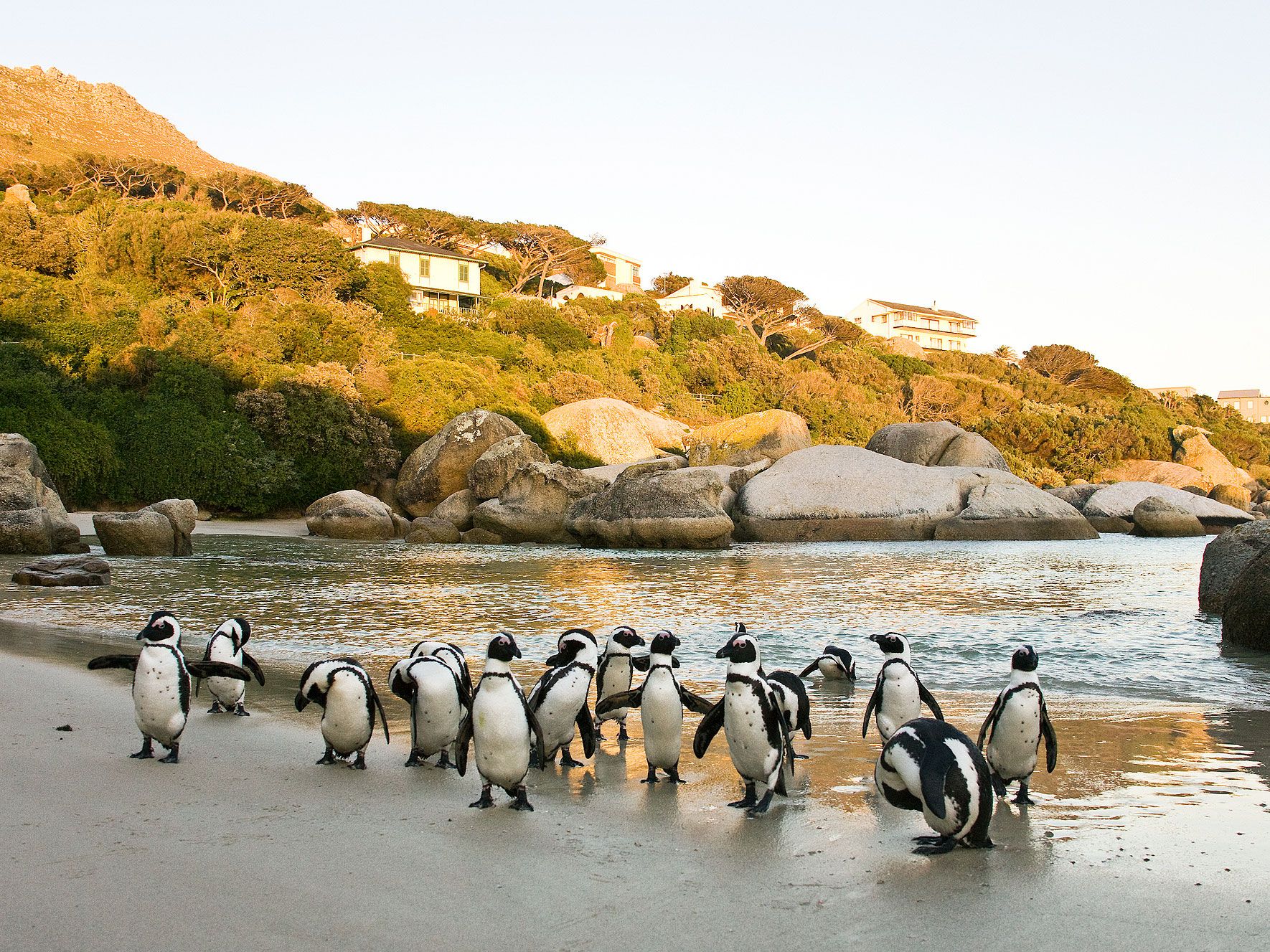
Whose lifelong dream isn’t to swim with penguins? This secluded beach in a Cape Town suburb is the only place in the world to encounter endangered African penguins up close. You can splash (but not touch) our tuxedoed flightless friends who hang out on the sands here. Started from one breeding pair in 1982, the protected colony now numbers between 2,000 and 3,000, in all their waddling glory.

Horseshoe Bay Beach – Bermuda

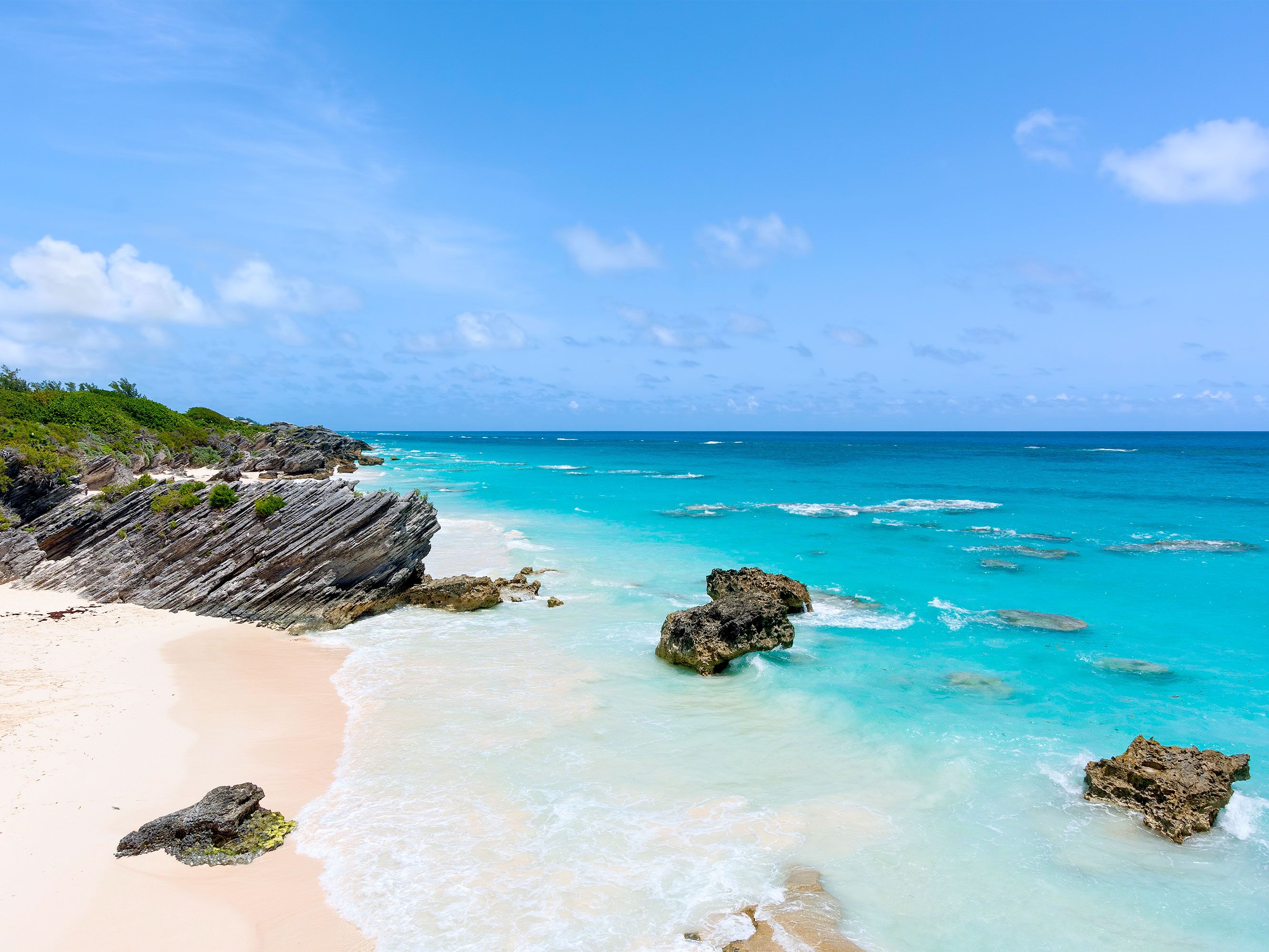
The phrase “pretty as a picture” — and pictures themselves — can’t begin to do justice to Horseshoe Bay Beach, but that hasn’t stopped it from becoming one of the world’s most Instagrammed beaches. As soon as you see the bright turquoise water lapping against petal-pink sand, you’ll understand why. The cotton candy coloring is a result of crushed microscopic marine insects, known as foraminifera, and shells.

Post Banner Image
Architecture

10 Iconic Structures That Were Supposed to Be Temporary

By Daily Passport Team
Read time: 8 minutes
June 22, 2023
Updated: March 4, 2025

10 Iconic Structures That Were Supposed to Be Temporary

By Daily Passport Team
Author
Daily Passport Team
Daily Passport writers have been seen in publications such as National Geographic, Food & Wine, CBC, Condé Nast Traveler, and Business Insider. They're passionate about uncovering unique destinations and sharing expert tips with curious travelers.

These days, it’s somewhat impossible to imagine the skyline of Paris without the Eiffel Tower, L.A. without the iconic Hollywood Sign, or even London without the soaring, slowly-revolving London Eye. But these famous landmarks all share one thing in common — they weren’t meant to stick around for as long as they have. Long before they could reach icon status, their original plans, for a variety of reasons, called for them to be dismantled and forever lost to history. Discover which other iconic landmarks across the globe have defied the odds and stood the test of time.

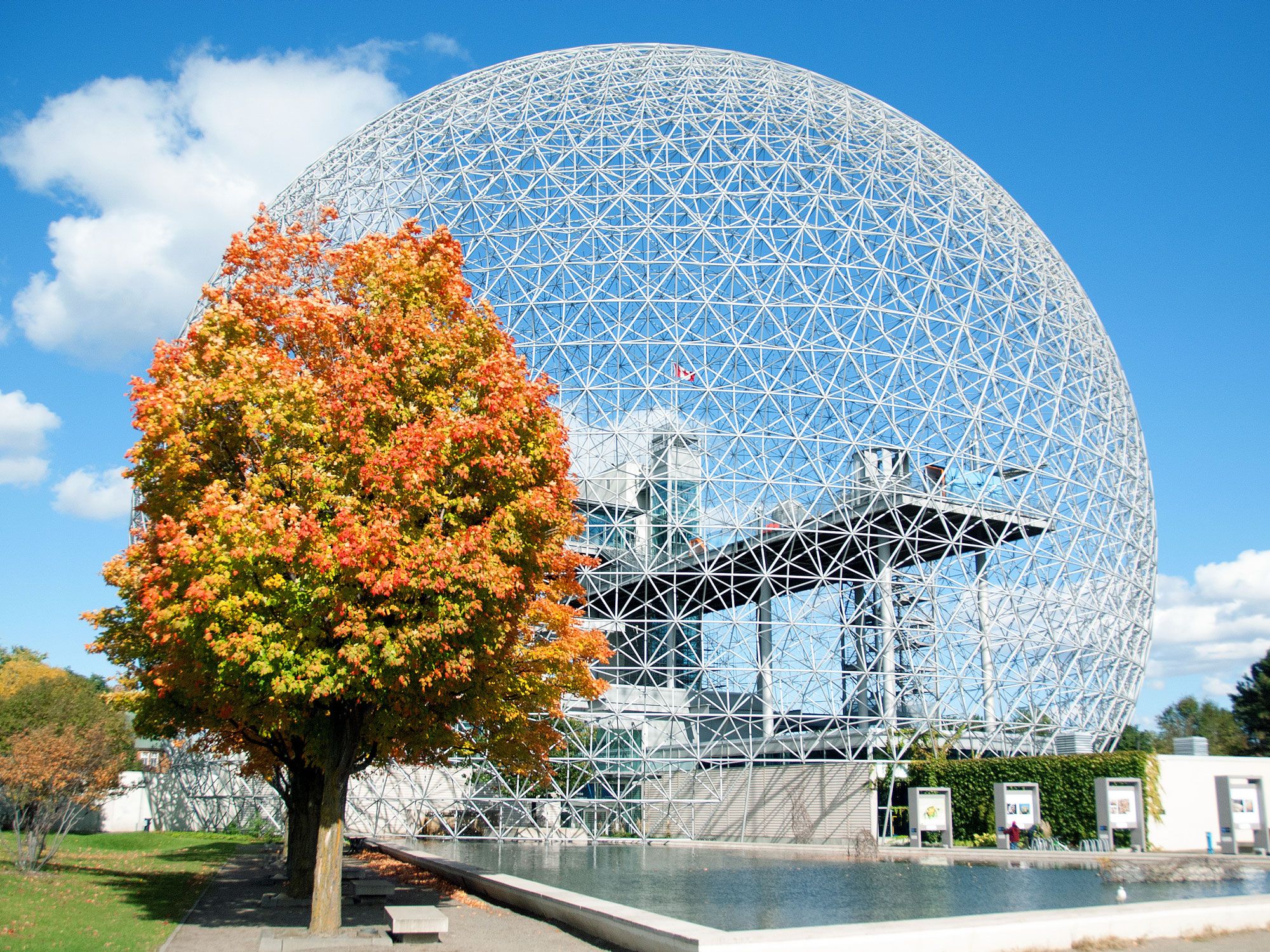
Montreal Biosphere – Montreal, Canada

Geodesic dome structure of the Montreal Biosphere behind a tree
Photo credit: meunierd/ Shutterstock

Visionary architect Buckminster Fuller is best remembered for having popularized the geodesic dome, a lightweight but durable structure that could be used for all types of buildings. The American Pavilion at Expo 67 in Montreal was partially covered by a grand and airy dome of Fuller’s design, rising 203 feet tall with a diameter of almost 250 feet. The dome, made of steel lattice work, was originally meant to be dismantled at the conclusion of the world’s fair.

However, it was discovered that during construction, workers had welded the steel trusses together, rather than simply bolting them. The expense of taking down the dome was too great, so it was left in place in Montreal’s Parc Jean-Drapeau. The original acrylic dome, which covered the structure, caught fire in 1976 and was not replaced. In 1990, the building beneath the Biosphere opened as a museum highlighting ecosystems and biodiversity — fitting topics to be explored inside a futuristic structure designed by Fuller, an early environmental activist.

Nashville Parthenon – Nashville, Tennessee

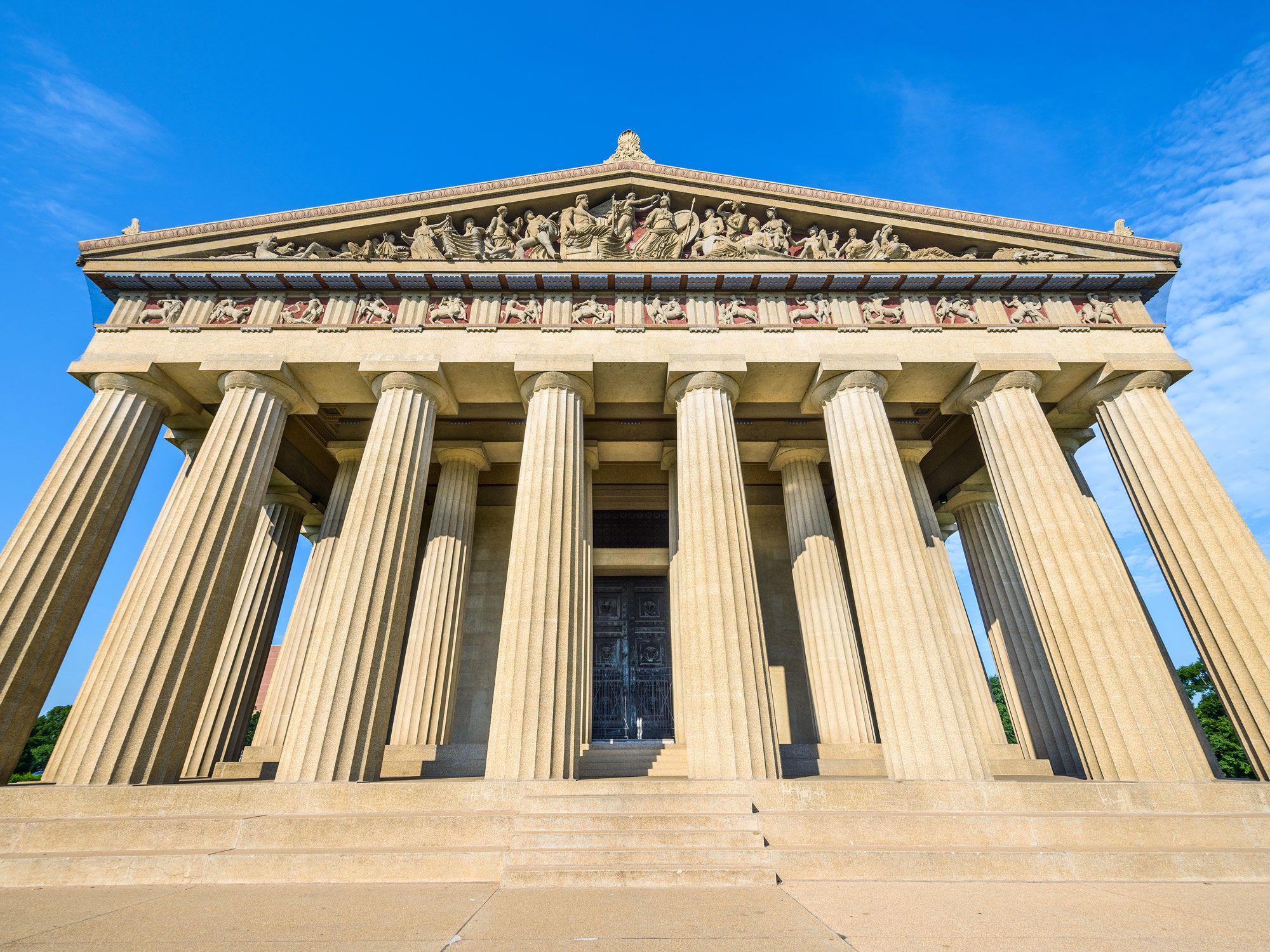
Steps leading to the Nashville Parthenon in Nashville, Tennessee
Photo credit: Sean Pavone/ Shutterstock

Two thousand years after the original Parthenon was built in Athens, the city of Nashville commissioned this full-scale replica for Tennessee’s statehood centennial celebration in 1897. Its purpose was to honor (and promote) the city’s nickname, “the Athens of the South.” During the centennial, the building was used as an art pavilion, with skylights illuminating the artwork by day and relatively new electrical power to light it during the evening. Designed to mimic every last detail of the original, the structure was supposed to last for the six-month centennial celebration, but the locals loved the classical glow it lent their city and opted to save it from the wrecking ball.

By the 1920s, the city had to replace the deteriorating temporary materials used on the Parthenon’s exterior with more permanent stone. While the original building took two years to build, the subsequent construction project to make it permanent lasted 11 years. Today it is not only the centerpiece of Centennial Park but also houses an art museum.

Eiffel Tower – Paris, France

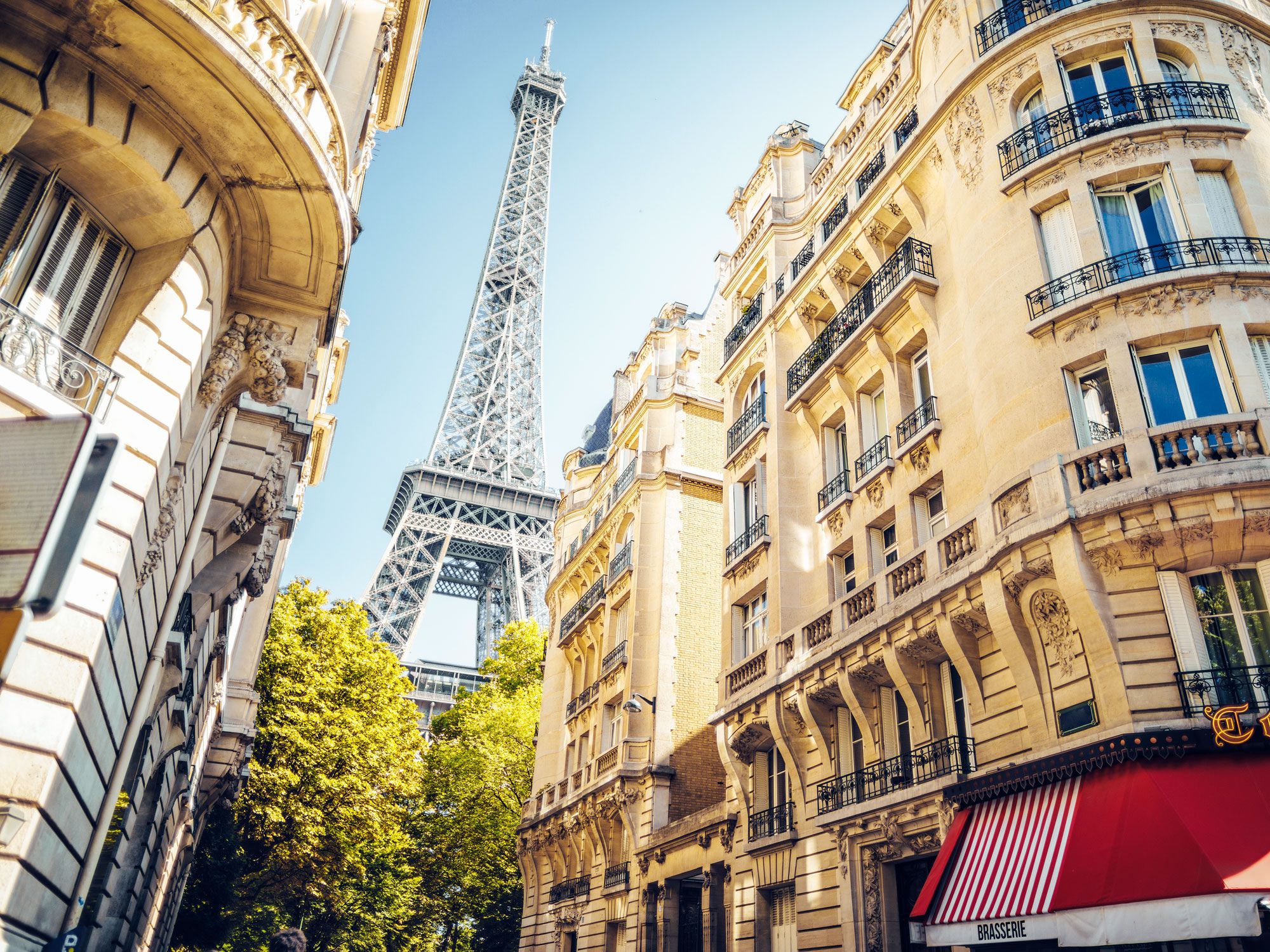
View of Eiffel Tower between buildings of Paris, France
Photo credit: Eva-Katalin/ iStock

The iron-latticed Art Nouveau landmark so indelibly associated with the City of Light wasn’t originally intended to last longer than 20 years. The Eiffel Tower was erected for the World’s Fair in 1889 to commemorate the 100th anniversary of the French Revolution. However, the stunning tower — then the world’s tallest — was less than popular with the Parisian public at the time, some of whom protested its construction and called the design “monstrous.” No matter, because it was slated for dismantling in 1909. Fortunately, the landmark was spared from destruction when its value as a radio tower was realized; ever since, it has remained the most recognizable feature of the Paris skyline.

Washington Square Arch – New York, New York

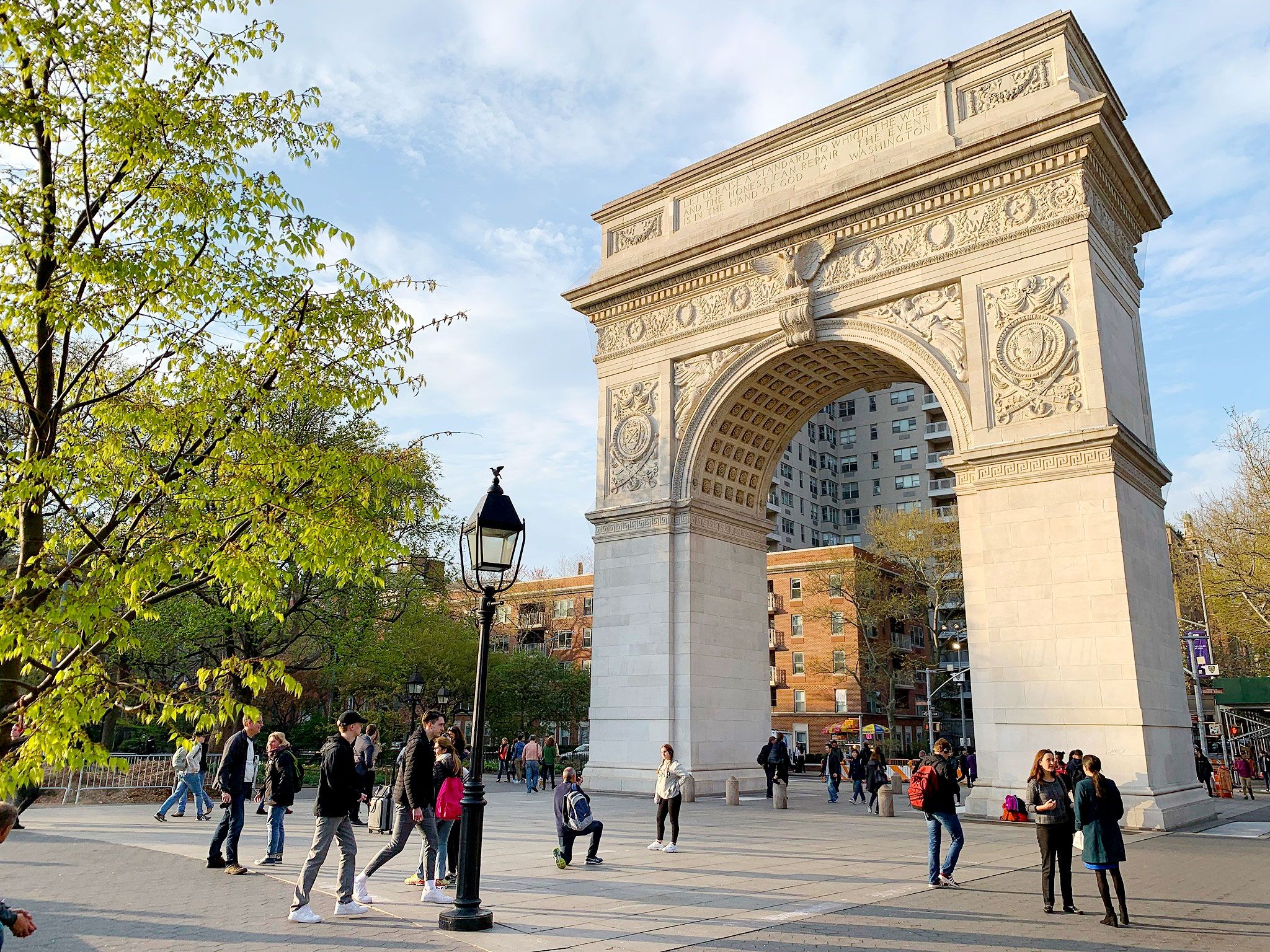
People gathered around Washington Square Arch in New York City
Photo credit: Kirkikis/ iStock

To honor the centennial of George Washington’s inauguration in 1889, a local businessman named William Rhinelander Stewart raised money to erect a monumental arch in New York City’s Washington Square Park. The arch, meant to stand only as long as the three-day spring celebration, was made of plaster of Paris and wood. The centennial was a huge success — all 50 states sent delegates, and there were parades, fireworks, military band concerts, speeches, and a formal ball. And the arch proved so popular that another fund was immediately taken up to turn it into a permanent landmark. The architect Stanford White designed the elegant white marble version which was completed in 1895 and stands today, gracefully marking the southern terminus of Fifth Avenue in Greenwich Village, Manhattan.

Christ Church Cathedral – Christchurch, New Zealand

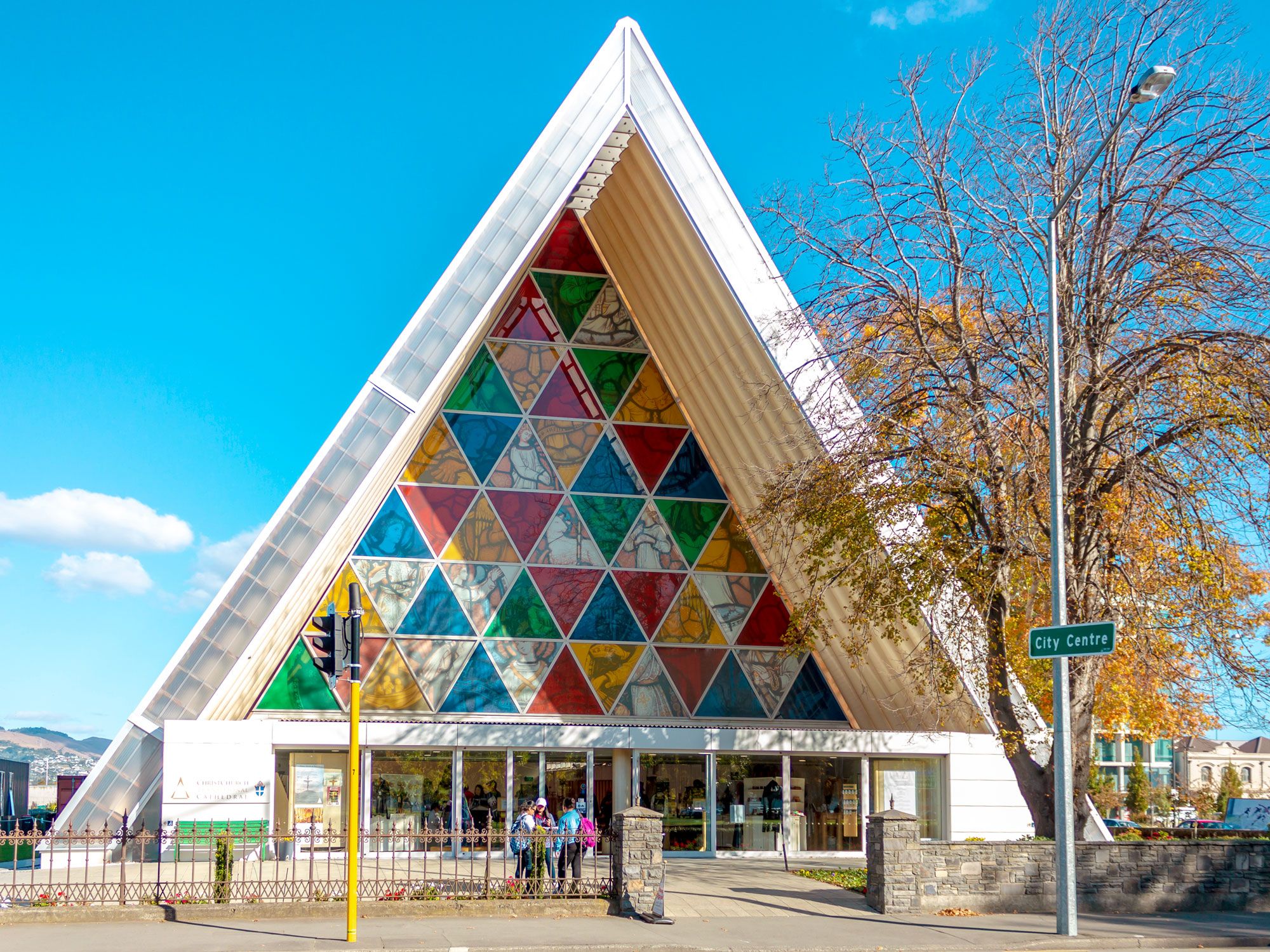
Triangular exterior of the Christ Church Cathedral with colorful mosaic stained glass
Photo credit: Zakharov Vadim/ Shutterstock

In February 2011, a 6.3-magnitude earthquake struck the city of Christchurch, New Zealand, irreparably damaging, among the many architectural casualties, much of Christ Church Cathedral. While the parishioners and clergy debated whether to rebuild or dismantle the remaining stones of the cathedral, a temporary church was built according to an ingenious design by Pritzker Prize-winning architect Shigeru Ban. The design — a pro bono effort by the architect, who has since stepped in to provide emergency help in other international disasters — employs 24-inch-diameter cardboard tubes, like those used in shipping, as beams in the A-frame building. The tubes are reinforced with steel and timber and coated with a polyurethane to be waterproof.

When it was consecrated in 2013, the church, nicknamed the “Cardboard Cathedral,” became a symbol of the city’s resilience and willingness to rebuild and move forward. After 10 years of indecision, the archdiocese has finally decided to rebuild the Christ Church Cathedral, and so the future of the Cardboard Cathedral — never intended to last more than 50 years — is uncertain. Will the city shore up this tubular emblem of their rebirth and keep it alive past its expiration date?

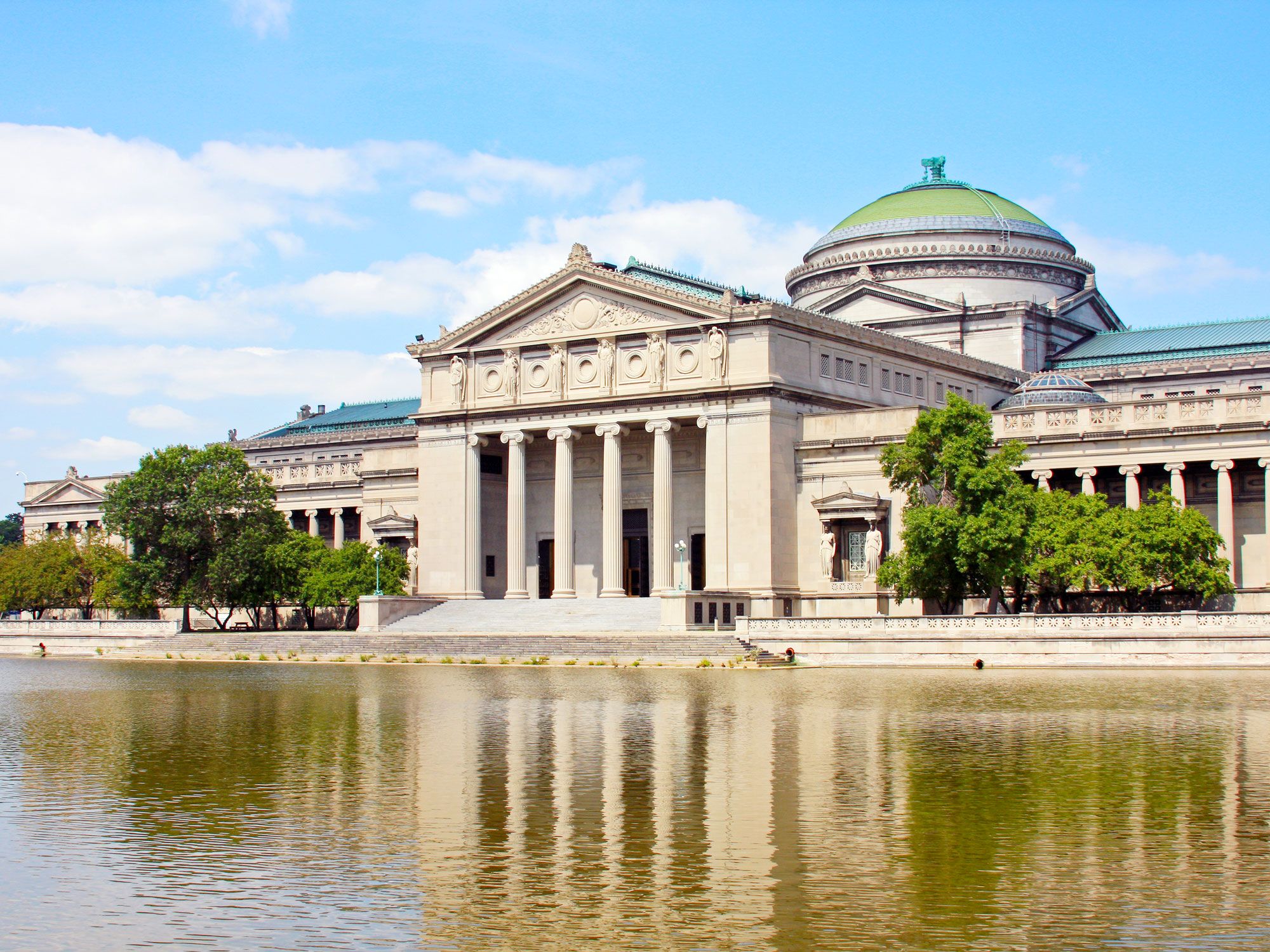
Museum of Science and Industry – Chicago, Illinois

Museum of Science and Industry along the waterfront in Chicago, Illinois
Photo credit: Thomas Barrat/ Shutterstock

Chicago’s 1893 world’s fair (officially named the World’s Columbian Exposition) spurred major upgrades to Chicago’s architecture and urban layout (and also introduced us to the first Ferris wheel and fluorescent light bulb). Instead of building just one main building, as at previous fairs, the organizers decided to erect grand buildings across the 600-acre site in Jackson Park. The plan included a central pool or “grand basin” surrounded by an immense square of classical Beaux-Arts style palaces with pillars, towers, and domes. Since the buildings were meant to be temporary, their whitewashed facades were made of plaster of Paris, hemp fiber, and glue masquerading together as stone.

When the fair ended, a fire destroyed many of the buildings, and others were bought, disassembled, and moved elsewhere. But one important building remained: the Palace of Fine Arts, the interior of which was built from stronger materials than other buildings because it was meant to hold valuable artworks. It became a museum exhibiting artifacts from the 1893 fair. In the late 1920s, the building’s failing plaster exterior was replaced by carved limestone, making it a permanent structure. Beginning in 1933, it became the home of the Museum of Science and Industry, a temple to modern technology and one of the city’s most popular museums.

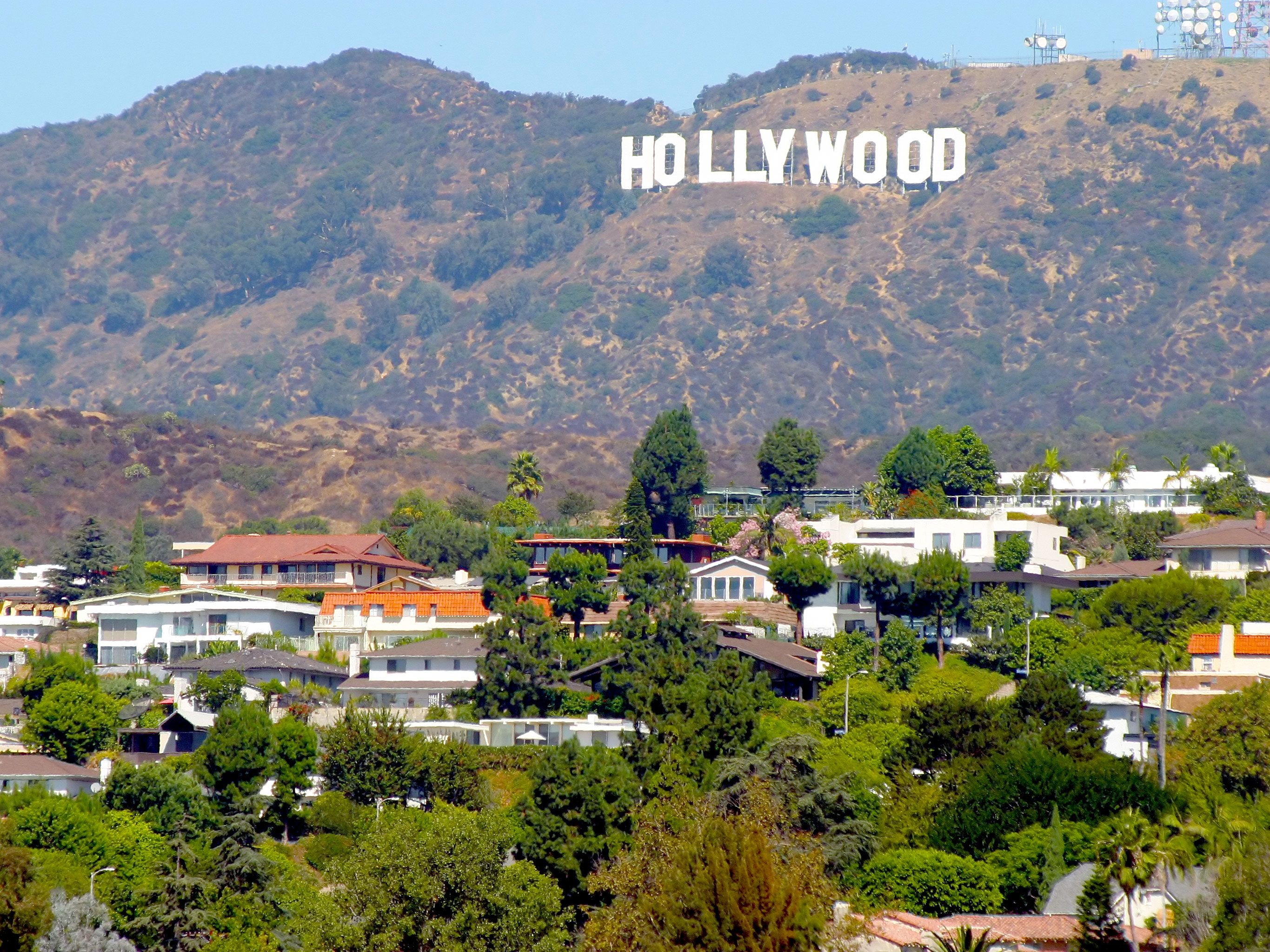
Hollywood Sign – Los Angeles, California

View of Hollywood Sign in the distance above homes in Los Angeles, California
Photo credit: egd/ Shutterstock

In 1923, to promote his new real estate development, Los Angeles Times publisher Harry Chandler spent $21,000 (the equivalent of more than $300,000 today) to erect 43-foot-high letters spelling out the development’s name: Hollywoodland. The sign, located in the hills above LA’s Griffith Park, was illuminated at night by 4,000 bulbs, and it was originally intended to last only a year and a half. Almost a century later, the first nine letters remain standing. The “land” part of the sign fell into disrepair, and rather than repair it, the city removed it in 1949 so that the sign would better represent the district as a whole. The landmark sign has since become the most recognizable symbol of both the city and of the entire moviemaking industry.

Atomium – Brussels, Belgium

View of atom-shaped structures of the Atomium in Brussels, Belgium, from street level
Photo credit: Lodapon Wantaarawaiva/ Shutterstock

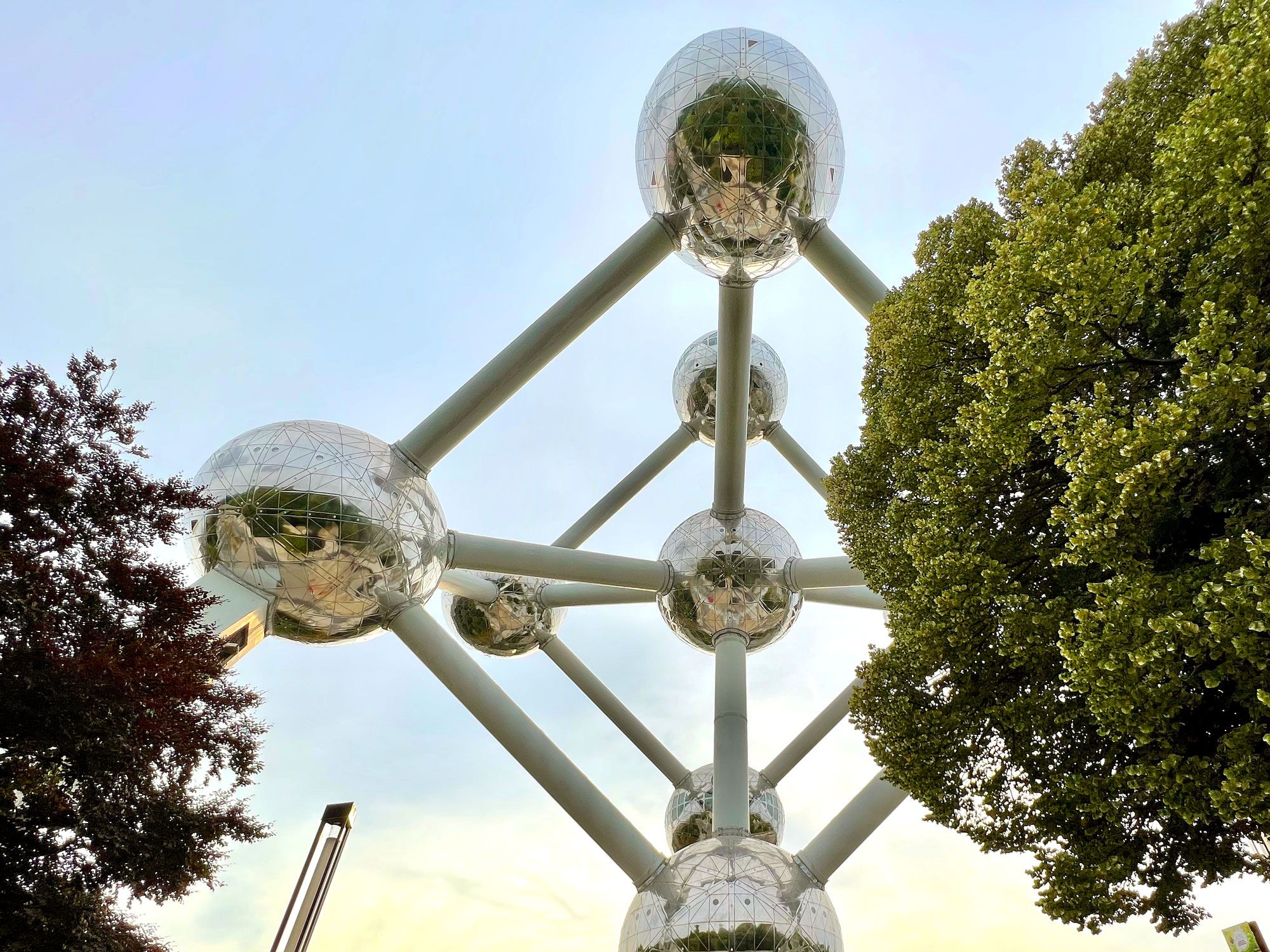
This fantastical structure, an homage to the space-age Googie style of the mid-20th century, was built for Expo 58 (aka the 1958 Brussels World’s Fair) and was initially intended to be temporary. The 335-foot-tall stainless steel-clad landmark — nine globes connected and held aloft by a network of tubes — represents a cell of an iron crystal, blown up to 165 billion times its actual size. While it appears to be merely a sculpture, the Atomium was actually the main pavilion for the fair, and six of the spheres (accessible via escalators inside the connecting tubes) remain open to visitors.

After its success at the fair, the city decided to keep the Atomium, but a lack of maintenance allowed it to fall into disrepair. It was finally renovated between 2004 and 2006. The restoration included changing the exterior from aluminum cladding to stainless steel, adding a glass ceiling on the elevator to the top-most sphere, and integrating LED lights in the globes to enable light shows and illumination at night.

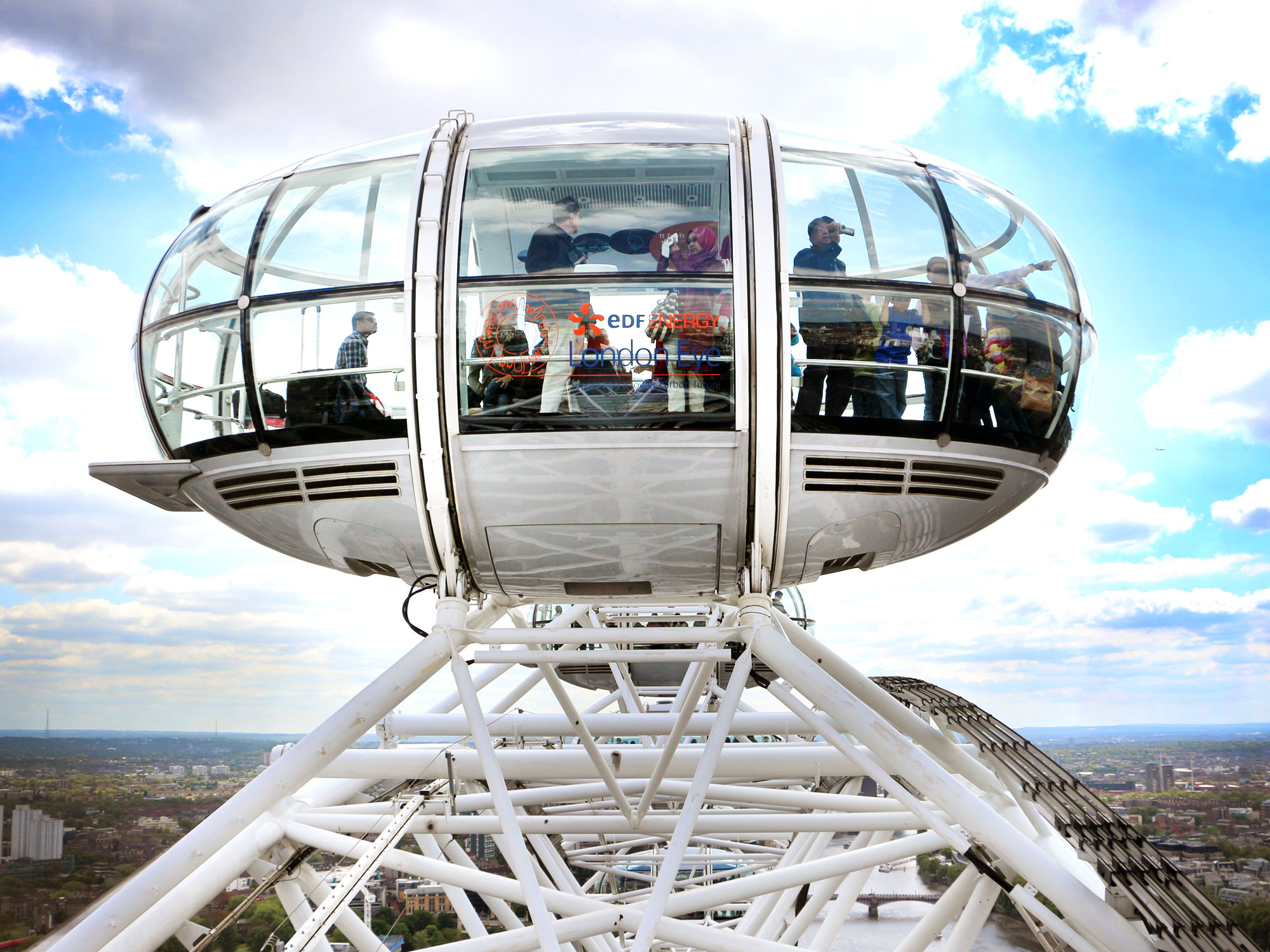
London Eye – London, England

Close-up of riders on the London Eye Ferris wheel above the London, England, skyline
Photo credit: hafakot/ Shutterstock

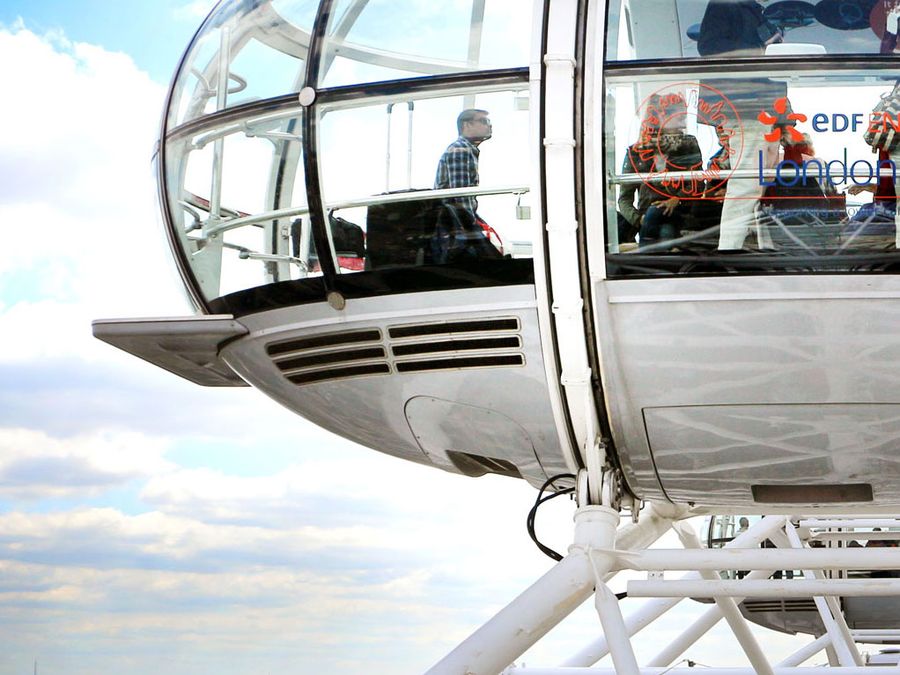
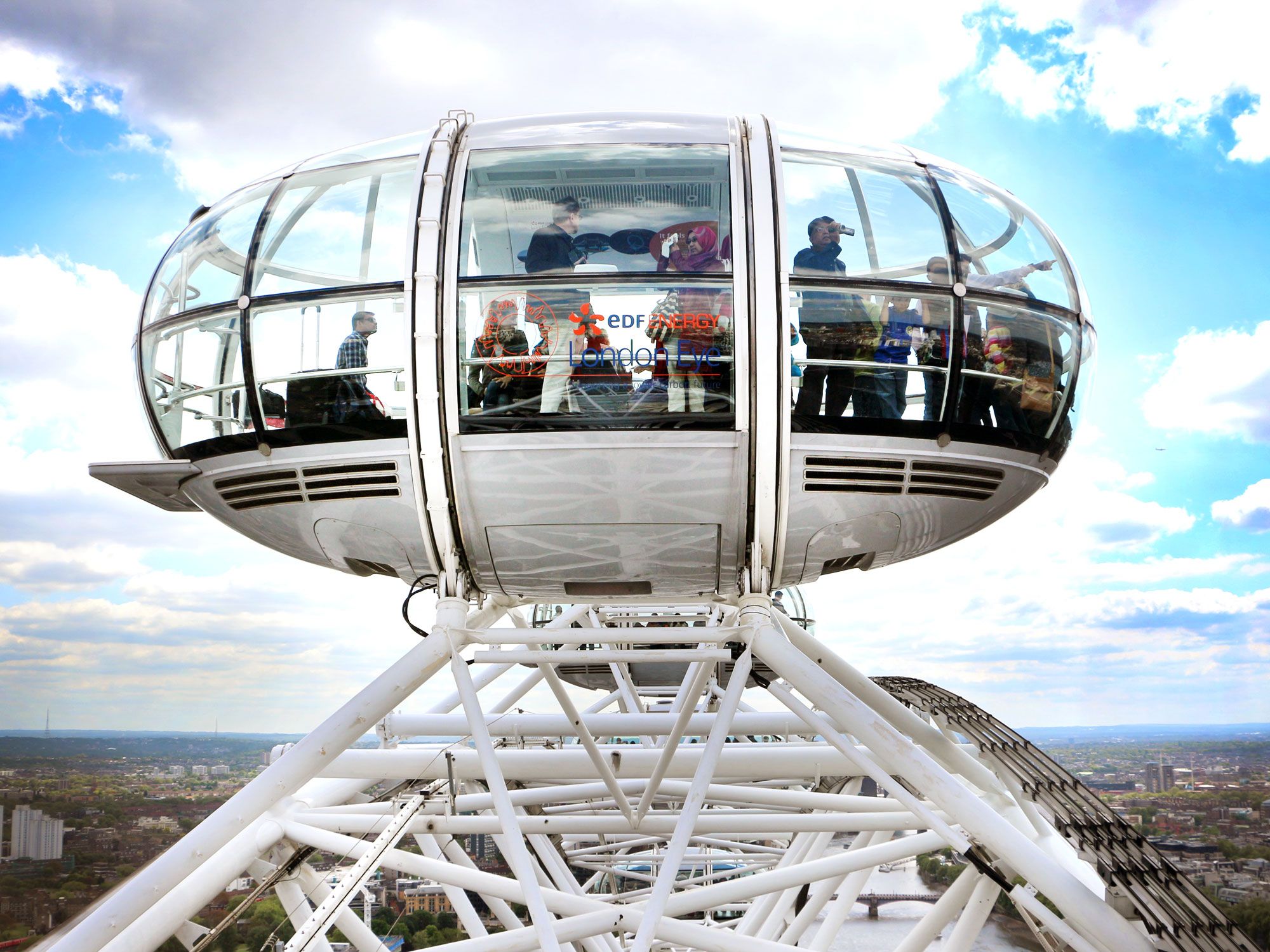
The London Eye’s previous name, the Millennium Wheel, hints at why it came to be: The 443-foot-tall Ferris wheel was erected as part of London’s Millennium celebration in 2000 and was intended to turn on the banks of the Thames for only five years. Construction took place with the wheel resting horizontally, extending out over the river, until it was ready to be hoisted into a functioning upright position. The 32 cabins or capsules (representing London’s 32 boroughs) balance on their spokes to ensure a horizontal ride for passengers throughout the wheel’s leisurely rotation, completed every 30 minutes. Like the Eiffel Tower or the Hollywood sign, the image of the London Eye has come to be an iconic representation of its hometown.

LA Venice Pride Monument – Los Angeles, California

Rainbow-painted lifeguard tower on Venice Beach
Photo credit: Brendan McCartney/ Shutterstock

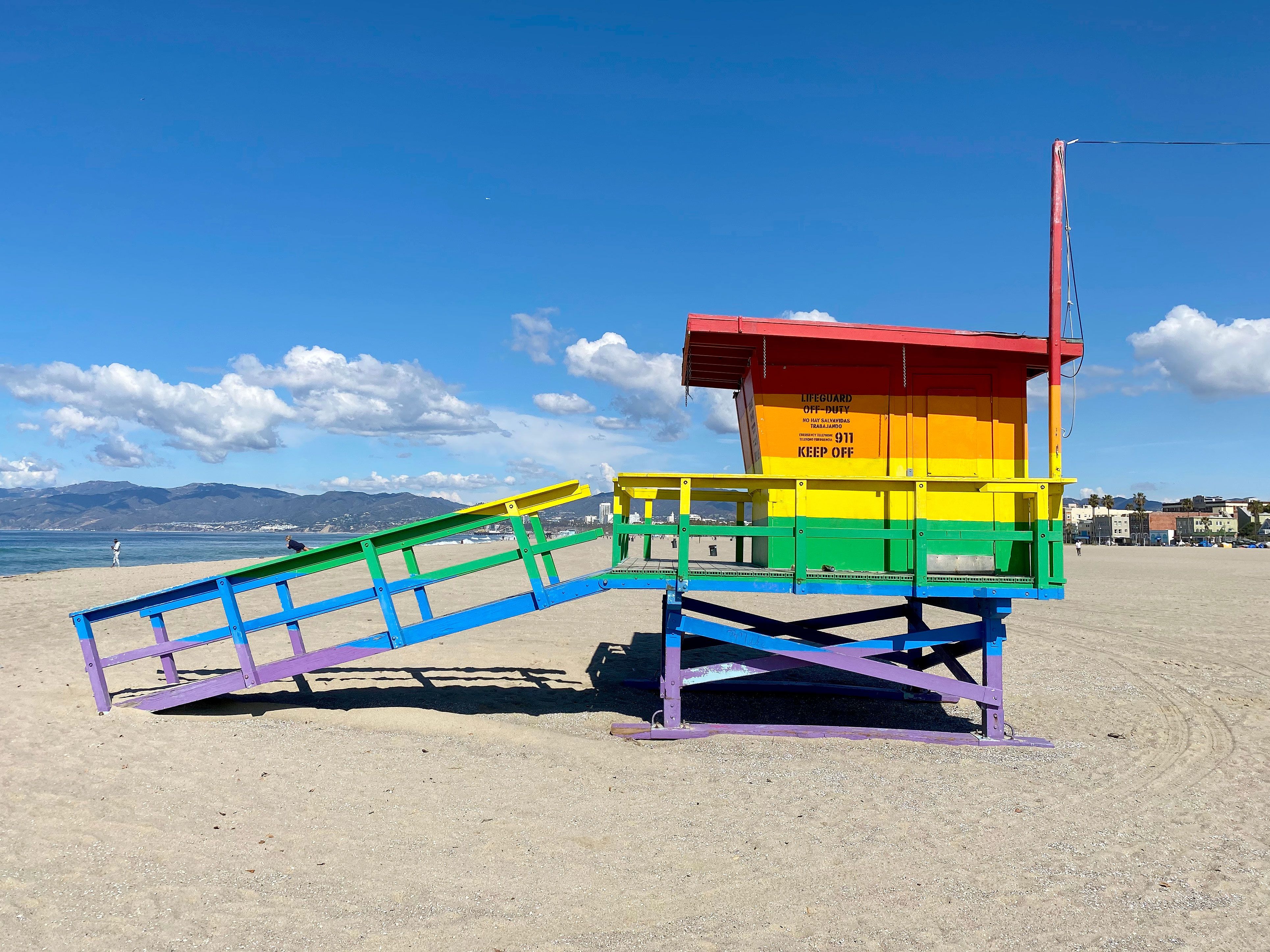
You’re probably familiar with Southern California’s iconic lifeguard stands (think Baywatch or Point Break), but one of them got a rainbow-striped makeover in 2017 as one of several public art installations honoring Pride month. When the stand was unveiled for June, the agreement was that the regular blue color be reinstated in September. An online petition, signed by more than 10,000 people, asked for the Venice Beach tribute to remain a permanent monument to LGBTQ+ culture in Los Angeles. The motion to save the paint job passed the L.A. County Board of Supervisors unanimously, and the stand has stood on the beach at the end of Brooks Avenue ever since. The colorful concept caught on in other seaside communities like Huntington Beach and Long Beach, where lifeguards have also painted towers in celebration of Pride month.

Post Banner Image
Outdoors

7 of Canada’s Most Unique Natural Wonders

By Nicole Villeneuve
Read time: 6 minutes
June 22, 2023
Updated: July 25, 2023

7 of Canada’s Most Unique Natural Wonders

By Nicole Villeneuve
Author
Nicole Villeneuve
Nicole is a writer and researcher with over 15 years of experience seeking out arts, culture, and lifestyle stories in places like remote northern Quebec and the unforgettable streets of Amsterdam. Her work has also appeared in PureWow, Brit + Co, AUX TV, and CBC.

It’s no wonder Canada has a wealth of stunning natural landmarks — the country is home to a quarter of the Earth’s wetlands, temperate rainforests, and boreal forests. The planet’s second-largest country by area, Canada also houses approximately 20% of its fresh water, and even boasts the longest coastline in the world. While most are probably familiar with sites such as Niagara Falls or Banff National Park, there are countless other lesser-known spots to put on your Canadian travel list. From the iconic Hopewell Rocks to the mystical Smoking Hills, here are six must-see natural landmarks of the Great White North.

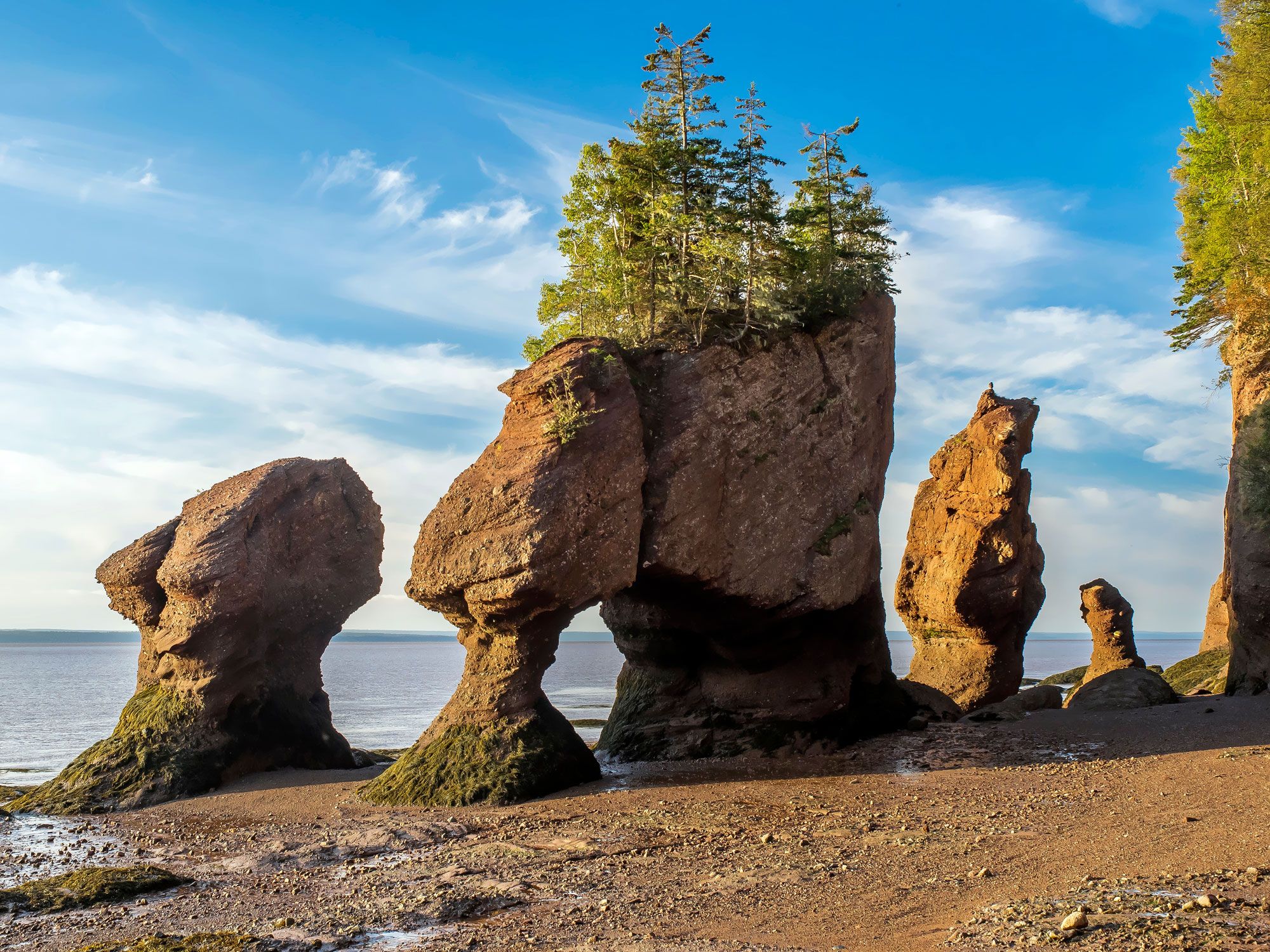
Hopewell Rocks – New Brunswick

View of the Hopewell Rocks on the coast of New Brunswick, Canada
Photo credit: Alla Gill/ Shutterstock

Perched over the picturesque shores of the Bay of Fundy, in the maritime province of New Brunswick, are the colossal rock formations known as the Hopewell Rocks. The awe-inspiring structures were carved by centuries of shifting sands and the relentless force of the world’s highest tides. At low tide, the monolithic rocks can be seen in all their glory — layers of rusty red and earthy brown sedimentary rock reach as high as 70 feet, with the lower, more eroded portions of the rocks narrowing in and the upper reaches expanding outward. The broad shape at the top of the rocks — as well as the evergreen trees that sprout from the top — have also earned the formations the well-known nickname “flowerpot rocks.”

During low tide, visitors can walk on the ocean floor through arches and caves between and around the giant sea stacks. As the tide rises, the rocks become isolated islands, and kayakers can paddle through their narrow channels. More than 100 billion tons of water flow in and out every six hours on the Bay of Fundy, continuing to shape the landscape around it.

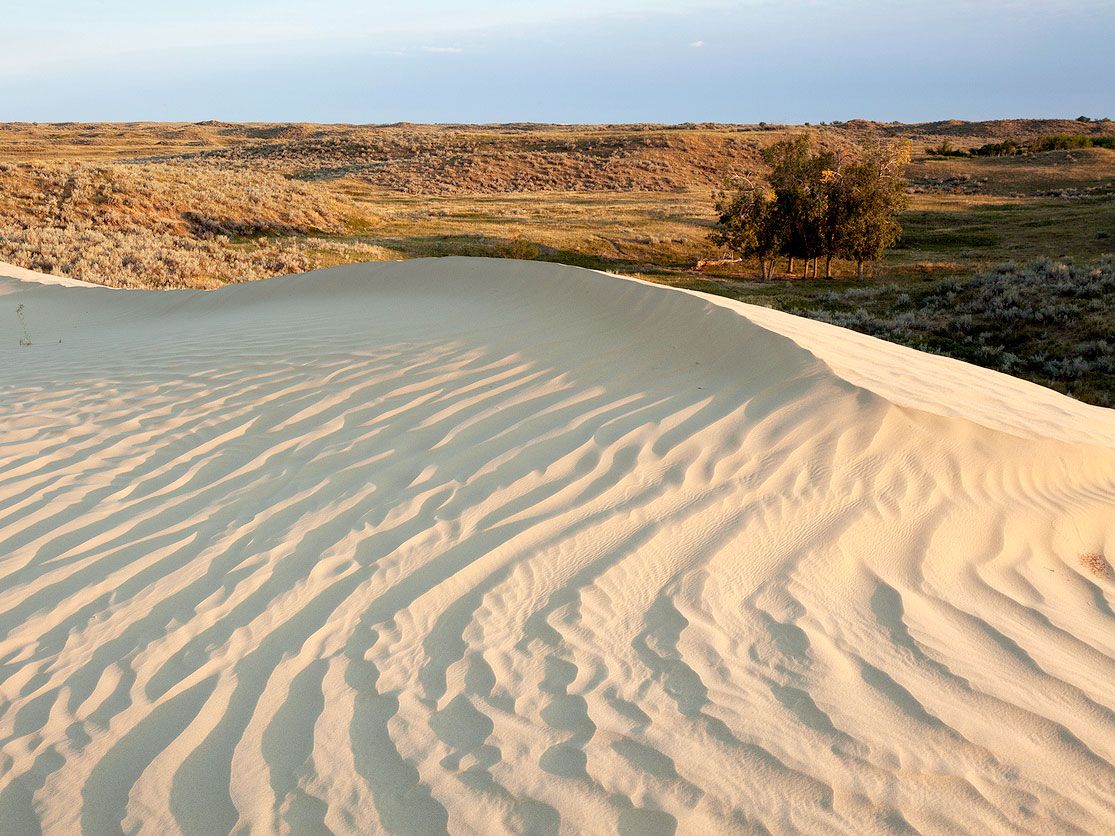
Athabasca Sand Dunes – Saskatchewan

Overview of the Athabasca Sand Dunes in Saskatchewan, Canada
Photo credit: mysticenergy/ iStock

The Athabasca Sand Dunes, located in a remote northern region of Saskatchewan, are the largest sand dunes in Canada and the most northerly dunes in the world. Stretching over 60 miles alongside the southern shores of Lake Athabasca, the dunes reach almost 100 feet in height and stretch for nearly a mile. The dunes are a geological oddity for a province otherwise known for its prairie flats — tucked between a lake and a boreal forest, they’re only accessible by plane or boat. They were formed some 8,000 years ago, when ice from the last glacial period receded. Sand and silt washed into Lake Athabasca, and as water levels dropped over time, the massive deposits were revealed. The Sahara-like dunes were shaped — and continue to be shaped — by strong winds. 

The dunes aren’t just a visual spectacle —  they also harbor a diverse ecosystem. As many as 70 rare plant species, including at least seven that are only known to exist here, inhabit the area. Although there are no on-site services at the Athabasca Sand Dunes Provincial Park, visitors can embark on guided hiking tours, go fishing, and spend the night camping. 

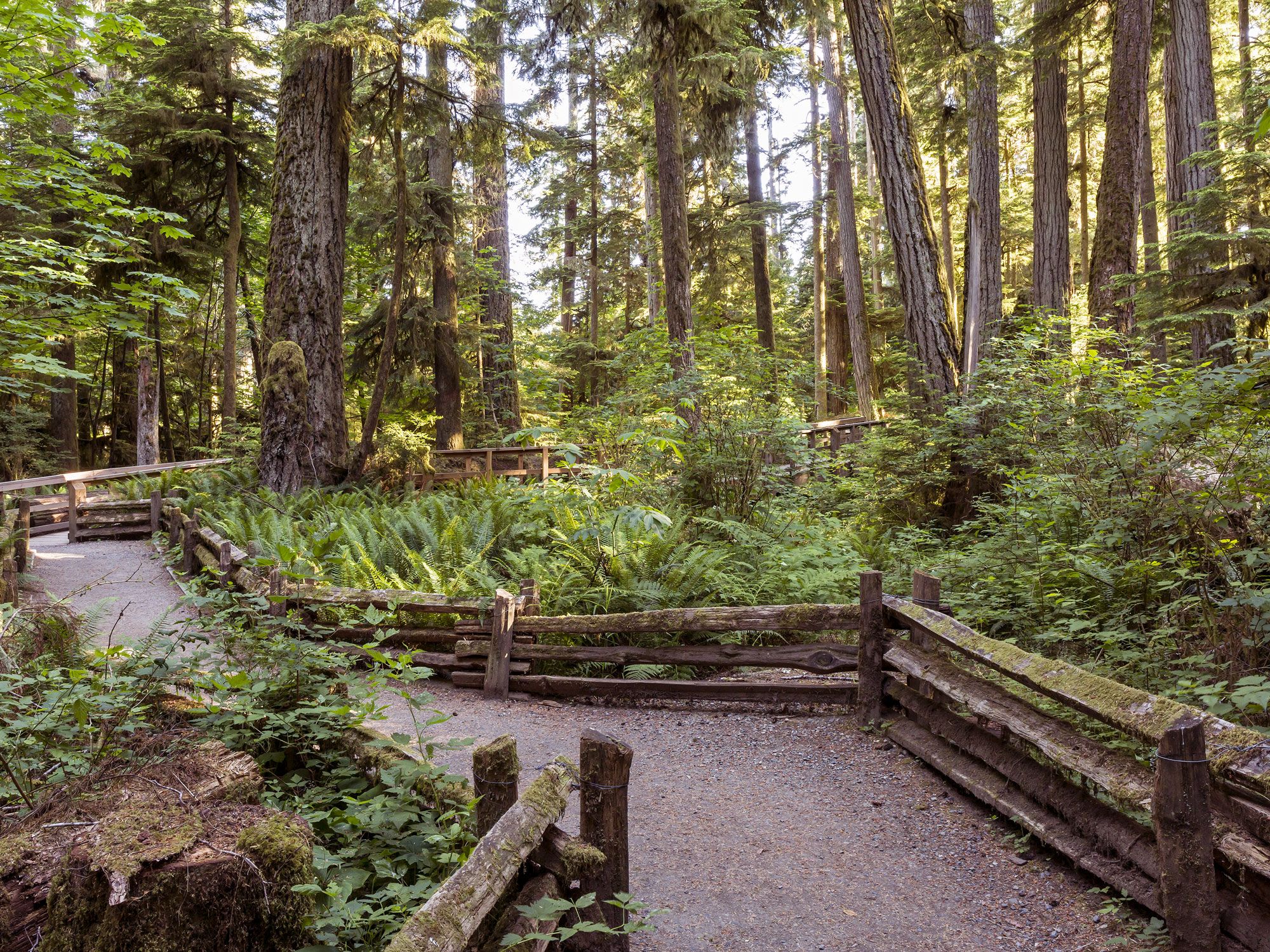
Cathedral Grove – British Columbia

Forest pathway through Cathedral Grove, British Columbia
Photo credit: Colin D. Young/ Shutterstock

Vancouver, British Columbia, has no shortage of breathtaking old-growth forests, but perhaps no forest is more accessible than the one in Cathedral Grove. Located in MacMillan Provincial Park along Highway 4, between Parksville and Port Alberni, the popular forest teems with towering Douglas firs. Some of the trees are more than 800 years old, have a circumference of almost 30 feet, and soar 200 to 300 feet overhead. 

The towering canopy earns the forest its nickname, and though it remains dense, a devastating windstorm in early 1997 changed the park forever. Hundreds of the gigantic trees snapped and were felled; some parts of the Grove’s trail were wiped out and damaged so badly they couldn’t reopen. Devastating as it was, the loss of these landmarks also provided sunlight, shelter, and nutrients for new generations of plant life. To this day, the park’s diversity continues to evolve.

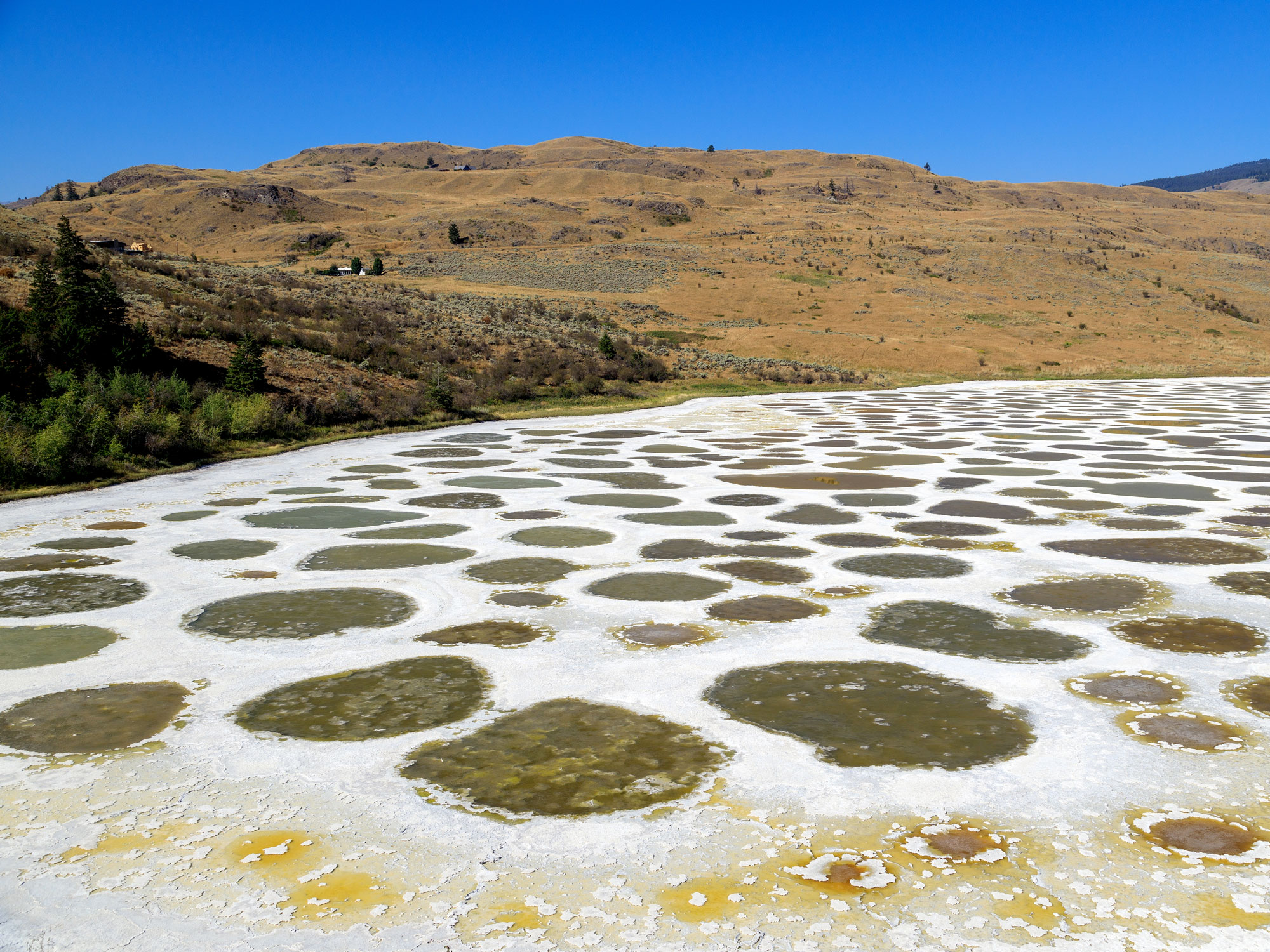
Spotted Lake – British Columbia

Unique spotted surface of British Columbia's Spotted Lake
Photo credit: Nalidsa/ Shutterstock

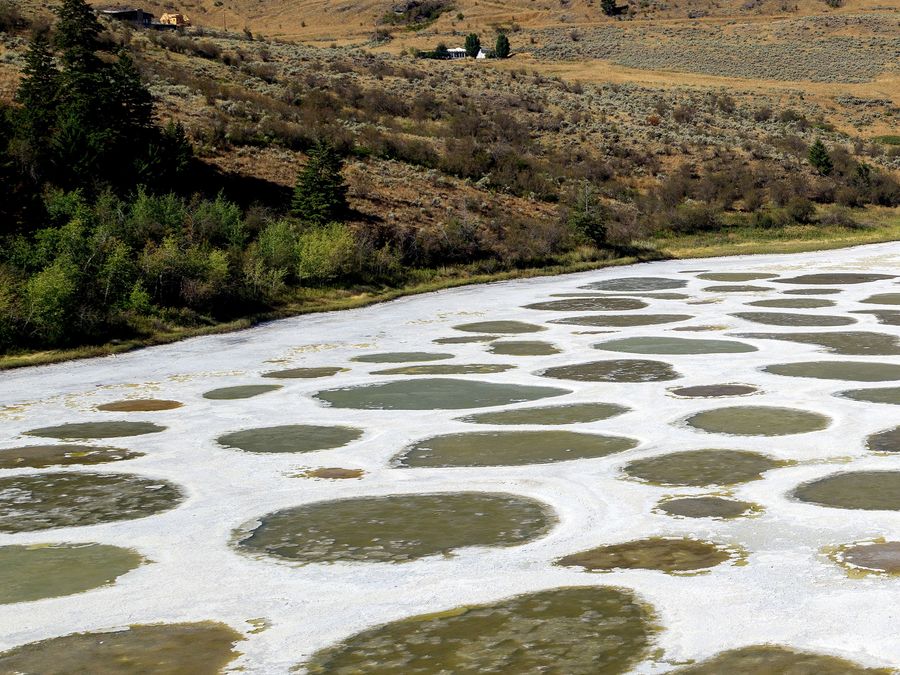
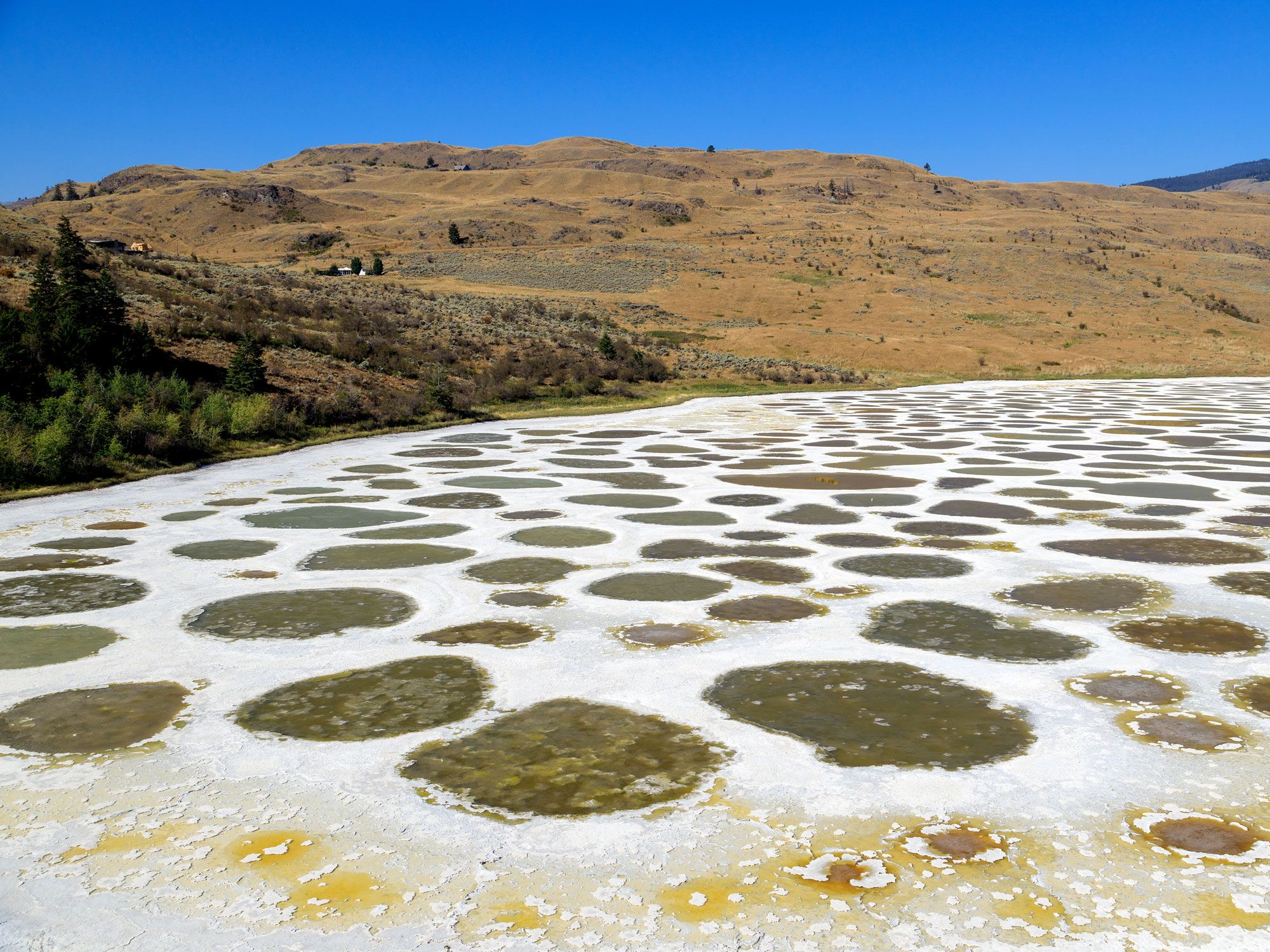
Spotted Lake is a geological wonder located in Osoyoos, the southernmost town in British Columbia’s Okanagan Valley. The lakewater holds a wealth of minerals — including calcium, sodium sulfate, and magnesium sulfate — and as the summer heats up, the lake’s water gradually evaporates. What’s left is a mesmerizing sight: vibrant dots of mineral pools scattered like a mosaic and creating an otherworldly landscape. 

The mirage-like effect is more than just a popular sight — it’s considered sacred to the Syilx people, the Indigenous First Nations of the Okanagan region. For centuries, the Syilx have revered this site, utilizing its mud and therapeutic waters for various medicinal and healing purposes. Due to the lake’s cultural and ecological significance, access to the lake itself is restricted. Visitors can instead observe the landscape from the highway or from a designated viewing area.

Sleeping Giant – Ontario

View of lake between steep rock cliffs in Ontario, Canada
Photo credit: I30I3i/ Shutterstock

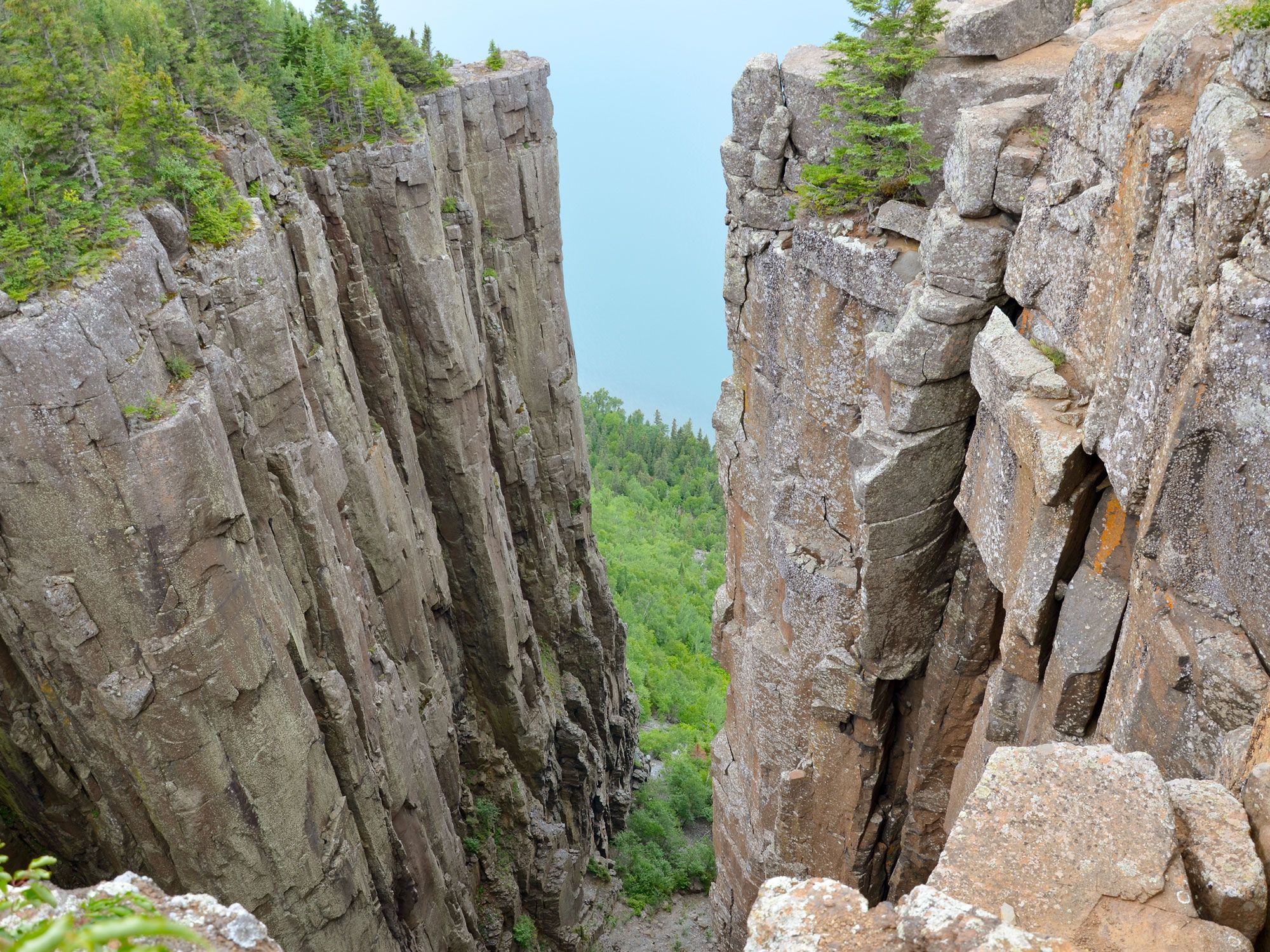
Stretched out in Lake Superior, the Sleeping Giant is a natural rock peninsula that earned its name from its distinct appearance. From the western or northwestern areas of northern Ontario city of Thunder Bay, the shape is most clearly recognizable, with the giant seen lying with its arms gently crossed over its chest. Traveling south towards Squaw Bay, however, the formation starts to shapeshift as it appears to gradually split into smaller sections. Heading further south reveals an intriguing detail: the silhouette of the giant with a visible Adam’s apple.

There are many legends surrounding this Sibley Peninsula landmark. One Ojibway legend identifies the giant as Nanabijou, a powerful spirit who once entrusted the tribe with knowledge of a silver deposit nearby. Nanibijou requested that the mine remain a secret among their tribe; if settlers found out, he would turn himself to stone. Word of the treasures spread, however, and it wasn’t long before a Sioux warrior discovered the coveted mine’s whereabouts. Settlers then also heard word of the mine, but as they approached the peninsula, a storm erupted. With it, a remarkable sight appeared: a stone formation in the shape of a sleeping giant.

Smoking Hills – Northwest Territories

Smoke emitting from hills in the Northwest Territories of Canada, seen from across bay
Photo credit: blickwinkel /Alamy Stock Photo

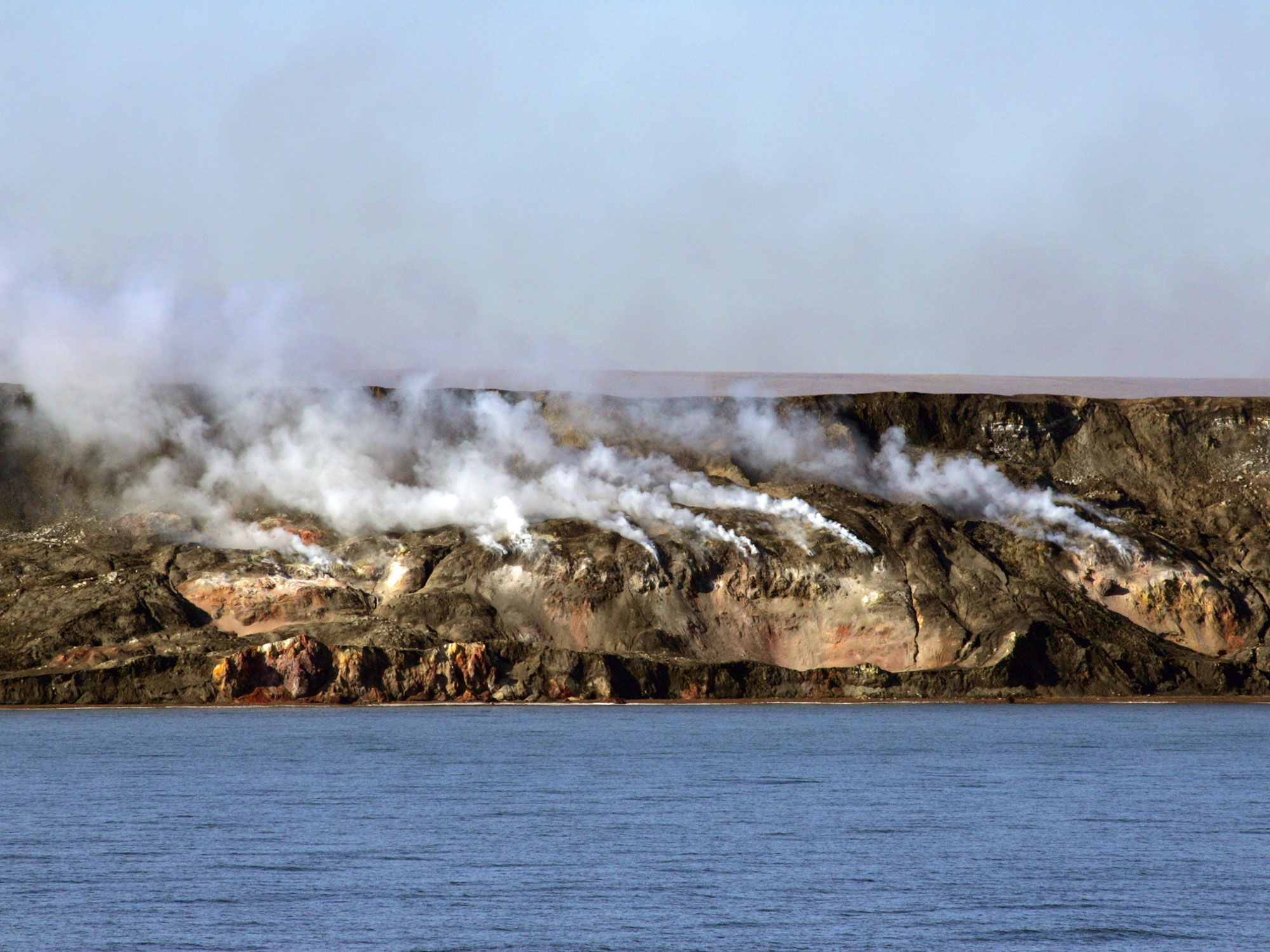
The Smoking Hills are as much a phenomenon as they are a natural landmark. Located where Canada’s Northwest Territories meet the Arctic Ocean, these sedimentary rock deposits have been smoldering for thousands of years, sending billowing clouds of smoke and mist into the air from the red rocky cliffside.

The constant smoke is a result of the landscape: As erosion continues to expose the oil shale rocks, rich in sulfur and coal, the combustible gasses ignite and result in the continuous smoke. Although the hills were already burning when explorer and naturalist John Richardson mapped the area in 1826, Irish explorer Captain Robert McClure is often credited as being the first to record his observations of the enigmatic burning hills, discovered in 1850 while out searching for the doomed Franklin Expedition. Some stories suggest that a sample rock brought back to McClure’s ship burned a hole through his desk. The otherworldly site remains relatively untouched by humans, but researchers have discovered that its mineral makeup is actually similar to that of Mars, and are studying it to learn more about the Red Planet.

Post Banner Image
Culture

There’s Nothing Boring About These 6 U.S. Small Town Names

By Daily Passport Team
Read time: 4 minutes
June 22, 2023
Updated: July 25, 2023

There’s Nothing Boring About These 6 U.S. Small Town Names

By Daily Passport Team
Author
Daily Passport Team
Daily Passport writers have been seen in publications such as National Geographic, Food & Wine, CBC, Condé Nast Traveler, and Business Insider. They're passionate about uncovering unique destinations and sharing expert tips with curious travelers.

Small towns with interesting names are found across the U.S. Behind every quirky name is a unique history that tells the tale of the town and its people who lived there decades — even centuries — before. So, what’s in a name? Find out as you travel to these six peculiarly named small towns in the U.S. 

Boring, Oregon

Welcome sign for Boring, Oregon
Photo credit: Tada Images/ Shutterstock

Despite its belittling name, the small town of Boring, Oregon, in the foothills of the Cascades Mountain Range, is anything but dull. The town’s name is not a reflection of its character, but rather it was named after Civil War veteran William Boring, who donated land to build the town’s first school. Visitors will indeed find plenty to keep them entertained in Boring, from farms that offer seasonal activities along with year-round animal interactions to a leisurely float down the Clackamas River. But perhaps the best time to visit is for the annual Boring and Dull Day on August 9. The holiday was started to celebrate the partnership between Boring, Oregon, and its similarly named sister city, Dull, Scotland. Expect bagpipes, drummers in kilts, and barbershop quartets.

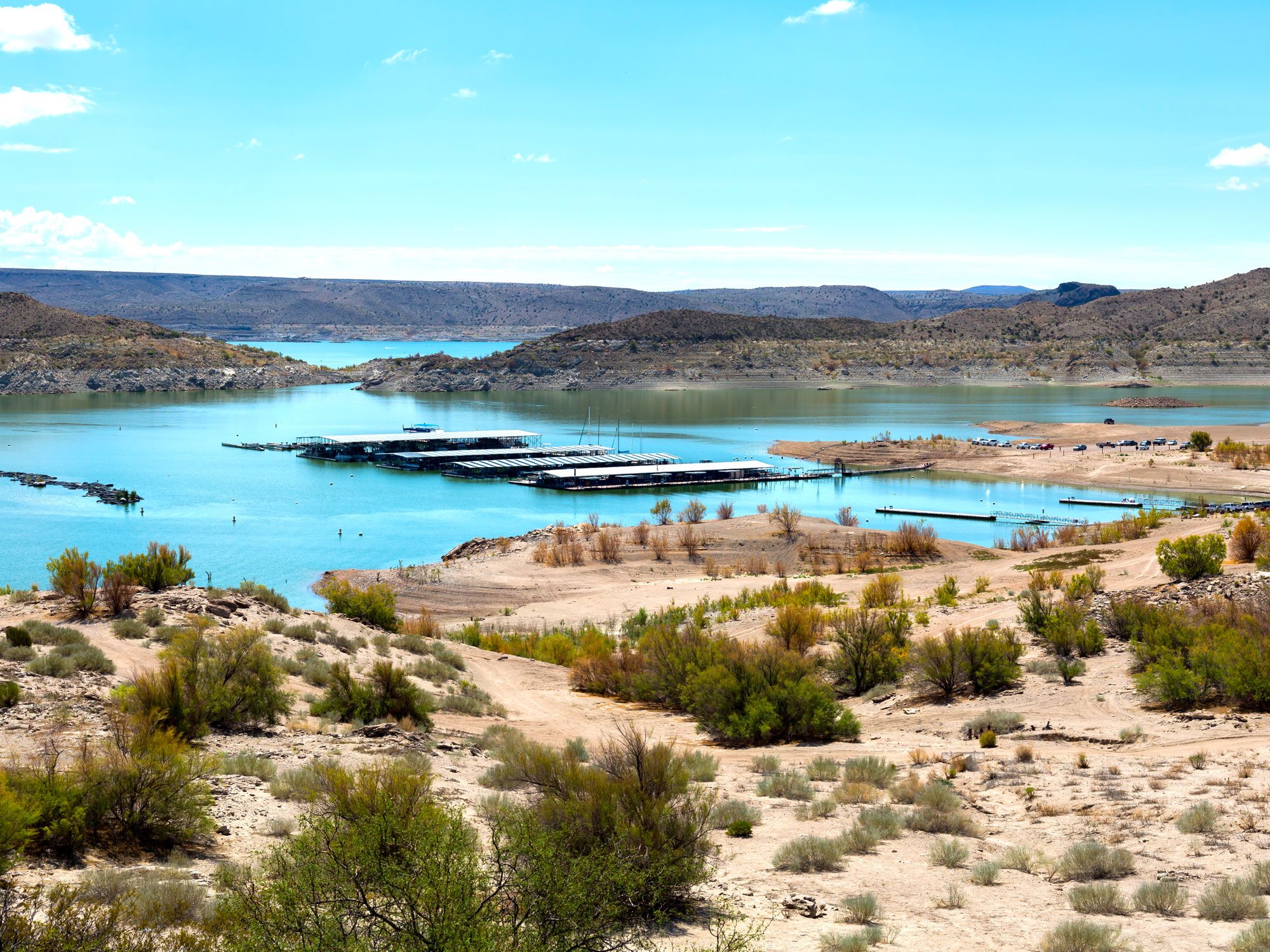
Truth or Consequences, New Mexico

Lake surrounded by desert outside of Truth or Consequences, New Mexico
Photo credit: Jonathan Manjeot/ Shutterstock

Formerly named Hot Springs, Truth or Consequences found its current moniker in a popular game show of the same name that ran from 1940 to 1953. In 1950, the show’s host, Ralph Edwards, wanted to commemorate the show’s 10th anniversary in a special way. A staffer suggested finding a town in America willing to change its name to Truth and Consequences and broadcasting the anniversary show from the newly-christened town. 

The idea stuck, and candidates rolled in. Hot Springs, New Mexico, was chosen because the town seemed to embody the same ideals Edwards valued, like friendliness and the desire to help others. Although the hot springs no longer inspire the town’s name, these thermal waters continue to attract visitors, and can be enjoyed at the town’s bathhouses, hotels, and the central La Palomas Plaza. The annual Truth or Consequences Fiesta — started by Edwards in 1950 — remains a staple celebration in May, complete with rodeos, parades, tournaments, and a pageant.  

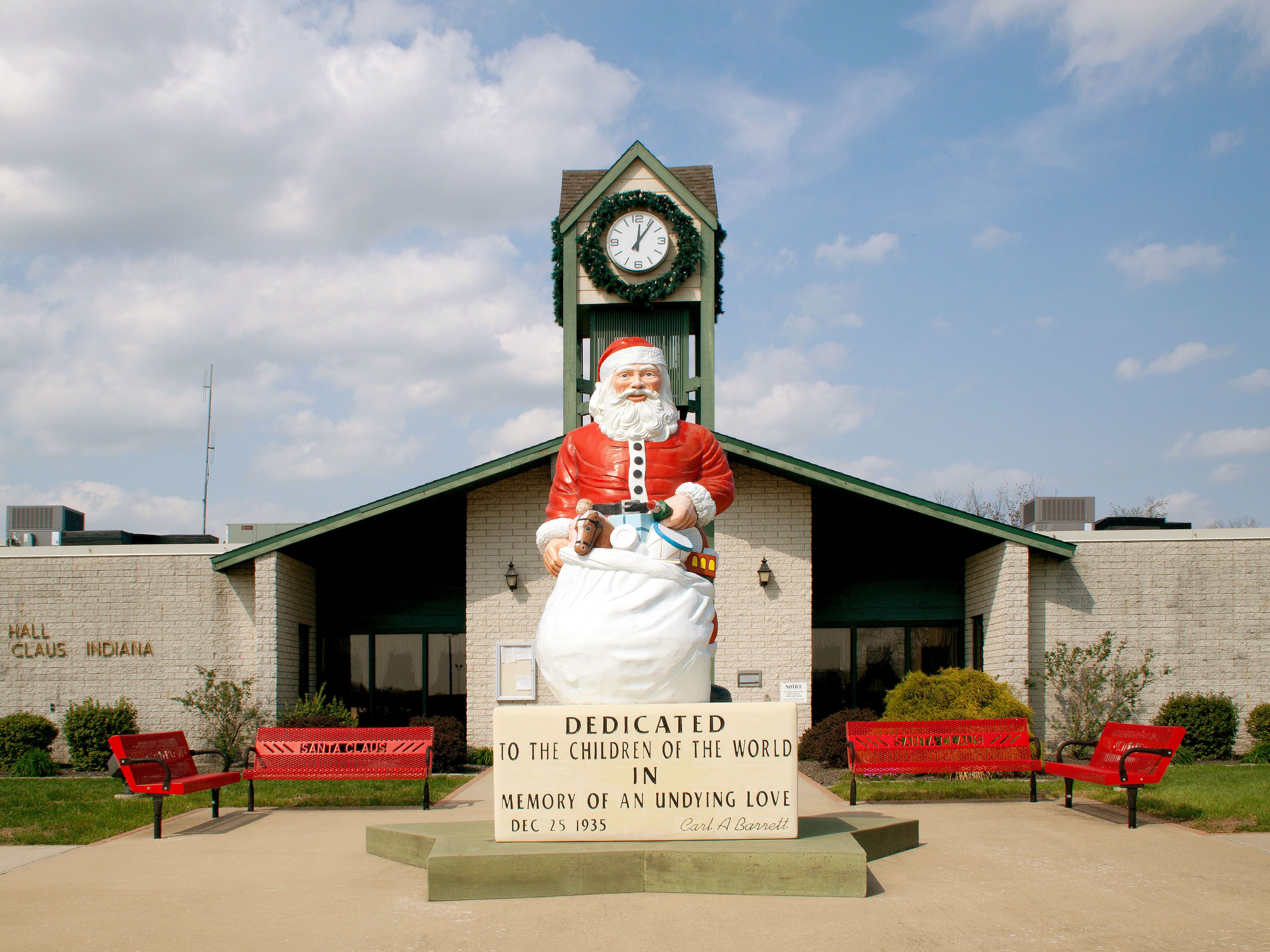
Santa Claus, Indiana

Santa Claus statue in Santa Claus, Indiana
Photo credit: Franck Fotos/ Alamy Stock Photo

While this small Indiana town was originally named Santa Fe, that changed when the residents decided they wanted a post office in 1856. They discovered a town with the same name already existed, so they’d have to change their name to get a post office. As the story goes, the town got together on Christmas Eve to decide a new name, and a young girl suggested Santa Claus. 

Since then, the town has fully embraced its festive moniker. Visitors will find a slew of holiday-themed stores and attractions in the town center, such as the Santa Claus Museum, the Santa Claus Post Office, Santa Claus Christmas Store, and Santa’s Stables. Holiday World and Splashin’ Safari theme park is popular with families, as are the canoeing and caving tours on the outside of town. For those wanting a slice of history, former President Abraham Lincoln’s childhood home is located just four miles away from Santa Claus. 

Why, Arizona

Cacti and desert mountains outside of Why, Arizona
Photo credit: P.A.12/ Shutterstock

The tiny rural community in southern Arizona is home to less than 200 residents and is bordered by the Tohono O’odham Nation Reservation and Organ Pipe Cactus National Monument. The town’s curious name was derived from the Y-shaped intersection of State Routes 85 and 86 that crossed in the town. According to laws at the time, towns needed to have a name with at least three letters, so the founders decided on “Why” as opposed to “Y.” Visitors will probably be drawn more to the attractions in larger nearby cities like Tucson and Phoenix, but Why offers some spectacular desert scenery and several hiking trails.

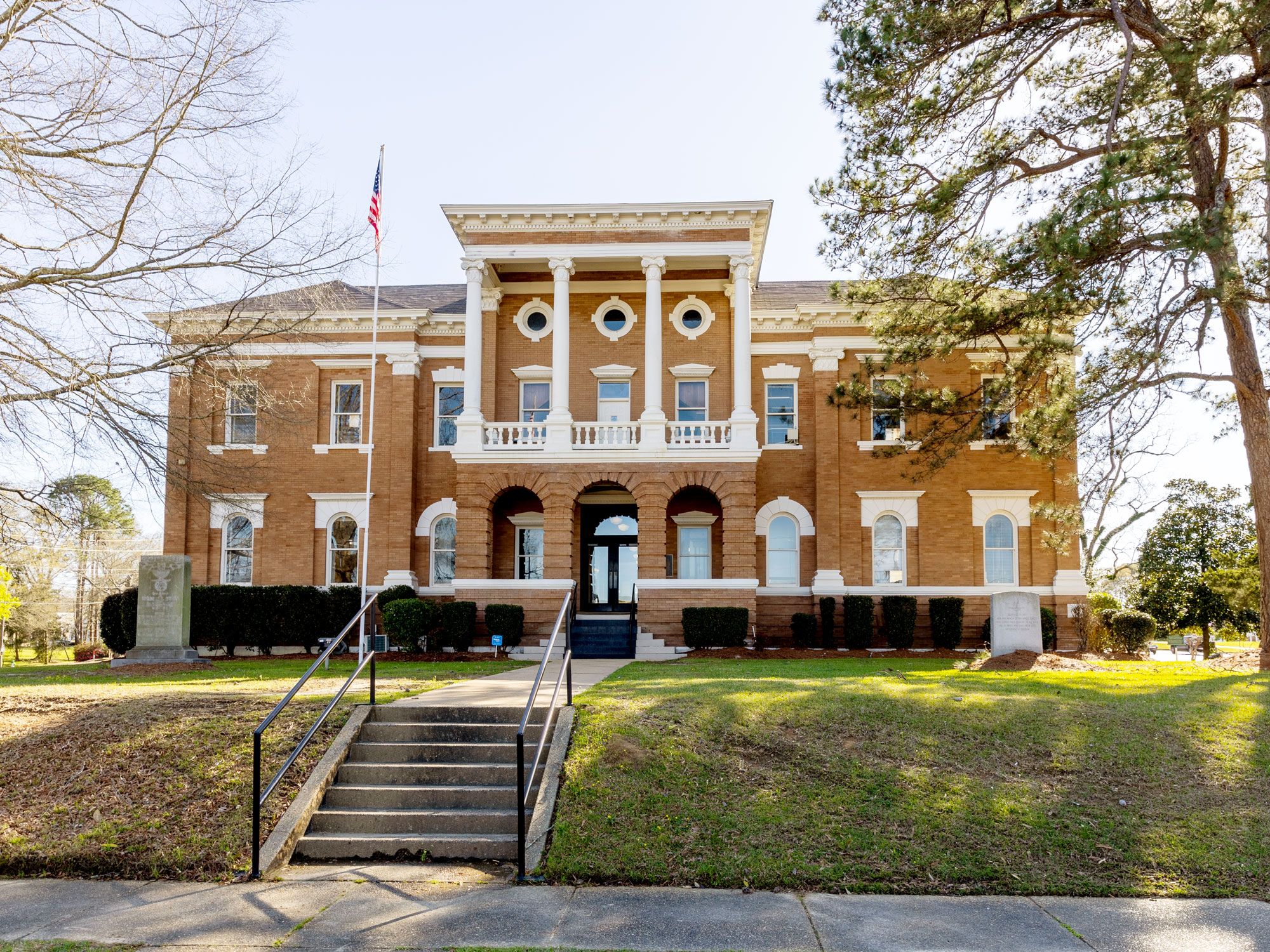
Hot Coffee, Mississippi

Stately brick building in Hot Coffee, Mississippi
Photo credit: Chad Robertson Media/ Shutterstock

Who doesn’t love a hot cup of coffee? That line of thinking is how this small community in Covington County, Mississippi, got its name. In the 1800s, the town was a rest stop for people traveling through the area by horse and carriage. Levi Davis, an owner of a local inn, always made sure to have a hot pot of coffee ready for weary travelers in need of a pick-me-up. Legend has it that Levi cut out a sign shaped like a coffee pot and wrote “hot coffee” on it to entice people into a pit stop, and the rest is history. In 2022, Hot Coffee Junction replaced the town’s longtime general store, Mcdonald’s Store. Adorned with hanging coffee pots and signs, the store sees plenty of curious tourists passing through.

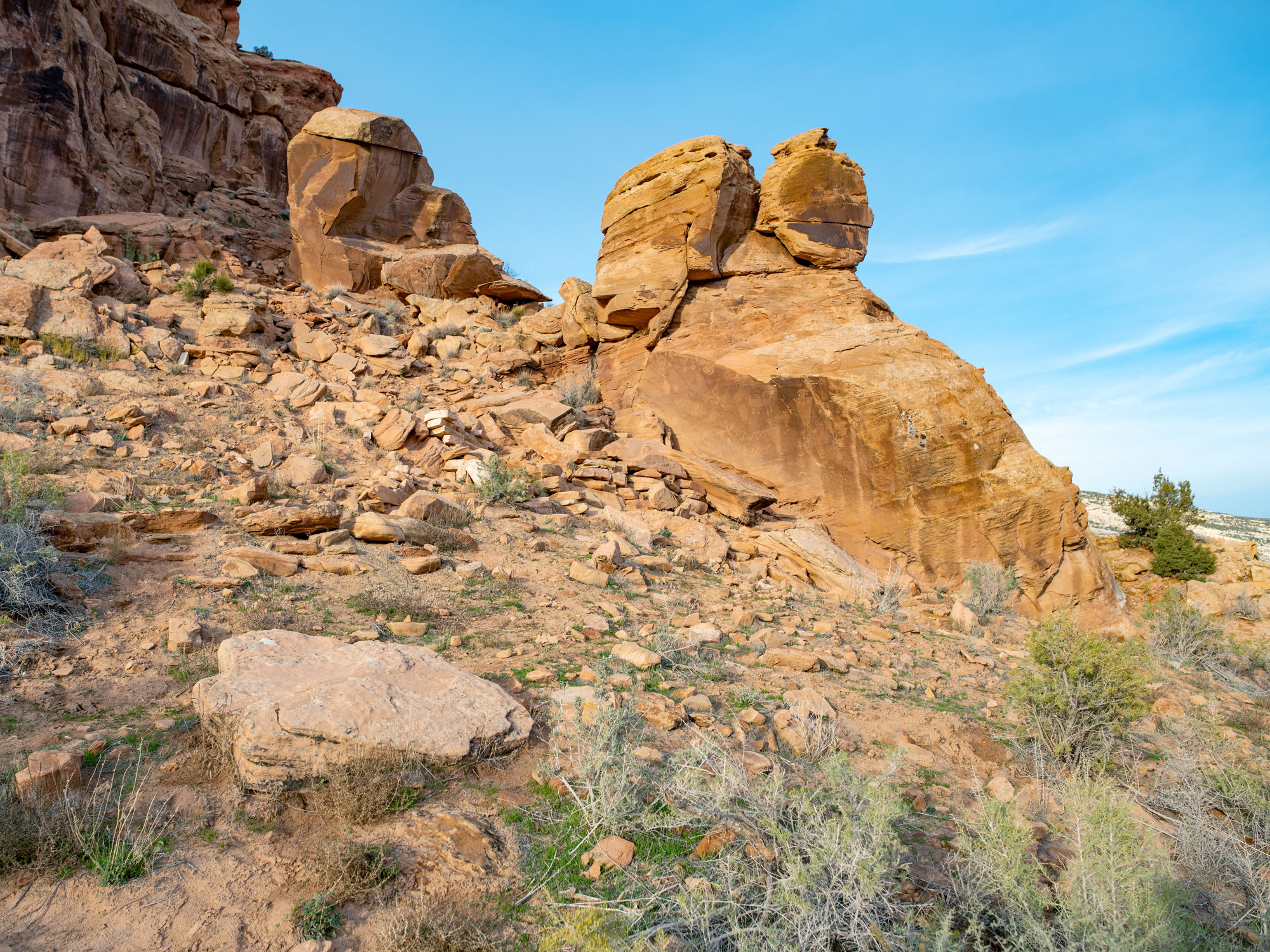
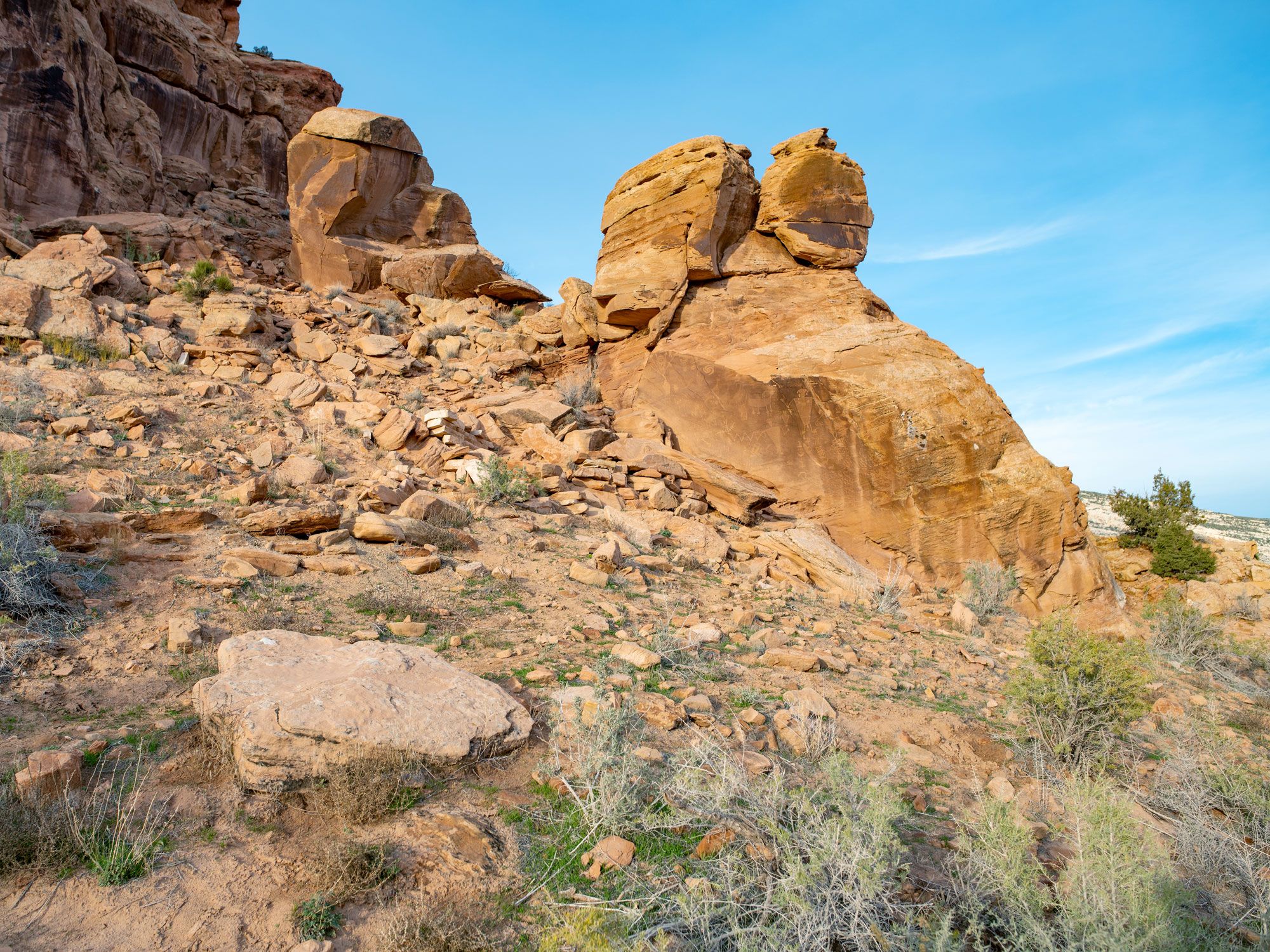
Dinosaur, Colorado

Rock formations outside of Dinosaur, Colorado
Photo credit: Michael Gordon/ Shutterstock

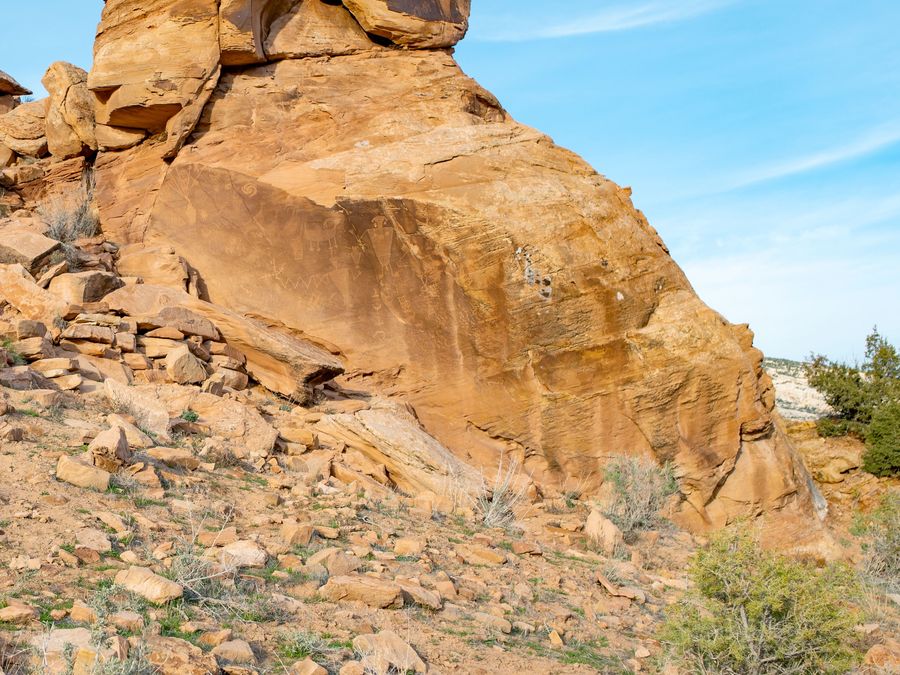
Formerly named Artesia, this sleepy Colorado town near the Utah border is home to less than 250 people. In 1966, townsfolk decided a name-change was needed to highlight the town’s proximity to Dinosaur National Monument and draw more people to their small community. And they didn’t stop there: Streets were also rechristened with dinosaur-inspired names like Brontosaurus Boulevard, Tyrannosaurus Trail, and Stegosaurus Freeway. Dinosaur National Monument is the town’s top attraction, offering families the chance to discover age-old dinosaur fossils, go white-water rafting, camp, hike, and drive through this scenic region. 
Post Banner Image
Geography

The 10 Highest Capital Cities in the World

By Bradley O'Neill
Read time: 8 minutes
June 22, 2023
Updated: January 15, 2025

The 10 Highest Capital Cities in the World

By Bradley O'Neill

Some travelers are drawn to locations high up in mountain ranges, offering breathtaking views of sprawling landscapes below. When the destination is the capital city of a country, it often makes a place even more intriguing. The combination of a high altitude and national importance can create a unique urban character — as found in these 10 highest-elevation capital cities around the world.

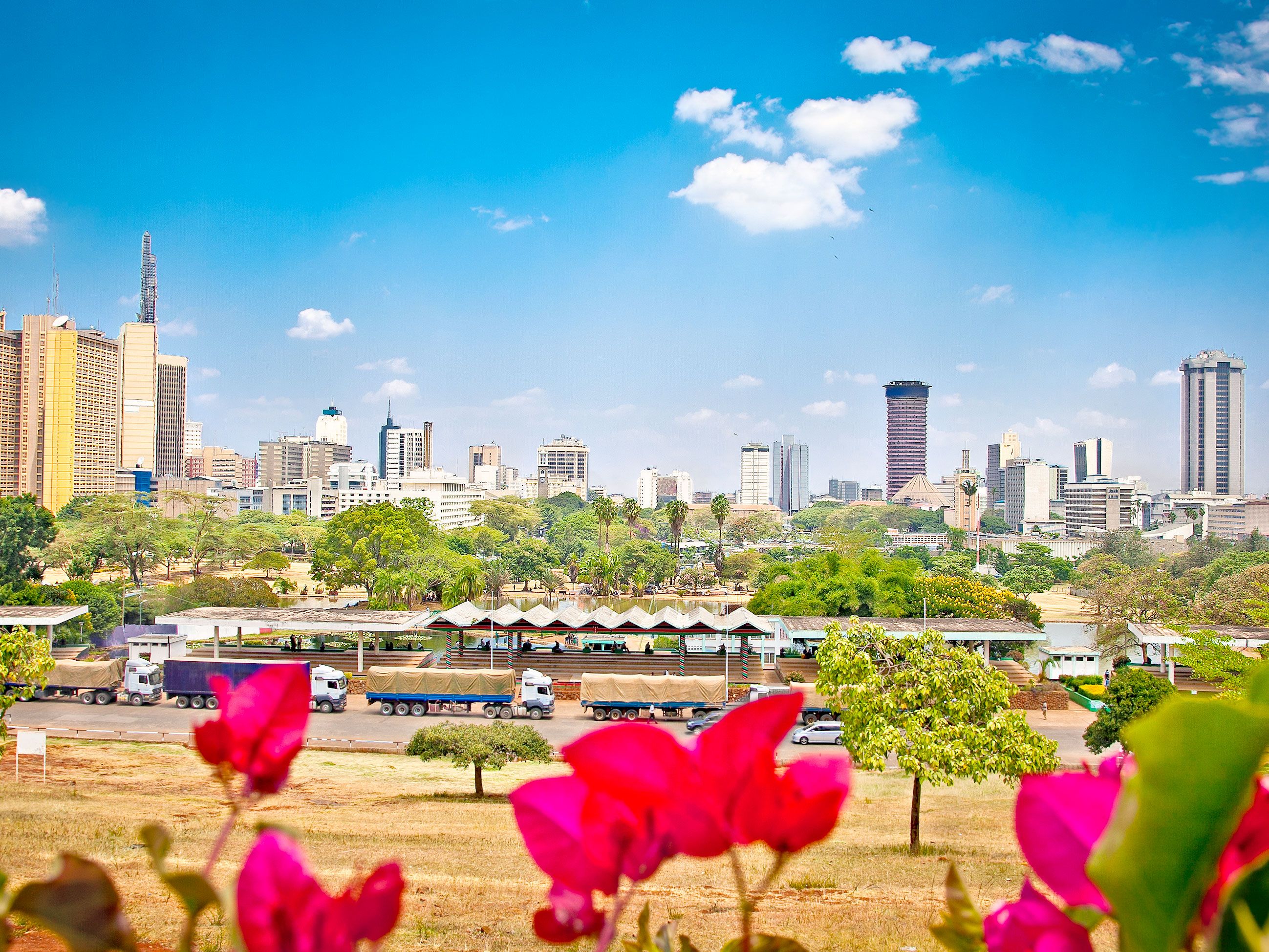
10. Nairobi, Kenya

Skyline of Nairobi, Kenya, framed by red flowers
Photo credit: Aleksandar Todorovic/ Shutterstock

Elevation: 5,889 feet above sea level

With a name derived from the Maasai phrase enkare nyrobi, meaning “cool water,” Nairobi is the bustling and modern capital of Kenya. The foundations for the East African city, originally an area of swampland, were laid in 1899. British colonists established a railway depot here due to its strategic location between the cities of Mombasa, Kenya, and Kampala, Uganda. It also had an elevation that offered cooler, more inhabitable living conditions. Incorporated as a township in 1900, the city replaced Mombasa as the capital of Kenya in 1907. 

Surrounded by game reserves, Nairobi today is often a jumping off point for safaris, with many visitors arriving for the chance to spot Africa’s famous Big Five mammals. Other popular area sights include Nairobi National Park, Sheldrick Elephant Orphanage, the Karen Blixen Museum, and the vast Uhuru Park. Experience the city’s vibrant local shopping scene at markets such as City Park Hawkers and Maasai Market.

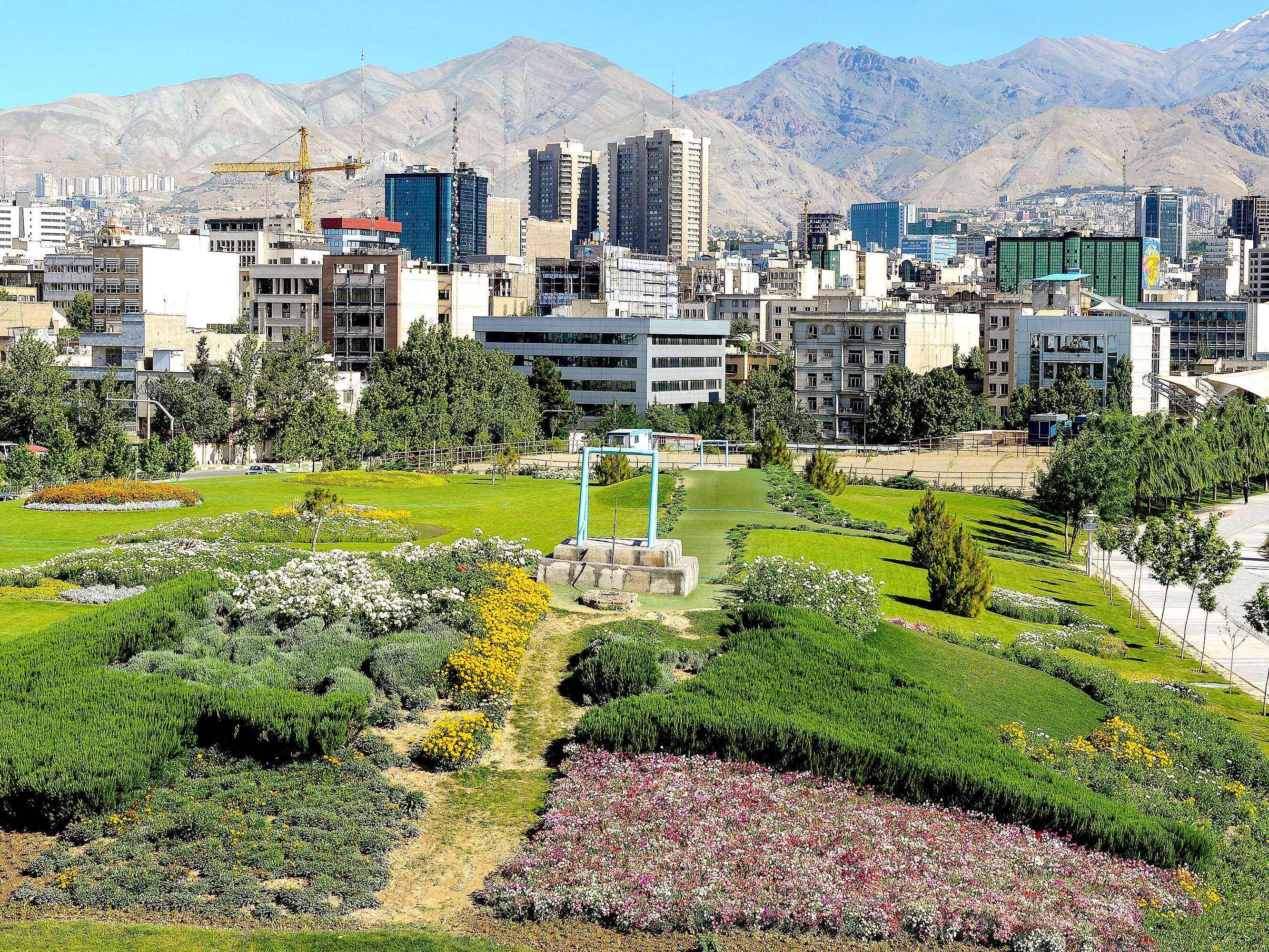
9. Tehran, Iran

Overview of park in Tehran, Iran, with skyscrapers and mountains in background
Photo credit: Artography/ Shutterstock

Elevation: 6,003 feet

Tehran is perched in the southern foothills of the Alborz Mountains in northern Iran. The city is notable for its dramatic elevation changes — from 2,952 feet to a peak of 6,003 feet above sea level — and varying landscapes, which range from desert in the south to mountains in the north. Described as a small village in the 11th century, Tehran later grew into a prosperous market town famous for its pomegranates. Shah Agha Mohammad Khan, founder and first ruler of the Qajar dynasty of Iran, pronounced it the capital in 1786

This lively metropolis is a prime example of old-meets-new, as witnessed in architectural gems like the royal Golestan Palace and modern Milad Tower. Another emblem of the Iranian capital is Azadi Tower, built to celebrate the Persian empire’s 2,500th anniversary. Visitors can also delve into ancient and fascinating commercial traditions at the Tajrish Bazaar and Tehran Grand Bazaar

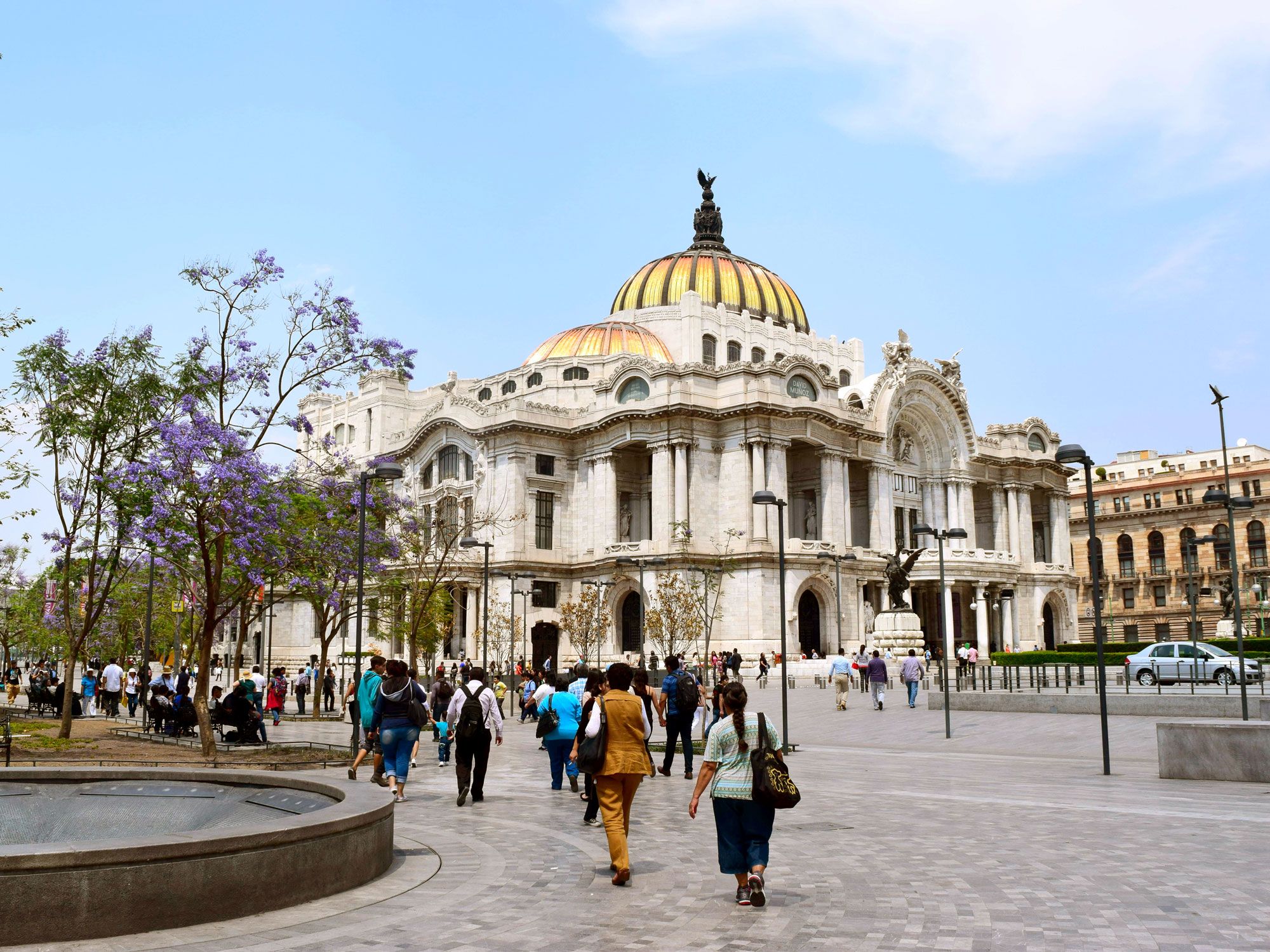
8. Mexico City, Mexico

People walking in square fronted by ornate gold-domed building in Mexico City
Photo credit: taravelworld1971/ Shutterstock

Elevation: 7,350 feet

The world’s fifth-most populous city, Mexico City is a fast-paced megalopolis famed for architectural wonders, fascinating museums, urban parks, and street food. Mexico’s modern capital is built upon the ruins of Tenochtitlan, the ancient capital of the Aztec empire that dates back to around 1325. Construction of Mexico City began in 1521 after the foundation of New Mexico, and it has been the nation’s capital ever since.

Recognized as a UNESCO World Heritage Site, the historic center of the city is the Zócalo (formally known as the Plaza de la Constitución). The main square is framed by iconic landmarks such as the Metropolitan Cathedral, the Templo Mayor Aztec ruins, and the Templo Mayor Museum. Elsewhere in Mexico City, don’t miss attractions such as the Palacio de Bellas Artes, Frida Kahlo Museum, hip neighborhoods like Condesa and Roma, and Bosque de Chapultepec — the oldest and largest urban park in Latin America.

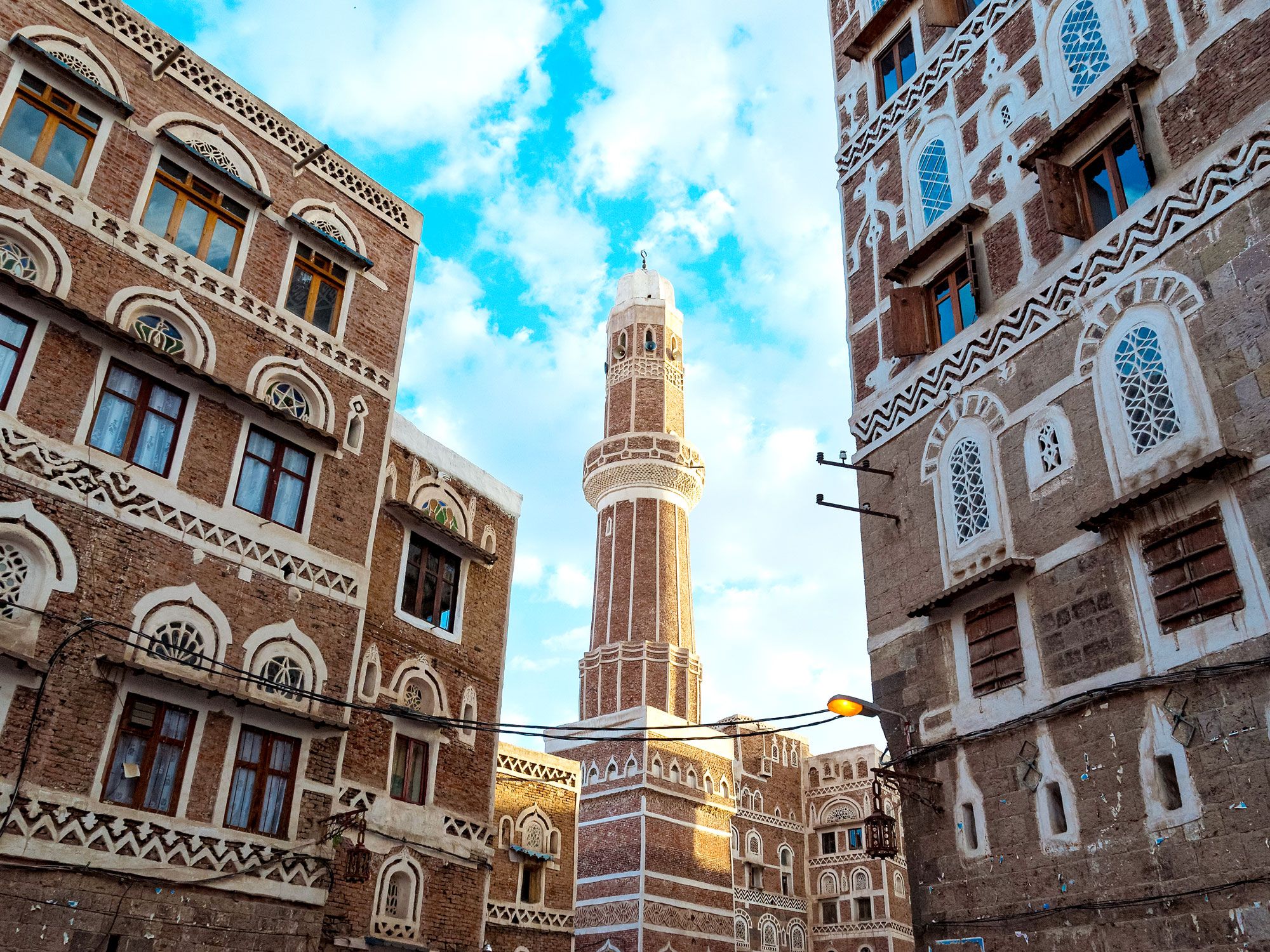
7. Sana’a, Yemen 

View of mosque framed by red-brick buildings in Sana'a, Yemen
Photo credit: dinosmichail/ Shutterstock

Elevation: 7,382 feet

In the shadow of Mount Nuqum, the walled city of Sana’a has been inhabited for over 2,500 years. According to local folklore, Yemen’s capital was created by Shem, one of the three sons of the biblical Noah. Designated as a UNESCO World Heritage site in 1986, the Old City features eye-catching architecture built of rammed earth and brick towers decorated with geometric patterns. 

Narrow cobblestone streets twist and turn throughout Sana’a, which is home to over 100 mosques and over a dozen hammam bathhouses. Notable sights include the seventh-century Great Mosque of Sana’a, Al Saleh Mosque, and the Dar al-Hajar rock palace. Entering the Old City via the Bab Al Yemen gate leads to the vibrant Souk Al-Milh (Salt Market), where stalls dedicated to everything from spices to dried fruits, handicrafts, and silk showcase Yemeni cultural traditions. 

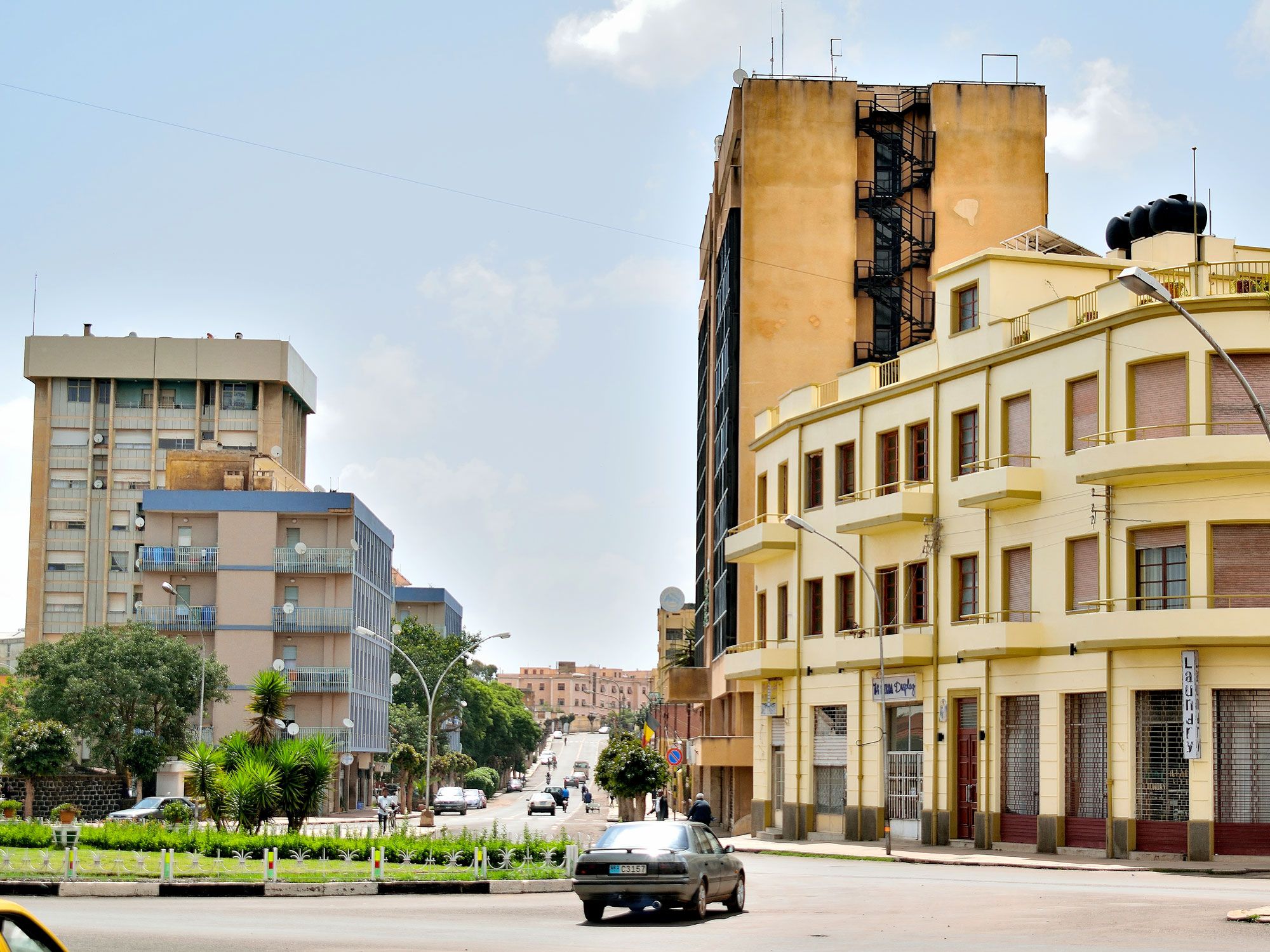
6. Asmara, Eritrea

Cityscape of Asmara, Eritrea
Photo credit: Hailu Wudineh TSEGAYE/ Shutterstock

Elevation: 7,628 feet

Asmara is situated at the northern tip of the Ethiopian Plateau, a highlands region that stretches across Ethiopia and central Eritrea. It was once an ancient village split under the control of four independent clans. According to legend, it became a united village when the women of the clans persuaded the men to join forces and fight off bandits. The village’s original name was Arbaete-Asmera, which means “the four united.”

In the 1890s, the modern-day layout of the city began to take shape, and the city was declared the capital of the Italian colony of Eritrea. Boasting eclectic architecture, Asmara is a prime example of a colonial planned city. It features an orthogonal grid with radial street patterns, civic plazas, and green spaces. The city also features impressive architectural diversity, from the colonial Asmara Cathedral to the futuristic, airplane-shaped Fiat Tagliero building. 
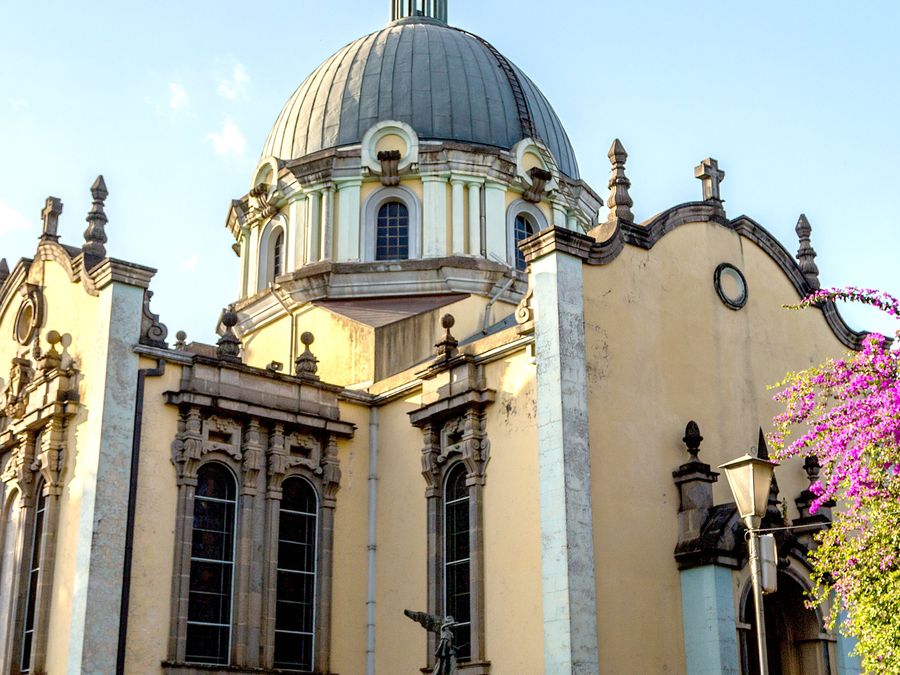
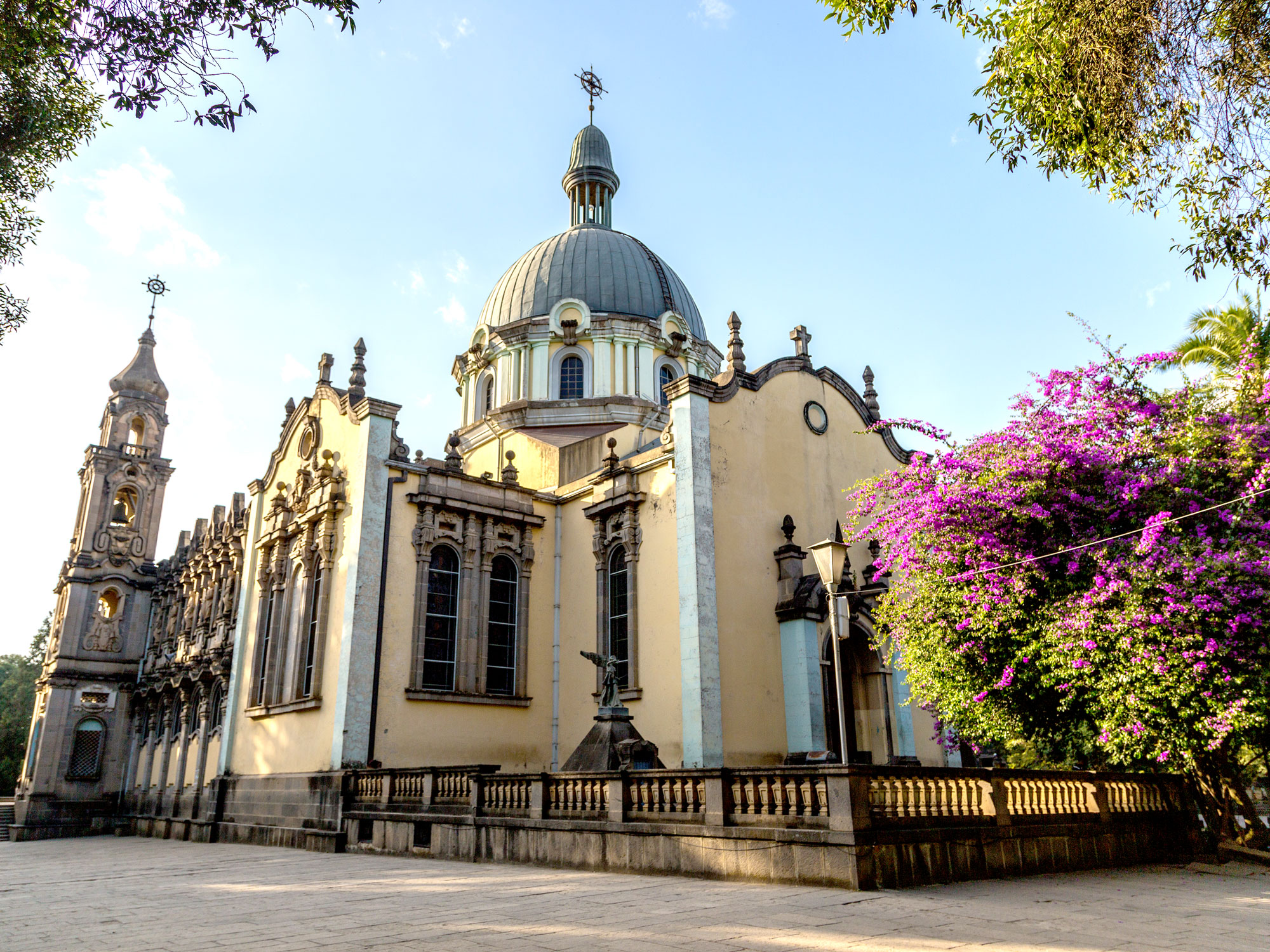
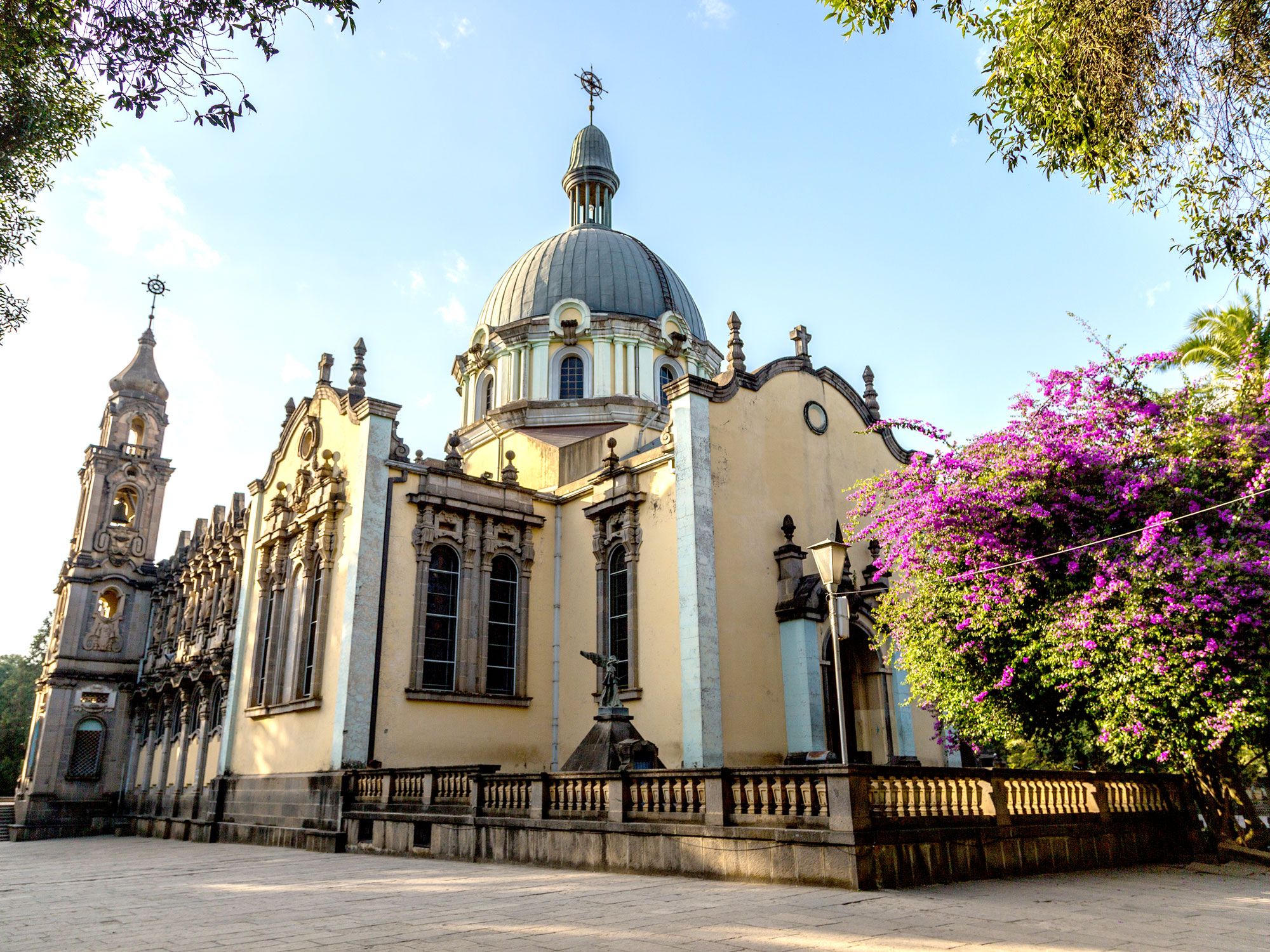
5. Addis Ababa, Ethiopia 

Church in Addis Ababa, Ethiopia
Photo credit: LMspencer/ Shutterstock

Elevation: 7,726 feet

Located in the shadow of the Enoto Mountains in the central region of Ethiopia, Addis Ababa is the highest capital city on the African continent. The location was originally chosen as a royal resort by Empress Taytu Betul, the wife of Menelik II, King of Shewa, in the 1880s. Its name means “new flower” in Amharic. The city served as the capital of Italian East Africa from 1935 to 1941, during which time modern houses and paved roads were built. 

Addis Ababa today is a fascinating blend of ancient and modern architecture, museums, markets, and mouthwatering cuisine. Visitors can spend time at cultural institutions such as the National Museum of Ethiopia, home to a vast collection of sub-Saharan African artifacts, and the Ethnological Museum, housed inside the former palace of emperor Haile Selassie. A sensory overload awaits at the city’s Merkato, home to spice traders, homeware hawkers, and food stands. Be sure to try injera, a spongy sourdough pancake used to mop up the sauce of meat and vegetable dishes.

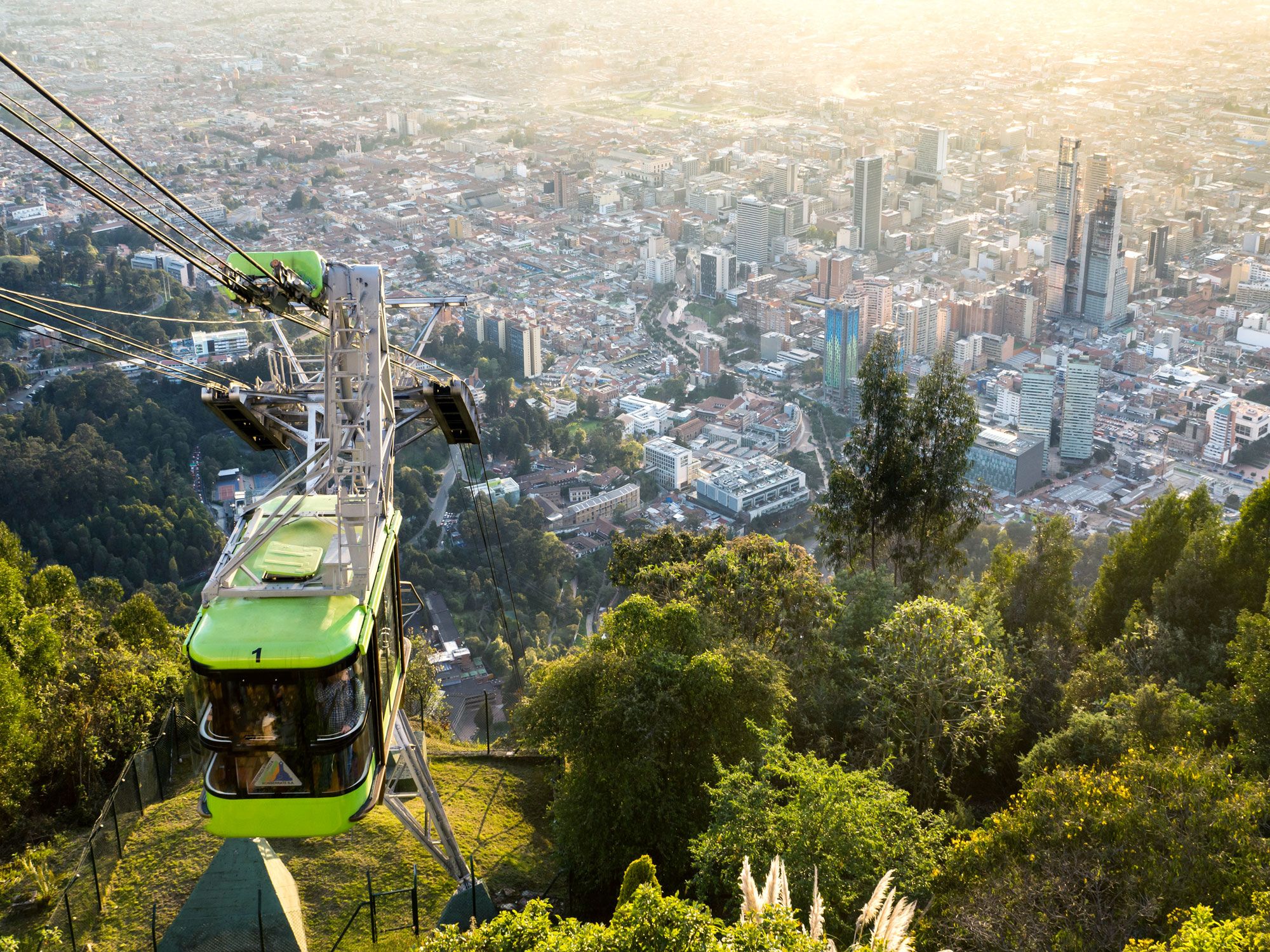
4. Bogotá, Colombia

Aerial cable car traveling up mountainside with Bogotá skyline below
Photo credit: A. Blanke/ Shutterstock

Elevation: 8,660 feet

Bogotá is the melting pot of Colombia, a high-altitude city enveloped by a sea of green and the Andes mountains to the east. The area on which the city stands was once occupied by the Muisca peoples, who thrived for centuries in the surrounding mountains. The Spanish arrived in the 1530s and laid the foundations for modern-day Bogotá, which became the capital of the Viceroyalty of New Granada territory and a hub of Spanish influence in the region. It remained the capital after Colombia achieved independence in 1819. 

The hub of the city is La Candelaria, a colorful and walkable neighborhood packed with Bogotá’s best museums and several iconic landmarks. Visitors can check out the Botero Museum of Latin American art and Colón Theater for music and performing arts. Plaza de Bolivar is home to eclectic architecture, while Simón Bolívar Park offers boating, biking, and mountain views. Foodies will find the chance to sample ajiaco santaferño (potato soup), tamales, and other delicacies at almost every corner. 

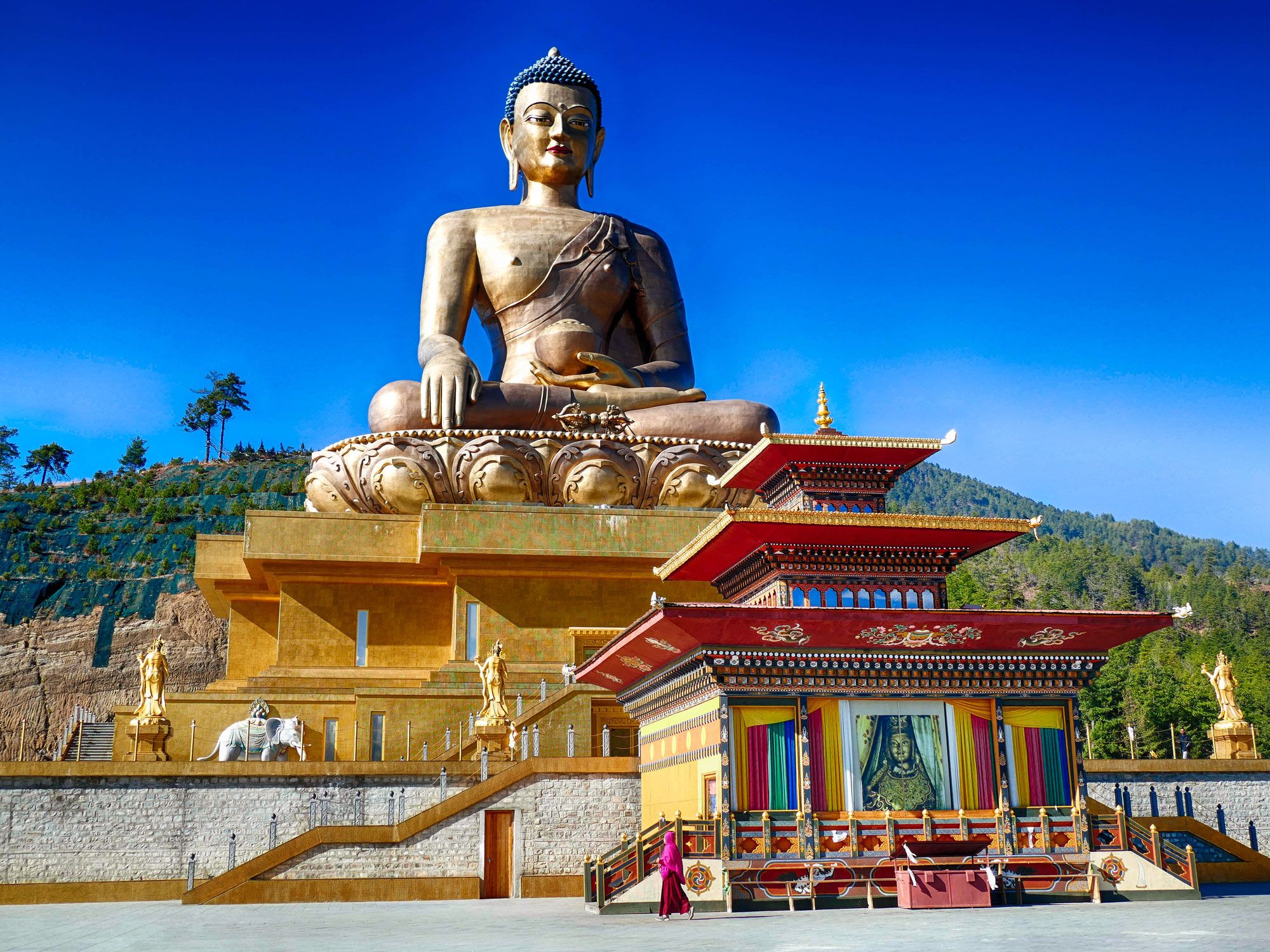
3. Thimphu, Bhutan

Large gold Buddha statue in Thimphu, Bhutan
Photo credit: steve estvanik/ Shutterstock

Elevation: 8,688 feet

Nestled amid a dazzling green valley in the shadow of the Himalayas is Thimphu, the capital of the Kingdom of Bhutan. A small yet busy city, Thimphu holds the honor of being one of the only world capitals with no traffic lights. Instead, police officers regulate the traffic from booths at major intersections. 

A stroll around the atmospheric streets of Thimphu offers visitors a glimpse of fascinating Buddhist architecture, including the Tashichho Dzong fortress and monastery and the artistic Changangkha Lhakhang temple. Experience Bhutanese arts and culture at the Folk Heritage Museum Kawajangsa and Royal Textile Academy. From Thursday to Sunday, the city’s Weekend Market is the place to shop for local specialties — from elaborate masks to yak cheese, dried chillies, and everything in between. 
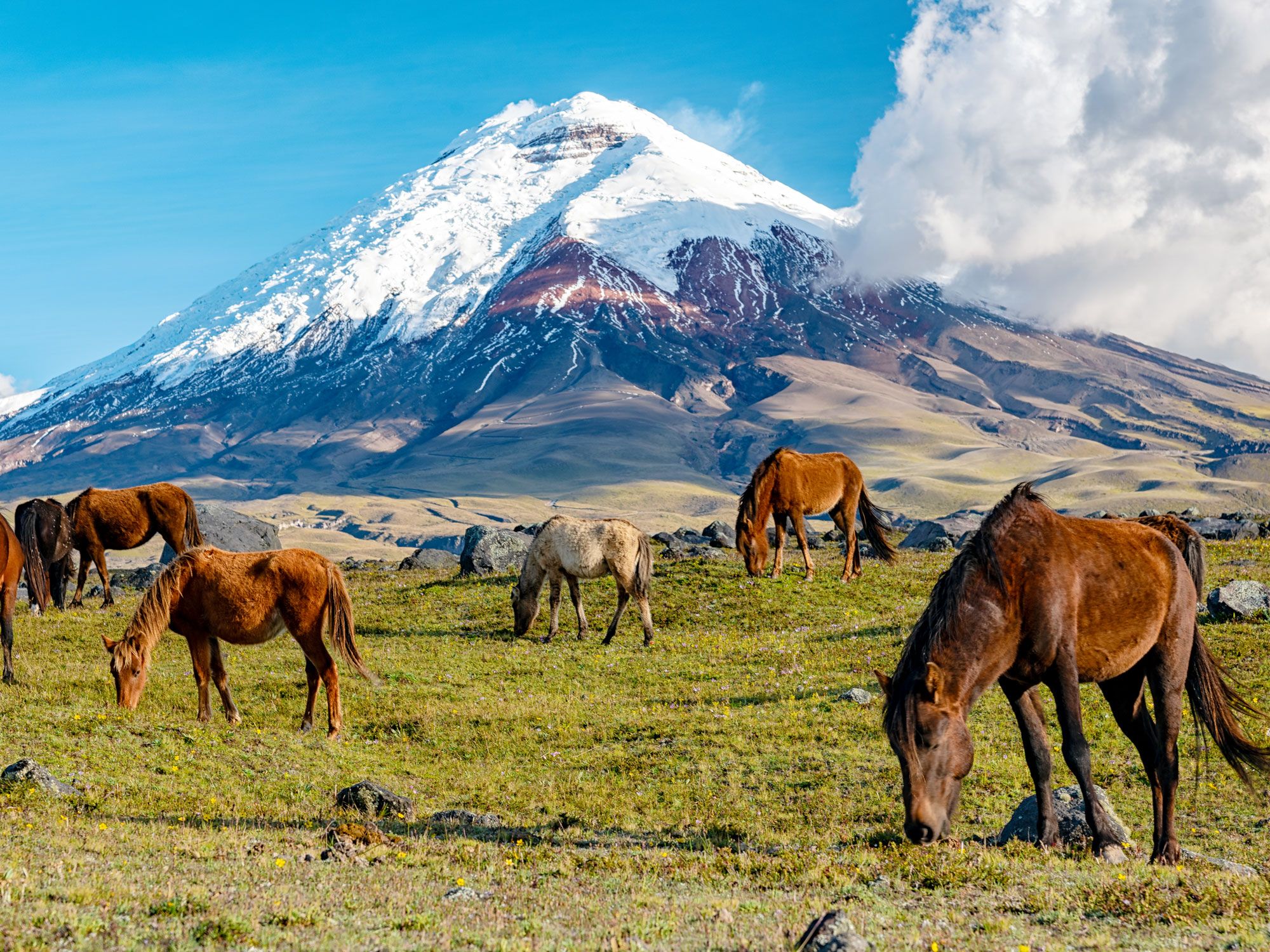
2. Quito, Ecuador

Horses grazing in the shadow of snow-capped Andes mountain near Quito, Ecuador
Photo credit: Jonatas Neiva/ Shutterstock

Elevation: 9,350 feet

At the base of the soaring Pichincha volcano and bordered by the Andes, Quito offers an intriguing blend of Quitu, Incan, and Spanish colonial history. First inhabited by nomadic tribes, modern Quito was erected by the Spanish in the 1500s on the site of an Inca settlement. It’s one of the oldest capitals in South America, and in 1978, it became one of the first cities declared a World Heritage Site by UNESCO. 

Colorful streets and grand plazas characterize Quito’s historic center. Head to tree-lined Independence Square, surrounded by Quito Metropolitan Cathedral and the Carondelet Palace, stopping to snack on local delicacies such as locro Quiteńo (cheese and potato stew). A mild year-round climate makes the city a great destination for scenic walks with views of the the Panecillo Forest and Parque Metropolitano Guangüiltagua. 

1. La Paz, Bolivia

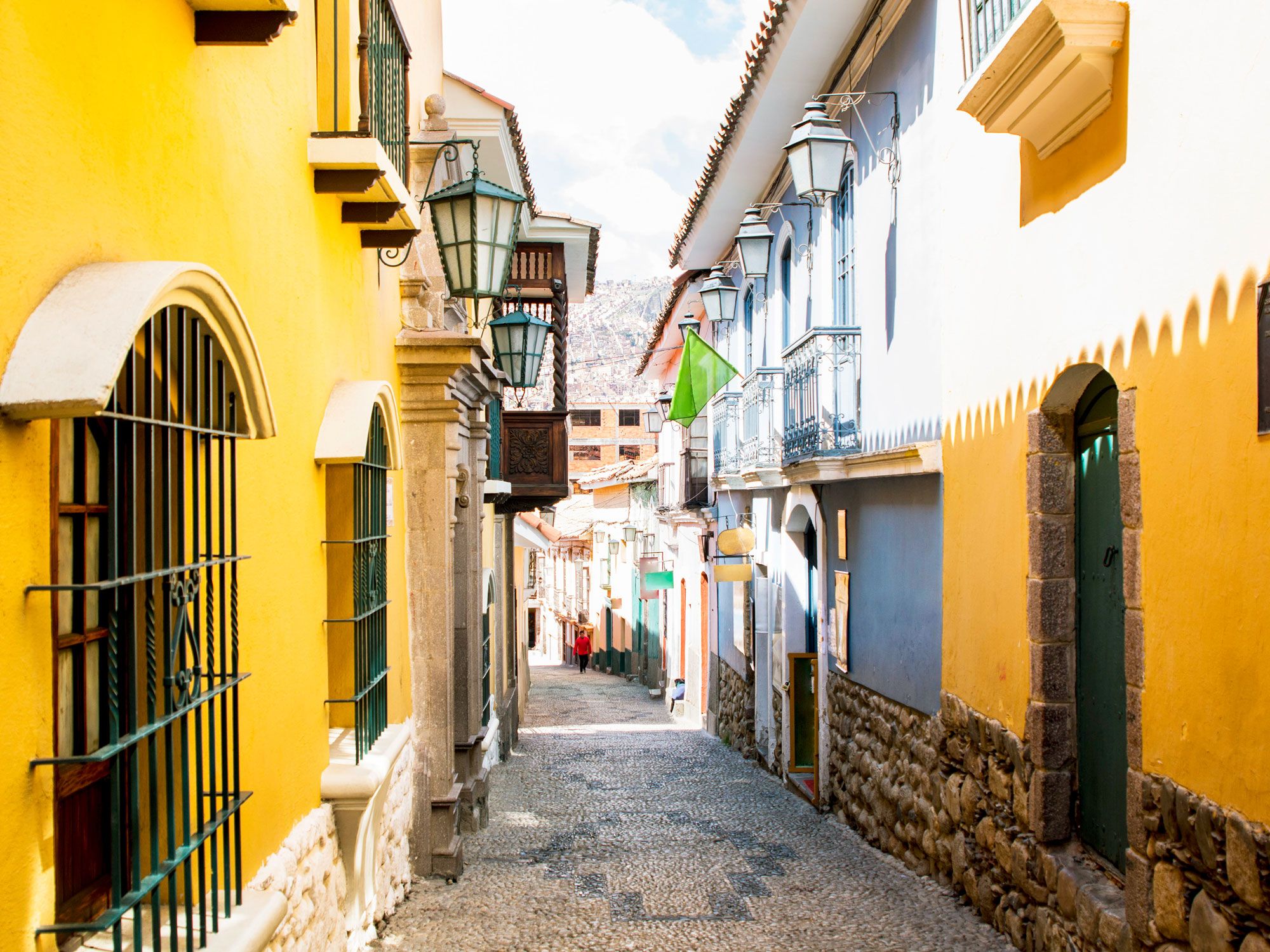
Brightly painted homes flanking narrow alleyway in La Paz, Bolivia
Photo credit: alexmillos/ Shutterstock

Elevation: 11,942 feet

Positioned nearly 12,000 feet above sea level in the Andes Altiplano plateau, La Paz is the world’s highest capital city. Founded by the Spanish in 1548 on the site of an Inca settlement, the city is characterized by a mix of Aymara indigenous traditions, colonial landmarks, busy markets, and vibrant nightlife. However, the city shares its Bolivian capital status with Sucre (also located at a lofty elevation of 9,220 feet). La Paz, the larger city, is the seat of government and home to the executive branch, while Sucre is the judicial and constitutional capital. 

Visitors can get a feel for the mountain metropolis of La Paz from the snow-capped Mount Illimani, reachable via the Mi Teleférico aerial cable car. Head to Plaza Murillo for major sights, including the Cathedral Basilica of Our Lady of Peace and the National Museum of Art. Colonial buildings frame nearby Plaza Mayor de San Francisco, a hub for street performers and artisan fairs. On cobblestone Calle Jaén street, museums delve into ancient Bolivian culture, while the nearby Witches’ Market offers an insight into Aymara folklore and witchcraft. 

Post Banner Image
Culture

8 Places to Experience Fascinating Cultural Traditions

By Julia Hammond
Read time: 5 minutes
June 22, 2023
Updated: July 25, 2023

8 Places to Experience Fascinating Cultural Traditions

By Julia Hammond
Author
Julia Hammond
Julia is a U.K.-based travel writer whose work has been featured in The Independent, The Telegraph, The New Zealand Herald, and Culture Trip, among others. She’s an enthusiastic advocate for independent travel and a passionate geographer who has had the privilege of traveling to more than 130 countries in search of a story.

Across the globe, centuries-old cultural traditions survive as part and parcel of everyday life. For travelers, they provide an unparalleled insight into the places we visit. From the sauna culture of Finland to ancient storytelling in Morocco, here are eight places where you can witness fascinating cultural traditions — many of which are recognized by UNESCO’s List of Intangible Cultural Heritage.  

Shrimp Fishing on Horseback – Oostduinkerke, Belgium

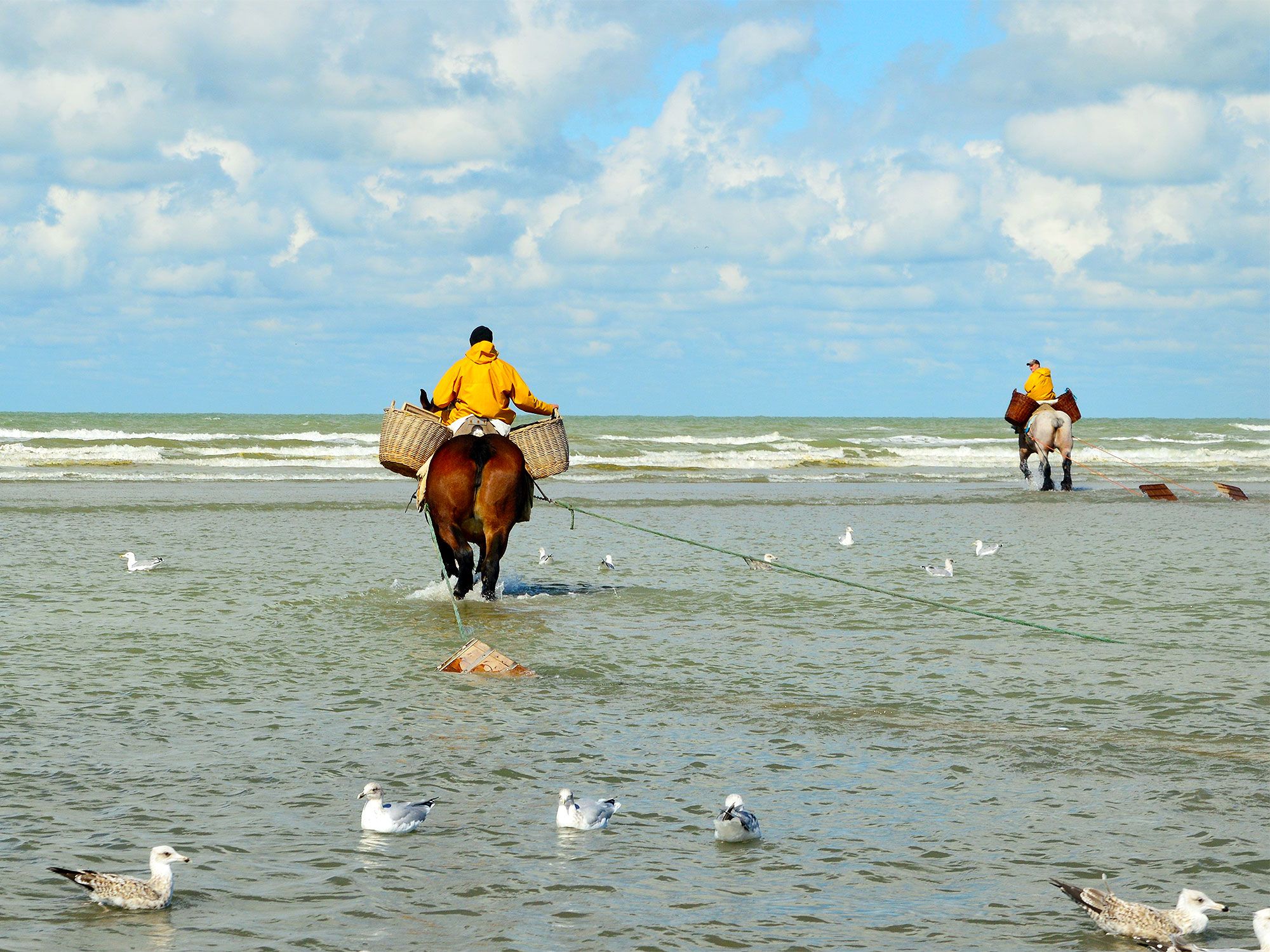
Men on horseback in coastal waters of Belgium fishing for shrimp
Photo credit: Monika Boncuk/ Shutterstock

The broad sandy beaches lining the coast of northwest Belgium are the setting for a highly unusual occupation. For over 500 years, locals in the seaside village of Oostduinkerke have fished for shrimp at low tide — while on horseback. Only a handful of these skilled fishermen remain today, who ride out into the surf on Brabant draft horses, a breed strong enough to cope with the challenge of wading in thigh-deep water. As these mighty beasts tow nets behind them, the fishermen on their backs load the shrimp they’ve caught into wicker baskets as generations before them have done. Each June in Oostduinkerke, you can celebrate the unique practice (and may even be able to participate) during the annual Shrimp Festival.  

Alheda’a – Saudi Arabia, Oman, and UAE

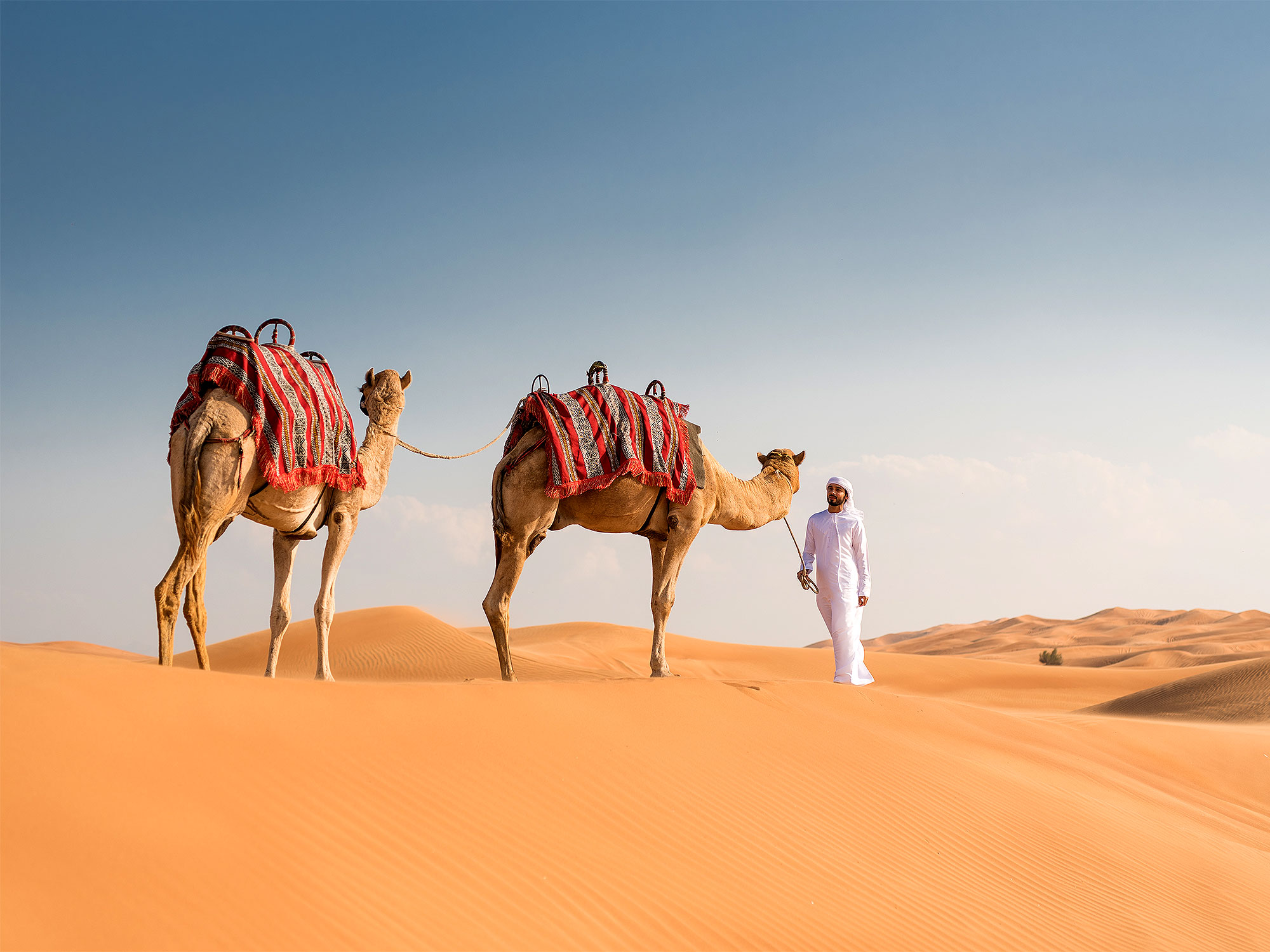
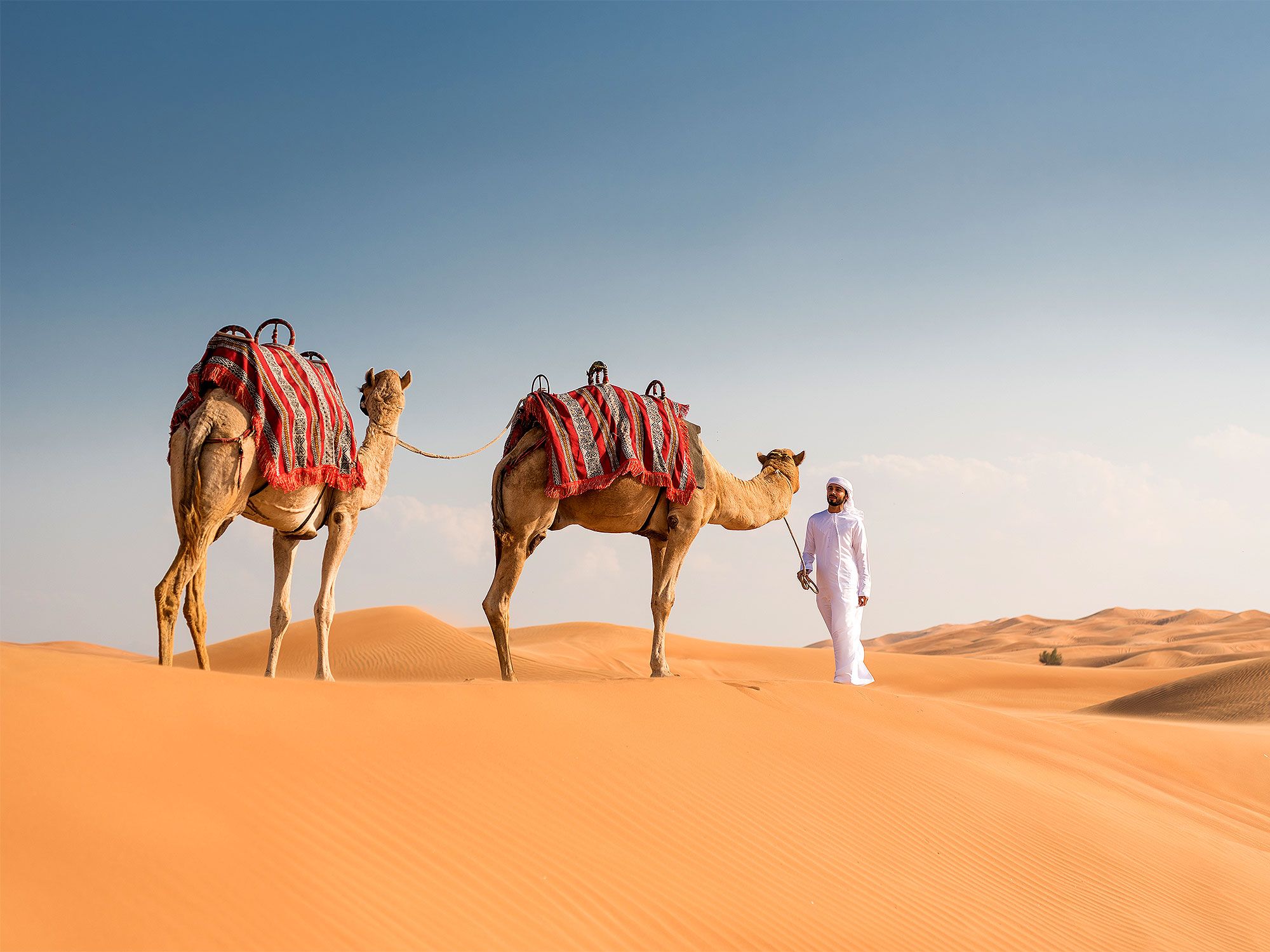
Two camels and herder on sand dunes
Photo credit: Kateryna Galkina/ Shutterstock

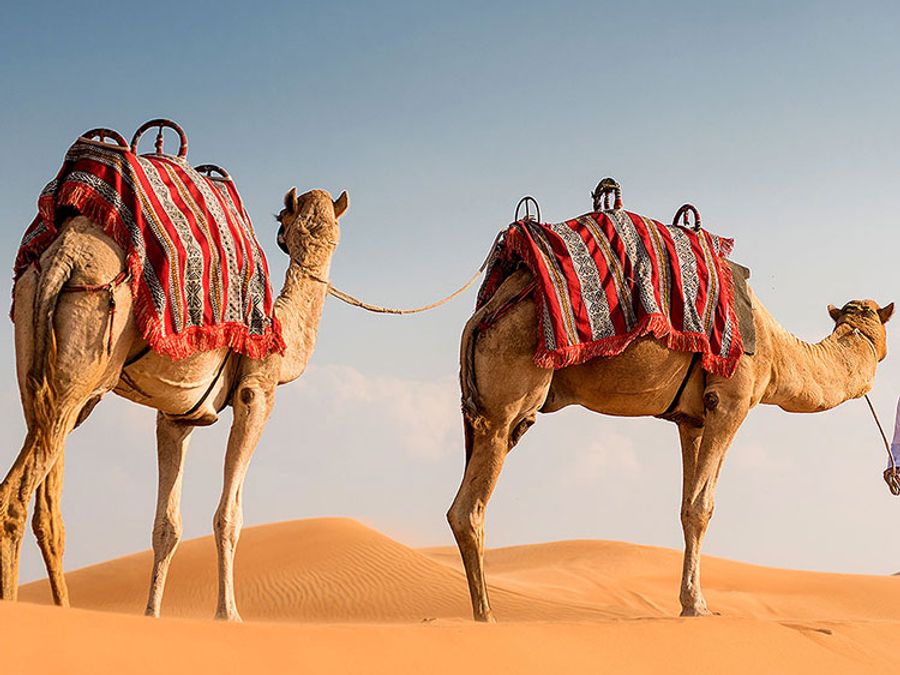
In Saudi Arabia, Oman, and the United Arab Emirates, herders have long practiced the oral tradition of alheda’a to communicate with their camels. They use polyphonic sounds (in which multiple notes are blended) in conjunction with hand gestures. Rhythmic and poetic, the technique not only sounds beautiful but also has a practical purpose: It allows the herders to direct their camels to kneel, to open their mouths when instructed, turn left or right, and gather together quickly if the weather turns inclement — for instance, if a sandstorm is approaching. 

Songket Weaving – Malaysia

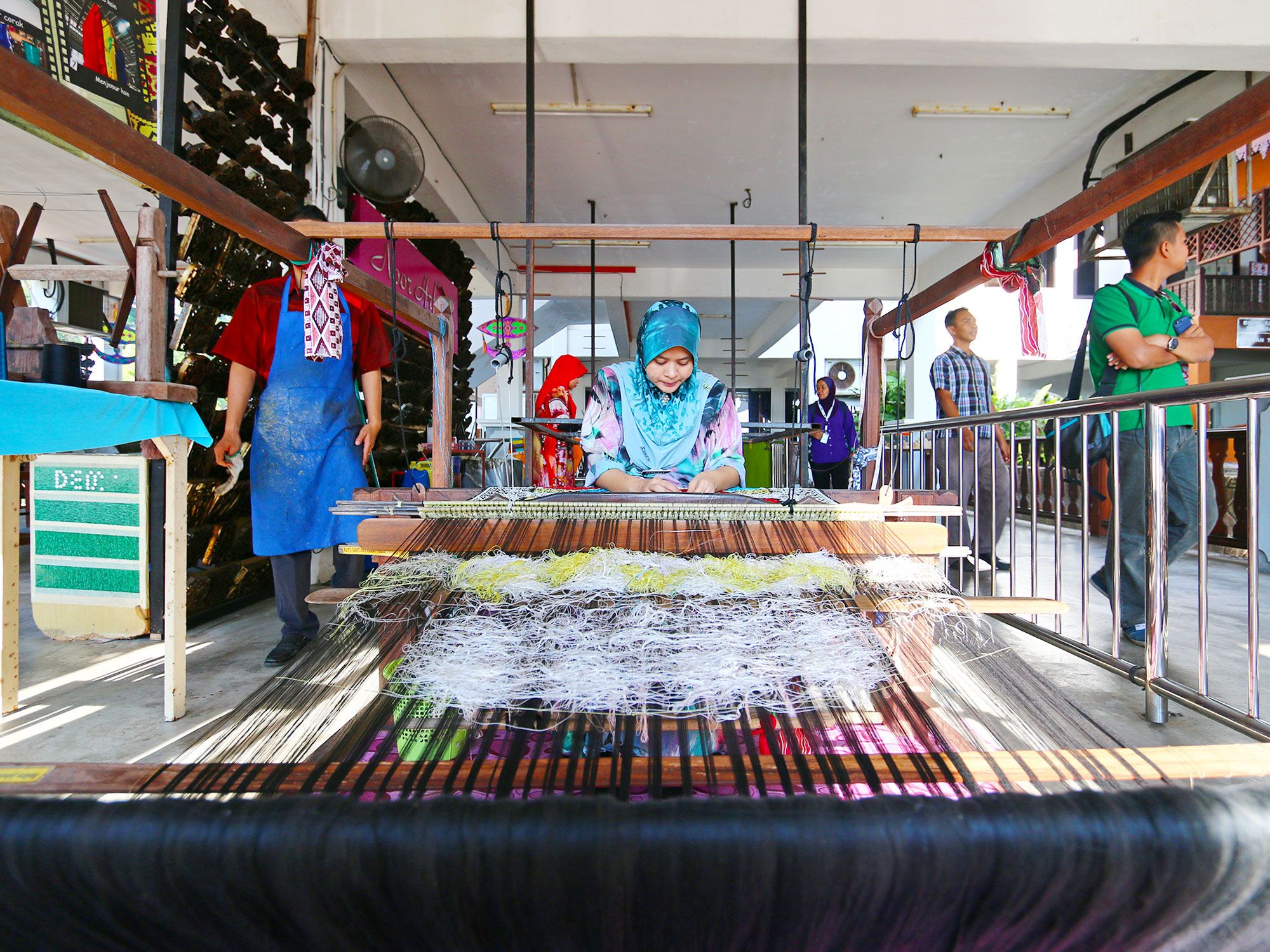
Malay woman using traditional weaving method
Photo credit: kalapangha/ Shutterstock

In the Malay Peninsula and Sarawak, a Malaysian state on the island of Borneo, women use a special technique called Songket to weave gold and silver thread into fabric. To do so, they use a two-pedal floor loom, known as a kek, maintaining a cultural tradition that dates back to the 16th century. The base fabric is created first, and in the second stage of the process, the metallic threads are woven in. The result is a shimmering fabric that may contain motifs such as flowers, birds, or insects. This glittering material was once reserved for royalty, but today anyone can wear it, though, it’s typically worn only on special occasions such as weddings.

Whistled Language – La Gomera, Canary Islands

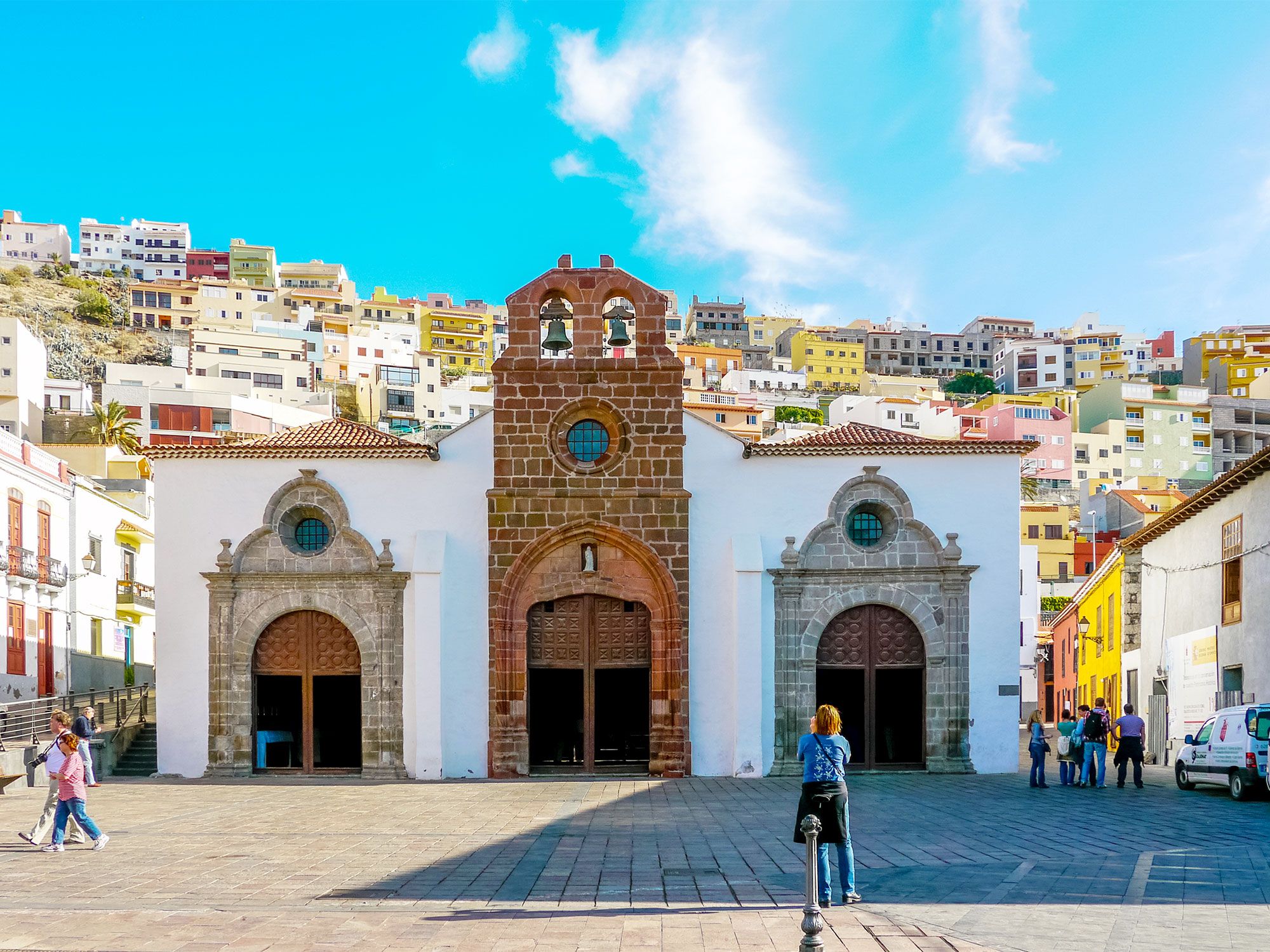
Church and town square with hilltop homes in background on La Gomera in the Canary Islands
Photo credit: M. Vinuesa/ Shutterstock

Silbo Gomero, also known as el silbo, is a whistled language unique to La Gomera. The second-smallest of the Canary Islands located off the northwest coast of Africa, the island is characterized by remote rural villages separated by deep ravines. Shouting a message across such valleys would be futile, the sound easily lost in the wind. Instead, it became tradition to use six different whistled sounds — two represent vowels, while the others replace consonants. Fortunately, there’s little chance of this language dying out, as it has been a compulsory subject for schoolchildren on the island since 1999.

Hikayat – Marrakech, Morocco

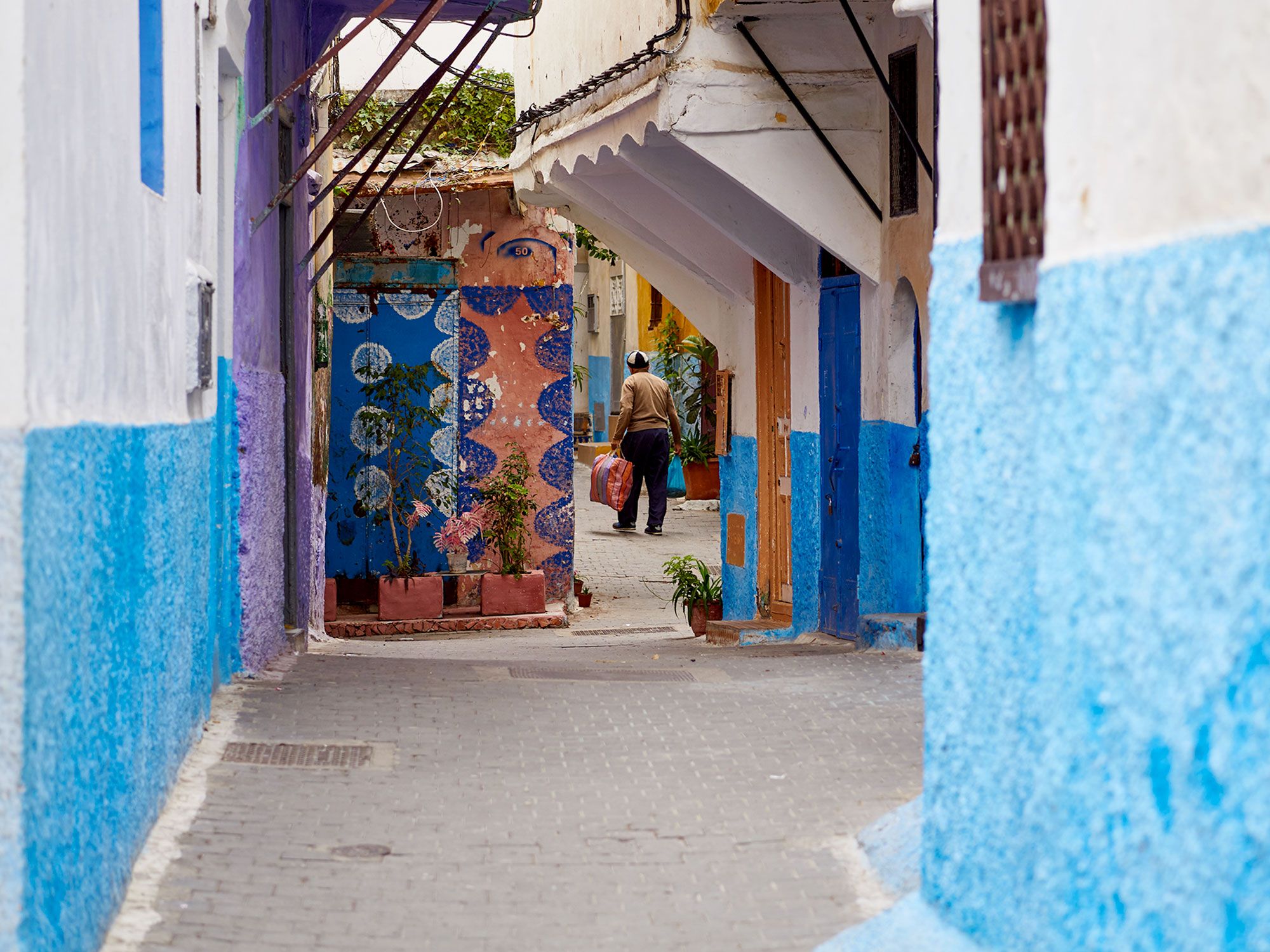
Narrow alleyway flanked by blue walls in Morocco
Photo credit: Urban Napflin/ Shutterstock

Morocco’s ancient storytelling tradition, known as hikayat, dates back around a thousand years. It was used to pass on moral lessons to children and to captivate a crowd after the sun had set after a day of work. While once commonplace, hikayat is less likely to be encountered in modern society. However, in Marrakech, it’s one of the many forms of entertainment you’ll still find in lively Djemaa el Fna square — and judging by the rapt expressions on the faces of those gathered, it’s just as popular as it always was. To hear a tale in English, too, head to Café Clock in the city’s Kasbah district.

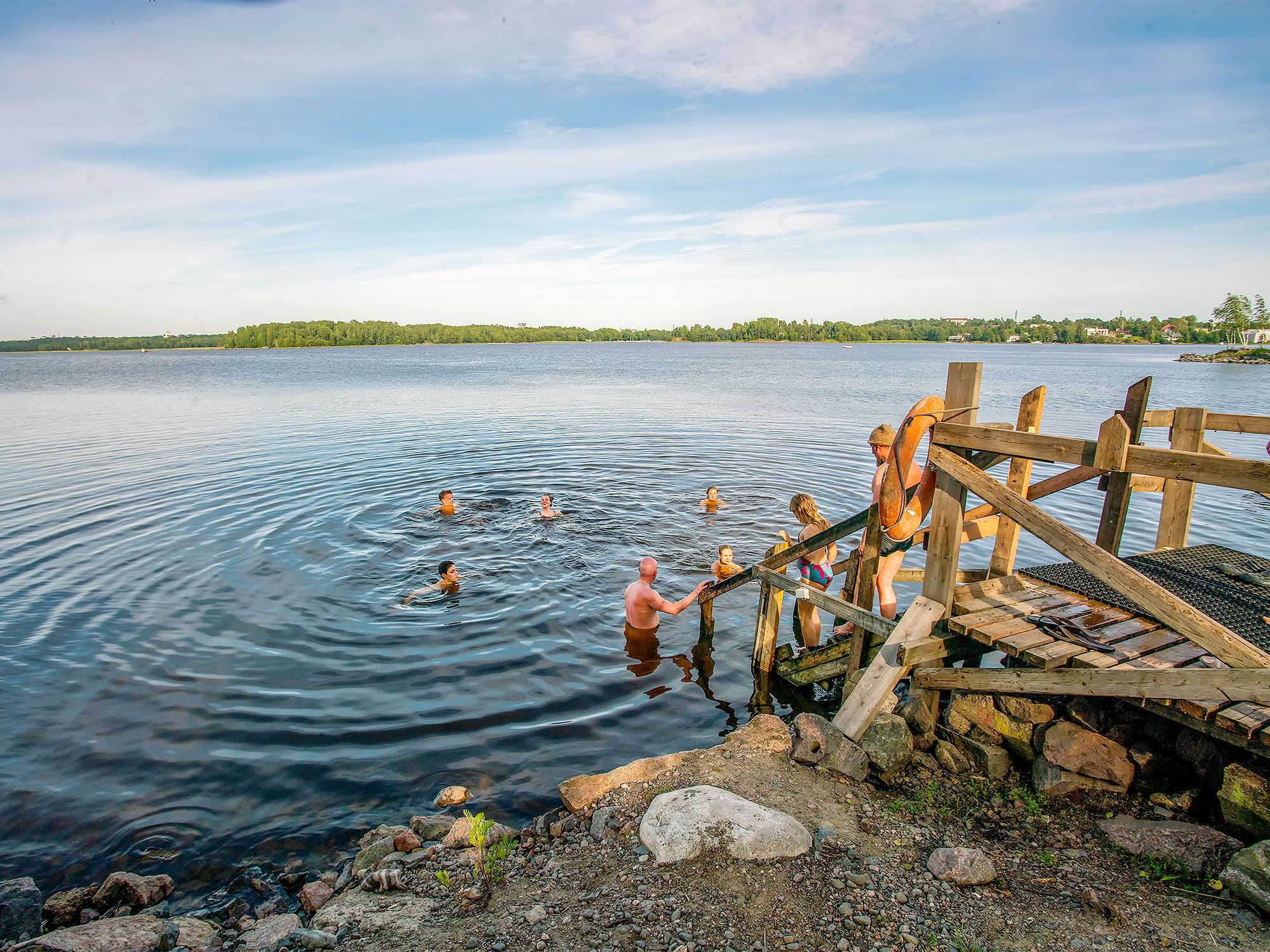
Sauna Culture – Finland

Finnish people taking dip in lake after sauna session
Photo credit: Marat Lala/ Shutterstock

Spending time in a sauna is a Finnish cultural tradition many travelers are keen to embrace. To do so the traditional way, you’ll need to be prepared to strip naked and sweat it out in a wooden cabin heated to 212 degrees Fahrenheit. After a while, you’ll need a way to cool off, which typically is done by jumping into a freezing lake or rolling in snow nearby. While saunas aren’t unique to Finland, they are an integral part of the way of life in this Nordic nation, whether in homes or public places. (In fact, “sauna” is the only Finnish word that is commonly used in the English language.) There are an estimated 3.3 million saunas scattered throughout the country — pretty impressive when you consider that Finland’s total population is only around 5.5 million.

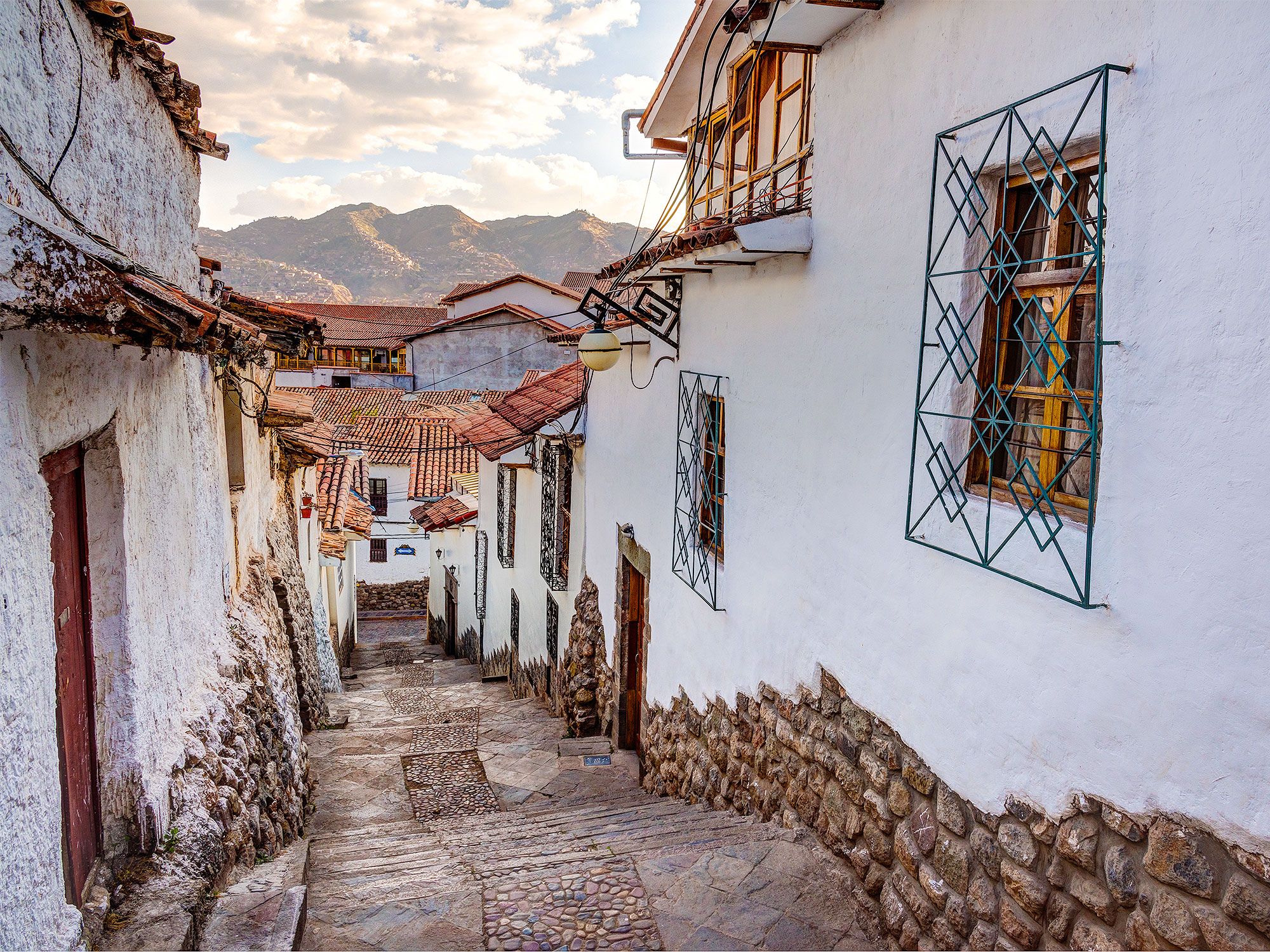
Pucara Bulls on Rooftops – Peru

Narrow steps between whitewashed houses in Peru, with Andes mountains in distance
Photo credit: Christian Vinces/ Shutterstock

Bulls aren’t indigenous to Peru; they were introduced by the Spanish. Yet, if you stroll around southern Peruvian cities such as Puno or Cusco, you’ll spot two clay bulls beside a cross on many of the rooftops. Wide-eyed and tongue extended, they’re known as Toritos de Pucará, after the town where the tradition began around 3,000 years ago in the Lake Titicaca basin of the Andes mountains. Peruvians believe they bring good luck, happiness, and fertility to the home’s occupants. The fact that they come in pairs is also no accident, as this represents the value of balance in Andean beliefs. 

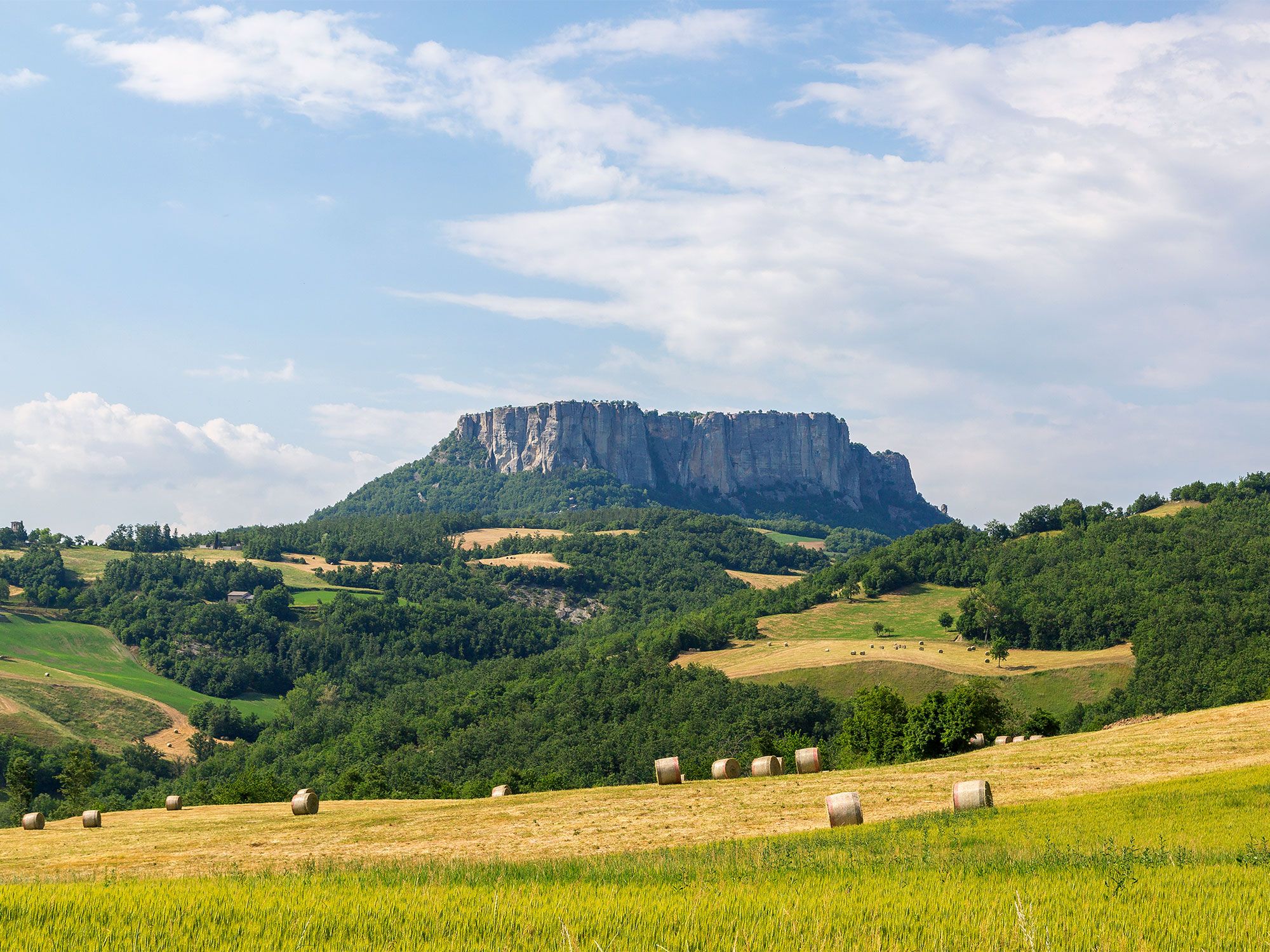
Canine Truffle Hunters – Emilia Romagna, Italy

Field and rock formation in distance in Emilia Romagna, Italy
Photo credit: wsf-s/ Shutterstock

Truffles are the fruit of a fungus which grows underground in woodland areas on tree roots. To find them is tricky — but if you tap into the heightened sense of smell of a Lagotto Romagnolo, the process becomes a whole lot easier. This dog breed is highly prized in its native Italy for its truffle-hunting abilities, combining athleticism and a good memory to sniff out this prestigious food. As its name suggests, the Lagotto Romagnolo hails from the Emilia Romagna region, an area where truffles are commonly found. But if you’re keen to join a truffle hunt, you might also do so in Piedmont, Lombardy, or Tuscany. 

Post Banner Image
Architecture

Big Baskets and Giant Fish: 6 Unusually Shaped Buildings Around the World

By Sarah Etinas
Read time: 4 minutes
June 22, 2023
Updated: February 19, 2025

Big Baskets and Giant Fish: 6 Unusually Shaped Buildings Around the World

By Sarah Etinas

One can discover eye-catching architecture in just about every major city across the globe — from the modern, glass-covered skyscrapers of Asia to the historic medieval walled cities of Europe. But there are some uniquely shaped buildings that would stand out in any cityscape. From guitar-shaped hotels to fish-shaped government buildings, here are six of the most unusually shaped buildings around the world.

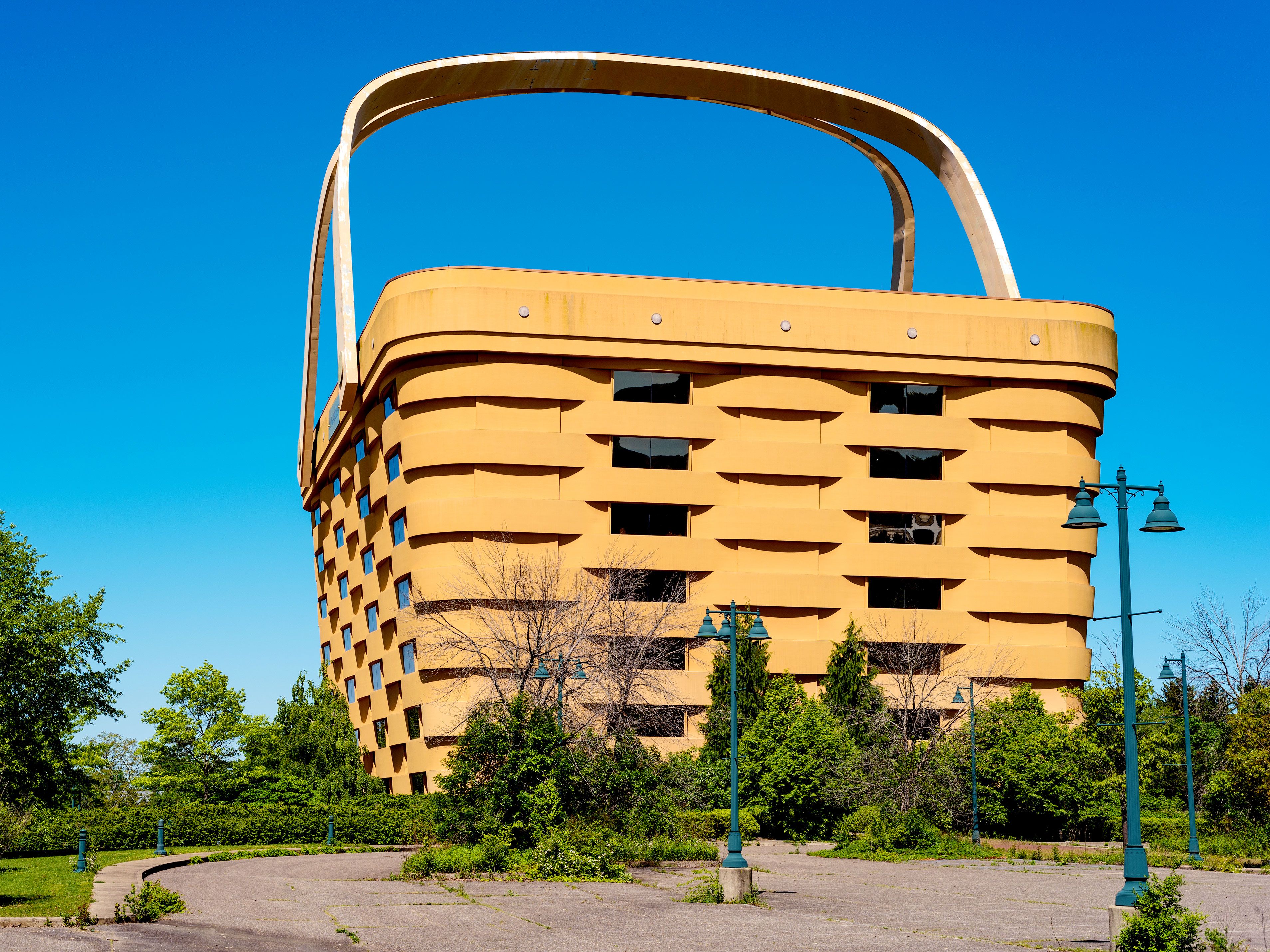
Big Basket Building – Newark, Ohio

Exterior of building shaped like a giant picnic basket in Newark, Ohio
Photo credit: Kenneth Sponsler/ Shutterstock

When the Longaberger Company, a now-defunct basket manufacturer, was looking to construct its new headquarters in 1997, the company found inspiration in its signature product. The result was the striking — and aptly named — “Big Basket” building in Newark, Ohio, taking the shape of a massive picnic basket complete with “woven” sides and 75-ton handles.

The seven-story building has certainly caught the attention of those driving by on Ohio State Route 16 ever since, but sadly, the original Longaberger Company shuttered in 2018, and the “Big Basket” closed its doors. While you can no longer step foot inside of this unique building for the time being, you can still drive by and admire it from the outside. At one point, there were plans to convert the building into a luxury hotel, but those plans were abandoned and the building’s fate remains uncertain.

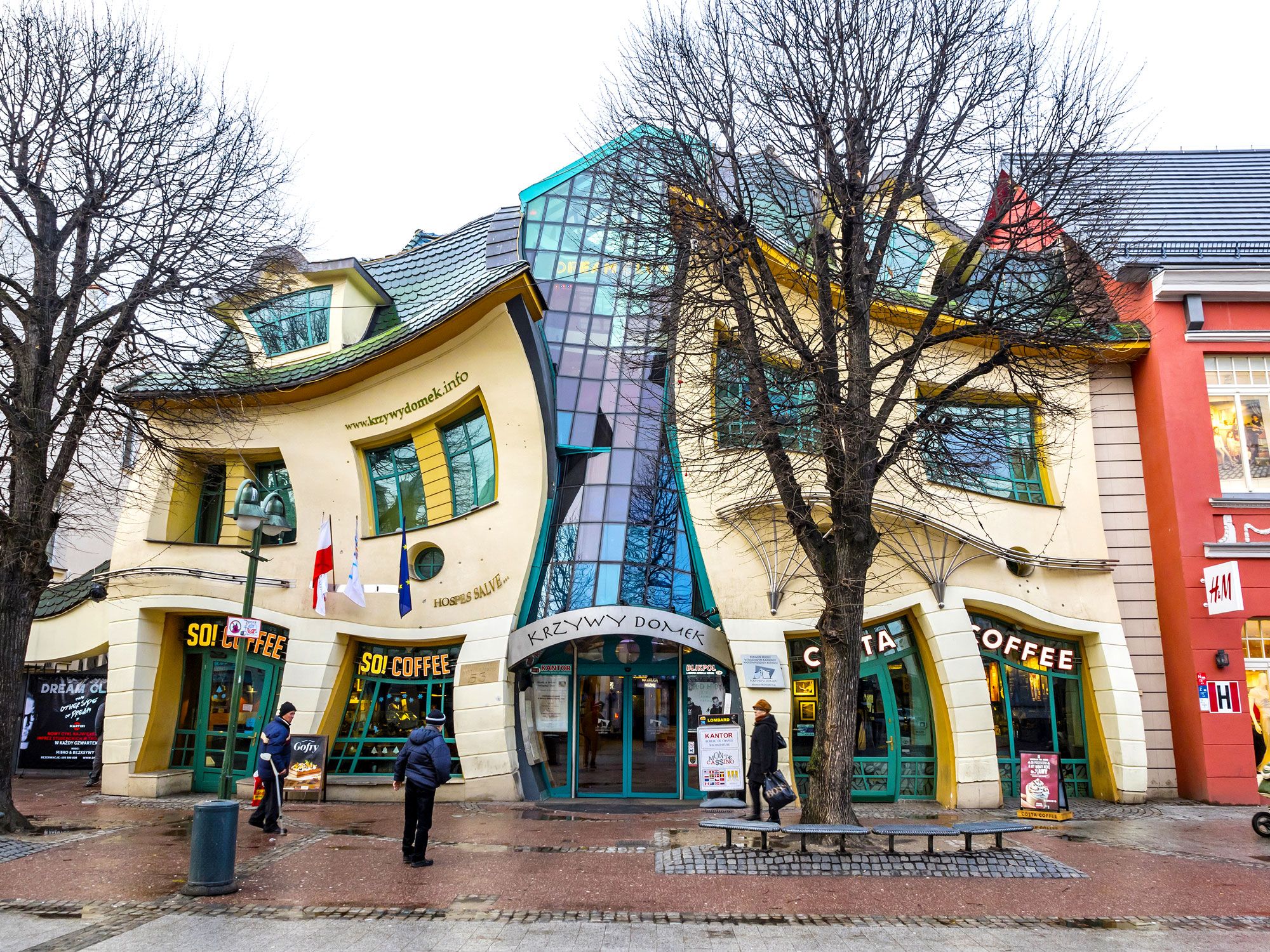
Krzywy Domek (Crooked House) – Sopot, Poland

Whimsical exterior of the "Crooked House" in Sopot, Poland
Photo credit: katatonia82/ Shutterstock

Krzywy Domek — otherwise known as the “Crooked House” — is like a surrealist painting brought to life. Built in 2004, this whimsical building in northern Poland boasts curvy walls, a purposefully sunken roof, and even seemingly warped windows — which all makes sense when you discover the design was inspired by Polish artist Jan Szancer’s fairytale illustrations. Surprisingly, the inside of this fairytale-inspired building is much more conventional. It’s part of the Rezydent Shopping Center and is filled with the usual stores, spas, bars, and restaurants.

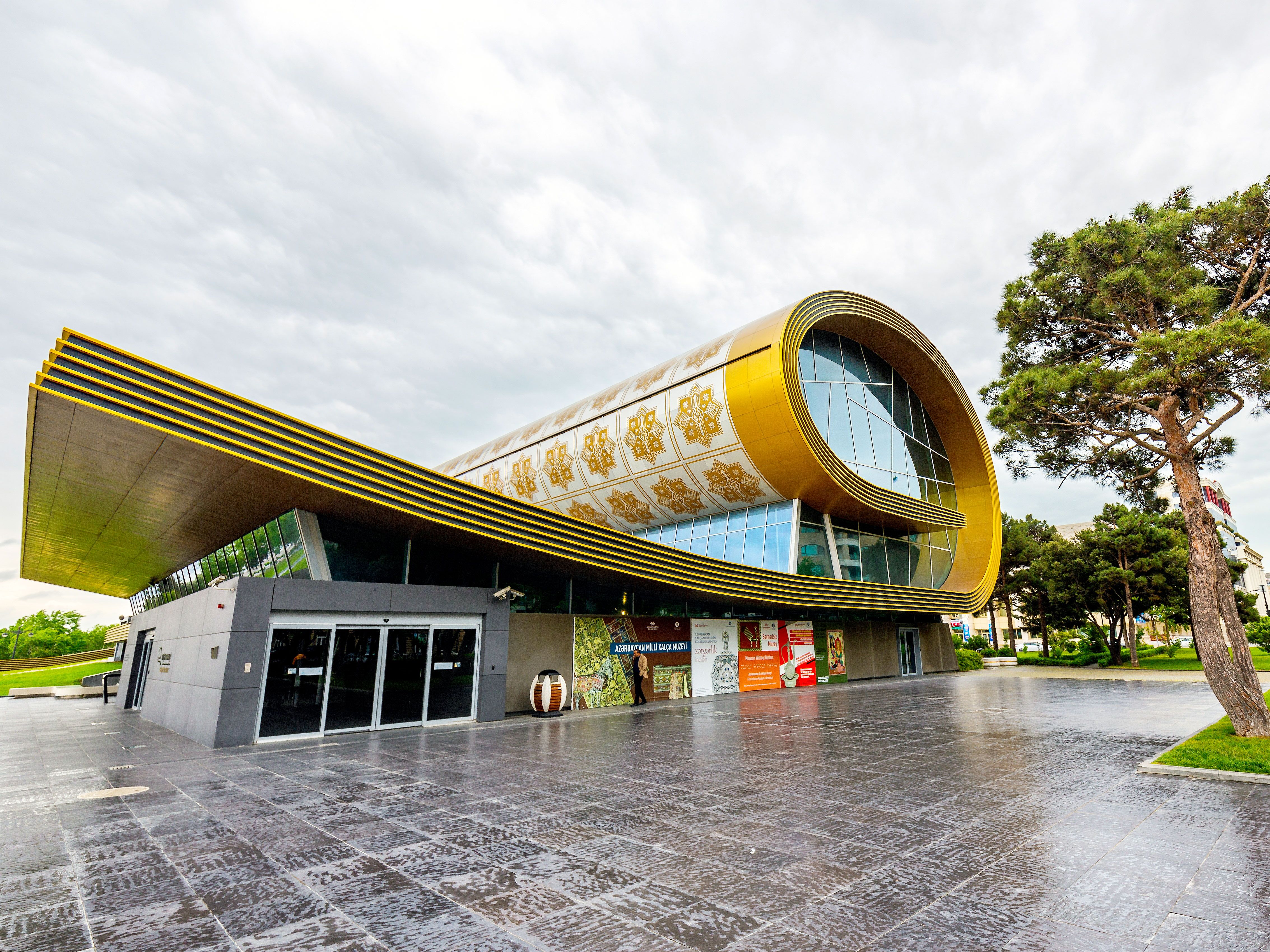
Azerbaijan National Carpet Museum – Baku, Azerbaijan

Azerbaijan National Carpet Museum building with roof modeled after rolled carpet
Photo credit: RuslanKphoto/ Shutterstock

Modeled after a curled, golden carpet, this eye-catching building hints at exactly what’s inside: the largest collection of Azerbaijani carpets in the world. Designed by Austrian architect Franz Janz in 2014, the building is home to the Azerbaijan National Carpet Museum, which was established in 1967. With over 6,000 Azerbaijani carpets — both traditional and modern — within its glass walls, you could easily spend hours admiring the time-consuming creations inside. You may even be able to take a paid carpet-weaving class at this one-of-a-kind museum.

Fish Building – Hyderabad, India

Building shaped like a giant silver fish in Hyderab
Photo credit: Exotica/ Alamy Stock Photo

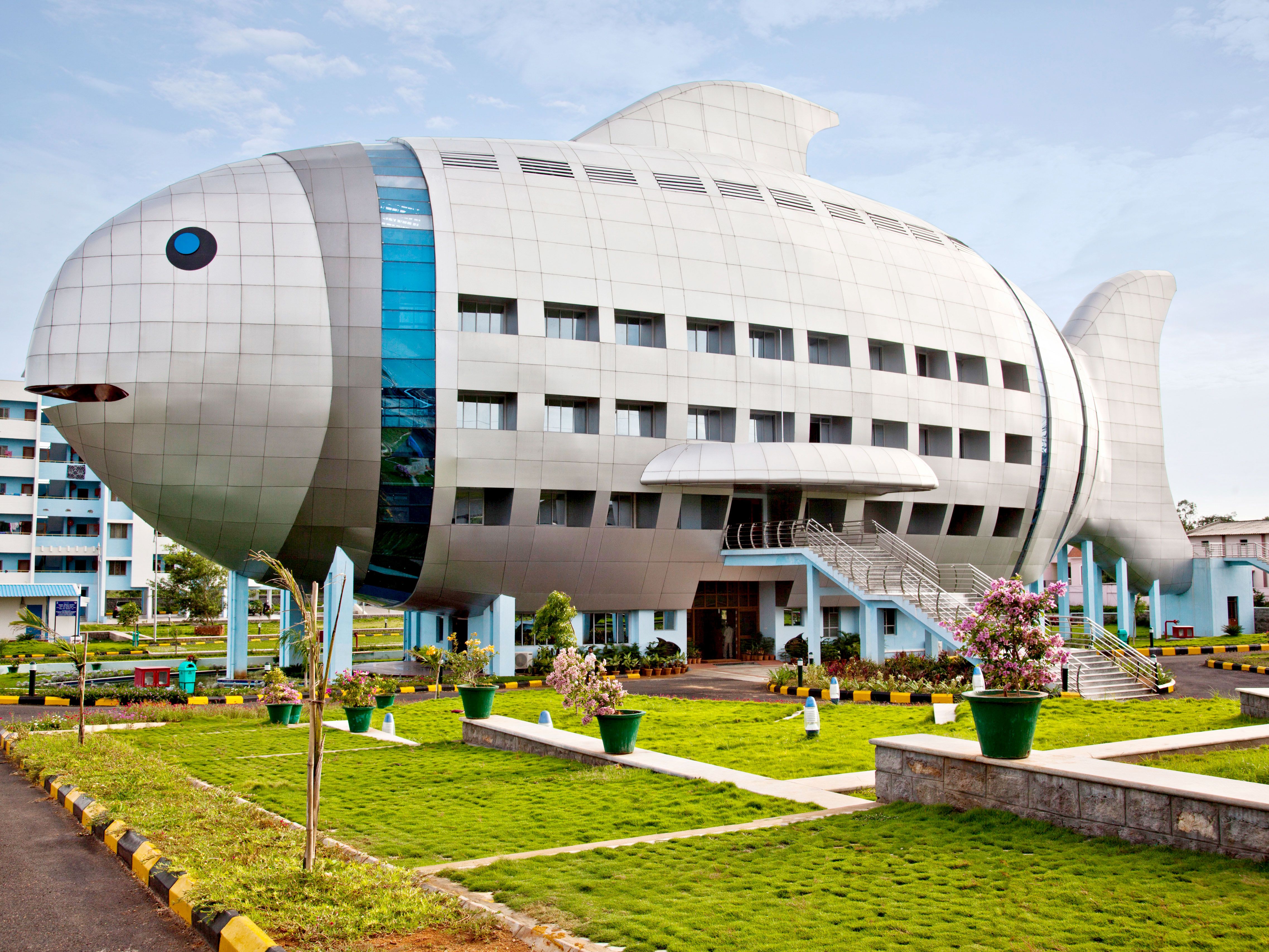
Similar to the Azerbaijan National Carpet Museum, the unmistakable shape of this building — which houses the offices of the National Fisheries Development Board (NFDC) in Hyderabad, India — gives passersby a clue to its purpose. Built in 2012 and unofficially known as the “Fish Building,” the striking structure features fins, eyes, a mouth, and a giant tail. Even the silvery sheet metal used on the body of the fish gives the structure a scale-like quality, taking the aquatic feel to the next level. 

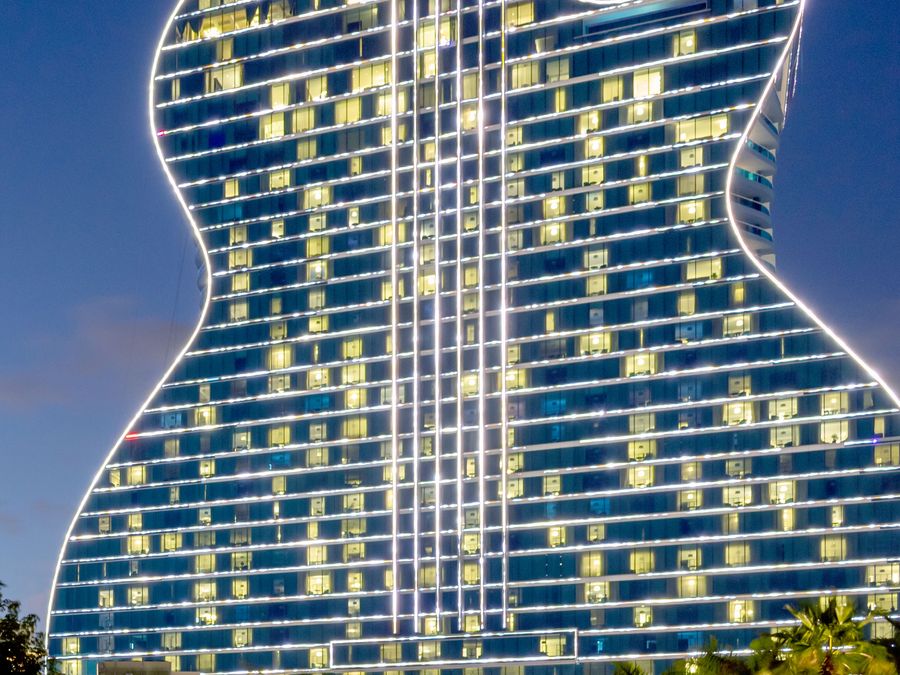
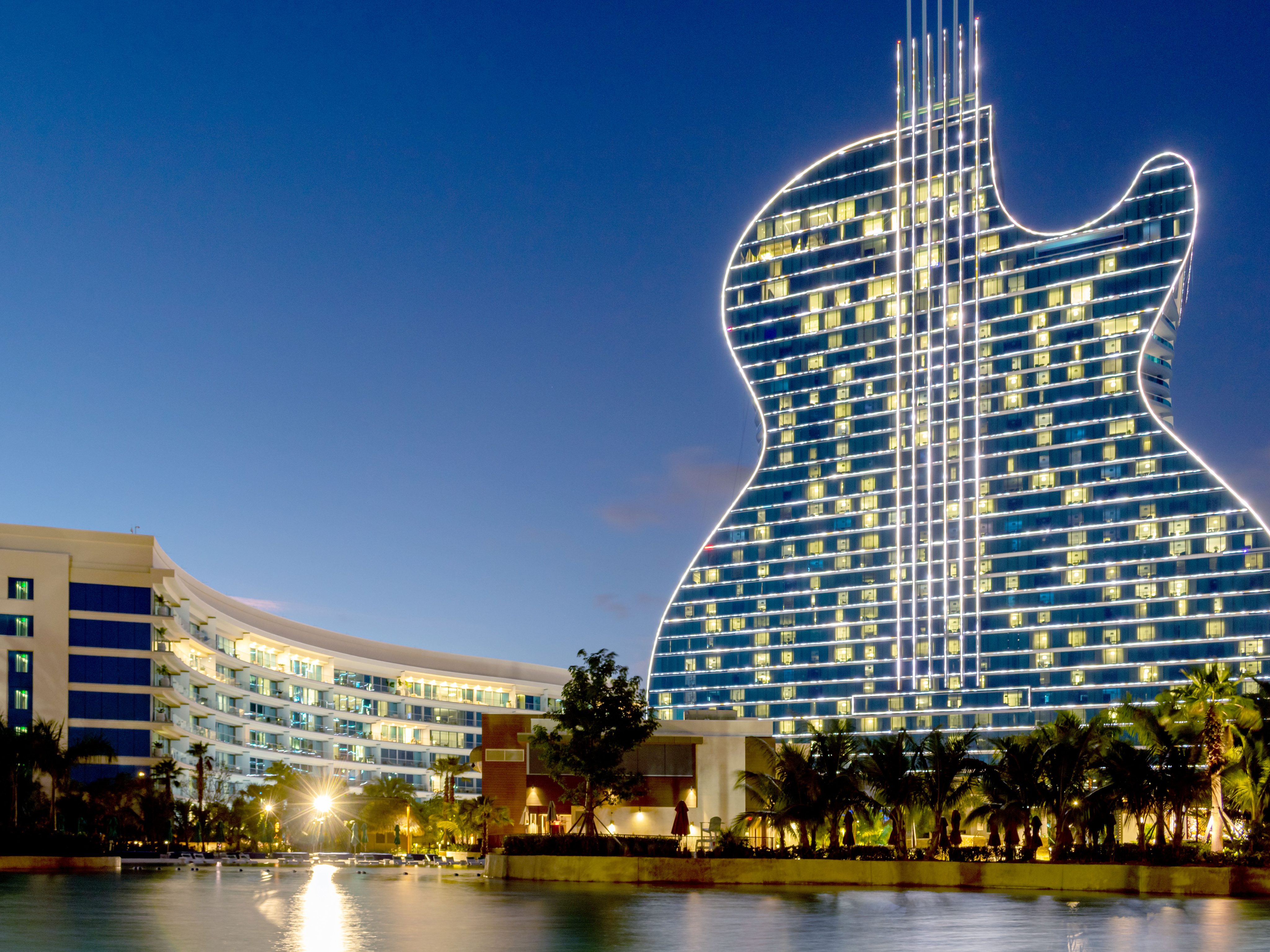
Seminole Hard Rock Hotel & Casino Hollywood – Hollywood, Florida

Hotel shaped like a giant guitar in Hollywood, Florida
Photo credit: JJW Photography/ Shutterstock

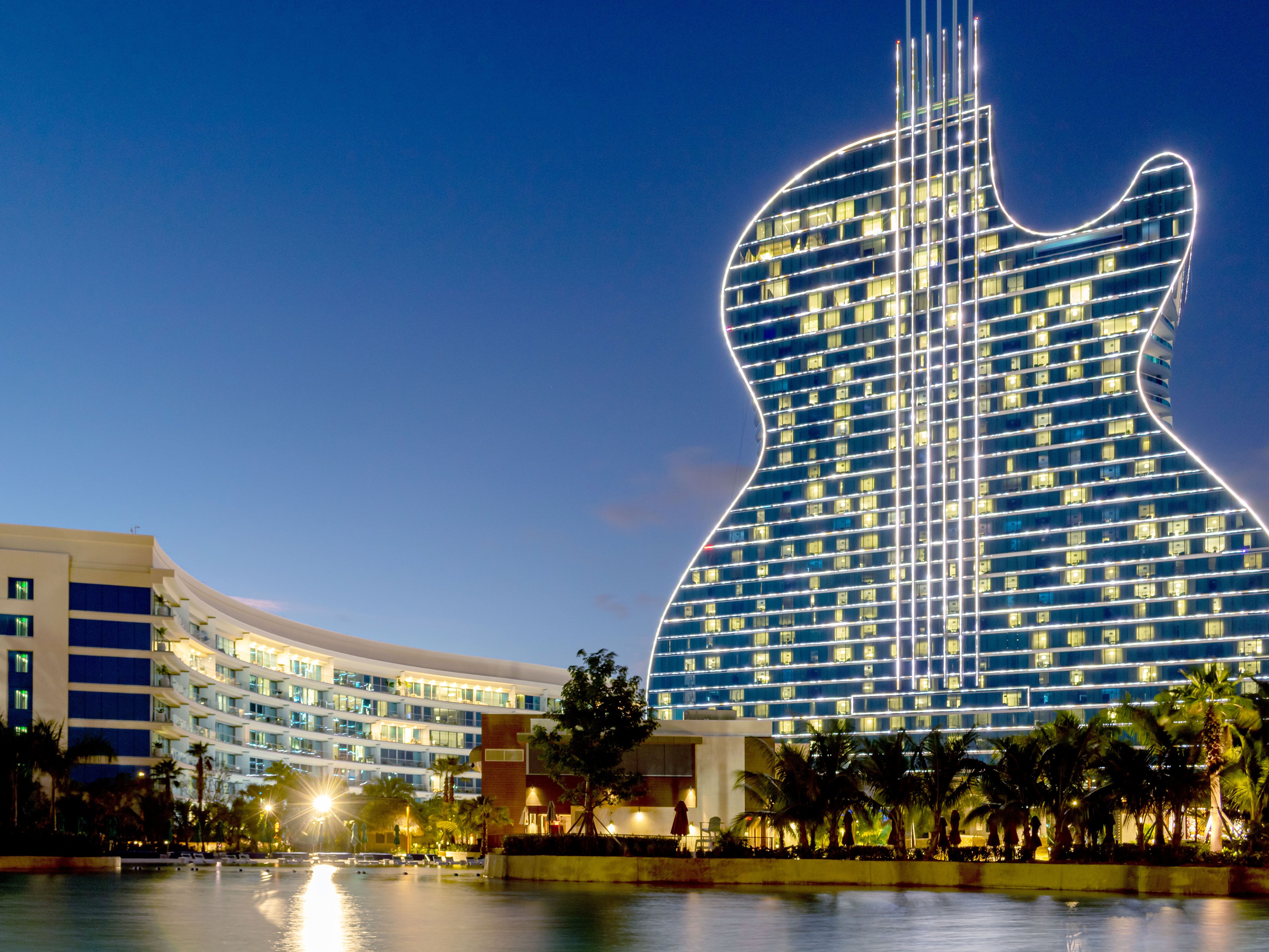
The Hard Rock brand is known for all things music-related, so it only makes sense that the theming extends to its architecture. Opened in Hollywood, Florida, in 2004, the Seminole Hard Rock Hotel & Casino Hollywood added a 36-story glass guitar in 2019. Within its shiny blue walls, you’ll find 638 rooms and suites, dozens of restaurants, a casino, and a 7,000-person live music venue. A selection of Fender guitars is even available for guests to borrow free of charge as part of the Sound of Your Stay experience. It probably comes as no surprise that the building — the first of its kind and which cost a whopping $1.5 billion to construct — is known by the nickname, “the Guitar Hotel.” 

Dog Bark Inn – Cottonwood, Idaho

Hotel shaped like a giant beagle in Cottonwood, Idaho
Photo credit: Martyn Skorkin/ Shutterstock

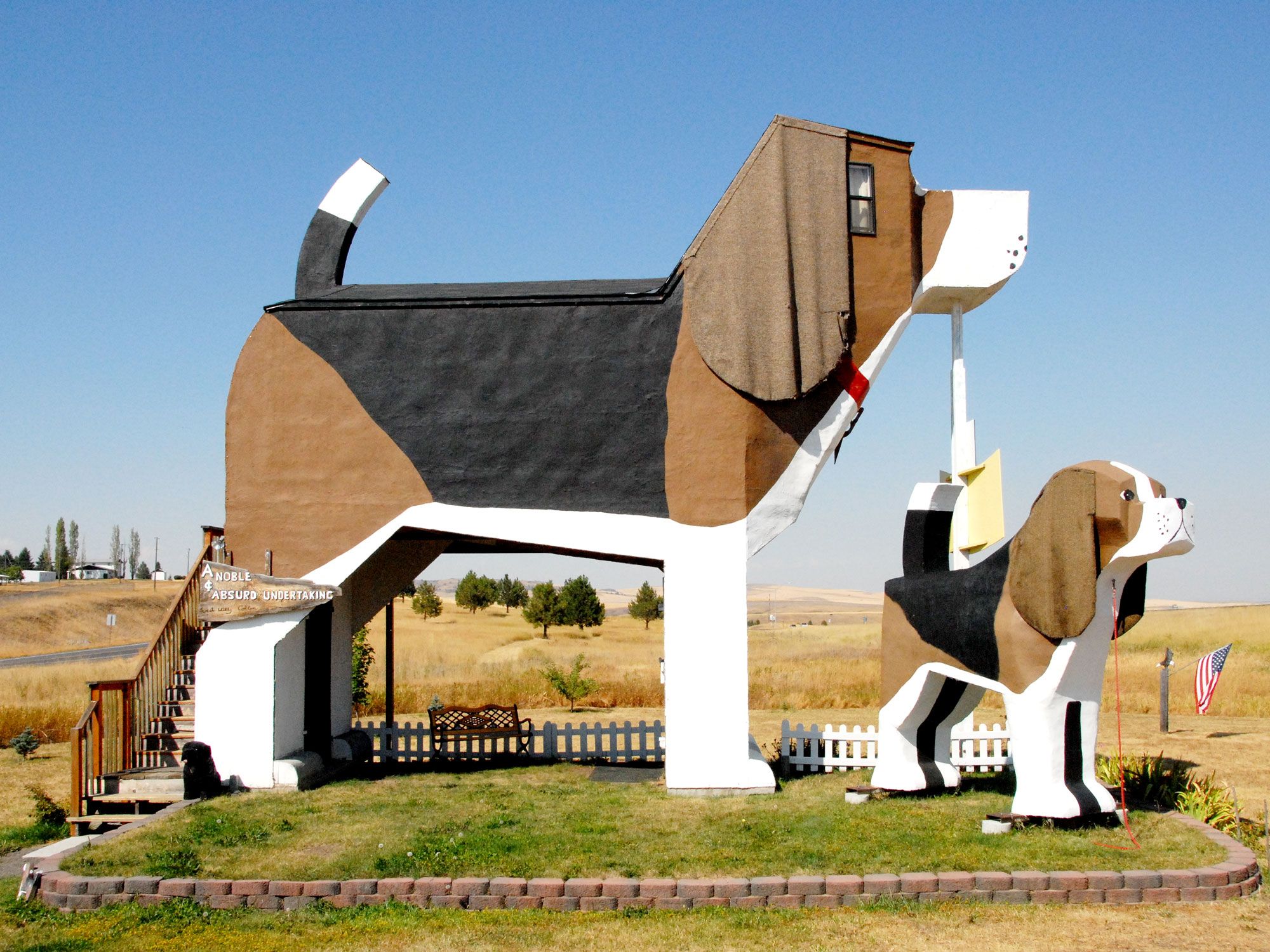
Hollywood’s “Guitar Hotel” isn’t the only unusually shaped accommodation in the U.S. — Cottonwood, Idaho is home to the Dog Bark Inn, a cozy bed-and-breakfast that claims to be the world’s largest beagle. Standing 30 feet tall and nicknamed “Sweet Willy,” the hotel is the brainchild of artist couple Dennis J. Sullivan and Frances Conklin, who opened their one-of-a-kind hotel concept in 1997.

Once you make your way inside the beagle building, located off U.S. 95 in north-central Idaho, you’ll enter the single one-bedroom suite filled with books, board games, and freshly baked cookies to make you feel right at home. And, of course, your furry friends are welcome to join you at this dog-themed inn.

Editor’s note: The Dog Bark Inn announced that it would be closing its doors to guests in 2024, but the giant beagle will remain a roadside attraction.

Post Banner Image
History

7 Places in the U.S. Named After Animals

By Bradley O'Neill
Read time: 7 minutes
June 22, 2023
Updated: February 19, 2025

7 Places in the U.S. Named After Animals

By Bradley O'Neill

It’s often easy to overlook the meanings and origins of place names once we become familiar with them. Many locations across the globe celebrate famous people, historical events, Indigenous cultures, and geographical features in their names. There are also many towns and cities that are named after animals, which often contain fascinating backstories. Some were chosen for practical reasons, while others are shrouded in local legends. From Beaver, Utah, to White Salmon, Washington, here’s the story of seven such cities in the U.S. that will provide plenty of fodder for animal lovers.

Boca Raton, Florida

Boardwalk leading to the beach in Boca Raton, Florida
Photo credit: Margaret.Wiktor/ Shutterstock

The history behind the name of this sunbaked Florida city dates back to the arrival of the earliest Spanish settlers in the 18th century. Directly translated, Boca Raton means “rat’s mouth,” but the story isn’t as straightforward as it might seem. The city was originally called Boca de Ratones (or Boca Ratones), which was a common navigational term Spanish explorers used at the time to describe a craggy inlet with hidden sharp rocks that were hazardous to ships. The term appeared on early Spanish maps of the area, including around Biscayne Bay. At the turn of the century, this term was incorrectly applied to Lake Boca Raton, and from then on the area became Boca Raton, with the letters “s” and “e” removed around 1920. 

Situated on Florida’s southeastern coast, Boca Raton is famous for its parks, golf courses, and miles of pristine beaches. Visitors can wander interpretive trails at Gumbo Limbo Nature Center and go snorkeling at Red Reef Park, while curious minds of all ages will find entertainment at the Children’s Science Explorium

Beaver, Utah

Pond surrounded by forested mountains in Beaver, Utah
Photo credit: NickSpinder/ Shutterstock

Utah’s Old West history still shines in the city of Beaver, set in the shadow of the Tushar Mountains in the southwest corner of the state. The seat of Beaver County, Beaver was the birthplace of the infamous outlaw Butch Cassidy. The city was originally settled in 1856, when groups from nearby Parowan arrived and set up log cabins along the riverfront. A town was established in 1858, and both it and the river were given the name Beaver thanks to the large quantities of beaver dams that settlers found in the area. The city and county later became a bustling mining region in the late 19th century. 

Today, visitors can find traces of Beaver’s Old West and mining culture in the area’s ghost towns, such as Frisco. Beaver itself is also a popular base for year-round outdoor pursuits: Powder hounds can get their thrills on 650 acres of skiable terrain at Eagle Point Resort, while fishing enthusiasts can cast a line for trout at Minersville Reservoir. At Rock Corral Recreation Site, there are abundant opportunities for hiking, horseback riding, and rock climbing adventures. 

Buffalo, New York

Skyline of Buffalo, New York
Photo credit: benedek/ iStock

Buffalo has one of the most famous animal-inspired city names in the U.S. Historians mostly agree that the city is named after the Buffalo Creek (now called Buffalo River). There are several theories behind the naming of the creek itself. The earliest dates back to 1825, when French missionaries stole a horse from a Native American tribe and were said to have served the horse as bison meat, after which it was known as Buffalo Creek — though this theory has little proof. A more likely explanation is that the creek was named after a Seneca tribesman whose name meant buffalo. 

Today, Buffalo is the second-largest city in New York, a buzzing destination for art, history, and outdoor activities. Popular attractions include the Buffalo AKG Art Museum and the striking Frank Lloyd Wright-designed buildings at the Martin House Complex. Buffalo Waterfront features beaches, parks, family-friendly entertainment, and watersports. And sports fans can get their fix at Highmark Stadium, home of the Buffalo Bills NFL team. 

Chicken, Alaska

Chicken statue in the town of Chicken, Alaska
Photo credit: Pecold/ Shutterstock

Alaska contains over half of America’s protected wilderness areas, so it’s no surprise that the “Last Frontier” is home to many places named after wildlife. One of these is Chicken, a tiny community of around 10 permanent residents situated close to the border of Canada’s Yukon territory. Founded by miners in the 1890s, the name of the town was decided during a community meeting. Residents originally agreed upon Ptarmigan (a genus of birds in the grouse family) after the large quantities of the animals found in the region. However, they settled on Chicken because nobody was confident enough to spell ptarmigan correctly. 

Following the harsh winter months, Chicken comes to life in the summer. A huge metal chicken statue celebrates the town’s quirky name and provides a photo opportunity for visitors, who can also try gold panning at Chicken Gold Camp and Outpost or delve deeper into the region’s mining history at the Pedro Gold Dredge. The cultural highlight of the summer is June’s annual Chickenstock Music Festival, when artists and musicians from Alaska and the Yukon put on a lively, family-friendly weekend of events. 

Dinosaur, Colorado

Covered wagon and log cabin in Dinosaur, Colorado
Photo credit: Nadja Rider/ Shutterstock

Dinosaur is a town of just over 300 residents located in the wilds of northwest Colorado, the same lands where dinosaurs once roamed millions of years ago. Formerly home to the Fremont Indians and later the Ute Indians, the town was originally called Baxter Flats — named after a rancher couple who built a homestead here. It was later renamed Artesia after an artesian well found on the Baxter homestead. The name Dinosaur was officially incorporated in 1966 in a bid to capitalize on the town’s proximity to Dinosaur National Monument

The town’s main attraction is the national monument, which covers 210,000 acres of desert straddling the Colorado-Utah border. On the Utah side, more than 1,500 dinosaur fossils, including ones of the diplodocus and stegosaurus, are etched into rocks inside the Quarry Exhibit Hall. The Colorado side offers views of breathtaking canyons and whitewater rafting on the Green and Yampa Rivers. Other area highlights include the 31-mile Harpers Corner Road scenic drive, Harpers Corner Trail, and the Swelter Shelter petroglyphs. 

Phoenix, Arizona

Cacti in the Sonoran Desert near Phoenix with mountains in background
Photo credit: LHBLLC/ Shutterstock

Hundreds of years before it became America’s most populous capital city, the area now known as Phoenix was occupied by the Hohokam peoples. The city’s modern history began in 1867, when Arizona pioneer Jack Swilling arrived in the area and laid the foundations for a village called Swilling’s Mill, which then changed to Helling Mill and Mill City. But it was pioneer and civic leader Darrel Duppa who suggested the name Phoenix in 1870. He believed that the new town would rise from the ashes (like the mythical phoenix) of a former civilization. 

Sure, it’s named after a mythical creature rather than a real one, but that doesn’t change the fact that Phoenix today is a vibrant city surrounded by the Sonoran Desert, famed for its year-round sunshine and warm temperatures. Home to luxury spas, golf courses, and desert hiking trails, it offers both relaxation and adventure. Among the city’s many highlights are Camelback Mountain, the Desert Botanical Garden, and the shopping, dining and nightlife scene of the Melrose District. Sports fans can attend a game from three major U.S. professional leagues, while music lovers can get their groove on at events like the Goldrush Music Festival.  

White Salmon, Washington

Hikers on mountaintop trail overlooking the Columbia River in Washington
Photo credit: Laura Kneedler/ Shutterstock

There’s nothing fishy about the naming of this town on the banks of the Columbia River, which largely defines the border of Washington and Oregon. Flanking the west side of the town is the White Salmon River, a 44-mile tributary that originates in Mount Adams and flows south into the Columbia. Pioneers Lewis and Clark named this river after the now-extinct fish species that they watched the Klickitat peoples catch. When the town was incorporated in 1907, it adopted the river’s name. 

White Salmon has a laid-back vibe and is known for its outdoor recreation opportunities and craft beer scene. It’s a go-to destination for kiteboarding, windsurfing, and whitewater rafting in the Pacific Northwest. White River also boasts easy access to the Columbia River Gorge National Scenic Area, Gifford Pinchot National Forest, and Mount Adams Wilderness. Among the city’s popular annual events is May’s White Salmon Wildflower Festival.