





What Is the Airplane Bulkhead Seat — and Should You Avoid It?
What Is the Airplane Bulkhead Seat — and Should You Avoid It?

Choosing an airplane seat is one of those seemingly small decisions that can have an outsize effect on your flight experience. There’s a lot to consider, after all. Some people prioritize legroom, some value the easy access of the aisle, and others prefer to gaze out of the window. A special type of seat called a bulkhead seat can offer all of these benefits, but it also comes with trade-offs. Before choosing one, here’s what travelers should know.
The Basics of the Bulkhead Seat
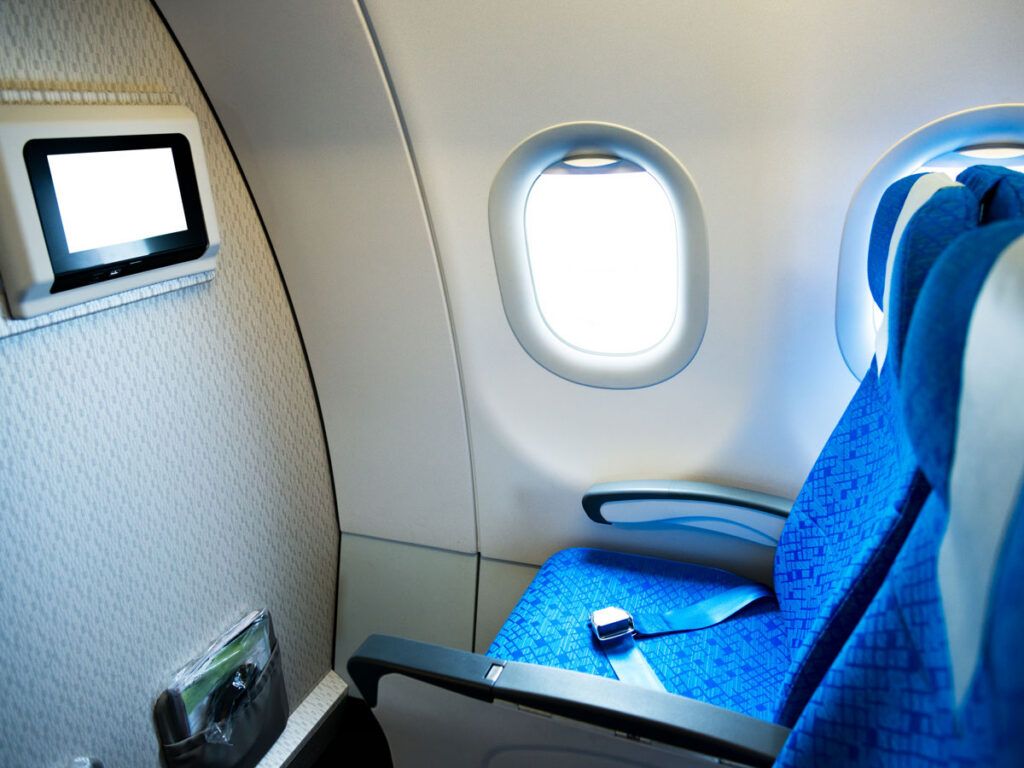
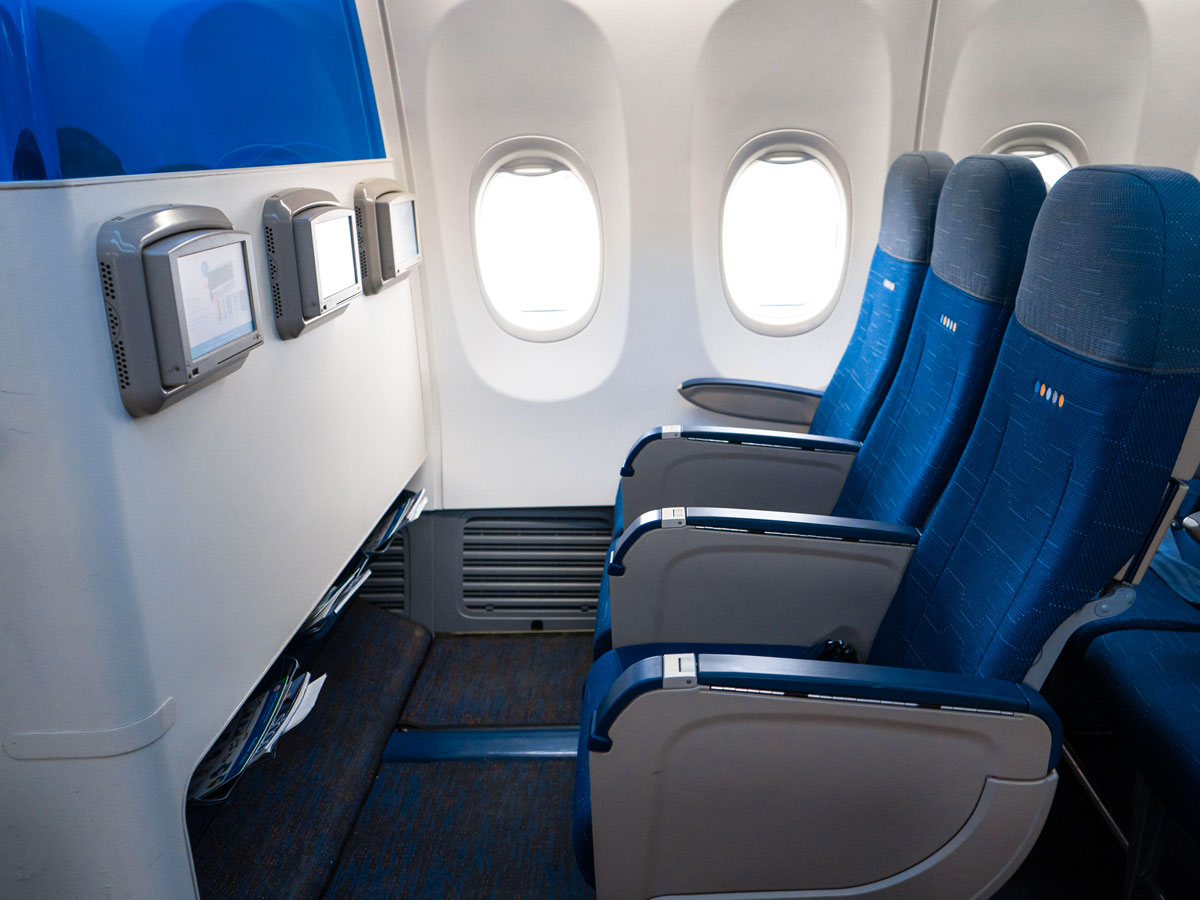
A bulkhead seat is positioned directly behind a bulkhead, which is a wall or other type of partition separating different cabins of service, such as economy from premium economy. Alternatively, the bulkhead might separate areas of the plane like the galley, toilets, or crew rest areas. In any case, unlike most seats in the cabin, these seats don’t face the back of another passenger’s seat.
Bulkhead seats are often reserved for those with disabilities or other special considerations. The U.S. Department of Transportation states that an airline must provide a bulkhead seat (or a similar arrangement) if a passenger has a fused or immobilized leg requiring extra space, or is traveling with a service dog.
Bulkhead seats aren’t always the same, though. Some have physical walls in front of them, while others might use a movable curtain as the cabin divider. The amount of space can vary, too. For some passengers, the open area feels spacious, but a fixed wall can make it harder for taller travelers to stretch out. What you end up with depends on the aircraft, cabin layout, and where exactly the bulkhead is positioned.
The Pros of Bulkhead Seats
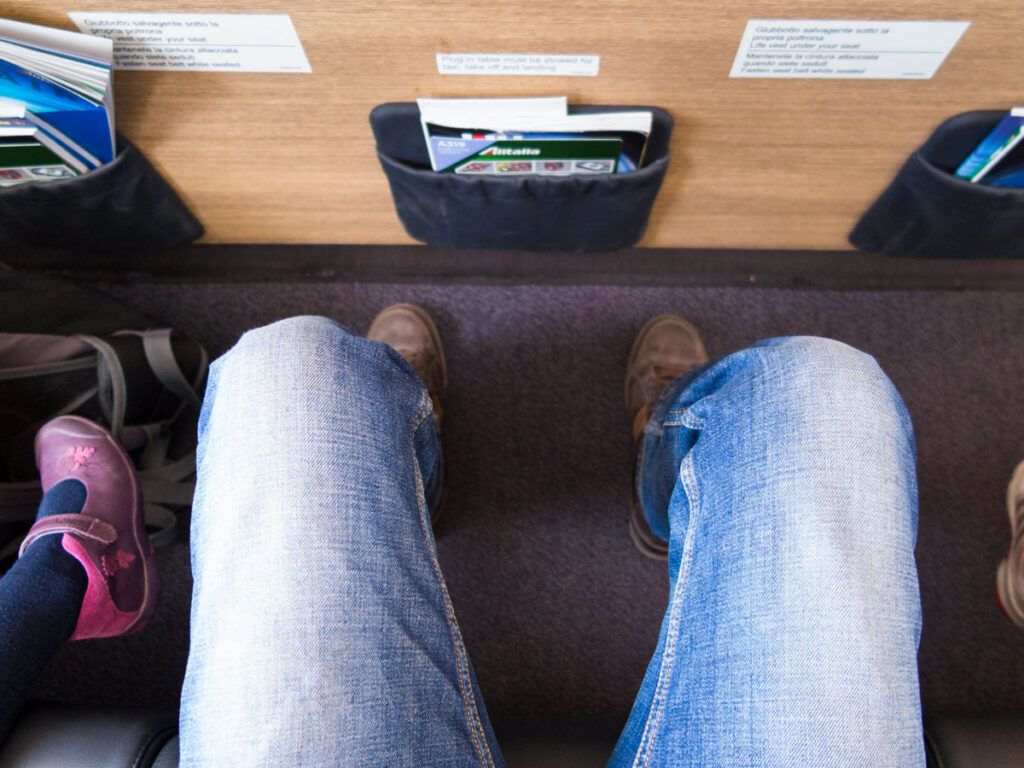
Extra space and legroom: Perhaps the biggest attraction of the bulkhead row is obvious — there’s no seat directly ahead. This creates more room to move your legs, get comfortable, and feel less claustrophobic. With no seat reclining in front of you, there’s also a decreased chance of food and drink spillages.
Easier access: With no seat to climb around and more space between you and the wall, you’ll face less of a challenge when getting in and out of your seat. This is especially handy if you’re in the window or middle seat and don’t want to disturb neighboring passengers to walk around or use the bathroom.
Early service and quick assistance: Most of the time, bulkhead seats are located at the front of the cabin, which means you’ll usually be the first in line during drink, snack, and meal services. The proximity to the galley can also make it easier to grab the attention of flight attendants should you need anything.
Convenient for traveling with infants: For anyone with a child under 2 years old who doesn’t require a paid seat of their own, the bulkhead has a number of advantages, especially for long-haul trips. The dividing walls can often be fitted with an airline bassinet, increasing the comfort for both parent and child. (On some carriers, like American Airlines, bassinets are given on a first-come, first-served basis at the gate.) Even without a bassinet, the extra space makes it easier to manage the tasks of flying with a little one.
Quicker deplaning: Since most bulkhead seats put you at the front of a cabin, you’ll usually be among the first passengers off the plane once the doors open. This can be handy if you have a tight connection or want to get through immigration and reach the baggage claim faster. Just remember that actual exit points depend on the type of aircraft and the doors being used. Additionally, some bulkhead seats can be found toward the rear of the cabin, so pay close attention to the seat map when selecting one.
The Cons of Bulkhead Seats
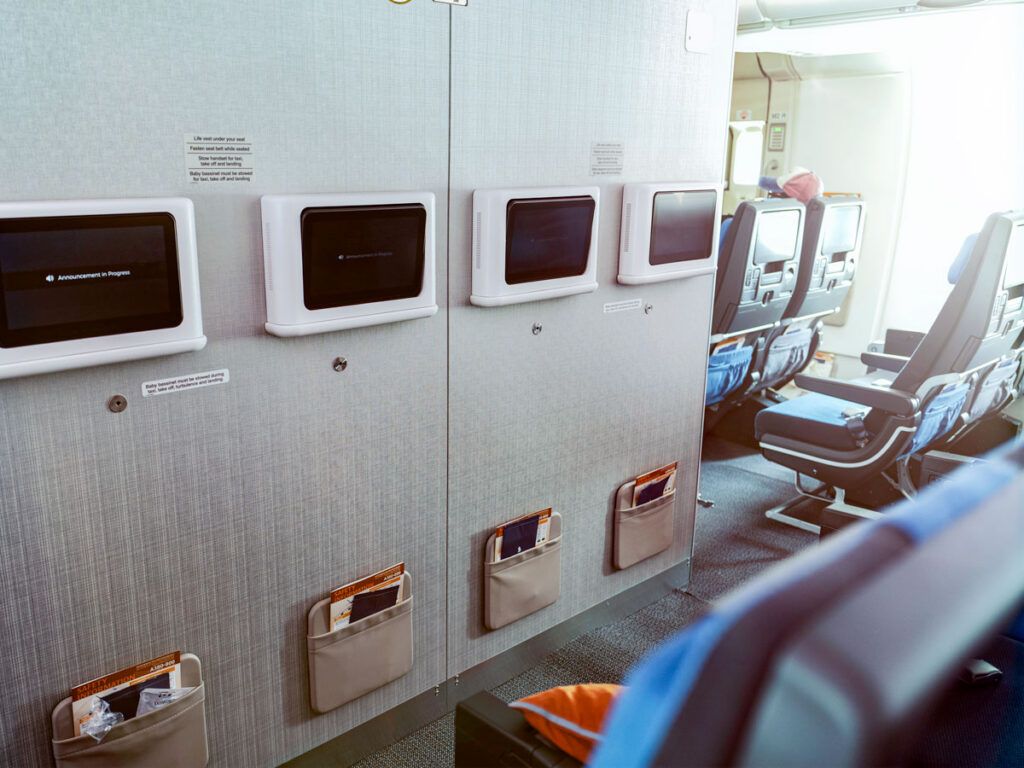
Legroom can be misleading: This is often considered the biggest drawback among taller passengers. With a standard economy seat, you can usually stretch your legs and feet out beneath the seat in front. A bulkhead wall can restrict your range. While you may get more open space for knees, there is often less room to extend your legs and feet completely.
Less convenient storage: Normally, when you board a plane, your backpack, purse, or small personal item slides beneath the seat in front of you. With bulkhead seating, these items have to be placed in an overhead compartment during takeoff and landing. And if there’s no storage pocket on the bulkhead wall, you’ll need to keep your book, headphones, or water bottle inconveniently on your lap.
Noise and interruptions: While some may appreciate proximity to the galley, it comes with notable downsides. This is a high-traffic area, and you’ll likely have to deal with the clatter of food carts and chatting among crew members — especially on longer flights. Moreover, if the row is near the bathrooms, you could have other passengers lingering around your seat. This can be bothersome if you want to sleep.
Awkward dining and entertainment: A wall instead of a seat in front of you means that your tray table and entertainment screen (if there is one) have to go somewhere else. On many aircraft, these features are incorporated into the armrest. Not only does that take up armrest space and fix the armrest into a locked position, but this type of table also tends to be smaller and less sturdy. You may have less favorable viewing angles for that in-flight movie, too.
You may be sitting beside a baby: Parents with babies often choose the bulkhead seat, but if you value rest, this could make you reconsider your seat choice. It’s always a gamble, so pack ear plugs or noise-canceling headphones just in case.
Do Bulkhead Seats Cost More?

Despite the drawbacks of a bulkhead seat, airlines are fully aware that these seats are often coveted by passengers, so they treat them as preferred or premium options. As such, they typically come with higher fees than other economy seats. For example, American Airlines classifies bulkheads as Main Cabin Extra, whereas on United Airlines they are part of the Economy Plus cabin.
How To Check for Bulkhead Seats

When searching for flights, Google Flights and airline websites list the type of aircraft. You can preview available seats during booking, or check the airline’s website or third-party sites such as AeroLOPA to find the seat map for your specific plane. Look for a row with no seats directly in front of it or a solid line marking the divider between cabins. Sometimes, bulkhead seats can be located next to an exit; those seats can also come with comfort trade-offs, as well as minimum age restrictions.
The Bottom Line
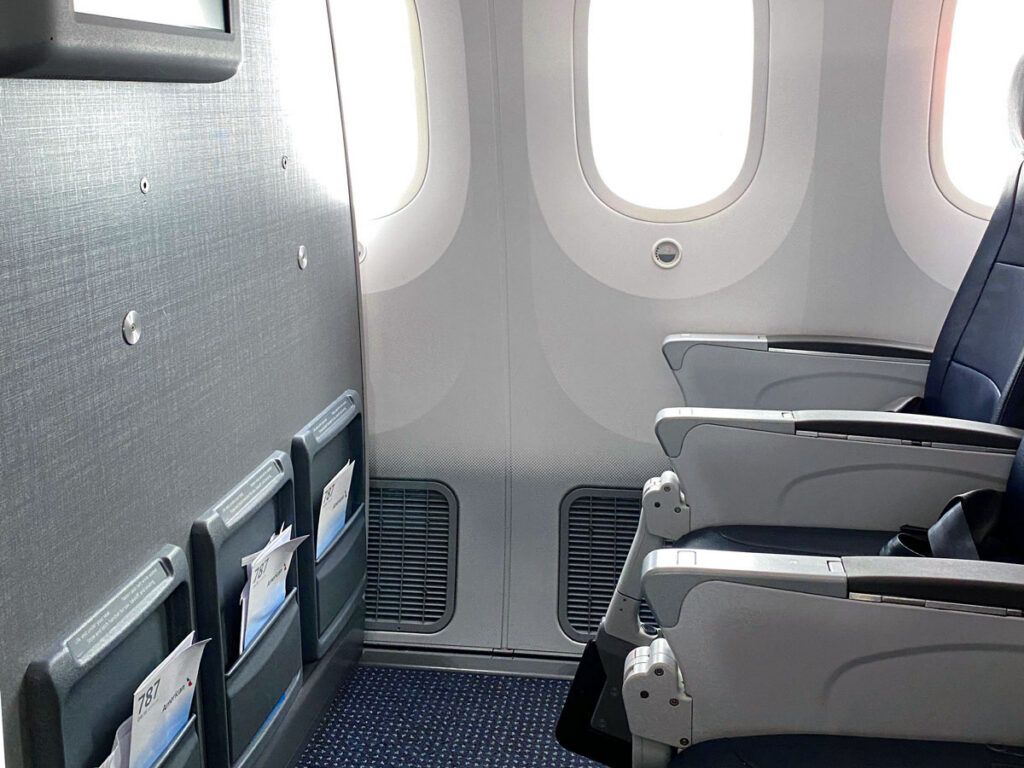
The bulkhead seat has a mixed reputation. Extra space, easy aisle access, and faster deplaning can make it a smart choice, but some people may find legroom to be restrictive and the potential for noise disruption to be less desirable. Before paying the extra fee to reserve one, weigh the pros and cons for your personal travel needs.
Featured image credit: © Kateryna Kukota/Alamy
More from our network
Daily Passport is part of Inbox Studio, an email-first media company. *Indicates a third-party property.