Foodie Heaven: The Cities With the Most Michelin-Starred Restaurants
By
Daily Passport Team
Read time: 4 minutes
May 10, 2023
Updated: July 16, 2025
Foodie Heaven: The Cities With the Most Michelin-Starred Restaurants
Culture •May 10, 2023•Updated: July 16, 2025
By Daily Passport Team
Author
Daily Passport Team
Daily Passport writers have been seen in publications such as National Geographic, Food & Wine, CBC, Condé Nast Traveler, and Business Insider. They're passionate about uncovering unique destinations and sharing expert tips with curious travelers.
Before the Michelin Guide was the authority on fine-dining across the globe, it started in 1900 as a pocket-sized book, the brainchild of brothers Andre and Edouard Michelin, who founded their namesake tire company and were looking to encourage motorists to take more road trips. The guide offered maps, practical roadside tips, and, of course, recommendations for places to eat, drink, and sleep along the way. Today, the Michelin Guide rates more than 30,000 restaurants across three continents, awarding either one, two, or (rarely) three stars to restaurants that exhibit mastery of flavor, technique, and consistency. These eight cities around the world are home to the most Michelin-starred restaurants, as of 2023.
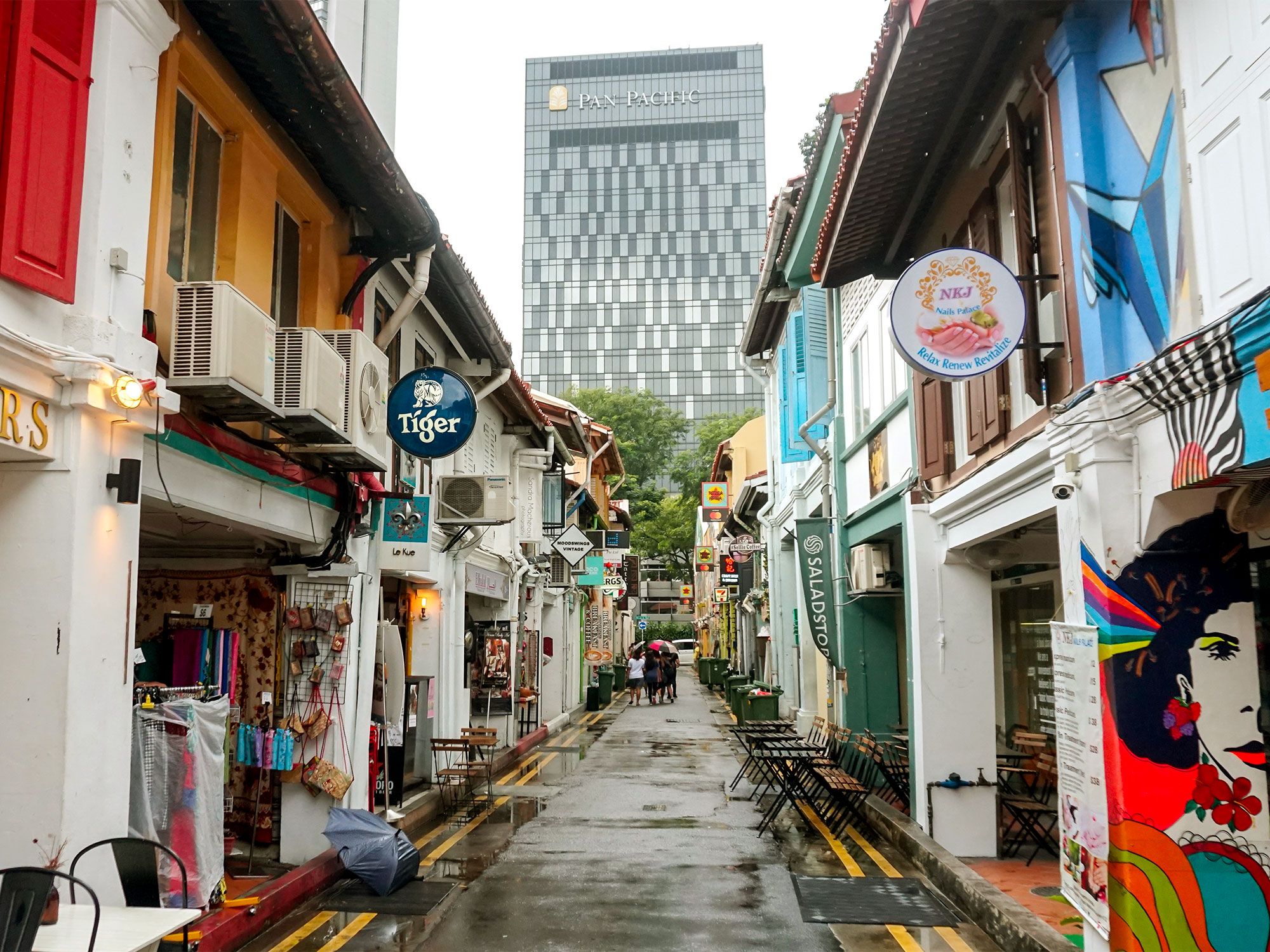
Reflective of its vibrant culinary scene, this compact Southeast Asian city-state boasts an impressive 52 Michelin-starred restaurants, 10 of which hold two or three stars. The latter includes upscale French contemporary cuisine at Les Amis and Odette, as well as European contemporary at Zén from chef Björn Frantzén, who also helms its acclaimed sister restaurant Frantzén in Stockholm, Sweden. But Michelin-starred dining in Singapore doesn’t have to make a big dent in your wallet — several recipients on the list are acclaimed street food vendors.
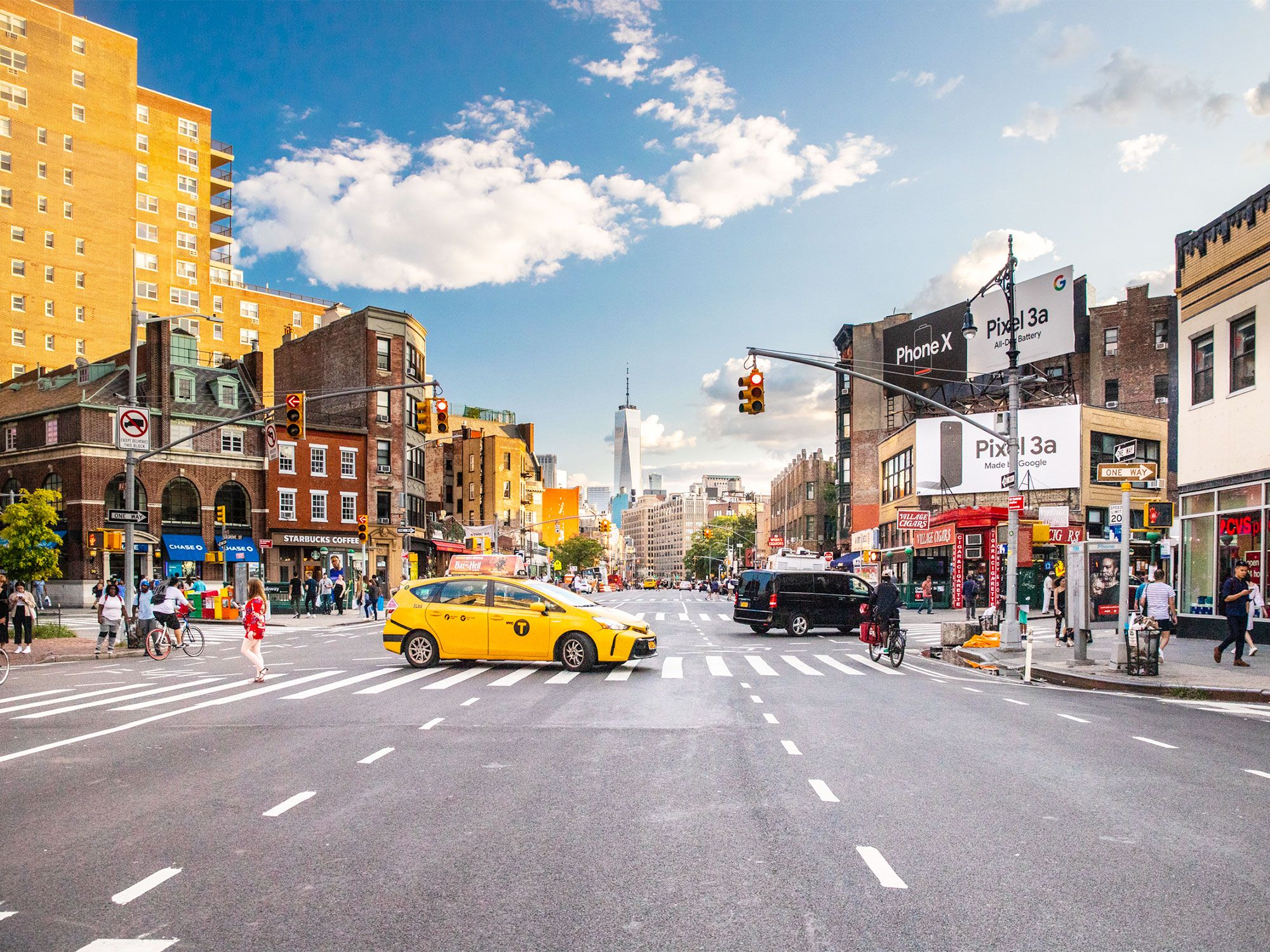
The Big Apple packs in 72 starred restaurants, and five of those feature a coveted three stars. Among them are the kitchens of superstar chefs like Thomas Keller (for modern American and French at Per Se), Eric Ripert (for contemporary seafood at Le Bernadin), Daniel Humm (for New American at Eleven Madison Park), and Masa Takayama (who helms Masa, the only three-starred sushi restaurant in the United States).
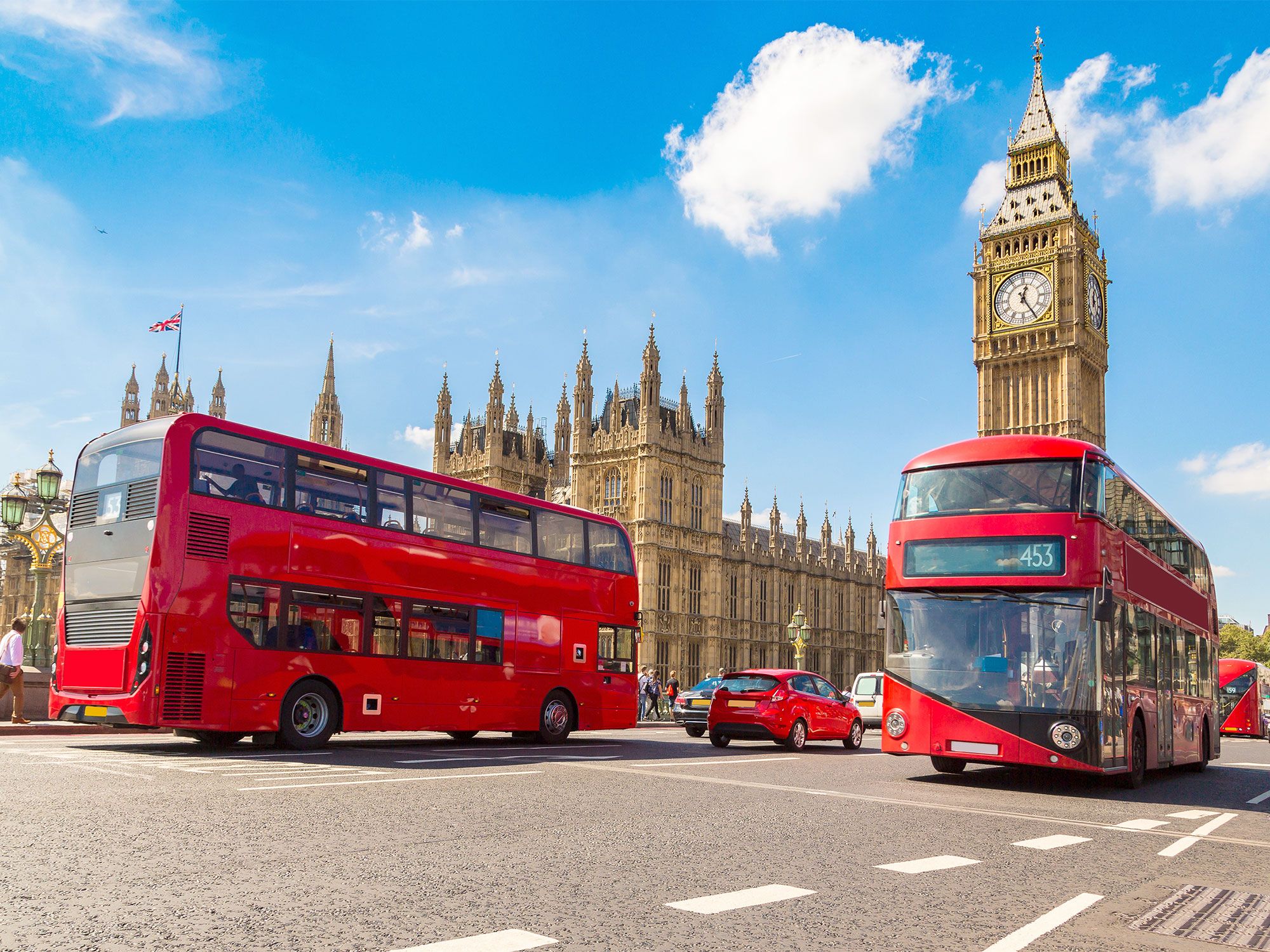
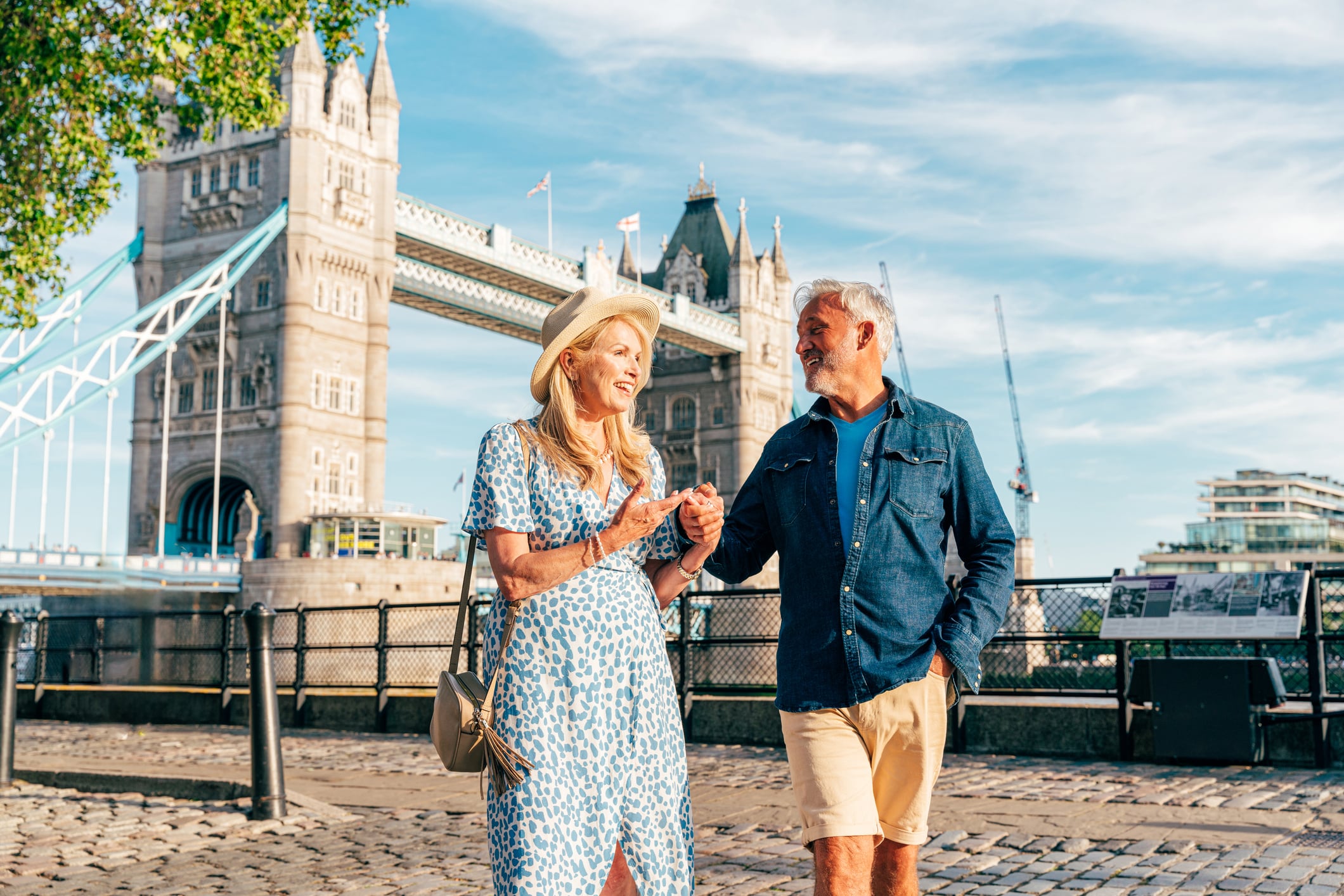
Always on the cutting edge of fashion, music, and food, London unsurprisingly makes the list. With chefs like Gordon Ramsey (who became the first Scottish chef to earn three Michelin stars for Restaurant Gordon Ramsey) and Alain Ducasse (whose Alain Ducasse at the Dorchester has garnered three Michelin stars for more than a decade for its modern French cuisine), Greater London clocks in with 74 Michelin-starred restaurants — with an impressive 17 restaurants earning two or three stars.
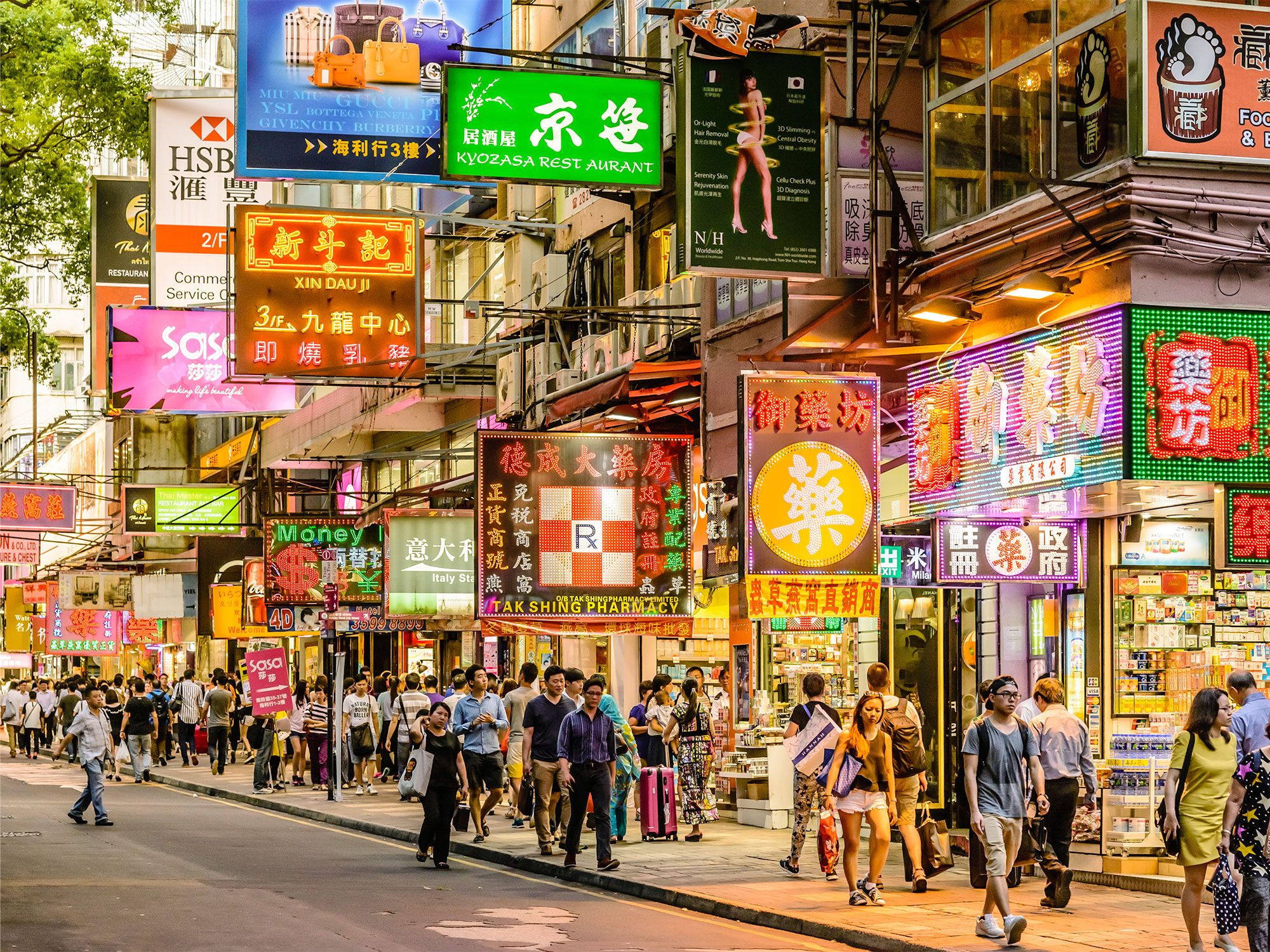
Hong Kong packs quite a culinary punch within its 427 square miles — there are 77 Michelin-starred restaurants, and among these, seven shine with three stars, the guide’s highest ranking. Foodies can sample a variety of cuisines, reflective of Hong Kong’s cosmopolitan nature. Highlights include Cantonese (T’ang Court, Forum, or Lung King Heen); contemporary French (Caprice or Louise); and Italian (8 ½ Otto e Mezzo).
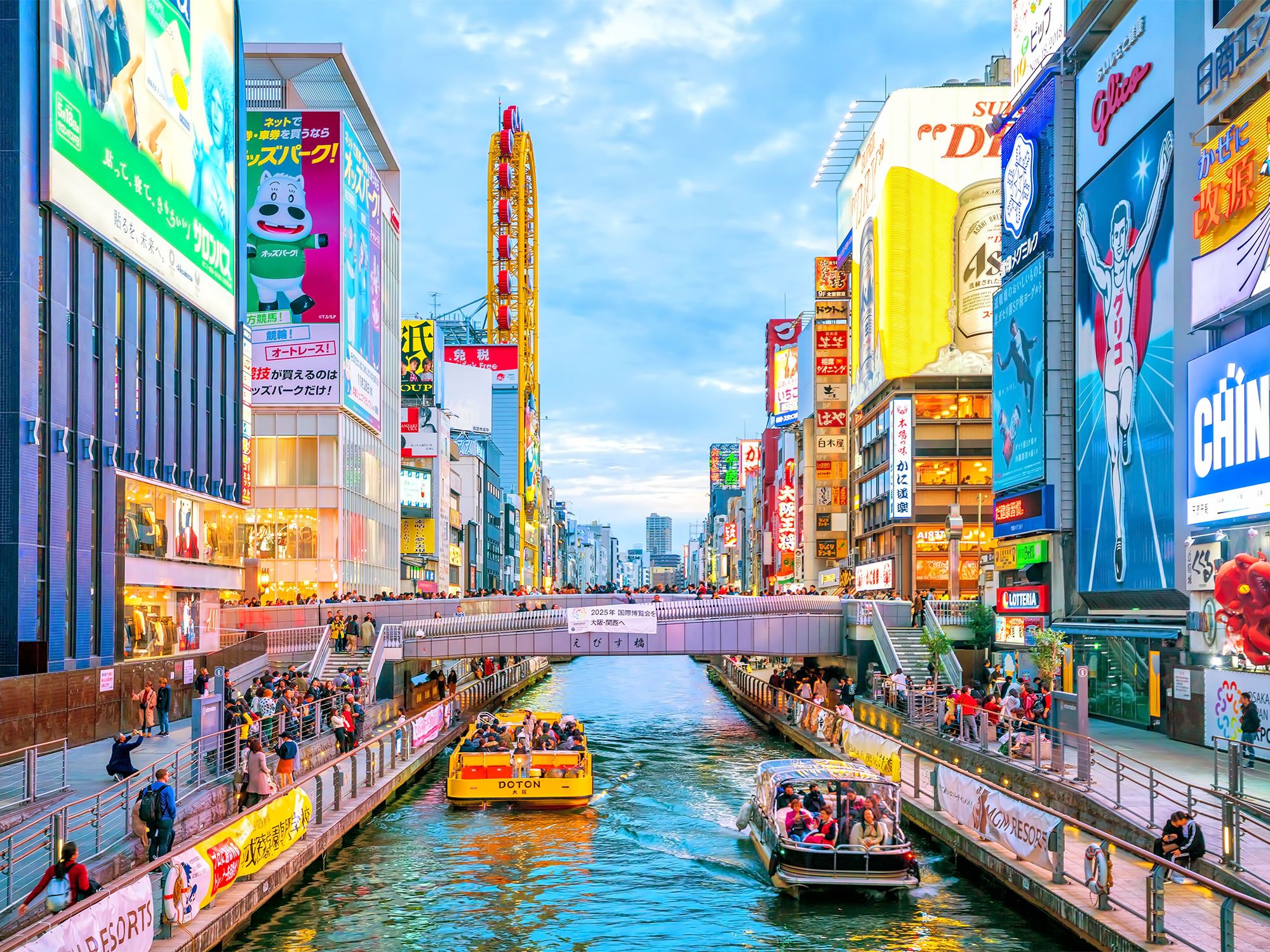
Osaka is home to 93 Michelin-starred spots — and though the city is considered Japan’s street food capital, it also brings its A-game in fine dining with three restaurants under Michelin’s highest three-star rank. Osaka also boasts more than two dozen new listings in recent years (including several Green Star restaurants, who commit to sustainable culinary practices). Consider Kashiwaya or Taian for artfully crafted Japanese fare.
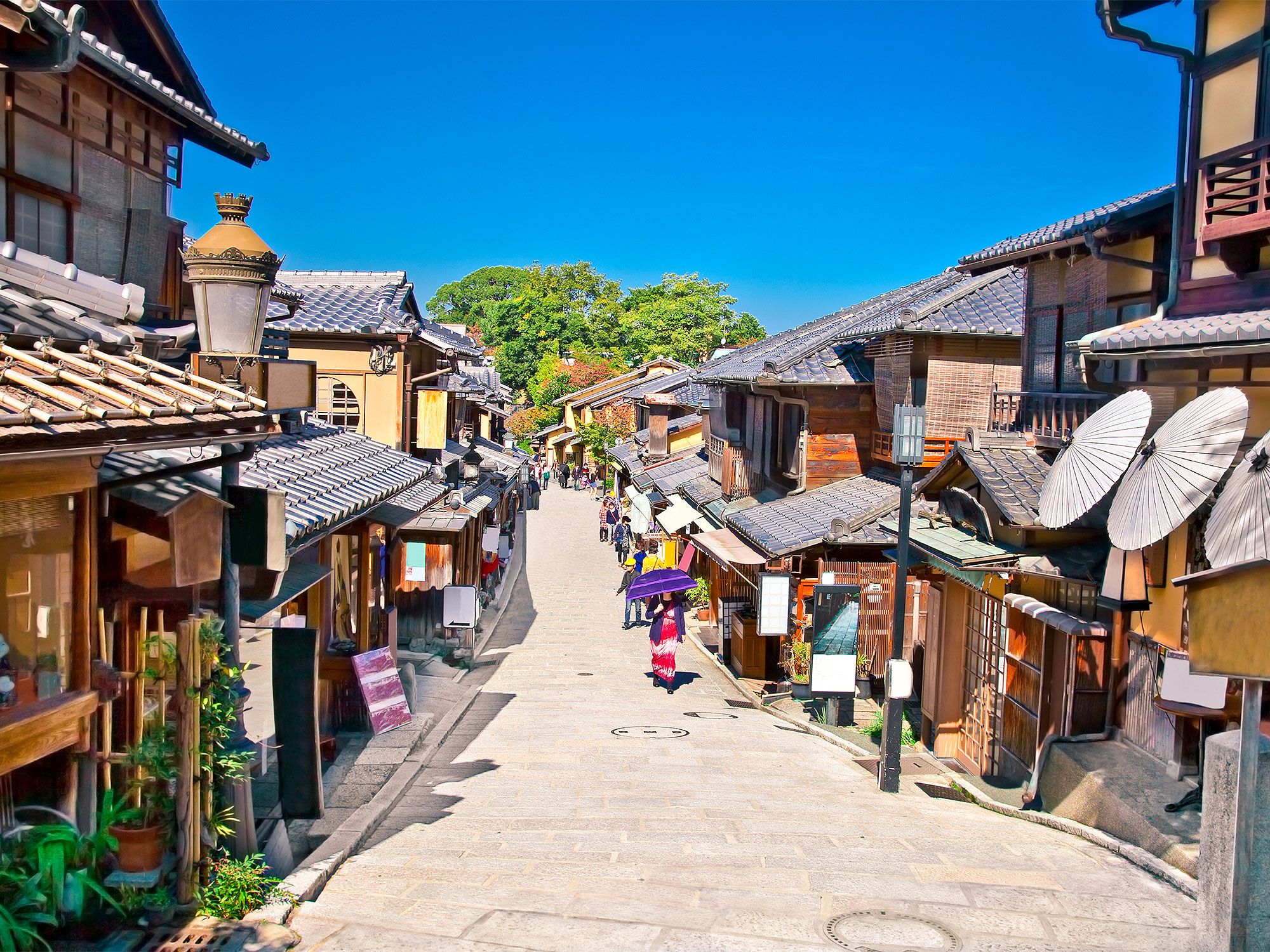
Just 35 miles from Osaka is another Japanese city that makes a strong showing in the Michelin guide: Kyoto. Considered the cultural capital of Japan and home to numerous temples, the city is also known for its fine cuisine, kaiseki, which consists of multiple small dishes. Of its 97 Michelin-starred restaurants, an impressive 25 hold two or three stars. Japanese cuisine dominates the list, including Gion Sasaki, Mizai, and Isshisoden Nakamura.
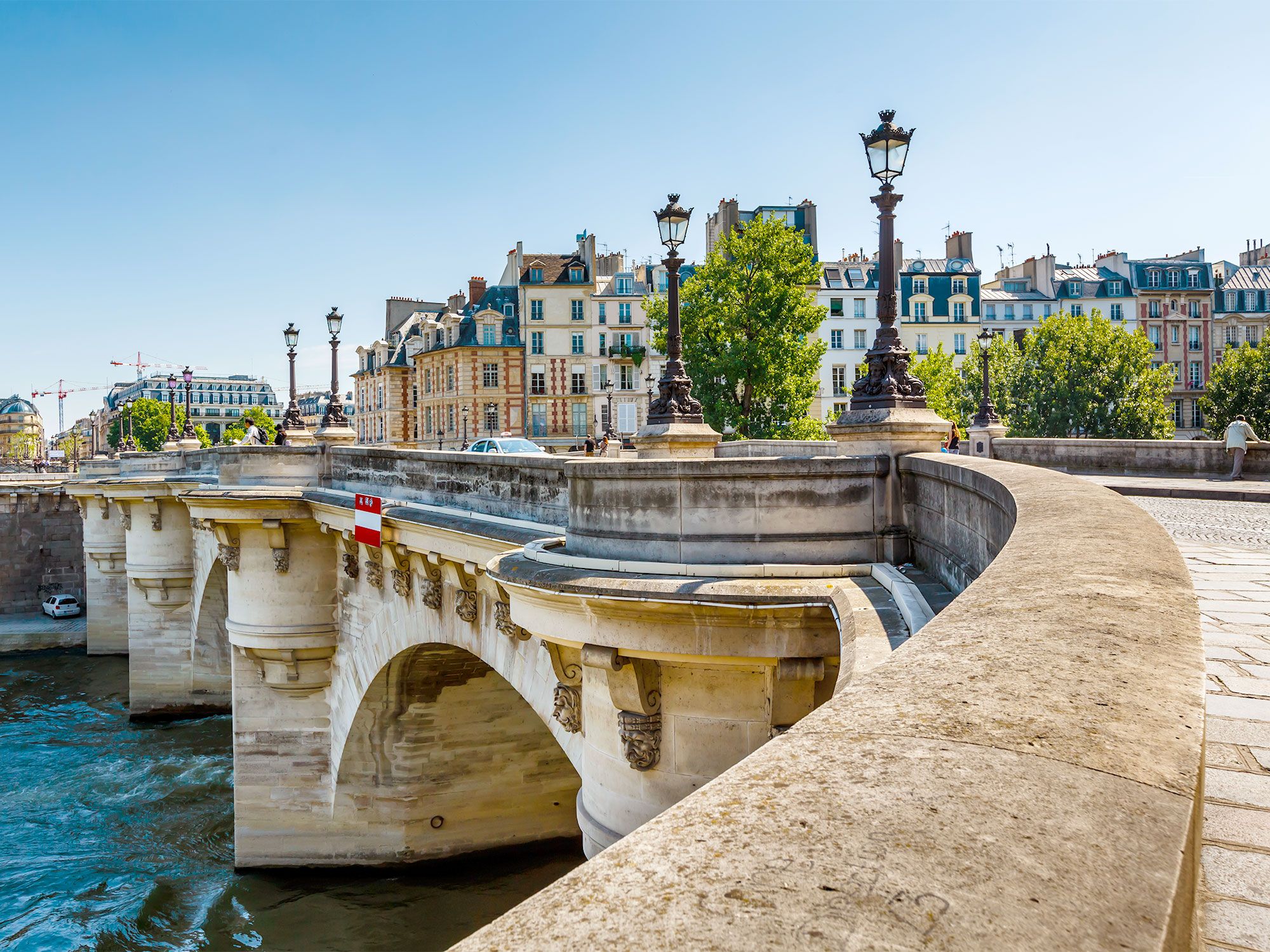
The City of Light can just as easily be called the City of Luxurious Dining with its impressive 127 Michelin-starred restaurants — including nine three-star establishments and 15 two-star venues. Inventive fine dining at the likes of Le Pré Catelan and Pierre Gagnaire are bucket-list experiences, but diners will find even greater variety in the one-star category: 103 of them can be found throughout the arrondissements. Explore myriad cuisines by sampling through a handful of them: Mexican at Oxte, Chinese at Shang Palace, or Italian at Le George.
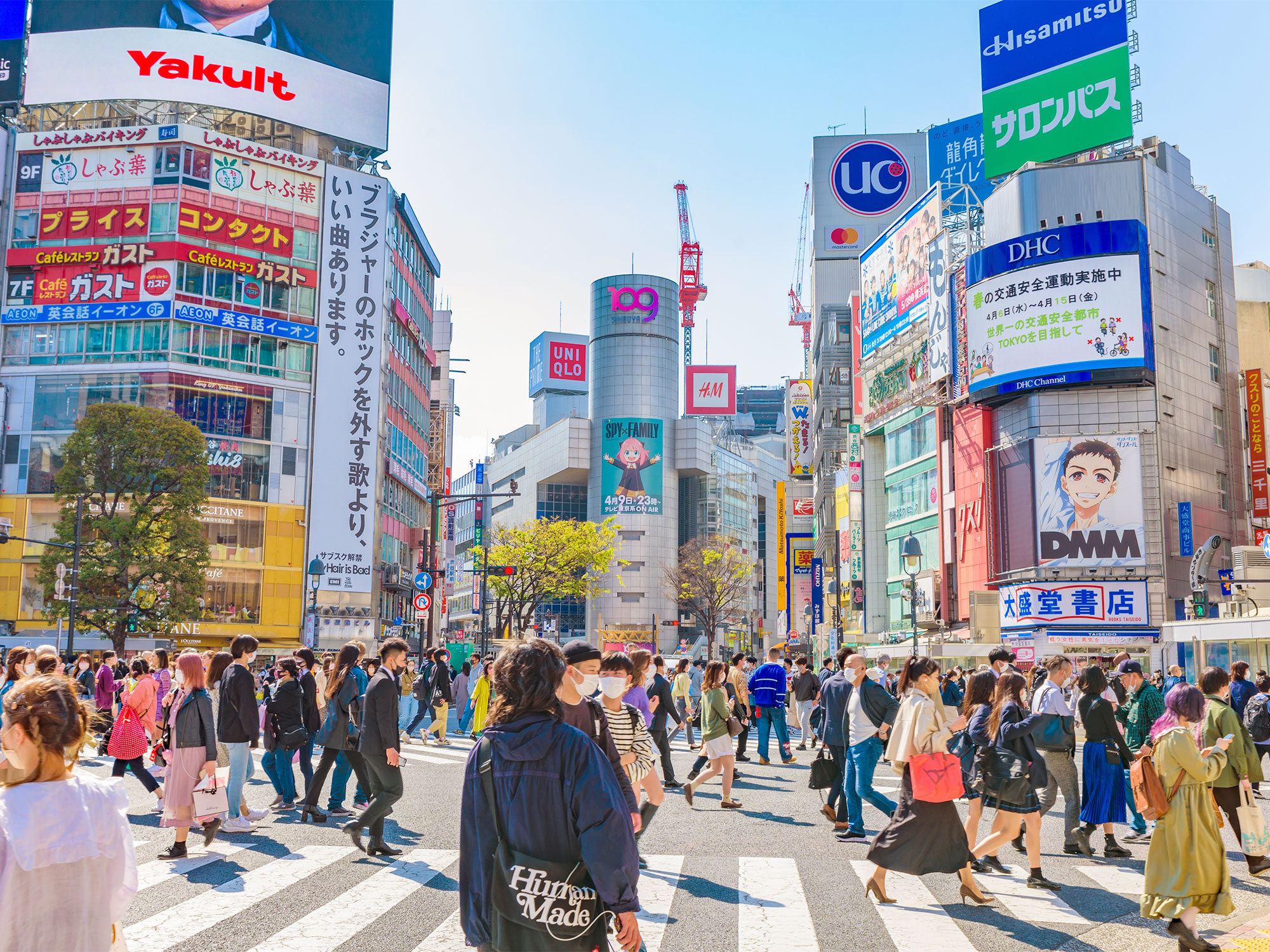
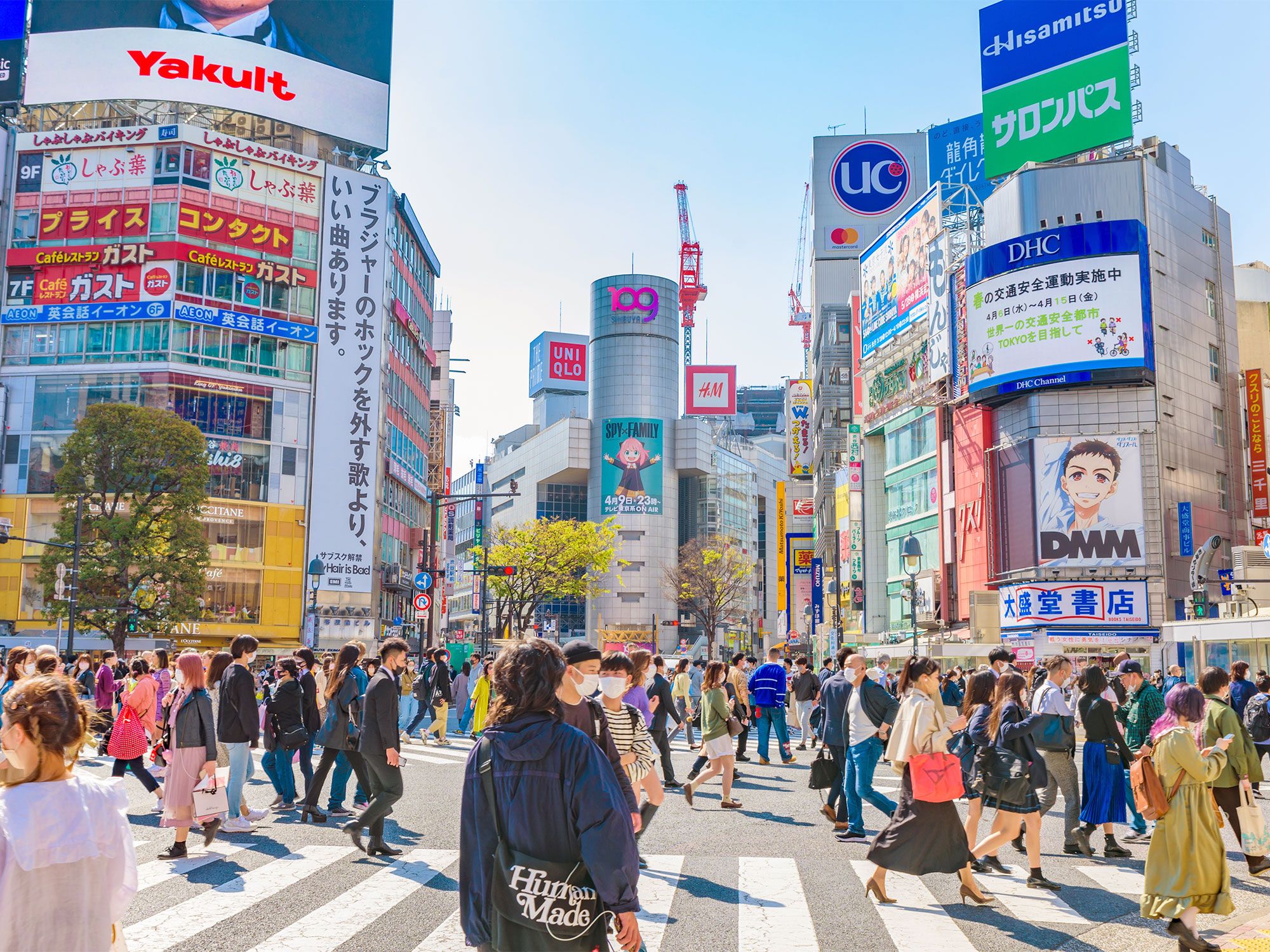
Tokyo takes the cake on the list of cities with the most Michelin-starred restaurants — its whopping 200 listings include 12 three-star restaurants, 39 two-star eateries, and 149 one-star establishments. These include recent additions like ramen restaurant Chukasoba Ginza Hachigou and Japanese restaurant Sorahana. Though Japanese fare in Tokyo is bound to impress, the city is home to an array of other accoladed options, too, including Italian (Alter Ego), Spanish (Zurriola), and French (Sezanne).
Advertisement
More from our network
Daily Passport is part of Inbox Studio, an email-first media company. *Indicates a third-party property.
Daily Passport writers have been seen in publications such as National Geographic, Food & Wine, CBC, Condé Nast Traveler, and Business Insider. They're passionate about uncovering unique destinations and sharing expert tips with curious travelers.
Mount Rushmore, the Empire State Building, Disneyland — there are some American landmarks that are instantly recognizable to travelers across the globe. But despite how well-trodden these places are, there’s often more than meets the eye. Across the country, hundreds of hidden features lie inside popular U.S. landmarks that only the most dedicated visitors will uncover. Take a peek into the mysterious secrets of seven iconic tourist sites.
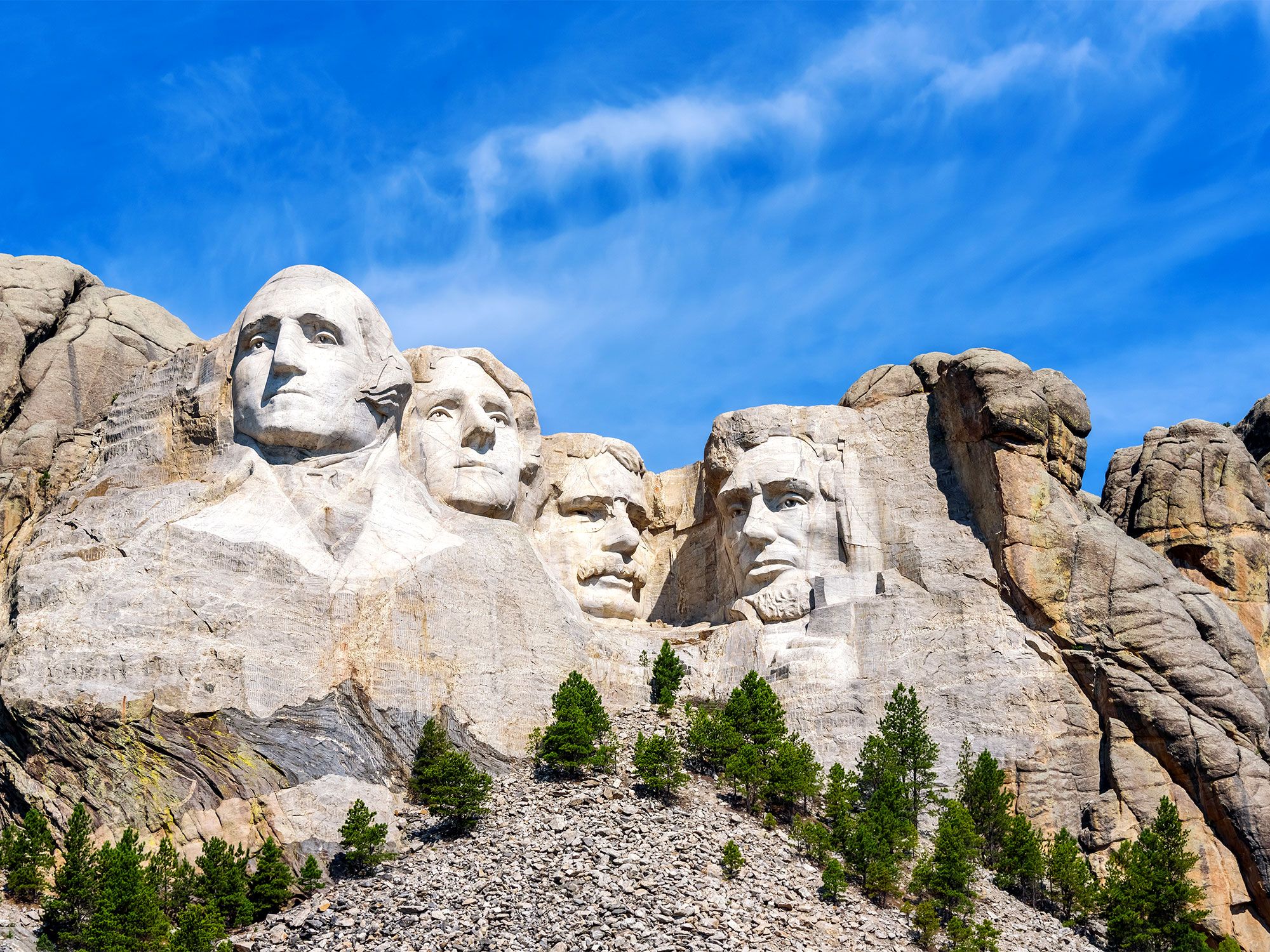
Right behind Abraham Lincoln’s head, the smooth, grey rock of Mount Rushmore in South Dakota is interrupted by a doorway. This 18-foot aperture was carved to create the “Hall of Records,” an unfinished portion of the sculpture that would pay homage to historical figures like Benjamin Franklin, the Wright Brothers, and Alexander Graham Bell. It was also supposed to celebrate events in American history such as the Louisiana Purchase and the creation of the Panama Canal.
Mount Rushmore’s designer, Gutzon Borglum, intended the chamber to serve as a shrine to the country’s history that could educate future generations on the founding and development of the early nation. Unfortunately, he ran out of funds and never got to finish this portion of the landmark. Even today, observant travelers can sneak a peek at its majestic unfinished entry.
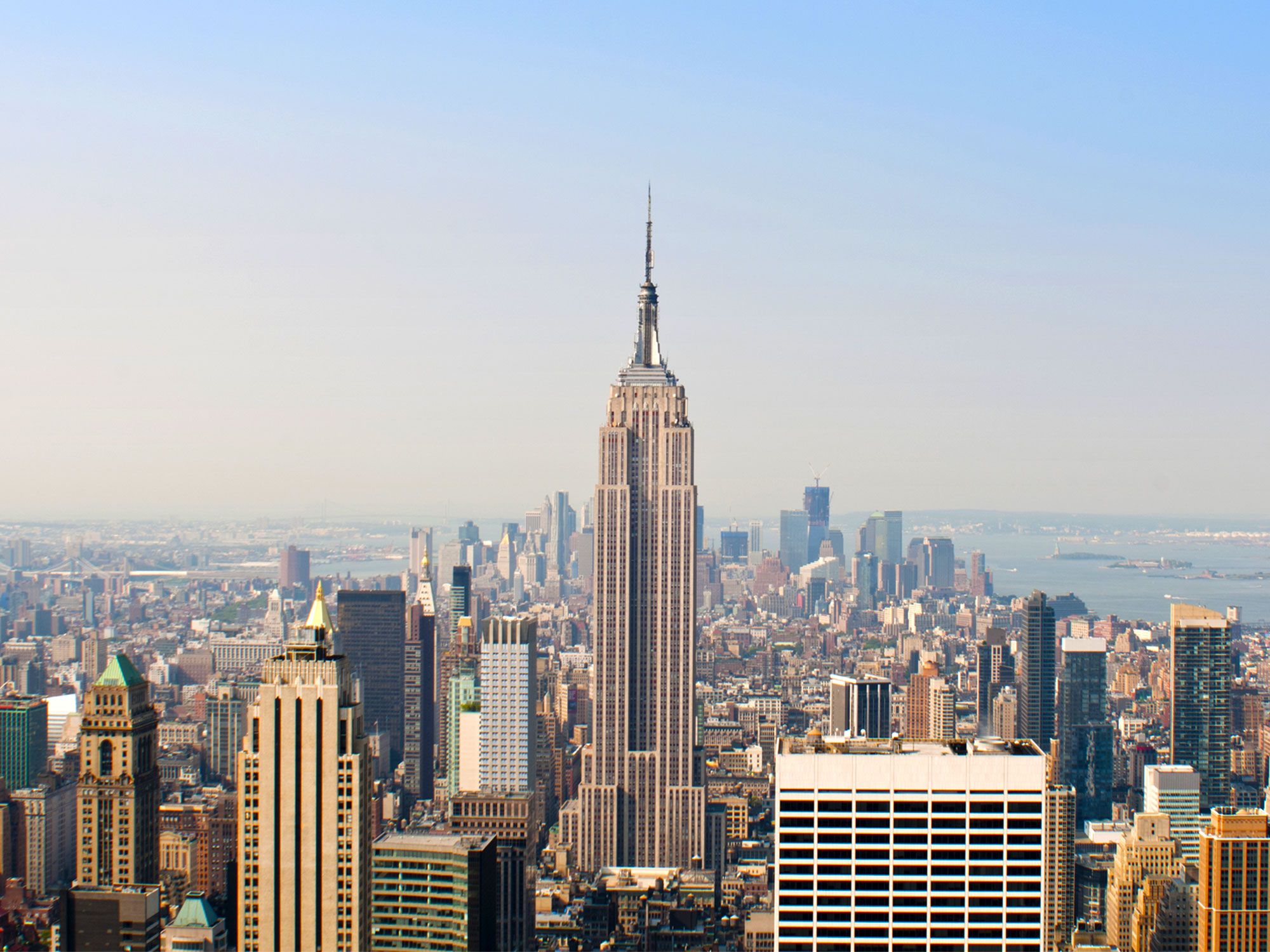
Many of New York City’s landmarks are riddled with rich history and mystery and the Empire State Building is no exception. Although the building is advertised as having 102 floors, that’s not quite the case. There’s actually another floor that was originally constructed for building maintenance. It now acts as an ultra-exclusive hotspot for the rich and famous.
Unlike floor 102, which features a wrap-around balcony and glass windows, floor 103 is ultra-thin with only a knee-high railing separating observers from the sky surrounding them. Inside the building, there’s a small room used for housing electrical equipment, but most celebrities just stay on the balcony and enjoy the adrenaline-inducing photo op.
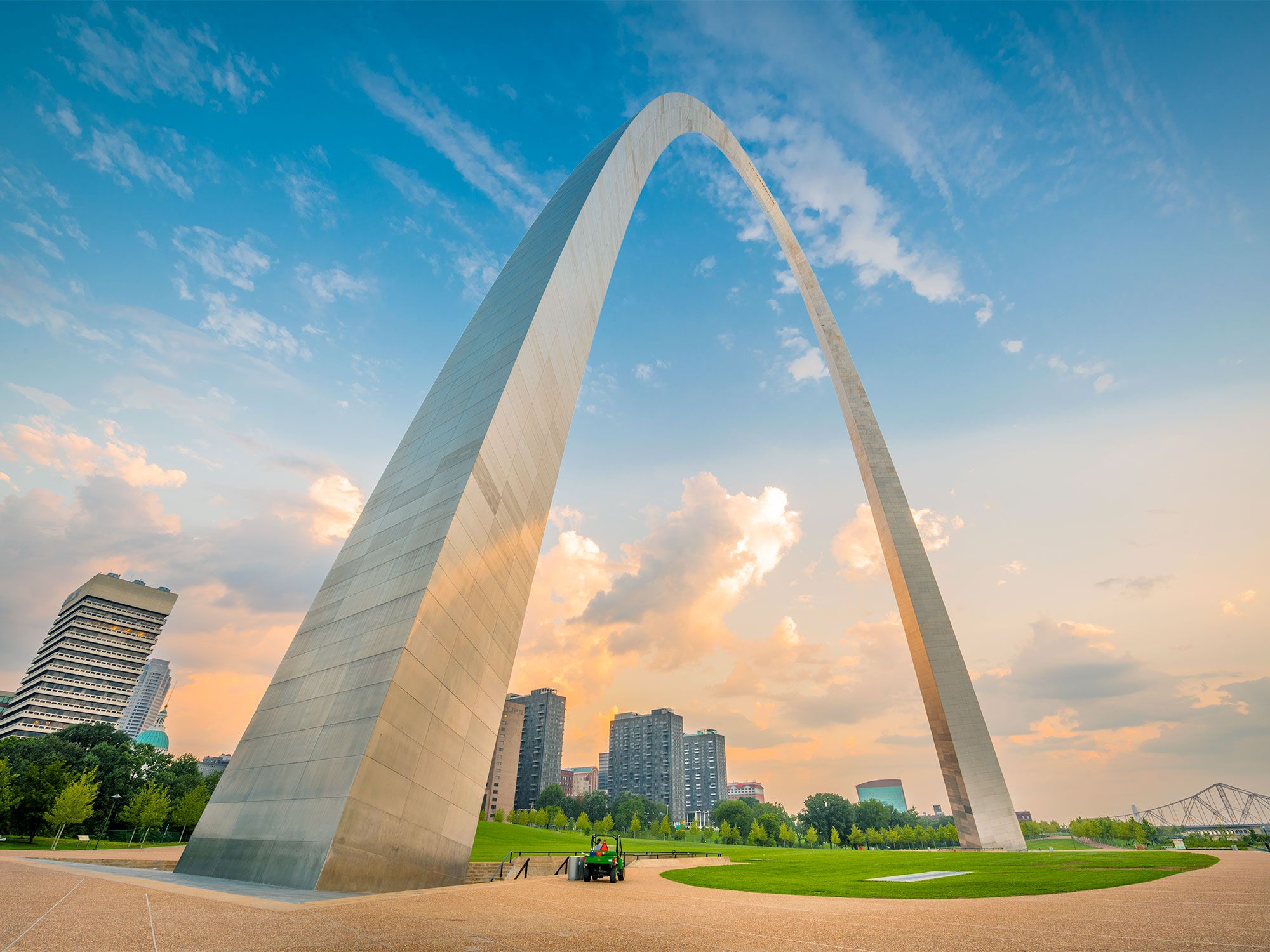
Most people visit the Gateway Arch to look at the city of St. Louis, but what most visitors don’t know is that the arch also provides a look back in time. Construction workers at the arch recently unearthed a time capsule at the top of the Gateway Arch. After examination, it was determined to be original from the time the monument was built. The most peculiar thing about this hidden gem, however, is what’s inside it. In lieu of relics or accounts of important historical events, the time capsule contains the signatures of 700,000 everyday citizens of St. Louis including schoolchildren.
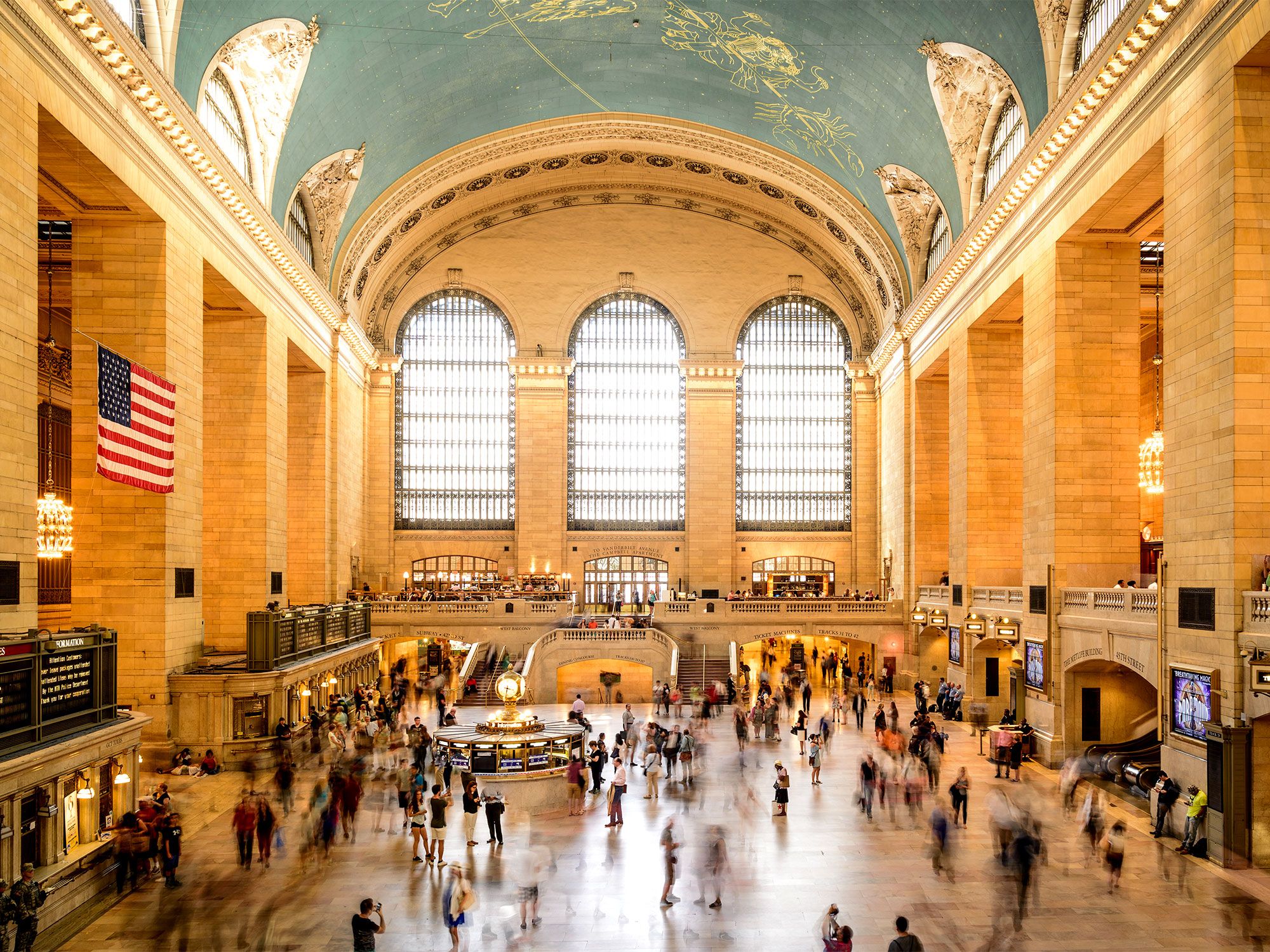
Roughly one million people pass through Grand Central Terminal every day, but almost nobody knows about the tennis club that lies above their heads. Founded in the 1960s by a wealthy Hungarian immigrant, the tennis club consisted of two simple clay courts and existed for the public to enjoy while waiting for their ride.
In 1984, however, Donald Trump purchased the space and redeveloped it into a luxurious locale for celebrities — charging upwards of $130 per hour to rent it out. The courts stayed under his control until 2009 when they were renovated and reopened to the public. Although it’s open, you’ll still need some luck in order to find it since most employees don’t even know it exists.
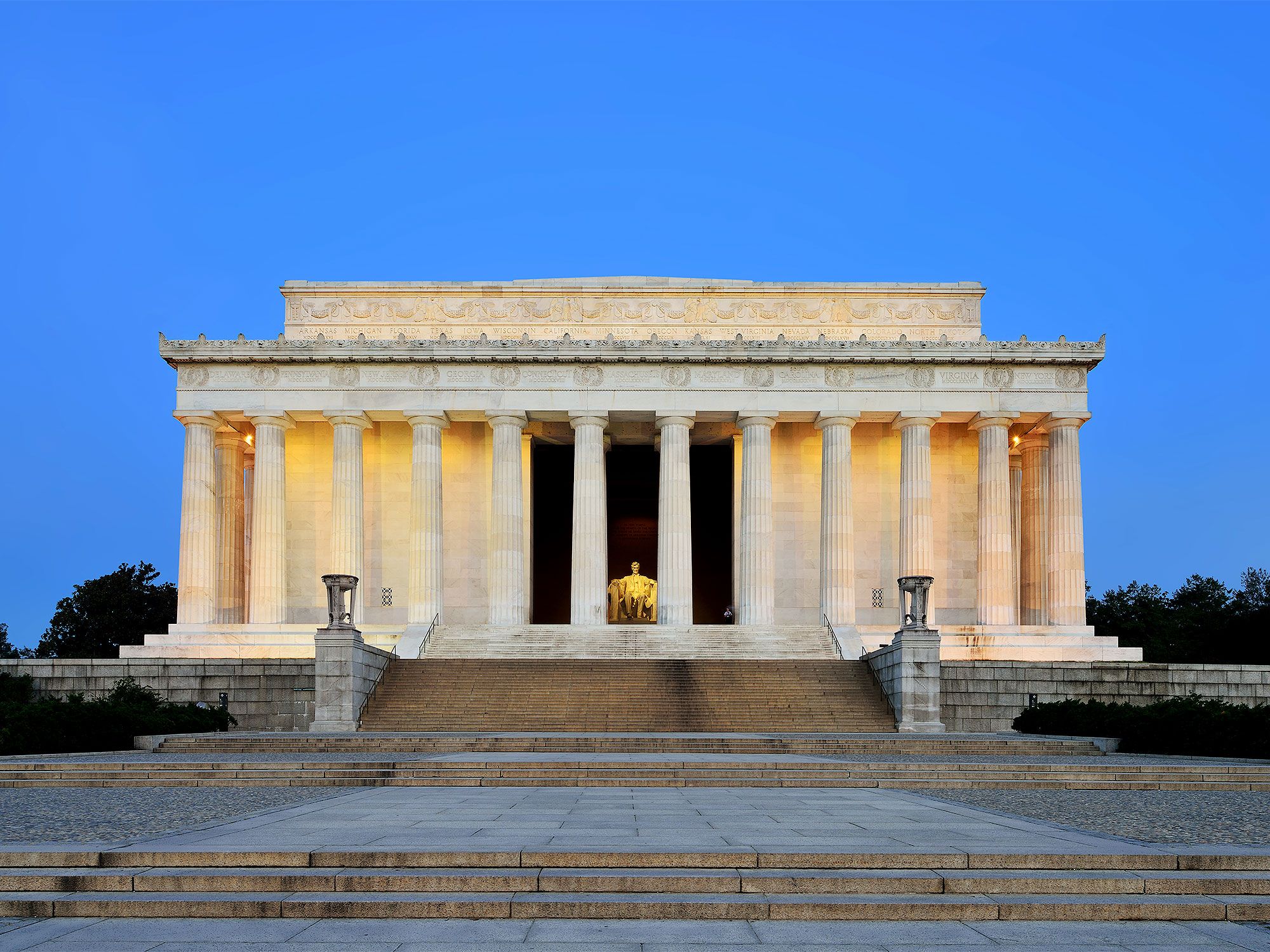
Most people who visit the Lincoln Memorial spend all of their investigative energy trying to find the famous typo carved into the walls. However, underneath the memorial, there’s an even better-hidden gem — a full cave complete with stalactites. Construction workers stumbled upon the cave in the 1970s when digging out an elevator shaft for disabled visitors.
Apart from the gorgeous nine-foot stalactite rock formations, the most fascinating part of the cave is the graffiti that adorns the 122 supporting columns. Visitors who embark on a cave tour can view these original World War I-era scribbles by an unidentified construction worker. They include caricatures of everyone from Woodrow Wilson to the monument’s construction foreman.
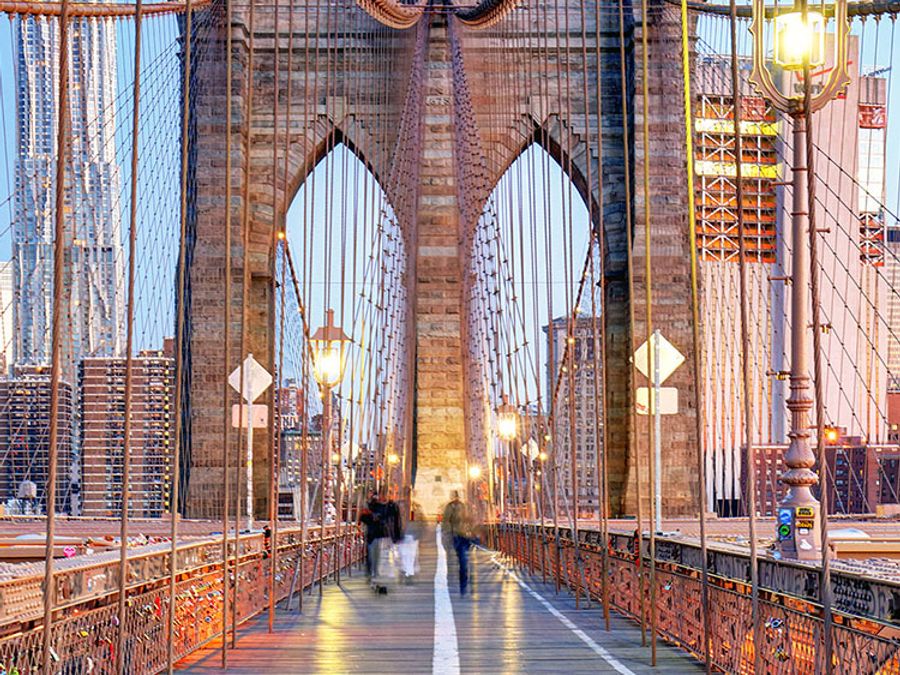
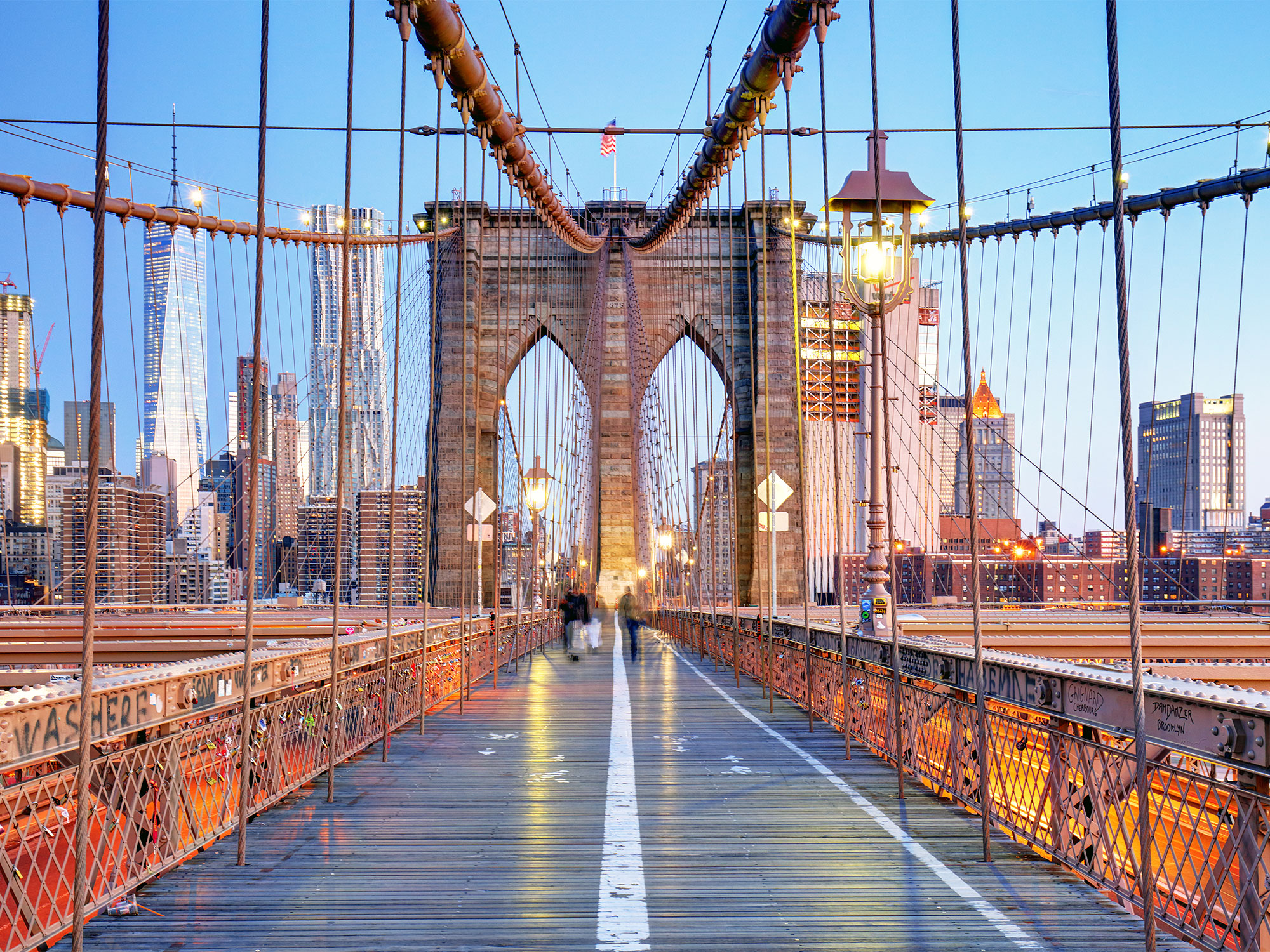
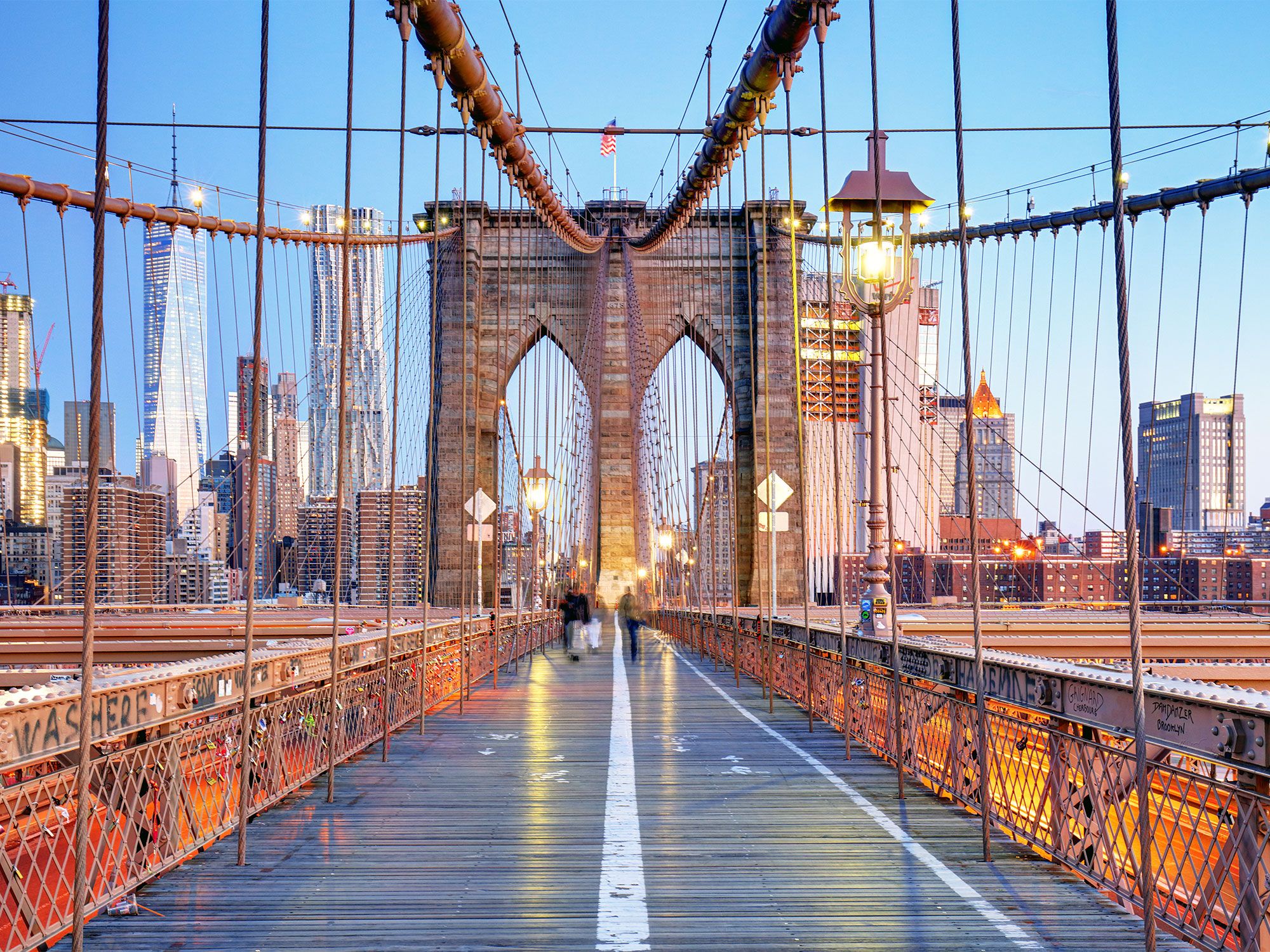
Bridge engineer Washington Roebling had some serious business smarts when he created the Brooklyn Bridge. When he first started construction, he faced two major problems: there wasn’t enough money in the city to pay for the full project and two local wineries refused to move their facilities out of the path of construction.
In a stroke of genius, Roebling killed both birds with one stone by incorporating two full wine cellars into the base of the bridge on each side. To help finance the bridge, he rented the cold, dark cellars out to local businesses who needed some extra storage and generated profit for the city until the Prohibition Era. Today, the city of New York has taken ownership of the cellars, stripping the caverns of their functionality and leaving them as a dry, empty reminder of Prohibition.
Club 33 is an inconspicuous little room at Disneyland in Anaheim, California, but the people who enter are anything but low-profile. This exclusive clubhouse boasts an invite-only guest list where members must pay anywhere from $25,000 to $100,000 to get initiated and $12,500 to $30,000 in annual membership dues after that. Even if you do have hundreds of thousands of dollars to fork over for this exclusive experience, the waitlist is six years long and spots rarely open up for new members. On top of that, the activities of the members are held in top-secret status within the park’s administration, which means you never quite know what you’re getting into when you sign up.
Advertisement
More from our network
Daily Passport is part of Inbox Studio, an email-first media company. *Indicates a third-party property.
8 Mysterious Places Scientists Still Can’t Explain
By
Daily Passport Team
Read time: 7 minutes
May 10, 2023
Updated: June 27, 2024
8 Mysterious Places Scientists Still Can’t Explain
Outdoors •May 10, 2023•Updated: June 27, 2024
By Daily Passport Team
Author
Daily Passport Team
Daily Passport writers have been seen in publications such as National Geographic, Food & Wine, CBC, Condé Nast Traveler, and Business Insider. They're passionate about uncovering unique destinations and sharing expert tips with curious travelers.
Whether naturally occurring or human-made, some phenomena on Earth are so perplexing that they leave even scientists scratching their hands. From strange lights that illuminate the night sky to creatures thriving under confounding circumstances and fields of giant, perfectly round stone spheres, take a mind-binding journey to eight places with mysterious phenomena.
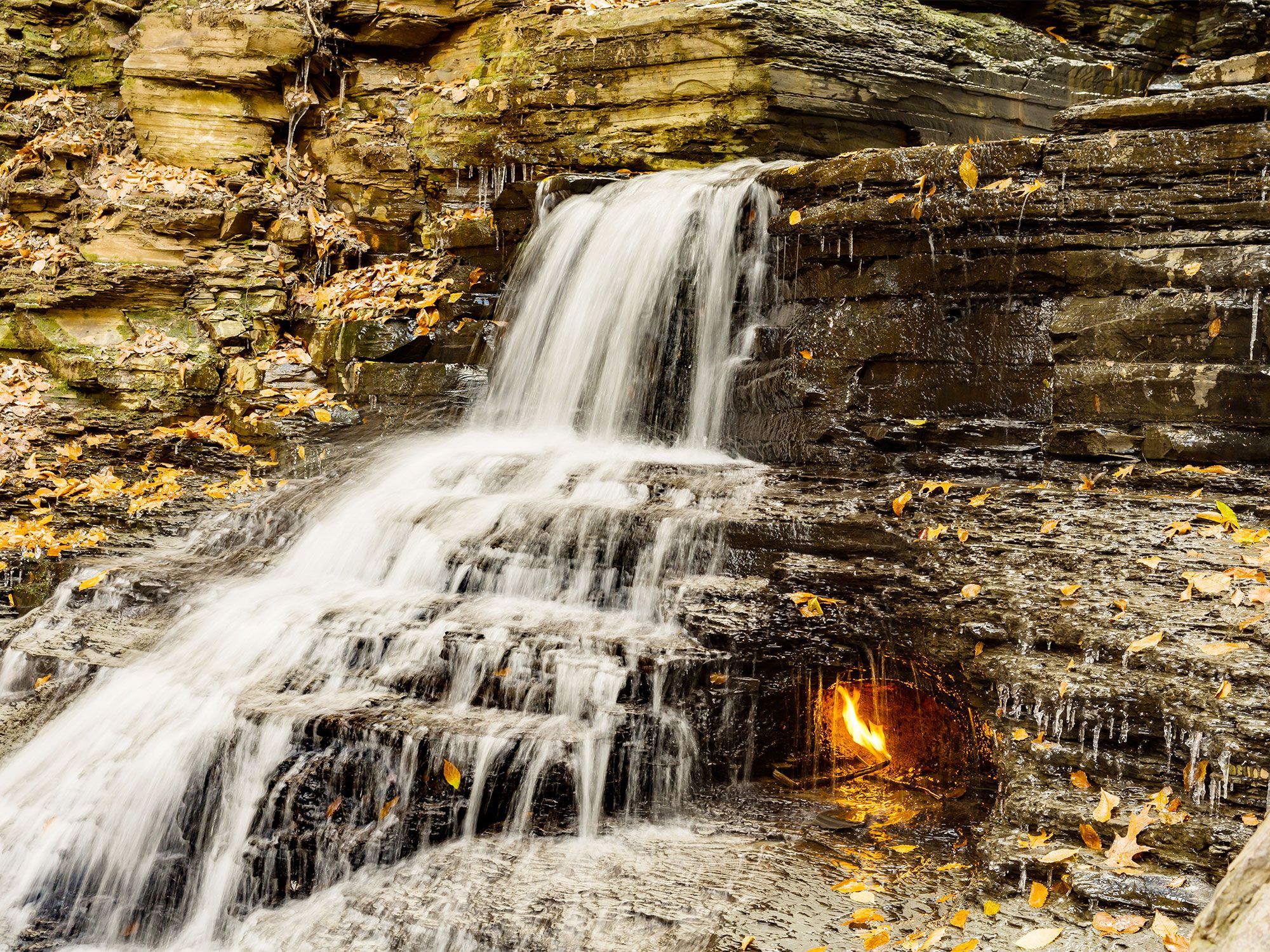
Everyone knows that fire and water don’t mix, but one particularly mysterious place in western New York seems to prove otherwise. Eternal Flame Falls in the Shale Creek Preserve baffles geologists with its juxtaposition of fire and water. Visitors to the 35-foot waterfall can peer beyond the falls to a small, flickering flame hidden in the caves behind the water. Scientists initially believed that, as was the case with other “eternal flames,” hot rocks releasing natural gas deposits from under the ground started the fire. Researchers from Indiana University, however, found that the rock under the waterfall wasn’t hot enough to form the necessary pockets of natural gas to keep the flame burning.
So, what’s keeping the eternal flame flickering behind the falls? No one has a scientific explanation for it, but legend gives credit to local Native American tribes, claiming they lit the flame thousands of years ago. Geologists still hope to identify the cause in the future and unlock the fiery secrets of this mysterious place. In the meantime, you can see the watery flame for yourself by taking a half-mile hike to the falls inside Chestnut Ridge County Park.
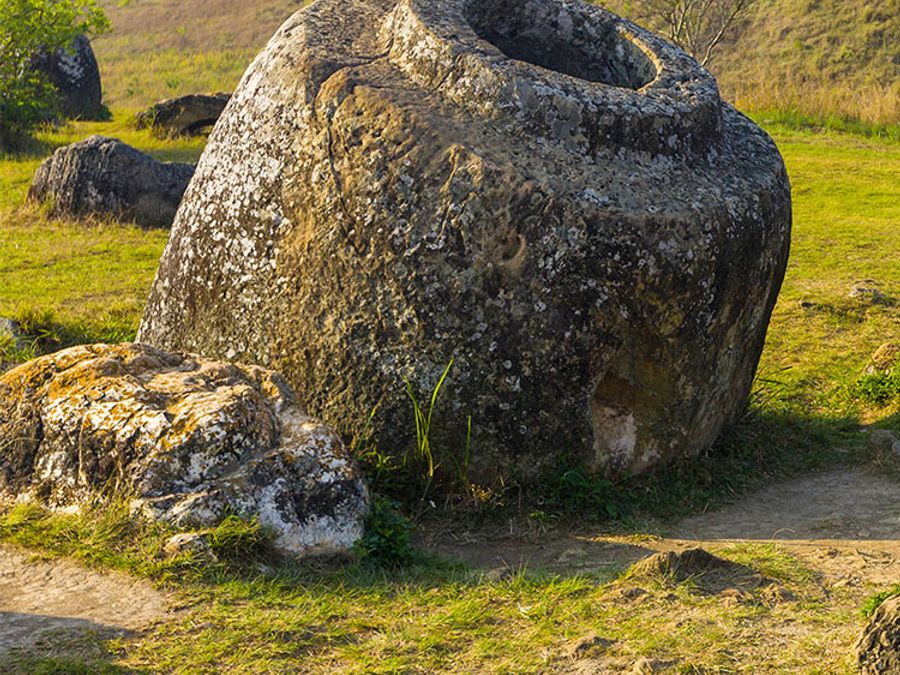
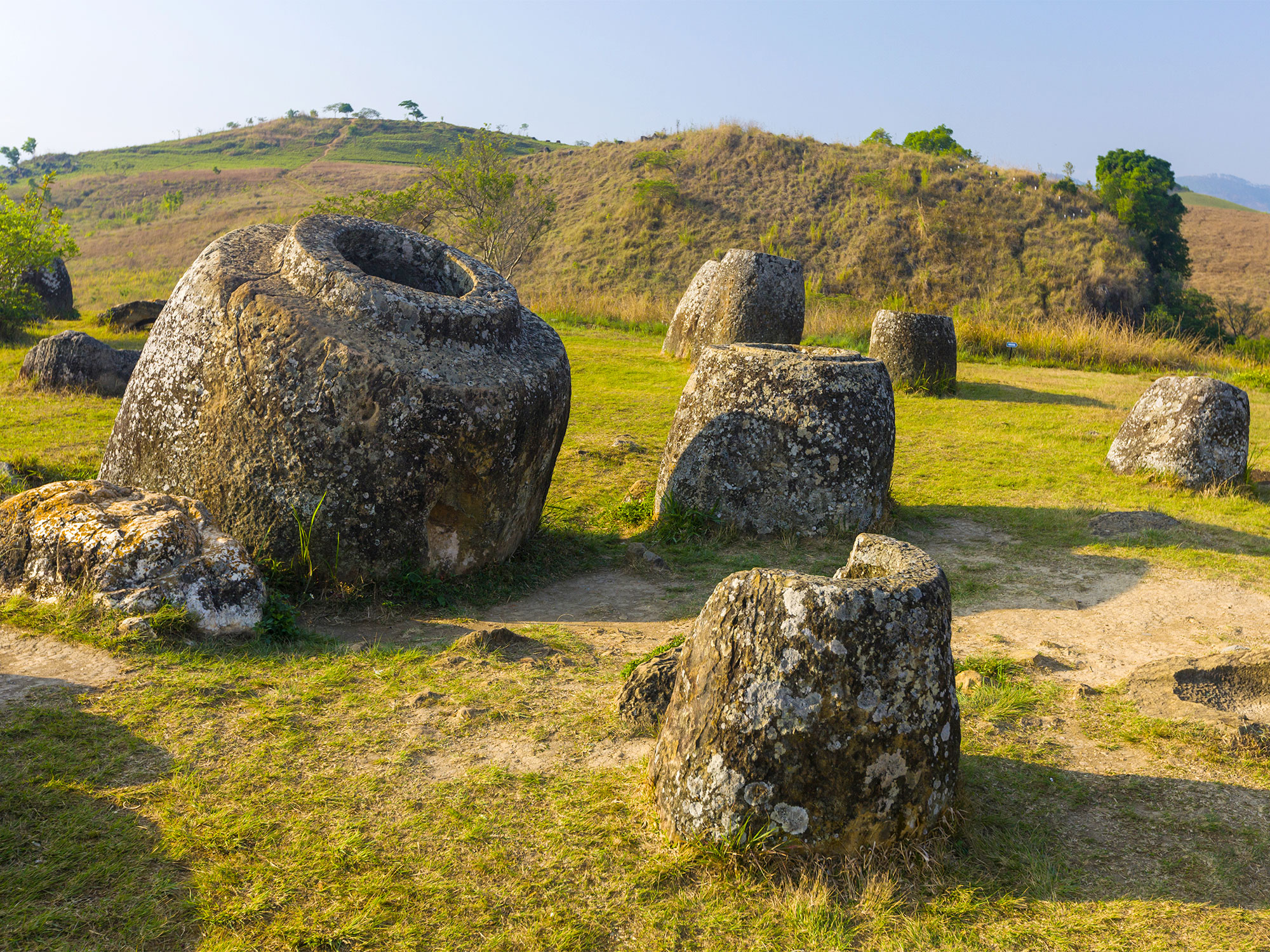
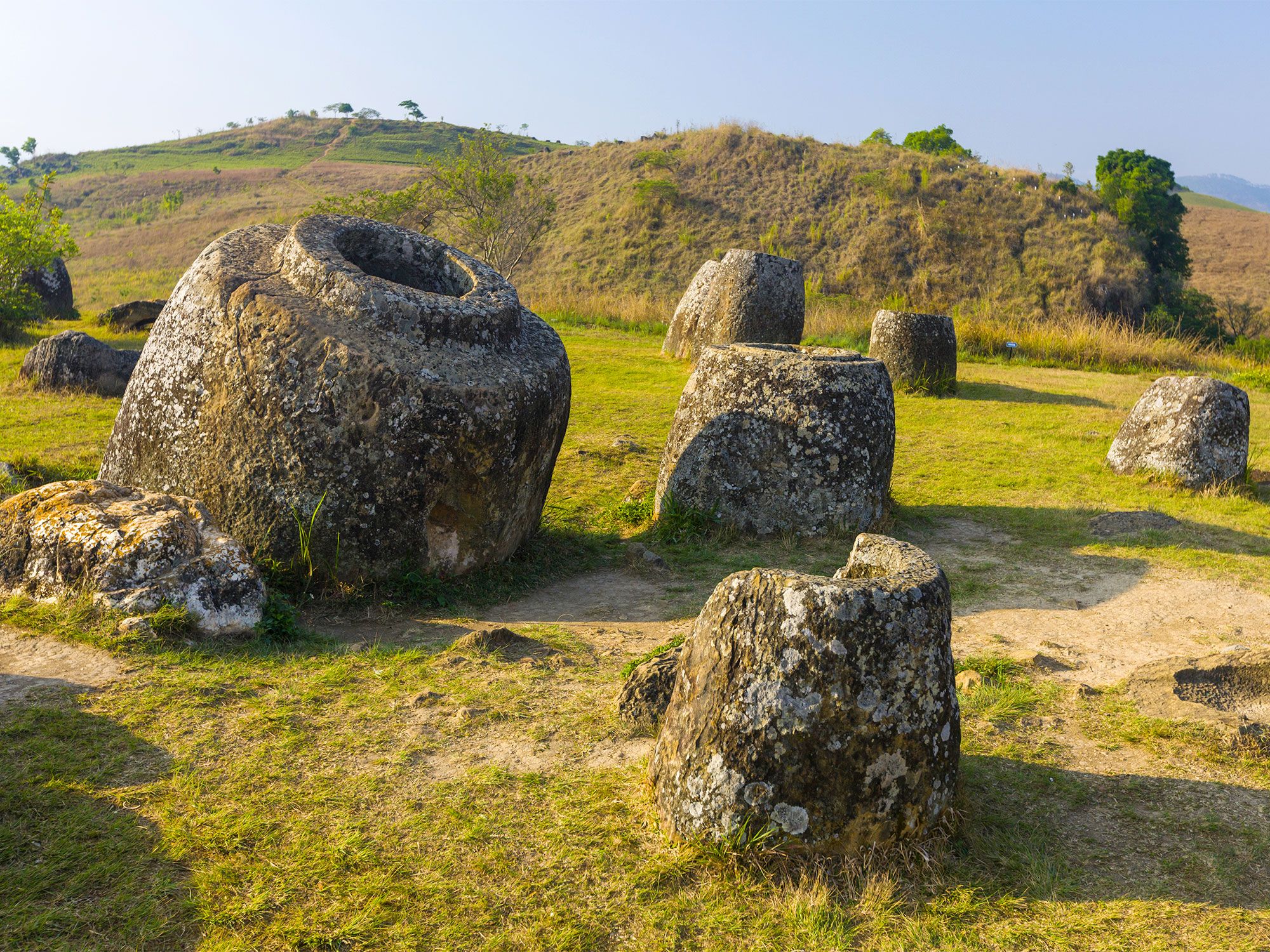
Few visitors find their way to the remote plains of Xiangkhoang Plateau in Laos. But if you do venture into this arid region of Southeast Asia, you’ll find thousands of enormous, ancient stone jars dotting the landscape. They sit scattered across the land like a giant’s forgotten crockery. The urns date back to the Iron Age, when their makers used a combination of clay, dung, sandstone, and sugar to create them before baking them in huge kilns. Some jars also have artful reliefs carved into them, showing off the skill of the creator.
What’s most baffling about the jars, though, is how they got to the plateau in the first place. Some of the giant jars weigh as much as 10 tons and measure nearly 10 feet tall. So how were the jars transported to the empty landscape from the quarry, which is more than six miles away? Scientists can only speculate about their purpose. One group of archaeologists believes the jars may have been giant urns commemorating the dead. There are other theories and legends too, but unexploded bombs in the area pose a threat to those seeking to reveal the mystery of the jars. As a result, the Plain of Jars — which became a UNESCO World Heritage Site in 2019 — remains, for the most part, an archaeological mystery.
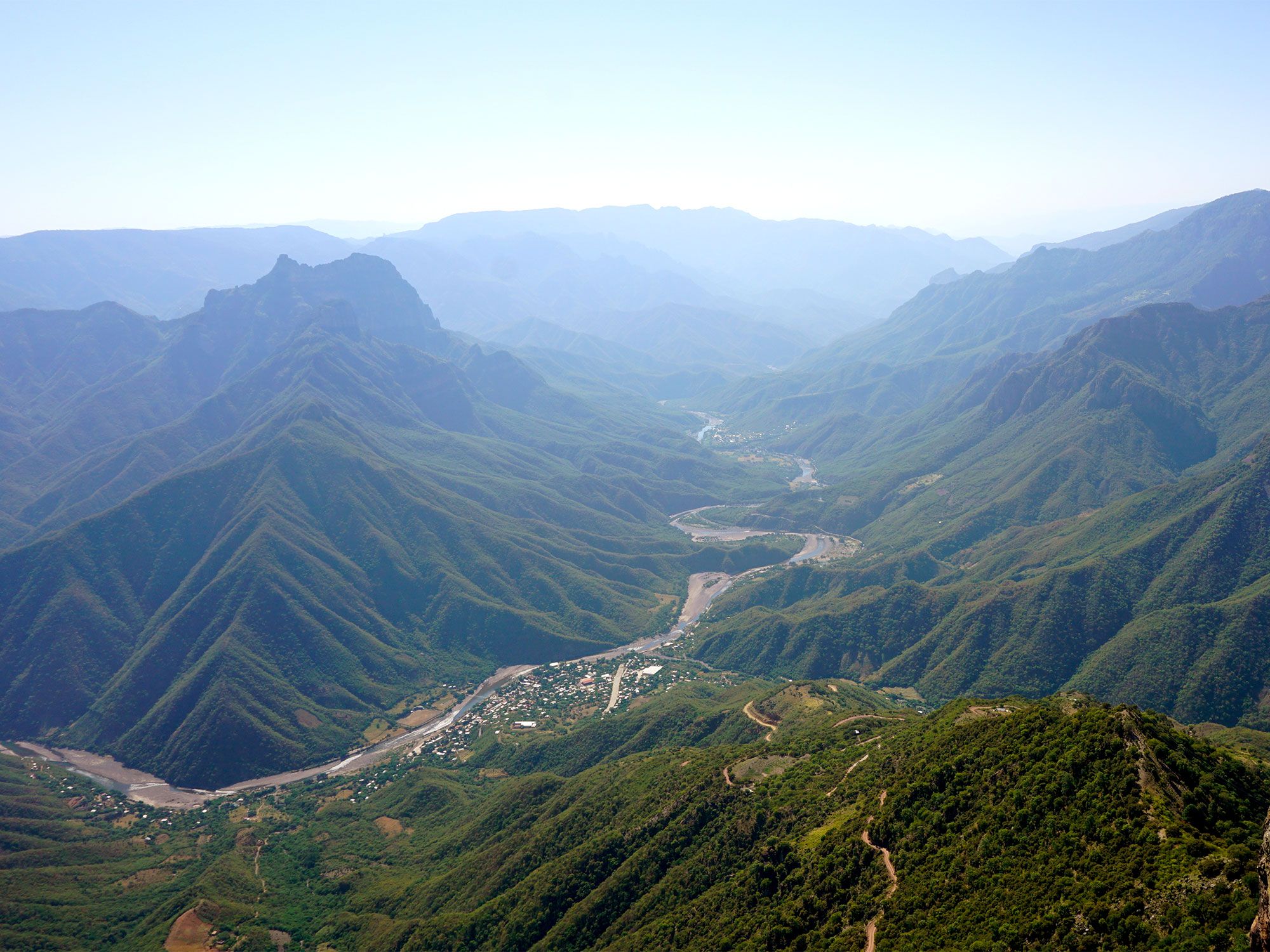
Buried beneath the mountains near Naica, Mexico, is a magical place that might remind you of a science-fiction movie. Back in 2000, two miners accidentally stumbled upon the Cave of Crystals. What they found immediately intrigued the world. It’s a beautiful but mind-boggling discovery that continues to draw scientists from all parts of the globe.
White crystals that measure nearly 39 feet long and three feet wide fill the subterranean space. The crystal formations, which formed thanks to a process called nucleation, jut out from every angle in the horseshoe-shaped cave. But while scientists can confidently point to the mineral-rich waters inside the cave as the reason the crystals grew in the first place, they can’t explain their massive size. Most crystal structures don’t grow to the enormous dimensions of the ones found in the Naica cave. In fact, even crystals in neighboring caves started by the same mineral water don’t grow to nearly the same scale. The giant crystals also continue to grow, although the growth rate is incredibly slow.
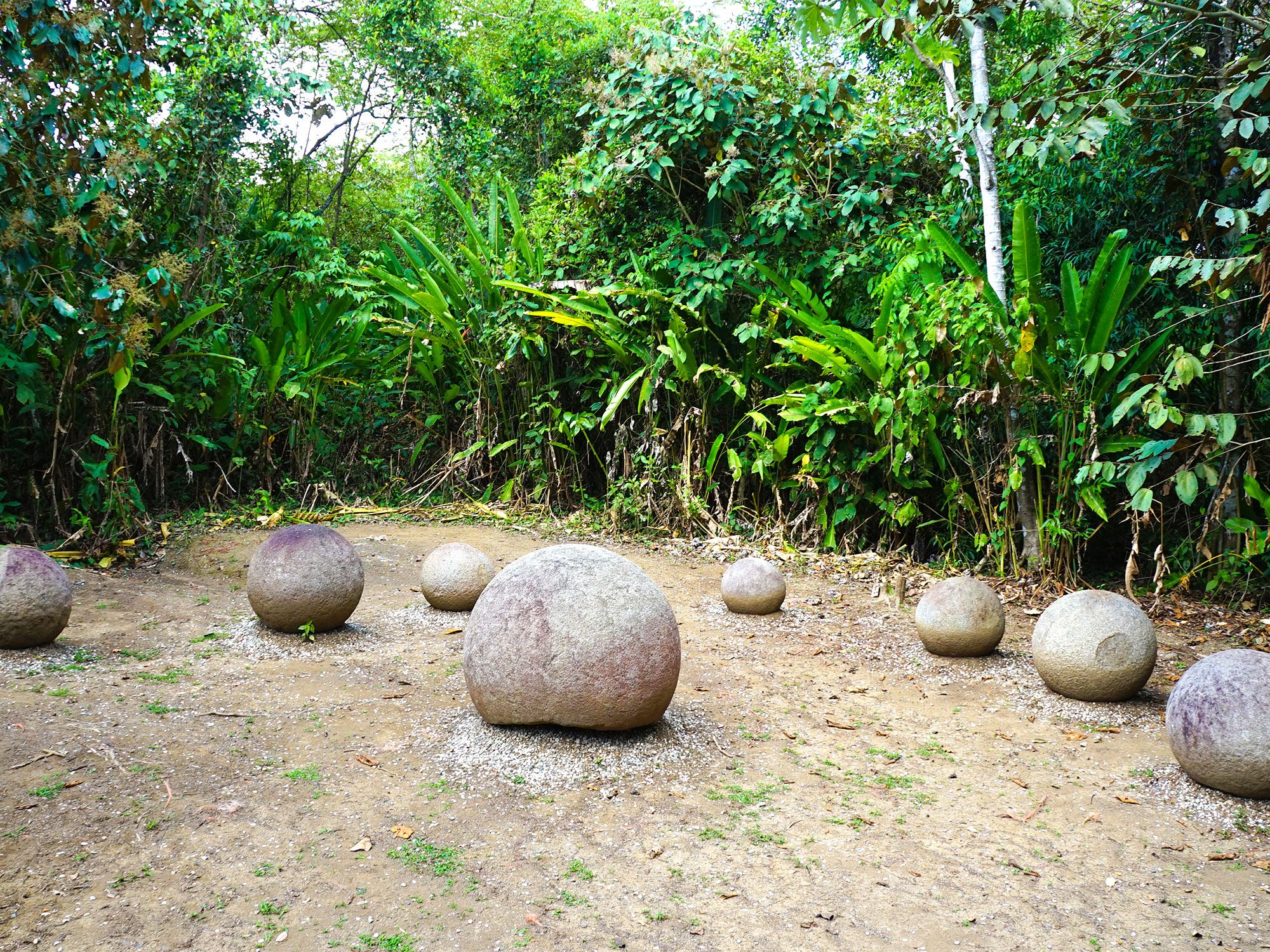
When the United Fruit Company in Costa Rica sought new ground to plant banana trees in the early 1930s, they came across a group of curious stone spheres. The almost perfectly round rocks were like nothing they had seen before. While the stones varied in size, the largest of them measured over six feet in diameter. The workers for the fruit company rolled the strange orbs out of the way and went ahead with planting the new banana trees.
Years later, archaeologists began to study the spheres in an attempt to determine their origin. They’ve found hundreds of the gabbro-formed balls since the workers first stumbled across them, and they now believe that the mysteriously smooth rocks were handmade by the pre-Columbian cultures of Costa Rica. The reason for the spheres, however, remains an unanswered question. Some theories speculate that tribal leaders commissioned them to display their group’s crafting skills. Others suggest they were a symbol of wealth in the village.
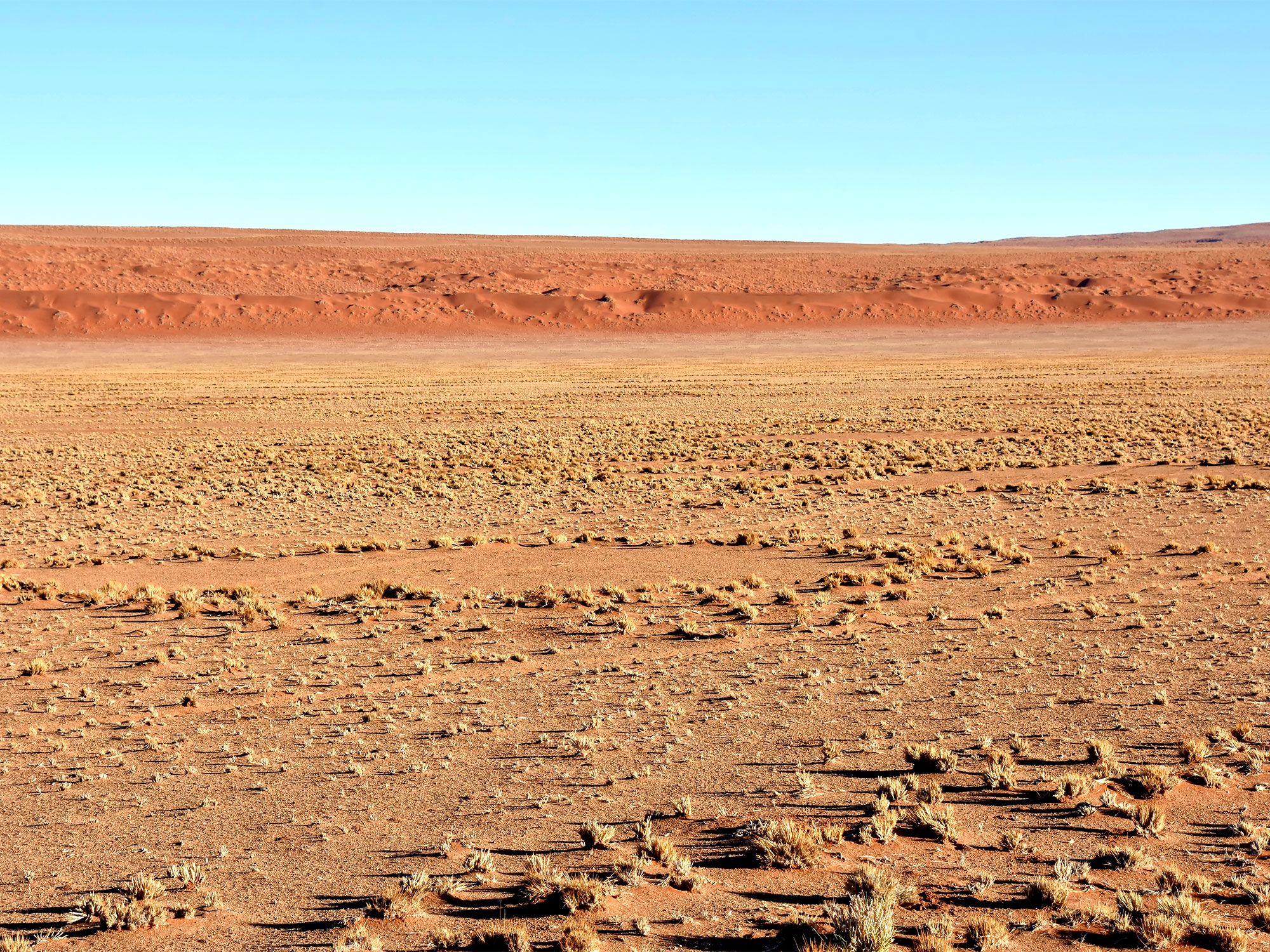
In the grasslands of southern Africa’s Namib Desert, a series of unexplained “fairy circles” have baffled scientists for years. Short grasses ring the barren, circular patches, which range from 10 to 65 feet in diameter. Thousands of these mysterious rings stretch out over hundreds of miles of desert. So, what caused these mysterious circles in the sand? Namibian legend says the gods created them by carelessly leaving their giant footprints in the red dirt. Take a look at the fairy circles on satellite imagery and you may start to think the idea makes sense.
Scientists, of course, beg to differ. But while they dismiss the local legend, they can’t seem to agree on a reasonable explanation either. Some say termites formed the fairy circles by clearing the vegetation around their underground habitat in order to create natural rainwater reservoirs. Others believe plants caused the circles by competing for much-needed water. There’s even one group of scientists who believe both theories are right. What they can’t explain, though, is why the pattern of the circles is so regular — the rings appear in an evenly spaced arrangement. The mystery (and the legend) remain.
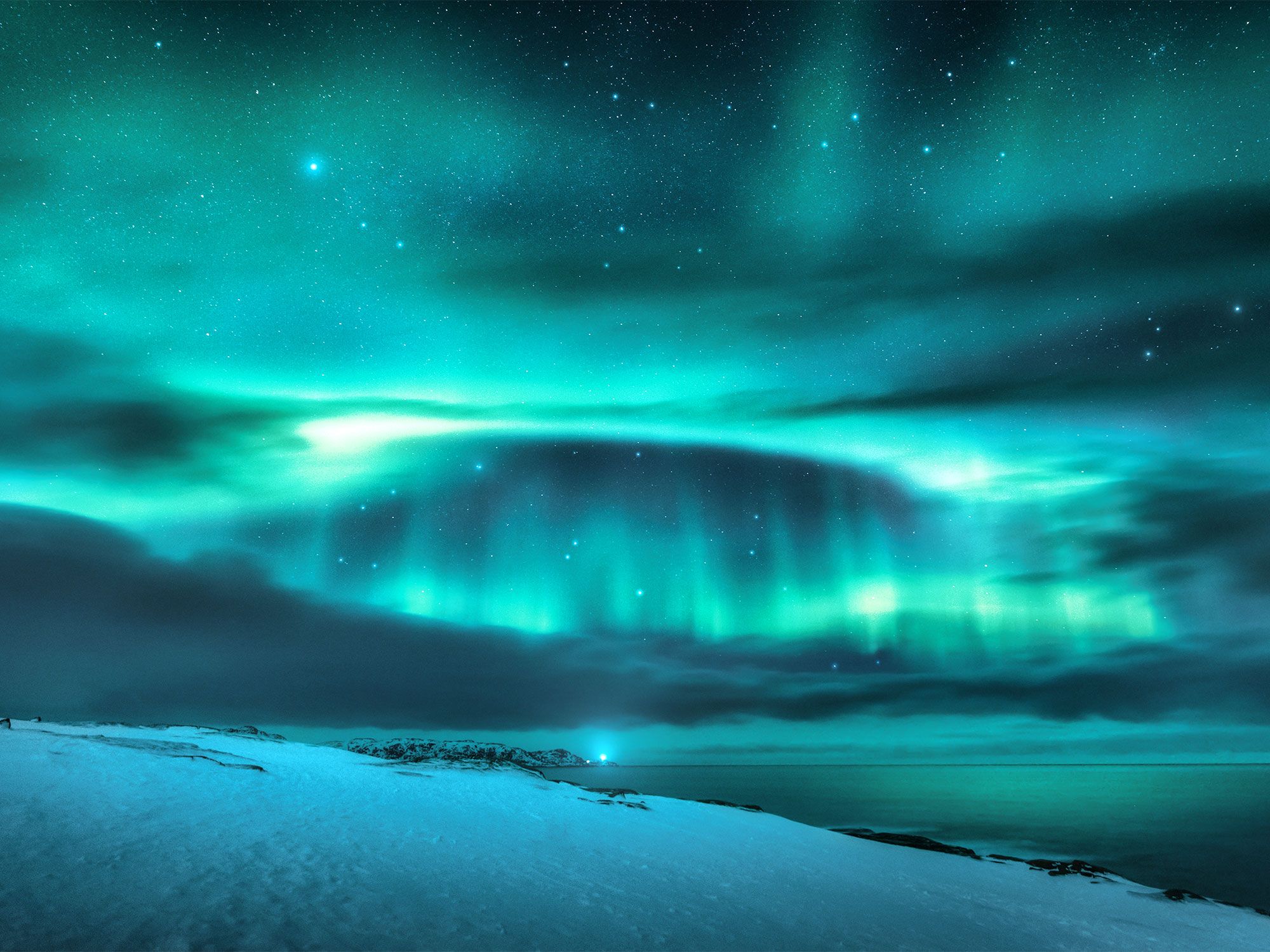
Something weird is happening in the sky above the small, central Norwegian town of Hessdalen. People have witnessed hundreds of strange lights where only stars should be. The lights randomly illuminate the night sky and sometimes appear as big as a car, remaining for as long as a few hours. The strange phenomenon was first reported in the early 20th century, but it reached a peak of activity in the 1980s. That’s when UFO hunters took notice and flocked to the area in search of the mysterious lights. They weren’t disappointed. During the early part of the decade, the lights would appear up to 20 times a week.
The unusual lights still blaze in the night sky, though with less frequency now than when they first appeared. But what caused them in the first place? Scientists have many viable explanations, including the presence of cosmic rays or piezoelectricity. Other researchers attribute them to ball lightning or ionized gasses. All of the theories fall short of a satisfying and proven explanation though.
Patom Crater is a 131-foot-high geological formation in Siberia that looks a bit like a bird’s nest with an egg nestled inside. Scientists originally suggested that a meteor strike caused the unusual formation, but a lack of meteorite fragments in the area brought them back to the drawing board for another explanation. At one time, they discussed the possibility of a UFO landing, but that idea was discarded too. There are even theories that the crater was built by prisoners in a secret prison camp, and some geologists have hypothesized that the uncommon formation came from under the earth rather than above it. This theory involves a magma explosion caused from steam from beneath the surface.
However it formed, there’s no disputing that it’s a strange area. No trees grow on the crater, even though the surrounding landscape is dense forest. There are also reports of curious things happening in the vicinity of the crater. But since no one can prove what created the formation, Patom Crater remains one of Russia’s greatest mysteries.
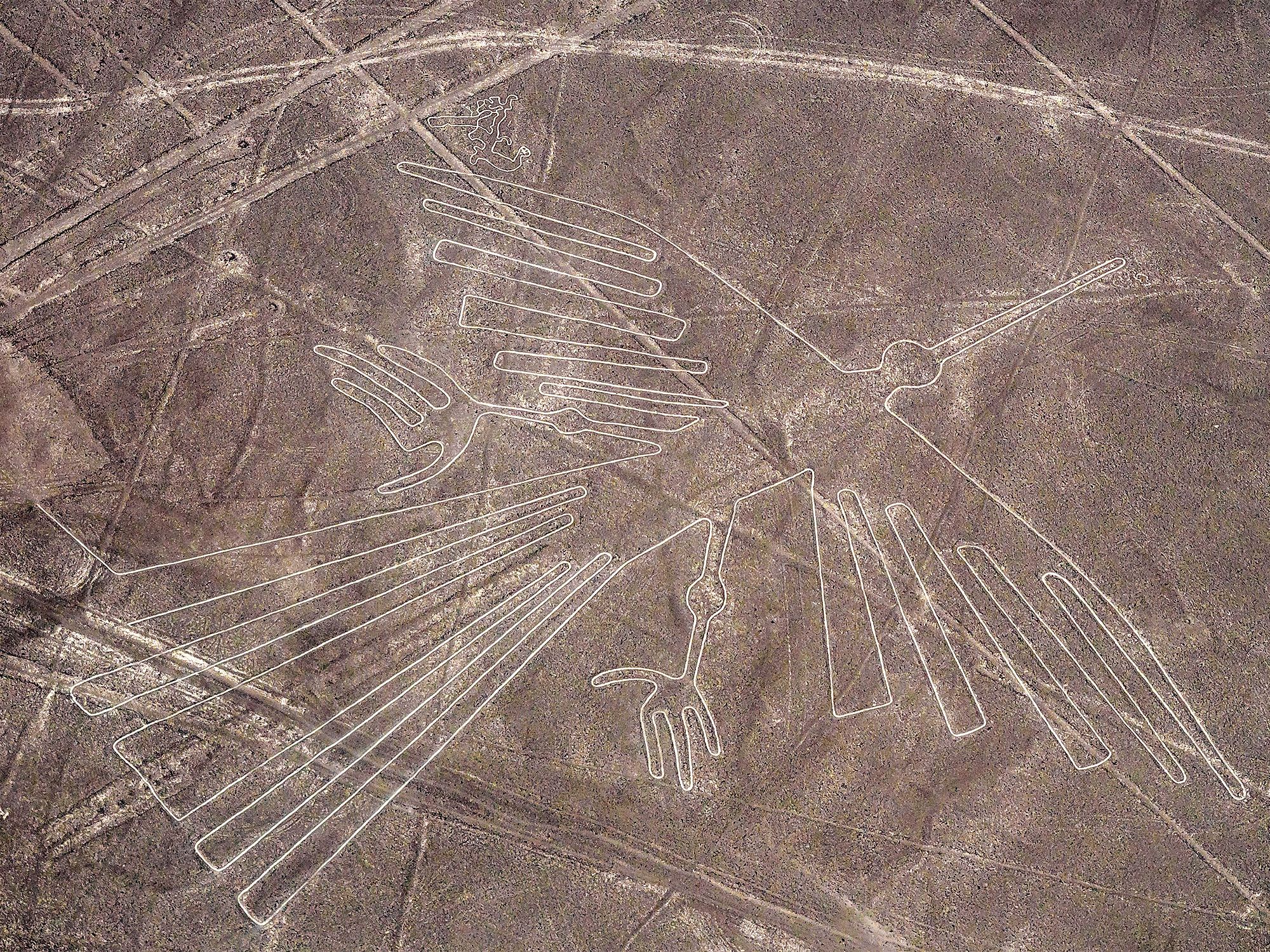
From the sky, they look like animals and people carefully drawn by a child. But the Nazca Lines of Peru are sprawling artistic representations covering at least 170 square miles of arid, coastal land. The ancient geoglyphs date back as far as 500 BCE, when researchers believe the artists removed the top layer of black stone on the ground to reveal the white sand underneath. The contrast in colors makes the lines easy to view from the air.
Advertisement
More from our network
Daily Passport is part of Inbox Studio, an email-first media company. *Indicates a third-party property.
13 of the World’s Most Unusual International Borders
By
Daily Passport Team
Read time: 8 minutes
May 10, 2023
Updated: May 23, 2024
13 of the World’s Most Unusual International Borders
Geography •May 10, 2023•Updated: May 23, 2024
By Daily Passport Team
Author
Daily Passport Team
Daily Passport writers have been seen in publications such as National Geographic, Food & Wine, CBC, Condé Nast Traveler, and Business Insider. They're passionate about uncovering unique destinations and sharing expert tips with curious travelers.
International borders don’t always criss-cross our planets in neat lines. Due to a variety of historical and geographic reasons, some borders chart a more unusual path. In fact, some border locations are downright bizarre — from a boundary that runs straight through a hotel to a tiny island that changes hands between France and Spain every six months, here are 13 of the world’s most surprising and strangest international borders.
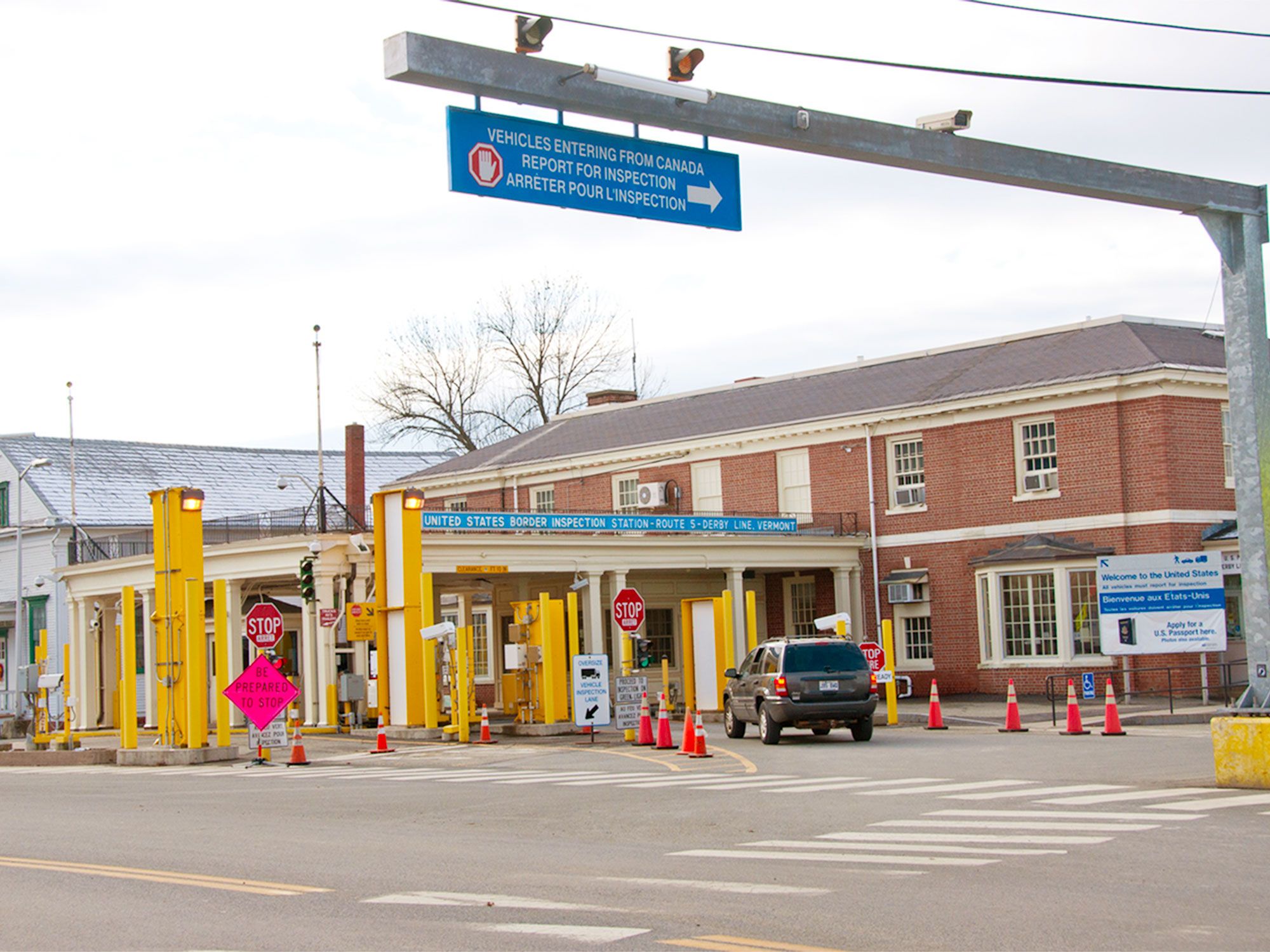
On one side of the street, you’re in Derby Line, Vermont. On the other side, you’re in Stanstead, Quebec. The border between the U.S. and Canada goes right through these two towns (which basically function as one), straight through businesses and along a main street named Canusa Avenue. In one area, the border is even made up of flower pots. No one knows exactly why the line was drawn through these towns in the early 1700s, though some attribute it to a simple mapmaking error. Nevertheless, Derby Line and Stanstead have chosen to embrace it. The curling hall is in both countries, and so is the library. There is a customs house and border patrol, however, so if you’re out crossing the road, you’ll need to show a passport.
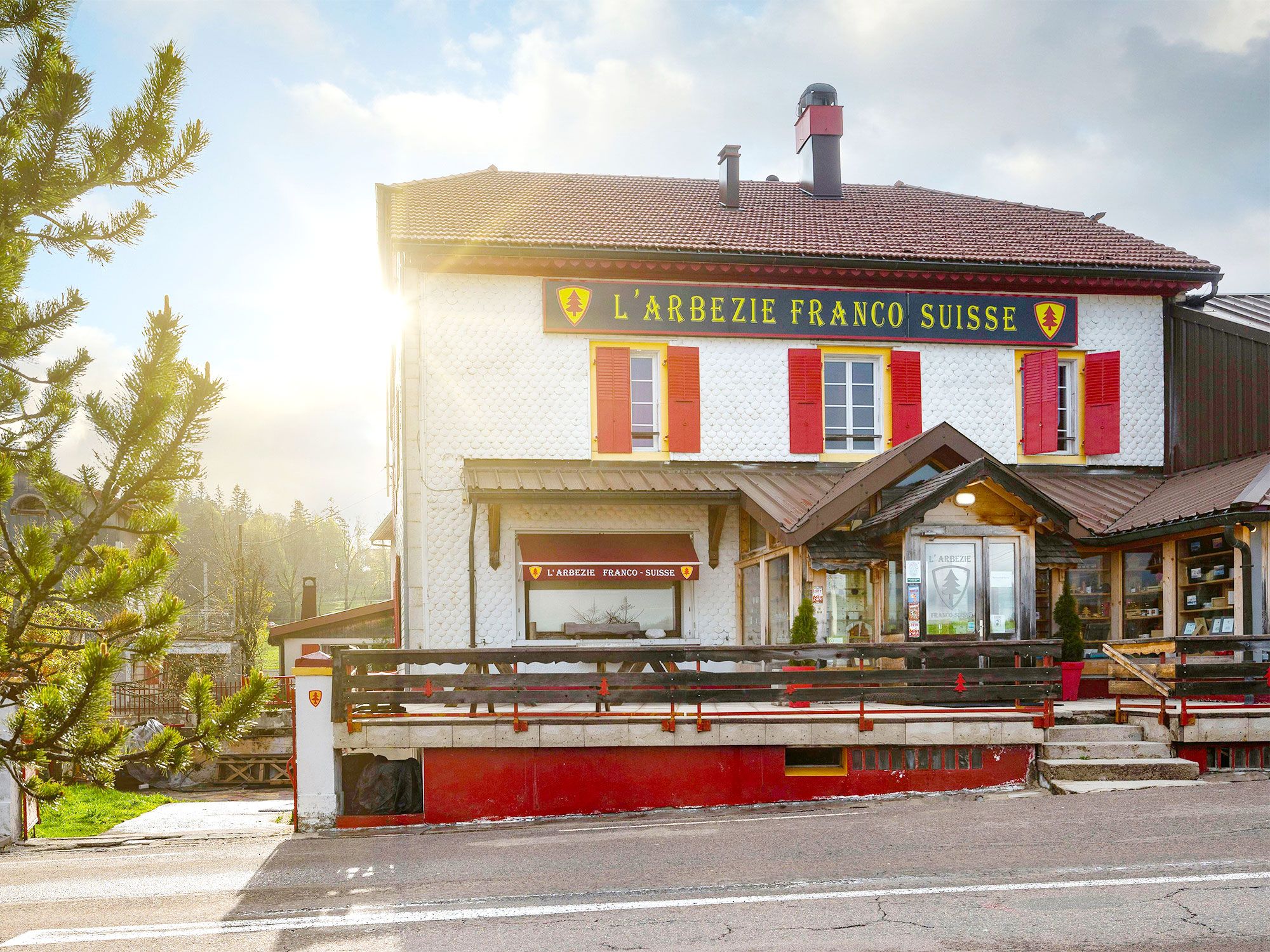
Guests at the Hôtel Arbez Franco-Suisse (also known as L’Arbézie) have the unique opportunity to sleep in two countries at once. The hotel sits right on the border between France and Switzerland in the Alpine village of La Cure, 15 miles northwest of Lake Geneva. It was built between 1862 and 1863, when Napoleon III redrew the border between the two countries — right through the land owned by a French citizen named Ponthus Arbez. He decided to build a house on the border before it became official. At first, the French side had a bar and the Swiss side had a store, but when Arbez died, his sons converted the property into a hotel in 1921. Today, guests can cross between the international border in the hotel’s dining room, and some rooms even allow them to sleep with their heads in France and their feet in Switzerland.
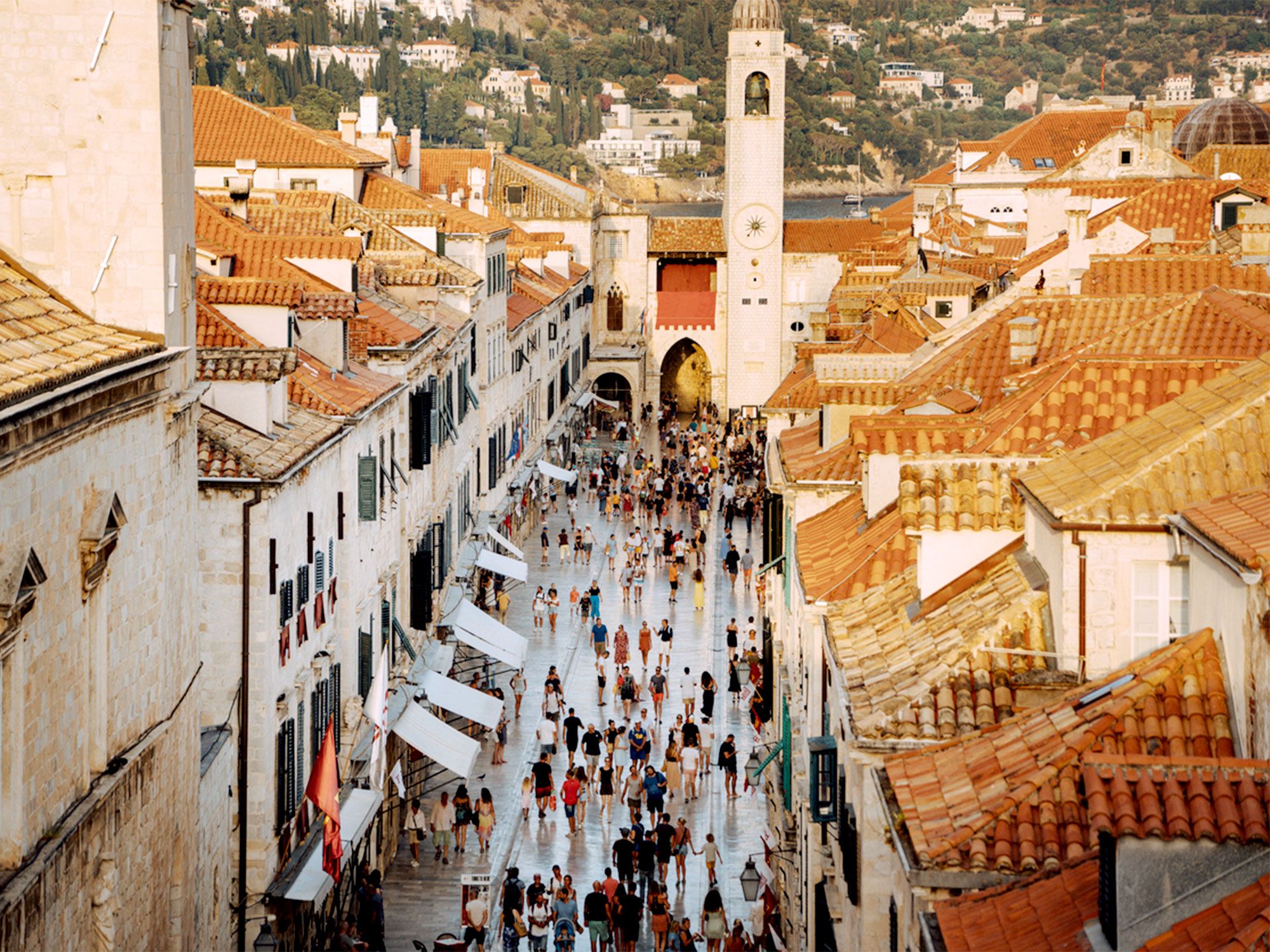
Though it appears on a map that Bosnia is landlocked, a closer look reveals that the country has a narrow strip of land that extends through Croatia and gives the country just 12 miles of shoreline on the Adriatic Sea. Called the Neum Corridor, the border dates to the 1699 Treaty of Karlowitz, which gave a substantial amount of land around the Croatian city of Dubrovnik to Venice, Italy. Dubrovnik was worried about being so close to Venice and the potential for invasion, so they gave away some of their land to the Ottomans as a buffer — and since Bosnia and Herzegovina were Ottoman-ruled provinces, that’s where the Neum Corridor is today. Aside from Monaco, Bosnia has the shortest coastline of any other country thanks to this stretch of land.
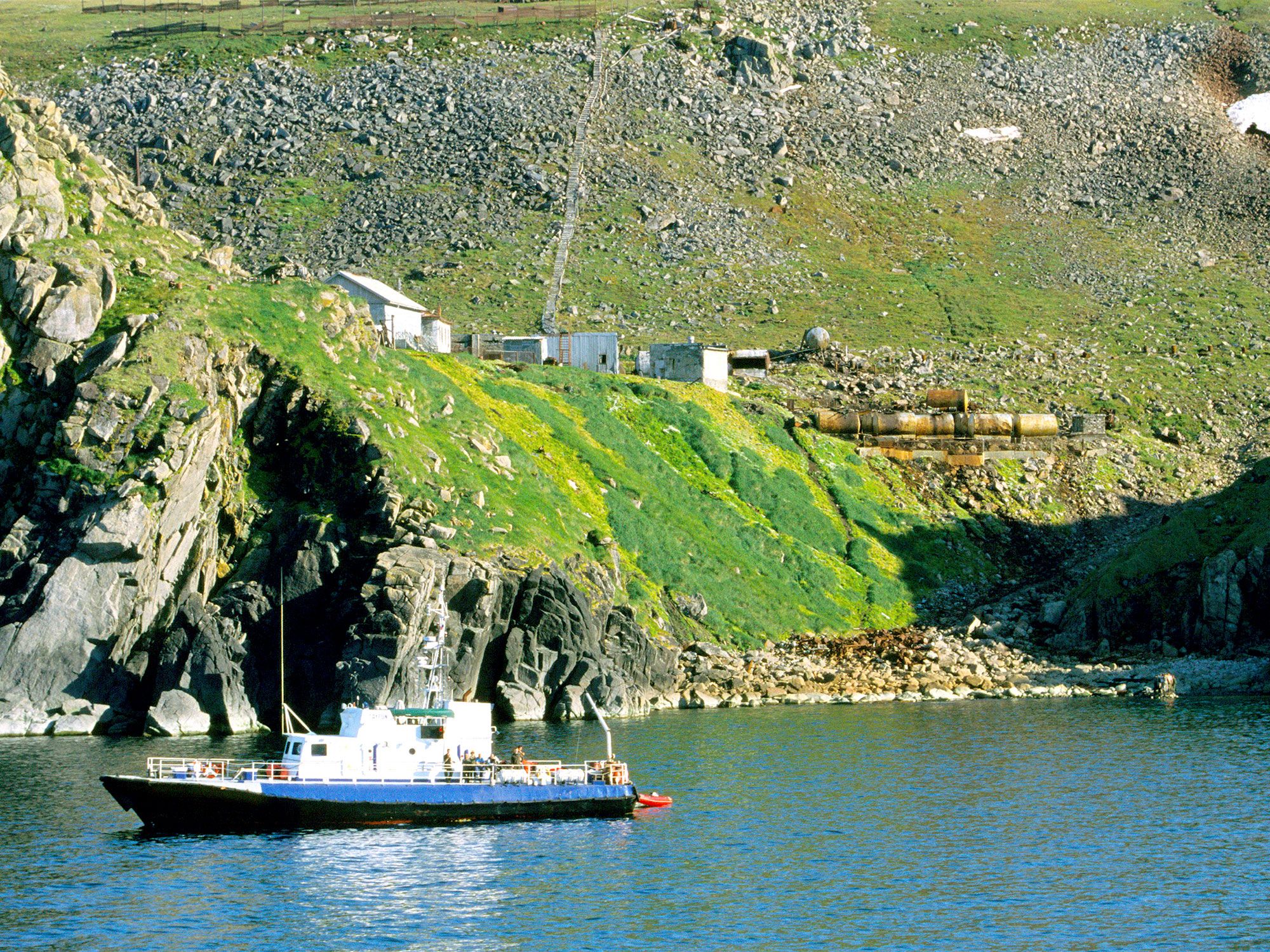
Big Diomede Island, Russia / Little Diomede Island, U.S.
Big Diomede Island and Little Diomede Island, located off the coast of Alaska, are only about 2.5 miles apart in distance, but the time difference between the two is a full 20 hours in winter and 21 in summer due to Daylight Saving Time. That’s because the International Date Line runs right between the islands — along with the border between the United States and Russia (making Russia the closest country to the U.S. without sharing a land border). Big Diomede belongs to Russia, and Little Diomede is in the United States. The islands are nicknamed Yesterday Island and Tomorrow Island thanks to the time difference.
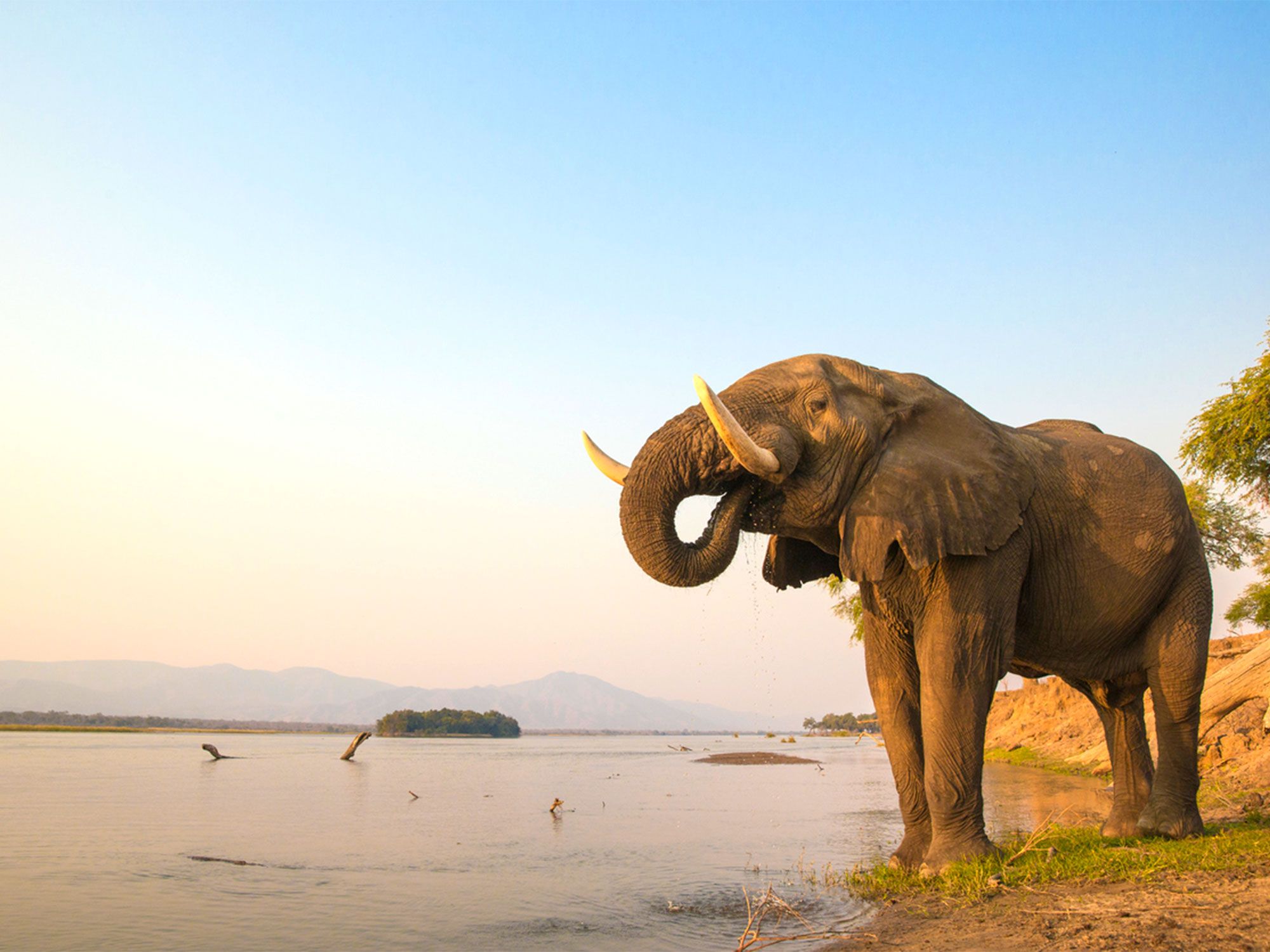
Quadripoint Border of Botswana, Namibia, Zambia, and Zimbabwe
There’s only one spot in the world where four countries come together at one point, and that’s at the intersection of Botswana, Namibia, Zambia, and Zimbabwe in southern Africa. However, the world’s only quadripoint border is located in the middle of the Zambezi River, which feeds Victoria Falls. The river also causes a bit of a debate over the quadripoint: Some say that because the flow of the river has slightly changed, the quadripoint no longer exists and that it’s just two tri-points located close together and separated by a thin strip of land.
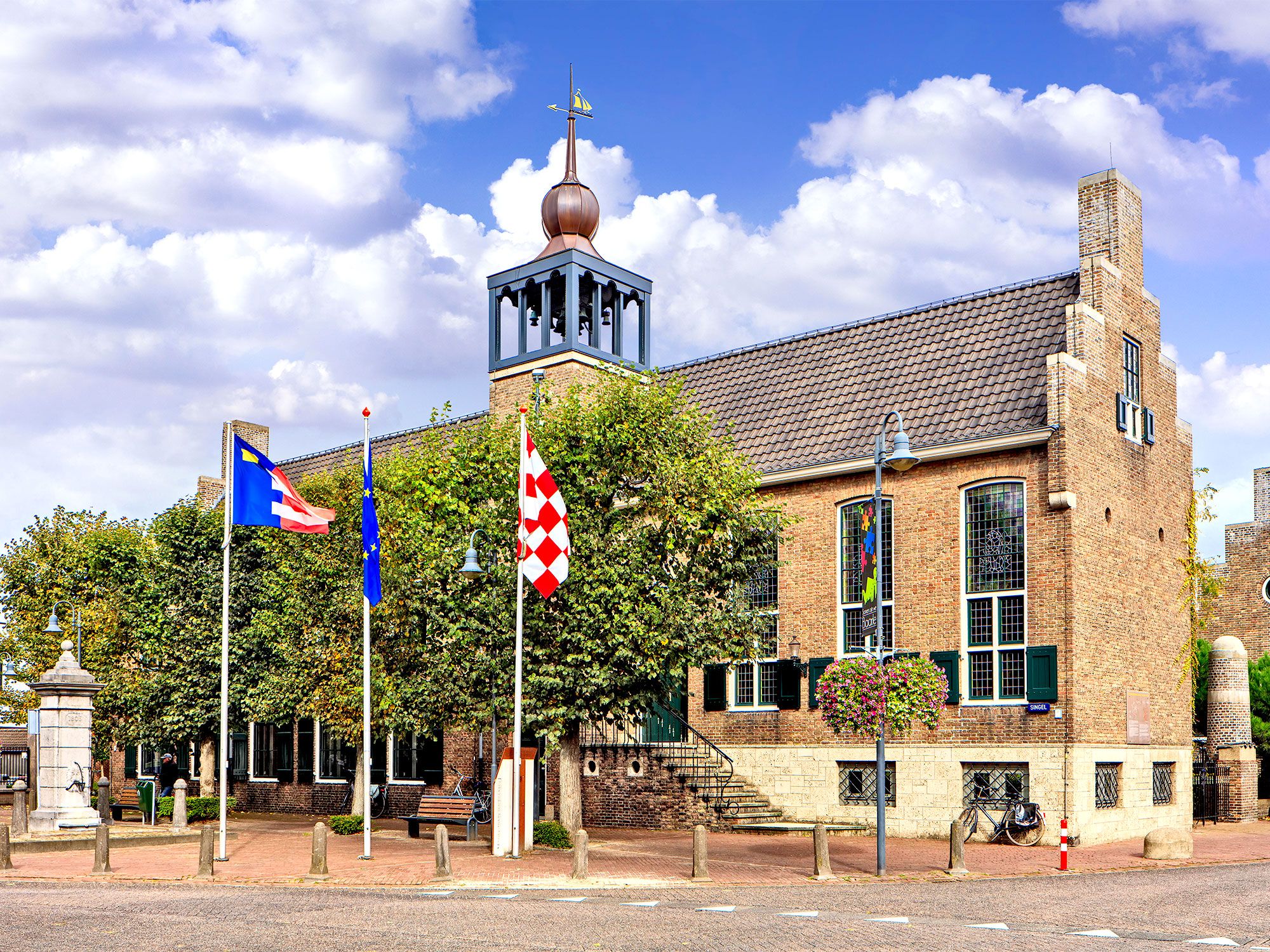
The border between Baarle-Nassau, a town in the southern Netherlands, and Baarle-Hertog, Belgium, is one of the most complicated borders in the world. The border zigzags through the Dutch town and creates a series of Belgian enclaves — parcels of land that belong to Belgium but are completely surrounded by the Netherlands. However, some of those Belgian enclaves themselves contain Dutch enclaves, like a border-based version of Inception. The border goes through homes, businesses, parks, and probably even a couch or two. It’s marked along the ground with a series of white crosses. The peculiar arrangement was a result of medieval land treaties and swaps, when landlines were determined by the aristocrats that lived there. Not sure where the house you’re standing in front of is? Check the location of the front door — whichever country it’s in is the country you’re in.
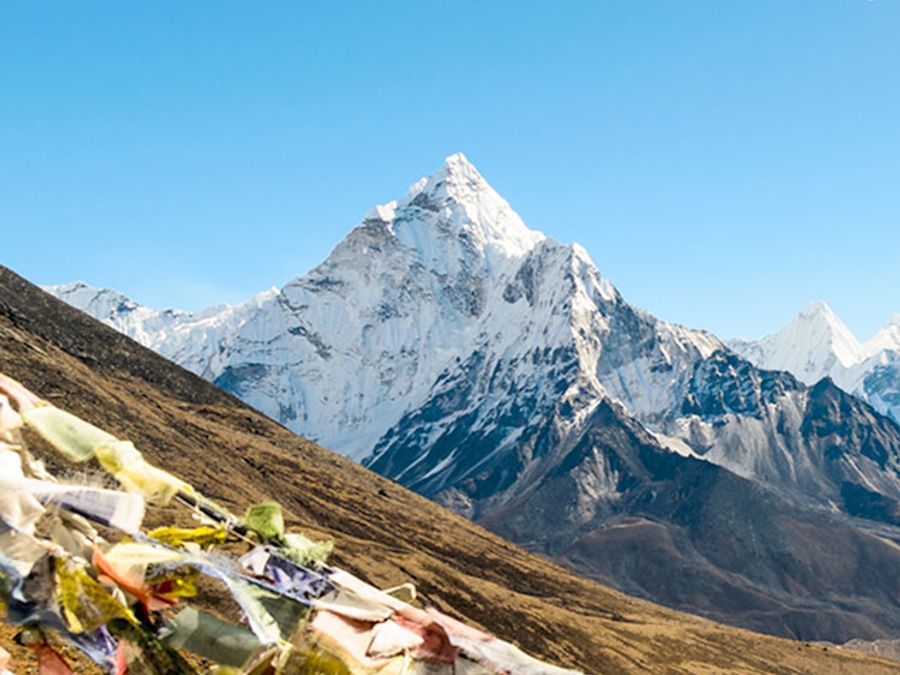
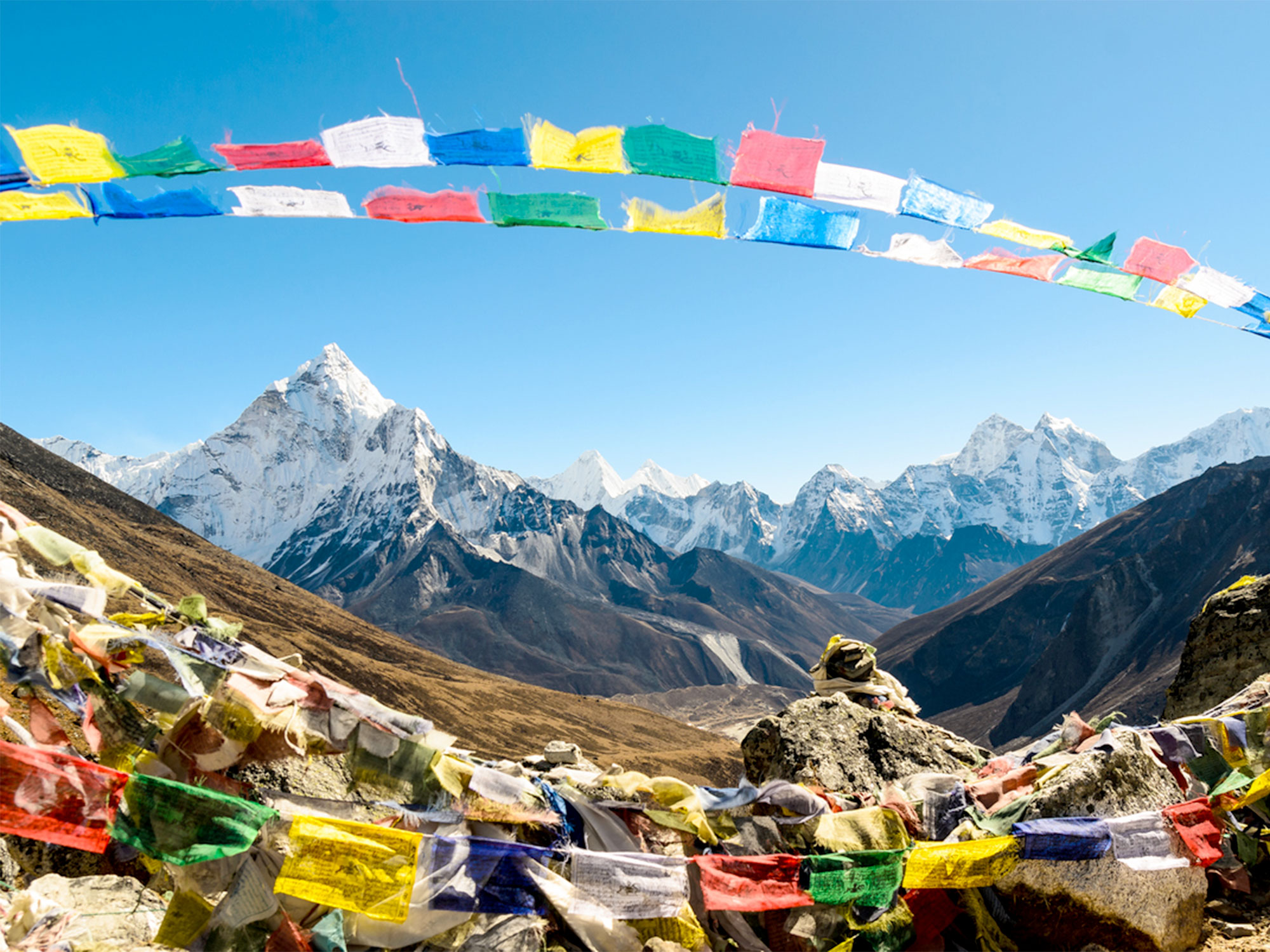
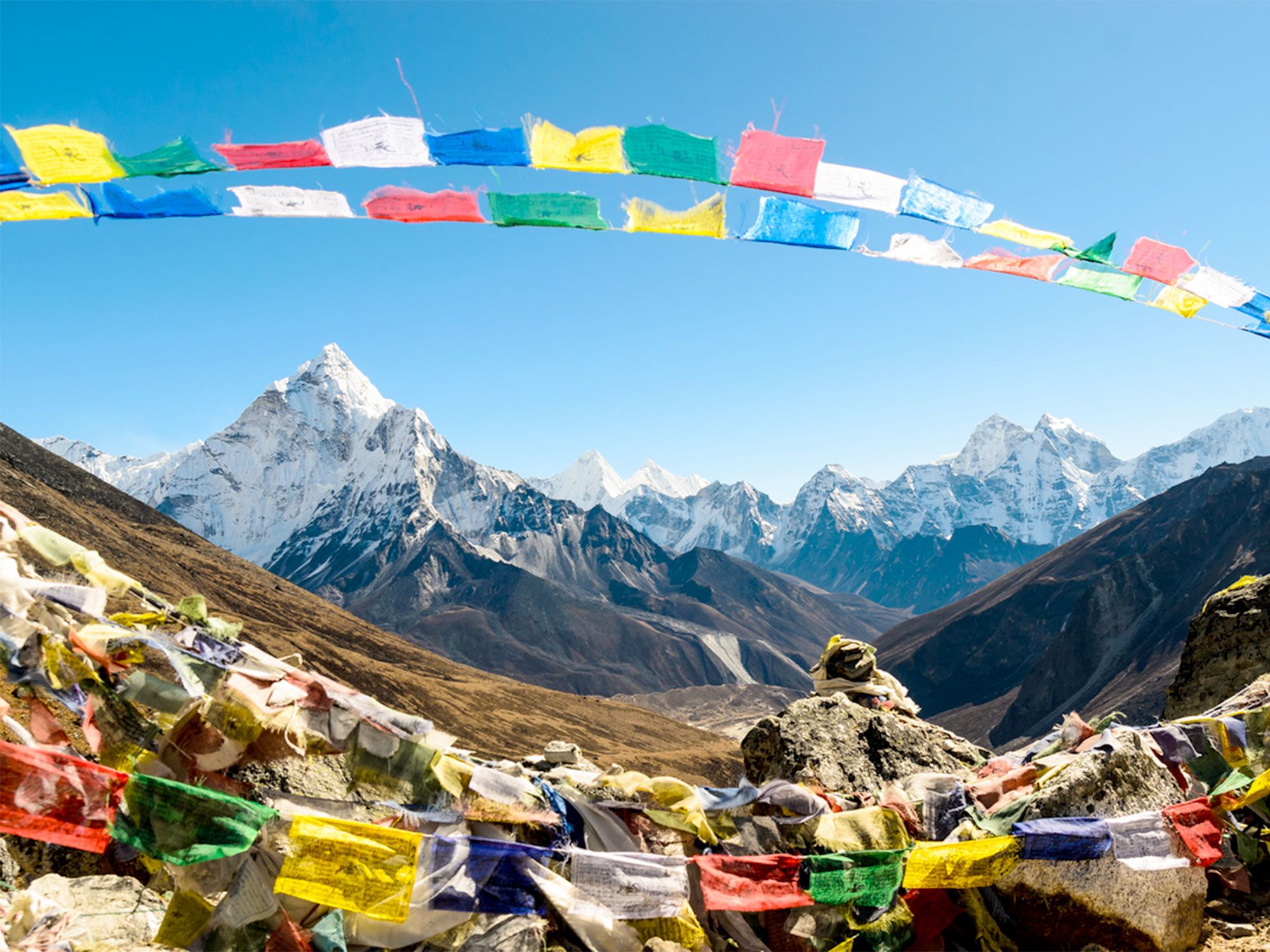
Mount Everest is the world’s tallest mountain, and since it straddles the border between China and Nepal, it’s also home to the world’s highest border. The border goes right through the summit, and climbers can scale the mountain from both sides. And in 2020, the world’s most elevated border got even higher. China and Nepal separately took new measurements of the summit and then jointly announced that Mount Everest was even taller than they had originally thought. Now, Mount Everest’s apex is officially 29,032 feet — just about three feet taller than before.
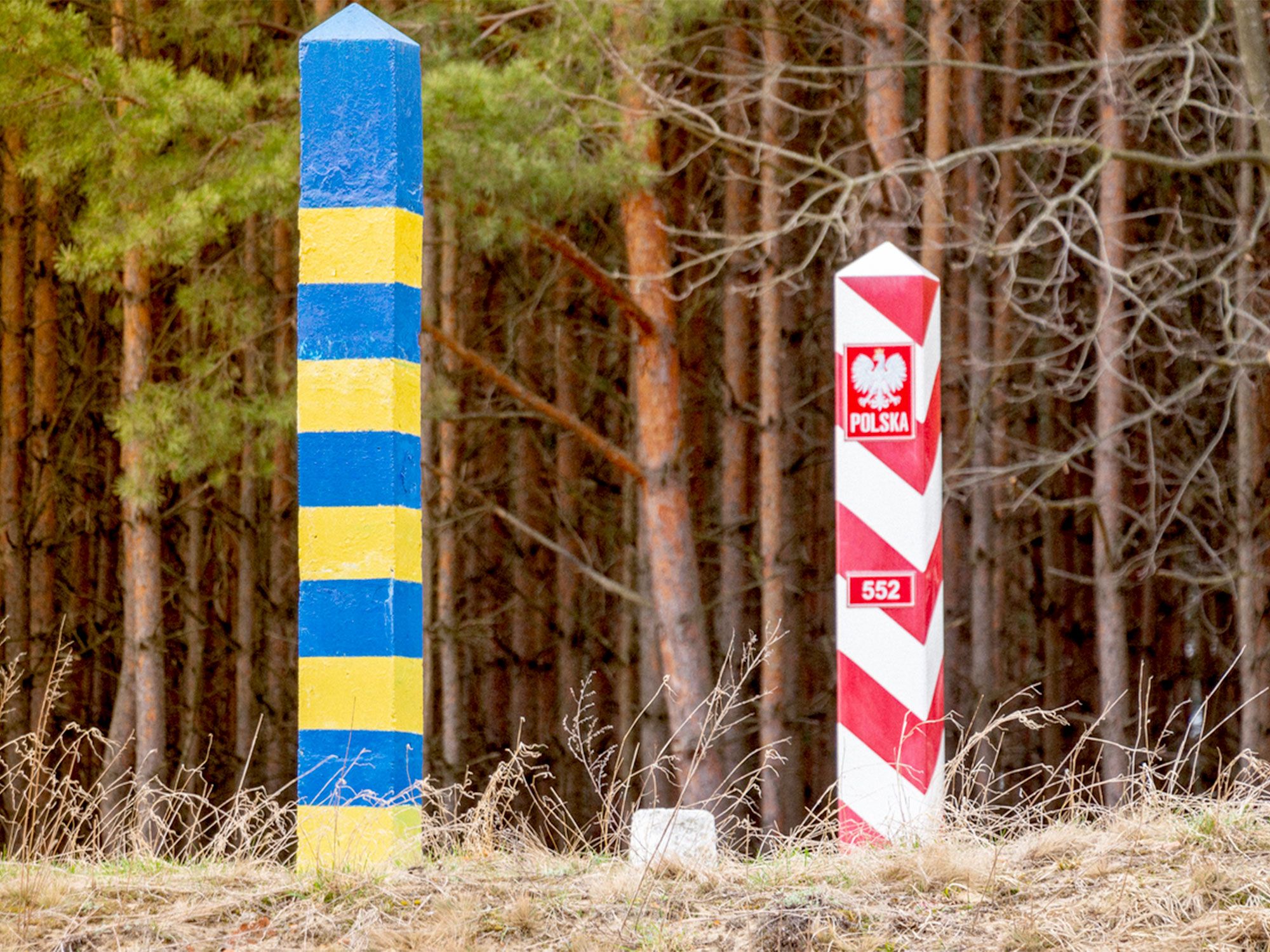
Between Horodyszcze, Poland, and Warez, Ukraine, there is a giant fish-shaped crop circle. The fish straddles the border between the countries as part of an art project by Polish artist Jaroslaw Koziara. He created them in 2011 for the Land Art Festival, which celebrates the ways art and nature come together. In order to make the massive fish, he used 23 different types of plants. Koziara said his inspiration was to show that borders don’t divide cultures and to celebrate the shared history between the two countries.
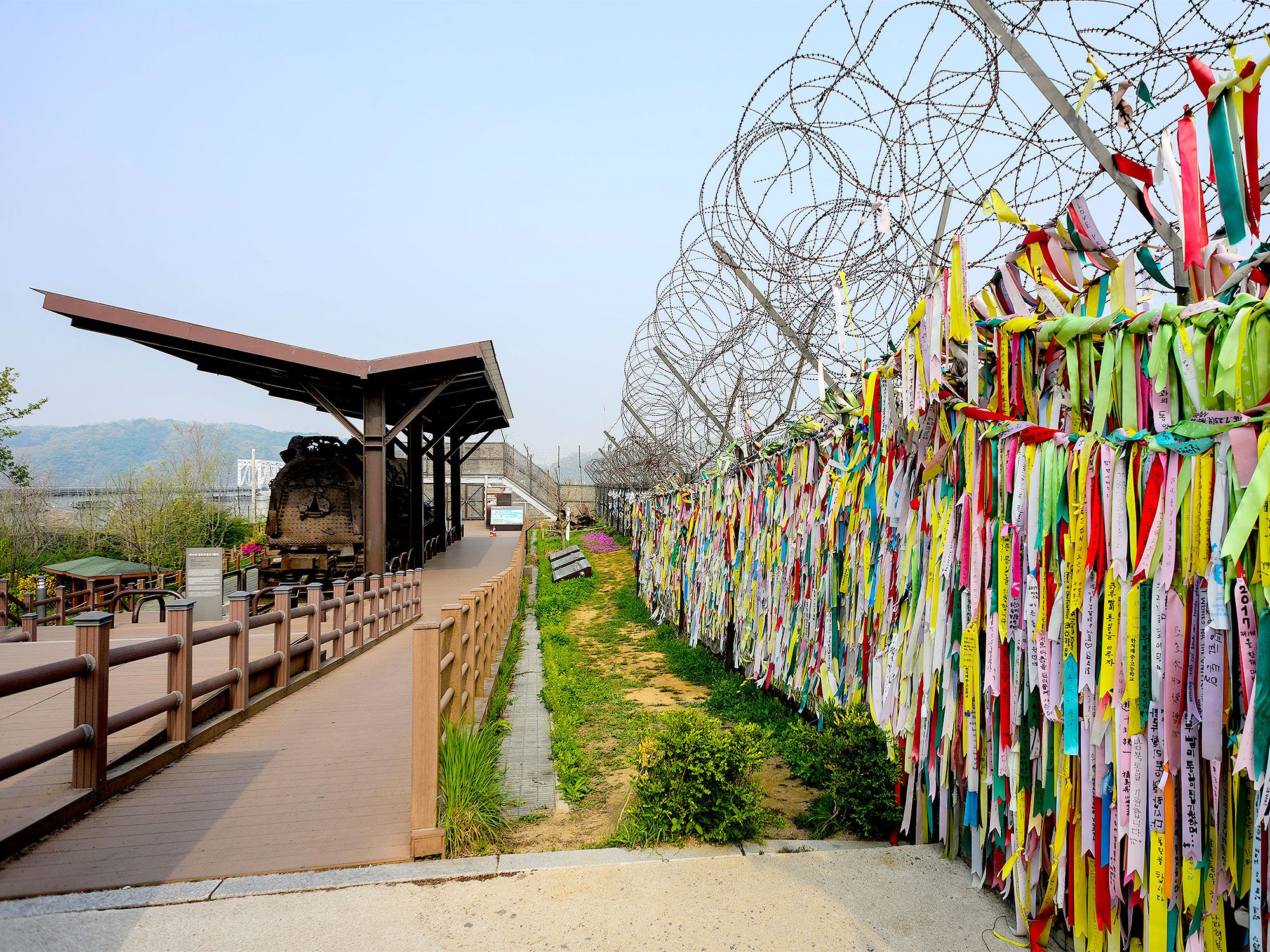
Civilians aren’t allowed in the Korean Demilitarized Zone (DMZ), a 2.5-mile-wide buffer zone between North Korea and South Korea that has been in place since 1953. But wildlife is flourishing in their absence. The border zone stretches for about 155 miles across the Korean Peninsula, surrounded by barbed wire that’s kept people out for more than 65 years, allowing animals to have the run of the place. Of the nearly 5,100 animals and plants documented within the DMZ, 106 are endangered or protected species, including red-crowned and white-naped cranes; musk deer; and Amur gorals. A small area near the border is open to visitors and has been rebranded as the Peace and Life Zone in order to bring awareness to the animal sanctuary there.
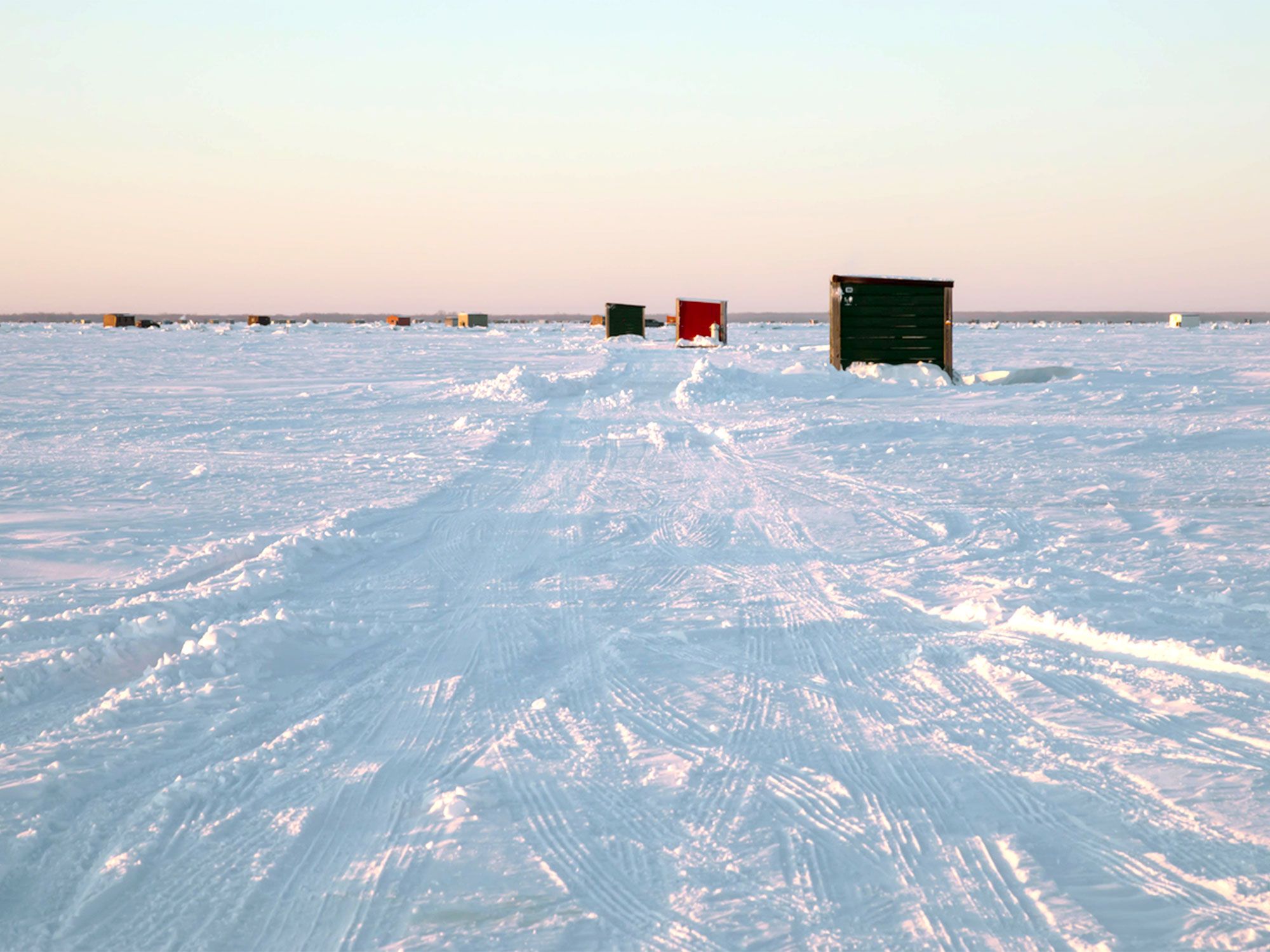
If you want to visit Northwest Angle in Minnesota, you either have to travel through Canada or take a boat or float plane to get there. The small community of about 120 people is the only part of the contiguous United States that extends north of the 49th parallel. The Angle, as it’s known by locals, borders the Canadian provinces of Manitoba and Ontario and is separated from the rest of Minnesota by the Lake of the Woods. Northwest Angle is the result of a mapmaking error, when early explorers misattributed the source of the Mississippi River. Since the area is so remote, if you want to use the land border to cross into Canada and continue back into Northwest Angle, Minnesota, you have to go into a booth to place a video call to Canadian or American customs officers to pass through.
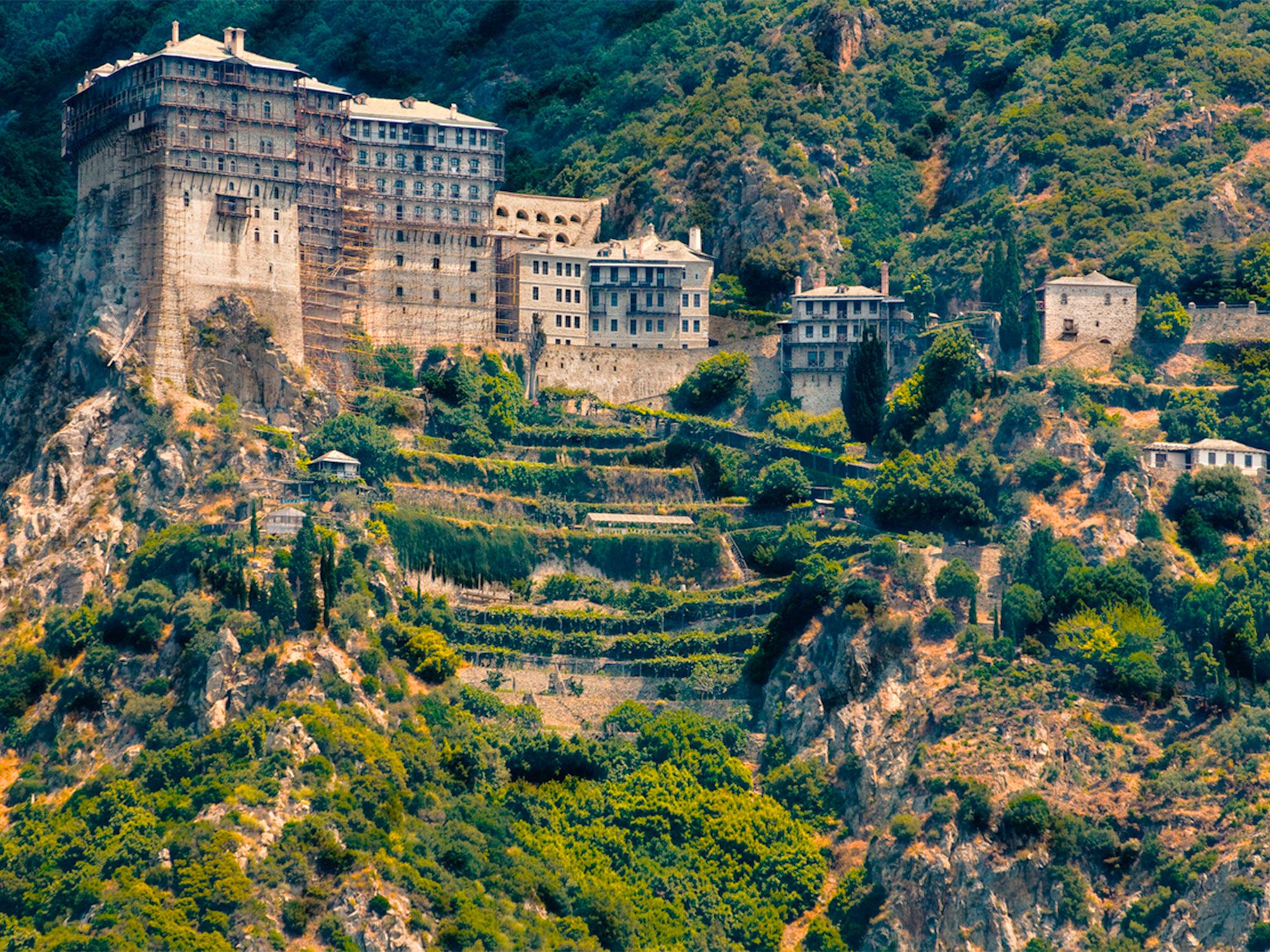
Mount Athos is an autonomous region of Greece populated entirely by men. About 1,400 monks live in the 20 monasteries on the isolated 130-square-mile peninsula in northeast Greece, as they have for more than 1,000 years. Since that time, both women and female animals have not been allowed within its borders. The reason is that women traditionally weren’t allowed in men’s monasteries to ensure celibacy, and unlike other monasteries, the entire peninsula is considered one monastery. Why female animals? According to tradition, the island was once inhabited by the Virgin Mary, and she alone could forever represent her sex — a rule which applied both humans and animals.
The border of Pheasant Island, located in the Bidasoa River between southwestern France and northeastern Spain, has changed more than 700 times. There are no permanent residents on the two-acre island and visitors are banned — except for twice a year, when government representatives from each country come together on the island to transfer ownership. The island is considered to be a symbol of peace and neutrality. After the Thirty Years War ended in 1648, France and Spain signed the Treaty of the Pyrenees on the island and made sure it would alternate ownership in perpetuity to demonstrate equality between the two nations. Pheasant Island is what’s known as a condominium, a territory belonging to two separate nations at the same time.
With no permanent residents and no one looking to claim it, Bir Tawil is a true no-man’s land — one of the last unclaimed areas on Earth. The trapezoid-shaped, almost entirely barren land is located north of Sudan and south of Egypt. But neither Egypt nor Sudan want to claim the land as their own because of a border technicality. Neighboring Hala’ib is much more valuable land to both countries because it abuts the Red Sea, but when British colonists drew border lines, the agreement stipulated that each country can only have one of the territories and not both. If they claim Bir Tawil, they’ll lose lucrative Hala’ib, which is still disputed between Egypt and Sudan.
Advertisement
More from our network
Daily Passport is part of Inbox Studio, an email-first media company. *Indicates a third-party property.
Road Trip? 7 Enchanting Small Towns Near Major U.S. Cities
By
K.C. Dermody
Read time: 6 minutes
May 4, 2023
Updated: November 1, 2023
Road Trip? 7 Enchanting Small Towns Near Major U.S. Cities
Culture •May 4, 2023•Updated: November 1, 2023
By K.C. Dermody
For those who live in a big city, even just a short trip to someplace quieter, with friendly locals and plenty of charm, can be a great way to de-stress, unwind, and perhaps enjoy some of your favorite passions. Whether you want to delve into history, spend time in the desert, lounge at the beach, or hike in the mountains, ditch the city crowds and consider one of these quirky small towns within a few hours of major U.S. cities.
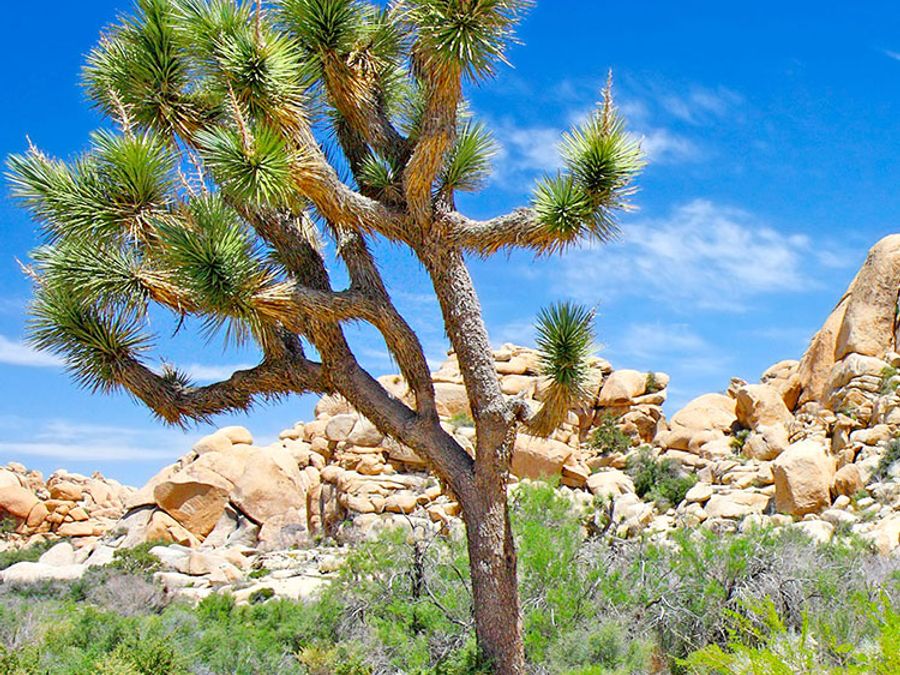
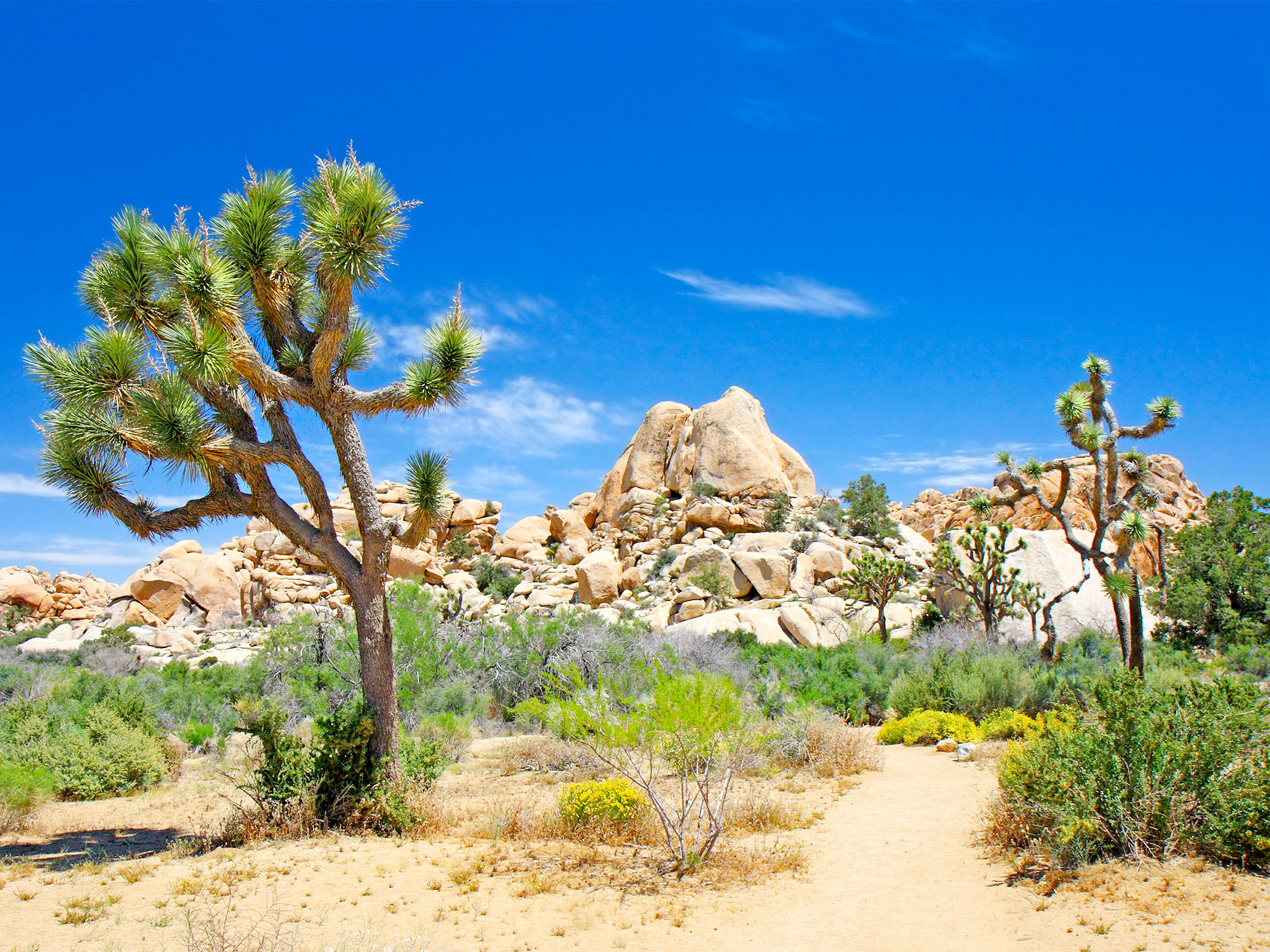
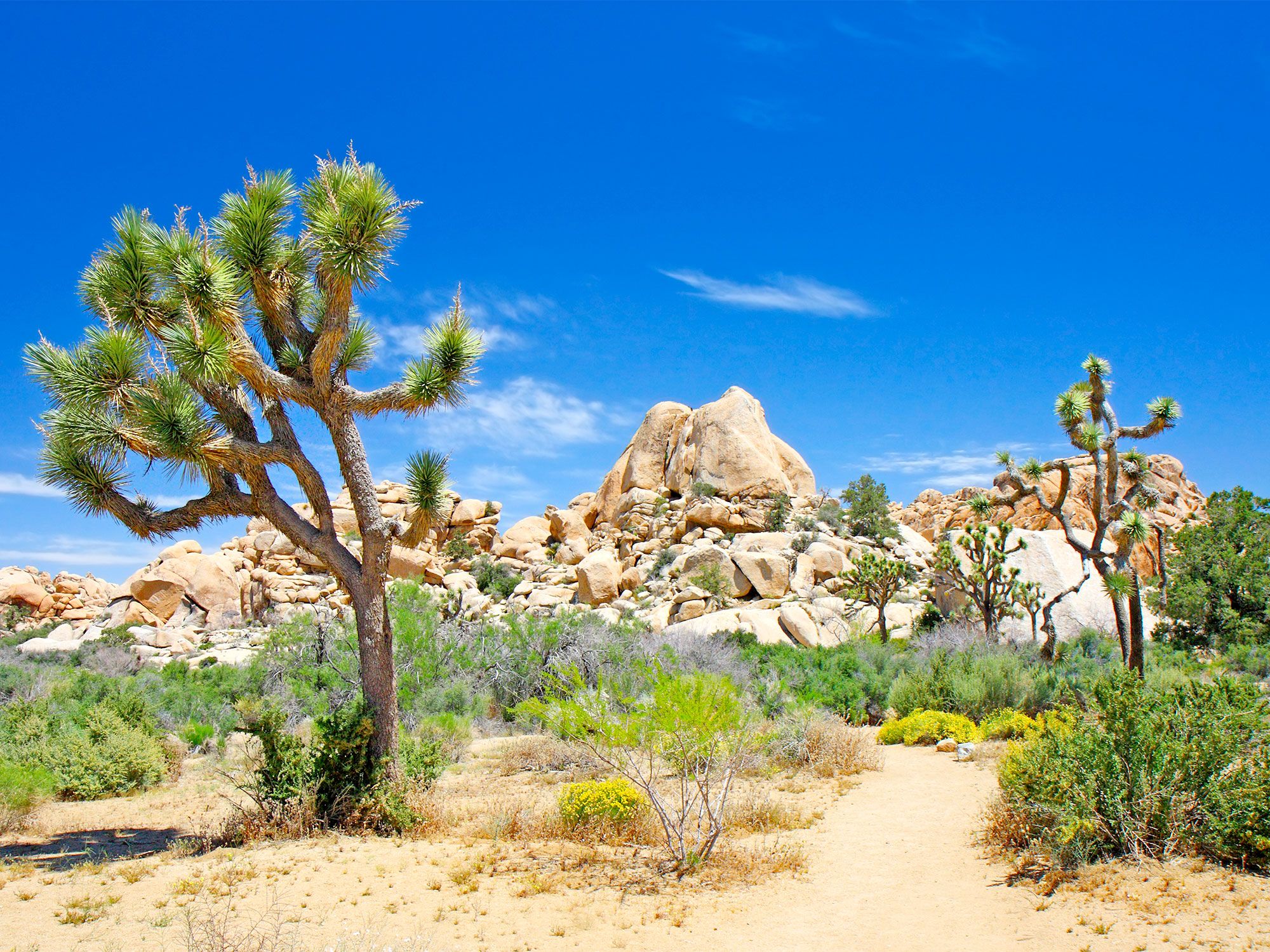
Driving about two hours from Los Angeles (or three hours from San Diego) to Joshua Tree feels like entering an entirely different world. The main gateway to Joshua Tree National Park, the town’s surrounding landscape is dotted with its namesake Joshua trees, each of which appears to twist and turn with a unique, spiky personality of its own. Many visitors come to hike among these otherworldly trees, rock climb, and enjoy some of the best stargazing in the country.
The town of Joshua Tree itself has a quirky vibe as an artists’ enclave. There are plenty of delicious eats, too — one local favorite is the Kasa Market & Taco, a hidden taco shop tucked into the back room of a supermarket that’s known for its tacos al pastor. Many also come to Joshua Tree with rejuvenation in mind — the nearby Integratron offers unique sound baths provided by rubbing crystal bowls.
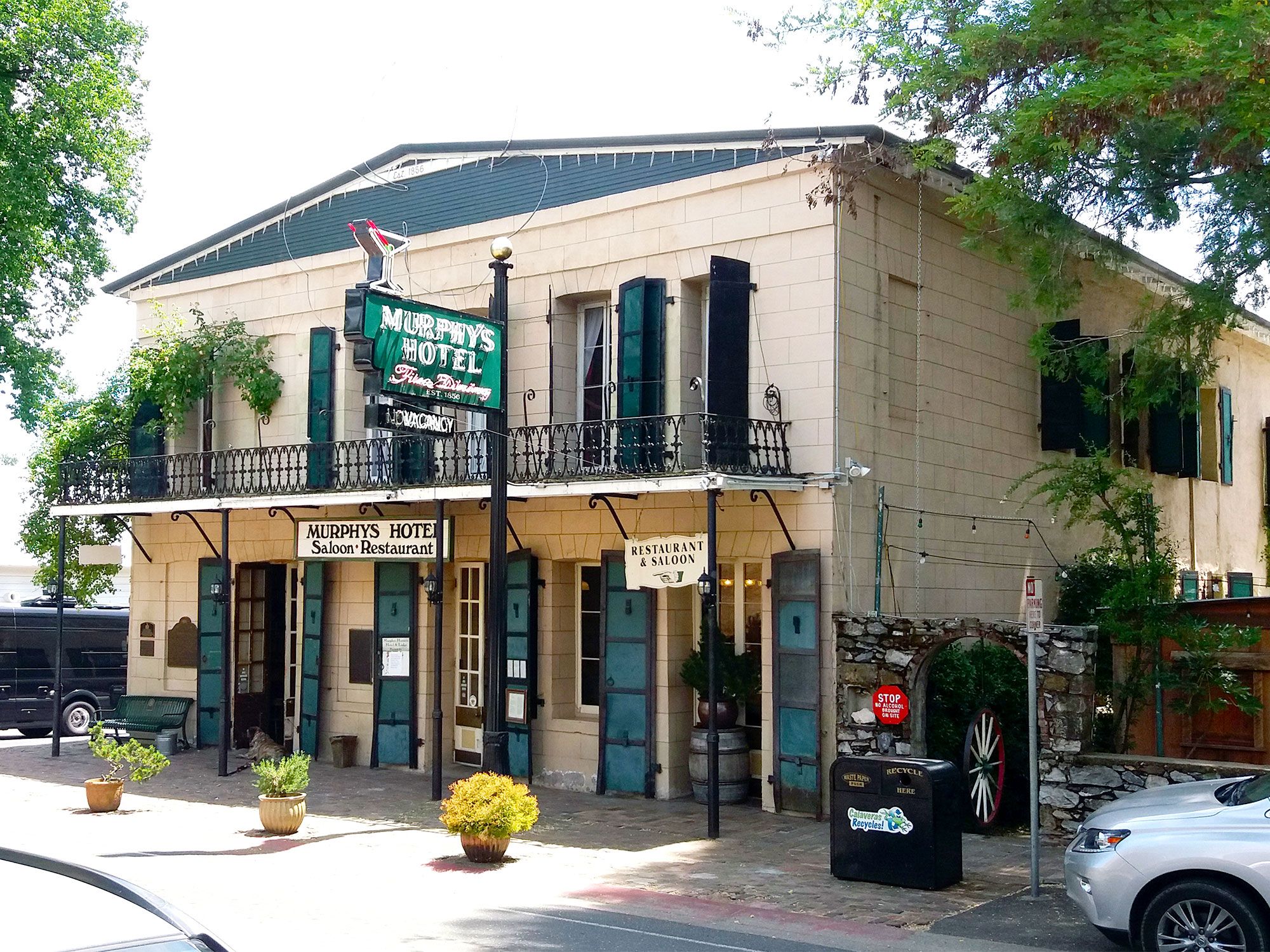
Just a 2.5-hour drive from San Francisco in California’s historic Gold Country, Murphys is nestled in the foothills of the Sierra Nevada mountains and boasts a historic Main Street lined with wine bars and tasting rooms, restaurants, and boutiques. The picturesque town park is a popular place to have a creekside picnic after visiting several of the town’s historic sites, where you can delve into the history of the Gold Rush. Don’t miss the Murphys Hotel, whose famous guests have included writer Mark Twain.
Many visitors also come for the wine scene — some say Murphys is like stepping back into Napa Valley before it boomed in popularity, with many opportunities to meet winemakers and enjoy tastings of award-winning small-production estate wines. Outdoor adventurers will find plenty to do, too — including scenic hikes, bike rides, zip-lining, and cave exploration at Mercer Caverns, just five minutes from town.
Located at the mouth of the Columbia River near the Pacific Ocean, Astoria is less than a two-hour drive from Portland. It’s the oldest settlement in the U.S. west of the Rockies with roots that date back to 1810 and close ties to the Lewis and Clark Expedition, which ended here in 1805. The town was named after John Jacob Astor, who made his fortune in the fur trade. Explore the Lewis and Clark National Historic Park or climb the top of the Astoria Column for a panoramic view over the town, the coastline, and multiple snow-capped volcanoes in the Cascade Mountain Range.
Other attractions in Astoria include the Flavel House Museum, set within a magnificent Victorian-era home, and the Columbia River Walk, where visitors can keep an eye out for sea lions and other marine wildlife. The Oregon Film Museum is housed in the former Clatsop County Jail, which was featured in the cult hit The Goonies.
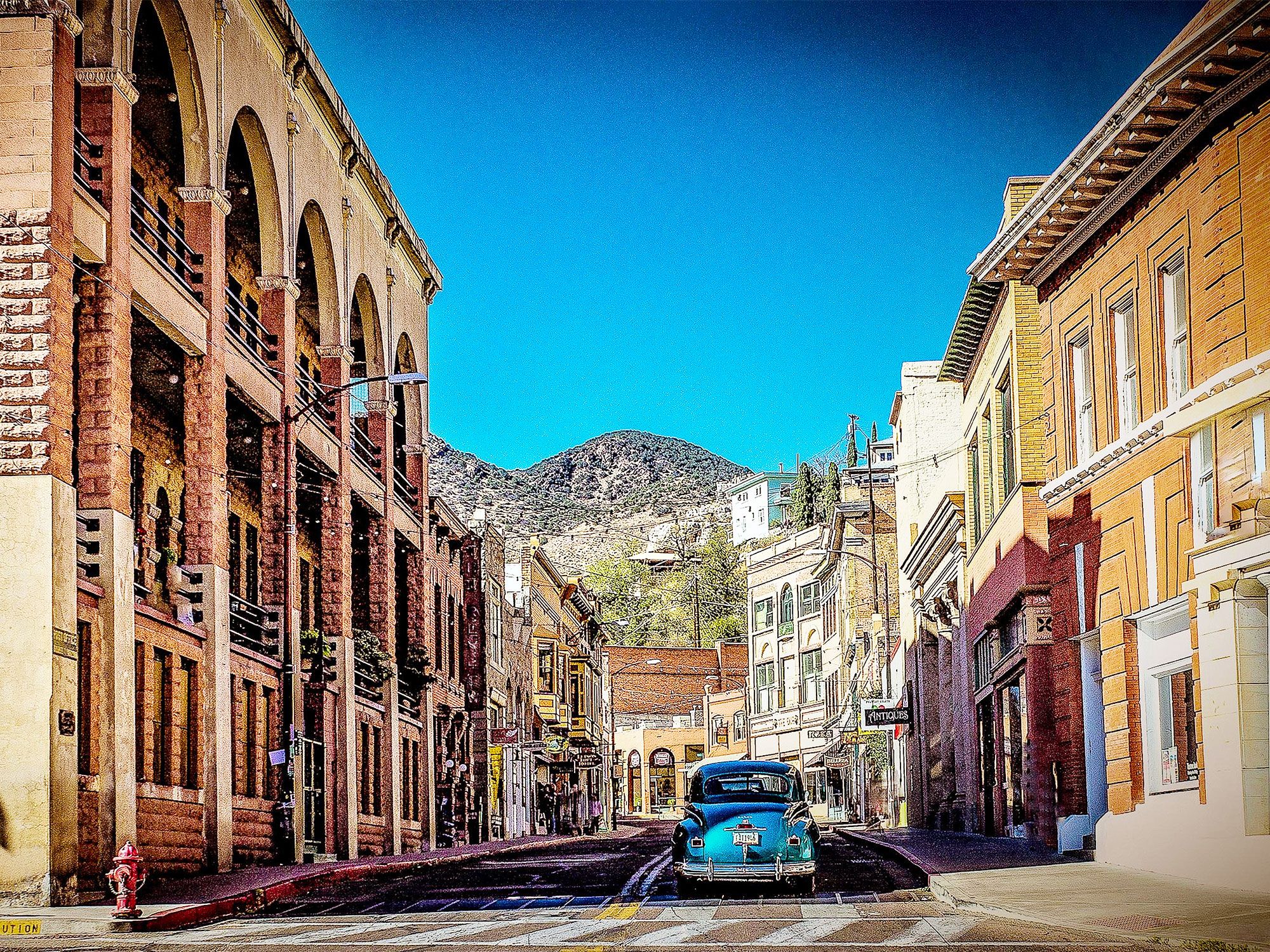
Twenty miles north of the Mexican border and about an hour’s drive from Tucson (or four hours from Phoenix), Bisbee is a funky artist haven with copper mining town roots. It sits nearly a mile high in the Mule Mountains, which means it’s 10 to 20 degrees Fahrenheit cooler in the summer here than it is in Arizona’s major cities. Victorian homes and buildings are perched precariously on the town’s steep mountainside, which has over 350 staircases carved right into it for access.
Discover Bisbee’s past by visiting the Bisbee Mining and Historical Museum and taking the Queen Mine Tour. The tour will bring visitors underground to explore the mine on an ore ride while they learn more about the stories of the miners who worked here. Those who have an interest in the paranormal can book one of several ghost tours in Bisbee to hear the eerily fascinating reports of unexplained happenings and even sightings of spirits donning Victorian attire. Public art features prominently throughout town, from colorful murals and mosaic walls to cars that have been transformed into unique works of art.
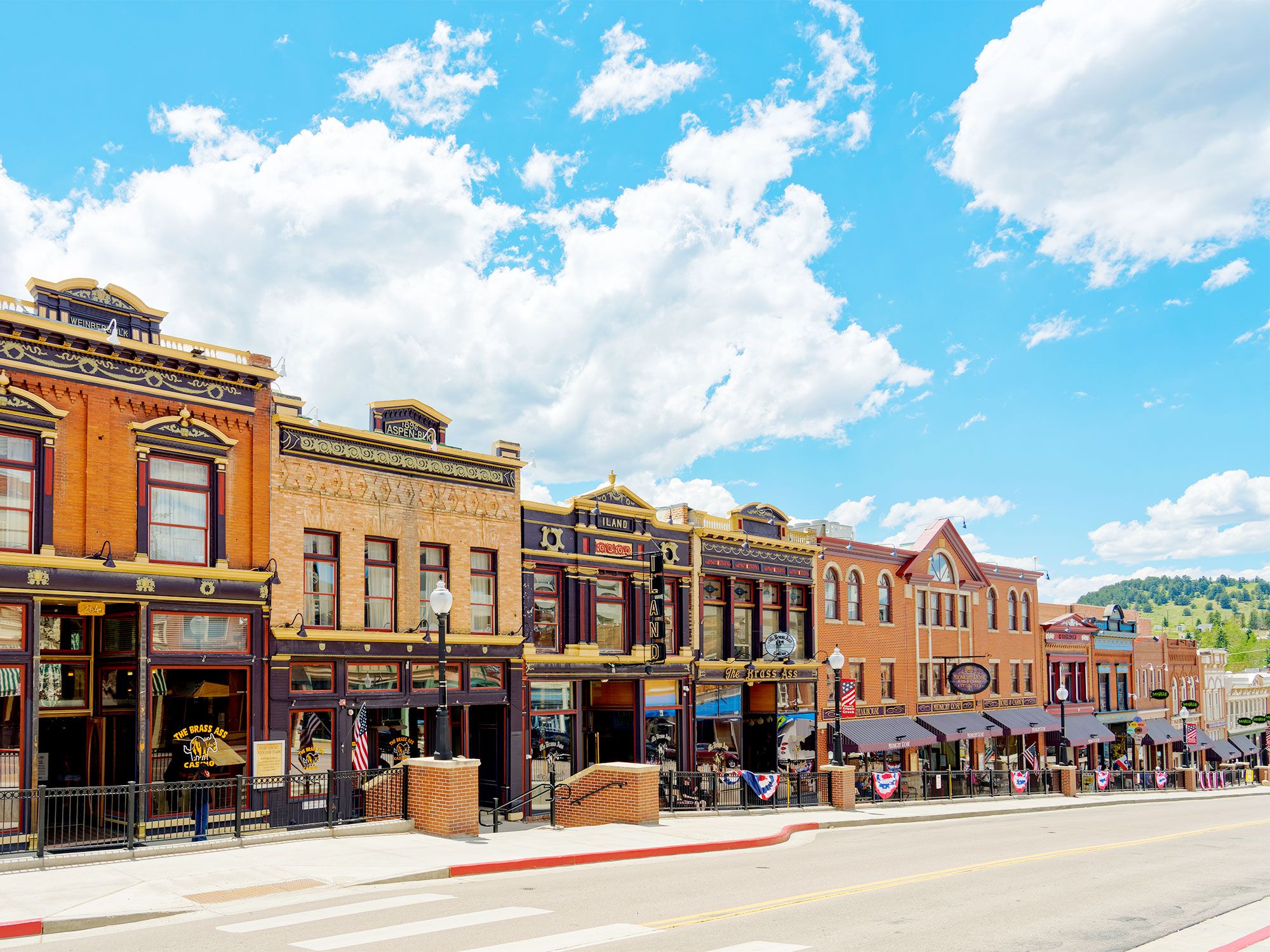
About a two-hour drive from Denver just west of Pikes Peak, Cripple Creek sits at an elevation of nearly 9,500 feet. While it was a booming mining town around the turn of the 20th century, with a population of more than 55,000, today it’s home to a little over 1,100 people. Many visitors come to test their luck in the casinos, but it’s also an appealing destination for history buffs looking for a taste of the Old West.
Some of the top area attractions include the Cripple Creek & Victor Narrow Gauge Railroad, which offers historic and scenic rides, and the historic Butte Theater, where the audience can enjoy a classic Victorian melodrama that even includes booing, hissing, and throwing popcorn at the villain. Don’t miss the Old Homestead House, which was once the town’s most well-known brothel catering to those who came to strike it rich during the town’s mining boom. Many of the original features and even some of the items owned by infamous local madam Pearl de Vere are still on display.
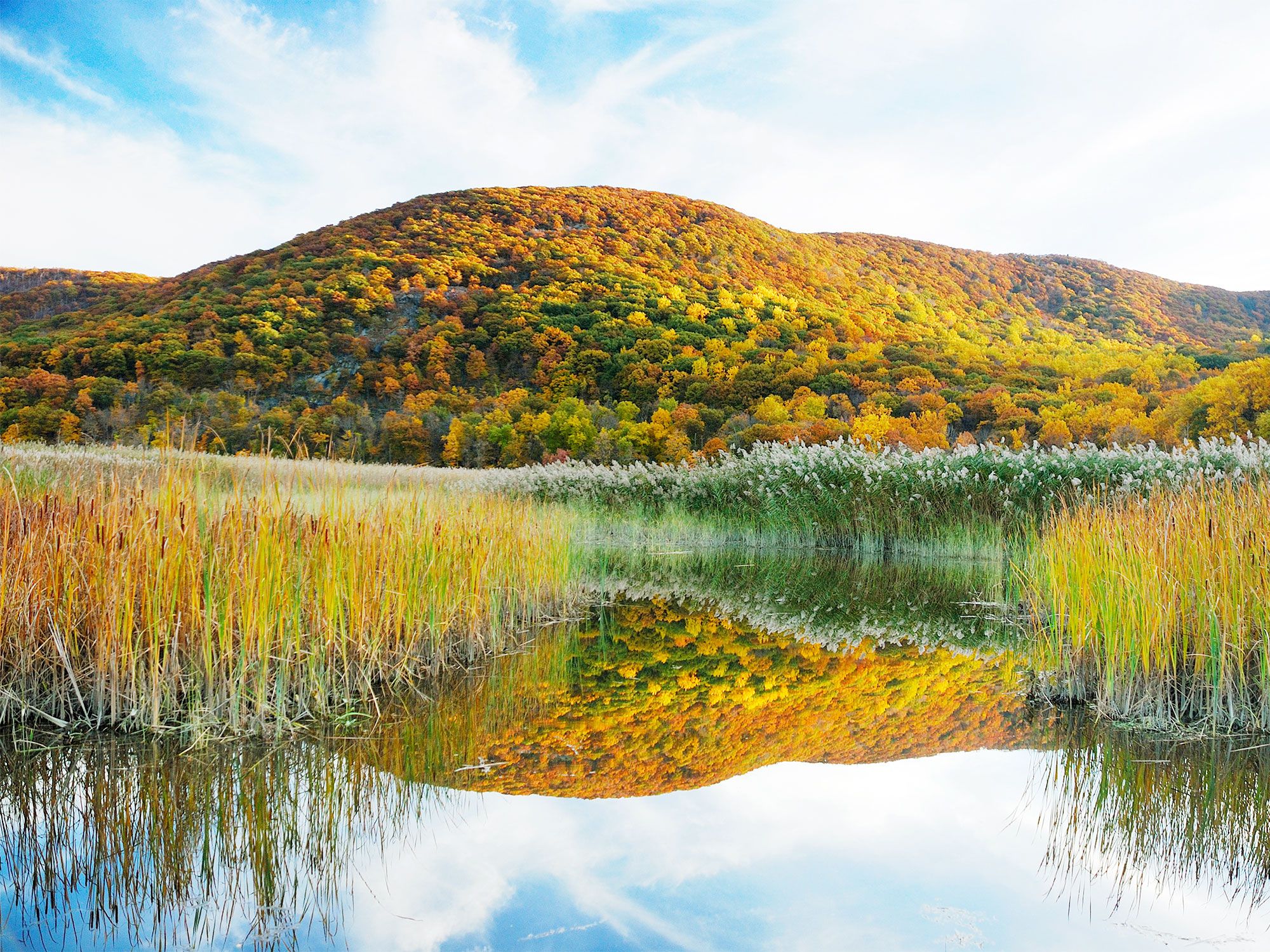
Less than a two-hour drive from New York City, New Paltz offers some 300 years of history to explore in its 10-acre National Historic Landmark District, all while being surrounded by the spectacular nature of the Hudson Valley. Visitors can check out New Paltz’s historic stone-home museums with rooms decorated from the period of the town’s original French Huguenot settlement.
Along with boutiques and enticing eateries, there are numerous hiking trails close to town. Popular routes include the Compass Rock trail in Minnewaska State Park, an easy 1.9-mile trek to a gorgeous overlook, and the Sky Top trail in Mohonk Preserve, a 1.6-mile loop that features awe-inspiring views of Mohonk Mountain House, the Catskills, and the Shawangunk Ridge.
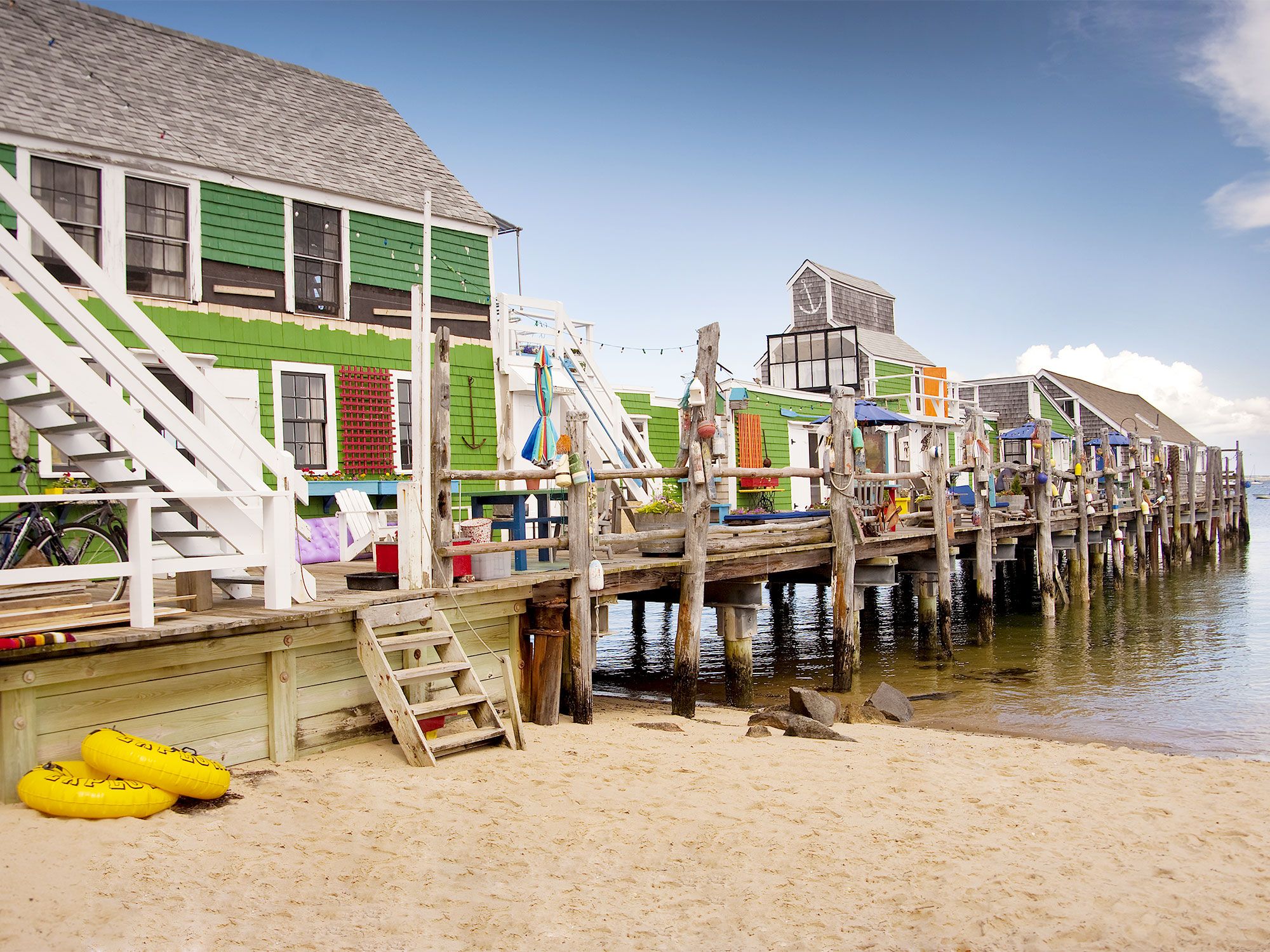
Provincetown sits at the northern tip of Cape Cod, about a 2.5-hour drive from Boston. A colorful town along the Cape Cod National Seashore with 40 miles of soft sands, it’s been an artist colony since 1914, when business people and artists formed the Provincetown Art Association and Museum to collect and display works created by locals. With the town’s natural beauty and locals’ open-minded attitudes, everyone from writers, playwrights, poets, and painters to radicals and socialists were drawn here in the 1920s and 1930s.
Provincetown retains a similar vibe today and has also become a top LGBTQ+ travel destination. Visitors can enjoy soaking up the sun from Provincetown’s beaches, whale watching, art galleries, independent shops, seafood shacks, fine dining eateries, and fun people-watching.
Advertisement
More from our network
Daily Passport is part of Inbox Studio, an email-first media company. *Indicates a third-party property.
7 Beautiful Abandoned Places That Have Become Tourist Attractions
By
Bradley O'Neill
Read time: 7 minutes
May 4, 2023
Updated: September 7, 2023
7 Beautiful Abandoned Places That Have Become Tourist Attractions
Culture •May 4, 2023•Updated: September 7, 2023
By Bradley O'Neill
Abandoned places have a mystical attraction to many travelers. Whether they are the remnants of once-thriving villages or distinguished architecture, these sites offer a fascinating window into the past and the chance to hear compelling stories about their original purpose, former inhabitants, and their eventual demise. Fortunately, not all deserted places are left to complete ruin. Discover seven abandoned monuments that have since become popular tourist attractions.
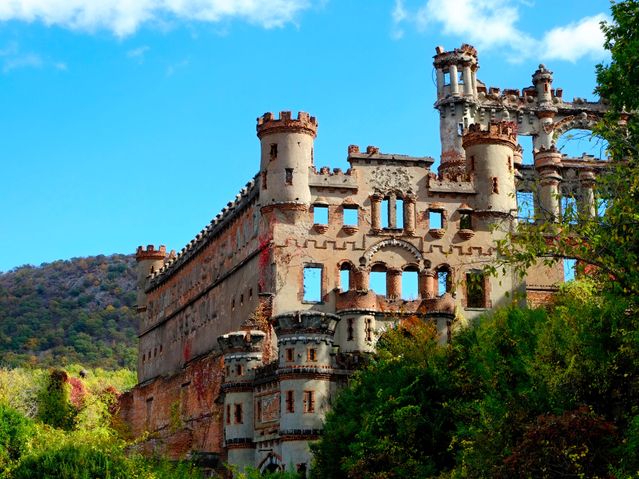
The history of the Bannerman Castle dates to 1854, when Francis (Frank) Bannerman, the young son of a Scottish settler, arrived in New York City. From an early age, Bannerman had an interest in collecting scrap from local harbors, and this developed into a family business of buying surplus Civil War and Spanish War military stock at government auctions. However, a change in city laws left Bannerman looking for a storage space for his stockpile of weapons and ammunition. In 1901, he chose Pollepel Island, situated on the Hudson River 50 miles northeast of New York City, and decided to build a replica Scottish castle to store his ever-increasing collection. For over 60 years, the castle largely served as a warehouse, before it was acquired by the state and sadly ravaged by fire and left to ruin in 1967.
Today, the castle ruins are accessible via boat cruises from the town of Beacon and kayak tours (visitors must have their own kayak), with either a guided or self-guided tour of the grounds. Open-air movie nights take place from May to September; other events throughout the summer include theatrical performances, live music, farm-to-table dinners, and butterfly tours.
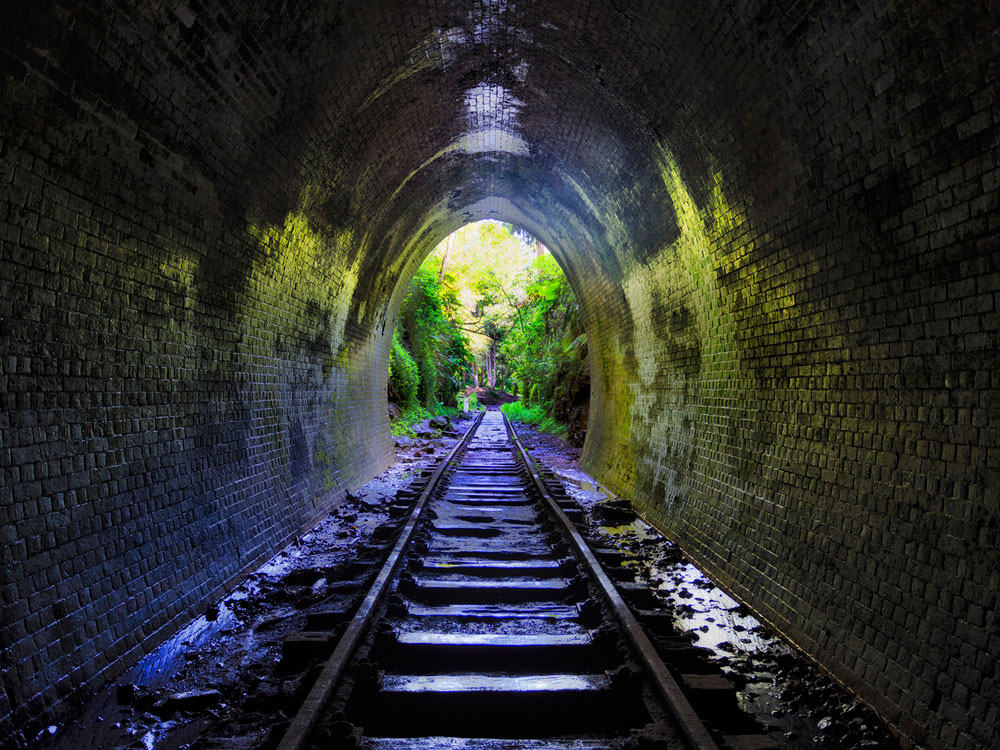
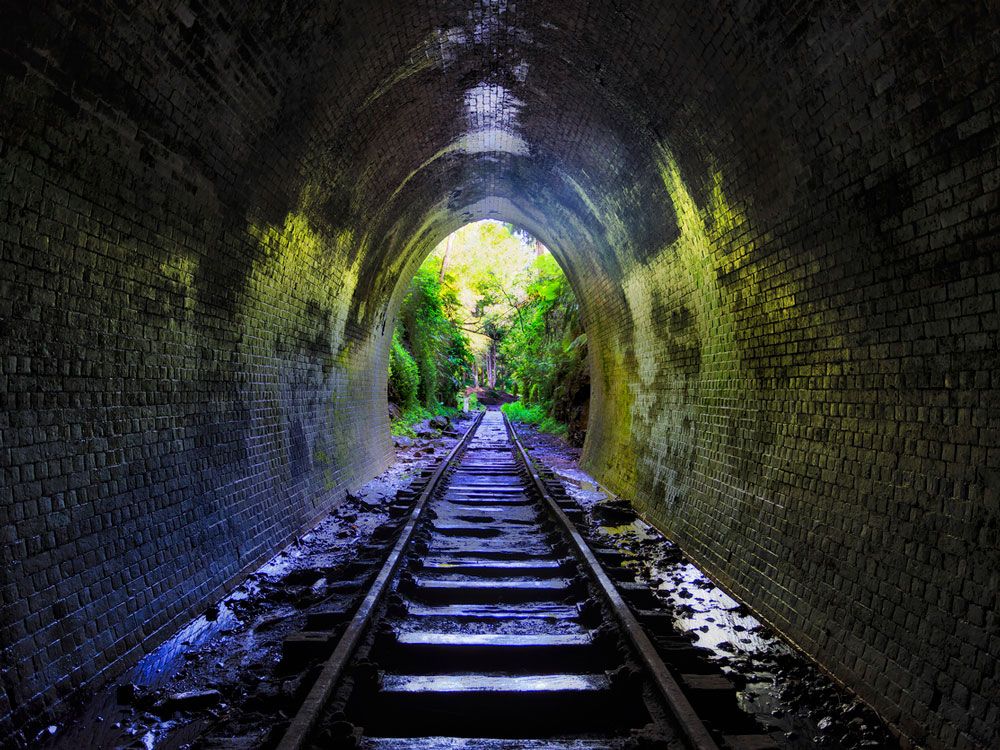
Lit by thousands of otherworldly glow worms, the beguiling Glow Worm Tunnel is part of the UNESCO-listed Wollemi National Park in New South Wales, about a five-hour drive northeast of Sydney. In the 1900s, a railway line was installed here as a transport link between the town of Lithgow and the Newnes Kerosene Shale Works mine. Workers used the line until the 1940s, after which it was dismantled and abandoned. Nature then slowly began to reclaim the area, and the glow worms took up residence inside the tunnel’s damp walls. The insects — which aren’t actually worms, but rather the larvae of the fungus gnat — emit a stunning bright blue light thanks to a chemical reaction inside their bodies.
When entering the 1,300-foot-long tunnel, it’s advisable to remain quiet and switch off any flashlights before waiting for the bioluminescent bugs to put on their one-of-a-kind light show. The approach to the tunnel is equally spectacular, with narrow gorges and verdant forests of fern trees. During the summer months, bright-yellow pagoda daisies also decorate the trail, and wildlife sightings are common in the area — including native species such as lyrebirds, koalas, and swamp wallabies.
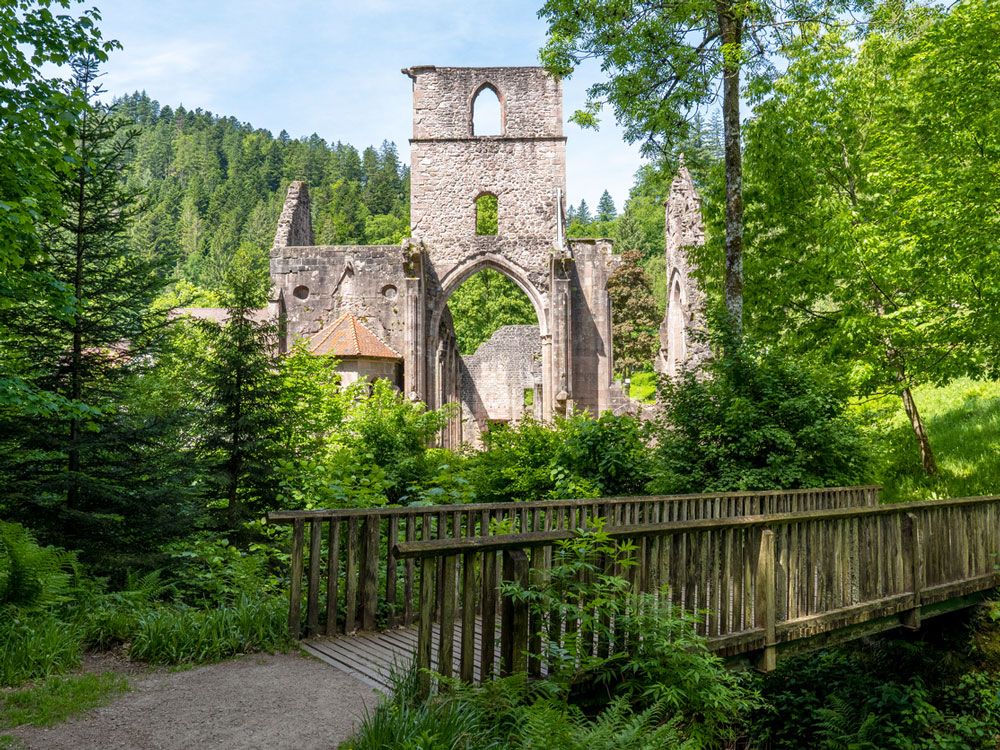
The weather-battered Kloster Allerheiligen (All Saints Abbey) is located in a remote stretch of the Black Forest, in the southwest German state of Baden-Württemberg. Wealthy heiress Dutchess Uta von Schauenburg first erected a wooden monastery here in around 1192. She supposedly chose the spot when her donkey threw off a bag of gold, which landed here after tumbling down a valley. Over the next century, the site was enlarged and converted into a Premonstratensian monastery. But an unfortunate sequence of events saw it severely damaged and repaired in 1470 and again in 1555. By 1657, the monastery had become an abbey and prospered throughout the 1700s. Sadly, everything came to an abrupt end in 1804 when a lightning strike triggered yet another fire and the abbey fell into ruins.
Visitors today can wander beneath what remains of the abbey’s towering arches, which are especially impressive when draped in winter snow or framed by autumn colors. In summer, visitors can also explore an adjacent Baroque garden or follow a trail into a picturesque gorge to All Saints Waterfalls. These seven cascades flow over steep cliffs and are thought to be the tallest waterfalls in the Black Forest.
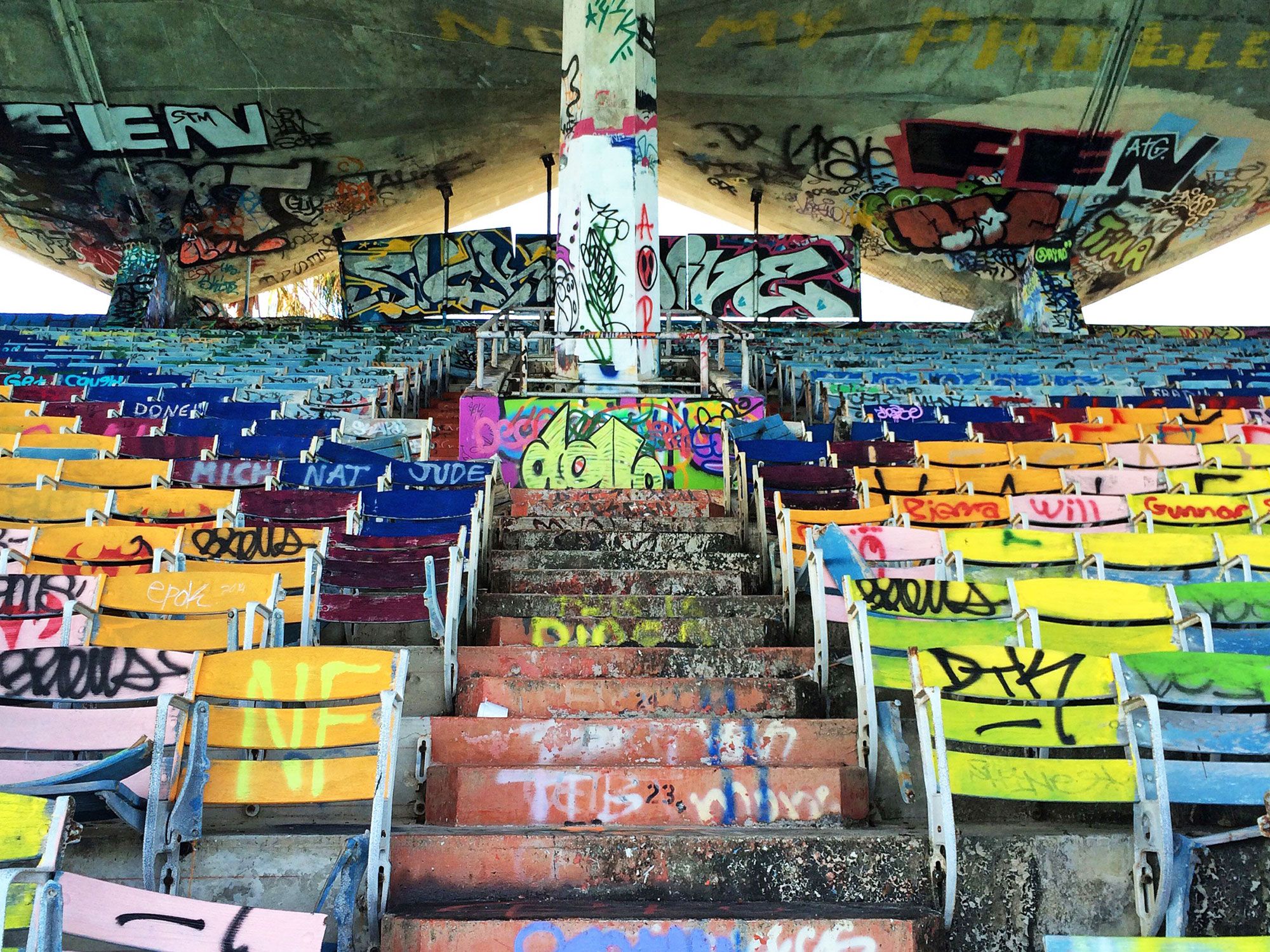
When it opened in 1963 on Virginia Key, the 6,566-seat Miami Marine Stadium was the epitome of sun-drenched Miami living. Powerboat races, Sunday services, concerts by Queen and the Beach Boys, and even the filming of the 1967 Elvis Presley movie Clambake all took place here. Designed by 27-year-old Cuban architect Hilario Candela, the modernist stadium’s roof featured the world’s longest span of cantilevered concrete at the time. Unfortunately, the venue closed in 1992, when it was deemed unsafe in the aftermath of Hurricane Andrew.
Since then, the stadium has become a go-to spot in Miami for graffiti artists, and brightly colored murals now sprawl across the seating tiers. Although visitors cannot legally enter the stadium itself, they can admire the waterfront structure and its spectacular vantage point of the bay and the glistening Downtown Miami skyline from afar. Several unsuccessful plans have been put forward over the years to revitalize the landmark, and now the National Trust for Historic Preservation is attempting to raise capital for its restoration through donations and special fundraising events, which allow the public to enter the stadium.
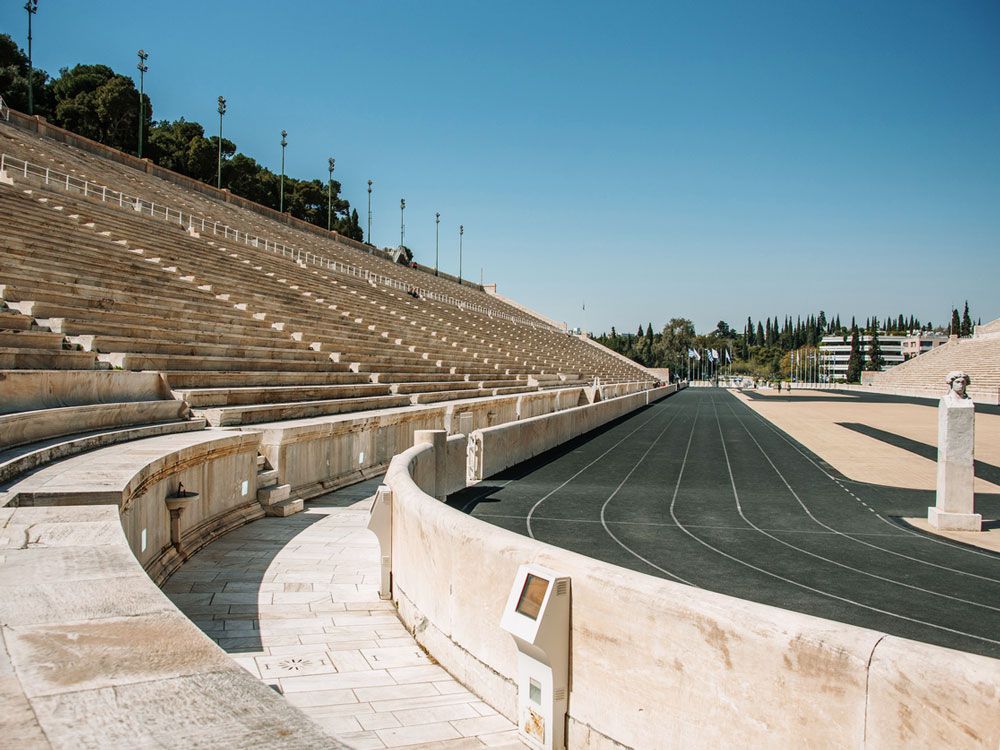
One of the major historic landmarks of Athens, the Panathenaic Stadium hosted the inaugural modern Olympic Games in 1896. Designed by Greek architects Ernst Ziller and Anastasios Metaxas, it’s the only arena in the world built entirely of marble. The stadium stands on the original site of an arena built by the orator Lykourgos in 338 BCE. Roman senator Heordes funded improvements between 139 and 144 CE, during which time the capacity increased to 50,000 spectators. That figure had increased to 80,000 by the time of the last notable sporting events to take place here: the archery contests and marathon finish during the 2004 Summer Olympics.
While the Panathenaic Stadium is still in working condition, it has fallen out of use in favor of modern sports stadiums. Fortunately, the iconic arena is open to visitors. An audio guide details its long and storied sporting history in addition to nearby heritage sites such as the Tomb of Herodes Atticus. Visitors can watch video highlights of the 2004 Summer Olympics, browse Olympic exhibitions, and even run on the track in the footsteps of hundreds of top athletes.
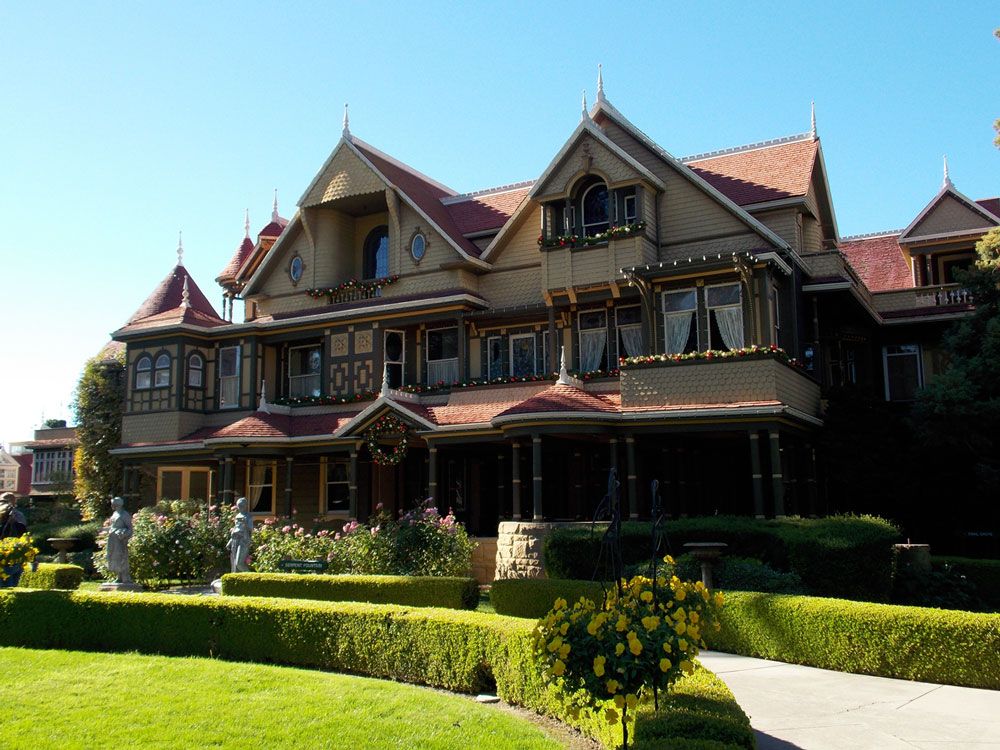
Similar to many abandoned monuments that have captured the imagination of tourists, the Winchester Mystery House has a spellbinding history. When tragedy befell Sarah Lockwood Pardee, the widow of gun magnate William Winchester, she moved to San Jose in 1886 and purchased a modest farmhouse. For 36 years, until her own passing in 1922, Winchester funded the transformation of the house into an eccentric Victorian mansion with a labyrinth-like interior. Some say she was guided by a psychic, while others believe she was inspired by the ghosts of victims of Winchester guns.
Winchester Mystery House was auctioned and sold in 1922, and it opened as a tourist attraction a year later. Today, visitors can tour its 160 rooms filled with whimsical and puzzling architectural features — including staircases that lead straight into ceilings, doors that open up to 15-foot drops, and secret passageways. The gardens are decorated with 10,000 box hedges and statues of Cupid and Mother Nature, among several other mythological statues.
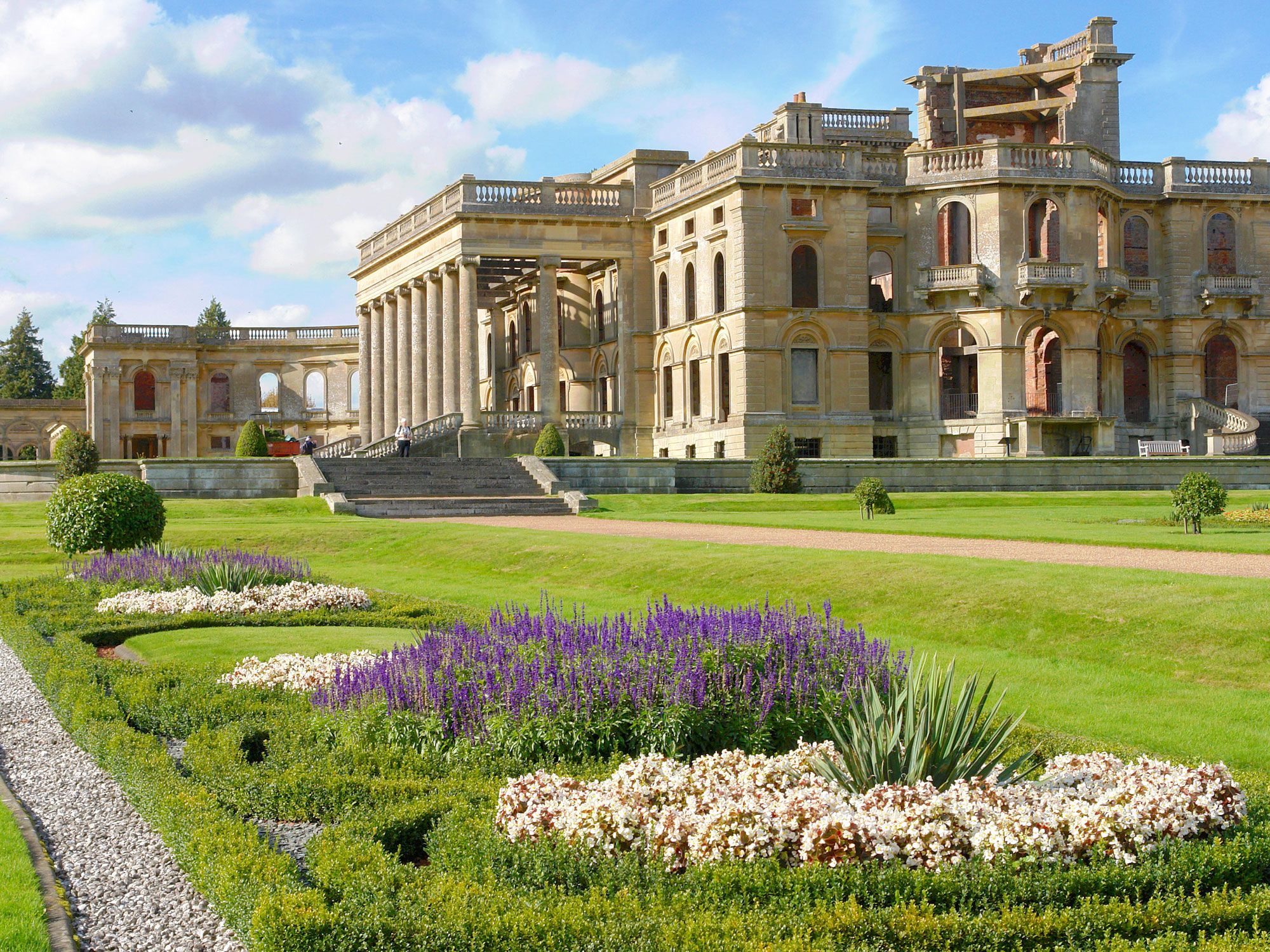
Witley Court and Gardens was established in 1655 when a member of the aristocratic Foley family purchased a Jacobean mansion in central England’s West Midlands region. The family used a fortune amassed from the iron industry to further expand this typically English stately home. Although the Foley’s wealth eventually began to decline, a favorable marriage in the 1800s allowed them to hire esteemed architect John Nash to complete additional work on the home. After the Earls of Dudley purchased the estate in 1833, it became the scene of lavish balls and parties attended by royals. Then, one tragic night in 1937, a fire started in the servant’s quarters and ravaged the mansion, leaving little but a charred frame.
After the fire, the property was stripped bare and never inhabited again. Still, the former grandeur of this one-time architectural masterpiece is obvious to visitors today, and the restored gardens showcase the decadent lifestyle of the aristocrats and monarchs who called it home. The property also features serene woodland walks, an ornate fountain of the Greek gods Perseus and Andromeda, and an Italianate-Baroque church.
Advertisement
More from our network
Daily Passport is part of Inbox Studio, an email-first media company. *Indicates a third-party property.
1 Continent, 4.4 Billion People: The 10 Most Populous Countries in Asia
By
Michael Nordine
Read time: 4 minutes
May 4, 2023
Updated: September 9, 2024
1 Continent, 4.4 Billion People: The 10 Most Populous Countries in Asia
Geography •May 4, 2023•Updated: September 9, 2024
By Michael Nordine
Author
Michael Nordine
Michael is a staff writer for Daily Passport and film critic who writes the weekly newsletter Movie Brief. His writing and criticism have also appeared in the Los Angeles Times, Variety, and the Washington Post, among others. A native Angeleno, his favorite countries to visit are Norway and Japan.
In terms of both area and population, Asia is the largest continent in the world. Nearly 30% of the planet’s land area is in Asia, as is 60% of its population — nearly 4.4 billion people. There’s even an area called the Valeriepieris circle with a radius of just 2,500 miles that contains more than half the world’s population, meaning that more people live inside this circle than outside of it. There’s truly no overstating just how many people live in Asia, though this rundown of the continent’s 10 most populous countries is a good start.
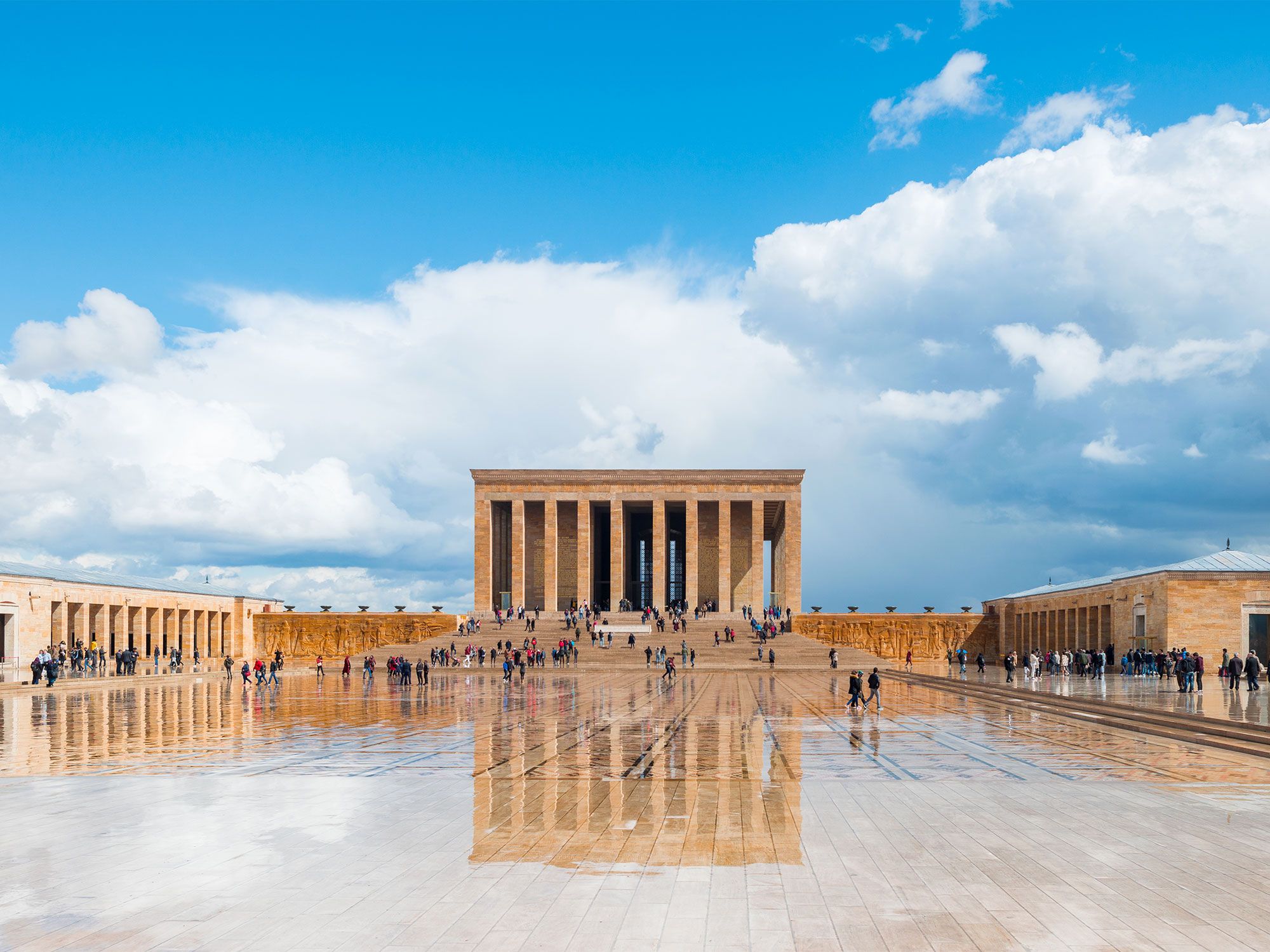
Though part of the country is situated in Southeast Europe, making it one of the world’s only transcontinental countries, most of Turkey is in Western Asia’s Anatolian Peninsula. Turkey beats out Thailand to claim the title of Asia’s 10th-most populous country, with 85.6 million residents. About 15 million of them live in Istanbul, while Turkey’s capital, Ankara, is home to 3.5 million people.
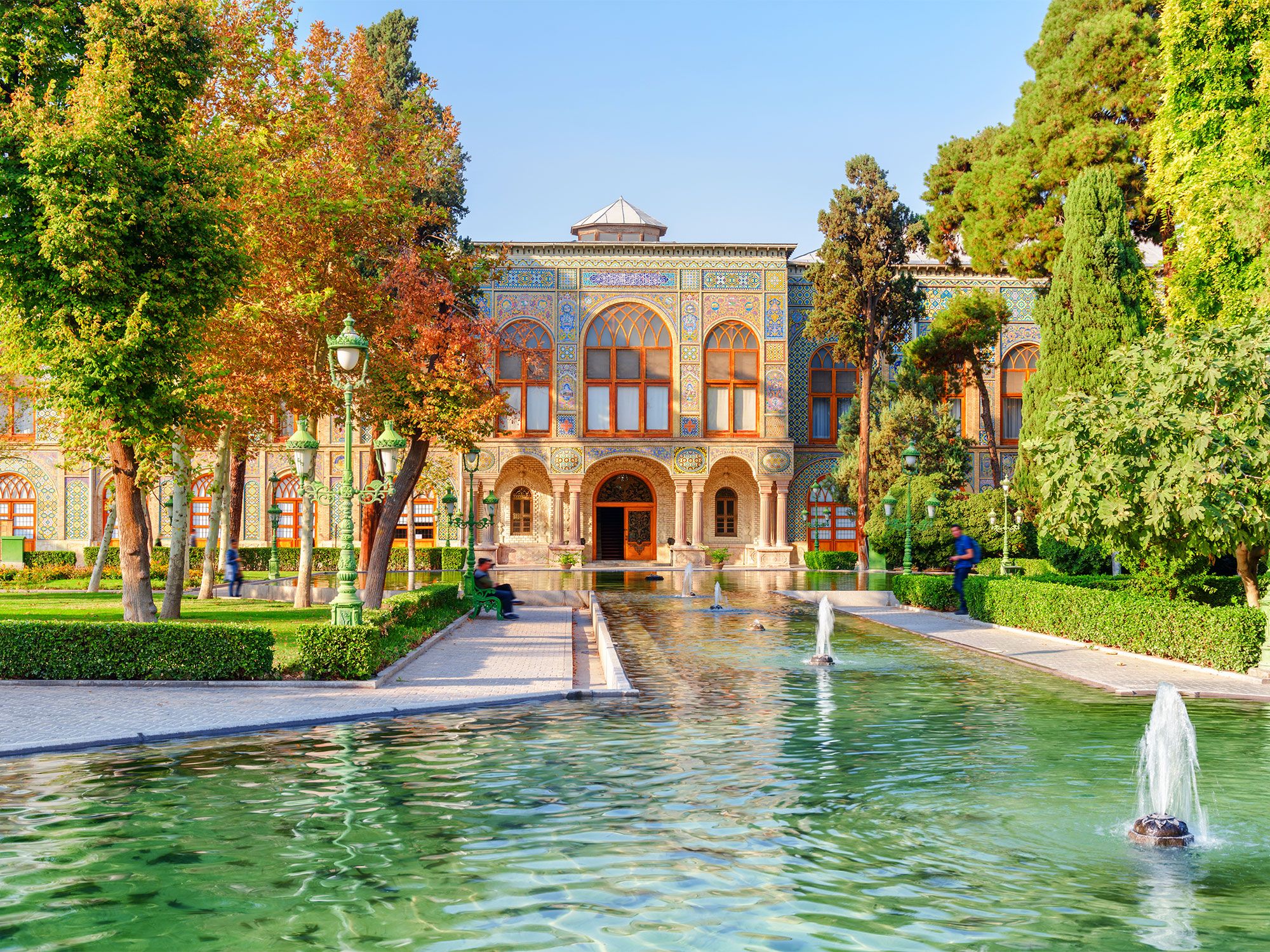
With an area of 636,400 square miles and a population of 86.8 million, Iran ranks 17th in the world by both size and population. Few areas of the world have been home to older civilizations, with the First Persian Empire reigning as the largest empire the world had ever seen, not to mention the first superpower, before being conquered by Alexander the Great. Iran’s capital and largest city is Tehran, with nine million residents in the city proper and 16 million in the metropolitan area.
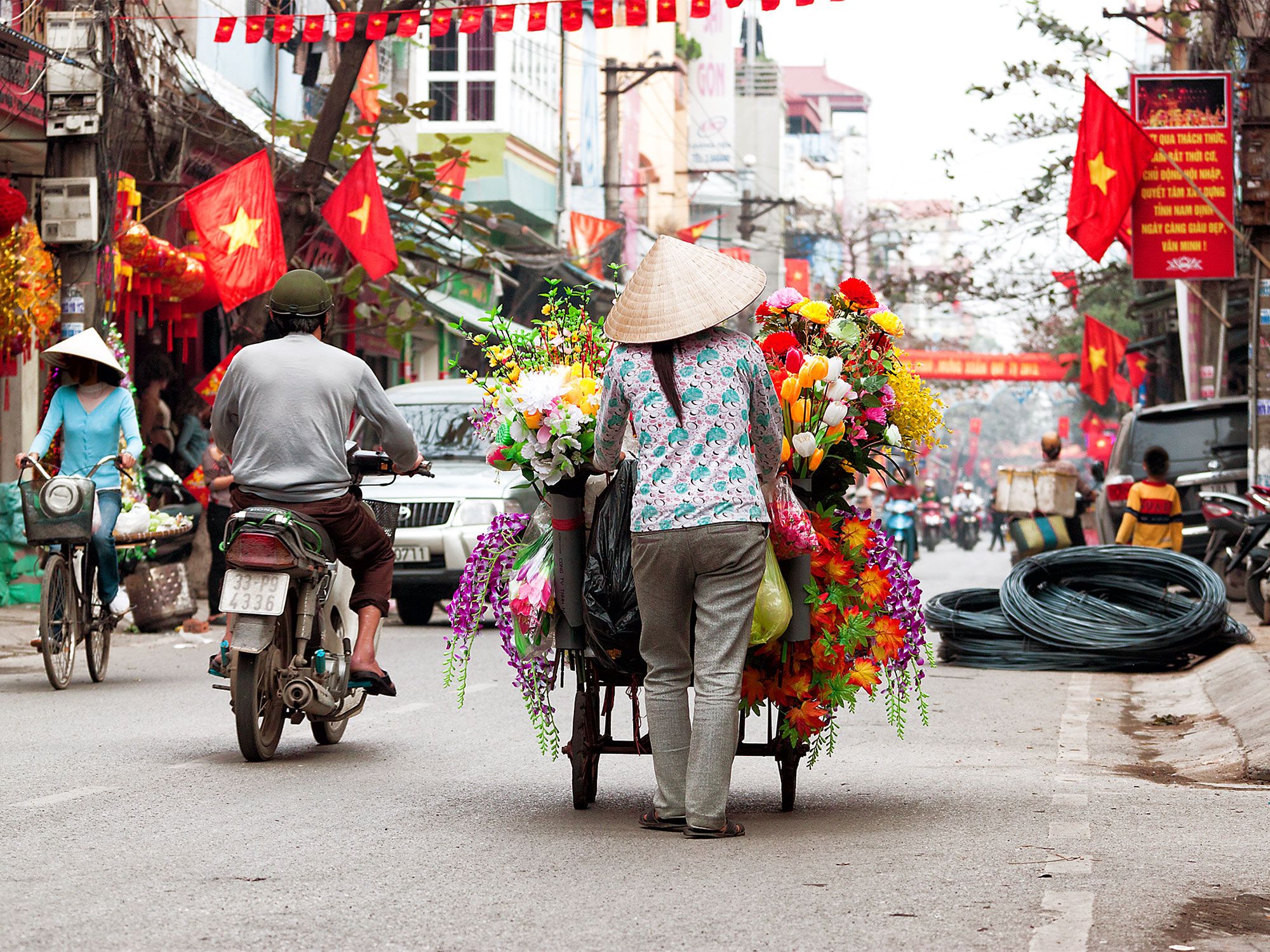
Vietnam will soon reach quite the milestone: a population of 100 million. That’s more than twice the 1975 number, though its growth has slowed in recent years. Its economy is growing at a rapid rate, however, though it’s still considered a developing country.
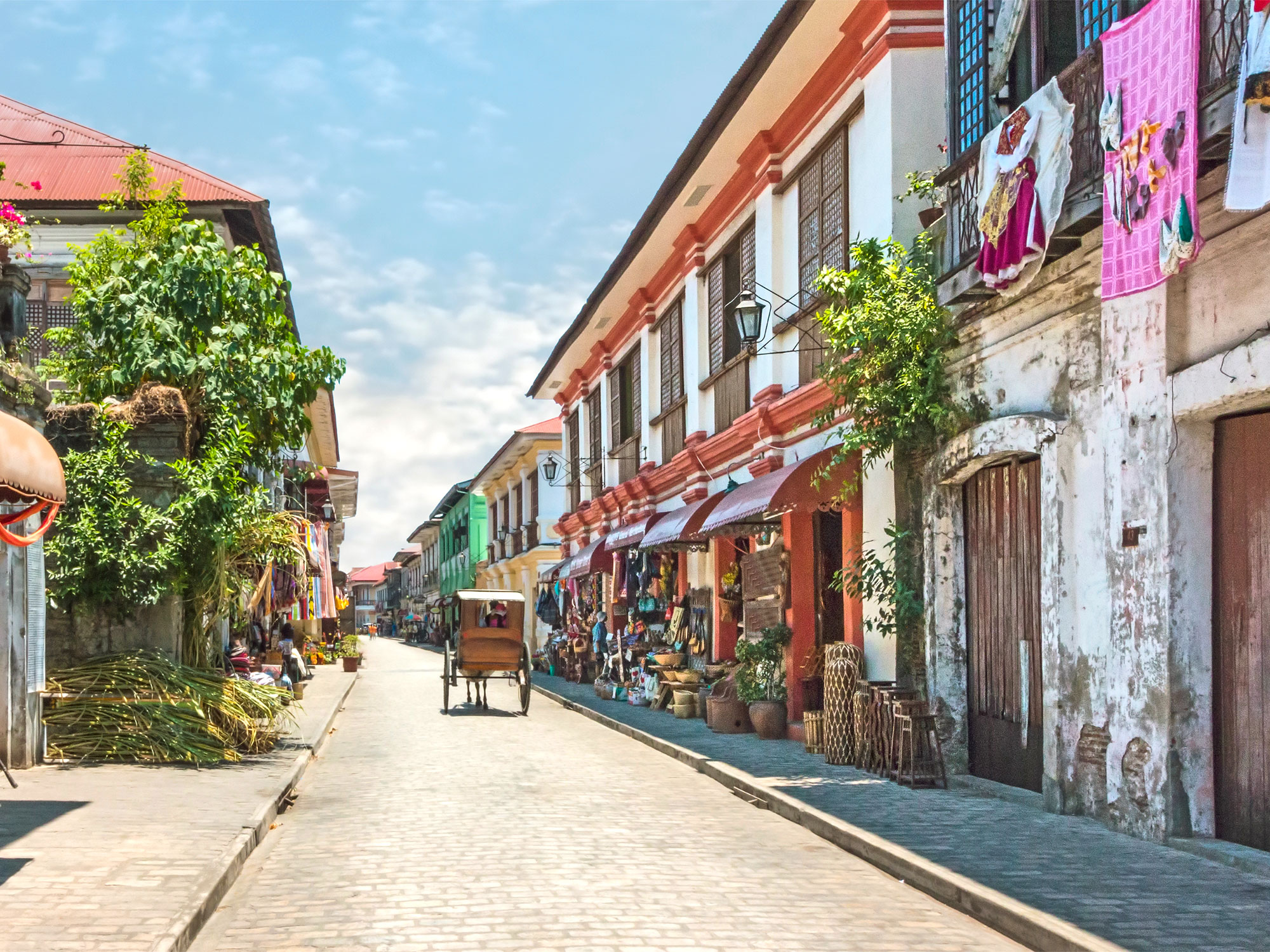
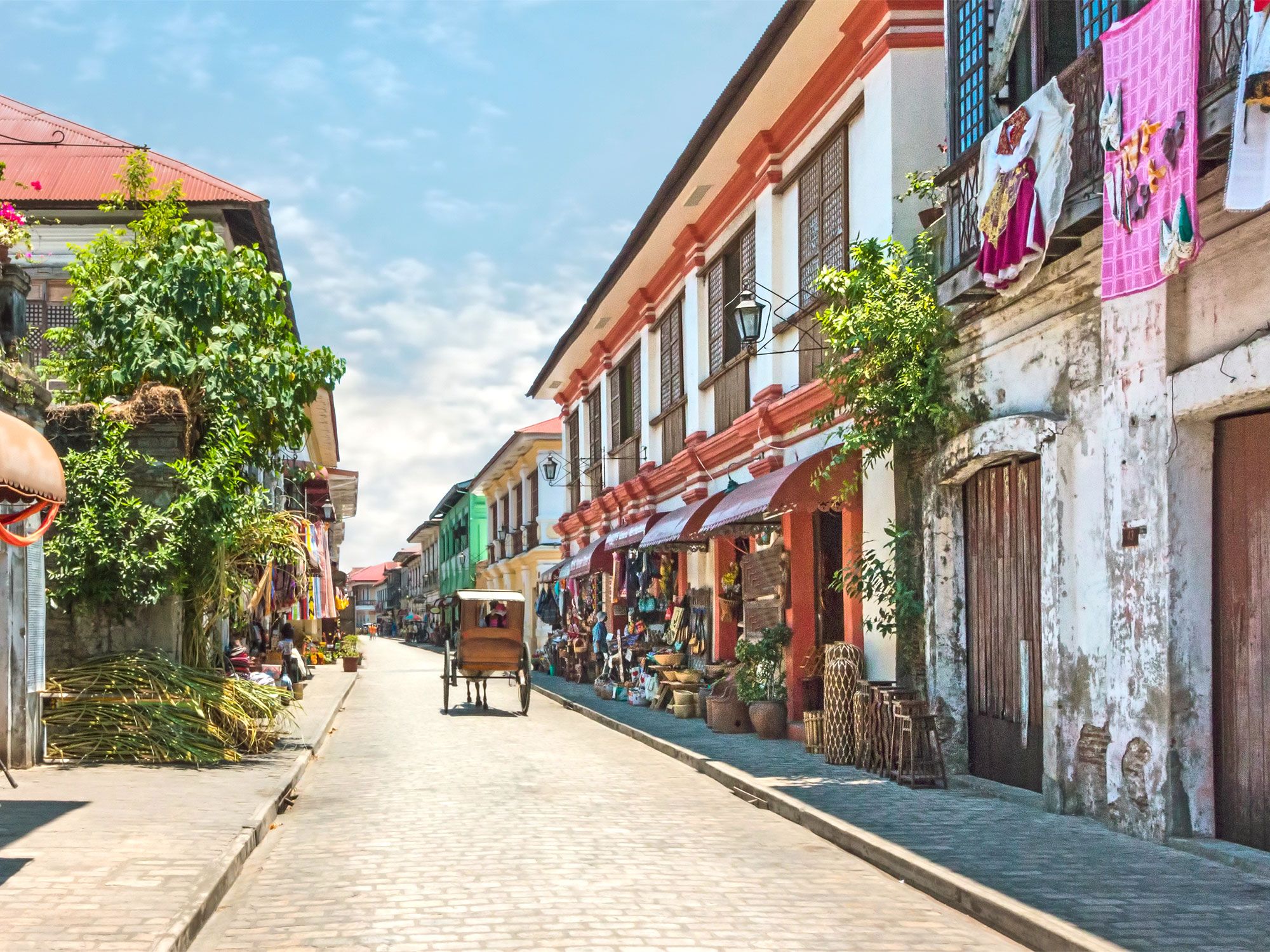
There are more people in the Philippines than there are in Germany, Egypt, or the Democratic Republic of the Congo combined — 113 million to be (mostly) precise. Consisting of 7,641 islands divided into the geographical areas of Luzon, Visayas, and Mindanao, it was named in honor of Philip II of Spain in 1543.
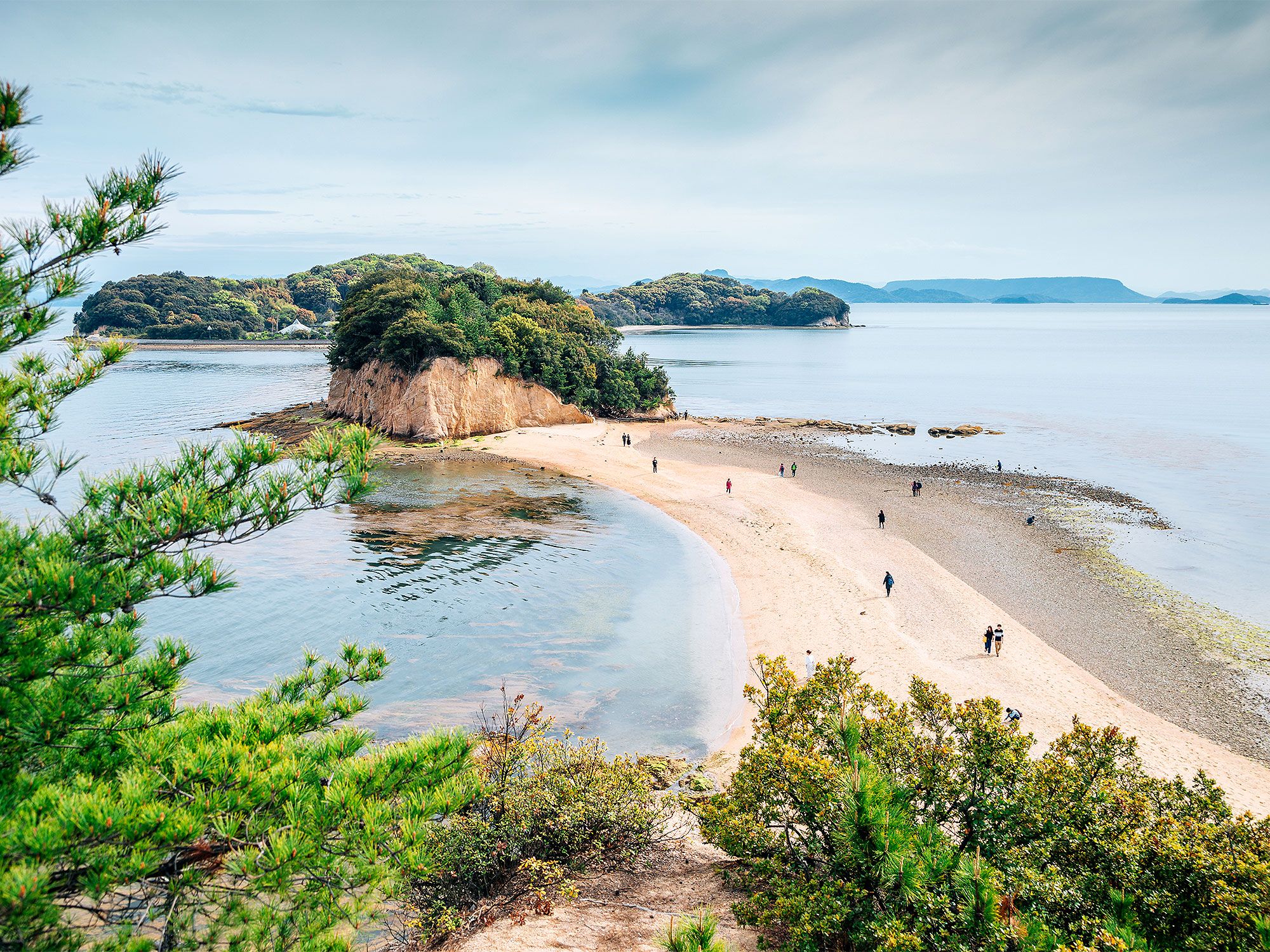
More than 125 million people live in Japan, though its shrinking birth rate and aging population have some worried about the Land of the Rising Sun’s future. It remains an economic and cultural powerhouse all the same. One of the world’s most densely populated and urbanized nations, Japan boasts the most populous metropolitan area in the world, with 35.6 million residing in the Greater Tokyo Area alone. Though most of its populace lives on one of five main islands — the “mainland” of Honshu as well as Hokkaido, Okinawa, Kyushu, and Shikoku — there are 6,800 other islands as well.
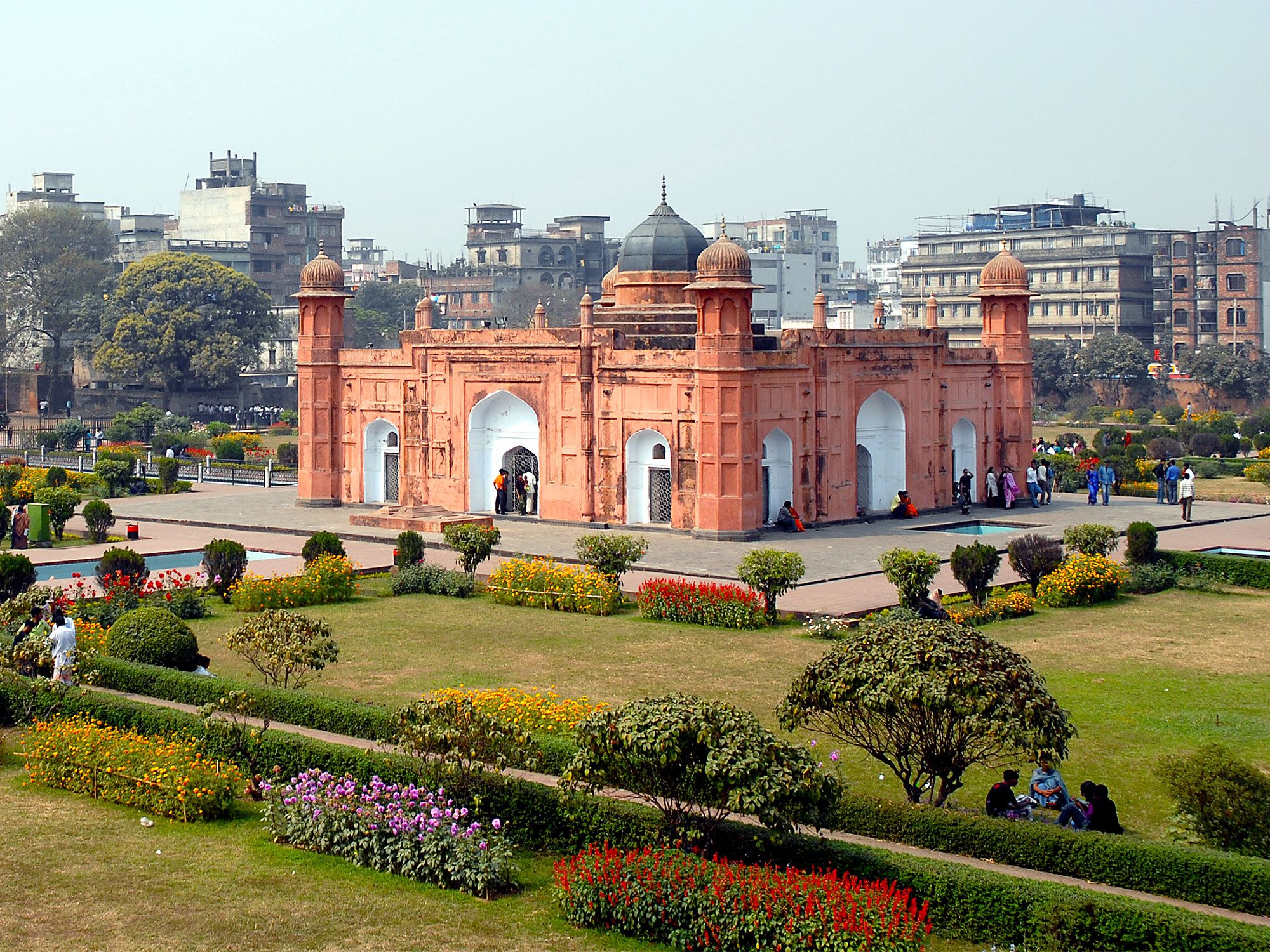
Only seven countries worldwide have larger populations than Bangladesh, and four of them are also in Asia. Tthe other three are the United States, Brazil, and Nigeria.) Some 169 million people call Bangladesh home, 10 million of whom live in the capital of Dhaka.
If you were asked to name the world’s fifth-largest country by population, Pakistan might not immediately spring to mind. And yet its populace of 232 million makes it just that, with more than 11.6 million in Karachi and 1.2 million in the capital of Islamabad. Though it only gained independence in 1940, the area it encompasses has been inhabited for thousands of years — even Alexander the Great found his way into the region during his Indian campaign.
Part of both Asia and Oceania, Indonesia boasts a population of 281 million — enough to make it the fourth-most populous country in the world as well as the most populous Muslim-majority nation. It’s also the 14th-largest country by area, boasting some 17,000 islands. More than half of Indonesia’s population lives on Java, the most populous island in the world.
There are only two countries in the world with more than 1 billion people, and both of them are in Asia. As of 2023, China’s population is estimated to be 1.41 billion, a remarkable increase since 1980, when the population was still under 1 billion. There are a staggering 160 Chinese cities with a million or more residents, seven with at least 10 million, and one — Shanghai — with 22 million. Even cities that rarely make headlines in the western world, like Chongqing and Tianjin, are more populous than such world-famous metropolises as London and Paris.
In 2023, India overtook China’s long-held status as the world’s most populous country. India’s current population is estimated to be 1.42 billion, accounting for nearly 18% of the world’s population. That includes two cities with populations of more than 10 million (Mumbai and Delhi) and 39 with more than 1 million.
Advertisement
More from our network
Daily Passport is part of Inbox Studio, an email-first media company. *Indicates a third-party property.
Outdoors •April 28, 2023•Updated: October 12, 2023
By Bradley O'Neill
The surest sign of spring’s arrival is the welcome sight of blooming flowers. Fortunately, if you’re a fan of florals, you’ve got plenty of time to plan — depending on geography, flower blooms can occur as early as February in the desert regions of the U.S. or as late as mid-summer in locations with higher elevations. From the Instagram-friendly poppy fields of California’s Antelope Valley to the rolling carpets of bluebonnets of Texas Hill Country, here are 10 of the best places to see flower blooms across the country. As you admire the blooms, be sure to visit responsibly and stick to trails and follow signs to protect these delicate species.
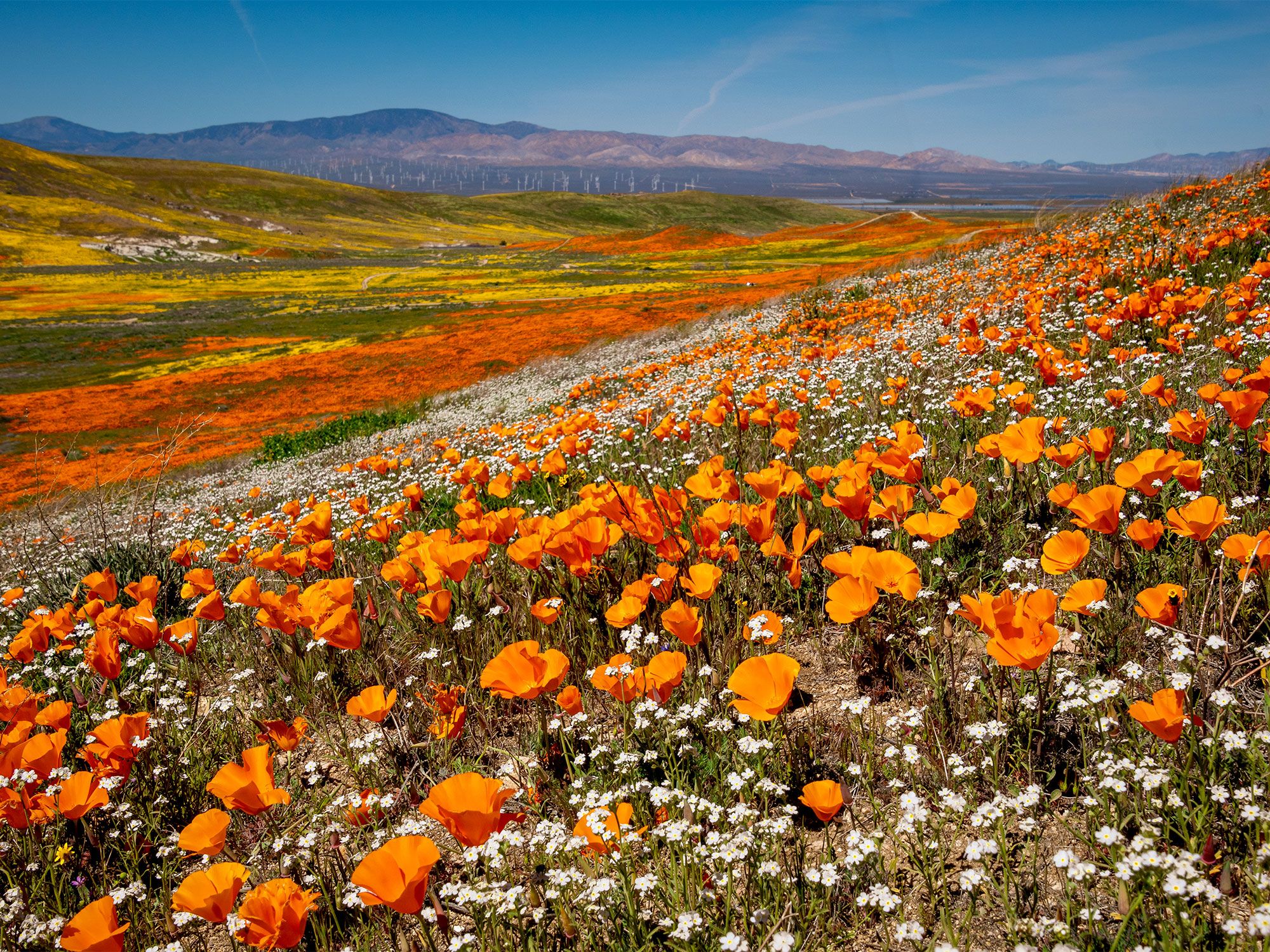
Antelope Valley California Poppy Reserve – Lancaster, California
The high desert at the western edge of the Mojave, about a two-hour drive from Los Angeles, is the land of California’s iconic poppies. From mid-February through March, the fields and rolling hills of the 1,780-acre Antelope Valley California Poppy Reserve are decorated with a brilliant mosaic of yellow, red, and orange poppies that attract visitors from all over the country. An eight-mile trail winds around the reserve, offering intimate encounters with the ever-changing kaleidoscope of colors. The area is also a natural habitat for numerous wildlife species, including bobcat, coyote, gopher and kangaroo rats.
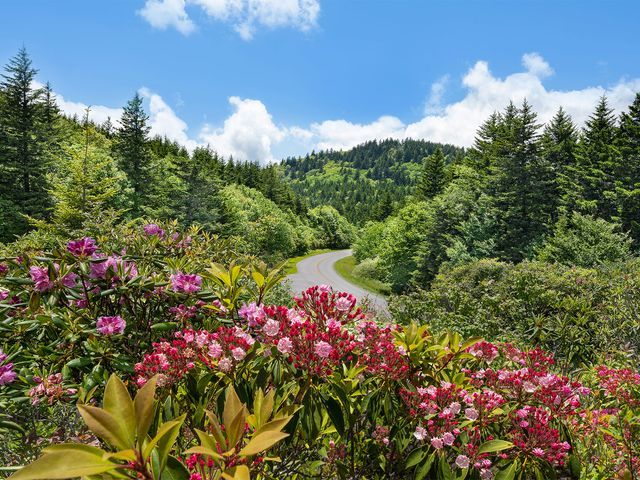
The Blue Ridge Parkway winds for 469 miles between Shenandoah National Park in Virginia and Great Smoky Mountains National Park in North Carolina. One of the most scenic (and popular) drives in the country, the route passes through an area that preserves around 1,400 plant species, including many native Appalachian flora. Wildflowers — from azaleas and hydrangeas to laurels and rhododendrons — typically bloom here from April through August and are visible at almost every overlook. Among the most prized sightings is the pinkish-purple catawba rhododendron, which can be viewed in June around Virginia’s Peaks of Otter and North Carolina’s Craggy Gardens.
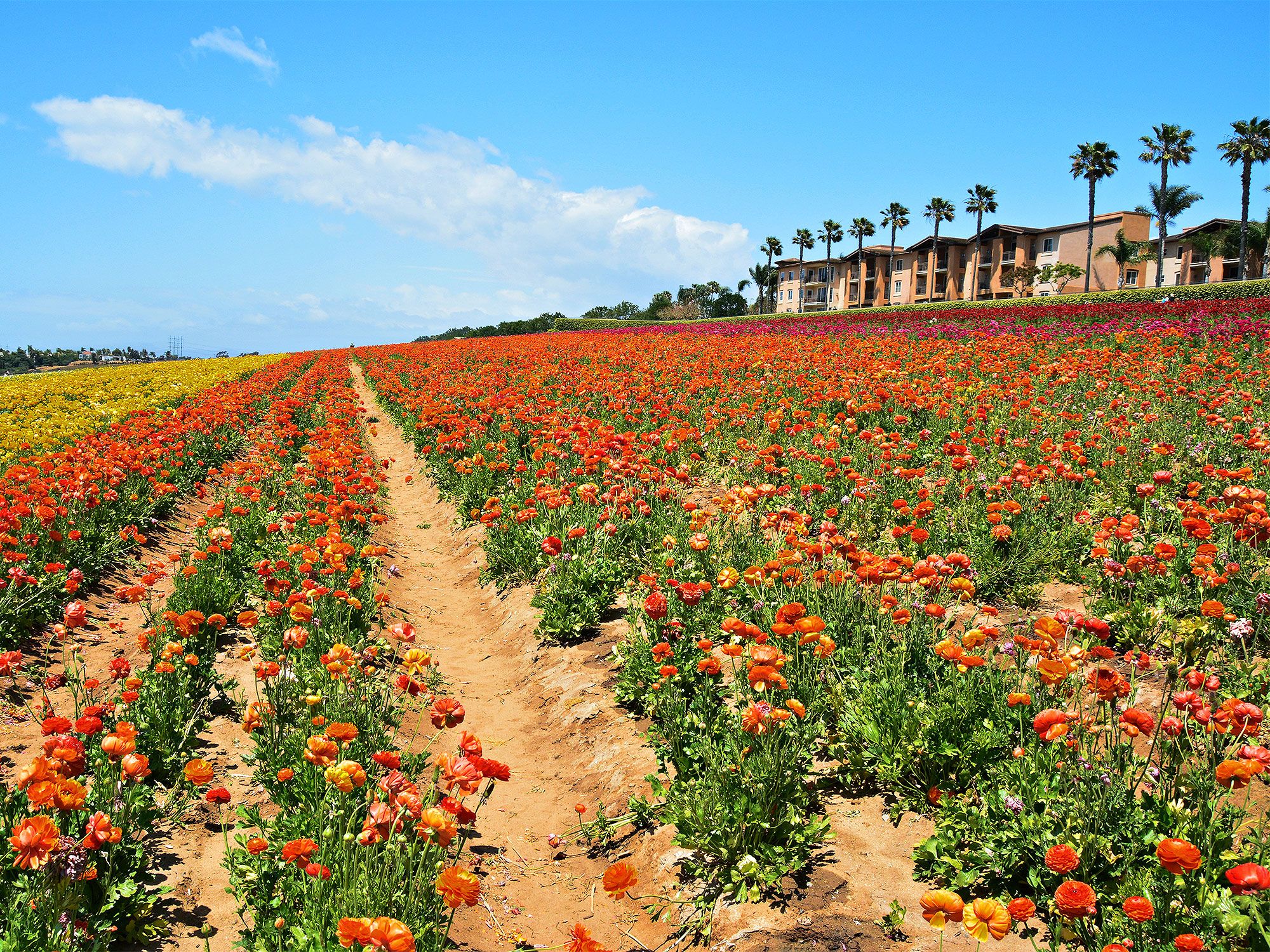
Carlsbad Ranch – Carlsbad, California
Located in the seaside Southern California city of Carlsbad, the Flower Fields at Carlsbad Ranch are the result of 85 years of cultivation. It all began when horticulturist Luther Gage planted ranunculus seeds here that he brought over from England, and today, these ranunculus flowers burst into life on a hillside for approximately eight weeks between March and May. Visitors can walk or take a wagon ride around the fields to admire the ranunculus, as well as rare and unusual poinsettias, a floral maze created from sweet pea blossoms, and a giant U.S. flag fashioned from swathes of red, white and blue petunias.
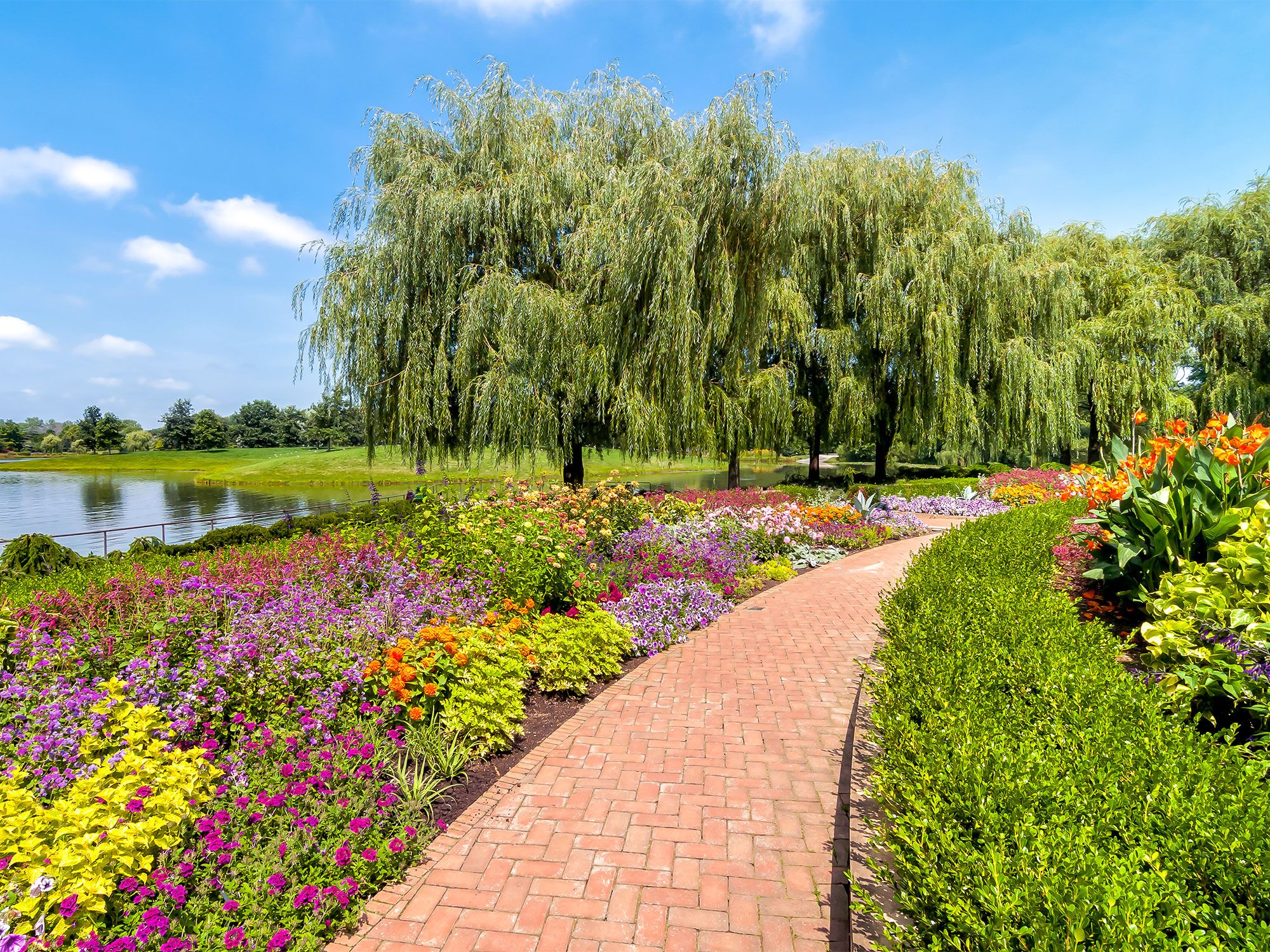
Springtime at the Chicago Botanical Garden — one of the world’s great living museums — is a time of rebirth. Blooming colors and sweet aromas bring a renewed state of mind around 12 gardens and four natural areas, which together shelter some 2.4 million plants. Milder temperatures and extra sunshine allow for daffodils, magnolias, and snowdrops to flourish. The Krasberg Rose Garden alone has 5,000 flowers, including a six-foot-tall brilliant red rose called the Ingrid Bergman. Visitors can check out the American Flower Series, a collection of themed spring and summertime exhibitions with expert horticulturists.
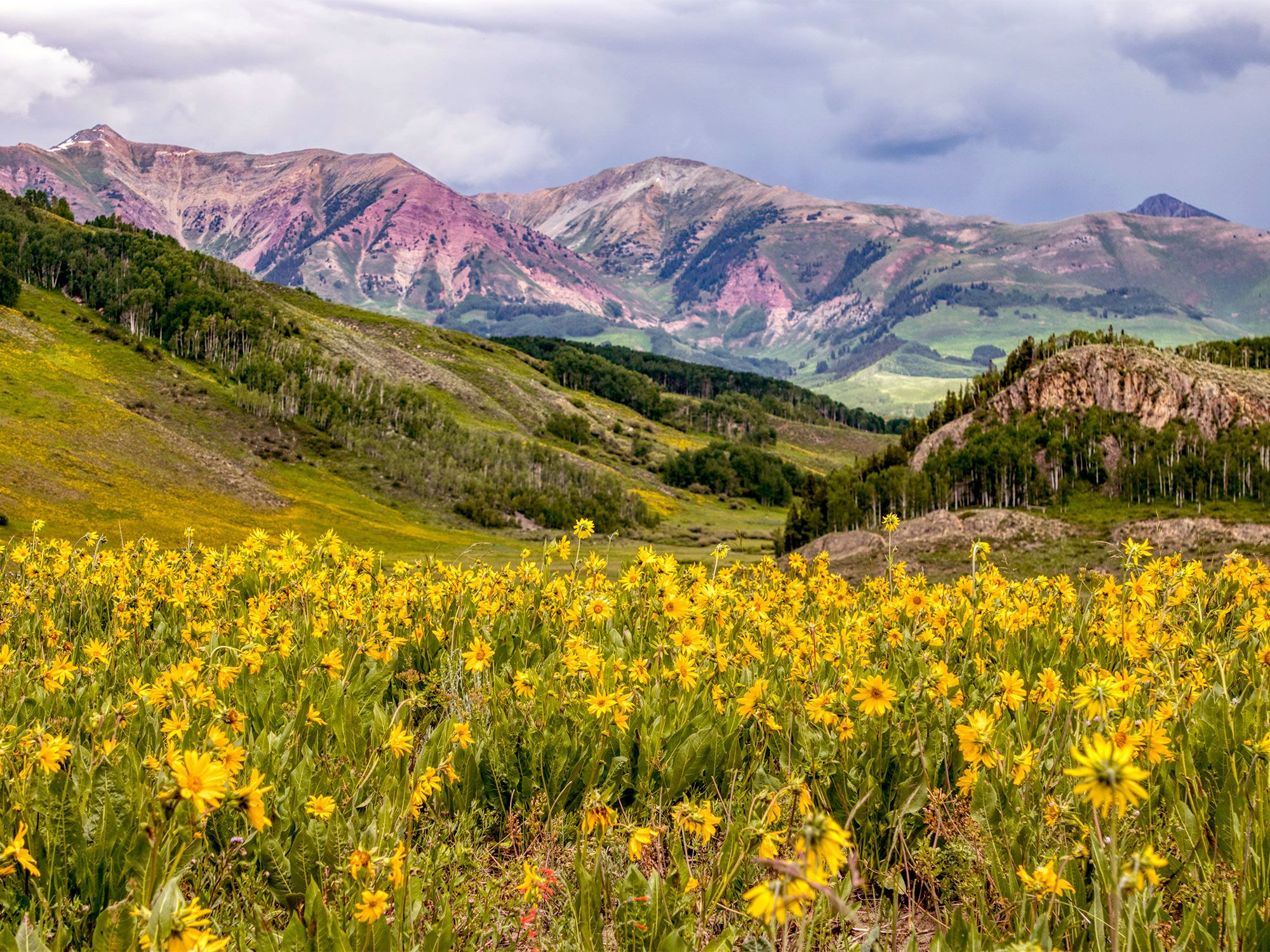
While this Rocky Mountain town is famous for its winter sports, Crested Butte is also blessed with stunning wildflower blooms each spring and summer. One of the best times to experience the vivid colors is during July’s Crested Butte Wildflower Festival, which features more than 150 flower-themed events, including hikes, botany workshops, and photography competitions. Flower fans can also see the blooms via self-guided walks along trails to alpine meadows and dramatic lookout points. Along the way, you’ll come face to face with bluebells, buttercups, daisies, and sunflowers, among many other species.
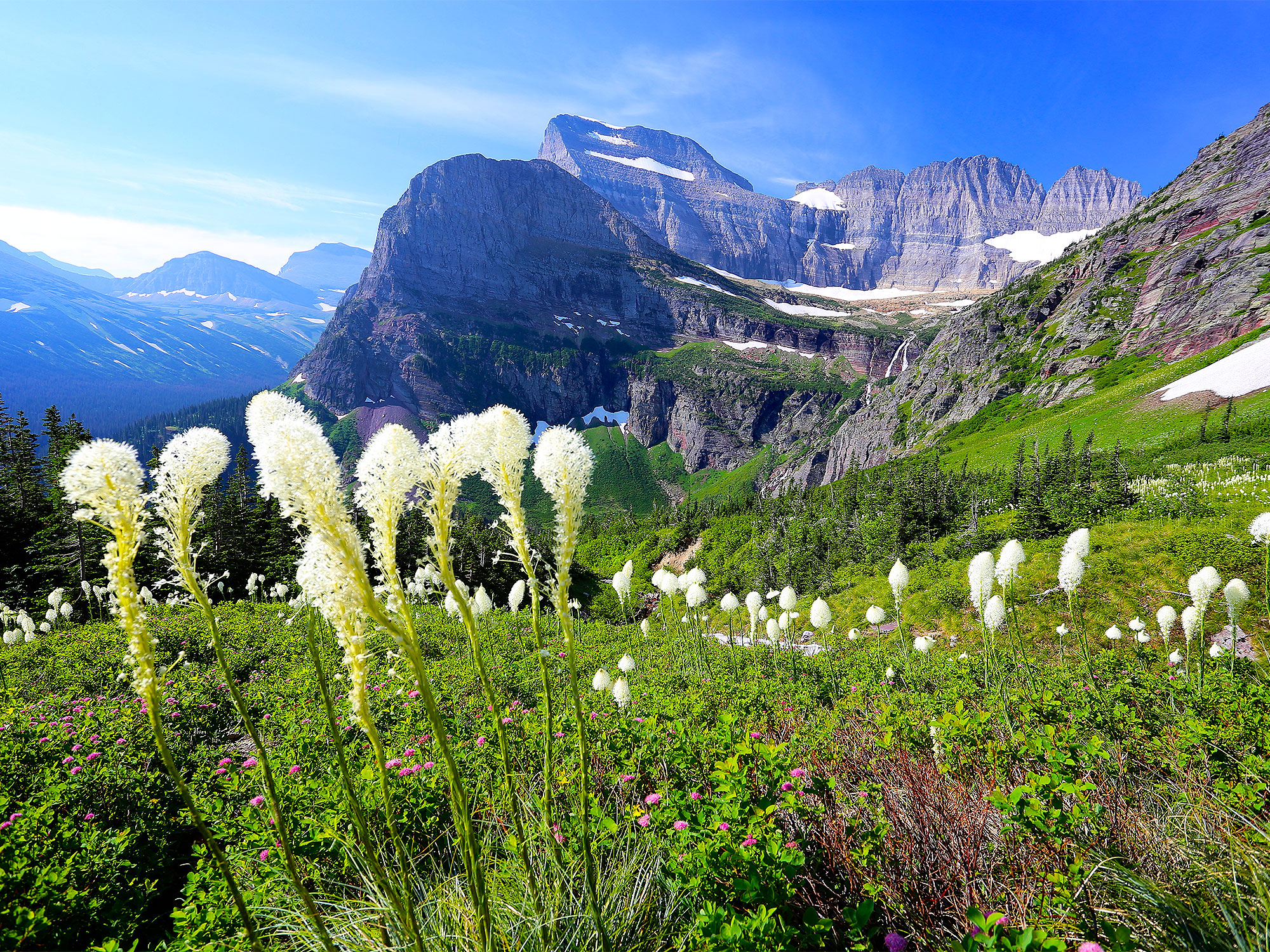
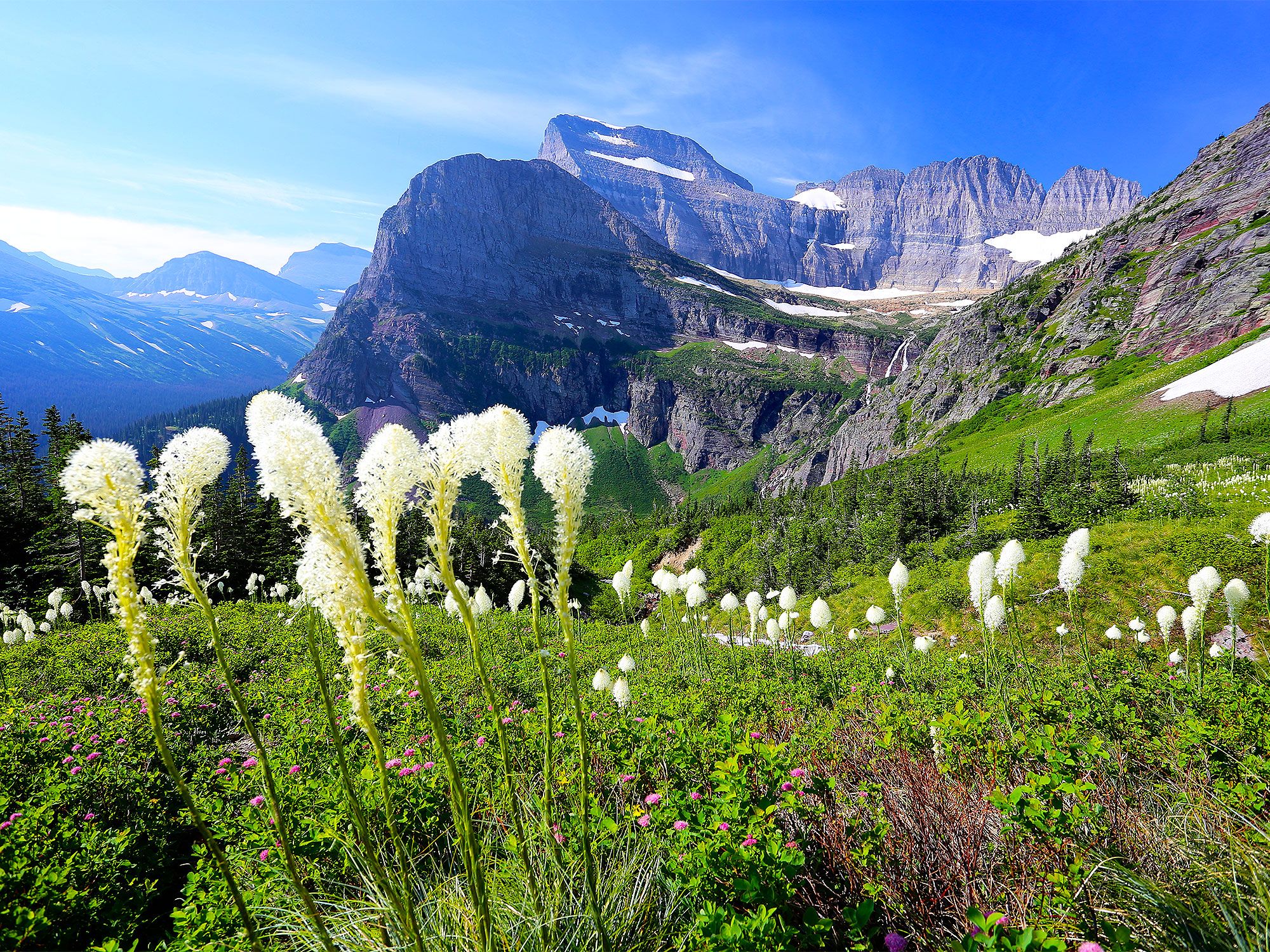
After the winter snow melts in Glacier National Park, the alpine meadows, lowlands, and mountain slopes are overtaken by almost a thousand species of wildflowers. Visitors in the summer months can admire shimmering carpets of beargrass, glacier lilies, and purple asters with a backdrop of rugged peaks. Home to over 30 species of plants and mosses, the Logan Pass area of the park was designated as Montana’s first Important Plant Area (IPA). Another popular viewing area is the trail that winds around the park’s Hidden Lake.
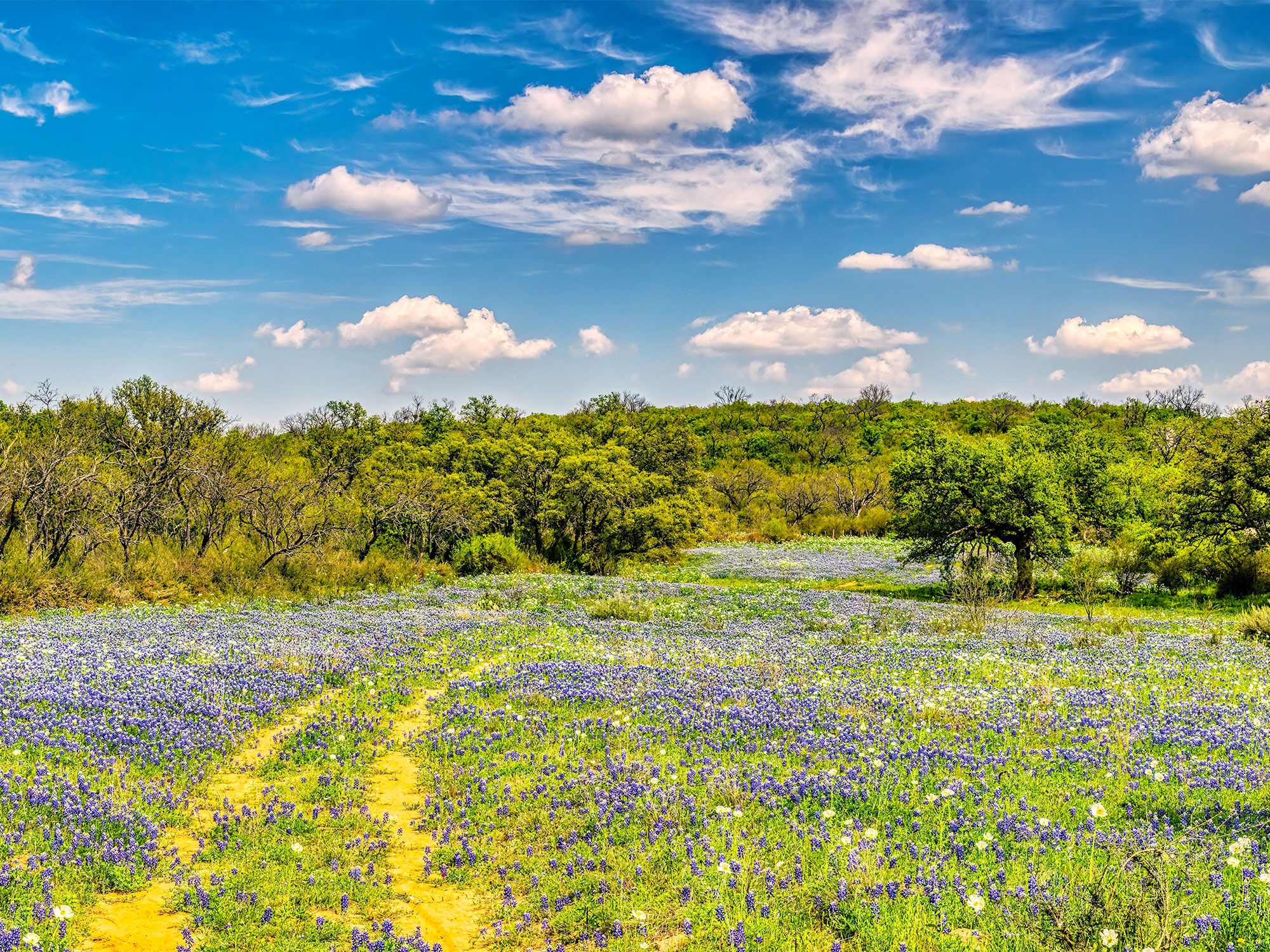
When spring comes around, Texas Hill Country turns a brilliant shade of blue thanks to the emergence of thousands of bluebonnets, the Lone State’s official flower. The best way to see them is along the Bluebonnet Trail, a stretch of highway that meanders about 40 miles around the city of Ennis, which hosts the annual Ennis Bluebonnets Trail Festival in April. The celebration features art exhibitions, craft fairs, live music, and guided wildflower walks. Burnet is another bluebonnet hotspot with its own Bluebonnet Festival. And don’t miss the 13-mile Willow City Loop, a scenic drive amid the region’s verdant hills and flower-filled countryside.
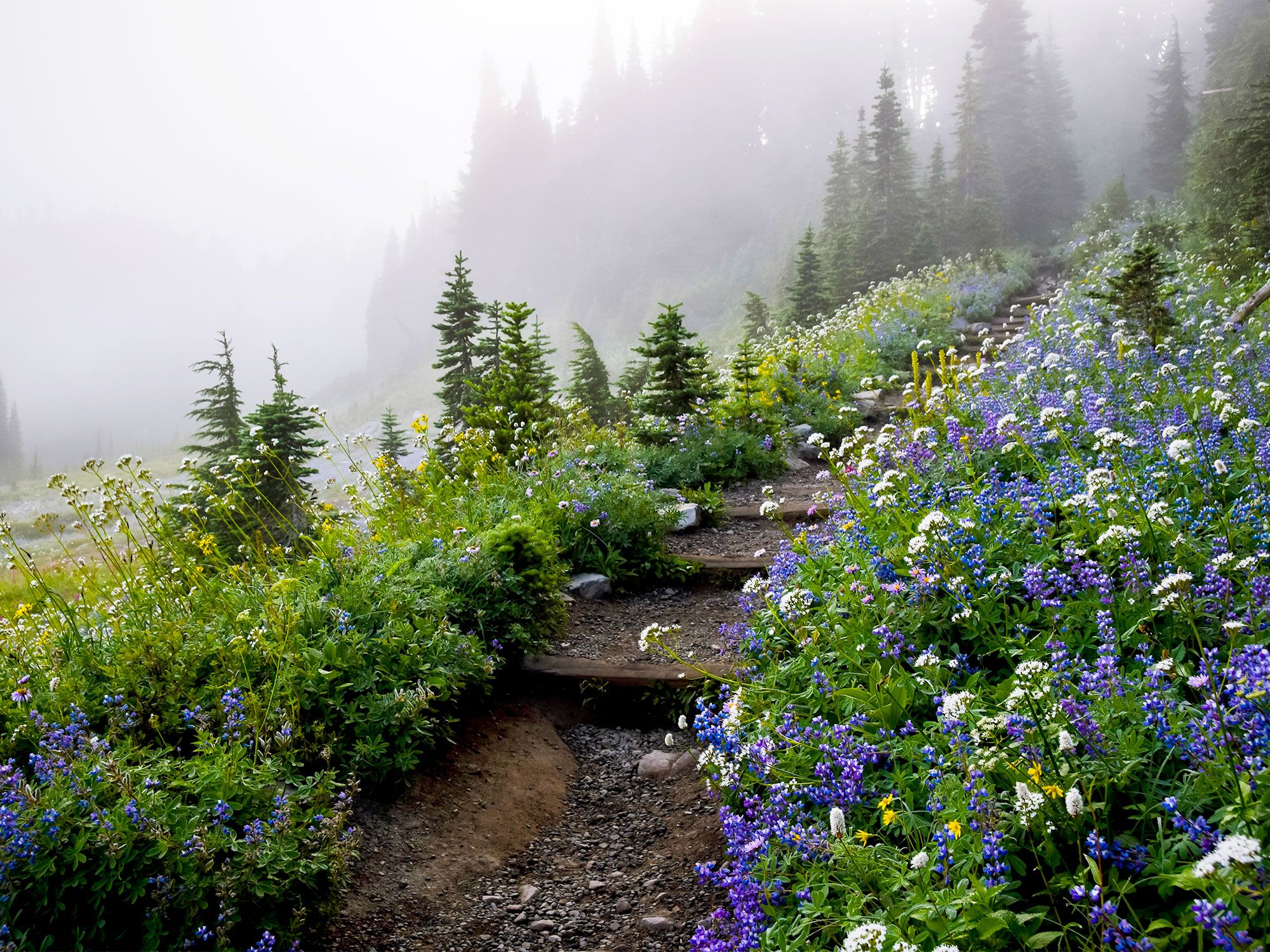
Head to the forests and subalpine areas around Washington’s tallest peak — 14,410-foot Mount Rainier — in July and August to experience a sensory overload of brilliant colors. With snow often lingering until the early summer months, wildflowers in Mount Rainier National Park bloom quickly and abundantly in order to reproduce before winter returns. A visit to the park during these months offers the chance to spot avalanche lilies, bluebells, bog orchids, and hundreds more floral varieties. Paradise Meadows and the Skyline Trail are excellent walking routes for spotting flowers along with wildlife such as black-tailed deer and marmots.
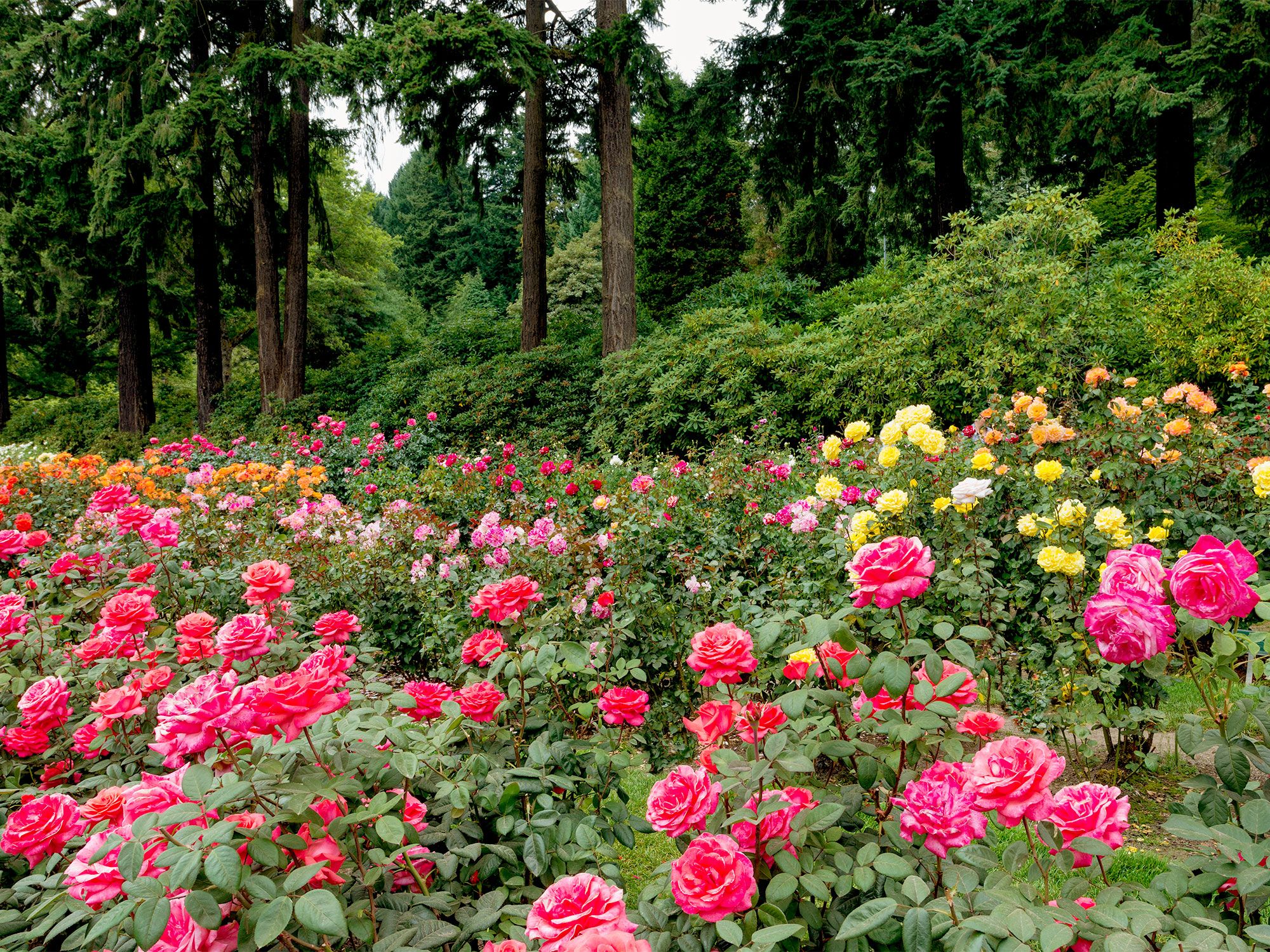
It’s no coincidence that Portland is nicknamed “the City of Roses” — Portland’s penchant for roses dates back to the establishment of the Portland Rose Society in 1889, and its International Rose Test Garden is the oldest extant rose test garden in the United States. The garden was established in 1917 to test new rose varieties, and today it showcases 10,000 individual rose bushes, which represent over 600 varieties, when they bloom from May to October. Among these are displays of climbing, miniature, and shrub roses. Each year, between 10 and 20 varieties are replaced with new types being tested, which are made available for commercial sale.
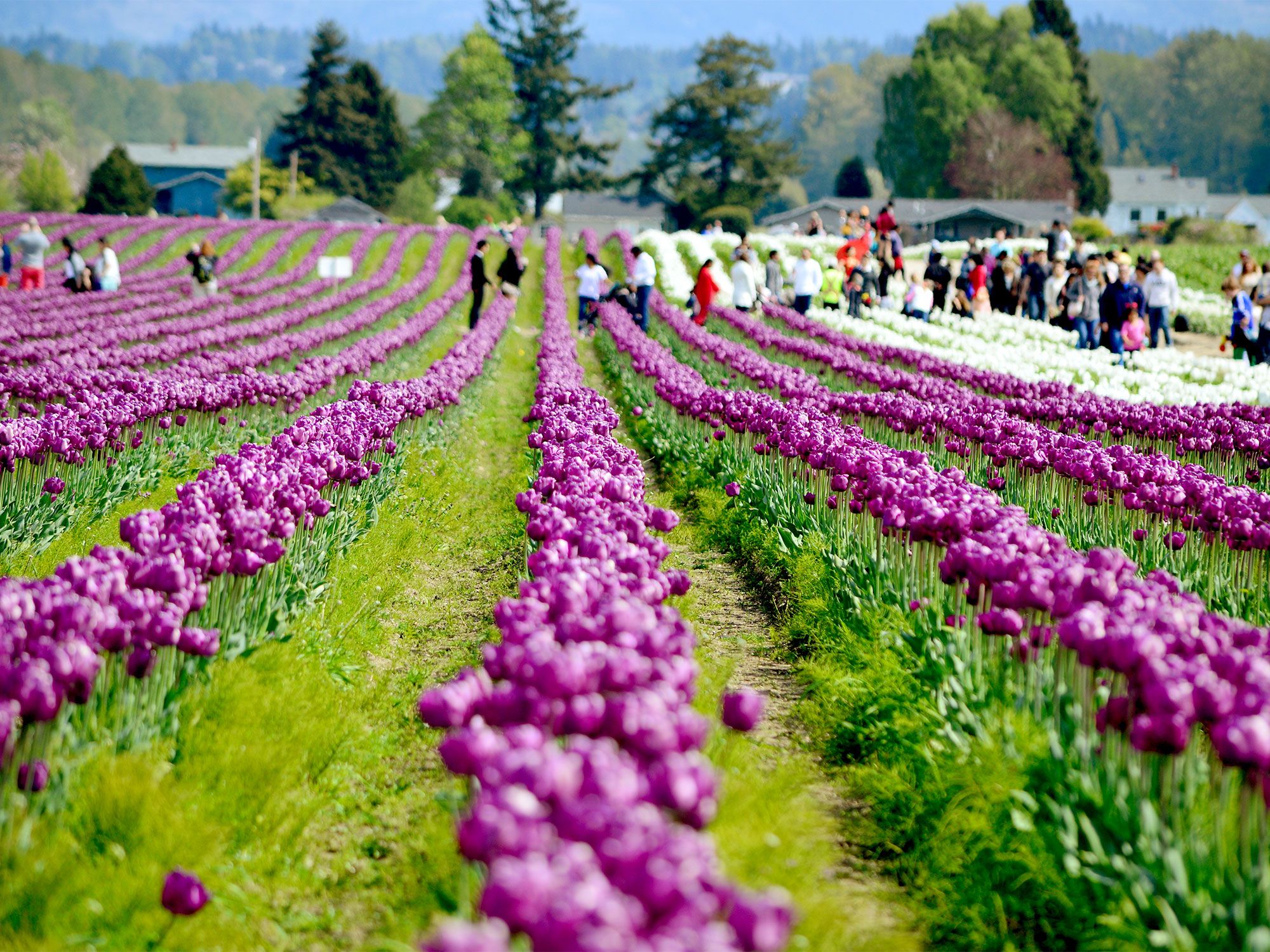
The pastoral landscape of northern Washington’s Skagit Valley, is the setting for one of the country’s most remarkable tulip blooms — and an annual festival to celebrate their arrival. Held in April, the Skagit Tulip Festival promises an explosion of color spread over 300 acres of the valley. Attendees can witness majestic fields of tulips, daffodils, and irises in the shadow of the Cascade Mountains. Although the festival is designed as a driving tour, the farms and gardens can also be explored by foot, bike, or even seaplane. Art shows, artisan markets, and street fairs round out the month-long festival.
Advertisement
More from our network
Daily Passport is part of Inbox Studio, an email-first media company. *Indicates a third-party property.