Post Banner Image
Culture

6 Quirky Roadside Attractions To Visit on Your Next Road Trip

By Fiona Mokry
Read time: 5 minutes
July 27, 2023
Updated: November 14, 2024

6 Quirky Roadside Attractions To Visit on Your Next Road Trip

By Fiona Mokry
Author
Fiona Mokry
Fiona has spent her career exploring the world and working in the travel industry, turning her lifelong passion into a profession. From planning custom trips to sharing stories as a travel writer for publications such as The Discoverer, she’s all about helping others experience the world in a deeper, more meaningful way.

Besides hot dogs and baseball, what’s more quintessentially American than a quirky roadside attraction? While each state has roadside attractions with their own unusual claims to fame, there are a select few roadside attractions across the country that are well-worth the detour. Check out six of the most interesting roadside attractions you shouldn’t miss on your next U.S. road trip.

The World’s Only Corn Palace – Mitchell, South Dakota

Image of the World's Only Corn Palace in Mitchell, South Dakota
Photo credit: Ken Howard/ Alamy Stock Photo

Sure, there aren’t any other corn palaces in the running, but that doesn’t mean South Dakota’s claim to fame is any less a-maize-ing. Originally built in 1892 to celebrate the state’s agricultural excellence, the World’s Only Corn Palace now attracts approximately 500,000 tourists every year. Industrial exhibits, dances, shows, rodeos, and farmers markets are part of the attraction, but the sole reason many visitors make the detour off Highway 90 in Mitchell is to ogle the larger-than-life murals adorning the outside of the building, which are made entirely from halved corn cobs. Each year, digital media and design students from Dakota Wesleyan University add new murals, requiring hundreds of thousands of corn cobs to complete. 

Largest Ball of Twine – Cawker, Kansas

Image of the Largest Ball of Twine in Cawker, Kansas
Photo credit: Franck Fotos/ Alamy Stock Photo

It may seem hard to believe, but there are several balls of twine contending for the title of America’s largest. Although there are subtle differences in their claims (such as the heaviest ball of twine or the largest built by a single person), most agree that it’s the twine ball in Cawker, Kansas, that claims first prize — with a circumference exceeding 40 feet (and still growing). 

In 1953, local resident Frank Stoeber began winding twine into a ball, and four years later, he had crafted an 11-foot-diameter ball with 1.6 million feet of twine that weighed 5,000 pounds. These days, the Cawker City Community Club is the official caretaker of the ball, hosting an annual twine-a-thon to encourage the continued growth of the locally famous attraction. Today, the ball — found off Highway 24, about 230 miles west of Kansas City — weighs a whopping 17,320 pounds.   

Cadillac Ranch – Amarillo, Texas

Grafitti-covered cars half-buried in desert at Cadillac Ranch in Texas
Photo credit: Hugh Hargrave/ Alamy Stock Photo

A short detour off Interstate 40 west of Amarillo, Cadillac Ranch is a colorful art installation created in 1974 by a group of bohemian artists from San Francisco known as Ant Farm. Backed by millionaire Stanley Marsh, the artists drove 10 Cadillacs off the side of the dusty highway (which follows the historic Route 66) and partially buried them nose down in the sand at a 60-degree angle (matching the sides of Egypt’s Great Pyramid of Giza). 

The purpose of the unique display was to showcase the evolution of the Cadillac’s tail fin — and perhaps simply to bewilder anyone who came across them. Over time, visitors took it upon themselves to “decorate” the Cadillacs with graffiti, designs, and murals — making Cadillac Ranch one of the most dynamic roadside attractions in the country. 

Enchanted Highway – Regent, North Dakota 

Metal sculptures along the Enchanted Highway of North Dakota
Photo credit: Danita Delimont/ Alamy Stock Photo

To check out this North Dakota roadside attraction, you don’t even need to leave your car — in fact, you don’t even need to stop driving. Composed of seven larger-than-life scrap-metal sculptures, the Enchanted Highway begins at Exit 72 on Interstate 94 and ends 32 miles later. Sculptor Gary Greff is the mastermind behind the project, an undertaking that began in the late 1980s and aimed to attract tourists to Regent. 

Prior to conception, Greff didn’t know how to mold metal, and took it upon himself to learn how to weld. His creations are mostly nature-inspired and include  Pheasants on the Prairie, Deer Crossing, and Grasshoppers in the Field. Sadly, his efforts did not keep the local school from closing, but it has put his hometown on the map as the town with the world’s largest scrap-metal sculpture, the 110-foot-tall, 154-foot-wide, and 157,659-pound Geese in Flight

Hole in the Rock – Moab, Utah

Sign painted on mountain indicating Hole in the Rock roadside attraction in Utah
Photo credit: Delphotos/ Alamy Stock Photo

Moab attracts plenty of mountain bikers and hikers with its challenging terrain and epic views of natural arches, but you don’t have to be an adrenaline junkie to get your kicks in this small southwestern Utah town. The Hole in the Rock shows off the desert’s most impressive human-made attraction, located off U.S. Route 191 — a 5,000-square-foot home carved entirely into a giant orange rock. 

Built by the Christensen family in the 1940s with the help of volunteers, the project took 12 years to finish and required excavating 50,000 cubic feet of sandstone. The end result yielded a 14-room home complete with a fireplace, 65-foot chimney, an oversized concrete bathtub, and even a sculpture of President Franklin D. Roosevelt out front. When the patriarch of the family, Albert, died in 1957, his wife, Gladys, opened a gift shop below their home to sell her rock jewelry. Eventually, she began letting people tour her home, and today, the Hole in the Rock attracts roughly 500 visitors per day with a 12-minute tour of the quirky yet cozy family abode.

Salvation Mountain – Imperial County, California

Image of Salvation Mountain art installation in California
Photo credit: Design Pics Inc/ Alamy Stock Photo

Located in Southern California’s Sonoran Desert, just east of the Salton Sea and less than a mile from the art commune of Slab City, Salvation Mountain is a hillside art installation that artist Leonard Knight created over the course of three decades as a religious tribute. “Love Jesus and keep it simple” was Knight’s guiding philosophy for his masterpiece, a 50-foot-high and 150-foot-wide adobe clay rock covered with bright paint, biblical references, and religious scriptures. While religion and nature scenes are prevalent throughout the piece, love is the uniting theme. Visitors are welcome to explore the mountain but must stay on the “yellow brick road” which leads to the top. From there, a sprawling view over the desert and nearby town awaits.

Post Banner Image
Outdoors

5 Breathtaking Canyons Around the World

By Cynthia Barnes
Read time: 3 minutes
July 27, 2023
Updated: July 27, 2023

5 Breathtaking Canyons Around the World

By Cynthia Barnes
Author
Cynthia Barnes
Cynthia kicked around the world for a while before landing in Colorado. Her work has appeared in Food & Wine, the Boston Globe, and National Geographic, among others. She loves dives — both scuba and bars — baseball, the Oxford comma, and live music.

Sometimes called gullies, gulches, or gorges, canyons capture the imagination as few places can. These narrow, steep-sided valleys may be formed by the movement of rivers, glaciers, weathering and erosion, the uplift of tectonic plates, or even powerful undersea currents — but the mysterious landscapes create their own air of secrecy and suspense. The word “canyon” comes from the Spanish cañon, meaning “tube” or “pipe,” and canyons are found on every continent. Here are five spectacular canyons to visit.

Antelope Canyon – Arizona

Image of curvy walls of Antelope Canyon in Arizona
Photo credit: V_E/ Shutterstock

The majority of canyons are formed by the slow but steady flow of rivers, but slot canyons are a dramatic departure from the norm. Deep and narrow, these eroded abysses are the result of torrential monsoon rains that send water rushing violently through soft rock. In the Navajo Nation, near the border between Arizona and Utah, Antelope Canyon is a photographer’s dream, where undulating crevasses in shades of orange and purple are illuminated by golden beams of sun. 

While the hike to the Upper Canyon is fairly accessible, the Lower Canyon is especially challenging. Entry to both is controlled by permits, and access is restricted to tours led by authorized Navajo guides. Any slot canyon can be subject to potentially fatal flash floods, as waters from far away storms gather velocity in the narrow spaces, so visitors should always check weather forecasts and hike carefully.

Fjaðrárgljúfur Canyon – Iceland

River flowing between verdant walls of Fjaðrárgljúfur Canyon in Iceland
Photo credit: Pedro Carrilho/ Shutterstock

One of the planet’s most majestic — and most difficult to pronounce — canyons can be found along Iceland’s famed Ring Road, near the equally multisyllabic village of Kirkjubæjarklaustur. Fjaðrárgljúfur (meaning “Feather River Canyon”) was formed about 10,000 years ago. Runoff from receding glaciers deposited soft sediments that eventually filled up a lake, which was then in turn eroded by the glacial river. The canyon is an easy 2.5-mile up-and-back hike along the rim, with gorgeous views of the emerald cliffs set off by the blue of the serpentine river curling about 330 feet below. 

Kali Gandaki Canyon – Nepal

River flowing through verdant Kali Gandaki Canyon, Nepal
Photo credit: Yulia_B/ Shutterstock

The Himalayas are home to the highest mountains on the planet, and also to some of the world’s deepest gorges. In Nepal’s remote Mustang District, the gorge carved by the Kali Gandaki River passes between the Himalayan mountains of Dhaulagiri and Annapurna, both of which top out at over 26,000 feet. The gorge — which was historically used as a trade route between India and Tibet — bottoms out at a whopping 18,278 feet lower than Annapurna. But in neighboring Tibet, the deepest point of the (narrower) Yarlung Tsangpo Canyon reaches 19,714 feet — which, by many accounts, makes it the world’s deepest gorge.

Motlatse Canyon – South Africa

View down into natural rock pools in South Africa's Motlatse Canyon
Photo credit: Nejah Shutterstock

Some 200 million years ago, Madagascar and Antarctica tore themselves away from the ancient supercontinent of Gondwanaland, leaving the southern tip of Africa on its own, surrounded on three sides by ocean. Also known as Blyde River Canyon, the 31-mile Motlatse Canyon stretches along the lip of the great escarpment that was formed when the ragged edge of the continent sloped down to the sea. The glorious nature reserve now protecting the geologic wonder and surrounding areas is a paradise for outdoor enthusiasts, with rafting, bird-watching, hot air ballooning, and hikes to stunning waterfalls.

Verdon Gorge – France

Image of pathway overlooking Verdon Gorge in France
Photo credit: boivin nicolas/ Shutterstock

Rafters, rock climbers, and — more recently — highliners flock to the turquoise waters and sheer white limestone cliffs of this stunning canyon. Winding 15 miles through the Alpine foothills in southern France, the Verdon Gorge is one of Europe’s largest canyons. About half a mile above the river, at the top of the gorge, visitors will find quaint villages and excellent restaurants dotting the twisting roads that line both sides of the crevasse. Only a two-hour drive from the fabled French Riviera, the gorge (and the manmade Lac de Sainte-Croix, where the Verdon River ends) are scenic throughout the year, but especially delightful during the summer months.

Post Banner Image
Culture

The Best U.S. National Monuments to Add to Your Bucket List

By Daily Passport Team
Read time: 12 minutes
July 27, 2023
Updated: July 27, 2023

The Best U.S. National Monuments to Add to Your Bucket List

By Daily Passport Team
Author
Daily Passport Team
Daily Passport writers have been seen in publications such as National Geographic, Food & Wine, CBC, Condé Nast Traveler, and Business Insider. They're passionate about uncovering unique destinations and sharing expert tips with curious travelers.

You’re surely familiar with the 63 national parks in the National Park System — from Yellowstone and Yosemite to Grand Canyon and Great Smoky Mountains — but how well do you know the country’s 132 national monuments (and counting)? Similar to our national parks, these indelible landmarks protect and preserve historic sites and natural wonders from coast to coast, from New York’s Statue of Liberty to Hawaii’s Papahānaumokuākea marine area. Don’t know where to start? We think these 16 national monuments should be at the top of your travel wish list.

Devils Tower National Monument – Wyoming

Road leading to Devils Tower National Monument in Wyoming at sunset
Photo credit: anthony heflin/ Shutterstock

Devils Tower was the first site in the United States to be formally recognized as a national monument in 1906. This spectacular butte is the largest example of columnar jointing in the world, rising 265 feet above the surrounding Wyoming landscape. There are many theories as to how Devils Monument formed, but many geologists believe the tower, which is composed of igneous rock, is made of magma that cooled underground and was exposed over time by erosion.

The site has long held spiritual significance to Native Americans, particularly the Cheyenne, Kiowa, and Lakota peoples, who called the butte Mato Tipila, meaning “Bear Lodge.” Today, the tower is also a popular rock-climbing destination, attracting hundreds of enthusiasts each year. In an attempt to limit crowding, seasonal bans on climbing close to nesting sites ensure peregrine and prairie falcons don’t abandon their eggs or chicks.

Giant Sequoia National Monument – California

Giant sequoia trees in California's Giant Sequoia National Monument
Photo credit: kavram/ Shutterstock

The giant sequoia is the world’s largest tree, typically reaching 250 feet tall and measuring over 20 feet in diameter. Some of the biggest specimens have a girth of around 35 feet — imagine six people lying on the ground head to toe and you can picture just how wide that is! The only place giant sequoias grow naturally is in California, where you’ll find the massive trunks in an area west of the Sierra Nevada mountains.

Giant Sequoia National Monument comprises two sections — the northern end and southern end — each featuring multiple groves. Boole Tree, located in Converse Basin, is one of the largest trees on NPS-administered land and survived the widespread logging which took place in the 1890s. Today, the many trails and campgrounds close to the national monument make this a popular vacation spot.

Fort Matanzas and Castillo de San Marcos National Monuments – Florida

Image of palm trees and Castillo de San Marcos National Monument in Florida
Photo credit: Laura Liz Photography/ Shutterstock

The Spanish built Fort Matanzas close to the city of St. Augustine to guard Matanzas Inlet. They began construction on the fort in 1740 and completed it in just two years — a laborious undertaking involving the hard work of many enslaved peoples and convicts from Cuba, who used a building material known as coquina, a soft limestone made of broken shells. But the fort was barely used. In fact, the cannons were fired just once, at the British. The Spanish Empire began to decline and the fort was largely ignored. By the time Fort Matanzas came under U.S. control in 1821, it was in pretty bad shape and was left to decay into a ruin currently maintained by the National Park Service.

Another national monument, Castillo de San Marcos, is located 14 miles to the north and predates Fort Matanzas. The Spanish began its construction in 1672, making it the oldest masonry fort in the continental U.S. The Spanish decided the fort was necessary when a raid led by British privateer Robert Searles damaged the existing fort and destroyed St. Augustine. Over the years, Castillo de San Marcos changed hands several times before earning its official designation as a national monument in 1924.

Pullman National Monument – Illinois

Image of Pullman National Monument in Illinois
Photo credit: Zack Frank/ Shutterstock

Pullman National Monument is the earliest planned industrial community in the U.S. When it was built from 1879 to 1884, it fell just outside Chicago city limits. The community was named after engineer George Pullman, who earned his place in history building sleeping cars during the railroad boom in the late 19th century. He saw an opportunity to create modern homes for his employees: each home featured toilets, lighting, and ventilation, while executive homes even boasted heating. The rent wasn’t cheap, but it was a nice place to live if your wage could cover it. It was certainly a step up from the overcrowded housing workers could expect to afford in Chicago.

Critics of Pullman have noted that when the fortunes of the railroad industry declined in the 1890s, he reduced wages but kept rents at the same price. This decision resulted in the infamous Pullman Strike of 1894, which not only tarnished the company’s reputation but also changed American labor practices. Self-guided and ranger-led tours lead visitors through the many historic buildings, such as the Hotel Florence where Pullman stayed when he visited his factory.

Waco Mammoth National Monument – Texas

Partially buried fossils at Waco Mammoth National Monument in Texas
Photo credit: Arpad Benedek/ Alamy Stock Photo

Tens of thousands of years ago, Columbian mammoths roamed across the grasslands covering present-day Texas. Similar to woolly mammoths but less hairy, the 10-ton mammoths grew up to 13 feet tall with tusks up to 14 feet long. These great beasts became extinct around 11,700 years ago. So it was a pretty special moment when a large bone was uncovered in a ravine in 1978, and scientists identified it as the femur of a mammoth.

Further excavation uncovered the fossilized remains of a herd of 16 of these Ice Age giants who probably perished together in a flash flood. Since those initial finds, evidence of a further six mammoths have been discovered, along with other creatures dating from the same era. Visitors can enter a climate-controlled Dig Shelter at Waco Mammoth National Monument to view those that haven’t been moved; the rest are on display at the Mayborn Museum Complex at Baylor University.

Pipestone National Monument – Minnesota

Waterfall at Pipestone National Monument in Minnesota
Photo credit: EWY Media/ Shutterstock

Minnesota pipestone, a stone also known as catlinite, has great cultural significance to the Indigenous peoples of the Great Plains, particularly the Dakota, Lakota, and Sioux tribes. They use the stone to make ceremonial pipes, which have religious and civic importance and are often used to seal a treaty. Accordingly, Pipestone National Monument in southwestern Minnesota is a sacred site to Native Americans; they are the only ones permitted to quarry the red stone.

Demonstrations of pipe making take place in summer so that visitors can see the process for themselves. The techniques involved have been passed down from generation to generation, and visitors can read about the important tradition at the visitor center or take a self-guided tour to see the quarries.  Not just a celebration of the precious stone and its history,, the monument also chronicles the history of the tallgrass prairie ecosystem, which has been restored and currently supports a small herd of bison.

Admiralty Island National Monument – Alaska

Pond surrounded by grass and forest at Alaska's Admiralty Island National Monument
Photo credit: Don Paulson/ Alamy Stock Photo

The Indigenous Tlingit peoples call Admiralty Island Kootznoowoo. It means “fortress of the bears,” and the name is no accident, as the island houses a population of around 1,500 brown bears — one of the highest concentrations of these bears in the world. One of the best places to see them is at the Pack Creek Bear Sanctuary, for which you’ll need a permit. Brown bears are frequent visitors to this part of the island in summer, lured by the promise of plump, pink salmon and an abundance of clams. Watch them from the mouth of Pack Creek or hike inland to climb the Observation Tower for a bird’s eye view. It’s easy to add a day trip to your Alaska itinerary: just book a seat on a float plane from Juneau and you’ll be there in 30 minutes.

Bears Ears National Monument – Utah

Cliff dwellings of Bears Ears National Monument in Utah
Photo credit: Colin D. Young/ Shutterstock

Bears Ears National Monument takes its name from two sandstone buttes that dominate the landscape. Native American tribes consider it a sacred and spiritual place. Sandstone cliffs line a valley enclosing Indian Creek Canyon. Nearby, you’ll find North Six-Shooter Peak and South Six-Shooter Peak, plus Lavender Mesa and Bridger Jack Mesa. Scattered throughout the area are around 100,000 archaeological sites. They include cliff dwellings and petroglyphs that are thousands of years old. People also come to this national monument to hike, bike, and climb. Scenic drives lead to overlooks that open up impressive panoramas, such as the one at Upper Arch Canyon, and of course, the Bears Ears buttes themselves.

Dinosaur National Monument – Colorado

Empty dirt road leading to striated rocks in Dinosaur National Monument in Colorado
Photo credit: marekuliasz/ Shutterstock

Straddling the Colorado-Utah border, Dinosaur National Monument was originally designated to preserve the Dinosaur Quarry. Thousands of dinosaur fossils have been uncovered here, representing species such as stegosaurus, diplodocus, and allosaurus. In the refurbished Quarry Exhibit Hall, visitors can view a wall crammed with approximately 1,500 dinosaur bones. But there’s plenty more to see. The surrounding area is wild and beautiful. Visitors can explore the area’s canyon and mountain trails — some of which lead to meadows strewn with wildflowers. Dark skies are ideal for stargazing, and adventurers can go whitewater rafting while history buffs will be delighted by the ancient rock art.

Stonewall National Monument – New York

Commemorative statues at Stonewall National Monument in New York City
Photo credit: Jeffrey Isaac Greenberg 10+/ Alamy Stock Photo

To understand the significance of Stonewall National Monument in New York City’s Greenwich Village, you have to go back to June 28, 1969. On that day, a police raid on the Stonewall Inn marked a turning point in the gay liberation movement and became a milestone moment for LGBTQ+ civil rights. Resistance to the actions of the police sparked rioting and demonstrations across the street in Christopher Park. But it also gave members of the LGBTQ+ community a voice and encouraged them to fight more openly for change.

Today, the Stonewall Inn is not just a national monument; it continues to be a thriving entertainment venue that opens its doors for music, dancing, and drinking. It is, its patrons will tell you, the place where Pride began and the place where Pride lives on, officially designated as a U.S. national monument on June 24, 2016.

Gold Butte National Monument – Nevada

Desert rock formation at Nevada's Gold Butte National Monument
Photo credit: Dominic Gentilcore PhD/ Shutterstock

Designated in 2016, Gold Butte National Monument is one of the newest national monuments in the country. Home to bighorn sheep and mountain lions, the monument draws visitors keen to admire its magnificent desert scenery, ancient petroglyphs, and a ghost town littered with abandoned mine shafts. It’s hard to believe that it’s less than a three-hour drive from Las Vegas, though the lack of paved roads when you get there means you’ll want to travel in a high-clearance 4×4.

Some of the rock formations are spectacular, sculpted over the years by the wind into intricate shapes. Don’t miss a sinkhole known as Devil’s Throat, which is best admired from a safe distance, and the red rocks of Little Finland. Newspaper Rock also boasts many fascinating petroglyphs, though the one that will leave you scratching your head is an image of a falling man.

Mount St. Helens Volcanic National Monument – Washington

View of Mount St. Helens across flowers
Photo credit: Dene’ Miles/ Shutterstock

Two years after the dramatic 1980 eruption, the Mount St. Helens Volcanic National Monument was established. Preserving the area gives scientists the opportunity to study the ongoing effects of the cataclysmic event and see how nature regenerates without human interference. That doesn’t mean people have to stay away, however. Activities such as hiking, fishing, snow-shoeing, and camping are all encouraged, although you’ll need a permit if you plan to stray above 4,800 feet to climb to the volcano’s summit. One of the highlights is the chance to explore the Ape Cave Lava Tube, the third-longest lava tube in North America, which can be accessed with a guide.

Little Bighorn Battlefield National Monument – Montana

Tombstones at Little Bighorn Battlefield National Monument in Montana
Photo credit: G Seeger/ Shutterstock

Little Bighorn Battlefield National Monument is a memorial to those who lost their lives on June 25-26, 1876. It was then that Lieutenant Colonel George Armstrong Custer led the Seventh Cavalry Regiment into battle against the Lakota Sioux and Cheyenne tribes, led by Sitting Bull. They hoped to take advantage of the element of surprise but found themselves outnumbered and up against warriors who fought bravely to defend their way of life. But although the Native American forces won the battle, Custer’s fate galvanized public opinion and it would have devastating long-term consequences for the Lakota Sioux and Cheyenne people.

Within a year, the U.S. government annexed their land and established reservations. Over a century later, the monument was renamed to honor losses on both sides and present a more balanced account of what happened. The visitor center and museum recounts the events and consequences of the battle and also provides an insight into the lives of the Plains Indians at that time.

Gila Cliff Dwellings National Monument – New Mexico

Looking up at the cliff dwellings of Gila Cliff Dwellings National Monument in New Mexico
Photo credit: Traveller70/ Shutterstock

Gila Cliff Dwellings National Monument has a history dating back hundreds, probably thousands, of years. Historians believe that the Mogollon Indigenous people made their home in the caves beside the Gila River for about 20 years in the late 1200s, piecing together a timeline based on items recovered from the site such as fragments of pottery and a bracelet.

Today’s day-trippers can step inside the caves and imagine what life might have been like. Many combine their visit to the dwellings with a dip in one of the local hot springs. The nearest is Lightfeather Hot Spring, which lies within walking distance of the visitor center. However, many choose to walk the six-mile trail to Jordan Hot Spring. Hikers have to cross and recross the Gila River, but a soak in the crystal-clear pool in a delightful natural setting is considered well worth it.

Harriet Tubman Underground Railroad National Historic Park – Maryland

Historic building at Harriet Tubman Underground Railroad National Historic Park in Maryland
Photo credit: Zack Frank/ Shutterstock

Harriet Tubman was born into slavery in 1822 as Araminta Ross. She managed to escape in 1849, traveling to Philadelphia, but she returned to Maryland over and over again. In all, she made 13 rescue missions to rescue enslaved peoples using the Underground Railroad. She smuggled them using the network of secret routes, enlisting the help of fellow antislavery activists and safe houses.

She took her charges, known as “passengers,” as far as the Northeast and into Canada. As one of the best known of the Underground Railroad “conductors,” Tubman is the focus of the Harriet Tubman Underground Railroad National Historic Park, previously the Harriet Tubman Underground Railroad National Monument.

George Washington Birthplace National Monument – Virginia

Image of colonial brick home at George Washington Birthplace National Monument in Virginia
Photo credit: Zack Frank/ Shutterstock

John Washington, the great-grandfather of first U.S. President George Washington, first established a tobacco plantation in Westmoreland County, Virginia, in the middle of the 17th century. George himself was born in the plantation house in 1732. He lived there for a few years and then again as a teenager. However, the house you see today wasn’t built until 1931. Since no one knows for sure what the original property looked like (it burned down on Christmas Day in 1779), this is the best guess reflecting the architectural style at the time.

Visitors can stroll through the house and grounds, which contain farm buildings, trees, and formal gardens, as well as wheat and tobacco crops to create a sense of what Washington might have seen as a boy. Also on the grounds, you’ll see a marble obelisk, which is a replica of the one in Washington, D.C., though it’s a tenth of the size.

Post Banner Image
Outdoors

8 Important Wetlands You Should Know About 

By Daily Passport Team
Read time: 5 minutes
July 27, 2023
Updated: May 8, 2024

8 Important Wetlands You Should Know About 

By Daily Passport Team
Author
Daily Passport Team
Daily Passport writers have been seen in publications such as National Geographic, Food & Wine, CBC, Condé Nast Traveler, and Business Insider. They're passionate about uncovering unique destinations and sharing expert tips with curious travelers.

Wetlands are found on every continent except Antarctica. They provide critical habitats for wildlife and flood protection to fragile coastal ecosystems by soaking up excess water. Although wetlands (alternatively called bogs, bayous, swamps, or marshes) cover less than 8% of the Earth’s land, it’s estimated that they retain almost a third of the world’s carbon. Below, journey to eight of Earth’s most important wetlands. 

The Pantanal – Brazil, Paraguay, and Bolivia

Image of the Pantanal wetlands at sunset
Photo credit: FCG/ Shutterstock

Brilliant blue hyacinth macaws — the world’s longest parrot — are among the many birds screeching above the largest tropical wetland on Earth. Covering more than 70,000 square miles in three South American countries, the Pantanal is roughly the size of Washington state. Nearly 5,000 species of plants and animals call the Pantanal home — giving it the highest concentration of wildlife on the continent — along with 270 communities of Indigenous peoples.

Saturated with torrential rains, the Pantanal’s enormous basin fills every year, draining slowly into the Paraguay River. The drainage results in pools filled with snails and fish, which draw in birds such as storks, egrets, and spoonbills, as well as bigger species including capuchin monkeys, jaguars, piranha, and green anacondas — the largest snakes on Earth. Unfortunately, this vital ecosystem is also endangered: Global warming and encroaching agriculture are shaving away its edges and threatening fresh water, oxygen and the habitat of its important animals.

The Great Dismal Swamp – North Carolina and Virginia

Open waters of the Great Dismal Swamp in North Carolina and Virginia
Photo credit: Lynda McFaul/ Shutterstock

Once covering more than 1 million acres, the Great Dismal Swamp is the geologic remainder of a vast sea. The land formed when the continental shelf experienced a sudden settling and the swamp began to be forested at the end of the last Ice Age about 11,700 years ago. President George Washington was an early investor in a company attempting to drain the swamp to harvest its lumber and use the land for farming. The murky swamp also became a refuge for African Americans seeking freedom from enslavement, as the area’s impenetrable forest, venomous snakes, and dangerous wildlife provided cover from bounty hunters and law enforcement.

By the 1970s, about 90% of the swamp had been destroyed, but 112,000 acres remained, protected as a federal wildlife refuge. Today, the panthers and wolves are gone, but visitors can still see bears, foxes, alligators, butterflies, and more than 200 species of bird. Four-hour “swamp safari” tours are conducted by Suffolk County Tourism; don’t forget your mosquito repellent!

Asmat Swamp – Indonesia

Boat docked in Asmat Swamp of Indonesia
Photo credit:  Syifa Rizka Yolanda/ Alamy Stock Photo

On the southern coast of Papua New Guinea lies the largest alluvial swamp in the world, meaning it contains large deposits of silt, clay, sand, and gravel. Named after the Indigenous peoples of the area, the Asmat is one of the most isolated areas in the world. The Arafura Sea nourishes the coast with 15-foot tide swells, and rivers cross a densely vegetated swamp roughly the size of Belgium. Mangroves nurture fish and crabs, and 15-foot-long crocodiles sun on riverbanks. The Asmat tribe are fierce warriors, and their exploits are celebrated in fantastically detailed wooden carvings.

The Everglades – Florida

Traditional airboat docked in the Everglades of Florida
Photo credit: GagliardiPhotography/ Shutterstock

Often described as a “river of grass,” Florida’s Everglades National Park covers 1.5 million protected acres — about half of its original size. As the third-largest national park in the Lower 48, the Everglades is a rich biosphere of water and wildlife only an hour’s drive from the bustle of Miami.

The wetlands are home to a large number of endangered or threatened species, including panthers, alligators, and manatees — said to have inspired sailors’ tales of mermaids. The Seminole and Miccosukee tribes fished and hunted among the grasses choking the slow-moving brackish waters, and many still call the region home. Shallow-drafting airboats are a popular way to see the Everglades, as are kayaking and canoeing excursions.

Okavango Delta – Botswana

Elephants in the Okavango Delta of Botswana
Photo credit: kavram/ Shutterstock

Most river deltas empty into an ocean, but in Botswana, the world’s largest inland delta flows out onto flat and grassy plains which swell to three times their usual size during the rainy season between March. The Okavango Delta covers almost 6,000 miles in the desert and forms an irresistible oasis for wildlife and for the humans who have settled in the area for at least 100,000 years, including the famed “Bushmen of the Kalahari.”

More than 4,000 rock paintings can be found at Tsodilo Hill, an official UNESCO World Heritage Site, depicting wildlife and hunting scenes. The Okavango is home to a wide variety of animals, including elephants, giraffes, hippos, zebras, and wildebeest.

Atchafalaya Basin – Louisiana

Cranes perched on foliage in the Atchafalaya Basin of Louisiana
Photo credit: Xiu Yu Photography/ Shutterstock

The name “Atchafalaya” comes from a Choctaw phrase meaning “long river,” and the tribe held sway over this fertile region of southern Louisiana for over 2,000 years — fishing, growing corn, and weaving intricate baskets from the wild cane reeds that grow in abundance. Larger than the state of Rhode Island, the swamp is home to more than 270 bird species, including wood storks, spoonbills, osprey, and bald eagles, as well as Louisiana black bears and thousands of American alligators.

About 15,000 acres of the hardwood forests and brackish salt marshes are preserved as the Atchafalaya National Wildlife Refuge. The French-speaking Acadians who migrated from Canada embraced these remote bayous, and the basin is the pride of Cajun Country.

Mesopotamian Marshes – Iraq and Iran

Traditional structures lining the Mesopotamian Marshes
Photo credit: Caesar Al-Abbasi/ Shutterstock

The “Cradle of Civilization,” the “Garden of Eden” — whatever you choose to call it, many of the most important developments in human history sprung from this deltaic plain of the Euphrates, Tigris, and Karun rivers in eastern Iraq and southwestern Iran, a land once called Mesopotamia.

The Marsh Arabs are believed to be the descendants of ancient Sumerians and have occupied these wetlands for 5,000 years — fishing, raising water buffalo, and cultivating rice. The marshes, now a UNESCO World Heritage Site, consist of shallow freshwater lakes, swamps, and seasonally inundated plains and are a critical wintering habitat for migratory birds.

Great Vasyugan Mire – Russia

Image of the Great Vasyugan Mire in Russia
Photo credit: Denis Koryakin/ Shutterstock

The words “Siberia” and “swamp” seem like they would never appear in the same sentence, but the Great Vasyugan Mire, covering almost 14,000 acres (an area 20% larger than Switzerland), is surprisingly lush despite an average winter temperature of -4.9 degrees Fahrenheit. As the largest swamp system in the Northern Hemisphere, the Vasyugan is still growing.

Under consideration as a UNESCO World Heritage Site, Vasyugan is composed of 800,000 lakes, numerous small rivers and springs, and temporary canals that rise and fall seasonally. A major reservoir of fresh water, the mire is a crucial habitat for bears, lynxes, reindeer, and sable (a small carnivorous mammal similar to a marmot or weasel), as well as many species of bird and fish.

Post Banner Image
History

16 of Africa’s Most Fascinating Ancient Landmarks

By Daily Passport Team
Read time: 11 minutes
July 27, 2023
Updated: August 3, 2023

16 of Africa’s Most Fascinating Ancient Landmarks

By Daily Passport Team
Author
Daily Passport Team
Daily Passport writers have been seen in publications such as National Geographic, Food & Wine, CBC, Condé Nast Traveler, and Business Insider. They're passionate about uncovering unique destinations and sharing expert tips with curious travelers.

Earth’s second-largest continent is chock full of landmarks that date back thousands, and in some cases, millions of years that reveal fascinating human history. From abandoned palaces of long-forgotten kingdoms to ruins of Roman civilizations, these are 16 ancient landmarks in Africa to add to your bucket list. 

Pyramids of Giza – Egypt

The Great Sphinx and Egypt's Pyramid of Giza in the background
Photo credit: Nort/ Shutterstock

Perhaps the most iconic ancient landmarks in Africa, the Pyramids of Giza are also among the greatest mysteries on the planet. The three pyramids at Giza were built during the Old Kingdom of Egypt more than 4,500 years ago. The largest pyramid was erected for Pharaoh Khufu around 2550 BCE — originally standing about 481 feet tall, it was built using 2.3 million blocks of stone, each weighing between 2.5 and 15 tons. The second pyramid, with a sphinx in front of it, was built for Khufu’s son, Pharaoh Khafre, around 2520 BCE, while the third was created for Pharaoh Menkaure around 2490 BCE.

Experts remain baffled as to how the ancient Egyptians built the structures with the resources available to them at the time. However, the fact that the builders of the pyramids lived in a temporary city nearby with a well-developed infrastructure has led Zahi Hawass of Egypt’s Supreme Council of Antiquities to suggest that perhaps Egypt was built around the pyramids, which contradicts the belief that the Egyptians settled the area first and then built the pyramids.

Valley of the Kings – Egypt

Tomb in Valley of the Kings, Luxor City, Egypt
Photo credit: EvrenKalinbacak/ Shutterstock

Ancient Egyptians believed that in order to enter the next world after death, bodies needed to be mummified to preserve the eternal soul, while underground mausoleums needed to be stocked with both treasures and the essentials, such as furniture, jewelry, wine, beer, and clothing — including underwear. The most famous series of tombs is the Valley of the Kings, which has 63 tombs, including those of pharaohs such as Tutankhamun, Seti I, and Ramses II, hailing from the time of the New Kingdom from 1539 to 1075 BCE.

Located on the west side of the Nile in what was once the ancient city of Thebes (present-day Luxor), the area attracts 1.5 million visitors a year, making preservation a major priority — especially since the Valley of Kings became a UNESCO World Heritage Site in 1979. The World Monuments Fund has been hard at work to create safer public access with railings, signs, and lighting to ensure the thousands who visit each day do not cause damage to the ancient landmarks.

Karnak Temple – Egypt

Ruins of Karnak Temple in Egypt
Photo credit: Zbigniew Guzowski/ Shutterstock

While the Luxor Temple might be the best-known Egyptian temple since it bears the name of the city, the Karnak Temple, which is less than two miles to the north on the east side of the Nile, often leaves more of an impression due to its sheer size and scope. Once ancient Egypt’s largest and most essential religious complex, the Karnak Temple was built over the course of more than 1,000 years from the 12th to 20th dynasties, stretching from 2080 to 1640 BCE.

Some of the complex’s main highlights are the rows of sphinxes (which at one time stretched to the Luxor Temple) and the Temple of Amun-Ra, where the god Amun-Ra lived with his wife, Mut, and son, Khonsu. Of note is the temple’s 54,000-square-foot hypostyle hall with 134 columns towering as high as 70 feet, each carved with stories involving Pharaoh Seti I.

Archaeological Site of Volubilis – Morocco

Ruins of Archaeological Site of Volubilis in Morocco
Photo credit: Leonid Andronov/ Shutterstock

Located about 20 miles north of central Meknes on a fertile plain is one of Morocco’s most impressive archaeological ruins: the ancient city of Volubilis. Founded in the third century BCE and believed to have been the Mauritanian capital, the Berber city grew into an essential Roman Empire outpost. It has also been occupied by Phoenicians, Carthaginians, Latin Christians, Muslims, and the Idrisid Dynasty.

While Volubilis was once a thriving metropolis, the area has been abandoned for about a thousand years. Because of that, as well as the remote location, the ruins offer an “important level of authenticity,” according to UNESCO. Among the relics are olive presses, thermal baths, and mosaic homes, as well as the marble Triumphal Arches. And now there’s new life atop many of the columns, as many storks have settled among the ruins.

Archaeological Site of Carthage – Tunisia

Ruins of Archaeological Site of Carthage in Tunisia
Photo credit: Michal Hlavica/ Shutterstock

Perched on a promontory in a suburb of the city of Tunis are the remains of the ancient city of Carthage, founded by the Phoenicians of Tyre in 814 BCE. The city’s strategic location on the coast made it possible for civilians to monitor ships traveling between Sicily and Tunisia in the Mediterranean, and it wasn’t long before Carthage developed into a major trading empire.

In 264 BCE, the first of three Punic Wars broke out between Carthage and Rome — ending in a 146 BCE victory by the Romans in which Carthage was destroyed. In 122 BCE, the Roman Senate sent Gaius Gracchus and Marcus Fulvius Flaccus to build a new colony on the site, but it wasn’t until Julius Caesar later sent landless citizens, and Augustus established the Roman province of Africa Proconsularis there that the area began to thrive again — before then declining in the mid-third century. Today, the Archaeological Site of Carthage contains ruins of the Byrsa acropolis, Punic ports, Antonin baths, Malaga cisterns, an amphitheater, and numerous necropolises.

Kano City Walls – Nigeria

Ancient mud-brick city walls of Kano, Nigeria
Photo credit: Eye Ubiquitous/ Alamy Stock Photo

First settled in the 10th century as Dala Hill, this ancient civilization soon grew into Kano, now Nigeria’s second-most populated city. To protect its people, an earthen wall was built around the perimeter of the city as a security measure, along with over a dozen gates. King Sakri Gijimasu laid the foundation from 1095 to 1134,and the walls were eventually completed in the 14th century.

Though the city of Kano was originally intended for 50,000 people, it is home to 3.6 million people today and has far outgrown the walls. In recent years, the lack of maintenance of the wall, which stands 11.5 feet tall and 3.3 feet thick, has threatened its legacy. Within the walls, you’ll find Kurmi Market, one of West Africa’s oldest markets, as well as Emir’s Palace, which was built in the 1400s.

El Jem Amphitheatre – Tunisia

Image of El Jem Amphitheatre in Tunisia
Photo credit: kolaytor/ Shutterstock

If the architecture of the massive amphitheater in the village of El Jem is familiar, it’s because it was built in 238 CE during Imperial Rome. The freestanding structure of stone blocks without any foundation — measuring 485 feet across one axis and 400 across the other — is seemingly modeled after Rome’s Colosseum. With a capacity of 35,000, El Jem Amphitheatre is also believed to be the third-largest amphitheater ever built, after the Colosseum and one in Capua, Italy.

Another reason the amphitheater stands out compared to other African monuments is that it was built on completely flat land, held up by the support of its arches — a major factor that helped it earn its spot on the UNESCO World Heritage Site list in 1979 and distinguishes it from other structures on the continent that are built into hillsides.

Laas Geel – Somaliland

Ancient rock paintings of Las Geel in Somaliland
Photo credit: yuzu2020/ Shutterstock

The paintings on cave walls in the Somaliland Badlands are believed to be between 5,000 and 10,000 years old — yet they were only discovered in 2002 by a team of French researchers, who also located lithic tools around the site. A large portion of the art at Las Geel, also spelled Las Gaal, mostly depicts cows, including cattle slaughters, while other identifiable animals include monkeys, antelopes, and giraffes. What makes the cave paintings so remarkable are their vivid shades of violet, red, brown, yellow, black, and white.

Spread across 20 rock shelters on a road between the cities of Hargeisa and Berbera, the ancient relics remain unprotected because of a political battle over Somilaland not being recognized as an independent state. Visitors can obtain the required permits to visit at most hotels in Hargeisa.

Archaeological Sites of the Island of Meroë – Sudan

Ruins of Archaeological Sites of the Island of Meroë in Sudan
Photo credit: mbrand85/ Shutterstock

Situated between the Nile and Atbara rivers is a group of about 200 pyramids, a relic of the Meritoc Kingdom that oversaw the area for over 900 years. Smaller than the pyramids in Egypt and featuring narrower bases and steeper sides, many of the pyramids on Meroë are tombs of the rulers of the time, built between 2,700 and 2,300 years ago.

Meroë was the center of the Kush Kingdom (also spelled Cush), which ruled from the eighth century to the fourth century BCE. Other ruins on the site include palaces, temples, and industrial scenes — displaying both the power and wealth of the region.

Ancient City of Aksum – Ethiopia

Ruins of Ancient City of Aksum in Ethiopia
Photo credit: Anton_Ivanov/ Shutterstock

As the most powerful state between Persia and the Byzantine Empire, the Kingdom of Aksum, which ruled from the first to the eighth century, was the center of ancient Ethiopia. It was a civilization so pivotal to shaping Earth’s history that it was deemed one of the greatest kingdoms on Earth alongside Babylon, Persia, Rome, and China, according to the Persian prophet Mani.

Located about 100 miles southwest of the Red Sea, on the Tigray Plateau in northern Ethiopia, the area’s ruins, including many monolithic obelisks, are proof of the Aksumite wealth. The tallest standing obelisk is more than 75 feet tall, while the largest fallen obelisk stretches nearly 108 feet in length. In the area, you’ll also find stone tablets, stelae, tombs, and a palace that dates back to the sixth and seventh centuries CE — all of which helped earn the ancient city of Aksum its UNESCO designation in 1980.

Olduvai Gorge – Tanzania

Image of Olduvai Gorge in Tanzania
Photo credit: Yakov Oskanov/ Shutterstock

The Ngorongoro Conservation Area in Tanzania spans from the Serengeti plains to the Great Rift Valley, encompassing savannas, forests, and plains, as well as the world’s largest caldera, Ngorongo Crater. But it’s the Olduvai Gorge that stands out as one of the greatest paleoanthropological sites in the area.

The 30-mile-long, 295-foot-deep ravine bears deposits stretching back four million years, with fossils of more than 60 members of the human lineage called hominins, including fossilized footprints that are 3.6 million years old. According to UNESCO, “the overall landscape of the area is seen to have the potential to reveal much more evidence concerning the rise of anatomically modern humans, modern behavior and human ecology.”

Great Zimbabwe National Monument – Zimbabwe

Stone walls of Great Zimbabwe National Monument
Photo credit: bmszealand/ Shutterstock

With stone relics spread across about 200 acres, the Great Zimbabwe National Monument is all that’s left of the city that was home to the lost civilization of Shona between the 11th and 15th centuries — making it one of the largest ruins in both Zimbabwe and Mozambique.

Once home to over 10,000 people, the area is separated into three sections. The Hill Ruins are believed to have been the acropolis of the royal city, while the ellipsis-shaped Great Enclosure has living quarters, community space, and a cone tower. The Valley Ruins, in contrast, date back to only the 19th century, with brick and stone homes — some even featuring chevron and checkered wall decorations!

Archaeological Site of Leptis Magna – Libya

Ruins of Archaeological Site of Leptis Magna in Libya
Photo credit: Hussain Warraich/ Shutterstock

Believed to have been founded as early as the seventh century BCE by either the Phoenicians of Tyre or Sidion, the seafront city of Leptis Magna was settled by Carthaginians toward the end of the sixth century BCE. It was later expanded by Roman Emperor Septimius Sevrus, who ruled from 193 to 211, and is now described by UNESCO as “one of the most beautiful cities of the Roman Empire, with its imposing public monuments, harbor, marketplace, storehouses, shops, and residential districts.”By the middle of the fourth century, Leptis Magna was mostly abandoned. It then got caught in the crosshairs of war and civil unrest, which still exists to this day. The remains are some of the world’s best relics of Roman architecture.

Lalibela Rock-Hewn Churches – Ethiopia

Image of below-ground Lalibela Rock-Hewn Churches in Ethiopia
Photo credit: evenfh/ Shutterstock

In the mountains of northern Ethiopia are 11 medieval churches carved into rock. After Muslims halted Christian pilgrimages to the Holy Land, King Gebre Mequel Lalibela set out to create a “New Jerusalem” in the 12th century, building a series of cave churches that are still a pilgrimage site for members of the Ethiopian Orthodox Church.

The square and rectangular-shaped churches are divided into two groups: five on the northern side and five on the southern side, with a single church, Bete Giyorgis, to the west of the southern cluster. Narrow pathways connect all 11 sites, as well as tombs and catacombs. But most impressively, each of the 11 churches was carved from a single block of stone. It’s no wonder that Ethiopian Orthodox Christians believe the churches were carved by angels!

Royal Palaces of Abomey – Benin

Image of Royal Palaces of Abomey in Benin
Photo credit: Homo Cosmicos/ Shutterstock

Twelve kings ruled the Kingdom of Abomey in present-day Benin from 1625 to 1900, each building their own palace within the same space — some next to each other and some on top of each other. After all, the founder of Abomey, King Wegbaja, once said, “The kingdom shall always be made greater.”

At the Royal Palaces of Abomey, there are 10 palaces within the 116-acre space, all following certain patterns of three courtyards and similar wall enclosures. Now abandoned, King Ghézo and King Glélé’s palaces have become the home of the Historical Museum of Abomey, which serves as a reminder of the vanished kingdom.

Djingareyber Mosque – Mali

Mud-brick walls of Djingareyber Mosque in Mali
Photo credit: LE PICTORIUM/ Alamy Stock Photo

Locals believe that if the mosques in Timbuktu are destroyed, the world will end. That includes the city’s three greatest mosques — Sankore, Sidi Yahia, and Djingareyber — which are now part of the University of Timbuktu.

Construction on Djingareyber began when Sultan Mansa Musa returned from his pilgrimage to Mecca in 1327. It was later expanded by Imam Al Aquib from 1570 to 1583. Although the mosque is made of mud, straw, and wood, the structure has withstood hardships over 800 years. The main minaret continues to tower above Timbuktu as the city’s most iconic landmark.

Post Banner Image
Outdoors

8 Islands Home to Unique Animal Populations

By K.C. Dermody
Read time: 6 minutes
July 27, 2023
Updated: July 28, 2023

8 Islands Home to Unique Animal Populations

By K.C. Dermody

When most people think about islands, they picture pristine beaches with swaying palm trees, clear blue water, and abundant sunshine. While there are plenty of islands that fit that description, there are also islands that provide another kind of allure — ones home to animals that you’d never expect to find. Discover eight islands with unique animal populations, from monkeys to pigs, cats, and tree kangaroos. 

Lambay Island, Ireland – Wallabies

View of Lambay Island from Irish mainland
Photo credit: Irene Fox/ Shutterstock

If you happen to meet someone in an Irish pub who tells you about a large group of wallabies living off the coast of Ireland, it’s not just a tall tale or the Guinness talking. Though wallabies are native to Australia, a “mob” (the term for a group of the marsupials) have taken up residence on the privately owned Lambay Island, 2.5 miles off the coast. The wallabies have been here since the 1950s, when the wealthy Barings family who own the island introduced them from Australia. The population took off when the Dublin Zoo, which had a surplus of wallabies, shipped them over to the island in the 1980s. There are anywhere from 60 to hundreds of them living there today — but as they’ve never been tagged and are good at hiding, getting an official count is unfeasible. 

The rugged conditions on the island proved ideal for the adorable creatures. Thought temperatures are often much cooler here than in their native home, to compensate, the Lambay Island population started growing dense coats of fur. In the winter months — when grass, roots, and plants are less plentiful — they join the island’s cows, feasting on hay. The island can be visited on a day trip by boat, and overnight stays are available in a private cottage. 

Morgan Island, South Carolina – Monkeys

Sunset over swamp in South Carolina
Photo credit: Nate Rosso/ Shutterstock

Morgan Island, also known simply as Monkey Island, is nestled off the coast of Beaufort in South Carolina’s St. Helena Sound. But this isn’t a place to sunbathe on the sand — it’s strictly for monkeys, with around 3,500 of them who live here. This unusual colony began when 1,400 rhesus monkeys arrived from a Puerto Rican research center in 1979, brought here by the U.S. government to establish a self-sufficient breeding program after India banned the exportation of research animals. 

Since 2002, the 370-acre island has belonged to the South Carolina Department of Natural Resources, although the colony of monkeys is owned by the National Institute of Allergy and Infectious Diseases. Private companies are contracted to care for the monkeys, and there is no research conducted on the island. Instead, the monkeys are sent to researchers who are working on medical treatments and vaccines.

Ilha da Queimada Grande, Brazil – Snakes

Lighthouse on small Brazilian island of Ilha da Queimada Grande
Photo credit: Panther Media GmbH/ Alamy Stock Photo

Ilha da Queimada Grande is more commonly known as Snake Island. Located off the coast of Sao Paulo in southeastern Brazil, the small, uninhabited island is home to nearly 4,000 golden lancehead vipers, which don’t exist anywhere else on the planet and are one of the world’s deadliest snake species. Their venom can kill a person in less than an hour. While several people once lived on the island in the early 1900s in order to run the lighthouse, that’s no longer the case today. The Brazilian government strictly controls visits to Snake Island, but, for obvious reasons, it’s unlikely to attract many visitors.

Big Major Cay, Bahamas – Pigs

Beach on Big Major Cay in the Bahamas
Photo credit: Giongi63/ Shutterstock

Pig Beach on Big Major Cay, one of the uninhabited Exuma Islands, takes its name from its population of feral pigs. It’s become an Instagram hotspot, with countless photos posted of the pigs lounging on the sand and swimming through the translucent blue waters. 

In addition to capturing photos of the animals, visitors come to swim with the pigs. As the sandy beach can only be accessed by boat, it requires chartering a boat or taking a guided tour. The porky, four-legged creatures delight in being fed by visitors, so they’re more likely to approach humans who feed them. While feeding is permitted, it’s best to stick to pitted fruits and veggies to support the pigs’ health.

Aoshima Island, Japan – Cats

Traditional orange Japanese temple gate on Aoshima Island in Japan
Photo credit: leungchopan/ Shutterstock

Feline lovers are heading in droves to Aoshima, now better known as Cat Island. On this tiny, sleepy island in the Ehime Prefecture of Japan, just off the coast of Miyazaki, the cats outnumber the human residents by about 10 to one. The one-mile-long island is home to just 13 permanent human residents, most of them over the age of 75, and 130 cats. The cats were originally brought in to solve the island’s problem with mice that were attracted to the silkworms used to make silk for fishing nets. Needless to say, there is no longer an issue with rodents on Aoshima, but you will be swarmed by felines should you arrive with cat food in hand. 

Christmas Island, Australia – Red Crabs

Thousands of red crabs migrating on  beach on Christmas Island, Australia
Photo credit: WaterFrame/ Alamy Stock Photo

Located in the Indian Ocean, about 900 miles west of the Australian mainland, Christmas Island is an Australian territory. However, its nearest neighbor is Indonesia, located 200 miles north. Nicknamed the “Galápagos of the Indian Ocean,” Christmas Island is famous for its whale sharks, sea birds, magnificent coral reefs, and — in particular — its red crabs. 

There are few spectacles more jaw-dropping than the sight of some 50 million of these crabs scuttling towards the sea in their annual migration. In fact, there are so many of the creatures that a moving carpet of red blankets the landscape as the animals emerge from burrows, gardens, parks, and rocky outcrops. The migration, which is linked to the phases of the moon and sea levels, begins during the first rainfall of the wet season — which is typically in October or November, though some years it may not occur until January. Across Christmas Island, every red crab leaves its home at the same time to start marching toward the ocean to mate and spawn.

Papua New Guinea – Tree Kangaroos

Dense rainforest of Papua New Guinea
Photo credit: Nature Picture Library/ Alamy Stock Photo

The Huon Peninsula of northeastern Papua New Guinea is the only place in the world where you’ll find Matschie’s tree kangaroos. These cute creatures — which look more like teddy bears that have come to life than kangaroos — live high in the island’s mountainous cloud forests, with their treetop homes often stretching as high as a 10-story building. Like kangaroos, they’re great jumpers, easily bounding up to heights of 60 feet. Sadly, there are estimated to be less than 2,500 living in the wild, threatened by unsustainable hunting practices.

Kauai, Hawaii – Wild Moas 

Clifftop coastal trail in Kauai
Photo credit: Rene Holtslag/ Shutterstock

The moa might sound like an exotic creature, but that’s the name for chickens in the Hawaiian language. And if you’ve ever been to Kauai, you know that moas have taken over the island. There are estimated to be as many as 450,000 chickens roaming freely across the lush Garden Isle, which is home to only about 75,000 human residents. 

You’ll see them walking downtown sidewalks, across beaches, through car parking lots, and just about everywhere else you go. The crows of the roosters are heard throughout Kauai on any given morning, providing a natural wake-up call. The birds, many of which have beautiful, bright-colored feathers, are a feral hybrid of domesticated chickens and the red junglefowl, believed to have been introduced by ancient Polynesians. 

Post Banner Image
Culture

Why Frida Kahlo’s Mexico City “Blue House” Should Be on Your Travel List

By Nicole Villeneuve
Read time: 7 minutes
July 27, 2023
Updated: April 23, 2024

Why Frida Kahlo’s Mexico City “Blue House” Should Be on Your Travel List

By Nicole Villeneuve
Author
Nicole Villeneuve
Nicole is a writer and researcher with over 15 years of experience seeking out arts, culture, and lifestyle stories in places like remote northern Quebec and the unforgettable streets of Amsterdam. Her work has also appeared in PureWow, Brit + Co, AUX TV, and CBC.

The Blue House — known locally as La Casa Azul — is more than just a museum in Mexico City. With its unmissable cobalt-blue color, it is the longtime home and final resting place of Frida Kahlo, one of Mexico’s most celebrated artists. Kahlo left an indelible mark on the art world with her vibrant and emotionally introspective works, many of which were painted in this family home. Now, as one of Mexico City’s most popular cultural institutions, the Frida Kahlo Museum offers visitors an intimate opportunity to delve into the artist’s life and her enduring legacy. Below, learn the fascinating story of Kahlo’s life in the Blue House and how to visit this must-see Mexico City attraction.

An Artist Is Born

Magdalena Carmen Frida Kahlo y Calderón was born in 1907 in her family’s home, the residence now famously known as the Blue House. At just six years old, Kahlo was struck with polio. It was the first of many health setbacks that would plague her most of her life — and also greatly influence her artwork. The illness not only disrupted her childhood, sending her to recover in bed for nine months, but also permanently injured her right leg and foot, leaving her with chronic pain and reduced mobility.

During this isolated time, Kahlo spent many hours with her father, photographer Guillermo Kahlo, and found herself drawn to his artistic pursuits. Although she began sketching at a young age, Kahlo was more interested in the sciences and instead dreamed of studying medicine. In 1922, she was selected for Mexico City’s esteemed National Preparatory School. During her time here, Kahlo crossed paths with Diego Rivera, a renowned Mexican artist who had been commissioned to paint a mural at the school. The encounter marked the beginning of the pivotal roles they would play in each other’s lives.

A Dream Becomes Derailed

Art supplies of Frida Kahlo displayed in Frida Kahlo Museum in Mexico City
Photo credit: Paul Christian Gordon/ Alamy Stock Photo

At the age of 18, Kahlo’s dreams of a career in medicine were put on hold when she was involved in a serious bus accident. She suffered several severe injuries and would endure some 32 surgeries as a result. Kahlo’s long and painful recovery period led to more exploration of her artistic side, and she started painting to pass the time in bed at her family home. Her mother hung mirrors in her room, and Kahlo began to paint herself, including her first of many self-portraits, 1926’s Self Portrait in a Velvet Dress. The artwork — one of several now displayed at the Frida Kahlo Museum — depicts the artist set against a dark background of swirling waves; the stoic gaze that later became characteristic of her art is already front and center. “I paint self-portraits because I am so often alone,” Kahlo once said, “because I am the subject I know best.”

Following months of recovery, Kahlo once again crossed paths with Diego Rivera, deciding to show him her paintings and seek his advice. Their relationship blossomed, and a year later, they married in 1929. 

Kahlo Comes into Her Own

Lush courtyard with cobalt blue walls at Frida Kahlo Museum in Mexico City
Photo credit: R.M. Nunes/ Alamy Stock Photo

After marrying Rivera, Kahlo underwent a personal and professional transformation. She embraced traditional Tehuana clothing, which would become her signature look, reflecting her ideas about identity and also symbolizing her burgeoning artistic interest in Mexican folk art. In the early 1930s, as Kahlo traveled the United States with Rivera, she suffered several difficult pregnancies that tragically ended prematurely. These experiences, coupled with the loss of her mother in 1932, inspired some of her most raw and poignant works, including Henry Ford Hospital‘ (1932) and My Birth (1932).

In 1933, Kahlo and Rivera returned to Mexico and moved into their newly constructed house and studio. Their new home became a gathering place for activists and intellectuals, including revolutionary Leon Trotsky when he was forced to flee the Soviet Union, and surrealist writer André Breton, who was a strong advocate for Kahlo’s work. However, by the late 1930s, following infidelities and other difficulties, Kahlo and Rivera’s relationship was strained, and they divorced in 1939. By 1940, however, the couple had reconciled, moving into Kahlo’s childhood home — and starting their life in the Blue House together.

Moving into the Blue House

Blue exterior of Frida Kahlo Museum in Mexico City lined with plants and statues
Photo credit: John Mitchell/ Alamy Stock Photo

The Kahlo family home was built in the once-rural Coyoacan neighborhood in 1904, three years before Frida was born. Kahlo’s parents — father Guillermo Kahlo, a German-born photographer, and her mother, Matilde Calderón — originally designed the home with French influences, but Kahlo and Rivera later adapted and expanded it to resemble a more traditional Mexican style. The couple also gave the Blue House its signature cobalt color, painting the home in the early 1940s not only as a piece of Kahlo’s art, but to represent and honor the Indigenous peoples of Mexico

For Kahlo, the Blue House was not just a house but a sanctuary — her “private universe” — that encapsulated her identity and creative spirit. The interior also came to represent her unique artistic vision: She adorned the walls with paintings of both hers and Rivera’s, and filled the rooms with her personal collection of Mexican folk art, ceramics, and religious artifacts.

Kalho also replaced much of her parents’ roses and palms with native tropical and desert plants such as cacti, yucca, and canna-lily. This laid the groundwork for Kahlo and Rivera’s courtyard filled with pre-Columbian sculptures, now one of the museum’s highlights. For Kahlo, the garden served a purpose beyond decoration or entertainment — she saw it as an integral part of her artistic expression and often incorporated the greenery into her paintings.

A Life Preserved

Indigenous art on display in courtyard of the Blue House in Mexico City
Photo credit: agefotostock/ Alamy Stock Photo

After Kahlo’s death in 1954, Rivera worked on turning the Blue House into a museum to honor Kahlo’s memory and showcase her work. It opened in 1958, a year after Rivera’s own death. Today, the Blue House allows visitors to explore these intimate spaces — a rare opportunity to see where the legendary artist lived, loved, suffered, thrived, and created her exceptional art.

Remarkably, the Blue House remains practically frozen in time, preserved almost as Kahlo left it. It showcases a robust collection of her personal belongings and demonstrates the ups and downs of her complex life — from her iconic Tehuana dresses and corsets to other personal mementos such as letters, photographs, and many medical devices used throughout her years of ailments. Through these exhibits, visitors can discover how the Blue House became the backdrop for Kahlo’s profound self-exploration and artistic expression — and now, a living testament to her enduring legacy and impact.

How to Visit the Blue House Today

View of the Blue House across lush courtyard in Mexico City
Photo credit: Arpad Benedek/ Alamy Stock Photo

The Blue House is one of the most-visited museums in Mexico City, welcoming about 25,000 visitors monthly, so it’s essential to plan out your visit in advance. The museum is closed on Mondays, as well as certain holidays. Tickets can be purchased online in advance, but it’s still likely you’ll wait in a long line to get in, as the number of people allowed inside at one time is limited. (Weekdays tend to be less busy.) The museum has a separate line for guided tour groups, another option to consider for a deeper dive into Kahlo’s life and artwork. 

After taking in the ambiance of Kahlo’s living quarters, including her preserved studio space, visitors can explore the other rotating thematic exhibits. And don’t forget to bask in the lush courtyard garden, still immaculately preserved all these years later.

One key rule to visiting the Blue House is that photography is generally not allowed, unless you purchase a specific no-flash photography pass. Touching the exhibits and leaning on walls or any other part of the residence is not tolerated in order preserve Kahlo’s historic space.

A ticket for the Blue House also includes admission to its sister museum, the Anahuacalli, which was built by Rivera to house his collection of more than 45,000 pieces of pre-Columbian artifacts. A round-trip bus between the two museums is available.

After exploring the Blue House, take time to wander through the charming Coyoacan neighborhood. The Coyoacan Market, Frida Kahlo Park, and Leon Trotsky Museum are other attractions worth checking out nearby — they’re not only landmarks on their own, but together, they enhance the immersive Frida Kahlo experience of Mexico City.

Post Banner Image
Geography

The 5 Boroughs of NYC: The Ultimate Guide

By Bennett Kleinman
Read time: 13 minutes
July 27, 2023
Updated: March 13, 2025

The 5 Boroughs of NYC: The Ultimate Guide

By Bennett Kleinman
Author
Bennett Kleinman
Bennett is a New York City-based staff writer for Daily Passport. He previously contributed to television programs such as the Late Show With David Letterman, as well as digital publications like the Onion. Bennett has traveled to 48 U.S. states and all 30 Major League Baseball stadiums.

The Big Apple is one of the world’s most popular places to visit. As America’s largest metro area, New York City contains five distinct boroughs — Manhattan, Queens, Brooklyn, the Bronx, and Staten Island. These five boroughs not only have their own presidents and local government, but they also boast their own unique cultural heritage. The differences between the various boroughs and neighborhoods within them are part of what makes New York such a fascinating city to so many. Have you visited all five boroughs? Dive into these interesting facts about each of the five boroughs of New York City.

History of the Boroughs of New York City

Skyline of Manhattan borough of New York City
Credit: Michael Lee/ Moment via Getty Images 

The history of New York City dates back to the arrival of Dutch settlers in the early 17th century, who called their settlement New Amsterdam. When the English took over, they renamed it New York, which has remained its permanent name since 1674. For centuries, the name “New York” only referred to the island of Manhattan, as places like Brooklyn, the Bronx, Queens, and Staten Island were all separate jurisdictions of their own.

During the 1800s, various proposals were floated to combine these five distinct regions into one giant metropolitan area. Proponents of the idea believed it would help the city run more efficiently — and that this new “mega city” would become the economic and cultural center of the entire nation. 

A majority of locals were in favor of the idea, though, notably, many residents of Brooklyn worried that it would negatively affect their idea of regional identity. Finally, in 1894, the consolidation proposal was put up for a vote, and it passed with 177,043 votes in favor and 133,309 against. On January 1, 1898, the City of Greater New York was officially formed with its five distinct boroughs that we know today.

The Bronx

Pelham Bay Park in the Bronx borough of New York City
Photo credit: Linda Harms/ Shutterstock

Approximately 1.4 million New Yorkers live among the Bronx’s 42 square miles. The borough is located at the northernmost end of New York City and borders Westchester County to the north. A quarter of the Bronx is covered by parkland, making it the Big Apple’s greenest borough.

Major Landmarks

Yankee Stadium: Built in 2009, this iconic baseball stadium is home to the 27-time World Champion New York Yankees. The season begins in late March or early April and ends with the playoffs each October. Buy yourself a cap, a hot dog, and a ticket in the bleachers for an iconic New York experience.
New York Botanic Garden: You won’t find a more beautiful landmark in the Bronx than the borough’s botanical garden. It’s home to historic plants like a Japanese winterberry and columnar tulip tree planted back in 1895, as well as a 155-foot-tall tree located in the Azalea Garden.
Van Cortlandt Golf Course: The Bronx is also home to America’s first public municipal golf course, which opened in 1895. Back in the day, it was common to see A-listers like Babe Ruth and the Three Stooges playing, and it remains popular among New Yorkers today.

Culinary Highlights

Arthur Avenue: If you love Italian food, Arthur Avenue is a must-visit. This culinary mecca dates back to the 1700s, and it remains the home of local institutions such as Teitel Brothers — which opened in 1915 — and Casa Della Mozzarella, where you can enjoy hand-pulled fresh mozzarella.
City Island: City Island is a quaint fishing neighborhood that’s a well-kept secret for serving up the best seafood in New York City. Most of the fare is caught just a few hundred feet away.
Liebman’s Deli: This 71-year-old Bronx institution is one of the best classic Jewish delis in the city. Try their traditional plates of pastrami on rye, hearty bowls of matzo ball soup, or decadent chocolate babka.

Other Attractions

Bronx Zoo: This beloved attraction has been at the forefront of city wildlife conservation since first opening in 1899. Today, it’s home to over 11,000 animals, with upwards of 650 individual species, spread out across 265 acres.
Edgar Allen Poe’s Cottage: While Edgar Allan Poe is more commonly associated with the city of Baltimore, the Bronx is home to a cottage where the famous author resided from 1846 to 1849. During this period, he wrote classics such as Annabel Lee and The Bells.
Birdwatching: City Island isn’t just known for its seafood — several unique bird species inhabit the area, making it a hotspot for birdwatchers. That includes the bright green parrots that were first brought in from South America and can now be frequently seen flying above the island.

Brooklyn

View of Williamsburg Bridge in New York City borough of Brooklyn
Photo credit: Sergi Herrera/ Shutterstock

Brooklyn’s Its 2.7-million-plus residents put its population in line with the entire city of Chicago, Illinois. But Brooklyn is more than just tall buildings and concrete streets — the borough is also home to 30 miles of shoreline.

Major Landmarks

Prospect Park: This 526-acre greenspace opened in 1867 and cost $9.9 million to build, equal to roughly $205 million today. Prospect Park quickly became a beloved spot for picnickers, as it was illegal to picnic in Manhattan’s Central Park in the 19th century.
Brooklyn Bridge: Spanning the East River to Manhattan, this 5,989-foot-long bridge became the world’s first steel suspension bridge upon its opening in 1883. Today, strolling or biking across the bridge is one of the quintessential Brooklyn experiences.
Coney Island: Stroll along the boardwalk of this historic oceanside neighborhood and entertainment district while enjoying a classic funnel cake — or, take a ride on the Cyclone, a thrill ride that opened in 1927 and remains the world’s second-steepest wooden roller coaster.

Culinary Highlights

Defonte’s: Founded in 1922, this beloved local sandwich shop is located in the borough’s Red Hook neighborhood. They’re known for their fried eggplant sandwiches, which have been delighting locals’ tastebuds for over a century.
Steve’s Authentic Key Lime Pie: Also located in Red Hook along the New York Harbor, this shop founded by a Florida native is known for its fresh mini pies, as well as the chocolate-covered variety that’s served on a stick.
Ugly Baby: Think you can handle spice? You might want to think again. The menu items at this authentic Thai restaurant in the Carroll Gardens neighborhood are packed with heat. Thankfully, the restaurant also offers an extensive beer menu to give your taste buds a break between bites.

Other Attractions

Brooklyn Academy of Music: Established in 1861, this Brooklyn institution is the oldest performing arts center in the U.S. You can enjoy classical musical performances, impressive dance routines, and acclaimed films throughout the year.
Brooklyn Public Library: The borough’s expansive public library was founded in 1896, two years before New York City as we know it today was created. It’s the longest-standing public library system in the Big Apple.
Brooklyn Botanic Garden: Founded in 1910 as a means for conserving local flora, the Brooklyn Botanic Garden has since expanded to incorporate many Japanese elements, including the Japanese Hill and Pond Garden, plus a vast bonsai collection. You won’t find scenery like this anywhere else in the city.

Manhattan

View of Brooklyn Bridge and skyline of Lower Manhattan borough of New York City
Photo credit: Gary Brewster/ iStock

Manhattan is New York City’s smallest borough by area, totalling only 23 square miles of land. But what really separates Manhattan from other boroughs is its population density — it’s home to 1.63 million people and is also the most densely populated county in the U.S.

Major Landmarks

Empire State Building: Made famous by the 1933 film King Kong, this art deco marvel is among the most recognizable landmarks in the city. It was the tallest building in the world from 1931 until 1971, when it was overtaken by the World Trade Center.
One World Trade Center: This 1,776-foot-tall skyscraper is the tallest building in the Western Hemisphere, and it exemplifies the city’s ability to overcome tragedy. The observation deck — which offers 360-degree views of the city and nearby states — is a must-visit.
Broadway: Manhattan’s Theater District spans an area from around 41st Street to 52nd Street, between Sixth and Eighth Avenues. The list of shows is ever-changing, though it’s also seen some incredibly lengthy runs over the years — The Phantom of the Opera was performed a staggering 13,981 times at Broadway’s Majestic Theatre between 1988 and 2023.

Culinary Highlights

Chinatown: Manhattan has one of the planet’s most vibrant culinary scenes, making it impossible to narrow down a list. But Chinatown is a worthy place to start: Located along Canal Street in southern Manhattan, the neighborhood was formed in the 1870s at a time when Chinese immigrants were flocking to the neighborhood. Now, its winding streets are where you can enjoy soup dumplings, roast duck, and other favorites.
Little Italy: Situated just north of Chinatown, Little Italy is a hub for Italian food. Be sure to visit during the Feast of San Gennaro, during which the streets are filled with vendors serving up cannolis, fried zeppoles, and more classics.
Rao’s: Speaking of Italian food, Rao’s is one of the best-known eateries in Manhattan — but good luck getting a table. It’s one of the most exclusive eateries in the city, but even if you can’t score a reservation, you can still enjoy their namesake pasta sauce sold in supermarkets across the country.

Other Attractions

Grand Central Terminal: This Beaux Arts-style transit hub opened in 1913, and today over 750,000 commuters and tourists pass through it on a daily basis. When you stop by, be sure to look up at the ceiling, which is covered with a marvelous gold and turquoise mural of constellations.
The Met Cloisters: Though the Met’s namesake museum on Fifth Avenue is more famous, don’t overlook the Met Cloisters. Located at the very northern tip of Manhattan, this is America’s only museum dedicated exclusively to Middle Age-era art and architecture. The museum opened its doors in 1938 and features three medieval chapels and several serene gardens found throughout the property.
Hess Triangle: If you’re searching for New York’s quirkier side, then Hess Triangle is worth a visit. This 500-square-inch concrete triangle in Greenwich Village is the smallest piece of private property in the city. Though it serves no real purpose, it exhibits the strange and unique history of the island of Manhattan.

Queens

Image of Flushing Meadows Park in Queens borough of New York City
Photo credit: Gary Brewster/ iStock

Queens is New York’s largest borough by area, spanning 109 square miles of land and 69 square miles of additional water area. With just over 2.4 million residents who call the borough home, Queens is a melting pot of many immigrant cultures

Major Landmarks

JFK and LaGuardia Airports: Queens is home to both major NYC airports, so you’re likely to be passing through the borough for a portion of your visit. JFK is home to the historic TWA terminal, an architectural landmark designed by Eero Saarinen in 1962. The terminal has been repurposed into an aviation-themed boutique hotel, with many of its original retro features intact. 
Citi Field: This baseball stadium opened in 2009 and the home of the beloved baseball underdogs known as the New York Mets. The Mets have played in Queens since 1964 — two years after they began as a baseball franchise — winning two titles in that time.
Arthur Ashe Stadium: Queens is also the site of the U.S. Open tennis tournament, held annually at Arthur Ashe Stadium. The tournament moved to the Flushing neighborhood in 1978, from its previous location in Forest Hills.

Culinary Highlights

Flushing’s Chinatown: Much like Manhattan has the Chinatown neighborhood, Queens has a prolific Chinese community of its own in Flushing. Here, you’ll find a wide variety of delicious Chinese fare from a variety of styles, including in Sichuan, Hunan, Cantonese, and Fujian.
Temple Canteen: This vegetarian cafeteria serves up some of the most authentic Indian fare in the city. The restaurant is located adjacent to the Ganesh Temple in Flushing, a fascinating structure built from stone that was imported from India.
Greektown: The Astoria neighborhood, located along the East River in the western section of the borough, is home to Greektown, where the streets are lined with restaurants serving up fresh salads, decadent dips, and yummy gyros.

Other Attractions

Louis Armstrong House Museum: In the 1940s, Queens served as a hub of the burgeoning jazz scene. Trumpeter Louis Armstrong lived in the borough for the final three decades of his life, and you can learn more about the musical legend at this fascinating museum.
Flushing Meadows-Corona Park: Now a beautiful and expansive park, Flushing Meadows was the site of the 1964 world’s fair, which introduced concepts like videoconferencing, push-button telephones, and the Ford Mustang automobile. Today, it’s a lovely place to stroll around with the family and enjoy a picnic.
First-Ever Road Paved for Cars: Many historic milestones have occurred in Queens — including the world’s first-ever road paved exclusively for cars. The road was created in 1908 in the Hollis Hills neighborhood, and is now primarily used as a bike path.

Staten Island

Staten Island Ferry at dock ready to travel to New York City borough of Staten Island
Photo credit: Bjorn Grotting/ Alamy Stock Photo

Of the five New York City boroughs, Staten Island is by far the least populated, with just under 500,000 of the 8-million-plus people who call the Big Apple home. But despite its comparatively small population, Staten Island is the third-largest borough by land area, covering 59 square miles, with an additional 44 square miles of water area falling within the borough’s limits.

Major Landmarks

Staten Island Ferry: No trip to New York City is complete without an excursion aboard the famed Staten Island Ferry. These commuter ships run between Staten Island and Lower Manhattan 24 hours a day, taking passengers along the scenic New York Harbor past the majestic Statue of Liberty. Still not convinced? What if we told you it’s 100% free?
Freshkills Park: This new park — the largest to be developed in NYC in over 100 years — is being built on the site that once served as the world’s largest landfill. When all phases of construction are finally completed in 2036, it will be nearly three times the size of Central Park in Manhattan.
Fort Wadsworth: Occupying 226 acres on the northeastern shore of the borough, this fort dates back to the time of the American Revolution, as it was built in 1779. Today, it’s protected by the National Park Service. Visit to learn more about the history of the fort and the role it played during the fight for American independence.

Culinary Highlights

Little Sri Lanka: Staten Island has a thriving Sri Lankan population, so it should come as no surprise that the borough is home to some of the most delicious Sri Lankan food in the city. The restaurants are found primarily around the Tompkinsville neighborhood, and Lakruwana is a particularly popular spot.

Denino’s Pizzeria: This Staten Island staple opened as a bar in 1937, but became more famous as a pizzeria in the 1950s. They’re best known for their legendary clam pizza — a thin crust pie topped with handmade mozzarella and plump clams.
Shaw-nae’s House: If you’re looking for some of the best soul food in the city, look no further than Shaw-nae’s House in Stapleton Heights. Be sure to order some of their signature oxtail plus a plate of “sugar daddy wings,” which are said to be a combination of chicken and waffles in both flavor and texture.

Other Attractions

Sri Lankan Art and Cultural Museum: To go along with their sizable Sri Lankan community, Staten Island is also home to the only museum located outside of Sri Lanka dedicated specifically to the nation’s heritage.
Historic Richmond Town: This themed historical museum features actors and interpreters who discuss what life was like in Staten Island during the 17th and 18th centuries.
Jacques Marchais Museum of Tibetan Art: This unique museum showcases art from Tibet, Mongolia, and China within its stone buildings, which are designed to mimic Buddhist mountain monasteries. 

Frequently Asked Questions

What is the most expensive borough to live in New York City? Manhattan — A 2023 report named the borough not only the most expensive place to live in the city, but also the entire country. The average rent cost $4,300 per unit.
What is the cheapest borough to live in New York City? Staten Island.

Which borough has the highest population? Brooklyn — If the borough were its own city, it would be the third-largest city in America.

Where is the largest park in New York City? The Bronx’s Pelham Bay Park covers 2,764 acres, three times the size of Central Park.

What is the city’s most diverse neighborhood? Queens — residents speak almost 150 different languages

What is the tallest building outside of Manhattan? The Brooklyn Tower stands at 1,066 feet, ranking No. 11 for New York City’s tallest buildings.

What is the “Sixth Borough” of New York City? Many places that are outside city limits but are culturally or politically aligned with New York claim the nickname the “sixth borough.” But one of the most common so-called “Sixth Boroughs” is, together, the cities of Jersey City and Hoboken, which are located directly across the Hudson River and are a quick ride away on the PATH train from Manhattan.

Post Banner Image
Architecture

8 Historic City Bridges You Should Cross at Least Once

By Julia Hammond
Read time: 7 minutes
July 27, 2023
Updated: July 28, 2023

8 Historic City Bridges You Should Cross at Least Once

By Julia Hammond
Author
Julia Hammond
Julia is a U.K.-based travel writer whose work has been featured in The Independent, The Telegraph, The New Zealand Herald, and Culture Trip, among others. She’s an enthusiastic advocate for independent travel and a passionate geographer who has had the privilege of traveling to more than 130 countries in search of a story.
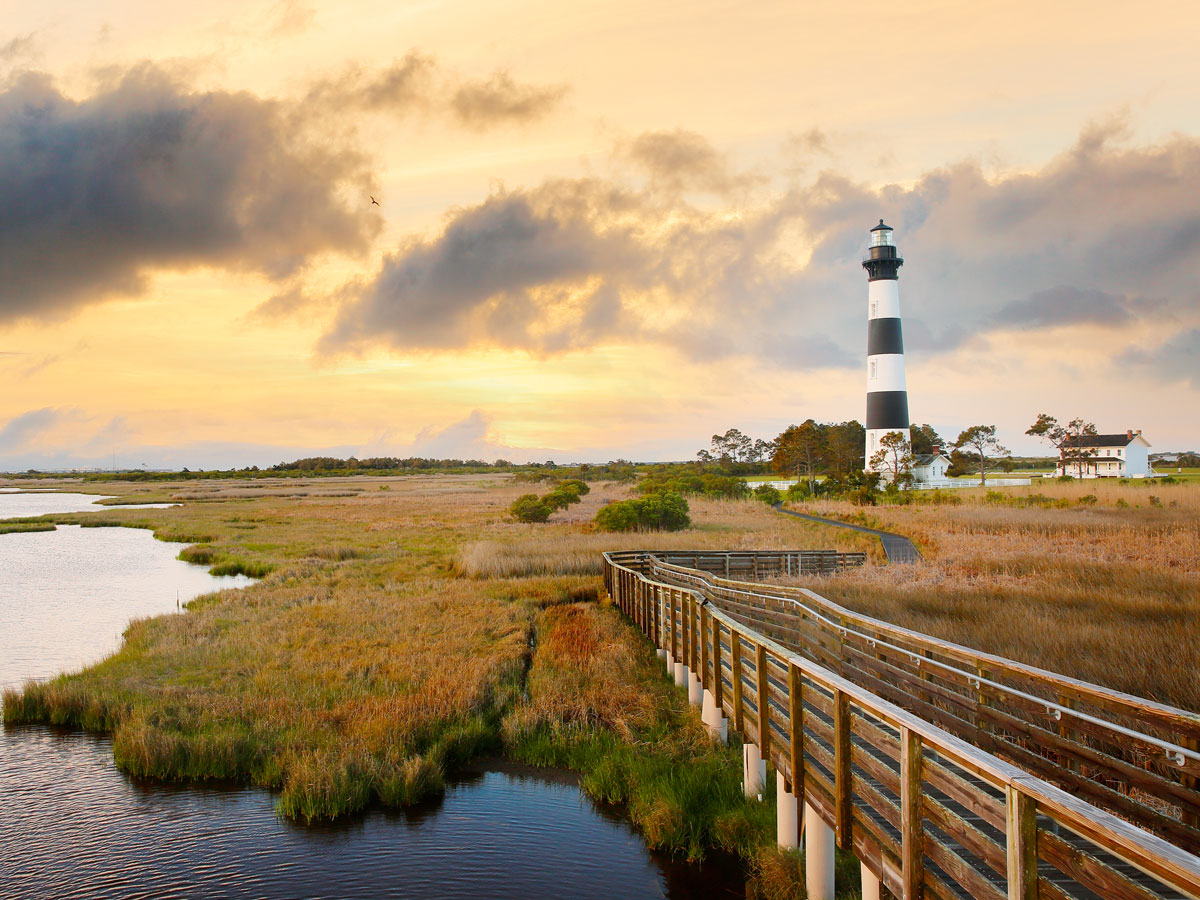
In cities across the world, bridges span rivers, harbors, and canals to facilitate access that would otherwise require time-consuming ferry crossings or lengthy detours by road. Many of these storied structures have stood for centuries; others have made their mark in a much shorter space of time. Here are eight of the most interesting historic city bridges and the stories behind them.
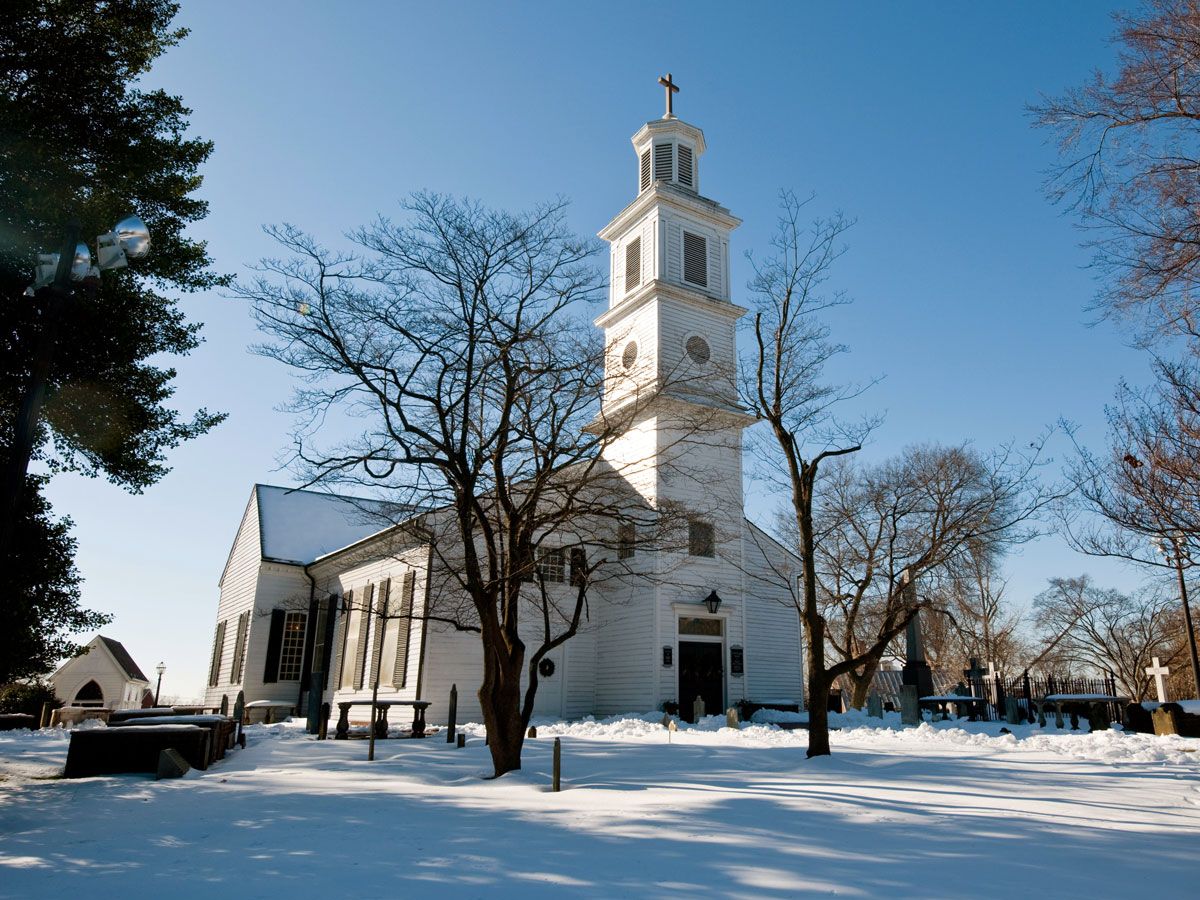
Ponte Vecchio – Florence, Italy

Multi-story shops liking the Ponte Vecchio in Florence, Italy
Photo credit: frantic00/ Shutterstock

The Ponte Vecchio (Italian for “Old Bridge”) spans Florence’s Arno River as the city’s oldest bridge. A bridge has stood here since Roman times, but the structure you see today dates from 1345. In its early days, the bridge was home to the city’s butchers, which was deemed a good idea at the time because it separated them from other vendors and allowed them to dispose of their scraps of waste meat straight into the water. 

However, during the 16th century — partially at the request of influential families such as the Medici — the malodorous trade was relocated. Thus began a tradition of jewelry trading on the Ponte Vecchio, which continues to this day. The jumble of shops on the outer edge of the bridge forms the retrobotteghe (back shops). The reason they are situated on the outer edge of the brige is due to building controls — extending inwards was prohibited, so shopkeepers gained extra space by developing out over the water.

Brooklyn Bridge – New York, New York

View of Brooklyn Bridge pedestrian path at dusk
Photo credit: TTstudio/ Shutterstock

In the first 24 hours after the Brooklyn Bridge’s opening in 1883, an estimated 150,000 people walked across the East River to experience what was then the longest suspension bridge in the world. German-born civil engineer John Augustus Roebling came up with a groundbreaking design that included a 1,600- foot-span from tower to tower. But sadly, Roebling wouldn’t live to see construction begin, let alone end. 

Roebling’s son took the reins after his father’s death, but building this bridge was no easy feat. Workers risked their lives to excavate watertight underground chambers called caissons with dynamite and shovels. They backfilled these with concrete and built brick piers up to the water’s surface. Today, the Brooklyn Bridge remains a popular landmark with Big Apple visitors and locals alike — on average more than 116,000 vehicles, 30,000 pedestrians, and 3,000 cyclists cross it every day.

Sydney Harbour Bridge – Sydney, Australia

Pathway leading under Sydney Harbour Bridge
Photo credit: FiledIMAGE/ Shutterstock

The Sydney Harbour Bridge took eight years to construct, opening in 1932 as the world’s tallest steel arch bridge. Building this Australian icon was a huge undertaking: The project was overseen by Australian engineer John Bradfield, who also had a hand in its design. Nicknamed “the coat hanger” because of its distinctive shape, the Harbour Bridge was partly inspired by New York’s Hell Gate Bridge. It also bears a close resemblance to the Tyne Bridge in northern England. This is no coincidence — the same firm built both structures leading many locals to believe the smaller British bridge was a trial run for its larger cousin. 

Much of the steel used in the construction of the Sydney Harbour Bridge was shipped in pre-formed sections from England, and more than 6 million rivets hold it together. Together with the Opera House, it’s one of the city’s most recognizable sights. If you don’t have a fear for heights, one of the most thrilling ways to experience the Sydney Harbour Bridge is to harness up and climb it. 

Pont Faidherbe – Saint-Louis, Senegal

View of Pont Faidherbe in Senegal
Photo credit: Watch The World/ Shutterstock

When Saint-Louis was under French colonial rule, Governor Louis Faidherbe saw the need for a bridge linking this coastal northwestern Senegalese island city to the mainland. At one point, a floating pontoon bridge was installed, but a more effective solution was needed, and the Pont Faidherbe was finished in 1897. Some sources say that Gustave Eiffel was responsible for the bridge’s design; although Eiffel’s company pitched for the job, the bridge was designed by Nouguier, Kessler et Cie. It was helmed by French civil engineer Émile Nouguier, who worked with Eiffel until 1893. 

Regardless of who oversaw its construction, Pont Faidherbe is an impressive project. The bridge itself measures 1,663 feet across, with a section that is able to pivot to facilitate the passage of ships too large to pass underneath. Today, both the city and its bridge comprise one of Senegal’s seven UNESCO World Heritage Sites

Kapellbrücke – Lucerne, Switzerland

Swans in Reuss River with Kapellbrücke in background
Photo credit: canadastock/ Shutterstock

Lucerne’s famed Kapellbrücke (Chapel Bridge) gets its name from St. Peter’s Chapel, which stands along the Reuss River at the northern end of this historic landmark. Kapellbrücke is the oldest wooden covered bridge in Europe and also the world’s oldest truss bridge. Its history dates back to around 1367, when it was constructed as part of the town’s defenses. 

One of the most distinctive features of the Kapellbrücke is the octagonal wasserturm (water tower), which is actually slightly older than the bridge itself. The Kapellbrücke is also well-known for its 17th-century paintings that depict scenes from the city’s past. In 1993, a devastating fire broke out on the bridge, which caused extensive damage to the structure and many of those paintings. Fortunately, the bridge (and around 30 of those 147 works of art) were restored the following year.

Meganebashi Bridge – Nagasaki, Japan

Image of the Meganebashi Bridge in Nagasaki, Japan
Photo credit: Sanga Park/ Shutterstock

The Meganebashi Bridge, one of the oldest stone bridges in Japan, crosses the Nakashima River in Nagasaki, a port city on the island of Kyushu in southeast Japan. The original structure was built in 1634 by a Chinese monk named Mokusunyoujo; however, disaster struck just 13 years later when the bridge was washed away. Its replacement opened in 1648, but the bridge was badly damaged again by floods in 1982. This time, almost all the original stones were able to be salvaged and reused, so most of the stonework you see today is authentic. 

Visitors often comment on the bridge’s unusual shape — when the two arches reflect in the water, the bridge resembles a pair of glasses, giving it the popular name Spectacles Bridge. It’s also become a tradition to come here to make a wish for eternal love. Twenty heart shaped stones can be found in the embankment walls close to the bridge; the more of them you can see, the more likely it is that your wish will come true.

Puente Transbordador – Buenos Aires, Argentina

Image of Puente Transbordador in Buenos Aires, Argentina
Photo credit: Karol Kozlowski Premium RM Collection/ Alamy Stock Photo

The full name for this bridge is the Puente Transbordador Nicolás Avellaneda, though Porteños (the nickname given to residents of Buenos Aires) usually shorten it to Puente Transbordador. Opened in 1914, the transporter bridge (a now-rare type of movable bridge that carries a segment of roadway across a river) crosses the Riachuelo River (also known as the Matanza River) and links the working class La Boca district of Buenos Aires with the port city of Avellaneda across the water.

A gondola was hung from the span to carry passengers and freight suspended over the water. The bridge stands right alongside a newer bridge, the similarly named Puente Nicolás Avellaneda, which was built in 1940 as a vertical lift bridge. After this, the original Puente Transbordador bridge became obsolete and was taken out of use. However, it was never demolished. In 1999, it was awarded National Historical Monument status, and in 2017, following significant restoration work, it was reopened to pedestrians.

Tower Bridge – London, England

Image of Tower Bridge in London, England
Photo credit: S.Borisov/ Shutterstock

London’s Tower Bridge is a late 19th-century double-leaf bascule (a bridge with a pivoting section that is raised and lowered) which crosses the Thames River at the much older Tower of London. The steel structure, clad in Cornish granite and Portland stone, was originally powered by steam and later replaced by electrified hydraulics. Vessels with a mast or superstructure greater than 30 feet tall, which wish to enter or leave the Upper Pool of London, need to pre-arrange a bridge lift. The Tower Bridge lifts its span an average of 800 times each year, and times are published online. Traffic is held while this occurs, but pedestrians can access the bridge’s glass-floored walkway above. 

Post Banner Image
Architecture

The Fascinating Histories of 6 Fairy-Tale European Castles

By Fiona Mokry
Read time: 5 minutes
July 20, 2023
Updated: July 25, 2023

The Fascinating Histories of 6 Fairy-Tale European Castles

By Fiona Mokry
Author
Fiona Mokry
Fiona has spent her career exploring the world and working in the travel industry, turning her lifelong passion into a profession. From planning custom trips to sharing stories as a travel writer for publications such as The Discoverer, she’s all about helping others experience the world in a deeper, more meaningful way.

Europe is a treasure trove of castles that appear straight out of a fairy tale — ones that have even inspired Walt Disney himself. From rise-from-the-ashes comeback tales to surprising histories and elaborate designs, European castles tick all the boxes for travelers interested in history, architecture, and culture. Discover six of Europe’s most famous castles and the compelling stories behind their façades.

Neuschwanstein Castle – Germany

Image of Neuschwanstein Castle in Germany
Photo credit: Massimo Santi/ Shutterstock

Having famously inspired the design of Disneyland’s Cinderella castle, this German showstopper has drawn attention since even before it was finished in 1892. Neuschwanstein Castle, commissioned by King Ludwig II, was predicted to take three years to build, but it ultimately took 24 to complete construction. Workers ran into difficulties with its cliffside location, the scope of the project, and the monarch’s changing demands. Sadly, the king never saw his masterpiece completed before his death in 1886. 

To reconcile the massive debt Ludwig II accumulated during the castle’s construction, local authorities opened Neuschwanstein as a museum to recoup the losses — just seven weeks after he died. Neuschwanstein possessed advanced technology for its time — such as hot and cold water, a central air system, and telephones — but concerted efforts are required today to keep the castle in tip-top shape (and from toppling off its cliffside locale).  

Pena Palace – Portugal

Colorful facade of Pena Palace in Portugal
Photo credit: BONDART PHOTOGRAPHY/ Shutterstock

Sintra has become one of Portugal’s most popular tourist destinations, thanks to a generous smattering of whimsical castles built amongst its scenic hills. With so many castles to admire, standing out in Sintra takes effort, and commanding attention with its bright yellow and red exterior and Romanticist architecture is the Pena Palace. The palace, which sits atop a 1,500-foot-high hill, the second-highest in the area, is even visible from Lisbon, located 16 miles away. 

The palace was originally a chapel constructed in the Middle Ages after a report that the Virgin Mary had appeared on the hill. The chapel was devastated in an 18th-century earthquake, and it didn’t reach its current grandeur until King Ferdinand inherited and transformed the property in 1838. Not to be outdone, the surrounding gardens — which extend for over 200 acres — host a collection of international plant species and are considered some of the most beautiful in Europe. 

Alcázar of Segovia – Spain

Image of Alcázar of Segovia, Spain
Photo credit: David Andres Gutierrez/ Shutterstock

The storied history of this medieval castle in Segovia, Spain, is told through its eclectic architectural style, to which many monarchs have contributed. Perched atop a craggy cliff, the Alcázar of Segovia was built in the 12th century as a fortified palace for the Kingdom of Castile, but the structure has served many purposes throughout its lifetime. Not only was it used as a royal palace for centuries, but it was also a prison, House of Parliament, artillery college, military academy, film set, and today, a museum. 

Aesthetically built to look like a bow of a ship, its towers and spires are part of what inspired Walt Disney’s iconic castle logo. Part of a UNESCO World Heritage Site, the Alcázar is a colorful blend of Christian and Moorish architecture featuring ornate ceilings, azulejos, and carved archways. 

Château de Chambord – France

Imposing exterior of Château de Chambord in France
Photo credit: D.Bond/ Shutterstock

This imposing chateau — built by King Francis I in 1519 — is the largest in Loire Valley and remains one of its most splendid architectural wonders. The castle and its connecting grounds sprawl over 33,300 acres — roughly encompassing the same area as inner Paris — and houses 440 rooms, 282 fireplaces, and 84 staircases. The double helix staircase located in the core of the structure is particularly noteworthy, designed so the king would never run into his servants on the stairs. 

Though great efforts were taken to ensure the Château de Chambord dazzled its visitors, the purpose of its construction was primarily as a hunting lodge, and not for defense like most Renaissance castles. Though King Francis I was known to show off his palace to visiting royals and ambassadors, he only used the castle as a temporary residence during hunting season, reportedly only spending a total of 72 days there. 

Windsor Castle – England

Grounds of Windsor Castle in England
Photo credit: Mistervlad/ Shutterstock

As the oldest and largest inhabited castle in the world, England’s Windsor Castle has housed British royalty since the 11th century. Today, the palace serves as the official residence to the monarch and another 150 people who work there. The grandiose palace walls are built to impress, but it’s what’s on the inside that’s remarkable — 300 fireplaces, 400 historic clocks, 1,000 rooms, and an extensive art collection. Perhaps the most impressive room, however, is St. George’s Chapel, which houses the tombs of 10 British monarchs. And there’s one unexpected room that Queen Elizabeth II spent the night in during a bomb scare at Windsor: the dungeon!

Edinburgh Castle – Scotland

Scotland's Edinburgh Castle perched on hilltop overlooking capital
Photo credit: MarcAndreLeTourneux/ Shutterstock

One of Scotland’s most famous landmarks, Edinburgh Castle sits high atop an emerald green hill and dominates the capital’s skyline. But what many visitors may not know is that the castle’s hilly perch is actually a dormant volcano, known as Castle Rock. 

With buildings dating to the 11th century, Edinburgh Castle has quite the tumultuous history, witnessing the invasion of hostile forces a whopping 23 times to make it the most-besieged castle in Europe. Despite that fact, the castle managed to keep a few things under wraps, including a hidden tower built by King David II that later served as an ideal hiding spot for the Crown Jewels of Scotland — which were forgotten about for over a century, until they were rediscovered in 1818.