This Popular European City Is Banning Outdoor Dining
By
Bennett Kleinman
Read time: 3 minutes
December 22, 2025
Updated: December 22, 2025
This Popular European City Is Banning Outdoor Dining
Tips •December 22, 2025•Updated: December 22, 2025
By Bennett Kleinman
Author
Bennett Kleinman
Bennett is a New York City-based staff writer for Daily Passport. He previously contributed to television programs such as the Late Show With David Letterman, as well as digital publications like the Onion. Bennett has traveled to 48 U.S. states and all 30 Major League Baseball stadiums.
Overtourism is a very real issue, especially in Europe’s biggest tourist hot spots. The influx of visitors can put a strain on local infrastructure, and the heavy congestion is often a detriment to locals who just want to go about their lives. To help curb the issue, some cities have imposed restrictions such as tourist taxes or limits on rental properties. But one popular destination is taking these measures to a new level by banning outdoor dining in tourist-centric areas.
Only 380,000 residents call Florence, Italy, their full-time home — a tiny group compared with the 16 million-plus tourists who visit each year (more than 40,000 visitors each day).
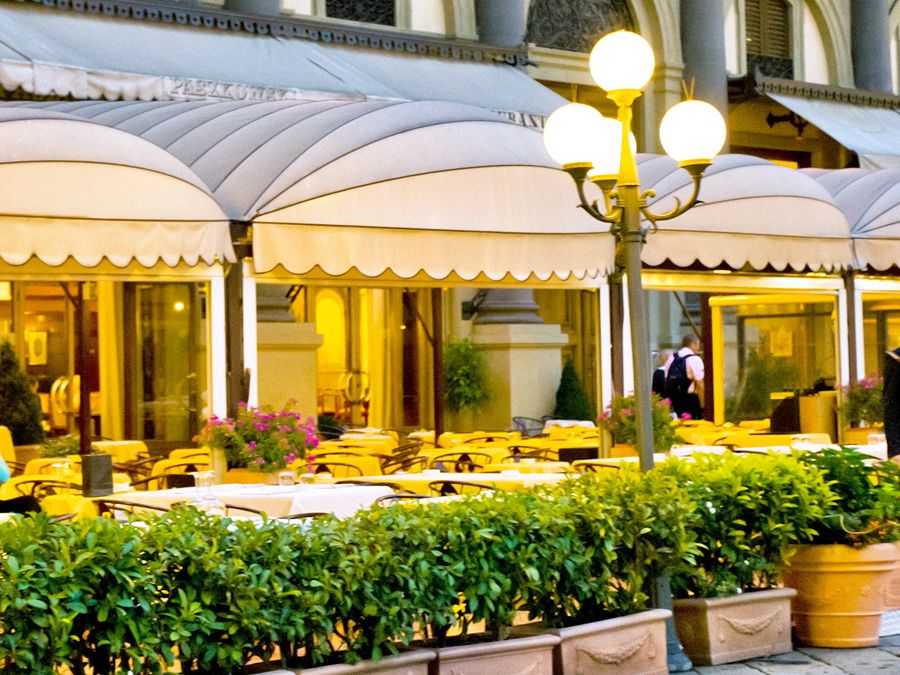
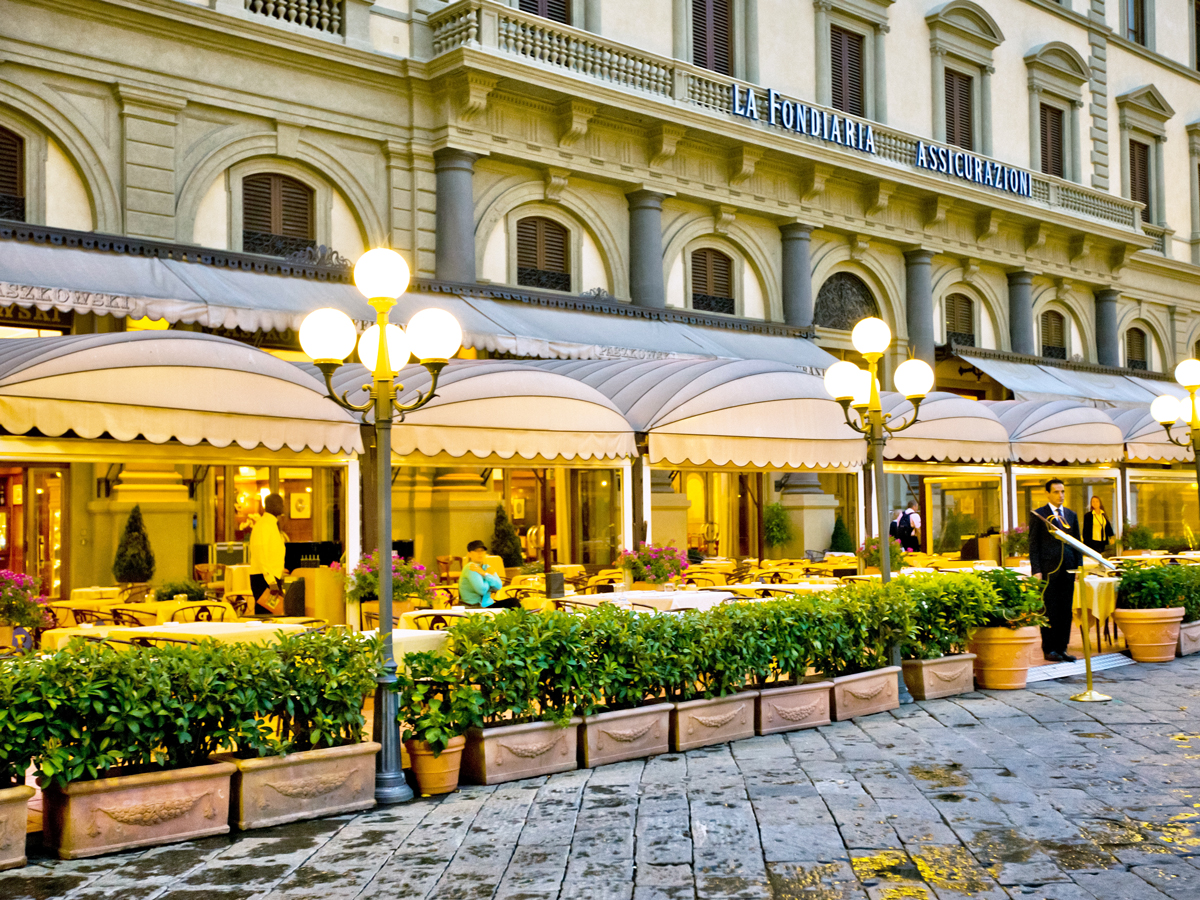
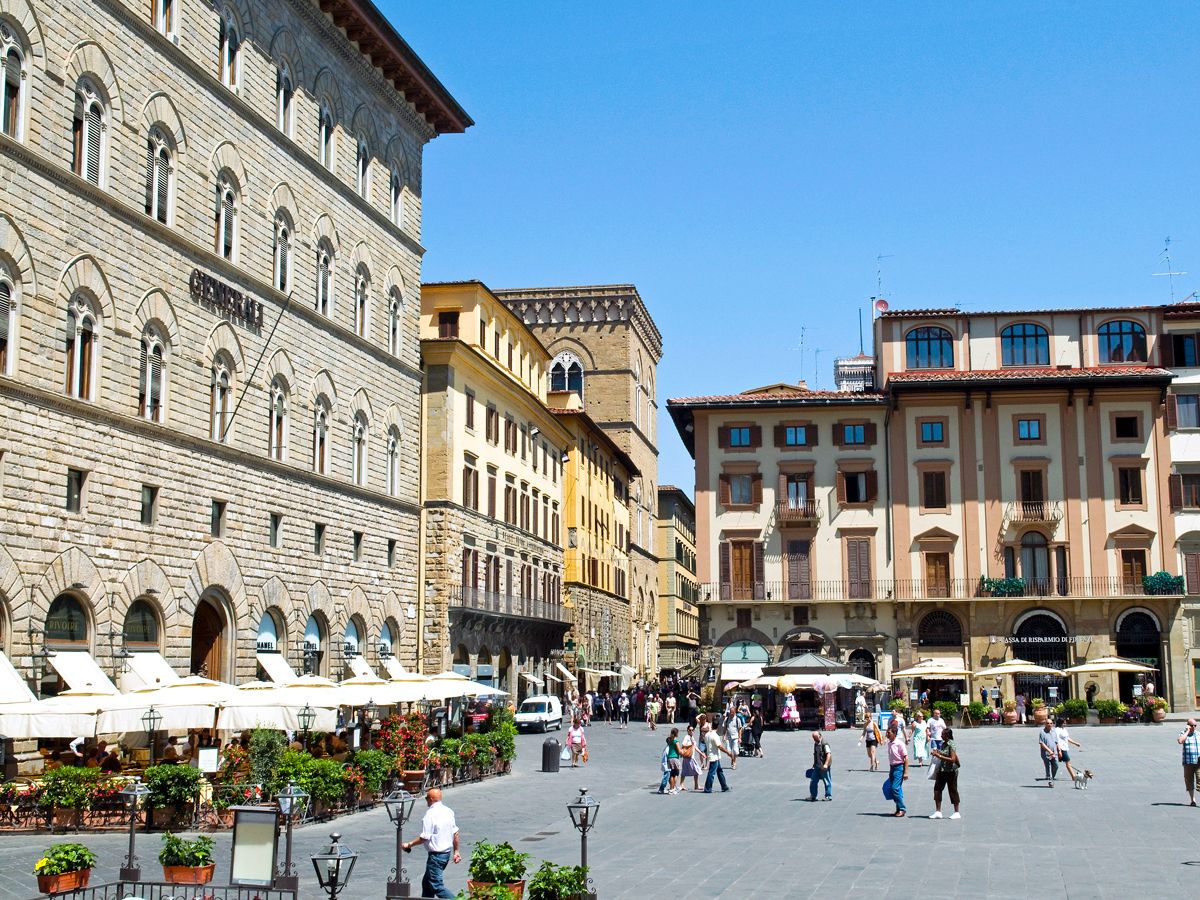
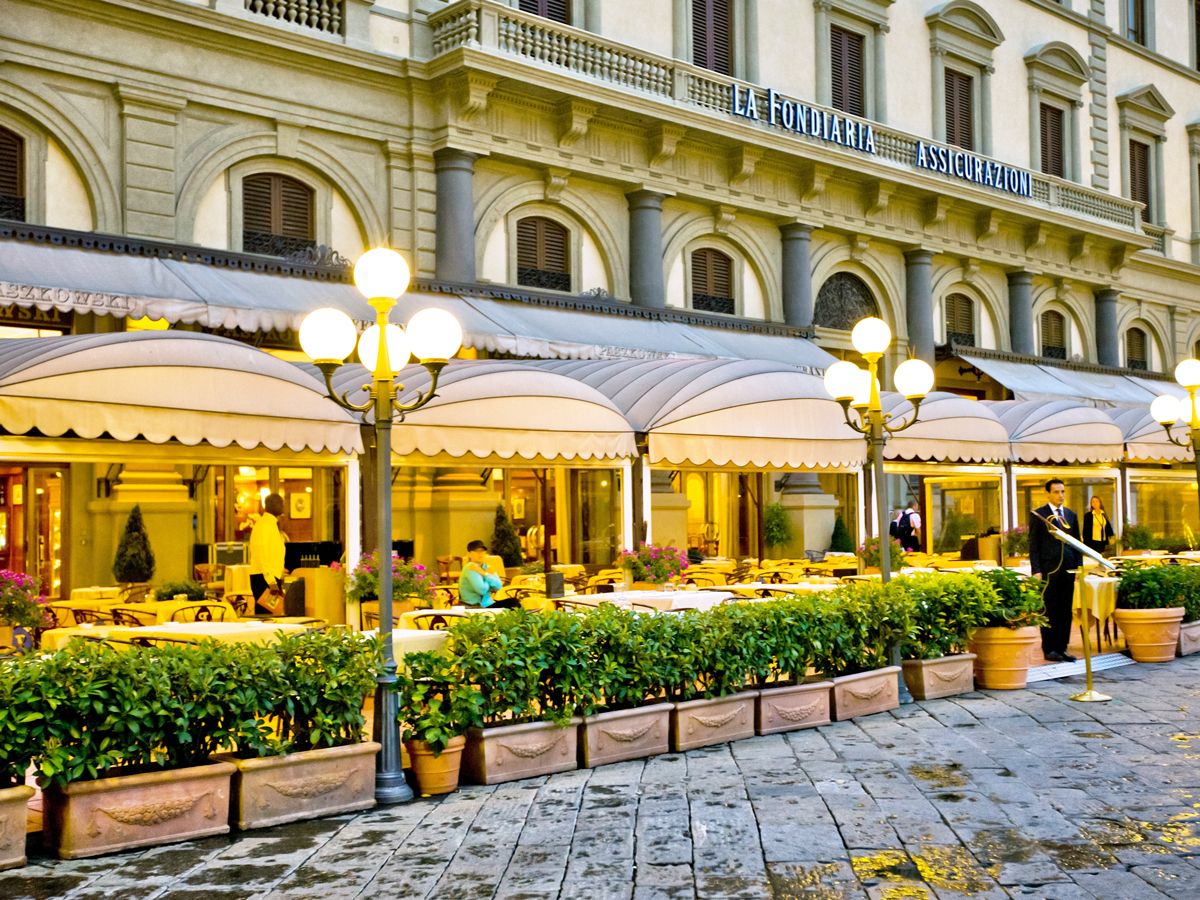
One of the most popular areas of Florence is the UNESCO-protected city center, where the large crowds make it difficult to navigate the neighborhood’s narrow streets. Walkways are further limited due to the many tables, chairs, and semipermanent dining structures set up by eateries hoping to attract customers with alfresco dining options.
In an effort to address these concerns, Florentine officials plan to ban outdoor dining structures in the city center and regulate setups elsewhere. These measures are set to take effect in the early part of 2026, once the city council approves, and the changes will affect restaurants located along 50 streets in the main historic area, as well as at 73 additional locations around Florence.
Interestingly, the reaction to these new regulations has been almost universally negative — though not for the reasons you may expect. Some residents claim the ban doesn’t go far enough, saying stricter guidelines are essential to make streets more navigable. However, restaurateurs, as you might guess, are concerned about how this change will affect their bottom line, as fewer outdoor tables will mean fewer customers. But despite this pushback, the plan is still expected to take effect in early 2026.
The ban will cover popular sites (and the areas surrounding them) such as Piazzale degli Uffizi, a courtyard situated between two long galleries of the Uffizi Gallery art museum; the Palazzo Vecchio (town hall); and Ponte Vecchio, a medieval stone bridge that has many well-trafficked restaurants nearby.
There are another 73 streets subject to a partial ban. According to the Florence Daily News, outdoor dining setups will be permitted but highly regulated, in order to cut back on large, semipermanent, enclosed spaces. Many restaurants will be limited to only a few tables, chairs, and small umbrellas, while others will be granted some leniency to install partial enclosures with transparent side panels during the colder months.
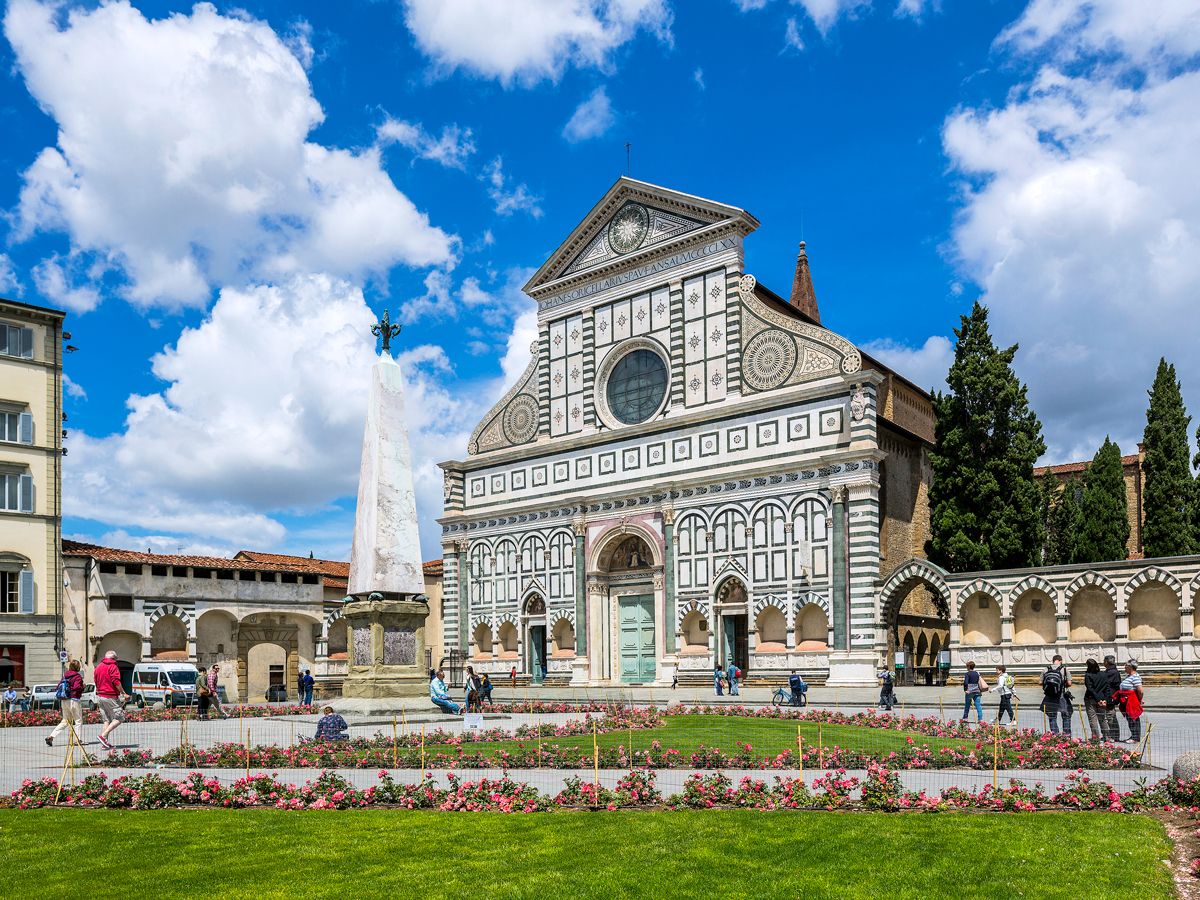
As of the time of publication, there’s still work to be done to determine the exact specifications for the city’s four “noble squares” — Piazza della Signoria, Piazza Santa Maria Novella, Piazza Pitti, and the Piazza della Repubblica. The city hopes to limit outdoor dining in these squares to maintain the central open space. In the case of Piazza della Repubblica, for example, all dining installations will be forced to adhere to a strict symmetry. Further guidelines are set to be implemented within 30 days of city council approval.
Additional Restrictions
Credit: anouchka/ iStock Unreleased via Getty Images
In addition to cutting back on congestion, a goal of these new measures is to protect the historic aesthetic of Florence. This means removing eyesores that would otherwise obstruct the artistic and architectural features of the city center.
All restaurants will be prohibited from using plastic materials, including any sheets or tarps that would have previously served as temporary roofing or protection against the wind. Additionally, all advertising, bright lights, or branded signage will be banned. Lastly, restaurants and cafes are being advised to decorate their outdoor spaces with seasonal plants and flowers that are locally grown and sustainable, as to make these exteriors more attractive using Italian foliage.
Advertisement
More from our network
Daily Passport is part of Inbox Studio, an email-first media company. *Indicates a third-party property.
The Real Reason Flight Attendants Greet You at the Boarding Door
By
Julia Hammond
Read time: 3 minutes
December 22, 2025
Updated: July 9, 2026
The Real Reason Flight Attendants Greet You at the Boarding Door
Tips •December 22, 2025•Updated: July 9, 2026
By Julia Hammond
Author
Julia Hammond
Julia is a U.K.-based travel writer whose work has been featured in The Independent, The Telegraph, The New Zealand Herald, and Culture Trip, among others. She’s an enthusiastic advocate for independent travel and a passionate geographer who has had the privilege of traveling to more than 130 countries in search of a story.
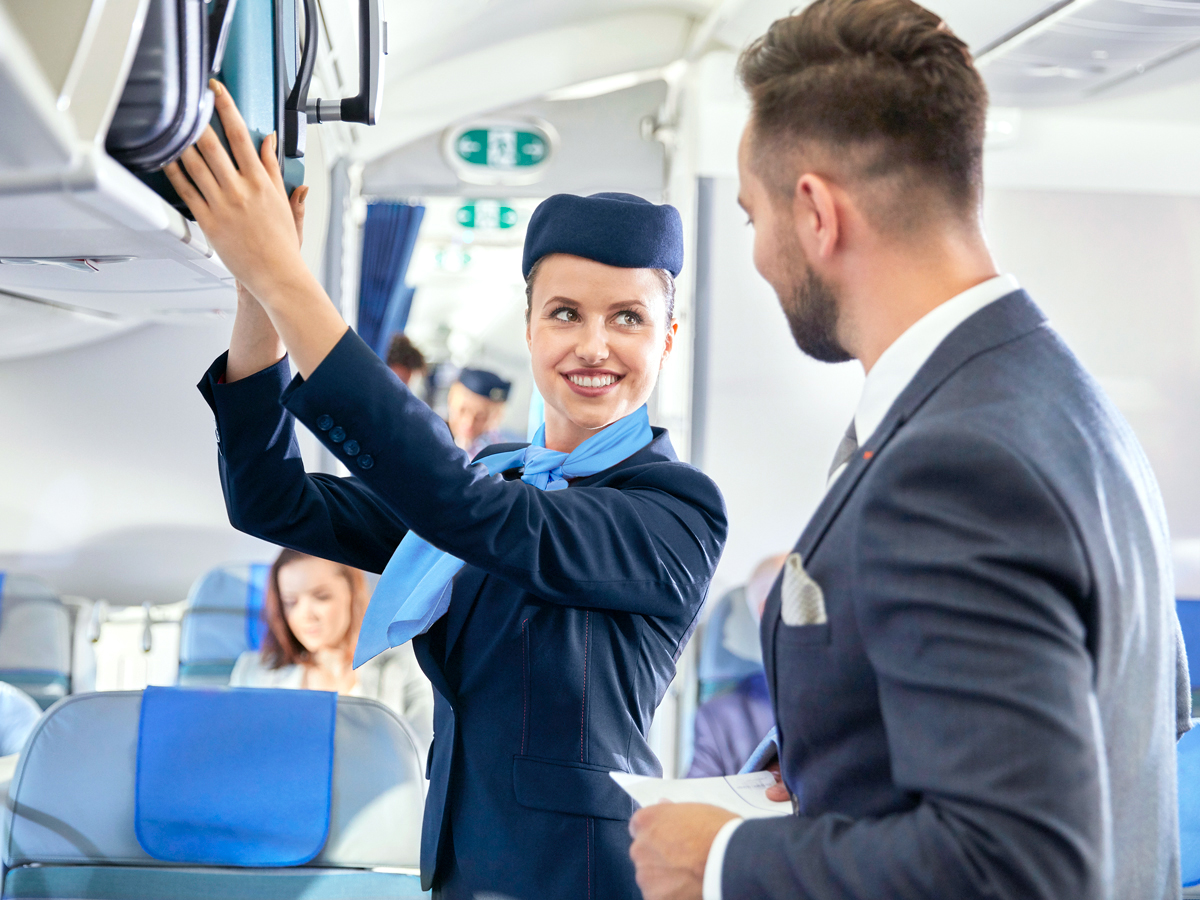
When you board an aircraft, your mind is likely focused just on finding your seat and settling in. If you’re greeted by a flight attendant, you may just think they’re offering a friendly welcome aboard and nothing more. But in fact, this fleeting interaction is more important than you might think.
Flight Attendants Are Assessing Your Mood and Physical State
A simple greeting and a smile from the cabin crew isn’t all it may seem. Flight attendants use those few seconds to determine if a passenger is in a fragile state emotionally, is a high-maintenance or nervous flyer, or is displaying any important indicators, such as the sunflower lanyard worn by those with hidden disabilities.
They’ll also be looking for clues that any passenger may be intoxicated and could become uncooperative — flight attendants want to be confident that passengers are going to comply with instructions. Identifying potentially unruly passengers helps cabin crew ensure that everyone has a safe and smooth journey.
They’re Determining Who May Need Assistance During the Flight
Flight attendants also need to know who may need physical assistance during the flight and crucially, in the event of an emergency. Safety is their top priority, so they’ll be looking out for anyone who might appreciate a helping hand, such as an adult traveling solo with young children or an elderly passenger who may take longer to deplane in an emergency.
Knowing this in advance helps the crew be more prepared and enables them to make a mental note of anyone that they may need to check on a little more frequently while in the air. Similarly, flight attendants are also clocking able-bodied passengers (ABPs) who have the capacity to look after others or assist with heavy doors in an emergency, and can be called upon by cabin crew if required.
It’s an Opportunity To Look for Anything Suspicious or Unusual
Credit: Serhii Ivashchuk/ iStock Editorial via Getty Images Plus
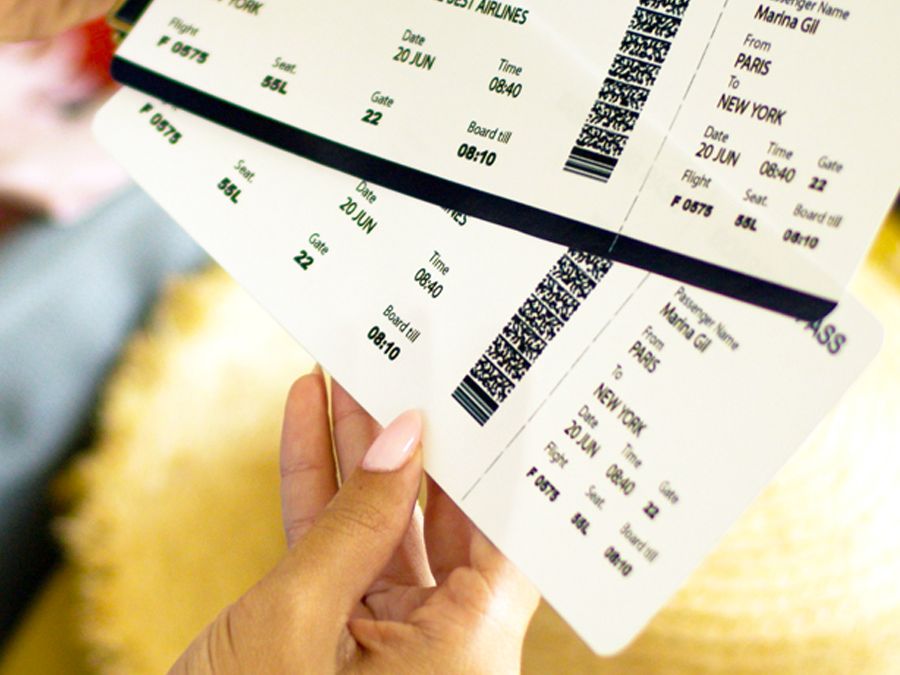
Even though airports carefully screen passengers and their luggage before they make it to the gate, the ultimate responsibility for passengers while in the air remains with the pilot and, by extension, their crew. So, it makes sense that those greeting passengers as they board will take the opportunity to assess whether anything appears out of the ordinary. Airline staff might also check boarding pass as another security measure to make sure no one sets foot on the plane who isn’t supposed to be there.
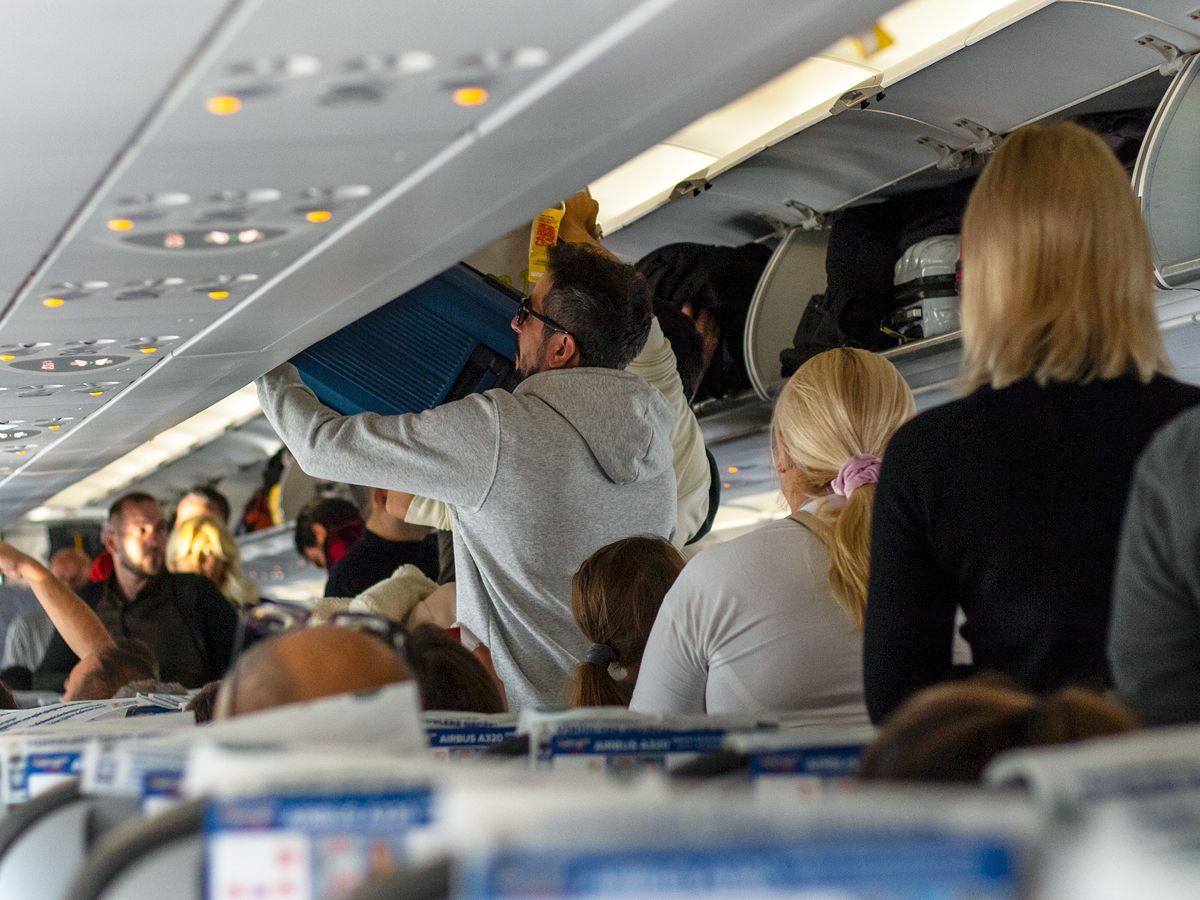
Additionally, anyone attempting to board with excessively large carry-ons or too many bags will be flagged at this stage, especially because it can slow down the boarding process. On wide-body aircraft, flight attendants often check boarding passes to tell passengers which aisle is best to use to reach their seat.
The Greeting Sets the Tone for the Flight
Credit: Caia Image/ Collection Mix: Subjects via Getty Images
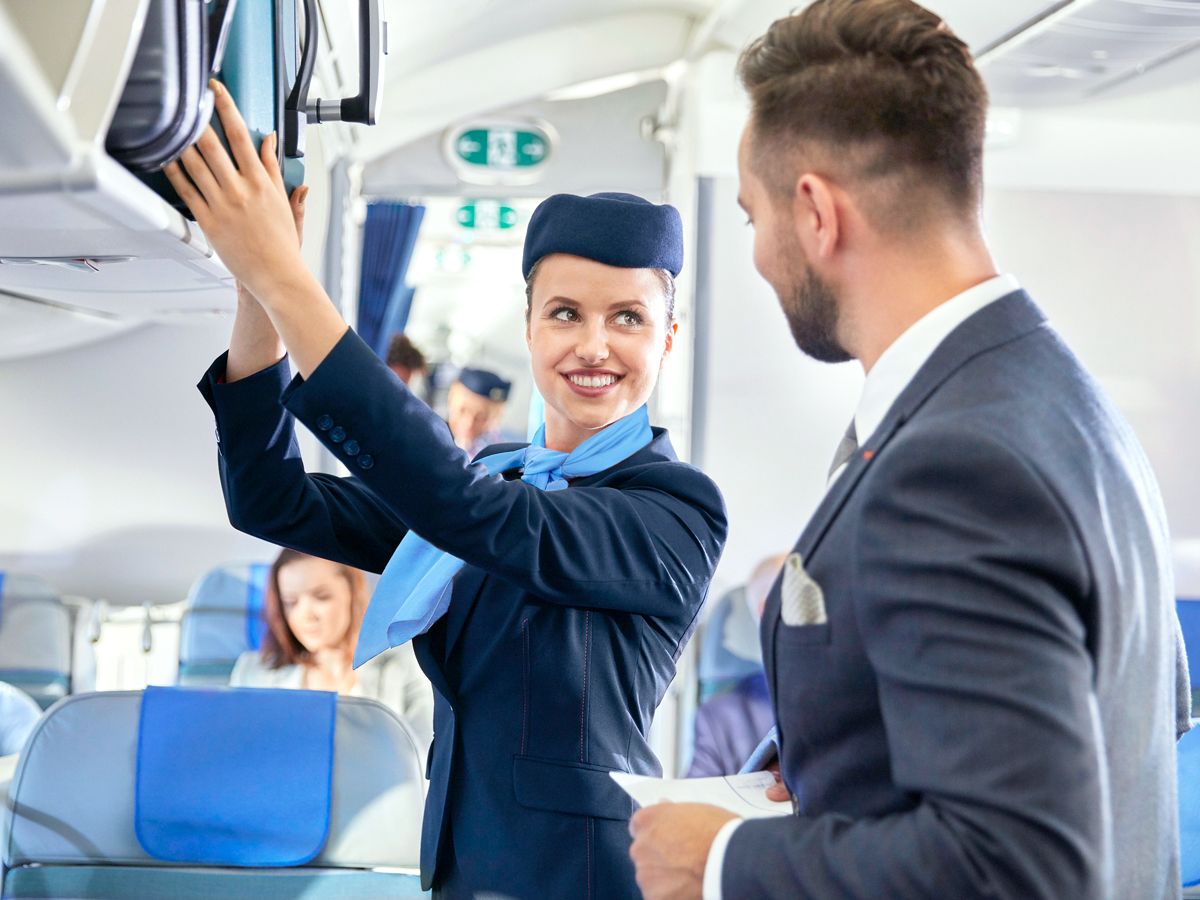
Passengers have their first interaction with the cabin crew as they board the plane, and it’s in everyone’s interest to get off to a good start. This is the first instance in which flight attendants can set the tone — some airlines are more formal than others, but friendliness and mutual respect should be universal. A congenial greeting helps foster a welcoming and inclusive atmosphere onboard where everyone can be comfortable.
Bennett is a New York City-based staff writer for Daily Passport. He previously contributed to television programs such as the Late Show With David Letterman, as well as digital publications like the Onion. Bennett has traveled to 48 U.S. states and all 30 Major League Baseball stadiums.
Modern cities such as Dubai and Tokyo are among the most popular tourist destinations in the world. But some travelers prefer to escape the hustle and bustle and venture somewhere quieter, perhaps a place with a more retro feel. Old-fashioned vacation spots might be few and far between, but you can still find them throughout the U.S. if you know where to look. With vintage hotels, historic architecture, and horse-drawn carriages instead of gas-guzzling cars, here are 10 of America’s quaintest and most nostalgic vacation destinations.
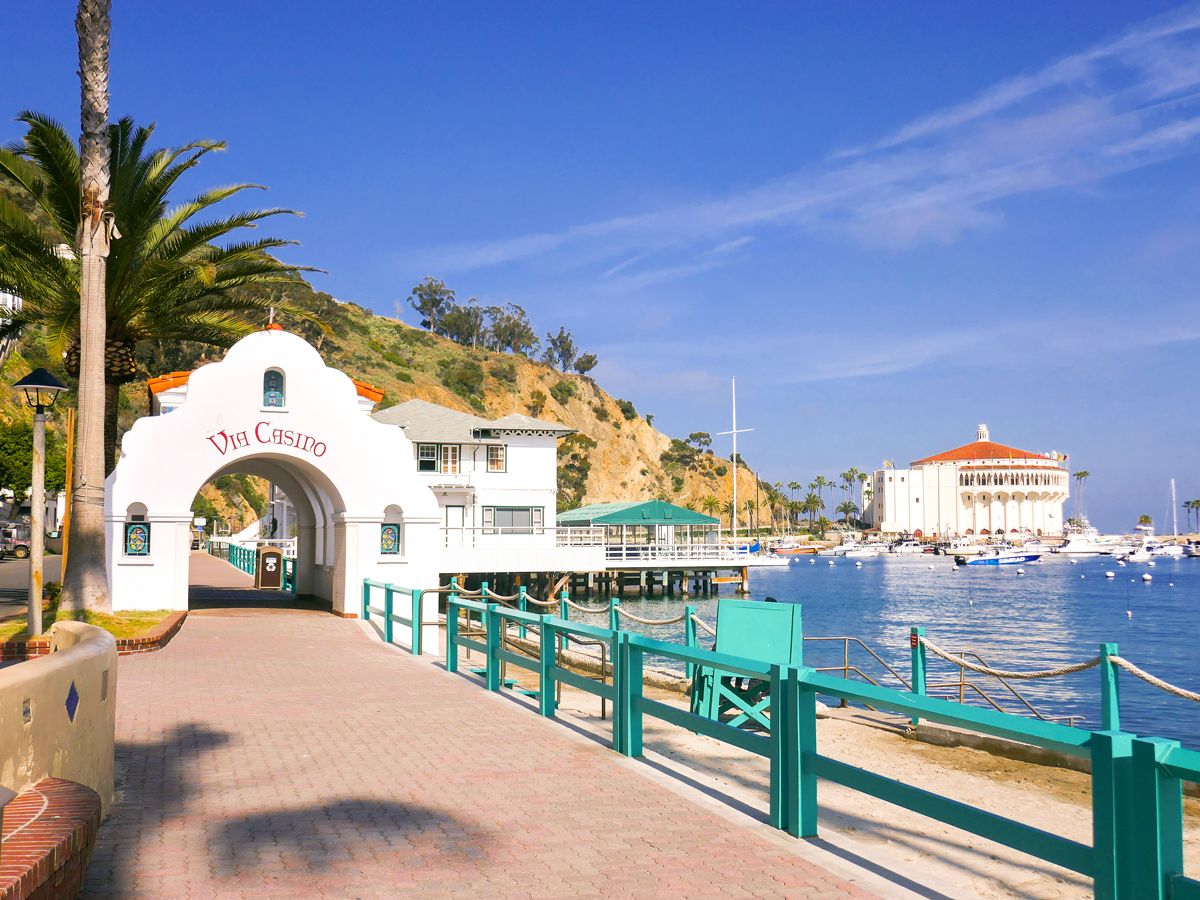
Catalina Island is a car-free paradise — visitors are prohibited from bringing cars or even renting them on the island. Instead, walking is encouraged. Fortunately, charming downtown Avalon, the island’s main town, covers less than 3 square miles. Golf carts are also available for rent, and select hotels offer limited shuttle service.
The island is easily accessible by ferries departing from San Pedro, Long Beach, Dana Point, and Newport Beach. Once you’ve arrived, you can take in Southern California’s oldest golf course (built in 1892), lace up a pair of vintage roller skates at the Wrigley Ballroom, or try your luck at the oceanside art deco-style Catalina Casino, which dates to 1929. You can even venture out on a bison expedition to gaze upon descendants of animals that were left on the island back in the 1920s.
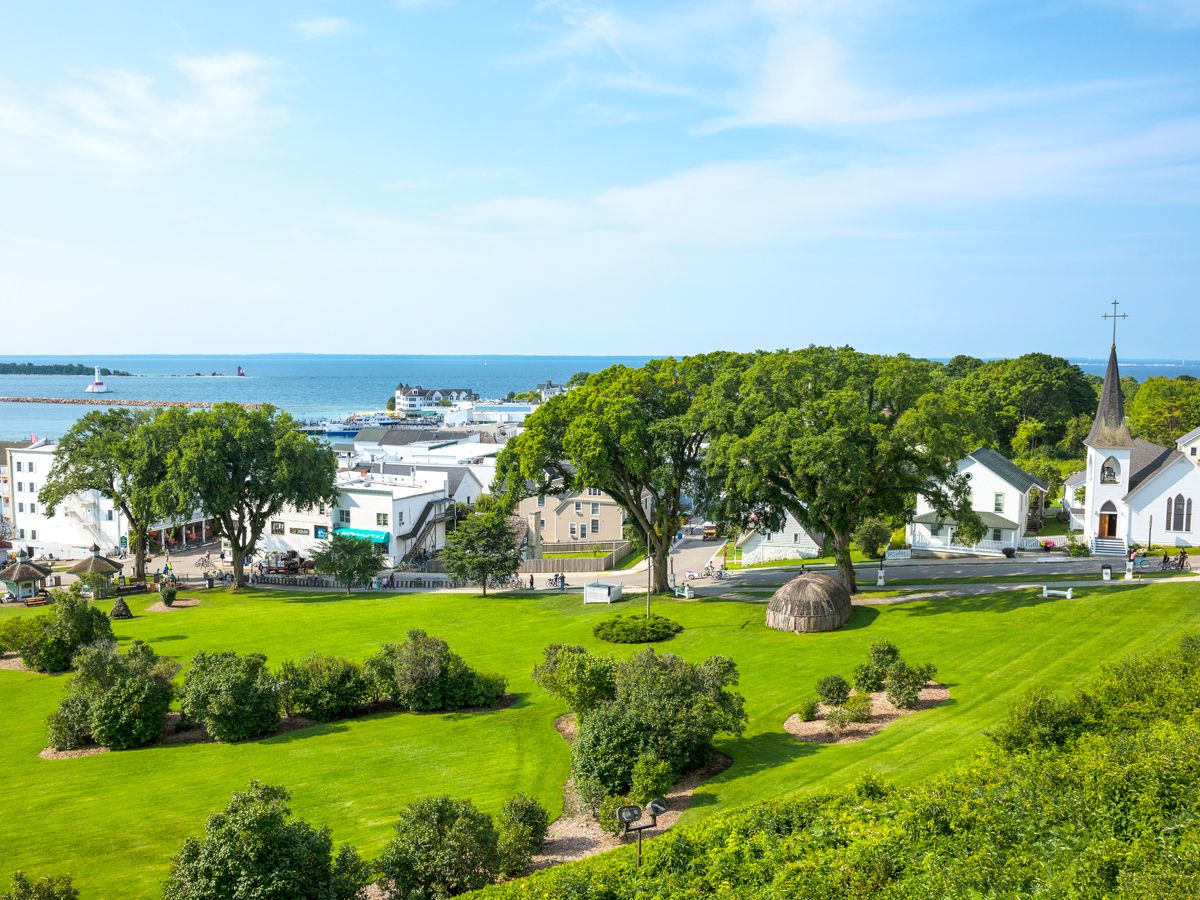
Located in Lake Huron between Michigan’s Lower and Upper Peninsulas, Mackinac Island is home to roughly 500 full-time residents. But it attracts a staggering 1-million-plus visitors each year, many of whom are seeking out a sense of quiet nostalgia. Part of what makes Mackinac Island so special is that, like Catalina Island, private cars are strictly prohibited. Instead, residents and tourists alike get around by horse-drawn carriage, on foot, or by bike. There’s no shortage of the latter — more than 1,400 bicycles are ready to rent on any given day.
In 1875, Mackinac Island was established as the country’s second national park, after Yellowstone. Two decades later, the land was turned into Michigan’s first-ever state park, and 82% of the island is part of that park. In addition to the various hiking trails, Mackinac is home to Michigan’s largest lilac tree, as well as the world’s longest porch, which is located at the Grand Hotel and measures 660 feet.
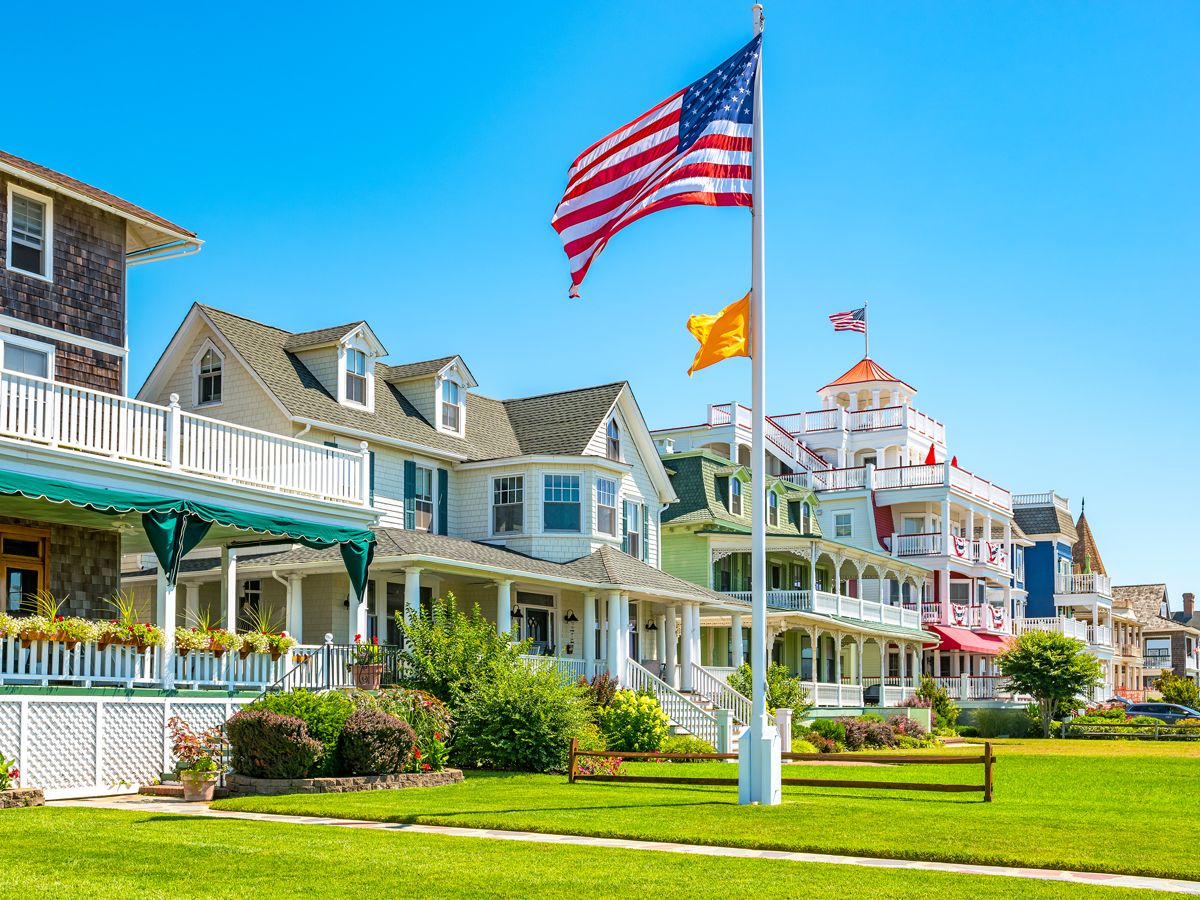
The land Cape May sits on, at the southern tip of New Jersey along the shores of the Atlantic, was first chartered in 1611. In the 18th century it became a popular vacation spot for Philadelphians, earning Cape May the distinction of being “the nation’s oldest seashore resort.”
Part of what makes Cape May so nostalgic is its expansive collection of Victorian homes, many of which were built after an 1878 fire destroyed much of the town. Other quaint sites worth seeing include the Historic Cold Spring Village, with 26 restored buildings where historic interpreters live and teach guests about life back in the late 18th and early 19th centuries. And don’t miss the Cape May Lighthouse — dating to 1859 and opened to the public in 1988, it offers panoramic views of the ocean as far as the eye can see.
Located in the Ozark Mountains in southern Missouri, Branson bills itself as the “Live Entertainment Capital of the World,” thanks to the city’s thriving live theater and music scene. While 13,000 or so people call Branson their full-time home, some 7.5 million tourists flock here annually. Many of those visitors head downtown to the theater district, where there are over 50 theaters with upwards of 60,000 seats collectively — more seats than there are on Broadway in New York City.
No visit to Branson is complete, however, without stopping by the Silver Dollar City, an 1880s-themed amusement park. Other attractions include the Butterfly Palace, the Titanic Museum (where over 400 artifacts are on display), and the World’s Largest Toy Museum, which contains more than a million toys.
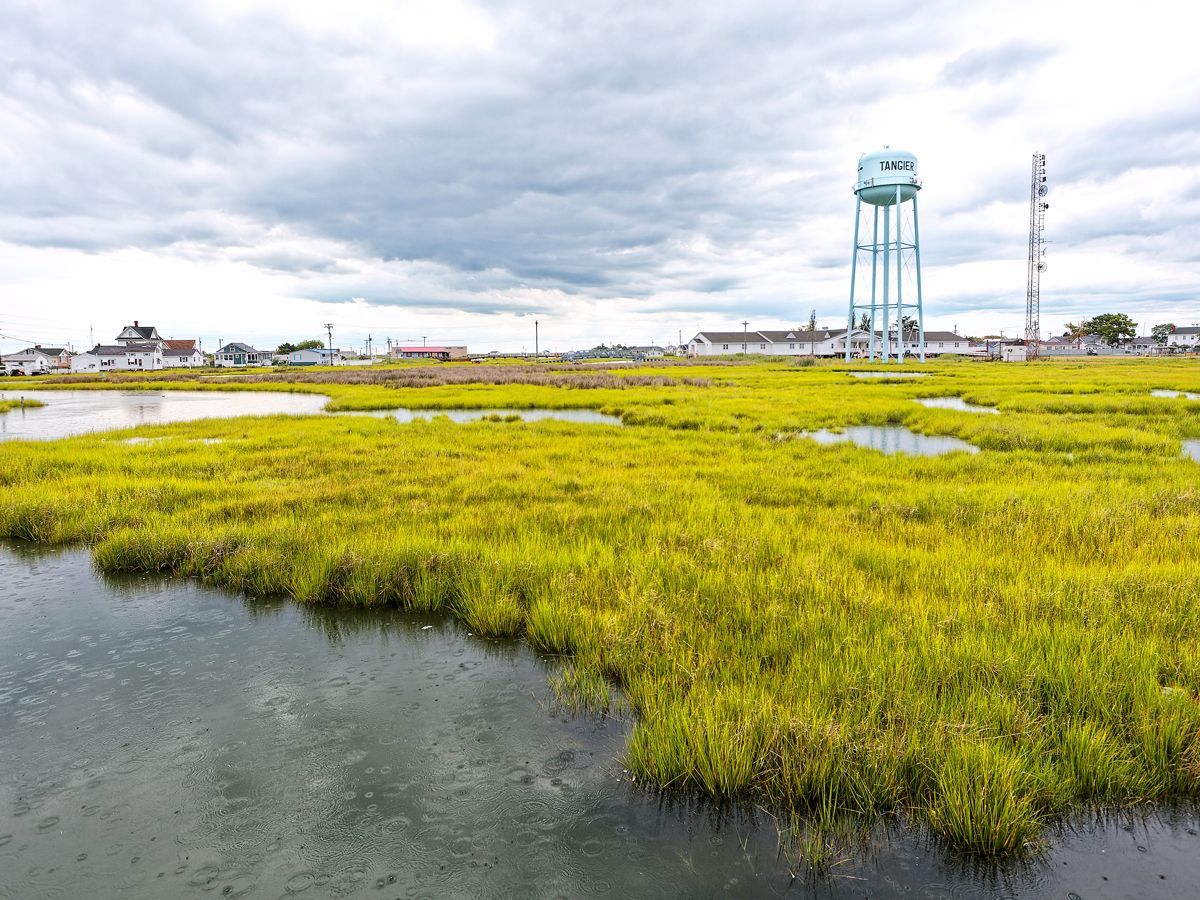
If you’re looking to experience life in a quiet fishing village, look no further than Tangier Island in Chesapeake Bay. Many of the current residents can trace their lineage back to colonial times, when their ancestors made a living fishing, crabbing, and oystering in the surrounding waters. This lifestyle still exists among the 500 or so locals who call this 12-mile-wide island home.
In recent years, Tangier Island has seen a spike in tourism, too. The island is accessible only by ferry or boat, and there are no cars to get around once you arrive. Instead, expect to travel by bicycle or golf cart.
In addition to the island’s rich fishing history, it played a fascinating role during the War of 1812. During that conflict, Tangier provided a haven to escaped enslaved people who chose to fight for the British in search of freedom. Learn about these events and more at the Tangier Island History Museum, which is open seven days a week and costs just $3 to visit.
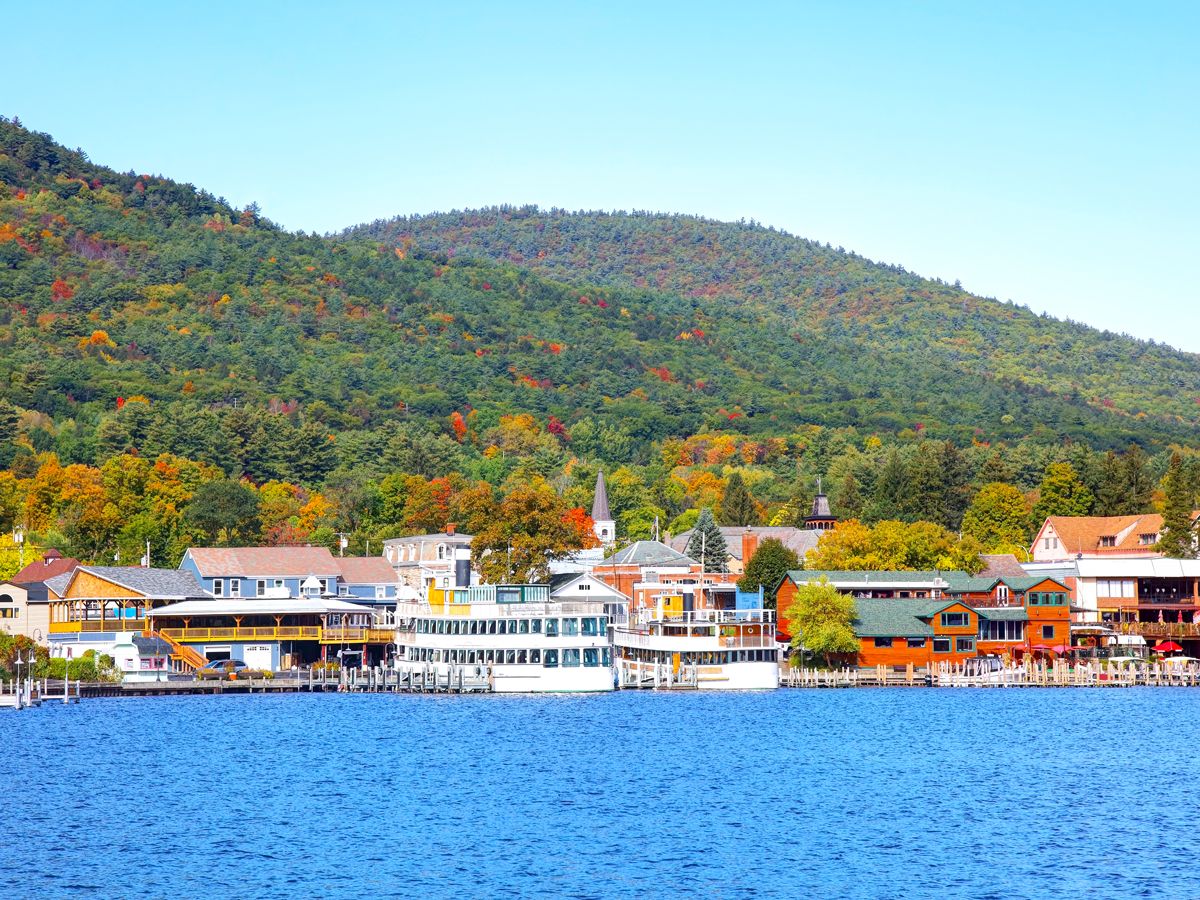
Lake George, located just a little over 200 miles north of New York City, offers a peaceful and serene setting with retro flair to boot. The lake itself measures 32 miles from north to south (making it the state’s longest) and is one the cleanest lakes in the country, thanks to strict environmental regulations that have kept it crystal-clear. In fact, Thomas Jefferson once referred to Lake George as “the most beautiful water I ever saw,” and it has since earned a reputation as the “Queen of American Lakes.”
In town, there are many must-see attractions that’ll appeal to your nostalgic side. Stop by the Lake George Steamboat Company to cruise the lake with a company that’s been offering rides for over 200 years. Or visit the Fort William Henry Museum, where you can witness live reenactments of events that took place during the French and Indian War. Roads are lined with throwback roadside motels, classic drive-in restaurants, and stores selling trinkets to help you remember your time in the Adirondacks.
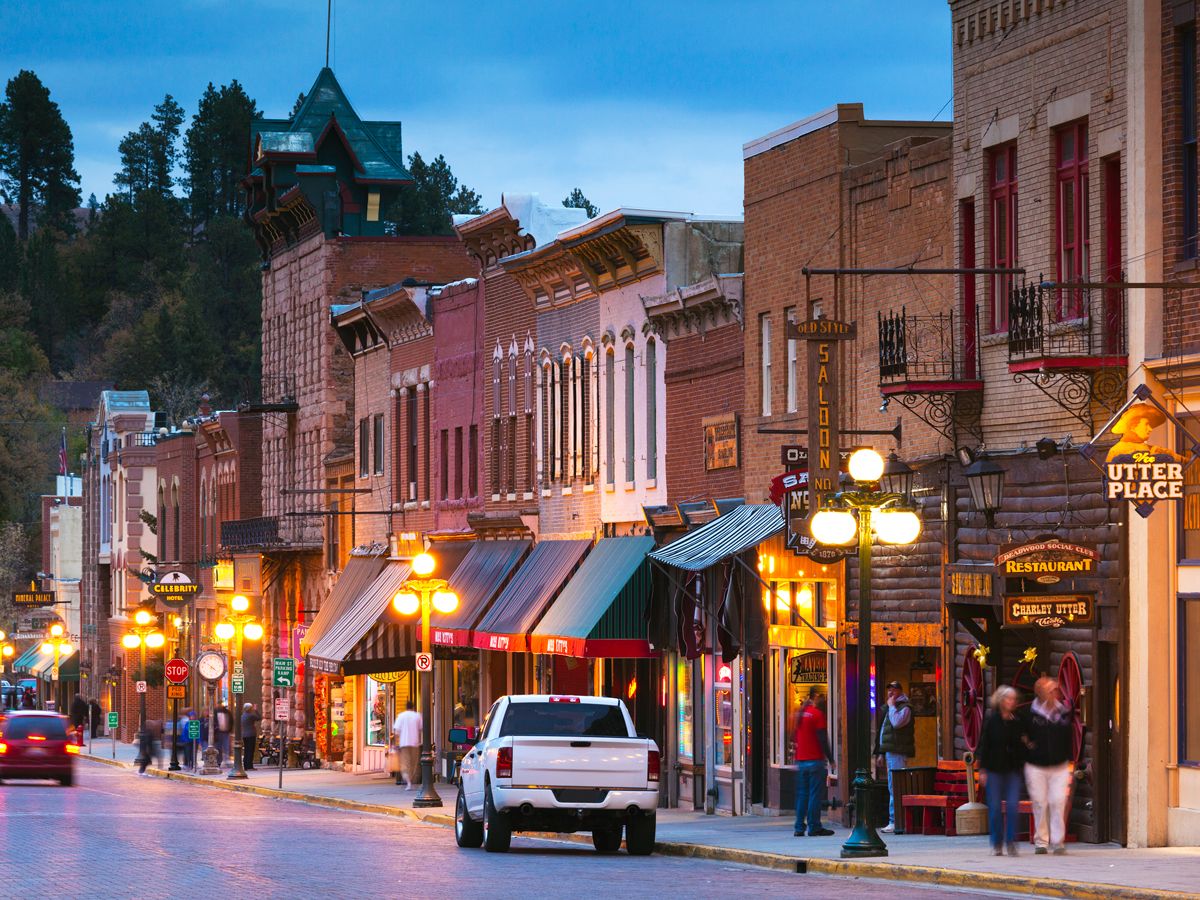
Looking to experience the old Wild West? The historic town of Deadwood is one of the best places in the country to do so. Founded in 1876, Deadwood was declared a National Historic Landmark in 1961. Much of its old-timey architecture still lines the city streets, giving the town a similar charm as what it had back when figures such as Wild Bill Hickok and Calamity Janes visited in the 19th century.
The Main Street Shootouts are a highlight for visitors. Taking place three times a day, six days a week, the event features costumed gunslingers (with fake guns, of course) who pour into the streets and reenact old Wild West shootouts — and admission is free. Also be sure to visit the Days of ’76 Museum. Open since 1924, this museum exhibits over 50 historic vehicles, plenty of antique firearms, and even a 95 million-year-old set of marine reptile bones discovered in 1934.
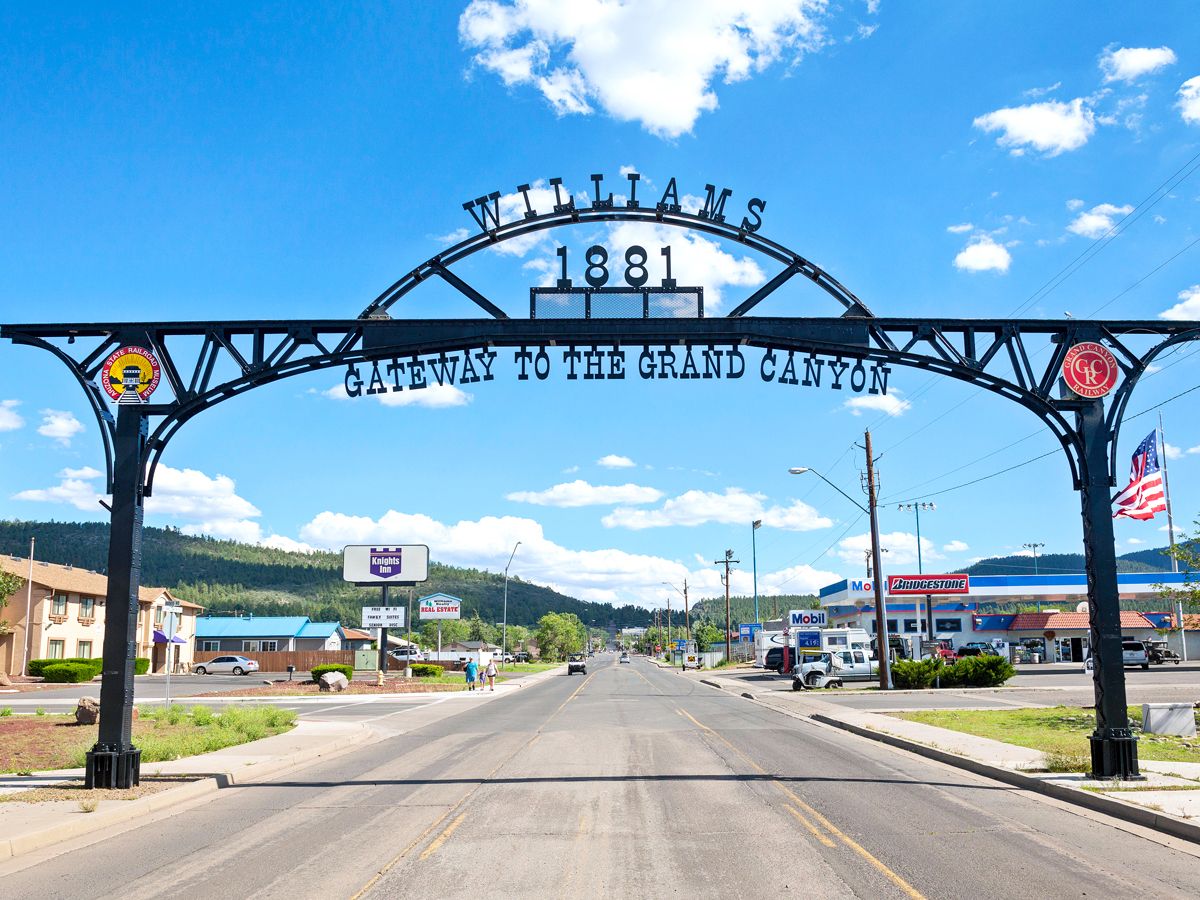
The “Gateway to the Grand Canyon” is the final stop before you head north along the lonely road up to the national park. But as much of a highlight as the Grand Canyon is, Williams, located along the historic Route 66, is very much worth visiting in its own right, with a fascinating array of historic buildings and quirky shops that call back to yesteryear.
In town, you’ll find the Route 66 Museum, which was originally built in 1958 and has recently been restored to its original state. It features vintage gasoline tanks and other signage that’ll take you back to that road trip you took after college. Other historic sites in Williams include the rail depot dating to 1901, the Yellow House built in 1893, and the Grand Canyon Hotel, which dates to 1891 and claims to be Arizona’s oldest hotel.
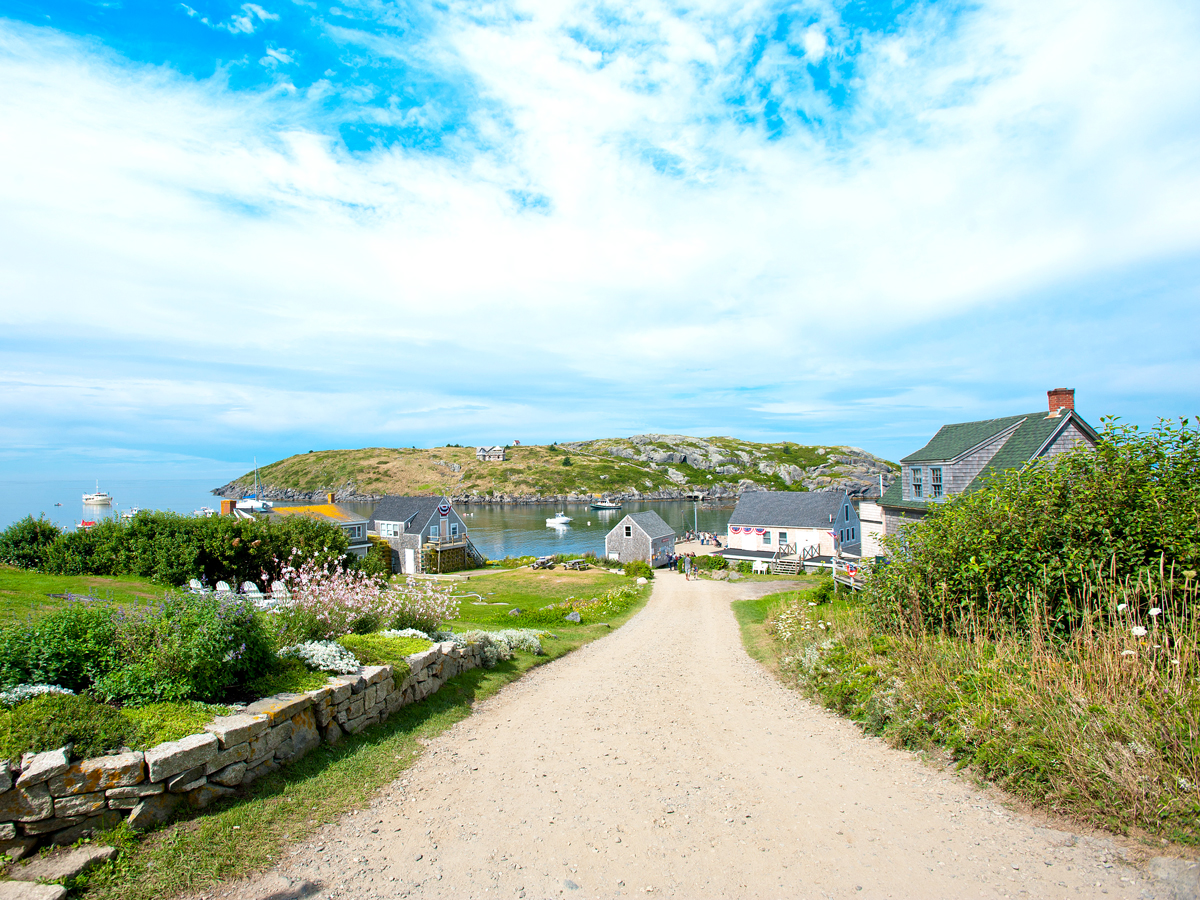
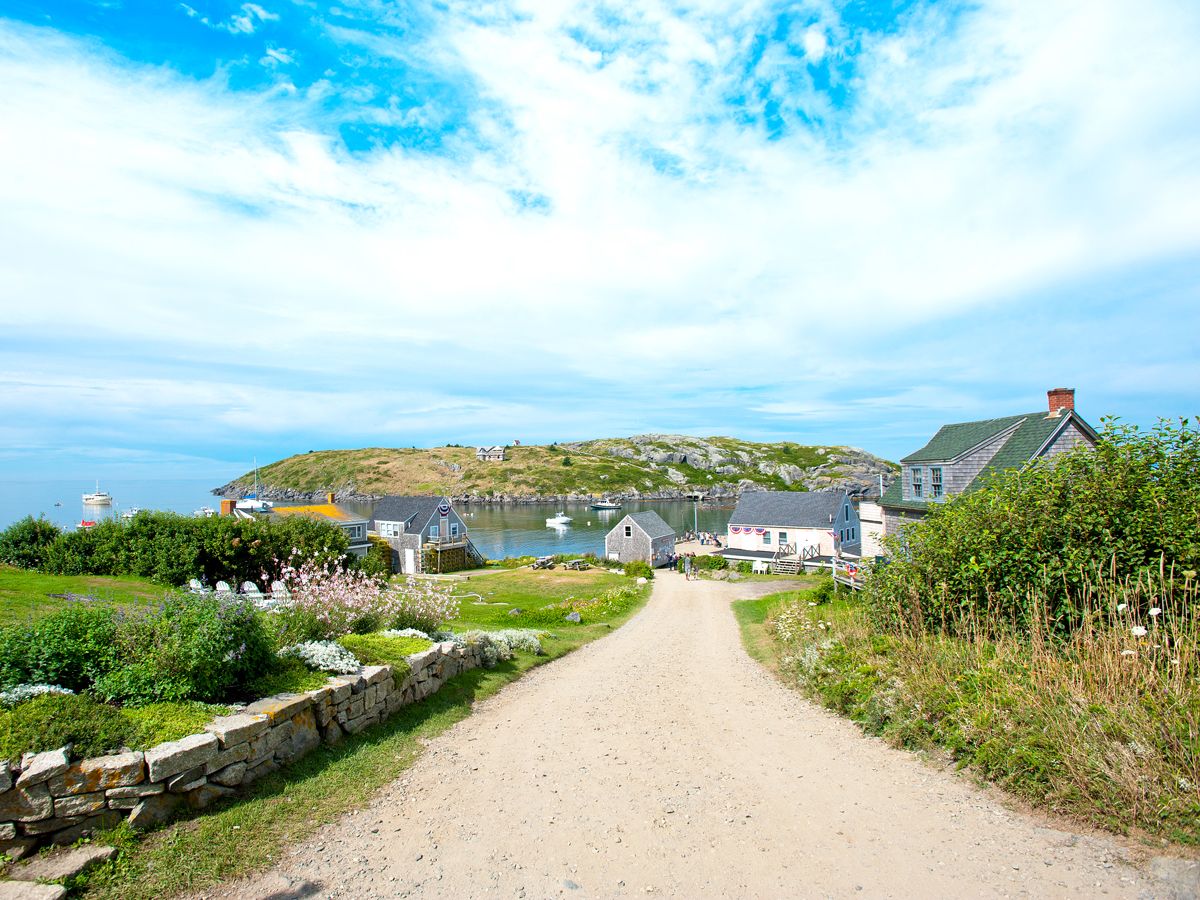
Located 10 miles from the mainland and encompassing less than a single square mile of total area, Monhegan Island is easy to miss unless you know about it. This tiny island has relied on two major industries since the 1800s: fishing and tourism. As the first settled place in Maine, it can trace its history back even further; Basque fisherman wrote about the island as early as 1390.
One of the most popular activities for visitors is the 9-mile hike on the “wildlands” trails, which take you along untouched, rocky ocean cliffs. Others prefer to venture into town and down to Main Street, a quaint unpaved road lined with art galleries, restaurants, and shops. It’s also worth seeing the 47-foot-tall Monhegan Lighthouse, which was built in 1850 and remains an active post for the U.S. Coast Guard. And be sure to try some local lobster — residents of the island have been cooking it up for centuries.
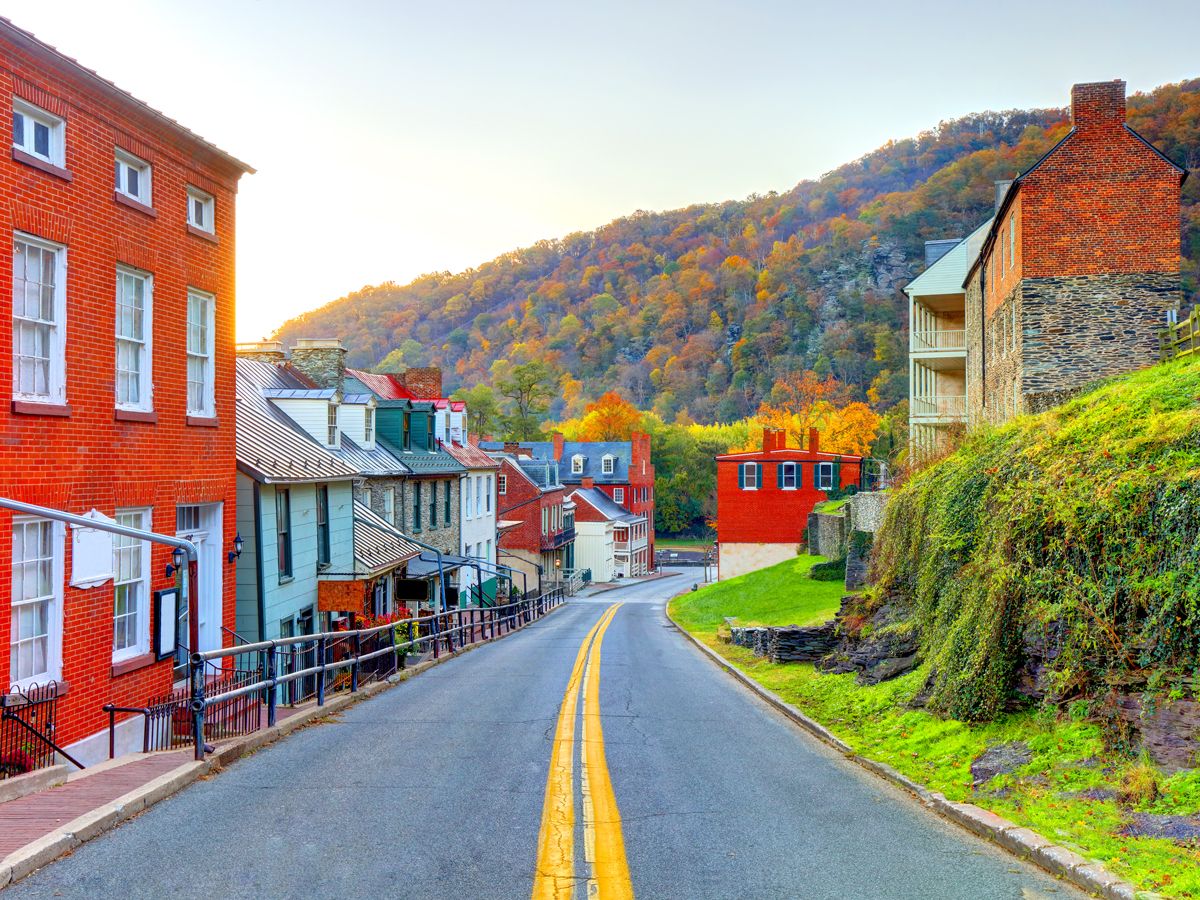
Harpers Ferry, founded in 1763, is famous for an 1859 raid led by abolitionist John Brown, who fought for the freedom of enslaved folks in the leadup to the Civil War. Today, Harpers Ferry is a far cry from those tumultuous times. The quiet town is located at the confluence of the Potomac and Shenandoah rivers, at the intersection of West Virginia, Virginia, and Maryland. Only 342 people call it home year-round — far less than the 300,000 annual tourists.
Step back in time on Harpers Ferry’s many cobblestone streets and check out historic buildings such as John Brown’s Fort — an 1848 armory where the famed abolitionist had his last stand. There’s also the historic Lockwood House, which was built in 1848 and served as a Civil War hospital and later as a school and living quarters for formerly enslaved men and women. Jefferson Rock, another popular site, is the spot where Thomas Jefferson stood on October 25, 1783, and proclaimed the surrounding terrain “one of the most stupendous scenes in nature.”
Advertisement
More from our network
Daily Passport is part of Inbox Studio, an email-first media company. *Indicates a third-party property.
Tips •December 22, 2025•Updated: December 22, 2025
By Peter Vanden Bos
Author
Peter Vanden Bos
Peter is a Toronto-based journalist, editor, content strategist, and self-professed avgeek with 15 years of experience covering all things travel. Prior to joining Daily Passport, he oversaw newsletter publication for Travelzoo. His favorite destinations to explore include Japan, France, Chile, New Zealand, and his adopted home country of Canada.
Ever clicked “buy” on an airline ticket and instantly regretted it? Maybe you accidentally picked the wrong date or airport, maybe you spotted a better fare with another airline, or perhaps you simply reconsidered the trip altogether. That’s where the 24-hour rule comes into play. This helpful government policy affords you the flexibility of a full refund on the price you pay for an airline ticket within 24 hours, with certain conditions. Here’s everything you need to know.
The U.S. Department of Transportation stipulates that:
Airlines are required to allow customers to cancel their reservation for any reason, without penalty, for a 24-hour period after the ticket is purchased.
Airlines must provide a full refund to the original form of payment, instead of only a voucher or travel credit.
Alternatively, airlines can offer a free hold, prior to purchase, to allow customers to secure the price of the ticket for 24 hours. (However, airlines don’t have to offer both a free hold and a refund without penalty.)
This policy applies on flights to, from, or within the United States, whether the airline is based in the U.S. or internationally.
Importantly, the rule applies only for tickets that are purchased at least seven days or more in advance of the scheduled departure date.
It doesn’t matter which type of ticket you buy, so yes, it even works for basic economy. However, airlines aren’t required to provide free ticket changes within 24 hours — only refunds. So if you see the price has gone down after you purchase, but there’s a change fee associated with your ticket, it’s probably a better bet to just cancel your original ticket (if it’s been less than 24 hours) and buy a new one.
When the 24-Hour Rule Does Not Apply
Credit: dmbaker/ iStock Editorial via Getty Images Plus
The most obvious exception to the 24-hour rule is for flights outside the U.S., so take extra caution when booking intra-Europe flights for your big Europe trip. That said, while the EU doesn’t formally require airlines to offer free 24-hour cancellations like the U.S. does, you’ll find that, in practice, many European airlines offer the policy as a courtesy anyway. The same is true for other airlines, like Air Canada.
Additionally, it’s worth repeating that the 24-hour policy doesn’t apply to last-minute purchases. If you’re booking a ticket for travel within the next seven days, make sure your plans are set, because in most cases you won’t be able to cancel for a full refund without penalty.
In practice, though, it depends on the airline, so always check your individual airline’s policy. For example, American Airlines lets you cancel for a full refund if you’ve booked two or more days before departure; with Alaska Airlines, it has to be at least one day before travel.
The rule is also different for tickets booked through a travel agency or online travel agency (OTA) instead of directly with the airline. Technically, the DOT’s rule does not stipulate that third parties must provide the same flexibility; the rule applies only to airlines themselves. However, you’ll find that many OTAs, such as Expedia, still offer free cancellations for any reason within 24 hours; just be sure to check those policies before you book.
The 24-hour rule can be a useful tool for travelers to score a deal. With dynamic, frequently fluctuating pricing of airline tickets, you can snap up a great fare and think if they really want to commit after the fact. But what if it’s been more than 24 hours since you purchased the ticket?
Unfortunately, most tickets airlines sell, especially the lowest fares, are nonrefundable. The good news is that, during the pandemic, many U.S. airlines permanently eliminated change fees (except on basic-economy tickets). That means if you need to change your ticket, you can do so without penalty; you’ll just need to pay a fare difference. If you can no longer travel and aren’t sure when you’ll be able to reschedule, you’ll be able to cancel the ticket for a future travel credit, without any fee.
Additionally, under new DOT regulations enacted in late 2024, U.S. airlines are required to offer a full refund for any significant flight disruptions. In this case, “significant” means three hours or more for a domestic flight or six hours or more for an international flight. If the airline changes it for any reason, at any point up until departure, you are entitled to a full refund, should you not accept their alternative arrangements. This applies to day-of-departure disruptions such as weather or crew availability, but you can also get a refund any time before then if, for example, the airline changes its schedule and moves you to a flight three or more hours later (for domestic travel).
Tips •December 22, 2025•Updated: December 22, 2025
By Bennett Kleinman
Author
Bennett Kleinman
Bennett is a New York City-based staff writer for Daily Passport. He previously contributed to television programs such as the Late Show With David Letterman, as well as digital publications like the Onion. Bennett has traveled to 48 U.S. states and all 30 Major League Baseball stadiums.
In 2021, during the pandemic, Amtrak hit a low point in terms of annual ridership, welcoming a mere 12 million passengers across the country. But in the years since, ridership numbers have shot up to unprecedented highs. After setting an all-time record in 2024, America’s national rail provider eclipsed its record ridership totals again in 2025. Let’s dive into the details and examine what’s behind Amtrak’s surging popularity.
In the company’s 2024 fiscal year (October 2023 to September 2024), Amtrak saw 32.8 million passengers take to the rails. The following year (October 2024 to September 2025), 34.5 million travelers rode aboard Amtrak, marking a 5.1% increase in ridership. The company also generated $2.7 billion in adjusted ticket revenue (a 10.4% increase) and $3.9 billion in total operating revenue (a 9.1% increase).
Amtrak’s Northeast Corridor — which connects Boston, New York, Philadelphia, Baltimore, and Washington, D.C., among other major cities — welcomed 1.14 million passengers alone, 8.1% more riders than in the year prior. Amtrak also saw a 4.2% increase in long-distance travel, thanks in large part to more than 500,000 rides aboard the Floridian line, which was introduced in late 2024 and connects Chicago and Miami.
Ridership also surged aboard state-supported train lines, including a whopping 140.7% increase on the Borealis line connecting the Twin Cities to Chicago (88,444 passengers in 2024 vs. 212,909 in 2025). Trains across California, Virginia, Michigan, Pennsylvania, and many other states saw notable increases in ridership as well.
Why Are Ridership Numbers Increasing?
Credit: Kyle Ortiz/ iStock Editorial via Getty Images Plus
One can partially attribute the spike in ridership to substantial investments being made to maintain Amtrak’s infrastructure and ensure that trains run as reliably and efficiently as possible.
A record $5.5 billion went toward Amtrak’s capital projects throughout the 2025 fiscal year, amounting to a 24% increase over the previous year. This included $1.1 billion for track, catenary, signal, and structural maintenance, as well as additional money toward maintaining bridges and tunnels that are essential to Amtrak. An additional $182 million was invested to modernize stations so they’d be in accordance with the Americans With Disabilities Act, which makes Amtrak more accessible than ever before.
The introduction of new Amtrak routes also boosted ridership. In late 2025, the Mardi Gras line restored Amtrak service between Mobile, Alabama, and New Orleans, Louisiana, for the first time in nearly two decades. Approximately 18,000 passengers rode aboard that line in its first month of operation.
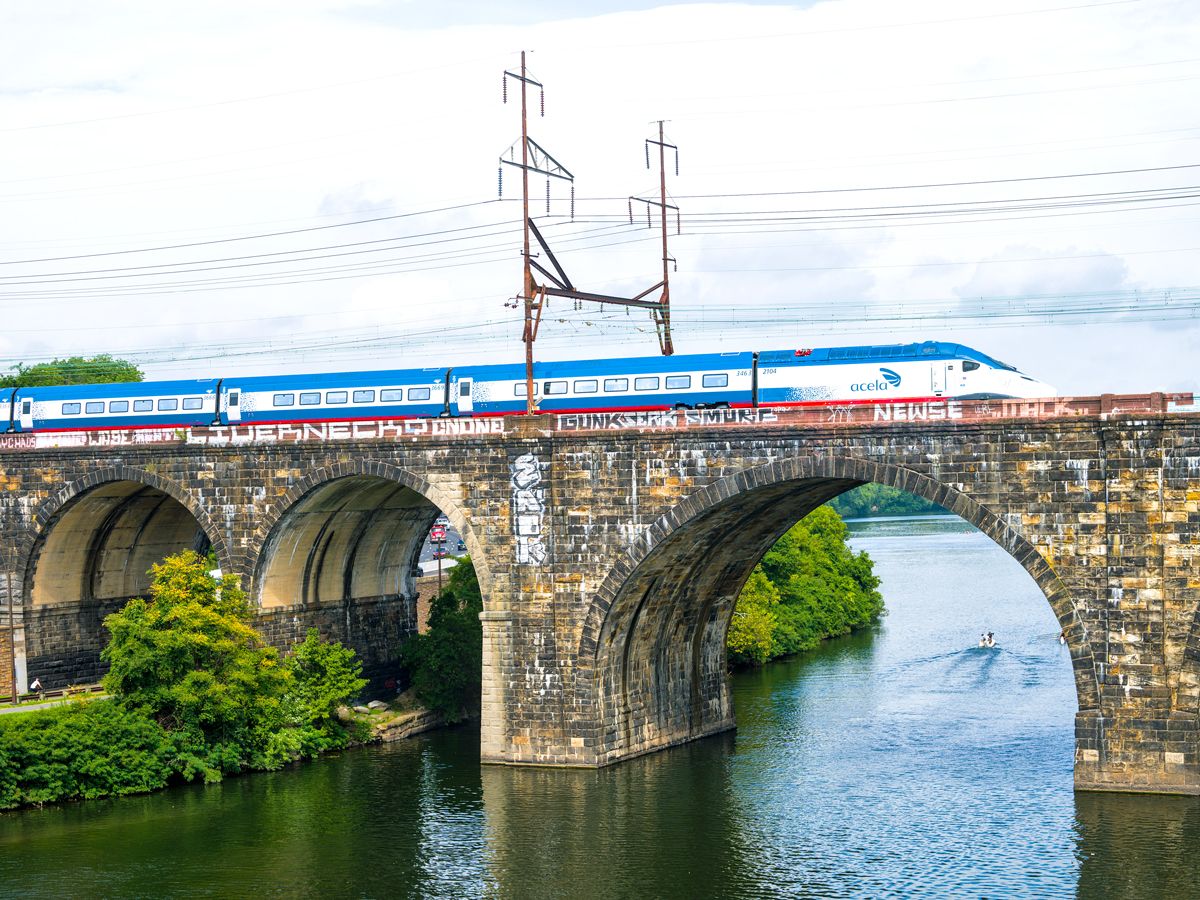
Furthermore, the company welcomed 60,000 monthly riders aboard its new NextGen Acela high-speed train; expanded its Capitol Corridor service between cities such as Sacramento, Oakland, and San Jose; and increased its Winter Park service to five days a week between the cities of Denver and Fraser, Colorado.
Amtrak has also looked to advertising to boost its ridership. Unveiled in October 2024, the Retrain Travel campaign reminded people that they could avoid the stresses of flying and driving by riding the rails instead. Additionally, the company upgraded onboard amenities: Wi-Fi, food and beverage options, station signage, and other features meant to make the travel experience more pleasant than before.
What’s Next for Amtrak?
Photo credit: Image courtesy of Amtrak
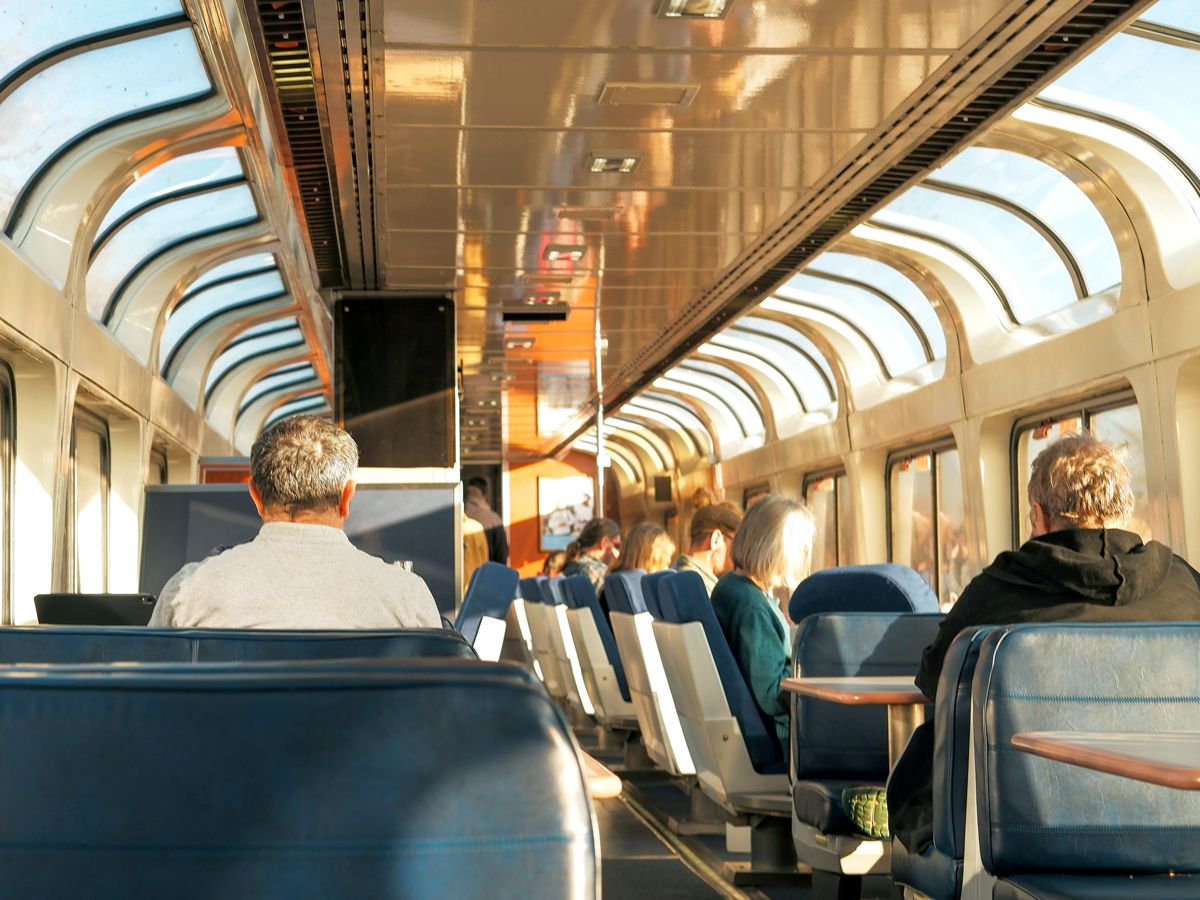
In addition to the continued rollout of high-speed NextGen Acela trains, Amtrak plans to unveil its new, ultramodern Airo fleet in the coming fiscal year. These spacious trains will feature panoramic windows, travel up to 125 mph, and offer the best fuel-efficiency in Amtrak’s fleet. The Airo is set to debut on popular routes such as the Northeast Regional, Maple Leaf, Palmetto, and Keystone Service trains.
In other news, Amtrak is working in tandem with New Jersey Transit to complete construction on the Portal North Bridge Project, which aims to relieve congestion in the ultra-busy Northeast Corridor. And in June 2025, the company began work on the East River Tunnel Rehabilitation Project, which aims to help relieve traffic in and out of New York City.
Having successfully made 19 stations ADA accessible in 2025, Amtrak also plans to upgrade 50 more stations in 2026, with the goal of achieving system-wide accessibility by 2029. It’s all part of Amtrak’s ambitious goal to double ridership to around 66 million riders by 2040.
Tips •December 22, 2025•Updated: December 22, 2025
By Bradley O'Neill
Author
Bradley O'Neill
Bradley is an English travel writer who’s wandered through 50-plus countries and lived on four continents while chasing waves, the perfect pint, and family adventures. Bradley's work has appeared in publications such as Skyscanner and Matador Network, and he now splits his time between Buenos Aires and Uruguay.
The original idea behind toll roads was to provide a simple trade-off: Pay a little extra now to benefit from better roads and faster travel later. But since the emergence of the first paid highway in the U.S. in 1792, “a little extra” has skyrocketed to an eye-watering fee on some stretches of highway. Here’s a closer look at the eight U.S. toll roads that currently cost the most to drive end to end, as of 2026.
Price: $21.35 cash ($15.93 toll pass) Distance: 117 miles
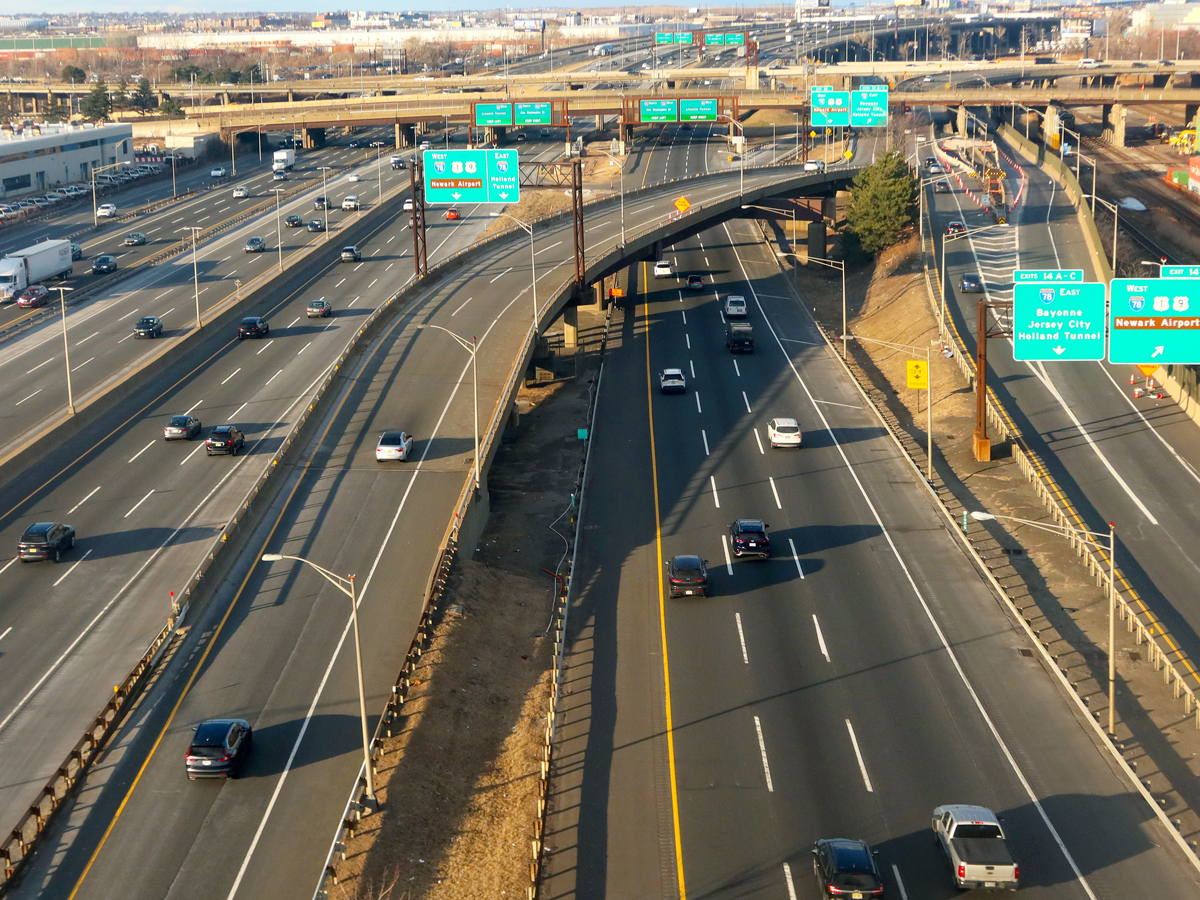
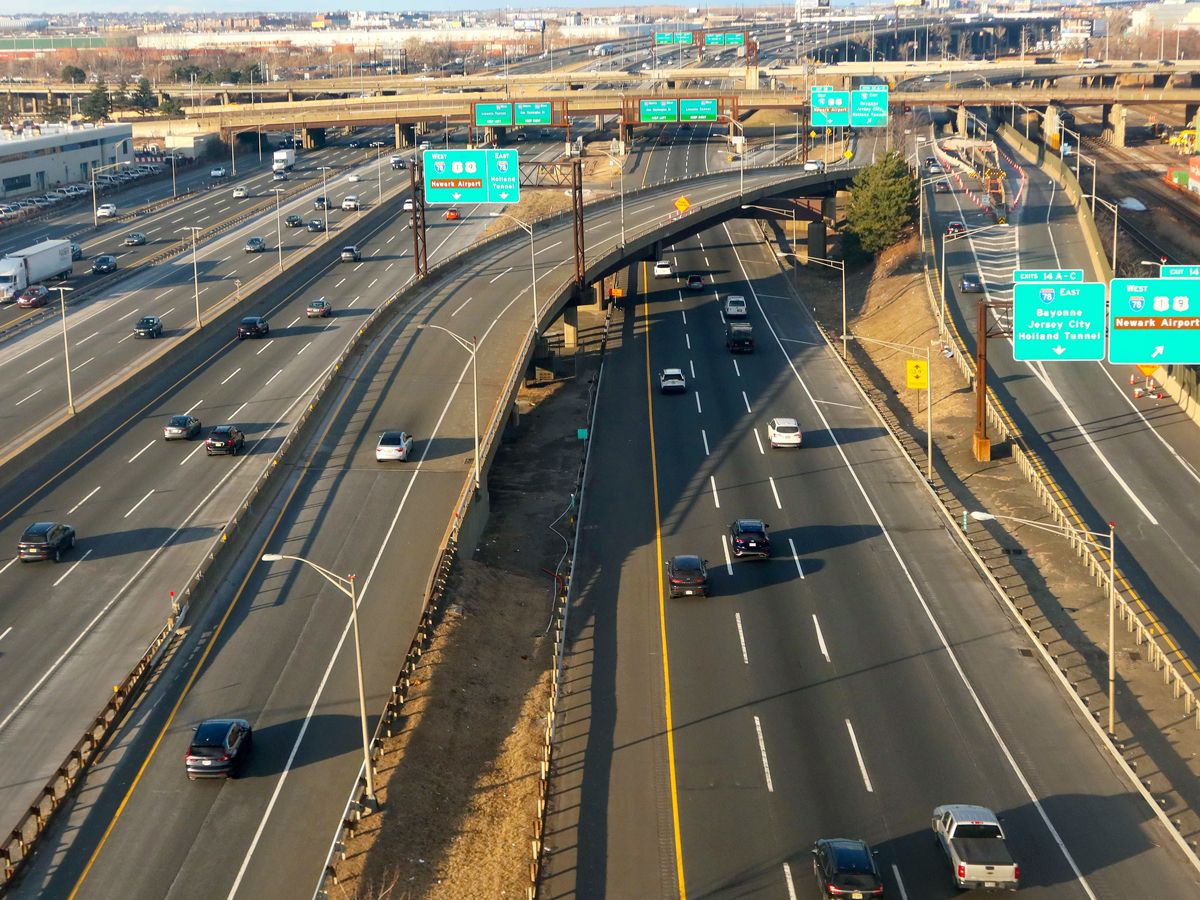
When it opened in 1951, the New Jersey Turnpike was the third-longest toll road in the United States. Stretching between Ridgefield Park and the Delaware Memorial Bridge, it provides a vital transport link between New Jersey’s suburbs and major cities like Newark, New York, and Philadelphia.
The New Jersey Turnpike also regularly makes its way into pop culture. Simon and Garfunkel mentioned it in their song “America,” as did Bruce Springsteen in “Soul Trooper.” A sign reminding drivers to drive safely, painted on a storage cylinder in Linden, features in the opening sequence of The Sopranos. The turnpike is also known for rest stops and service areas honoring famous New Jersey residents, including Thomas Edison, Vince Lombardi, and Walt Whitman.
Price: $22.25 cash ($13.95 toll pass) Distance: 47 miles
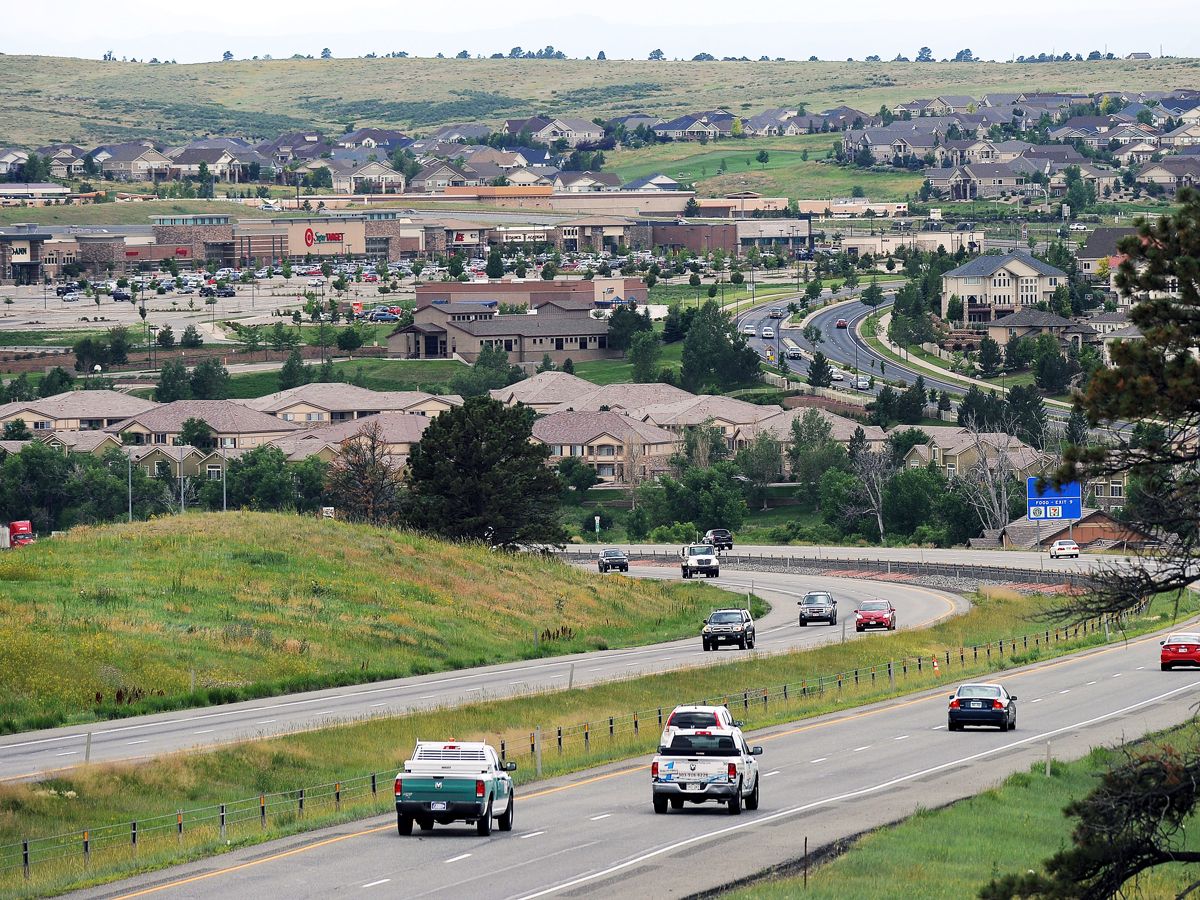
The E-470 is a semicircular beltway loop around the Denver metro area, connecting the suburb of Thornton and Douglas County. With a speed limit of 75 mph, it incorporates 23 interchanges and 101 bridges. It also forms part of a group of toll roads and express lanes that make Colorado the country’s fifth-most-expensive state for tolls.
Designed for efficiency and to avoid downtown congestion, the E-470 was constructed in sections between 1991 and 2009. It has the potential to be widened to eight lanes and to incorporate multiuse recreational paths as well.
Price: $22.92 cash ($11.46 toll pass) Distance: 236 miles
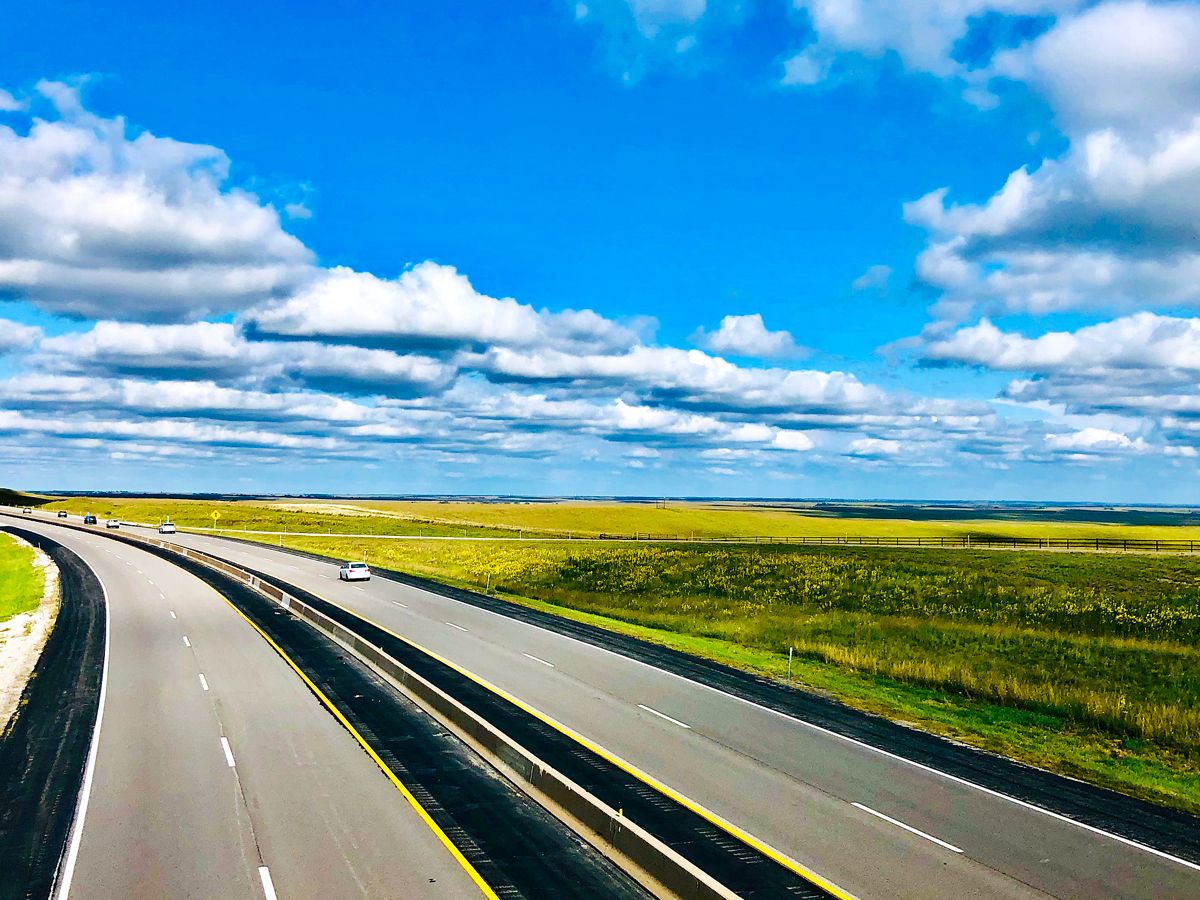
Running southwest from Kansas City to South Haven, near the Oklahoma border, the Kansas Turnpike was built in just 22 months, beginning in December 1954. The goal was to create a safer journey between Kansas City, Topeka, and Wichita. Predating the interstate era, it now incorporates sections of I-35, I-335, and I-70 — welcoming around 120,000 daily motorists.
Recent infrastructure developments saw the removal of toll booths in 2024 to make it a cash-free road; bills are instead mailed to the address associated with your license plate. Driving end to end offers views of far-reaching prairies and the Flint Hills, along with nearby attractions like the 8,000-acre El Dorado Lake and 11,000-acre Tallgrass Prairie National Preserve.
5. Ohio Turnpike
Credit: csfotoimages/ iStock via Getty Images Plus
Price: $22.75 cash ($15.50 toll pass) Distance: 241 miles
Travel across the Midwest became easier in 1955 with the opening of the Ohio Turnpike. Some 10,000 workers took 35 months to complete the job. The east-west road now cuts across northern Ohio, linking with the Pennsylvania Turnpike in the east and the Indiana Toll Road in the west. Around 56 million vehicles traveled on the Ohio Turnpike in 2024, over five times more than in its inaugural year.
Not only a commuter thoroughfare, the road also offers access to dozens of Ohio attractions. The thrilling roller coasters of Cedar Point on the shores of Lake Erie are a short side trip away, as is Cuyahoga Valley National Park, one of the country’s newest national parks.
4. Florida’s Turnpike
Credit: bennymarty/ iStock Editorial via Getty Images Plus
Price: $23.97 cash ($19.05 toll pass) Distance: 312 miles
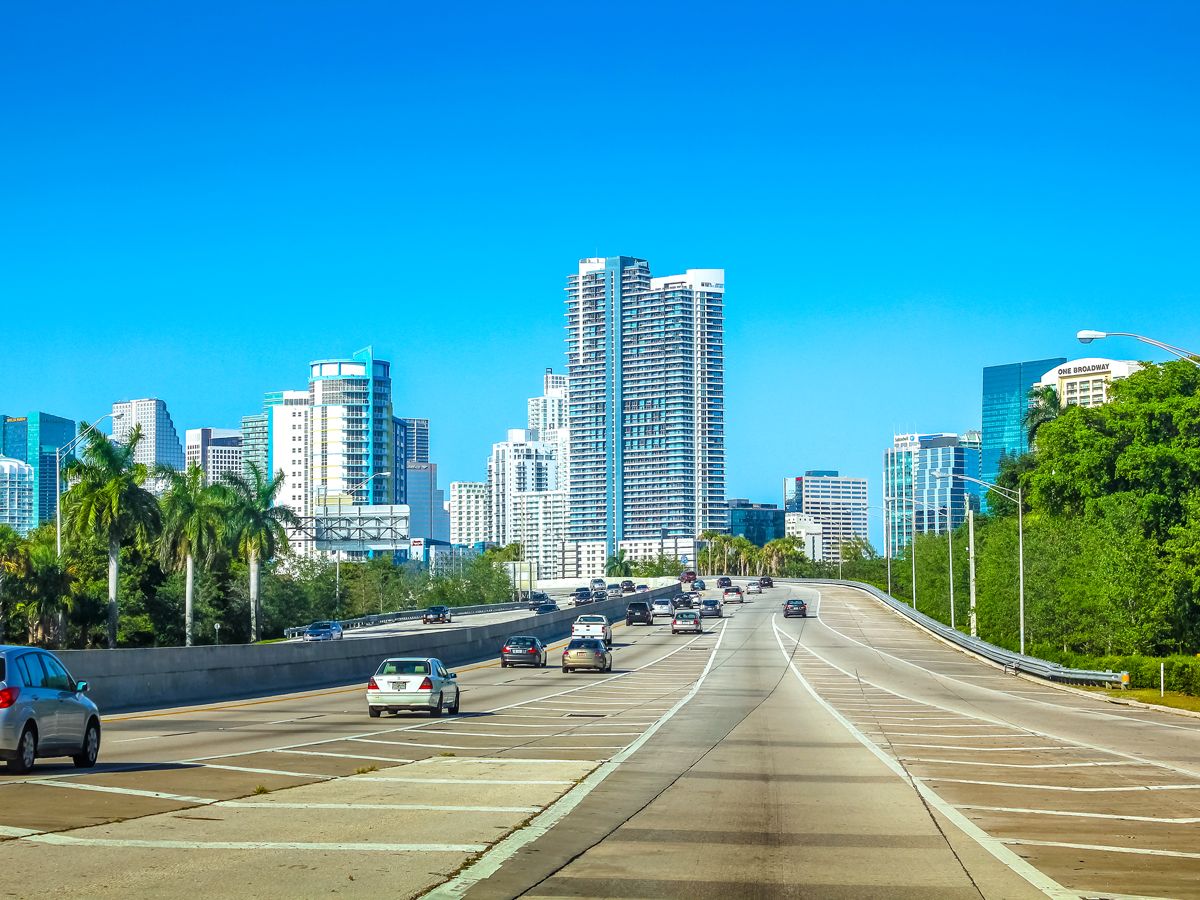
With its slogan of “The Less Stressway,” Florida’s Turnpike winds over 300 miles through central Florida, offering a quieter alternative to its parallel interstates. From Miami Gardens, the roadway travels north to Wildwood in the Orlando area via interlinking expressways and parkways. The turnpike handles approximately 3 million daily customers, connecting Orlando and cities along the state’s east coast.
Price: $26.58 cash ($18.87 toll pass) Distance: 91 miles
Texas State Highway 130 is a welcome alternative to the stop-and-go traffic of Interstate 35. The toll road stretches from Georgetown to Seguin, largely avoiding the congestion of Austin. The southern section, segments 5 and 6, has the highest legal speed limit in the nation at 85 mph. The highway as a whole utilizes open tolling, thus allowing drivers to cruise through without slowing for booths.
It’s also part of one of the largest toll networks in the U.S., covering around 850 miles and over 50 individual tolled roads. Within easy reach from State Highway 130 is the Circuit of the Americas, the venue for the United States Grand Prix.
Price: $39.66 cash ($22.66 toll pass) Distance: 570 miles
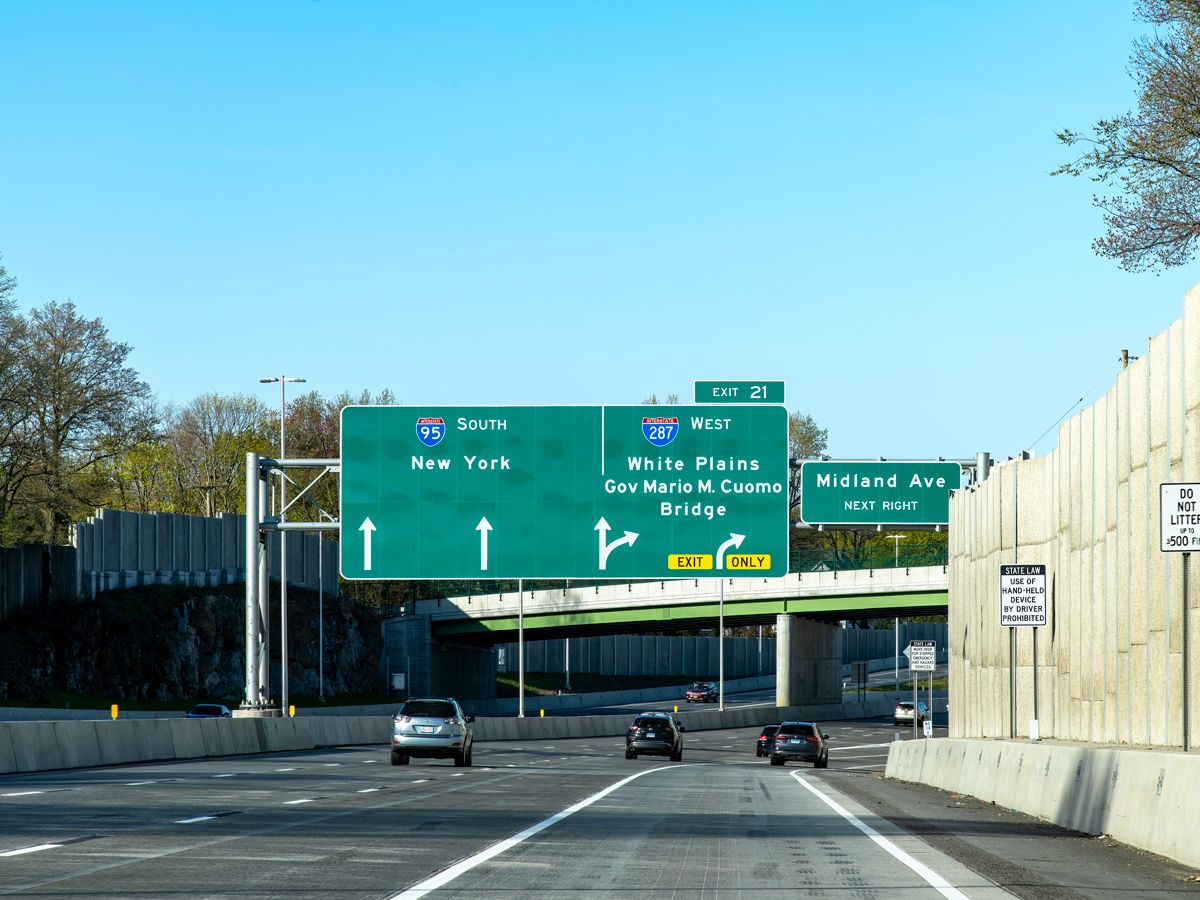
The New York State Thruway (officially named the Governor Thomas E. Dewey Thruway) is the backbone of New York’s toll system. Carrying major stretches of I-87, I-90, and I-287, it links New York City’s northern border with Yonkers, travels up to Albany and Buffalo, and then continues to the New York-Pennsylvania border.
As well as being among the priciest roads for an end-to-end trip, it’s also one of the country’s busiest toll roads. Some 338 million vehicles used the New York State Thruway in 2024, generating $1.1 billion in toll revenue. From Yonkers, the roadway loosely follows the course of the Hudson River to Albany, with glimpses of the Catskill Mountains between Kingston and Saugerties.
Price: $120.74 cash ($60.27 toll pass) Distance: 361 miles
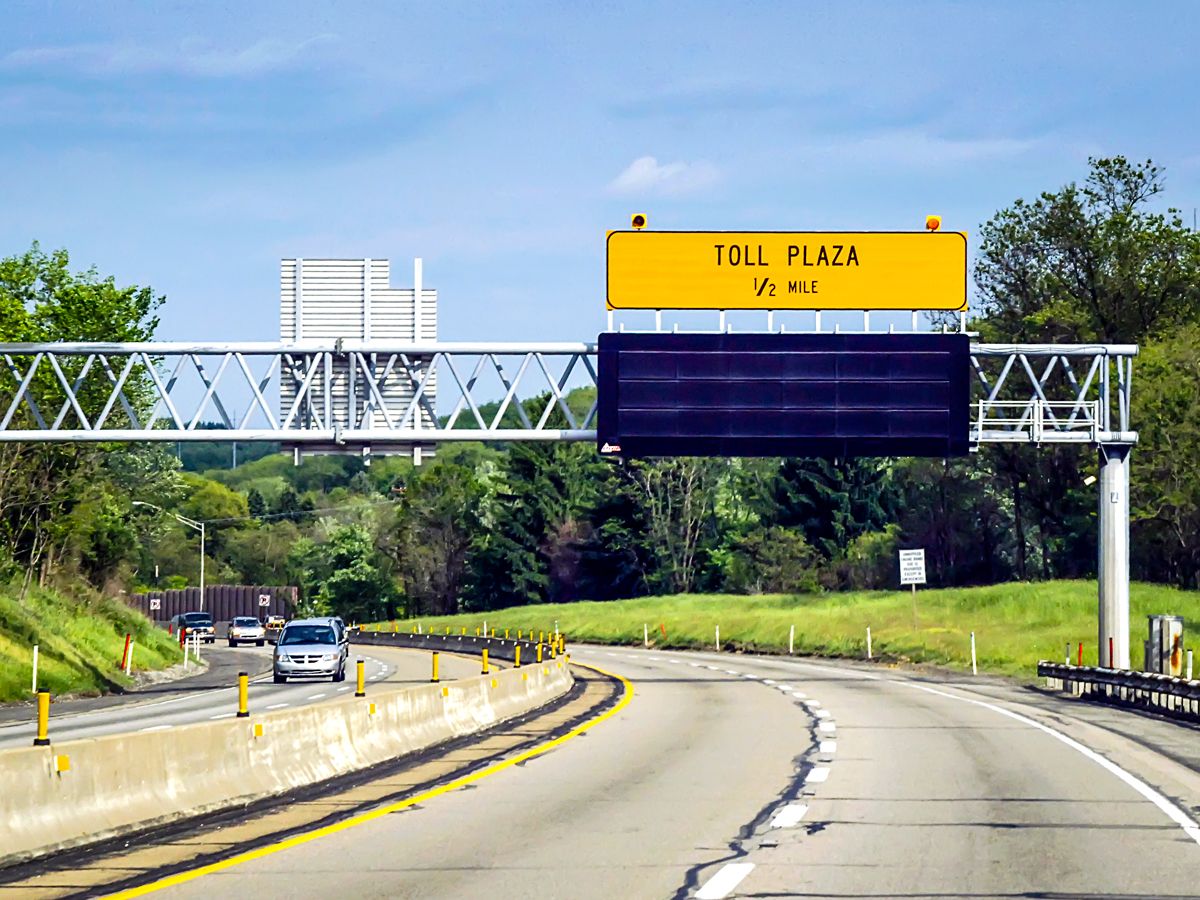
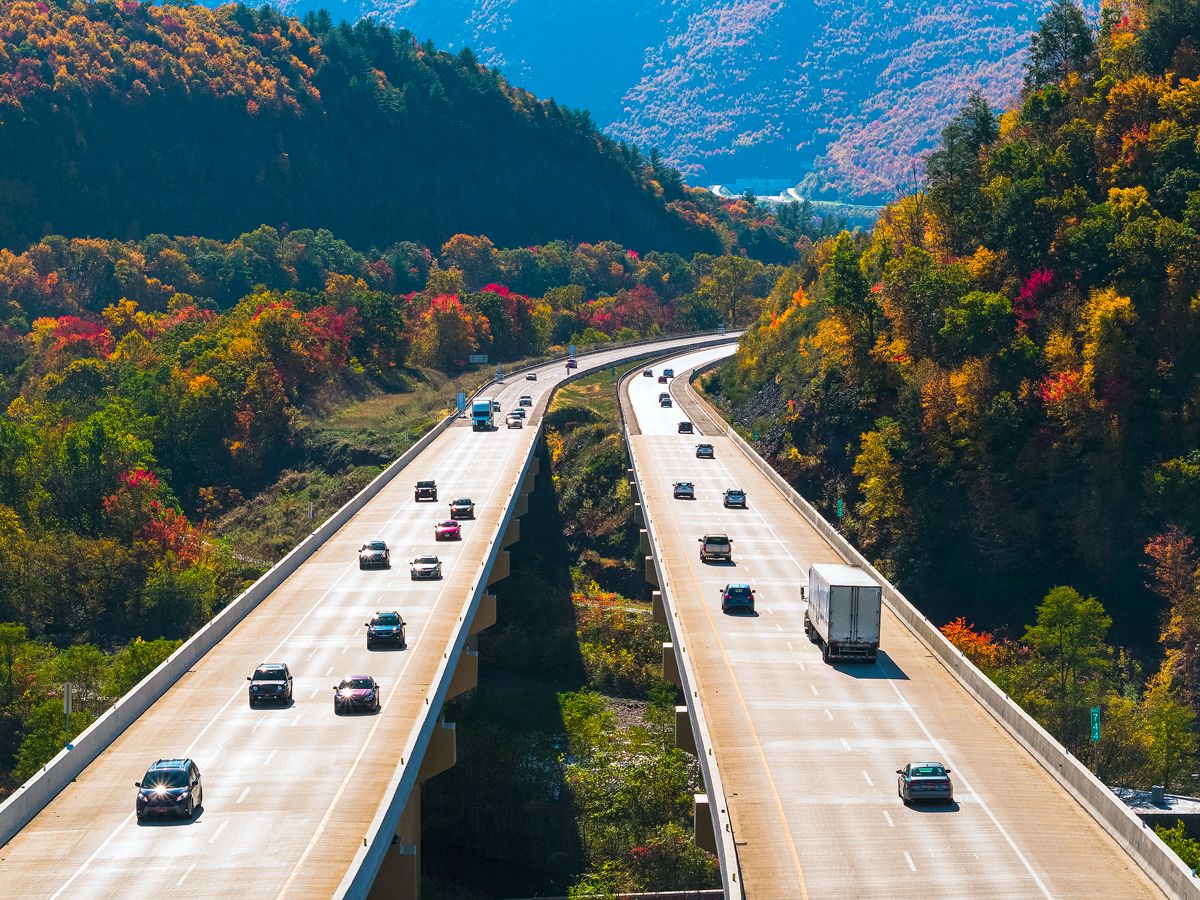
Costing around three times as much to travel end to end as its nearest competitor, the Pennsylvania Turnpike is the priciest toll road in the U.S. This is partly due to a 2007 state law obliging the Pennsylvania Turnpike Commission to make yearly payments to the state’s transportation department for improving public transit in Philadelphia, Pittsburgh, and other cities.
Built in 1940, the Pennsylvania Turnpike is often called “America’s First Superhighway.” From Lawrence County, it cuts through the Appalachian Mountains en route to the Delaware River-Turnpike Toll Bridge, where it becomes the New Jersey Turnpike.
About the data: Prices are for end-to-end travel for passenger cars on the specified toll road, as sourced by Reddit user ixvst01 and verified by Daily Passport. The first price shown is the cash (pay-by-plate) rate; the price in parentheses is the discounted amount for having a transponder or highway pass. Bridges, tunnels, express lanes, and national park roads are excluded.
Advertisement
More from our network
Daily Passport is part of Inbox Studio, an email-first media company. *Indicates a third-party property.
Outdoors •December 22, 2025•Updated: December 22, 2025
By Daily Passport Team
Author
Daily Passport Team
Daily Passport writers have been seen in publications such as National Geographic, Food & Wine, CBC, Condé Nast Traveler, and Business Insider. They're passionate about uncovering unique destinations and sharing expert tips with curious travelers.
America’s only state entirely composed of islands, Hawaii is a tropical paradise located about 2,500 miles off the coast of California. Filled with golden beaches, lush rainforests, active volcanoes, and rich Polynesian culture, it’s a state like no other. Whether it’s your first or your 10th visit to the Aloha State, discover seven places in Hawaii that belong on your travel bucket list.
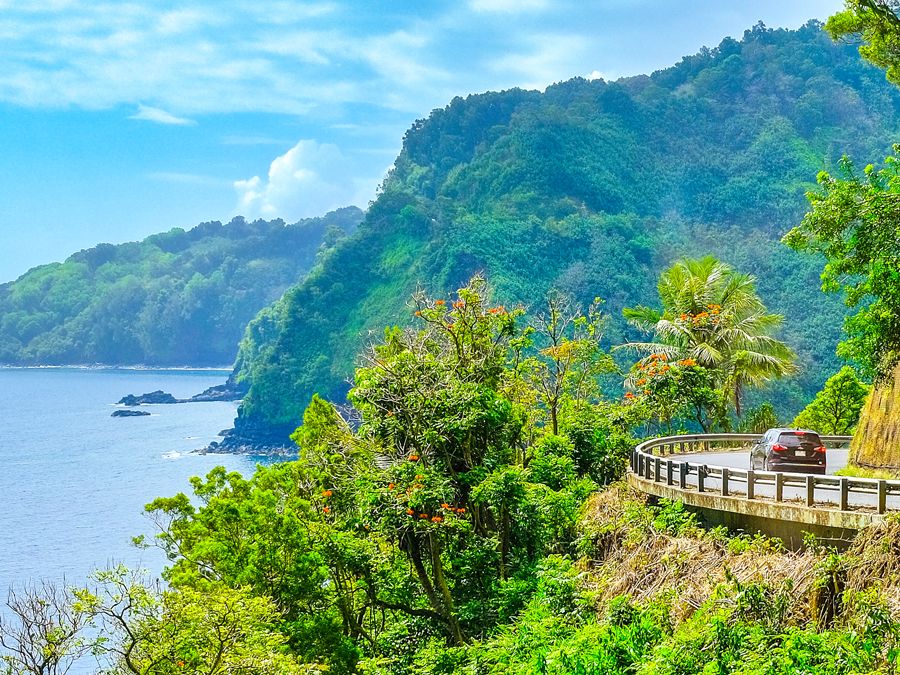
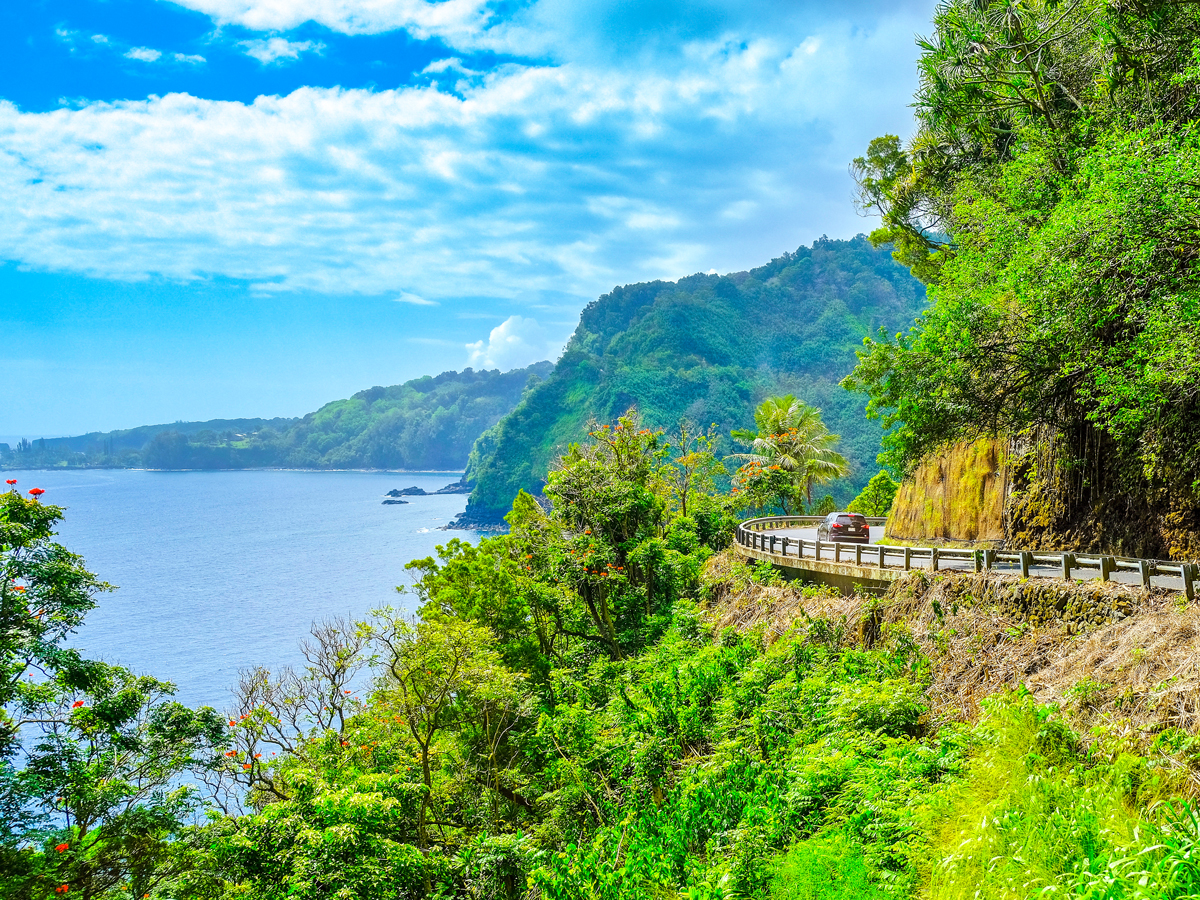
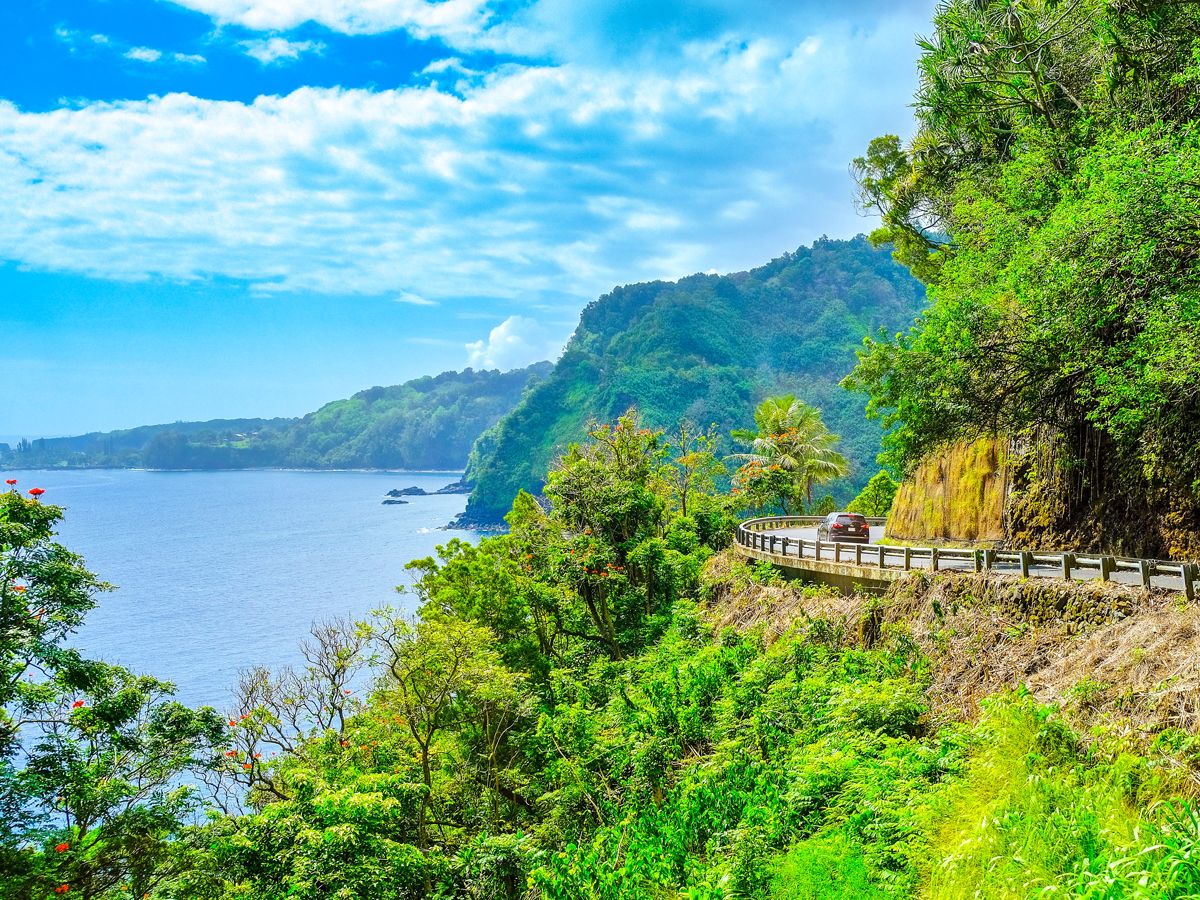
The Road to Hana is one of the most breathtaking drives in the U.S., but it isn’t for the faint of heart. Over a 64-mile route weaving across the island of Maui in Hawaii, you’ll drive through 620 hairpin curves and pass over 59 often-narrow bridges. After all, there’s a reason that many shops in Maui sell souvenirs with the phrase, “I Survived the Road to Hana.”
But the drive is well worth it for the spectacular scenery along the way, from pounding waterfalls to verdant tropical rainforest and rugged coastline. The route starts in Kahului on the west side of the island and — as the highway’s name suggests — ends in Hana Town on the east side. Hana is one of Hawaii’s most isolated communities and considered one of its last unspoiled frontiers.
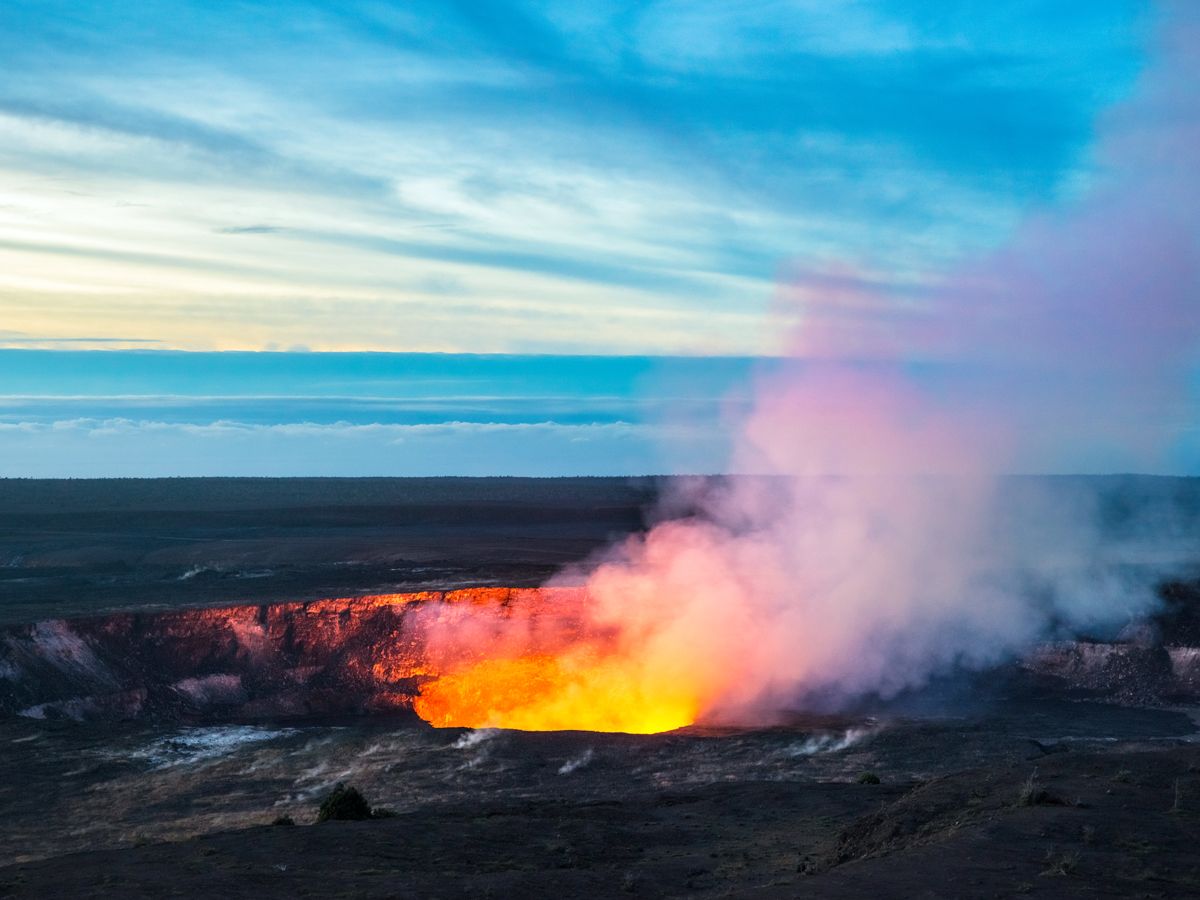
In many parts of Hawai’i Volcanoes National Park, you might feel like you’re on another planet. Witness: hot molten lava snaking its way, bubbling and glowing, across a rugged, Martian-like landscape before falling over steep cliffs and meeting the Pacific Ocean in an explosion of steam. The park was established in 1916 around one of the world’s most active volcanoes, Kīlauea, which has been in continuous eruption since 1983, and neighboring Mauna Loa, which last erupted in 1984. When measured from the Pacific Ocean floor, Mauna Loa is the largest volcanic mass on Earth.
The similarity to Mars is no coincidence: Kīlauea’s lava fields contain vast amounts of basalt, as does the surface of the Red Planet. In fact, NASA has spent years in the national park to simulate conditions on Mars. But for earthlings, the park — a UNESCO World Heritage Site — offers 150 miles of hiking trails through incredibly varied topography, from cliffs to scalded deserts and rainforests. Just be sure to take care in such a sacred place to traditional Hawaiian culture: Legend says that Pele, the goddess of volcanoes and creator of the islands, once resided in Halemaʻumaʻu crater at Kīlauea’s summit.
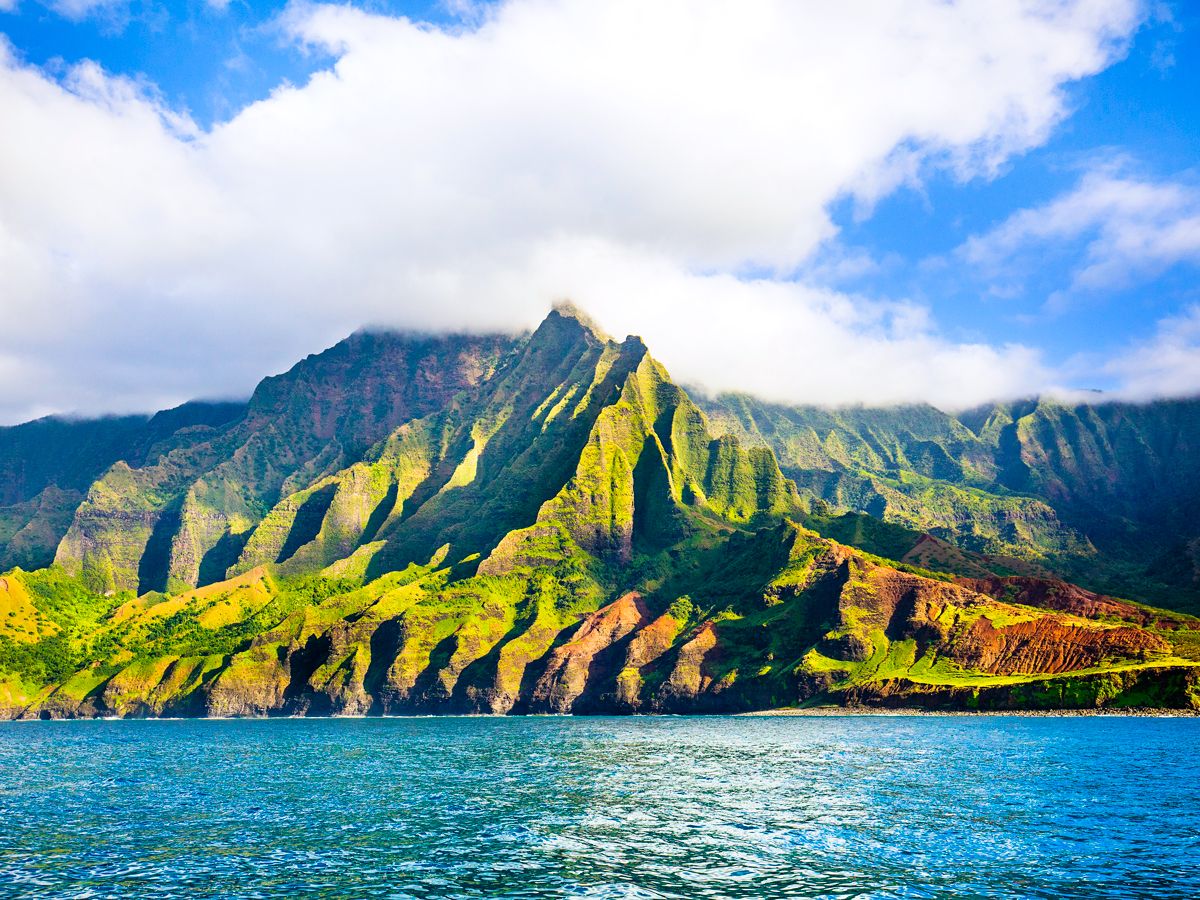
Even if this 17-mile stretch of Kauai’s North Shore looks familiar (the Pirates of the Caribbean and Jurassic Park franchises both filmed here), there’s still a not-of-this-world look to these sacred razor-ridged cliffs. Their emerald slopes — some cascade-streaked — plunge dramatically into the Pacific, the occasional beach, sea cave, or valley hidden in their impossibly lush folds.
Though experienced hikers may be able to traverse the Napali Coast State Wilderness Park on foot (always check the latest trail conditions first, and make sure you’ve got proper permits and gear), arguably the best views are on offer from the water and air. For those who tour the coast by kayak, raft, or motorized boat, the potential bonus is a thrilling encounter with dolphins or humpback whales (or both), depending on the season. On the other hand, a helicopter tour affords mind-bending perspectives on such features as Manawaiopuna Falls, nicknamed the Jurassic Park Falls for their famous role in the opening scene of the original 1993 movie.
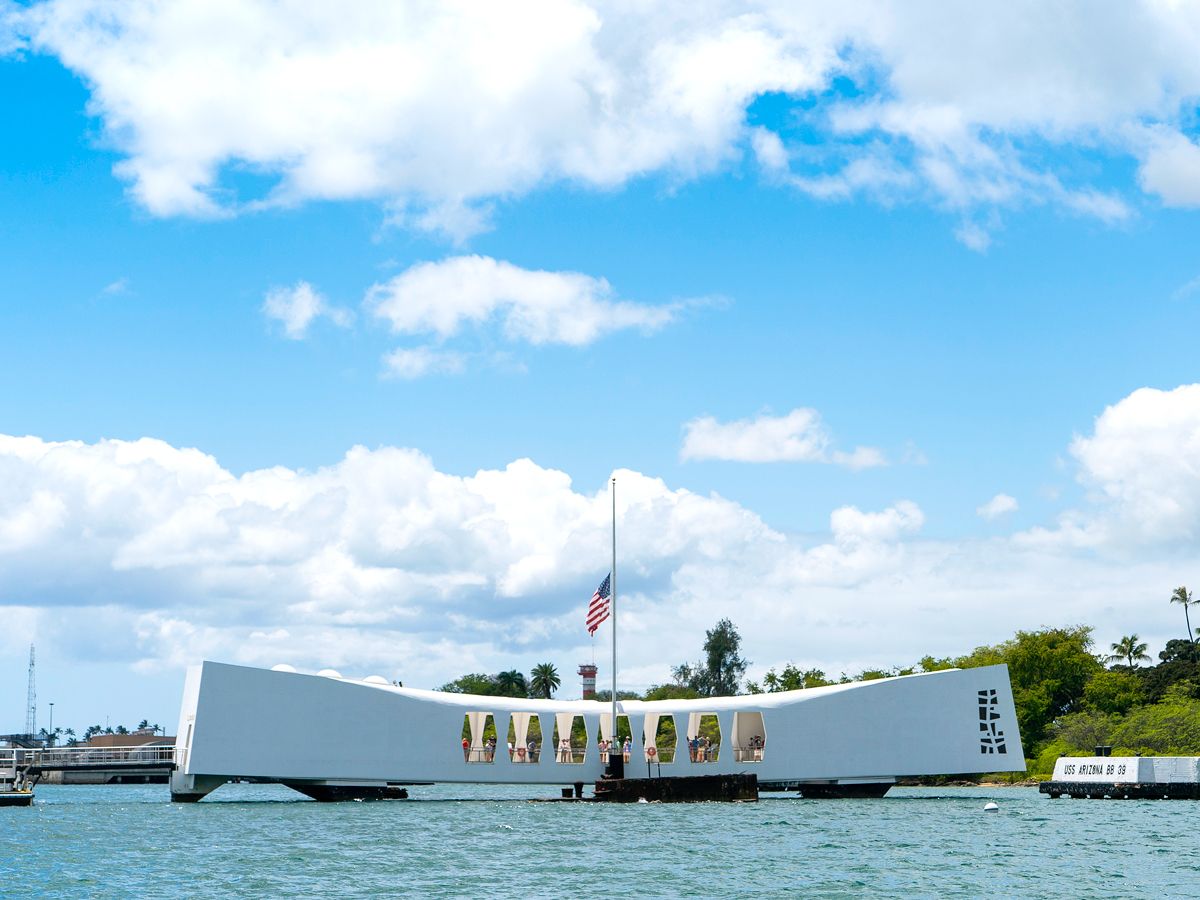
Pearl Harbor National Memorial – Oahu
Credit: mphillips007/ iStock Unreleased via Getty Images
On December 7, 1941, “a date which will live in infamy,” as FDR so memorably described it, Japanese forces attacked Oahu’s Pearl Harbor, the event that finally precipitated the United States’ long deliberated entry into World War II. Eighty years after the fact, the Pearl Harbor National Memorial stands as a sobering reminder of the unthinkable number of lives lost on that day — and remains one of the most visited attractions in the state of Hawaii.
The centerpiece of the experience is the USS Arizona Memorial, which sits alongside a still-active military base and is accessible only by shuttle boat (for which you’ll need a ticket and designated departure time). The unique floating white concrete-and-steel structure, designed by Austrian architect Alfred Preis, is built atop the eponymous sunken battleship. Visitors can still see its remains from the surface, and its 1,177 deceased officers and crewmembers are enshrined in marble at the site. Around the broader national memorial, you’ll find surprisingly serene natural spaces, artifacts from the damaged ships, and educational films about one of the most pivotal moments in American history.
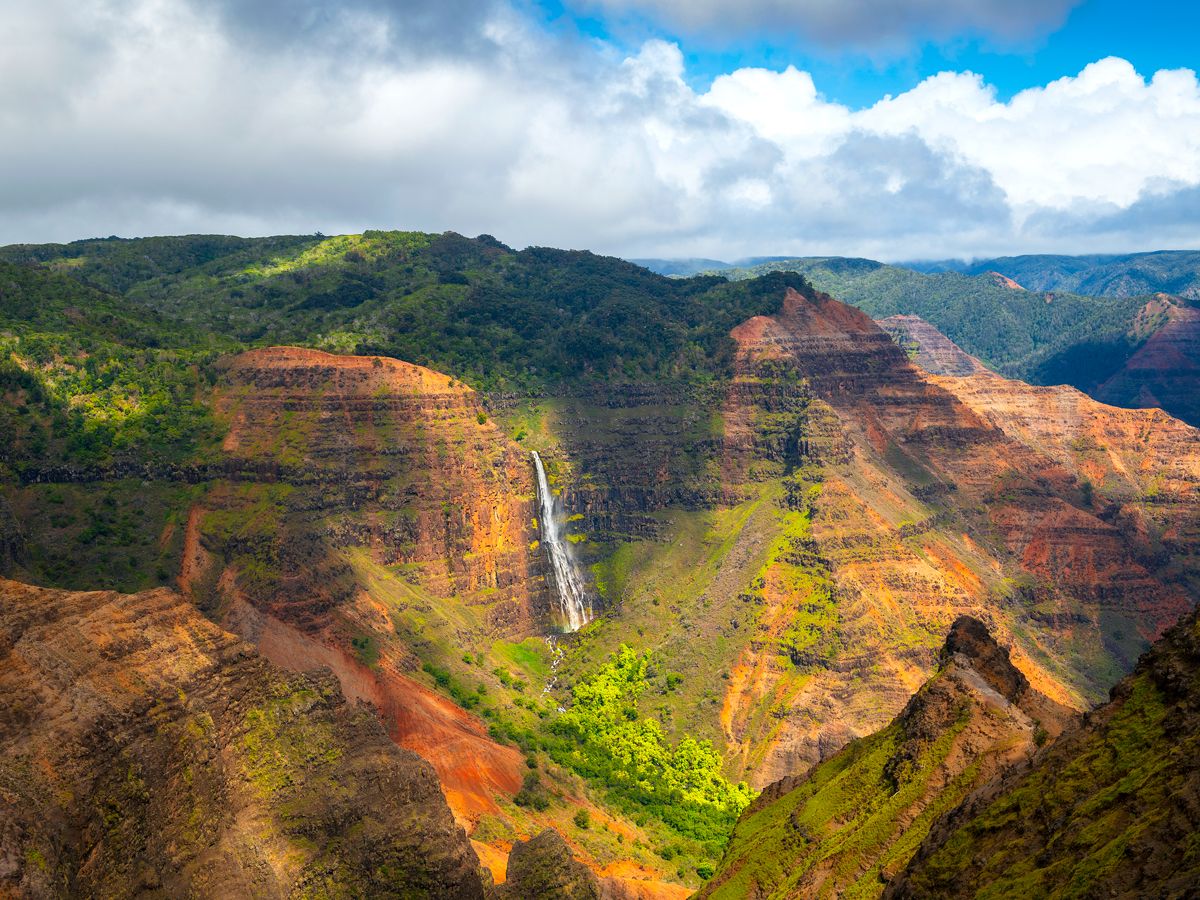
Located on the rugged western side of the Hawaiian island of Kauai, Waimea Canyon has been dubbed the “Grand Canyon of the Pacific.” At 14 miles long, a mile wide, and over 3,500 feet deep, Waimea is a bit smaller than the actual Grand Canyon, but much more vibrant.
Unlike most canyons, which are formed by rivers, Waimea came into existence when a portion of the volcanic island collapsed about 4 million years ago. The resulting depression filled with lava flows, which over time were eroded by Kauai’s abundant rainfall. The canyon’s colorful blend of red, green, and brown hues are perfectly accented by waterfalls and occasional rainbows.
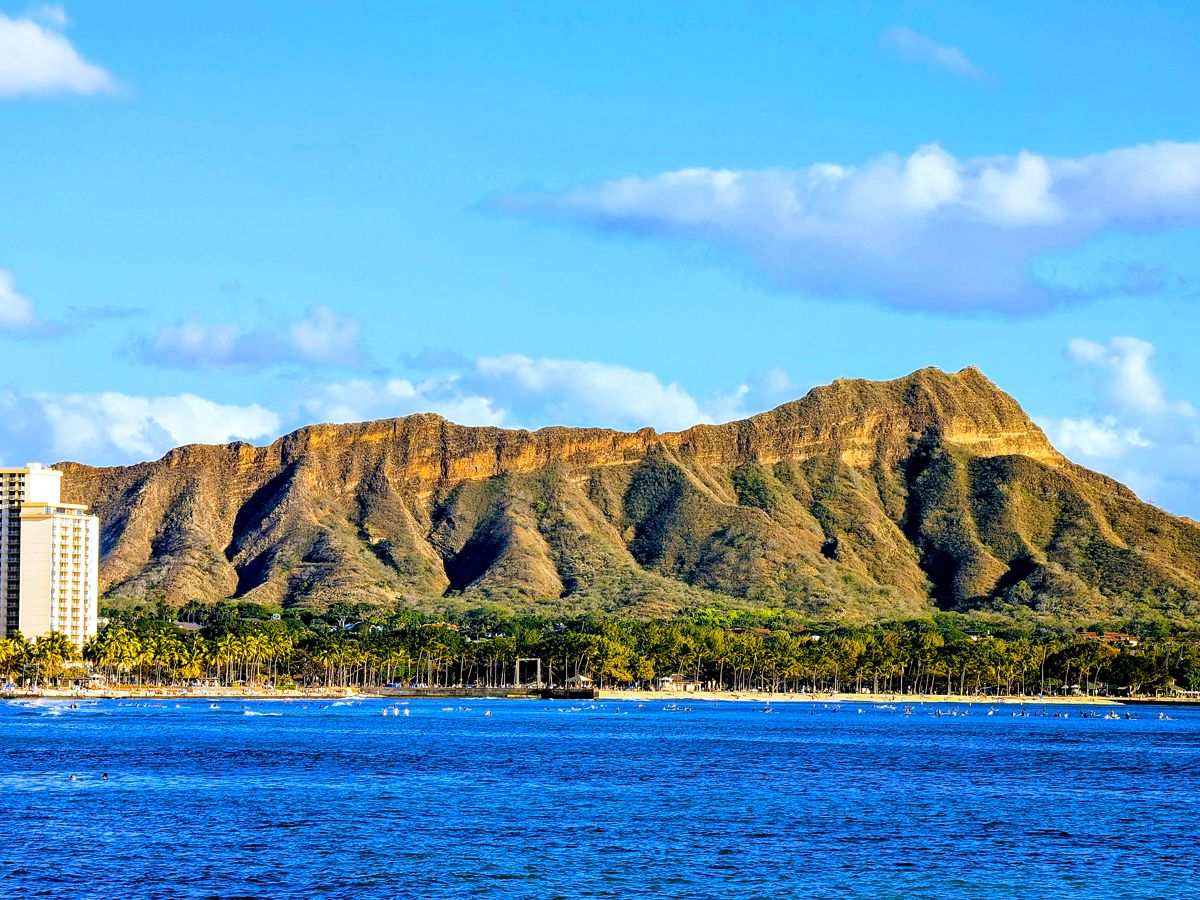
Known in Hawaiian as Leahi or “brow of the tuna,” Diamond Head is one of Oahu’s most recognizable landmarks, towering behind Waikiki Beach. Formed over 100,000 years ago, the volcanic crater, which reaches about 760 feet high and stretches 3,520 feet across, was named by British sailors who believed they had found diamonds in the cater, but the minerals they came across turned out to be calcite crystals. At one point, it served as a strategic military lookout, but it is now a state monument and national natural landmark that serves as a popular hiking spot for visitors to Honolulu.
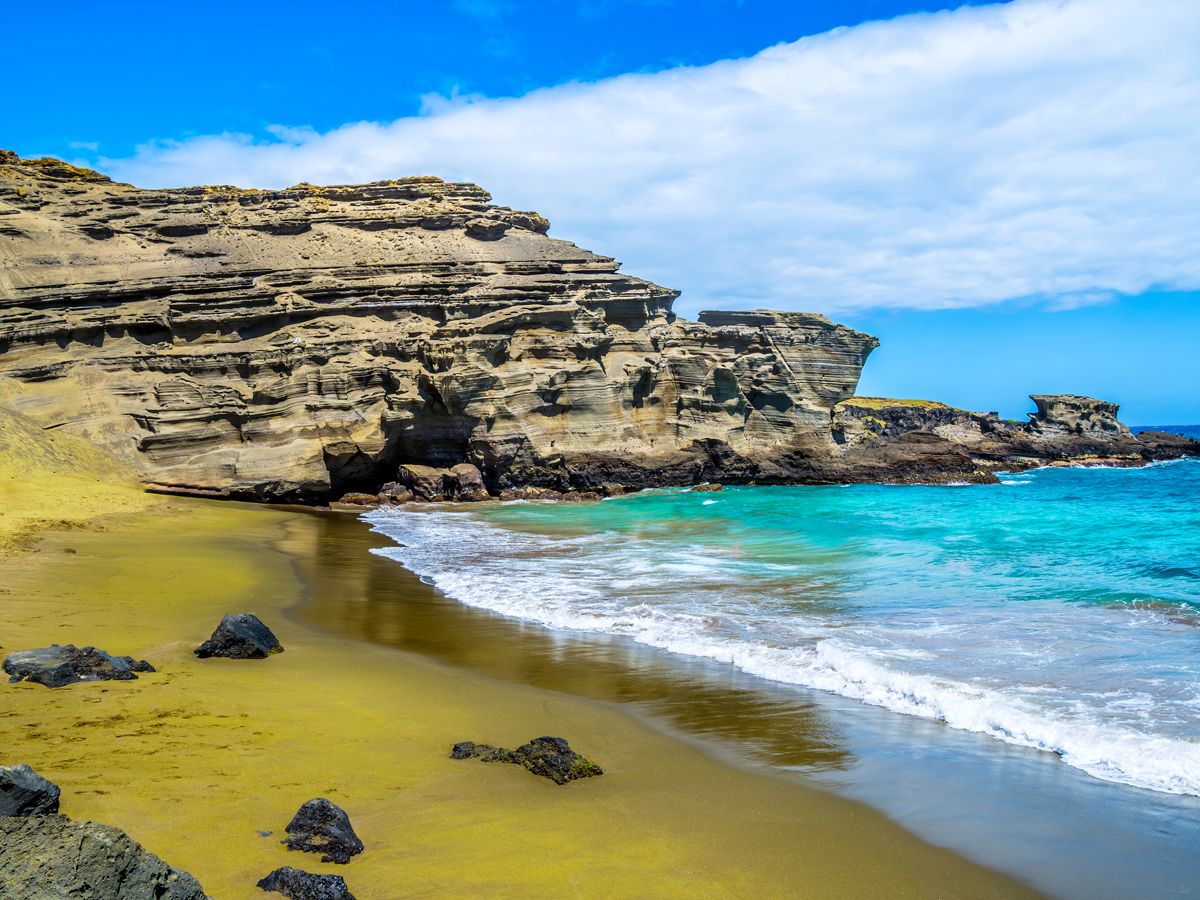
There are four green beaches in the world, but the only one in the United States is found on Hawaii’s Big Island. Called Papakolea Beach, it sits on a tuff ring — the site of a volcano eruption that happened thousands of years ago. The green color is due to a silicate called olivine, a relatively heavy mineral that tends to stick around instead of washing out to sea. It comes from ancient lava flows, and the color can range from a pea soup green-gold to deep jade. You’ll also find green sands at Talofofo Beach in the U.S. territory of Guam, Punta Cormorant in Ecuador, and Hornindalsvatnet in Norway.
Advertisement
More from our network
Daily Passport is part of Inbox Studio, an email-first media company. *Indicates a third-party property.
Outdoors •December 22, 2025•Updated: December 22, 2025
By Cynthia Barnes
Author
Cynthia Barnes
Cynthia kicked around the world for a while before landing in Colorado. Her work has appeared in Food & Wine, the Boston Globe, and National Geographic, among others. She loves dives — both scuba and bars — baseball, the Oxford comma, and live music.
On the surface, hiking seems relatively simple: Put one foot in front of the other, then repeat. And while that may be true when taking an afternoon stroll around a nature reserve or a weekend trek at a nearby state or national park, there’s a global network of trails that stretch thousands of miles across countries or entire continents. These paths go from scorching deserts to frozen mountaintops and challenge the endurance of even the fittest athletes. The longest trails usually comprise a number of shorter trails with connecting segments linking them. Requiring endurance, months (or sometimes years) of commitment, meticulous planning, and very sturdy shoes, here are five long-distance “thru-hikes” that go way beyond “a walk in the park.”
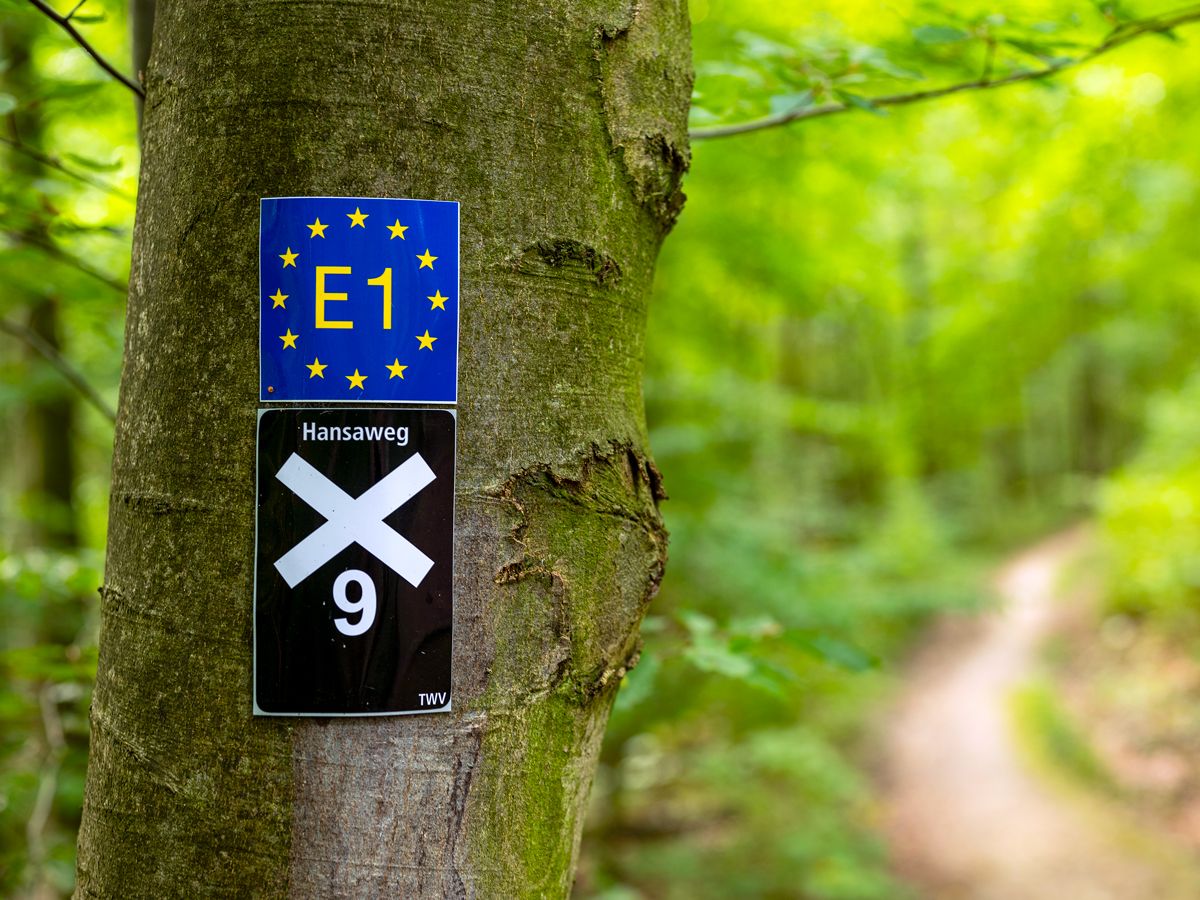
This mammoth, seven-country trail offers hikers the opportunity to traverse from the Arctic Ocean to the Ionian Sea, with an astonishing array of landscapes and cultures in between. The E1’s roughly 5,000-mile odyssey begins in Norway’s Nordkapp (North Cape), which overlooks the Barents Sea in the “Land of the Midnight Sun” and is the northernmost point in Europe that can be reached by car.
From there, the path winds through a wide range of terrains, from steep mountains to coastal paths in Finland, Sweden, Denmark, Germany, and Switzerland before (eventually, theoretically) terminating at Capo Passero, Italy’s southernmost village on the island of Sicily.
Why the uncertainty? The southernmost parts of Italy’s portion of the E1 aren’t completed yet, but thru-hikers should be on solid ground at least to the region of Campania. Regardless, from lefse in Norway to pizza in Naples, the E1 is not only an epic trail but a tasty one, too.
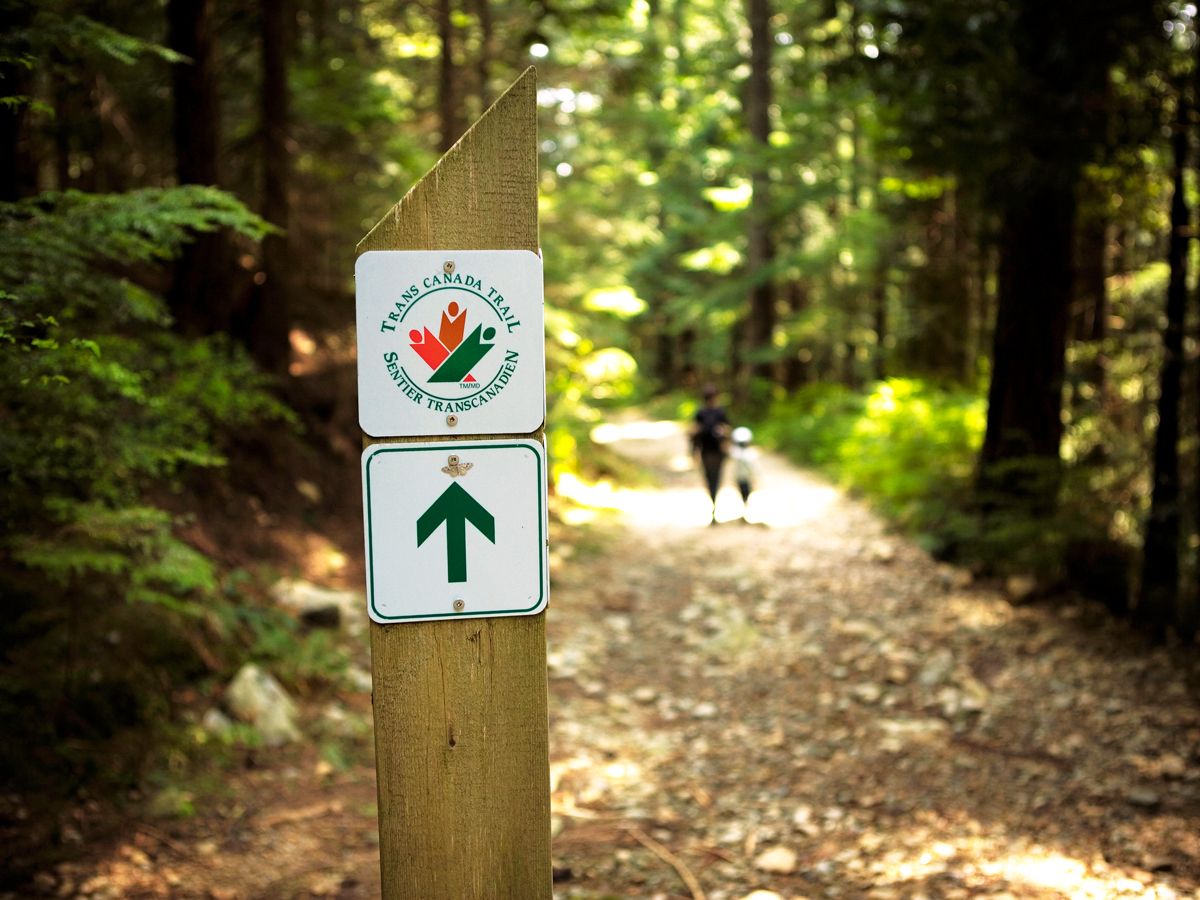
Several of the longest hiking trails in the world are located in the U.S. The longest, though, is found in its neighbor to the north. The Trans Canada Trail is the most extensive multiuse trail system in the world, stretching an extraordinary 14,912 miles. It connects all three of Canada’s ocean coastlines (Atlantic, Arctic, Pacific), and passes through terrains that range from the rugged Rocky Mountains to chic urban neighborhoods.
In the east, the Trans Canada Trail begins in St. John’s, Newfoundland; the western terminus is clear across the country at Lake Cowichan in British Columbia. Planning to trek the entire trail? Even if you don’t paddle the river routes, you’ll need to pack an inflatable raft to cross parts of a section called the Canol Heritage Trail. Filmmaker Dianne Whelan completed the journey (over six years) for her documentary 500 Days in the Wild, becoming the first person to do so.
Looking for something special to celebrate America’s 250th birthday? Perhaps you can take the year off and set out on this grand American adventure. Stretching 6,800 miles from the Atlantic to the Pacific, the American Discovery Trail is the longest continuous trail in the United States.
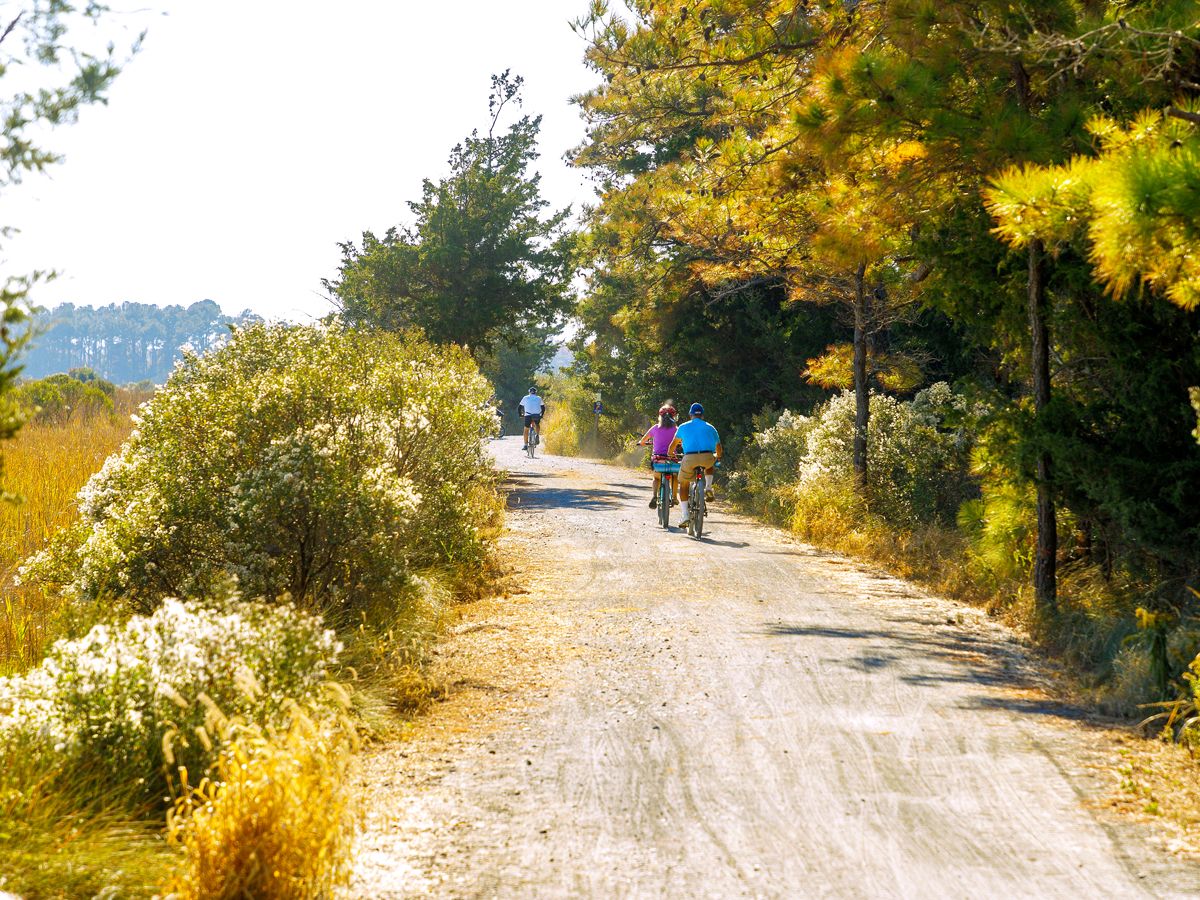
Running through 15 states from Cape Henlopen in Delaware to Point Reyes National Seashore in California, the trail splits into northern and southern sections in Elizabethtown, Ohio, and reconnects westward in Denver, Colorado. Much of the trail is accessible to bicycles and horses, and some sections are wheelchair-friendly.
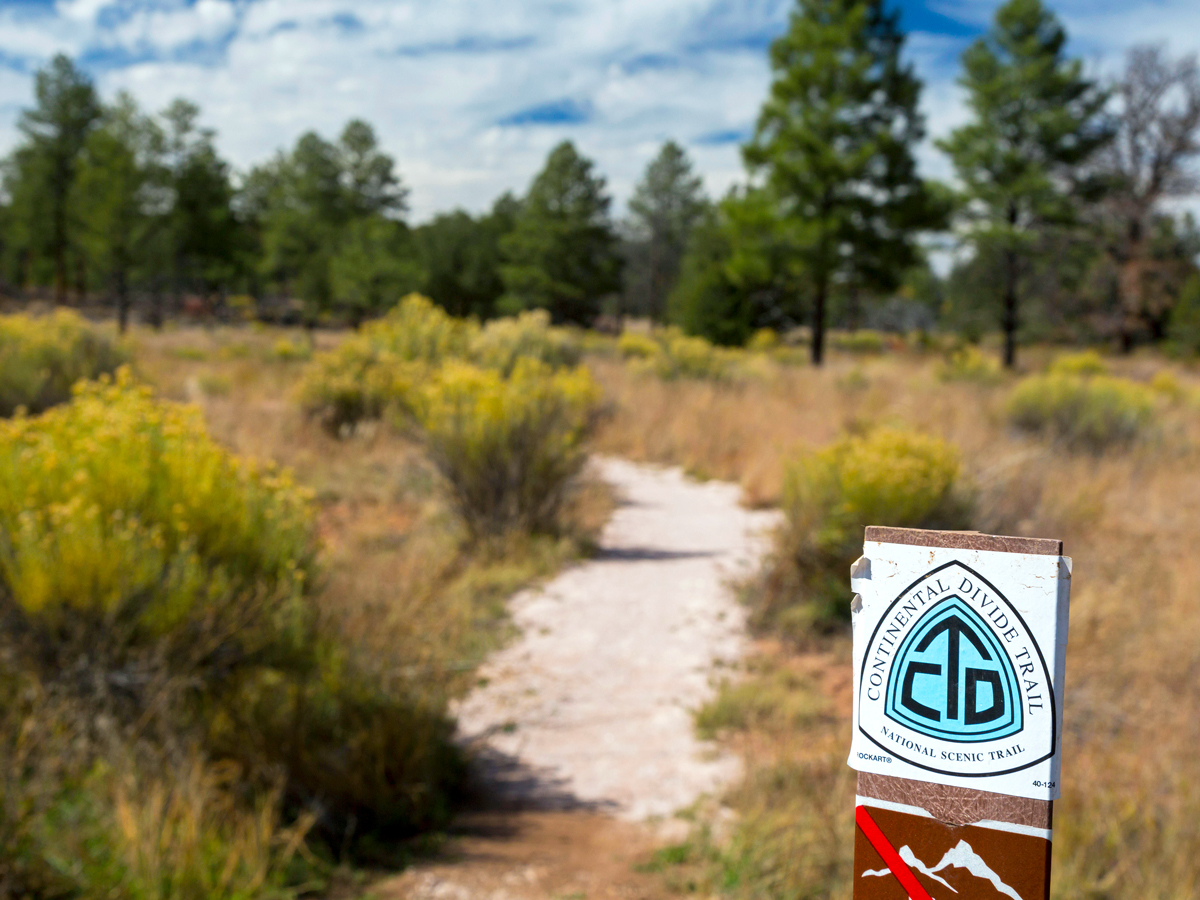
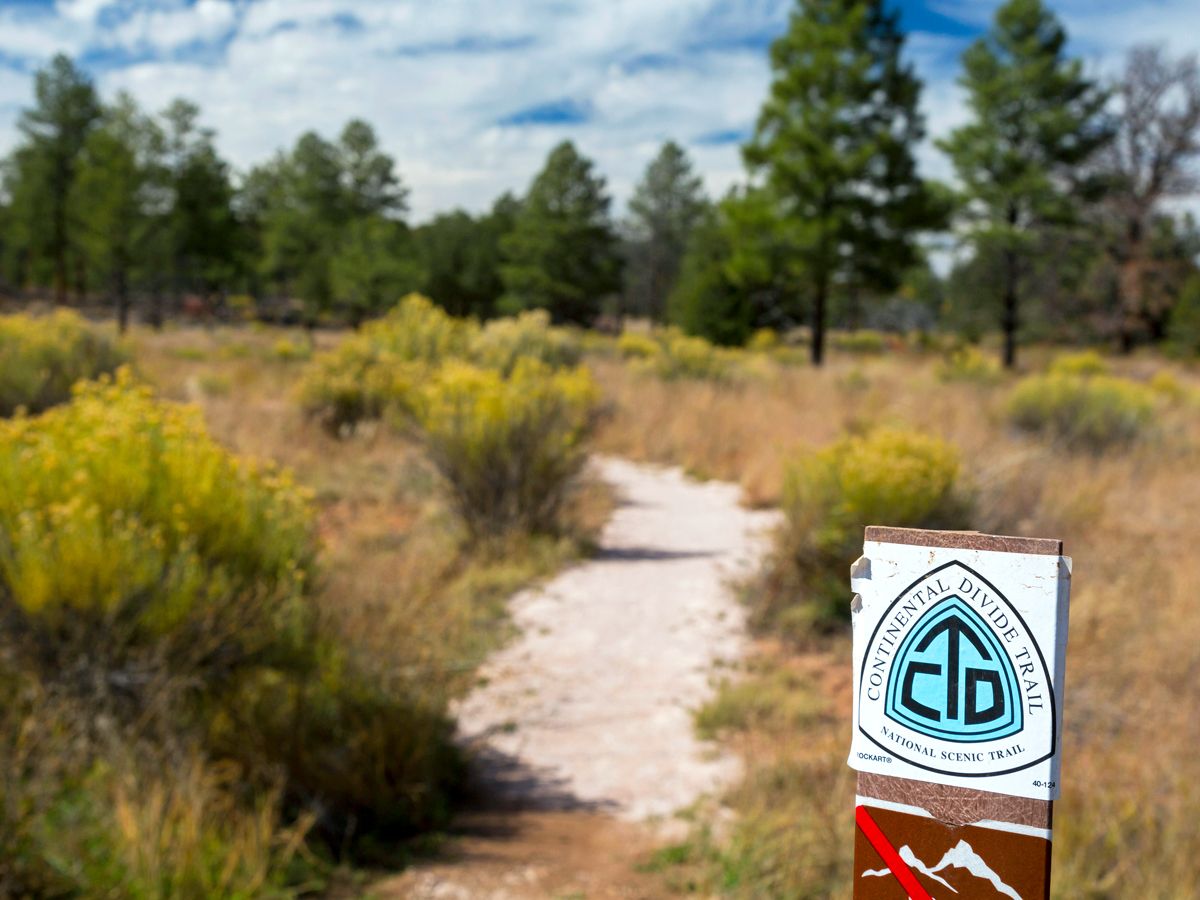
If you’d rather travel from north to south than east to west, the Continental Divide Trail is the path for you. Spanning approximately 3,100 miles from the U.S.-Canada border in Montana to the U.S.-Mexico border in New Mexico, the trail also passes through Idaho, Wyoming, and Colorado while traversing some of the nation’s most stunning scenery, including Rocky Mountain National Park and the Chama River Canyon Wilderness.
The Continental Divide Trail is part of the “Triple Crown” of American trails, the other two being the Pacific Coast Trail and the Appalachian Trail. Dave Odell was the first person to officially thru-hike the route in 1977, and today about 200 people a year complete the journey, with thousands more enjoying shorter sections of the path.
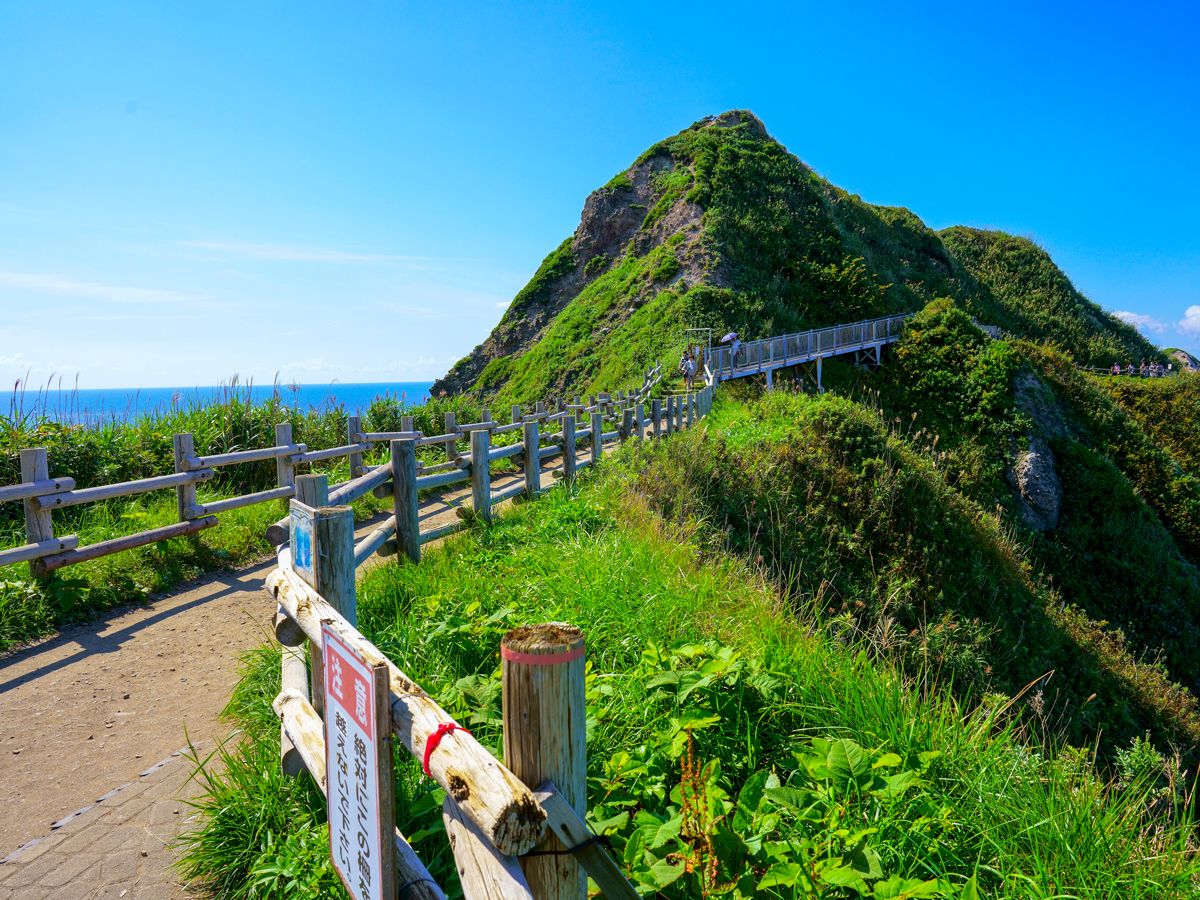
On Japan’s second-largest and northernmost island — which is roughly the size of Austria — hikers will find an untamed, yet serene wonderland of rare wildlife, scenic lakes, vast forests, and wetlands. Started in 2003 and still under construction, the Hokkaido Nature Trail consists of 23 not-always-contiguous segments. The newest section, the Hokkaido East Trail, opened in late 2024 and connects Shiretoko, Akan-Mashu, and Kushiro-Shitsugen National Parks. When completed, the full trail will stretch almost 3,000 miles. Fortunately for would-be hikers, the island’s volcanic topography feeds many hot springs, perfect for relaxing after a long day on foot.
Advertisement
More from our network
Daily Passport is part of Inbox Studio, an email-first media company. *Indicates a third-party property.
20 Traditional Holiday Foods From Around the World
By
Daily Passport Team
Read time: 9 minutes
December 17, 2025
Updated: December 18, 2025
20 Traditional Holiday Foods From Around the World
Culture •December 17, 2025•Updated: December 18, 2025
By Daily Passport Team
Author
Daily Passport Team
Daily Passport writers have been seen in publications such as National Geographic, Food & Wine, CBC, Condé Nast Traveler, and Business Insider. They're passionate about uncovering unique destinations and sharing expert tips with curious travelers.
Nothing brings people together during winter’s dark months like food, and the holidays are a perfect excuse for celebratory feasts with friends and family. While there are universal favorites — think eggnog, pumpkin pie, gingerbread — many countries and specific regions have their favorite foods and drinks. Whether celebrating Thanksgiving, Christmas, Hanukkah, a few days off work, or none of the above, don’t miss a chance to expand the menu and enjoy a few of the world’s favorite holiday dishes.
Norwegians who settled in America’s Upper Midwest brought their own traditional culinary favorites, including lefse (pronounced “lef-suh”), which is particularly popular at Christmas. Similar to a tortilla or a crepe, these tender flatbreads are made from chilled mashed (or riced) potatoes, bound with a scant amount of flour and a bit of fat (usually butter, but sometimes lard or cream). The dough is then thinly rolled into circles, and quickly browned on a griddle. Smeared with butter and spread with lingonberry jam, sprinkled with cinnamon sugar, or rolled around meat and eggs, lefse is a staple of holiday tables in states like Minnesota, North Dakota, and Wisconsin.
Whatever you do, do not call it eggnog. Although Puerto Rico’s beloved holiday tipple does have some similarities to eggnog, this rich and creamy punch often contains no eggs at all. Each family has their own (usually closely guarded) recipe, but the basics of coquito (which translates to “little coconut”) are generally evaporated milk, sweetened condensed milk, cream of coconut, and unsweetened coconut milk. Then it’s time to tinker with the spices (cinnamon, star anise, maybe a little nutmeg or clove) and, finally, the rum. Puerto Rico produces some of the world’s best, but non-alcoholic versions still get into the spirit by using a dash of rum extract, or omitting it altogether.
Christmas in Switzerland signifies the beginning of fondue season, which lasts from Christmas to New Year’s, and Fondue chinoise is a highlight. To make this meat fondue with dipping sauce, first, boil some beef broth and mix in some seasonings (bay leaf, cloves, thyme, and rosemary are popular) for flavor. Let the concoction boil for about an hour, and before you’re ready to start dipping, add a shot of cognac. All dipping ingredients are served raw, with people around the table using forks to cook the raw meat and vegetables in the boiling broth. Once your forkful is cooked to your liking, dip into one — or a few — of the various sauces and enjoy. Popular sauces include cocktail sauce, curry sauce, and tartar sauce.
Fruit cakes aren’t uncommon during the holiday season, but Caribbean black cakes take things to a whole different dimension. Across the Caribbean, dried fruits are soaked for months — sometimes up to a year — in dark rum and cherry brandy. Come baking time, they’re ground into a rough paste (no alien green fruit hunks here) and combined with burnt sugar and spices to create an insanely rich, darkly delicious treat that’s worth the wait.
You don’t need to observe Hanukkah to appreciate these divinely crisp fritters, a highlight of the Jewish Festival of Lights. Originating in Eastern Europe (where potatoes were a cheap and plentiful peasant staple) and popular in the U.S. and elsewhere, latkes are grated potatoes enhanced with onion and bound with an egg and breadcrumbs or matzoh. Shallow-fried in oil, they emerge from the pan creamy on the inside but with an appealing, crunchy exterior. Serve with sour cream, applesauce, or both.
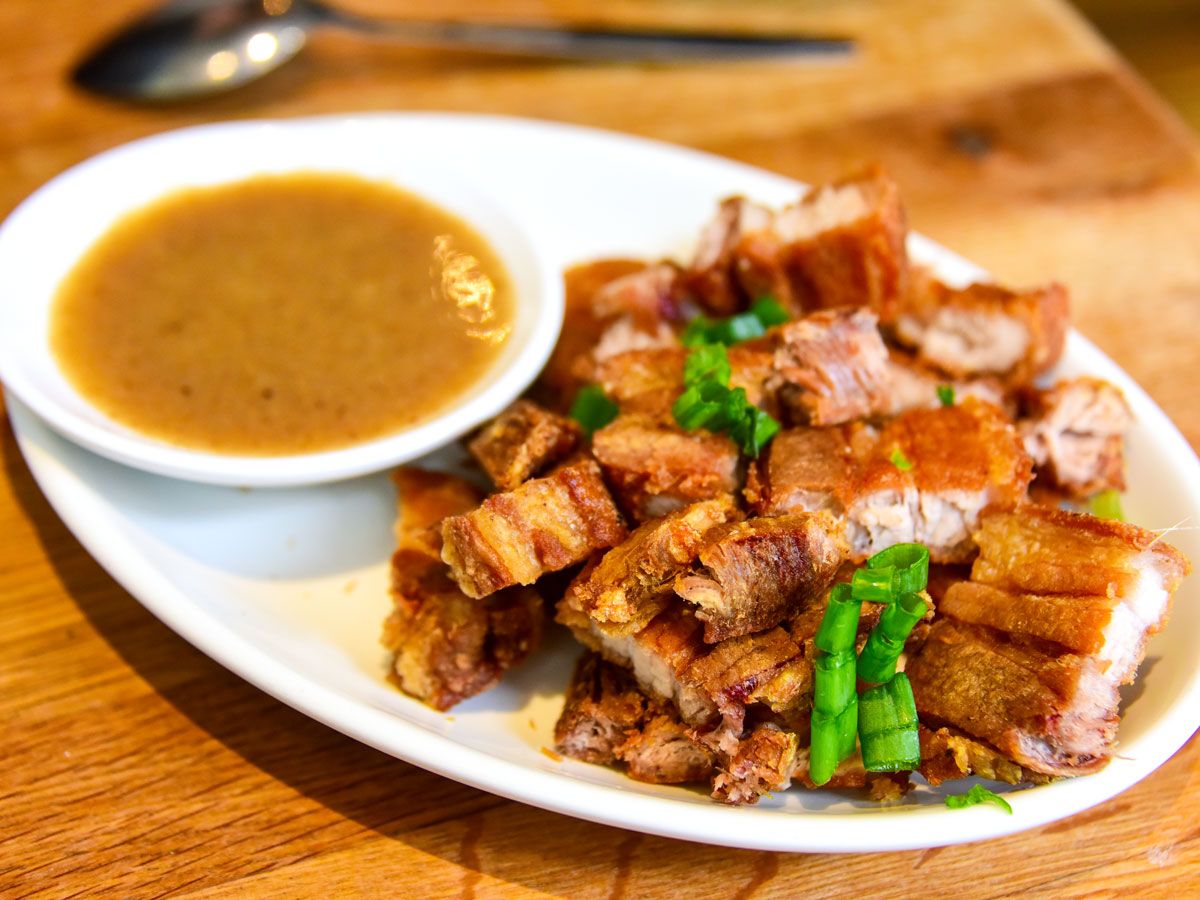
When the late, great Anthony Bourdain proclaims something “the best pig ever,” it should be accepted as fact. While whole roast suckling pigs make appearances on menus around the world (and around the year), Filipinos have taken lechon to new levels. Stuffed with aromatics like lemongrass and basted with coconut water before roasting, lechon has skin as crisp as Christmas candy canes and moist, deeply flavored flesh.
While the Northern Hemisphere shivers its way through the winter solstice season, it’s summertime on the Southern side of the equator. Santa wears sunscreen and holiday dishes lean lighter, as in the case of pavlova. A popular holiday treat in Australia and New Zealand, this crisp meringue confection is marshmallow-soft on the inside and topped with sweetened whipped cream and fruits like mango, passionfruit, and kiwi.
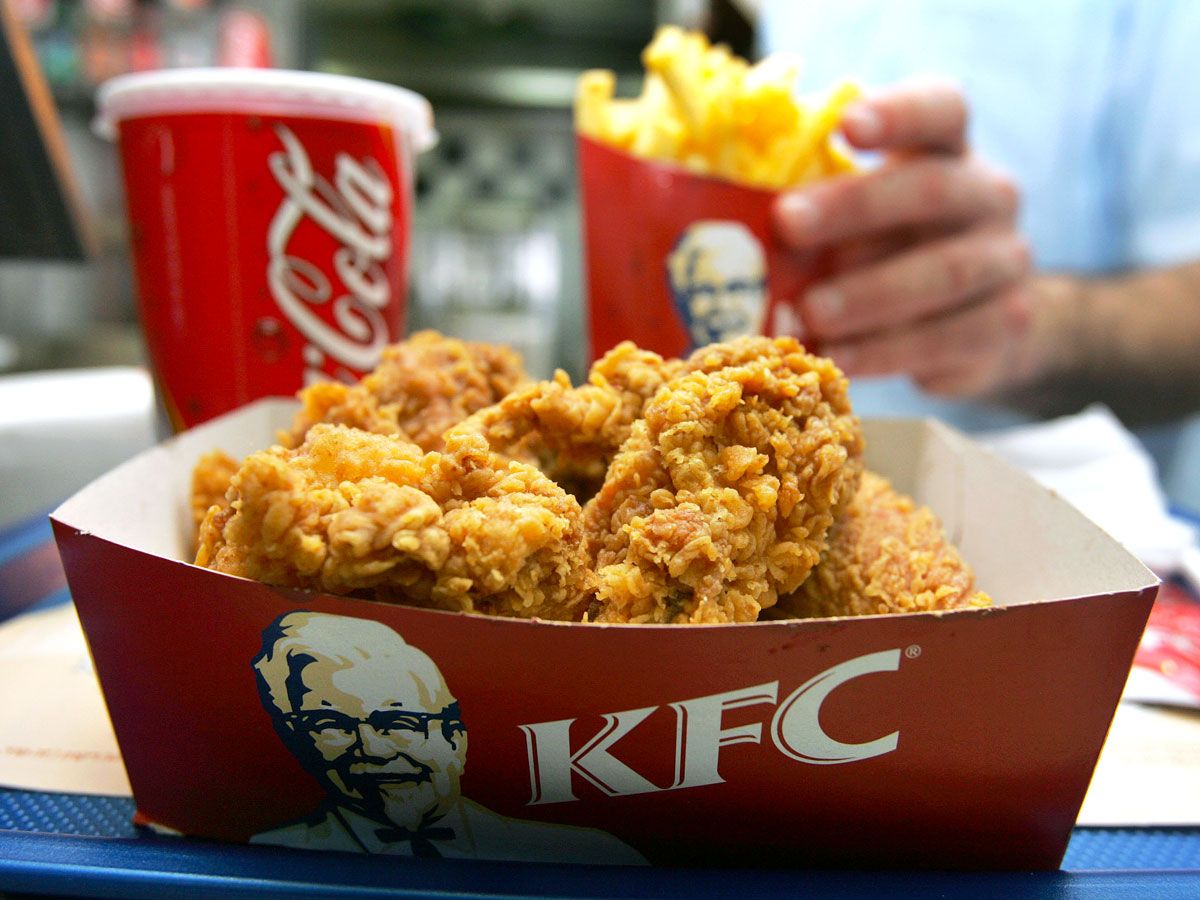
Yes, that KFC. What started in the 1970s as a clever marketing campaign is now a beloved (and tasty!) holiday tradition in Japan. Families across the country order their Kentucky Fried Chicken “Party Barrels” early, and for many, Colonel Sanders is as integral to Japanese Christmas celebrations as Santa-san. Please pass the coleslaw.
In Italy, Christmas Eve is known as La Vigilia (“The Vigil”) — a day for skipping meat in favor of feasting on seafood. While Italian-Americans have turned this tradition into the no-holds-barred Feast of the Seven Fishes (more on that below), things remain (slightly) more restrained in the Old Country. A sure bet on the menu is baccalà, salted cod served fried, with linguine, or in a savory stew of tomatoes, olives, and capers.
Lamb is a holiday favorite in Ethiopia, especially in the form of this rich and buttery stew. Many Ethiopians observe Tsome Nebiyat (“Fast of the Prophets”), eating but one meal a day for the 43 days leading up to Ganna (Ethiopian Christmas), which is observed on January 7 in the Orthodox tradition. Spiced with berbere and redolent with garlic and ginger, yebeg wot is usually served alongside spongey, nutty injera bread with a host of other accompaniments.
Two words: Pace yourself. In Sweden, the typical Julbord (“Yule table”) holds enough delicacies for all 12 days of Christmas. There’ll be glögg (mulled wine) to warm up guests, and fish such as cured salmon and pickled herring, accompanied with dense rye bread. Ham is pretty much a given, along with an assortment of cold meats and possibly pâté. Then it’s off to the hot dishes — meatballs, creamed potatoes, sausages — before a multitude of desserts. Don’t say we didn’t warn you.
Mexicans observe the holiday season from December 12 (the Feast of Our Lady of Guadalupe) all the way through Three Kings’ Day on January 6, and tamales put the “más” in Christmas. You can never have too many cooks in the kitchen when making these tasty packages, and tamaladas (tamale parties) are a great way to prepare enough for the crowd. Fillings from pork to cactus are blanketed in corn masa, then secured in corn husks (or plantain leaves) before steaming.
Let’s (not) talk turkey: When it comes to fowl, Germans will opt for goose (or duck) every time. Roasted to golden perfection, Weihnachtsgans boasts moist rich meat and crispy skin and renders a surprising amount of yummy fat (which you can save for roasting potatoes). Fluffy dumplings and red cabbage braised with currant jelly and apples round out a festive holiday meal, but be sure to save room for a slice of stollen (sweet fruit bread).
You could make kiviak, stuffing a seal skin full of hundreds of birds and letting it ferment seven months before slicing and serving, as they do in Greenland. But perhaps a more accessible holiday specialty is hangikjöt (hung meat), found in neighboring Iceland. This salted, slow-smoked, and boiled lamb is a Christmas tradition, served with potatoes, peas, cabbage, and white sauce. Follow with thin and lacy Laufabrauð cookies for dessert.
The Dōngzhì, or Winter Solstice Festival, is one of the most important holidays in China and East Asian countries, and tang yuan is an integral part of many feasts. First, glutinous rice flour is rolled into dumplings, colored with natural ingredients or food dyes. Then, they can be prepared plain or stuffed with sweet or savory fillings before being simmered in a sweet ginger broth.
This popular Quebecois dish is a special favorite at Christmas and New Year’s — many even swear by a slice for Christmas breakfast. Ground meat (often pork and beef, but pork and game is not uncommon) and potato are spiced with a blend of pepper, clove, nutmeg, cinnamon, and ginger and then baked in a buttery rich puff pastry.
This pudding is a Christmas Eve staple, which is celebrated on January 7 by Orthodox Christians in Eastern Europe. Cooked winter wheat berries are soaked overnight with poppy seeds, dried fruits (usually raisins and figs), milk, honey, chopped almonds, hazelnuts, and walnuts to create a hearty and sweet dessert while waiting for St. Nicklaus.
Persians welcome the winter solstice with Shab-e Yalda, the longest night of the year, and khoresh-e fesenjān takes pride of place at many a feast. This warming stew is traditionally made with chicken (vegetarians may substitute eggplant or mushrooms) and thickened with ground walnuts and pomegranate paste.
Bûche de Noël – France
Credit: Haris Calkic/ iStock via Getty Images Plus
Chocolate is also the most popular (but by no means the only) flavor for Bûche de Noël (“Yule Log Cake”). This decadent and decorative cake is as much a part of Christmas in Paris as Père Noël himself. Sponge cake is slathered in buttercream and then gathered into a roulade (roll) before being frosted with rich ganache. When decorated (meringue mushrooms are a must), it’s a sweet representation of the traditional fireplace Yule log.
Italian immigrants to New Jersey and other parts of the country (especially in the Northeast) continued the Christmas Eve tradition of La Vigilia in abundant American fashion. This magnificent seafood feast features fish, shellfish, and fried delicacies such as calamari, smelts, and artichokes. Often served after a visit to Midnight Mass, the Feast of the Seven Fishes may include baccalà along with seafood pasta and a hearty stew like cioppino. In New Jersey, the Italian tradition has only grown more popular, and many restaurants open their doors to hungry guests with expansive menus featuring elegant offerings such as lobster and caviar.
Advertisement
More from our network
Daily Passport is part of Inbox Studio, an email-first media company. *Indicates a third-party property.
Tips •December 17, 2025•Updated: December 17, 2025
By Peter Vanden Bos
Author
Peter Vanden Bos
Peter is a Toronto-based journalist, editor, content strategist, and self-professed avgeek with 15 years of experience covering all things travel. Prior to joining Daily Passport, he oversaw newsletter publication for Travelzoo. His favorite destinations to explore include Japan, France, Chile, New Zealand, and his adopted home country of Canada.
You’ve been checking your flight itinerary for weeks and finally scored a great upgrade offer. But one minute, you’re looking forward to extra legroom and a glass of wine before takeoff, and the next, right before you board, you find your seat has been given away and you’re back in coach. You’ve been downgraded — and though it’s rare, airlines do really do this, even if you bought a premium fare from the beginning. Here’s what to do when it happens and what you’re entitled to.
What It Means To Be Downgraded
Credit: vovashevchuk/ iStock via Getty Images Plus
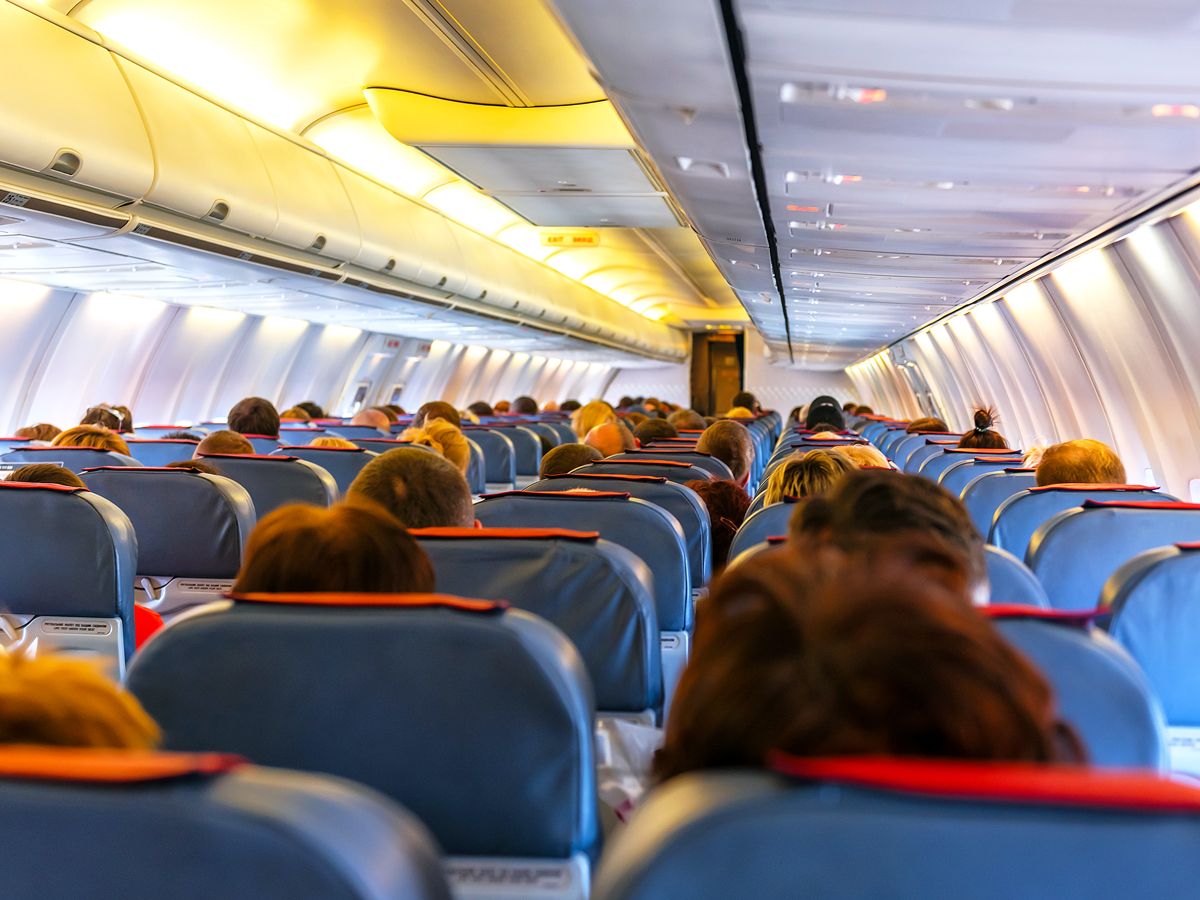
There’s a key difference between getting downgraded and having your seat changed from an aisle seat at the front of the economy-class cabin to a middle seat at the back of the plane. While you might consider that a downgrade in your experience, in travel terms, “downgrade” refers specifically to being involuntary bumped from a higher class of service to a lower one.
In the example above, you’re still seated within the same cabin, so airlines don’t owe you any compensation. Per their contracts of carriage, airlines don’t guarantee a specific seat assignment within the same cabin. But if you’re moved, for instance, from Delta Comfort to Main Cabin, or from United Polaris (long-haul business class) to Premium Plus (premium economy), that constitutes a downgrade.
There are several reasons an airline may need to move you out of the seat you paid for. The most common is overbooking a flight, according to Anton Radchenko, CEO at AirAdvisor, a company that helps passengers claim compensation for flight disruptions. In an interview with CNN, he shared this was the reason he had been downgraded twice in the past.
Other reasons might include a last-minute aircraft swap to a model with a smaller first-class cabin, a broken or inoperative seat, or an off-duty crew member who requires the seat to commute to their next assignment.
In some cases, you may be downgraded due to operational reasons — for instance, missing your connecting flight after your inbound flight arrived late. If the next available flight doesn’t have any seats remaining in the cabin you booked, you may be reaccommodated in a lower class of service than the one you paid for.
Each airline has a specific process for how they determine who will be downgraded. While these policies aren’t usually published, AirAdvisor notes that “their decision is based on a combination of a passenger’s status as a frequent flyer, their seating class, and when they checked in.”
To avoid the chance of a downgrade happening, check in for your flight as soon as it opens and be sure you’re at the gate on time before boarding starts. It also pays to hold elite status with an airline, as those passengers tend to be last to be downgraded. You might even consider a more expensive fare, as those who purchase lower fares have higher odds of being bumped. It’s generally also more likely the airline will bump solo passengers to avoid splitting up companions and families.
Keep in mind, however, that downgrading is relatively rare — and you have options if it does happen — so paying more to reduce the likelihood of something that’s already unlikely may not be worth it.
According to the U.S. Department of Transportation, passengers who are downgraded to a lower class of service are entitled to a refund. If you choose not to travel or accept an alternative form of compensation from the airline (such as travel credits or vouchers), you can get a full refund of the price you paid, which is due back to your credit card within seven days after you reject the airline’s offer.
If you choose to still fly on a downgraded segment, airlines are required to refund you the difference between the original fare you paid and the downgraded fare. Importantly, the fare difference should be calculated based on the time you originally booked, not the time you were downgraded. Beyond that, the DOT doesn’t stipulate airlines offer you anything else, but some carriers may offer miles or a voucher as a goodwill gesture.
If you’re traveling within Europe, however, downgrades are handled a bit differently. Under what’s known as EU 261, a broad set of regulations around flight disruptions, airlines in Europe are required to refund between 30% and 75% of the ticket price for involuntary downgrades, based on the distance of your flight.
As we’ve already noted, downgrading is rare. But if it happens to you, it’s important to act quickly and be proactive about receiving the compensation you deserve.
Ideally, the airline will notify you of the situation, but it’s also a good idea to regularly check your itinerary details before the departure date. If you notice you’ve been moved to a lower class of service, take action immediately — the sooner you reach out to the airline, the higher the likelihood they’ll be able to reaccommodate you in a premium seat on another flight within a reasonable time frame.
If you find out at the gate, speak with the gate agent or customer service desk about your options. Sometimes, an airline’s app or website may show you alternative arrangements, which you should book as quickly as possible before other customers take them. In either case, make sure you get written confirmation of the downgrade and hold onto your boarding pass, which you may need in order to get a refund.
If you still choose to fly and are owed a refund, you may have to seek it out yourself on the airline’s website (for example, Delta’s refund request form). And even though U.S. airlines aren’t required to provide anything beyond the refund of the fare difference, it doesn’t hurt to ask for additional compensation and explain your reasoning with your request.
Advertisement
More from our network
Daily Passport is part of Inbox Studio, an email-first media company. *Indicates a third-party property.