





Post Banner Image
Tips

The Most Expensive Places To Visit in the U.S.

By Bennett Kleinman
Read time: 6 minutes
October 8, 2025
Updated: October 8, 2025

The Most Expensive Places To Visit in the U.S.

By Bennett Kleinman
Author
Bennett Kleinman
Bennett is a New York City-based staff writer for Daily Passport. He previously contributed to television programs such as the Late Show With David Letterman, as well as digital publications like the Onion. Bennett has traveled to 48 U.S. states and all 30 Major League Baseball stadiums.

It’s no secret that, between airfare, accommodations, and meals, a vacation can balloon into a costly endeavor in the blink of an eye. But there are a number of resort towns, bustling metropolises, and even remote locales where the sticker shock is especially high — some of which may surprise the average tourist. To determine where the cost is most prohibitive, we looked at a 2025 study from personal finance company GOBankingRates. They analyzed the average price of a three-night stay for two people in popular tourist destinations across the U.S., with airfare and meals included. Here’s a look at the most expensive places to visit in the U.S. in 2025, according to the report.

10. Juneau, Alaska

Aerial view of Juneau, Alaska
Credit: dbvirago/ iStock via Getty Images Plus 

Total cost of a three-night stay for two: $2,016

As the only U.S. state capital you can’t drive to, Juneau isn’t cheap for visitors. Travelers should expect to pay roughly $978 — nearly half the total cost of a three-night getaway — just on plane tickets. These elevated prices are due to a combination of higher operating costs and less competition for airlines that serve remote Alaskan destinations such as Juneau. However, once there, you’ll find that accommodations and dining are a bit more affordable: The average three-night stay in Juneau runs around $200 per night, and visitors end up paying roughly $70 each day on meals and drinks.

9. Seattle, Washington

Ferris wheel on Seattle waterfront
Credit: fotoguy22/ iStock via Getty Images Plus 

Total cost of a three-night stay for two: $2,024

Seattle is the most expensive tourist destination in the Pacific Northwest, surpassing the $2,000 mark for a three-night stay. Part of this is attributable to the city’s bustling food scene, as visitors regularly shell out over $100 each day to enjoy freshly caught salmon and other tasty local fare. The nightly rate at a typical Seattle hotel room is around $180, and each person should be prepared to spend an average of $400 for airfare to and from the Emerald City.
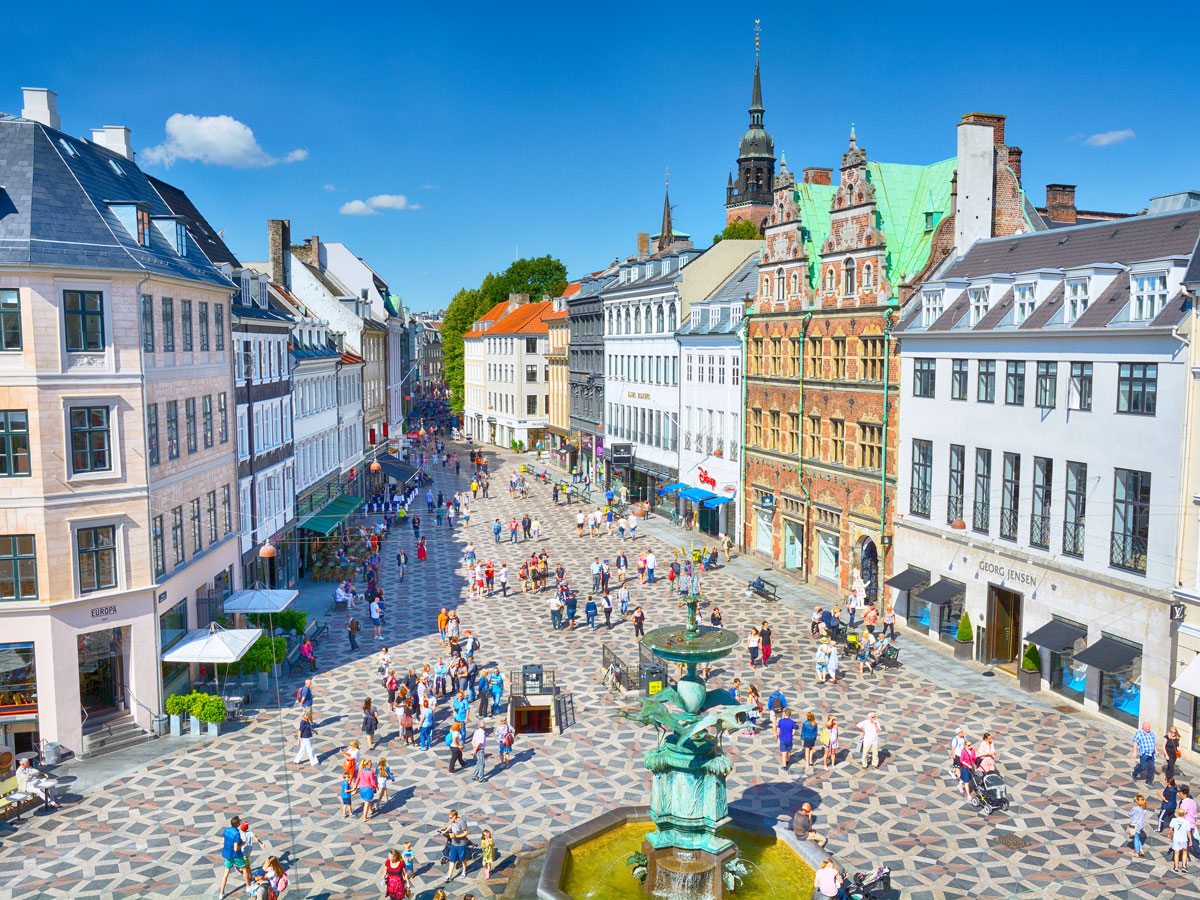
8. Asheville, North Carolina

Fountain in downtown Asheville, North Carolina
Credit: SeanPavonePhoto/ iStock via Getty Images Plus 

Total cost of a three-night stay for two: $2,058

Located in western North Carolina, Asheville is a popular tourist destination known for the scenic beauty of the surrounding Blue Ridge Mountains, as well as its vibrant arts scene. Because it’s one of the most desirable destinations in the region, expect hotel rates to cost more than $250 per night. The good news is that getting to and from Asheville is cheaper than traveling to any of the other cities to crack the top 10, as average airfare costs $335 per person.

7. New York, New York

Yellow cabs on busy Manhattan street
Credit: Maremagnum/ Corbis Documentary via Getty Images 

Total cost of a three-night stay for two: $2,134

Despite its high costs, New York City is the most-visited city in the country. Interestingly, according to the study, hotel rooms are surprisingly affordable, with the average nightly rate in the Big Apple coming in at only $133. But it can be difficult to find a good deal on flights, and you’re likely to end up spending an average of around $440 per person. A big reason to visit New York is its world-class food scene — which is why typical visitors spend in excess of $142 each day on food and drink.

Related: 5 Secret Spots in NYC Most Tourists Don’t Know About

6. Portland, Maine

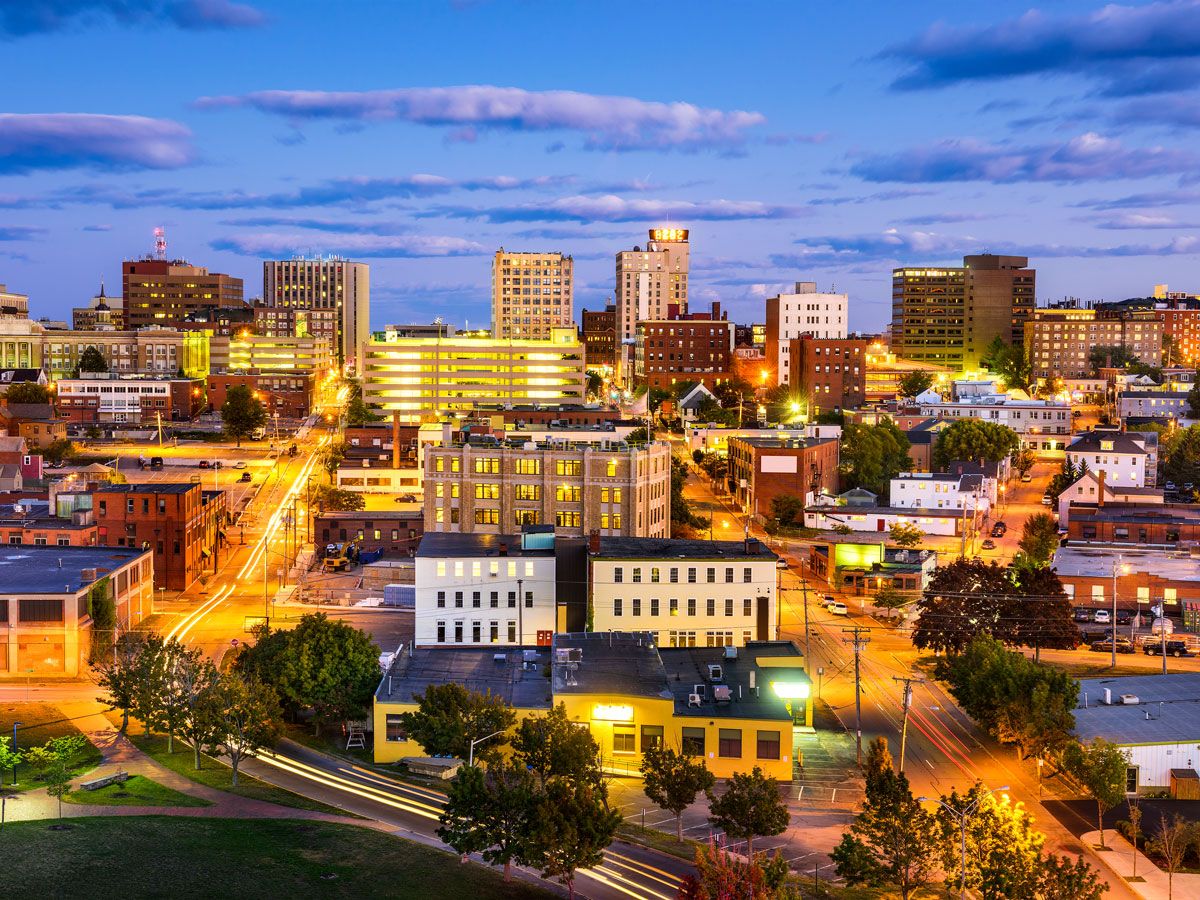
City of Portland, Maine, seen from above
Credit: Sean Pavone/ iStock via Getty Images Plus 

Total cost of a three-night stay for two: $2,150

Forget about Boston or New York City — the most expensive places to visit in the Northeast are in Maine. Coastal Portland is among them; the average cost of airfare to and from the city is around $419 per person. Nightly hotel rates are somewhat more reasonable, coming in at around $179 per room, but the cost of food and drink bumps the price up even further. The daily dining bill averages $129 per person, but there’s a good chance you’ll feel like it was money well spent — despite being a small city, Portland is known for its incredible food scene, particularly its local lobster.

5. Fairbanks, Alaska

Buildings above the Ketchikan Creek in Alaska
Credit: Artie Photography (Artie Ng)/ Moment via Getty Images 

Total cost of a three-night stay for two: $2,157

Fairbanks serves as the gateway to many of Alaska’s interior and Arctic regions, including the incredible Denali National Park, home to the highest mountain in the United States. If you’re one of the many nature lovers planning a trip here, start thinking about your vacation budget. Average airfare to and from Fairbanks is about $590 per person, an average hotel rate comes in around $150 per night, and visitors typically spend over $100 daily on food and drink.

4. Bar Harbor, Maine

Colorful buildings in Bar Harbor, Maine
Credit: Peter Unger/ Stone via Getty Images 

Total cost of a three-night stay for two: $2,224

Bar Harbor is the entry point to Acadia National Park, arguably the most awe-inspiring natural landmark in Maine. But only around 2,300 people call Bar Harbor home, meaning there are fewer restaurants and hotels in the surrounding vicinity. This also means fewer flights into the nearby Hancock County-Bar Harbor Airport, which is why many people fly to the more popular Bangor International Airport. However, doing so requires paying to rent a car and driving over an hour south to Bar Harbor, increasing the total cost of visiting this popular seaside destination.

Related: 7 of the Most Charming Towns Near U.S. National Parks

3. Anchorage, Alaska

Anchorage cityscape against snowy mountain backdrop
Credit: Kevin G. Smith/ Design Pics via Getty Images 

Total cost of a three-night stay for two: $2,294

The most expensive city to visit in Alaska is its biggest one: Anchorage. Many travelers fly into Anchorage on their way to visit landmarks such as Kenai Fjords National Park or to explore the famous Portage Glacier. But in order to reach Anchorage, you should expect to pay an average airfare of around $595 per person, making up over half of the total cost of your trip. A quarter of the remaining cost will go toward meals, while the rest will be spent on hotels.

2. Santa Barbara, California

Palm trees along beach in Santa Barbara, California
Credit: Alexander Spatari/ Moment via Getty Images 

Total cost of a three-night stay for two: $2,446

California cities such as San Francisco are among the most expensive places to live in the country, so perhaps it’s no surprise that Santa Barbara is among the most expensive to visit. This coastal paradise is always in demand, as evidenced by the fact that it has the highest average hotel rate ($275 per night) of any city in the top 10. On top of that, visitors spend an average of $100 per person every day for food, and over $475 to fly in and out of Santa Barbara Airport.

1. Aspen, Colorado

Mountain road in Colorado
Credit: f11photo/ iStock via Getty Images Plus 

Total cost of a three-night stay for two: $2,708

The most expensive U.S. tourist destination is the Colorado ski resort town of Aspen. Though the normal population is around 6,000 people, the number of people in town during peak season skyrockets to over 20,000. With a limited number of flights and hotel rooms to go around, this means you’re paying an average of $671 for airfare and more than $250 per night for hotel rooms. Despite the high airfare and hotel costs, the cost for daily meals is a more reasonable $85 per person.

You can view the rest of the GOBankingRates report and read more about their methodology here.

Related: 10 of the Most Expensive Countries To Visit
Post Banner Image
Culture

The World’s 10 Most Peaceful Countries in 2025

By Bradley O'Neill
Read time: 6 minutes
October 8, 2025
Updated: October 8, 2025

The World’s 10 Most Peaceful Countries in 2025

By Bradley O'Neill
Author
Bradley O'Neill
Bradley is an English travel writer who’s wandered through 50-plus countries and lived on four continents while chasing waves, the perfect pint, and family adventures. Bradley's work has appeared in publications such as Skyscanner and Matador Network, and he now splits his time between Buenos Aires and Uruguay.

Created by Australian philanthropist Steve Killelea in 2007, the Global Peace Index attempts to answer the question: What makes a country feel calm and safe? The report uses 23 key indicators, from political stability to military interests, to measure the peacefulness of countries across the globe. For travelers, it’s a handy tool for finding the places you’re likely to feel relaxed, calm, and safe visiting. The 2025 report ranked 163 countries (if you’re curious, the United States ranked No. 128), and these are the 10 most peaceful in the world.

10. Finland

Aerial view of Helsinki, Finland
Credit: Vladislav Zolotov/ iStock via Getty Images Plus 

This Northern European country has earned its place in the top 10 ranking of peaceful countries thanks to low crime rates, strong social safety nets, and a culture that places an emphasis on personal space. Trust in public institutions, social equality, and universal health care also help to create a strong foundation for peaceful everyday life in Finland. 

It’s also a fascinating place to visit. Helsinki, ranked No. 13 in the Global Liveability Index, is known for clean streets, leafy parks, and historic architecture, such as the Suomenlinna Sea Fortress. Meanwhile, the northern Lapland region draws visitors with the promise of snowy landscapes and views of the northern lights, and Oulanka National Park is home to striking canyons and waterfalls with opportunities for hiking and kayaking.

9. Slovenia

Buildings along river in Ljubljana, Slovenia
Credit: kasto80/ iStock via Getty Images Plus 

Slovenia has maintained its 2024 ranking as the ninth-most-peaceful country, which reflects the country’s commitment to regional stability and strong domestic leadership. It’s recognized for having a safe society with minimal violent crime, stable politics, and limited military activity. 

Beyond these peaceful qualities, Slovenia offers many captivating destinations for visitors. Ljubljana, the charming capital, boasts a lively café culture, vast green spaces, and architecture that reflects its imperial past. In the northwest, Lake Bled dazzles with crystalline waters and a 15th-century island church. It’s sheltered within Triglav National Park, a place where bears, lynx, and wolves roam amid emerald valleys, lush mountain pastures, and mystical forests. 

8. Denmark

Residential street in Aarhus, Denmark
Credit: RolfSt/ iStock via Getty Images Plus 

Denmark continues to be a strong advocate for peaceful living. Moreover, this Scandinavian country features regularly among the world’s happiest countries. This is, after all, the place that introduced the world to the concept of hygge. — taking time to be cozy and enjoy life’s pleasures, either alone or with others. 

Copenhagen, Denmark’s coastal capital, is also ranked as the world’s most livable city in 2025. Here, you’ll find locals cycling alongside canals and colorful buildings that evoke images of Hans Christian Andersen fairy tales. To the west, Jutland welcomes with wild beaches and Legoland, and to the east, the island of Bornholm blends cliff-lined coastlines with medieval ruins and culinary delights.

7. Portugal

Rolling hills and vineyards in the Douro Valley of Portugal
Credit: LuisPortugal/ iStock via Getty Images

Portugal has steadily worked its way into the top 10 ranking of the world’s most peaceful countries, thanks to safer streets, stable governance, and a strong focus on community well-being. Its rise in the 2025 rankings reflects continued efforts to strengthen domestic security and nurture a welcoming environment for both residents and visitors. 

Averaging 300 days of sunshine a year, Portugal is a veritable year-round destination, especially for those who love to be outdoors. From the rugged Atlantic coast to the terraced vineyards of the Douro Valley and mountainous Serra da Estrela Nature Park, there’s a new adventure waiting at every turn. Cities like Lisbon and Porto are also vibrant cultural hubs, with historic architecture, lively nightlife, and loads of charm. 

6. Singapore

People walking along the Singapore waterfront
Credit: simonlong/ Moment via Getty Images 

Singapore consistently ranks as the most peaceful country in Southeast Asia. Factors influencing this ranking include decades of neutrality, low crime, and political stability. With minimal domestic or international conflict, it’s a place where everyday life runs smoothly and travel feels effortless. 

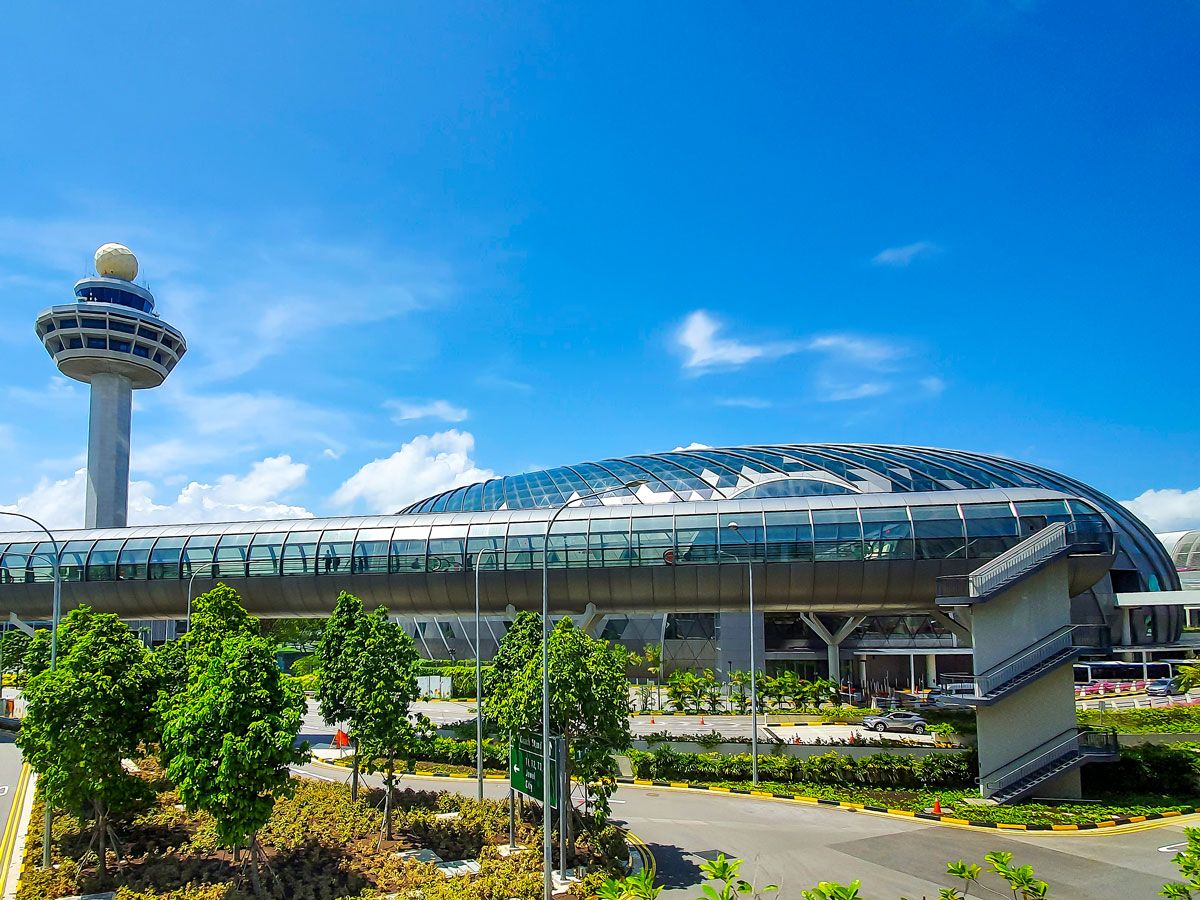
For many travelers, the allure of this island city-state lies in its blend of urban life and nature. Beneath a futuristic skyline of glistening hotels and ritzy malls are ancient temples and multicultural neighborhoods such as Little India. Standouts of the Lion City include Gardens by the Bay, Clarke Quay’s riverside dining scene, and its international airport — ranked one of the world’s best

5. Switzerland

Swiss village of Grindelwald surrounded by snow-capped Alps
Credit: Dado Daniela/ Moment via Getty Images 

Perennially neutral Switzerland maintains a peaceful environment through political stability and an abstinence from international conflict. Its unique cultural fabric — German, French, Italian, and Romansh coexist as the four official languages — injects a harmonious, cosmopolitan aspect to daily life. 

And then there’s the country’s jaw-dropping natural wonders, from the snow-capped peaks of the Alps to the rolling vineyards of Lavaux and lakes of Geneva and Lucerne. Villages such as Stein am Rhein and Grindelwald are the epitome of storybook wonder, while the Bernina Express and Glacier Express promise once-in-a-lifetime alpine train journeys. 

4. Austria

Belvedere Palace and gardens in Vienna, Austria
Credit: Manchan/ DigitalVision via Getty Images 

Life in this central European nation is underpinned by strong safety measures, low militarization, and a stable political climate. Austria’s capital, Vienna, claimed the prize for the world’s most livable city for three consecutive years between 2022 and 2024. The city is famous for its Habsburg palaces, such as the Hofburg, and a cultural legacy bequeathed by the likes of Beethoven, Mozart, and Sigmund Freud.

Elsewhere in Austria, melodies of The Sound of Music echo around the medieval streets of Salzburg, while Tyrol’s ski resorts beckon powder hounds with pristine slopes.

3. New Zealand

Waterfall along Milford Sound in New Zealand
Credit: Peter Unger/ Stone via Getty Images 

Climbing up from fifth place in 2024, New Zealand leads the peace rankings in the Asia-Pacific region. It’s also one of only two non-European countries in the top 10. A commitment to Indigenous rights prevails in New Zealand, which respects and upholds a peace treaty established between British colonists and the Maori peoples in 1840. 

It’s also easy to find peace in nature in New Zealand, as outdoor culture is a defining aspect of the country’s identity. Fjords and glaciers, beaches and geothermal baths, mountains and winelands — New Zealand has it all at its fingertips. Whether you’re discovering Maori traditions at the Waitangi Treaty Grounds, bungee jumping in Queenstown, or exploring the filming location for Middle-earth from The Lord of the Rings movies around Fiordland National Park, the opportunities for adventure are endless. 

2. Ireland

The Cliffs of Moher in Ireland
Credit: MNStudio/ iStock via Getty Images Plus 

The Emerald Isle has maintained its second-place ranking in the Global Peace Index from 2024. This reflects falling political tensions and a stronger sense of safety among residents. The country has a long-standing neutrality, a low prison population, and well-functioning democratic institutions. 

Not only recognized for peace, Ireland is also world-famous for craic. Simply put, the term is about having fun, but it can also represent anything from news to gossip to sharing moments with others. Many visitors to Ireland are also lured by the vibrancy of Dublin and its ancient architecture, parks, and pubs. Step outside the capital to explore impossibly green hills and rugged coastlines, or visit historic castles and quaint rural villages. 

1. Iceland

Aerial view of Reykjavik, Iceland, with snow-covered mountains in background
Credit: Thomas H. Mitchell/ 500px Prime via Getty Images 

For the 17th year running, Iceland has been crowned the world’s most peaceful country. Its high ranking is due to factors including low crime, minimal militarization, and high social trust. The remote Nordic island nation boasts the world’s oldest extant parliament and has never been involved in a full-scale war or armed invasion. (In fact, Iceland doesn’t maintain a standing army.) The country also ranked third on the 2025 list of the world’s happiest countries, as it did in 2023 and 2024. 

Adding to the peaceful atmosphere is a majestic landscape defined by lonely black-sand beaches, glaciers, volcanoes, and waterfalls. Visitors come here to soak in the Blue Lagoon thermal baths, chase the northern lights, and retrace viking history in Reykjavik. 

Related: Top 10 Happiest Countries in the World for 2025
Post Banner Image
Tips

10 TSA-Approved Gadgets You Didn’t Know You Needed

By Rachel Gresh
Read time: 5 minutes
October 8, 2025
Updated: October 9, 2025

10 TSA-Approved Gadgets You Didn’t Know You Needed

By Rachel Gresh
Author
Rachel Gresh
Rachel is a Washington, D.C.–based travel and lifestyle writer with roots in the Great Lakes region. When she’s not writing for publications such as The Discoverer and Interesting Facts, you’ll find her wandering through museums or exploring destinations off the beaten path.

Looking for some must-have gadgets to up your travel game? You’re in the right place. While essential travel tech items like universal outlet adapters and portable chargers always deserve a spot in your carry-on, there’s a world of compact gadgets designed to solve tiny travel annoyances that you might not consider until it’s too late. From clever security devices to personal hygiene accessories, these are 10 surprising travel gadgets you didn’t know you needed.

Related: Lost Bag? This New Apple Feature Will Help Airlines Locate It
Related: I’ll Never Fly Without This $30 Device Again
Related: A Practical Guide to Bringing Home Souvenirs From Vacation

Featured image credit: Kosamtu/ E+ via Getty Images. All other images courtesy of vendor.

Post Banner Image
Tips

10 of Your Most Common Air Travel Questions, Answered

By Daily Passport Team
Read time: 11 minutes
October 8, 2025
Updated: October 8, 2025

10 of Your Most Common Air Travel Questions, Answered

By Daily Passport Team
Author
Daily Passport Team
Daily Passport writers have been seen in publications such as National Geographic, Food & Wine, CBC, Condé Nast Traveler, and Business Insider. They're passionate about uncovering unique destinations and sharing expert tips with curious travelers.

Whether you’re a first-time flyer, an infrequent traveler, or a certified jet-setter, the world of air travel can be a confusing one. With so many moving parts, air travel is always unpredictable, and even the savviest passengers can find themselves in an unfamiliar situation — from the TSA’s changing rules to flight delays, overbooking, and rules for cancellations. Luckily, the U.S. Department of Transportation has a helpful dashboard of air travel tips that provide guidance to travelers’ most common questions. We’re expanding on their advice with expert guidance on 10 of the most frequently asked questions by airline passengers. 

1. How Can I Get the Best Airfare?

Close-up view of travel apps on cellphone
Credit: Koshiro K/ Alamy Stock Photo 

The first thing most travelers want to know is how to score cheap flights. The DOT has some great practical tips — be flexible with your dates, plan well in advance, compare different airlines — but there’s one site we always recommend to find the best deals: Google Flights. The search engine displays dozens of flight options from nearly every airline, and sends you to the airline’s site to complete your booking. 

You don’t even need a destination in mind or a specific departure date to find deals with Google Flights. On the homepage, you’ll see a map suggesting trips based on price, or you can search for a two-week trip in October or a weeklong trip anytime in, say, the next six months. Once you’ve settled on a destination, Google Flights also provides a handy price history and analysis on the results page and a recommended window for the cheapest time to book based on similar trips. 

Also keep in mind the DOT’s 24-hour cancellation rule: If you change your mind or find a better fare within 24 hours, airlines are required to let you cancel for any reason for a full refund to your original method of payment, as long as you’re booking at least seven days before your departure. Even if it’s been more than a day, depending on your fare, you may be able to rebook your flight if the price drops and retain a credit to use later — check out our helpful guide.

Related: The Secret to Finding the Best Deals on Flights

2. How Can I Avoid Baggage Fees?

Passenger retrieving suitcase from baggage carousel
Credit: urbazon/ E+ via Getty Images 

Despite their unpopularity, baggage fees likely aren’t going anywhere soon. These dreaded fees have become a major revenue driver for airlines. In 2025, travelers on U.S. domestic flights can expect to pay $35 to $45 on most major airlines for their first and second checked bags, respectively. But bags often cost more on ultra-low-cost budget carriers such as Spirit and Frontier, and JetBlue has even introduced surge pricing, with higher fees during peak demand periods. Fees can also vary considerably for long-haul international flights, so be sure to check your airline’s website.

Wondering if you can skip those fees altogether? Beyond stuffing more in your carry-on or flying enough to acquire elite status, most major airlines offer co-branded credit cards that waive baggage fees for the cardholder and up to nine passengers traveling together on the same reservation. Though these credit cards typically charge an annual fee, the savings on bag fees for even just one or two trips could be substantial.

Related: Why Your Checked Bags Are Getting More Expensive

3. What Should I Avoid Packing in My Checked Bag?

Person kneeling on ground and packing suitcase
Credit: fotostorm/ E+ via Getty Images 

When packing, there are a few important rules when it comes to the question of checked vs. carry-on luggage. For questions about specific items, especially if you’re carrying anything unusual, your best resource is the TSA’s What Can I Bring? webpage. In general, you’ll want to avoid packing important travel documents, valuables, and essential medicines in checked luggage, in case your bag gets delayed or lost in transit. Certain electronics, such as lithium batteries, and personal care items, including cordless curling irons, are also subject to new bans in checked bags, so be sure to read up on current TSA policies before heading to the airport.

Related: 6 Things You Should Never Pack in Checked Luggage

4. What Items Should I Always Pack in My Carry-On?

Passenger placing carry-on bag in overhead bin
Credit: yacobchuk/ iStock via Getty Images Plus 

While some items are not permitted in carry-ons, like liquids over 3 ounces, others you should always keep in the cabin with you. There’s always a small risk that the airline can mishandle your bag, leaving you at your destination without essential items. Be sure to pack your travel documents, medications, and a change of clothes, but also consider items that will make you more comfortable on long flights or in case of delays. Think: snacks, a refillable water bottle to stay hydrated, a phone charger, and anything that might help you fall asleep on a plane, such as an eye mask or noise-canceling headphones. 

Related: 8 Things You Should Always Pack in Your Carry-On

5. How Early Should I Arrive at the Airport?

Passenger walking by check-in counter at airport
Credit: jacoblund/ iStock via Getty Images Plus 

This depends on a few different factors. In general, airlines and airports alike recommend arriving at least two hours before the departure of a domestic flight and three hours before an international flight. If you’re traveling light, departing from a less busy airport, or have TSA PreCheck, you probably don’t need to arrive quite so early, but it’s always a good idea to give yourself a healthy buffer. Keep in mind that a number of things can unexpectedly slow you down, from hotel or car rental shuttle delays to traffic congestion around the airport. And if you’re flying internationally through an airport with preclearance, you’ll go through customs before you board your flight, so be sure to budget extra time for those lines.

If you find yourself running late and are planning to check a bag, you should be aware of the baggage cutoff times found on each airline’s website. Delta, for example, has a minimum check-in time of 40 to 45 minutes for domestic flights and one hour for international flights. On the other hand, you don’t want to arrive at the airport too early, as most airlines won’t begin accepting baggage until four hours before your scheduled departure. 

Related: 6 Things You Should Never Do in an Airport

6. How Can I Get Through TSA Security Faster?

Passengers using electronic screening gates
Credit: AzmanL/ E+ via Getty Images 

The TSA screening process isn’t anyone’s favorite part of a travel day, and with record numbers of passengers taking to the skies, you should be prepared to wait in line. That said, there are a number of ways you can get through security faster. Our best piece of advice is to sign up for one of the TSA’s Trusted Traveler Programs if you’re eligible. According to the TSA, 99% of PreCheck passengers wait 10 minutes or less. Also note that children ages 17 and under can go through the TSA PreCheck lane with their enrolled parents, as long as they are traveling on the same reservation. 

Next, be sure to read through these 10 essential tips the TSA wants you to know. There’s plenty of good advice in there, from guidance on confusing carry-on rules surrounding foods and medications to tips on how to check estimated wait times. 

Related: 7 Mistakes That Slow You Down at Airport Security

7. What Are My Rights if My Flight Is Delayed or Canceled?

Passenger speaking with ticketing agent at airport
Credit: dardespot/ E+ via Getty Images 

We all hope for an on-time departure, but for many travelers, a flight delay — or worse, a cancellation — is unfortunately a common occurrence. If that happens, what are your rights? 

While individual airlines have their own procedures and policies regarding delayed flights, there remains no federal requirement to offer compensation or assistance. The DOT does have a helpful delay and cancellation dashboard, which lays out the commitments the 10 major U.S. airlines make for “controllable delays.” These types of delays are deemed within an airline’s control, such as crew scheduling issues or cabin cleaning delays, versus uncontrollable events such as weather or air traffic control staffing shortages.

In the event of a controllable delay or cancellation, all major U.S. airlines will endeavor to rebook affected passengers on one of their later flights at no additional cost, and some will also look for availability on alternative airlines (at no extra cost), which may help you get to your destination sooner. If a delay lasts more than three hours, every major U.S. airline will also provide something to eat or give out a meal voucher that can be used in the airport. Nine of the ten will try to arrange complimentary overnight accommodation once they know the flight won’t depart until the following day — and provide the ground transportation to get you there free of charge.

If the alternative arrangements provided by the airline don’t work for you, you also have the right to a refund, thanks to new rules implemented in 2024. This applies if your flight is changed by three or more hours, regardless if the reason for the delay was within the airline’s control or not.

Related: What To Know if Your Flight Gets Delayed or Canceled

8. What If I Miss My Connecting Flight?

Traveler with hand on suitcase looking at departures board
Credit: Chalabala/ iStock via Getty Images Plus 

If your first flight is delayed or canceled, causing you to miss the next leg, it can result in a lot of unexpected costs, including overnight accommodation, meals, and onward transportation. As stated above, the airline isn’t required to reaccommodate you for circumstances outside their control, such as weather, which could leave you on the hook for paying those expenses.

If flying nonstop isn’t an option, plan your layovers carefully. Start by always booking a through ticket, which means that your entire journey, even if it involves multiple connecting flights or airlines, falls under a single itinerary. That way, if the inbound leg is canceled or delayed, forcing you to miss your next flight, it will typically be the airline’s responsibility to ensure you make it to your final destination. 

Airlines set what they call minimum connecting times (MCTs), but even sticking to this is no guarantee. Realistically, the time you should allow between flights depends on a range of factors. These include whether the connecting airport is large or small, the size of the plane for your first flight (because of the time it takes to disembark), whether your connecting flight departs from a different terminal, and whether you need to recheck bags, clear security, or pass through immigration.

Related: What To Do When You Miss a Connecting Flight

9. Can the Airline Overbook My Flight?

Passengers lining up at gate to board
Credit: izusek/ E+ via Getty Images 

Overbooking — officially known as “denied boarding” — is a strategy used by airlines to make up for anticipated no-show passengers on a flight. In some cases, if there are not enough volunteers willing to take a later flight, airlines may involuntarily deny boarding to — or “bump” — some passengers. And though it can be an annoyance for travelers, it’s perfectly legal. 

If you find yourself in an involuntary denied boarding scenario, know your rights. Airlines must follow the DOT’s highly specific rules for involuntarily bumping passengers. The compensation is determined by ticket price, the duration of delays resulting from denied boarding, and whether the flight is a domestic or international flight from the U.S. For domestic flights, airlines are obligated to compensate passengers 200% of their one-way ticket value if their arrival is delayed one to two hours beyond the original schedule. (Airlines are, however, allowed to cap this compensation at $775.) If the delay extends beyond two hours, the compensation increases to 400% of the one-way ticket price; airlines can cap that compensation at $1,550. 

Remember, there is no legal limit to what you can negotiate from the airline. After a 2017 viral incident in which a passenger was forcibly dragged off a plane, airlines are increasingly willing to shell out thousands of dollars in compensation to avoid involuntarily bumping passengers and creating bad publicity. So, if your travel plans are flexible and you’re interested in cashing in to switch your flight, see how much the airline is willing to pay.

Related: Overbooked Flight? Here’s What to Do if the Airline Tries to Bump You

10. What if the Airline Loses My Bag?

Frustrated passenger waiting at baggage claim
Credit: urbazon/ E+ via Getty Images 

In 2024, over 2 million air travelers had checked bags that were lost, delayed, or damaged on domestic flights in the U.S., according to the Bureau of Transportation Statistics (BTS). While this is a tiny fraction of the total number of bags handled, that won’t come as much comfort if your luggage is one of the unlucky few that gets delayed or lost. 

If all the bags have come down the carousel and yours is still missing, you shouldn’t leave the airport until you have spoken to an airline representative, filed a claim, and received a claim number. This allows you to check on the airline’s progress in finding your luggage. Some airlines offer amenity kits to travelers with lost luggage (with essentials such as toothpaste, a toothbrush, hand sanitizer, etc.), so be sure to ask about those free items.

There is also an important distinction between “lost” and “delayed” luggage. Many airlines don’t consider a bag lost until several days after your flight (usually between five and 21 days, depending on the airline). But according to the U.S. Department of Transportation, airlines must compensate travelers for “reasonable, verifiable, and actual incidental expenses” incurred due to delayed baggage. (It doesn’t have to be considered lost yet.) Be sure to keep your receipts when purchasing these replacement items, as you will need to submit them to the airline for reimbursement.

Oftentimes when traveling, it’s advantageous to take matters into your own hands when possible. Thankfully, there’s an affordable gadget that can help track down your missing bags and provide peace of mind on your next trip: the Apple AirTag, a tiny, yet essential device that every jet-setter should own.

Related: What To Do If the Airline Loses Your Luggage on Vacation
Post Banner Image
Culture

The Most Fun States in America

By Nicole Villeneuve
Read time: 6 minutes
October 3, 2025
Updated: December 23, 2025

The Most Fun States in America

By Nicole Villeneuve
Author
Nicole Villeneuve
Nicole is a writer and researcher with over 15 years of experience seeking out arts, culture, and lifestyle stories in places like remote northern Quebec and the unforgettable streets of Amsterdam. Her work has also appeared in PureWow, Brit + Co, AUX TV, and CBC.

For some travelers, fun might mean nightclubs and music festivals; to others, it could be a long hike followed by a refreshing drink on a patio. The definition is subjective, but a 2025 study from WalletHub attempted to quantify it anyway, ranking all 50 U.S. states to find out which ones pack the most fun per capita. Looking for a fun-filled getaway? Check out the top 10 most fun U.S. states in 2025, according to WalletHub’s report.

10. Oregon

Columbia River Gorge in Oregon, seen from above
Credit: zrfphoto/ iStock via Getty Images Plus 

Oregon’s creative urban enclaves and wild landscapes earned the state high marks for both nightlife and outdoor recreation. Portland anchors the scene as one of America’s most renowned beer cities, and its hundreds of food trucks and thriving indie music venues also help “Keep Portland Weird.” 

Beyond Portland, the Beaver State is an outdoor lover’s paradise. In the south, Crater Lake, the deepest in the country, dazzles more than half a million visitors a year, while in the north, the Columbia River Gorge — located just 30 miles from Portland — offers picturesque byways showcasing some of the Pacific Northwest’s most beautiful waterfalls. The state’s western edge also has plenty to offer, with rugged shorelines and postcard-ready towns such as Cannon Beach and Newport.

Related: 7 of the Most Beautiful Places To Visit in the Pacific Northwest

9. Minnesota

Bridge over Mississippi River leading to St. Paul, Minnesota
Credit: Sanghwan Kim/ iStock via Getty Images Plus 

The Land of 10,000 Lakes may sound like solely a nature lover’s dream, but Minnesota shines in other areas, too. The Twin Cities in particular are renowned for their arts, culture, and dining scene, which continues to welcome new gems into the mix, such as Diane’s Place

In the warmer months, locals and visitors flock to the Chain of Lakes Regional Park trail and park system. Beyond the Twin Cities, Minnesota’s natural wonders draw travelers north to the Boundary Waters Canoe Area Wilderness, with over 1,200 miles of canoe routes, a dozen hiking trails, and more than 2,000 designated campsites.

8. Texas

Downtown Austin, Texas, at night
Credit: Sungjin Kim/ Moment Open via Getty Images 

Everything is bigger in Texas, and that includes its fun factor. The Lone Star State ranks highly for nightlife and live entertainment, and visitors need not look any further than Austin, known as the “Live Music Capital of the World.” Houston and Dallas also have vibrant culinary and cultural scenes, and San Antonio’s River Walk is one of the state’s top tourist draws — its restaurants, bars, and live entertainment bring more than 9 million visitors each year. 

The state also offers plenty of outdoor draws. The desert landscapes and starry skies of Big Bend National Park are well worth a getaway (make sure to fit in a horseback ride), while the Gulf Coast’s stunning sandy beaches make for a pleasant visit anytime of the year.

7. Washington

Colorful wildflowers with Mount Rainier in distance
Credit: aaaaimages/ Moment via Getty Images 

Washington state manages to balance vibrant city life with some of the most striking scenery in the U.S. Seattle’s world-famous coffee culture and live music scene are just two of the reasons it ranks as the seventh-most-fun state in the nation. Its landmarks, from the Pike Place Market to the Space Needle, are another factor. 

Outside of Seattle, vast wilderness awaits. To the west, the Olympic Peninsula offers nearly a million acres of rainforest trails and dramatic coastline, while in the center of the state, Mount Rainier National Park’s glaciers, wildflower meadows, and alpine hikes will wow even the most experienced adventurer.

6. Colorado

Cliff dwellings of Mesa Verde National Park in Colorado
Credit: scgerding/ iStock via Getty Images Plus 

It’s easy to understand why Colorado is so much fun. Not only do Denver and Boulder have world-class craft-beer scenes and lively nightlife, but they also boast easy access to the Rockies. The Centennial State is home to more than two dozen ski resorts, including world-class runs at Aspen and Vail. 

In the summer months, its mountains turn into endless playgrounds for hikers, mountain bikers, and rafters. To the south, Great Sand Dunes National Park offers landscapes unlike anywhere else, and Mesa Verde National Park preserves centuries-old cliff dwellings that highlight Colorado’s Indigenous heritage.

Related: What It’s Like To Drive the ‘Million Dollar Highway’

5. New York

Lake George in upstate New York
Credit: DenisTangneyJr/ E+ via Getty Images 

It should come as no surprise that the home state of the city that never sleeps ranks as one of the top five most fun states in the U.S. New York City alone has Broadway, Central Park, the Metropolitan Museum of Art, and, of course, Times Square — and those are just the most well-known tourist attractions. 

Outside the city, the Empire State also offers plenty of outdoor escapes: Niagara Falls in the west draws over 8 million people each year; the Finger Lakes region is a must-visit for its wine; and in the north, the Adirondacks deliver year-round recreation, from boating on Lake George in the summer to skiing at High Peaks in the winter.

Related: 7 Things You Never Knew About NYC's Times Square

4. Illinois

Chicago River and skyline
Credit: ghornephoto/ E+ via Getty Images 

Much of Illinois’ fun factor is thanks to Chicago. The city has legendary music and comedy scenes, award-winning restaurants, and historic jazz clubs such as the Jazz Showcase, a fixture in the city since the 1940s. You can’t go wrong with strolling Navy Pier, taking in views from the iconic Willis Tower (formerly known as the Sears Tower), or cheering on one of the city’s famous sports teams. 

Illinois is much more than just the Windy City, though. Beyond Chicago, the state’s quieter fun side consists of scenic byways winding through Midwest farmland, vineyards and nature preserves in Galena, and the forested Shawnee Hills at the state’s southern tip.

3. Nevada

Red Rock Canyon in Nevada
Credit: bloodua/ iStock via Getty Images Plus 

Few states deliver entertainment quite like Nevada, and that rings true with its first-place ranking in WalletHub’s nightlife category. Las Vegas — with its casinos, world-class shows, and around-the-clock bars — is the primary reason, but Reno and Lake Tahoe also hold their own with options from more gaming to skiing. 

Nevada offers some rather moving natural wonders, too. Red Rock Canyon, located just outside of Vegas, is a hiking and climbing favorite, while Great Basin National Park in the east features ancient bristlecone pines and some of the darkest night skies in the country.

2. Florida

Colorful art deco architecture in Miami Beach, Florida
Credit: Alexander Spatari/ Moment via Getty Images 

Florida consistently ranks as one of the most-visited states in the U.S., welcoming more than 142 million visitors in 2024. Orlando is one of the state’s top draws, with Walt Disney World and Universal Studios attracting millions of fun seekers each year. Miami, meanwhile, is famous for its nightlife and vibrant art deco architecture

Florida is also well known for its sandy coastline. No matter where you are in the Sunshine State, you’re no more than 60 miles from a beach, from the family-friendly Gulf shores to the tropical waters of the Keys.

1. California

Park, marina, and San Diego skyline
Credit: Ron and Patty Thomas/ E+ via Getty Images 

California takes the top spot as the most fun state in the U.S. The Los Angeles area is a must-visit for Hollywood glamour and Disney theme parks, while San Francisco is a foodie haven that’s also home to iconic landmarks such as Alcatraz and the Golden Gate Bridge. Farther south, San Diego’s laid-back beaches are a surfer’s dream. In fact, outdoor lovers are spoiled for choice in the Golden State, from Yosemite’s breathtaking cliffs and giant sequoias to Joshua Tree’s otherworldly desert landscapes.

Related: 9 Lesser-Known Natural Wonders To Visit in California

About the data: To find the most fun states in America, we turned to WalletHub’s 2025 report. The study analyzed all 50 states based on 26 categories across entertainment, recreation, and nightlife, and included metrics such as the cost of a movie ticket, the proximity to national parks, the amount of shoreline mileage, and the number of bars, to name a few. States were ranked using a weighted scoring system that adjusted for city and state populations.

Post Banner Image
Tips

6 Etiquette Mistakes That Can Lead to a Fine Overseas

By Julia Hammond
Read time: 5 minutes
October 3, 2025
Updated: October 3, 2025

6 Etiquette Mistakes That Can Lead to a Fine Overseas

By Julia Hammond
Author
Julia Hammond
Julia is a U.K.-based travel writer whose work has been featured in The Independent, The Telegraph, The New Zealand Herald, and Culture Trip, among others. She’s an enthusiastic advocate for independent travel and a passionate geographer who has had the privilege of traveling to more than 130 countries in search of a story.

Many travelers are keen to immerse themselves in different cultures and explore destinations they haven’t yet discovered. When doing so, it’s important to brush up on local etiquette so you don’t accidentally offend anyone — or worse. Sometimes, an etiquette faux pas won’t just land you in hot water with locals — it can potentially result in a fine from local authorities. So, if you’re keen to experience new places without incident, you likely want to read about these six etiquette missteps that could prove costly overseas.

Driving Off-Road in Iceland

Seaside village in Iceland
Credit: narvikk/ iStock via Getty Images Plus 

Iceland’s breathtaking scenery is a major draw for overseas visitors, but it’s far more fragile than it looks. The delicate moss that shrouds lava fields and canyons is easily trampled, and the imprints left by car tires in the loose volcanic soil are long-lasting and can speed up erosion. According to the Environment Agency of Iceland, it can take years or even decades for a damaged area to repair itself, in part due to the cold climate and short growing season. 

Little wonder, therefore, that off-road driving is banned, with a substantial fine of up to 100,000 ISK (approximately $825 USD) awaiting anyone who’s caught doing so illegally. There are some exemptions, however, such as during permitted construction projects and for vehicles involved in agriculture, rescue operations, or police work. If you’re keen to rack up some adventurous miles — legally — know that tackling some of Iceland’s official highland F-roads still involves rough terrain and challenging river crossings.  

Carrying a Bulky Suitcase on the Paris Metro

Entrance to Paris metro station
Credit: adisa/ iStock via Getty Images Plus 

Using public transportation can be a game changer while traveling. Not only can it save you a significant amount of money compared with taxis, but it’s also an opportunity to experience a city as the locals do. 

In Paris, however, it pays to travel light. RATP — the transit authority responsible for overseeing the Metro and RER network — has strict rules about how much baggage you can bring on board. A bulky suitcase is considered a hindrance to other passengers in much the same way as traveling with other large items such as skis, scooters, or bicycles. Technically, if you fall foul of the rules, you face a fixed penalty fine of 150 euros (around $175), though locals suggest that this fine is rarely enforced.

Related: Paris for Pros: 9 Landmarks to Visit Besides the Eiffel Tower

Swimming in a Venice Canal

Rialto Bridge spanning Venice's Grand Canal
Credit: adisa/ iStock via Getty Images Plus 

These days, swimming in one of Venice’s storied canals can land an unsuspecting visitor with a 350-euro ($410) fine. But that hasn’t always been the case. Writing in his 1866 memoir Venetian Life, American consul William Dean Howells noted, “From the beginning of June till far into September all the canals of Venice are populated by the amphibious boys, who clamor about in the brine, or poise themselves for a leap from the tops of bridges…”

Even aside from a potential fine, you probably wouldn’t wish to do the same now for the sake of your health and safety. Venice’s waterways are busy thoroughfares, and you’d be dodging everything from vaporetti to gondolas as you took your dip. The water isn’t generally considered sanitary, either, possibly as a consequence of thoughtless trash disposal, antiquated plumbing, and inadequate sewerage systems. 

Scrunching Up a Bank Note in Thailand

Park and skyscrapers in Bangkok, Thailand
Credit: Prasit photo/ Moment via Getty Images 

According to Article 112 of the Thai Penal Code, “Whoever defames, insults, or threatens the King, the Queen, the Heir-apparent, or the Regent shall be punished with imprisonment of three to 15 years.” While making a joke about the royal family or refusing to stand while the national anthem is played won’t win you any friends, even crumpling up a banknote featuring their likenesses as you put it into a pocket or throwing one on the counter of a bar could be misconstrued as disrespecting the royal family. So, when handing over baht to pay for something in Thailand, make sure it’s pristine.

Cycling on a Sidewalk in the Netherlands

Bicycles on bridge over Amsterdam canal
Credit: George Pachantouris/ Moment via Getty Images 

Cycling is a big deal in the Netherlands. The nonprofit organization Dutch Cycling Embassy claims that there are around 21,750 miles of dedicated cycle paths in the country, while an official report from the Netherlands Institute for Transport Policy Analysis estimated there were 23.9 million bikes for a population of just 18 million. 

Cycling is a way of life, and the Dutch authorities have done much to encourage the population to ditch their cars for short journeys by installing dedicated cycle lanes, offering financial incentives for cyclists, and even designating fietsstraaten, “bicycle streets” where the car is the guest. 

However, if you’re keen to spend at least some of your Netherlands vacation on two wheels, you should be aware that there are a few reasons you can be fined. These include a 75-euro ($88) penalty for cycling in a pedestrian area such as a sidewalk and a 45-euro ($53) penalty for not having a working bell.

Forgetting To Flush in Singapore

Sultan Mosque in Singapore at night
Credit: Jui-Chi Chan/ iStock via Getty Images Plus 

Tourists heading to Singapore should be aware of its reputation as a heavily regulated country. Jaywalking’s a strict no-no, vapes are banned, and even eating or drinking on public transportation can cost you SGD 500 (about $390). There’s also a zero-tolerance policy for those who discard trash on the street — under the Environmental Public Health Act of Singapore, dropping a cup, cigarette butt, or wrapper can cost you SGD 2000 ($1,550) if you’re caught. Repeat offenders face higher fines and corrective work orders to encourage them to alter their behavior. 

Even visiting a public restroom requires concentration. If you walk away without flushing, you’re technically breaking the law. Cracking down on unsociable actions such as these is part of the Clean and Green Singapore campaign, in which residents and visitors alike are invited to participate. 

Post Banner Image
Geography

10 Beautiful U.S. Islands You’ve Probably Never Heard Of

By Daily Passport Team
Read time: 9 minutes
October 3, 2025
Updated: October 3, 2025

10 Beautiful U.S. Islands You’ve Probably Never Heard Of

By Daily Passport Team
Author
Daily Passport Team
Daily Passport writers have been seen in publications such as National Geographic, Food & Wine, CBC, Condé Nast Traveler, and Business Insider. They're passionate about uncovering unique destinations and sharing expert tips with curious travelers.

Who doesn’t love an island getaway? While you’ve surely heard of the likes of America’s biggest and most famous islands — the likes of Hawaii, the Florida Keys, and Puerto Rico — there are countless other, lesser-known U.S. islands waiting to be discovered. Here’s a fascinating peek at 10 underrated U.S. islands and why they’re worth visiting.

St. George Island – Florida

Lighthouse on St. George Island, Florida
Credit: James Schwabel/ Alamy Stock Photo 

Located on Florida’s “Forgotten Coast,” this appealing 28-mile-long barrier island sits right off the Florida panhandle. Most visitors head to the flashier Destin and Panama City beach destinations when they visit this part of Florida, but if you’re seeking spectacular uncrowded beaches, put St. George Island on your list. You’ll also find bountiful fishing, exceptional kayaking and canoeing, outstanding birding and wildlife viewing, and a feeling of true escape from the high-rises and mega-resorts that are ubiquitous in many other parts of the Sunshine State.

St. George Island and the mainland are part of two extensive, mapped paddling routes, one through fresh water and the other through saltwater: The Florida Paddling Trails Association provides information and maps for freshwater paddling, while the 1,550-mile Florida Circumnavigational Saltwater Paddling Trail meanders along this gorgeous coastline. Accommodations range from a few small hotels to vacation rentals, and the island is surprisingly pet-friendly if your travel companions include a furry one. 

Heart Island – New York

Stone castle on Heart Island in New York
Credit: tigerstrawberry/ iStock Editorial via Getty Images Plus

The name of the Thousand Islands archipelago stretching between New York and Ontario actually undersells it. There are 1,864 landmasses and rocky outcroppings in this scenic stretch of the St. Lawrence River. But if you consider yourself a romantic, you’ll probably only have eyes for one of them: Heart Island. 

Originally known as Hart Island, it was purchased by Gilded Age hotelier George Boldt, who renamed it “Heart” and began chipping the shoreline to change the island’s shape into an actual heart. In 1900, Boldt had 300 craftsmen begin work on a six-story, Prussian-influenced fairy-tale castle as a gift for his wife, Louisa. She died in 1904 just prior to her castle’s completion, and the heartbroken Boldt abandoned the project, never again to set foot on the island.

In 1977, the Thousand Islands Bridge Authority purchased the ruins and began repairs and restoration. Today, the island and castle are open seasonally to visitors, who arrive by boat tour from either Canada or the United States, or by private watercraft to swoon in the splendor of Boldt’s elaborate tribute to lost love.

Related: 5 Stunning Landmarks With Romantic Backstories

Assateague Island – Maryland and Virginia

Wild horses resting alongside road on Assateague Island
Credit: Joesboy/ iStock via Getty Images Plus 

This rugged 37-mile-long barrier island — two-thirds in Maryland, the rest in Virginia — beckons visitors with unspoiled sandy beaches, salt marshes, hiking trails, and numerous campsites. But unlike other islands in the Chesapeake Bay, this one is home to a herd of majestic wild horses, who have roamed there for hundreds of years. 

No one is sure how exactly the horses got to Assateague Island. A popular local legend says they swam to the island after surviving the shipwreck of a long-lost Spanish galleon. But other experts have a somewhat less exciting theory: that colonists brought horses to Assateague from the mainland to avoid taxation and simply left them there. Whatever the reason, the feral horses now roam freely on both sides of the island, except for once a summer, when thousands of spectators gather on boats in the bay or on the beach to watch the annual pony swim. “Saltwater cowboys” swim the herd’s ponies across the narrow channel to nearby Chincoteague Island, kicking off a week-long event that celebrates Assateague’s unique history.

Related: 7 Islands With Fascinating Cultural Histories

Mustang Island – Texas

Marshy landscape of Mustang Island, Texas
Credit: Chris Bankston/ Alamy Stock Photo 

Unlike Padre Island to the south, where spring breakers and summer vacationers party until dawn, Mustang Island offers similar white-sand beaches and a more relaxed atmosphere. This 18-mile-long barrier island along the Texas Gulf Coast near Corpus Christi offers year-round activities such as birding, watersports, fishing, shopping, beachcombing, and paddling. At the island’s north end is Port Aransas, aka the “Fishing Capital of Texas,” where you can book inshore and offshore fishing charters. 

Mustang Island State Park covers most of the island’s southern end and offers beaches, fishing, camping, picnicking, hiking, mountain biking, kayaking, geocaching, and kayaking. Adventurous paddlers will enjoy exploring the 20-mile Mustang Island State Park Paddling Trail, which follows the island’s western shoreline. For a truly off-the-beaten-path experience, you can take a short ferry ride from Port Aransas to San José Island. The island is privately owned and closed to vehicles, making it an excellent place for fishing, birding, swimming, and collecting pretty seashells.

Block Island – Rhode Island

Homes and hotel on Block Island, seen across bay
Credit: Peter Johansky/ Photodisc via Getty Images 

While many head to New York’s Fire Island or Massachusetts’ Martha’s Vineyard and Nantucket, Rhode Island’s tiny Block Island is often overlooked. Block Island lies about 13 miles offshore and is reachable via car, passenger ferries, or plane. This historic island can trace its roots to 16 farming and fishing families who settled here in 1661. In addition to the usual island activities based around the beaches and water, Block Island offers visitors three lighthouses to explore and the Block Island Historical Society Museum

One of the best ways to get around is by renting a moped or bike. Nature enthusiasts will enjoy exploring Block Island National Wildlife Refuge, and anglers will want to cast their lines into the multiple freshwater ponds and the ocean. The island attracts migratory birds and is a popular spot for birders. A must-see is Mohegan Bluffs, a 200-foot-tall series of bluffs overlooking a secluded beach you can reach by walking carefully down a 141-step staircase.

Orcas Island – Washington

Wooden fence along cove on Orcas Island, Washington
Credit: Ann Talbot/ iStock via Getty Images Plus 

You may have heard of the San Juan Islands, the archipelago of more than 170 islands between Washington state and British Columbia. But while many tourists head to busier Friday Harbor on San Juan Island, the largest in the chain, Orcas Island, can still feel remote and rugged — and certainly worlds away from busy Seattle, which is actually only a 45-minute flight or 4-hour ferry away.

It also has a misleading name. Yes, the island is a whale-watching hotspot. And yes, you may well see orcas (also known as killer whales) in the waters off its coast. In this case, however, the name derives not from the beloved black-and-white cetacean, but rather from Horcasitas — or more accurately, Juan Vicente de Güemes Padilla Horcasitas y Aguayo, the Viceroy of New Spain who dispatched an expedition to the Pacific Northwest in 1791.

While traces of that voyage have mostly vanished from these parts, the Orca Island Historical Museums house many objects that predate it, thanks to the millennia of Indigenous settlements on the island. Besides exploring the island’s laid-back beauty (there are no traffic lights anywhere in the San Juans) and other abundant wildlife, you’ll want to do a tasting tour of Orcas: Many of its 57 square miles are dedicated to farming, to say nothing of the fantastic sea-to-fork feasting options.

Isle Royale – Michigan

Beach on Michigan's Isle Royale
Credit: Sanya Kushak/ iStock via Getty Images Plus 

Mackinac may be Michigan’s most famous island, but Isle Royale lies in Lake Superior’s northwest corner, which is just a few miles from the Canadian border and part of Isla Royale National Park. Apart from a few Alaska parks, Isle Royale National Park is the least-visited of all the national parks. This gorgeously rugged island park’s isolation is what keeps visitor numbers low — along with the fact that it’s the only U.S. national park to fully close in winter (November 1 to April 15).

To reach Isle Royale, you’ll want to book a seaplane flight or board a ferry for a three to four-hour trip from Michigan’s Upper Peninsula or Minnesota. You won’t encounter traffic jams here — the only way to get around is by foot or boat, as the park prohibits all wheeled vehicles except wheelchairs. Multiple campgrounds are scattered around the island, and many have easy water access to launch kayaks or canoes. One small lodge exists on the island if you prefer an alternative to camping. Hiking, wildlife viewing, diving, and paddle sports are the top things to do here.

Related: Looking to Avoid Crowds? These Are America’s Least-Visited National Parks

Molokai – Hawaii

Lush coastline of Molokai, Hawaii
Credit: Jorge Villalba/ iStock via Getty Images Plus

Everyone knows Maui, Oahu, and, of course, the Big Island. But do you know Molokai? America’s smallest county, Kalawao County on the Hawaiian island of Molokai, is only about 12 square miles in area. While most of the island of Molokai is part of Maui County, the tiny Kalaupapa peninsula (where Kalawao County is) received its own jurisdiction due to its history as a leper colony.

The settlement was once the quarantined home of Hawaii’s leprosy patients, which required distinct governance. Today, the county’s population is dwindling, as no new move-ins are allowed. Once Kalawao County’s last few residents have left, Hawaii intends to turn the settlement over to the National Park Service.

On the north shore of Molokai, you’ll find the Kalaupapa Cliffs. Rising an incredible 3,315 feet above the Pacific Ocean, they’re the world’s highest sea cliffs and were likely formed by a portion of the north end of the island collapsing into the sea. Due to the area’s volcanic activity, the Kalaupapa peninsula is one of the island’s most remote locations. Visitors cannot reach the cliffs by car but must hike a 3.5-mile trail with 26 switchbacks and a 2,000-foot descent down the cliffs in order to arrive at Kalaupapa village.

Related: 8 Things You Probably Don't Know About Hawaii

Channel Islands – California

Aerial view of the Channel Islands in Southern California
Credit: benedek/ iStock via Getty Images Plus 

One of the least visited national parks in the U.S., Channel Islands National Park is a marine sanctuary that covers nearly 250,000 acres, half of which are under the ocean. Located off the Southern California coast, near Los Angeles, the park — accessible only by boat or small plane — includes the islands of San Miguel, Santa Rosa, Santa Cruz, Anacapa, and Santa Barbara.

The flora and fauna alone is worth the trek to the park — there are more than 2,000 animal and plant species, and 145 of them aren’t found anywhere else on Earth. Kayaking and snorkeling are popular ways to explore the area; on land, there are miles of rugged hiking trails and pristine beaches for backcountry beach camping.

Kodiak Island – Alaska

Boats in harbor on Kodiak Island, Alaska
Credit: Vipersniper/ iStock via Getty Images Plus 

Covering 3,595 square miles, Kodiak Island is the largest island in the U.S. outside of the Hawaiian Islands. The island — which is more than double the size of Rhode Island, the smallest U.S. state — is located in the Gulf of Alaska, about 30 miles across the Shelikof Strait from the Alaska Peninsula.

Chosen by English explorer James Cook in 1778, the island’s name is a derivation of the Alutiiq word for island (qikertaq). Before Cook arrived, Russians explored the island in 1763 and built a settlement where they hunted seals. Today, the fishing industry is a major contributor to the island’s economy. And with a population of about 13,400 people and 3,500 bears, there is around one Kodiak bear for every four people.

Related: These Are America's 7 Largest Islands
Post Banner Image
Tips

Flying With Food: What You Can and Can’t Bring

By Rachel Gresh
Read time: 6 minutes
October 3, 2025
Updated: October 3, 2025

Flying With Food: What You Can and Can’t Bring

By Rachel Gresh
Author
Rachel Gresh
Rachel is a Washington, D.C.–based travel and lifestyle writer with roots in the Great Lakes region. When she’s not writing for publications such as The Discoverer and Interesting Facts, you’ll find her wandering through museums or exploring destinations off the beaten path.

Whether you’re traveling with your grandmother’s famous pumpkin pie or an authentic bottle of limoncello from Italy, you’ve probably asked yourself: Can I fly with this? The rules can certainly be confusing, as there are several agencies that work together to determine what’s allowed, including the Transportation Security Administration (TSA), U.S. Customs and Border Protection (CBP), U.S. Department of Agriculture (USDA), and the Federal Aviation Administration (FAA). Here’s what you should know before packing that go-to snack or special souvenir. 

Solid Foods

Two people eating pizza from box on top of luggage
Credit: FatCamera/ iStock via Getty Images Plus 

Good news for hungry travelers: You can bring a variety of solid foods in both your carry-on and checked bag, regardless of whether you prepared the food yourself or purchased it during your trip. (Flying with fresh fruits, vegetables, meats, or cheeses? More on that below.) 

The solid food category includes everyday snack items such as cereal, crackers, candy, cookies, nuts, snack bars, and sandwiches. For travelers who like packing a little extra fuel, protein and energy powders are also allowed. Just remember to purchase your water after passing through security, since liquids over 3.4 ounces are not allowed through the checkpoint.

Many popular solid souvenir foods are also welcome on flights. This includes breads, baked desserts (such as pies and cakes), dried spices, coffee beans, dried tea leaves, dried fruits, and even vacuum-sealed items like cured meats and solid cheeses. (See below for more info on nonsealed meats and cheeses, particularly when traveling internationally.) 

You might be surprised to know that a whole pizza, homemade tamales, and even fresh eggs can accompany you on your journey. These might seem like odd choices for air travel, but they’re surprisingly common — so much so that the TSA has created specific rules to address them.

Related: Surprising Things You Can — and Can't — Bring Through TSA Airport Security

Spreadable and Pourable Food Items

Person pouring maple syrup on stack of pancakes
Credit: Alexander Spatari/ Moment via Getty Images 

Nonsolid food items face more restrictions and must comply with the TSA’s 3-1-1 liquid rule. This applies to foods in the same way it applies to toiletries: Anything nonsolid must be in containers no larger than 3.4 ounces and fit inside a single quart-sized bag if it’s packed in your carry-on. If you plan to bring larger quantities of these items, pack them in your checked luggage where there are no size limits, as long as they stay within the airline’s weight limits.

You might be surprised to learn that some of your favorite spreadable and scoopable foods fall under the liquids category. This includes cream cheese, jams and jellies, peanut butter, yogurt, ice cream, and even wet pet food. (If you bring an already-made PB&J sandwich, that counts as a solid food, but if you’re bringing a separate container of jelly or peanut butter, that would be considered a liquid.)

Some popular souvenirs are also considered liquids, including pourable items such as maple syrup, honey, salsa, salad dressing, sauce, and soup. Most of the time, these items are sold in containers larger than 3.4 ounces, so be sure to pack them in your checked luggage to avoid having them confiscated at the security checkpoint. 

Notably, certain essentials — such as baby formula, milk, baby food, and medically necessary liquids — are permitted in “reasonable quantities” exceeding 3.4 ounces. Just remember to declare these at the security checkpoint for a smooth journey.

Fresh Fruits, Vegetables, and Meats

Fresh coconut and pineapple on cutting board
Credit: SherSor/ iStock via Getty Images Plus 

Fresh fruits and vegetables are not always allowed, especially when traveling from or between certain regions. For example, if you’re flying from Hawaii, Puerto Rico, or the U.S. Virgin Islands to the mainland U.S., most fresh produce is banned due to the risk of invasive pests. However, the USDA does permit some popular souvenir items, such as coconuts and pineapples, if they’re inspected and declared. Other popular produce from Hawaii, such as papaya, dragon fruit, and lychee, is allowed into the mainland only when properly packaged and labeled by a USDA-approved facility.

International travelers face even stricter produce regulations. According to U.S. Customs and Border Protection, even an uneaten apple from your meal at the airport could be confiscated if it wasn’t declared upon arrival, depending on its origin.

In addition to fresh fruits and vegetables, certain types of fresh meat products and liquid cheeses also face restrictions for international travel. When entering the U.S., you’ll have to declare all agricultural or wildlife products; for specific regulations regarding these items, be sure to check the USDA’s helpful Animal and Plant Health Inspection Service website

While these agricultural rules may seem strict, it’s for good reason. A Mediterranean fruit fly outbreak in the 1980s — caused by a single piece of infected fruit — cost California and the federal government over $100 million in eradication efforts. To prevent having your produce confiscated at the airport, always check USDA or CBP guidelines before bringing produce across state or international borders.

Frozen Items

Frozen beef in container
Credit: by sonmez/ iStock via Getty Images Plus 

Considering bringing home frozen meat or seafood from your next vacation? Surprisingly, you can pack frozen items in both carry-on and checked bags, but there are some caveats.

Any frozen food, including meat, seafood, and ice cream, must be completely frozen solid at the time of screening, with no excess liquid in its container. If it is packed with ice or gel packs, these must also be frozen solid. If the ice is even partially melted or slushy, the TSA will not permit the cooler to pass through security.

Passengers may also pack frozen foods in carry-on or checked luggage using dry ice. However, the FAA limits each passenger to 5 pounds of dry ice. It must also be packaged properly and have appropriate ventilation, as dry ice releases carbon dioxide gas.

Related: The Simple Hack for Bringing Water Through TSA Security

Alcoholic Beverages

Person looking at bottle of bubbly at store
Credit: Oscar Wong/ Moment via Getty Images 

Alcoholic beverages are among the most popular souvenirs and gifts. However, there are some restrictions regarding their size, alcohol content, and packaging. In carry-on luggage, only mini bottles (those measuring 3.4 ounces or less) are permitted. They must also adhere to the 3-1-1 rule and fit in a single quart-sized bag, and any personal alcohol you bring on board may not be consumed on the plane. Any bottle of alcohol larger than 3.4 ounces (100 milliliters) must be packed in checked luggage. 

Additional restrictions apply. Alcohol under 24% ABV (alcohol by volume), which includes wine and beer, has no volume limit, but it must still comply with the airline’s weight limit for checked luggage. However, alcohol between 24% and 70% ABV (e.g., spirits or liqueurs like limoncello) is limited to 5 liters (1.3 gallons) per passenger, and it must still be in its retail packaging. Beverages over 70% ABV, such as grain alcohol or 151-proof rum, are not permitted in any airline luggage.

In summary, while flying with solids is usually fine, it’s essential to check with the TSA and other agencies such as U.S. Customs and Border Protection for restrictions on less common items such as liquids, nonsolid items, frozen foods, fresh produce, and alcoholic beverages. 

Post Banner Image
Outdoors

6 Cities With Unusual Microclimates

By Bradley O'Neill
Read time: 5 minutes
October 3, 2025
Updated: October 3, 2025

6 Cities With Unusual Microclimates

By Bradley O'Neill
Author
Bradley O'Neill
Bradley is an English travel writer who’s wandered through 50-plus countries and lived on four continents while chasing waves, the perfect pint, and family adventures. Bradley's work has appeared in publications such as Skyscanner and Matador Network, and he now splits his time between Buenos Aires and Uruguay.

Ever crossed the street and felt like you stepped into a new season? That would be the magic of a microclimate, a pocket of weather that behaves differently from the areas around it. Coastlines, deserts, forests, mountains, and even city streets can all create microclimates, resulting in unique places where a short walk or drive reveals an entirely different atmosphere. Here are six destinations whose unusual microclimates make the local weather a fascinating example of nature’s unpredictability. 

Halifax, Canada

Harbor in Halifax, Nova Scotia
Credit: Vicki Jauron, Babylon and Beyond Photography/ Moment via Getty Images 

The capital of Nova Scotia sits on the Atlantic coast, where the ocean heavily influences the city’s climate. Thanks to maritime moderation, winters are typically milder and summers are cooler in Halifax than in inland areas located at the same latitude. The local topography also creates notable microclimates. Neighborhoods such as Clayton Park tend to be windier and slightly cooler, while the North End and other low-lying areas witness higher levels of humidity and increased fog. 

Like many cities, Halifax also experiences a heat island effect, in which dense urban downtown areas become hotter due to asphalt, concrete, glass, and other human-made structures retaining heat longer than natural landscapes. The city (like others across Canada) aims to reduce this effect by planting trees, increasing green spaces, and introducing reflective roofs and pavements. Initiatives also focus on shading streets and using permeable surfaces to cool neighborhoods and lower energy use.

Porthmadog, Wales

Beach in cove in Porthmadog, Wales
Credit: Photos by R A Kearton/ Moment via Getty Images 

A traditional seaside port town in northwest Wales, Porthmadog is known for having some of the best weather in the United Kingdom. This is due to the town’s inland position on the Glaslyn Estuary and the shelter provided by the hills and mountains of the Snowdonia region, home to Eryri National Park (the largest in Wales). This protects Porthmadog from both cooling sea breezes and cold northeasterly winds. In 2018, the town set a record for the highest temperature in Wales during February (69.5 degrees Fahrenheit). 

This warm climate makes Porthmadog an ideal destination to enjoy the outdoors during almost any time of the year. Visitors can walk the Cob, a nearly-mile-long causeway across the city’s estuary, or check out the pathway that weaves through the countryside to Black Rock Sands Beach. The Ffestiniog & Welsh Highland Railways also offer a scenic journey through mountains, forests, and river valleys from Porthmadog to the former mining town of Blaenau.

Santiago, Chile

Palm trees in park in Santiago, Chile
Credit: diegograndi/ iStock via Getty Images Plus 

Localized weather patterns in Santiago de Chile are shaped by its valley location between the Andes mountains and the Chilean Coastal Range. As a whole, the city experiences a Mediterranean-like semi-arid climate, including warm, dry summers and cold, humid winters. That said, varying elevations and shifting wind patterns produce noticeable citywide differences in temperature and rainfall. Neighborhoods at higher elevations, such as Lo Barnechea, receive cooler mountain winds. At the same time, lower districts including Independencia retain heat, leading to hotter summers in these areas.  

The heat island effect is also a cause of weather variations across the Chilean capital. According to local reports, during the 2015-2016 summer season, the eastern commune of Las Condes had one heat wave, compared with six in Independencia. The main factor was the urban environment, with Las Condes having a lower building density and more green spaces. When the heat does hit, locals can find some respite at nearby Sierra de Ramón mountain, or drive around 75 miles to the coastal towns of Valparaiso and Viña del Mar. 

San Francisco, California

View of Transamerica Building from residential San Francisco street
Credit: Alexander Spatari/ Moment via Getty Images 

The Bay Area’s famous microclimates are shaped by the city’s 48 hills and its proximity to the Pacific Ocean, with its prevailing west winds. As a result, temperatures, rain, fog, and wind vary significantly across neighborhoods. In general, coastal breezes and fog cool the western areas, while sun exposure in the East Bay brings warmer and drier conditions.

It’s advantageous for visitors and residents alike to understand these patterns. Marked by blue skies and mild temperatures, areas such as the Mission District, Noe Valley, and Potrero Hill are often ideal for outdoor pursuits. In contrast, neighborhoods including the Richmond District, Sunset District, and Ocean Beach are synonymous with fog, especially in summer. Neighborhoods at higher elevations, like Twin Peaks, are frequently windy and prone to quick temperature changes, while denser places such as SoMa and the Financial District are prone to the heat island effect.  

Sydney, Australia

Sydney skyline seen across harbor
Credit: Gallo Images/ Brand X Pictures via Getty Images 

A coastal location, varying elevations, and urban density are also factors affecting the microclimates of Sydney. Central and harbourside suburbs tend to be cooler during the day thanks to sea breezes. However, these places are also hotter at night due to the presence of heat-absorbing concrete and glass buildings. Southern suburbs, like Alexandria, and western areas, including St. Peters, tend to experience the hottest daytime temperatures in the Sydney region. But even within a few miles, daily highs can change dramatically. For example, on December 9, 2023, St. Peters hit 113 degrees Fahrenheit, while the Royal Botanic Garden measured just 86 degrees about 6 miles away.

Despite the presence of “green lungs” such as Centennial Park and Moore Park, Sydney’s city planners are constantly looking for innovative ways to adapt to the city’s microclimates. New developments include increased tree canopies, green roofs, and reflective surfaces to reduce heat retention. New suburban developments are also being planned according to the wind direction to help hot air escape faster. 

Ticino, Switzerland

Traditional village overlooking waterfall in Ticino, Switzerland
Credit: swissmediavision/ iStock via Getty Images Plus 

Stretching along Switzerland’s southern border with Italy, Ticino enjoys a unique Mediterranean-influenced microclimate. Protected by the Alps, this canton of pristine lakes and soaring peaks basks in over 2,000 hours of annual sunshine. This creates milder winters, earlier springs, warmer summers, and longer autumns than across the rest of Switzerland. The generous amounts of sun make it the country’s most botanically rich region, too. Chestnut groves, cypresses, palms, magnolias, and other plant species all thrive here. 

Nestled in Lake Maggiore, the Brissago Islands are among the places to benefit most from the microclimate. On the larger of the two islets, a botanical garden showcases some 1,700 individual species from around the world. A major influence on the plants’ growth is the lake’s ability to retain warmth and keep frosty days to a minimum. While snowfall is common in high valleys such as Leventina, it’s possible to enjoy both skiing and a walk along palm-lined lake promenades in a single day.

Related: Where to Experience the World’s Most Unusual Weather Phenomena
Post Banner Image
Tips

The Airlines That Fly to the Most Destinations

By Peter Vanden Bos
Read time: 4 minutes
September 30, 2025
Updated: September 30, 2025

The Airlines That Fly to the Most Destinations

By Peter Vanden Bos
Author
Peter Vanden Bos
Peter is a Toronto-based journalist, editor, content strategist, and self-professed avgeek with 15 years of experience covering all things travel. Prior to joining Daily Passport, he oversaw newsletter publication for Travelzoo. His favorite destinations to explore include Japan, France, Chile, New Zealand, and his adopted home country of Canada.

Demand for air travel just keeps growing. The International Air Transport Association (IATA) projects that 5.8% more passengers will take to the skies in 2025 compared with the year prior. They’ll fly on more than 700 airlines through 3,945 airports currently in operation around the globe. While many of these carriers are downright tiny, a select few are behemoths of the industry — thanks to decades of history, mergers, and ambitious route network expansion. Here are the 10 airlines that serve the most destinations in 2025, according to aviation intelligence and data firm ch-aviation.

10. British Airways

British Airways Airbus A380 landing at Los Angeles International Airport above In-n-Out restaurant
Credit: Jetlinerimages/ iStock Unreleased via Getty Images 

Number of destinations served: 212

As the United Kingdom’s flag carrier, British Airways is No. 10 on the list of airlines that serve the most destinations. It certainly helps that the airline’s home base, London Heathrow, is one of the planet’s busiest airports. In 2026, British Airways plans to expand its route network with new flights to Graz, Austria, and Rabat, Morocco.

Related: The 10 Busiest Airports in the World

9. Air China

Air China Boeing 747-8 departing runway
Credit: Vincenzo Pace/ iStock Editorial via Getty Images Plus

Number of destinations served: 213

Air China, the official flag carrier of the People’s Republic of China, is based in the country’s capital, Beijing. The airline serves every single continent except Antarctica, but over half of its destinations are domestic, which should come as no surprise considering China is the world’s fourth-largest country by area. 

8. Lufthansa

Lufthansa tails at Frankfurt International Airport in Germany
Credit: Meinzahn/ iStock Editorial via Getty Images Plus

Number of destinations served: 216

Germany’s flag carrier serves more than 200 destinations worldwide on its own. But if you consider the entire Lufthansa Group of airlines — which includes Lufthansa, Swiss, Austrian Airlines, Brussels Airlines, ITA Airways, Eurowings, and several smaller regional carriers — that number skyrockets to more than 300 destinations served with over 12,000 weekly frequencies in peak summer season. 

7. China Eastern Airlines

China Eastern Airlines Airbus A350 landing at Chengdu Shuangliu Airport in China
Credit: Boarding1Now/ iStock Editorial via Getty Images Plus

Number of destinations served: 232

China Eastern is the second-largest airline in China, but its main hubs — Pudong International Airport and Hongqiao International Airport — are located in the country’s most populous metro area: Shanghai. The airline made headlines recently by announcing the world’s longest “direct” flight. The new route will connect Shanghai to Buenos Aires, but there’s a refueling stop in Auckland, New Zealand. In all, the journey will take a whopping 29 hours.

5. China Southern Airlines (tie)

China Southern Airbus A319NEO on departure
Credit: Sky_Blue/ iStock Unreleased via Getty Images 

Number of destinations served: 233

Headquartered in Guangzhou and operating a fleet of more than 600 aircraft, China Southern is the largest carrier in China and the Chinese airline that serves the most destinations around the globe. This winter, the carrier will launch its first route to Spain, with thrice-weekly flights from Guangzhou to Madrid. 

5. Ryanair (tie)

Ryanair Boeing 737-8 MAX on approach
Credit: Francois NAVARRO-GUY/ iStock Editorial via Getty Images Plus

Number of destinations served: 233

Thanks to its low-fare model, this pioneering Irish ultra-low-cost carrier has grown rapidly since its founding in 1984. When you’re visiting Europe, it’s likely Ryanair is the airline that can get you from city to city nonstop for the cheapest price, but it comes with a catch — you’ll have to pay for anything extra (even water). And soon, you won’t even be able to get a paper boarding pass; only your mobile phone will work. The airline has been a vocal proponent of industry-leading cost-cutting moves such as this one, even going so far as to explore installing standing-only seats.

4. Turkish Airlines

Turkish Airlines Boeing 777-300ER landing at Los Angeles International Airport in California
Credit: AaronP/Bauer-Griffin/ GC Images via Getty Images 

Number of destinations served: 292

Turkish Airlines’ mega-hub in the transcontinental city of Istanbul is perfectly positioned to facilitate connections between North America and Europe to cities throughout the Middle East, Asia, Africa, and beyond. While Turkish ranks No. 4 in terms of destinations served, it takes the crown for most countries served out of any airline in the world (125).

3. Delta Air Lines

Delta Air Lines Boeing 767-300ER on approach to runway
Credit: BrasilNut1/ iStock Editorial via Getty Images Plus

Number of destinations served: 315

Headquartered at the world’s busiest airport in Atlanta, Delta Air Lines serves more than 300 airports around the globe. Next summer, the airline is expanding its route map with new service from New York’s JFK Airport to Porto, Portugal; Malta; and Sardinia, Italy. Delta will be the first and only U.S. carrier to serve the latter two European airports. 

Related: Why Are So Many Americans Retiring in Malta?

2. American Airlines

American Airlines Airbus A319 departing from Charlotte Douglas International Airport in North Carolina
Credit: Laser1987/ iStock Editorial via Getty Images Plus

Number of destinations served: 363

American is the largest airline in the world, by both passengers carried and fleet size. With a combined mainline and regional (American Eagle) fleet of more than 1,500 aircraft, the Fort Worth-based airline offers service to 63 countries on more than 1,300 routes. 

1. United Airlines

United Airlines Boeing 787 Dreamliner taxiing at Athens International Airport in Greece
Credit: NurPhoto via Getty Images 

Number of destinations served: 379

No airline flies to more destinations than United, which serves a whopping 379 airports across the globe. As of late, United has been on an international expansion kick, becoming the first and only U.S. airline to offer flights to countries such as Greenland, Mongolia, the Philippines, Thailand, and Vietnam

Related: This Untapped Tourist Destination Just Got a New International Airport