Post Banner Image
Architecture

7 of the World’s Most Beautiful Cemeteries

By Daily Passport Team
Read time: 4 minutes
October 16, 2025
Updated: October 16, 2025

7 of the World’s Most Beautiful Cemeteries

By Daily Passport Team
Author
Daily Passport Team
Daily Passport writers have been seen in publications such as National Geographic, Food & Wine, CBC, Condé Nast Traveler, and Business Insider. They're passionate about uncovering unique destinations and sharing expert tips with curious travelers.

Whether ornate or sparse and solemn, the designs of cemeteries are often chosen as a way of honoring those who have passed on. They can also be fascinating destinations in their own right. From the magnificently carved mausoleums of Argentina’s La Recoleta Cemetery to the 400,000 gravestones at Arlington Cemetery, check out our picks for seven of the most beautiful cemeteries in the world.

La Recoleta Cemetery – Buenos Aires, Argentina

Mausoleums at La Recoleta Cemetery in Buenos Aires, Argentina
Credit: Kelly Cheng Travel Photography/ Moment Open via Getty Images

Located in the historic Recoleta district of Buenos Aires, La Recoleta Cemetery contains more than 6,400 graves, most of which sit above ground. Although it’s clearly a somber and reflective place, you can’t help but marvel at La Recoleta, which covers 14 acres and is laid out like a city, allowing visitors to peacefully stroll its “avenues” lined by marble crypts.

The magnificently carved mausoleums and monuments span architectural styles from ancient Greek to Art Nouveau, and everything in between. It’s where Argentine icon and former first lady Eva Perón is buried — along with numerous Argentine presidents, Nobel Prize winners, and even Napoleon’s granddaughter. 

Milan Monumental Cemetery – Milan, Italy

Chapel Famedio at Monumental Cemetery in Milan, Italy
Credit: johannes86/ iStock via Getty Images Plus

Founded in 1866, the Monumental Cemetery (Cimitero Monumentale) in Milan borders on being a museum of classic art. At one time, the cemetery was a place where only the wealthiest citizens were buried, and as a result, it features many elaborate and extravagant tombs and mausoleums. For instance, the tomb of Italian entrepreneur Davide Campari is adorned with a life-size bronze statue of the last supper, while another famous tomb features a statue of a woman leaning over the grave, weeping.

Arlington National Cemetery – Arlington, Virginia

White tombstones in grassy field at Arlington National Cemetery in Virginia
Credit: W Sayre/ iStock via Getty Images Plus

The Arlington National Cemetery in Arlington, Virginia, is one of the most well-known cemeteries in the world. The surrounding trees create a stark contrast to the white headstones that dot the 624-acre cemetery, which has gravestones for over 400,000 people, including former presidents John F. Kennedy and William H. Taft. The cemetery is open to the public and sees about 3 million visitors per year. Perhaps the most well-known tomb is that of the Unknown Soldier, which sits atop the hill overlooking the cemetery.

St. Andrews Cathedral Cemetery – St. Andrews, Scotland 

Gravestones with church ruins at St. Andrews Cathedral Cemetery in Scotland
Credit: Reimar Gaertner/UIG/ Collection Mix: Subjects via Getty Images 

The cemetery at St. Andrews Cathedral lies on the ruins of one of Scotland’s oldest and largest churches. The remains of the church are an enormous display of Gothic architecture situated next to the North Sea in the town famous as the “Home of Golf.” The church was built in the mid-12th century but went neglected after the Scottish Reformation. Today, not much of the church remains, but you can still climb the stairs of the St. Rules Tower and take in the extraordinary view below.

Okunoin Cemetery – Mount Koya, Japan

Moss-covered tombs at Okunoin Cemetery in Japan
Credit: mahroch/ iStock via Getty Images Plus

The cemetery at Okunoin Temple is the largest cemetery in Japan. Over 200,000 people have been laid to rest on the grounds, including Kobo Daishi, the founder of Shingon Buddhism. As such, the cemetery is considered one of the most sacred places in all of Japan. As you enter the grounds, a bridge takes you into the cemetery. Brick pathways weave around the tombstones, many of which are covered with moss and surrounded by towering trees, creating a quiet, secluded atmosphere worthy of such a sacred site.

Mount of Olives Jewish Cemetery – Jerusalem, Israel

Gravesites at Mount of Olives Jewish Cemetery in Jerusalem
Credit: Christopher Chan/ Moment via Getty Images

The Jewish Cemetery on the Mount of Olives is not only the oldest Jewish cemetery in the world, but also one of the world’s largest cemeteries. For over 3,000 years, the cemetery has been a burial ground for local residents and is one of the most sacred spots in the Jewish faith. The cemetery sits on a hill that was once a fertile olive grove, and more than 70,000 people have been buried on the grounds. The tombs lay side by side and encompass the entire hillside, making for a one-of-a-kind scene. From atop the hill, you can see the entire city, most notably, the gold-domed Temple Mount.

Highgate Cemetery – London, England

Statue of angel in front of tomb at Highgate Cemetery in London, England
Credit: VictorHuang/ iStock via Getty Images Plus

Opened in 1839, Highgate Cemetery was built out of necessity as London began to run out of room to bury the dead in the early 19th century. In the beginning, the cemetery was the burial site for some of the city’s richest residents; however, as the years went by, fewer people chose to purchase the extravagant burial spaces at Highgate Cemetery, and the cemetery suffered from poor maintenance.

In 1975, the Friends of the Highgate Cemetery formed to begin to restore the grounds. Still, much of the cemetery is overgrown with mature trees and shrubbery, making it a haven for wildlife. The east cemetery, which includes the final resting place of philosopher Karl Marx, is open to the public, while the west cemetery is available for viewing by guided tour only.

Post Banner Image
Outdoors

What Is Land Snorkeling? (And Where To Try It)

By Marissa Kozma
Read time: 4 minutes
October 16, 2025
Updated: October 16, 2025

What Is Land Snorkeling? (And Where To Try It)

By Marissa Kozma
Author
Marissa Kozma
Marissa is a cheap airfare aficionado who loves exploring offbeat destinations with her husband. Based in Los Angeles and Joshua Tree, Marissa has been featured in publications such as San Diego Magazine, Palm Springs Life Magazine, 303 Magazine, and Mountain Living.

If the best part of your Caribbean cruise is jumping into the turquoise water, pulling goggles over your eyes, and peering down at the reef to spot brightly colored species of fish skirting between coral tentacles, the travel trend known as “land snorkeling” might be for you. The practice, coined by Montana artists Clyde Aspevig and Carol Guzman, encourages travelers to wander through nature on terra firma at a slower pace to appreciate the small details of the natural world. Think: stopping to take in the view while smelling the wildflowers, noticing the way light filters through the trees, listening to the birds chirping, and observing all the insects and other wildlife around you. The more time you spend, the better. The best part? No gear required. If you’re curious about this exciting new travel trend, here are five destinations to try land snorkeling around the world. 

The American Prairie – Montana

Herd of deer on Montana prairie with snow-capped mountains in background
Credit: Ian Hromada/ iStock via Getty Images Plus 

The rolling hills of northern Montana are the original home of land snorkeling, making it a great place to try the activity for the first time. Featuring rocky buttes and thousands of acres of grassland, currently managed by the Charles M. Russell National Wildlife Refuge, the area is one of the most endangered ecosystems in the world. Fortunately, there are efforts to preserve it by assembling the private and leased public land to protect approximately 3.5 million acres — in a project known as the American Prairie nature reserve. 

Aspevig and Guzman, the founders of the land snorkeling movement and longtime American Prairie volunteers, encourage land snorkelers to witness the prairie’s abundant wildlife, such as deer and pronghorn, American porcupines, and prairie birds including sharp-tailed grouse and western meadowlarks. The biome is threatened by habitat loss, overgrazing, and land use changes, making it among the least-protected places on Earth, which is why many nature enthusiasts consider taking the time to appreciate its beauty and distinct features such a worthy endeavor. 

National Tropical Botanical Gardens – Kauai

Palm trees and tropical foliage on the island of Kauai
Credit: kavram/ iStock via Getty Images Plus 

Three of America’s National Tropical Botanic Gardens are located on the Hawaiian island of Kauai. They include Allerton Garden and McBryde Garden on the island’s south shore and Limahuli Garden and Preserve in Hāʻena — further solidifying Kauai’s reputation as the “Garden Isle” of Hawaii. As it’s the oldest island in the archipelago, Kauai’s geological history dates back approximately 5.1 million years, which means some of the endemic flora and fauna you’ll spot there exists nowhere else on Earth. 

For a spectacular land snorkeling adventure, head to one of these three gardens to listen to the ocean as you smell the sweet hibiscus groves, marvel at the native insects and birds, and walk beneath the towering indigenous trees of the rainforest. If you plan to stay a while, make sure you account for rain, as the Garden Isle is also one of the wettest places in the world

Yakushima Island – Japan

Moss-covered landscape of Yakushima Island in Japan
Credit: AvnerOferPhotography/ iStock via Getty Images Plus 

Around one-fifth of this island within Japan’s Kagoshima Prefecture is registered as a UNESCO World Heritage Site, and it is no doubt a mesmerizing destination for land snorkelers. Nicknamed the “Alps of the Ocean,” Yakushima is home to eight peaks standing approximately 6,000 feet above sea level and is famous for the vast differences in temperature and climates across the 195-square-mile island. 

Wander among the ancient cedar forests to observe the variety between temperate and subtropical plants and see if you can spot unusual endemic species such as the Japanese bush warbler, Yakushima macaque, Yaku deer, Japanese weasels, tanuki (“raccoon dogs”), and various reptiles. 

Monteverde Cloud Forest – Costa Rica

Canopy bridge over Monteverde Cloud Forest in Costa Rica
Credit: Elizabeth Perkins/ iStock via Getty Images Plus

Established in 1972, the Montevideo Cloud Forest Biological Preserve covers more than 26,000 acres that are home to approximately 2,500 plant species, 100 mammal species, 400 bird species, 120 reptilian and amphibian species, and thousands of insects. The biologically rich preserve is situated at a high altitude along the Cordillera de Tilarán mountains of Costa Rica. This means it is a true cloud forest, characterized by constant low-level cloud cover at the canopy level. 

This beautiful ecosystem is home to the magnificent quetzal (known for its iridescent green and red plumage), as well as pumas, jaguars, sloths, howler monkeys, toucans, and tapirs, among other fascinating species. Visitors interested in land snorkeling can enjoy the numerous hiking trails and hanging bridges, which offer unique perspectives of this mountainous forest. 

Pacific Rim National Park Reserve – Canada

Wooden walkway through rainforest in Pacific Rim National Park Reserve, British Columbia
Credit: jenifoto/ iStock via Getty Images Plus 

Head to Canada’s first national park reserve to see towering redwoods along the rugged Pacific coastline on Vancouver Island in British Columbia. This lush emerald rainforest with numerous species of fern is a great place to activate the senses and let your mind roam free as you take in your natural surroundings. 

There’s a lot of ground to cover here, but follow the guidance of the land snorkeling trend and take your time. Long Beach, an undeveloped sandy stretch, is the ideal spot for beachcombing, while the West Coast Trail is a 47-mile trail that meanders past old-growth forests and sandstone cliffs. The land is home to the Nuu-chah-nulth First Nations, who honor the abundant plant and wildlife. Land snorkeling would be a great way to appreciate the beauty of the landscape and leave no trace.

Post Banner Image
Tips

How a Shower Cap Saves Your Entire Suitcase

By Rachel Gresh
Read time: 3 minutes
October 16, 2025
Updated: October 16, 2025

How a Shower Cap Saves Your Entire Suitcase

By Rachel Gresh
Author
Rachel Gresh
Rachel is a Washington, D.C.–based travel and lifestyle writer with roots in the Great Lakes region. When she’s not writing for publications such as The Discoverer and Interesting Facts, you’ll find her wandering through museums or exploring destinations off the beaten path.

When it comes to budget-conscious travel, the best hacks are cheap and versatile — like the humble shower cap. This underrated item can do far more than protect your hair from water. From containing messes to organizing accessories, shower caps can be a luggage lifesaver. You can grab a pack of disposable caps for just a few cents each, or opt for reusable versions for $2 a piece. Some hotels even offer them for free. Here are six ways to make the most of this clever solution on your next adventure.

Shoe Cover

Person tying shoes
Credit: Ivan Pantic/ E+ via Getty Images 

Whether you just finished an epic hike or got caught in the rain on a city walking tour, dealing with dirty shoes is often unavoidable while traveling. Keep your suitcase clean (and bacteria at bay) by wrapping your shoes in shower caps. Simply stretch the cap over the soles so the elastic fits snugly around the top. Most caps will fit a standard pair of walking shoes, and they’re cheaper than traditional travel shoe bags.

Laundry Separator

Person loading washing machine
Credit: LaylaBird/ E+ via Getty Images 

While a shower cap can’t haul an entire bag of dirty laundry, it’s perfect for storing smaller items, such as damp swimsuits or dirty socks. Keeping these items separated from the rest of your luggage helps everything stay fresher, especially when you’re on the go and don’t have time to do laundry. It’s a simple and effective solution to a messy, yet common, travel problem. 

Related: Everything You Need To Do Laundry While Traveling

Toiletry Sealer

Person packing toiletry bag
Credit: Daniel Lozano Gonzalez/ Moment via Getty Images 

Leaky shampoos and messy lotions can wreak havoc on a bag of clean clothes. In a pinch, wrap your toiletries in a shower cap to contain spills and moisture. For extra protection, secure the cap with a rubber band or tie it shut. Shower caps can also be used for other personal care items. Forgot a cover for your toothbrush or razor? A clean shower cap doubles as a quick and sanitary shield — no fancy case required.

Electronics Protector

Woman standing on street holding camera
Credit: RgStudio/ E+ via Getty Images 

Tossing a shower cap in your backpack or purse while traveling is a simple way to protect your gear if you’re caught in unexpected rain or snow. One cap can cover multiple small electronics, such as phones, tablets, and cameras, keeping them safe and dry until you’re back indoors. Plus, a spare cap is a great way to store a wet umbrella after use, protecting the rest of your bag from getting soaked. 

Related: 5 Clever Packing Tips for Rainy Destinations

Accessory Organizer

Person packing suitcase on bed
Credit: Dacharlie/ iStock via Getty Images Plus 

Items such as hats, headbands, and hair clips tend to get lost in large suitcases, but you can use a shower cap as a pouch to keep them in one place. It’s also a clever way to store loose electronic cords and chargers, children’s toys, and even pet accessories like leashes and collars. 

Snack or Trash Holder

Kids eating snacks in car
Credit: SDI Productions/ E+ via Getty Images 

When you’re on the road with kids or pets, having snacks and treats on hand often makes the journey smoother. In a pinch, a shower cap (a clean one, of course) is a budget-friendly way to temporarily store these goodies. Plus, it can be repurposed for collecting wrappers, crumbs, and small trash when a bin isn’t nearby.

Post Banner Image
Culture

The Best Independent Bookstores To Visit in the U.S.

By Jersey Griggs
Read time: 4 minutes
October 16, 2025
Updated: October 16, 2025

The Best Independent Bookstores To Visit in the U.S.

By Jersey Griggs
Author
Jersey Griggs
Jersey is a travel and lifestyle writer whose work has appeared in publications such as Condé Nast Traveler, Business Insider, and Bust. When she’s not exploring her adopted home state of Maine, she’s likely planning her next big trip.

In a world of one-click shopping and two-day shipping, it may sometimes seem like convenience beats all else, especially when it comes to buying books. But independent bookstores remind us that book browsing is one of life’s simple pleasures. Whether you’re looking for a cozy place to read, a hard-to-find title, or a community gathering space, independent bookstores are here to help. Here are seven of our favorite independent bookstores across the U.S.

Powell’s Books – Portland, Oregon

Powell's Books in Portland, Oregon
Credit: tfoxfoto/ Stock Editorial via Getty Images Plus

In terms of sheer size, no bookstore beats the magnitude of Powell’s Books. Spanning an entire city block in Portland, Oregon, Powell’s is the largest independent bookstore in the world. The 68,000-square-foot building has four floors, 3,500 sections, and over a million titles. The store is built primarily for browsing, not lounging — customers are encouraged to peruse the aisles, of course, but seating is limited inside the store. But before you leave, don’t forget to visit the Rare Book Room, which houses rare and vintage books that are impossible to find elsewhere.

Beacon Hill Books and Cafe – Boston, Massachusetts

Exterior of Beacon Hill Books & Cafe in Boston, Massachusetts
Credit: John Tlumacki/ The Boston Globe via Getty Images

Tucked into one of Boston’s poshest neighborhoods, Beacon Hill Books and Cafe oozes a cozy charm that will appeal to any book lover. Each floor inside this historic brownstone is dedicated to its own section, including one designed to delight young imaginations. Featuring walls of books, child-sized furniture, small secret doors, and a train that operates throughout the space, the Children’s Corner is nothing short of enchanting. Be sure to bring your little ones for storytime on Tuesdays, and then check out the other floors, which are geared toward adult readers. On your way out, you can also stop by the ground-floor cafe that serves English tea and pastries and doubles as an event space.

City Lights – San Francisco, California

Sign on window for City Lights Bookstore in San Francisco, California
Credit: Manel Vinuesa/ iStock Editorial via Getty Images Plus

Since it opened in 1953, City Lights has sought to be more than an independent bookseller. For decades, this San Francisco-based shop has been on a mission to both sell and publish innovative literature. After publishing Allen Ginsberg’s controversial 1956 book Howl and Other Poems, the bookshop established itself as a literary refuge for the Beat Generation. Since then, City Lights has become a designated historic landmark, garnering continued recognition for its cultural impact on writers and artists. It maintains an irresistible indie charm, selling curated and progressive collections with an emphasis on small presses and poetry.

Elliot Bay Book Company – Seattle, Washington

Interior of Elliot Bay Book Company in Seattle, Washington
Credit: David Buzzard/ Alamy Stock Photo 

Browsing bookstores is the perfect rainy day activity, and since it’s often raining in Seattle, consider making a trip to Elliot Bay Book Company. The 20,000-square-foot space has around 150,000 titles in stock, with thoughtfully curated sections, helpful staff, and a calendar of literary events. The store itself is also a showstopper, featuring soaring ceilings, large windows, and endless aisles of cedar bookshelves. There’s plenty of seating to curl up with a book, additional reading rooms for hunkering down, and a cafe that serves provisions all day long.

Faulkner House Books – New Orleans, Louisiana

Interior of Faulkner House Books in New Orleans, Louisiana
Credit: Rubens Alarcon/ Alamy Stock Photo 

Located in the heart of the French Quarter, Faulkner House Books is home to its fair share of history. The store specializes in Southern literature, including rare and out-of-print books and signed editions. But as its name suggests, Faulkner House also has a special affiliation with the acclaimed novelist William Faulkner, who lived on the building’s ground floor in 1925 when he wrote Soldier’s Pay. Although the shop is  a mere 500 square feet in size, it serves as a community gathering space and is the headquarters for the Pirate’s Alley Faulkner Society, a nonprofit group of local and emerging writers.

Book Cellar – Chicago, Illinois

Exterior of Book Cellar in Chicago, Illinois
Credit: Kim Karpeles/ Alamy Stock Photo 

The Book Cellar understands that books aren’t just meant to be read — they’re meant to be discussed. This Chicago-based bookshop — a treasure for anyone seeking community, regardless of where your literary tastes lean — is home to nine (yes, nine) different book clubs. The Racial Justice Book Club discusses works by Toni Morrison and Octavia Butler, the Salon focuses on the classics, and the Never Too Old: YA Book Club looks at young adult favorites through an adult lens. Titles are chosen through egalitarian methods (introduced by members and voted on by the group), and wine and snacks are available for purchase in-house.

Parnassus Books – Nashville, Tennessee

Books on display at bookstore
Credit: Jason Kempin via Getty Images Entertainment 

Whether or not you’ve read a book by Ann Patchett, making the pilgrimage to Parnassus Books is worth your while. The acclaimed author of literary gems including Tom Lake and Bel Canto, Patchett opened Parnassus Books in 2012. Her credibility in the literary world makes Parnassus a draw for well-known authors, who visit the store for readings, book signings, and local events. Book lovers will appreciate that Patchett personally signs all of her books that are sold in store, and she also pens the shop’s blog, Notes From Ann.

Related: 5 of the Most Beautiful Bookstores Around the World
Post Banner Image
Tips

What Causes Turbulence?

By Julia Hammond
Read time: 5 minutes
October 15, 2025
Updated: October 15, 2025

What Causes Turbulence?

By Julia Hammond
Author
Julia Hammond
Julia is a U.K.-based travel writer whose work has been featured in The Independent, The Telegraph, The New Zealand Herald, and Culture Trip, among others. She’s an enthusiastic advocate for independent travel and a passionate geographer who has had the privilege of traveling to more than 130 countries in search of a story.

Turbulence is one of the most common sources of anxiety for air travelers — even for those who fly often. According to a recent study, around one in three Americans report having a fear of flying, and turbulence is cited as the most common culprit. After all, a sudden dip or midair wobble can feel alarming, especially if you can’t see what’s causing it. Experts agree that there’s nothing to worry about, but fear isn’t necessarily rational. Still, by understanding more about this natural phenomenon, you can help calm those preflight jitters. Let’s tackle the stigma surrounding turbulence to help you feel more at ease during your next flight. 

The Science Behind Turbulence

View of aircraft cabin from back to front
Credit: ViktorCap/ iStock via Getty Images Plus 

Turbulence is an invisible form of air movement that causes an aircraft to move erratically. The National Weather Service identifies four main types of turbulence:

  • Mechanical turbulence: This occurs when friction is created by irregular terrain, such as mountains, and human-made obstacles, like large buildings.
  • Thermal turbulence: This happens when uneven heating of the ground causes warm air to rise and cool air to sink, leading to bumpy and gusty conditions. This is most common in the afternoon.
  • Frontal turbulence: This arises when warm air is lifted along a sloping front (a place where two air masses meet) — warm air interacts with colder air, creating unstable conditions.
  • Wind shear: This is the technical term for a change in wind direction and/or wind speed over a specific horizontal or vertical distance; it is caused by factors such as thunderstorms, temperature inversions, and jet streams.

Turbulence can occur unexpectedly even if the air appears to be clear, in a phenomenon known as “clear air turbulence.” This is caused by wind shear and is most frequent during winter and least frequent during summer. It also appears to be happening more often, with some studies suggesting climate change as the main culprit.

Lastly, there are also different intensity levels of turbulence, which are typically classified as light, moderate, severe, or extreme. While most turbulence is “light,” meaning very mild, the most extreme types, though rare, can lead to structural concerns with the aircraft. But even moderate turbulence can be disruptive. For instance, during moderate turbulence, food and drink service may be temporarily paused for everyone’s safety. 
How Often Does Turbulence Happen?

Airplane ascending over mountains
Credit: JethuynhCan/ Moment via Getty Images 

According to the National Weather Service, turbulence, while unpredictable, doesn’t occur frequently. At cruising altitudes, only about 3% of the atmosphere has conditions that lead to light turbulence at any given time — and just 1% has moderate turbulence. The likelihood of experiencing severe turbulence is even lower, at a fraction of a percent.
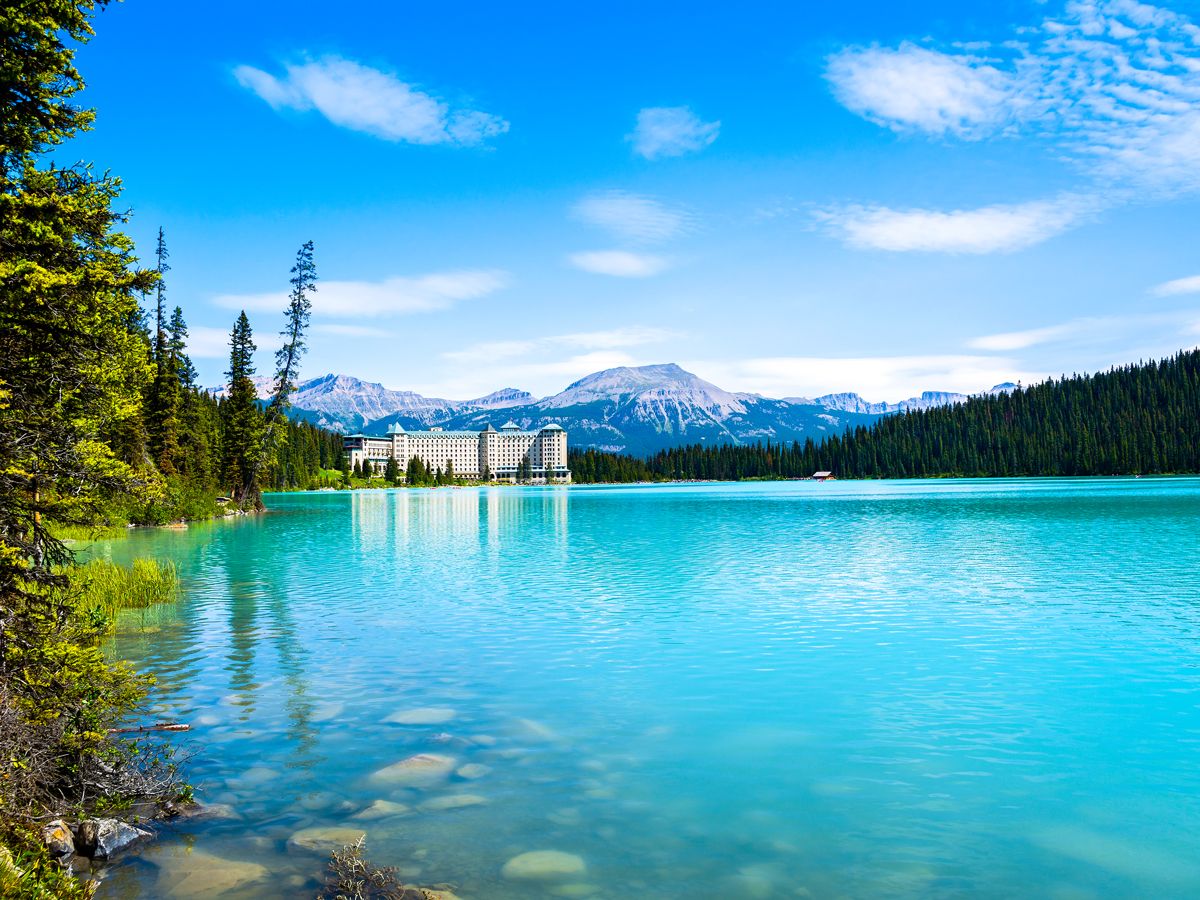
There is a caveat, though. Some flight routes are naturally bumpier than others because they fly over locations such as mountainous regions, which are more prone to experiencing turbulence. This is why the Rocky Mountains, for instance, see the most turbulent flight routes in the United States. Meanwhile, areas with changing wind patterns are also prone to turbulence, such as where the jet stream crosses the North Atlantic Ocean, which happens to be one of the world’s busiest flight routes.

Related: The Most Turbulent Flight Routes in the U.S.

Is Turbulence Something To Be Worried About?

Flight attendant performing safety demonstration in aircraft aisle
Credit: Hispanolistic/ E+ via Getty Images 

Writing for his website Ask the Pilot, airline pilot and author Patrick Smith reassures travelers that turbulence is nothing to worry about. He explains that aircraft are designed to endure “an extreme amount of stress,” and the level of turbulence needed to cause catastrophic damage is something “even the most frequent flyer — or pilot for that matter — won’t experience in a lifetime of traveling.”

Statistics on turbulence-related injuries highlight just how rare they are. Between 2009 and 2024, the FAA reported 207 severe passenger injuries caused by turbulence, which averages to about 13 injuries per year. Considering that more than 3 million passengers fly through U.S. airspace daily, the likelihood of being seriously injured by turbulence is very close to zero.

The chances of a plane crashing due to turbulence are even more improbable. “Over the whole history of modern commercial aviation, the number of jetliner crashes caused by turbulence, even indirectly, can be counted on one hand,” Smith writes.

How To Stay Safe During Turbulence

Airplane passenger fastening seatbelt
Credit: thawatpong/ iStock via Getty Images Plus 

While turbulence is rarely very dangerous, it is still the leading cause of nonfatal injuries to passengers and crew. So, it’s best to err on the side of caution. The FAA provides guidelines to help passengers stay safe during turbulence and prevent injuries.

Most importantly, the agency recommends that passengers keep their seat belts buckled whenever they are seated, even if the “fasten seat belt” sign isn’t illuminated. This may seem like overkill, but most turbulence-related injuries occur to those who are not wearing their seat belts at the time of the incident. Due to the unpredictable nature of turbulence, pilots can’t always warn passengers ahead of time.

Of course, there are also instances when passengers are required to be buckled in, per FAA regulations. This includes whenever the plane is taxiing, as well as during takeoff and landing. In addition to wearing your seat belt, be sure to stow large or heavy items in the overhead bins securely, as loose objects can become hazardous in bumpy conditions.

While these guidelines may seem stringent, they’re in place to keep you, your fellow passengers, and air crew safe during unpredictable flying conditions. And remember, while bumps and drops may feel unsettling in the moment, they’re a regular part of flying. Modern aircraft are built to handle far more than turbulence can throw at them. 

Related: Yes, There Actually Is a Safest Section on an Airplane
Post Banner Image
History

15 Most Interesting State Mottos, Explained

By Daily Passport Team
Read time: 8 minutes
October 15, 2025
Updated: October 16, 2025

15 Most Interesting State Mottos, Explained

By Daily Passport Team
Author
Daily Passport Team
Daily Passport writers have been seen in publications such as National Geographic, Food & Wine, CBC, Condé Nast Traveler, and Business Insider. They're passionate about uncovering unique destinations and sharing expert tips with curious travelers.

The official motto of the United States is “In God We Trust,” but under that umbrella, each state has adopted its own particular saying to define itself. From words as simple as “hope” to obscure Latin phrases, these mottos are as diverse as the state themselves, and their origins may surprise you. Here are 15 of the most interesting state mottos and what they mean. 

Virginia – Sic Semper Tyrannis

River and skyline of Richmond, Virginia
Credit: Sky Noir Photography by Bill Dickinson/ Moment via Getty Images 

Latin for “Thus always to tyrants,” Virginia’s state motto references the words that Marcus Brutus was said to have uttered after the fatal stabbing of Roman emperor Julius Caesar in 44 BCE. When Virginia adopted its seal in 1776, the newly formed state was in the throes of the American Revolution. Its seal depicts the Roman goddess of virtue standing over the figure of tyranny, alongside the state’s Latin motto — a dramatic nod toward Virginia’s valiant efforts to escape the rule of England.

Oregon – Alis Volat Propriis

Waterfront park in Portland, Oregon
Credit: James Michael House/ iStock via Getty Images Plus 

Oregon’s Latin motto, “Alis Volat Propriis,” translates to “She flies with her own wings.” Although the state legislature didn’t officially adopt the motto until 1987, it was used unofficially as far back as 1854. At the time, the words were meant to honor the independence and courage of the pioneers who formed Oregon’s provisional government in the mid-19th century. The motto was changed to “The Union” in 1957, until government officials sponsored a bill to return to the original motto, which more accurately described the state’s plucky spirit.

Arkansas – Regnat Populus

Cityscape of Fayetteville, Arkansas
Credit: DenisTangneyJr/ iStock via Getty Images Plus 

“Regnat Populus,” which is Latin for “the people rule,” is just one example of the 25 state mottos expressed in Latin. “The people rule” has been Arkansas’ state motto on the Great Seal of the State since 1836, when it was made official in the state constitution. Credit for the design of the seal goes to Samuel Calhoun Roane, the recording clerk of the first territorial assembly, although it remains unknown exactly where the phrase came from.

While its origins may be vague, the motto itself is not: It refers to Arkansas’ role in both the War of Independence and the Civil War, idealizing the peoples’ values of justice, freedom, and independence. The Latin motto is nearly identical to South Dakota’s state motto, “Under God, the people rule.”

Hawaii – Ua Mau ke Ea o Ka Āiena i ka Pono

Waikiki Beach in Honolulu, Hawaii
Credit: Daniela Duncan/ Moment via Getty Images 

Hawaii is one of two U.S. states with a motto in an Indigenous language. (The other is Washington.) The Aloha State’s motto, “Ua Mau ke Ea o Ka Āiena i ka Pono,” translates to “The life of the land is perpetuated in righteousness.” These words were first spoken by King Kamehameha III, who ruled the Hawaiian kingdom from 1825 until his death in 1854.

During his reign, Hawaii began to attract the interest of British colonizers who were keen on expanding their empire. After the Royal Navy captured Honolulu in 1843, King Kamehameha III appealed to Queen Victoria herself to disavow the actions of her men. She agreed, and when the Hawaiian flag flew over Honolulu harbor again, the king said the words that remain the state’s motto to this day.

California – Eureka

Palm trees lining street in Beverly Hills, California
Credit: nata_rass/ iStock via Getty Images Plus 

“Eureka” is a Greek word that is often associated with discovery. It’s said the Greek mathematician Archimedes invented the word when he discovered the method for accurately detecting pure gold. As the story goes, he happened to be in the bathtub at the time of his discovery, which prompted him to run naked down the street shouting, “Eureka!” — meaning “I found it!” California’s official state motto first appeared in 1849, around the same time as the California Gold Rush, when gold was discovered in the state. The state legislature officially adopted the motto in 1963.

Utah – Industry

Town of Ogden, Utah, surrounded by mountains
Credit: DenisTangneyJr/ iStock via Getty Images Plus 

Utah’s motto is another reference to the industrious insect that inspired its “Beehive State” nickname. The beehive has long been a symbol in the religious state, as Utah was formed by Mormon settlers who attributed their success to cooperation and hard work. So it made sense for the Utah legislature to give a nod to their state insect, the honeybee, with the straightforward motto “Industry.” Since Utah regularly ranks among the richest state in the country, it’s fair to say that this motto seems quite fitting.

Related: 10 U.S. State Nicknames You Might Not Know

Wyoming – Equal Rights

Lake beside Grand Tetons in Wyoming
Credit: Martina Birnbaum/ iStock via Getty Images Plus 

Wyoming’s motto reflects the state’s liberal stance when it came to equal rights between men and women during the 19th century. As the first state to grant women the right to vote, serve on a jury, and hold public office, the Wyoming territory was considered quite progressive back in 1869. And as the the first state to swear in a female governor in 1924, Wyoming has a long history to back up its motto.

Maine – Dirigo

Portland Head Light on the rocky coast of Maine
Credit: John Baggaley/ Moment via Getty Images

The translation for Maine’s Latin motto is “I direct” or “I guide.” Adopted by the state in 1820, “Dirigo” was inspired by the North Star — just as the North Star shines bright in the sky to guide sailors back to port, Maine is a northern state that leads its citizens to be patriotic. The state flag referenced the motto in 1901 with a white pine tree and the North Star on a simple white background, although the flag has since been replaced.

Washington – Al-ki

River in Spokane, Washington
Credit: Richard Schafer/ iStock via Getty Images Plus 

Washington’s motto first appeared on the state’s territorial seal, which was designed during a surveying expedition of the area. On the seal, the Goddess of Hope points toward the words “Al-ki,” an Indigenous term that translates to “bye and bye,” and later evolved to mean “into the future.” Although it was the motto for the territorial seal, Al-ki was never adopted by the state legislature and remains the state’s unofficial motto to this day.

Wisconsin – Forward

Wisconsin State Capitol in Madison, seen in autumn
Credit: Matt Anderson Photography/ Moment Open via Getty Images 

Wisconsin believes it’s leading the way to a better tomorrow, which is represented in the state’s official motto, “Forward.” The state adopted the motto in 1851 and has incorporated it into its seal and coat of arms.

Legend has it that the governor at the time, Nelson Dewey, and University of Wisconsin Chancellor John Lathrop developed the new state seal. While he was in New York City to have Lathrop’s draft cast in metal, Dewey had a chance meeting with Edward Ryan, who later became the Wisconsin Supreme Court Chief Justice. The pair sat down on the steps of Wall Street bank to redesign the seal. It was during this redesign that the pair chose the new state motto, “Forward,” as opposed to what Lathrop had proposed, “Excelsior.”

Montana – Oro y Plata

Main street in Red Lodge, Montana
Credit: peeterv/ iStock via Getty Images Plus 

Montana’s Spanish. motto, “Oro y Plata,” means “Gold and Silver” — a nod to the state’s illustrious mining industry in the late 19th century. Both metals played a large role in the state’s booming economy, with the presence of gold and silver lending a hand to the state’s nickname as “The Treasure State.” Montana’s universities pay homage to the state motto: Montana State University uses gold as a one of its colors, and the University of Montana uses silver.

New Mexico – Crescit Eundo

Aerial view of Santa Fe, New Mexico, and surrounding mountains
Credit: ablokhin/ iStock via Getty Images Plus 

At first glance, New Mexico’s motto, “Crescit Eundo,” may seem rather cryptic. Translated from Latin to “It grows as it goes,” the motto has philosophical roots. Secretary of the New Mexico Territory William Ritch borrowed the phrase from the ancient Roman philosopher Lucretius, who wrote, “It grows as it goes,” when describing a thunderbolt gaining power as it moved across the sky. Historians theorize that Ritch believed New Mexico had great ability to grow in strength, with the same dynamism and energy as a powerful bolt of lightning.

New Hampshire – Live Free or Die

Fountain in lake in Nashua, New Hampshire
Credit: DenisTangneyJr/ iStock via Getty Images Plus 

New Hampshire’s emphatic motto was borrowed from a toast given by a Revolutionary War hero. In 1809, General John Stark declined an invitation to a reunion with old war comrades due to poor health, but he sent a toast by letter stating, “Live Free or Die; Death is Not the Worst of Evils.” The phrase was well received by his comrades, who told him that the toast would “continue to vibrate with unceasing pleasure in our ears.” The popular saying was later adopted as the state’s official motto in 1945.

Minnesota – L’etoile du Nord

Third Avenue Bridge and Minneapolis skyline
Credit: jimkruger/ E+ via Getty Images 

Minnesota’s state motto, “L’etoile du Nord,” translates to “Star of the North.” Governor Henry Sibley chose the motto in 1861, three years after Minnesota officially became a state. At the time, Minnesota was the northernmost state in the U.S., so Sibley felt the phrase was appropriate. He also appreciated that the French language gave credence to the state’s French-Canadian settlers and voyageurs, who helped to define and develop the state.

North Dakota – Liberty and Union, Now and Forever, One and Inseparable

American flag flying over street corner in Grand Forks, North Dakota
Credit: DenisTangneyJr/ iStock via Getty Images Plus 

North Dakota’s motto comes from a famous debate between two politicians in 1830. At the time, Senators Daniel Webster of Massachusetts and Robert Y. Hayne of South Carolina were arguing about protectionist tariffs on the Senate floor. When Webster declared, “Liberty and Union, Now and Forever, One and Inseparable,” it became one of the most famous political phrases of the time. It was so famous, in fact, that North Dakota chose the saying as its motto decades later, when it officially became a state in 1889.

Related: The Fascinating Meanings and Origins Behind 8 State Names
Post Banner Image
Tips

7 Surprisingly Cheap European Cities To Visit

By Daily Passport Team
Read time: 5 minutes
October 15, 2025
Updated: March 25, 2026

7 Surprisingly Cheap European Cities To Visit

By Daily Passport Team
Author
Daily Passport Team
Daily Passport writers have been seen in publications such as National Geographic, Food & Wine, CBC, Condé Nast Traveler, and Business Insider. They're passionate about uncovering unique destinations and sharing expert tips with curious travelers.

You could be forgiven for believing that a European vacation is out of your budget. After all, cities like London, Paris, and Zurich aren’t particularly known for being wallet-friendly. However, some European destinations are more affordable than you think. Here are seven of the cheapest cities in Europe to visit in 2026.

Seville, Spain

Plaza de España in Seville, Spain
Credit: Sylvain Sonnet/ The Image Bank via Getty Images 

In general, Spain’s a savvy choice for budget-conscious travelers, and that’s especially true of Seville. Explore city highlights such as the Seville Cathedral and its unique bell tower known as La Giralda, the Real Fábrica de Tabacos de Sevilla (Royal Tobacco Factory), and beautiful Plaza de España by booking a spot on a free walking tour. The Old Town of this popular Andalusian city is so charming you’ll want to continue wandering on your own to explore the hidden corners of the Santa Cruz neighborhood. 

Be sure to save enough euros to see an authentic flamenco show. A ticket for an intimate performance at La Casa del Flamenco will set you back about 25 euros ($30 USD), which is considerably less than the price of a ticket to a show at a bigger venue like El Palacio Andaluz. Seville is nicknamed “the Frying Pan” for its swelteringly high summer temperatures, so hold off until fall to visit, when hotel prices (especially in November) fall, too.

Budapest, Hungary

Sidewalk cafes in Budapest, Germany
Credit: artJazz/ iStock via Getty Images Plus 

The city that’s famed for its “ruin bars” (pubs located in formerly abandoned buildings) and some of the best street food in Europe knows a thing or two about catering to those on a tight budget. It will cost you nothing to gaze out over the Danube from Fisherman’s Bastion or admire the architecture of the city’s famed Central Market Hall. While the splendid Art Nouveau-style baths at Danubius Hotel Gellért might set you back a few forints (about $22 USD to visit on weekends), you’ll probably agree that relaxing in such elegant surroundings is worth the price.

Better yet, many of the Hungarian capital’s must-see attractions are free. A double room in a centrally-located, three-star hotel is easy to find for under $100 per night, a plate of goulash costs less than $7, and the beer’s ridiculously cheap, too. It’s no wonder, then, that Budapest is a favorite locale among travelers on a budget.

Ljubljana, Slovenia

Fountain in square in Ljubljana, Slovenia
Credit: Adrien Schwab/ iStock via Getty Images Plus 

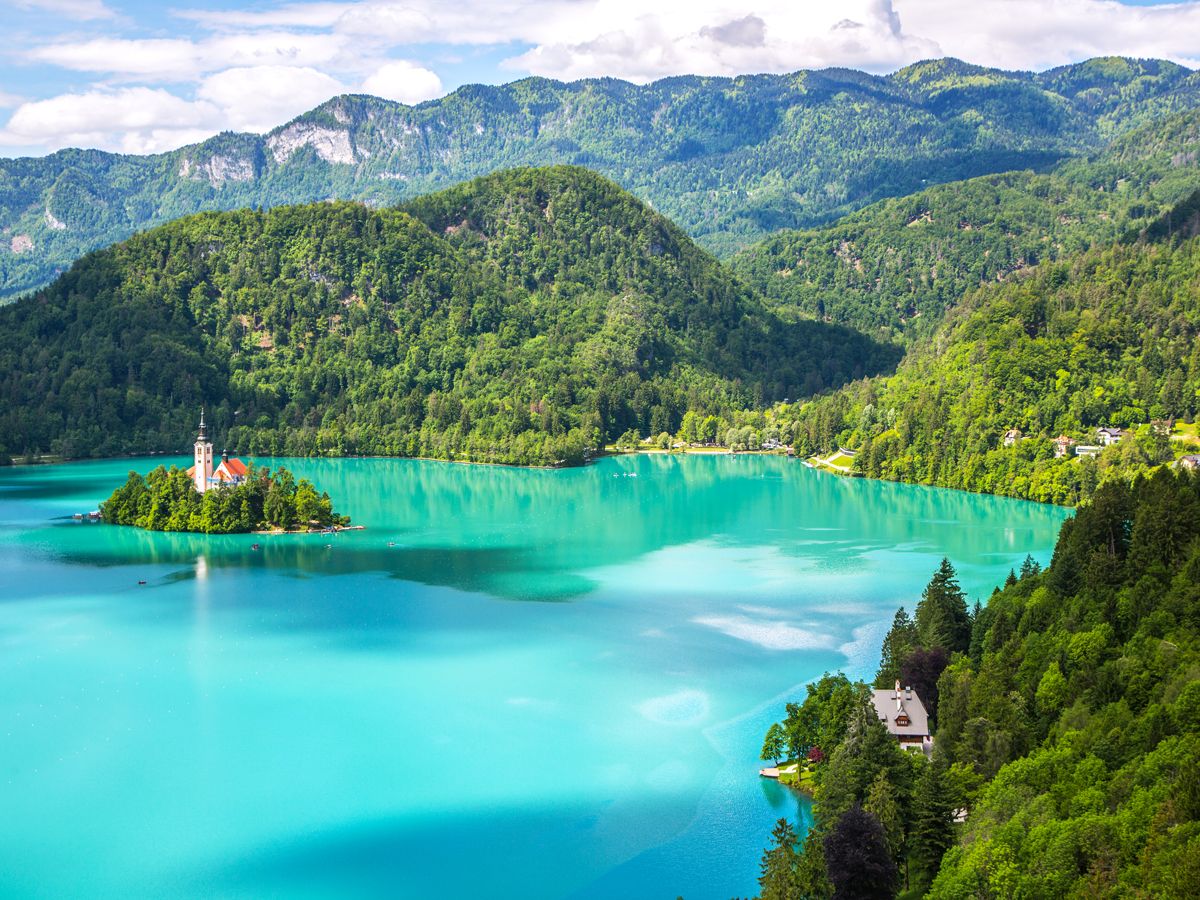
If you’ve ruled out Switzerland but still want to explore the Alps, how about Slovenia? The capital of Ljubljana makes an excellent base for trips into the surrounding countryside. Lake Bled, famous for its pretty island church and mountain backdrop, is under an hour away. When you’re finished relaxing in nature, stay in the city and take a romantic stroll beside the River Ljubljanica or spend less than $15 to nose around the medieval castle. Getting around the compact old town on foot is a breeze, but you can also hail a Kavalir, an electric vehicle that offers a free ride to anywhere in the pedestrianized city center.

Related: 7 Underrated World Capital Cities To Visit

Kraków, Poland

Wawel Royal Castle in Kraków, Poland
Credit: TanyaSv/ iStock via Getty Images Plus 

Even though Poland is landing on more tourists’ radars these days, the city of Kraków is still one of Europe’s best bargains. It’s free to watch the world go by in Rynek Główny, the historic main square of the sprawling Old Town, or inspect the amber jewelry on sale at the 15th-century Cloth Hall. Many of the city’s museums are free or discounted on certain days, such as Wawel Royal Castle and Oskar Schindler’s Enamel Factory on Mondays, the National Museum on Tuesdays, and the Museum of Contemporary Art on Thursdays. 

Away from the touristy, overpriced restaurants, cafés, and bars, food and drink is also cheaper in more residential parts of the city. When there’s a market in the Old Town square, you can also save money by snacking on pierogi (filled dumplings), ham hocks, and hot potatoes from the food stalls for just a few złoty (Poland’s currency).
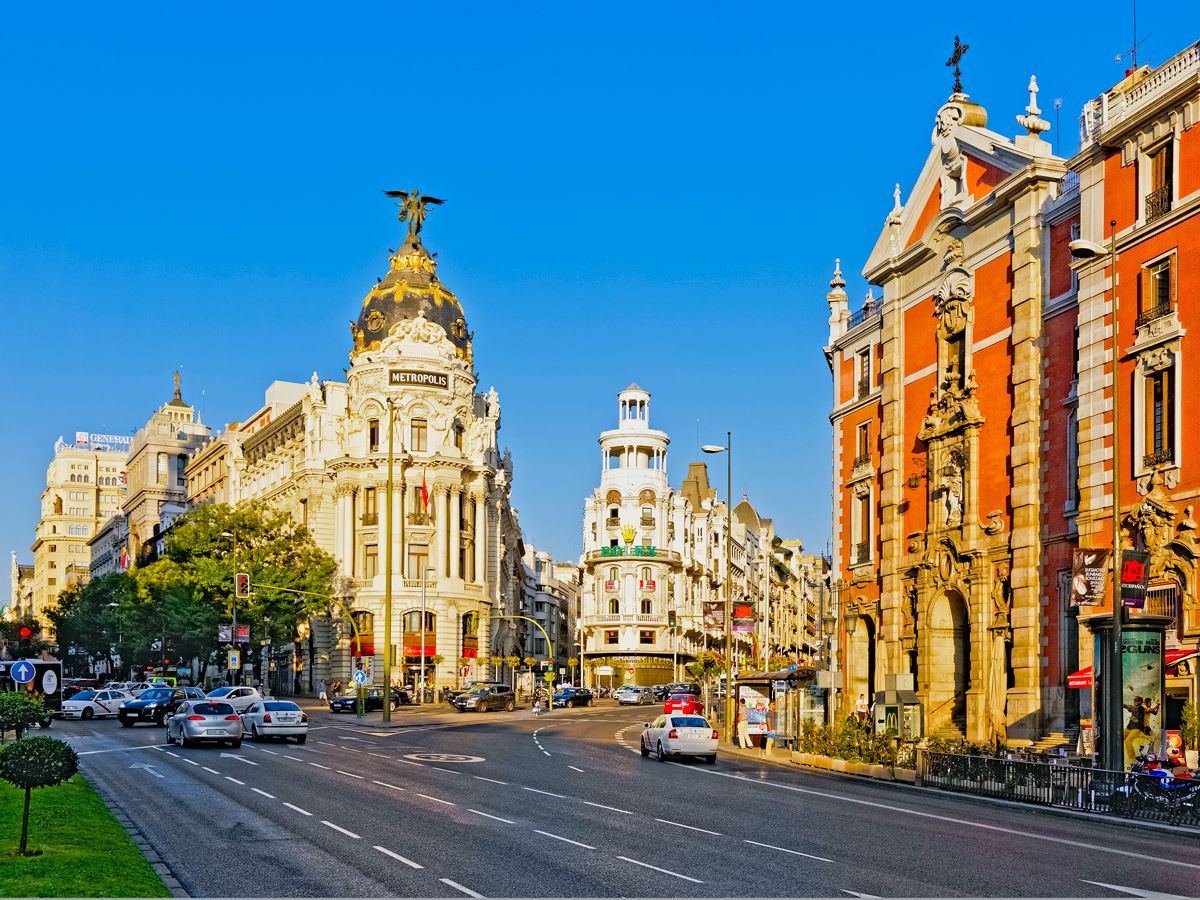
Dresden, Germany

Church of Our Lady in Dresden, Germany
Credit: Jorg Greuel/ Stone via Getty Images 

With fewer tourists than the likes of Berlin, Munich, and Hamburg, Dresden is one of Germany’s best-kept secrets. Its impressive art and architecture earned it the nickname of “Elbflorenz” (Florence on the River Elbe). It won’t cost you a cent to admire the magnificent buildings of the Altstadt (Old Town), including the Zwinger, Semper Opera House, the Royal Palace, and the stunning Lutheran church known as Dresdener Frauenkirche — though you may be tempted to stump up the very reasonable admission charges to nose around the buildings’ interiors. If you plan to visit several museums, invest in a two-day pass called a Dresden Museums Card, which costs only 35 euros ($41).

Sofia, Bulgaria

National Assembly in Sofia, Bulgaria
Credit: alxpin/ iStock via Getty Images Plus 

Take a free walking tour when you arrive in Sofia, the Bulgarian capital, and you’ll soon get your bearings. Your guide will introduce you to landmarks such as the iconic Alexander Nevski Cathedral, the Sofia History Museum (once the city’s bath house), and the former Communist Party Headquarters. Even during peak season, a night at an upscale property like the Hotel Balkan can be secured for around $150 a night.

Riga, Latvia

Main square in Old Town of Riga, Latvia
Credit: nantonov/ iStock via Getty Images Plus 

Riga’s a charming city to wander through on foot. Littered throughout the Old Town are some quirky sculptures, such as an armadillo beside the cathedral, a ghost hovering between the Swedish Gate and the Latvian War Museum, and a glittering Venus of Willendorf outside the Art Academy of Latvia. When you’ve worked up an appetite, head to a traditional pub like Folkklubs ALA Pagrabs, where a generous plate of Latvian meatballs can be yours for less than $10, and a large beer to wash it down comes in at an extra $4 or so.

Related: 6 Surprisingly Inexpensive U.S. Cities To Visit
Post Banner Image
Tips

How Do Airlines Decide Who Gets Bumped?

By Julia Hammond
Read time: 4 minutes
October 15, 2025
Updated: October 15, 2025

How Do Airlines Decide Who Gets Bumped?

By Julia Hammond
Author
Julia Hammond
Julia is a U.K.-based travel writer whose work has been featured in The Independent, The Telegraph, The New Zealand Herald, and Culture Trip, among others. She’s an enthusiastic advocate for independent travel and a passionate geographer who has had the privilege of traveling to more than 130 countries in search of a story.
It’s an oft-dreaded but entirely legal aspect of air travel: If the flight you are booked on is oversold, then some passengers may be bumped. According to the U.S. Department of Transportation, airlines are permitted to sell more seats than they actually have in the expectation that a certain percentage of people will be no-shows. But how do they decide who gets bumped to the next flight? The precise criteria by which passengers are denied boarding varies, so it’s worth reading the small print. We’ve summarized the key points of the largest U.S. airlines’ policies below, but these can change, so it’s always best to do your own research before booking.

Why Airlines Overbook

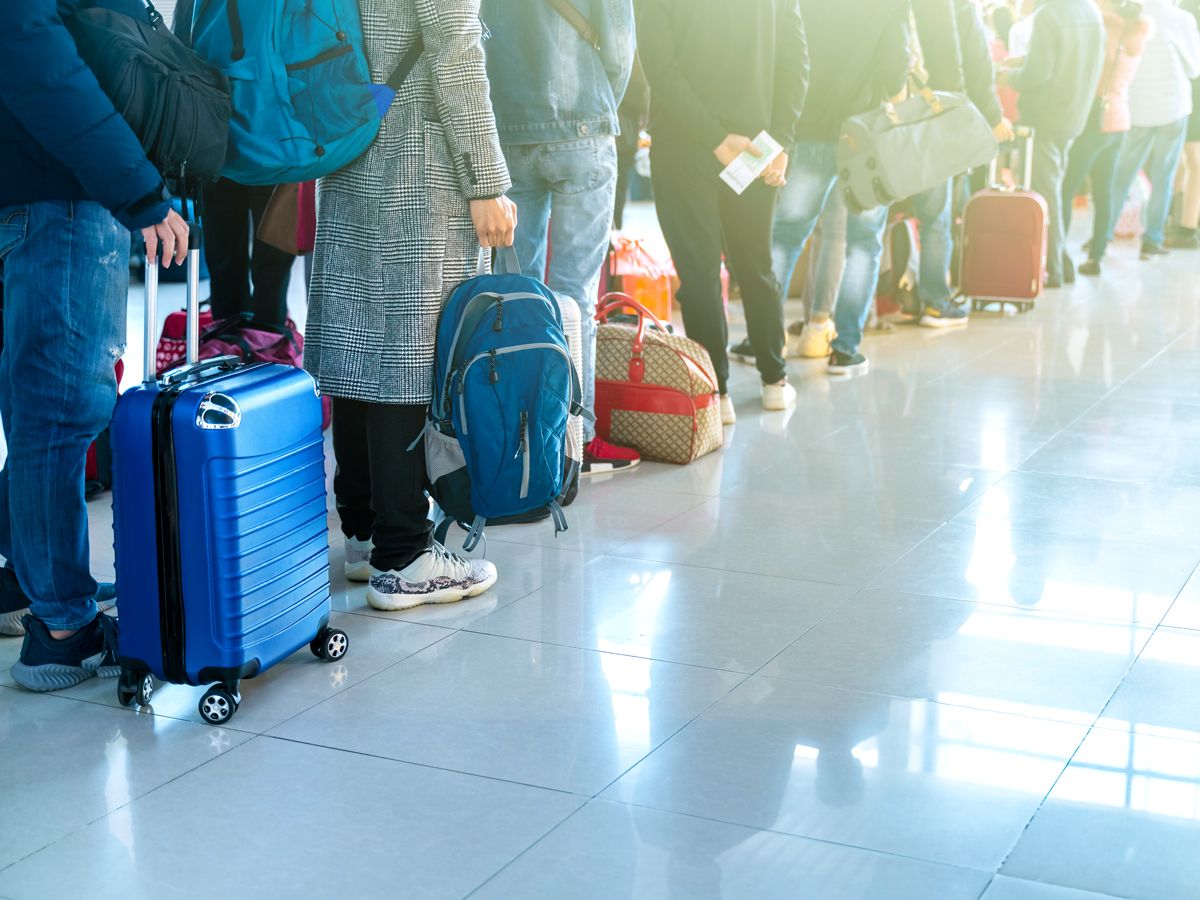
Passengers waiting in line at airport with their luggage
Credit: Oleg Elkov/ iStock via Getty Images Plus 

Airlines, like any business, want to maximize profits, but there are a fixed number of seats they can sell on any given flight. If a booked passenger doesn’t show — whether they missed their connection or showed up too late to the airport — that seat goes empty when it could have been filled by a paying passenger. 

Because no-shows like this are common, airlines tend to book more passengers than they have seats for. The level of overselling is calculated based on past data, and most of the time the airlines get it right. Sometimes, however, they end up with more passengers than seats, and in these cases, whether voluntarily or involuntarily, some ticket holders won’t fly as they expected. 

According to DOT regulations, airlines have to first request that volunteers come forward; they often offer substantial financial incentives for those willing to change their plans last minute. If that doesn’t work and no one volunteers, airlines must follow prepublished guidelines for compensation, but it is up to the airlines themselves to determine who finds themselves offloaded. Find out more about the policies of major U.S. airlines below.

American Airlines

Passenger looking out terminal window at American Airlines Boeing 737 parked at gate
Credit: Alexander Shapovalov/ iStock Editorial via Getty Images Plus

American Airlines is clear in its conditions of carriage about which passengers will get boarding priority — in other words, the last people to get bumped — in the event of a lack of sufficient volunteers to give up their seat on an oversold flight. Passengers who have special assistance needs or those who are traveling as an unaccompanied minor should not be bumped. Those with elite status in the airline’s AAdvantage frequent flyer program also receive preferential treatment in such instances. It helps to be traveling in the first, business, or premium economy cabins, too. Failing that, the earlier you check in, the less likely you are to be bumped, but American states that those who are involuntarily denied boarding will be chosen entirely at the airline’s discretion.  

Delta Air Lines

Delta Air Lines aircraft parked at terminal at night
Credit: Rui Mesquita Cordeiro/ iStock Editorial via Getty Images Plus

Delta Air Lines states that they handle bumped passengers “with fairness and consistency in the case of an oversold flight.” In practice, this means that those who are involuntarily denied boarding are chosen according to a predetermined order. Preference is given to those requiring special assistance, including unaccompanied minors, followed by Delta One and Delta First customers and elite members of Delta’s SkyMiles frequent flyer program. Those without such status or those traveling in a nonpremium cabin are most likely to be involuntarily denied boarding.

Southwest Airlines

Southwest Airlines Boeing 737 on departure
Credit: Mario Tama via Getty Images News 

Flying Southwest Airlines soon? What happens to passengers denied boarding is set to change. For flights on or before January 26, 2026, how the airline chooses who to bump is determined by the order in which you were assigned a boarding position. 

After that date, if you wish to minimize the chance of being bumped, it pays to purchase a Choice Extra fare (the airline’s most expensive offering) or to fly enough to qualify for A-List Preferred or A-List Member status. Next, those traveling on an interline itinerary (one that combines flights with multiple airlines on a single ticket) are taken into consideration, followed by those who purchased higher fare classes, those with earlier booking dates, and passengers who checked in earlier.

United Airlines

United Airlines Boeing 777 departing from Los Angeles International Airport
Credit: Laser1987/ iStock Editorial via Getty Images Plus

Like other airlines, United Airlines resorts to involuntary denied boarding procedures only if it can’t find volunteers in the event of an oversold flight. According to Section 25 of the airline’s conditions of carriage, consideration is given to those with disabilities and unaccompanied minors. On flights departing from Canada, families may also be treated with priority if passengers need to be bumped. After that, factors such as fare class, itinerary, frequent flyer status, and the order in which you checked in come into play.

As required by the DOT, United, like all airlines, will also provide anyone who is involuntarily bumped with a written statement that shows how the decision was made and notifies you of your rights regarding compensation and flight rebooking. 

Alaska Airlines

Alaska Airlines Boeing 737 departing from Los Angeles International Airport
Credit: Mario Tama via Getty Images News 

Alaska’s customer service commitment outlines how the airline “will handle an overbooked flight consistently.” Alaska stresses that gate staff will seek volunteers before bumping anyone against their wishes; however, when involuntary denied boarding is necessary, they do so to the last person checked in without a seat assignment. 

Related: 10 of Your Most Common Air Travel Questions, Answered
Post Banner Image
Tips

Disney Just Hiked Ticket Prices — But Here’s When It Cost Just $1

By Peter Vanden Bos
Read time: 5 minutes
October 14, 2025
Updated: October 14, 2025

Disney Just Hiked Ticket Prices — But Here’s When It Cost Just $1

By Peter Vanden Bos
Author
Peter Vanden Bos
Peter is a Toronto-based journalist, editor, content strategist, and self-professed avgeek with 15 years of experience covering all things travel. Prior to joining Daily Passport, he oversaw newsletter publication for Travelzoo. His favorite destinations to explore include Japan, France, Chile, New Zealand, and his adopted home country of Canada.

Around 47 million people visit Orlando’s Disney theme parks each year, making it the country’s second-most-visited tourist destination. If you plan to join the crowds at the “Most Magical Place on Earth,” or its sister park, the “Happiest Place on Earth,” prepare to pay even more for admission. Price hikes have recently gone into effect for both Walt Disney World in Florida and Disneyland in Southern California. Here’s how much you can expect to pay in 2025 and 2026.

Disneyland and Disney World Get More Expensive

Crowds form along parade route toward Cinderella's Castle at Walt Disney World in Florida
Credit: AaronP/Bauer-Griffin/ GC Images via Getty Images 

Disney’s theme parks use a tiered pricing system. The lowest tier, Tier 0, is for days with the lowest demand, while the highest tier, Tier 6, covers peak periods such as holidays. Effective October 8, 2025, prices have gone up for most types of tickets, as first reported by the Disney news site Mickey Visit. 

The good news is that, for the lowest tiers, pricing remains unchanged. The cheapest single-day, single-park admission for Disneyland is $104 per adult ticket and $98 per child ticket (ages 3 to 9; children under 3 don’t need a ticket). The same type of ticket at Walt Disney World starts at $119 for adults at Disney’s Animal Kingdom ($114 for kids). 

Wondering when you can score the cheapest tickets? Disney’s website for both theme parks has a handy calendar feature that points you to the dates with the lowest prices. For Disneyland, there were a total of 38 days available at Tier 0, the lowest price, in 2025, the company shared with Mickey Visit. 

If you’re planning to visit during peak periods, though, expect to shell out more. At Walt Disney World, Tier 6 tickets (the highest price level) for dates through October 2026 will continue to max out at $199 for adults. But for select peak dates in November and December 2026, one-day admission will now cost $209 — the first time a single-day admission ticket to Walt Disney World will cost more than $200. 

Tier 6 adult admission to Disneyland is jumping $18, from $206 to $224 per adult ticket. According to a study by Mickey Visit, that means the cost for the most expensive single-day ticket at Disneyland has increased by over 125% over the past decade. Prices are also increasing for the middle tiers (Tiers 2 through 5) by around $5 at both parks. 

Disney Theme Park Prices Over the Years

Sign over roadway for Walt Disney World with slogan "Where Dreams Come True"
Credit: AlexandreFagundes/ iStock Editorial via Getty Images Plus

If you’re like us, the sticker shock may have you yearning for the old days: When Disneyland first opened in 1955, admission tickets cost just $1 for adults (equivalent to about $12 today) and 50 cents for children. When Walt Disney World followed in 1971, the price of adult admission was $3.50 (about $27 today). 

That said, when the theme parks first opened, guests had to pay extra for individual rides (starting at 23 cents for adults and 10 cents for kids when Disneyland first opened). And there were far fewer of them than there are today, so the comparison isn’t exactly apples to apples. 

But there’s no denying that a Disney vacation has been getting more and more expensive. Back in 2000, a single-day ticket to Walt Disney World cost $46 for adults (about $87 today) and $37 for kids, according to the popular unofficial Disney guide AllEars.net. By 2015, a ticket to Magic Kingdom passed the $100 mark. 

Other Price Changes

Visitors at Walt Disney World Magic Kingdom
Credit: JJM Stock Photography/ Alamy Stock Photo 

Disney is hiking prices on other types of tickets as well, including annual passes and multiday tickets. At Disney World, for example, annual prices will be going up by between $20 and $80. 

At Disneyland, a five-day Park Hopper pass (the most expensive daily ticket) will now cost an eyewatering $655 — a $39 increase. Most of Disneyland’s Magic Key annual passes will increase, too, but the two lowest tiers will remain unchanged.

And for those looking to skip the parks’ lengthy queues for rides, Disney is also raising the cost of its popular Lightning Lane passes by up to $6. For instance, a Lightning Lane Multi Pass at Disney’s Magic Kingdom during peak periods will now cost $45, up from $39. Prepare to pay a bit more for parking, too. The cost of a standard parking pass at Disney World is increasing $5, from $30 to $35. 

There’s some good news, though: Disney also announced that special pricing on a three-day California Resident Park Hopper pass will be available for purchase starting December 3. It will allow California residents to visit both Disneyland Park and Disney California Adventure Park for under $85 per day from January 1 through May 21, 2026.

And Disney plans to open a slew of new rides and attractions at both parks in 2026, including the Rock ’n’ Roller Coaster, starring the Muppets, in summer 2026 at Disney’s Hollywood Studios in Orlando.

Where To Experience the Real Thing

Neuschwanstein Castle in the hills of Bavaria, Germany
Credit: bluejayphoto/ iStock Editorial via Getty Images Plus

If price hikes have you reconsidering your Disney vacation — or if theme parks aren’t really your thing — you could travel instead to some of the real places that inspired many of the rides and attractions at Disneyland and Disney World. 

For instance, the Matterhorn in Zermatt, Switzerland, inspired one of Disneyland’s oldest and most beloved rides — the Matterhorn Bobsleds. According to legend, Walt Disney fell in love with the real Matterhorn, one of the most recognizable peaks in the Alps, on a trip to Switzerland in 1958, prompting him to design the Disney ride, which is exactly 100 times shorter than its real-life counterpart. 

Sleeping Beauty’s Castle at Disneyland also pays homage to a European landmark: the real-life Neuschwanstein Castle in the hills of Bavaria, Germany, which was recently named a UNESCO World Heritage Site.

Related: This Fairy-Tale Castle Just Earned UNESCO Status
Post Banner Image
Outdoors

6 of the Foggiest Cities in the World

By Nicole Villeneuve
Read time: 5 minutes
October 14, 2025
Updated: October 16, 2025

6 of the Foggiest Cities in the World

By Nicole Villeneuve
Author
Nicole Villeneuve
Nicole is a writer and researcher with over 15 years of experience seeking out arts, culture, and lifestyle stories in places like remote northern Quebec and the unforgettable streets of Amsterdam. Her work has also appeared in PureWow, Brit + Co, AUX TV, and CBC.

Many of the world’s foggiest places are quite remote: fishing grounds like Newfoundland’s Grand Banks or largely uninhabited desert coastal stretches, such as the Namib Desert in Namibia, where warm and cold currents constantly collide. But fog is also a fixture of many major cities. The mysterious haze forms when water vapor condenses into tiny droplets that hover close to the ground, creating what is essentially a low-lying cloud. It often ends up obscuring skylines, delaying flights, and even becoming part of local culture. Here are six cities where fog is not just an occasional visitor, but a defining part of the landscape.

St. John’s, Newfoundland and Labrador, Canada

Fog over coastline of St. John's, Newfoundland and Labrador, Canada
Credit: jimfeng/ iStock via Getty Images Plus 

With around 120 foggy days a year, St. John’s ranks as one of the foggiest cities on Earth. The coastal city sits where cold Labrador currents meet the warmer Gulf Stream, generating thick fog especially in the spring and summer months. But like in most major cities that experience frequent fog, one neighborhood can be completely clear, while others are cloaked in the cool dampness for days at a time.

While the fog may look photogenic drifting across Signal Hill or softening the harborfronts and colorful historic St. John’s houses, it can dampen spirits when it hangs around well into the fall — particularly when it’s also accompanied by dreary rain. One spirit it actually lifted, however, was vodka. Instead of bemoaning the long misty stretches, brothers Bill and Kenny Tuff began harvesting the fog using specialized nets, then collected and condensed the water to use in a vodka called — you guessed it — Fog

San Francisco, California

Fog partially obscuring the Golden Gate Bridge in San Francisco, California
Credit: Christopher Newman/ iStock via Getty Images Plus 

Not many cities can claim to have fog with a dedicated fan base, but San Francisco does. The city’s frequent fog is personified as “Karl the Fog,” who is active across several social media platforms. In one post during a particularly cold and foggy summer in 2025, Karl the Fog even asked for “prayers” as the city experienced its first hot, sunny day in three months. 

The science behind San Francisco’s frequent fog is simple: Warm ocean air drifts over the cool California Current, forming something known as advection fog. It’s often seen rolling in over the city’s hills and swallowing its famous landmarks (though the Golden Gate Bridge is just as iconic in fog cover as it is on a clear day). Summer is the foggiest season, giving the city its infamous chill while much of the rest of California bakes. Entire neighborhoods can vanish under mist while others bask in blue skies — a quirk of San Francisco’s microclimates that factors into everything from commuting to clothing to real estate.

Related: 6 Cities With Unusual Microclimates

Lima, Peru

Aerial view of Lima, Peru, partially obscured by fog
Credit: Michelangelo Oprandi/ Alamy Stock Photo 

For a desert city, Lima can be surprisingly gray, with a cooler and more humid climate than you may expect. For about five months a year, from June through October, Peru’s capital city is shrouded in what’s known as the “garúa,” a persistent foggy mist that blankets streets and winds its way between buildings. 

The city’s fog forms when warm, dry desert winds from inland meet the cold offshore Humboldt Current. The effect is always atmospheric, at times melancholy, and sometimes even magical. Author Herman Melville described it as “the strangest, saddest city thou can’st see” in his famous epic Moby Dick. Travelers might find the fog disappointing, but locals have long adapted to the mist, harvesting it for water and turning the city’s persistent grayness into a vital resource.

Zurich, Switzerland

Boats moored in river on foggy day in Zurich, Switzerland
Credit: Matrf/ Alamy Stock Photo 

Radiation fog — also known as ground fog — forms on calm, cool nights when moisture in the air condenses near the ground. In Zurich, it often settles over the Limmat River, Lake Zurich, and in the surrounding valleys. Most common from November through February, the fog typically sticks around until the sun warms the air, clearing things up until the next patch rolls in. 

With roughly 40 foggy days per year, Zurich’s misty spells add charm to its storybook streets. For locals, though, the fog is simply part of winter life — a signal to start layering up and staking out Zurich’s coziest cafes.

Chongqing, China

Qutang Gorge on the Yangtze River in China
Credit: Emad Aljumah/ Moment Open via Getty Images 

Chongqing is nicknamed “Fog City” for a reason: Dense fog blankets the Chinese metropolis for around 100 days of the year, sometimes lingering for weeks at a time. Located in southwestern China at the confluence of the Yangtze and Jialing rivers, Chongqing is surrounded by steep hills that block prevailing winds. The city also receives almost all of its rain from April through October. After the rains, Chongqing’s humid subtropical climate and river valleys make fog and mist a near-constant feature from October through April. 

At its thickest, the fog severely reduces visibility and frequently affects ground, sea, and air traffic. It’s also known to trap and mix with the city’s air pollution, an unfortunate defining characteristic of life in Chongqing. However, with increased green initiatives in manufacturing and automobiles, the situation has been improving in recent years.

Valparaiso, Chile

Fog rolling in above rooftops in Valparaiso, Chile
Credit: avlien/ iStock via Getty Images Plus 

Nestled along steep hills above the Pacific Ocean, Valparaiso is regularly blanketed by what locals know as “camanchacas.” These dense coastal clouds form along Chile’s Pacific shore and drift inland over the colorful city, located about 75 miles northwest of Santiago. 

Most common in the winter, from June until September, the thick mist creates dramatic views over the hills and ocean, no doubt an inspiration to the city’s thriving creative community. The frequent fog doesn’t just shape the city’s personality — it also creates microclimates similar to those in San Francisco, nourishing nearby vineyards and helping produce some of Chile’s signature white wines.