7 Breathtaking Natural Wonders Located Near Major Cities
By
Jersey Griggs
Read time: 4 minutes
March 7, 2024
Updated: March 7, 2024
7 Breathtaking Natural Wonders Located Near Major Cities
Outdoors •March 7, 2024•Updated: March 7, 2024
By Jersey Griggs
Author
Jersey Griggs
Jersey is a travel and lifestyle writer whose work has appeared in publications such as Condé Nast Traveler, Business Insider, and Bust. When she’s not exploring her adopted home state of Maine, she’s likely planning her next big trip.
Whether you’re a full-time city dweller or just a visitor, sometimes you need to get off the grid and into some fresh air. Fortunately, there are plenty of major cities with beautiful nearby attractions that allow you to easily immerse yourself in nature. From peaceful forests to roving mountains and spectacular waterfalls, these seven stunning natural attractions are each less than an hour from the nearest major city, making them ideal for a quick getaway.
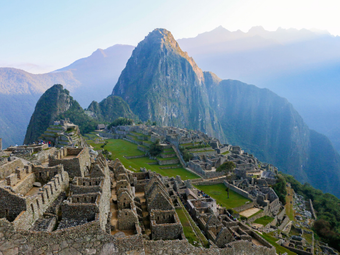
Looming large over Hawaii’s capital, Diamond Head is a 762-foot-tall volcanic crater that is estimated to be 400,000 to 500,000 years old. A sacred site to native Hawaiians, Diamond Head was originally known as Lē‘ahi. Its Western name was coined by explorers who believed the crater’s calcite rocks to be diamonds. Just a short drive from Honolulu, Diamond Head is so close to the city that many people simply walk to it along Waikiki Beach. Once you get there, the 1.6-mile trail to the summit takes roughly two hours and provides breathtaking views of the city, the coastline, and the vast Pacific Ocean.
Arashiyama Bamboo Grove – Kyoto, Japan
Credit: mariusz_prusaczyk/ iStock via Getty Images
Easily accessible by train, this ethereal forest on the northern edge of town is one of the most photographed spots in Kyoto. The bamboo grove, with its towering trees and endless swaths of green, offers a pocket of tranquility away from the hubbub of one of Japan’s largest cities. Further adding to its mystical appeal, an extension of the forest pathway leads to Nonomiya Shrine, a historic Imperial site with a reputation for helping women find love. Open 24 hours a day and with free admission to the public, Arashiyama Bamboo Grove is one of the most popular sites near Kyoto — to avoid crowds, it’s best to visit during early morning or evening hours.
Muir Woods – San Francisco, California
Credit: zrfphoto/ iStock via Getty Images
A mere 17 miles north of San Francisco (and less than an hour’s drive) lies one of the rarest forests on Earth. Muir Woods is a 558-acre national monument that’s home to a grove of magnificent coastal redwoods, a species of trees that can only be found on the coastlines of California and Oregon. Perhaps even more impressive than their rarity, however, are their size and age. These towering giants climb up to 258 feet tall and are up to 1,200 years old. The network of trails that lead through the park is open to foot traffic, including the seven-mile Dipsea Trail with spectacular vistas of the California coastline and the Bay Area.
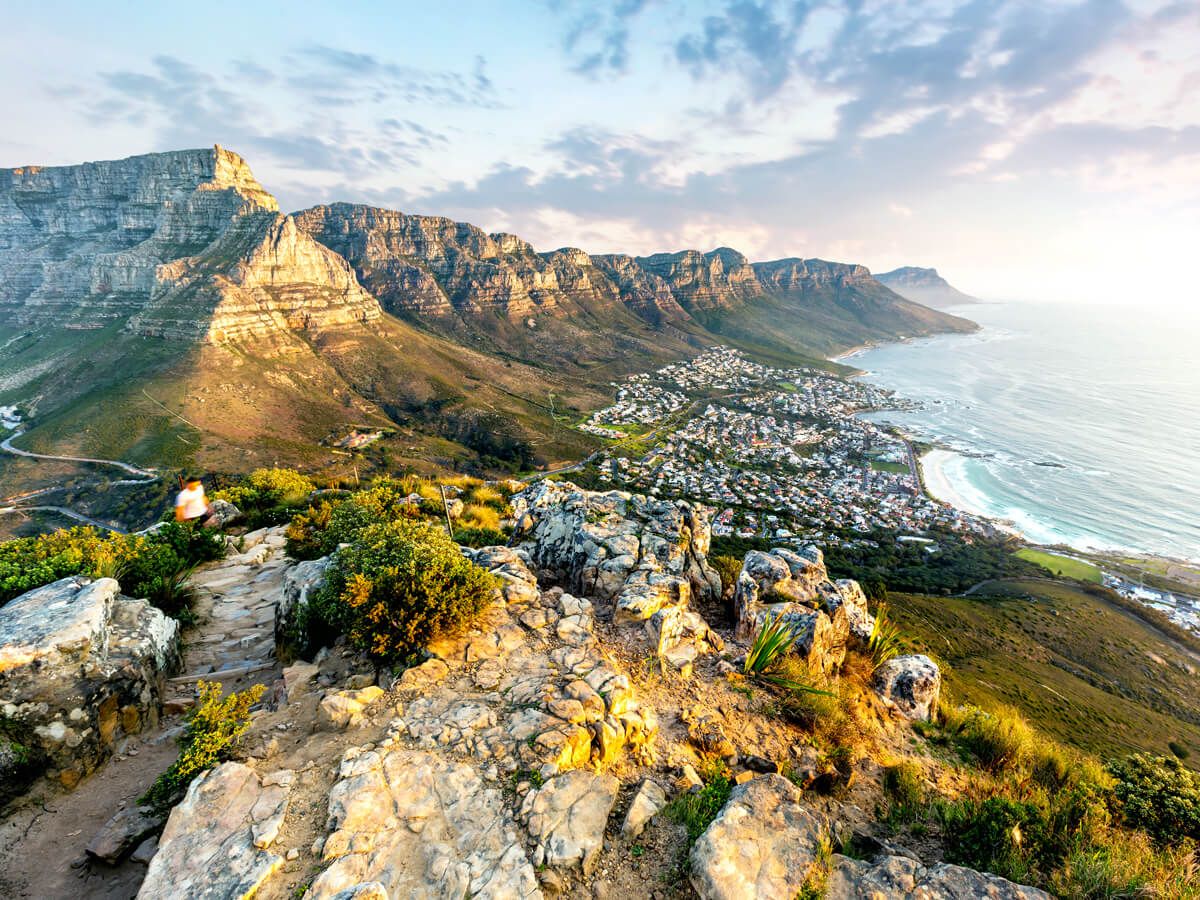
It’s hard to imagine Cape Town, South Africa without Table Mountain, the famous flat-topped berg (isolated mountain) that overlooks the city. But Table Mountain isn’t just famous for its distinctive shape. The mountain’s richly diverse flora includes more plant species than are present in some entire countries. Due to its popularity and proximity to the city, Cape Town transit makes Table Mountain easy to visit. A free city shuttle leads to a cable car that transports visitors straight to the top of the plateau. Hiking up the ridgeline is also popular with nature lovers, especially during springtime when the wildflowers are in bloom.
Columbia River Gorge – Portland, Oregon
Credit: EMiddelkoop/ iStock via Getty Images
Located 30 miles west of Portland, the Columbia River Gorge is a treasure trove of trails, waterfalls, and vistas all begging to be explored. Indeed, there are dozens of hikes that traverse this lush canyon along the Columbia River, with the famous Waterfall Corridor alone being home to more than 90 waterfalls. Of these, Multnomah Falls is the tallest and the most spectacular, with water cascading down the canyon for a staggering 620 feet. Although it is visible from the highway, the popular natural attraction can be viewed up close via a paved 2.5-mile loop trail that leads to a viewing deck beneath the falls.
Wicklow County – Dublin, Ireland
Credit: espiegle/ iStock via Getty Images
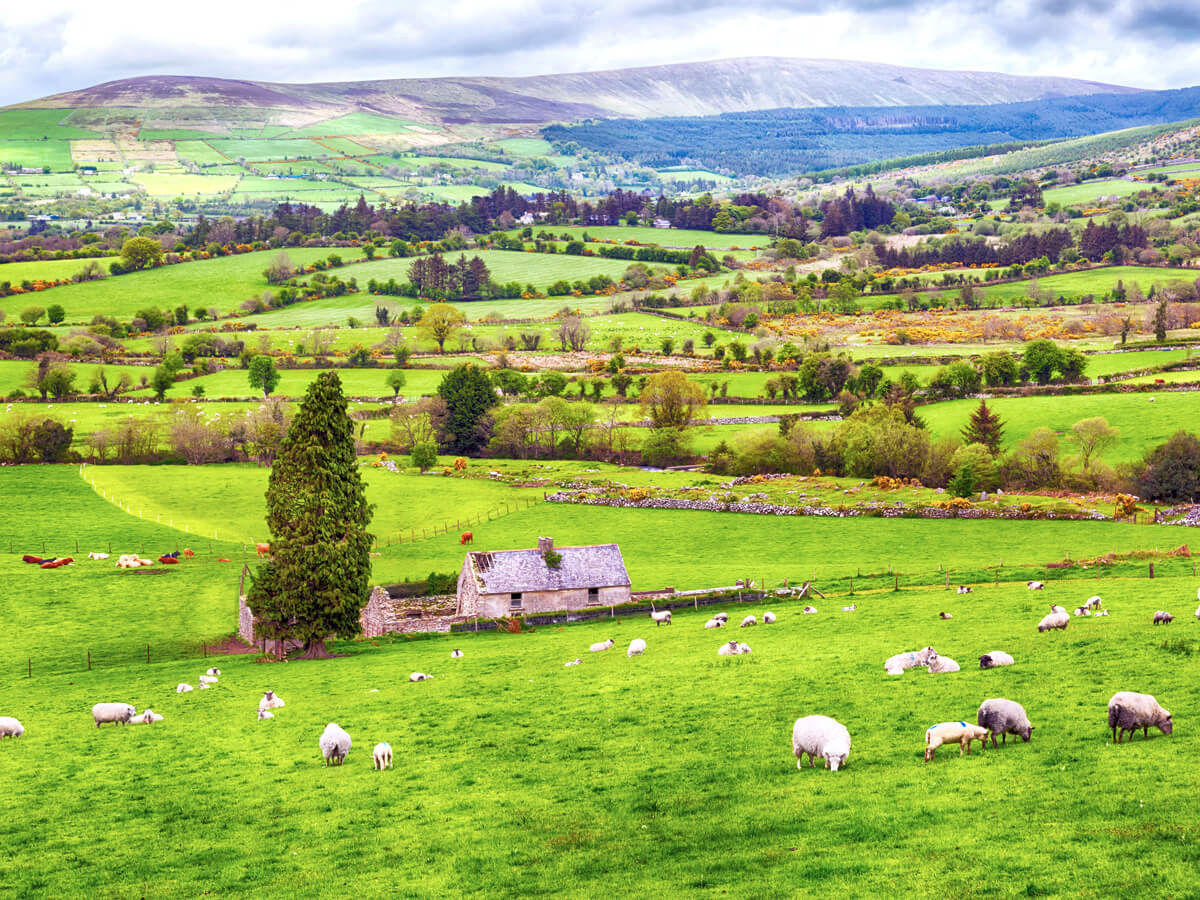
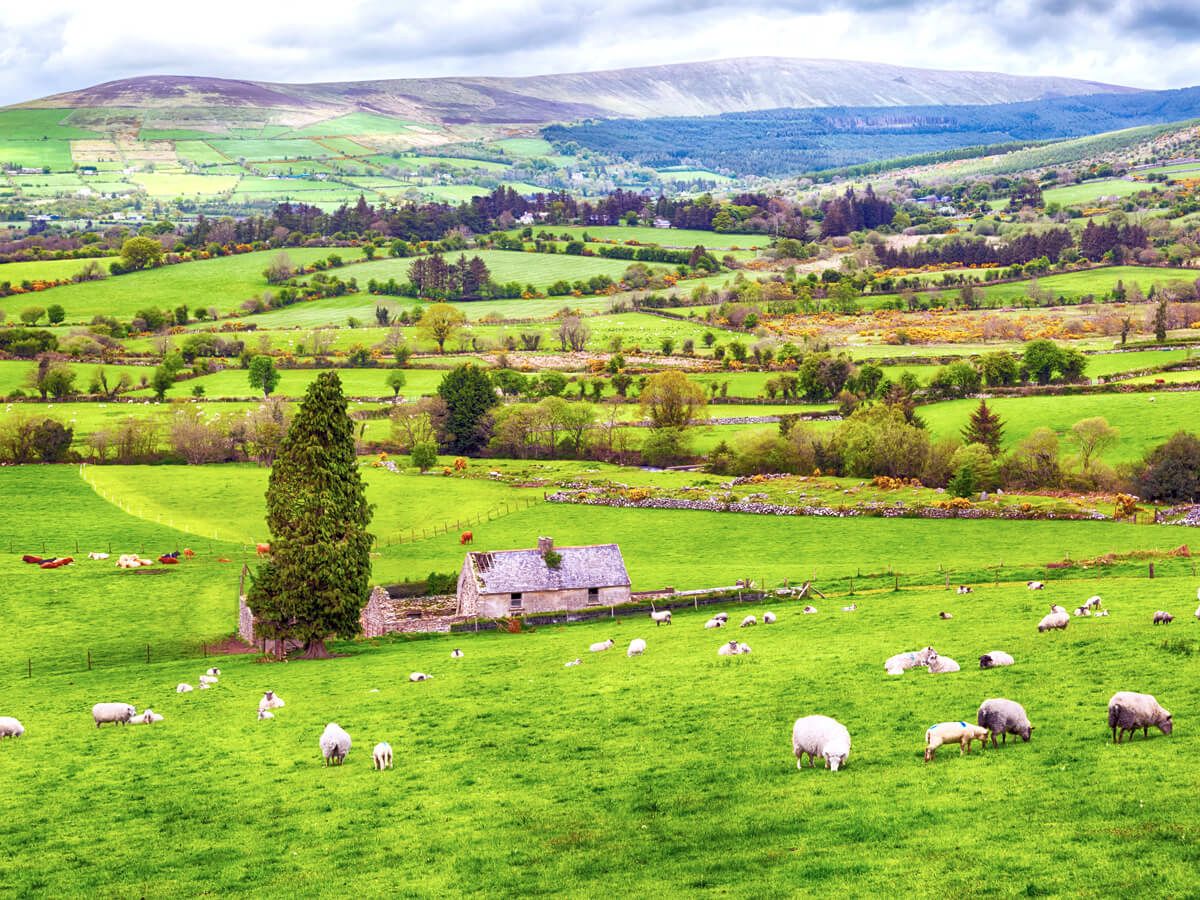
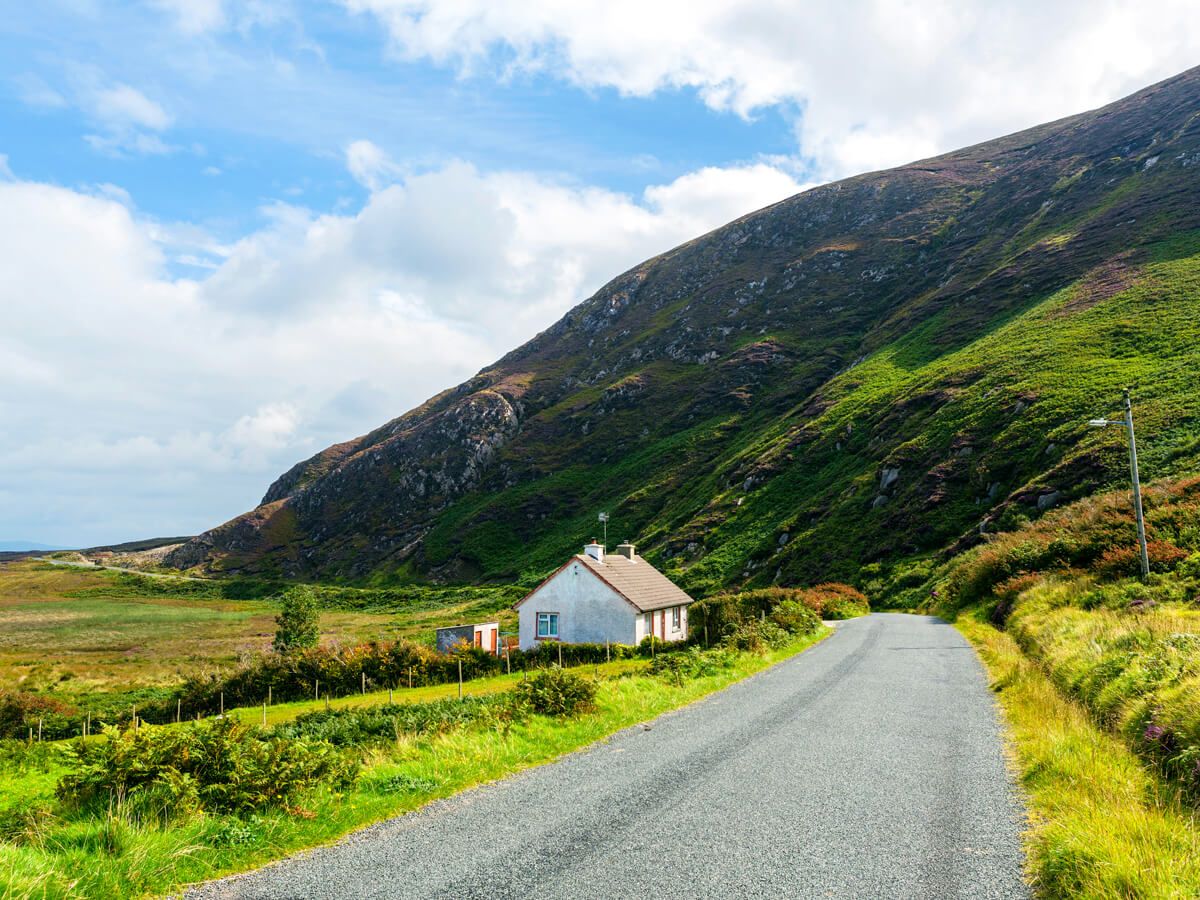
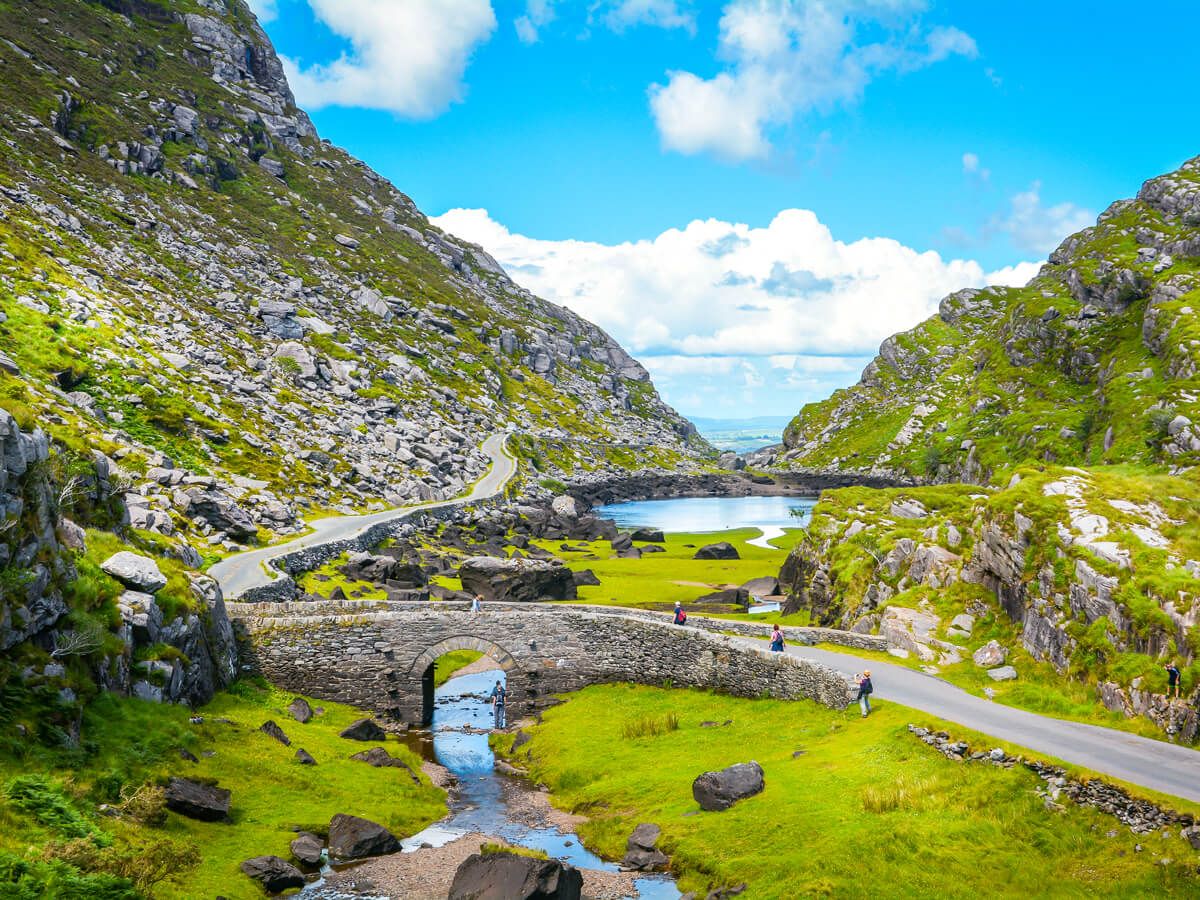
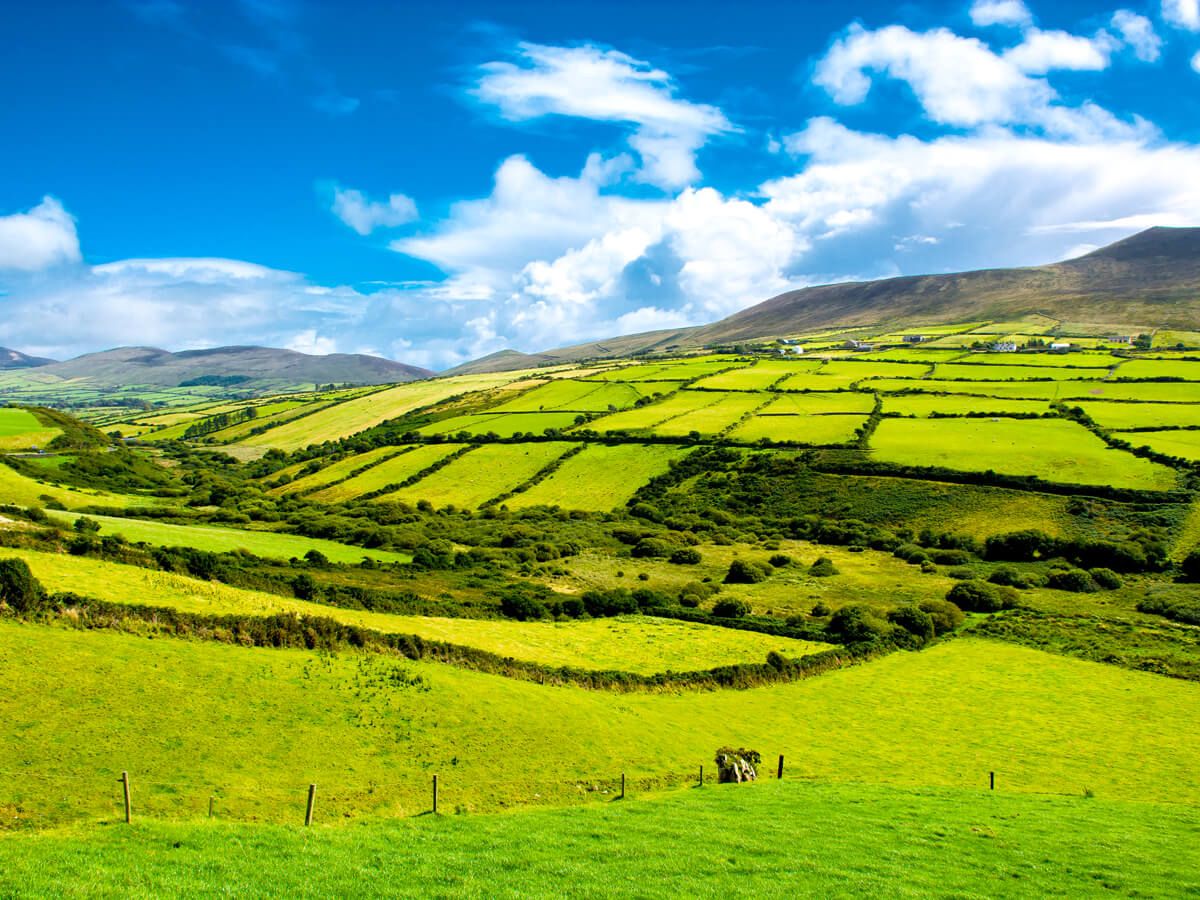
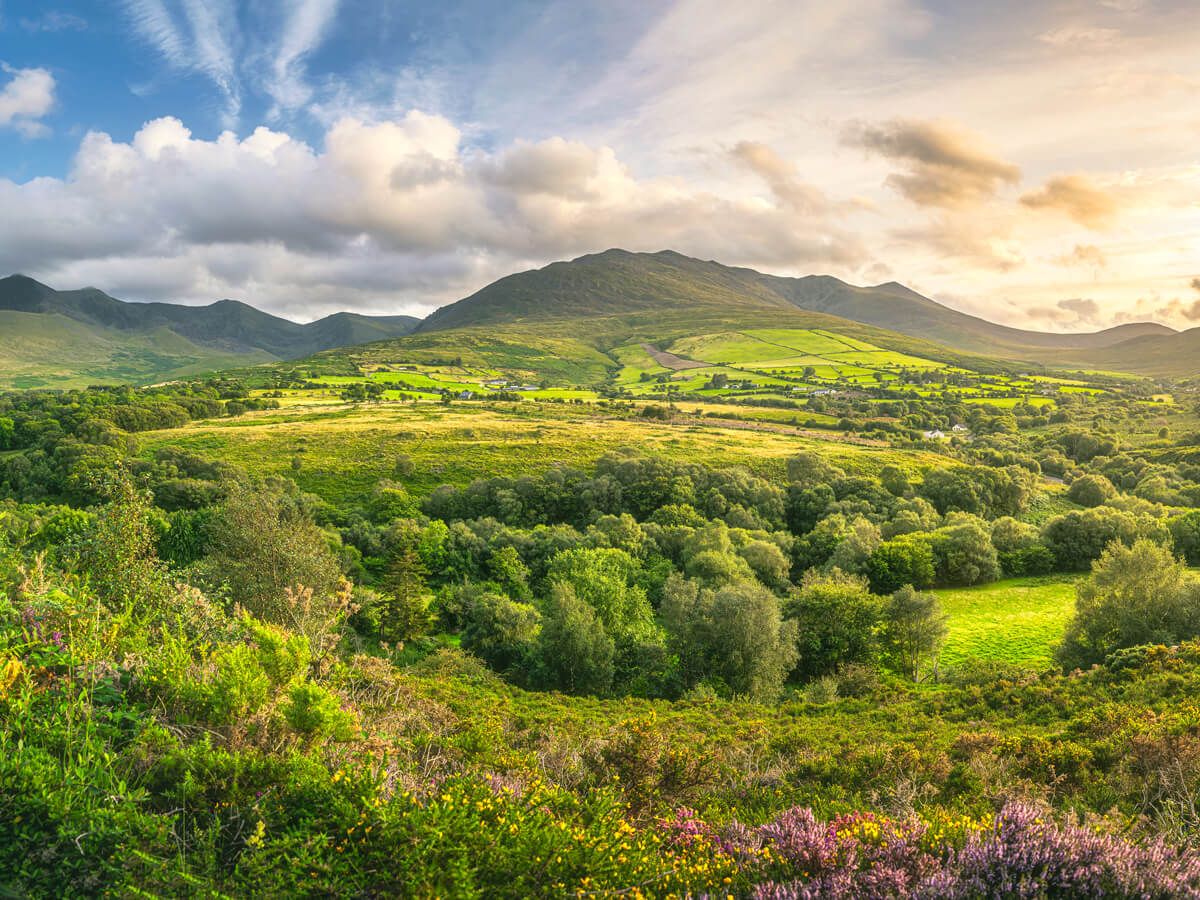
Dubbed the “Garden of Ireland,” Wicklow beckons nature lovers with its green pastures, soaring mountains, and pristine lakes. A 55-minute drive from Dublin, the region is also home to the Wicklow Mountains, the largest national park in the country. Of Wicklow’s many offerings, Glendalough is an ideal day trip for outdoorsy travelers seeking respite from the big city, offering easy parking and numerous hikes. The Spinc is one of the most popular, a 3.9-mile trail loop that descends from mountaintop to valley, passing by waterfalls, a lake, and old ruins along the way.
Bowen Island – Vancouver, Canada
Credit: LorraineLanglois/ iStock via Getty Images
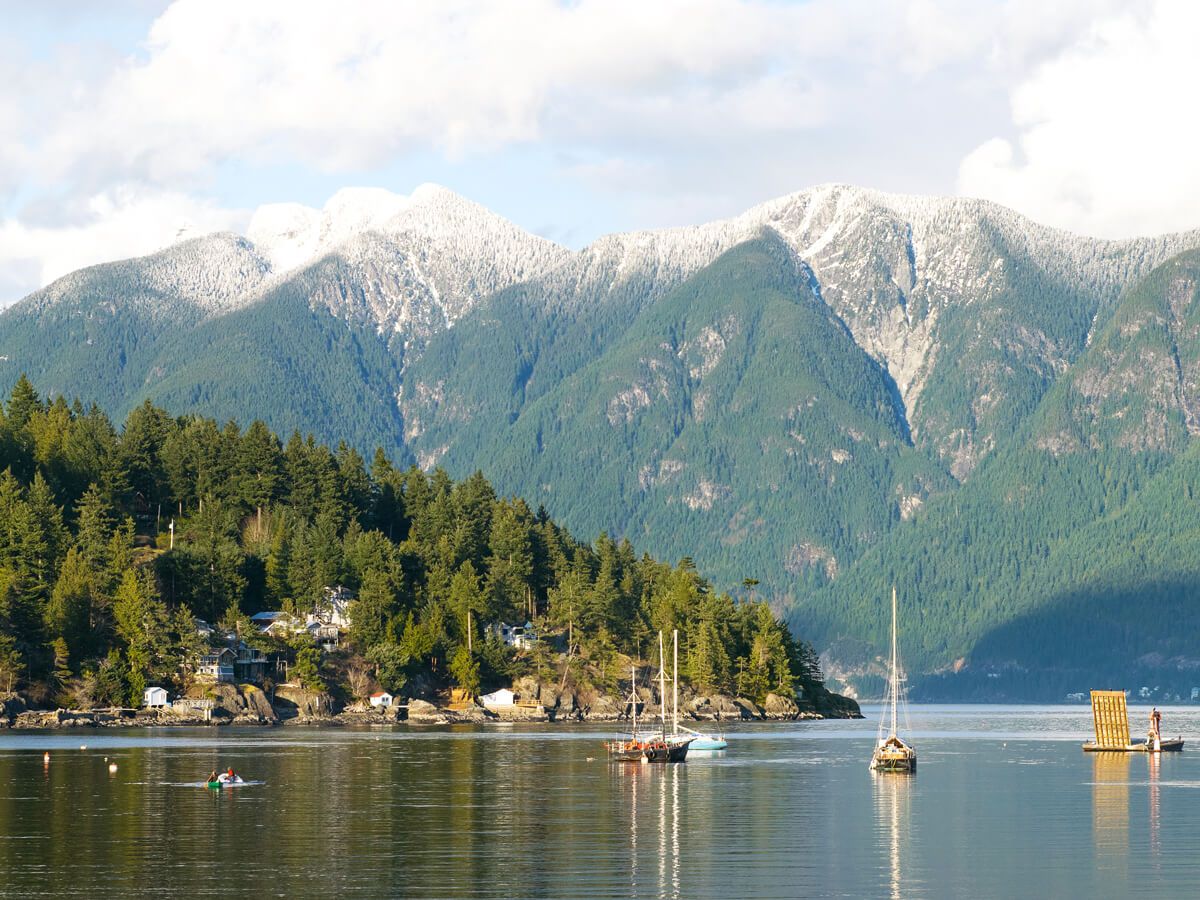
If you’re looking for a quick, nature-packed getaway from Vancouver, look no further than Bowen Island. Accessible via a 20-minute ferry ride from Horseshoe Bay, this quiet island provides a tranquil escape in the middle of Howe Sound. A popular destination for paddlers, Bowen provides plenty of opportunities to get out on the water — check out Bowen Island Sea Kayaking for skill clinics, camps, and sunset tours. Despite being a mostly residential island, Bowen has plenty of appeal for outdoor lovers, including hiking trails, coastal beaches, an inland lake, and a working lighthouse.
Advertisement
More from our network
Daily Passport is part of Inbox Studio, an email-first media company. *Indicates a third-party property.
What’s the Difference Between TSA PreCheck, Global Entry, and CLEAR?
By
Daily Passport Team
Read time: 5 minutes
March 7, 2024
Updated: February 19, 2025
What’s the Difference Between TSA PreCheck, Global Entry, and CLEAR?
Tips •March 7, 2024•Updated: February 19, 2025
By Daily Passport Team
Author
Daily Passport Team
Daily Passport writers have been seen in publications such as National Geographic, Food & Wine, CBC, Condé Nast Traveler, and Business Insider. They're passionate about uncovering unique destinations and sharing expert tips with curious travelers.
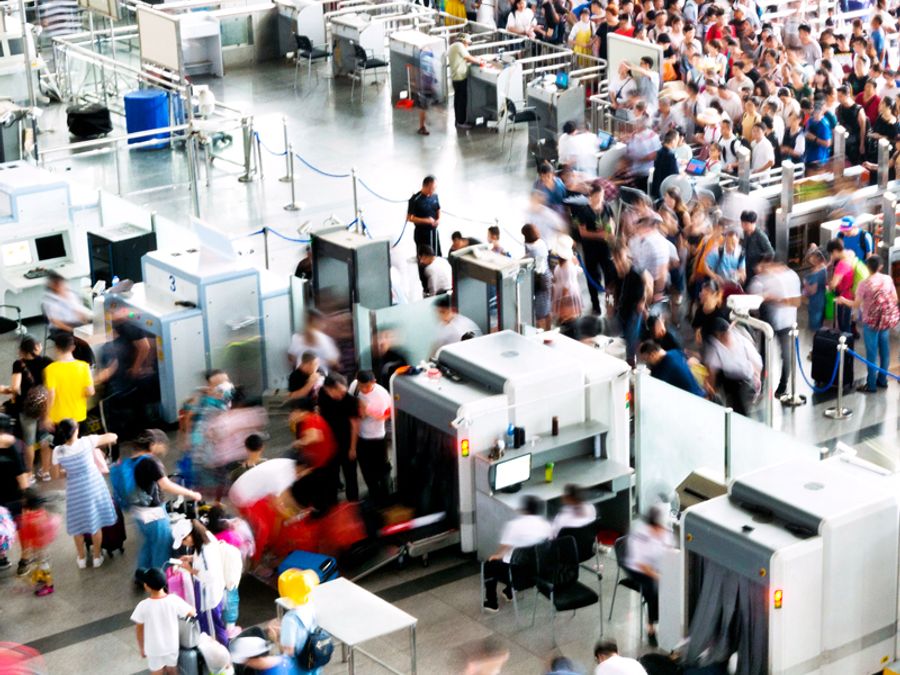
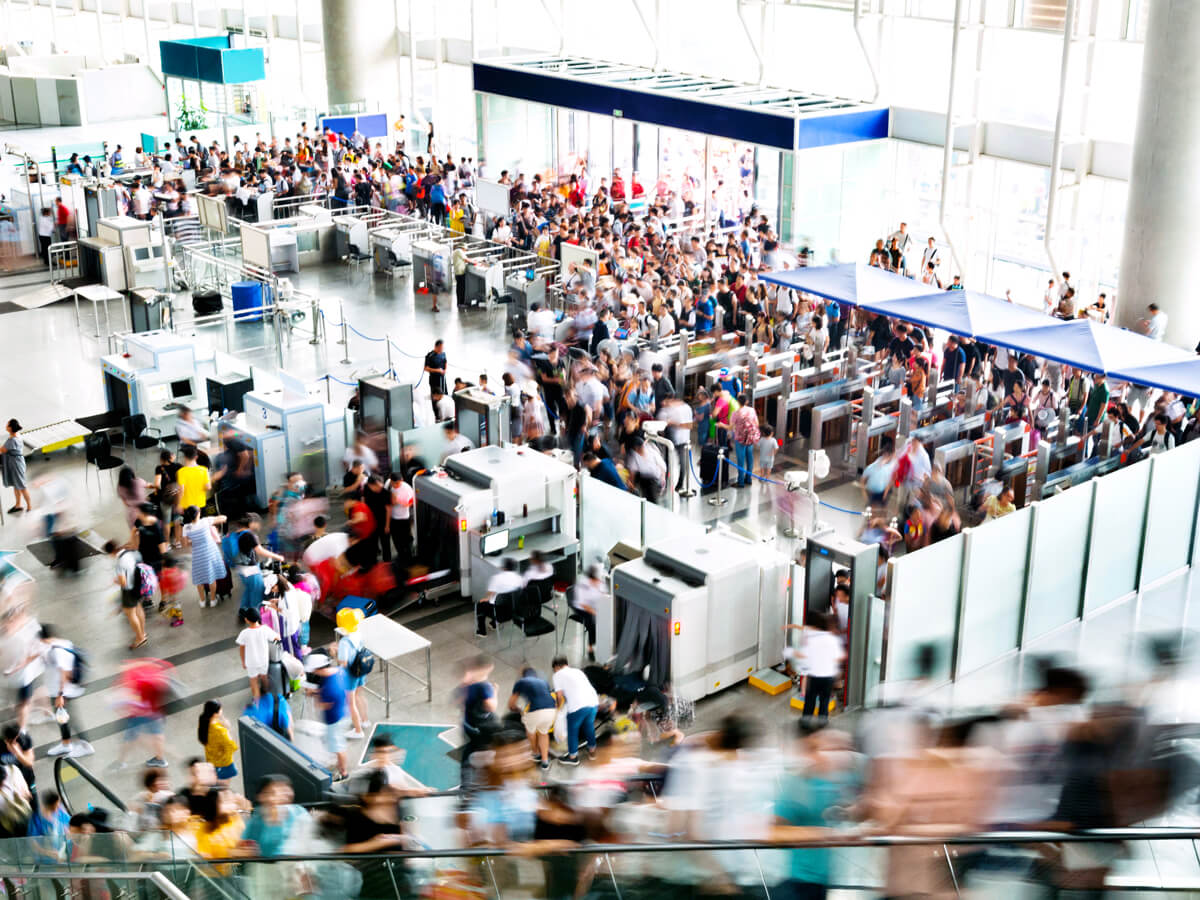
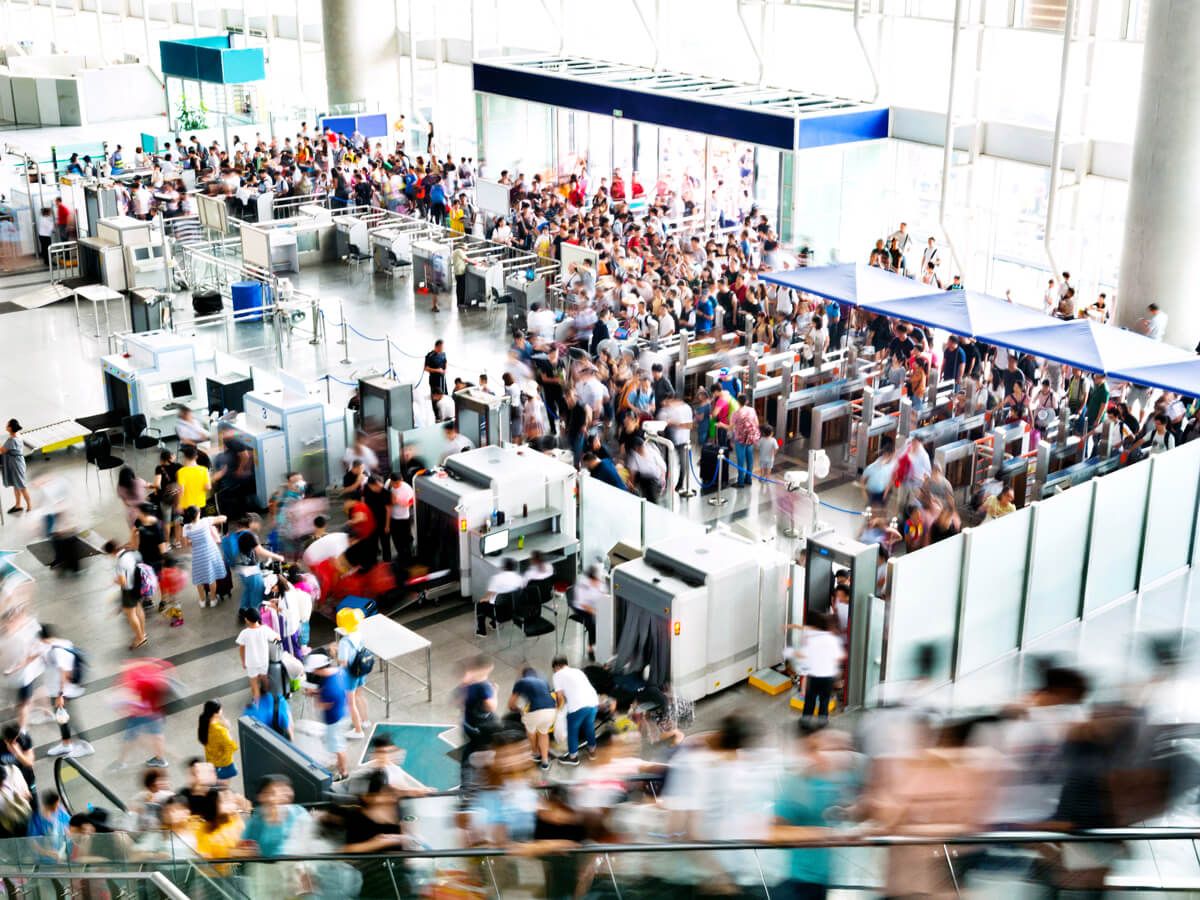
As travelers, we love jetting off to new destinations, but before we even board our flight, we must first get through the hurdle of airport security. In 2023, the Transportation Security Administration (TSA) screened a record number of travelers in U.S. airports, and many travelers reported longer wait times than ever before. Standing in a long security line — or a lengthy customs line after a long international flight — can be one of the most frustrating parts of travel, but, fortunately, there are ways to reduce your wait time. Below, explore how you can speed through airport security by enrolling in TSA PreCheck, Global Entry, or CLEAR.
TSA PreCheck is what’s known as a Trusted Traveler Program, which the government offers to eligible passengers who are deemed low-risk. It allows these travelers to bypass certain parts of the airport security process. The program, which is available on flights departing the U.S., offers a separate, exclusive line that’s often much shorter. (According to the TSA, 99% of PreCheck passengers wait 10 minutes or less.) Passengers with PreCheck can skip taking off their shoes, belts, and light jackets — and they don’t need to remove laptops or liquids from their carry-on bags.
Those eligible for TSA PreCheck are U.S. citizens or lawful permanent residents who do not have any of the disqualifying offenses, which include having previously committed treason, espionage, or murder, and being on the terrorist watch list. Of note, in order to use the line, travelers must add their Known Traveler Numbers (KTN) to their itinerary when booking (you’ll receive one after getting approved).
Global Entry is another Trusted Traveler Program that operates similarly to TSA PreCheck but is geared towards travelers who take frequent international trips. The program allows those returning to the U.S. from abroad to receive expedited reentry to the country after landing. In lieu of waiting in an often lengthy line at customs, those with Global Entry head to dedicated kiosks, which take photos of travelers to confirm their identity and allow them to head straight to a customs officer without waiting in a long line.
Citizens of the U.S. and certain foreign countries are eligible for Global Entry, provided they are also deemed low-risk and do not have any customs violations or convictions on their record. Enrolling in Global Entry requires applicants to schedule an in-person interview and complete a lengthier application process than TSA PreCheck. Currently, application processing time is around four to six months, so you’ll need to plan ahead if you have an international trip on the horizon and want to take advantage of Global Entry.
How Much Do They Cost?
Credit: baona/ E+ via Getty Images
As of 2024, it costs $78 to apply for TSA PreCheck, while Global Entry will set you back $100. Once approved, enrollment in either program is good for five years. Additionally, certain credit cards will reimburse you for your TSA PreCheck and Global Entry fees.
If you’re interested in both programs, you should know that enrollment in Global Entry also includes the TSA PreCheck benefit as well as its expedited customs screening — so it may be worth it to pay the slightly higher fee if you have any international trips planned. All you have to do to get the TSA PreCheck perk is make sure you use your Known Traveler Number upon booking a flight.
What Is CLEAR?
Credit: stellalevi/ iStock via Getty Images
If you’re looking to speed through the airport even more quickly, consider also signing up for CLEAR. While TSA PreCheck shortens the security screening process itself, CLEAR allows travelers to bypass the security lines. Instead of waiting in line for a TSA officer to inspect your physical ID, CLEAR has dedicated kiosks at select airports that use biometric technology to verify your identity. A CLEAR team member will then escort the traveler to the front of the security line to proceed through the scanning machines.
Unlike TSA PreCheck, CLEAR is run by a private company. And it’s not as widely available — as of 2024, there are around 55 airports across the country with access to CLEAR. The cost is also steeper: $189 per year (versus $78 for five years with PreCheck). However, enrolling in both programs is often the fastest way to get through airport security. Like PreCheck, there are also several credit cards that come with CLEAR membership, so you can offset the additional cost.
What Do I Have to Do to Get TSA PreCheck, Global Entry, or CLEAR?
If you’re a U.S. citizen or permanent resident who does not have any of the disqualifying offenses on your record, you can apply online for TSA PreCheck. From there, you can find an enrollment center near you and schedule an appointment to meet an agent and finish the process. The TSA has also recently partnered with several new providers to offer increased enrollment options.
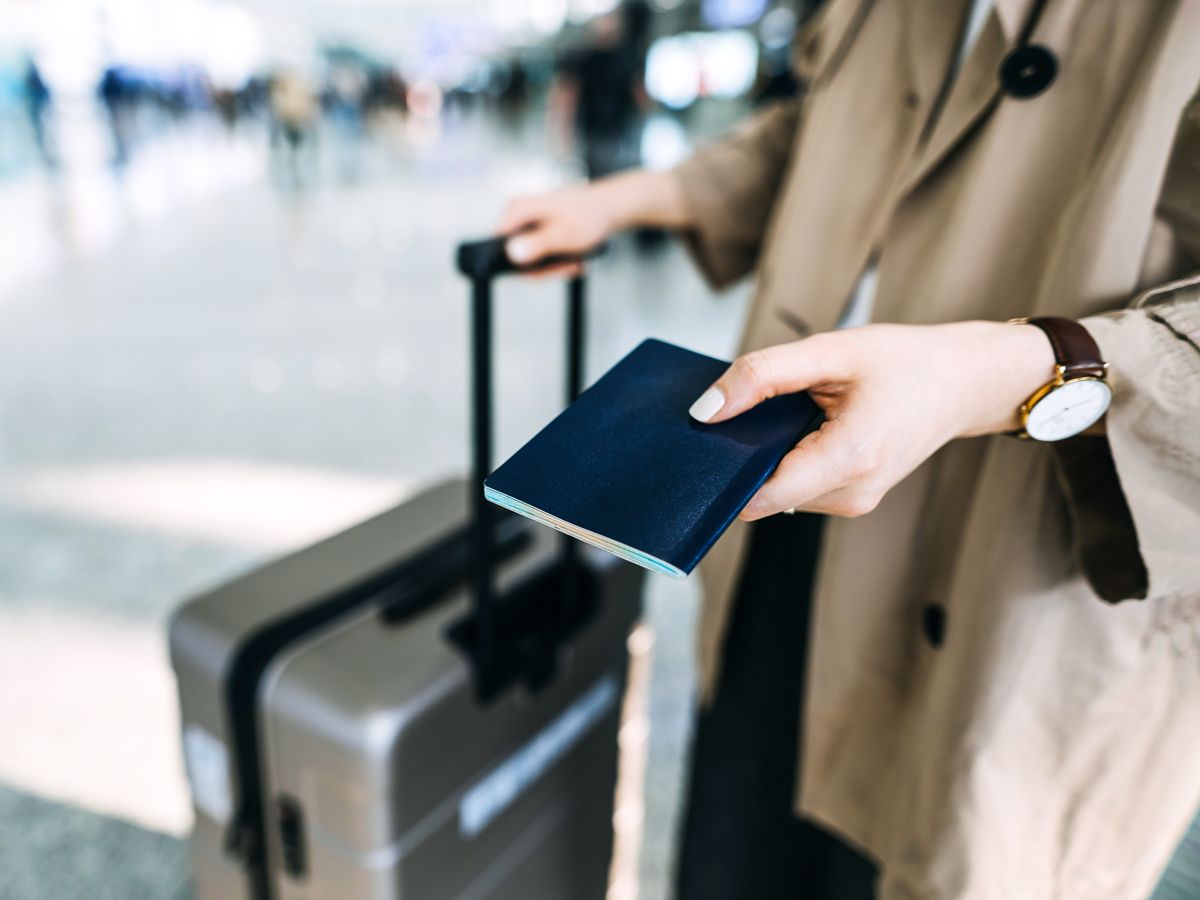
The application process is similar for Global Entry. Travelers will fill out an application, pay a fee, and attend an interview. Provided their interview is successful, they’ll receive their Global Entry card. Meanwhile, CLEAR is available to travelers who are 18 years or older and who possess one of the following: a U.S. driver’s license, a U.S. passport, or a U.S. state-issued I.D. Travelers can apply for this program online or at one of their kiosks in any participating airport. It takes five minutes to sign up, and there’s no interview required.
Can Kids Use Global Entry, TSA PreCheck or CLEAR?
Credit: miniseries/ E+ via Getty Images
There is no age requirement for TSA PreCheck; however, depending on a child’s age, it may be worth getting them their own membership. Children under 12 who are traveling with a parent or guardian who has TSA PreCheck can go through the expedited line with them. However, if the child is 13 or older, they must use the regular security line, even if their parents are using TSA PreCheck.
There is also no minimum age requirement for Global Entry. However, no matter the age of the person you are traveling with, every member of your party must also have Global Entry in order to benefit from the program. For CLEAR, children under 18 can use the lane for free when accompanied by a member, and they don’t have to enroll.
Advertisement
More from our network
Daily Passport is part of Inbox Studio, an email-first media company. *Indicates a third-party property.
Hotel Safety Checklist: 5 Things To Do Right When You Check In
By
Cynthia Barnes
Read time: 3 minutes
March 6, 2024
Updated: July 1, 2026
Hotel Safety Checklist: 5 Things To Do Right When You Check In
Tips •March 6, 2024•Updated: July 1, 2026
By Cynthia Barnes
Author
Cynthia Barnes
Cynthia kicked around the world for a while before landing in Colorado. Her work has appeared in Food & Wine, the Boston Globe, and National Geographic, among others. She loves dives — both scuba and bars — baseball, the Oxford comma, and live music.
Maybe the flight was delayed or the taxi driver made a tour of the city, or checking in seemed to take years. Whatever your journey was like, when you finally get to your hotel room, it’s certainly tempting to raid the minibar and stretch out on the bed. While we certainly won’t stop you, you might want to wait just a minute. Here is a hotel safety checklist, so you can relax in your hotel room comfortably on your next getaway.
Plan Your Route
Credit: zhudifeng/ iStock via Getty Images
Before you even get to your room, make a note of where the nearest two emergency exits and stairwells are located. Each year, there are almost 4,000 hotel and motel fires reported in the U.S. The U.S. Fire Administration advises studying the hotel’s evacuation plan carefully, and counting the number of doors between your room and the nearest exits, so that you can safely navigate an escape in the dark.
Check Your Door
Credit: VTT Studio/ iStock via Getty Images
Open the door to your hotel room and let it close while you’re still in the hall. Is it locked? Not all doors automatically lock behind you when you walk into the room, and that’s definitely something you’ll want to know. Also make sure that the deadbolt or safety chain is in good working order, and make use of it while you’re in the room. For extra security, consider packing a portable lock that can prevent someone with a master card from entering your room.
Even worse than waking up in a hotel room with bites from bed bugs is inadvertently bringing them back to your home. Unfortunately, even the cleanest five-star hotel can be plagued with these hard-to-eradicate insects, so it’s important to do some quick due diligence before you settle in and relax.
Put your bags in the bathroom — bed bugs are unlikely to be in the tub or shower — and start your inspection. Fortunately, adults and eggs are visible to the naked eye, as are the molted casings and the rust-colored spots that they leave behind. Pull back the sheets and blankets (a process that has the added benefit of making sure they’re clean). Check the mattress, too, removing the cover and running a business card along the seams, which are a favorite hiding place. Repeat the process with any upholstered furniture. Many seasoned travelers avoid the dressers, keeping their clothes stored in their (zipped) suitcase atop the luggage rack.
Turn Off (or Unplug) The Alarm Clock
Credit: Fancy/Veer/ Corbis via Getty Images
Many frequent travelers have been awakened at least once by an unwanted alarm blaring from a bedside table. While housekeeping is supposed to check for and turn off any alarm left by the previous hotel guests, they may miss it every now and then. Turn it off, or set it to your desired time if you want a backup to the alarm on your phone. Better still, unplug the entire clock to darken your room and make for a more restful night’s sleep.
Like airplanes, hotel rooms are heavily trafficked and are often not the cleanest places. Housekeepers are hurried, and hotels are filled with new strangers every night. If you’re going to touch the TV’s remote control — one of the germiest offenders — scrub it first with a sanitizing wipe. Ditto for wiping down light switches, the door handle, phone, bathroom faucets, and the toilet handle. And the last step? Wash your own hands: You’ve been traveling, after all.
Note: All featured products and deals are selected independently and objectively by the author. Daily Passport may receive a share of sales via affiliate links in content.
Advertisement
More from our network
Daily Passport is part of Inbox Studio, an email-first media company. *Indicates a third-party property.
8 Fascinating Facts You Might Not Know About Ireland
By
Daily Passport Team
Read time: 5 minutes
March 6, 2024
Updated: March 20, 2025
8 Fascinating Facts You Might Not Know About Ireland
Culture •March 6, 2024•Updated: March 20, 2025
By Daily Passport Team
Author
Daily Passport Team
Daily Passport writers have been seen in publications such as National Geographic, Food & Wine, CBC, Condé Nast Traveler, and Business Insider. They're passionate about uncovering unique destinations and sharing expert tips with curious travelers.
The Emerald Isle has long been one of the world’s most alluring tourist destinations, thanks in no small part to its lush green landscapes, stunning coastlines, historic castles, and much, much more. It may already be on your bucket list, or perhaps you’ve visited Ireland before, but there’s still much to discover about this European island nation. From its national emblem to its tallest mountains, discover eight fascinating facts you might not know about Ireland.
Ireland Is Home to the World’s Longest Coastal Driving Route
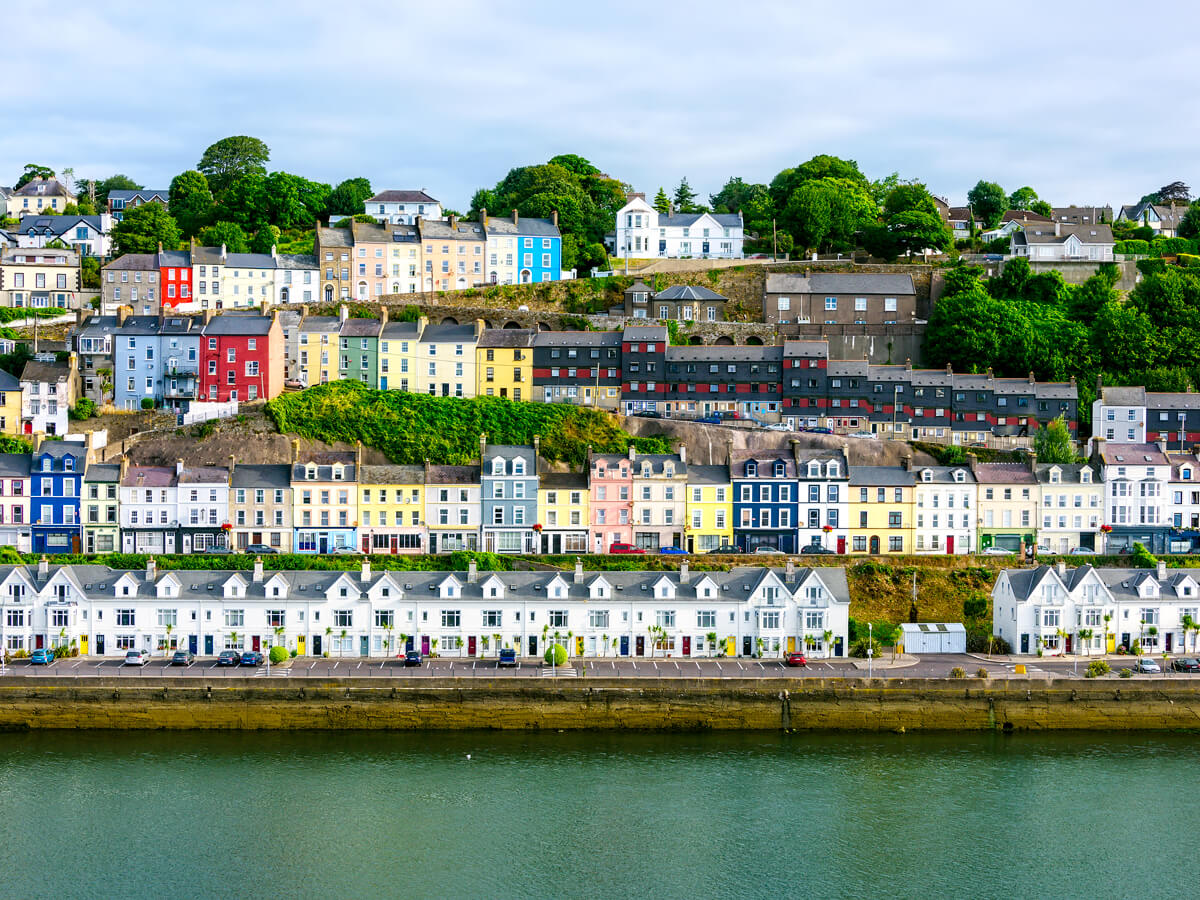
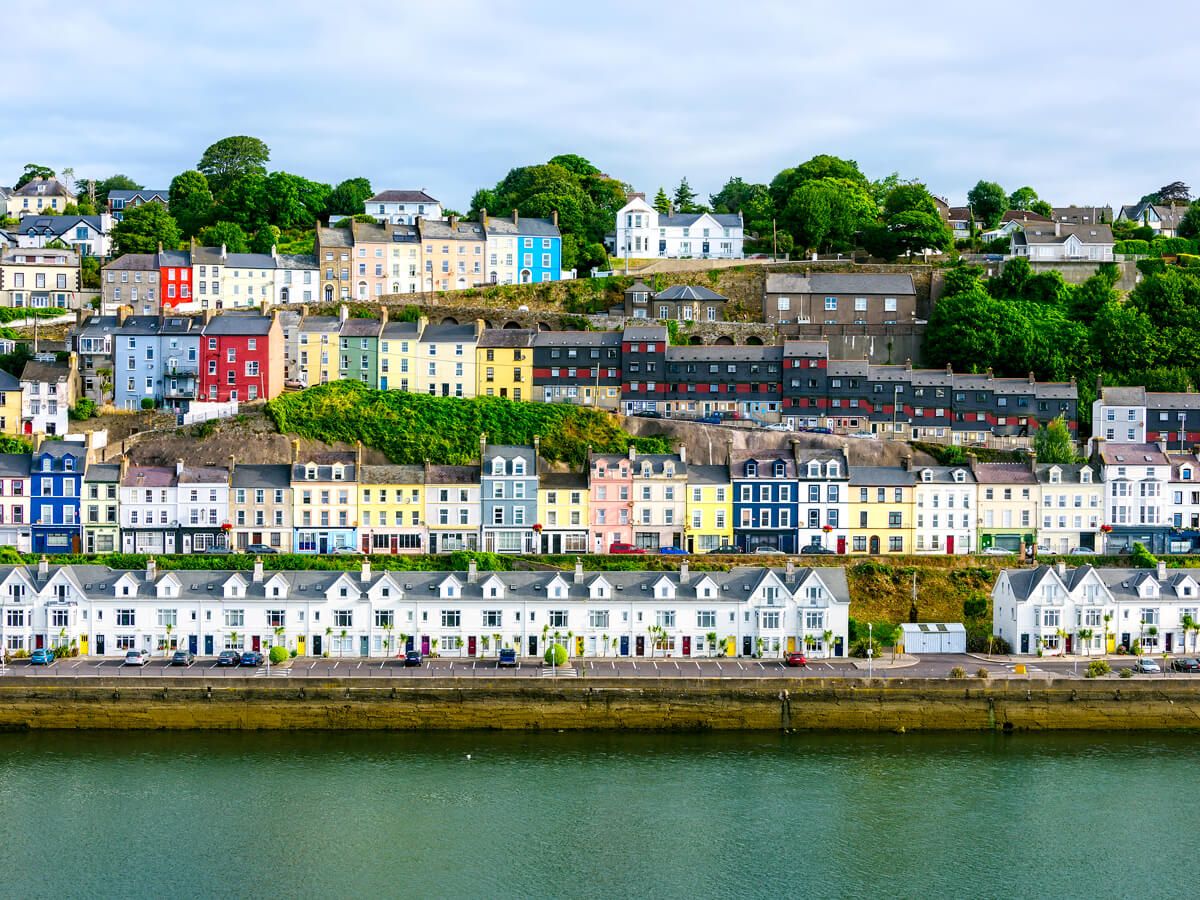
Stretching approximately 1,600 miles, the Wild Atlantic Way is the longest uninterrupted coastal driving route in the world. It extends from the north of the country on the Inishowen Peninsula and continues along the western side of the Emerald Isle, ending in the colorful sea port town of Kinsale. It should take drivers about two to three weeks do the entire route justice, but the trip is broken into 14 stages, allowing those with limited time to pick and complete the portion they want to see the most. Along the way you’ll find plenty of charming Irish villages and sweeping sea views, along with famous natural landmarks like the Cliffs of Moher, one of Ireland’s top tourist attractions.
Ireland Is Home to Over 30,000 Castles and Ruins
Credit: Fulcanelli_AOS/ iStock via Getty Images
Though exact counts differ, what we know for certain is that Ireland has plenty of sites for anyone searching for medieval ambience. Some of the more well-known include Blarney Castle — home of the famed Blarney stone — and Dunluce Castle, an abandoned fortress that made an appearance in Game of Thrones. While many of these places have either preserved their original interior or fallen into ruin, others, like Ashford Castle, have been converted into hotels and other luxury properties, so you can sleep in a castle when you visit as well.
Its National Symbol Is the Harp
Credit: Ruth Peterkin/ iStock via Getty Images
While you might guess the shamrock to be Ireland’s official icon, it is in fact the harp, making Ireland the only nation with a musical instrument as its national symbol. The instrument’s heritage in the country extends back over 1,000 years to when harpists enjoyed a privileged status in the Celtic culture, and today it is often called either a Celtic harp, a Gaelic harp, or a cláirseach. Whether you were familiar with its importance or not, you’ve likely seen the patriotic emblem before, on anything from Guinness labels to Ryanair planes to Irish passports.
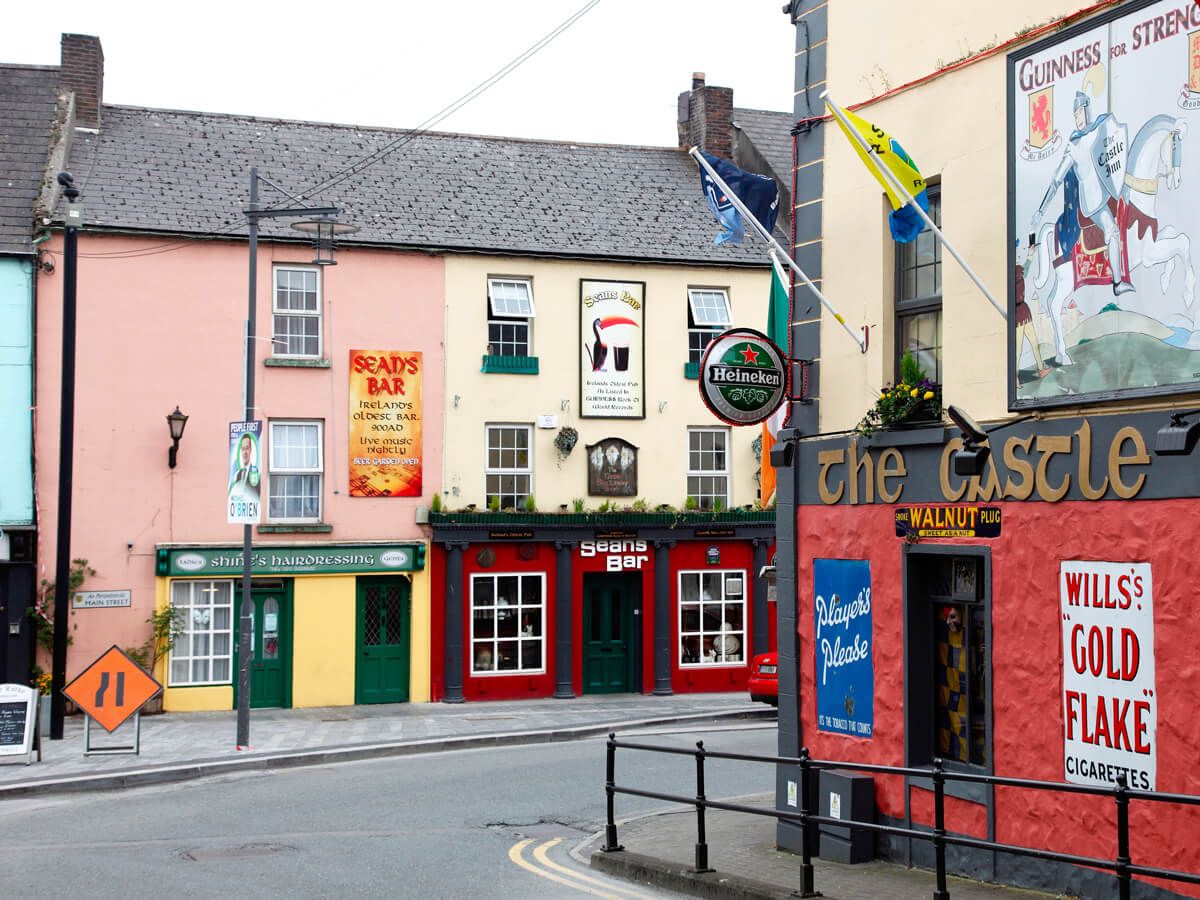
Sean’s Bar, in the city of Athlone in central Ireland, dates back to A.D. 900 when it was established to take advantage of the local traffic at the nearby river crossing. Today, Sean’s is considered the oldest pub in the country — and in all of Europe. Visitors to the area can stop by on their way between Dublin and Galway for a pint, a traditional whiskey, or just a taste of history complete with live music and plenty of traditional features, including the pub’s characteristic sloping floors, which were originally designed to prevent flooding.
An Ancient Irish Festival Gave Us Halloween
Credit: e55evu/ iStock via Getty Images
If jack-o-lanterns and trick-or-treating are your favorite parts of autumn, you can thank the Irish. All the spooky fun of Halloween originated with an ancient Celtic festival known as Samhain, which celebrated the harvest season. Communities lit bonfires, and locals wore costumes to prevent being carried off by ghosts or spirits. Over the years, the pagan festival merged with the religious All Saints Day, celebrated on November 1, to become the diverse and ubiquitous holiday we know today.
More Residents Speak Polish at Home Than Irish
Credit: grafxart8888/ iStock via Getty Images
Although Irish and English are the two official languages of Ireland, they are not the two most commonly spoken. Irish is an obligatory language in school, but a 2011 census showed that more residents — about 30,000 more, to be precise — speak Polish outside of school than speak Irish. If you’re planning to visit, though, you’ll likely be happy to know that virtually everyone in Ireland speaks English. That doesn’t mean you can’t have some fun trying out native words like sláinte, meaning “Cheers,” or Muckanaghederdauhaulia, the longest town name in the country.
The Guinness Brewery in Dublin Has a 9,000-Year Lease on Its Land
Credit: Sergiu Cozorici/ Moment via Getty Images
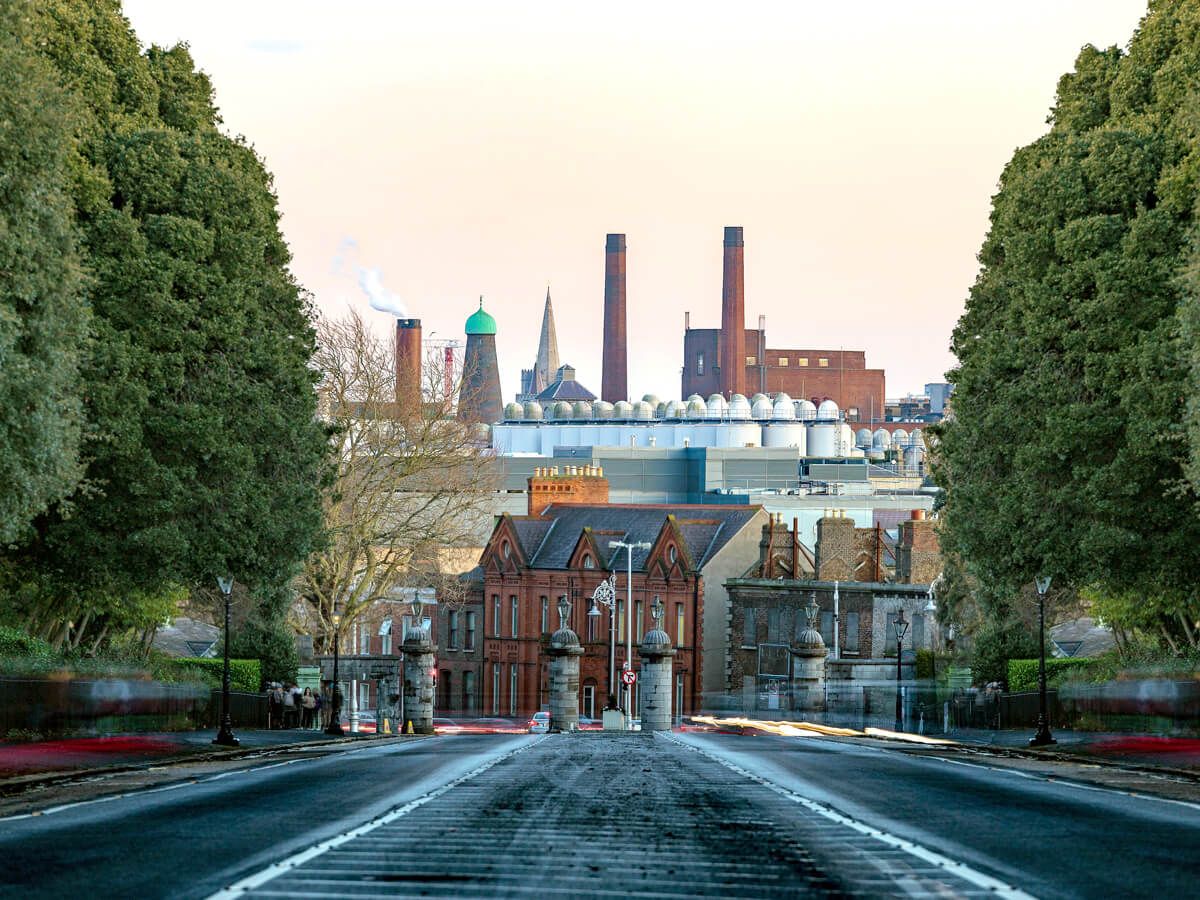
In 1759, a 34-year-old brewer named Arthur Guinness signed a lease on a run-down brewery at St. James’s Gate in Dublin. The lease had a term of 9,000 years, requiring a rent of just 45 pounds per month. Today, Guinness still cooks up its signature brews at the St. James’s Gate location, where you can visit for tastings, tours, and more — and where it continues to pay 45 pounds in rent.
MacGillycuddy’s Reeks Are Ireland’s Tallest Mountain Range
Credit: Dawid Kalisinski Photography/ iStock via Getty Images
With arguably one of the most fun mountain range names, MacGillycuddy’s Reeks are far from being the tallest mountains in the world. In fact, only three of the peaks stand taller than 1000 meters, but they’re undeniably beautiful in their emerald way. The tallest is Carrauntoohil, which stands 1039 meters tall, and, while it isn’t a walk in the park, it can nonetheless be climbed in a day if you’re looking for some physical activity, beautiful views, and local nature during your visit.
Advertisement
More from our network
Daily Passport is part of Inbox Studio, an email-first media company. *Indicates a third-party property.
Many of us rely on our cars to get from point A to point B every day, which means it’s rare for us to find ourselves alone on a highway. The Interstate Highway System was created in 1956, and since then, the U.S. has built a vast network of ever-busier roads, carrying commuters, vacationers, and commercial traffic alike. But have you ever stopped to wonder which roads are the busiest? Luckily, the Federal Highway Administration (FHWA) has compiled a list of the country’s busiest roads, based on a metric the agency calls Annual Average Daily Traffic (AADT). Read on to learn which routes rank in the top 15 busiest highways in America.
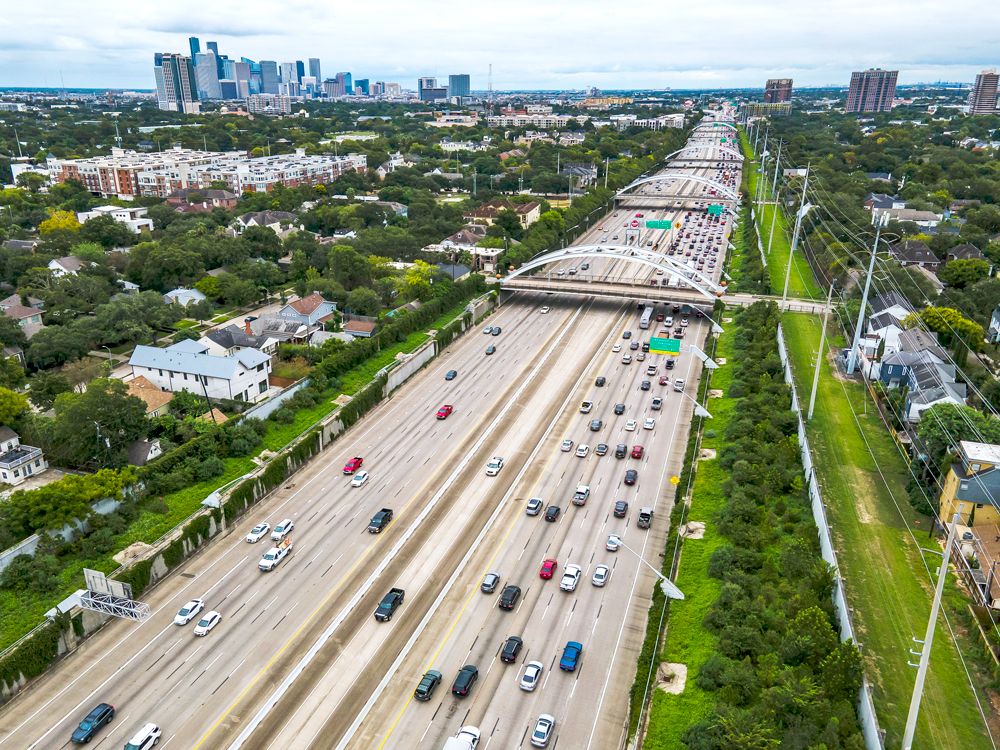
15. Interstate 10 – Houston, Texas
Credit: Houston Chronicle/Hearst Newspapers via Getty Images
Total route length: 2,640 miles Daily vehicle volume in Houston segment: 320,892
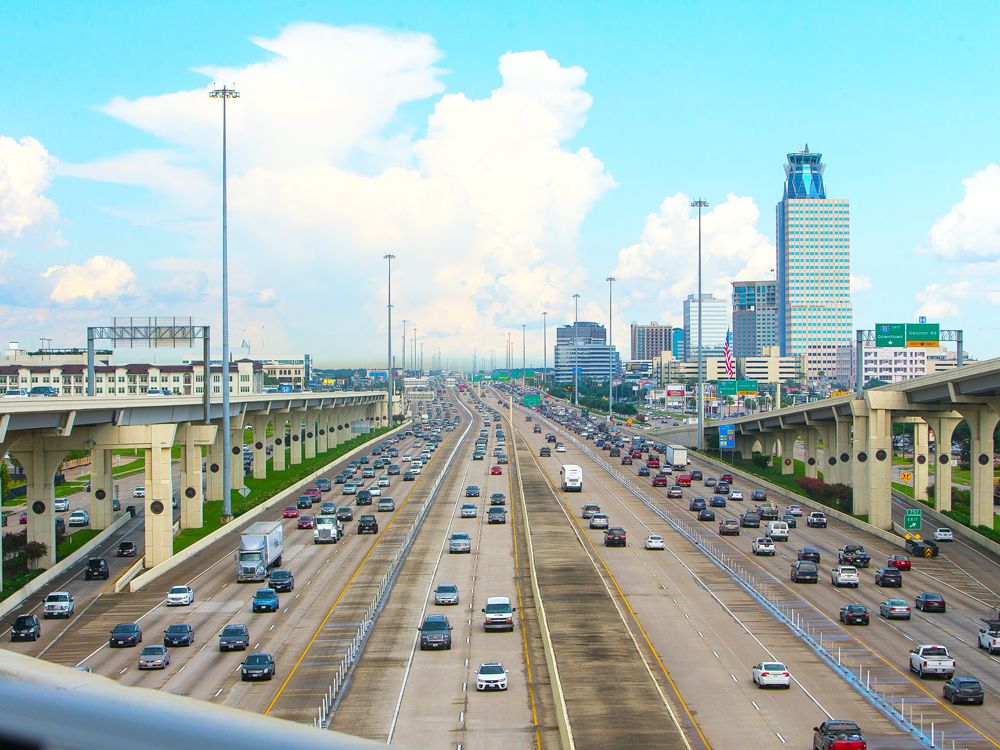
The fourth-longest route in the Interstate Highway System, I-10 is the main interstate crossing the southern U.S. From where it meets California Route 1 in Santa Monica, I-10 extends 2,640 miles to Jacksonville, Florida, including an 880-mile stretch through Texas. The portion of I-10 passing through Houston is one of the nation’s most traffic-clogged highways. Known locally as the Katy Freeway, it is also one of the widest roads in the world, spanning a staggering 26 lanes of traffic. Over 320,000 vehicles use it daily, making this the busiest road in the Lone Star State.
14. California State Route 91 – Los Angeles, California
Total route length: 59 miles Daily vehicle volume in busiest segment: 319,000
Whichever route daily commuters choose in the Greater Los Angeles area, traffic is all but certain. The first of two California state highways on the list, State Route 91 connects the cities of Gardena and Riverside. Various segments are known by different names, including the Gardena, Artesia, and Riverside Freeways. California 91 was originally part of a longer road, U.S. Route 91, which was intended to go as far as Las Vegas. Over the years, however, parts have been rerouted or decommissioned. In 1963, the California road became a state highway instead.
13. Interstate 10 – Phoenix, Arizona
Credit: Paul Harris/ Archive Photos via Getty Images
Total route length: 2,640 miles Daily vehicle volume in Phoenix segment: 318,542
Busy I-10 passes through three of the nation’s five largest cities, including Phoenix, Arizona. The part that enters Phoenix from the east is called the Maricopa Freeway. It winds its way through intersections with various highways before exiting the Phoenix metro area and continuing west to Los Angeles. Interstates arrived relatively late in Arizona compared to other parts of the country, but the traffic now rivals that of the busiest states.
Total route length: 1,540 miles Daily vehicle volume in busiest segment: 318,000
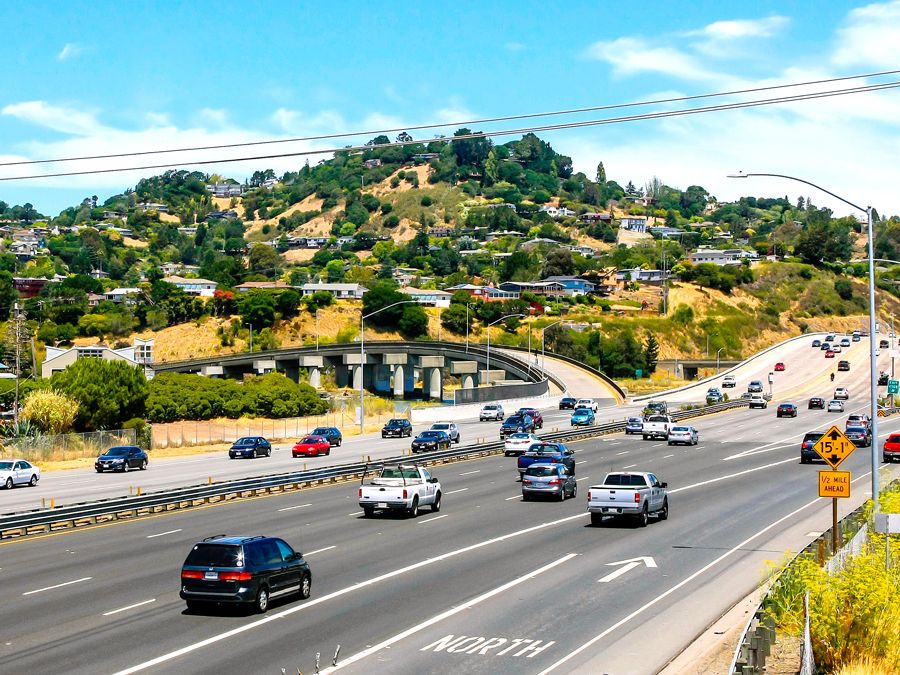
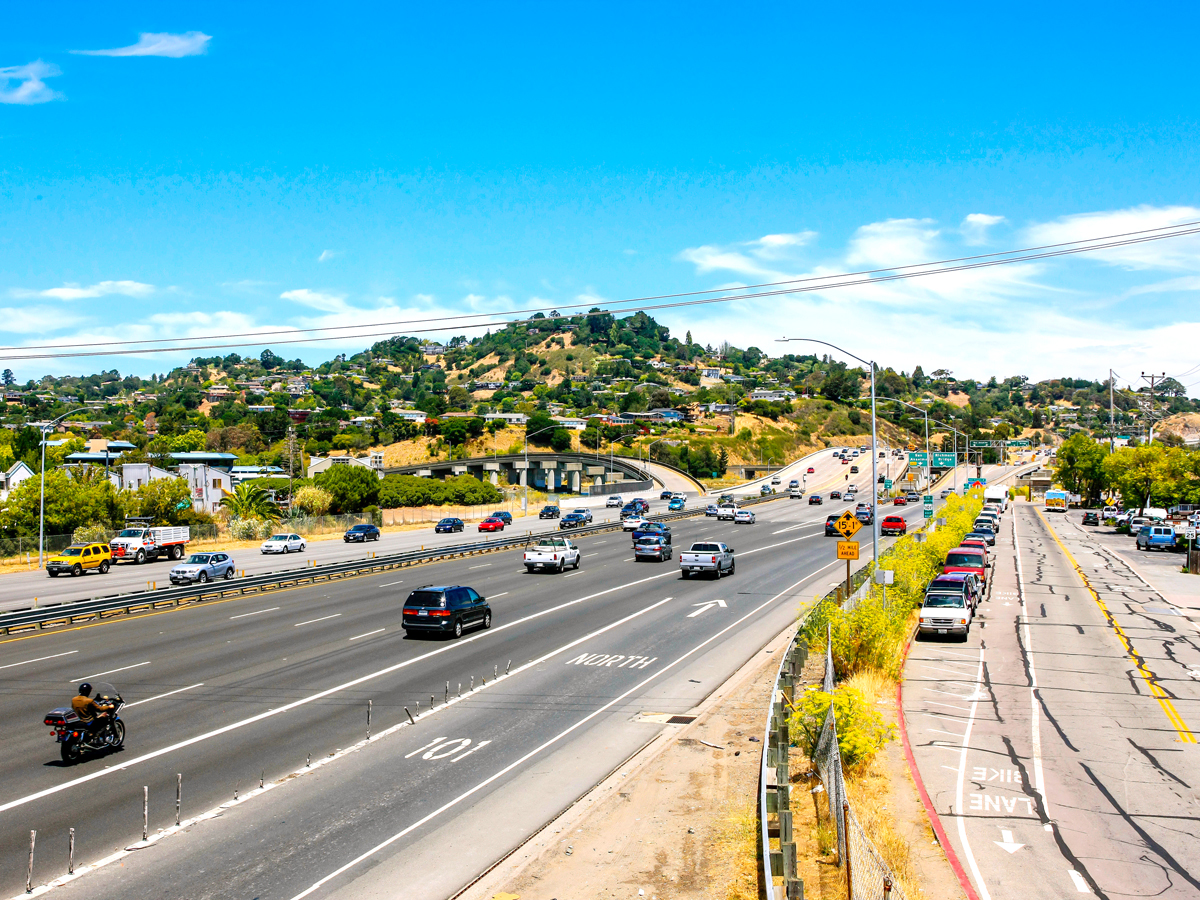
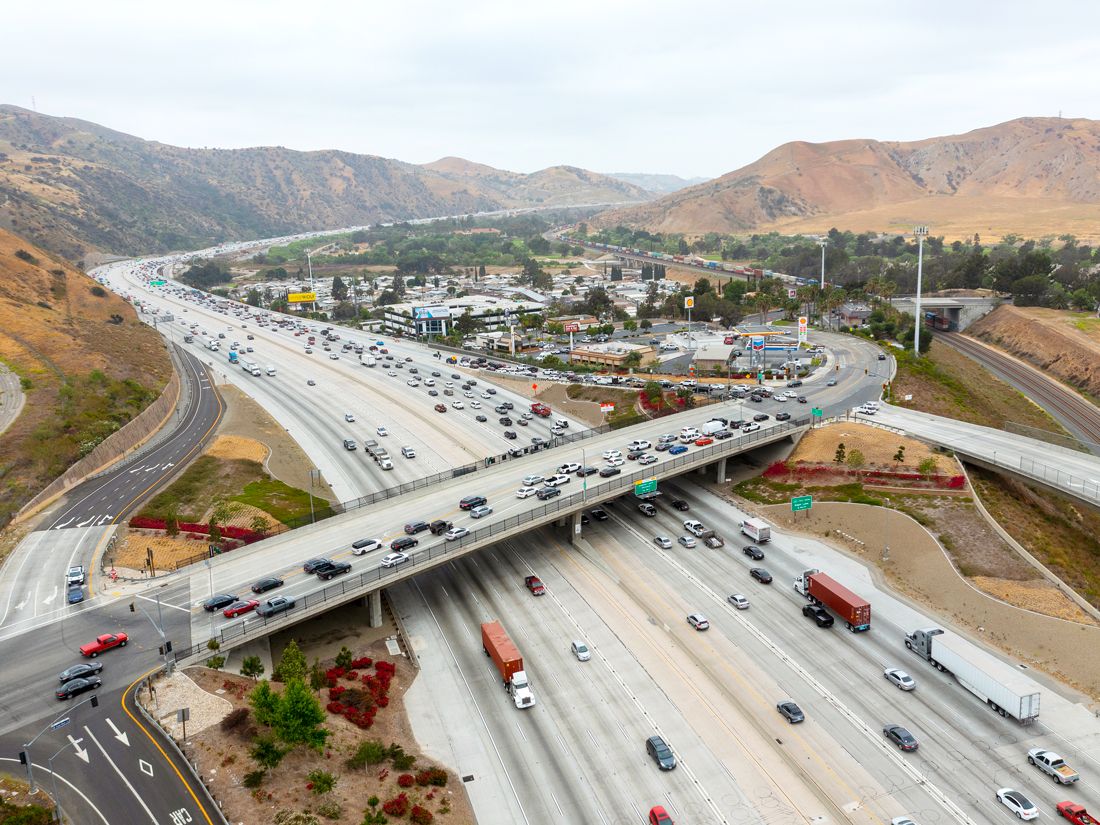
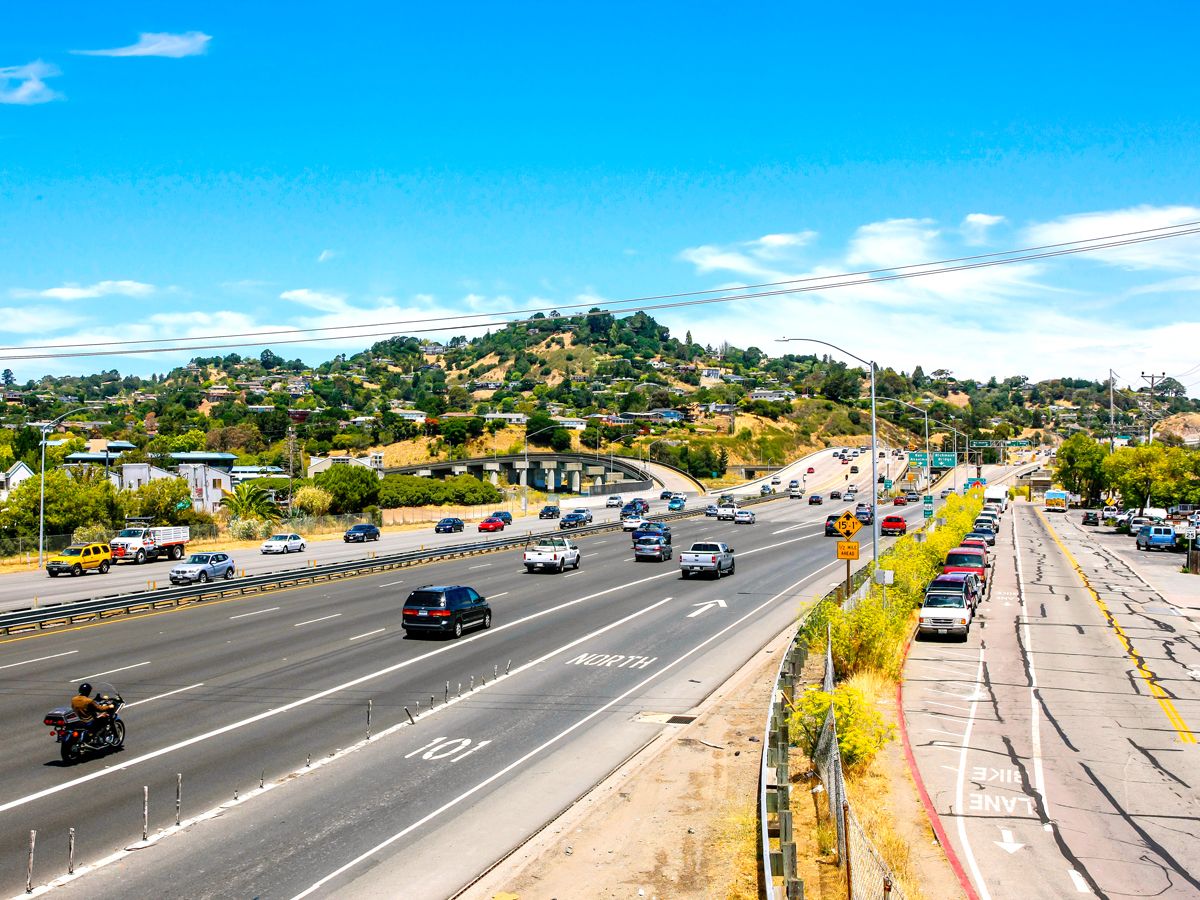
U.S. Route 101 is one of the oldest numbered U.S. highways in existence. Established in 1926, three decades before the arrival of the Interstate Highway System in 1956, it once ran from the Mexican border up the West Coast to Olympia, Washington. Parts have since been decommissioned in favor of larger interstates; however, it remains a key route for the region. North of San Francisco, U.S. 101 is called the Redwood Highway. The stretch around Los Angeles is called El Camino Real (the King’s Highway), and it follows the route of early 18th-century Spanish explorers.
11. Interstate 69 – Houston, Texas
Credit: Houston Chronicle/Hearst Newspapers via Getty Images
Total route length: 880 miles Daily vehicle volume in busiest segment: 316,892
With its earliest segment dating to 1957, Interstate 69 runs from Port Huron, Michigan, to Laredo, Texas. However, the highway is being expanded and some parts of the route are still under construction. I-69 passes through Indiana, Kentucky, Tennessee, and Mississippi, with plans for additional sections through Arkansas and Louisiana. The expanded route is nicknamed the NAFTA Superhighway, since it will eventually connect Canada with Mexico. The 75-mile stretch through Houston, Texas — formerly named U.S. Route 59 — sees upwards of an estimated 316,000 vehicles every day.
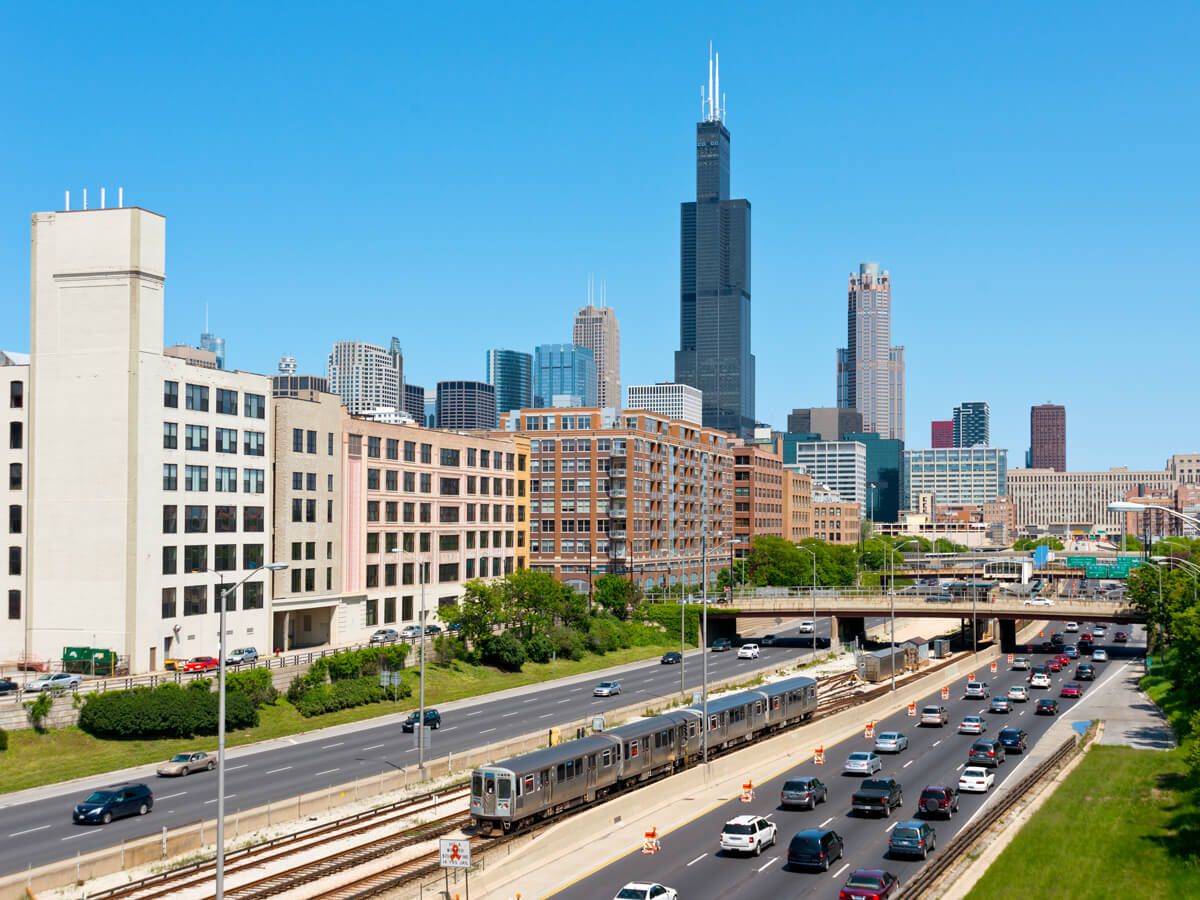
10. Interstate 90 – Chicago, Illinois
Credit: Kubrak78/ iStock via Getty Images
Total route length:3,021 miles Daily vehicle volume in busiest segment: 321,700
Interstate 90 is the longest route in the Interstate Highway System, stretching from Boston to Seattle. Driving the entire length of I-90 would take you approximately 50 hours, and you’d travel through 13 states, including New York, Pennsylvania, and Idaho. However, you should be prepared for possible delays as you drive through Chicago. An estimated 321,700 vehicles use the Windy City’s segment of I-90 each day, making it the 10th-busiest highway in the nation.
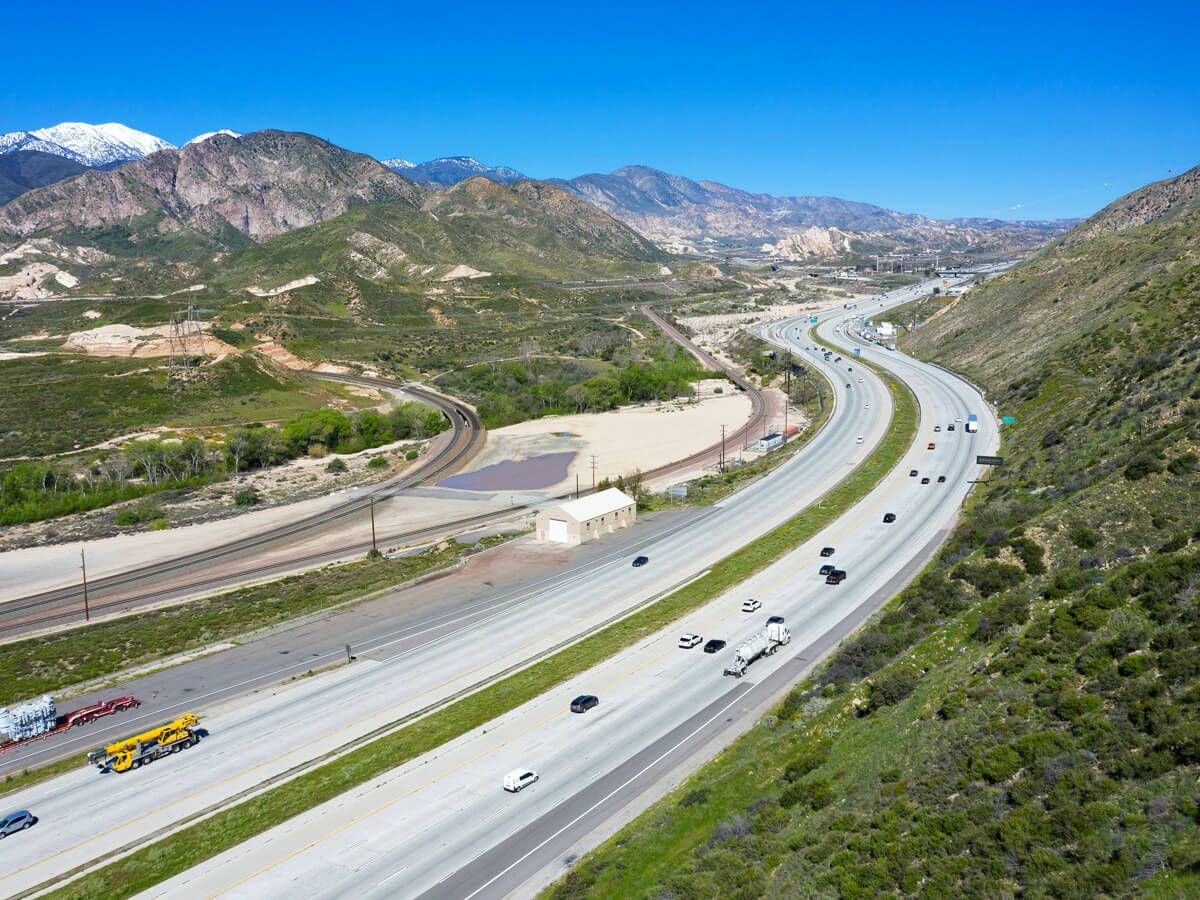
Total route length: 1,433 miles Daily vehicle volume in busiest segment:332,000 vehicles
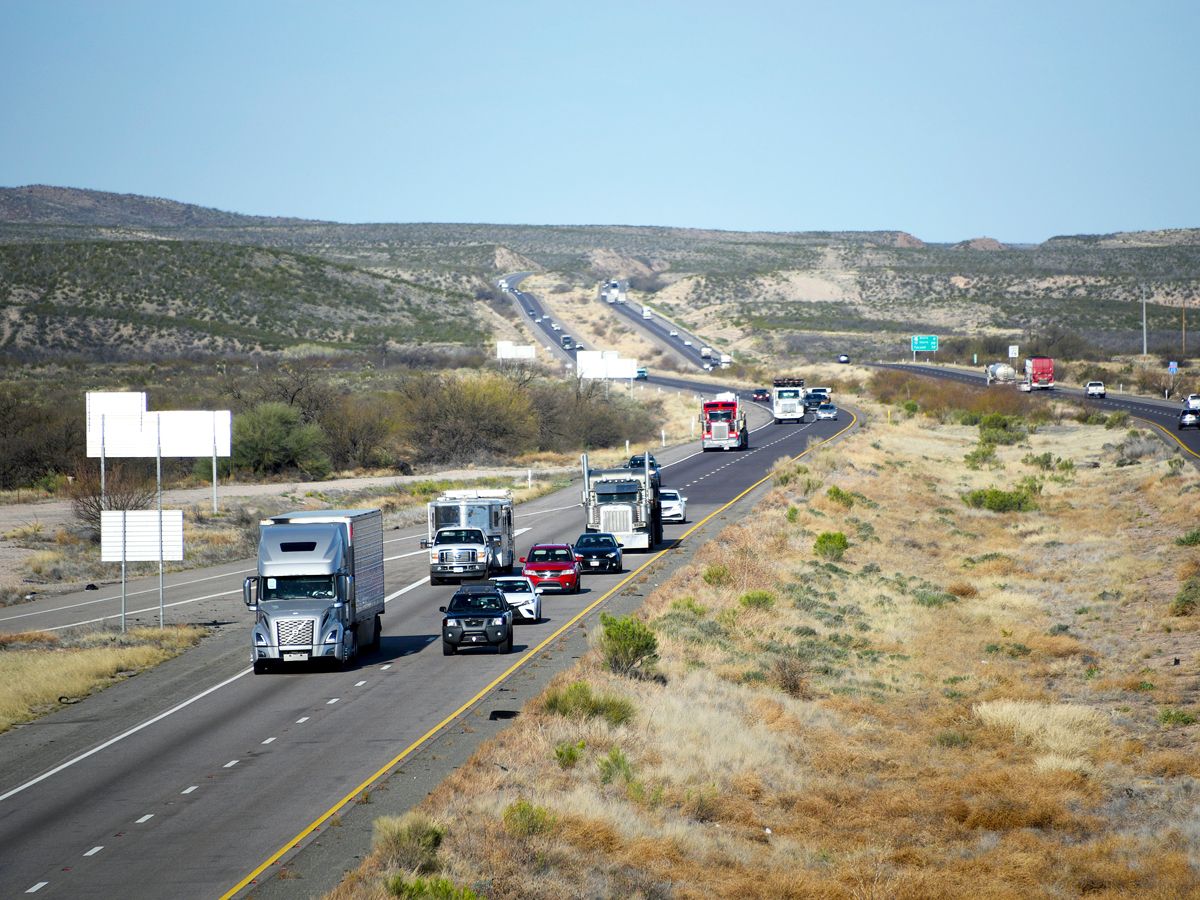
Interstate 15 was originally intended to begin in San Bernardino, California, located east of Los Angeles, but the decision was later made to extend its origin south to San Diego. The highway ends at the Canadian border, where it joins Alberta Highway 4. A 124-mile stretch of I-15 through Nevada passes right through Las Vegas. Its proximity to the Strip, along with its connection to Los Angeles and Sin City, makes this a busy segment of road for tourists and business travelers alike.
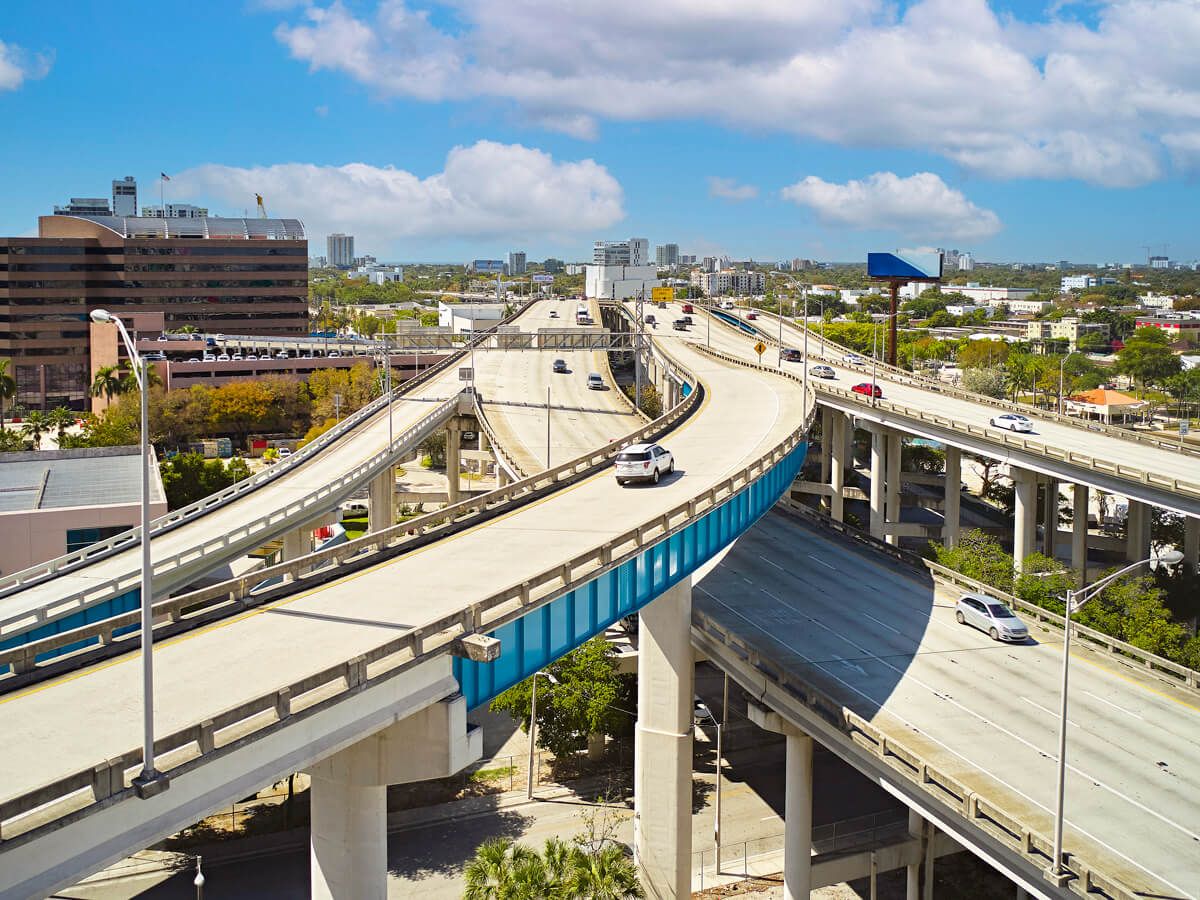
8. Interstate 95 – Miami, Florida
Credit: xavierarnau/ E+ via Getty Images
Total route length: 1,917 miles Daily vehicle volume in busiest segment:339,500
Driven by commerce and vacationers alike, Interstate 95 passes through 16 states, more than any other U.S. highway. It runs the entire length of the East Coast, from the Maine-Canada border to Florida. As such, it is a popular route for so-called “snowbirds,” those who head south for warmer winters. I-95 ends in Miami, where it becomes U.S. Highway 1 — aka the Overseas Highway — and continues to Key West, home to the southernmost point in the contiguous U.S. The terminus of I-95 in Miami is Florida’s — and one of the nation’s — busiest stretches of highway, with 339,500 average daily vehicles.
7. California State Route 60 – Los Angeles, California
Total route length: 76 miles Daily vehicle volume in busiest segment:350,000
California State Route 60 is the only highway that ranks in the top 10 busiest highways in the U.S. that is not an interstate highway. The route is also known in parts as the Pomona Freeway and the Moreno Valley Freeway. It runs east from Los Angeles along the southern side of the San Gabriel Valley to meet I-215 in Riverside. L.A. traffic is notoriously heavy, and CA-60 is no exception. It is one of five L.A. highways to appear on this list.
6. Interstate 10 – Los Angeles, California
Credit: Laser1987/ iStock via Getty Images
Total route length: 2,640 miles Daily vehicle volume in busiest segment:355,000
Interstate 10 makes a third appearance on the list of U.S. highways with the worst traffic. This part of the highway runs from the coastal city of Santa Monica, located west of downtown Los Angeles, into East L.A. Better known as the Santa Monica Freeway, it is one of the busiest commuter routes in Southern California.
5. Interstate 210 – Los Angeles, California
Credit: Ron and Patty Thomas/ E+ via Getty Images
Total route length: 85 miles Daily vehicle volume in busiest segment:358,000
Running along the northern borders of Los Angeles, from the city of Sylmar to Glendora, is Interstate 210. Along the way, the highway, also known as the Foothill Freeway, passes through Pasadena, home of the annual Rose Bowl. Despite its relatively short length, I-210 is incredibly busy — with some 358,000 commuters driving along it every day.
Total route length: 72 miles Daily vehicle volume in busiest segment:383,500
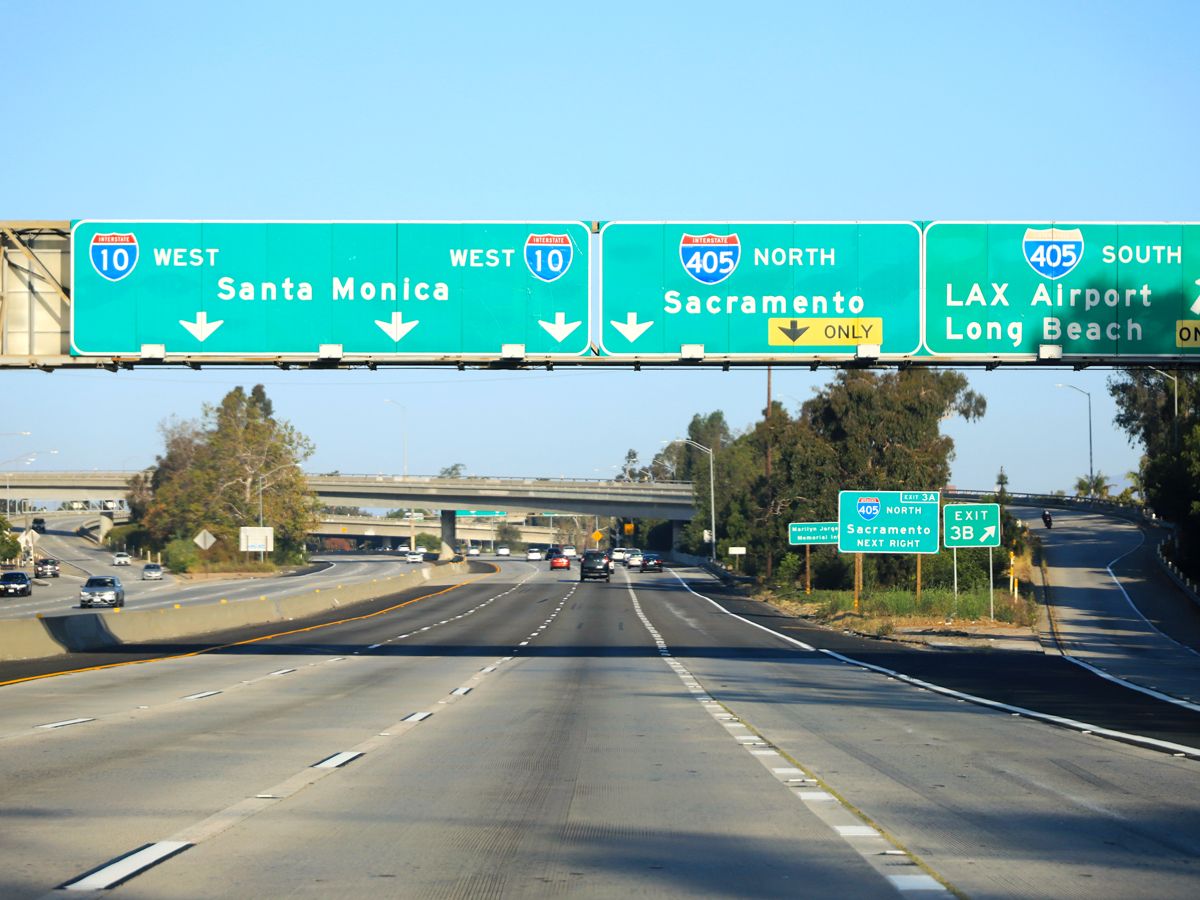
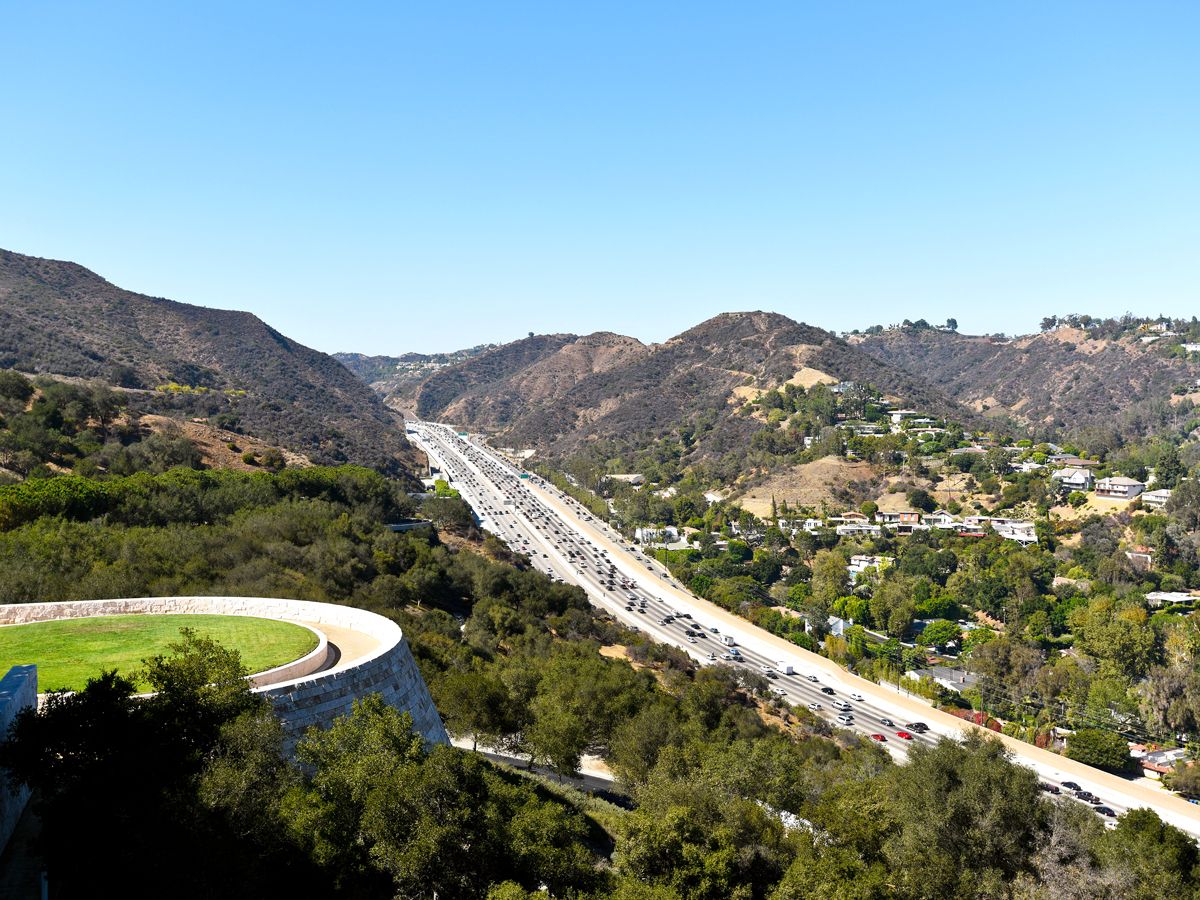
Interstate 405 is the main north-south artery through the city of Los Angeles, connecting Irvine in Orange County with San Fernando in the Valley. It is a key route from L.A. to the Port of Long Beach and Los Angeles International Airport (LAX). As such, “the 405” — as locals call it — is frequently named one of the most congested highways in the world. A local joke is that its name refers to the maximum speed — just 4 or 5 mph, thanks to the 383,500 vehicles trying to use the freeway on an average day.
Total route length: 1,381 miles Daily vehicle volume in this segment:415,000
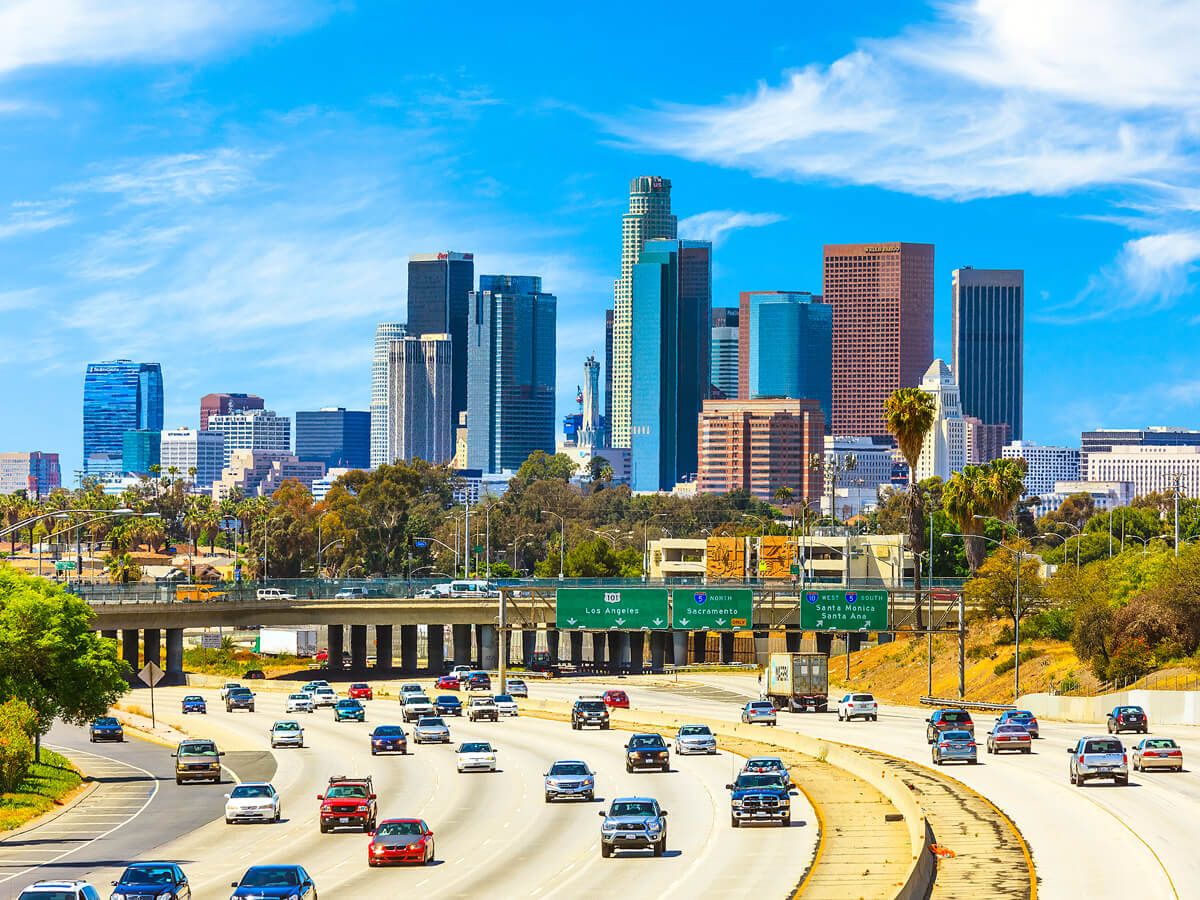
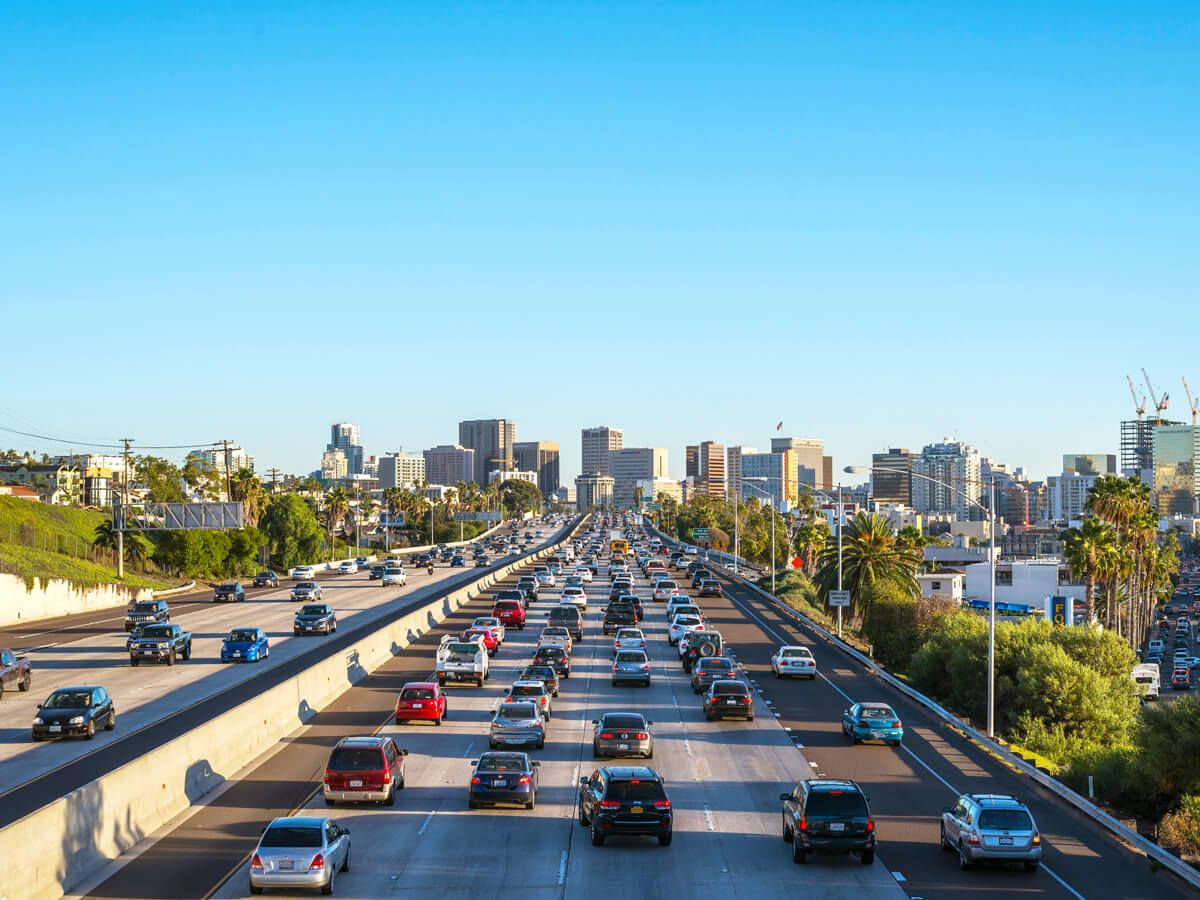
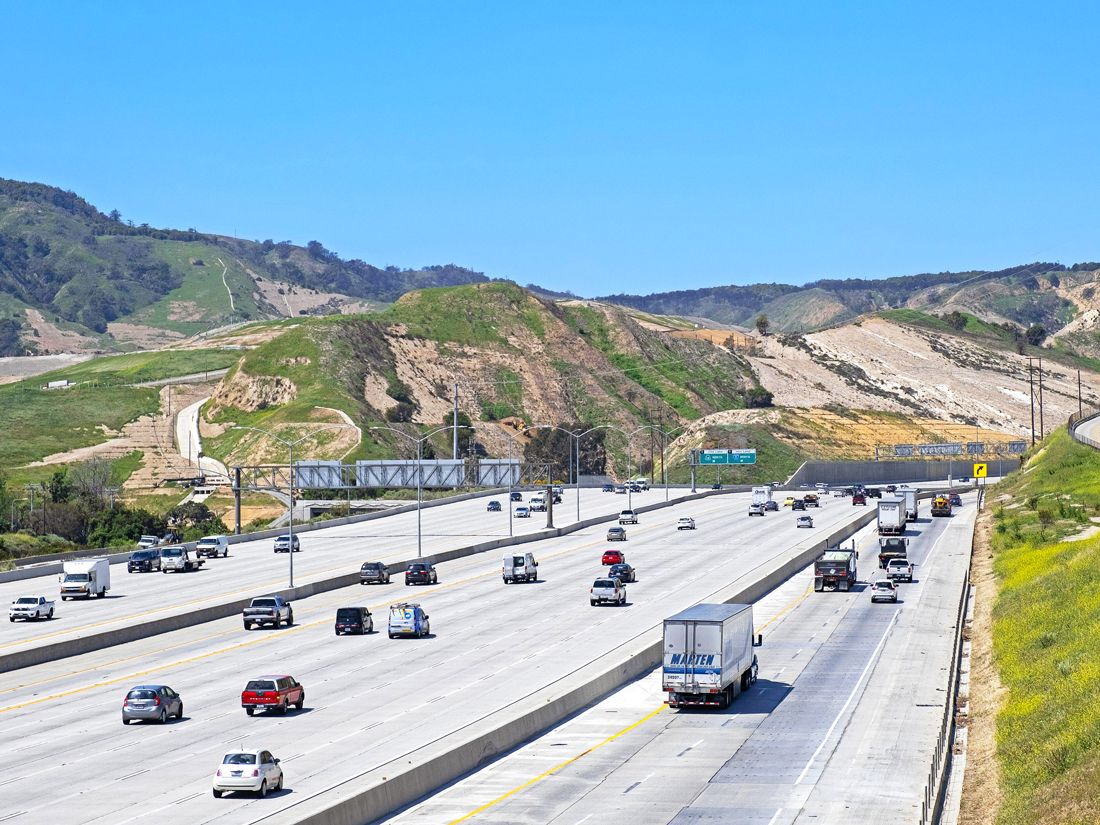
Interstate 5 runs along the entire West Coast, connecting the Mexican and Canadian borders. The route — one of the top three busiest highways in the U.S. — also connects California’s three biggest metro areas: San Francisco, Los Angeles, and San Diego. The segment through Orange County, south of Los Angeles, is one of the busiest, particularly as it passes through the city of Mission Viejo. Here, local commuter traffic and longer-distance commercial traffic are often caught in congestion, which makes its one of the three busiest highways in the U.S. A major construction project to widen the road is currently underway as of 2024.
2. Interstate 75 – Atlanta, Georgia
Credit: John Coletti/ Photodisc via Getty Images
Total route length: 1,786 miles Daily vehicle volume in busiest segment:419,516
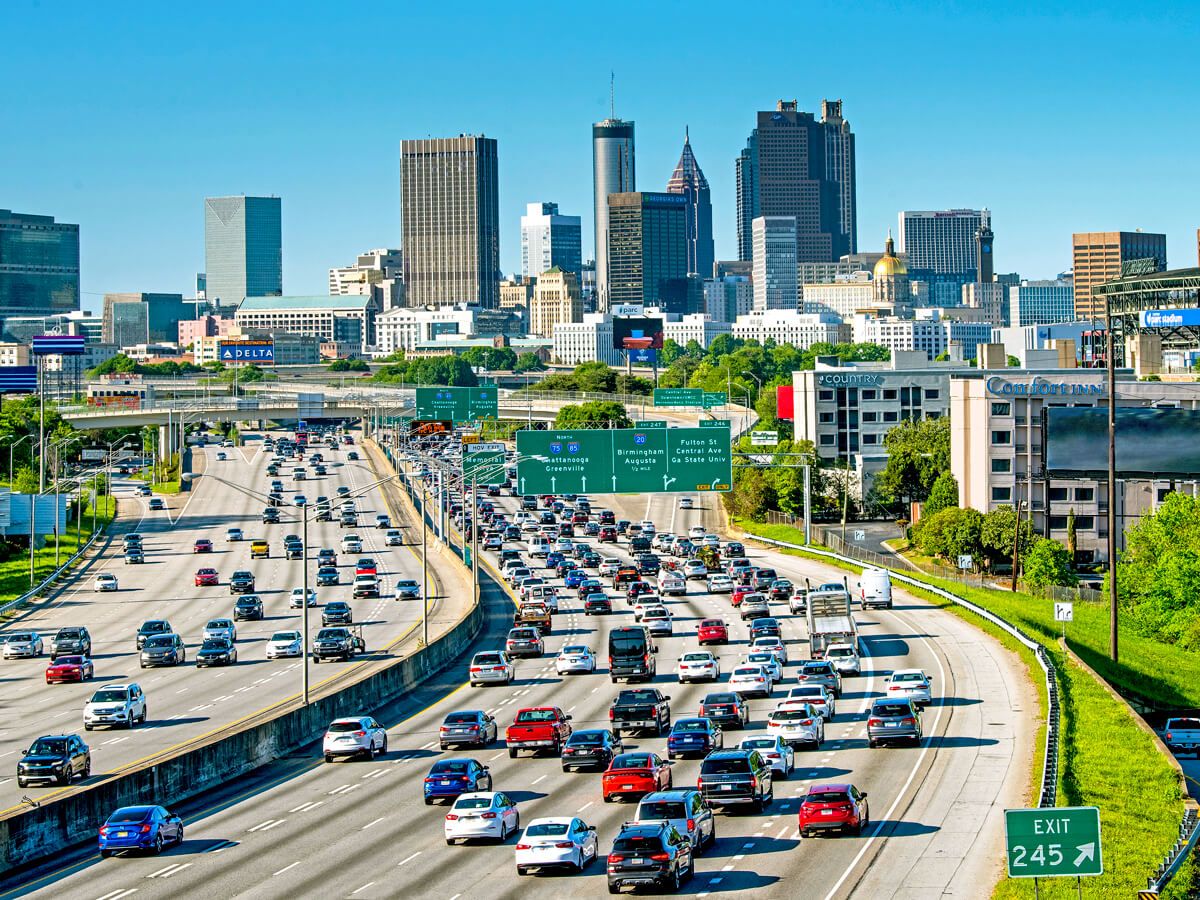
Like I-95, Interstate 75 is a major north-south route, connecting the Great Lakes to Florida via cities such as Detroit, Cincinnati, and Atlanta. The highway carries so much traffic that much of its Georgia portion is six lanes wide. In Atlanta, I-75 joins with I-85 for a 7.4-mile segment known as the Downtown Connector with a whopping 16 lanes. The large number of lanes is necessary, given that this is the second-busiest stretch of highway in the United States, seeing over 400,000 vehicles on an average day.
1. Interstate 5 – Los Angeles and Santa Ana, California
Total route length:1,381 miles Daily vehicle volume in busiest segment:504,000
Interstate 5 has already been mentioned as one of the top three busiest highways in the U.S., but another segment of this notoriously congested highway lands at No. 1 on the list. Just north of Mission Viejo, I-5 becomes the Santa Ana Freeway, linking Orange County to metro L.A. Several popular tourist attractions are also in this area, including Disneyland. When commuter and business traffic is combined with visiting vehicles, it adds up to the most congested road in the entire country, with over 500,000 vehicles trying to drive it on any given day.
Advertisement
More from our network
Daily Passport is part of Inbox Studio, an email-first media company. *Indicates a third-party property.
Peter is a Toronto-based journalist, editor, content strategist, and self-professed avgeek with 15 years of experience covering all things travel. Prior to joining Daily Passport, he oversaw newsletter publication for Travelzoo. His favorite destinations to explore include Japan, France, Chile, New Zealand, and his adopted home country of Canada.
Flying first class on an international vacation is a bucket-list dream for many travelers. Or perhaps if you’re extremely lucky, you regularly fly at the pointy front end of the plane. But to many travelers’ surprise, in recent years, first class has become something of a rarity on long-haul international flights. In 2023, Qatar Airways — the Middle East carrier known for its uber-luxe in-flight offerings — became the latest airline to announce that it would stop installing first class seats on its newest airplanes. Does this really spell the end of first class? Find out why some airlines are getting rid of first class seats — and what that might mean for your next trip.
On U.S. Domestic Flights, First Class Isn’t Going Anywhere
Credit: jeremietardieu/ 500px via Getty Images
First thing’s first: There’s a big distinction between what U.S. airlines have traditionally marketed as “first class” on domestic and short-haul international hops versus first class on long-haul intercontinental flights.
When flying on carriers such as Delta Air Lines or American Airlines domestically or to Mexico and the Caribbean, buying a first class ticket gets you a roomier seat at the front of the cabin with a few extra inches of legroom and recline. You’ll receive perks such as priority boarding and complimentary in-flight meals and alcohol. But typically, business class isn’t offered on these routes — only first class and economy class (sometimes called “main cabin”).
U.S. airlines have noted on recent investor calls that demand for this type of premium product has actually grown since the pandemic and remains exceptionally strong. As a result, these airlines are investing heavily in expanding the first class footprint on many planes and updating their first class cabins to convince more travelers to splurge for the upgrade.
On intercontinental flights, it’s quite a different scenario. Let’s go back in time to find out why: As jet travel boomed in the 1960s, airlines pulled out all the stops for their most premium cabins, which were traditionally marketed as first class. Passengers willing to pay a hefty price tag could look forward to elevated service from fashionably dressed flight attendants, gourmet meals — lobster, caviar, leg of ham carved next to passengers’ seats — and even onboard cocktail lounges.
In the 1970s, airlines began introducing a cabin between first class and coach called business class. It featured with wider seats that offered about eight to ten extra inches of legroom, improved meals, and more personalized service over economy class. However, in the 1990s, airlines such as Continental (now part of United) and Virgin Atlantic opted to combine the traditional first class and business class products into a hybrid offering that was somewhere in between. (Continental called it BusinessFirst.)
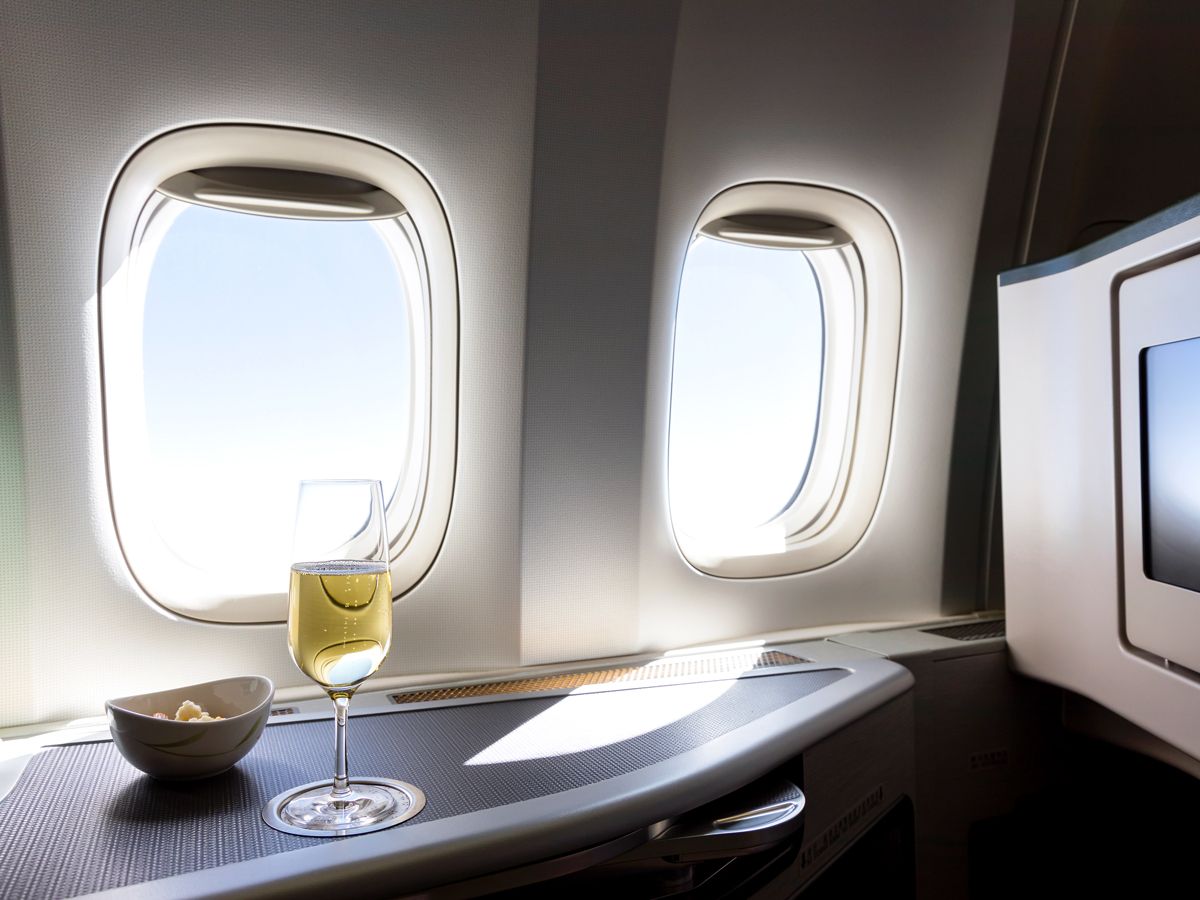
Today, many global carriers still offer a dedicated first class cabin, with their roomiest seats and highest levels of service. But in the decades since, other airlines have followed the lead of Continental and Virgin Atlantic by dropping first class altogether in favor of a much-improved business class cabin. In 2000, British Airways upped the ante for business class by becoming the first major airline to introduce seats that converted into flat beds. As the competition between airlines has heated up, flat-bed seats have now become the standard for business class travel — and some airlines now even offer suites with sliding doors.
Why Many Airlines Are Dropping International First ClassSeats
Credit: golfcphoto/ iStock via Getty Images
Of the three major global U.S. carriers, both Delta Air Lines and United Airlines have already dropped first class in favor of an elevated business class cabin. Delta calls theirs “Delta One,” while United introduced “Polaris” in 2016. American Airlines has remained the lone hold-out with a true first class cabin. But by the end of 2024, that will no longer be the case.
As reported by Business Insider, in late 2022 American Airlines announced that it would be completely removing its remaining first class cabins, which were already only configured on a small number of aircraft. The airline said first class would no longer exist “for the simple reason that our customers aren’t buying it.” Instead, American is investing in what it calls a new “Flagship Suite” business class. And despite removing first class, the airline is actually increasing the premium seats per plane.
The reality is, with ever-improving business class cabins, airlines have a tough time selling traditional first class. According to Qatar Airways’ CEO, the business class product today “already gives you all the amenities that first class gives you.” He goes so far as to call first class “pointless.” For airlines, those first class seats — which are even roomier than business class — take up valuable real estate in airplane cabins and don’t allow airlines to maximize revenue potential on each flight.
Plus, with changing demand habits in the wake of the pandemic, there are now fewer corporate travelers spending large sums on last-minute first class tickets. Before the pandemic, large corporations were responsible for about half of premium cabin demand, according to Business Insider. These days, premium demand is now being driven by a blend of business and leisure travelers — the latter of whom are typically unwilling to shell out for the significant price difference between first and business class.
The Premium Economy Factor
Credit: AVI stock/ iStock via Getty Images
In the 1990s, airlines such as Eva Air and Virgin Atlantic introduced yet another new class of service that became known as “premium economy.” The product was aimed at travelers looking for an elevated experience over typically cramped economy cabins, but without the budget to upgrade to business or first class. Premium economy offered wider seats, a few extra inches of legroom, and typically better meals and service.
Sound familiar? Indeed, premium economy resembles what business class used to look like when it was first introduced. In a sense, business class has become the new first class, while premium economy is the new business class. Many airlines will also offer a dedicated set of economy class seats with extra legroom, offering travelers even more options to suit their budget.
Which Airlines Still Offer a True First Class Option?
Credit: BJI/ Blue Jean Images via Getty Images
While the trend points in the opposite direction, a handful of airlines remain dedicated to a “true” first class cabin on intercontinental flights. These airlines are typically already known for their high levels of service, and include the likes of Emirates, Air France, Singapore Airlines, Japan Airlines, Lufthansa, and Korean Air.
Many of these airlines have also introduced new, improved cabins in recent years. On Singapore Airlines, for instance, you’ll get a private suite so spacious that there’s enough room for both a reclining chair and a traditional bed. And if you’re traveling with someone, you can even lower the dividers between suites to create an extra-spacious double bed. So, while it’s true that first class is no longer an option on many airlines these days, for those travelers looking for the ultimate splurge, a select few airlines are keeping the tradition alive.
Advertisement
More from our network
Daily Passport is part of Inbox Studio, an email-first media company. *Indicates a third-party property.
Is It Really Cheaper to Book Flights on a Tuesday?
By
Julia Hammond
Read time: 5 minutes
March 4, 2024
Updated: March 4, 2024
Is It Really Cheaper to Book Flights on a Tuesday?
Tips •March 4, 2024•Updated: March 4, 2024
By Julia Hammond
Author
Julia Hammond
Julia is a U.K.-based travel writer whose work has been featured in The Independent, The Telegraph, The New Zealand Herald, and Culture Trip, among others. She’s an enthusiastic advocate for independent travel and a passionate geographer who has had the privilege of traveling to more than 130 countries in search of a story.
The internet is filled with tips and tricks for finding flight deals — some of which have turned out to be myths. One you may have heard is that if you want a cheap flight, you should book it on a Tuesday afternoon. As the story goes, airlines release sales and seats on that day, so it makes sense to be first in line. But these days, technology and tracking tools make airfare pricing much more dynamic, enabling carriers to lower fares when demand is sluggish and on particular routes that need a boost. Find out below when the best time is to book your next flight.
Why You Might Want to Book on a Sunday Instead
Credit: Chainarong Prasertthai/ iStock via Getty Images
According to numbers crunched by the Airlines Reporting Corporation (ARC), one day stands out when it comes to sourcing cheap flights — and it’s not Tuesday. The organization analyzed data from millions of fares, combining it with information from OAG to draw their conclusions. ARC’s 2024 Air Travel Hacks Report, published in conjunction with Expedia, found that purchasing air tickets on a Sunday gave consumers savings of up to 13% compared with other days of the week. Lower fares were found for both domestic and international routes and across economy and business cabins, though the percentage discount varied. The figure takes into account average round-trip ticket prices for January through August 2023. The most expensive day to book? That would be Friday.
But Really, the Best Day to Book is When You Find a Cheap Deal
Credit: Xavier Lorenzo/ Moment via Getty Images
While the data suggests that booking on a Sunday is, typically, the cheapest time to part with your cash, as with all averages, it doesn’t always hold true. In that case, how do you know when you’re getting a good deal? Constant fare fluctuations and dynamic pricing make the task difficult — even if the airline claims it’s running a “sale.”
To be more certain that you’ve found a deal, use an online price tracker to help identify how the current fare compares to its historical highs and lows. Try Hopper’s Price Prediction tool, Skyscanner’s Price Alerts, or Google Flights to ensure you don’t miss competitive fares for specific routes. How they work is fairly straightforward: Enter desired travel dates, destinations, and any other preferences (such as non-stop flights) and you’ll receive a notification when a cheap fare pops up. You could justifiably argue that’s the day that’s the best time of the week to book, no matter what day of the week it happens to be.
Plan Ahead to Understand What Constitutes a Bargain
Credit: oatawa/ iStock via Getty Images
Tracking fares for an extended period may help give you the confidence to pull the trigger on a flight, but the market favors those who plan ahead. According to Hopper’s 2024 Travel Booking Hacks summary, there’s a sweet spot for finding the best fare deals. For domestic flights, travelers should take a look at prices three or four months out and make their decision by around a month beforehand. Unless it’s unavoidable, they recommend you should never book later than three weeks ahead of departure.
For those traveling overseas, the company advises beginning your research seven to eight months before travel. How soon to book depends on where you’re headed, but usually Hopper recommends booking between two to seven months in advance. As you follow the ups and downs for your chosen route, you’ll get a feel for which day tends to be the cheapest for booking, enabling you to jump on a bargain.
Sign Up for Email Alerts to Take Advantage of Flash Sales
Credit: jacoblund/ iStock via Getty Images
Airlines drum up business with seasonal sales, and some of them are better than others. Among the most popular are Black Friday and Cyber Monday offers. In 2023, as reported by Afar, travelers could take advantage of sizable discounts from major airlines such as Delta, JetBlue, Hawaiian, Southwest, and Alaska Airlines. This also may be the one time of year when the Tuesday myth still holds up — Travel Tuesday, as the first Tuesday after Thanksgiving has become known, saw a number of attractive offers.
Some airlines — particularly low-cost carriers — also counter periods of lower demand with flash sales. For instance, in February 2024, Norse Atlantic Airways offered one-way “Economy Light” fares from New York, Miami, and Orlando to London, Paris, or Oslo for as little as $99 each way. In either type of promotion, the number of seats is usually limited, and those headline prices soon sell out. As sales can be advertised on any day of the week, it’s a good idea to sign up for email alerts from a number of airlines serving your home airport.
You Can Offset a Day-of-Week “Mistake”
Credit: FG Trade/ E+ via Getty Images
Sometimes, you just need to book a flight when it’s convenient for you. Perhaps you like acting on impulse, need to secure time off work, or are traveling with a group of friends who can only get together to plan at a particular time. What if you miss out on those fabled Tuesday deals? Aside from seasonal and flash sales, there are other hacks you can employ to save money on your airfare — and they work on any day of the week.
In general, they involve working out what everyone else doesn’t want. Choose the first flight out in the morning — which has the best chance of avoiding delays — or the last one in the evening. Choose a less popular airport near your first choice. Avoid peak season and holidays when everyone’s fighting for seats. Play around with what are known as “open jaw” flights — flying into one city and home from another, completing the middle section of your journey over land or with another airline. At the end of the day, if it’s the best price you can find within the parameters you’ve set yourself, you can call that fare a good deal.
Advertisement
More from our network
Daily Passport is part of Inbox Studio, an email-first media company. *Indicates a third-party property.
Architecture •March 4, 2024•Updated: March 6, 2024
By Jersey Griggs
Author
Jersey Griggs
Jersey is a travel and lifestyle writer whose work has appeared in publications such as Condé Nast Traveler, Business Insider, and Bust. When she’s not exploring her adopted home state of Maine, she’s likely planning her next big trip.
A staple of every fairy tale, castles are undeniably romantic, even if they weren’t built with such notions in mind. In reality, many castles were constructed to defend, with features like moats, ramparts, and drawbridges all strategically designed to keep invaders out. They also usually housed people of importance, ranging from royalty to military and even religious figures. Typically built around the Middle Ages, castles often started on the smaller side and then grew in size over the centuries. Today, many of these magnificent structures remain standing — here’s where you’ll find nine of the largest castles in the world.
Edinburgh Castle – Edinburgh, Scotland
Credit: David Williams/ Corbis Documentary via Getty Images
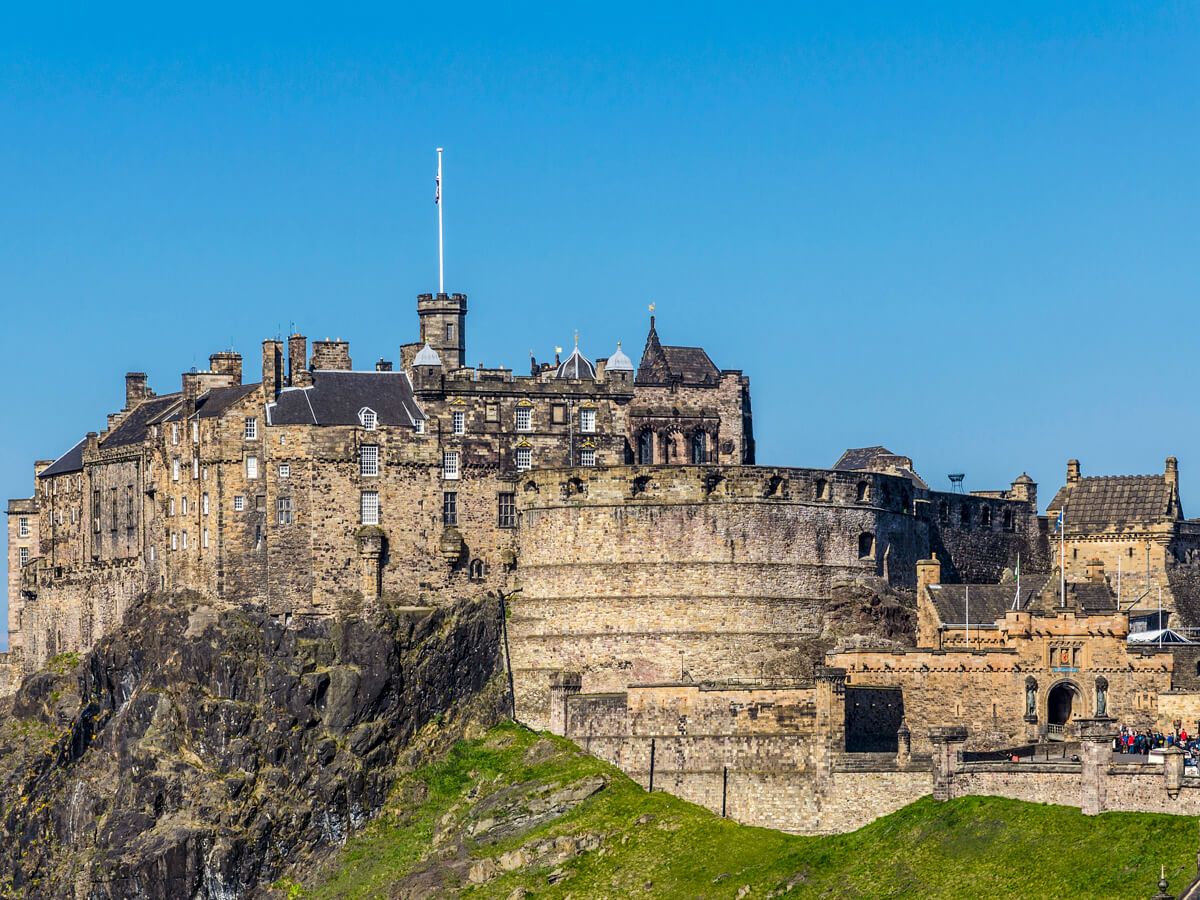
Edinburgh Castle was built in 1103 atop the aptly named Castle Rock, a volcanic crag which formed some 350 million years ago and now overlooks the Scottish capital. The 384,660-square-foot structure has served many purposes over the years, from royal residence for monarchs to prison and impenetrable military fortress. Well, not exactly impenetrable — the Brits did overtake the castle twice, but both times, the Scots won it back. If you visit today, don’t miss the Great Hall with its famously intricate wood roof, completed for King James IV in 1511, or the dog cemetery, where the beloved pooches of Scotland’s military finest are laid to rest.
The largest castle in Japan, Himeji Castle spans 446,357 square feet and rises 152 feet into the skies above this central Japanese city. The castle — nicknamed the “White Heron Castle” for its size and color — was originally built in 1346. Himeji was continuously enlarged over the centuries by the ruling clans who occupied it. At one point, the grounds featured three moats for maximum protection. In true Japanese fashion, the castle lawn is filled with cherry trees. Now that it’s open to the public, it’s a popular place to view the cherry blossoms during spring.
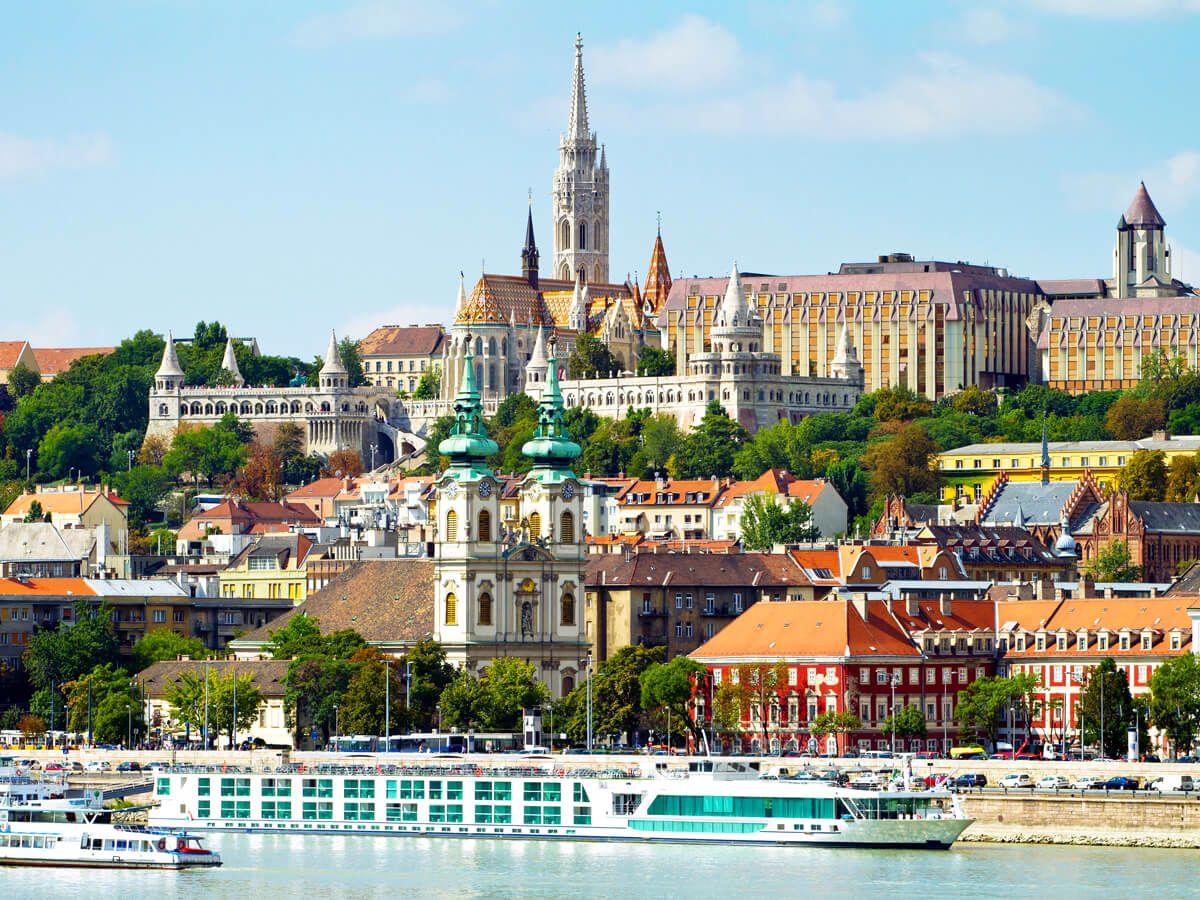
Overlooking the Danube River on Castle Hill, the imposing Buda Castle dates back to the 13th century, after the first Mongol invasion of Eastern Europe. Encompassing 480,866 square feet, the castle was built to fortify the city against another impending attack, which, over the course of centuries, would happen 31 more times. As the former home of the Hungarian royal family, the palace now contains several museums and offers access to the Labyrinth, a network of caves beneath the castle that have been used since medieval times.
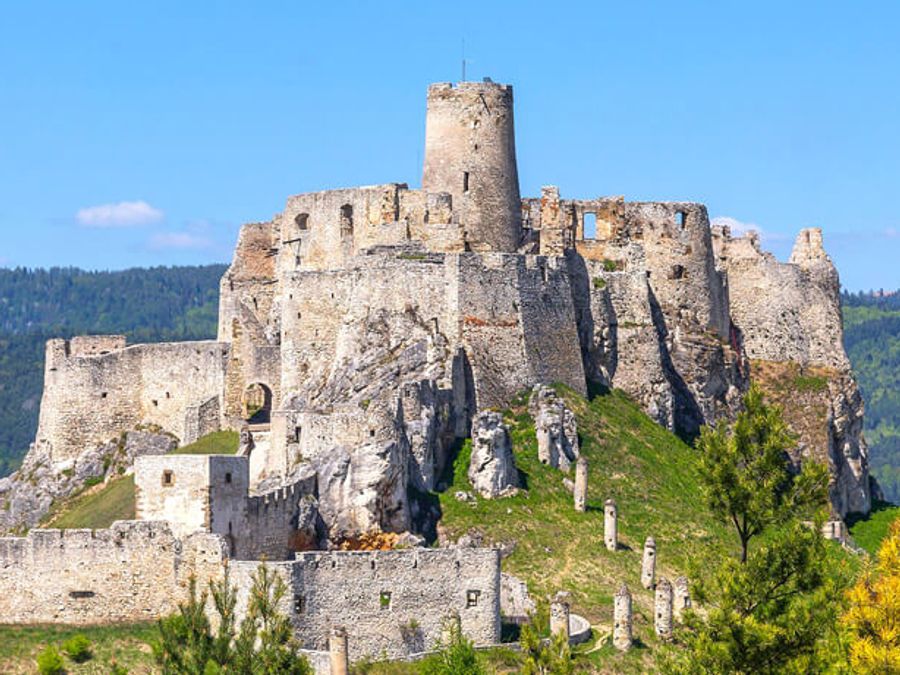
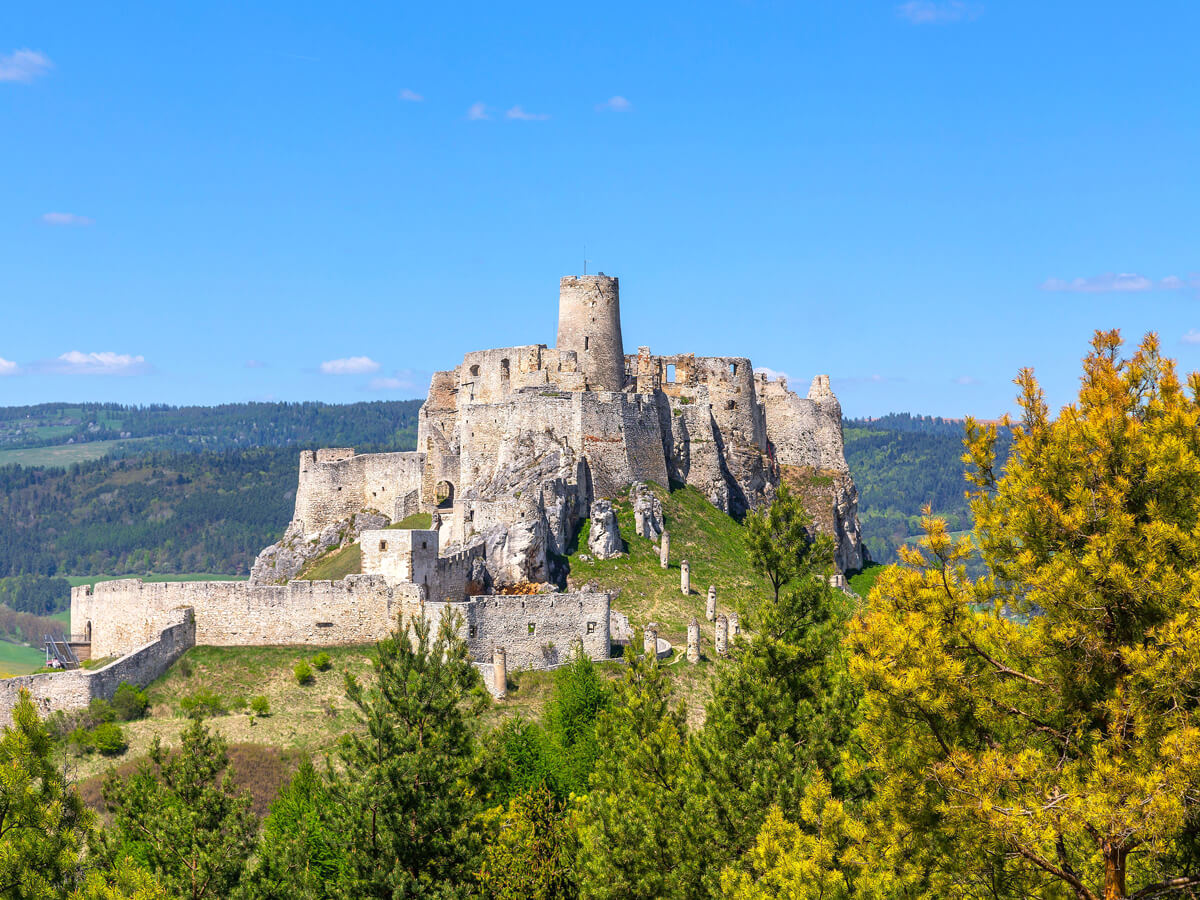
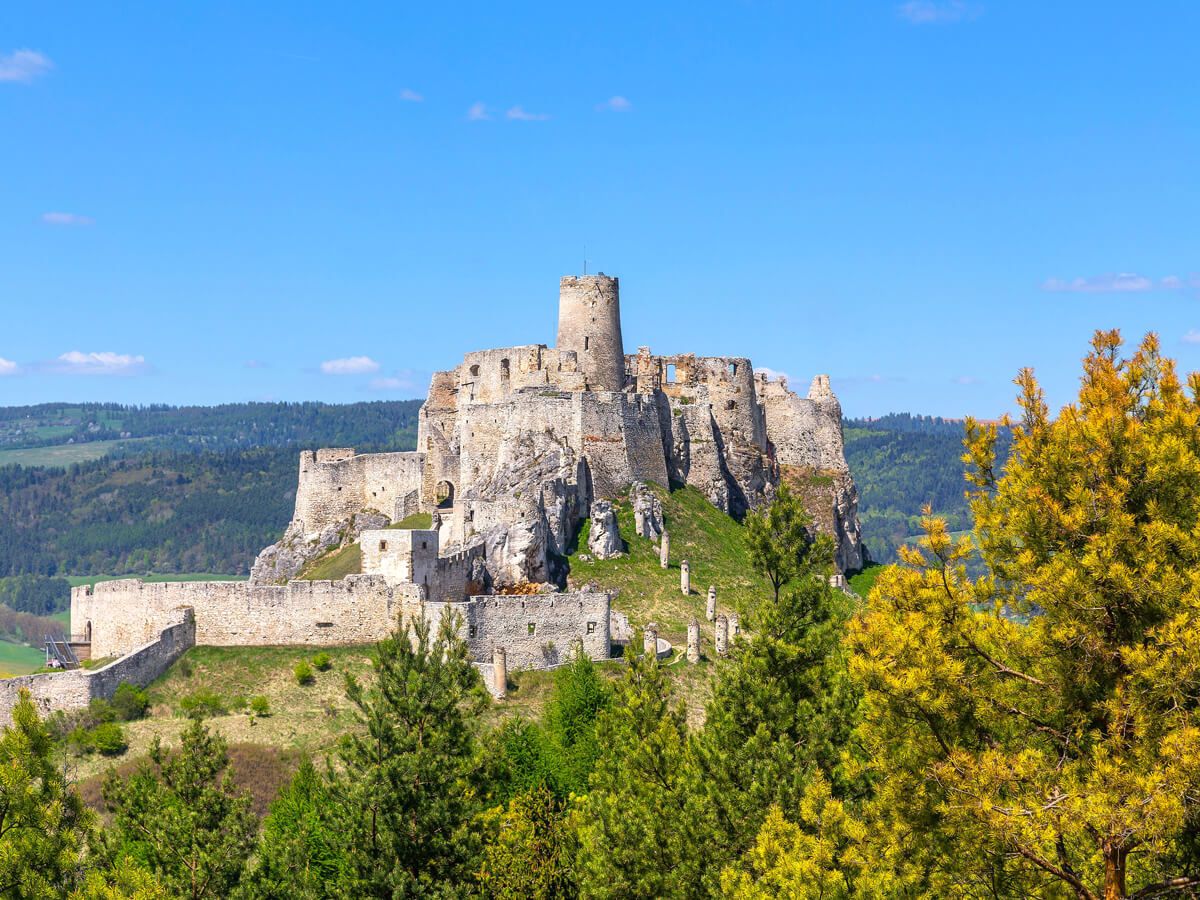
Situated in the northeast part of Slovakia, Spis Castle was one of the few castles from which defensive forces were able to successfully fend off the Mongol attacks of the 13th century. Built and continuously improved upon from the 12th until the 15th century, the castle changed from Romanesque to Gothic style, growing to its current size of 532,652 square feet. These major renovations added all the classic castle elements, including a knights’ hall, chapel, and on-site palace. Due to a fire in 1780, the castle is not fully intact but is still well worth the visit.
Hohensalzburg Castle dates back to 1077, when the archbishop requested this fortress to be built to defend the city of Salzburg and protect the prince bishops. Centuries later, in 1462, the addition of curtain walls and several towers made Hohensalzburg all the more castle-like. In the 1500s, the 586,880-square-foot fortress acquired its peculiar coat of arms depicting a lion holding a turnip. Although there are several myths as to the meaning of the turnip, it likely was meant to represent the agricultural heritage of the archbishop of the time.
In 1070, William the Conqueror began to build Windsor Castle above the River Thames — an endeavor that took 16 years to complete. Over the centuries, his successors added to his creation, turning what began as a wooden fortress into the massive stone castle that stands today. The 590,239-square-foot castle was finished in 1528, restored during the 1920s, and remains one of the official homes of the monarch today — making it the world’s largest inhabited castle. Along with Westminster Abbey, Windsor Castle contains the bodies of some of the most important figures in British history, including Henry VIII, Jane Seymour, and George V.
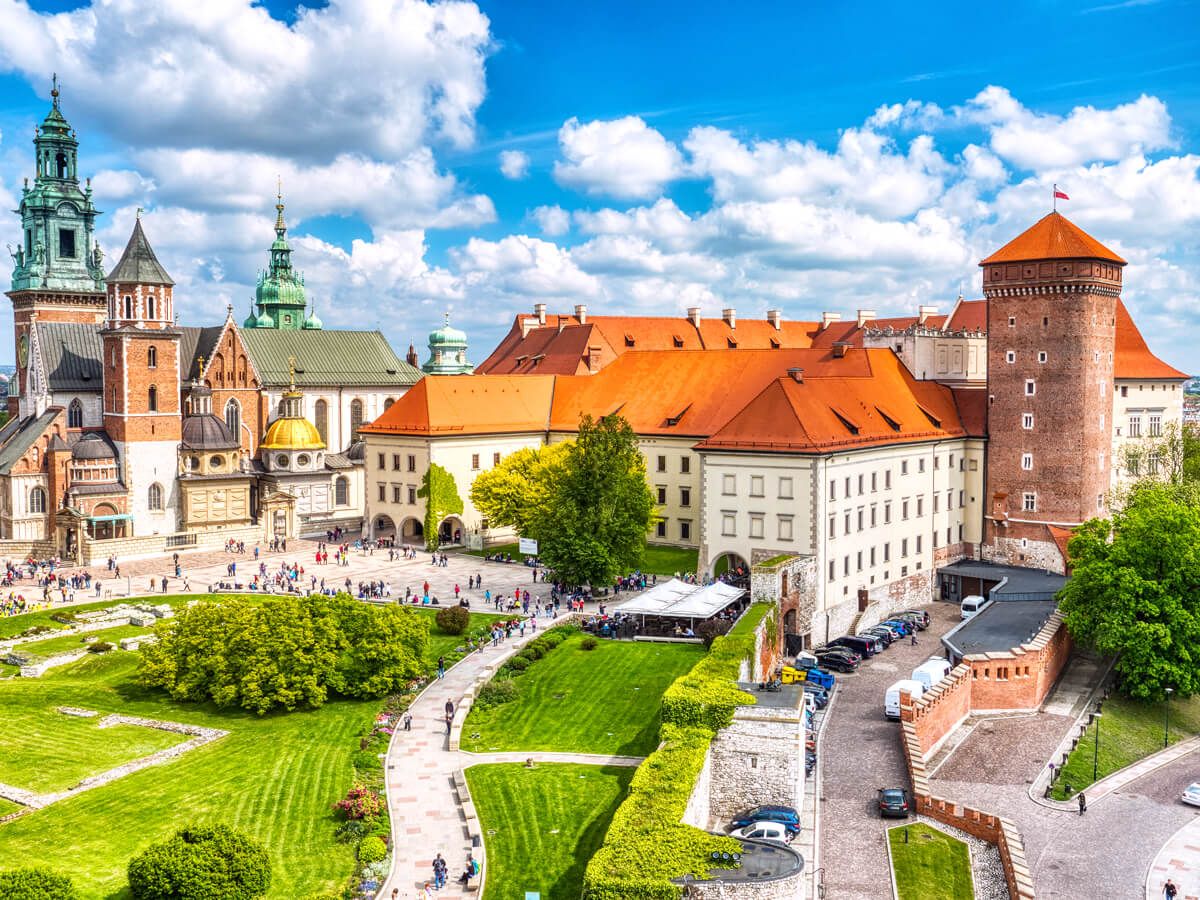
Wawel Castle’s strategic location on a river embankment proved ideal for defensive purposes, with views that could scope out potential invaders. As legend has it, a cave beneath the castle housed a terrifying dragon, who was supposedly slain by King Krakus, Krakow’s mythological founder. After being built, the 602,047-square-foot castle served as the official home of the Polish monarch until 1609, and the site of royal coronations and burials until 1734.
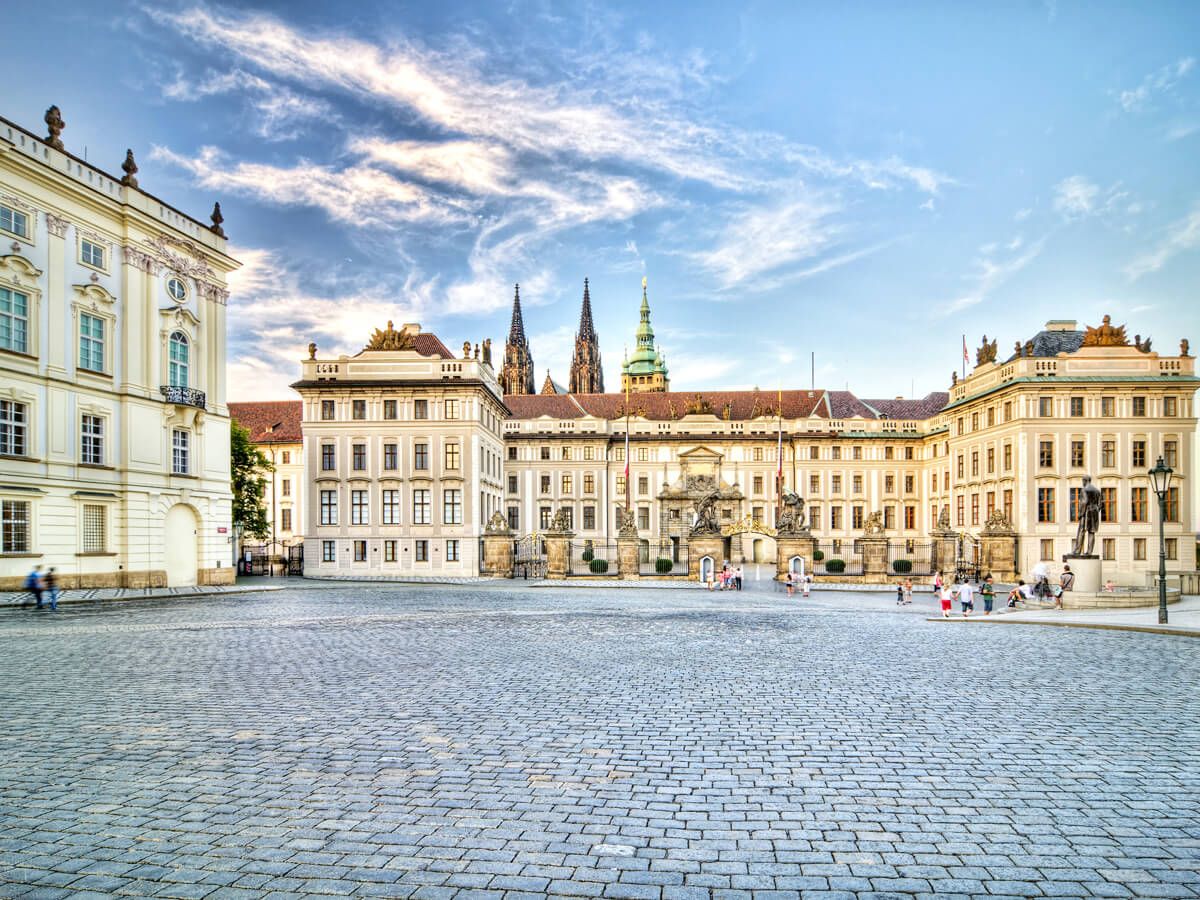
What would eventually turn into a sprawling castle began as a ninth-century fortress built by the first Christian prince of Bohemia. At the time, Prague Castle’s lofty vantage point over the Vltava River was chosen to help keep an eye out for raiders. As the castle sprang up over the centuries, so did churches, towers, gardens, and palaces — turning the site into the 750,000-square-foot fortress visitors see today. Built in the late 14th century, Vladislav Hall was the largest hall in medieval Prague, famous for its intricately vaulted ceiling and beautiful Italian Renaissance windows.
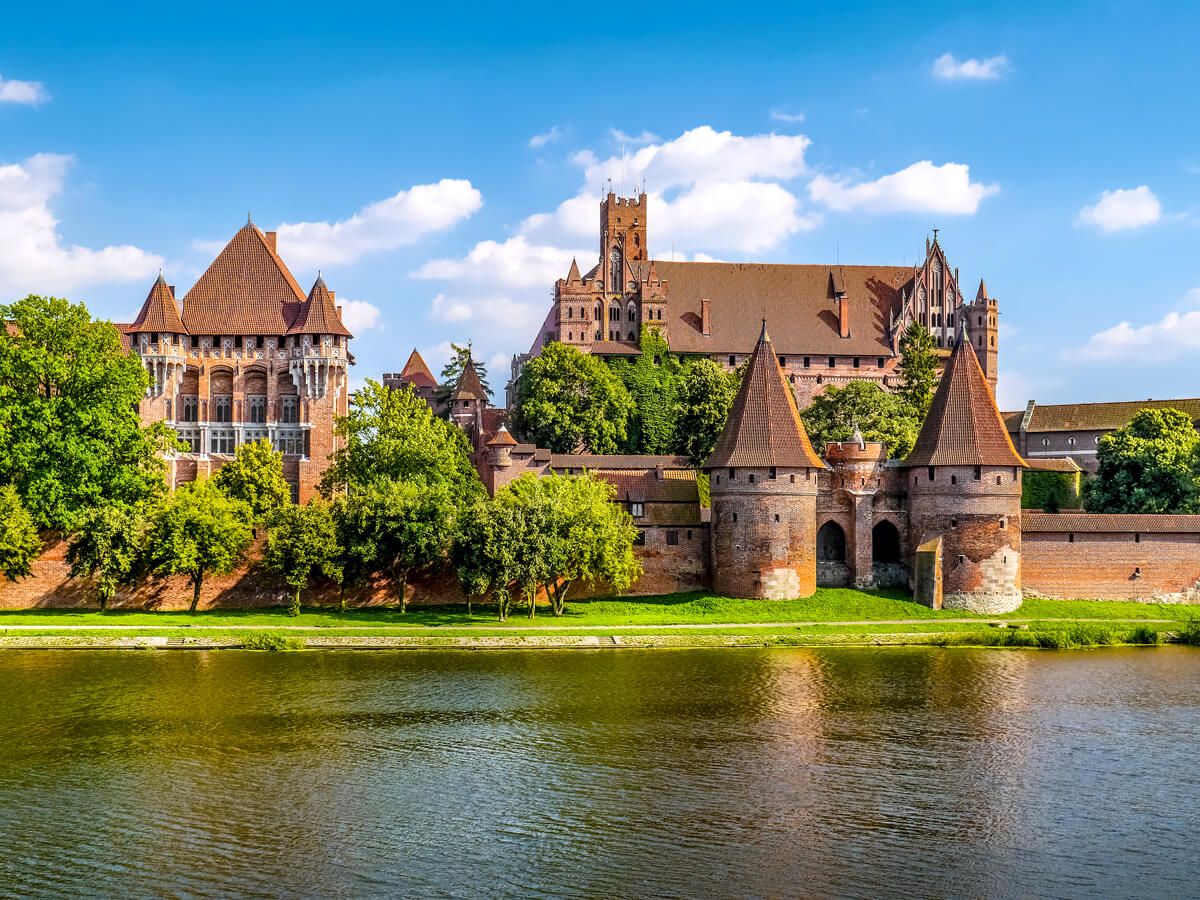
Spread over 1.5 million square feet, Malbork Castle is the largest castle in the world. Built on 52 acres next to the Nogat River, the castle consists of three separate sections: High Castle, Middle Castle, and Low Castle. It also features several castle defense systems, including three walls, moats, and a main drawbridge that leads to the courtyard. Malbork Castle was built by the Teutonic Knights, a powerful 13th-century band of German military monks who protected Christians in the Middle Ages. The castle served as their headquarters for 150 years, until the Polish army took over in 1457. Today, the sprawling palace is open to visitors.
Advertisement
More from our network
Daily Passport is part of Inbox Studio, an email-first media company. *Indicates a third-party property.
What To Do If the Airline Loses Your Luggage on Vacation
By
Rachel Gresh
Read time: 5 minutes
March 4, 2024
Updated: October 11, 2024
What To Do If the Airline Loses Your Luggage on Vacation
Tips •March 4, 2024•Updated: October 11, 2024
By Rachel Gresh
Author
Rachel Gresh
Rachel is a Washington, D.C.–based travel and lifestyle writer with roots in the Great Lakes region. When she’s not writing for publications such as The Discoverer and Interesting Facts, you’ll find her wandering through museums or exploring destinations off the beaten path.
In 2022, airlines mishandled an estimated 26 million bags. Fortunately, this is just a tiny percentage of the 4 billion bags transported annually, but it is still a concern — especially if your luggage is one of the unlucky few that gets delayed or lost. Whether your bags contain your swimsuit for a beach trip, hiking boots for a mountain adventure, or everyday items essential to your routine, traveling without them can be incredibly disruptive. These useful tips break down the best way to quickly tackle this problem so that you can retrieve your luggage, receive reimbursement, and get back to enjoying your vacation.
Check the App
Credit: PeopleImages/ iStock via Getty Images
Plenty of travelers have experienced that sinking feeling at the baggage carousel as more luggage tumbles down, and theirs still isn’t in sight. But before heading to the customer service counter, see if you can check on the status of your bag via the airline’s app on your phone. Some airlines — including Southwest, American, Delta, and United — offer live baggage tracking on their apps. It may be that your bag is still on the tarmac, making its way over. This can take upwards of 45 minutes at large airports. It could also be at another carousel. If you use another tracking device, such as an Apple AirTag, now would be the time to see if you can locate it.
Notify the Airline
Credit: onurdongel/ iStock via Getty Images
If your luggage still doesn’t show up at baggage claim, it’s time to find an airline representative. You shouldn’t leave the airport until you have spoken to one — although this can be time-consuming and delay the start of your vacation, talking with someone in person can speed up the return of your luggage. Typically, customer service representatives near the baggage claim specialize in lost luggage. If not, head to the check-in desk, where someone might be able to assist. If you’re short on time, your last option is to call the airline’s customer service number, which can be found online.
According to International Air Transport Association regulations, the airline that last handled your luggage is responsible for locating and returning it (even if you started your journey on a different airline). Airlines list their lost luggage policies on their websites, which can be a good reference if you forget something the agent tells you.
Ask a Representative These Important Questions
Credit: Roberto Westbrook/ Tetra images via Getty Images
Don’t end your conversation with the airline representative before addressing a few essential items. First, ensure you have filed a claim and received a claim number. This allows you to check on the airline’s progress in finding your luggage. Also, remember to ask for a phone number (or web address) that you can use to receive updates about your luggage. Some airlines also offer amenity kits to travelers with lost luggage (with essentials such as toothpaste, a toothbrush, hand sanitizer, etc.), so be sure to ask about those free items.
File a Claim for Reimbursement
Credit: grinvalds/ iStock via Getty Images
There is a difference between “lost” and “delayed” luggage. Many airlines don’t consider a bag lost until several days after your flight (usually between five and 21 days, depending on the airline). So, it’s important to know the difference when speaking with a representative and filing claims. According to the U.S. Department of Transportation, airlines must compensate travelers for “reasonable, verifiable, and actual incidental expenses” incurred due to delayed baggage. (It doesn’t have to be considered lost yet.) Be sure to keep your receipts when purchasing these replacement items, as you will need to submit them to the airline for reimbursement.
Reimbursement policies vary by airline, and there is a maximum liability limit, which the D.O.T. currently sets at $3,800 for domestic flights within the United States. This means that even if your expensive digital camera or wedding gown is in that bag, the airline does not necessarily have to compensate you for it. The maximum reimbursement for international flights is around $1,700 for U.S. passengers, per the Montreal Convention. Additionally, most airlines will only reimburse you for delays if you travel away from home; they might not offer you money if your luggage is delayed during your return flight. Submitting a claim online (regardless of the airline) is the fastest and easiest way to get a reimbursement so that you can purchase the necessary items and start your vacation.
Check Other Benefits
While contacting the airline should always be first on your to-do list for lost luggage, it isn’t your only option. Other forms of reimbursement can include travel insurance (booked through a third party), your credit card company (if you booked using that card), or even your homeowner’s or renter’s insurance. These policies vary greatly but can be accessed online, where you can read more about what you are entitled to and file a claim. Typically, a “proof of loss” statement from the airline will be required. These extra benefits are usually secondary, and you will first need to see what the airline is willing to cover.
Inspect Your Luggage
Credit: staticnak1983/ E+ via Getty Images
When the airline hopefully does find your luggage, immediately inspect your bags and belongings for damage. If anything is damaged or missing, you usually only have 24 hours to file another claim for reimbursement. Remember to take pictures of damage in case the airline asks for proof. These types of claims can be submitted quickly through the airline’s website.
Note: All featured products and deals are selected independently and objectively by the author. Daily Passport may receive a share of sales via affiliate links in content.
Advertisement
More from our network
Daily Passport is part of Inbox Studio, an email-first media company. *Indicates a third-party property.
Nicole is a writer and researcher with over 15 years of experience seeking out arts, culture, and lifestyle stories in places like remote northern Quebec and the unforgettable streets of Amsterdam. Her work has also appeared in PureWow, Brit + Co, AUX TV, and CBC.
Road trips have been a time-honored American tradition since the 1920s, when the iconic Route 66 gave motorists a way to easily and independently travel across state lines. While the U.S. certainly has its share of famous routes, there’s also an endless array of under-the-radar trips that allow roadtrippers to discover new places, learn new histories, experience different cultures, and enjoy scenic vistas from the comfort of their vehicles. Here are 12 such underrated U.S. road trip ideas to escape the crowds on your next vacation.
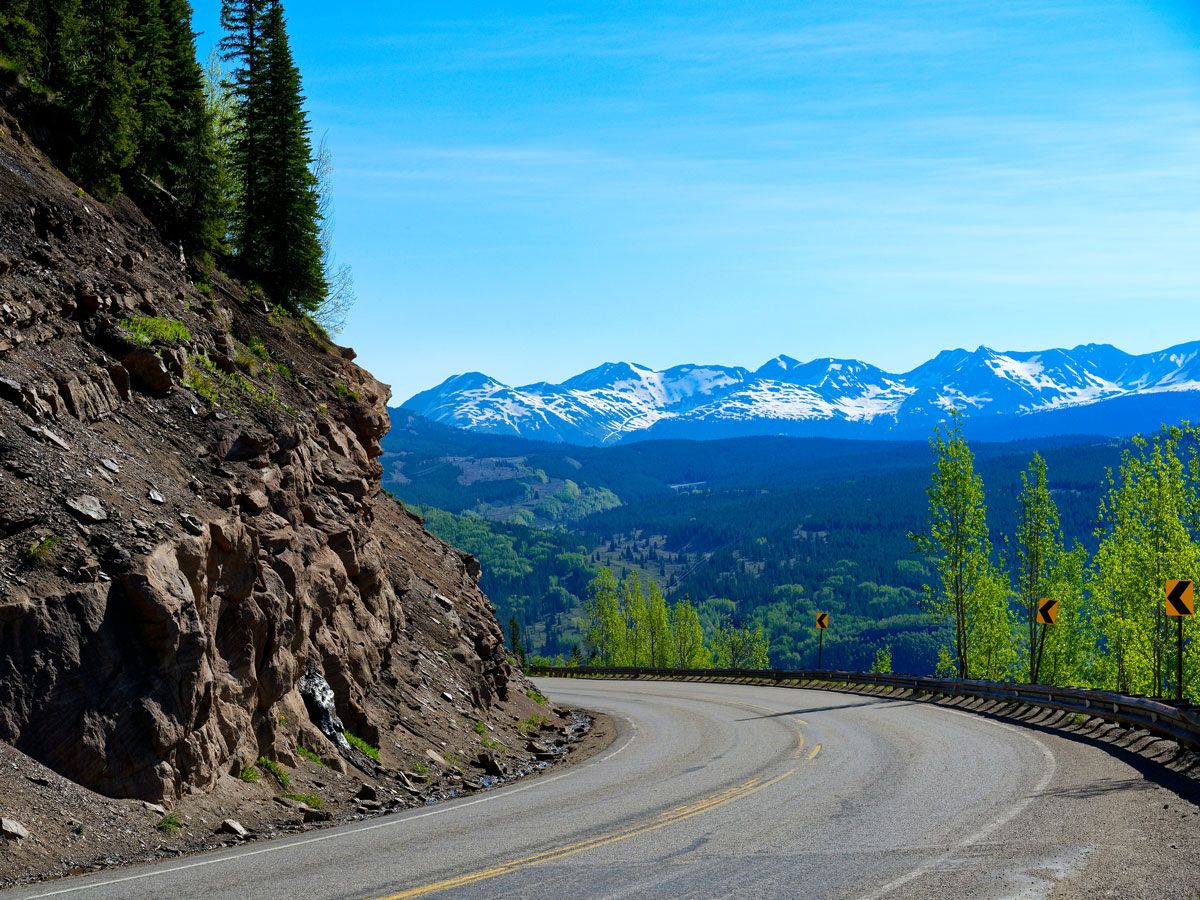
The San Juan Skyway might just be one of the most memorable road trips in the American West. This 236-mile loop through southwestern Colorado connects historic mining towns such as Durango and Telluride. Along the way, drivers who do the full six-hour loop will climb altitudinous alpine roads; weave past waterfalls, lakes, and dense forests; and take in the sights of 14 of Colorado’s rugged 14,000-foot peaks, known as 14ers.
The drive between Silverton and Ouray is particularly thrilling. Known as the Million Dollar Highway, the 25-mile stretch is paved but can make for a tricky drive — the lack of both guardrails and a shoulder will have you clinging carefully to the San Juan Mountains’ steep canyon walls. Dazzling views await at just about every turn, though, and the San Juan route also passes near Mesa Verde National Park, home to Ancestral Puebloan cliff dwellings.
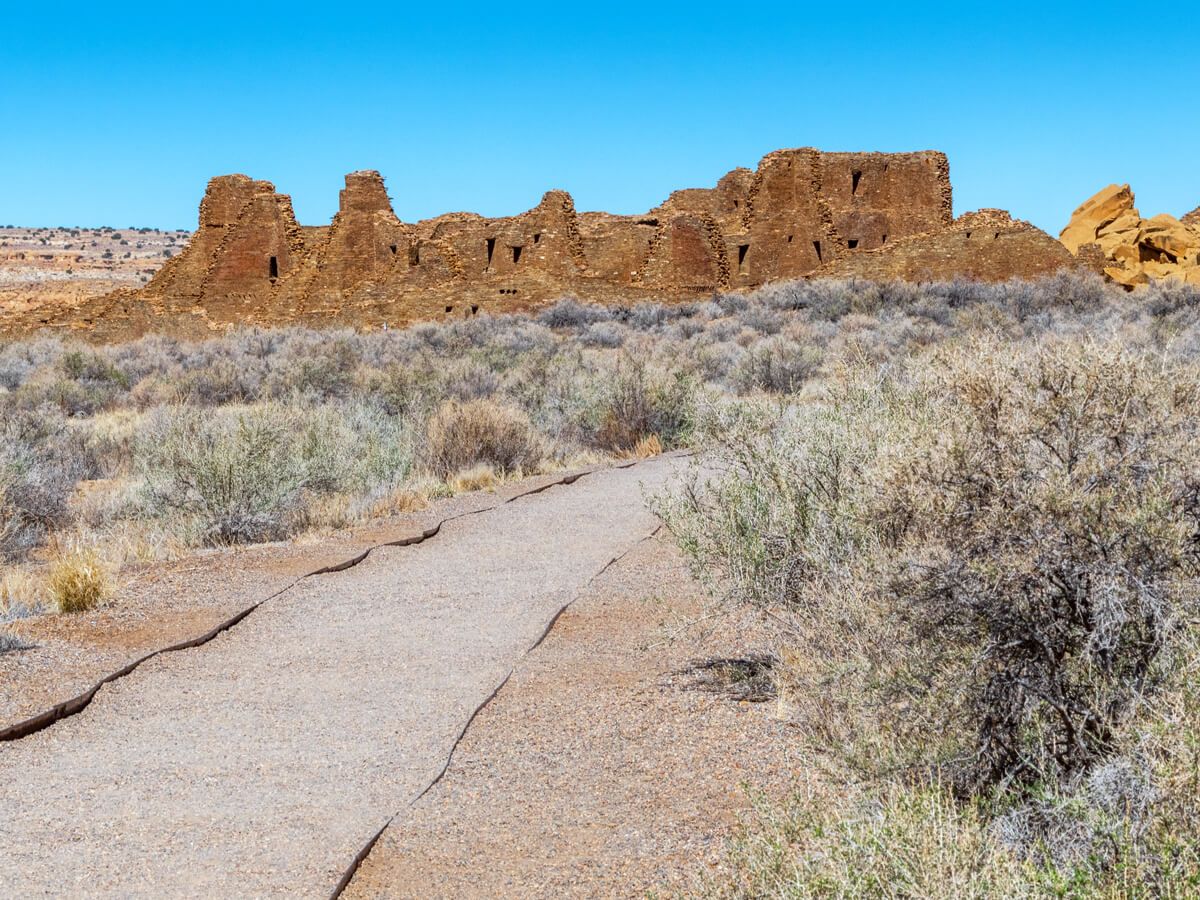
Winding through the rugged landscapes of the Four Corners region — where New Mexico, Arizona, Colorado, and Utah all meet — is the Trail of the Ancients. The byway reveals the history of the region’s early Pueblo peoples — ancient cliff dwellings, underground kivas, and etched rock art provide a glimpse into the culture that once thrived in the area.
The Trail of the Ancients offers not only a vast historical and cultural journey, but it also takes travelers through striking desert landscapes filled with massive sandstone buttes, colorful canyons, and expansive skies. At the heart of the trail lies New Mexico’s Chaco Culture National Historical Park, known for its intricate stone ruins of what was once a major gathering place for the Ancestral Puebloans.
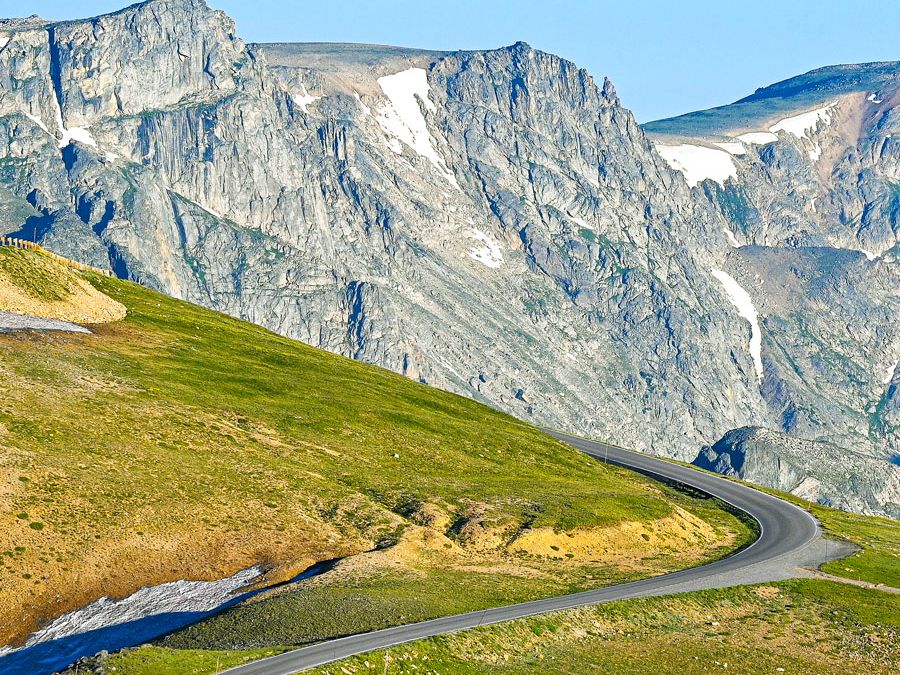
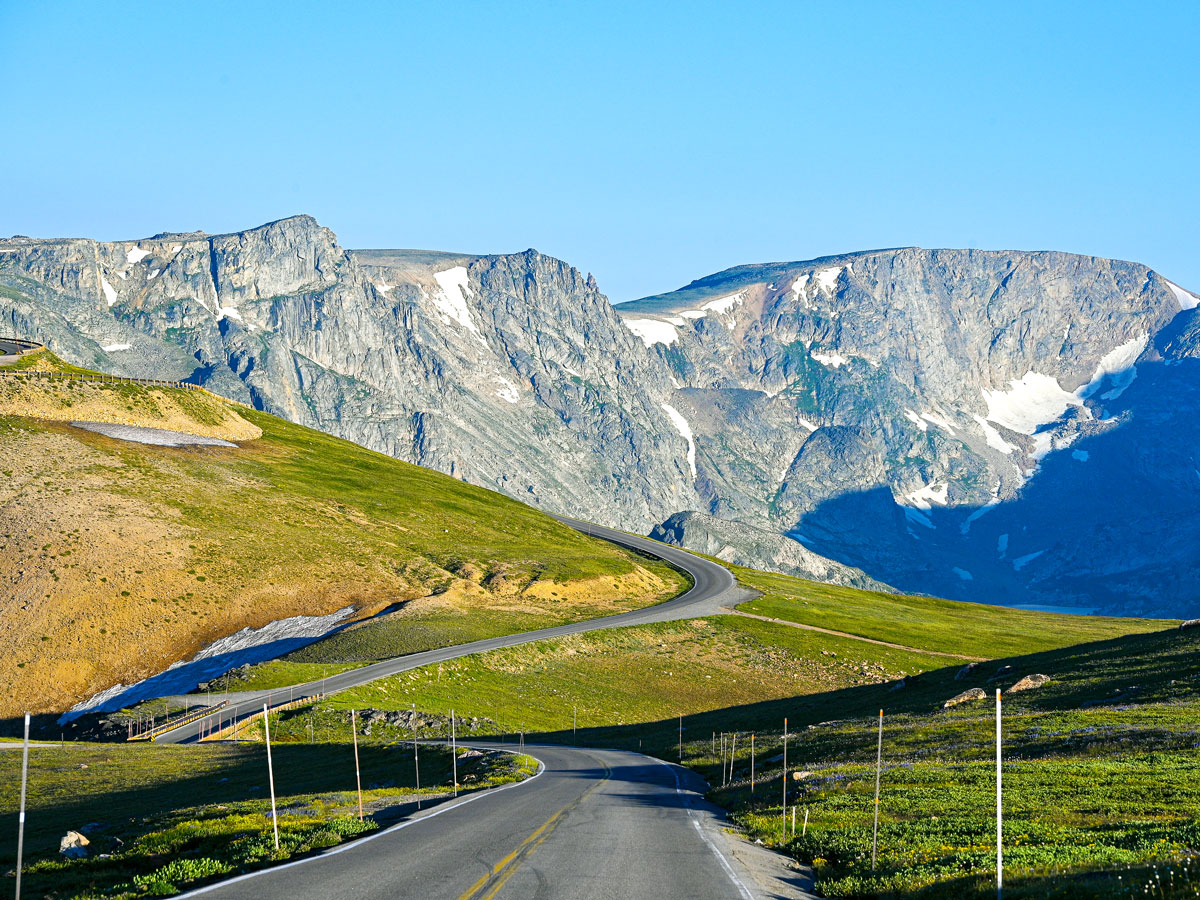
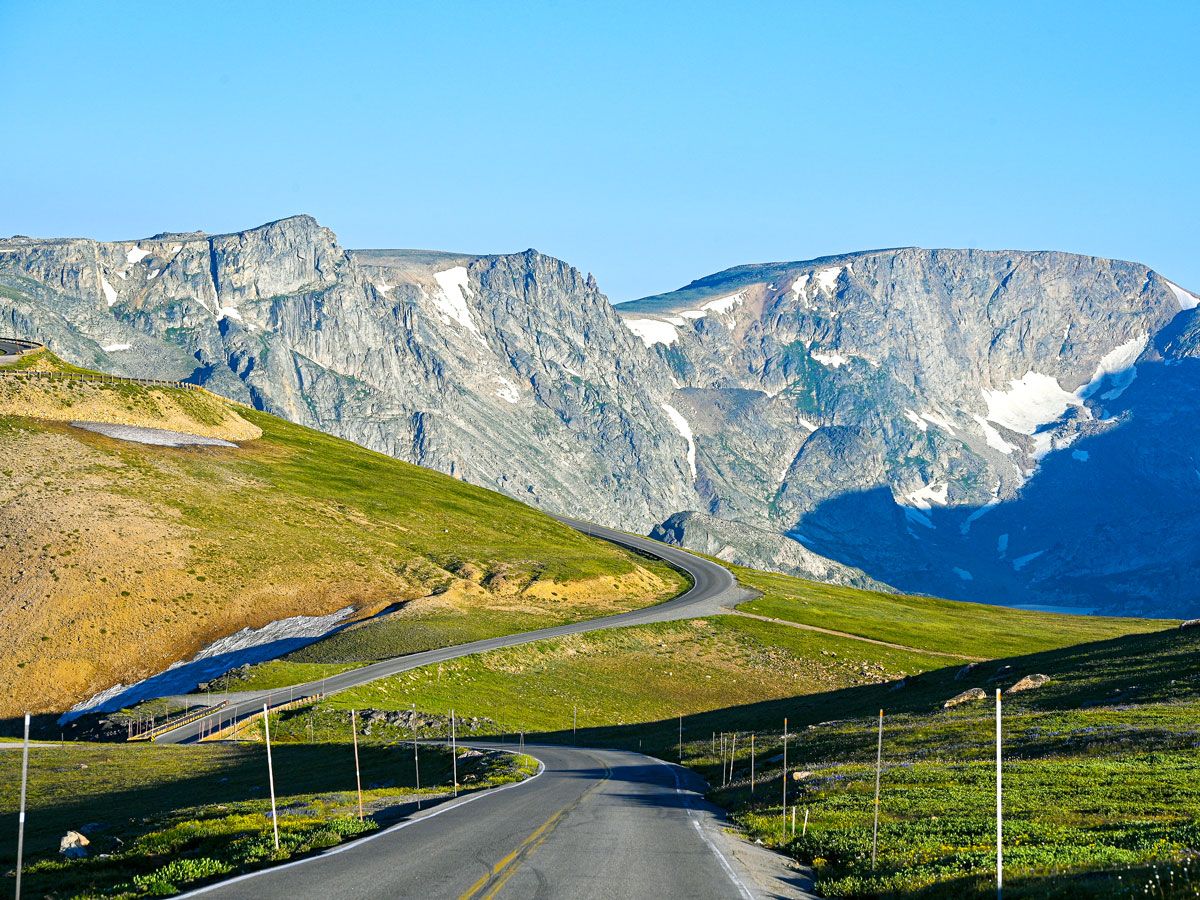
Few highways in the U.S. climb as dramatically or feel as remote as the Beartooth Highway. Completed in 1936, the drive winds for about 68 miles between Red Lodge, Montana, and the northeast entrance of Yellowstone National Park. At times, the road rises quickly — sometimes at a steep 10% grade — into the Beartooth Mountains, topping out at nearly 11,000 feet above sea level. From there, the landscape opens up into an alpine plateau punctuated with glacial lakes, snowfields that have been known to last well into the summer, and views that stretch across the northern Rockies.
Along the drive, it’s common to spot all kinds of creatures, from mountain goats to grizzly bears to marmots, and the road’s plentiful pullouts make it easy to stop and take in the scenery. Note that the highway is closed for much of the year due to heavy snowfall, but the short summer driving season only adds to the sense of adventure.
North Shore Scenic Drive – Minnesota
Credit: Willard/ iStock via Getty Images
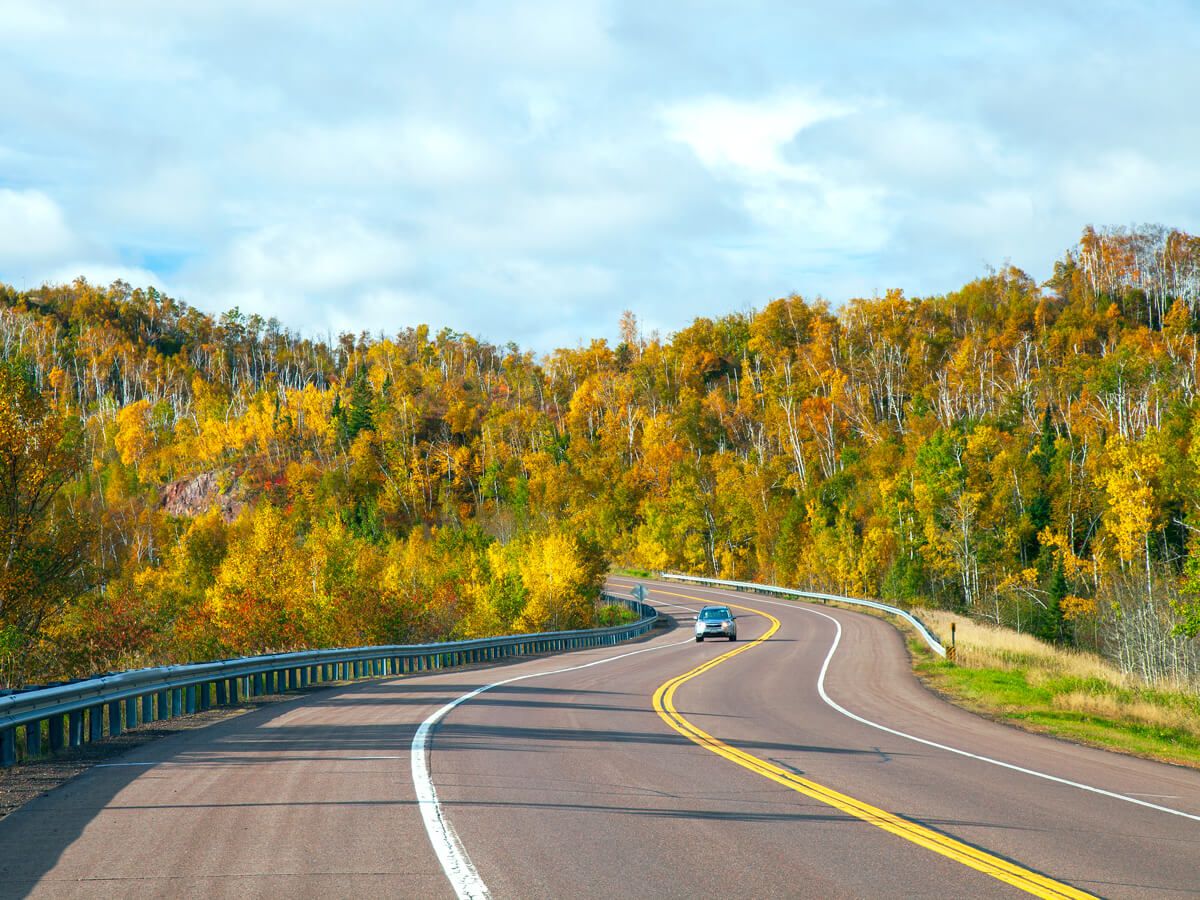
Any drive along the Great Lakes is bound to be a beautiful one, but the North Shore Scenic Drive is a true stunner. Stretching approximately 154 miles from Duluth, Minnesota, to the Canadian border, the route offers unparalleled views of the northern shores of Lake Superior — the largest of the Great Lakes and the largest freshwater lake in the world by surface area.
The drive passes through charming towns and rugged coastal landscapes, allowing for opportunities to stop for food and drink while also taking in expansive forests, waterfalls, and beaches studded with colorful agate stones (Minnesota’s state gemstone). Other highlights include Gooseberry Falls State Park, wildlife spotting around the Sawtooth Mountains, and Split Rock Lighthouse, a historic structure perched on a cliff overlooking the stunning lake.
If you’re craving salt air or serene marshlands rather than mountain switchbacks, U.S. Route 17, also often called the Coastal Highway, is a lovely way to travel the southeastern seaboard. Running from Virginia to Florida, the route passes through historic port cities such as Charleston, South Carolina, and fishing towns including North Carolina’s charming Beaufort (once literally named Fish Towne). You’ll also find long stretches of tidal wetlands, such as the Great Dismal Swamp. Spanning the Virginia-North Carolina border, it’s one of the largest protected natural areas on the U.S. East Coast and a sight that feels worlds away from the nearby Interstate 95.
Route 17 also makes its way through beautiful coastal Georgia. The road skirts historical towns, moss-draped oak forests, and marshes shaped by the tides. Many drivers opt for a detour toward the scenic Golden Isles or a stop in Savannah, whose history and architecture make it one of the country’s most memorable cities to visit.
Columbia River Highway – Oregon
Credit: vitpho/ iStock via Getty Images
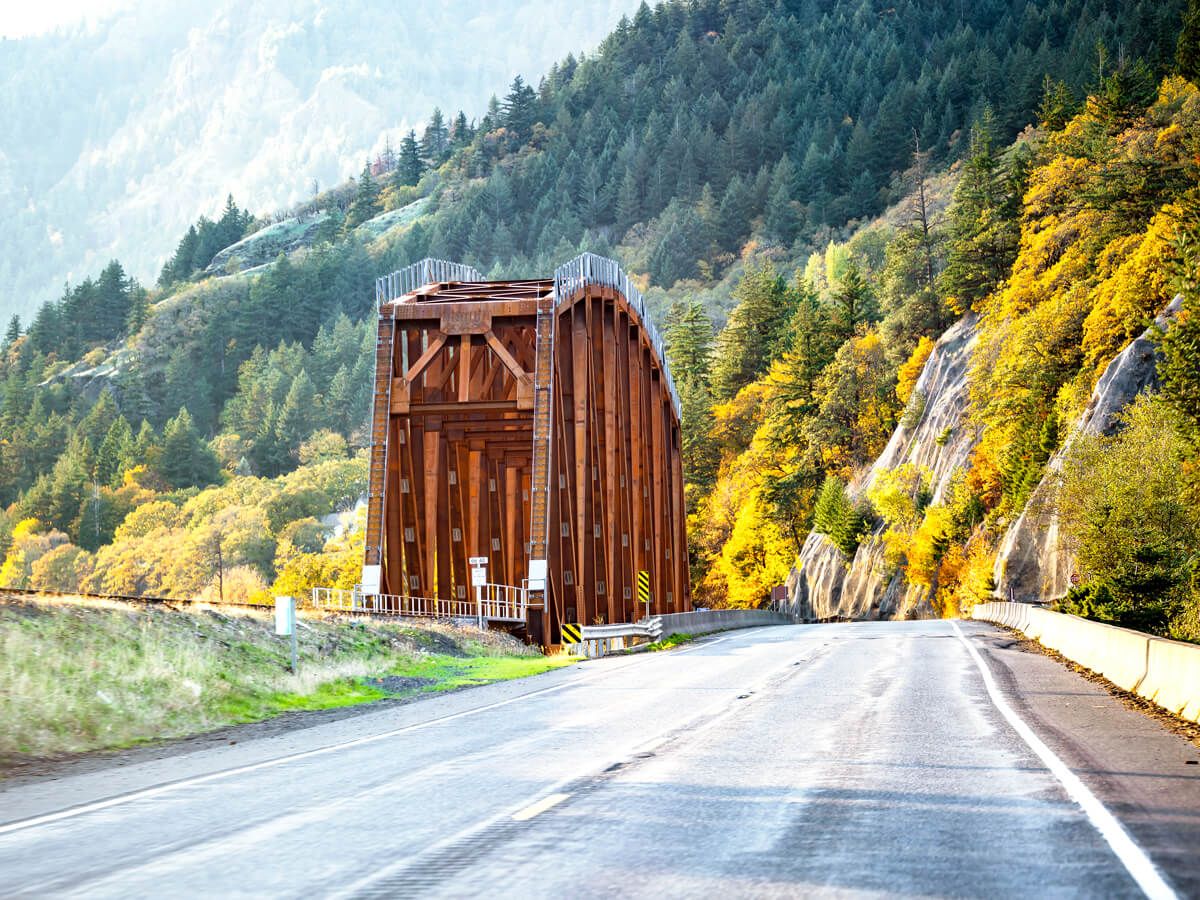
Oregon’s Columbia River Highway, built between 1913 and 1922, was the first planned scenic roadway in the United States. Spanning approximately 75 miles from Troutdale to the Dalles, it served as a blueprint for other paved scenic roadways around the country. The design incorporates arching bridges, rock tunnels, and the beautiful Vista House, where you can take in the view of the mighty Columbia River surging 750 feet below.
From this summit, the road winds down in figure-eight loops that take drivers through mossy forests, past the 620-foot Multnomah Falls, and by scenic vistas of this awe-inspiring river gorge. After you’re finished, it’s easy to understand why they call the highway the “King of Roads” and “A Poem in Stone.”
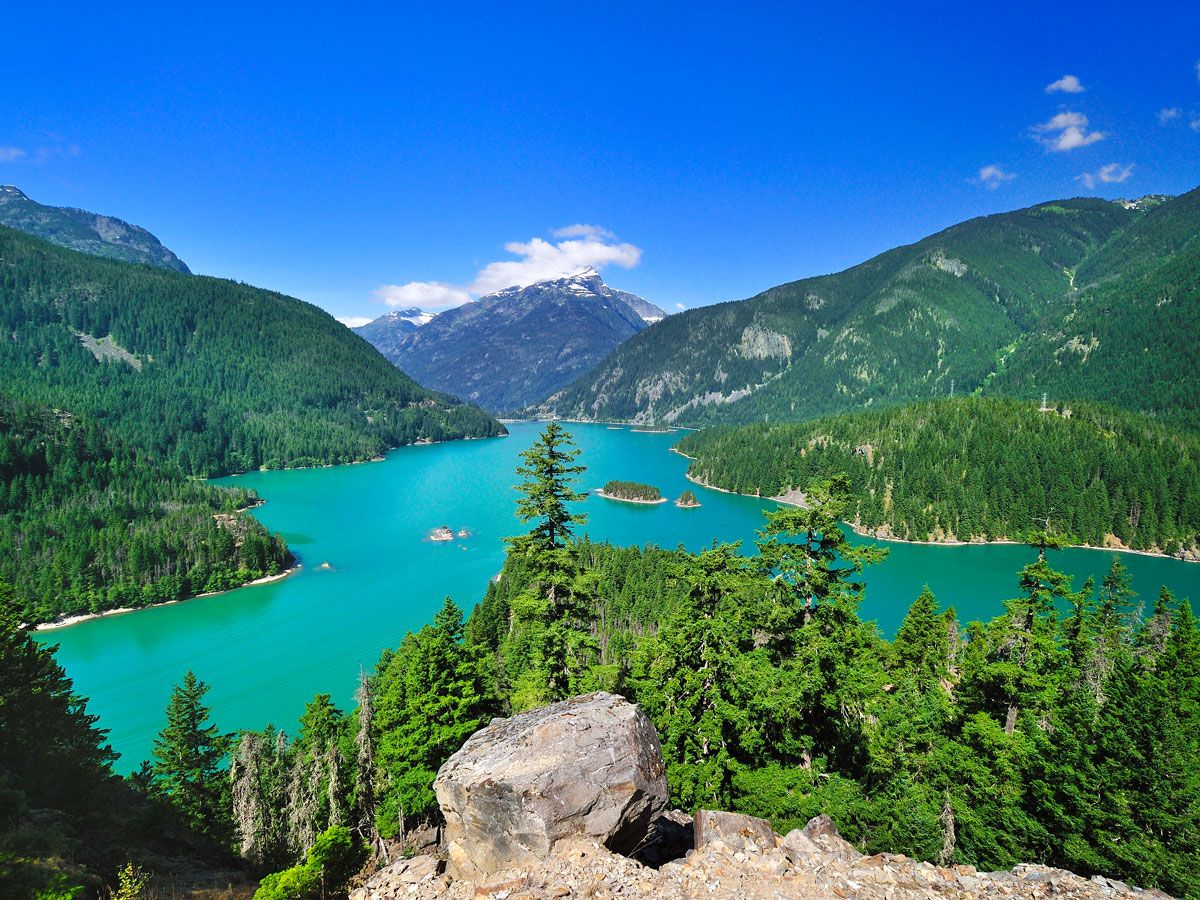
The Cascade Loop is another one of the most awe-inspiring drives in the Pacific Northwest. Tracing about 440 miles through some of Washington’s most dramatic landscapes, the route starts near Seattle and quickly trades city views for towering peaks as it climbs into North Cascades National Park — often called the “American Alps” for its jagged, glacier-capped mountains. The highway then weaves past turquoise lakes and temperate rainforests before descending toward the wineries of Wenatchee.
From there, the loop heads north. Take in the preserved Western town of Winthrop while making your way through the beautiful Methow Valley region, then return west along the scenic shoreline of the Puget Sound. Along the way, travelers can stop not only for fresh alpine hikes and scenic overlooks, but also for charming seasonal farm stands piled with fresh produce and other local products.
The Blues Highway – Tennessee to Louisiana
Credit: Tiago_Fernandez/ iStock via Getty Images
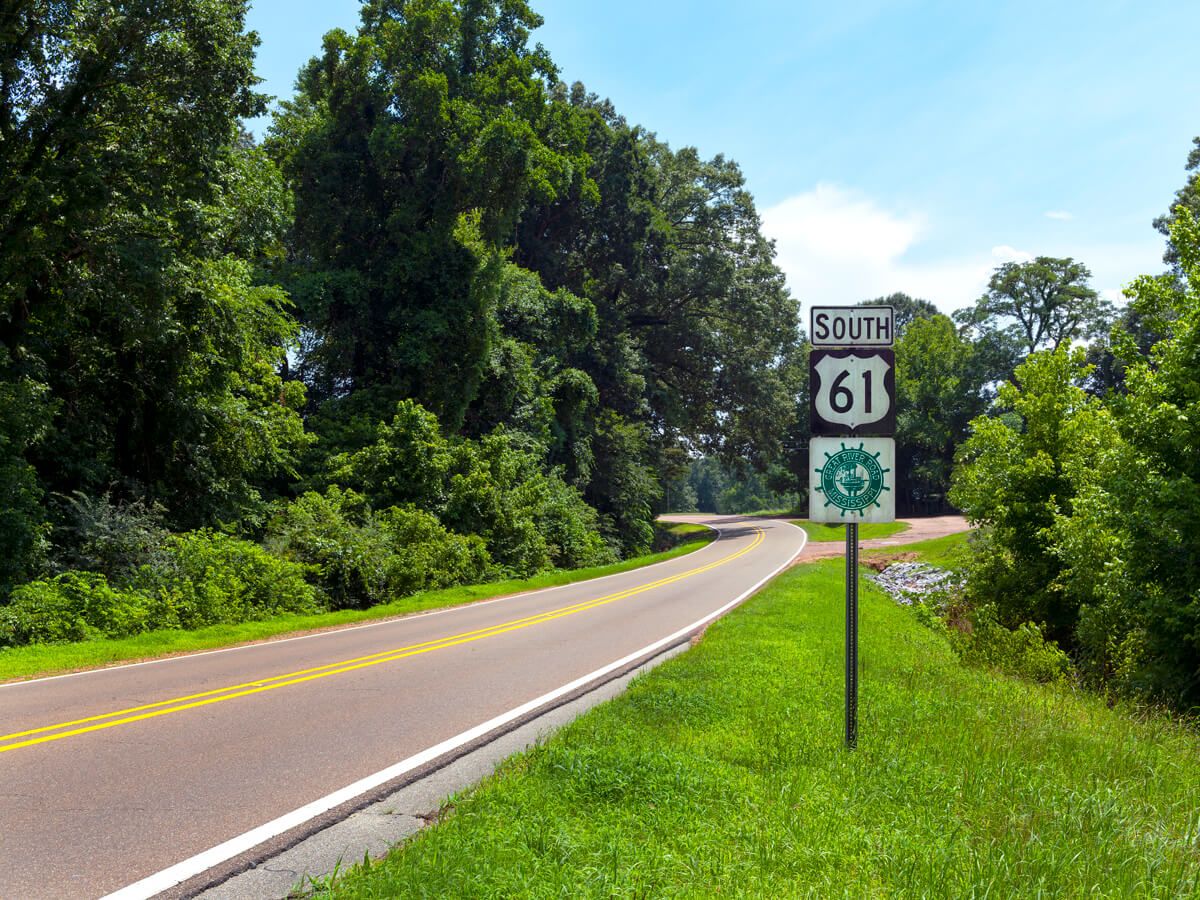
Music fans, take note: The Blues Highway — stretching from Nashville, Tennessee, to New Orleans, Louisiana — is a journey deeply rooted in the history of American music. The route, also known as Highway 61, explores Delta Blues landmarks where artists like Aretha Franklin and Elvis Presley recorded iconic songs, the vibrant French Quarter of New Orleans, and the groundbreaking jazz heritage of Preservation Hall.
Of course, the Blues Highway is not without its natural beauty. Mississippi’s Natchez Trace Parkway offers a look into the area’s Native American history, as well as views of southern cypress swamps. And Louisiana’s Tunica Hills, with its spring-fed waterfalls and lush green hardwood, contains some of the state’s best-kept landscapes.
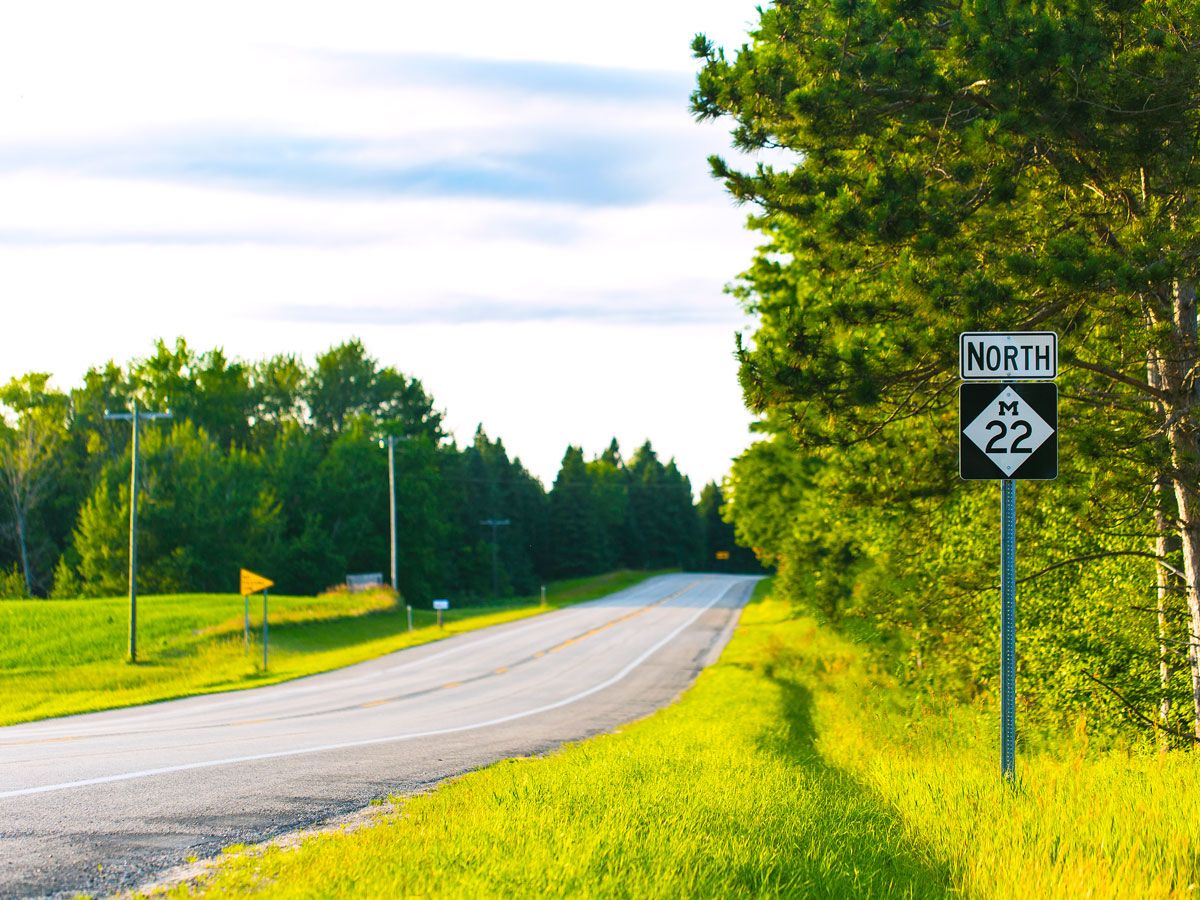
Tracing the shoreline of Lake Michigan, M-22 is one of the Midwest’s most beloved scenic drives — but one that still feels refreshingly under the radar for many Americans. The highway winds for about 116 miles, mostly along the coast of Michigan’s Leelanau Peninsula. It links beach towns, vineyards, and stretches of open water that almost look like the ocean on a clear day.
Along the way, drivers pass through small harbor communities like Leland — home to the historic fishing district known as Fishtown — and Glen Arbor, a laid-back town near the towering 450-foot bluffs of Sleeping Bear Dunes National Lakeshore. This latter stretch, with its sweeping sand dunes that rise high above the lake, is often the highlight of the trip.
High Peaks Scenic Byway – New York
Credit: aoldman/ iStock via Getty Images
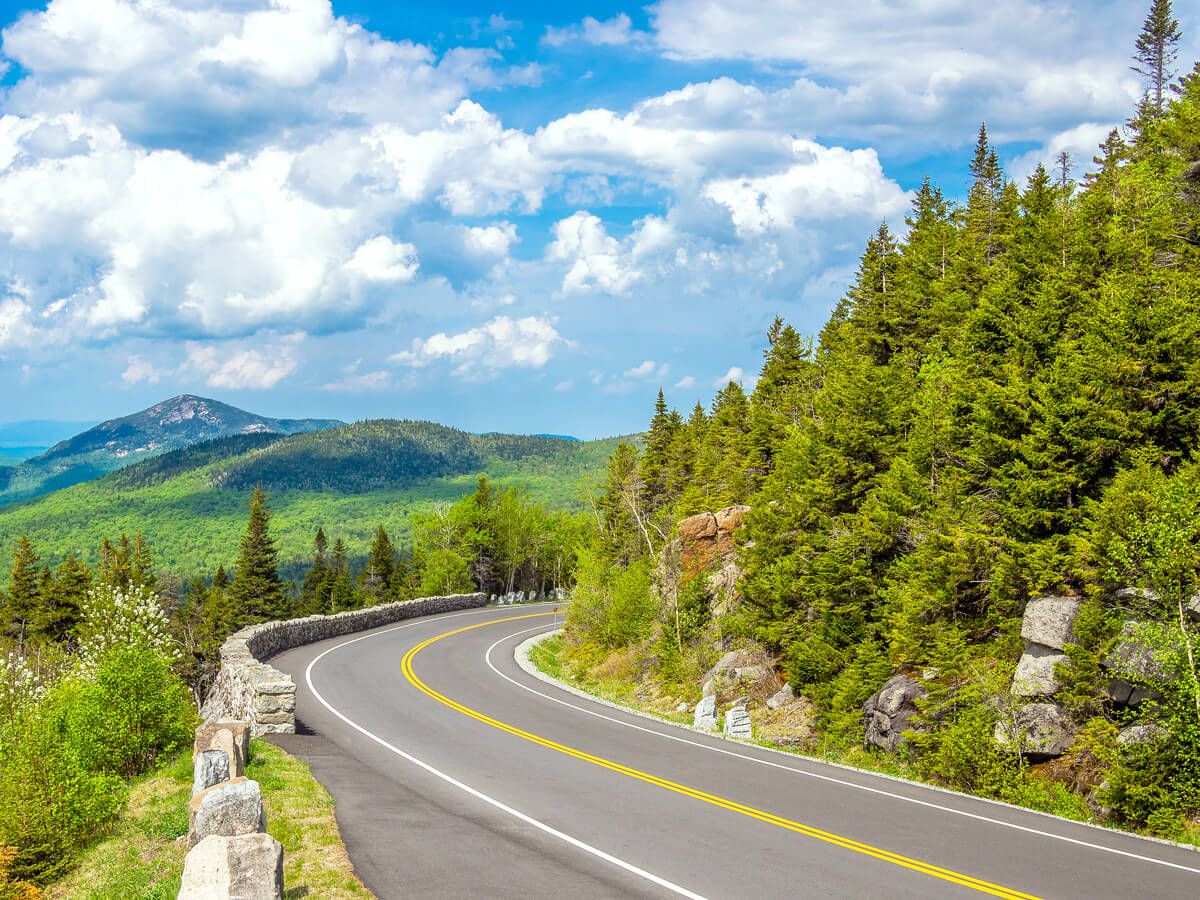
The spectacular Adirondack Mountains are on full display on a drive along the aptly named High Peaks Scenic Byway. This upstate New York route is a short, but stunning slice of scenery. Coming in at just under 30 miles long, the byway starts in the town of Keene and runs to Lake Placid, leading travelers along the highest peaks of the Adirondacks, by breathtaking bodies of water such as Chapel Pond and Roaring Brook Falls, and through charming towns and dense forests — which are particularly stunning during autumn.
There are plenty of places to pull over and take in the fresh air and scenery along the drive, as well as numerous trailheads for those who want to access more active recreational opportunities such as canoeing, biking, fishing, or cross-country skiing.
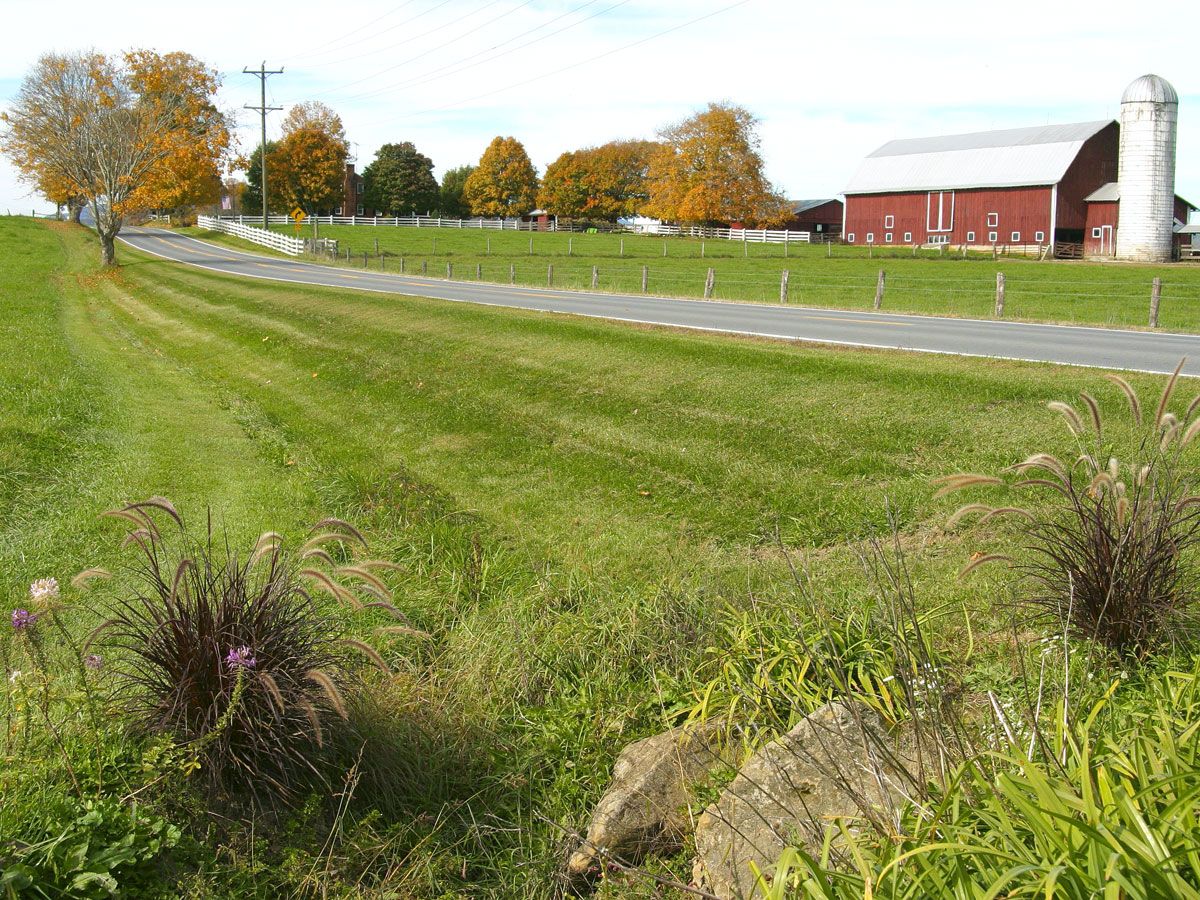
Running east to west across the heart of West Virginia, the Midland Trail follows a historic corridor that once carried travelers through the Appalachians before later becoming part of one of America’s first transcontinental auto trails. Today, much of the route traces U.S. Route 60.
Along the 117-mile trip, make sure to stop at scenic spots such as Hawks Nest State Park, where overlooks reveal dramatic views of the breathtaking New River Gorge and its iconic bridge, one of the longest steel arch bridges in the world. The drive also passes through historic communities such as Lewisburg, whose streets are lined with log buildings and other architecture dating back to the 1700s.
Eastern Sierra Scenic Byway – California
Credit: Noppawat Tom Charoensinphon/ Moment via Getty Images
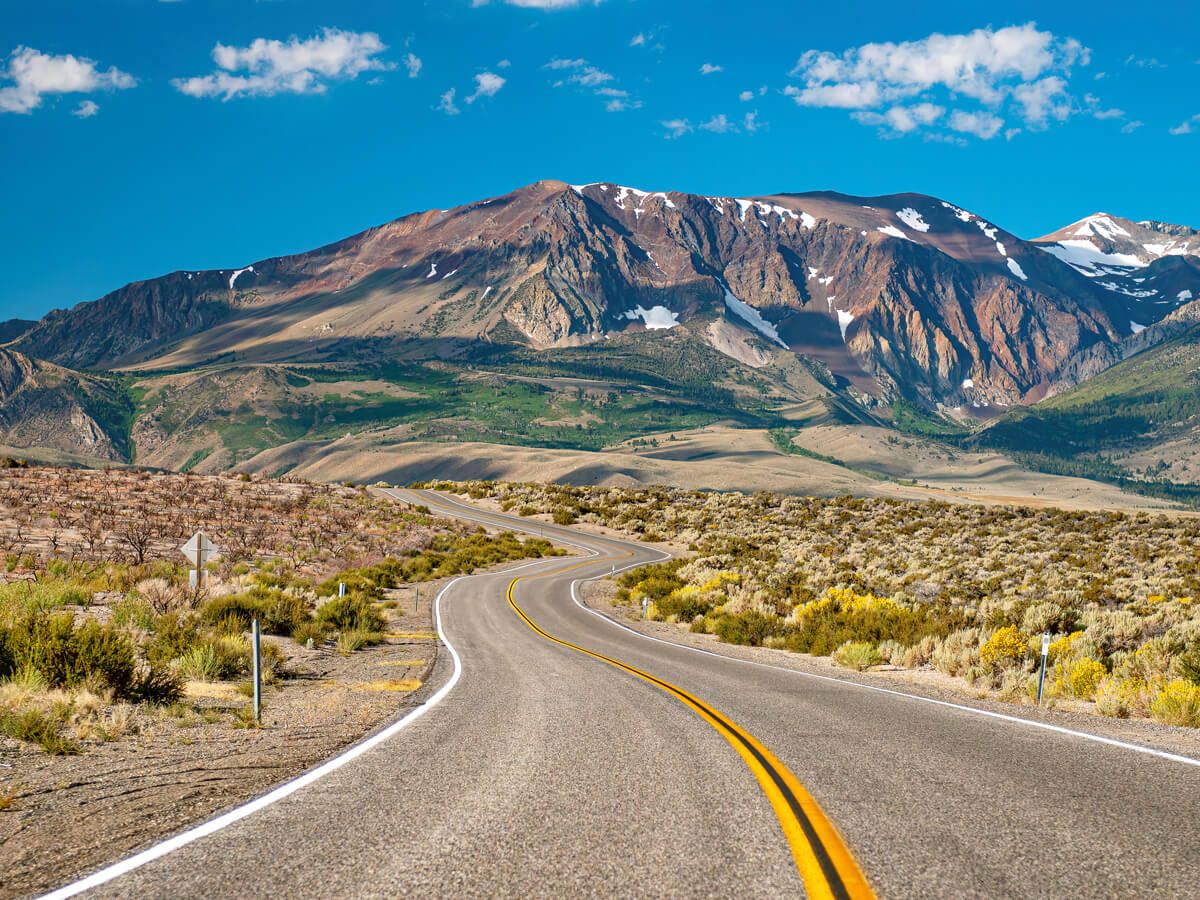
Driving the Pacific Coast Highway up the coast of California is one of the most famous and beautiful road trips in the world. But the Golden State is home to much more than Big Sur scenery — as evidenced by the diverse landscapes of the Eastern Sierra Scenic Byway. Stretching along the eastern side of the Sierra Nevada mountain range, the byway showcases a panorama of alpine lakes, rugged peaks, and desert expanses.
The elevated mountainous terrain also offers breathtaking views of Mono Lake, whose famous salt waters are visible from miles away. Furthermore, the byway offers the opportunity to visit the ancient Bristlecone Pine Forest, home to some of the world’s oldest trees, as well as Inyo National Forest, home to 14,500-foot Mount Whitney — the highest peak in the contiguous United States.