

Tips •December 12, 2023•Updated: December 12, 2023
By Daily Passport Team
Author
Daily Passport Team
Daily Passport writers have been seen in publications such as National Geographic, Food & Wine, CBC, Condé Nast Traveler, and Business Insider. They're passionate about uncovering unique destinations and sharing expert tips with curious travelers.
Unless you’re fortunate enough to be flying in the pointy front end of the plane, traveling is usually a tight squeeze. But not all economy class seats are created equal, and there are some airlines that offer more legroom in coach than others. The thought of settling in for a long flight is much easier knowing you have a little extra room to stretch out, especially if you’re tall. Here are five airlines that offer the most legroom.
While JetBlue bills itself as a low-cost carrier, the airline doesn’t skimp when it comes to legroom. On JetBlue, the space between seats (which airlines call seat pitch) is a minimum of 32 inches — the most of any U.S. carrier. So if you’re looking to use a laptop on a flight, you might just be able to swing it on JetBlue. The airline, which operates its largest hubs at New York’s JFK Airport and Boston Logan, also offers personal seatback screens with live TV and fast, free Wi-Fi on every flight.
If you’re willing to pay more, you can spread out a bit more. JetBlue’s Even More Space seats, which are available on all flights, offer up to 38 inches of pitch. While these seats are pricier, they’ll also get you earlier boarding, easier access to overhead compartments, and entry to the fast lane of the security checkpoint at select airports.
Dallas-based Southwest Airlines offers up to 32 inches of seat pitch on its fleet of Boeing 737 airplanes, but word of caution — some planes offer more legroom than others. According to the airline’s website, Boeing 737-700 aircraft offer an average of 31 inches, while Boeing 737-800 and 737-MAX 8 models have 32 inches between seats. So, be sure to carefully check the flight details when booking.
The world’s largest low-cost carrier and America’s largest domestic airline by passengers carried, Southwest offers a slew of other passenger-friendly perks. It’s the only domestic carrier that allows every passenger to check two bags for free, plus Southwest doesn’t charge change fees on tickets (you’ll just pay the fare difference).
If you’re flying to Asia, Japan Airlines is a top airline to consider. Depending on the plane, you can expect a seat pitch ranging between 33 inches and 34 inches, the most generous legroom offered by any global airline. The seats also range from roughly 18 inches to 19 inches wide, giving you a little more breathing room than you’ll find on most other airlines.
As the winner of Best Economy Class in the 2023 Skytrax World Airlines Awards, Japan Airlines offers plenty of other niceties, from in-flight meals to seatback entertainment. On the JAL Sky Suite on the Boeing 787, the airline has opted for eight seats per row instead of the standard nine, giving each flier nearly two inches of additional space.
Other international airlines that offer industry-leading legroom include ANA, Emirates, EVA Airways, and Singapore Airlines. Each carrier features an average of 32 to 34 inches of seat pitch in economy class.
Seattle-based Alaska Airlines isn’t quite as generous when it comes to legroom as JetBlue, but the airline offers slightly more space to spread out than most other U.S. carriers. On its fleet of Boeing 737 aircraft, Alaska offers an average of 31 to 32 inches of seat pitch.
Like other airlines, you can pay extra on Alaska if you’re looking for more room. The airline’s Premium Class seating offers 35 inches of legroom, and some seats offer up to 40 inches of legroom. Premium Class also gets you complimentary cocktails to make your flight even more enjoyable.
Delta is pretty similar to its major rivals American and United when it comes to legroom, but the Atlanta-based carrier does have a slight edge. While the standard seat pitch in economy class on American and United is generally 30 inches on narrowbody planes (with some exceptions), that’s not always the case on Delta.
Check the seat map for each aircraft type before booking. While some planes have seats with 30 inches of legroom, the majority of planes offer a slightly more generous 31 inches. And on planes like the new, state-of-the-art Airbus A220, you can enjoy up to 33 inches of space. As with the other airlines mentioned on this list, you can always pay more for Delta’s Comfort+ seating, which offers up to four extra inches of legroom plus priority boarding, complimentary snacks, and alcoholic drinks.
Advertisement
More from our network
Daily Passport is part of Inbox Studio, an email-first media company. *Indicates a third-party property.
Culture •December 5, 2023•Updated: October 7, 2024
By Fiona Mokry
Author
Fiona Mokry
Fiona has spent her career exploring the world and working in the travel industry, turning her lifelong passion into a profession. From planning custom trips to sharing stories as a travel writer for publications such as The Discoverer, she’s all about helping others experience the world in a deeper, more meaningful way.
The U.S. Midwest has no shortage of charming small towns, many of which feature historic downtowns, offbeat roadside attractions, and friendly locals. Whether you’re setting off on a cross-country road trip or are just curious about hidden gems, these are the quirkiest small towns you should visit in the Midwest.
Lucas, Kansas
Credit: John Elk/ The Image Bank Unreleased via Getty Images
This farming community of just over 300 residents may be small, but its reputation for funky folk art reaches far across the Midwest. The “Grassroots Art Capital of Kansas” features a remarkable outdoor art installation called the “Garden of Eden,” created in 1907 by Civil War veteran S.P. Dinsmoor. Listed in the National Register of Historic Places, Lucas’ “Eden” includes sculptures and monuments, alongside Dinsmoor’s former cabin home.
The fantastic art in Lucas doesn’t stop there. Sponsored by the Grassroots Art Center, Bowl Plaza is a mosaic-adorned public restroom that was once named one of the best public restrooms in the United States. Meanwhile, Miller’s Park — a rest stop famous for its mini rock replicas of local landmarks — took Lucas residents Roy and Clara Miller decades to create. The art-centric town also houses an impressive collection of tiny replicas in its humorously named museum, the World’s Largest Collection of the World’s Smallest Versions of the World’s Largest Things Museum.
Not up for the long flight to Europe? Americans craving a slice of the European lifestyle can head to Frankenmuth as a worthy alternative. You could easily mistake your location for Germany once you step foot in this Michigan town, which was settled by German immigrants in 1845. The sight of the Holz Brücke (wooden bridge) is the first sign you’ve arrived, while the charming Bavarian architecture, year-round German festivals (like the Frankenmuth Oktoberfest and the World Expo of Beer), and German cuisine served at many restaurants all add to the atmosphere. You can even attend a Sunday service at St. Lorenz Lutheran Church entirely in German.
Bentonsport, Iowa
Credit: Eddie Brady/ The Image Bank Unreleased via Getty Images
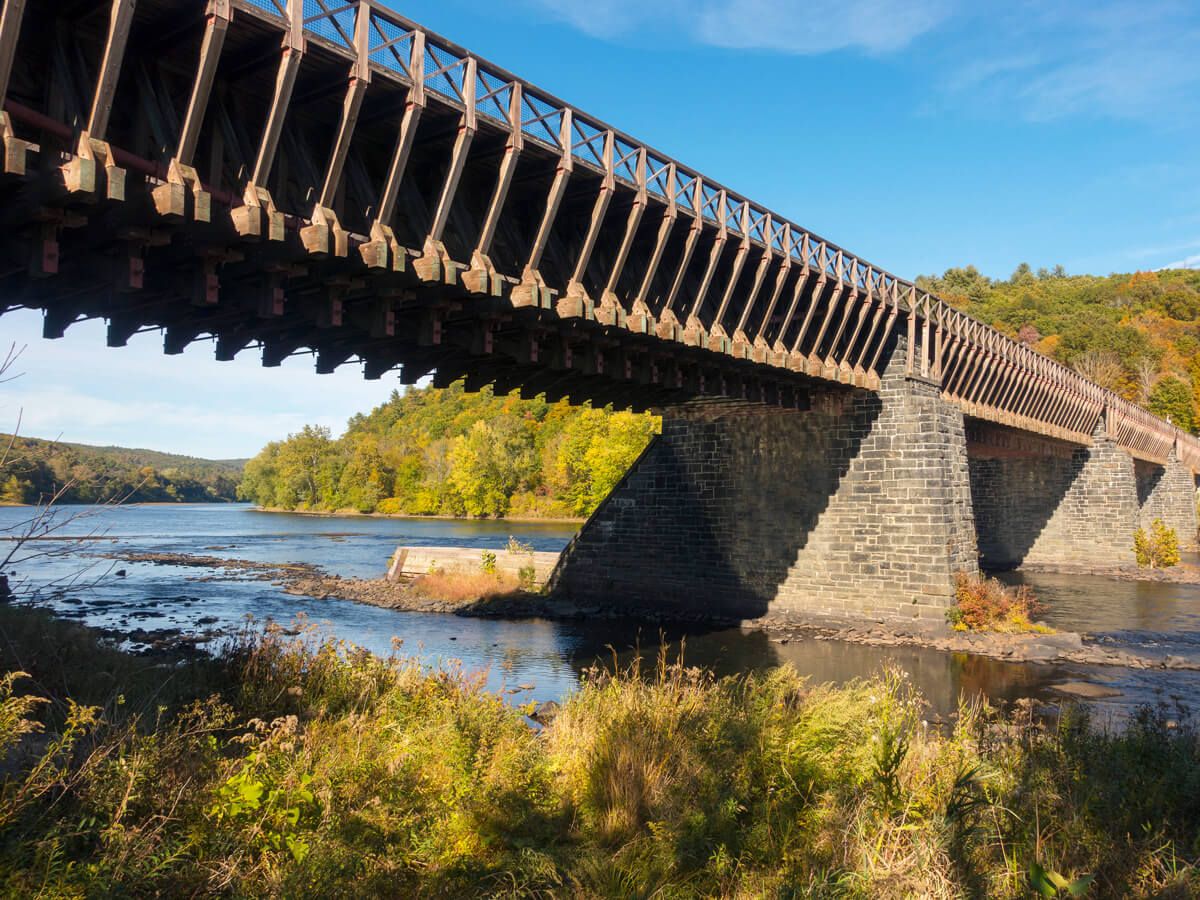
Once a thriving port city on the Des Moines River in the 1840s, Bentonsport is now a sleepy village of only about 40 residents. Despite its tiny population, Bentonsport attracts visitors with its historic architecture and resident artisans, who sell their handmade goods in specialty shops around town. A typical visit to Bentonsport entails staying in a historic bed-and-breakfast or cottage, watching artists perfect their craft in their open workshops, tasting homemade fudge, strolling along the riverbanks or across the century-old iron bridge, and enjoying time in nature with a hike or canoe down the Des Moines River.
DC Comics deemed Metropolis, Illinois, as Superman’s official hometown in 1972, and fans of the superhero have been flocking here ever since. The town of about 6,000 people is home to Superman Square, the site of a 15-foot-tall Superman Statue that looks over the city. (A statue of Lois Lane is also found a few blocks away.) The Super Museum — identifiable by the Man of Steel’s signature colors of blue, yellow, and red — is located across the street from the Superman Statue. Inside, visitors can pour over more than 70,000 artifacts, the largest collection of Superman memorabilia in the world. Every June, Metropolis hosts a Superman Celebration, complete with celebrity guests and throngs of costumed comic fans.
This small Minnesota town with a population of less than 1,000 people has one big claim to fame: It was the filming location for Prince’s beloved music film Purple Rain. Fans often come here to pose with the Prince statue in Prince Garden, complete with purple benches and surrounded by purple flowers. Above the statue is a giant mural of the singer leaning against a red Corvette, a recreation of a scene from the 1984 movie. After Prince passed away in 2016, Henderson released a map outlining the many sites near the town where the movie’s scenes were filmed.
Looking to relive the days of the Wild West? Consider a visit to the former frontier town of Ogallala. In the 1870s, it was considered the most dangerous town in Nebraska, as Ogallala was the center of the cattle industry and frequented by rough-and-tumble cowboys herding their cattle through town. These cowboys gathered at the town’s saloons, where the alcohol flowed and the bullets flew.
However, present-day Ogallala is a far cry from its wild past — the quiet city of 5,000 residents welcomes visitors with a peaceful atmosphere and day trips to Lake McConaughy for fishing, boating, camping, and swimming. However, staying true to its roots, downtown’s Front Street caters to Wild West aficionados with 19th-century-style buildings, bars, cafes, and a general store.
This Indiana town’s festive name certainly provokes curiosity. Legend has it that when the town applied for a post office under its former name, Santa Fe,in 1856, the request was rejected because a nearby town had already claimed the name, and the townspeople were instructed to pick something else. As it was the holiday season, Santa Claus was suggested, and the name stuck.
To say the town has leaned into its name is perhaps an understatement: In Santa Claus, there are dozens of Santa Claus statues, a Christmas Lodge, a Christmas Store, Santa’s Candy Castle, and the Holiday World and Splash Safari theme park — attractions that altogether attract bring around 1 million visitors to the town year-round. A visit to Santa Claus during the holiday season will predictably coincide with the many events happening in this festive town.
Located in McHenry County, 50 miles northwest of Chicago, Woodstock provides a welcome escape from the hustle and bustle of the Windy City. The Woodstock Square Historic District showcases stunning Victorian architecture, featured in landmarks such as the Woodstock Opera House, the Old Courthouse, and the Sheriff’s House. Adding to its historic charm, Woodstock was the former residence of director and actor Orson Welles, who attended the Todd School for Boys from 1926 to 1931 and performed at the city’s opera house at the age of 19. More recently, Woodstock’s quaint downtown was chosen as the filming location for the 1993 classic film Groundhog Day.
North Dakota has its fair share of small towns, but perhaps none are more vibrant than the tiny town of Jud. Made up of roughly 70 people, Jud makes a name for itself thanks to the artistic abilities of many of its residents. In an effort to spruce up the town, Jud’s talented painters took it upon themselves to decorate the outside of most of its houses, stores, garages, and bars with colorful murals. Aptly dubbed “the Village of Murals,” Jud features works that depict everything from cartoon characters and larger-than-life postage stamps to nature scenes and local images. A wander around this small town is like walking into an outdoor art museum.
Despite — or perhaps because of — its tiny size, Leader (population: 7) draws visitors from across the Midwest with one of the most unique events in the region. Though it may seem like a ghost town on weekdays at the local watering hole, the Bear’s Den comes alive during summer weekends with pig races that attract crowds of up to 500 people. On Friday and Saturday nights, patrons line up to pay the modest entrance fee and watch piglets race around the track at the local pig racing arena. Beyond the excitement of the track, the surrounding rural area features several state parks, with hiking and biking trails, camping, and horseback riding.
Perhaps the official motto for Casey, Illinois, should be “bigger is better.” The town of 2,400 people claims 12 Guinness World Records for the “world’s largest” items, plus a dozen other so-called “Big Things,” all of which are displayed in or around the historic downtown. Among the record winners are the World’s Largest Wind Chime, Rocking Chair, Pitchfork, Mailbox, and Barber’s Pole, all made right in Casey. Stroll around town, and you’ll also run into the Big Cactus, A Big Ear of Corn, and the Big Taco — to name a few of the many unusually large attractions here.
Jim Bolin, a local businessman, was trying to think of a way to draw visitors to his small town with a unique attraction when he decided to go for a Guinness World Record. Bolin used piping sourced from his own business for the construction of the wind chime in 2009, and the momentum of his initial success has kept him going ever since. A visit to Casey is sure to result in many photo ops with these quirky record holders.
Advertisement
More from our network
Daily Passport is part of Inbox Studio, an email-first media company. *Indicates a third-party property.
Geography •December 5, 2023•Updated: December 6, 2023
By Nicole Villeneuve
Author
Nicole Villeneuve
Nicole is a writer and researcher with over 15 years of experience seeking out arts, culture, and lifestyle stories in places like remote northern Quebec and the unforgettable streets of Amsterdam. Her work has also appeared in PureWow, Brit + Co, AUX TV, and CBC.
Canada — the second-largest country in the world after Russia — is made up of 10 provinces and three territories. They extend from the Atlantic all the way to the Pacific, south to the U.S. border, and north to the Arctic Circle. For a country so expansive, however, Canada is sparsely populated by only about 39 million residents. Yet, from the bustling cityscape of Ontario’s capital to the serene beauty of the Maritime provinces and the untamed wilderness of the Yukon, cultural richness and natural wonders abound across the Great White North. Read on for an essential guide to Canada’s provinces and territories.
Alberta boasts one of the largest oil reserves in the world, but this Prairie province’s topography is much more than mined flatlands. Its diverse landscape also includes the Canadian Rocky Mountains and the stunning turquoise glacial runoff waters of Lake Moraine and Lake Louise. Alberta officially became a Province on September 1, 1905, and was named for Princess Louise Caroline Alberta, daughter of Queen Victoria and the wife of John Campbell, one-time Governor General of Canada.
About 60% of its 255,000 square miles is covered by forest, and 4.7 million people call this rapidly growing province home. Aside from its stunning national parks, which include Banff and Jasper, Alberta is home to major cities such as Edmonton and Calgary — the latter of which celebrates its cattle ranch past with the world-renowned Calgary Stampede rodeo every year.
Located on Canada’s picturesque western coast, British Columbia’s 17,000 miles of Pacific Ocean shoreline range from low-lying wetlands to dramatic fjords. Just over 5 million people live in the province’s 364,000 square miles, and many enjoy active outdoor lifestyles thanks to British Columbia’s mild and temperate climate and stunning natural landscapes.
The colony of British Columbia was founded in 1858 during the Fraser River Gold Rush. In July 1871, it joined the Canadian Confederation and officially became a province. It’s hard to find a spot that isn’t beautiful in “B.C.,” as its known locally, whether exploring the remote Haida Gwaii archipelago, the old-growth forests of MacMillan Provincial Park, or taking in a view of the North Shore Mountains from the province’s biggest city, Vancouver.
Manitoba holds an important place in Canadian history. It was the birthplace of the Métis people’s resistance, led by Louis Riel, which resulted in the region’s entry into Confederation in 1870. The central-Canadian province’s landscape spans 250,000 square miles and more than 100,000 lakes, including Lake Winnipeg — the fifth-largest freshwater lake in Canada.
Manitoba is generally flat, and during the winter months it’s often exposed to frigid Arctic air masses that blanket the area for weeks at a time. That doesn’t deter the 1.4 million people who call it home — though its lakes freeze, they become havens for snowmobilers, skiers, and ice fishers. The province’s primary cultural and economic hub is Winnipeg, the capital and largest city. Meanwhile, the tiny, remote town of Churchill is known as the “Polar Bear Capital of the World,” a place where polar bears and beluga whales migrate in droves in the summer.
New Brunswick is the only officially bilingual Canadian province. Of the more than 800,000 people who call the province home, 42% of them speak both French and English, the two official languages. This eastern province spans approximately 28,000 square miles, making it the largest of Canada’s three Maritime provinces. Founded as a colony in 1784, New Brunswick is also one of the oldest provinces, becoming one of the original four to join the Confederation in 1867.
New Brunswick is renowned for its stunning coastal scenery along the Bay of Fundy, home to the famous Flowerpot Rocks and the world’s highest tides. That’s not the only coastal wonder: Canada’s warmest salt water beaches can be found along New Brunswick’s eastern border along the Northumberland Strait. New Brunswick’s biggest cities — Fredericton, St. John, and Moncton — are popular university towns and have thriving independent music and arts scenes. Meanwhile, the small town of Florenceville is home to the world’s largest manufacturer of frozen potato products, McCain’s.
The coastal province of Newfoundland and Labrador is known for glacier-carved fjords, alpine vistas, and historically significant fossil sites. The easternmost Canadian province is also the country’s youngest, having only joined Canada in 1949. The region — which includes the island of Newfoundland and the mainland portion of Labrador — spans over 156,000 square miles and is home to around 520,000 people, many of them concentrated in its capital city of St. John’s.
The province holds a deep connection to its maritime heritage, evident in its fishing villages, lighthouses, and the historic significance of sites like Signal Hill — where the first transatlantic wireless signal was received. One of Newfoundland and Labrador’s most unique annual attractions occurs when massive icebergs migrate along its coasts. It also boasts the UNESCO World Heritage Site Gros Morne, with rare geological formations and immaculate landscapes.
Nova Scotia — Latin for “New Scotland” — is the second-smallest province in Canada in terms of area, covering 21,345 square miles. However, Nova Scotia is the most populous of the Atlantic provinces — just over 1 million people call its rolling hills, dense forests, and saltwater shorelines home. In 1867, Nova Scotia became one of Canada’s founding provinces.
Nova Scotia’s Cabot Trail is a popular 200-mile scenic drive around the northern edge of Cape Breton, while the fishing village of Peggy’s Cove takes visitors to the edge of the Atlantic Ocean as they stand under its famous lighthouse. Perhaps unsurprisingly, Nova Scotia is also known for its maritime heritage, highlighted by the iconic Bluenose schooner and rich Celtic and Acadian cultural and musical traditions.
From the CN Tower to Niagara Falls and Parliament Hill, the province of Ontario encompasses some of Canada’s most iconic landmarks. It’s also the most populous province, home to over 15.6 million people. But at 415,000 square miles, it’s not the largest — that honor goes to Quebec. When Ontario joined the Canadian Confederation on July 1, 1867, it was known as Canada West — the western arm of the one-time Province of Canada, which also included the future province of Quebec to the east.
Ontario’s capital city of Toronto is the most populous metro area in Canada, home to over 6.6 million people, and a global financial and entertainment hub. A few hours north, Algonquin Provincial Park is a beloved gateway to unspoiled and, at times, rugged wilderness.
The smallest province in Canada is known affectionately as “P.E.I.” Prince Edward Island covers just over 2,000 square miles, and is home to about 170,000 people. P.E.I. is considered the country’s Birthplace of Confederation, having hosted leaders and meetings in 1864. Despite that fact, the one-time British colony didn’t become a Canadian province until 1873, six years after the first provinces joined.
P.E.I. is known for its unique red-sand beaches, a result of high iron in the surrounding soil. Thunder Cove Beach also has beautiful sandstone cliffs and sea stacks on the shores of the Gulf of St. Lawrence. Cavendish Beach is the most famous on the island, but it does get busy with fans of Lucy Maud Montgomery’s beloved Anne of Green Gables series. They come to the small shore from all over the world to visit the setting of the Canadian literary classic.
Quebec is by far the largest province, with its 524,000 square miles accounting for 15.4% of the country’s total area. Established as a French colony in 1608 and made a province in 1867, Quebec continues to foster a deeply rooted French-Canadian culture. The province’s almost 9 million residents help sustain a singular Quebecois arts and entertainment ecosystem and keep Francophone culture strong.
Quebec is well-known for its ski resorts, including Mont Tremblant, carved into the Laurentian Mountains and featuring a charming Swiss-inspired town. The provincial capital, Quebec City, is one of the oldest European settlements in North America, home to cobblestone streets and 17th-century architecture. Montreal is the province’s largest city, home to neighborhoods such Plateau-Mont-Royal and Mile End that offer a laid-back, creative atmosphere. And no trip to Quebec is complete without a visit to a sugar shack: Maple syrup is the province’s specialty, and over 90% of the country’s supply comes from the province’s lush forests.
Landlocked in the heart of Canada, the endless horizons of Saskatchewan’s vast prairies lend the province its nickname, the “land of the living skies.” The moniker perfectly conjures the way a sunset’s glow lingers and the clouds constantly paint the sky so uniquely in this region. Covering 252,000 square miles, Saskatchewan became its own province in 1905, when it broke away from the southern region of the Northwest Territories (along with Alberta).
The province’s economy has historically been rooted in grains, earning it another nickname: “Canada’s Breadbasket.” The 1.2 million people who call Saskatchewan home are privy to unique outdoor experiences, including fishing in its numerous lakes, exploring the rugged coulee landscape of Grasslands National Park, and, in the northern part of the province, witnessing unique natural wonders such as the northern lights and the Athabasca Sand Dunes.
In 1870, the Northwest Territories were officially established as a federal territory of Canada. The expansive unspoiled territory covers 520,000 square miles but houses just over 45,000 inhabitants. It boasts incredible natural wonders, including the Nahanni National Park Reserve, a UNESCO World Heritage Site famous for its rugged canyons and hot springs with a view.
Many diverse Indigenous communities call the Northwest Territories home, including the Dene, Metis, and Inuit peoples. The region is a land of extremes, where frigid winters give way to fleeting summers of almost-endless daylight. Here, the northern lights can be seen more nights than not, and the surreal seaside landmark known as the Smoking Hills has been billowing on the shores of the Arctic Ocean for thousands of years.
The newest and largest Canadian territory, Nunavut covers a mind-boggling 808,000 square miles, but is sparsely populated by only about 40,000 people, predominantly of the Inuit culture. It was established in 1999 as a result of the Nunavut Land Claims Agreement, which sought to recognize the rights of the Indigenous Inuit peoples, granting them self-governance over their ancestral lands.
Nunavut is defined by boundless tundras, icy fjords, and a unique ecosystem supporting a range of wildlife. Polar bears, whales, and most of Canada’s muskoxen population call this Arctic archipelago home. The territory’s culture is celebrated through traditional Inuit arts, such as throat singing, and festivals like Nunavut Day, which celebrates what makes it one of Canada’s most fascinating and culturally important regions.
In 1898, the Klondike Gold Rush prompted the Canadian government to split Yukon from the Northwest Territories and make a new territory. Today, the territory’s expansive landscape encapsulates over 186,000 square miles and contains some of the highest mountains in Canada (including Mount Logan and Luciana), pristine lakes, and over 100 million acres of boreal forests that are teeming with wildlife. The forests are home to Woodland caribou and grizzly bears — historically significant to the area’s Indigenous communities.
Over two-thirds of the territory’s 44,000 residents live in Whitehorse, the Yukon’s capital since 1953 and a great place to wander during the 24-hour sunlight that happens near the summer solstice. Today, the Klondike region and its historical sites like Dawson City help preserve the legacy of the Gold Rush era.
Advertisement
More from our network
Daily Passport is part of Inbox Studio, an email-first media company. *Indicates a third-party property.

Architecture •December 5, 2023•Updated: December 22, 2025
By Daily Passport Team
Author
Daily Passport Team
Daily Passport writers have been seen in publications such as National Geographic, Food & Wine, CBC, Condé Nast Traveler, and Business Insider. They're passionate about uncovering unique destinations and sharing expert tips with curious travelers.
State capitol buildings not only serve as headquarters for state government, but they are also oftentimes beautiful, historic structures. In some cases, they are even reportedly haunted. But with 50 state capitols to choose from, it might be difficult to narrow down which buildings are worth the visit. Check out our ranking of state capitol buildings that architecture fans and history buffs are sure to enjoy.
Pennsylvania State Capitol – Harrisburg, Pennsylvania
The third time’s the charm when it comes to capitol buildings in the Keystone State. After a fire destroyed Pennsylvania’s Capitol in 1897, a makeshift building was erected to house government action for the next nine years. The current Capitol was completed in 1906, with President Theodore Roosevelt declaring it to be “the handsomest state Capitol I ever saw.”
Designed by Philadelphia architect Joseph M. Huston, the Beaux Arts-style building (with Renaissance Revival elements) took cues from classic European architecture. The rotunda was inspired by the Paris Opera House, while the dome was modeled after St. Peter’s Basilica. The interior, which features intricate stained glass and mahogany woodwork, remains beautifully intact 120 years later.
The Wisconsin State Capitol is best known for its distinct X-shape formed by four separate wings, but we also think it’s one of the most beautiful state Capitols. After the spectacular structure was completed in 1917, a subsequent law prevented other nearby buildings from surpassing its height of 284.4 feet, making it the tallest building in Madison.
The Capitol was built on an isthmus — a narrow stretch of land between two lakes — and contains 43 different types of stones from six countries and eight states. It was inspired by the council chambers in Doge’s Palace in Venice, which helps explain the grandiose decor inside. The building is open to the public for tours daily — don’t miss the sixth-floor museum and observation deck with spectacular views of the city.
West Virginia State Capitol – Charleston, West Virginia
Designed by celebrated turn-of-the-century architect Cass Gilbert — who also designed the U.S. Supreme Court Building — West Virginia’s Capitol building harkens back to the days of the ancient Greeks. Built from 1924 to 1932, it features a Neoclassical design that showcases a symmetrical limestone facade and prominent columns. The building’s most iconic feature, however, is its massive dome, measuring 239 feet and covered in gold and copper leaf. The dome’s spire and intricate design set it apart from other capitols, especially at night when its golden facade is illuminated.
Our list of best state Capitol buildings continues with Iowa’s showstopper, which features four towering domes surrounding a central 275-foot-tall dome covered in 23-karat gold. The building’s interior is equally mesmerizing, particularly the law library, which houses an ornate spiral staircase. Fittingly, historic art and artifacts are spread throughout the building, from the handmade doll replicas of every governor’s wife to the scale model replica of the Battleship Iowa. Free tours of the building are available daily, but dome tours must be booked in advance.
Kentucky State Capitol – Frankfort, Kentucky
Credit: traveler1116/ iStock via Getty Images Plus
Completed in 1910, Kentucky’s Capitol building was designed in the Beaux Arts style, with an interior that reflects architect Frank Mills Andrews’ love of French design. The State Reception Room was created to host grand ceremonies, complete with intricate murals that were hand-painted to resemble hanging tapestries. The marble interior was sourced from Georgia, Tennessee, and Italy. In 2009, the massive dome was restored to its original glory, with the addition of LED lights that change colors, giving the Capitol an ever-changing appearance throughout the day.
The Massachusetts State House is instantly recognizable thanks to the iconic gold dome atop the Neoclassical-federal style building. We happen to think it’s one of the nicest state Capitols, too. Designed by American-born architect Charles Bullfinch and built in 1798, 15 years after the end of the Revolutionary War, the State House was ironically inspired by the architecture of London. As one of the stops on Boston’s Freedom Trail, the Capitol offers free tours of the building and grounds, which contain various famous statues representing U.S. history.
The Connecticut State Capitol is an imposing Gothic-style building overlooking Bushnell Park in Hartford. Completed in 1879, the marble structure features ornate bas-relief sculptures that depict key figures and moments in Connecticut’s history. It was formerly adorned with a bronze statue named “The Genius of Connecticut,” but the Capitol’s trademark sculpture was donated to the federal government and melted for ammunition during World War II. Today, the Capitol building and the grounds remain open to the public for guided and self-guided tours.
The Minnesota State Capitol put a young Cass Gilbert — the same architect behind West Virginia’s Capitol — on the map. At the time he designed it in 1895, Gilbert was an up-and-coming architect from Minnesota, and by the time it was completed in 1905, his career had taken off. Gilbert’s meticulous Renaissance Revival design featured marble from Georgia, a nod to the Minnesotans who fought in General Sherman’s campaign during the Civil War.
The building’s most arresting feature is the massive dome, which recalls the Basilica of St. Peter in Vatican City. It is flanked by a sculpture of four golden horses, representing the four elements of nature. Guided building tours allow rooftop access to see the magnificent horses up close.
Housing the oldest legislative assembly in the U.S., the Virginia State Capitol was designed by President Thomas Jefferson. Jefferson sketched his first design for the building in the mid-1770s, although his idea didn’t come to fruition until 1788.
Inspired by Greek and Roman temples, Jefferson conceptualized the building by creating a scale model, which was considered a radical and extravagant practice at the time. However, Jefferson’s attention to detail resulted in one of the most visually arresting capitol buildings in the country. Free guided tours are available Monday through Saturday.
Rhode Island State House – Providence, Rhode Island
Standing high on Smith Hill, the Rhode Island State House looms over the city of Providence below. When it was built at the turn of the 19th century, Rhode Island was the richest state in the nation on a per capita basis. So, during the construction of the capital, no expense was overlooked, including installing electricity, importing pricey marble, and constructing the fourth-largest self-supporting marble dome in the world.
In addition to housing the Senate and House Chambers, the State House also contains important historical artifacts, including documents in the Rhode Island Colonial Charter Museum and a hand-painted portrait of George Washington.
The creation of a new Illinois State Capitol building was necessary due to Illinois’ rapid population growth in the mid-19th century. During construction, the site famously housed a coal mine, which was discovered during excavation and subsequently mined to heat the building. The tallest domed Capitol in the country, the statehouse hosted its first legislative session in 1877.
Though it’s not the tallest state Capitol building — that honor goes to the Louisiana State Capitol in Baton Rouge — Illinois comes close. It’s famous for its 405-foot-high dome containing stained glass artwork on its interior. Balcony seating is available to visitors who want a front-row seat to Illinois politics.
Mixing Neoclassical and Renaissance Revival styles, the Georgia State Capitol is filled with history. Built on the site of Atlanta’s former city hall and courthouse in 1889, the stately building features Corinthian columns and a copper statue named “Miss Freedom,” which bears a resemblance to the Statue of Liberty and was erected in remembrance of state veterans.
When the Capitol was built in 1889, it was the tallest building in the state, but today Atlanta’s skyscrapers dwarf the 272-foot structure. In the 1950s, gold was mined in state and carried to Atlanta in wagon trains, after which Italian artisans applied it by hand to the Capitol’s dome, giving it the eye-catching exterior we see today.
The seat of the New York government since the 1880s, the New York State Capitol took five architects to design and a team of masons 30 years to hand-build the carved stone building. We think you’ll agree it’s one of country’s prettiest state capitols — for proof, look no further the Million Dollar Staircase, built for $1.5 million at the time (equivalent to over $30 million today) and emblazoned with the carvings of 77 famous faces. Open to the public for guided daily tours, the building is also known for its fair share of ghost sightings and is home to haunted tours during October.
The brainchild of New York architects Walter Wilder and Harry White, the Washington State Capitol Campus was the winning design from a contest held in 1911. Wilder and White proposed five separate structures to meet Washington’s governmental needs, including the Legislative Building, which contains the state Legislature and the office of the governor.
Also not to be missed are the Capitol Campus Gardens, home to a grove of cherry trees and the largest English Oak in the country. The Capitol is best visited in the spring when the cherry blossoms are blooming, but various tours of the campus buildings and gardens are available daily.
Texas State Capitol – Austin, Texas
Credit: CrackerClips/ iStock via Getty Images Plus
Everything’s bigger in Texas — including the Texas State Capitol. Built in 1888 to a height of 311 feet, it is the largest state capitol building and stands 14 feet taller than the U.S. Capitol. The Capitol, situated on the end of Congress Avenue, is a city landmark, so much so that local laws protect certain viewpoints from impinging on its visibility throughout Austin.
Constructed using 188,000 cubic feet of Texas pink granite, the building is perched on 22 acres of immaculately landscaped grounds, including a lovely oak-tree promenade. Inside, don’t miss the gallery, where whispers can be heard across the massive dome.
Advertisement
More from our network
Daily Passport is part of Inbox Studio, an email-first media company. *Indicates a third-party property.
5 Caribbean Islands You Might Not Know, But Should
By
Daily Passport Team
Read time: 4 minutes
December 5, 2023
Updated: December 18, 2025
5 Caribbean Islands You Might Not Know, But Should
Geography •December 5, 2023•Updated: December 18, 2025
By Daily Passport Team
Author
Daily Passport Team
Daily Passport writers have been seen in publications such as National Geographic, Food & Wine, CBC, Condé Nast Traveler, and Business Insider. They're passionate about uncovering unique destinations and sharing expert tips with curious travelers.
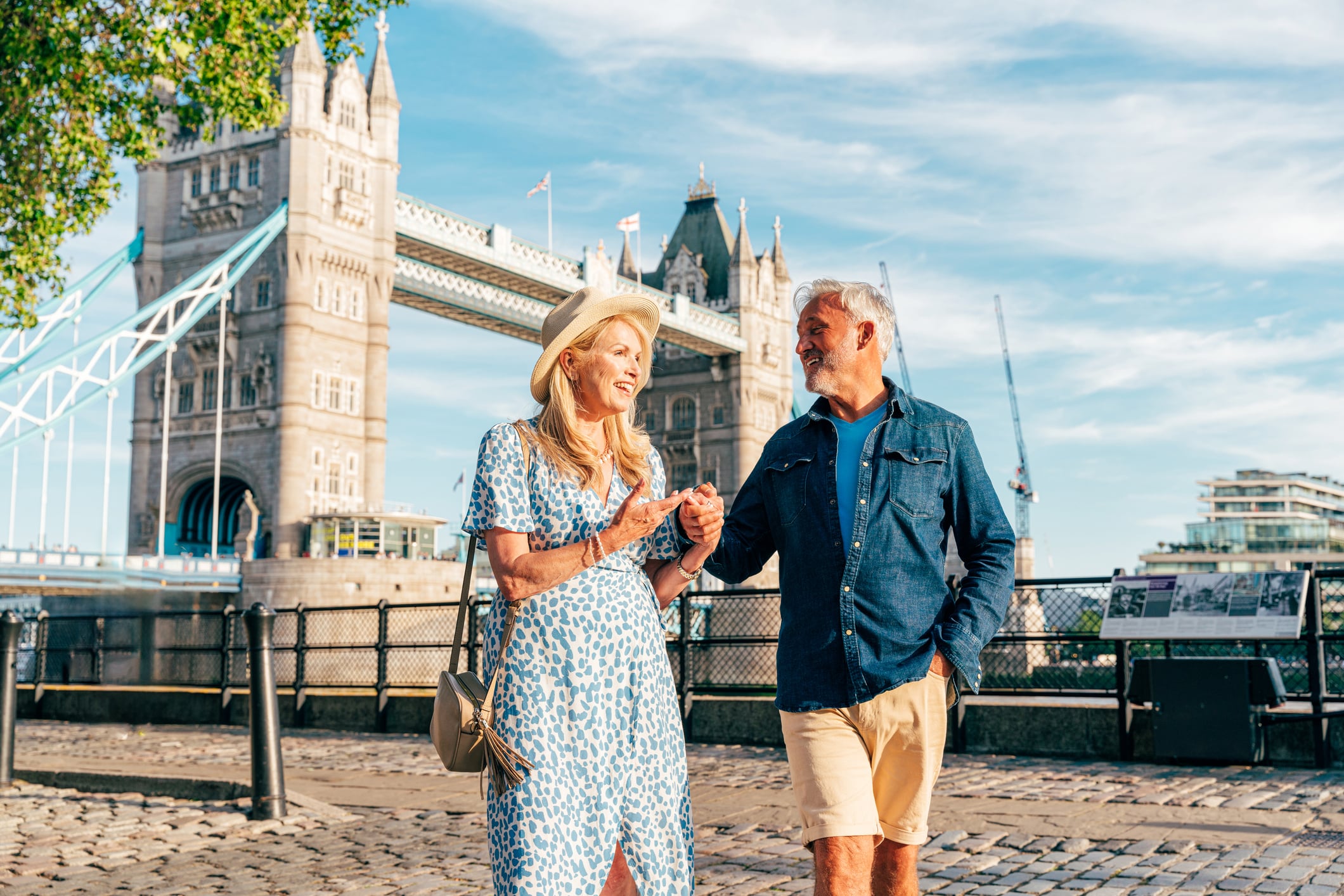
The Caribbean Sea is home to more than 700 tropical islands that have long provided vacation bliss for warm-weather seekers. Some islands are far-flung and difficult to reach, while others attract hordes of visitors every year. Looking to get off the beaten path on your next Caribbean adventure? Here are five beautiful and fascinating, but underrated, islands in the Caribbean that you might not know.
The smallest island on our list, Saba clocks in at just 5 square miles and has a population of around 2,000 people. Located 30 miles south of St. Martin, Saba is a special municipality of the Netherlands, but the primary language here is English, and the U.S. dollar is the national currency. Prior to colonization in 1632, the Cibney peoples founded what is now known as Fort Bay, followed by the Arawaks and the Caribs.
Saba’s pristine natural beauty and rich biodiversity have earned it the nickname of “the Unspoiled Queen.” Scuba diving, hiking Mount Scenery (the highest point of land in the Dutch Kingdom), and exploring the island’s four quaint towns are some of the top attractions. A 90-minute boat ride or a 17-minute flight from St. Martin is all it takes to reach the island’s idyllic shores. If you choose to fly, brace yourself for landing on the 1,300-foot runway (the shortest commercial runway in the world) that clings to the side of a cliff overlooking the ocean.
The sister island of better-known Antigua, Barbuda is a laid-back, single-village island with dreamy beaches and considerably fewer tourists. Though Barbuda only covers 62 square miles, its marvelous beaches more than make up for its small size, and the island’s luxury resorts draw honeymooners seeking a private getaway.
Nature and history lovers can head to the untamed Two Foot Bay, with access to caves with prehistoric engravings on the walls, and discover the only nesting ground for frigate birds outside of the Galápagos Islands at the Frigate Bird Sanctuary. Be sure to also explore Barbuda’s charming capital of Codrington to discover local markets and historic ruins. And you can’t go wrong for beaches, but Pink Sand Beach, Coco Point Beach, and Palmetto Point are all must-visits.
While Dominica boasts plenty of pretty beaches, they aren’t its biggest claim to fame. The island — which, as of late, has become a popular ecotourism destination — is better known for its lush rainforests, hidden waterfalls, mountainous terrain, and dense forest cover. First colonized by the French and later the British, Dominica is one of the few Caribbean islands that has a significant population of indigenous Carib Indians.
Nine volcanoes populate the 290-square-mile island, resulting in stunning black sand beaches and some of the most challenging hikes in the Caribbean. Adding to the long list of Dominica’s natural attractions are its sulfur springs, 365 rivers, and Boiling Lake — the second-largest flooded volcanic fumarole in the world. And if you’re perhaps wondering why all this beautiful scenery looks familiar, you might recognize it from 2006’s Pirate of the Caribbean: Dead Man’s Chest, part of which was filmed in Dominica.
Located 35 miles off the coast of northern Venezuela, Curaçao is the largest of the ABC islands (the three westernmost islands of the Leeward Antilles, consisting of Aruba, Bonaire, and Curaçao). The island only recently gained independence from the Netherlands in 2010, and there’s still plenty of evidence of Dutch influence. The capital, Willemstad, is lined with pastel-colored buildings with steep roofs, sidewalk cafes selling Dutch and Afro-Carib cuisine, and historic sites claiming UNESCO status.
At 171 square miles and with a population of roughly 150,000 people, Curaçao doesn’t feel like a small remote island paradise, but it does offer plenty of variety to satisfy a range of visitors — from the sandy beaches of the southwest part of the island to the nightlife and restaurant scene in Otrabanda, with golfing, scuba diving, and snorkeling opportunities throughout.
Pronounced “ay-lah hol-bahsh,” this strip of sand off the coast of Cancun is quite unlike its party-hardy counterpart. A 2.5-hour boat ride from the mainland finds you on the sleepy shores of the 26-mile-long island surrounded by shallow waters. Holbox — with a name meaning “black hole” in the Mayan language due to the dark colored water in the Yalahau Lagoon — was used as a pirate hideout in the 16th century and was colonized by the Spanish in the 19th century. Attacks from Mayans in the 20th century forced mainlanders to flee to the island, eventually creating a tight-knit community of farmers and fishermen.
Today, not much has changed on this quiet Mexican island, home to roughly 2,000 people, many of whom rely on fishing as their primary source of income. Visitors come to Isla Holbox to leave the sometimes hectic atmosphere of Cancun behind and reconnect with nature, stroll along picturesque white sand beaches, spot whale sharks and native birds, and dine on delicious Caribbean seafood.
Advertisement
More from our network
Daily Passport is part of Inbox Studio, an email-first media company. *Indicates a third-party property.

7 Off-the-Beaten Path Attractions to Visit in Rome
By
Julia Hammond
Read time: 6 minutes
December 5, 2023
Updated: September 19, 2024
7 Off-the-Beaten Path Attractions to Visit in Rome
Culture •December 5, 2023•Updated: September 19, 2024
By Julia Hammond
Author
Julia Hammond
Julia is a U.K.-based travel writer whose work has been featured in The Independent, The Telegraph, The New Zealand Herald, and Culture Trip, among others. She’s an enthusiastic advocate for independent travel and a passionate geographer who has had the privilege of traveling to more than 130 countries in search of a story.
Sponsored content
Though most travelers come to Rome to visit well-known attractions such as the Colosseum, Pantheon, Spanish Steps and Trevi Fountain, they’ll often have to fight the crowds to do so. While these historical places are popular for good reason, the good news is that there are plenty of under-the-radar sights to discover in the Eternal City that don’t get the same overwhelming flood of visitors. Here are seven fantastic ideas if you’re ready to get off the beaten path in Rome.
Before You Go
Before you visit Rome, it can be incredibly useful to learn some of the local language. That’s where Babbel can help. Their lessons can help you master Italian and other languages such as French, Spanish, or German in as little as 10 minutes a day. Say “buongiorno!” to all of Rome’s hidden wonders and see how easy it is to learn a new language, with Babbel.
In ancient times, aqueducts were a vital part of Rome’s infrastructure, carrying water to the villas of the wealthy as well as to public spas and fountains. The 600-acre Parco degli Acquedotti (which translates to Park of the Aqueducts) in southeast Rome was where many of these aqueducts intersected, playing a vital role in ancient Rome’s water network.
Today, only some of the structures are visible — some were underground conduits, while others have partially collapsed over the centuries. One of the seven aqueducts in the park, the Felix Aqueduct, is still functioning, while Claudius Aqueduct, built between 38 and 52 CE, is the most intact. The park not only contains a fascinating history but is one of the most impressive green spaces in the city, forming part of the Parco Regionale Suburbano dell’Appia Antica.
Forget the honking of horns and the hubbub of the city as you cross the Tiber River to reach Isola Tiberina (Tiber Island). In summer, the leafy trees that line the banks of the river create a green barrier, making this the ideal spot to take refuge from the frenzy of activity on either side. The island contains several notable landmarks, including La Colonna Infame (“The Infamous Column,” named because debtors used to be publicly humiliated there) and the Church of San Bartolomeo Apostolo, dating to 998 CE.
However, most importantly, this is where you’ll find the Fatebenefratelli Hospital. The hospital’s name translates to the “Do Good Brothers,” which was particularly apt during World War II. Still a functioning hospital, it was where approximately 100 Jewish people were saved from persecution by doctoring medical records to show they had a contagious and fatal, but fictitious, disease called Il morbo di K.
Quartiere Coppedè (Coppedè Quarter) dates to the 1920s, when artist Gino Coppedè designed a neighborhood that has since become famous for its quirky appearance. The artist had free rein to use his imagination, and as a result, the area is a delightful mix of architectural styles, including Art Nouveau.
Here, you’ll come across palaces, fountains, towers, and arches that draw their inspiration from Venice and Florence, as well as Rome. Local lore claims that the Beatles once took an impromptu dip in the Fontana delle Rane (Fountain of the Frogs) — the fairy-tale centerpiece of Piazza Mincio which gets its name from the frogs that embellish it. Also be sure to seek out the Villino delle Fate (Villa of the Fairies) and the spider-adorned Palazzina del Ragno.
The nickname Giardino degli Aranci translates to “Orange Garden,” named after the bitter oranges which grow there. This lovely garden, perched high on Aventine Hill, is officially named Parco Savello in honor of the wealthy family who once owned it. The Savellis built a castle here in the 13th century on top of an even earlier one, whose ruined walls are still visible today.
However, the Giardino degli Aranci is a much later addition, dating from the 1930s. At the entrance to the garden in Piazza Pietro D’Illiria, visitors will find a fountain featuring a monumental marble mask. It was moved here after gracing two other fountains, one at the Campo Vaccino cattle market and the other beside the Tiber River. Many also come here for the chance to peer through the Aventine Keyhole. Located in a villa in the Piazza Cavalieri di Malta, it offers a perfectly framed view of St Peter’s in Vatican City.
Like Rome’s Colosseum, the Teatro di Marcello (Theater of Marcellus) was built as an open-air theater, but it predates its more famous cousin by almost a century. Emperor Augustus oversaw its completion and named it after his late nephew Marcus Claudius Marcellus, who had been destined to become his successor. The structure boasted multiple tiers of arches which would have enabled the 17,500-capacity venue to be filled quickly. Originally, its façade was completely clad in white travertine marble. In later centuries, ownership of the theater passed to some of the richest families in the city, who fortified and adapted it into the palace you see today.
More than 3,000 movies have been made at Rome’s Cinecittà film studios, many of which went on to win Academy Awards. Epics such as Ben Hur, Cleopatra, and La Dolce Vita — along with modern classics like Martin Scorcese’s Gangs of New York and Wes Anderson’s The Life Aquatic — have all been filmed here. Fascist leader Benito Mussolini green-lit the site in the 1930s, though it suffered significant bomb damage during World War II. Aware that it could provide much-needed revenue, the postwar government authorized repairs. By the 1950s, the place had become synonymous with Hollywood glitz and glamor. It’s still a working studio, but guided tours are available.
Villa Torlonia is another off-the-radar Rome attraction with a fascinating history. At the start of the 19th century, a wealthy banker named Giovanni Torlonia commissioned a grand home to grace a plot of land he had bought on the outskirts of Rome. He called it Casino Nobile. After his death, his heirs added a slew of follies and ruins, including a fake temple and a Swiss-inspired chalet called Casina delle Civette (Little House of the Owls). After falling into disrepair after World War II, the estate was bought by the city and renovated. These days, it comprises an underrated public park and several museums.
Advertisement
More from our network
Daily Passport is part of Inbox Studio, an email-first media company. *Indicates a third-party property.
10 of the Most Beautiful Historic Hotels in the U.S.
By
Daily Passport Team
Read time: 7 minutes
December 5, 2023
Updated: March 5, 2026
10 of the Most Beautiful Historic Hotels in the U.S.
Architecture •December 5, 2023•Updated: March 5, 2026
By Daily Passport Team
Author
Daily Passport Team
Daily Passport writers have been seen in publications such as National Geographic, Food & Wine, CBC, Condé Nast Traveler, and Business Insider. They're passionate about uncovering unique destinations and sharing expert tips with curious travelers.
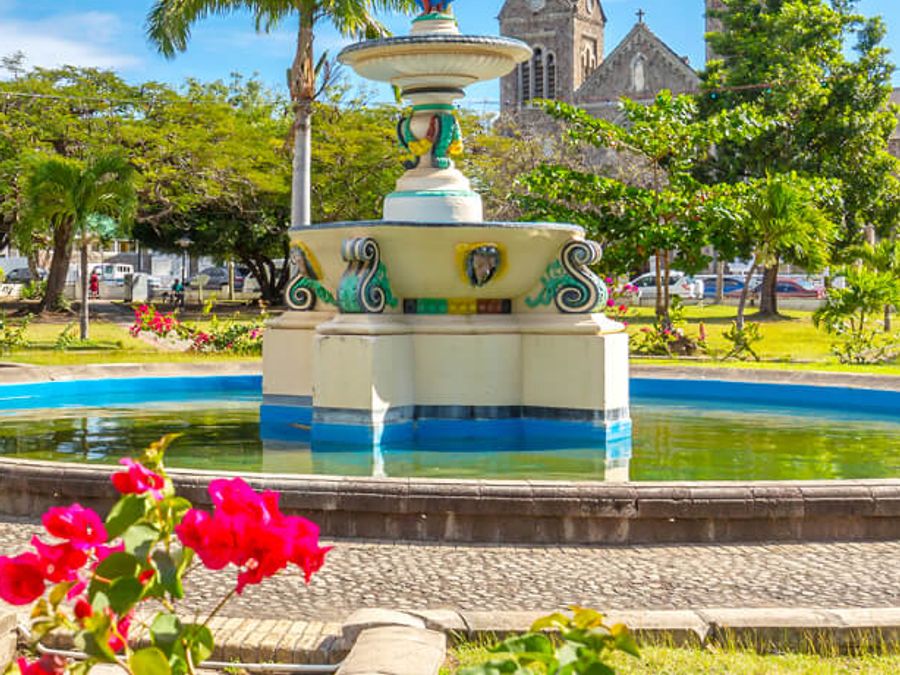
Who doesn’t love staying at a luxury hotel? And when that hotel has a storied past, it can make your stay a bit more intriguing than your typical getaway. Even if you aren’t a history buff, you may appreciate knowing that you stayed in the same room as a Hollywood celebrity or wandered the same halls as a former President. Check into 10 of the most beautiful historic hotels in the U.S.
The legendary Hotel del Coronado opened in 1888. Located at the southern end of Coronado Beach on San Diego County’s Coronado Island, the resort is split into five elegant districts, ranging from the original storybook Victorian section of the resort to modern condo residences and a gated beachfront community of cottages and villas.
Designated a National Historic Landmark in 1977, the grandiose hotel appeared in the classic 1958 film Some Like it Hot starring Marilyn Monroe, and it hosted President Richard Nixon’s state dinner in 1970. Today, guests can experience a variety of upscale amenities, from cooking s’mores on a private bonfire to boat rentals or surf classes with a professional surfer.
One of America’s longest-operating hotels, the Palmer House began life in 1871 as a wedding gift from Chicago businessman Potter Palmer to his bride, socialite Bertha Honoré Palmer. By the start of the 20th century, the Palmer House had become the city’s most prominent events venue, hosting everyone from Frank Sinatra to Ella Fitzgerald. It was the first hotel in Chicago to have electric light bulbs and telephones in its rooms.
The Palmer House is also credited with the invention of one of America’s most beloved sweet treats: the brownie. In 1893, Bertha Palmer challenged the in-house pastry chef to create something suitable for the woman attending the Chicago World’s Columbian Exposition. Today, the hotel still makes and serves the original brownie recipe — a decadent fudge creation topped with walnuts and an apricot glaze. Those looking to spend a night here can choose from a whopping 1,641 guest rooms and suites, which blend modern touches and the historic legacy of the hotel.
Located in the heart of Key West’s historic Old Town District on Duval Street, the adults-only Mansion on the Sea (formerly the Southernmost House) caters to beach lovers and sun worshipers who prefer restored mansions to sprawling resorts. The original structure, built by the prominent Harris family in 1897, was designed as a one-room Queen Anne Victorian mansion.
Thomas Edison oversaw the building’s original electrical design and installation work. During Prohibition, the Southernmost House served as a speakeasy, catering to mafia dons and the Hollywood elite who visited on their way to Havana, Cuba. In the 1940s, the mansion hosted a Cuban-themed nightclub, which welcomed famous residents and visitors to Key West such as Ernest Hemingway, Tennessee Williams, Gore Vidal, and Charles Lindbergh. It was renamed the Mansion on the Sea in 2023.
This historic Memphis hotel has welcomed notable guests such as President Jimmy Carter, Michael Jordan, and Billy Joel. But the Peabody may be even better known for its web-footed residents. During the twice-daily Peabody Duck March, the hotel’s adorable resident ducks walk along a red carpet towards the fountain in the lobby, where they’ll usually take a dip in the waters. Ducks have resided at the Peabody since the 1930s, when the general manager and a friend placed some live duck decoys in the fountain as a prank after a hunting trip.
Today’s Peabody Memphis retains the ornate beauty of the original hotel which opened in 1869. In 2019, major renovations introduced Carrara marble tile floors, quartz vanities, and plush decor to each room. The upscale rooms are the perfect place to put your feet up after exploring nearby Graceland or visiting the historical sites in Memphis.
The opulent Grand Hotel is the crown jewel of Michigan’s Mackinac Island, which can only be reached by plane or boat — no cars are allowed on the island. This makes the Grand Hotel an ideal laid-back summer getaway for anyone who wants to walk, bike, or explore the peaceful surroundings by horse-drawn carriage.
With about 400 guest rooms, the Grand Hotel has plenty of space for guests to enjoy the hotel’s historic architecture and fascinating history. It has hosted dozens of notable guests over the years, including Robert DeNiro, Madonna, and several Supreme Court Justices and American presidents. Mark Twain was the hotel’s first notable guest when he lectured at the casino in 1895.
Located on the south end of New York City’s Central Park, the Plaza Hotelwas built in 1907 and remains one of Manhattan’s top luxury destinations today. You’ve most likely seen its ornate, spacious lobby in one of several movies filmed on location, such as North by Northwest, The Way We Were, Home Alone 2, and The Great Gatsby.
The Plaza has also hosted countless dignitaries, celebrities, and famed business leaders over the years, such as John Lennon, Conrad Hilton, Truman Capote, and the Duke and Duchess of Windsor. Additionally, every American President since William Howard Taft has made at least one visit to the Plaza.
The sprawling, 15-acre Miami Biltmore Hotel and Country Club is a National Historic Landmark that was built in 1926. The hotel’s tower was designed as a recreation of the Giralda Tower in Seville, Spain, and its main structure is reminiscent of Mediterranean Renaissance–era architecture, with several balconies, ornate terrazzos, and tile floors.
In the 1920s, the new hotel drew notable guests such as Ginger Rogers, Judy Garland, Bing Crosby, Franklin Roosevelt, and Al Capone. During World War II, however, the luxury hotel was converted into an army hospital. The building remained a Veterans Administration Hospital until the City of Coral Gables restored it to its former glory in the 1980s. The modern Biltmore also underwent a more recent $40 million dollar renovation, which added a championship golf club. At this historic destination, you’ll get to relax by one of the largest hotel pools in the country.
Situated on a corner of Santa Fe Plaza in one of America’s oldest cities, La Fonda on the Plaza holds an esteemed place in Santa Fe’s history. This particular corner has been accommodating travelers ever since the Spaniards built an inn here in 1607. In 1821, Captain William Becknell stayed here during an expedition that led to the creation of the Santa Fe Trail. The adobe-style lodging soon became a popular overnight stop for frontiersmen, gold seekers, and trailblazers.
Much of the landmark that exists today dates back to 1920. The interior retains traces of its original elements, including handmade beams, spectacular stained glass skylights, and sparkling chandeliers. The 29 room types offer a blend of historic and contemporary charm, with hand-painted headboards, handcrafted furniture, and original artwork. Of particular note is the Pueblo artwork by regional Native American artists. A hotel tradition started by reputable art lovers Sam and Ethel Ballen, all acquisitions help to support the annual Santa Fe Indian Market.
Billed as “the Grand Hotel of the West” when opened in 1893, the Pfister features a stunning Romanesque Revival architectural design. A Milwaukee icon, the hotel underwent an extensive renovation in 1962 after movie theater operator Ben Marcus purchased it. Today, it offers over 300 sophisticated rooms and 82 suites that fuse contemporary designs with old-world allure.
Over its storied history, the Pfister has hosted dignitaries and Presidents such as Warren Harding, Theodore Roosevelt, and John F. Kennedy. Besides its exceptional hospitality and swanky accommodations, the Pfister celebrates the talents of local artists through the in-house Artists in Residence program. Artists are invited to spend up to 30 weeks at the hotel to prepare for their exhibition.
Photo Courtesy of The Henley Park Hotel, Washington DC, a member of Historic Hotels America®
First built in 1918 to provide upmarket residences for congressmen and senators, the Henley Park Hotel is a sublime example of Tudor Revivalism architecture. In the hotel’s early years, it was known as Tudor Hall. Its exterior is decorated with 119 gargoyles, two of which depict the lead architect Walter Granville Guss and his wife. Inside, rooms were made to resemble an English country manor.
Over the years, the Henley Park Hotel was a popular gathering place for D.C.’s political and social elite. After a period of neglect, a major investment in 1992 brought the hotel back to its former glory. Much of the architectural integrity was preserved, as were the original interiors. Today, each of the hotel’s 96 rooms are elegantly appointed and merge historic charm with contemporary luxury.
Advertisement
More from our network
Daily Passport is part of Inbox Studio, an email-first media company. *Indicates a third-party property.
Geography •November 28, 2023•Updated: August 13, 2025
By Daily Passport Team
Author
Daily Passport Team
Daily Passport writers have been seen in publications such as National Geographic, Food & Wine, CBC, Condé Nast Traveler, and Business Insider. They're passionate about uncovering unique destinations and sharing expert tips with curious travelers.
The world’s smallest countries are easy to miss when you look at a map. In fact, some are so small that they could fit entirely within New York City’s Central Park — with room to spare. But for what these bite-sized countries lack in size they more than make up for in culture and history. Here’s a look at the 12 smallest countries in the world based on geographical size.
St. Vincent and the Grenadines covers a mere 150 square miles of area in the Caribbean Sea — which is only about twice the size of Washington, D.C. The country comprises St. Vincent island — measuring 18 miles long by 11 miles wide at its largest points — and the northern Grenadine Islands. While there are about 600 total islands in the archipelago, the country of St. Vincent and the Grenadines only contains 32 of its smaller islands and cays. In 1979, St. Vincent and the Grenadines voted to free itself from British rule, becoming the last of the Windward Islands (a group that also includes the countries of Dominica and St. Lucia) to achieve independence.
Also located in the Caribbean Sea, about 100 miles north of Venezuela, Grenada covers 133 square miles of total land area. The island nation measures 21 miles long by 12 miles wide and forms the shape of an oval. Grenada achieved independence from the U.K. in 1974, though its head of state remains King Charles III and its official language is still English. Other languages spoken in Grenada include Grenadian Creole English and Grenadian Creole French — reflecting the rich and storied history of the African, European, and Indigenous peoples who have called Grenada home throughout history.
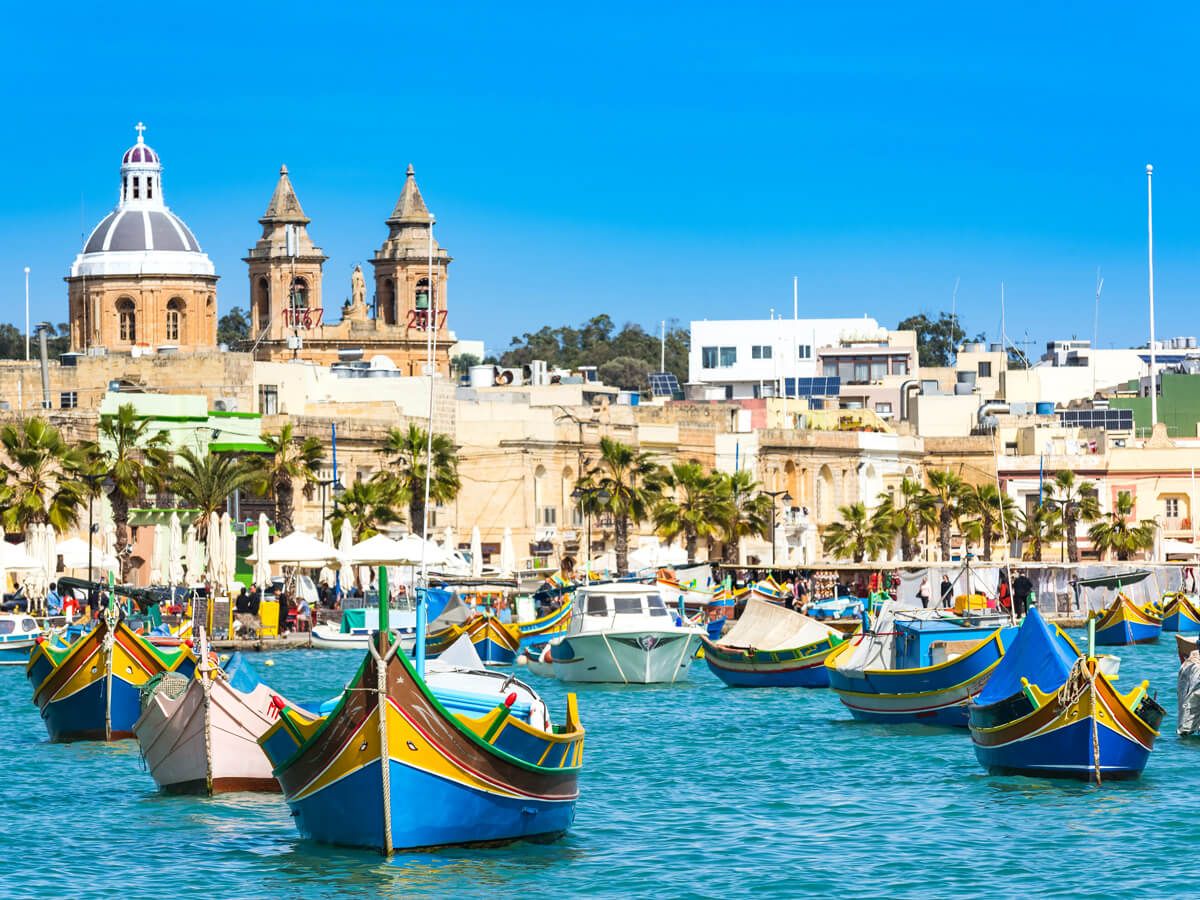
The Mediterranean island nation of Malta covers 122 square miles and sits 58 miles off the southern coast of Sicily and 180 miles north of Africa. There are five islands that make up the country: the inhabited islands of Malta, Gozo, and Comino, plus the uninhabited islets of Kemmunett and Filfla. Prior to gaining independence from the U.K. in 1964, Malta played a key role supporting the Allied Forces during World War II. This tiny country was home to an important military base that proved to be a strategic location throughout the conflict. The British awarded the Maltese the George Cross in 1942 for their wartime contributions.
A bucket-list destination for many travelers, the Maldives consist of 1,200 tiny islands and sandbanks scattered around the Indian Ocean, combining to encompass 115 square miles of area. These islands — of which only some 200 are inhabited — extend 510 miles from north to south and around 80 miles from east to west. There are no gigantic mountains nor towering hills anywhere in the nation, as the Republic of Maldives is the world’s flattest country. On average, the coral beaches rise a mere four feet above sea level. The highest natural point in the Maldives — an unmarked spot on Addu Atoll — reaches only eight feet above sea level.
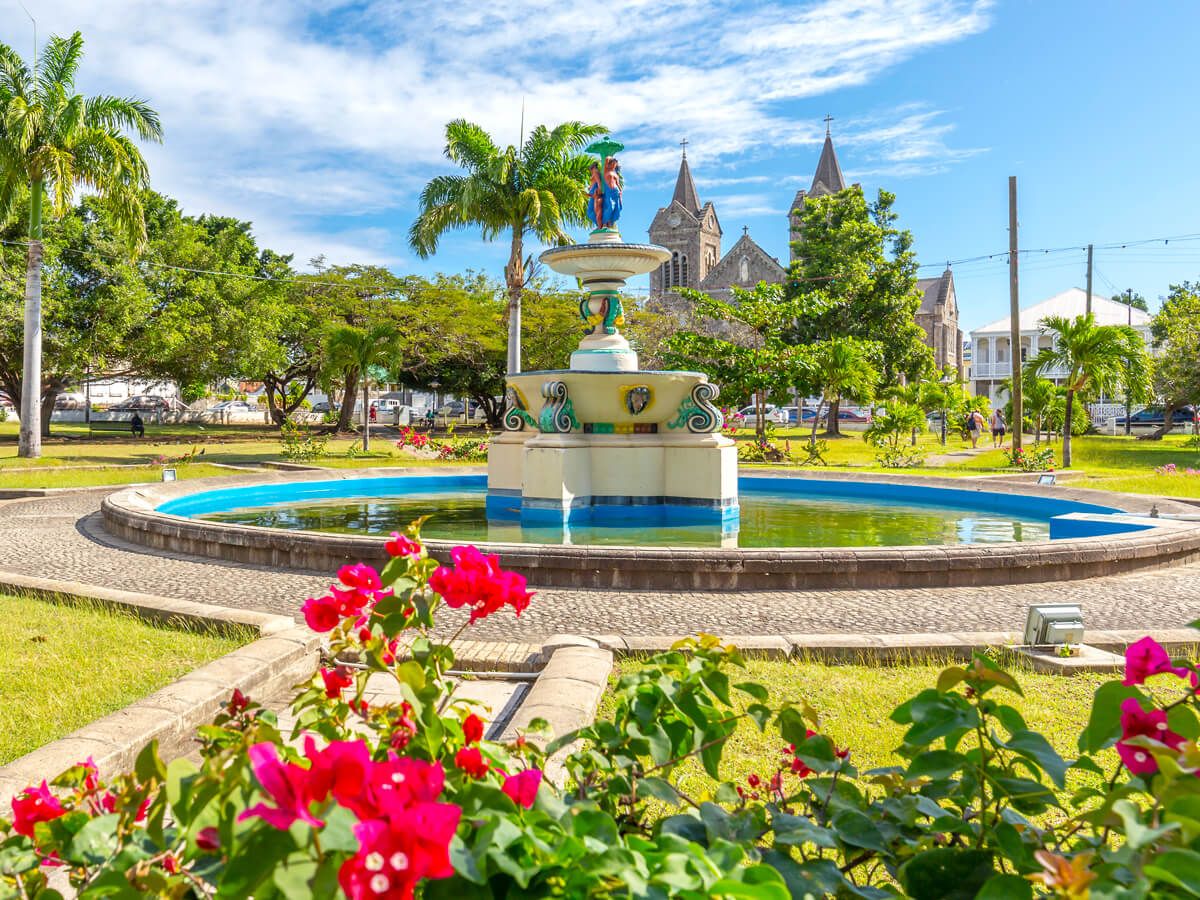
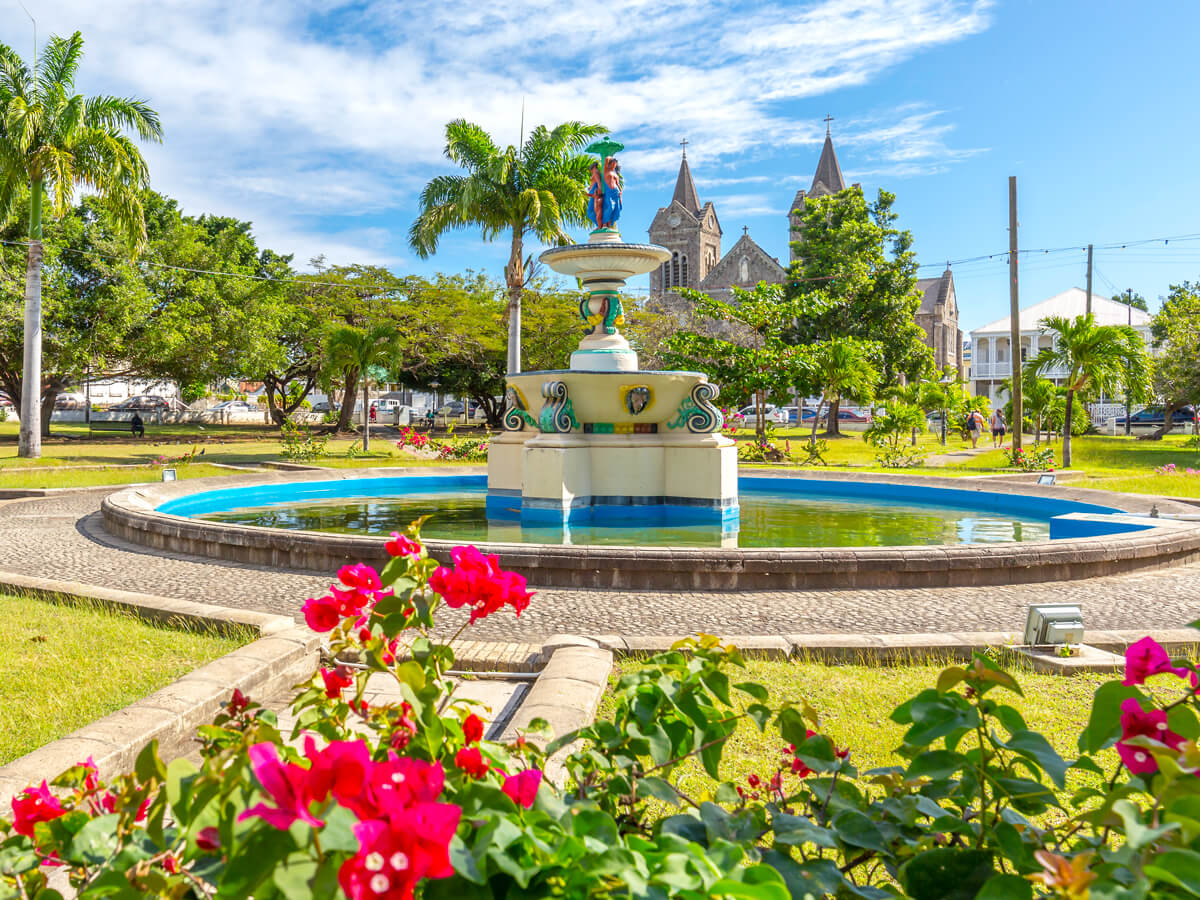
The smallest country in the Caribbean Sea, 104-square-mile St. Kitts and Nevis is formed by two distinct islands. St. Kitts is the larger of those islands, measuring 23 miles long and five miles wide. Nevis is located two miles southeast and is made up almost entirely of its namesake Nevis Peak, which reaches 3,232 feet above sea level. Founding Father Alexander Hamilton was born in Nevis sometime between 1755 and 1757, at a time when it was a British territory. Hamilton lived there until moving to America in 1764.
Known by the name Majōl in the local Marshallese language, the Marshall Islands are made up of 1,200 islands and islets covering around 70 square miles of land. Incredibly, these islands are spread out over 180,000 square miles in the central Pacific Ocean. The islands form two parallel coral atolls that lie 125 miles apart. The largest of the country’s many atolls, Kwajalein, is just six square miles in area. The Marshall Islands are home to the infamous Bikini Atoll, which was the site of 23 nuclear bomb tests between 1946 and 1958 by the U.S. government. It also lent its name to the bikini bathing suit.
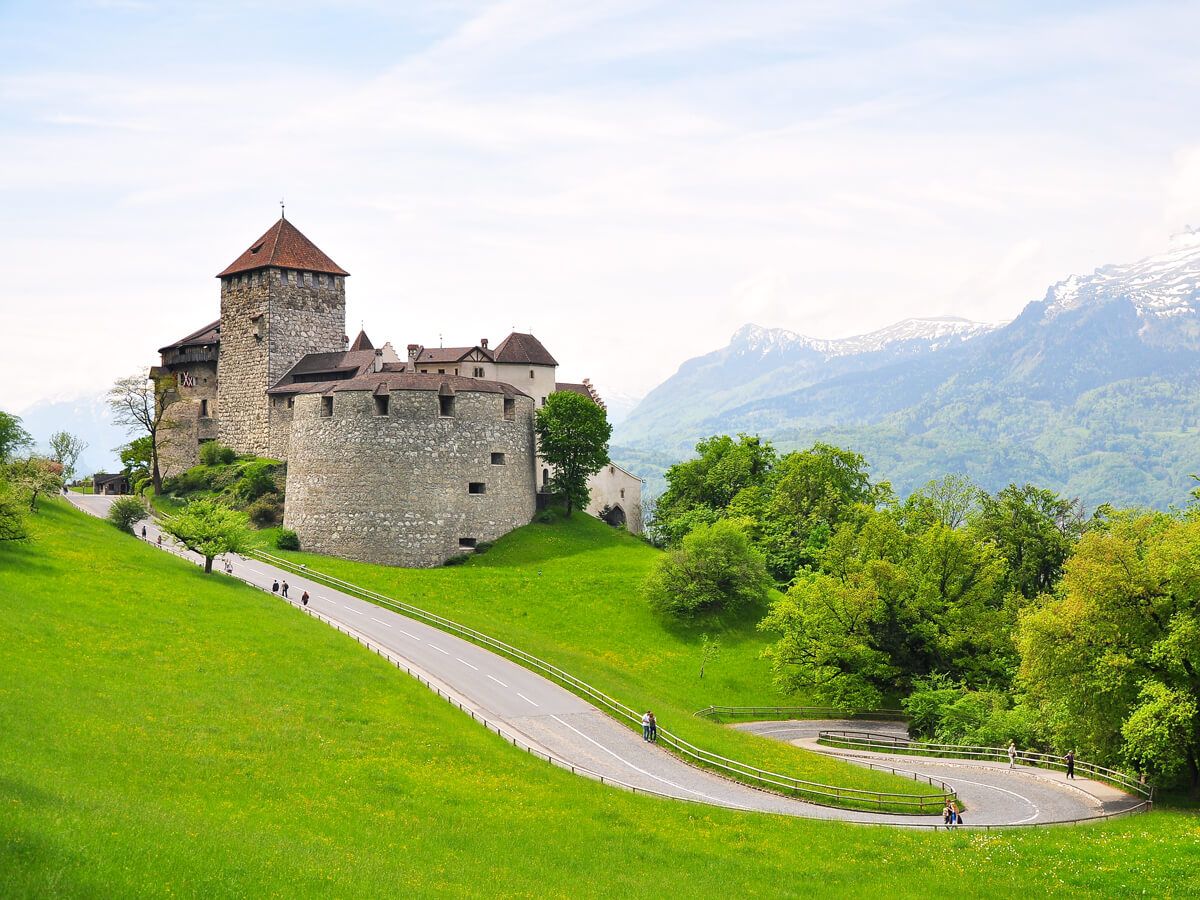
Covering an area of roughly 62 square miles, the European microstate of Liechtenstein borders Switzerland to the west and Austria to the east. Liechtenstein is the only country in the world with 100% of its territory located in the Alpine region. The country broke away from the Holy Roman Empire in 1866 and has maintained a neutral stance ever since, even remaining unaligned during World Wars I and II. One of Europe’s least-visited countries, Liechtenstein is one of the few world countries without an airport — you’ll need to fly into nearby Zurich, Switzerland, and take a train to visit.
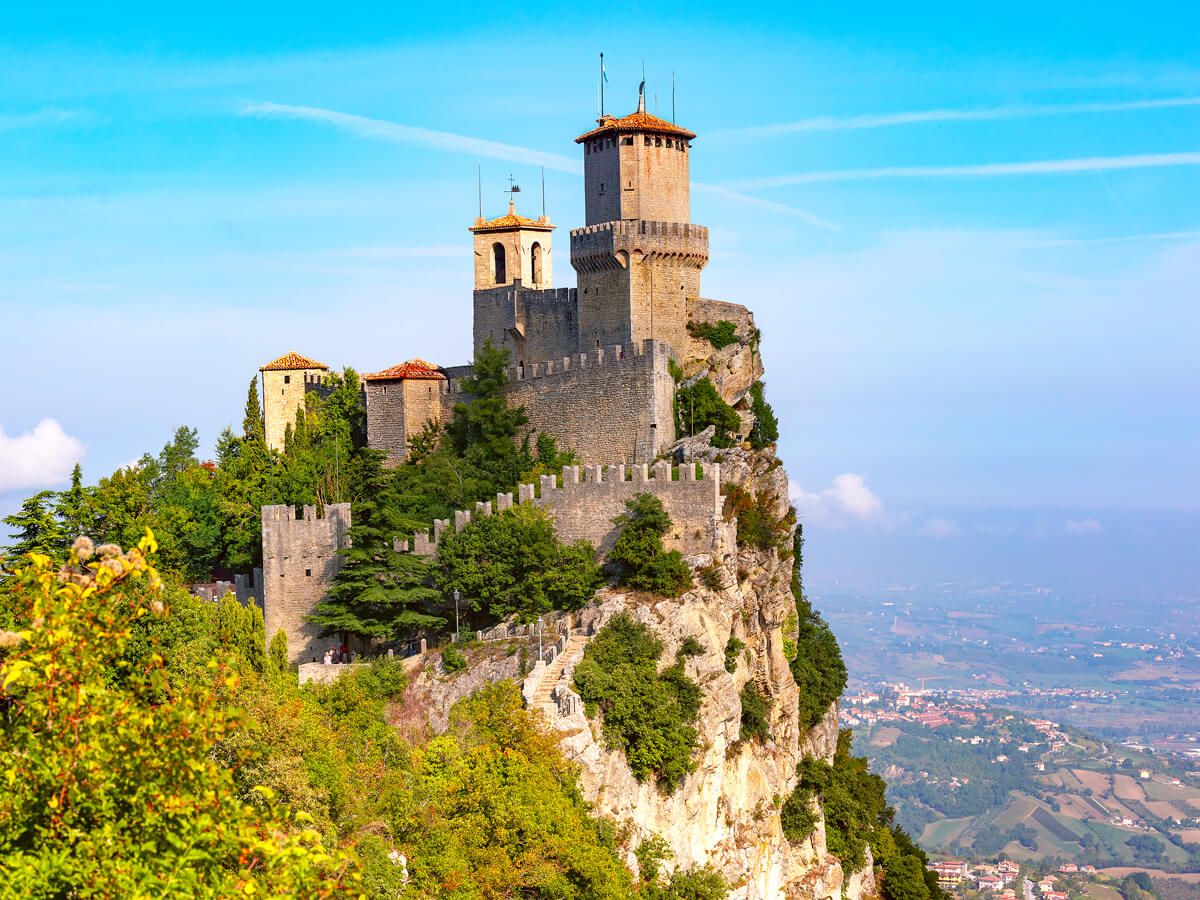
San Marino is one of two countries landlocked entirely within Italy (the other being Vatican City). This 24-square-mile country is the fifth-smallest nation in the world, and also the world’s oldest extant republic. San Marino was founded on September 3, 301, though it wasn’t until 1978 that the nation’s Declaration of Citizen Rights was formally recognized. The city of San Marino contains a trio of medieval fortresses known as the “Three Towers of San Marino.” These impressive fortifications were built in the 11th century and are now a popular tourist attraction.
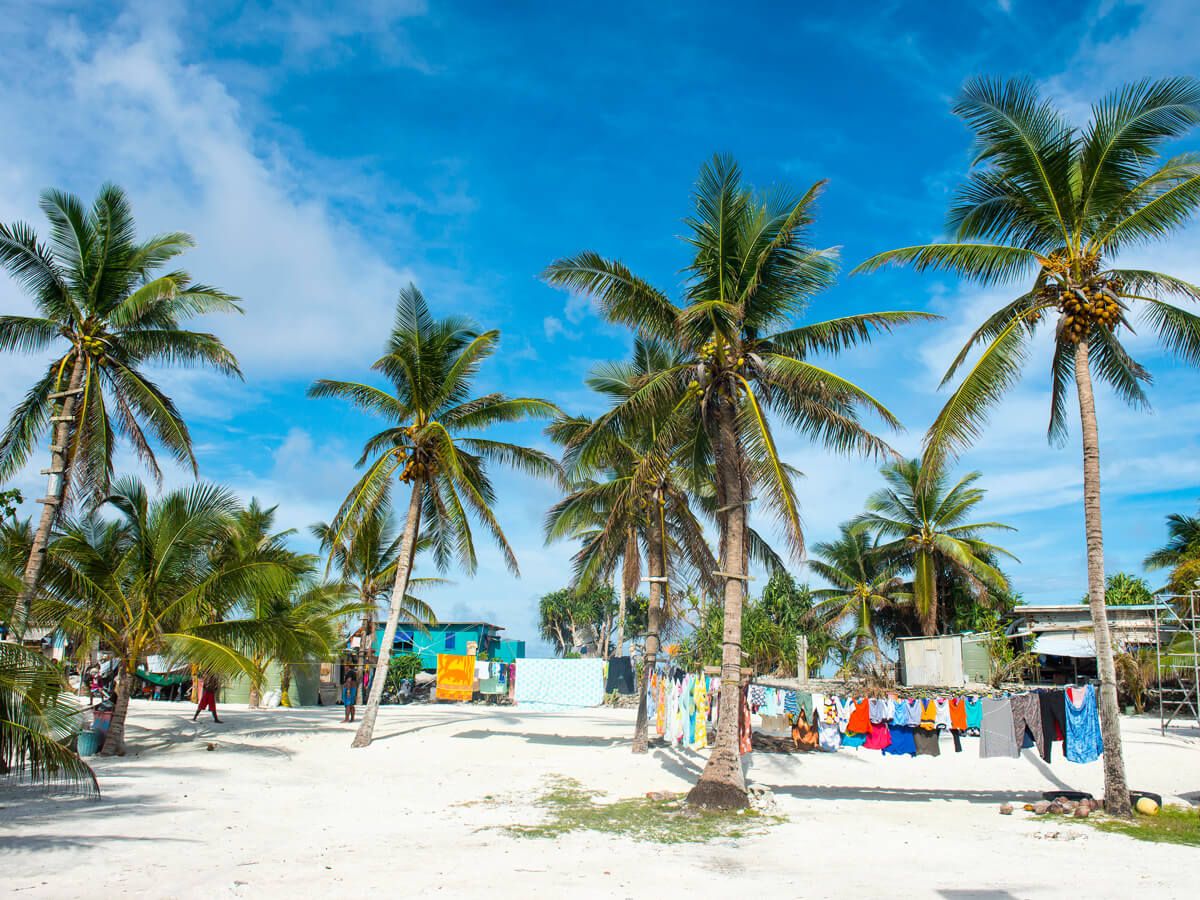
Tuvalu is composed of nine small islands that form a 420-mile-long chain across the South Pacific Ocean. Despite its substantial breadth, Tuvalu covers only 10 square miles of area and has just 14.9 miles of coastline. Prior to achieving independence in 1978, Tuvalu was a British colony known as the British Gilbert and Ellice Islands. Today, the country relies on an unusual export as one its major revenue sources: internet suffixes. In 1998, Tuvalu licensed the rights to its .tv country suffix, which is now used by many television companies and streaming services.
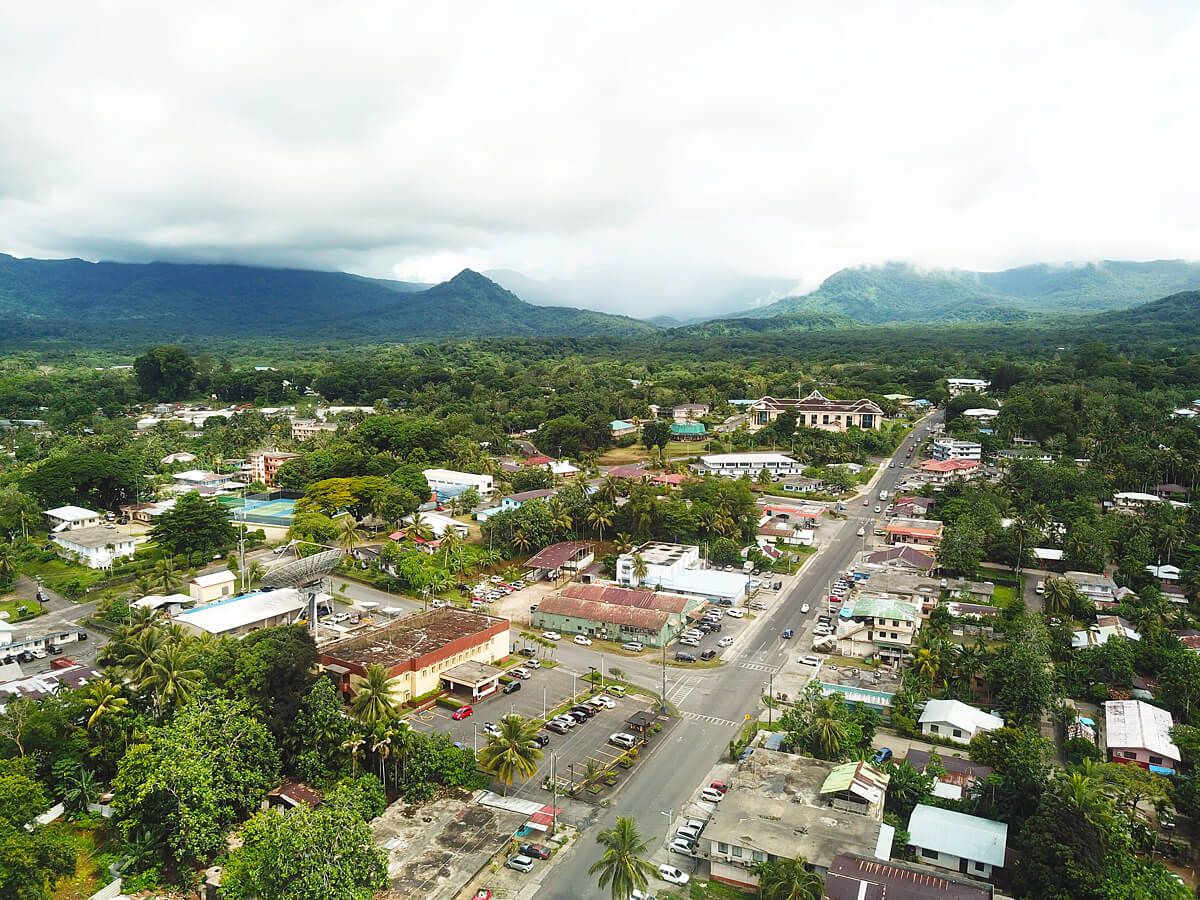
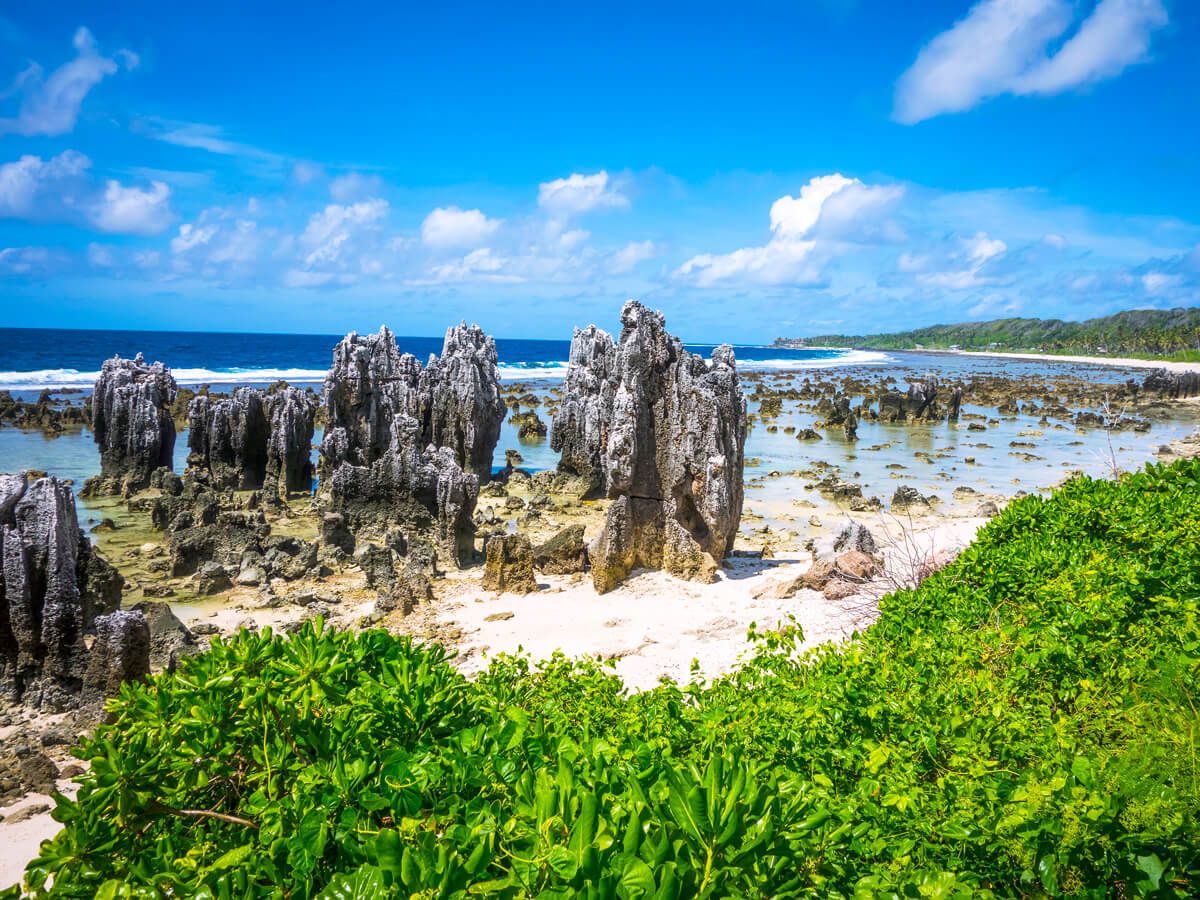
Nauru is the world’s smallest island nation. This central Pacific sovereign state — which encompasses a mere 8.1 square miles of area — has no army, no rivers, and no protected regions. But it does have a history dating back several millennia, as Nauru is believed to have been first inhabited by Micronesian and Polynesian settlers around 1000 BCE. British captain John Fearn became the first European to arrive in Nauru in 1798, and the country later achieved independence in 1968. During the 1980s, Nauru boasted the highest GDP of any sovereign nation, making it among the wealthiest countries in the world for a time.
Nestled between Italy and France along the French Riviera, Monaco is a European microstate covering a total area of 0.77 square miles — smaller than New York City’s Central Park. It also has the shortest coastline of any country on Earth, at just 2.5 miles in length. Despite its diminutive size, Monaco is home to around 40,000 residents, making it the most densely populated sovereign nation in the world. Since the 1860s, Monaco has been home to a thriving casino industry, though local residents are strictly prohibited from gambling — a rule that’s been in place since the mid-1800s. In exchange, those residents are exempt from paying income tax.
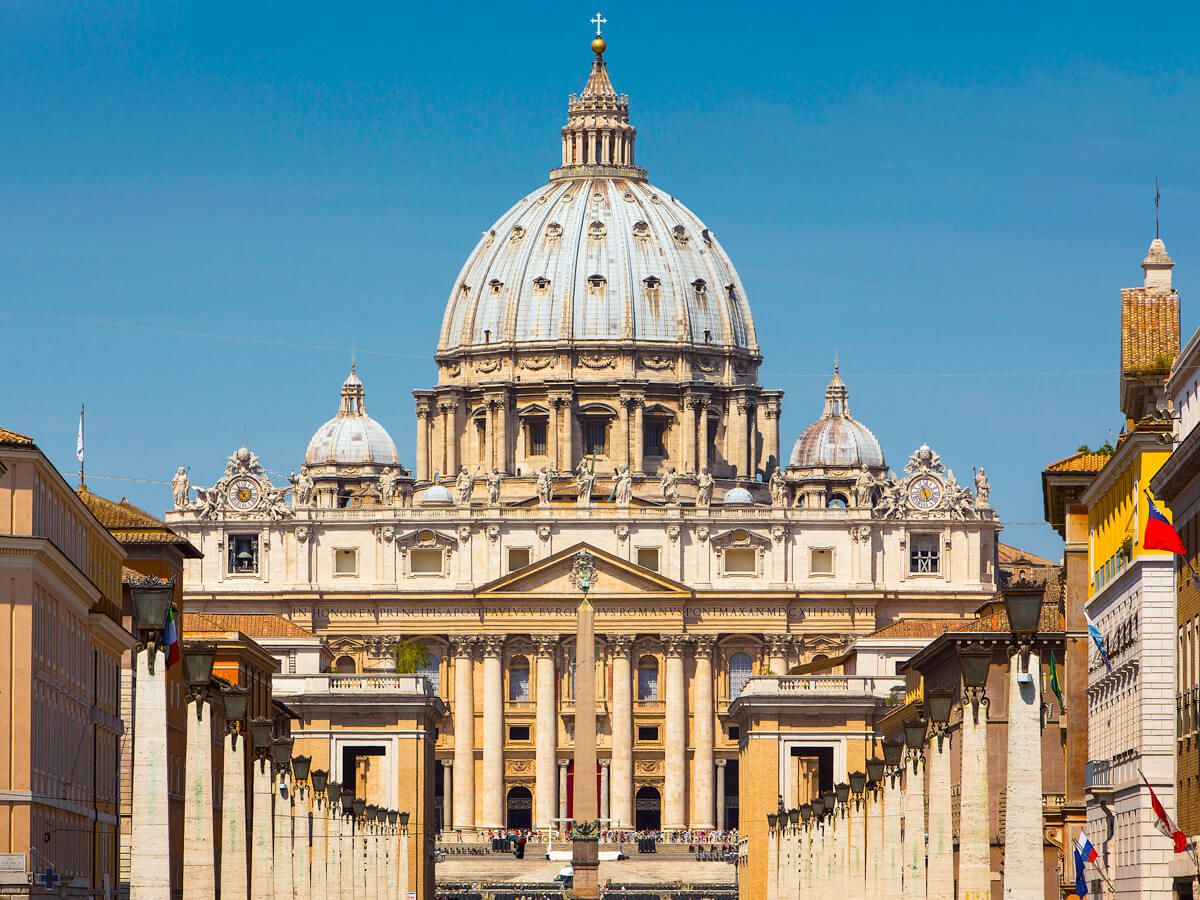
The world’s smallest sovereign state is Vatican City, which is entirely landlocked within Rome, Italy. Covering just 0.17 square miles, the Vatican serves as the global headquarters of the Catholic Church and the residence of the Pope. The country achieved independence from Italy in 1929. Of course, Vatican City’s cultural history dates back long before then. It is home to stunning Renaissance-style architecture and renowned artistic works. One of the more recognizable landmarks is St. Peter’s Basilica, a gorgeous, domed structure that was completed in 1615. Vatican City also contains the Sistine Chapel, which was built in 1470 and features paintings such as Michaelangelo’s The Creation of Adam.
Advertisement
More from our network
Daily Passport is part of Inbox Studio, an email-first media company. *Indicates a third-party property.

7 Little-Known U.S. National Historic Landmarks You Should Visit
By
Bradley O'Neill
Read time: 6 minutes
November 28, 2023
Updated: November 30, 2023
7 Little-Known U.S. National Historic Landmarks You Should Visit
History •November 28, 2023•Updated: November 30, 2023
By Bradley O'Neill
The United States is home to over 90,000 federally protected sites on the National Register of Historic Places. Found in both urban and rural settings, these sites hold their own fascinating histories that deem them worthy of preservation. They range from significant presidential sites to heritage homes, lost colonies, defensive forts, and groundbreaking railroads and steamboats. Find yourself fascinated by U.S. history? Check out these seven lesser-known National Historic Landmarks.
Allegheny Portage Railroad National Historic Site – Gallitzin, Pennsylvania
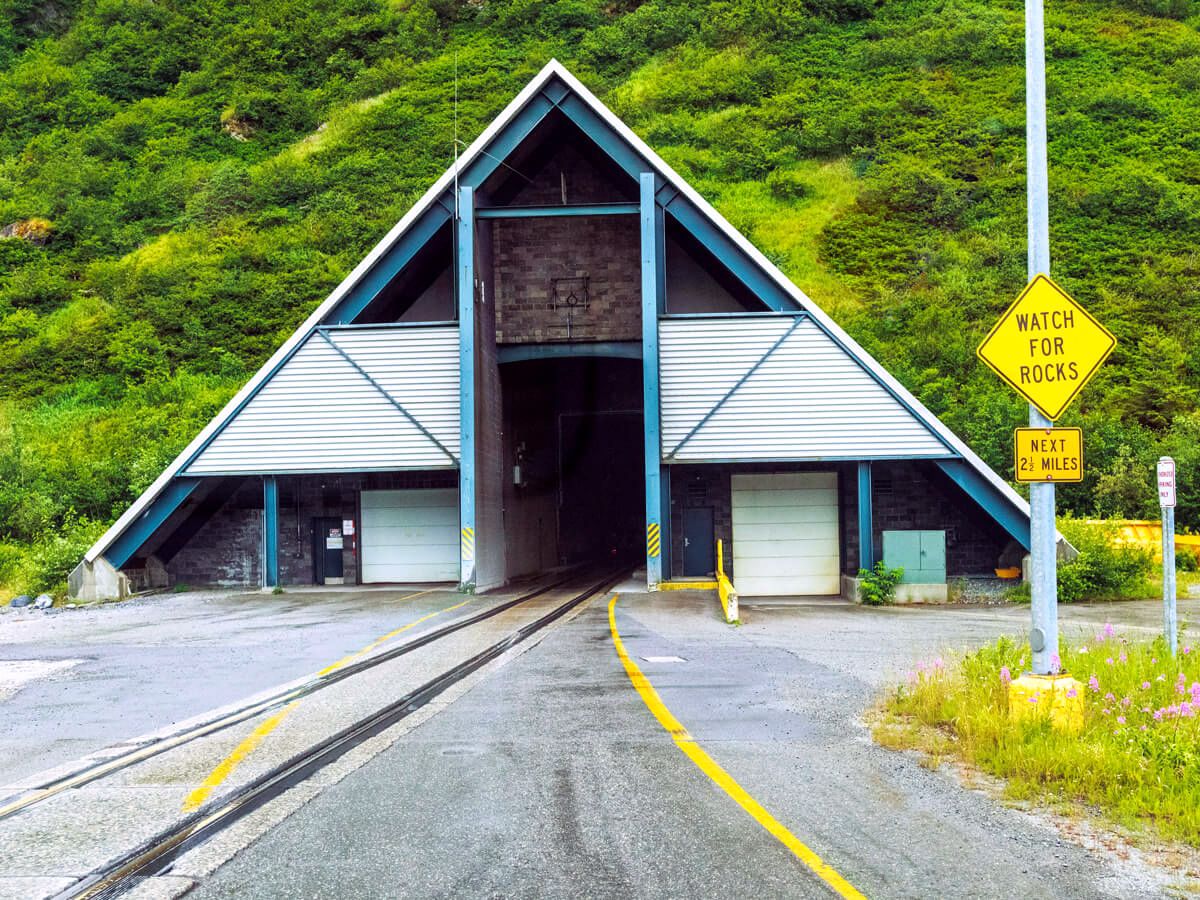
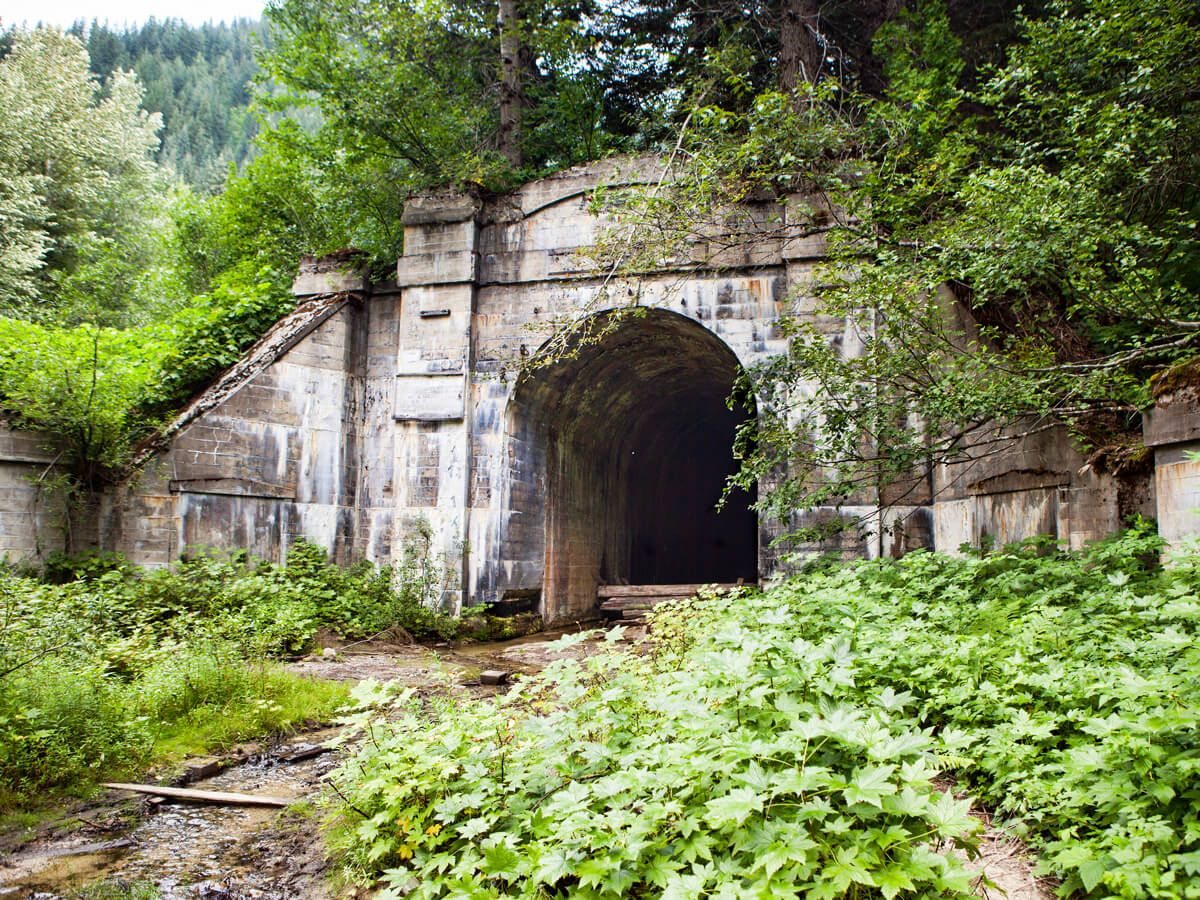
The Allegheny Portage Railroad was a pioneering railroad that was the first to be constructed over Pennsylvania’s Allegheny Mountains. Operating between 1834 and 1857, it linked the once-disconnected branches of the Erie Canal. It provided the first direct route between Philadelphia and Pittsburgh, a journey that took about four days. People, merchants, cargo, and even canal barges were transported along the railroad, helping to generate trade and settlement in the interior of the country.
Established in 1964, the Allegheny Portage Railroad National Historic Site explores what life used to be like for those who worked on and used the railroad. At the Summit Visitor Center, a short movie and interactive exhibits present an historical overview of the railroad. Reproductions of machinery are on display in Engine House No. 6 Exhibit Shelter, and the Lemon House Tavern recreates the scene of a travelers’ rest stop. Nearby, visitors can also discover 15 miles of hiking and biking trails.
Born in Grand County, Kentucky, in 1846, Carrie Amelia Moore Nation was a radical member of the temperance movement. Describing herself as “a bulldog running along at the feet of Jesus, barking at what he doesn’t like,” she made it her life’s mission to oppose alcohol prior to Prohibition. To promote her beliefs, Nation was known for attacking saloons and other alcohol-serving establishments with rocks and a hatchet. The latter earned her the nickname, “Hatchet Granny,” and the incidents led to her being arrested over 30 times between 1900 and 1910.
The Carrie Nation House in Medicine Lodge, Kansas, is the former home of the activist leader, where she launched the first of her temperance crusades. Declared a National Historical Monument in 1976, it features photos and memorabilia from Nation’s tumultuous life. Visitors can also explore displays of period furnishings, including her writing desk, oak bed, walnut dresser, and pump organ.
Built in 1926 and inaugurated a year later, the Delta Queen is one of the last remaining links to over 200 years of American steamboat transportation. Alongside its sister ship, the Delta King, the Delta Queen originally ferried freight and passengers on overnight journeys between Sacramento and San Francisco. The historic steamboat was known for its lavish interiors, including hardwood paneling, stained-glass windows, and crystal chandeliers. During its heyday, the ship welcomed three Presidents onboard: Herbert Hoover, Harry Truman, and Jimmy Carter.
By 1940, as highways and railroads improved, the Delta Queen was taken out of service. However, it found a new lease of life with the U.S. Navy following the outbreak of World War II. During this time, the steamboat transported up to 3,000 soldiers a day from the piers of San Francisco to nearby military vessels. Following the war, the boat was sold to a private owner, and it returned to the waterways as a tourist steamboat on the Mississippi and Ohio Rivers. Today it’s moored in Houma, Louisana, where (as of 2023) it awaits renovations before once again sailing the rivers of the American South.
First Ladies National Historic Site – Canton, Ohio
Located in downtown Canton, the First Ladies National Historic Site consists of two properties that together celebrate the contributions of the various First Ladies of the United States. Saxton House is the childhood family home of Ida Saxton, who served as First Lady from 1897 to 1901. It also became the primary residence of Saxton and her husband William McKinkey, who became the 25th President. Docent-led tours of the Victorian home offer an insight into the lives of Saxton and McKinley, as well as an overview of the evolution of the role of First Lady.
Adjacent to Saxton House, situated in Canton’s former City National Bank building, is the site’s Education Center. Rotating exhibitions are organized by the National First Ladies Library, established in 1996, and showcase the lives and legacies of former First Ladies and the people who worked closely with them. Topics range from fashion to etiquette and diplomacy.
Fort Raleigh National Historic Site – Manteo, North Carolina
Located between the Outer Banks and mainland North Carolina, Roanoke Island is the site of a mysterious “lost colony” from the late 16th century. Inhabited by the Carolina Algonquian peoples for centuries prior, the island saw the arrival of English colonists in 1584. With the help of investors such as Sir Waler Raleigh, a settlement was established in 1587. Curiously, when ships arrived at the island with supplies three years later, all members of the colony had vanished without trace. It thus became known as the “Lost Colony of Roanoke,” which today is the Fort Raleigh National Historic Site.
Almost three centuries after the mysterious disappearance of the English colonists, the Freedmen’s Colony was established on Roanoke Island in 1863. It served as a shelter for once enslaved peoples looking for a safe haven following the Civil War. Visitors can learn about the island’s history and inhabitants at the visitor center and walk around the island’s various interpretive trails. The island also inspired Paul Green’s play The Lost Colony, which has been performed almost continuously at an amphitheater in Manteo since 1937.
Legendary aviation pioneers Wilbur and Orville Wright flew their powered aircraft for the first time in Kitty Hawk, North Carolina, in 1903. Following the world’s first manned flight, the brothers returned to their hometown of Dayton, Ohio, to build upon their groundbreaking achievement. Local banker Terrance Huffman offered the brothers the use of his pasture as a flight-testing site, and today it’s known as Huffman Prairie Flying Field. In 1904 and 1905, the brothers completed over 150 flights here in a mission to develop the world’s first practical aircraft. They returned in 1910 to use the field as a testing ground and flying school for the Wright Company.
Located adjacent to Wright-Patterson Air Force Base, the flying field contains exhibits with images and information about the brothers’ achievements. Also on display are replicas of the aircraft hangar and catapult, which was used to generate the speed required for a successful takeoff. Nearby, the Huffman Prairie Interpretive Center is home to the Wright Memorial.
John Muir National Historic Site – Martinez, California
A lover of all things nature and an advocate for the preservation of the American wilderness, John Muir is often referred to as the “Father of the National Parks.” His writings in the late 19th century popularized a new idea of land conservation and helped convince Presidents and members of Congress to protect the country’s natural treasures. Among Muir’s major achievements were his involvement in the creation of Yosemite, Sequoia, Grand Canyon, and Mount Rainier national parks. He was also a co-founder of the Sierra Club, an influential environmental group.
Today, the John Muir National Historic Site honors Muir’s fondness of the natural world and his efforts to preserve it. At the heart of the site is the magnificent 17-room Strentzel/Muir Home. Built by Muir’s father-in-law, it’s where Muir spent the last 24 years of his life. A trail near the house leads up to Mount Wanda, where Muir would walk through nature with his daughters. Today’s visitors can check for seasonal activities such as campfires, bird spotting, and full moon walks.
Advertisement
More from our network
Daily Passport is part of Inbox Studio, an email-first media company. *Indicates a third-party property.
Geography •November 28, 2023•Updated: November 28, 2023
By Bennett Kleinman
Author
Bennett Kleinman
Bennett is a New York City-based staff writer for Daily Passport. He previously contributed to television programs such as the Late Show With David Letterman, as well as digital publications like the Onion. Bennett has traveled to 48 U.S. states and all 30 Major League Baseball stadiums.
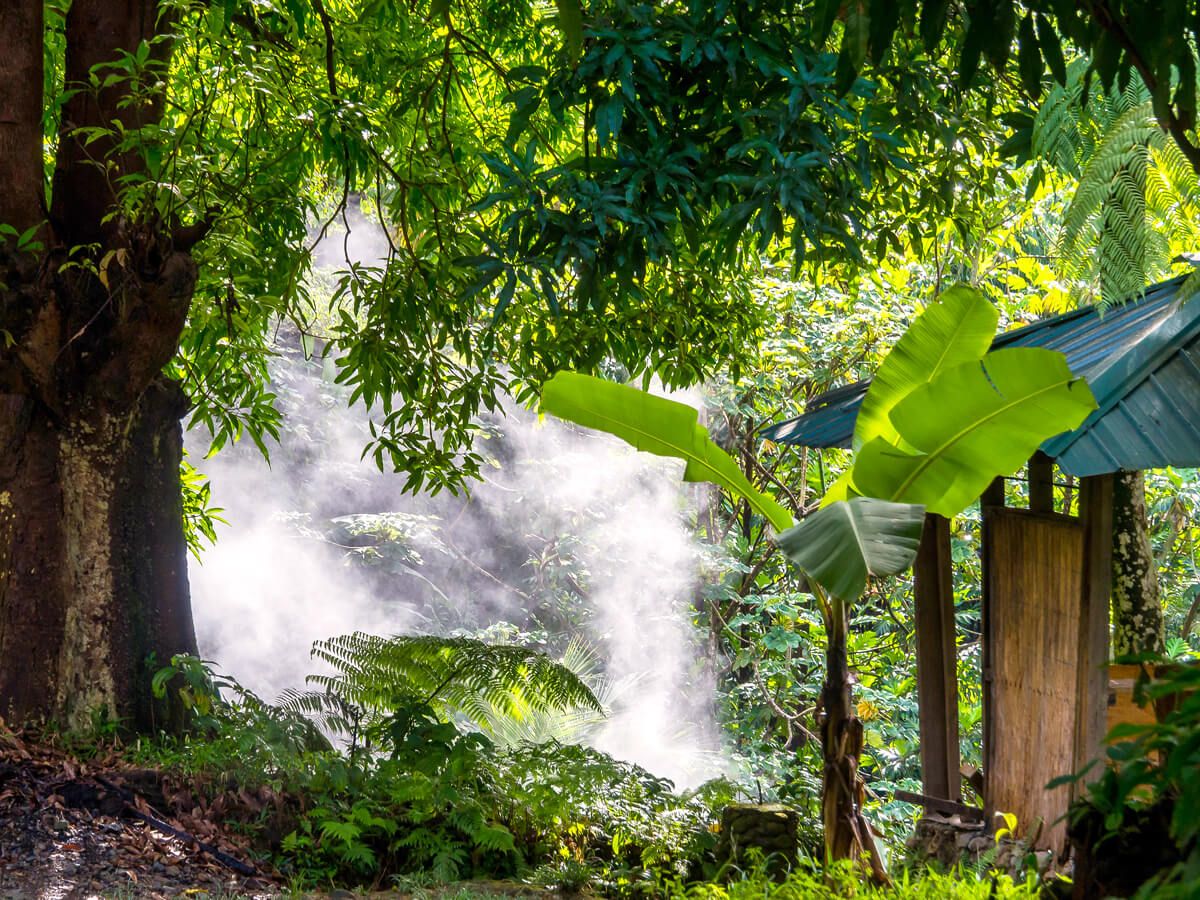
Home to some of the world’s earliest settlements, beautiful coastlines, and the soaring mountains which inspired its name, the Balkan Peninsula sits north of the Mediterranean Sea in southeastern Europe. Nine nations primarily make up the Balkans: Albania, Bosnia and Herzegovina, Bulgaria, Croatia, Montenegro, North Macedonia, Romania, Serbia, and Slovenia. The region also contains the self-declared independent nation of Kosovo, as well as parts of Greece and Turkey. While many Balkan countries were once united as the larger country of Yugoslavia, today, each Balkan state is known for its own unique identity. Here are nine fascinating facts you might not know about the Balkan countries.
In Albania, Nodding Your Head Up and Down Means “No” Instead of “Yes”
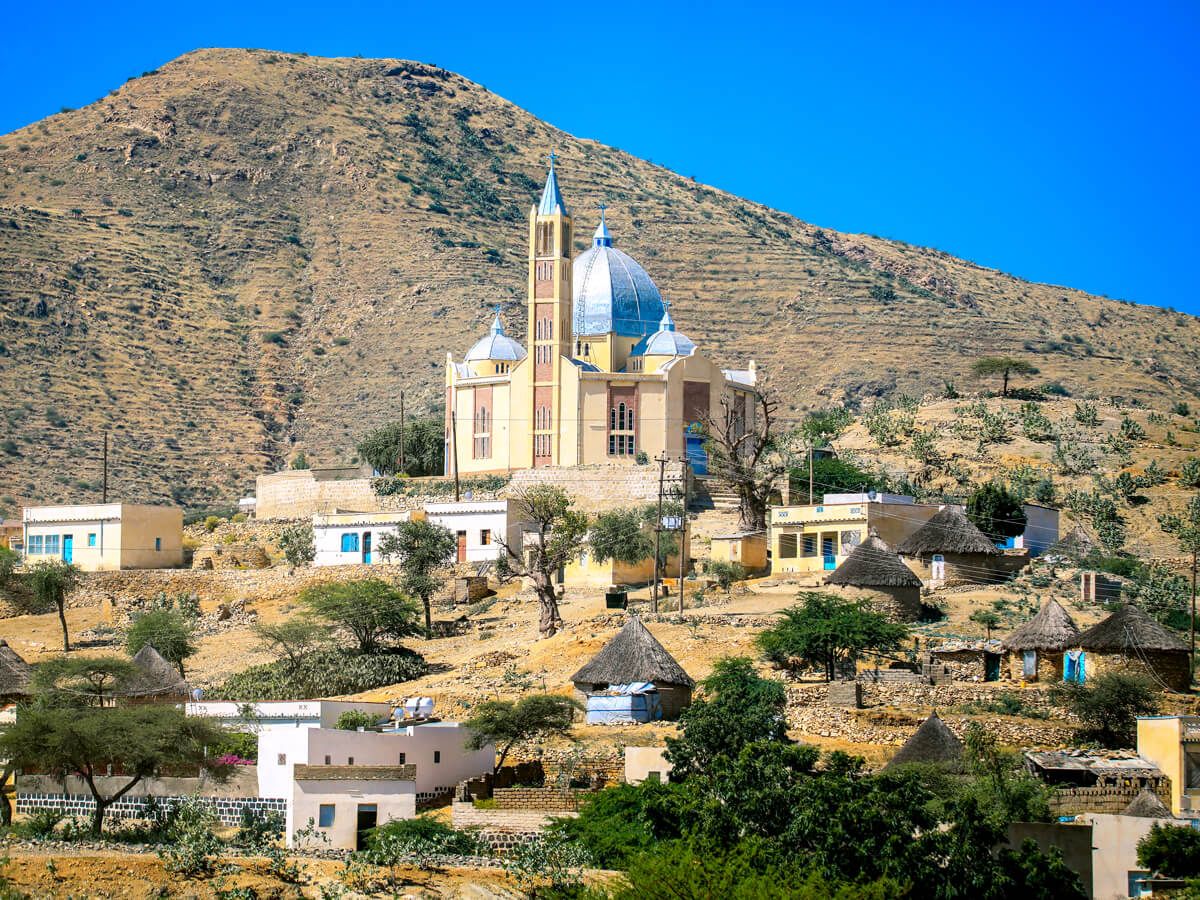
Albania — located in the western Balkan Peninsula across the Adriatic Sea from Italy — achieved independence from the Ottoman Empire in 1912. Long before then, the region had forged a distinct cultural identity — so much so that it may be harder for modern-day travelers to communicate than one might expect.
One noteworthy example: In Albania, nodding your head up and down actually means “no,” whereas shaking one’s head left to right signifies “yes.” Of course, that’s the opposite meaning of the gestures in much of the rest of the world. The practice is also common in other areas of the Balkans, including Bulgaria — but it’s unclear how exactly this contrast in customs originated. Some theorize that it dates back to defiance during the Ottoman occupation of the late 14th century.
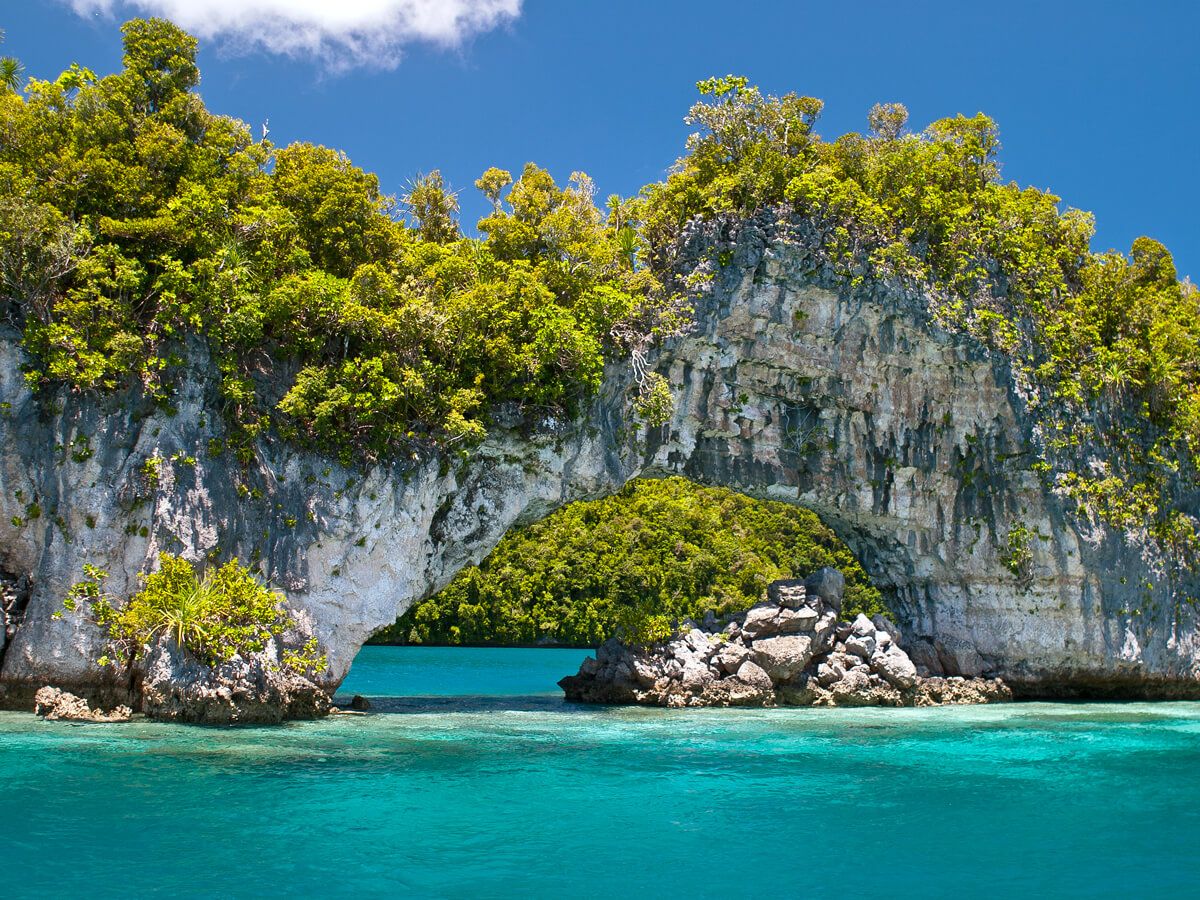
Albanian is also one of the more difficult languages to learn, as it’s unrelated to any other major modern language. Within Albanian, there are two distinct dialects — Greg and Tosk — which are believed to have split around the fourth century CE. However, official records for the language only date back to the 15th century CE, and its origins remain murky. Albanian is still spoken by over 7.5 million people around the world.
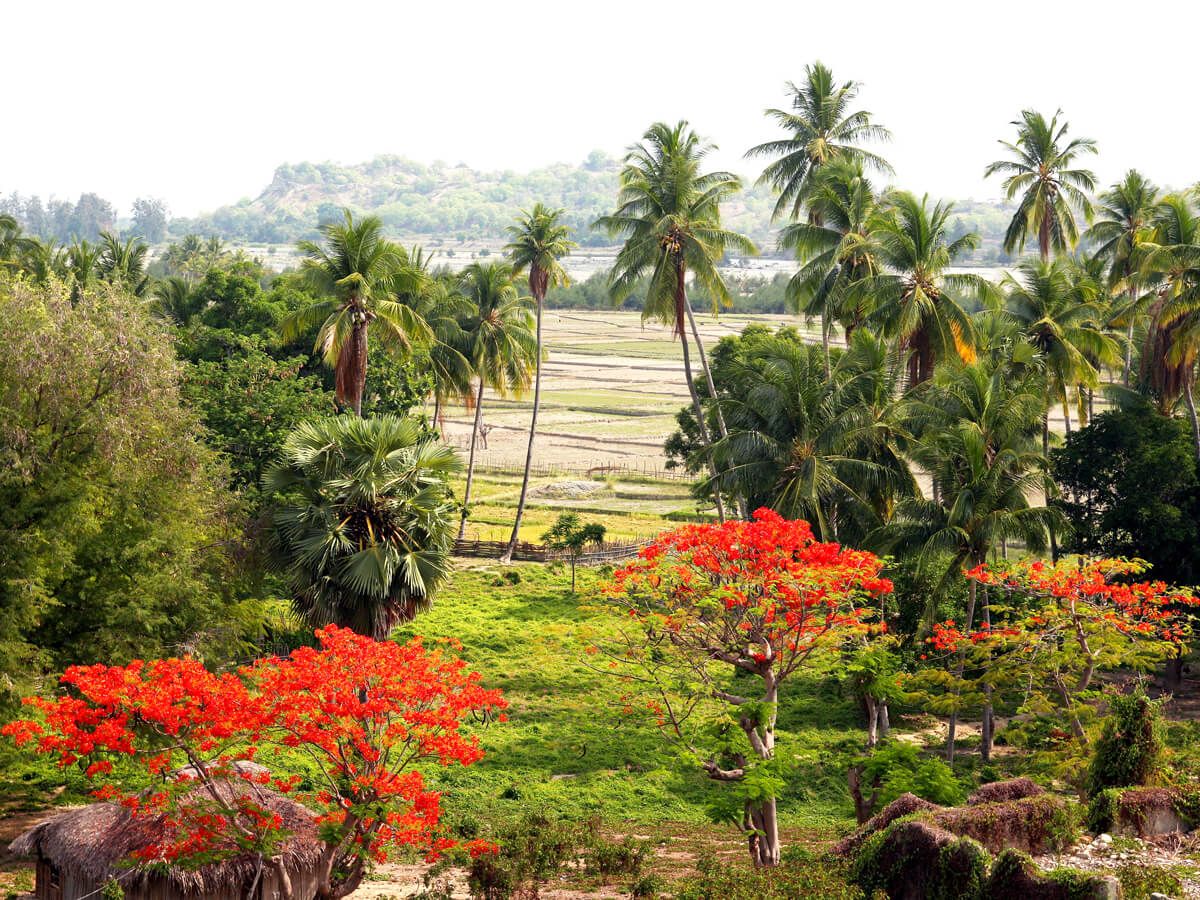
Bosnia and Herzegovina Is Home to the Only Public Clock That Measures Lunar Time
While most clocks rely on solar time, that’s not the case for a unique clock tower in Sarajevo, Bosnia. Located in the city’s historic old town, the Old Clock Tower is the only known public clock that measures using lunar time. The clock tower dates back to the 16th century and is nicknamed “Little Ben” because of its equipment imported from England. Its lunar mechanisms were installed in the 1800s and tell time based on the movement of the sun and moon — meaning the clock tower strikes “midnight” at sunset each day.
Bosnia and Herzegovina is also known for its incredibly tiny coastline, measuring just 12 miles. After the nation declared sovereignty in 1991 (and later independence in March 1992), new nations took shape in the Balkans, and Bosnia and Herzegovina was almost entirely separated from the Adriatic Sea by Croatia. The lone exception was the town of Neum, which provides Bosnia with its only direct sea access. That makes Bosnia and Herzegovina the country with the second-shortest coastline in the world.
Bulgaria was founded in the seventh century, making it one of Europe’s oldest independent states. Long before then, the city of Plovdiv — now the second-largest Bulgarian city after Sofia — was settled back in the sixth millennium BCE. Some believe that its name at the time was Kendrisos, and it was first founded as a Thracian colony. This makes Plovdiv older than Athens, Greece, which was founded around 4000 BCE.
In approximately 342 BCE, Philip of Macedon took control of the city and renamed it Philippopolis after himself. The city was later conquered by the Romans, and many relics from that time remain today — including a 6,000-seat theater built during the reign of Trajan (98 CE to 117 CE). The name Plovdiv was first referenced in the 11th century CE, though it wasn’t until Bulgaria gained independence from the Ottoman Empire in 1908 that the name Plovdiv was formalized.
Crescent-shaped Croatia is known for its stunning Adriatic coastline. While the majority of the country is located on the Balkan Peninsula, Croatia also includes over 1,000 islands scattered throughout the region. All but 47 of the islands are uninhabited, and many are quite small — only 15 or so are larger than 20 square miles in total area.
Some of the more majestic Croatian islands worth visiting include Krk, which is known for its Medieval-era monasteries and Romanesque churches. There’s also Brač, which is the country’s top destination for windsurfers, as well as Korčula, an island that’s said to be the birthplace of famed explorer Marco Polo.
The Mediterranean region is known for its plentiful olive groves. The continent’s oldest extant tree is located near the town of Stari Bar in Montenegro. Olive harvesting began in the region during the time of the Roman Empire over 2,000 years ago. This tree — known by the name Stara Maslina (which translates in English to Old Olive Tree) — is the oldest from that time and perhaps the oldest olive tree in the entire world.
Aptly named, the Old Olive Tree is estimated to be over 2,240 years of age, and it has been federally protected since 1957. The tree measures roughly 32 feet in diameter and still produces fruit today. The popular tourist attraction is one of over 100,000 olive trees located throughout the region, many of which are believed to have been planted over a millennium ago.
The Cyrillic Alphabet Was Invented in North Macedonia
From the time it broke away from Yugoslavia in 1991 until 2019, the nation now called North Macedonia was known as the Republic of Macedonia. However, the former Kingdom of Macedonia dates much further back to the seventh century BCE. The land which present-day North Macedonia occupies is believed to have been where the Cyrillic alphabet was created sometime around the 10th century CE. The Cyrillic alphabet is a writing system inspired by capital Greek letters that’s used by speakers of over 50 modern languages. It was invented by disciples of Saints Cyril and Methodius, two missionaries who brought Christianity throughout the Slavic region in the late ninth century.
Romania’s Palace of Parliament Is the World’s Heaviest Building
Located in Romania’s capital city of Bucharest, the Romanian Palace of Parliament is the world’s heaviest building, according to the Guinness Book of World Records. The colossal structure contains a whopping 1.5 billion pounds of steel and bronze combined with 35.3 million cubic feet of marble. Plus, it has an additional 7.7 million pounds of crystal glass combined with 31.7 million cubic feet of wood.
Construction on the Palace of Parliament began in 1984, and the building technically remains unfinished today. In addition to its immense weight, the structure spans over 3.5 million square feet and contains upwards of 3,000 rooms. It ranks among the largest administrative buildings in the world after the Reichstag in Berlin, Germany, and the Pentagon in Arlington, Virginia.
Pule is a rare cheese that comes from Serbia. How rare? Only a single farm located in Serbia’s Zasavica Special Nature Reserve produces it. The cheese is an unusual combination of 60% donkey milk and 40% goat milk, and it requires upwards of 6.5 gallons of donkey milk to just over two pounds of pule cheese.
The cost of pule around $600 per pound, making it the most expensive cheese in the world. The farm where it’s cultivated was founded in the late 1990s by a man named Slobodan Simić. Amazingly, he actually produced his first batch by accident due to a surplus of donkey milk. The Zasavica Special Nature Reserve is one of just three areas in the former Yugoslav Republic that protects the breed of Balkan donkey used for pule.
Slovenians are among the world’s foremost oenophiles. In fact, there’s estimated to be one vineyard for every 70 Slovenians, which equals around 28,400 wineries found throughout a country that’s roughly 1,000 square miles smaller than New Jersey. These wineries produce well over 20 million gallons of wine annually, but very little is exported around the world — Slovenians consume 94% of the wine that’s produced within their own borders.
In addition to wine, Slovenia is known for its rich history of beekeeping. The practice was added to UNESCO’s Representative List of the Intangible Cultural Heritage of Humanity in 2022. Slovenia is home to a unique breed called the Carniolan bee, and there are around 200,000 bee colonies on Slovenian land that are managed by local beekeepers.
Advertisement
More from our network
Daily Passport is part of Inbox Studio, an email-first media company. *Indicates a third-party property.