6 Spectacular Ancient Structures That Should Be on Your Bucket List
By
Jersey Griggs
Read time: 4 minutes
February 27, 2024
Updated: February 28, 2024
6 Spectacular Ancient Structures That Should Be on Your Bucket List
Architecture •February 27, 2024•Updated: February 28, 2024
By Jersey Griggs
Author
Jersey Griggs
Jersey is a travel and lifestyle writer whose work has appeared in publications such as Condé Nast Traveler, Business Insider, and Bust. When she’s not exploring her adopted home state of Maine, she’s likely planning her next big trip.
The past endlessly fascinates us, but often, it’s the sites that have been around for thousands of years — if not more — that are the most mysterious and thought-provoking. When we visit these ancient sites, we can’t help but wonder who lived here and what happened to their civilization? With that in mind, here are six of the best ancient marvels that might not be on your bucket list — but definitely should be.
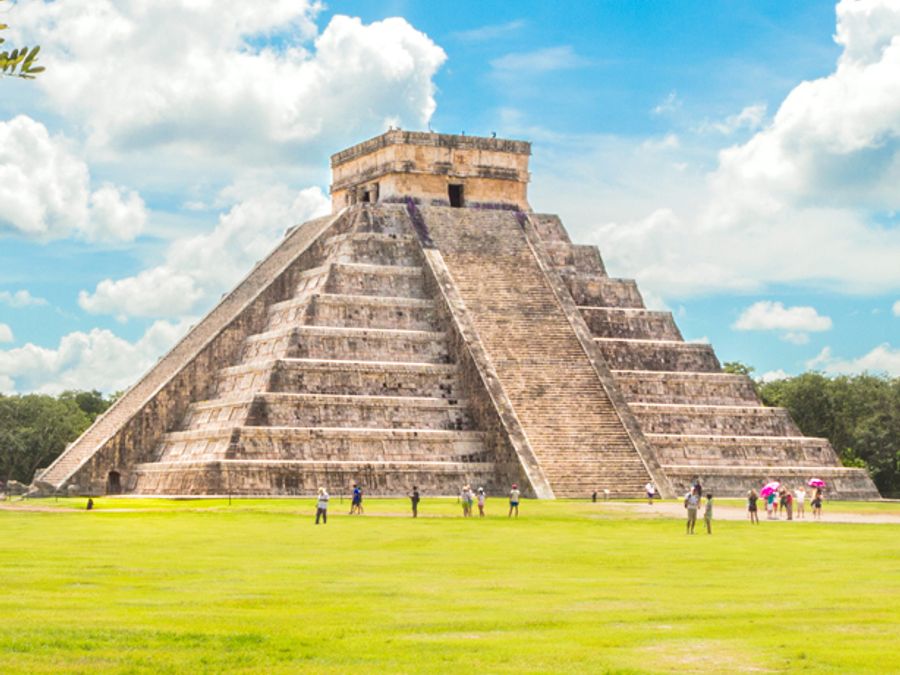
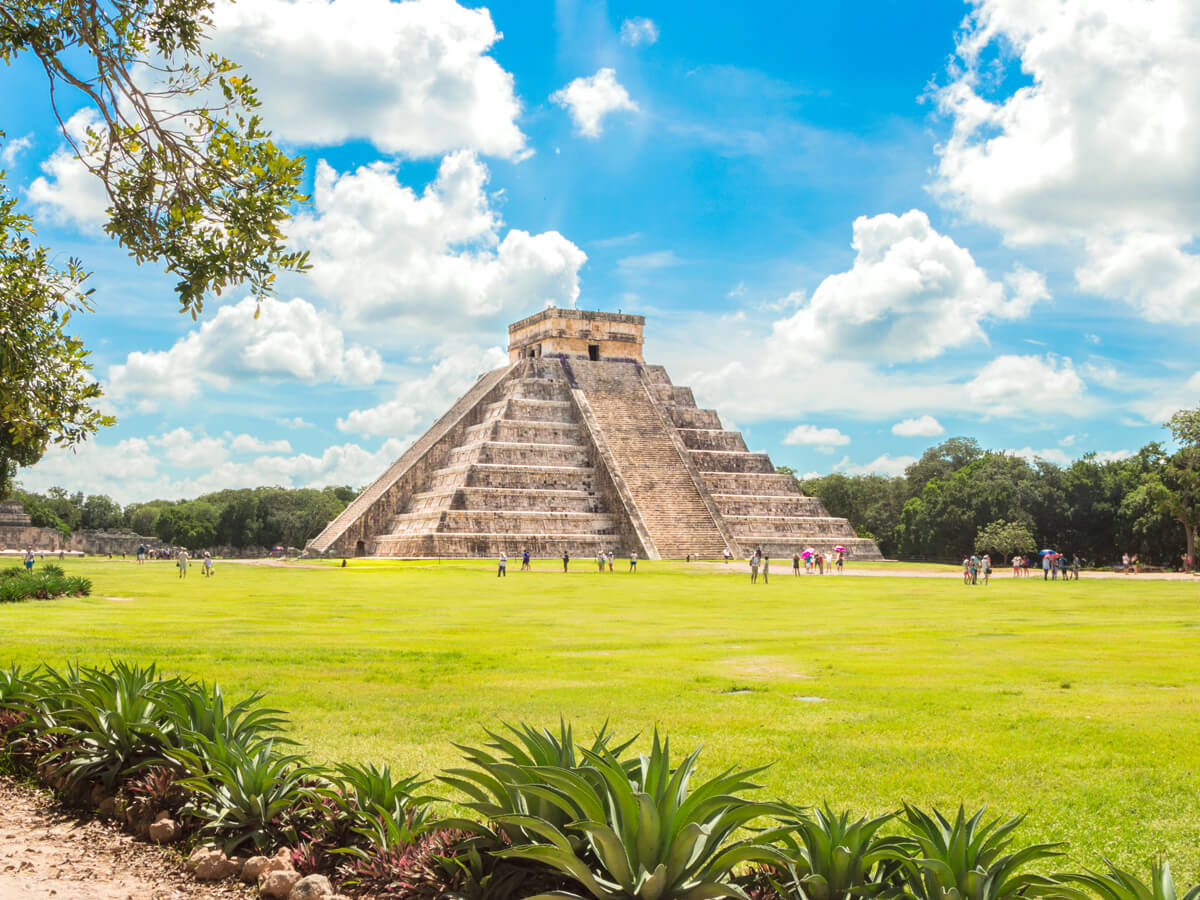
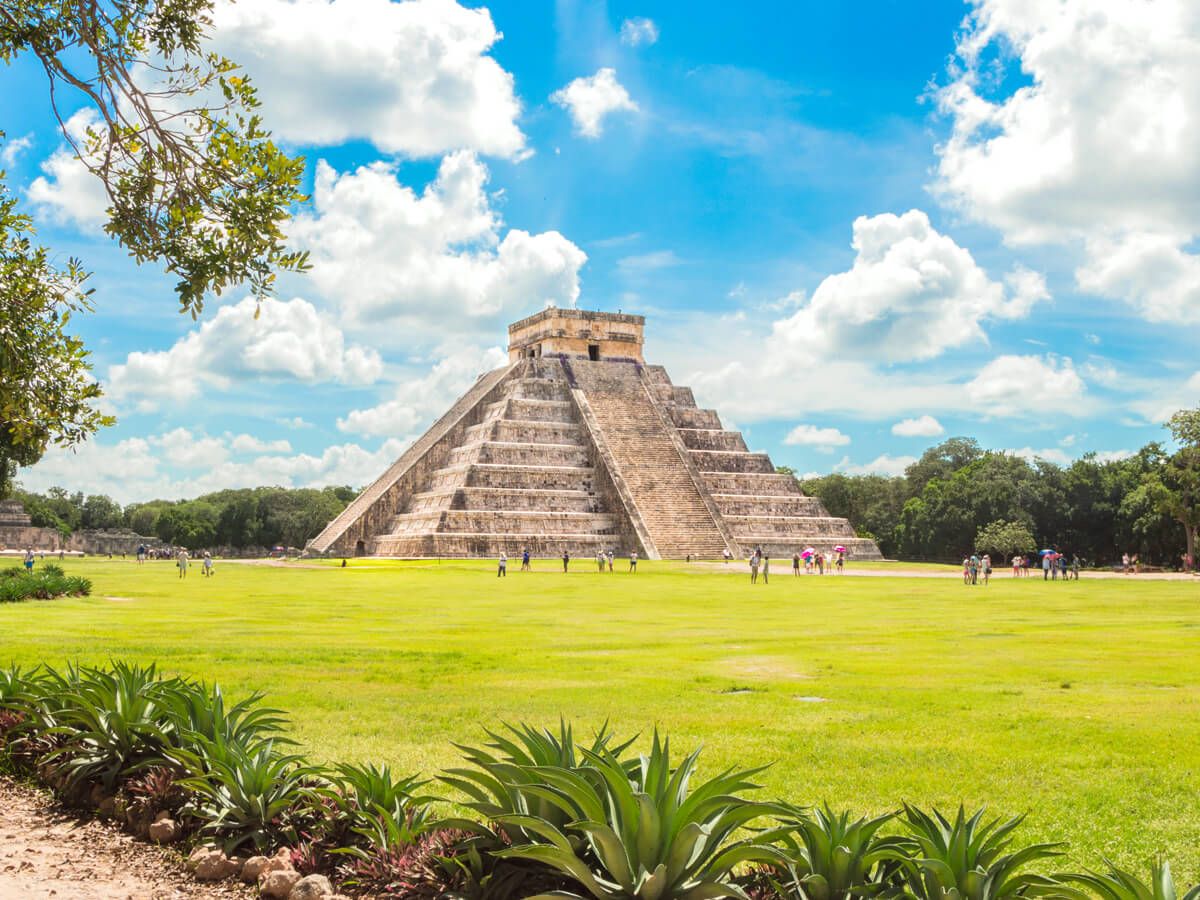
Dating back to the fourth or fifth century CE, Chichén Itzá in Mexico’s Yucatán Peninsula was once a significant city for the Maya peoples. The site was home to some 50,000 residents during its height of cultural and political power, and as the population grew, so did the city’s structures. Today, the ruins of multiple temples remain, including El Castillo, the large pyramid for which Chichén Itzá is known, and the Temple of Kukulkan. Visitors can explore a steam bath, a ball court, a marketplace, and a cenote (underground cave spring) that was used as a ceremonial site. After being dredged, anthropologists found jade, turquoise, and human remains in the cenote — suggesting it may have been the site of human sacrifice.
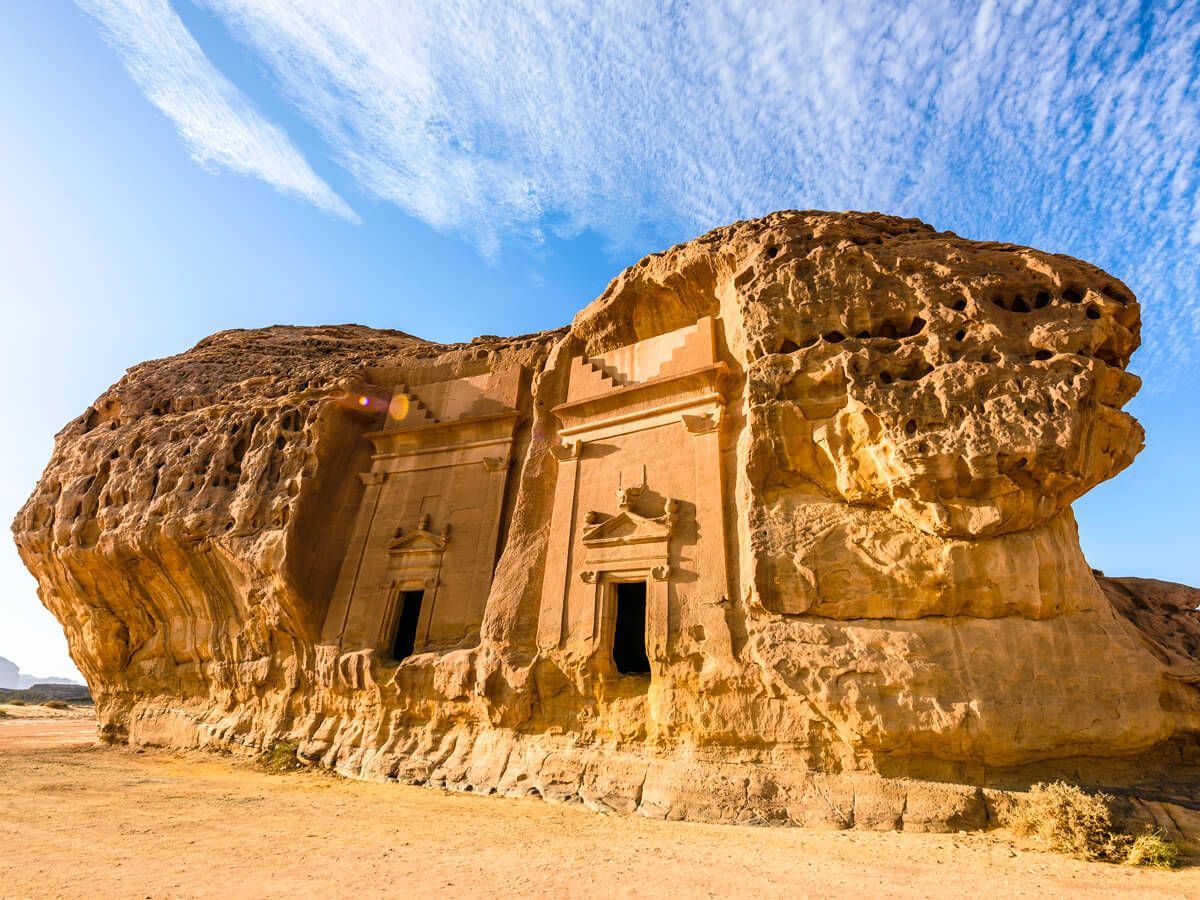
Hegra Archaeological Site – Saudi Arabia
Credit: Mint Images via Getty Images
Although Hegra was built sometime between the first century BCE and the first century CE, this ancient archeological site didn’t open to the public until 2019. The lesser-known sister city to nearby Petra in Jordan, Hegra was a southern outpost in the Nabataean Kingdom, which flourished for five centuries before the Romans arrived. Hegra is home to 110 burial tombs where the upper echelons of society were laid to rest. With chambers that have inscriptions to describe the occupant, the tombs are open to visitors, although only one rotating tomb is available to visit at a time. Hagra’s most famous site is its unfinished tomb, Qasr al-Farid (“the Lonely Castle”), which stuns visitors due to its intricate carvings and sheer size.
Ellora Caves – India
Credit: YinYang/ iStock via Getty Images
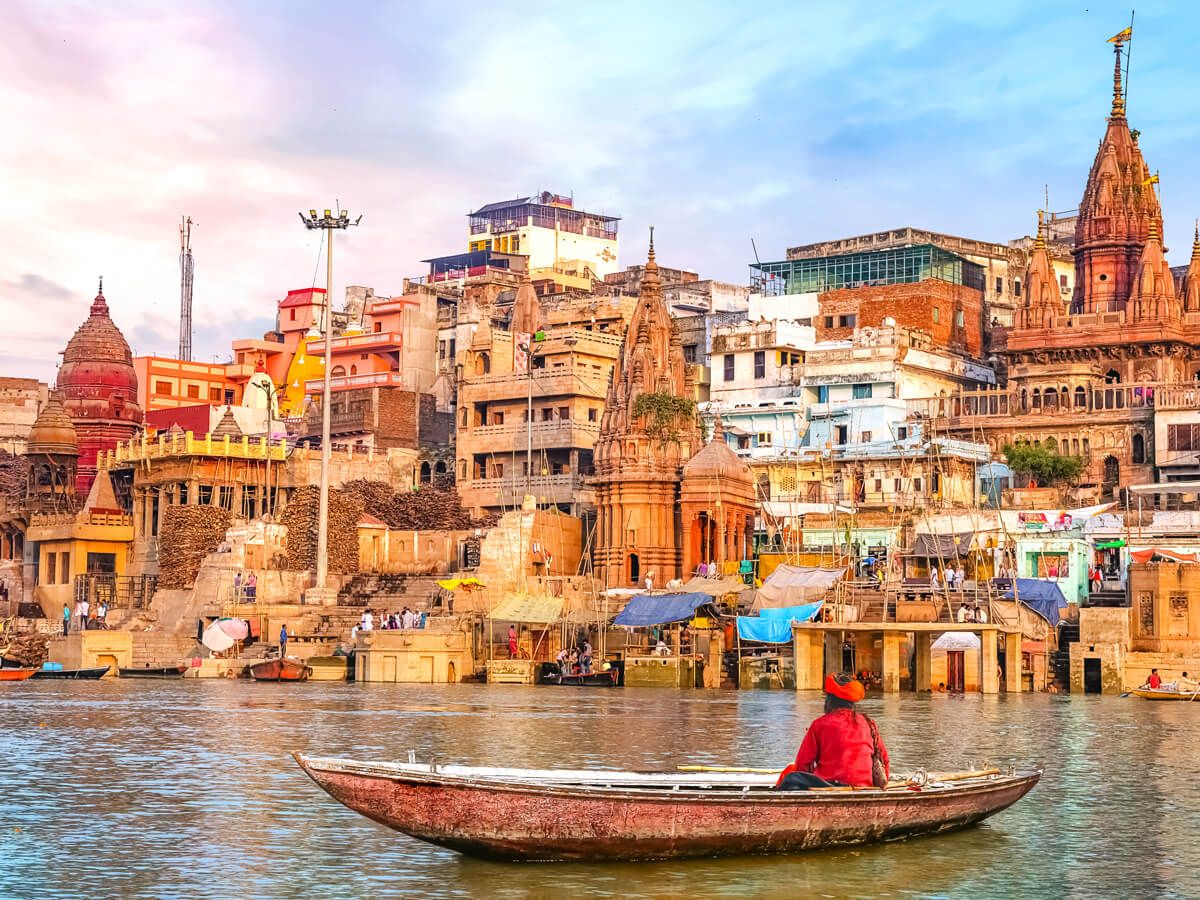
Located near Maharashtra in western India, the Ellora Caves showcase the diversity of India’s religions during ancient times. With 34 monasteries and temples dug into the sides of vertical basalt cliffs, the religious complex stretches 1.2 miles long. It dates all the way back to 600 CE, and its sanctuaries are each devoted to different religions — there are 12 Buddhist temples, 17 Hindu temples, and five Jain temples. Don’t miss Kailasa (cave no. 16), named for the place where the god Hindu Shiva is said to reside. This spectacular temple was built from top to bottom with only the simple tools of a chisel and hammer.
Baalbek – Lebanon
Credit: Malcolm P Chapman/ Moment via Getty Images
Whether Baalbeck was built by the Romans, Phoenicians, or a different unknown ancient culture is still up for debate. These mysterious temples in Lebanon are so old that historians can’t even agree on an exact date when they were built. Certain stones, like the Stone of the Pregnant Woman, suggest the site was constructed around 27 BCE, while the ruins’ most famous building — the Temple of Jupiter — was likely built in the first century CE. The massive stone blocks that hold up the temple were carved from a local quarry, with the largest block weighing a whopping 1,650 tons. How were ancient builders able to transport such a rock? Perhaps that is a mystery that will never be solved.
Nowadays we associate the Olympics with athletic prowess, but in ancient times, Olympia — where the games got their name — began as a religious complex. Beginning in 776 BCE, the Greeks began to hold games in honor of Zeus, king of the Greek gods. By the 10th century BCE, Olympia was the central worship site of Zeus, with the games occurring every four years as people gathered to build statues, altars, and buildings to honor the gods. One such offering was a gold and ivory statue of Zeus on his throne, which was revered by the Greeks for its beauty (until it was sadly destroyed sometime in the fifth century CE). Fortunately, many of the ruins are still intact — make sure to check out the athlete’s tunnel if you want to live out your Olympic fantasy.
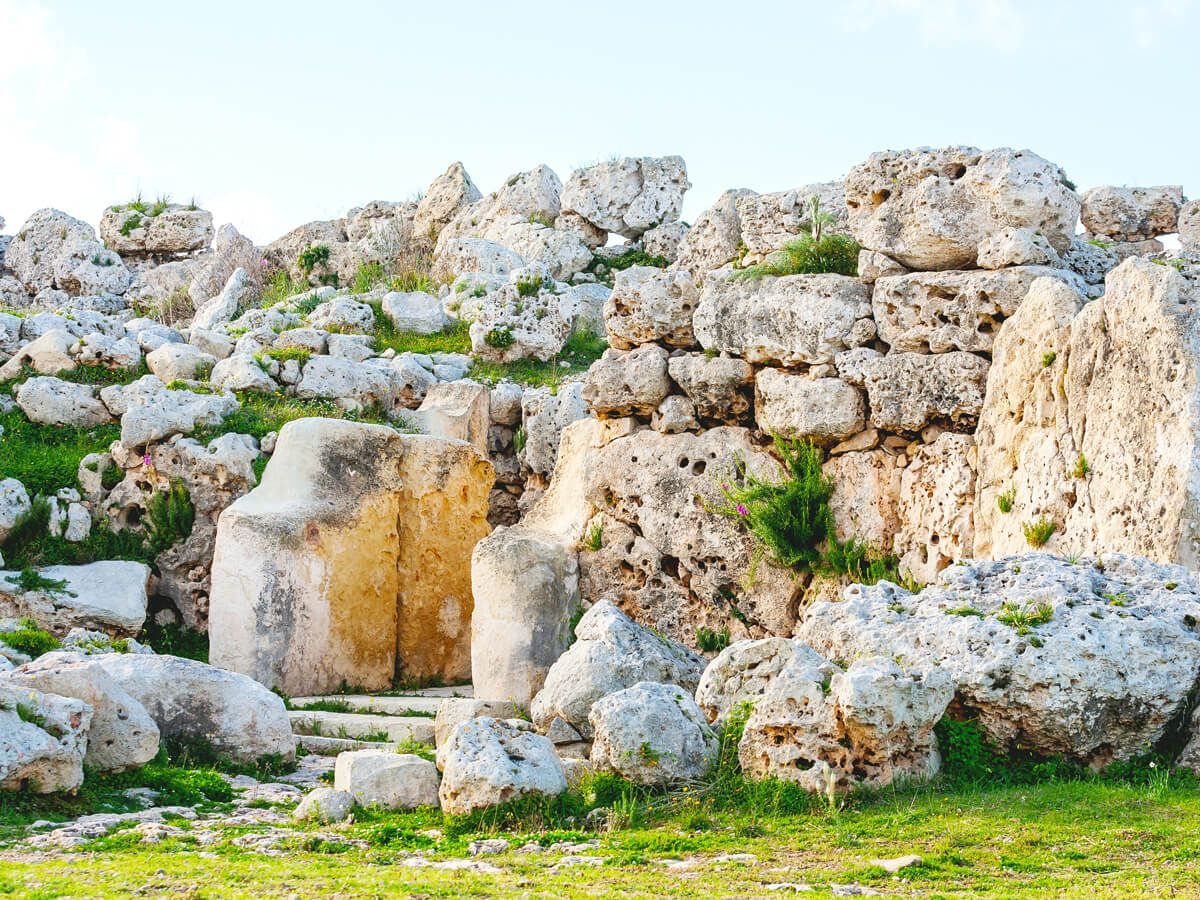
Megalithic Temples of Malta
Credit: Konstantin Aksenov/ iStock via Getty Images
Forget ancient — the Megalithic Temples of Malta are prehistoric. The oldest free-standing stone structures in the world, these buildings were constructed between 3700 and 3200 BCE. In fact, they are so old that they predate the invention of the wheel. Located in this small island country in the Mediterranean Sea, the site holds seven total temples scattered throughout the islands of Malta and Gozo. The huge megalithic stone archways at Ħaġar Qim will make you wonder how they were built so long ago, while the stone carvings at Tarxien Temples feature the lower half of a rotund figure who appears to be wearing a skirt. The oldest temple, Ġgantija, translates to “giantess” — according to local folklore, a giantess built the temples with the help of a child on her shoulders.
Advertisement
More from our network
Daily Passport is part of Inbox Studio, an email-first media company. *Indicates a third-party property.
This Is What the Rest of the World Eats for Breakfast
By
Daily Passport Team
Read time: 6 minutes
February 27, 2024
Updated: February 27, 2024
This Is What the Rest of the World Eats for Breakfast
Culture •February 27, 2024•Updated: February 27, 2024
By Daily Passport Team
Author
Daily Passport Team
Daily Passport writers have been seen in publications such as National Geographic, Food & Wine, CBC, Condé Nast Traveler, and Business Insider. They're passionate about uncovering unique destinations and sharing expert tips with curious travelers.
You’ve heard the old adage — breakfast is the most important meal of the day. But what you eat for breakfast looks very different depending on where you live. Every culture has a unique take on the day’s first meal — and as an American, you may find some of these dishes surprising. But whether you like your eggs scrambled or fried, or prefer your coffee black or with milk, there’s a morning menu out there that suits your taste buds. Grab a plate and discover popular breakfast foods in 10 countries around the globe.
Morocco
Credit: Elena-studio/ iStock via Getty Images
In Morocco, breakfast isn’t complete without some sort of pancake on the table, especially baghrir — a special pancake made from semolina flour and yeast. Also known as a “thousand-hole pancake” or “thousand-hole crêpe,” the baghrir is famous for the tiny craters that appear on its surface as soon as the batter is poured into the pan. These holes form due to the active yeast in the batter, and if they don’t appear, it means the baghrir is too thick. A properly cooked baghrir is spongy and tender and served with honey, butter, and jam. Similar to people in the West, many Moroccans eat an early breakfast, although food isn’t consumed until after morning prayer.
India
Credit: Roop_Dey/ iStock via Getty Images
Breakfast dishes may vary in different regions of India, but roti (also known as chapati) is a staple throughout the country. The wheat flour flatbread is rolled at home, pressed into a circular shape, pan-fried in ghee (clarified butter), and served with dips and chutneys. Other dishes commonly present on the breakfast table are dosas (lentil-and-rice crêpes), idlis (steamed rice-dough pancakes), and spiced potatoes. Since many people in India are accustomed to rising early for work, breakfast is typically served between the early hours of 7 a.m. and 8 a.m.
China’s version of chicken noodle soup is congee or conjee, a savory rice porridge that is regularly consumed for breakfast. Combined with water and aromatics such as green onions and lotus root, the rice is boiled until it changes into a pudding-like consistency and then topped with pork, seafood, or youtiao (fried dough). Although it resembles a sort of gruel, congee is delicious and considered to be the ultimate comfort food in China. Since it’s easy to make and incredibly filling, it’s also a perfect way to start the day, which means many people in China will enjoy a warm bowl of congee as early as 6 a.m., before the workday starts.
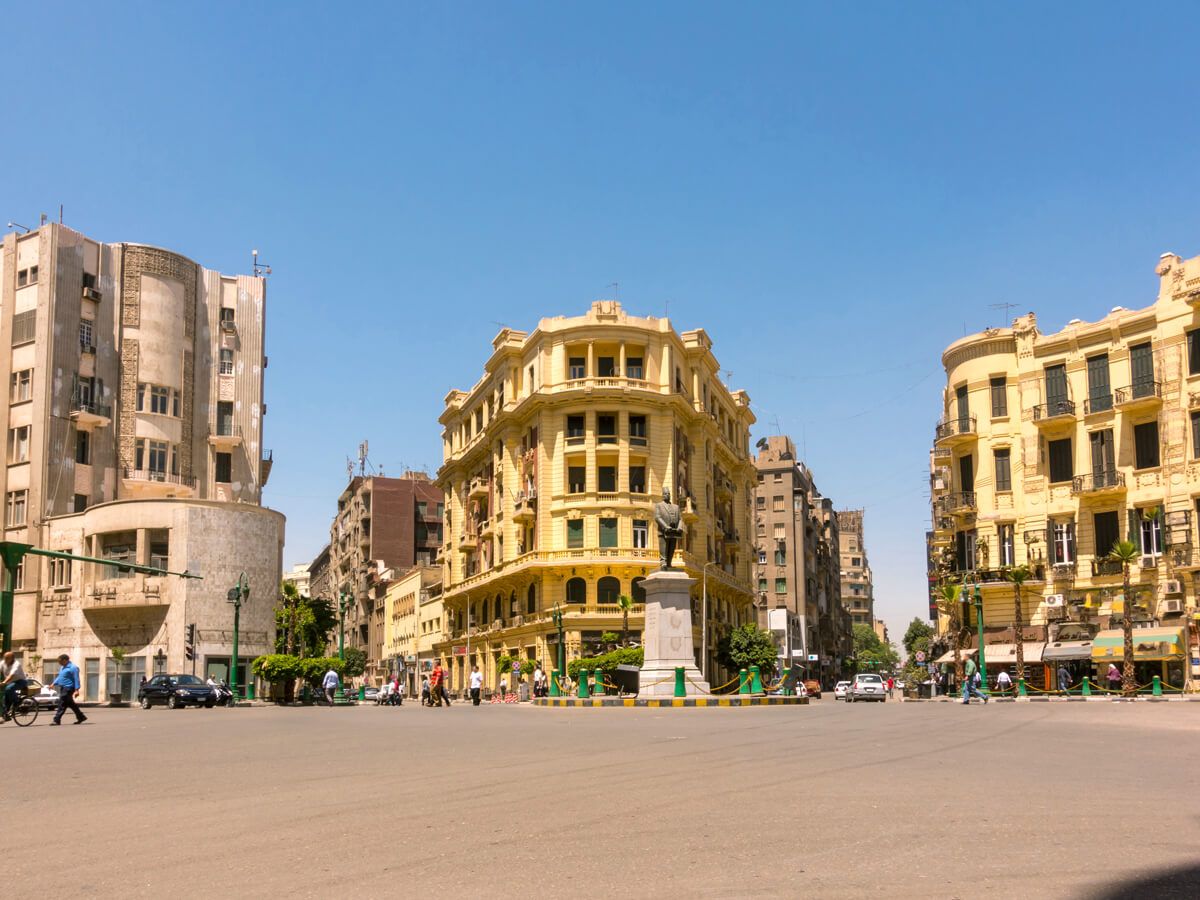
For their morning meal, Egyptians regularly consume ful medames, or simply fūl, a richly flavored mixture of stewed fava beans and spices. To make fūl (pronounced “fool”), dried fava beans are soaked overnight and then cooked for several hours with various aromatics such as garlic, onions, parsley, lemon juice, and chili peppers, before being finished with a dash of cumin and a drizzle of olive oil. Since the ubiquitous breakfast food requires hours of preparation and cooking time, most markets also sell canned varieties of ful medames. Fūl is typically served with pita bread, eggs, and cheese and enjoyed at all times of the day, but especially in the morning before school or work.
Peru
Credit: FrankvandenBergh/ E+ via Getty Images
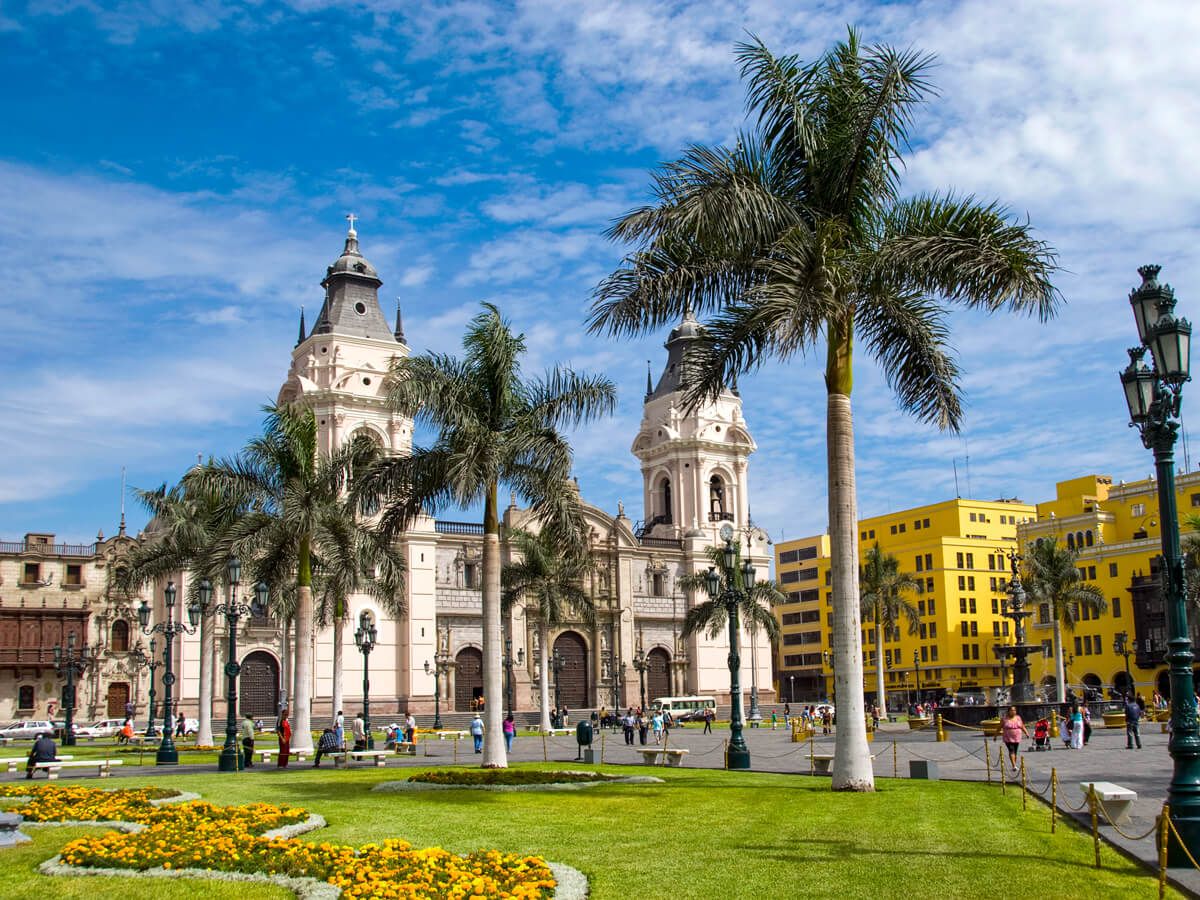
In Peru, animal blood is a common breakfast ingredient, due to the fact that blood is purported to be good for your health since it protects against anemia. One popular option is a sandwich called pan con chicharrón, featuring blood sausage, fried sweet potato, and salsa criolla (a mixture of chopped onions, lemon, and cilantro), sandwiched between two halves of a fresh bun. Another favored breakfast item is sangrecita (seasoned chicken blood), in which chicken blood is boiled and then fried with onions and salt. Most Peruvians eat breakfast before leaving for work or school, between the hours of 7 a.m. and 9 a.m.
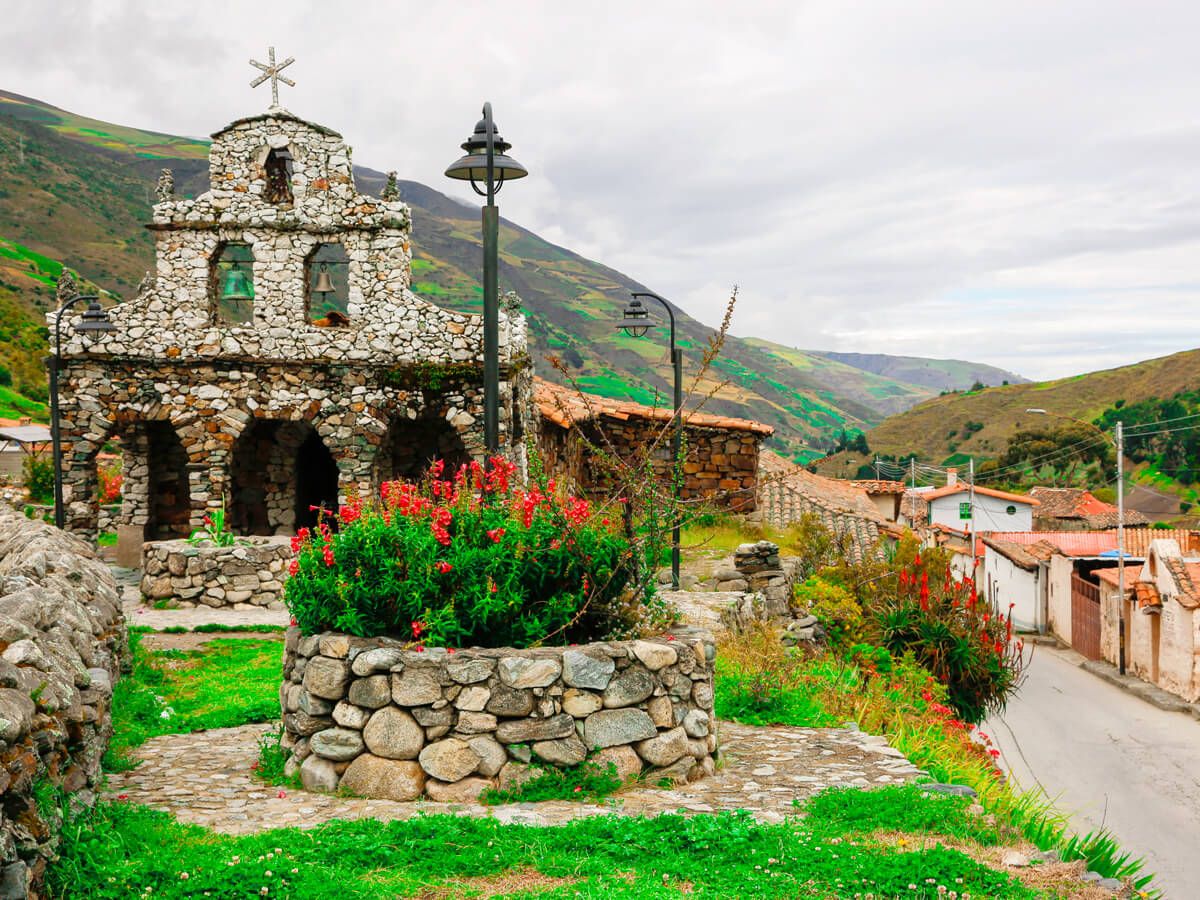
In Venezuela, arepas are consumed in many households in the mid-to-late morning, around 10 or 11 a.m. Composed of corn flatbread stuffed with a variety of savory items — cheese, fish, chicken, shredded beef, or black beans — arepas are beloved by most Venezuelans. In fact, they’re such a common snack in Venezuela, they’re consumed throughout the day, not just for the morning meal. And since breakfast isn’t as essential as the midday meal, many Venezuelans eat lightly in the morning in order to save room for lunch, which is the largest meal of the day. As corn is a good source of fiber and highly prevalent in South America, arepas are also popular in Colombia and Ecuador.
Japan
Credit: Taro Hama @ e-kamakura/ Moment via Getty Images
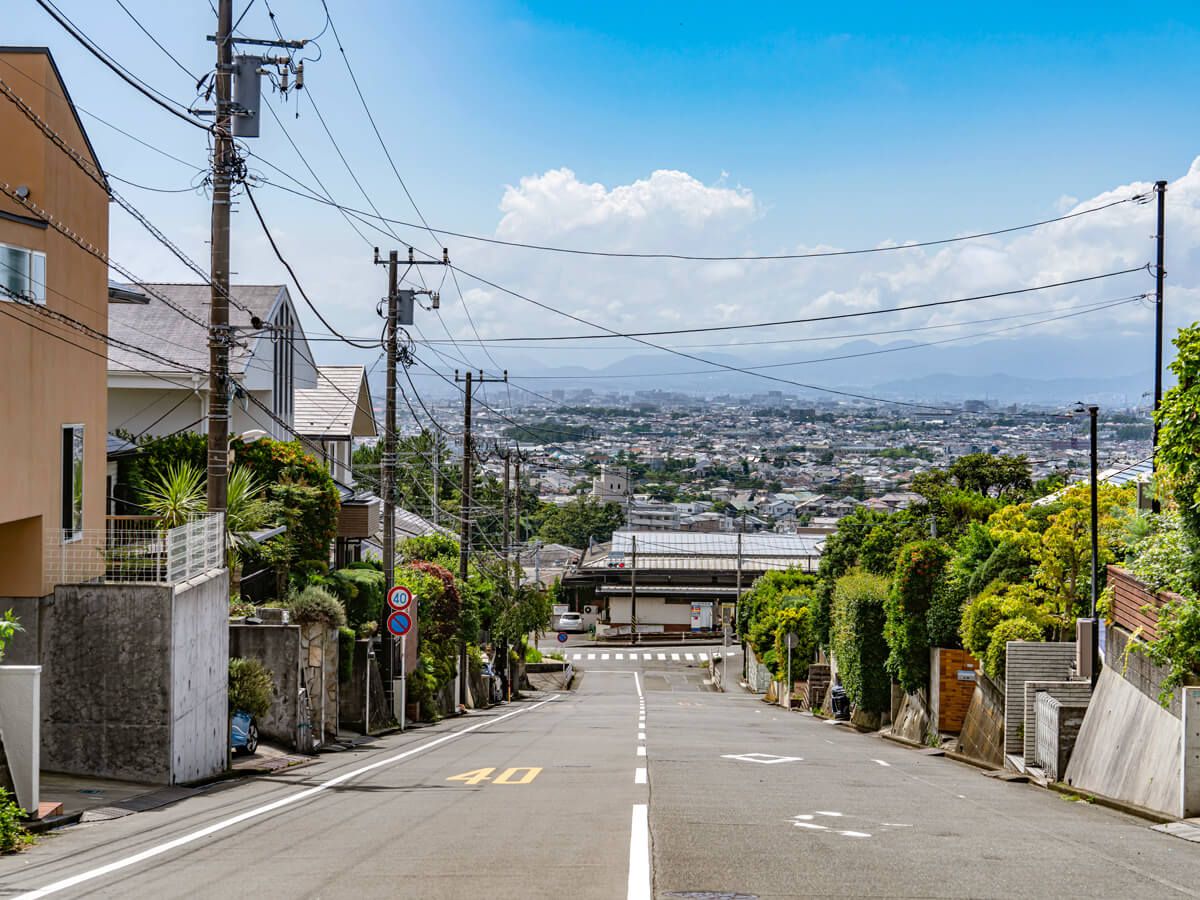
In Japan, breakfast foods are traditionally savory, featuring dishes we would often associate with lunch or dinner. Cooked fish, rice, and pickled vegetables are all foods typically found on the breakfast table, alongside miso soup. Made of dashi (Japanese stock), miso (fermented bean paste), vegetables, and tofu, miso soup is a simple dish that can be quickly cooked on a stove. The warm soup is so nourishing that it’s often considered to be an ideal way to start the day. Since people in Japan rise early, the average breakfast time is 7:10 a.m. on weekdays, before people leave for work or school.
Mongolia
Credit: Tuul & Bruno Morandi/ The Image Bank via Getty Images
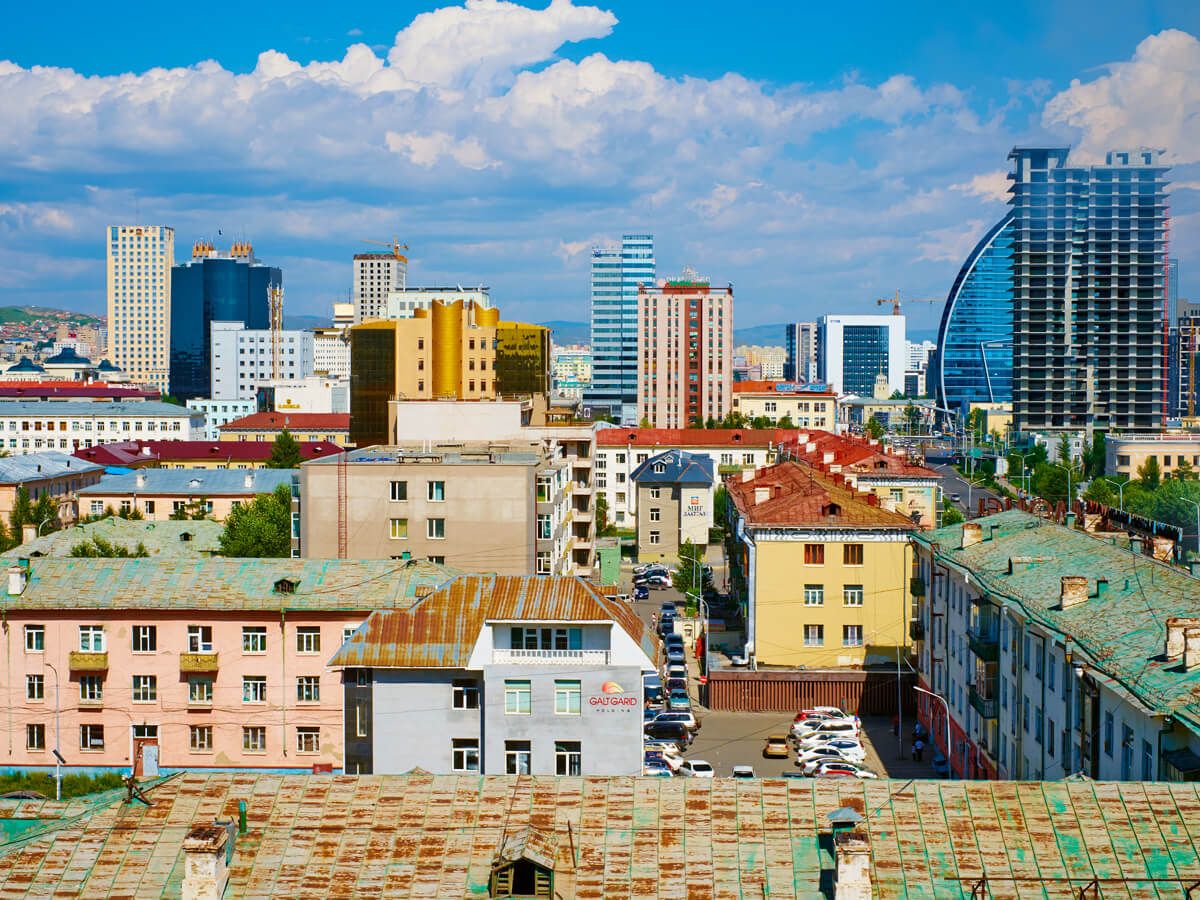
In Mongolia, the word for breakfast literally translates to “morning tea,” so tea is the most important item on the breakfast table. Suutei tsai (milk tea) is the morning standard, made daily in yurts across the country. The salty green tea is a combination of tea and cereal, made with green tea, milk, and millet. It’s not uncommon to add leftover meat to the milk tea in order to transform the straightforward dish into a hearty meal with some protein. Often served with urum (clotted cream made from yak milk), suutei tsai is usually consumed early in the day, between 7:30 and 8:30 a.m.
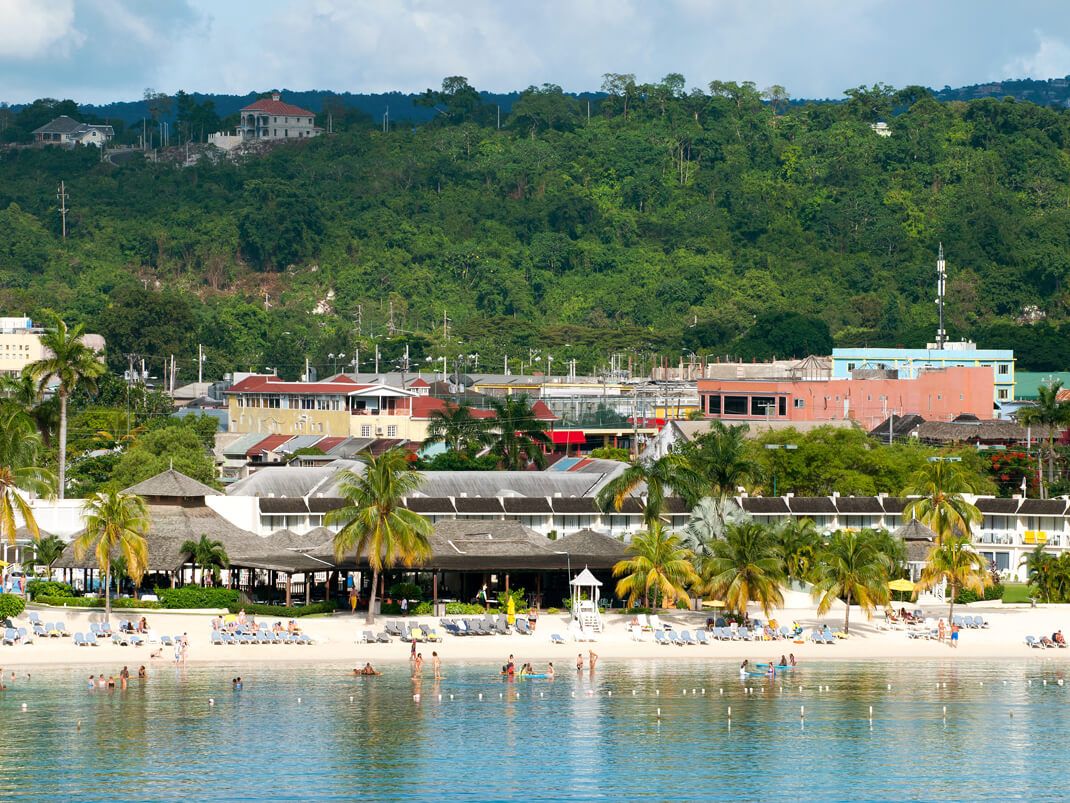
Ackee and saltfish is not only a typical Jamaican breakfast but also the national dish of the country. Ackee is a savory fruit with thick, red skin, brought to Jamaica from West Africa in the 18th century, while saltfish (salted cod) was a cheap food, since the white fish was preserved in salt for longer storage. Although these ingredients have different flavor profiles, they blend well to make a salty, nutty, savory dish that is found throughout Jamaica. Ackee and saltfish are often served with fried plantains or “johnnycakes” — Jamaica’s version of fried dumplings — and consumed as early as 5 or 6 a.m.
If you’re wondering why the Netherlands is one of the happiest countries on Earth, it may have something to do with breakfast. Hagelslag — buttered bread topped with sprinkles — is so popular for breakfast that the Dutch reportedly consume millions of sprinkles annually. The country’s chocolate sprinkles are made with real cacao, while other flavors include anise (licorice) and fruit. Although this cheerful breakfast dish can be eaten as early as 6 a.m., hagelslag is so ubiquitous in the Netherlands that it’s also considered to be an acceptable snack throughout the day.
Advertisement
More from our network
Daily Passport is part of Inbox Studio, an email-first media company. *Indicates a third-party property.
Overbooked Flight? Here’s What to Do if the Airline Tries to Bump You
By
Nicole Villeneuve
Read time: 4 minutes
February 27, 2024
Updated: February 27, 2024
Overbooked Flight? Here’s What to Do if the Airline Tries to Bump You
Tips •February 27, 2024•Updated: February 27, 2024
By Nicole Villeneuve
Author
Nicole Villeneuve
Nicole is a writer and researcher with over 15 years of experience seeking out arts, culture, and lifestyle stories in places like remote northern Quebec and the unforgettable streets of Amsterdam. Her work has also appeared in PureWow, Brit + Co, AUX TV, and CBC.
For all of the fascination and fun travel provides, flying can certainly have its stressful moments. Delays, long security lines, or pesky turbulence can all lead to a less-than-ideal air travel experience. Another, albeit less common, hurdle is getting bumped from a flight, which happens when an airline overbooks a flight and has more passengers than seats. According to the Department of Transportation, in 2022 the number of passengers bumped on major U.S. airlines (either voluntarily or involuntarily) rose to 317,707, up from 182,719 the previous year. While the data suggests that this situation is certainly possible on your travels, it’s still rare — and there’s no need to panic. Here’s everything you need to know about overbooked flights and what to do if one happens to you.
Overbooking — officially known as “denied boarding” — is a strategy used by airlines to make up for anticipated no-show passengers on a flight. The airlines will typically sell more tickets than the actual number of seats available on the plane, taking into account historical data and statistical probabilities of passengers missing their flights. If an airline is in the practice of overbooking, this data can often reliably predict the correct number of seats to oversell. However, on the off-chance that a flight has been oversold but all ticketed passengers show up, airlines typically first ask for volunteers to give up their seats in exchange for compensation, such as travel vouchers or hotel accommodations. In some cases, if there are not enough volunteers, airlines may involuntarily deny boarding to — or “bump” — some passengers. This practice is not illegal, but it can certainly be inconvenient.
Why Do Airlines Overbook?
Credit: d3sign/ Moment via Getty Images
The short answer: to protect their revenue. By analyzing data, airlines can predict what seats will end up empty on a flight, whether due to missed connections or passengers canceling at the last minute. An empty seat due to a no-show isn’t good for the bottom line, so airlines take the opportunity to make sure revenue potential is maximized. This helps the business make money and offsets costs by keeping all those airplane seats filled. The strategy seems to be working, as flights are fuller than ever — but it also leaves less room for error if things go awry.
Which Airlines Overbook the Most?
Credit: urbazon/ E+ via Getty Images
Overbooking is a common industry practice, but some airlines do it more than others. According to DOT data, low-cost carrier Frontier Airlines involuntarily bumped the most passengers in 2022, denying boarding to approximately four passengers per every 10,000 passengers. American Airlines had the second-highest occurrence of bumping travelers from flights, followed by Spirit Airlines. The airlines who bumped the fewest involuntary passengers include Delta Air Lines, Allegiant Air, and Hawaiian Airlines.
What to Do if You Get Bumped From an Overbooked Flight
Airlines must follow the DOT’s highly specific rules for involuntarily bumping passengers. As of 2024, the compensation is determined by ticket price, the duration of delays resulting from denied boarding, and whether their flight is a domestic or international flight from the U.S. For domestic flights, airlines are obligated to compensate passengers 200% of their one-way ticket value if their arrival is delayed one to two hours beyond the original schedule. (Airlines are, however, allowed to cap this compensation at $775.) If the delay extends beyond two hours, the compensation increases to 400% of the one-way ticket price; airlines can cap that compensation at $1,550.
For international flights departing the U.S., the compensation window for 200% of a one-way fare extends up to four hours of delay. For delays over four hours, the compensation escalates to 400%. (The same price caps apply.) Airlines must make sure those who are involuntarily bumped receive their compensation on the same day while at the airport.
And remember, these are the minimum required monetary compensations — there is no legal limit to what you can negotiate from the airline. After a 2017 viral incident in which a passenger was forcibly dragged off a plane, airlines are increasingly willing to shell out thousands of dollars in compensation to avoid bad publicity. So, if your travel plans are flexible and you’re interested in cashing in to switch your flight, don’t settle on the airline’s starting offer.
How to Avoid Getting Bumped
Credit: urbazon/ E+ via Getty Images
While it’s more common for passengers to volunteer to give up their seat than to be involuntarily bumped, airlines can unfortunately deny boarding to passengers as needed. The process is typically random, but travel experts suggest that passengers booked in a higher fare class or those with frequent flyer status are not likely to be the first people selected. For the average economy passenger, it’s recommended that you select your seat in advance, check in to your flight as early as possible, and, if checking luggage, check it and proceed to your gate with plenty of time to spare.
Advertisement
More from our network
Daily Passport is part of Inbox Studio, an email-first media company. *Indicates a third-party property.
Geography •February 27, 2024•Updated: November 22, 2024
By Bradley O'Neill
From the frigid waters of Alaska to the rolling surf of California and the warm waters of Florida and the Gulf of Mexico, America’s coastline is revered for its diversity and breathtaking beauty. According to the NOAA, the country has over 95,000 miles of coastline and shoreline. It stretches along the Atlantic, Arctic, and Pacific oceans, as well as the Gulf of Mexico and the Great Lakes. Of the 50 states, 23 are located along oceans and seven have lakeshores. Whether you’re a sun worshipper, a wildlife lover, or a water sports fanatic, you’ll find plenty to love in the top 10 states with the longest coastlines.
The coastline of this mid-Atlantic state is concentrated mainly around Chesapeake Bay and a collection of Atlantic barrier islands. Baltimore, Maryland, has long been an important seaport, and its Inner Harbor district is home to significant maritime attractions such as the USS Constellation and the National Aquarium. Meanwhile, with an entertainment-packed boardwalk and sandy beaches, Ocean City offers a classic East Coast beach town vibe. The backwaters of Isle of Wight Bay are popular for kayak and boat tours, while coastal state parks offer prime wildlife watching. These include the Blackwater National Wildlife Refuge and Assateague Island National Seashore, home to a famous population of wild horses.
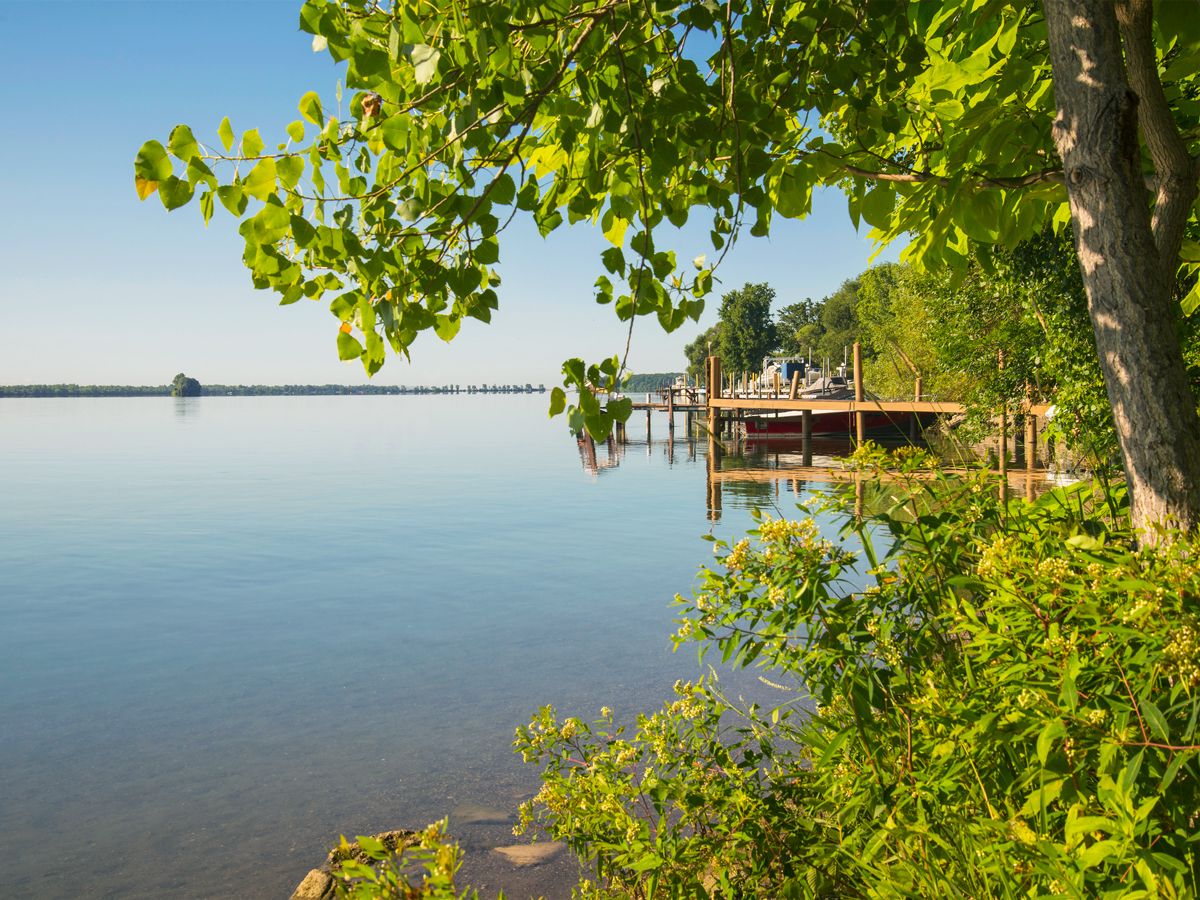
Despite having no direct ocean access, Michigan makes an appearance on this list for its meandering shorelines along four of the Great Lakes: Erie, Huron, Michigan, and Superior. Michigan boasts the country’s longest freshwater coastline, made up of sandy beaches and coastal wetlands in addition to bluffs, cliffs, dunes, and 387 lakeside communities. It’s no surprise, then, that the “Great Lake State” offers boundless opportunities for waterside adventure in the great outdoors. Protected areas such as Hiawatha National Forest and Ottawa National Forest offer excellent camping, hiking, fishing, and wildlife watching.
8. Virginia
Credit: MandD/ iStock via Getty Images
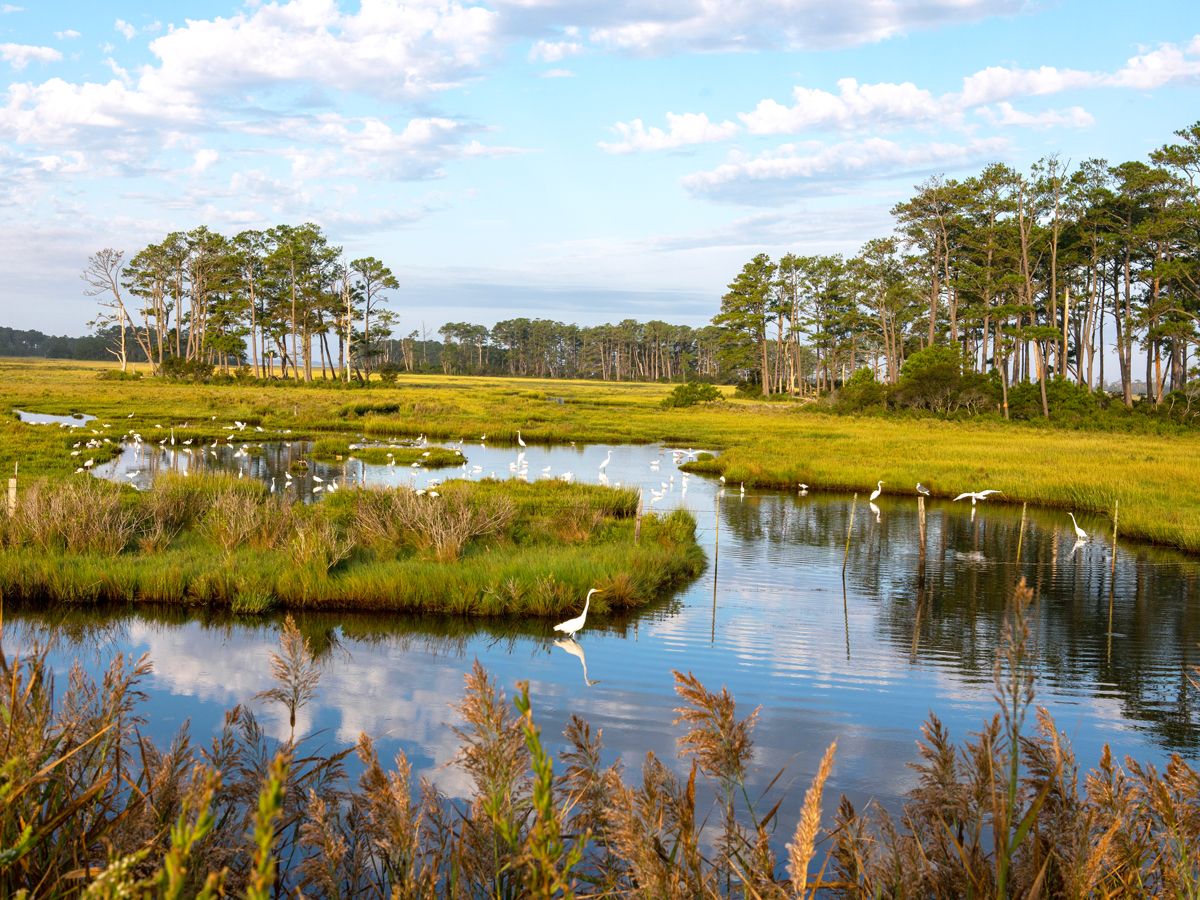
Total coastline length: 3,315 miles
Like neighboring Maryland, the coastline of Virginia is split between the Chesapeake Bay and the Atlantic Ocean. It’s dotted with historic landmarks such as Cape Henry Lighthouse, where English settlers first set foot on North American soil, and Jamestown, the first permanent English settlement in the Americas. The Volgenau Virginia Coastal Reserve protects 14 barrier and marsh islands, which provide a natural habitat for wildlife. Some 250 species of raptors, shorebirds, and songbirds rely on these islands for food. Hiking, birding, and fishing is allowed on most islands, including Myrtle and Mink, Paramore, and Smith.
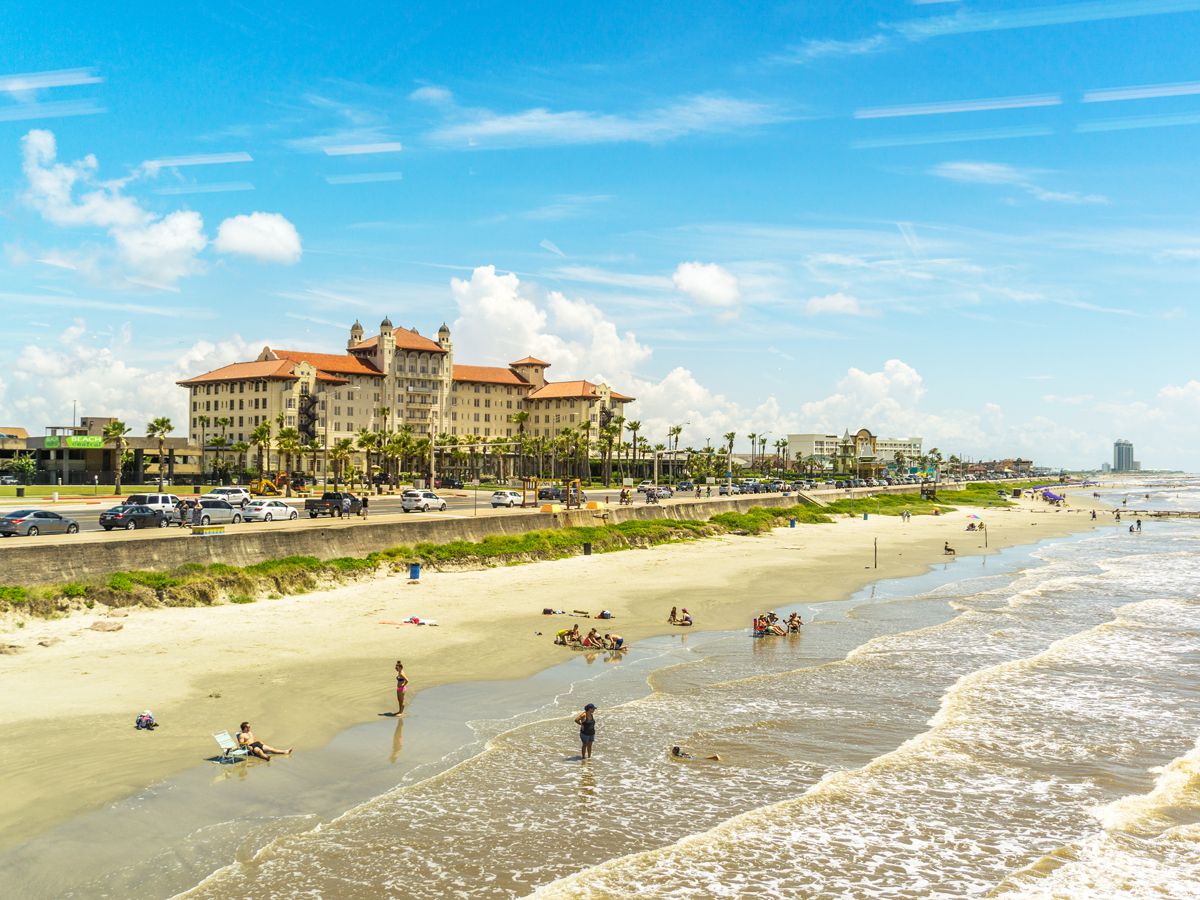
The Texas coastline stretches along the Gulf of Mexico, between Louisiana and northeast Mexico. Six offshore islands, alongside dozens of charming towns, offer an ideal setting for seaside getaways packed with recreational and cultural activities. Head to tropical South Padre Island for water sports, spas, and a thriving food scene. On Galveston Island, visitors can explore unique architecture and embark on dolphin and whale-watching tours. Meanwhile, the bays, coves, and marshes of the Matagorda Island Wildlife Management Area are a natural breeding ground for fish and shellfish. They also shelter varied birdlife, namely peregrine falcons, Southern bald eagles, and whooping cranes.
6. North Carolina
Credit: Christopher Cagney/ iStock via Getty Images
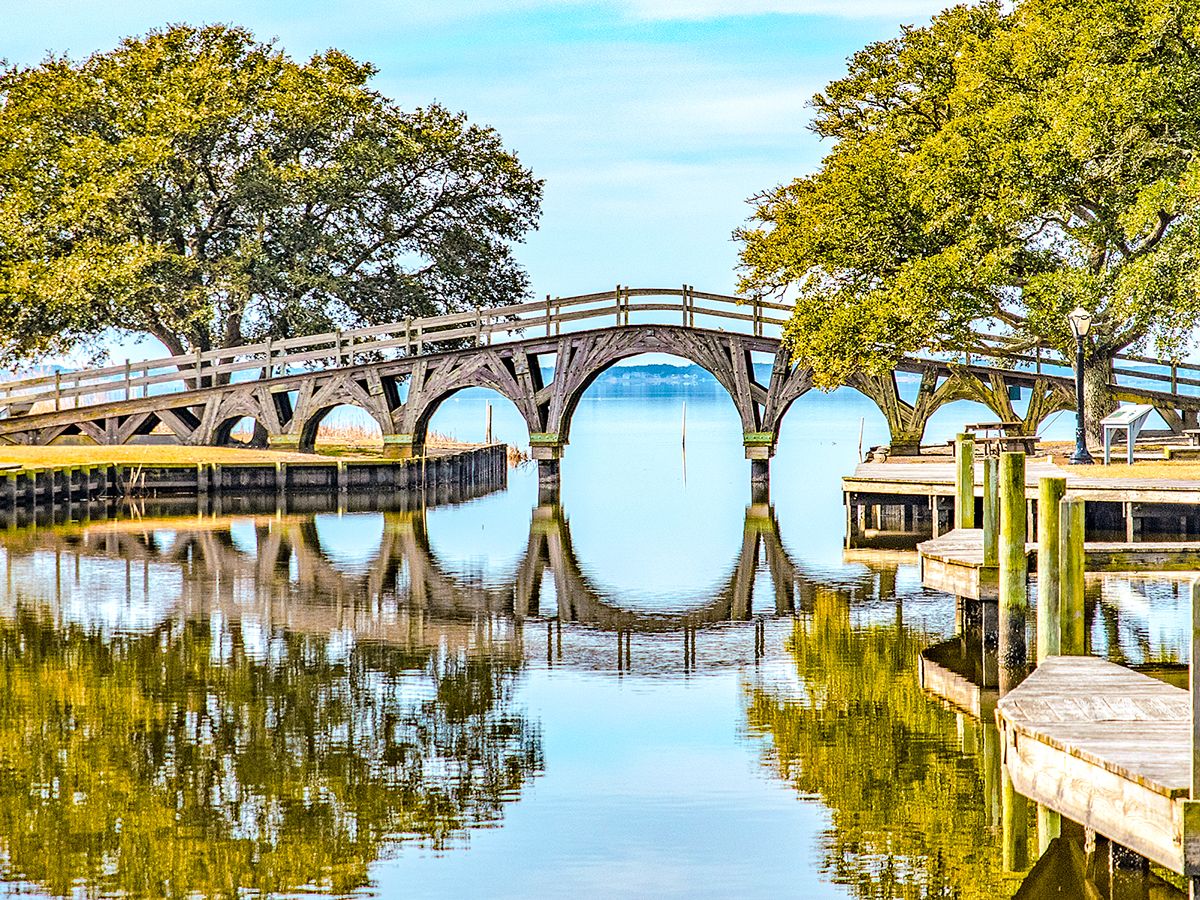
Total coastline length: 3,375 miles
Barrier islands, estuaries, maritime forests, sandy beaches — the North Carolina coastline has them all. Among the coast’s most emblematic features, though, is the Outer Banks region, a string of barrier islands with over 100 miles of open shoreline peppered with quaint seaside villages. Notable sights include Fort Raleigh National Historic Site and the Wright Brothers National Memorial, where the first successful airplane flight took place in 1903. If a blend of wild beaches, camping, water sports, and wildlife viewing is on the agenda, Cape Hatteras National Seashore certainly fits the bill. It became the nation’s first designated national seashore in 1937. Also of note is the Pamlico-Albemarle Sound. The largest estuary located solely in one state, it’s part of a 2.3 million-acre estuarine habitat for fish and shellfish.
5. California
Credit: Focqus, LLC/ iStock via Getty Images
Total coastline length: 3,427 miles
Stretching from Crescent City in the north to the Mexican border, California’s entire coastline is a protected national monument. Approximately 68.5% of the state’s population lives in coastal regions — mostly in and around the metropolitan areas of Los Angeles, San Diego, and San Francisco. The landscape of this dramatic stretch of the Pacific Ocean has everything from towering coastal cliffs and deep canyons to rolling pastoral lands and redwood forests. Popular tourist areas include Redwood National and State Parks, the seaside cliffs and misty mountains of Big Sur, and legendary surf towns like Huntington Beach and Santa Cruz.
4. Maine
Credit: Rixipix/ iStock via Getty Images
Total coastline length: 3,478 miles
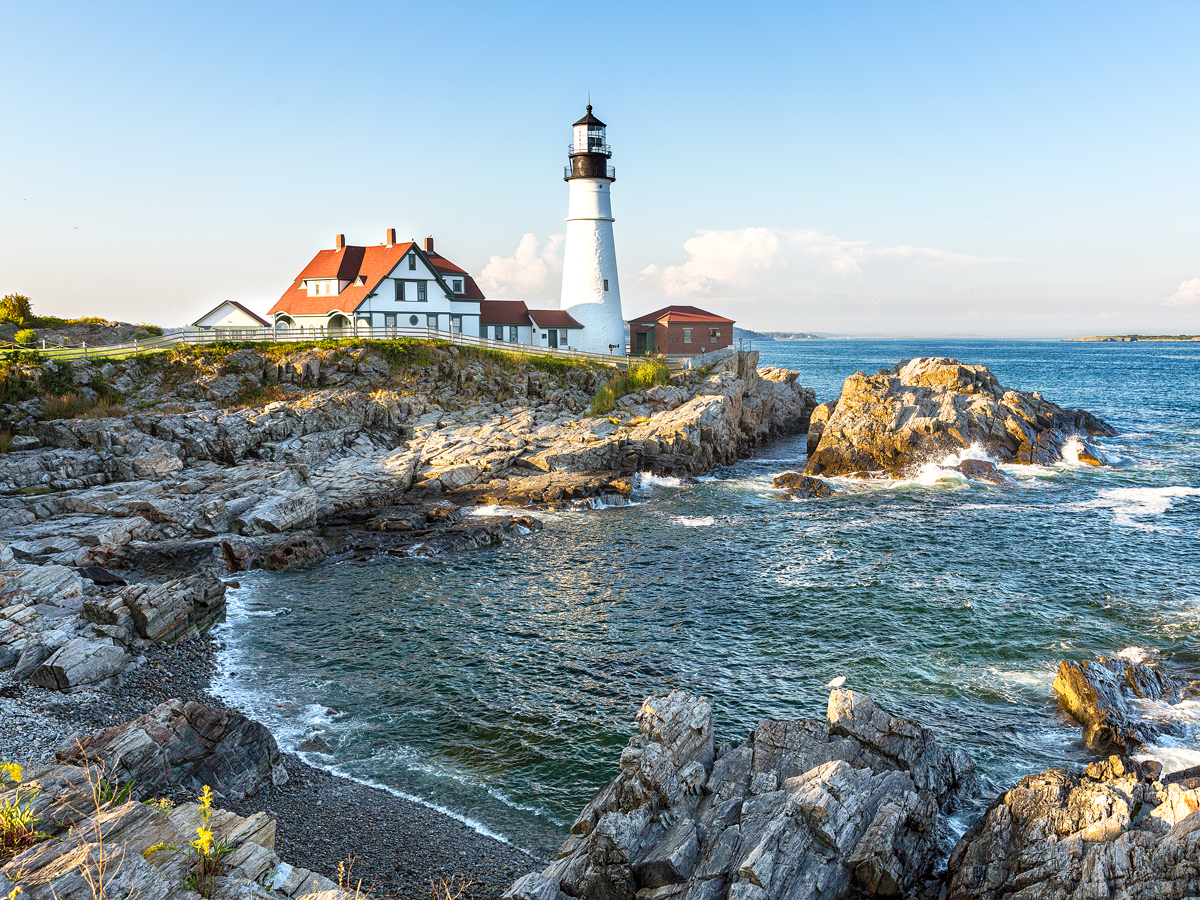
Famous for lighthouses and fresh lobster, Maine’s coastline is a postcard-perfect blend of romantic and rugged scenery. Stretching from Cape Elizabeth to Rockland, it features a series of bays, coves, fjords, islands, and peninsulas that are teeming with wildlife such as eagles, puffins, seals, and whales. A classic way to uncover this New England gem is to embark on a Route 1 road trip. The meandering journey will take you to quaint towns such as Kittery and York, hiking and camping in Acadia National Park, and historic lighthouses. Come August, Rockland’s popular Maine Lobster Festival is a five-day celebration of arts, music, and seafood.
Weaving along the Gulf of Mexico between Mississippi and Texas, the coastline of Louisiana is a unique and geologically rich environment, filled with barrier islands, bayous, marshes, and swamps. Of note, Louisiana’s marshes and swamps are some of the most fragile and important wetlands in the United States. In addition to being a source for agricultural and recreational interests, they support the state’s thriving seafood industry. Those looking for beach life will find it on Grand Isle, while some of the state’s best fishing is found on the Chandeleur Islands. The latter is accessible by boat only and shelters the Breton National Wildlife Refuge.
2. Florida
Credit: MargaretW/ iStock via Getty Images
Total coastline length: 8,436 miles
No matter where you’re located in Florida, you’ll never be more than 60 miles from the beach. The Sunshine State’s iconic coastline is split between the Atlantic Ocean (3,341 miles) and the Gulf of Mexico (5,095 miles). Oceanside towns and cities such as Daytona Beach, Fort Lauderdale, and Miami sit along the Atlantic shores. Over on the state’s Gulf Coast, you’ll find cities such as Clearwater, St. Petersburg, and Sarasota. Everglades National Park occupies a huge portion of Florida’s southern coast, with mangroves and wetlands that provide a natural habitat for American alligators and crocodiles, Florida panthers, and American white pelicans. Farther south is the Florida Keys, a 120-mile-long string of narrow islands that lure vacationers with beaches, boating, scuba diving, and snorkeling.
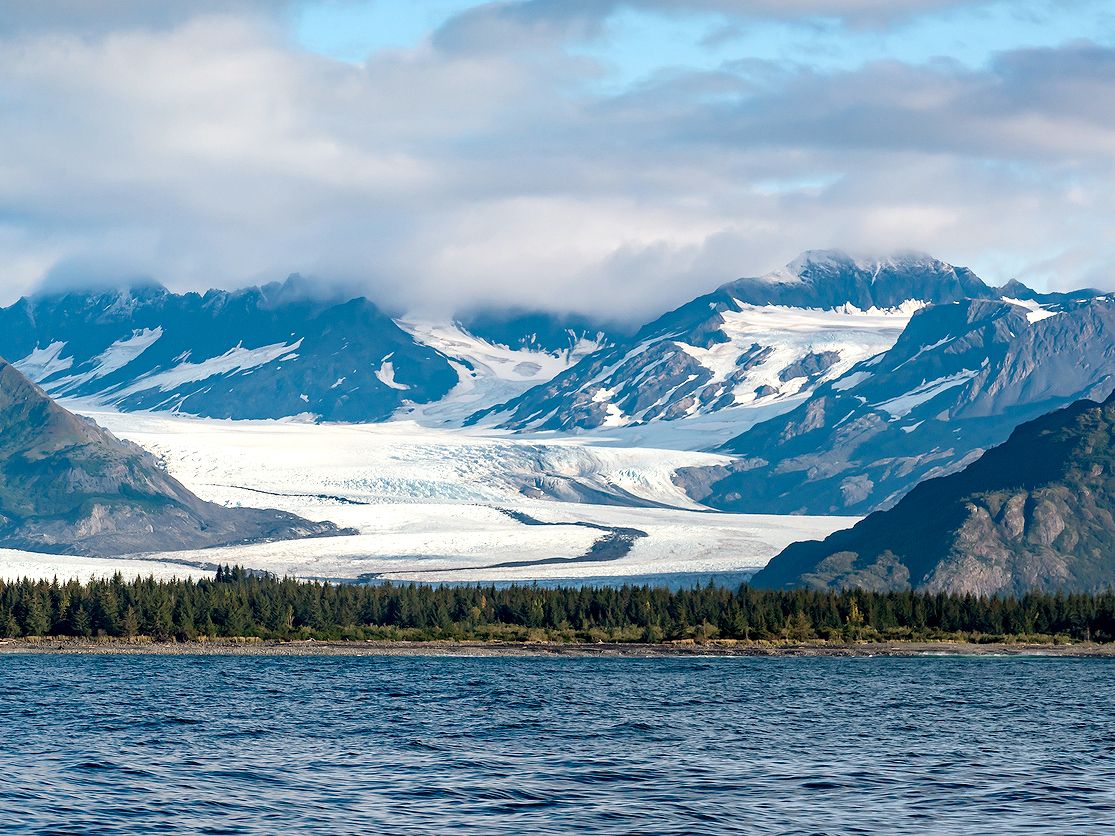
1. Alaska
Credit: BriBar/ E+ via Getty Images
Total coastline length: 33,904 miles
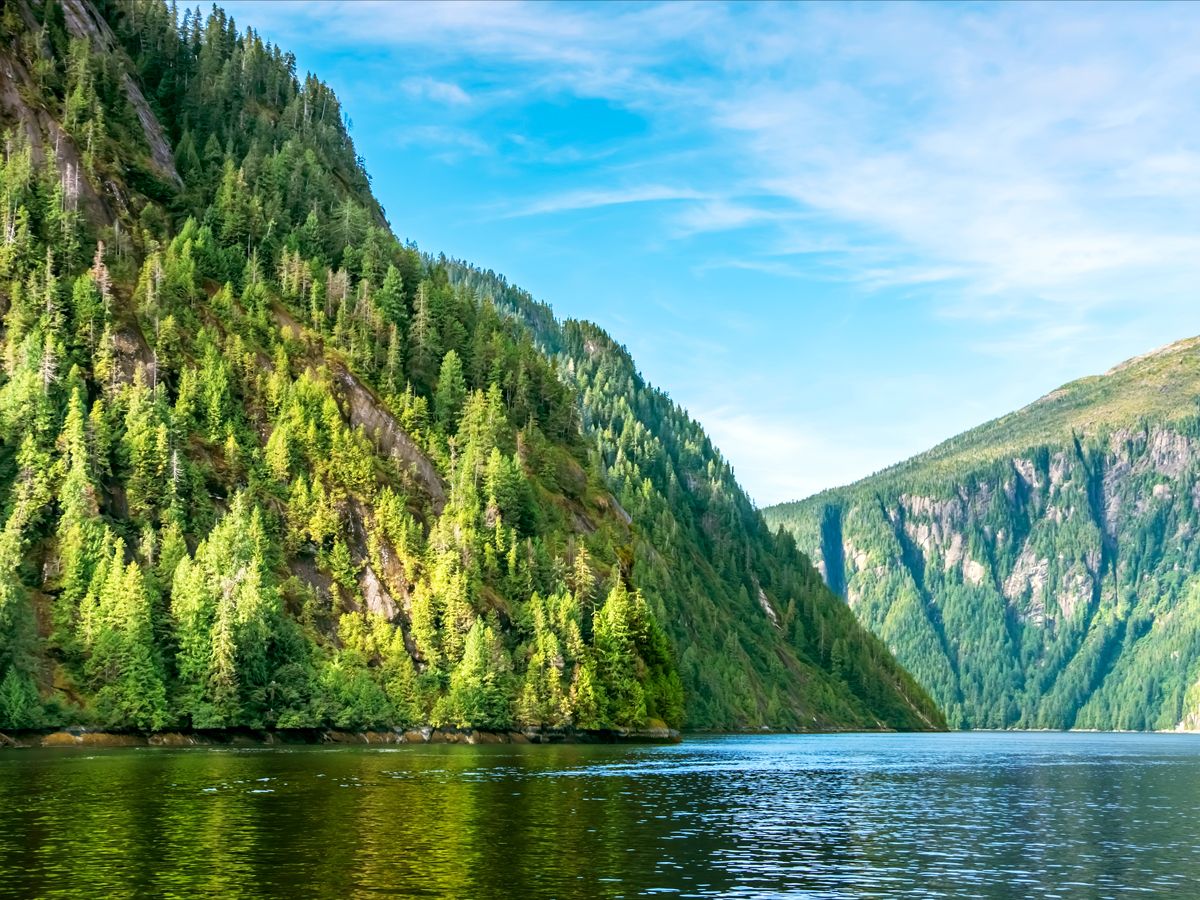
Alaska is by far the biggest state in the U.S. by area — and also the one with the longest coastline. Divided between the Pacific Ocean (31,383 miles) and Arctic Ocean (2,521 miles), the coastal region of Alaska plays a vital role in the state’s history, culture, natural ecosystems, and economy. Coastal Alaska is a dramatic combination of fjords and glaciers, coastal mountains, and temperate rainforests. Within this unique landscape are 11 national parks, preserves, and monuments — including Glacier Bay National Park, Kenai Fjords National Park, and Wrangell-St. Elias National Park (the largest national park in the country). Each offers opportunities for hiking, boating, and wildlife watching. In Anchorage, the state’s largest city, the Alaska Native Heritage Center showcases the heritage and role of Alaska’s thriving native groups.
Advertisement
More from our network
Daily Passport is part of Inbox Studio, an email-first media company. *Indicates a third-party property.
Outdoors •February 27, 2024•Updated: February 12, 2025
By Bradley O'Neill
No matter where you travel, you’re bound to experience wind. That’s especially true in the windiest cities in the world. Wind is caused by the uneven heating of the Earth by the sun and the planet’s rotation. While some locales are known for frequent light breezes, in some places, strong gusts are a fact of everyday life. But have you ever wondered what is the windiest place on Earth? Hold on to your hat as you discover 12 of the windiest places in the world below.
Baku, Azerbaijan
Credit: k_samurkas/ iStock via Getty Images Plus
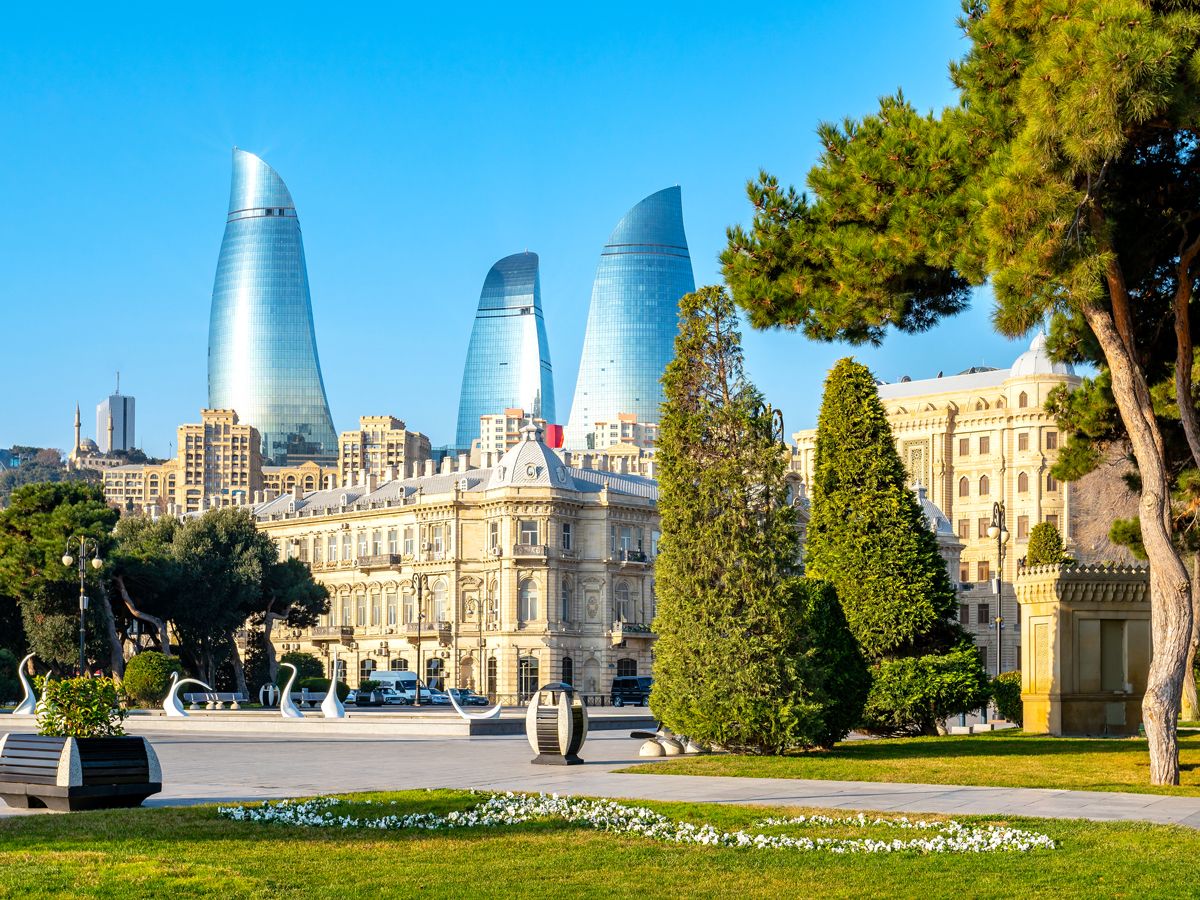
Baku is one of the top 10 windiest cities in the world. In fact, wind is so common here that the city is actually named after the weather. When it was an ancient Persian settlement, it was called Bād-kube, meaning “wind-pounded city” or “blown upon by mountain winds.” There are two dominant winds in Baku: the cold, northerly khazri and the warm, humid, and southerly gilavar. Wind speeds average over 11 mph for nine months of the year, between June and March, with November being the windiest month, with 12.7 mph average winds.
The blustery conditions in the Azerbaijani capital are primarily caused by the low geographical location and exposed location on the Caspian Sea coastline. Baku lays claim to being the lowest capital city in the world, sitting at 92 feet below sea level. First inhabited in the Bronze Age, it’s now a modern metropolis defined by sleek skyscrapers such as the Flame Towers. It’s also home to Mini Venice, a tourist district that mimics the canals, islands, and gondola rides of Venice, Italy.
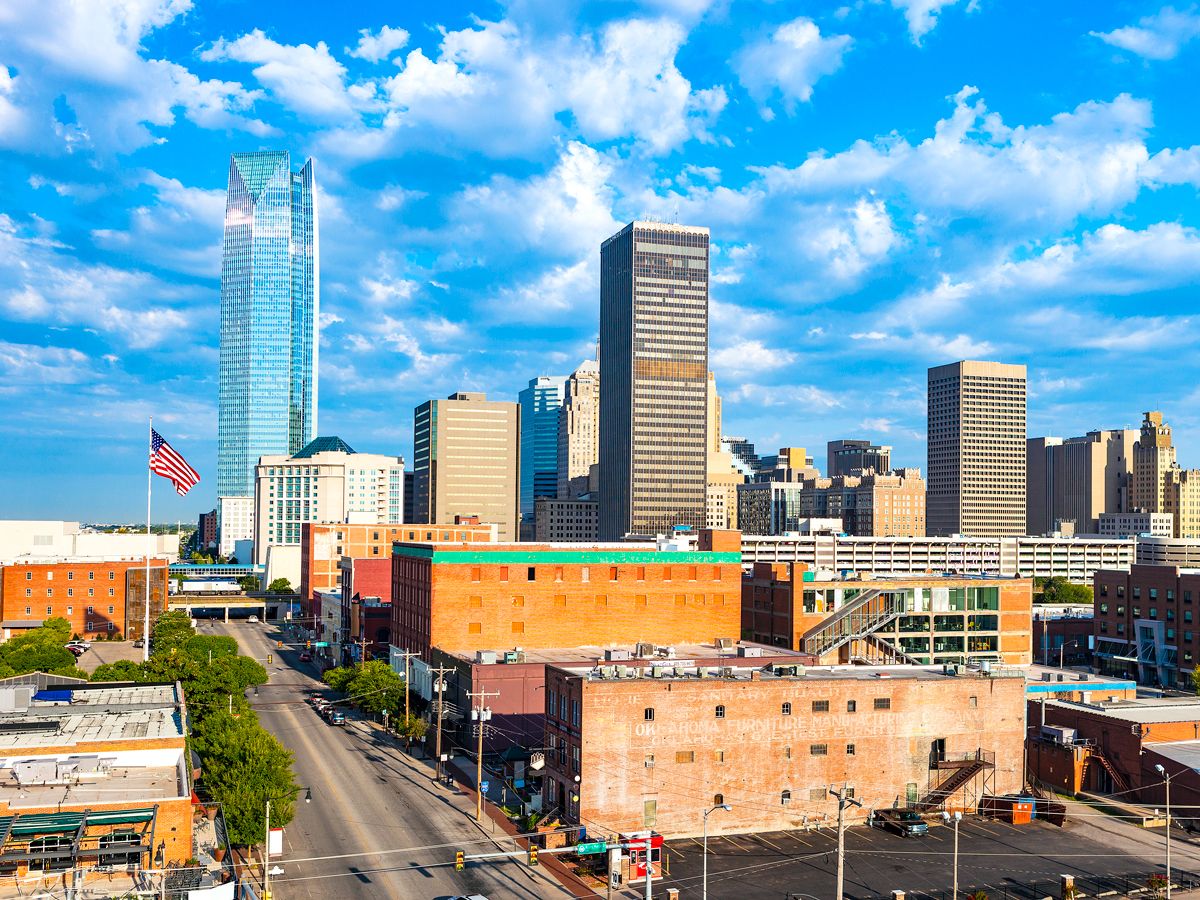
Oklahoma City, Oklahoma
Credit: traveler1116/ iStock via Getty Images Plus
The capital of its namesake state, Oklahoma City experiences average wind speeds of 11.1 mph between late January and June. Its windiest month is April, when gusts of up to 12.8 mph are common. There are several factors behind the gusty conditions in OKC. One is the city’s location in the Great Plains, a vast, low-lying landscape that allows winds to travel unobstructed. Another is its setting within Tornado Alley, an area of the United States infamous for thunderstorms, gale force winds, and tornadoes.
In addition to the wind, Oklahoma City is well known for its cowboy culture, which is honored at the National Cowboy and Western Heritage Museum. A busy year-round schedule of equine events has also earned the city the nickname of “The Horse Show Capital of the World.” Another reason to visit the city is to cheer on professional sports teams such as the Oklahoma City Thunder (NBA) and Oklahoma City Dodgers (MiLB).
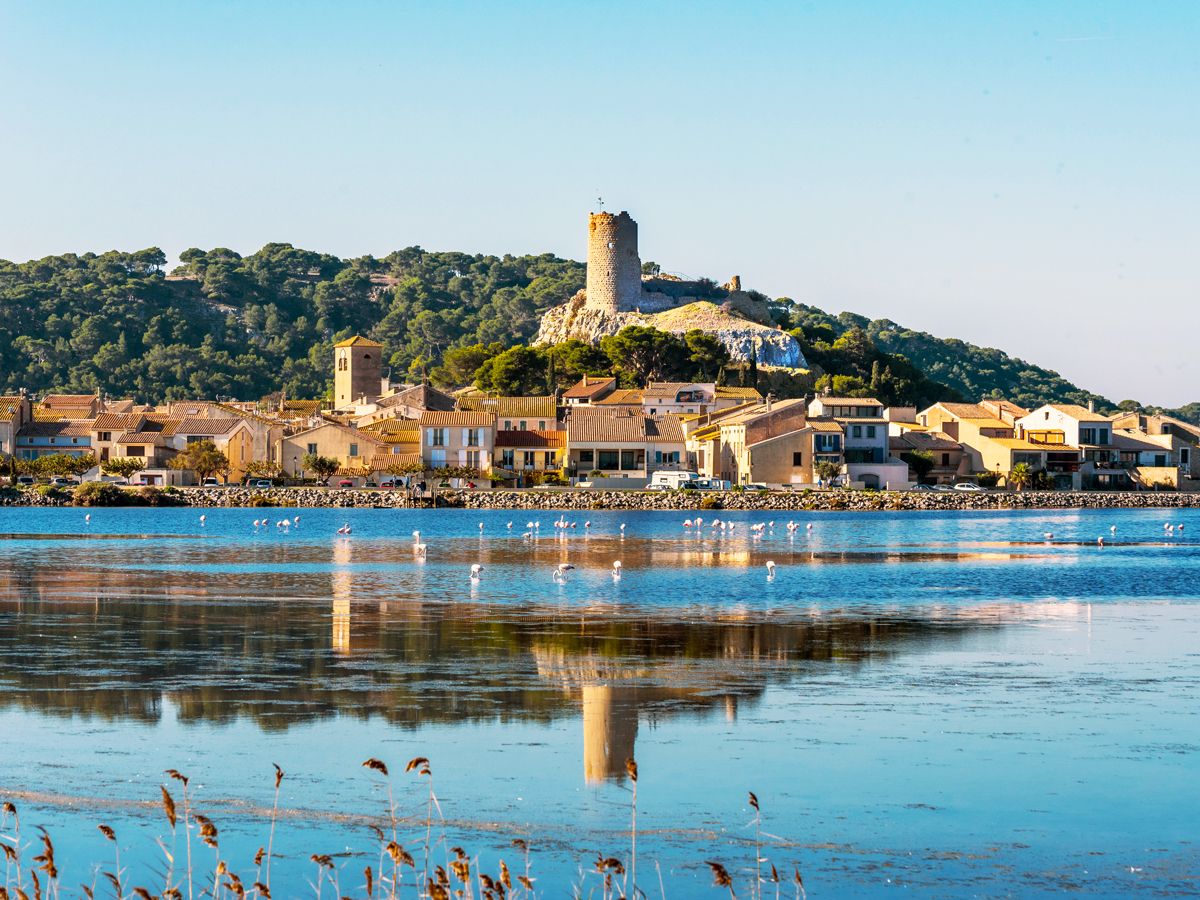
Gruissan, France
Credit: Sasha64f/ iStock via Getty Images Plus
Nestled on the Mediterranean Sea, Gruissan is one of the windiest cities in France. The region is dominated by the Tramontane, a powerful wind formed by an anticyclone over southwest France and a depression over the Mediterranean. Average wind speeds from late October to early May are 11.2 mph, peaking at 12.7 mph in February.
Residents of Gruissan embrace the wind by taking to the water to practice water sports like kitesurfing, windsurfing, and wing foiling. Held at the end of May, Defi Kite is one of Europe’s largest kitesurfing competitions, attracting over 500 riders. The city is also known for its preserved medieval old town. Dating back to the 11th century, it features a circular village built around a church and ruined castle. Today, the narrow alleyways are home to independent shops and restaurants.
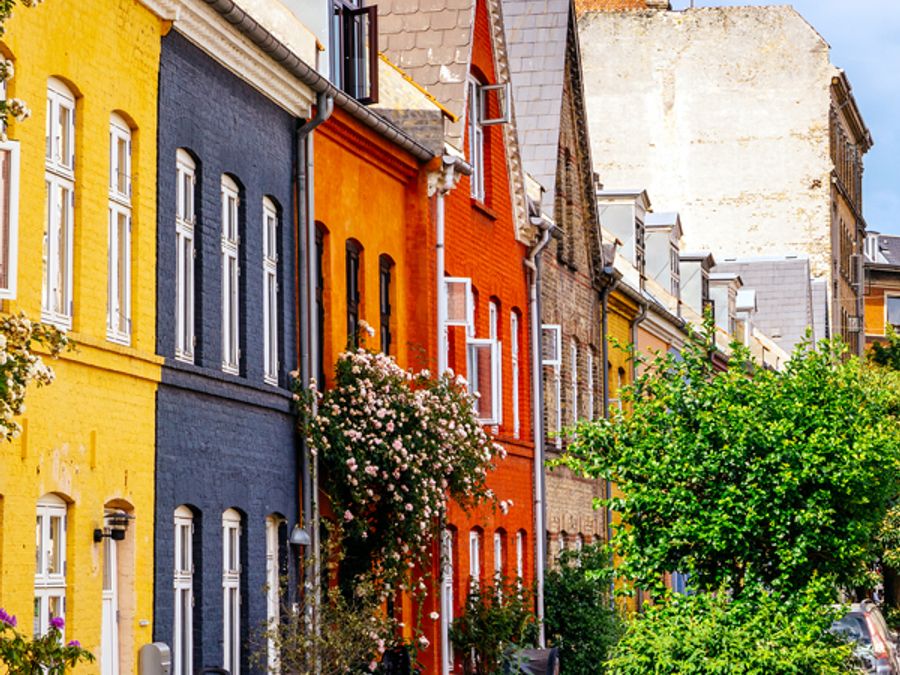
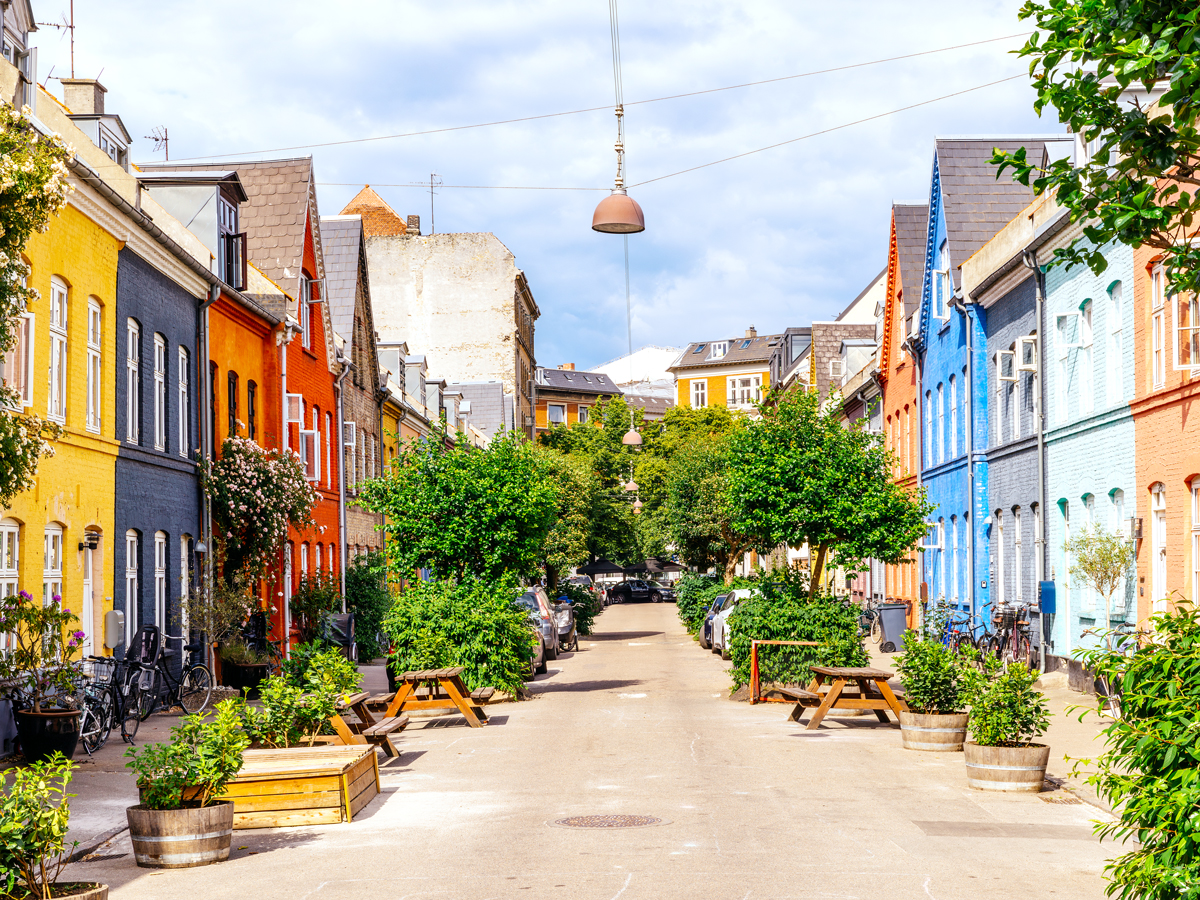
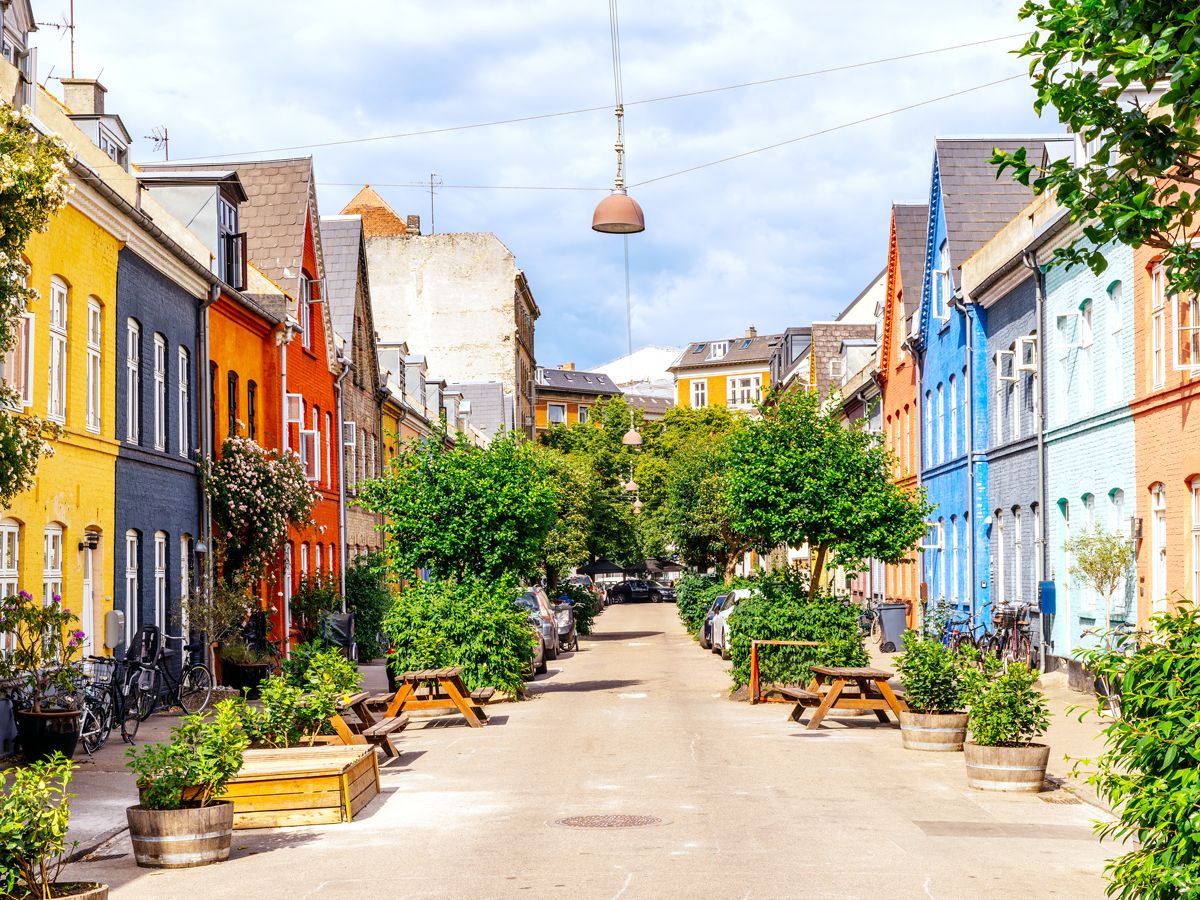
A combination of climate, location, and geographical features makes Denmark a notably windy country. It’s surrounded by the Baltic and North seas, which are prone to wind-generating weather systems, and the country has a flat terrain with a lack of mountains to act as natural barriers. The same is true for Copenhagen, the Danish capital, one of the windiest places in the world. Here, winds of 12.9 mph are normal between September and March, with speeds peaking at an average of 15 mph in January.
Denmark is a leader in renewable energy — around 50% of the country’s electricity is produced by a mix of wind and solar power. Located near Copenhagen, the Middelgrunden wind farm was the world’s biggest offshore wind farm when it opened in 2001. Aside from the wind, Copenhagen is a notably bike-friendly city that draws in visitors with its historical and avant-garde architecture set around vibrant neighborhoods, serene canals, and picturesque parks.
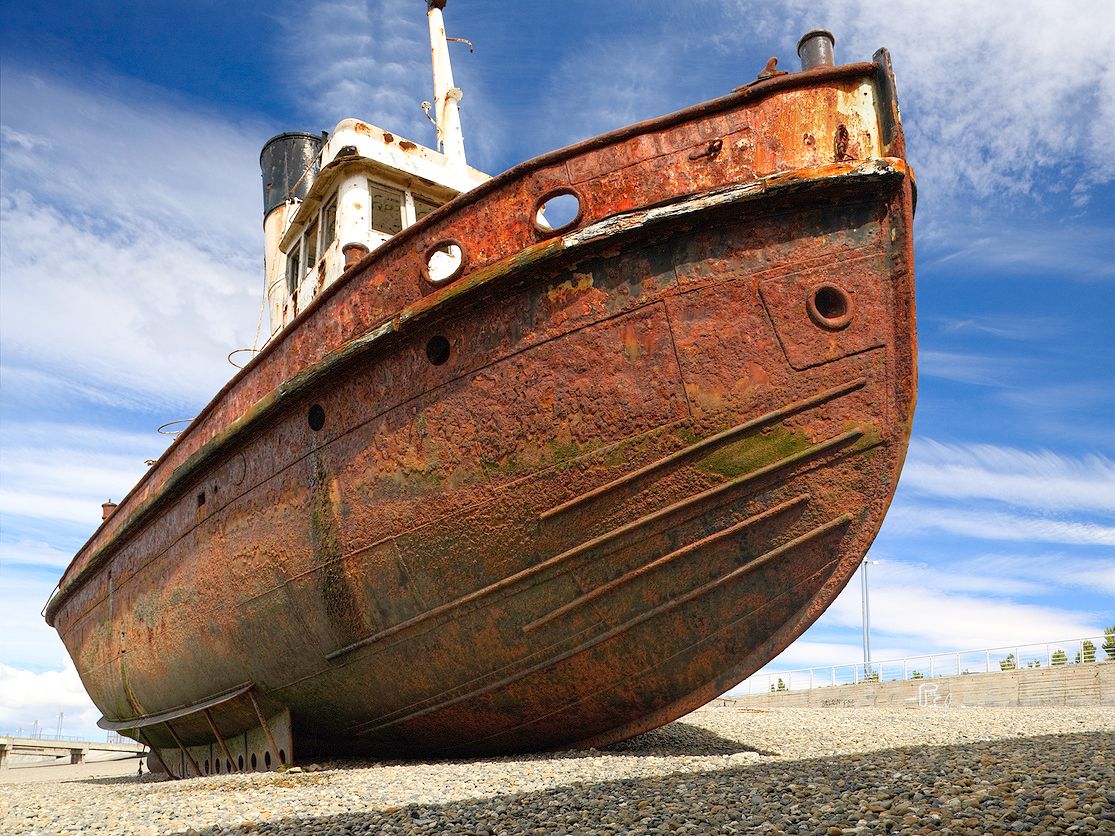
Located in the deep south of Chile‘s Patagonia region, Punta Arenas is windy no matter what time of the year it is. This port city sits on the Strait of Magellan, which connects the Atlantic and Pacific Oceans and is widely regarded as one of the world’s most difficult routes to navigate because of the unpredictability of the tides and winds. These same winds are felt constantly in Punta Arenas. From October to late March, wind speeds average 16.2 mph, while for the rest of the year, they average 14.7 mph. November is the windiest month, when the average increases to 17.9 mph.
Punta Arenas is a common stopover for travelers and backpackers looking to explore Patagonia. Many use it as a base for excursions to Antarctica and breathtaking parks such as the glacier and fjord-laden Alberto de Agostini National Park. Places of interest around downtown Punta Arenas include the Monument of Ferdinand Magellan in the city’s central square and the Regional Museum of Magellanes. To help visitors and locals out when the gusts pick up, city officials have even put ropes up between some downtown buildings.
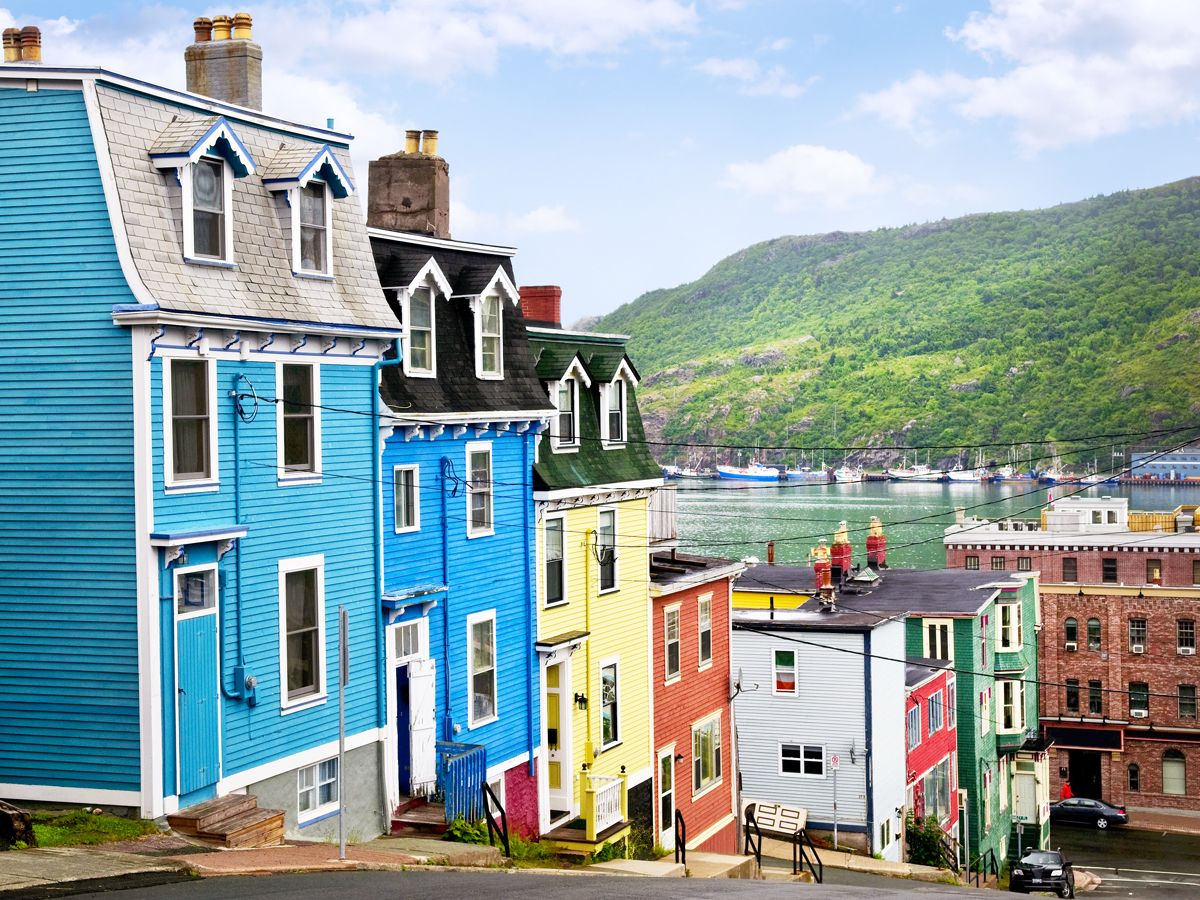
Located on the easternmost point of Canada’s easternmost province is St. John’s, the capital of Newfoundland and Labrador — and one of the windiest places in the country. From October to April, the windiest months of the year, the breeze blows at an average of 13 mph; for the remainder of the year, the average wind speed is 10 mph. In 2021, the city recorded 143 days with gusts of over 37 mph and 12 days when the gusts reached over 62 mph. On top of that, St. John’s is also one of the cloudiest, foggiest, snowiest, and wettest places in Canada.
St. John’s first came to prominence in the early 16th century when the Basques, French, Spanish, Portuguese, and English all took advantage of its strategic harbor and fishing opportunities at various points. The first permanent settlers took root in the 17th century, and today the city is famous for its colorful row houses located in the harborside downtown district. Towering above the city to the north is Signal Hill, where walking trails lead to scenic viewpoints and the historic Cabot Tower.
Aberdeen, Scotland
Credit: Federico Rostagno/ iStock via Getty Images Plus
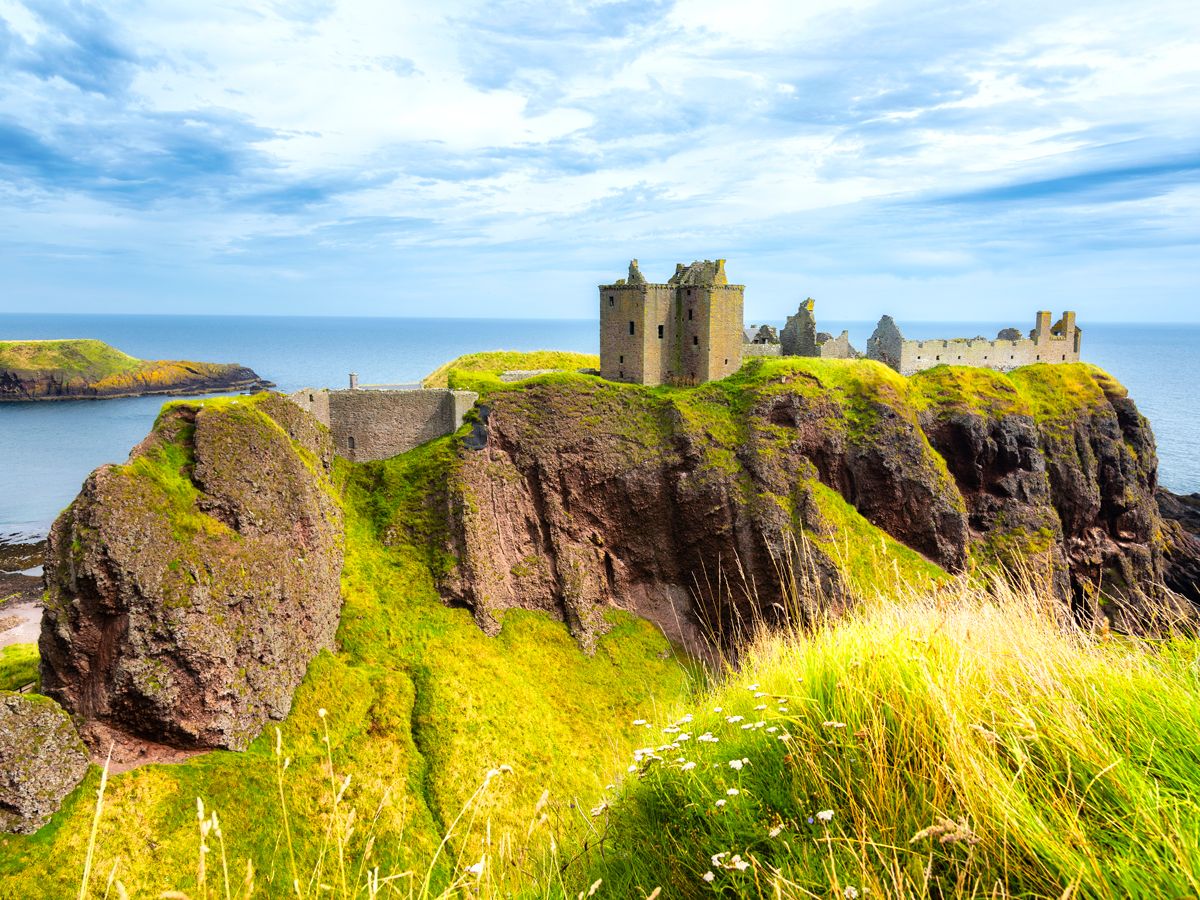
This port city in northeast Scotland is among the windiest places in the United Kingdom. Gusts often reach 14.3 mph between late September and April, and January is particularly windy, with speeds of 18.1 mph. Two contributing factors are the city’s exposure to the North Sea and its location close to the track of Atlantic depressions. The latter is a weather phenomenon that severely impacts Scotland’s climate, most significantly in winter, when low-pressure systems bring strong winds, heavy rain, and storms to the British Isles.
Despite a notoriously bad climate and remote location, Aberdeen still draws year-round tourists. Aberdeen Art Gallery displays works from the 18th to 20th centuries, while the Aberdeen Science Centre offers family-friendly exhibits and workshops. Outdoor enthusiasts can head to Royal Deeside for hiking amid a landscape of rolling hills, forests, moors, and rivers.
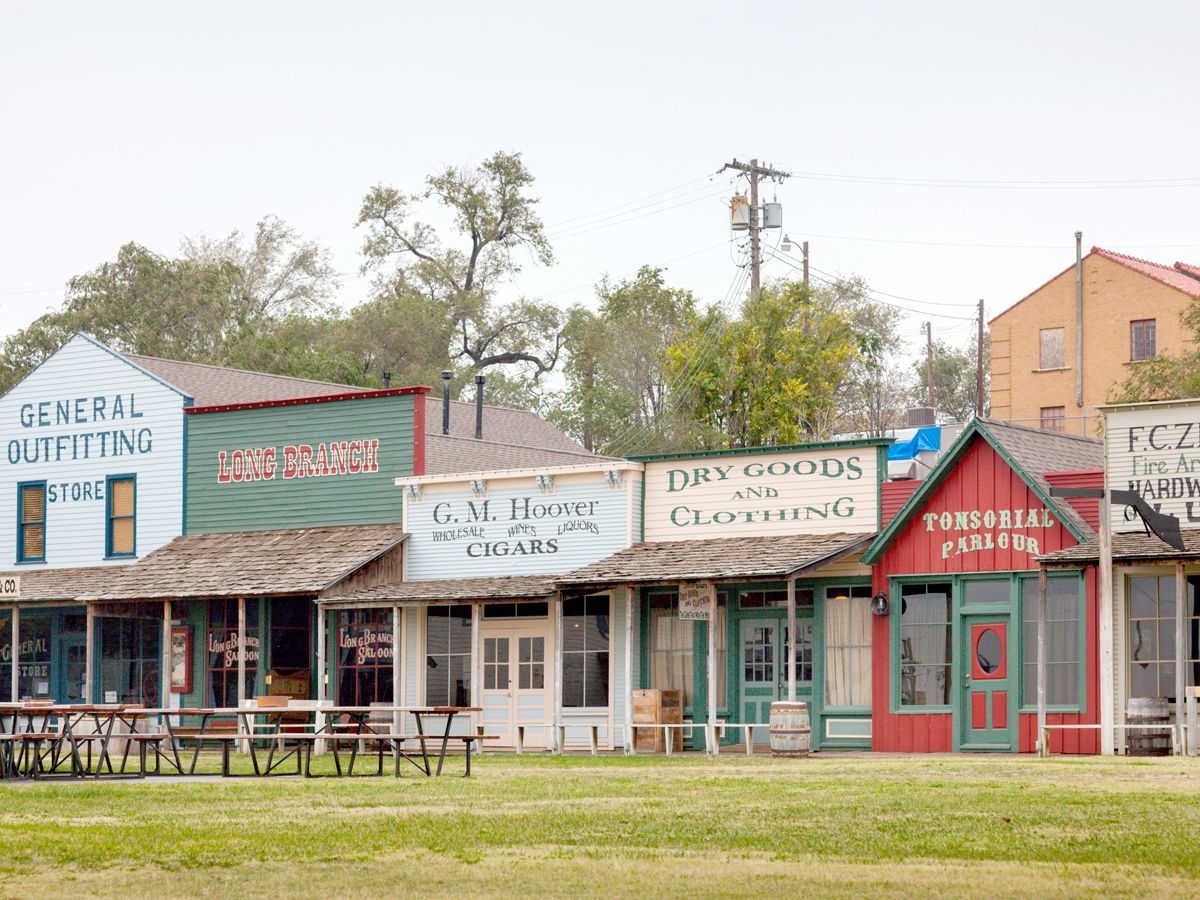
Kansas is located in the heart of Tornado Alley, the region of the U.S. where tornadoes are most frequent. Dodge City is one place within the state where locals are familiar with persistently blustery conditions — the result of high-pressure systems that sweep down from the Rockies and across the High Plains and mix with low pressure systems that rise up from the Gulf of Mexico. Late February to late June is typically the windiest time of the year, with wind speeds topping out an average of 13 mph in April. In December 2021, a powerful windstorm produced the city’s highest record gusts of 84 mph.
For those undeterred by windy weather, Dodge City makes for an interesting pitstop on a tour of the Midwest. Reenactments of gunfights, variety shows, and other aspects of the Old West take place at Boot Hill Museum. The Gunfighters Wax Museum also has life-sized sculptures of legends of the era like Billy the Kid and Wyatt Earp.
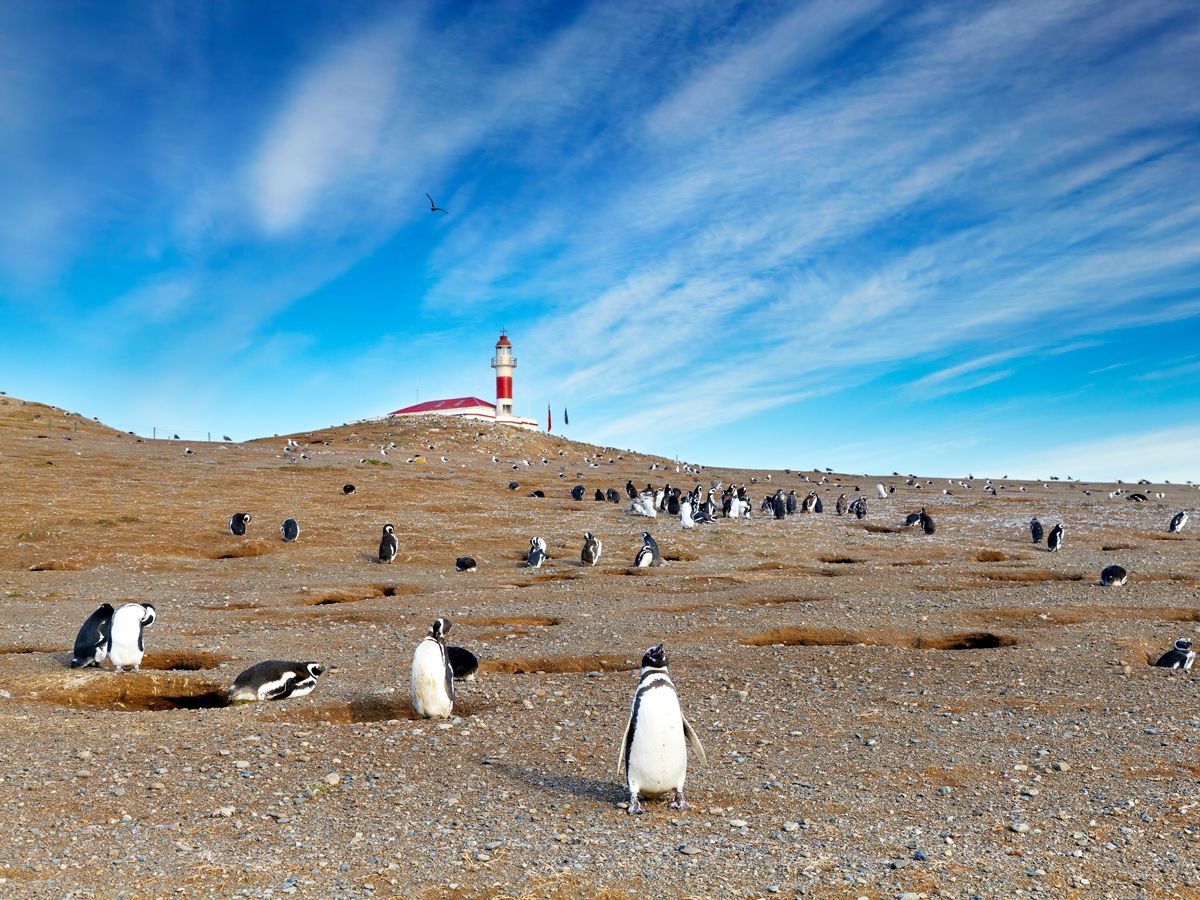
Also in the wilderness of Patagonia, but this time on the Argentinean side, is the riverside city of Río Gallegos. The city sits just inland from where the Gallegos River empties out into the frigid waters of the South Atlantic Ocean. With an exposed and low-lying location, it’s windy here year-round. The most affected months are from mid-October to late March, when wind speeds average just over 15 mph, but the rest of the year is by no means calm. The city frequently sees gusts of 60 mph and above throughout the year.
While Río Gallegos is certainly remote, for dedicated adventurers, it’s a useful stopover on a journey to see the mystical landscapes of Argentina’s southernmost Tierra del Fuego province. Around the city are a number of interesting sights, such as the Eduardo Minnicelli Art Museum, which showcases the works of local artists. It’s possible to spot Megellanic penguins, too, at the Cabo Virgenes Nature Reserve.
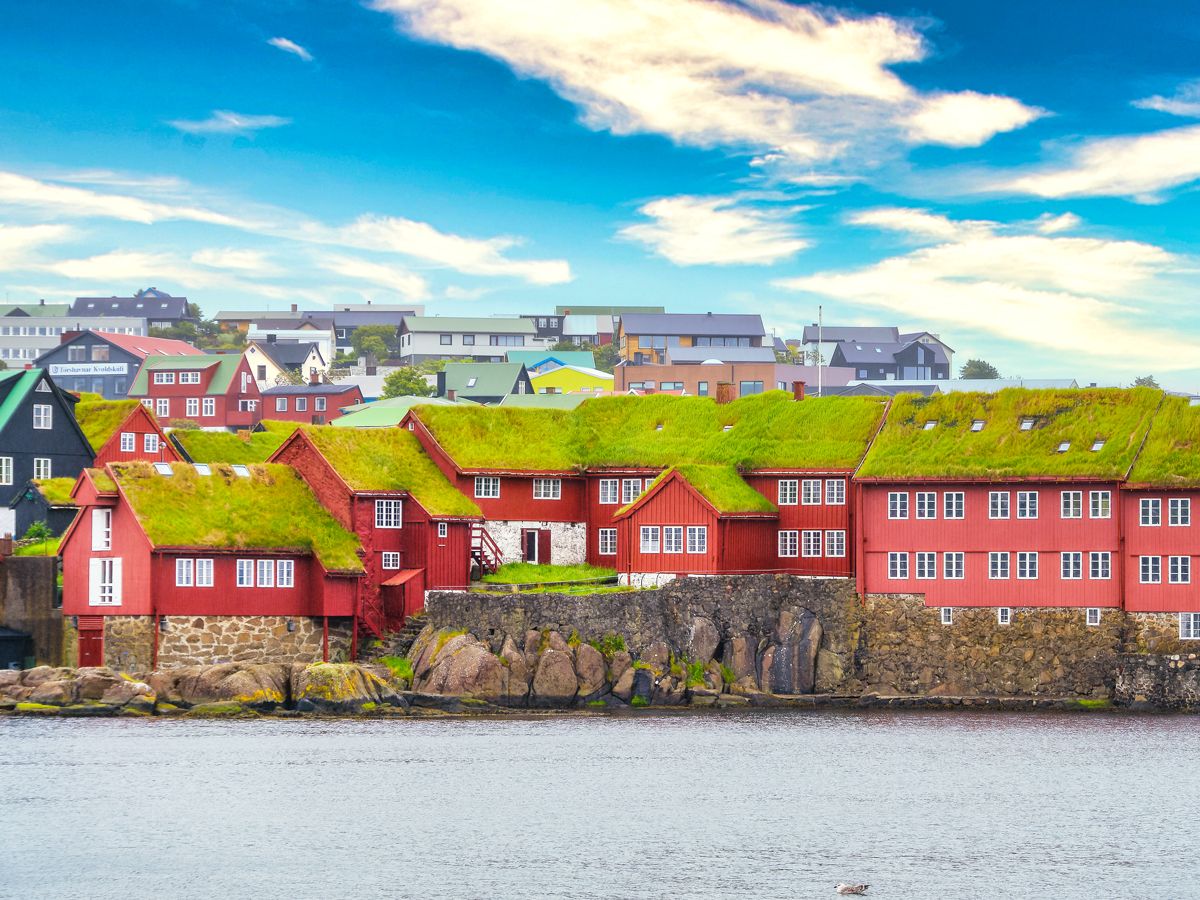
Tórshavn, Faroe Islands
Credit: frankix/ iStock via Getty Images Plus
Tórshavn is the capital of the Faroe Islands, a self-governing archipelago of 18 islands set in the North Atlantic between Iceland, Norway, and Scotland. The weather across the islands is notoriously unpredictable and shaped by factors such as Atlantic depressions, prevailing westerly winds, and a proximity to the Gulf Stream. Summers are typically short, cool, and windy — while winters are long, cold, wet, and subject to strong winds. Average wind speeds of 18 mph are typical from September to April.
Despite the harsh conditions, Tórshavn has been a busy trading and fishing port for centuries. Established by Vikings around 900 CE, Tinganes is thought to be one of the world’s oldest parliamentary meeting places. Every year, on July 28 and 29, the city celebrates Ólavsøka (St. Olaf’s Day) in honor of the patron saint of the islands. The vibrant festival features traditional Faroese chain dancing and ballad singing, rowing races, church services, and a Midnáttarsangurin (Midnight Song).
With a name like Cold Bay and a location in the remote Aleutian Islands of Alaska, it’ll come as little surprise that this city experiences some adverse weather conditions. The windiest season here lasts for over seven months, from mid-September well into April, with wind speeds topping out at an average of 18.2 miles per hour in November. One of the main reasons for this is the Aleutian Low, a region of low pressure situated close to the islands, where sub-polar cyclones reach their greatest strength. Also known as the Cradle of the Storm, the region is among the stormiest areas in the North Pacific. These storms typically blow eastward over Cold Bay and other settlements in the islands.
Anyone who does make the trek to Cold Bay will be welcomed by a spectacular natural landscape made up of volcanoes, glaciers, tundra uplands, and icy lagoons. Wildlife such as brown bears, caribou, foxes, shorebirds, and waterfowl make up the Izembek National Wildlife Refuge just outside of town. In addition to visiting the refuge, be sure to hop on a ferry and be blown away (pun intended) by the beauty of the Aleutian Islands.
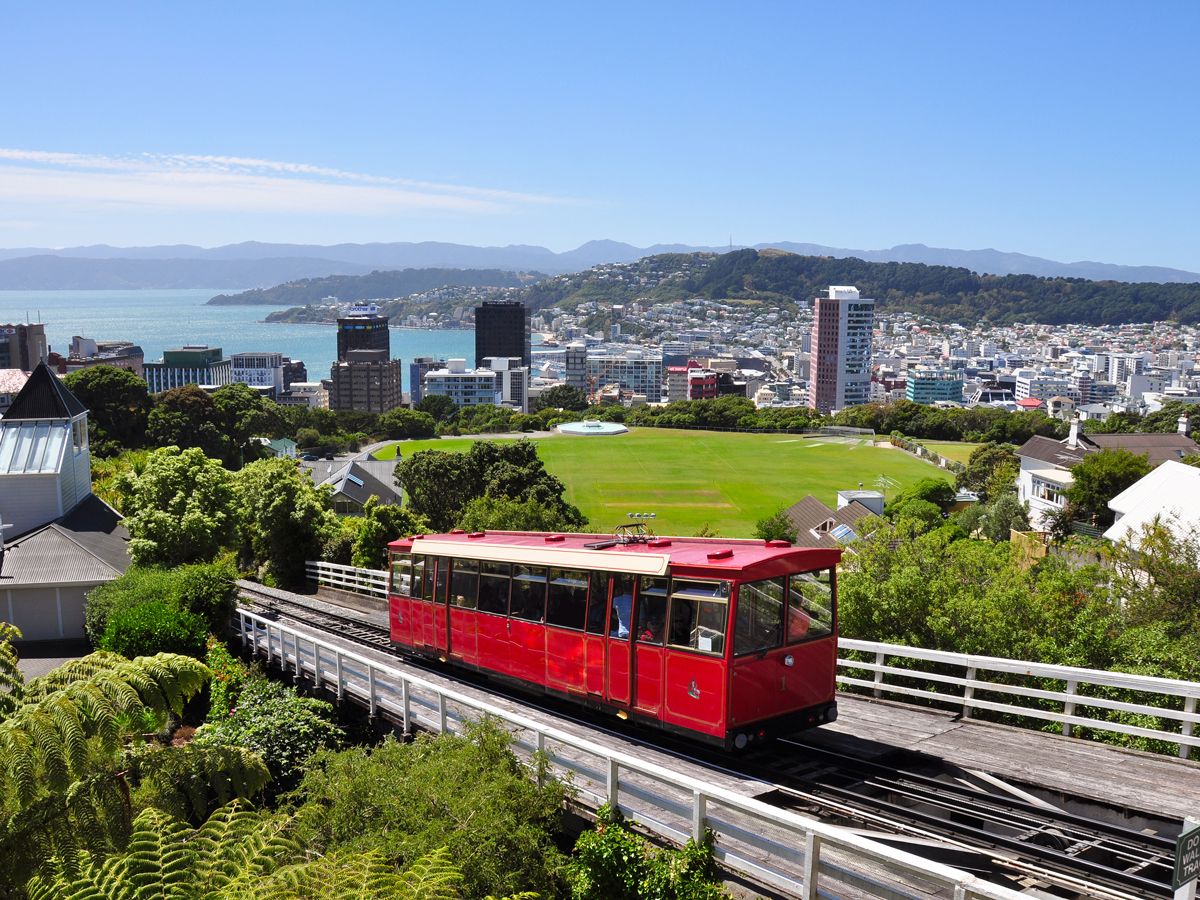
Set on the southwestern point of New Zealand’s North Island is Wellington, the national capital and the world’s southernmost capital city. It is also considered by many sources to the be the windiest city in the world — hence its nickname “Windy Wellington.”
On average, the wind blows at 16 mph in Wellington, primarily due to the city’s location on the Cook Strait, which acts as a wind tunnel through which ocean breezes build strength. The rugged mountainous surroundings also cause local variations in wind strengths. Some of the strongest gusts ever recorded are 124 mph in the Kelburn suburb in 1968 and 133 mph at nearby Hau Nui Wind Farm in 1998.
The wind does little to deter visitors from making the journey to this remote city in the South Pacific, however. Travelers come to ride the historic red Wellington Cable Car from Lambton Quay to Kelburn and Wellington Botanic Garden. Don’t miss the panoramic views from the top of blustery Mount Victoria or delving into Mauri and colonial history at Te Papa. When that’s all done, the artisanal bakeries, brewpubs, chocolatiers, and pizzerias along Hannahs Laneway provide a tasty refuge from the constant breeze.
Advertisement
More from our network
Daily Passport is part of Inbox Studio, an email-first media company. *Indicates a third-party property.
6 Idyllic Island Escapes Where Cars Aren’t Allowed
By
Fiona Mokry
Read time: 5 minutes
February 22, 2024
Updated: February 22, 2024
6 Idyllic Island Escapes Where Cars Aren’t Allowed
Outdoors •February 22, 2024•Updated: February 22, 2024
By Fiona Mokry
Author
Fiona Mokry
Fiona has spent her career exploring the world and working in the travel industry, turning her lifelong passion into a profession. From planning custom trips to sharing stories as a travel writer for publications such as The Discoverer, she’s all about helping others experience the world in a deeper, more meaningful way.
Often, the best vacations allow you to leave the fast pace of everyday life behind and relish in the slower, simpler moments. While visiting a luxury island resort, traveling by air-conditioned transfers and enjoying other modern amenities is one way to vacation, but it can also take a toll on an island’s delicate environment. If your idea of a blissful island getaway doesn’t include congested streets, traffic jams, and looking both ways before you cross the road, consider one of these six beautiful islands where no cars are allowed.
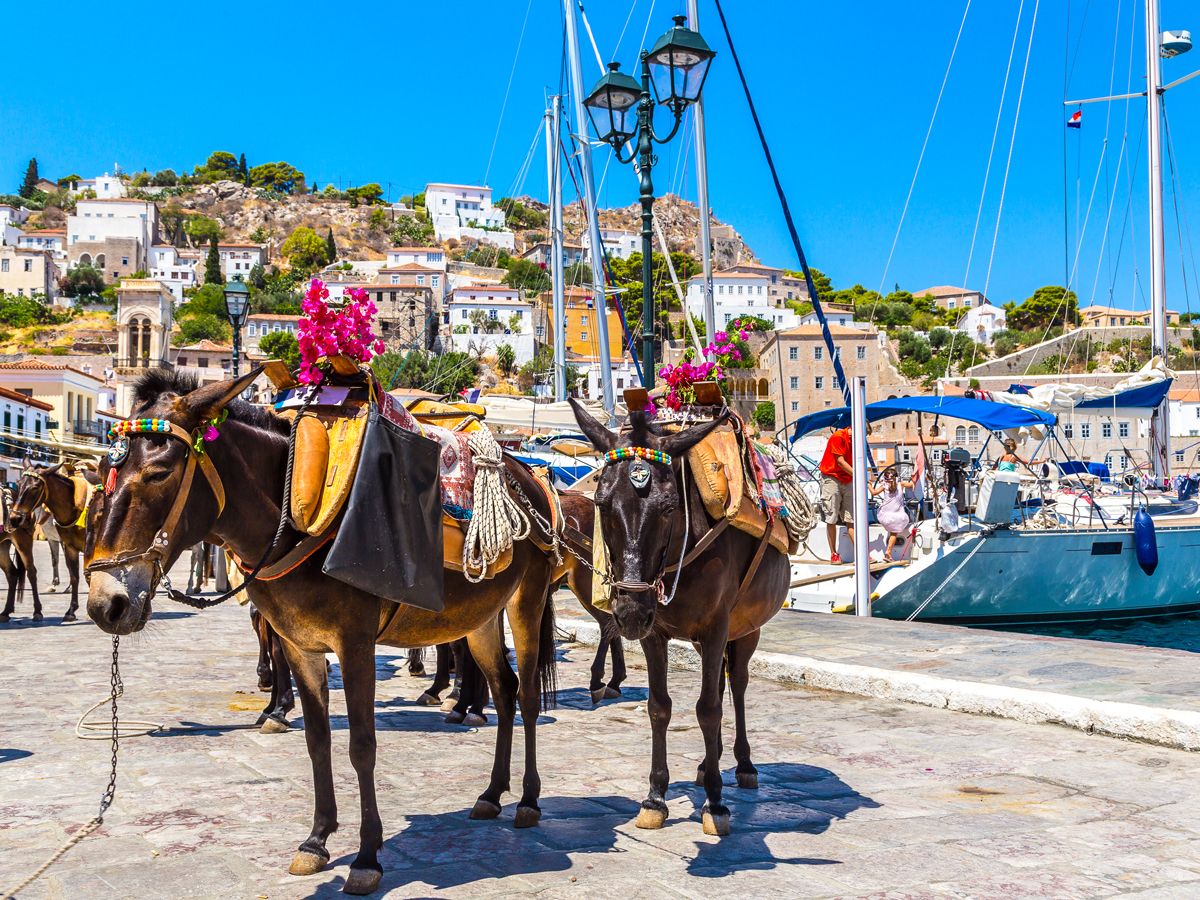
Automobiles have never been a part of Hydra’s tight-knit community, but the island’s car-free culture was solidified in the 1950s, when a presidential decree banned wheeled vehicles on the Greek isle. The decision was made to preserve Hydra’s unique and historic architecture and its laid-back charm — which has made it an even bigger draw for travelers today. Even bicycles are forbidden for adults; however, children 12 and under are permitted to use them in the winter months (but not in the busy summer months). Instead, locals heavily rely on donkeys to traverse the steep alleyways and steps leading up from the harbor to the residential areas overlooking the sea.
Island life on Hydra is nothing if not relaxed — strolling leisurely around the harbor and alleyways, one can admire the blossoming bougainvilleas cascading down the island’s stone walls without the worry of traffic or the bother of screeching brakes or revving engines. Hydra may have an old-world feel, but tourists have been frequenting its shores for decades, which means there’s enough restaurants and nightlife to keep visitors entertained in the evenings, too.
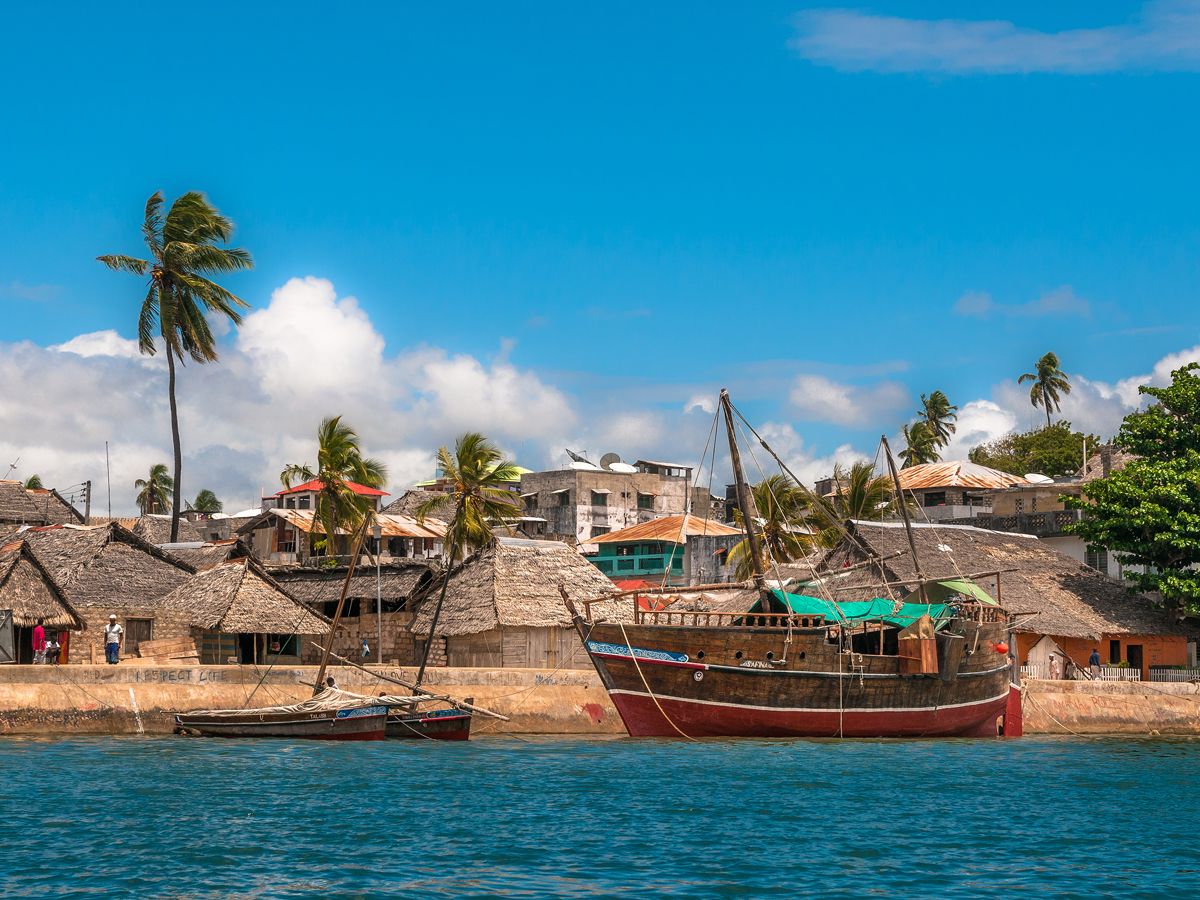
Travelers from all over the world come to Kenya for safaris, but considerably fewer tourists know about this historic, car-free island just off the country’s northern coast. Lamu Island’s Old Town — a UNESCO World Heritage Site — was once a prosperous trading port in the 15th and 16th centuries and is home to one of the oldest continuously inhabited Swahili settlements in East Africa.
Cars are banned on the island because of the tight spaces between buildings that can’t accommodate vehicles; instead, most people walk or use donkey-drawn carts to get around. Even if the community wanted it, local laws forbid the demolition of culturally significant buildings to expand roads. For travelers, the lack of cars adds immensely to the island’s charm, and wandering on foot allows more opportunities to admire its fascinating architecture — an eclectic mix of Arab, Indian, Persian, and European influences.
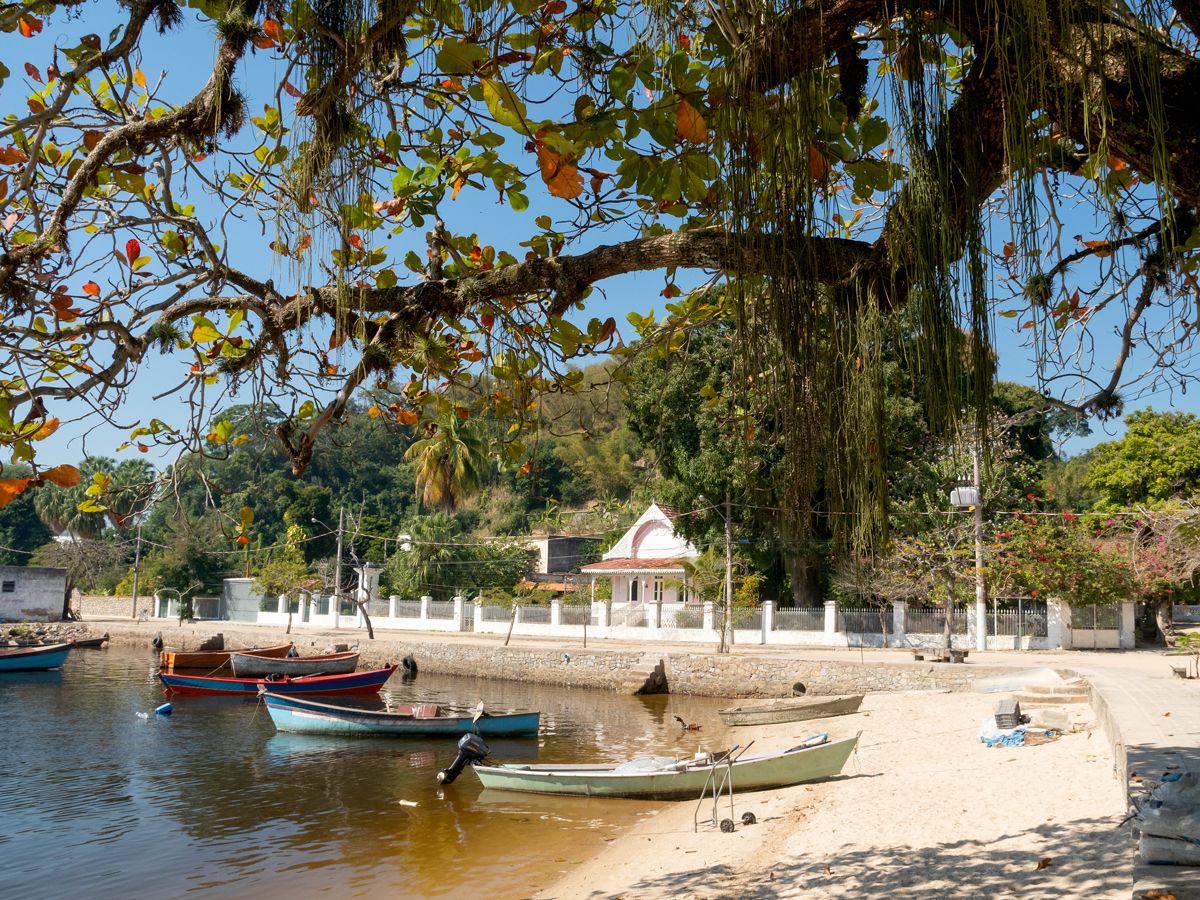
This island in Guanabara Bay — off the coast of the buzzing cosmopolitan of Rio de Janeiro — is as unassuming as it is enticing. An hour ferry ride from Rio, Ilha de Paquetá is a local treasure favored for its slow pace, stunning island beaches, and no-cars-allowed policy. Visitors can hire a golf cart taxi or horse-drawn carriage to get around the island, but perhaps the best option is to rent a bicycle and leisurely explore the 1.5-mile-long island on your own.
Despite its small size, there are plenty of worthy reasons for a day trip to the island. Not only is there colonial architecture to admire (left behind by the Portuguese), but the island is also flush with rare flora and fauna — including around 20 baobab trees (some of the only ones in Brazil). Visitors will also find a few excellent watering holes for artisanal beverages and local cuisine.
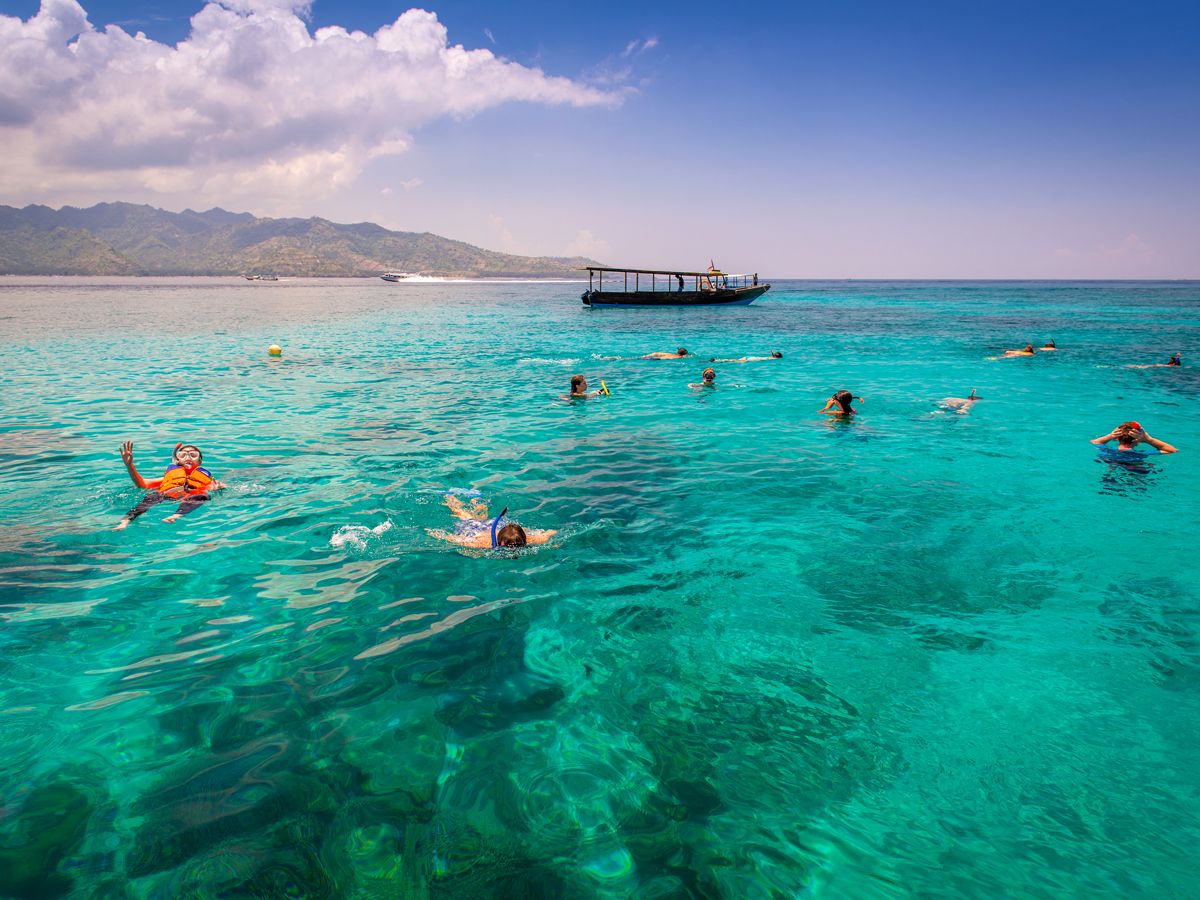
The Gili Islands — with a name meaning “small” in Bahasa Indonesian — are a trio of tiny islets off the coast of Bali’s neighboring island, Lombok. Gili Air, Gili Trawangan (also known as Gili T), and Gili Meno are popular for their relaxed vibes, stunning sunsets, and excellent scuba diving. Each of the three islands has its own draw: Gili T is the party island, Gili Air is the quietest, and Gili Meno is somewhere in between. But it’s the local ordinance that bans cars and motorbikes on all three islands that makes them a welcome reprieve from the often-noisy, tourist-heavy destinations in nearby Bali and Lombok. (Electric scooters are permitted, but rare.)
Once you step foot on the Gilis, life instantly slows and quiets down, and your focus is redirected to the calm, clear turquoise waters and swaying palms. Each island measures only a few square miles, so a motorized vehicle is not necessary to thoroughly explore them. Renting a bicycle, walking, or hiring a horse-drawn cart are the only transportation options.
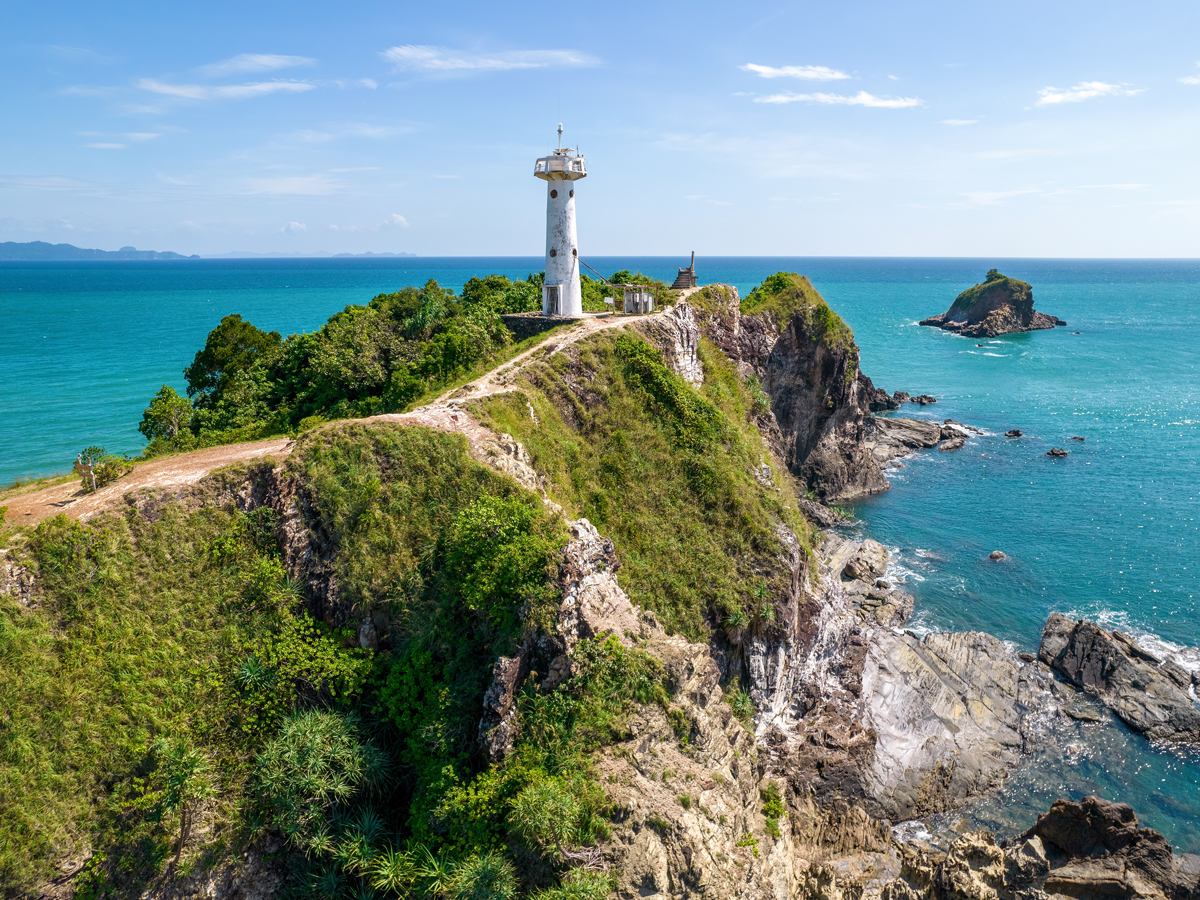
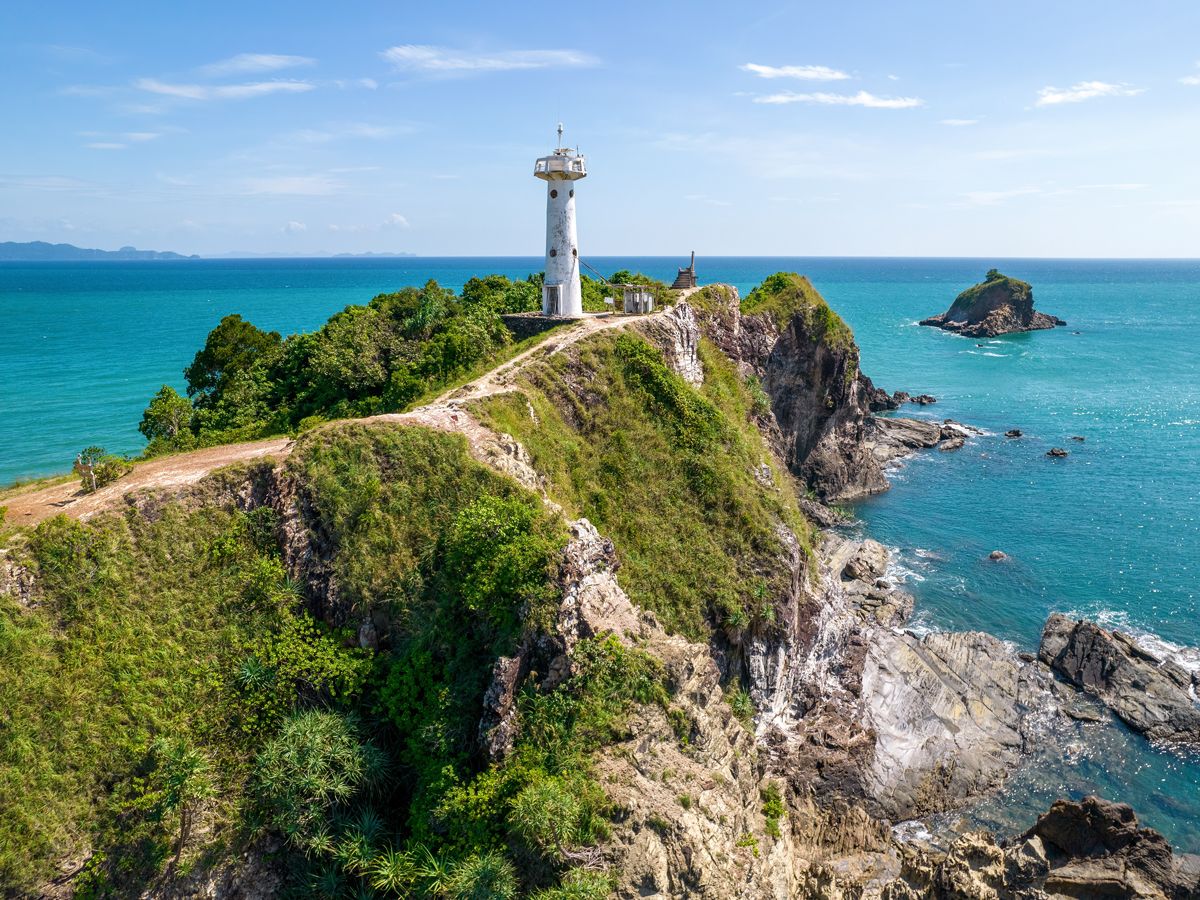
With so many breathtaking islands in Thailand, it’s understandable that not all would be as famous as party-hardy Koh Phangan or the diving meccas of Koh Tao and Koh Lanta. Perhaps that’s what makes the quiet, under-the-radar island of Koh Phayam so special. Located in the Andaman Sea, close to the mainland of Myanmar, Koh Phayam is a rarity in the so-called “Land of Smiles,” as the serene isle is still relatively undiscovered by mass tourism.
The lack of road development has resulted in a lack of cars, which are largely deemed unnecessary on a slice of land that’s just six miles long and three miles wide. However, motorbikes are allowed and are often the preferred method of transportation for intrepid explorers and locals. When compared to the often-over-touristed Koh Samui and Koh Phi Phi, Koh Phayam still possesses the allure and charm that other Thai islands once did before they were widely known.
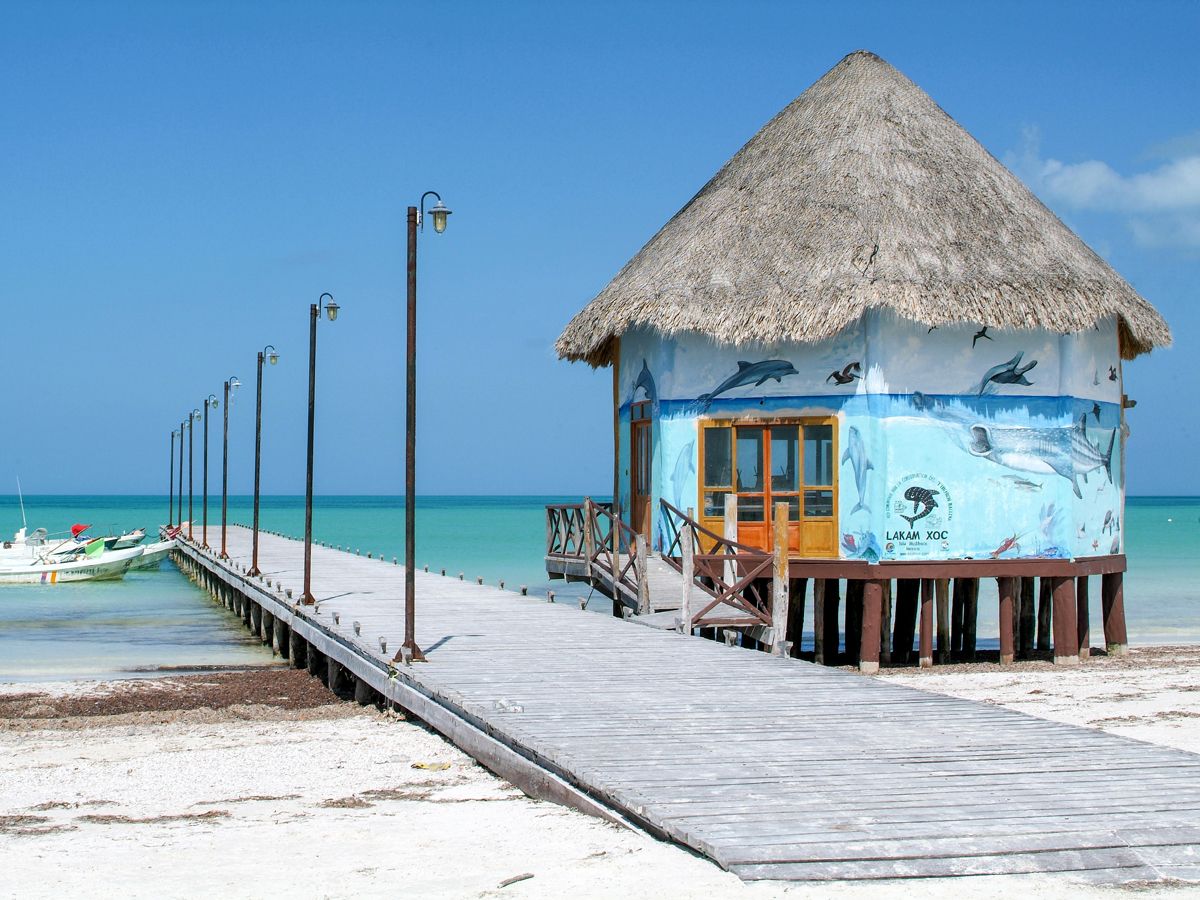
This narrow barrier island off the northern tip of the Yucatán Peninsula is a far cry from the spring break vibes of Cancun and Playa Del Carmen on the mainland. Beautiful, unspoiled beaches beckon to be laid on, but many people come to Isla Holbox to disconnect from everyday life and immerse themselves in nature — for example, by swimming with sea turtles and whale sharks, kayaking through the island’s mangroves, island-hopping to nearby Isla Pajaros to see flamingos, or simply cruising up and down the coast of the 26-mile-long island. Despite Isla Holbox’s popularity, the ban on cars remains intact, and colorful buildings topped with thatched roofs also contribute to the island’s undeniable charm.
Advertisement
More from our network
Daily Passport is part of Inbox Studio, an email-first media company. *Indicates a third-party property.
10 Thrilling Historic Roller Coasters You Can Still Ride
By
Bradley O'Neill
Read time: 6 minutes
February 22, 2024
Updated: February 22, 2024
10 Thrilling Historic Roller Coasters You Can Still Ride
Culture •February 22, 2024•Updated: February 22, 2024
By Bradley O'Neill
From Coney Island’s iconic Cyclone to the jaw-dropping Great Scenic Railway in Melbourne, Australia, roller coasters have thrilled amusement park goers since the early 19th century — delivering heart-pounding drops, breakneck turns, and breathtaking plunges. Feel the adrenaline and experience the legacy of 10 of the most thrilling historic roller coasters you can still ride today.
The Phoenix – Elysburg, Pennsylvania
Photo credit: Bill O’Leary/ The The Washington Post via Getty Images
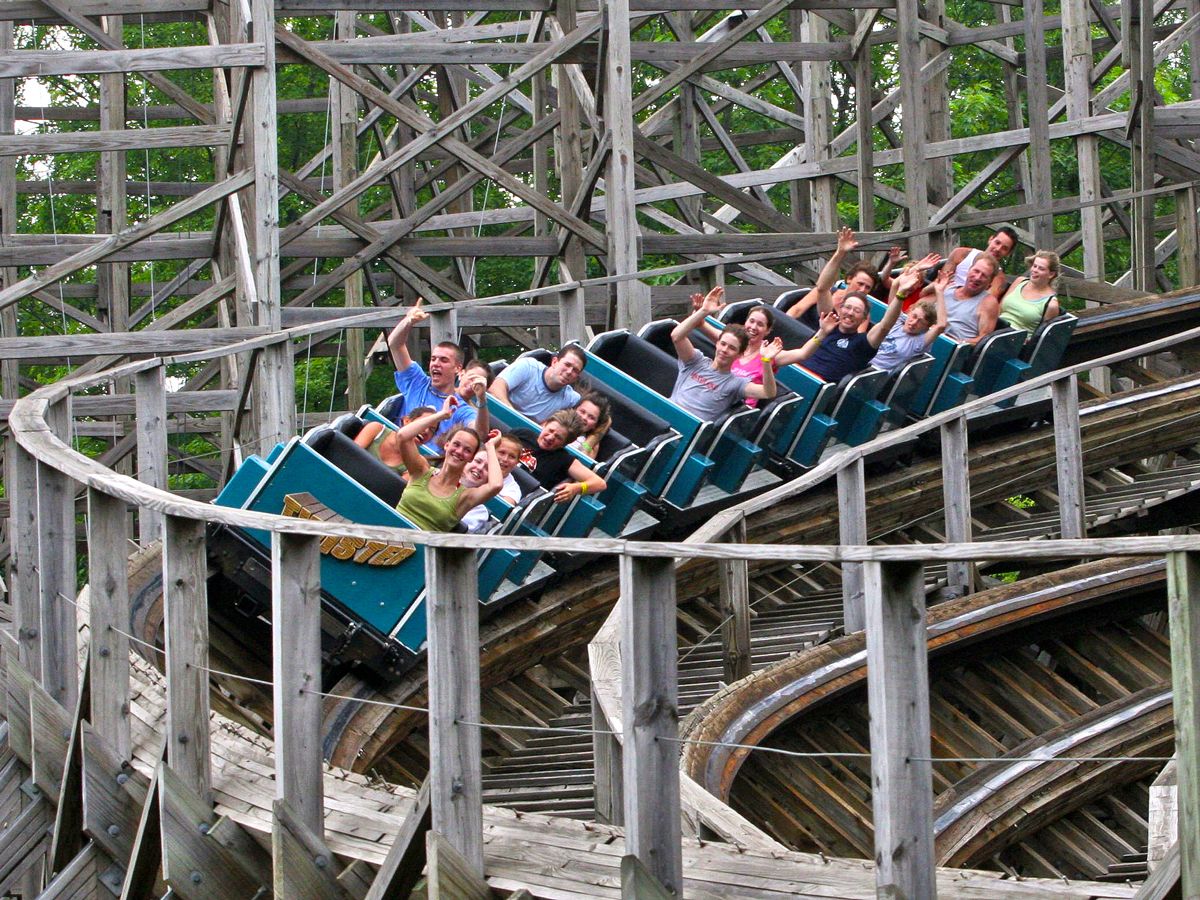
First known as the Rocket, the Phoenix was originally built in 1947 in San Antonio’s Playland Park. After that park’s closure, it was dismantled and brought to Knoebels Amusement Resort in Elysburg, Pennsylvania, in 1985. This classic wooden roller coaster features a “double out and back” layout that allows riders to catch a glimpse of the surrounding hilly landscape from its highest point at 78 feet. Riding on its 3,200-foot-long track takes a total of two minutes, and riders reach a top speed of 45 mph. In 2023, the Phoenix again won the Best Wooden Coaster award from the Golden Tickets Awards, a title that it has maintained since 2018.
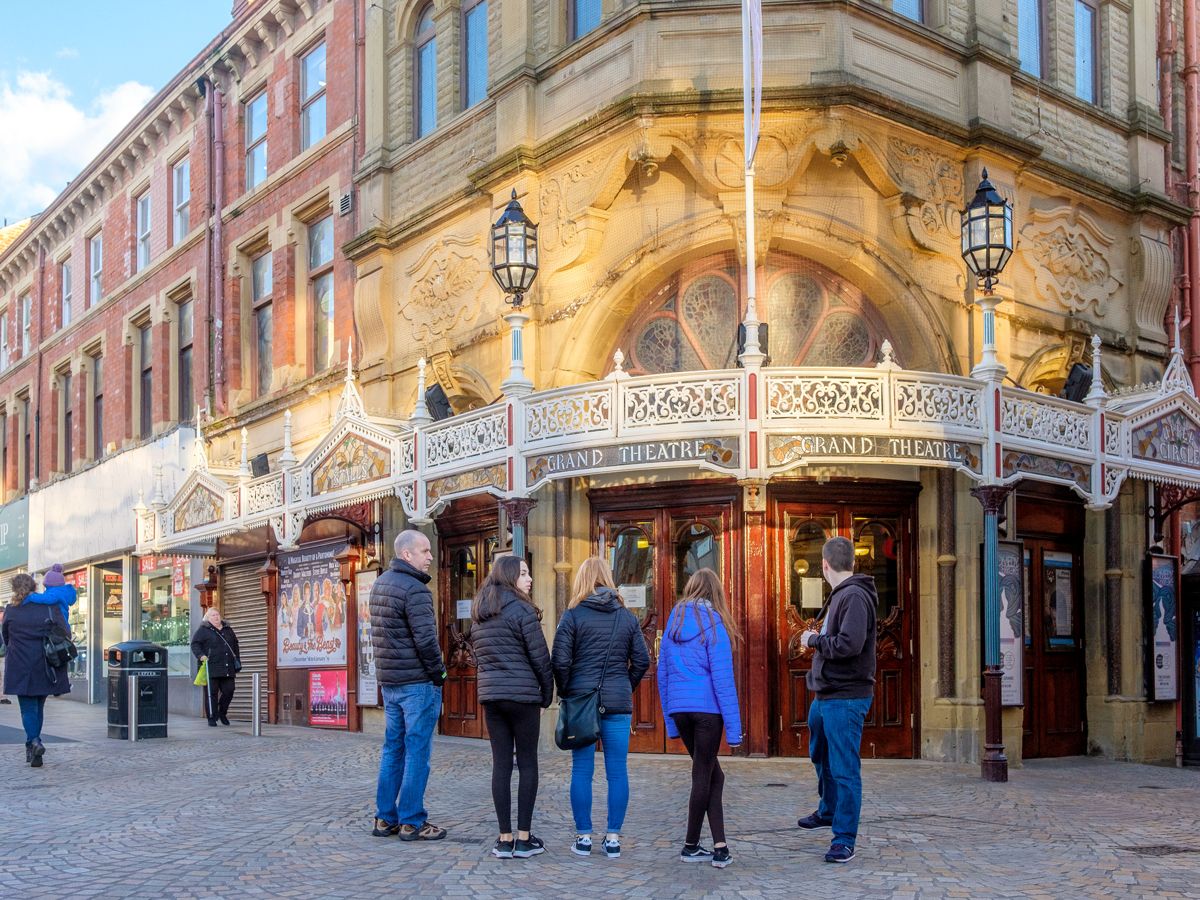
Designed to put your competitive spirit to the test, this wooden coaster is Europe’s only twin-track racing coaster. Located at Blackpool Pleasure Beach, the Grand National has been thrilling parkgoers since its creation in 1935. The ride consists of two racing trains that leave the station at the same time to take on a Mobius loop, where you can expect heart-stopping double-dip drops. The Grand National stretches over 6,604 feet of track, with a maximum height of 62 feet and a top speed of 45 mph. It operates four trains with four cars, each carrying six riders, and up to 720 riders per hour.
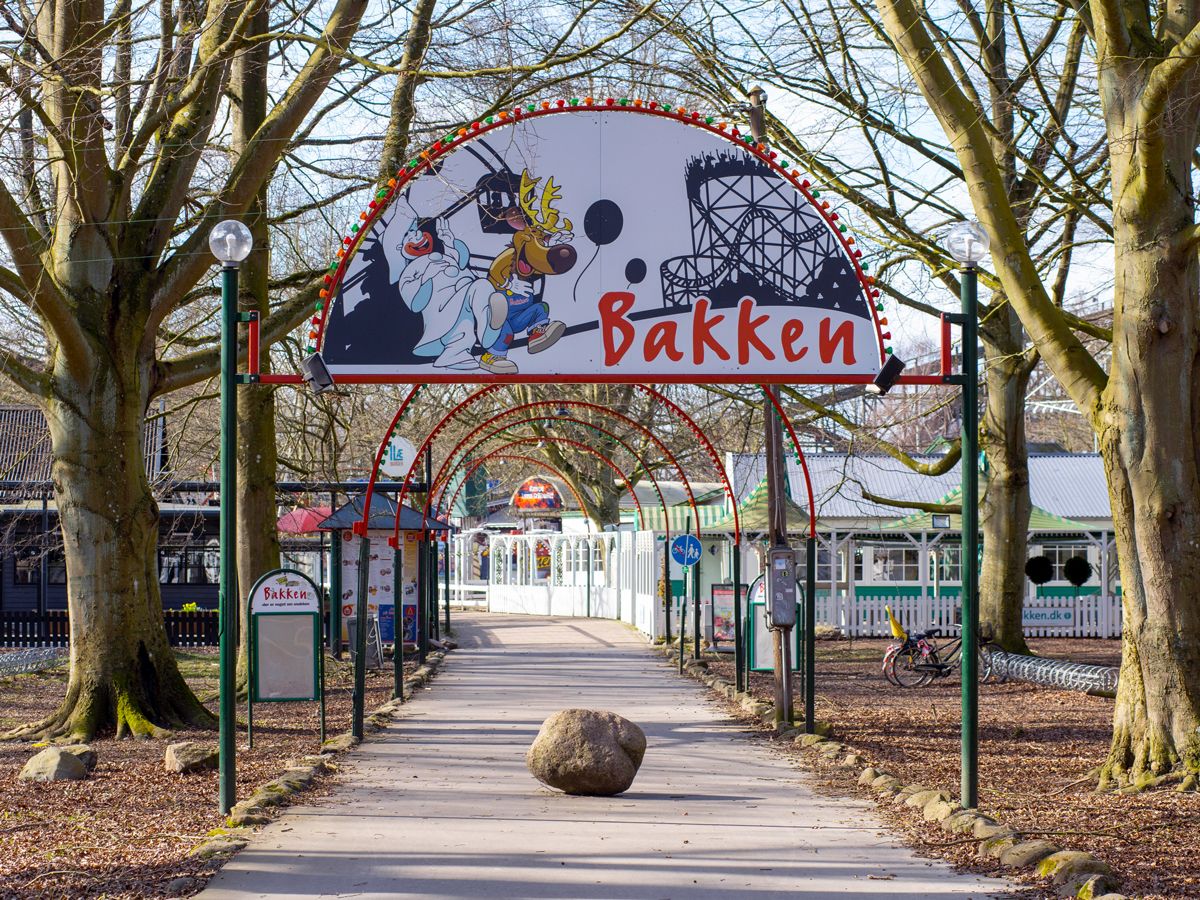
Located only a 10-minute drive north of Copenhagen, Bakken is considered the world’s oldest amusement park, dating back to 1583. Situated in the woods of Dyrehaven, Bakken offers a variety of rides for all thrill levels, but a highlight is Rutschebanen, aka “the Old Lady.” This wooden roller coaster, which has been in operation since 1932, reaches speeds of up to 47 mph, covers 2,795 feet, and soars to heights of 75 feet. Rutschebanen held the “Coaster Classic” recognition given by the American Coaster Enthusiasts until the year 2009, when the brakemen who rode along in the trains were retired.
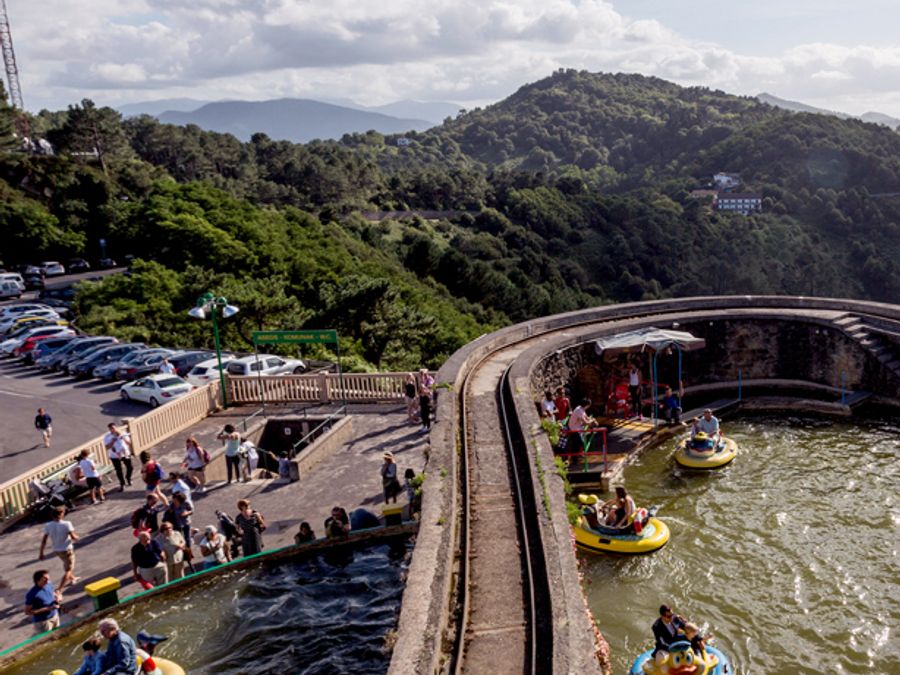
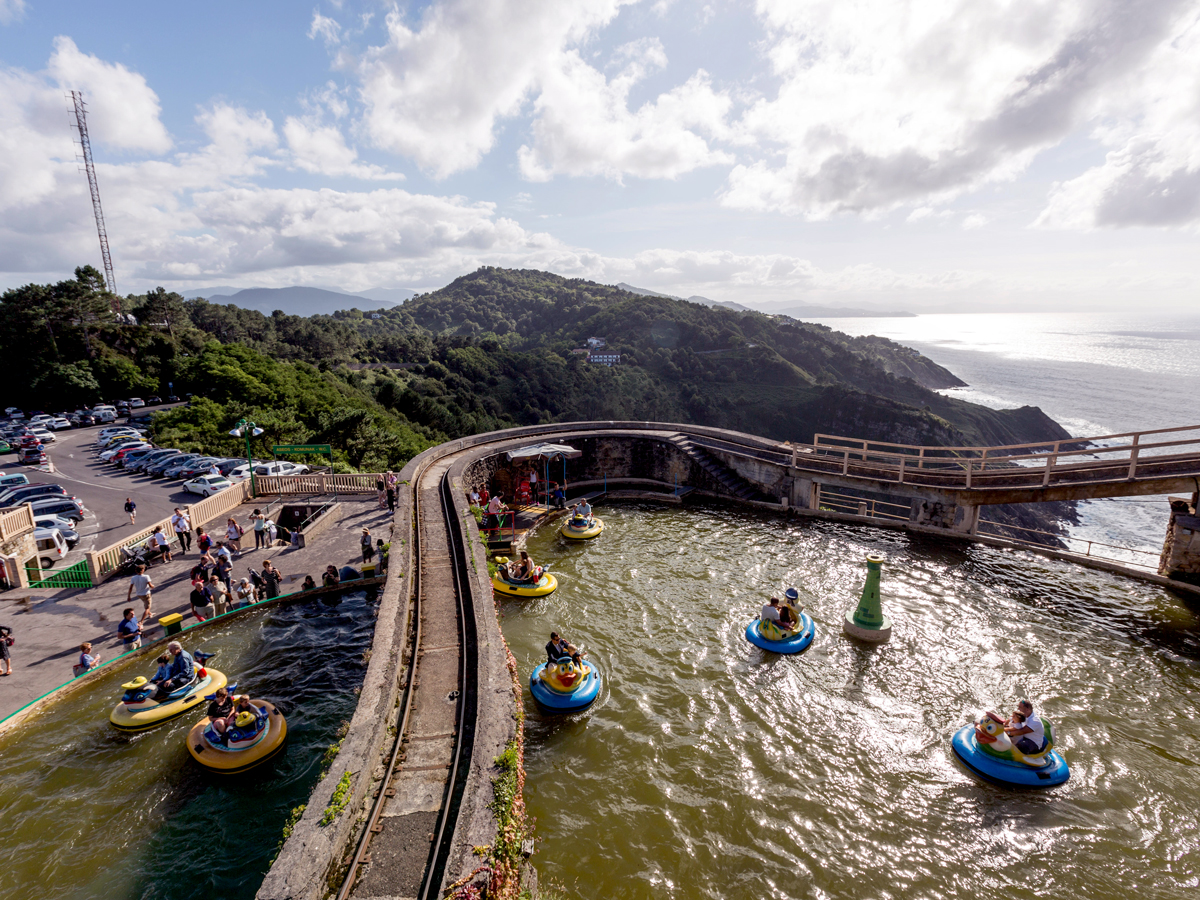
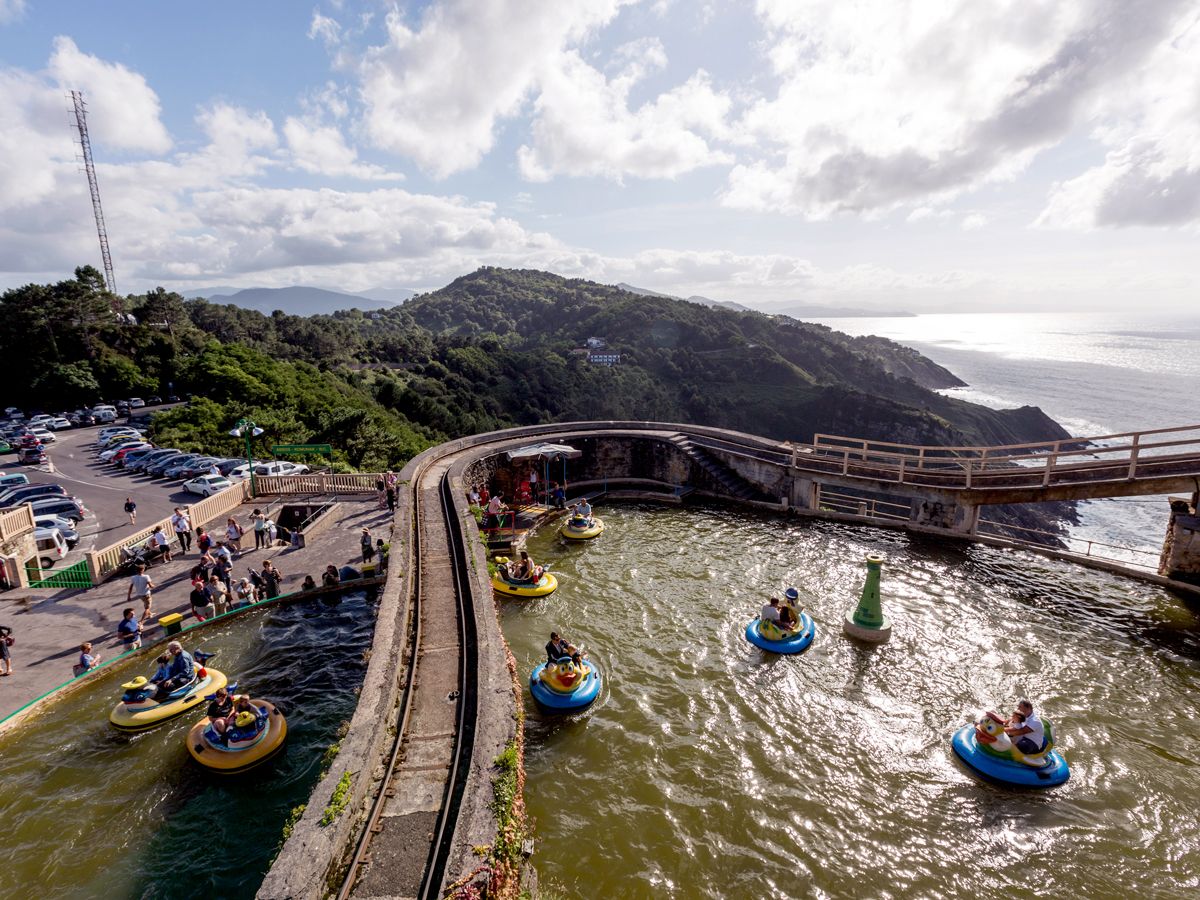
Opened in 1928, Montaña Suiza (“Swiss Mountain”) is the world’s oldest steel roller coaster still in operation. The ride is located on Monte Igueldo on the coast of San Sebastián, and it offers breathtaking panoramic views of the Bay of Biscay. It was designed by German engineer Erich Heidrich and originally built on wooden running rails, which were later changed to steel. Two trains ride along the 1,312-foot track, reaching a maximum speed of 31 mph. Montaña Suiza keeps alive the tradition of a brakeman riding onboard each train to control its speed.
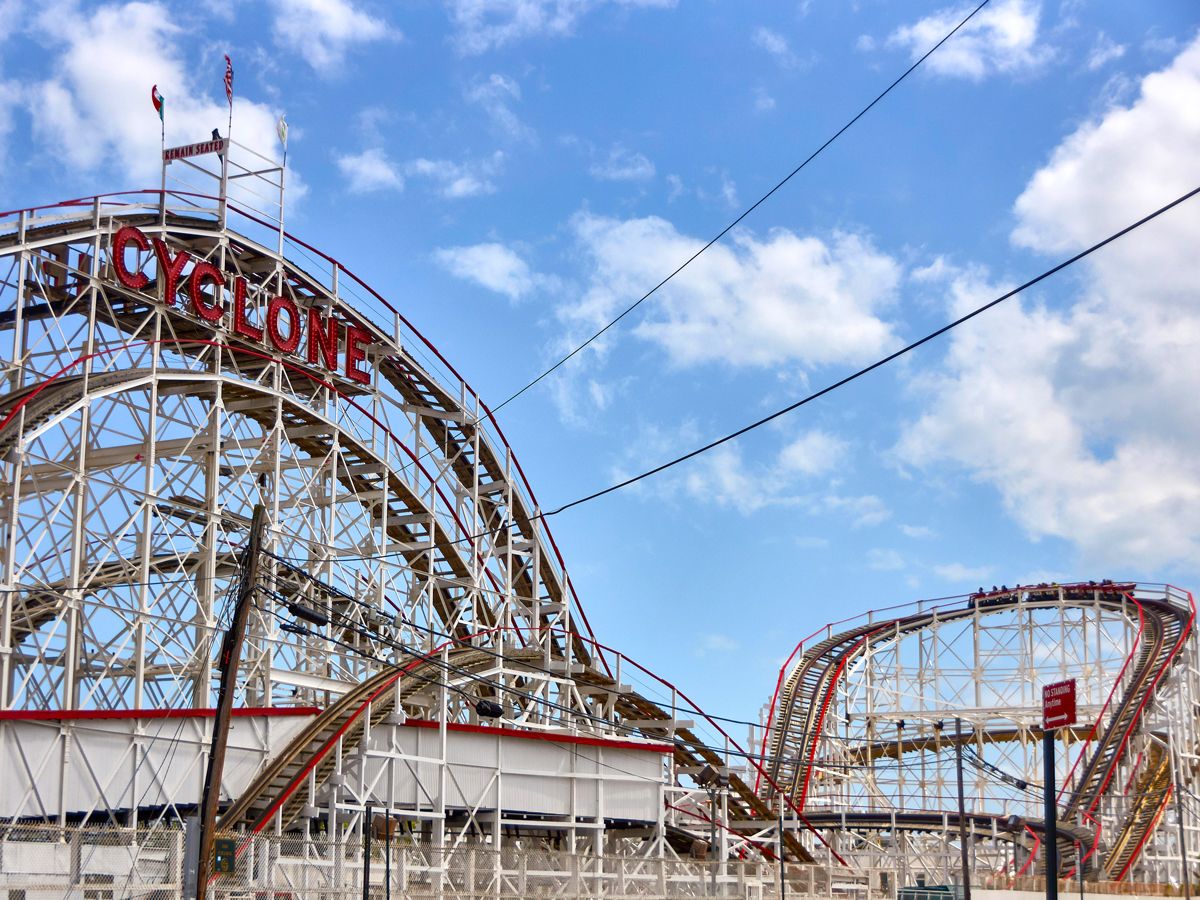
Inaugurated on June 26, 1927, the Coney Island Cyclone remains a quintessential landmark within Luna Park in Brooklyn, New York City. Located at the crossroads of Surf Avenue and West 10th Street, this iconic wooden coaster reaches speeds of up to 60 mph, accommodating 24 daring riders along its 2,640-foot track. Boasting the title of the world’s second-steepest wooden roller coaster, the Cyclone features electrifying 85-foot plunges at nearly 60-degree angles. The Cyclone has also been featured in popular culture, gracing the screens of major films such as 2017’s Wonder, music videos, and artwork.
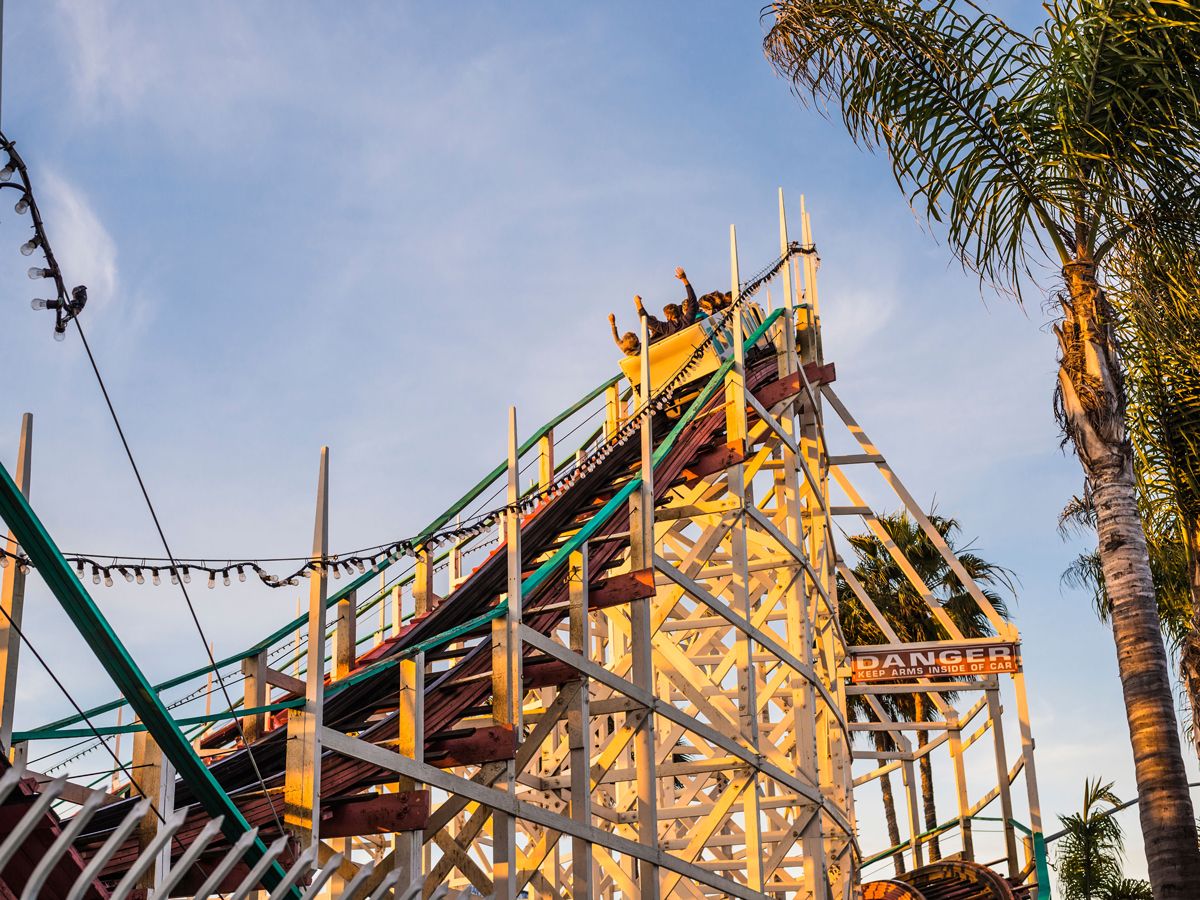
If you are looking for a roller coaster with ocean views, then look no further than the Giant Dipper at Belmont Park in San Diego. Built in 1925, the wooden coaster is a mainstay of Mission Beach. It zooms at speeds of up to 48 mph along the sweeping fan curves of its half-mile track. Although some wood has been gradually replaced to maintain safety standards, most of the original structure and form are still intact, including the 75-foot-tall arches. In 1978, the ride was added to the National Register of Historic Places.
Operating since 1920, the Jack Rabbit at Kennywood Park near Pittsburgh is famous for its unique 70-foot “double dip” drop. Built along a natural ravine, the ride offers not only thrills but also spectacular views of the surrounding Monongahela Valley. Once a modern marvel of engineering, the Jack Rabbit was a pioneer in its use of under-friction wheels. In June 2010, the American Coaster Enthusiast organization designated Jack Rabbit as an “ACE Roller Coaster Landmark, making it a rite of passage for coaster enthusiasts.
Maryland’s Six Flags America amusement park offers adrenaline junkies the chance to ride on the Wild One, an architectural gem originally built in 1917. Previously known as Giant Coaster, this massive 4,000-foot-long, 108-foot-tall wooden roller coaster has been restored many times since its inauguration. The train whooshes by at speeds of up to 53 mph and offers mind-blowing 450-degree helix drops. The long layout of the ride allows riders to enjoy almost two whole minutes of thrilling dips and turns.
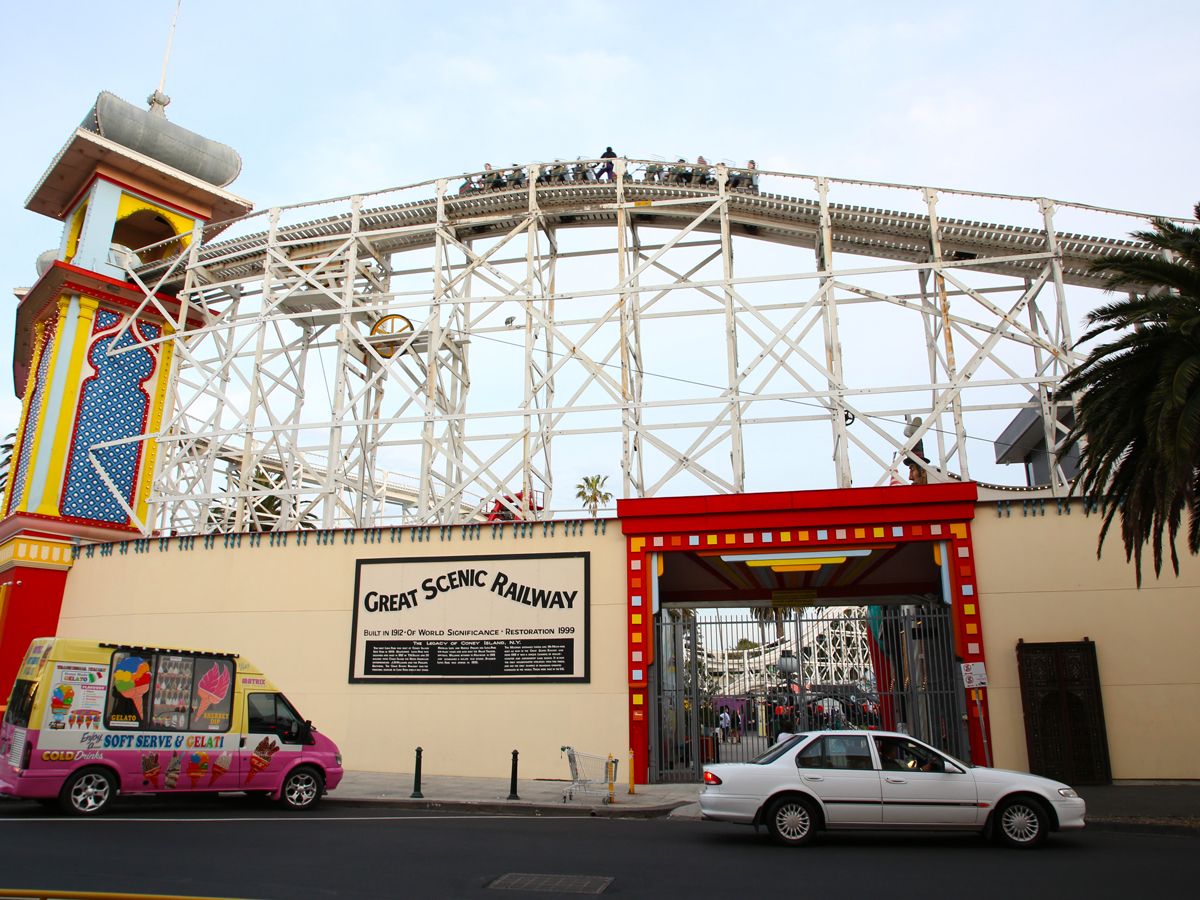
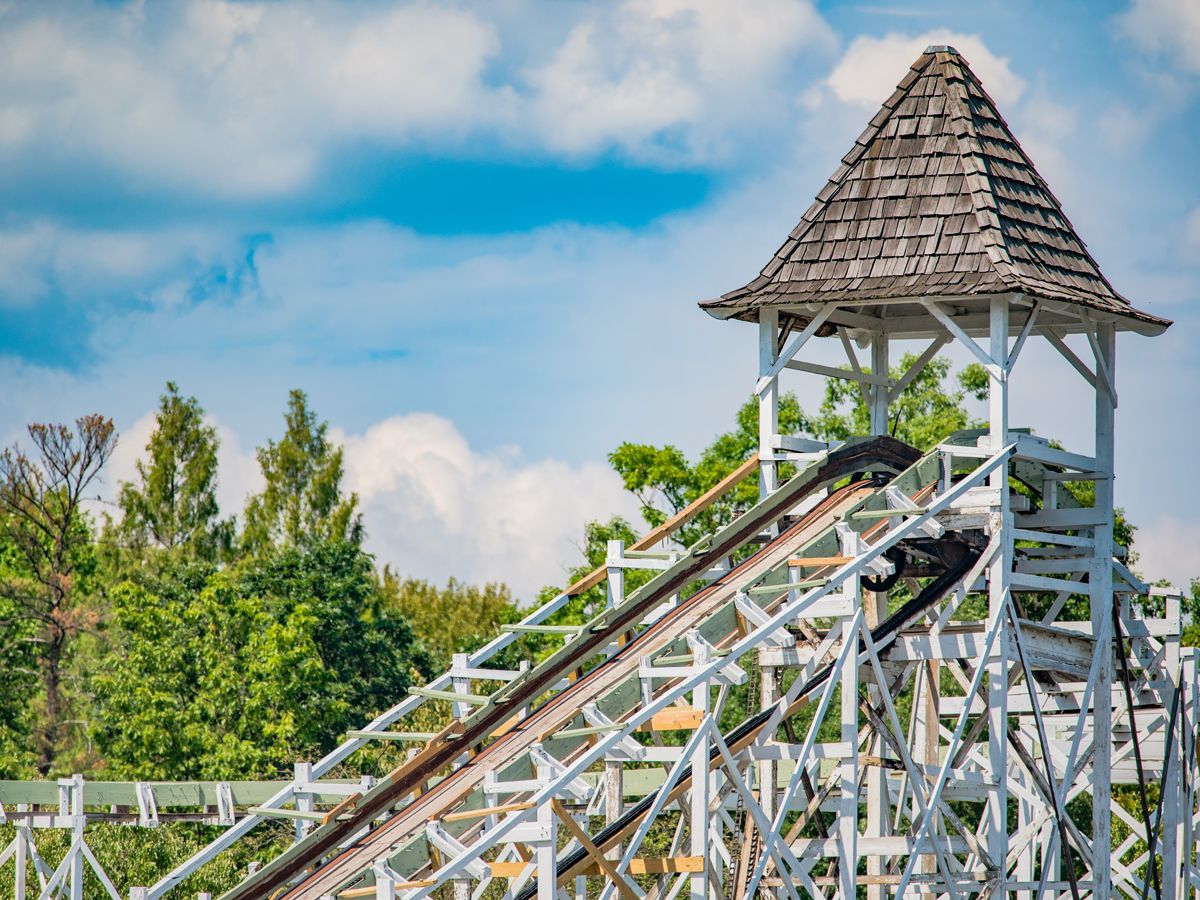
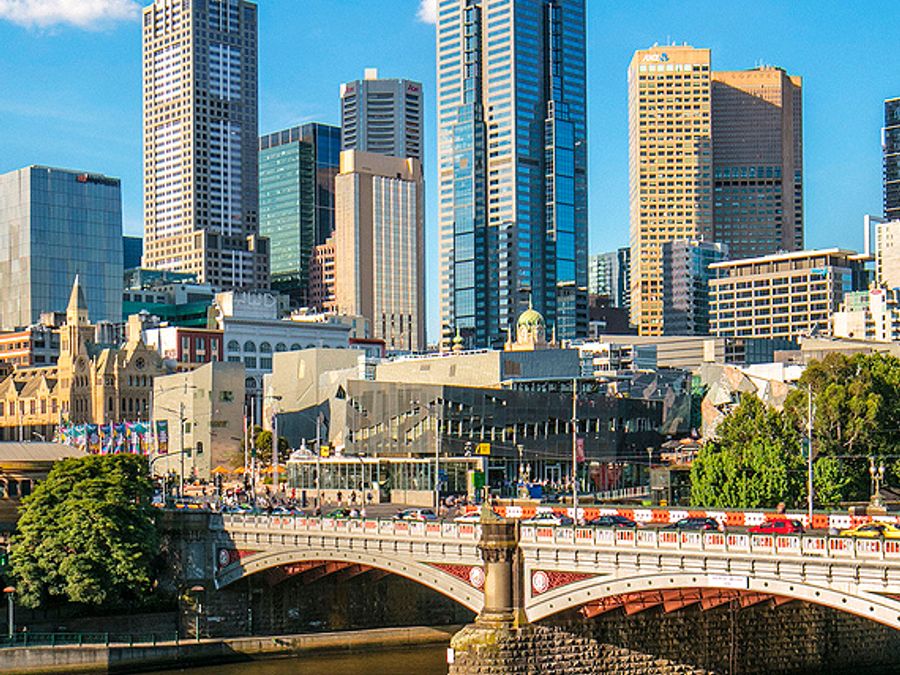
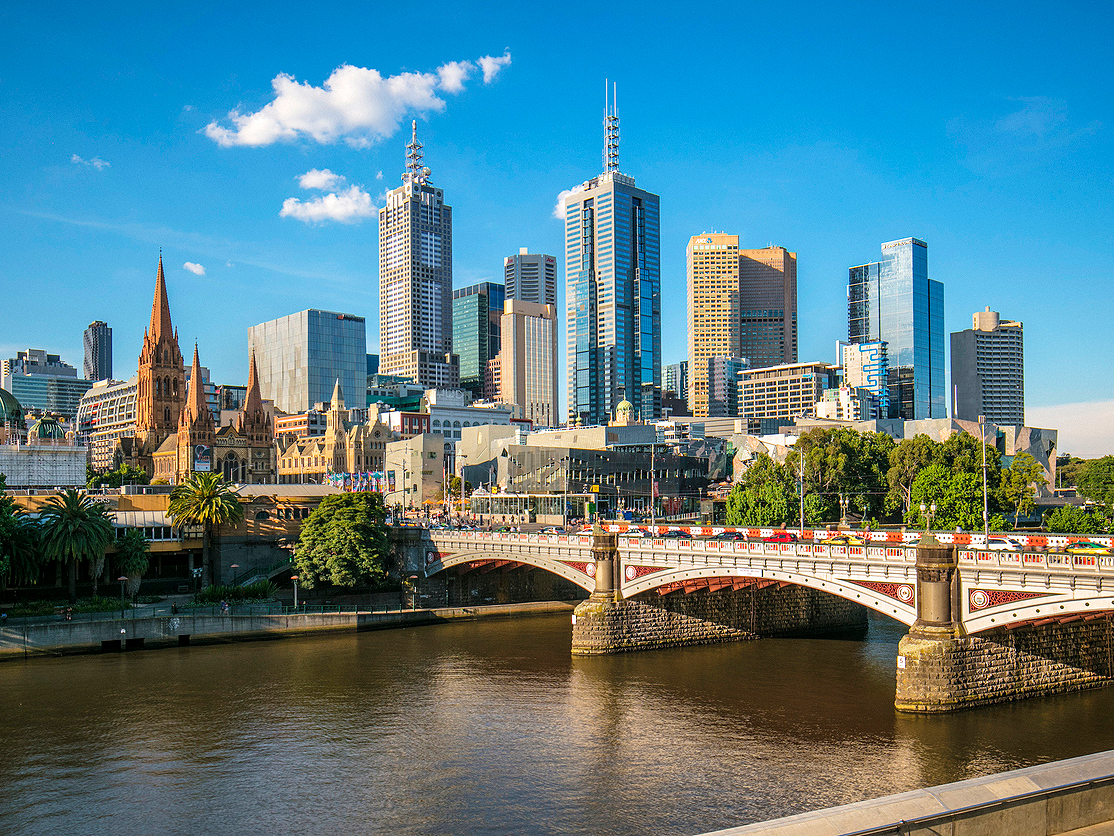
Dating from 1912, the Great Scenic Railway sits at the heart of Melbourne’s Luna Park and is the second-oldest roller coaster in operation in the world. The ride offers jaw-dropping dips and turns along its 0.6-mile wooden track, as well as fantastic views of Port Phillip Bay — that is, if you can keep your eyes open. Standing 52.5 feet tall, the coaster can reach speeds of over 37 mph. Found on Australia’s National Heritage List, the coaster was designed by the L.A. Thompson Scenic Railway Company of New York, whose founder, LaMarcus Adna Thompson, constructed the world’s first purpose-built roller coaster in Coney Island in 1884. The “scenic” part of its name refers to the paintings that can be found inside the tunnels over the tracks.
Located in Lakemont Park near Pittsburgh, Leap-the-Dips has been luring thrill seekers since 1902, making it the world’s oldest roller coaster still in operation. The 41-foot-high, 1,420-foot-long wooden structure was designed by E. Joy Morris and built by the Federal Construction Company in the early 20th century. It is the last remaining coaster in the U.S. from the 400 or so “figure-eight” coasters that were built between 1889 and 1922. Leap-the-Dips was closed in 1985, but thankfully, it was saved from demolition by members of the American Coaster Enthusiasts. The ride reopened in 1999 and promises to continue to exhilarate for generations to come.
Advertisement
More from our network
Daily Passport is part of Inbox Studio, an email-first media company. *Indicates a third-party property.
These Twin Towns Are the “Leap Year Capital of the World”
By
Frank Gargione
Read time: 4 minutes
February 22, 2024
Updated: February 22, 2024
These Twin Towns Are the “Leap Year Capital of the World”
Culture •February 22, 2024•Updated: February 22, 2024
By Frank Gargione
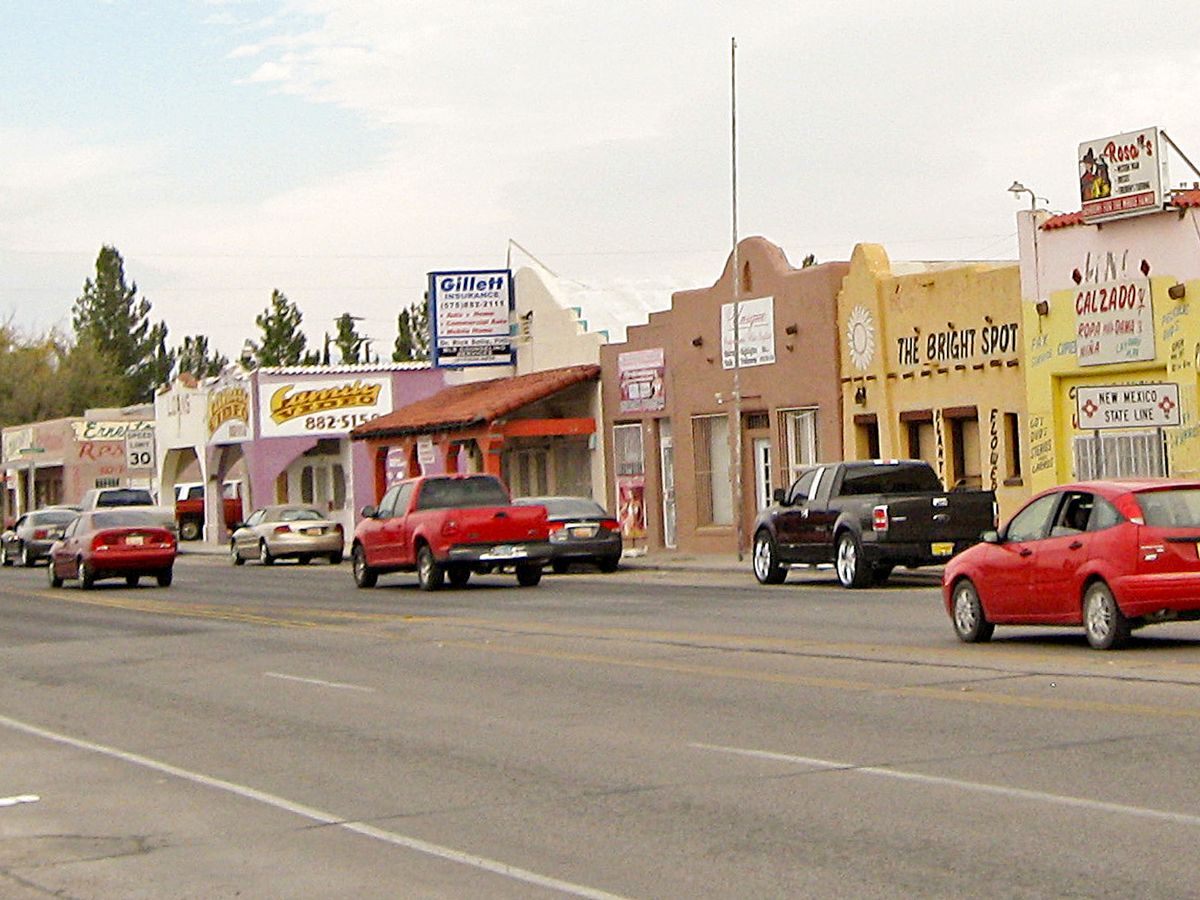
Most travelers have probably never heard of the twin towns of Anthony, Texas, and Anthony, New Mexico, which straddle the border between the two states. Located just north of El Paso and the Mexican border, they’re home to a combined population of just under 15,000 residents — which doesn’t exactly make them a big tourist draw. But if you count yourself among the rarefied group of Leap Year babies, then you might be familiar with these two towns that jointly proclaim themselves the “Leap Year Capital of the World.” Since 1988, the Anthonys have been a celebratory destination for people born on February 29. Below, discover how their unique claim to fame came to be and how you can join their annual Leap Year celebration.
If this all sounds like Greek to you, here’s a primer: Years are typically 365 days long to account for the amount of time the Earth takes to complete its orbit around the sun. But that number is actually rounded down from the exact 365.242190 days it takes to complete the cycle. Those five odd extra hours need to be accounted for somehow — otherwise, over centuries, the calendar would drift and we’d end up having summer in December. By adding an extra day every four years, on February 29, our months and our seasons keep on schedule.
Since Leap Years only come around once every four years, they’ve become a source of intrigue, celebration, and even superstition: Londoners have a special Leap Year cocktail; in Taiwan, women serve aging parents pig trotter noodles for longevity. Meanwhile, the French look forward to a once-every-four-years newspaper edition, and in many places in Europe, Leap Day is an opportunity for women to propose marriage to men. There is a one-in-1,461 chance that a person will be born on Leap Day. In most years, Leap Year babies typically blow out their candles on February 28 or March 1. But the chance to actually do it on February 29 during Leap Years makes them all the more special — and that brings us back to Texas and New Mexico.
In Anthony, Texas, and Anthony, New Mexico, many local residents work in agriculture, farming crops such as pecans, alfalfa, and cotton. Back in 1988, Anthony residents Mary Ann Brown and Birdie Lewis — neighbors who shared a Leap Day birthday — suggested a Worldwide Leap Year Festival and Worldwide Leap Year Birthday Club to their Chamber of Commerce. They hoped their unique idea would attract visitors and fundraise for the community — the neighbors believed that no other place in the world regularly hosted such an event. The festival launched that same year, and eventually the governors of both states declared the Anthonys the “Leap Year Capital of the World.”
That first year, the festival amounted to a small birthday party for nine Leap Year babies (also known as 29ers) from cities throughout Texas and New Mexico. Though the celebration was tiny, it was believed to be the largest gathering of 29ers to date. By 1992, the festival grew to feature an arts and crafts fair, a golf tournament, an enormous birthday cake, and other events. It attracted a few thousand guests — along with 23 Leap Year babies from Texas and New Mexico, plus Arizona, California, Wisconsin, and even Germany. As the festival grew, famed musician Graham Nash performed at the 2000 festival in honor of his wife, who was another 29er.
Though the festival wasn’t held in 2016 or 2020, it returned for 2024. Parents bring new babies celebrating their first Leap Year birthday, and Leap Year babies of all ages from all over the world can join the fun. The festival offers three days of festivities — barbecue dinners, parades, hot air balloon rides, live music, games, and a myriad of vendors all convening at the Anthony Municipal Park. Anyone with an actual February 29 birthday can get a free dinner from local joint Rollin’ Smoke BBQ.
Outside of the Anthonys, there are several other ways Leap Year babies and their loved ones can celebrate around the world. In 2024, a Royal Caribbean Leap Day Birthday Bash cruise sailed from Miami to Nassau in the Bahamas for a five-day celebration. It was the second such sailing — the first took place in 2020, after word got out that Anthony’s festival wasn’t happening. It attracted over 200 attendees, including 78 Leap Day babies. Other Leap Day events take place at Disney theme parks, in Las Vegas and New York City, and in Australia, Europe, the United Kingdom, and Canada.
In 1988, Raenell Dawn, another Leap Year baby, started a birthday club for 29ers. She called it Leap Year Babies Limited, the Limited Edition to the Human Race. That February, she promoted it on Los Angeles radio stations and shared a birthday cake with four other 29ers. That tiny club would ultimately merge with the Anthony-based Worldwide Leap Year Birthday Club, and today, the Honor Society of Leap Year Day Babies has more than 12,000 members across 126 countries.
Advertisement
More from our network
Daily Passport is part of Inbox Studio, an email-first media company. *Indicates a third-party property.
8 Hacks for Staying Comfortable on a Long-Haul Flight
By
Fiona Mokry
Read time: 5 minutes
February 21, 2024
Updated: February 21, 2024
8 Hacks for Staying Comfortable on a Long-Haul Flight
Tips •February 21, 2024•Updated: February 21, 2024
By Fiona Mokry
Author
Fiona Mokry
Fiona has spent her career exploring the world and working in the travel industry, turning her lifelong passion into a profession. From planning custom trips to sharing stories as a travel writer for publications such as The Discoverer, she’s all about helping others experience the world in a deeper, more meaningful way.
While many travelers enjoy jetting off to far-flung destinations, long-haul flights can wreak havoc on the body’s comfort and sleep cycle. Try as you might, it’s no easy feat to arrive at your destination rested and relaxed — especially when you cross multiple time zones and face the inevitable prospect of jet lag. So, how do you maximize your quality time on the ground once you land? Start by adopting these eight travel tips for staying comfortable on a long flight.
Savvy travelers will tell you that investing in a plane outfit is guaranteed to be money well spent. Comfortable and cozy clothes that you can easily sleep in are a must for any long-haul flight. Fitted joggers offer a pulled-together look without feeling too casual for the airport, while offering maximum comfort once you settle in for your flight. For example, these men’s joggers (complete with waist tie and zip pockets) pair well with a light long-sleeved waffle hoodie. For women, these sweatshirts and matching bottoms tick all the right comfort boxes for an overnight flight.
Why is it that airplane cabins always tend to be either freezing cold or stifling hot? In the wrong clothing, you’ll find yourself on the losing end of a battle with the anything-but-comfortable climate. Fortunately, you can avoid this fight by smartly layering. Invest in a pair of moisture-wicking tanks or T-shirts that slip easily under hoodies; they also help whisk away sweat and keep odors at bay throughout long flights. Elevate the look while still staying comfortable and dry with smart-looking stretchable collared shirts.
A crying baby, a snoring seatmate, or in-flight announcements have the ability to majorly impact your quality of rest on a flight. Block out disruptions and pop in a pair of wireless noise-canceling earbuds, preferably one with a self-contained charging case that’s key for travel when you might not have access to a charger. Some over-ear headphones options are pricey, but they offer impeccable sound quality and noise cancellation. Plus, can you really put a price on decent sleep? If the answer is yes, then these more affordable headphones might be the perfect compromise.
Breaking a sweat before you travel and following a workout with a hot shower may be the perfect routine before you head to the airport. If time allows, squeeze in some exercise the day of travel to work your muscles and promote circulation, which can make sitting on a long flight more tolerable. And you’ll tire your body out to (hopefully) promote better sleep. The hot shower should help you relax before you settle in for the long haul.
Most long-haul flights will offer a full meal service, along with snacks and beverages, but the quality of plane food is up for debate. Keep hunger at bay and your taste buds satisfied with packable snacks that offer high nutritional value to sustain you until you reach your destination. Try bringing peelable fruit, trail mix, and granola bars in your carry-on to ward off hunger.
Nothing disrupts the careful preparations you’ve taken to rest well on a flight than the dreaded layover. It takes time and effort to settle into flight mode, find comfort, and drift off to sleep. That all goes to waste when you have to interrupt your journey with a stressful connection at another airport. It’s not always possible, but a golden rule of travel is to try and book a direct flight to avoid starting the process all over again and reach your destination as quickly as possible.
If seat selection isn’t included in your economy fare, paying the extra fee to choose your seat could make all the difference for your flight experience. Whether you prefer the window seat for something to lean against or the aisle seat for mobility and a little extra leg room, it’s best to snag your seat preference ahead of time. And check helpful sites such as SeatGuru that show which seats travelers recommend (or recommend avoiding). Otherwise, you risk being assigned the middle seat, which cramps your limbs between two other people and leaves with you little support. It can also be worth it to pay a little extra for an extra legroom seat, such as one located at an exit row, for added comfort.
Finally, consider investing in a portable neck pillow, which provides needed support for your neck and can help you catch some quality shut-eye on a flight. There are an overwhelming number of travel pillow options out there, so it’s important to consider comfort as well as one that supports your body’s ergonomics. The Ostrichpillow Go Neck Pillow is made from high-quality, shape-adapting memory foam, and has a wraparound style to support proper neck and head position. Plus, its travel-friendly design compresses down to 60% of its full size.
Note: All featured products and deals are selected independently and objectively by the author. Daily Passport may receive a share of sales via affiliate links in content.
Advertisement
More from our network
Daily Passport is part of Inbox Studio, an email-first media company. *Indicates a third-party property.
Outdoors •February 21, 2024•Updated: September 19, 2024
By Marissa Kozma
Author
Marissa Kozma
Marissa is a cheap airfare aficionado who loves exploring offbeat destinations with her husband. Based in Los Angeles and Joshua Tree, Marissa has been featured in publications such as San Diego Magazine, Palm Springs Life Magazine, 303 Magazine, and Mountain Living.
Sponsored content
Alaska encompasses 586,000 square miles of land, making it by far the largest state in the U.S. Aptly nicknamed the “Great Land,” Alaska is double the size of Texas and one-fifth the size of the entire lower 48, making it highly unlikely you’ll get to explore its vast wilderness on one trip alone. So, where do you start? From cosmopolitan cities like Anchorage to pristine national parks and coastal hamlets, here are 10 of the most epic experiences for an unforgettable Alaska vacation.
Kayak Around Glaciers
Photo credit: Photo courtesy of Juno Kim/ Visit Anchorage
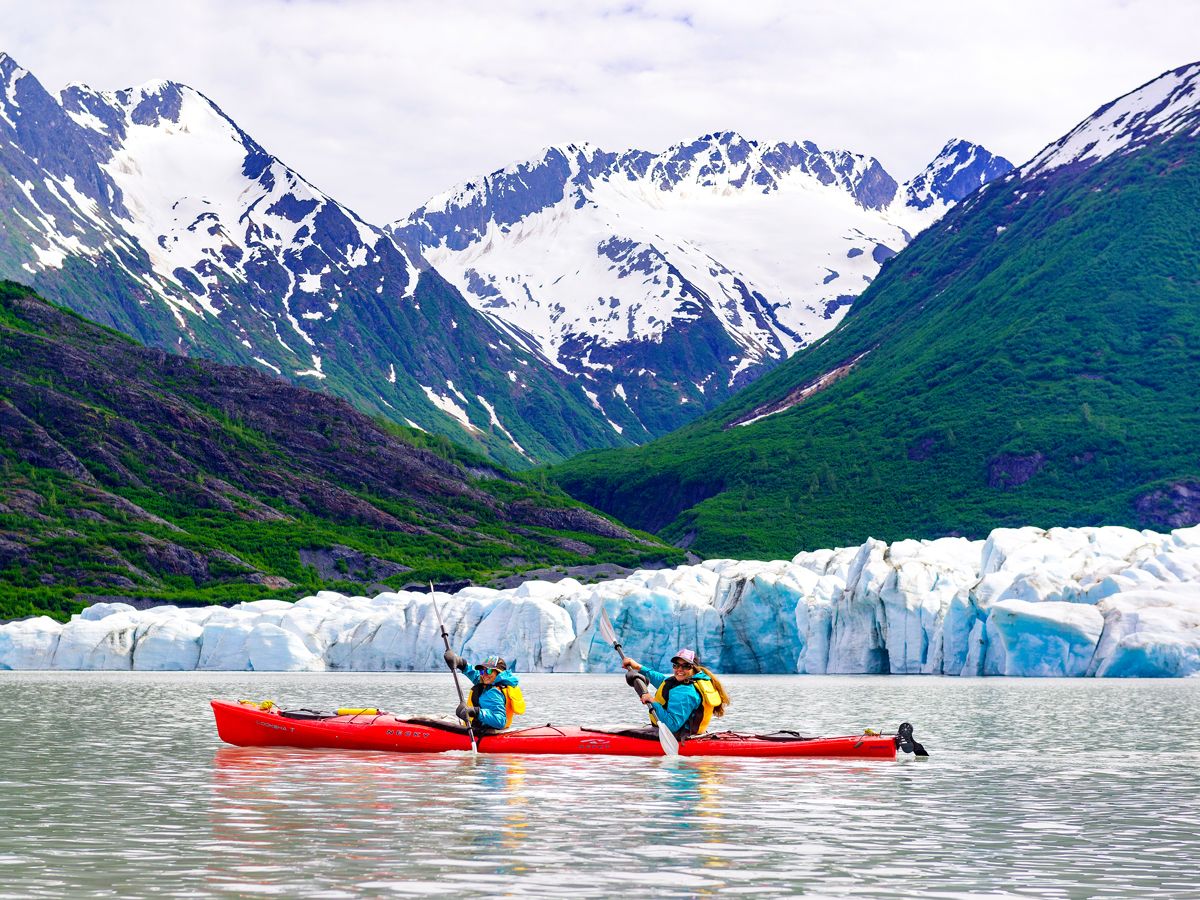
With around 100,000 glaciers, Alaska has the world’s highest concentration of glaciers — and you don’t have to venture far from major cities to view them. Case in point: Within 50 miles of Anchorage, visitors can discover a whopping 60 glaciers. One of the most accessible and popular to visit is the 10-story-tall Portage Glacier. In summer, many visitors take boat tours to this mighty glacier, but for a unique vantage point, you can rent a kayak and paddle around Portage Lake. Nearby attractions include the five-mile Trail of Blue Ice, a hiking path which connects several of the region’s glaciers, plus the Alaska Wildlife Conservation Center — where you can see species such as brown bears, moose, bison, muskoxen, and wolves.
Catch a King Salmon at Ship Creek
Photo credit: Photo courtesy of Frank Flavin/ Visit Anchorage
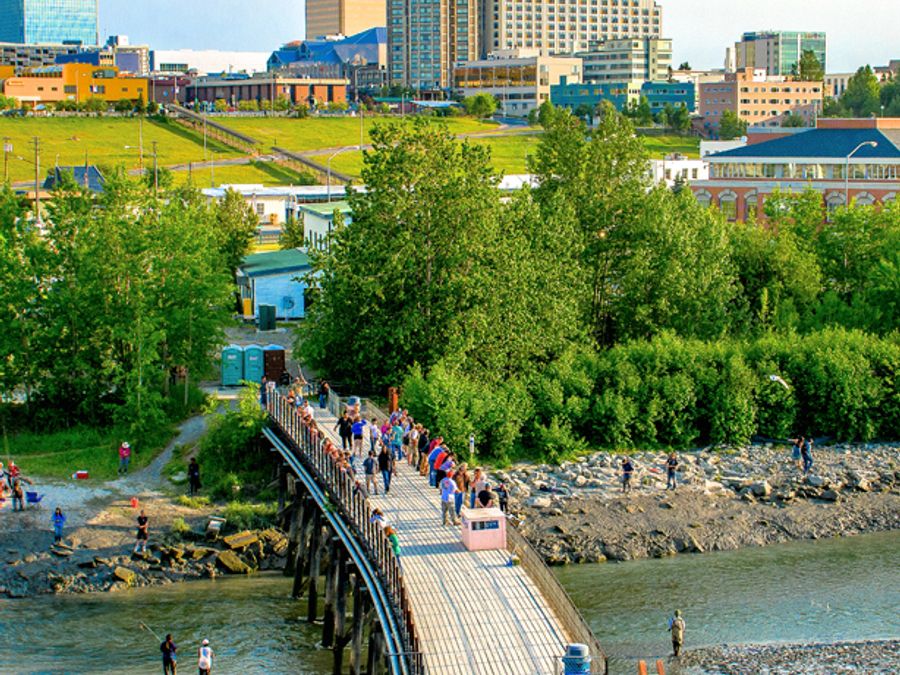
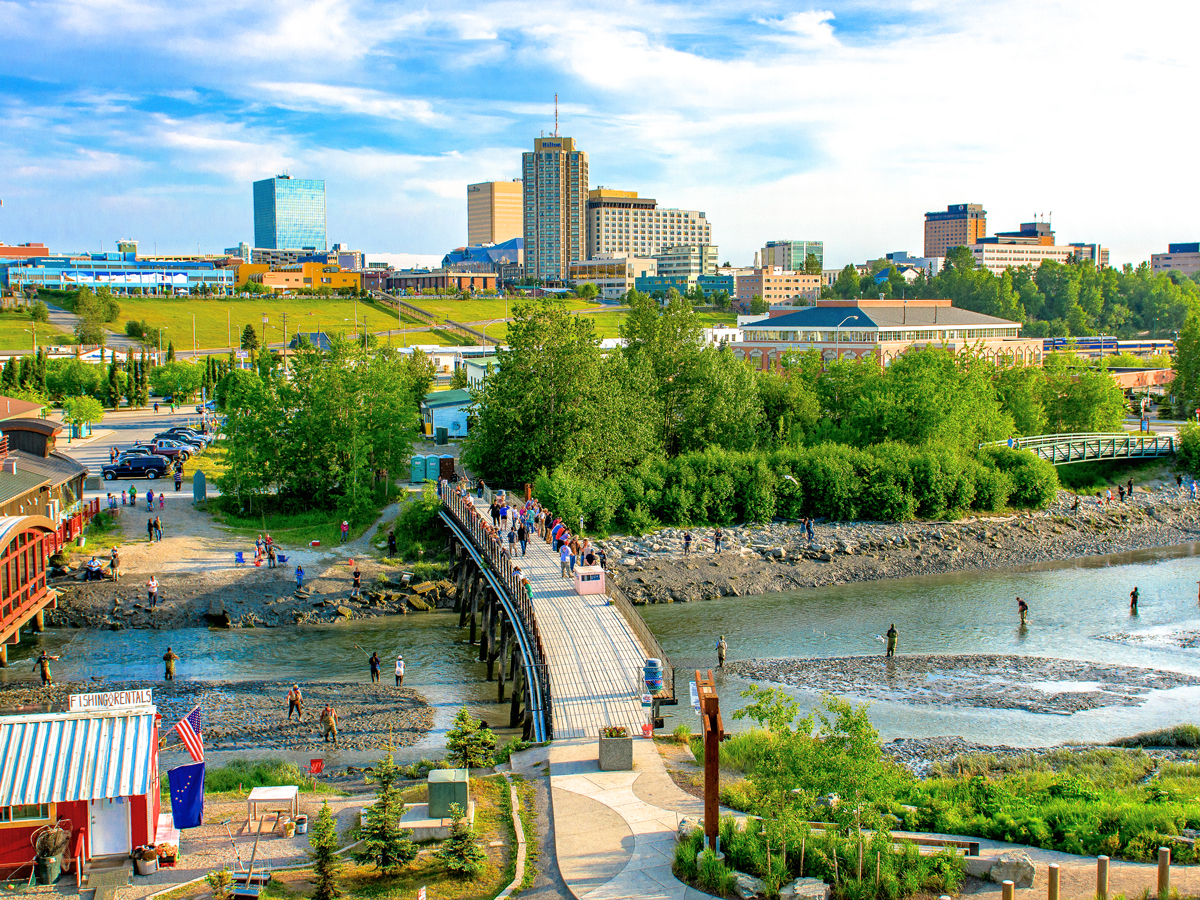
Now Alaska’s most populated city, Anchorage traces its origins to a 1915 railroad settlement at Ship Creek. The protected area was the safest place for ships to anchor at the time, hence the city’s name. Today, Ship Creek is famous for another reason: Chinook salmon, also known as king salmon.
From January to mid-July, aspiring anglers can catch their very own salmon without even leaving Anchorage. The massive fish can weigh up to 30 pounds, and your best chances to land a big one are in June. Before fishing, make sure you review the state’s sport fishing regulations to obtain the proper license and learn more about how to get your salmon stamp (an official requirement when you catch one). Head to the Bait Shack to rent rods, bait, waders, and other gear.
Attend a Cultural Event at Alaska Native Heritage Center
Photo credit: Photo courtesy of Brian Adams/ Visit Anchorage
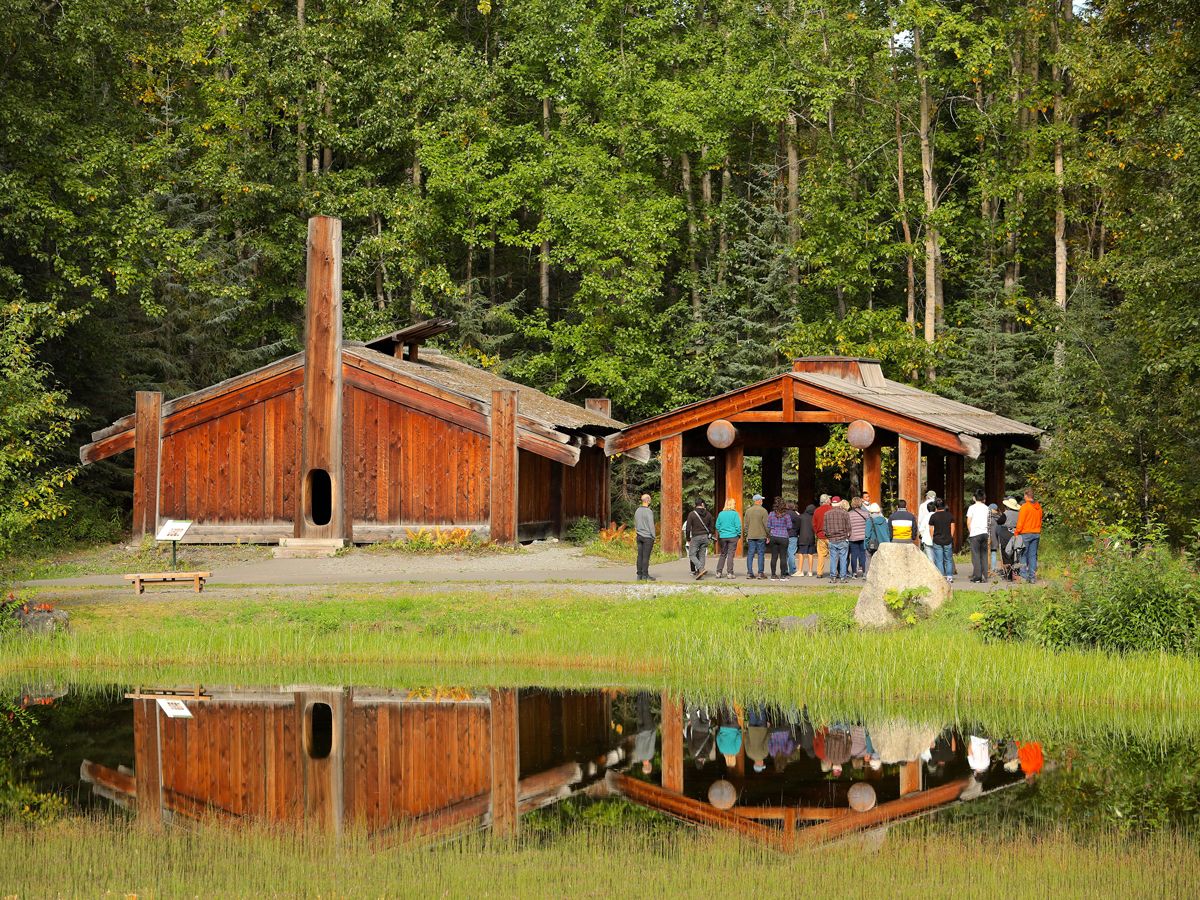
To fully appreciate and understand the beauty of Alaska, one must see it through the eyes of the Indigenous peoples who first called the land home. The Alaska Native Heritage Center in Anchorage is a fascinating way to experience the culture, stories, and traditions of Alaska’s 11 major cultures. Visitors can watch native game demonstrations, take art classes, watch films about the different cultures and regions of Alaska, and more. It’s an essential stop for understanding and appreciating Alaska’s vast landscapes and the people who have inhabited them for centuries.
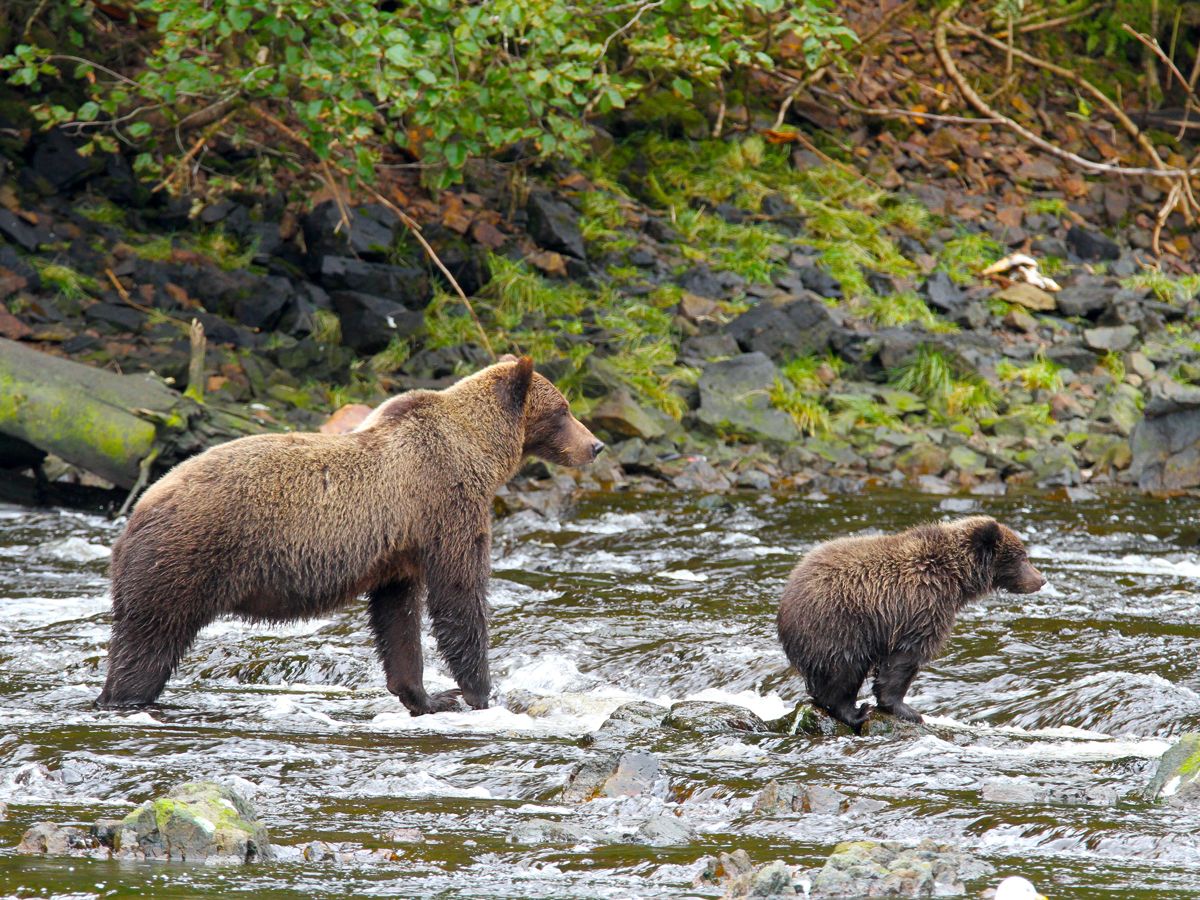
Alaska’s Admiralty Island — the seventh-largest island in the United States — is home to around 1,600 brown bears. That is the highest concentration of brown bears in the world, all thanks to the island’s thriving salmon population. To see them for yourself, head to Admiralty Island National Monument in the southeast corner of the state. The Pack Creek Bear Viewing Area is where you can safely watch the bear feed on the fish from an observation tower. You may also even spot a nesting bald eagle.
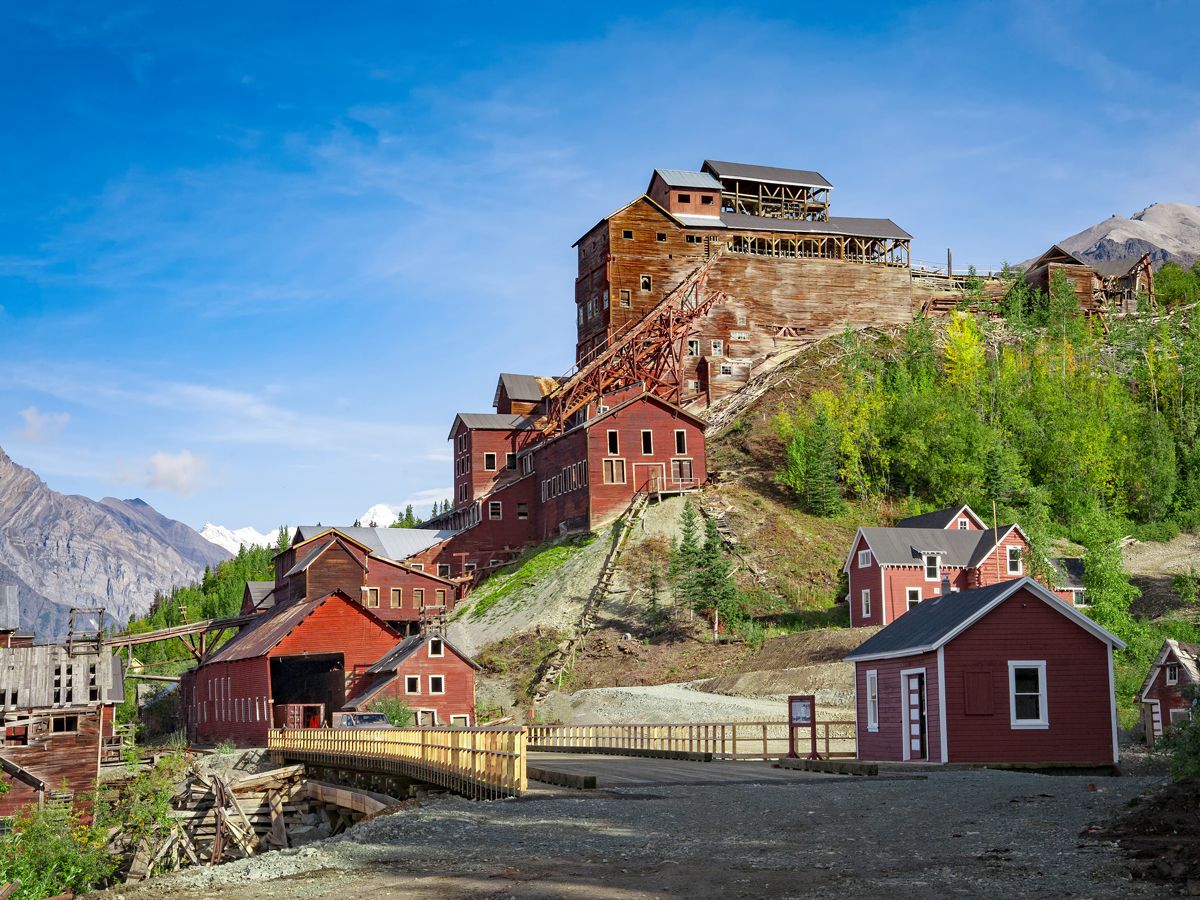
Mining for precious metals was a major part of Alaska history, and one of the best places to uncover the state’s past is this abandoned copper mine. Kennecott (also known as Kennicott) was once the world’s richest copper mine, and a bustling settlement developed here at the turn of the 20th century. Visitors today can stay at Kennicott Glacier Lodge in Glenallen to check out this National Historic Landmark located within Wrangell-St. Elias National Park — America’s largest national park. Stop by the old post office and general store to get a glimpse of daily life for early settlers.
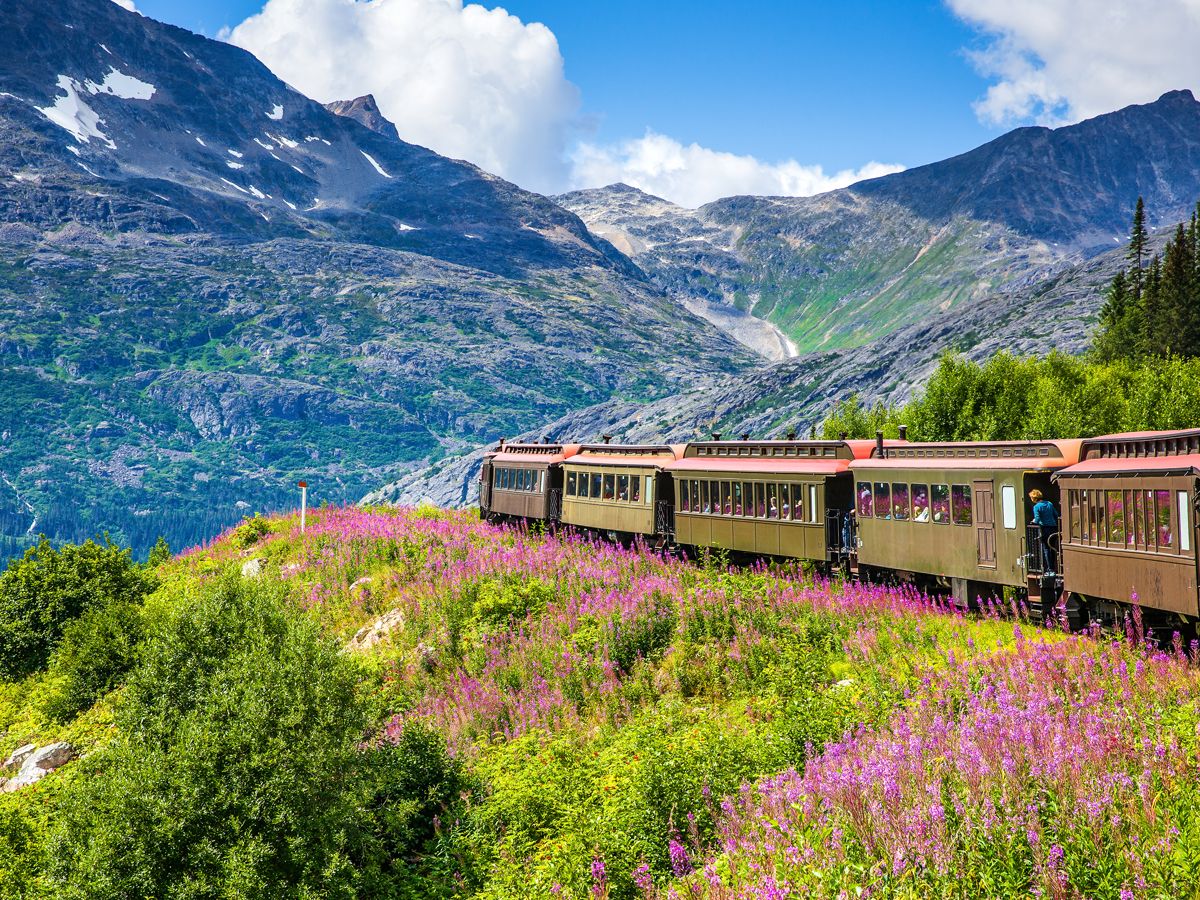
Between early May and late September, visitors have the chance to experience a historic train ride aboard the White Pass and Yukon Route Railroad. Built in 1898, the train originally transported Klondike gold miners from Skagway, Alaska, to Whitehorse, in the Canadian territory of Yukon. The passage was heralded as the “Scenic Railway of the World” and required the labor of 35,000 men to complete. Today, travelers can experience the breathtaking beauty of Alaska’s mountains, glaciers, and tunnels from the railroad’s vintage train cars. Before boarding in Skagway, stop by the Red Onion Saloon, which has been serving thirsty patrons since 1897.
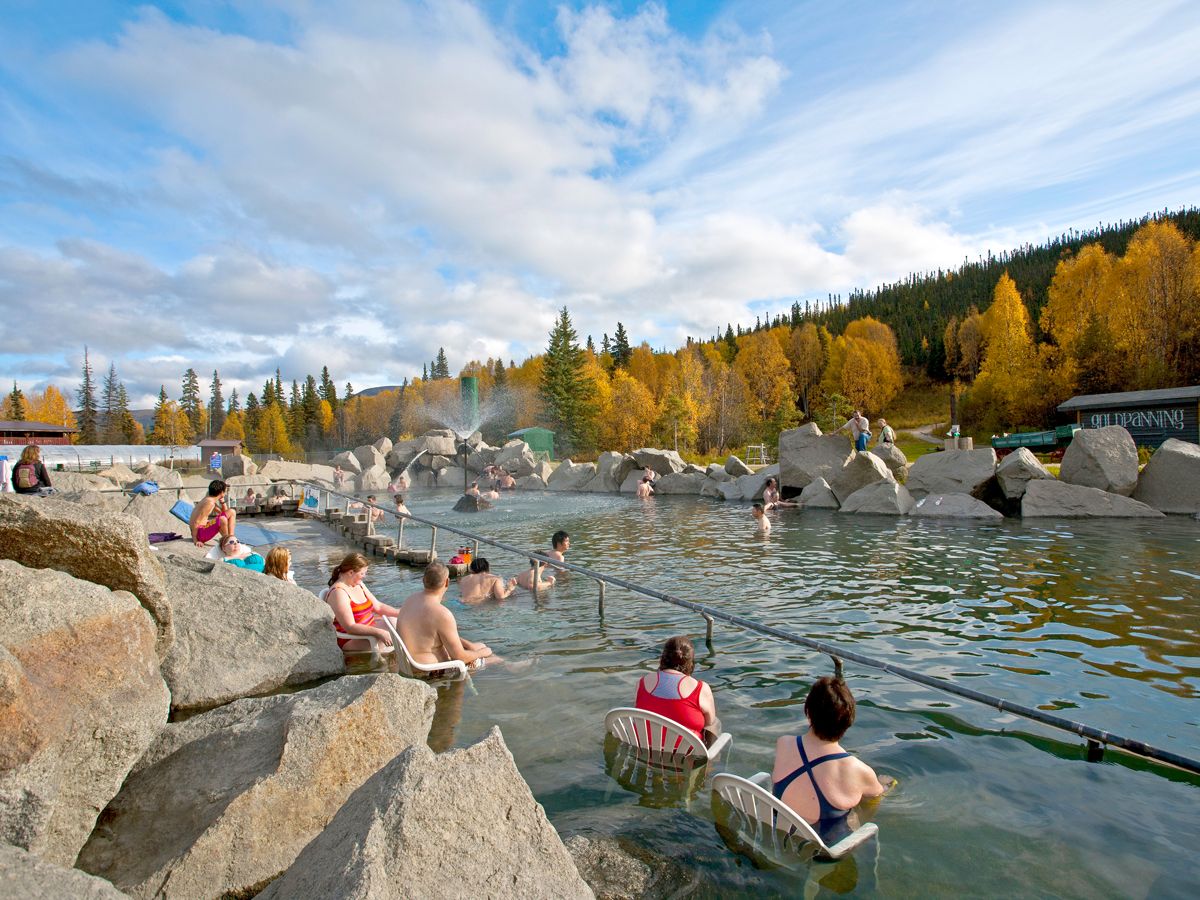
Chena Hot Springs Resort in Fairbanks is considered one of the best places in the world to see the northern lights — the natural phenomenon that occurs when particles from the sun collide with gaseous particles in the Earth’s atmosphere and emit vibrant streaks of color. But before you look up to the night sky, soaking in the resort’s famous hot springs is a must. Heated pools and spas are located both indoors and outdoors, and day pass holders and overnight guests can dip in the natural Hot Springs Lake, which is a balmy 106 degrees Fahrenheit year-round. In winter, the resort also has an ice museum, which is made using 1,000 tons of snow and ice and is illuminated at night.
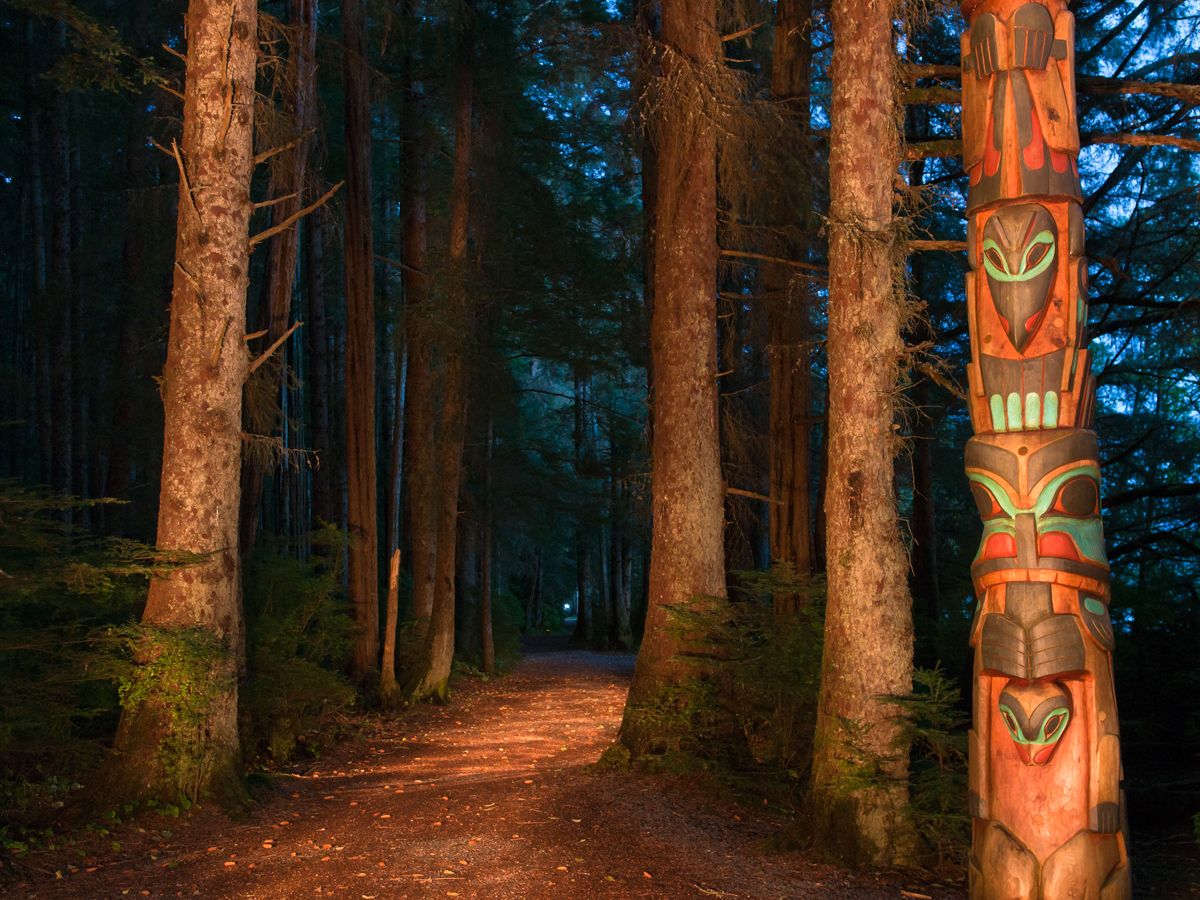
Finding the perfect hiking trail in Alaska is like deciding on which ice cream flavor to order — you really can’t go wrong. But one of the state’s most unique trails — one you won’t find elsewhere in America — is the Totem Trail, a relatively easy mile-long loop in Sitka. This charming coastal city is about a six- to eight-hour ferry ride (or a faster flight) from the state capital of Juneau. Totems from local Haida and Tlingit villages dot the path between the trees — a testament to the living tradition of wood carving and a reminder of Alaska’s Indigenous past and present.
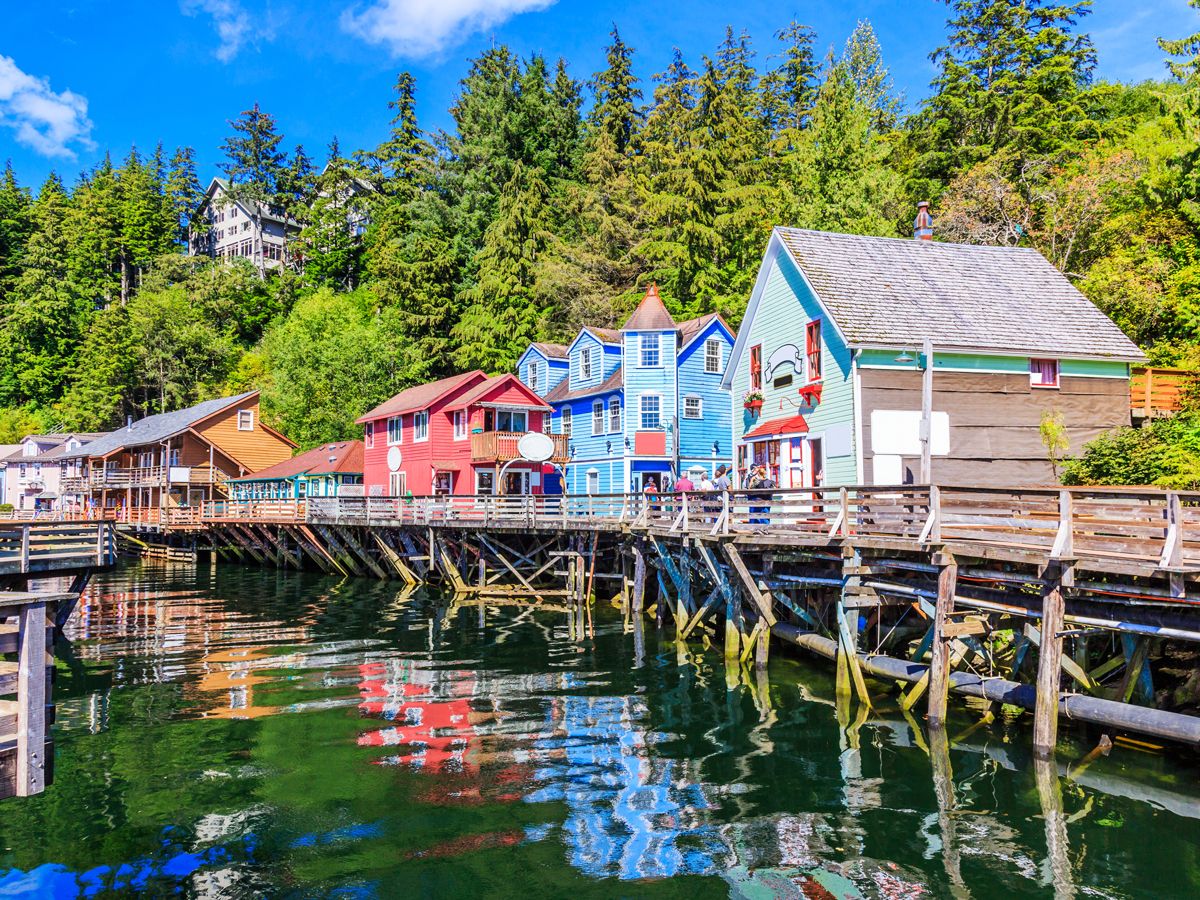
The Alaska coast is dotted with colorful fishing villages, but the quiet community of Ketchikan makes for the perfect day trip south of Juneau for shopping and experiencing the laid-back lifestyle of Alaska. Located on Revillagigedo Island, Ketchikan is especially known for Creek Street, a boardwalk mounted on stilts that’s home to restaurants, curio shops, a museum, and historic dwellings. In town, you can watch migrating salmon at the Salmon Ladder.
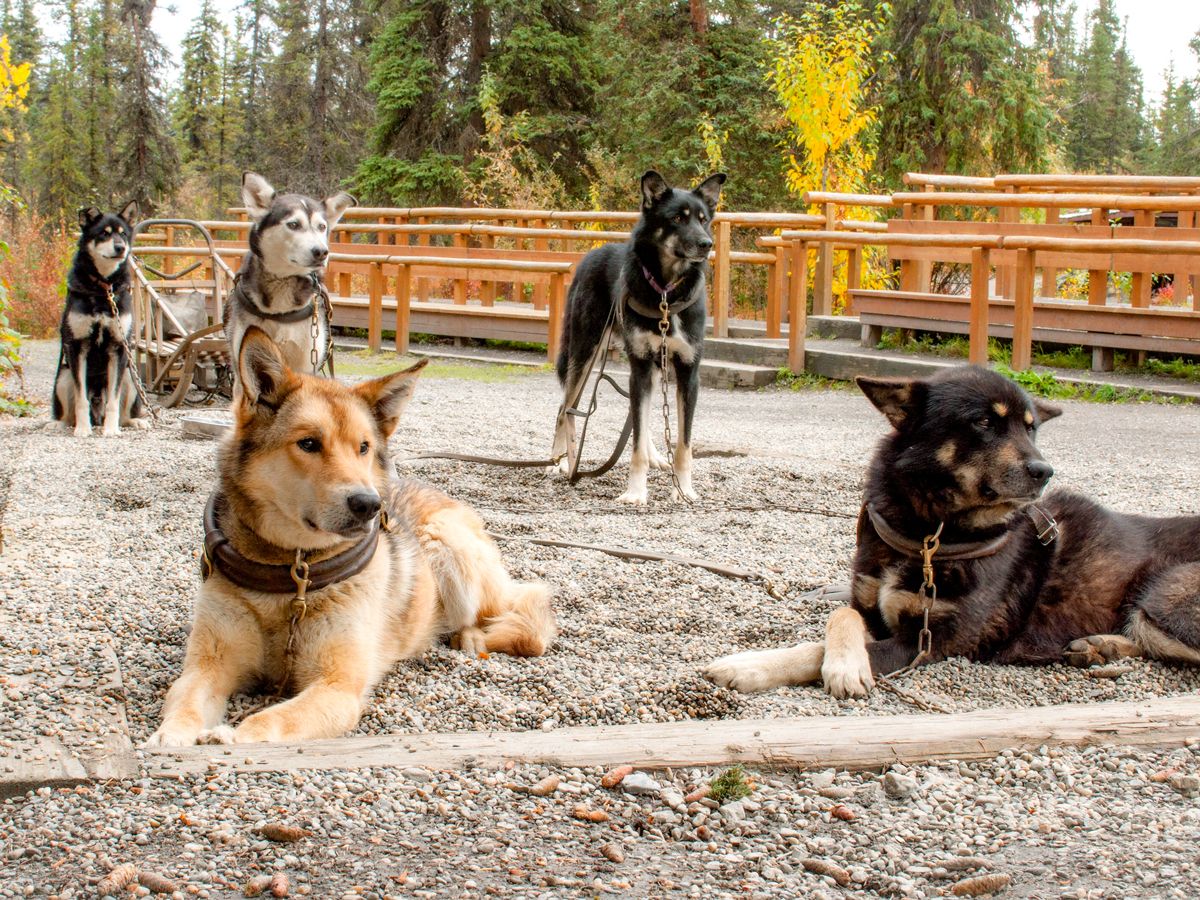
It wouldn’t be a trip to Alaska without spotting Denali — America’s tallest peak — in the distance. Named after this 20,310-foot mountain, Denali National Park is one of the most stunning national parks in the U.S., covering over 7,400 square miles of glaciers, rivers, boreal forests, and alpine tundra. For a memorable activity near the park, try your hand at dog-sledding. Husky Homestead is just outside the park entrance, and visitors can meet the active pups before racing through the surrounding snowy wilderness. You’ll be a pro at mushing by the end of the day.
Tip: Make Visit Anchorage your first stop for everything you need to plan your Alaska vacation.
Advertisement
More from our network
Daily Passport is part of Inbox Studio, an email-first media company. *Indicates a third-party property.