Does It Matter What Time You Check in for a Flight?
By
Marissa Kozma
Read time: 4 minutes
September 9, 2025
Updated: September 16, 2025
Does It Matter What Time You Check in for a Flight?
Tips •September 9, 2025•Updated: September 16, 2025
By Marissa Kozma
Author
Marissa Kozma
Marissa is a cheap airfare aficionado who loves exploring offbeat destinations with her husband. Based in Los Angeles and Joshua Tree, Marissa has been featured in publications such as San Diego Magazine, Palm Springs Life Magazine, 303 Magazine, and Mountain Living.
Given the fact that many airlines — especially low-cost airlines — charge for seat selection, it’s tempting to skip that add-on if you’re traveling on a budget or if you’re flying solo. But if you do opt to select your seat in advance, either for free or for a fee, you may be wondering if it really matters what time you check in for a flight. And if you’re checking bags, why waste time checking in online when you have to visit the counter at the airport anyway? However, the 24-hour window to check in online before your departure does matter for a number of reasons — here’s why you shouldn’t wait to do it until you get to the airport.
It’s always better to have options: If you didn’t pay to select a seat ahead of time, checking in to your flight early will ensure that you can choose between a window or an aisle seat before the rest of the seats on the plane are assigned. If other passengers beat you to the punch, chances are that you’ll end up with the dreaded middle seat and be unable to pay for an alternative or request a swap — especially if you have limited mobility and need to easily get in and out of your row, or if you wish to be seated closer to the bathroom. Selecting your seat ahead of time when you purchase your flight is a surefire way to avoid a headache, but if you opt to wait until check-in opens, make sure you grab your boarding pass right away.
Some airlines allow you to secure paid upgrades at check-in, so if there are only one or two upgrades available, the early bird will get the worm. These upgrade offers are often a great deal, particularly if the airline wants to fill unsold seats in the front cabin. Additionally, many airlines will upgrade frequent flyers who hold elite status in the days leading up to departure, which may free up better seats in the back of the plane. Likewise, some economy-class seats may be blocked for operational reasons or sold for an extra fee, but if they remain empty or unsold, they could become available to select for free come check-in time. Again, the early bird gets the worm, so it’s always worth checking the seat map as soon as check-in opens to see if your options have changed.
On some airlines, boarding order is determined by check-in time, so being among the first to check in means you can get situated on the plane before other passengers. For example, on Southwest Airlines, those who receive a boarding number that starts with A, based on check-in time, will also get to pick their own seats first, beating out those in B or C groups. Checking in early online will ensure a better boarding zone, so you don’t have to be the last on the plane. Boarding earlier can also help you secure overhead bin space for your carry-on. Note, however, that Southwest is changing its policy in 2026.
Although it’s generally recommended to arrive at the airport two hours before domestic flights and three hours before international flights, many passengers often mismanage time and end up in long counter lines. This can be especially true if they didn’t check in online and still need a seat or to purchase carry-on or checked bags. If you’re not checking your bag — or flying internationally and need to show your passport to an agent — you can often skip the physical counter line and head straight to TSA inspection if you’ve already checked in online and have your boarding pass on your phone. Even if you have to visit the counter to check a bag, some airlines have special shortcut lines at the airport for those who already have their boarding pass. And if you have an international leg, most airlines will allow you to fill out your passport information online during check-in, so the process can be even quicker.
According to the U.S. Department of Transportation, airlines are allowed to oversell flights to compensate for the fact that many travelers no-show for their flights. You never want to be the person who arrives at the airport only to realize that you don’t have a seat if the plane is overbooked. If you’re the last person to check in, you may be the passenger who is cut from the roster and bumped to a later flight, so checking in early can help you avoid this scenario.
Tips •September 8, 2025•Updated: September 8, 2025
By Cynthia Barnes
Author
Cynthia Barnes
Cynthia kicked around the world for a while before landing in Colorado. Her work has appeared in Food & Wine, the Boston Globe, and National Geographic, among others. She loves dives — both scuba and bars — baseball, the Oxford comma, and live music.
If you think you need to break the bank for an amazing all-American vacation, think again. While coastal hot spots such as New York City and San Francisco regularly draw hordes of tourists, they also attract attention for their eye-watering prices. Many of the country’s most desirable destinations welcome visitors with incredible experiences and surprisingly inexpensive prices. These cities are packed with enticing culinary scenes, stunning natural landscapes, rich history, and unrivaled cultural attractions. From the musical heritages of Memphis, Nashville, and Kansas City to Washington, D.C.’s free world-class museums, these budget-friendly destinations show that memorable vacations don’t have to command a premium price. Here are six of our favorite surprisingly affordable U.S. cities to visit.
Kansas City, Missouri
Credit: TriggerPhoto/ iStock via Getty Images Plus
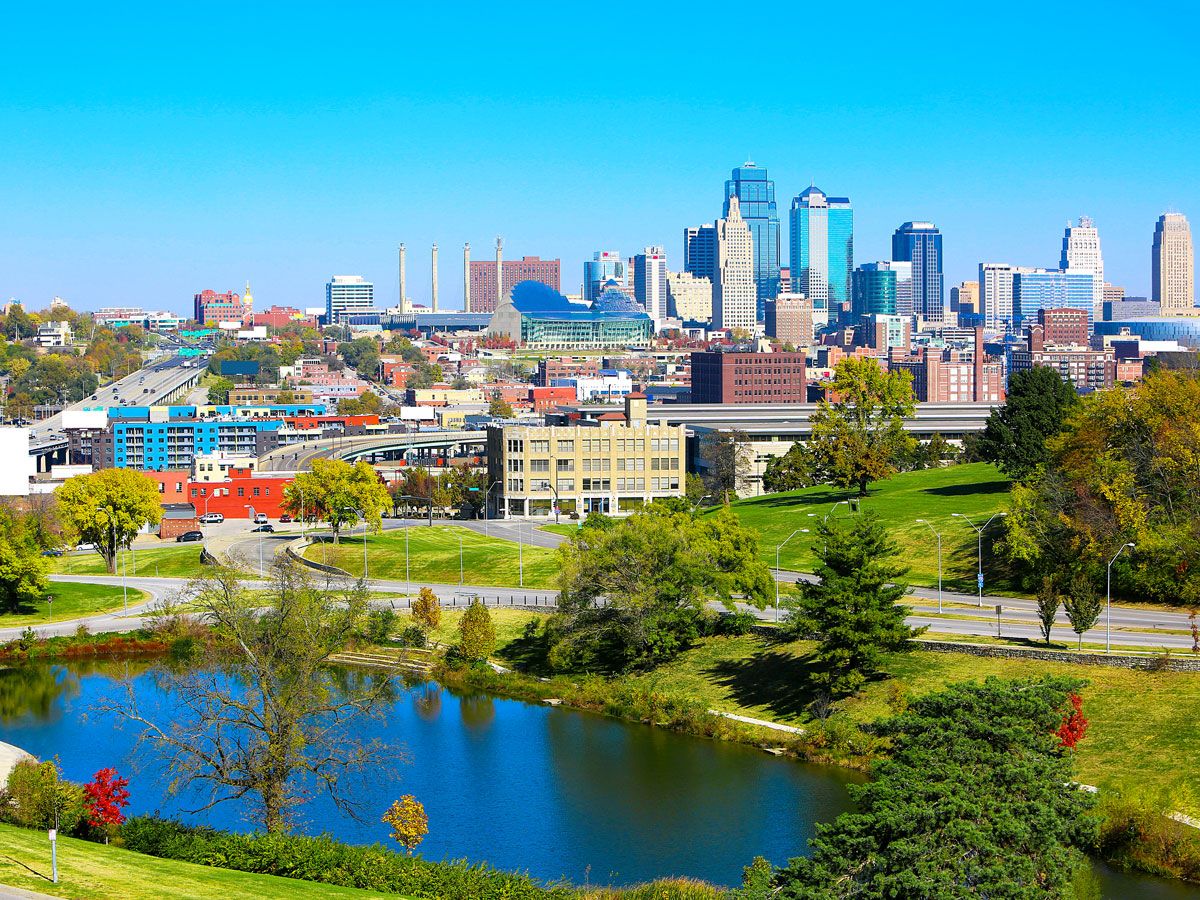
It’s easy to see why this Midwest gem consistently ranks among America’s most affordable major cities to visit. Located less than three hours by plane from either coast, Kansas City offers an easy and affordable way to gather friends and family in one central location.
In particular, the city’s cultural attractions often punch well above their price point. From fountain tours (KC has more public fountains than any city except Rome) to free brewery samples, impressive museums, and an extensive parks system, Kansas City delivers top-notch experiences at reasonable prices.
And then, there’s the food. Sizzling steaks, handcrafted cocktails, and fresh, local produce — you’ll find it all in Kansas City. The city’s legendary barbecue scene offers incredible value; at spots such as Joe’s Kansas City and LC’s Bar-B-Q, diners can expect to enjoy hearty meals for less than $25. And don’t forget the free streetcar system, which connects downtown attractions and cuts down on transportation costs.
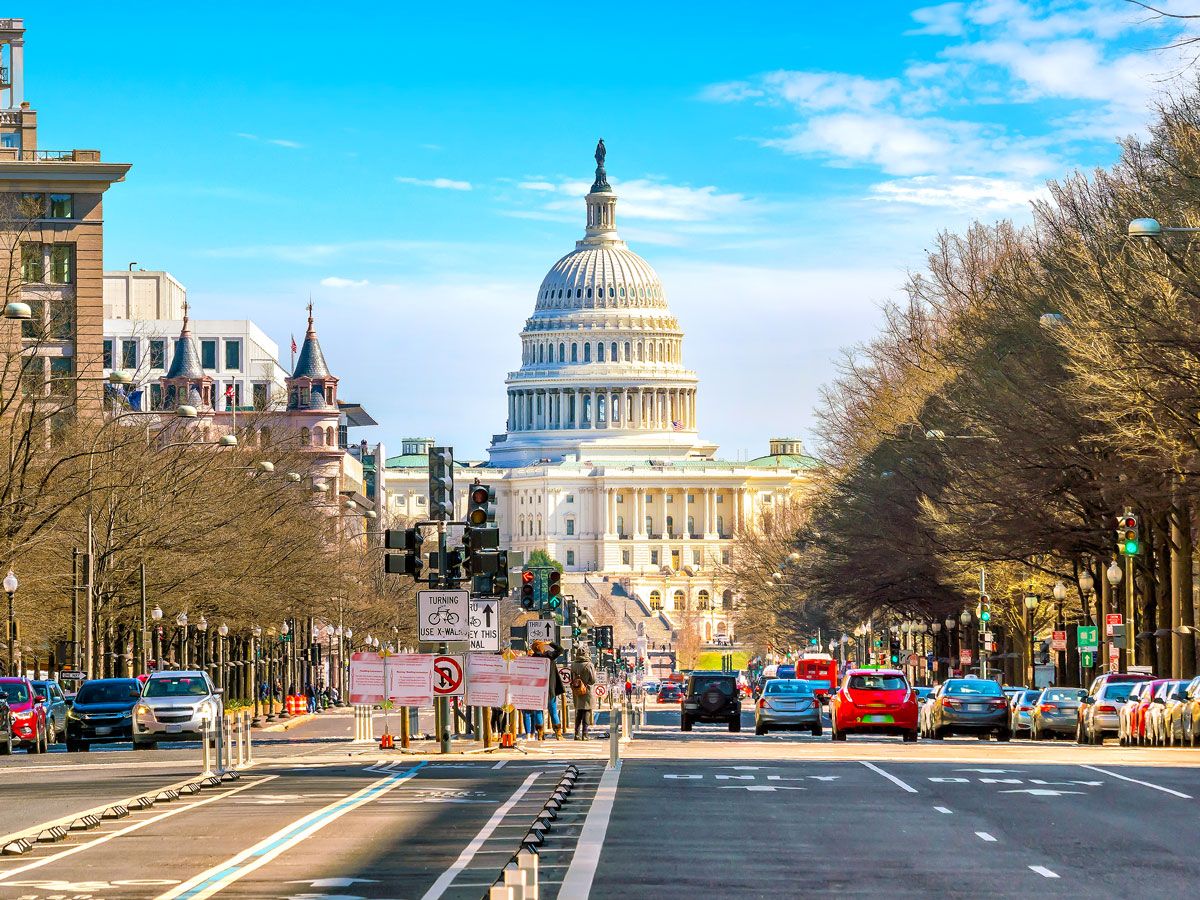
The nation’s capital might seem expensive, but it’s actually one of America’s best travel values when you consider what’s free. Attractions that might command over a hundred dollars for a family elsewhere cost nothing here: All Smithsonian museums, the National Zoo, some Kennedy Center performances, and many monuments are absolutely free. The excellent and affordable Metro system makes getting around easy (and also makes suburban stays in nearby Virginia and Maryland an attractive option for lodging).
Although D.C. boasts many Michelin-recognized restaurants, food trucks and casual spots regularly offer meals for well below $20. The diverse international dining scene provides excellent affordable and midrange options, including cuisine from Iran, Colombia, Croatia, and more.
Tours of the Capitol, Supreme Court, and Library of Congress are also free, and even visiting the Washington Monument costs only a dollar. Countless cultural events — including the National Cherry Blossom Festival and Fourth of July celebrations — similarly cost nothing, while biking or strolling the Tidal Basin and National Mall are a great way to explore the country’s history.
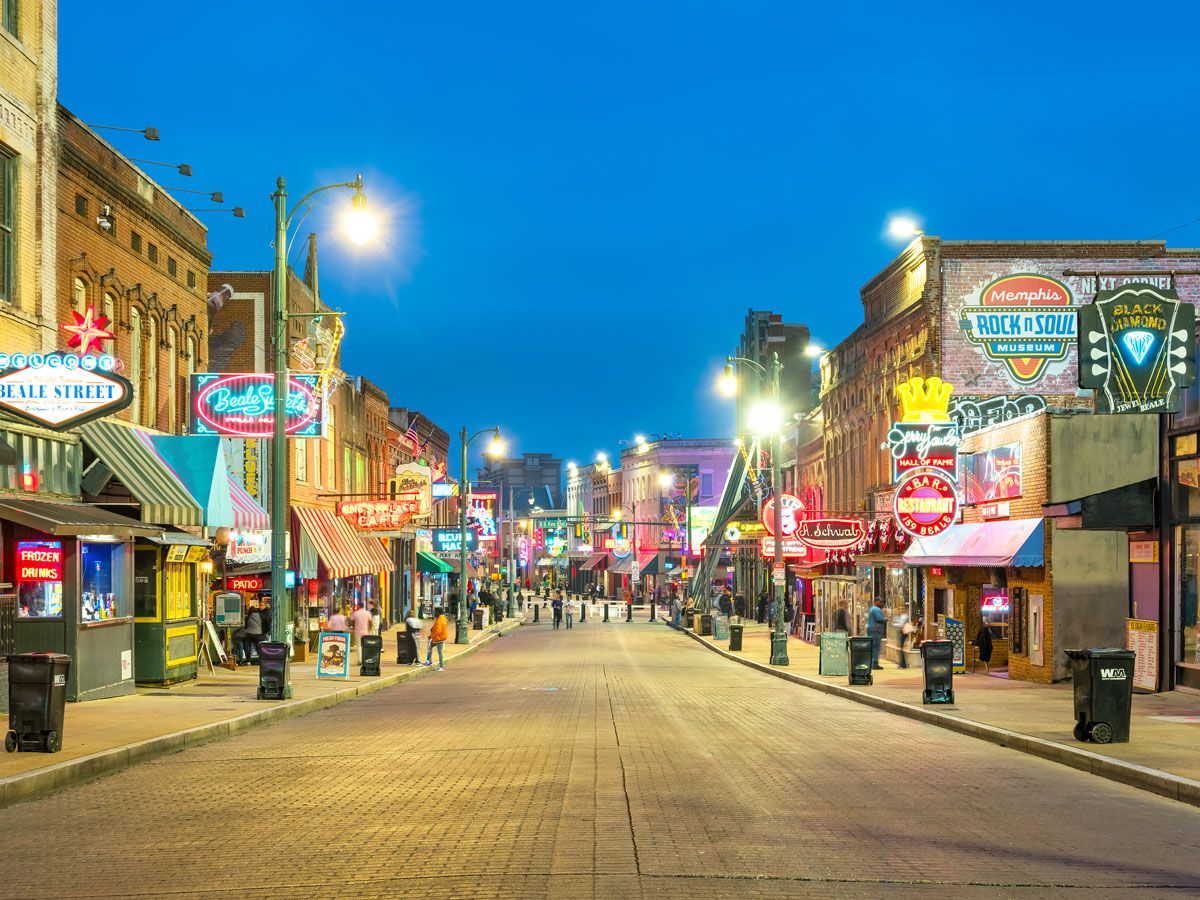
Delivering authentic culture at affordable prices, Memphis should not be missed. Hotels are generally affordable in the “Home of the Blues” — even a night at the landmark Peabody Hotel can be enjoyed for less than $200. (And don’t miss the legendary duck parade!)
Barbecue joints like Central BBQ and Gus’s World Famous Fried Chicken serve generous portions for reasonable prices. Another highlight is the soul food at the Four Way: The restaurant was a favorite of leaders of the Civil Rights Movement, such as Martin Luther King Jr. and Rev. Jesse Jackson. To this day, the affordable home cooking can’t be beat.
After you enjoy a meal, the iconic musical history of Memphis begs to be explored. Graceland tours start at $42, but the Blues Hall of Fame is just $15 for adults, and many outdoor concerts at Tom Lee Park are free. The city is also a nonstop whirl of festivals bringing in nationally known performers: Check out RiverBeat, Shell Fest, and the International Blues Challenge for a taste.
Many clubs offer free live music during the early evening hours, while legendary music venues along Beale Street often have minimal cover charges of around $5 to $10. Memphis’ compact downtown makes many attractions walkable, and the free trolley system connects major points of interest.
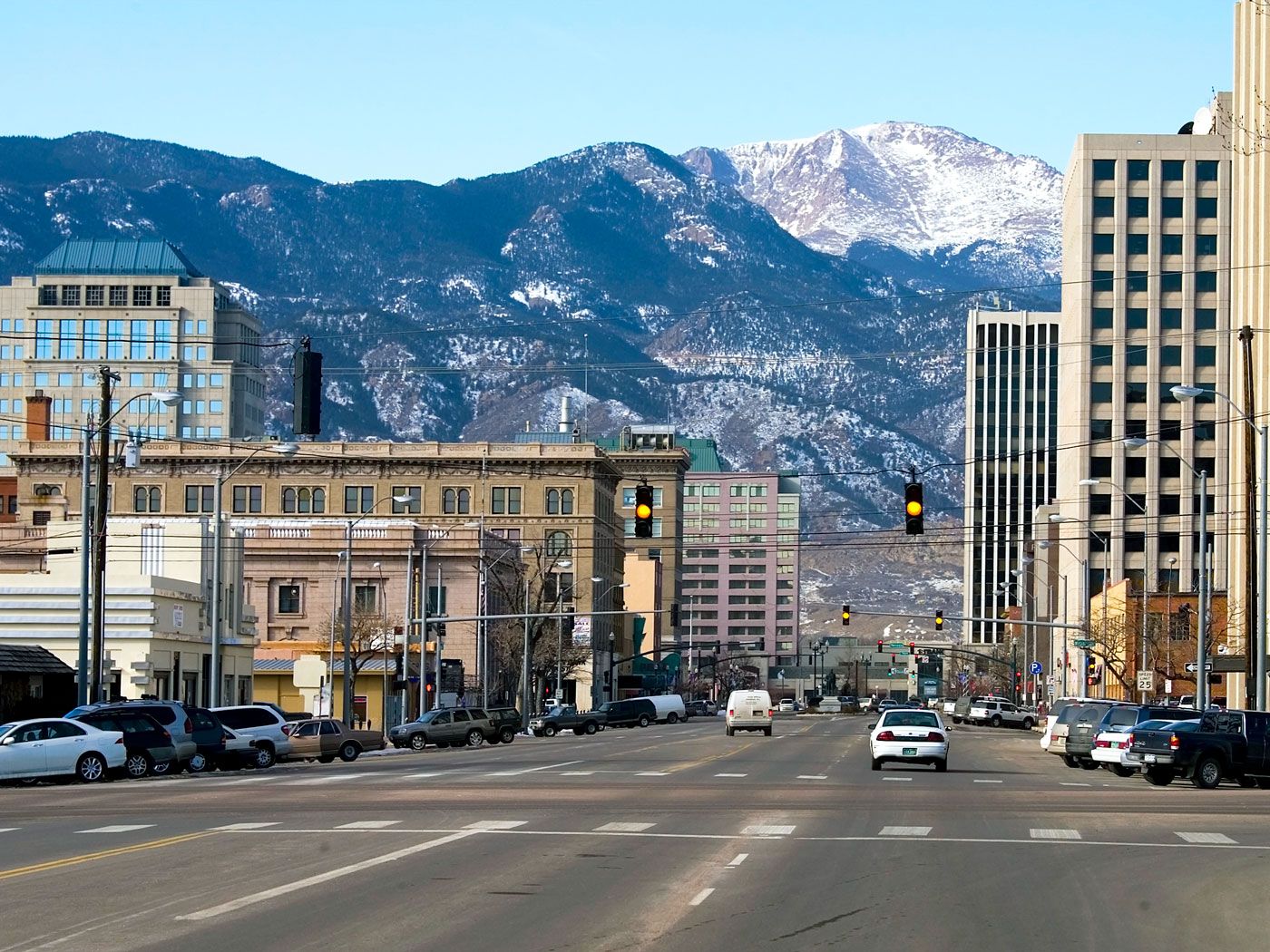
Combining stunning natural beauty with reasonable costs, Colorado Springs offers a Rocky Mountain vacation priced significantly lower than destinations such as Aspen or Vail. The city is home to the iconic Broadmoor Hotel, and even if you’re not splurging for an overnight stay, you can still enjoy a drink in the opulent lobby and a stroll around the immaculate grounds.
For a mountain destination, dining costs in Colorado Springs remain modest. The craft brewery scene offers excellent value, with tasting flights often costing less than $15. Local stores also stock hiking supplies and picnic ingredients at reasonable prices, making it easy to take advantage of the area’s natural attractions.
The world-famous hiking and rock formations at Garden of the Gods are completely free, and even touring by car provides an accessible glimpse at the park’s grandeur. The cog railway to the top of Pikes Peak’s purple mountain majesty costs a steep $58, but for those willing to splurge, it offers an unforgettable experience. On the other hand, driving your own car up the winding road to the top costs $18 per adult (or $65 per vehicle for up to five passengers), plus a $2 timed-entry permit during peak season. (No matter how you get to the summit, be sure to indulge in a “donut in the sky” while you’re there.)
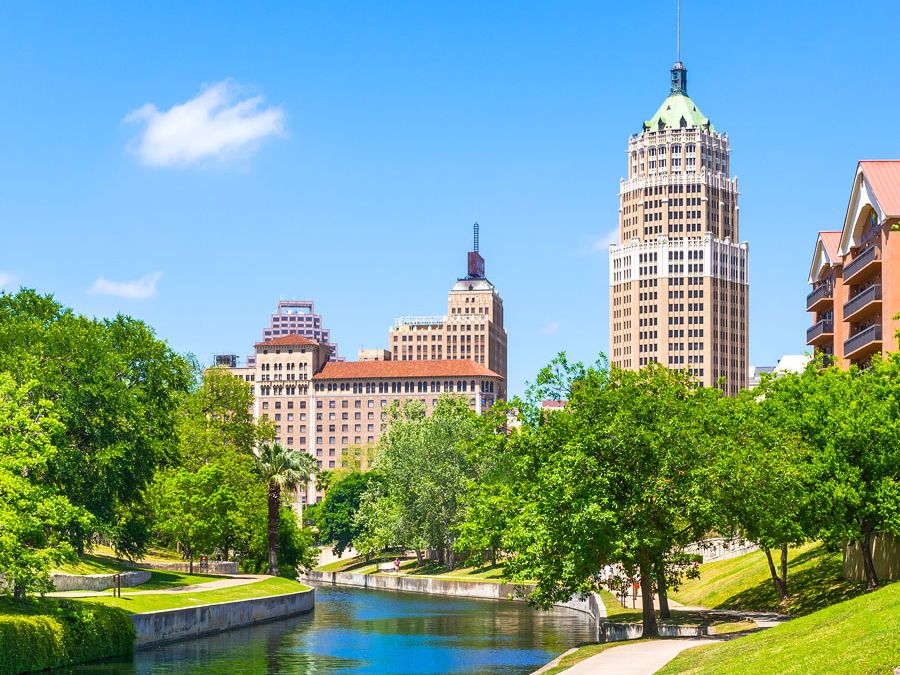
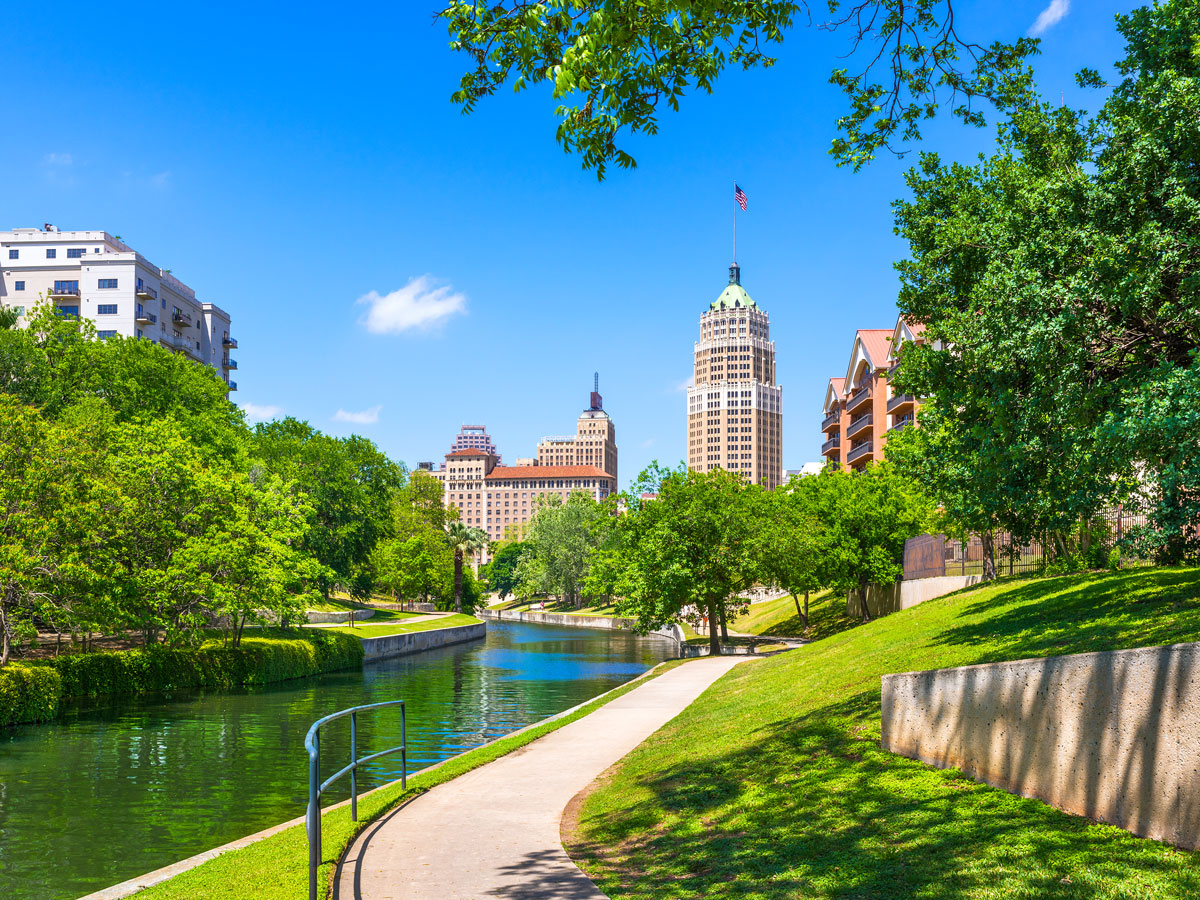
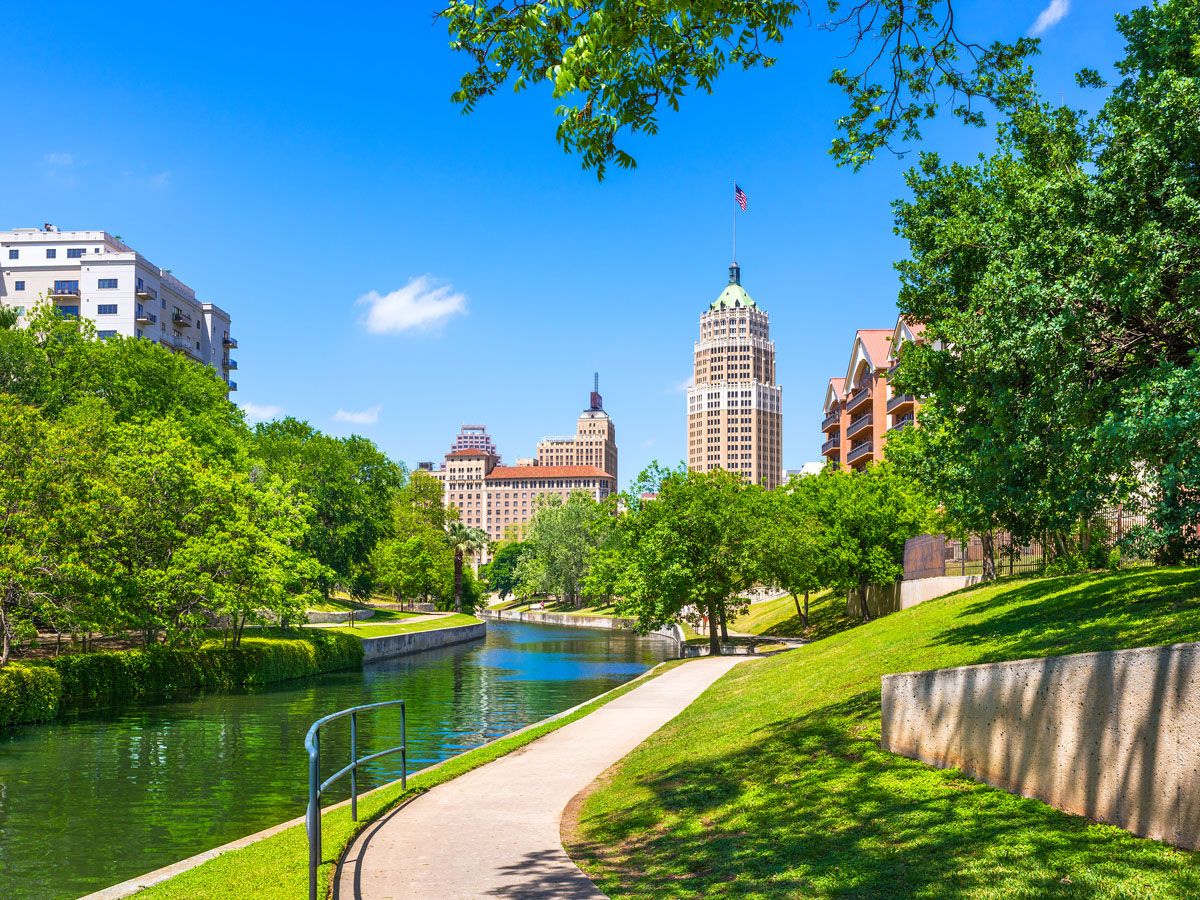
San Antonio consistently ranks among America’s most affordable major cities, and the compact downtown keeps transportation costs to a minimum. Mouthwatering Tex-Mex cuisine offers plentiful portions at pleasing prices, happy hour specials abound, and the city’s numerous food halls provide tasty variety on a budget.
The city has plenty of free and low-cost attractions, too. The picturesque River Walk costs nothing to explore, while narrated boat tours run approximately $15 to $25. The four historic Spanish colonial missions at San Antonio Missions National Historical Park charge no admission, and many festivals throughout the year are free to attend.
The San Antonio Museum of Art, meanwhile, offers free admission for residents and discounted days for visitors. Historic Market Square hosts free cultural events, and the King William Historic District provides excellent and affordable walking tours. With a low-cost public transportation network and free parking in many areas, Alamo City delivers rich cultural experiences and historic significance at budget-friendly prices.
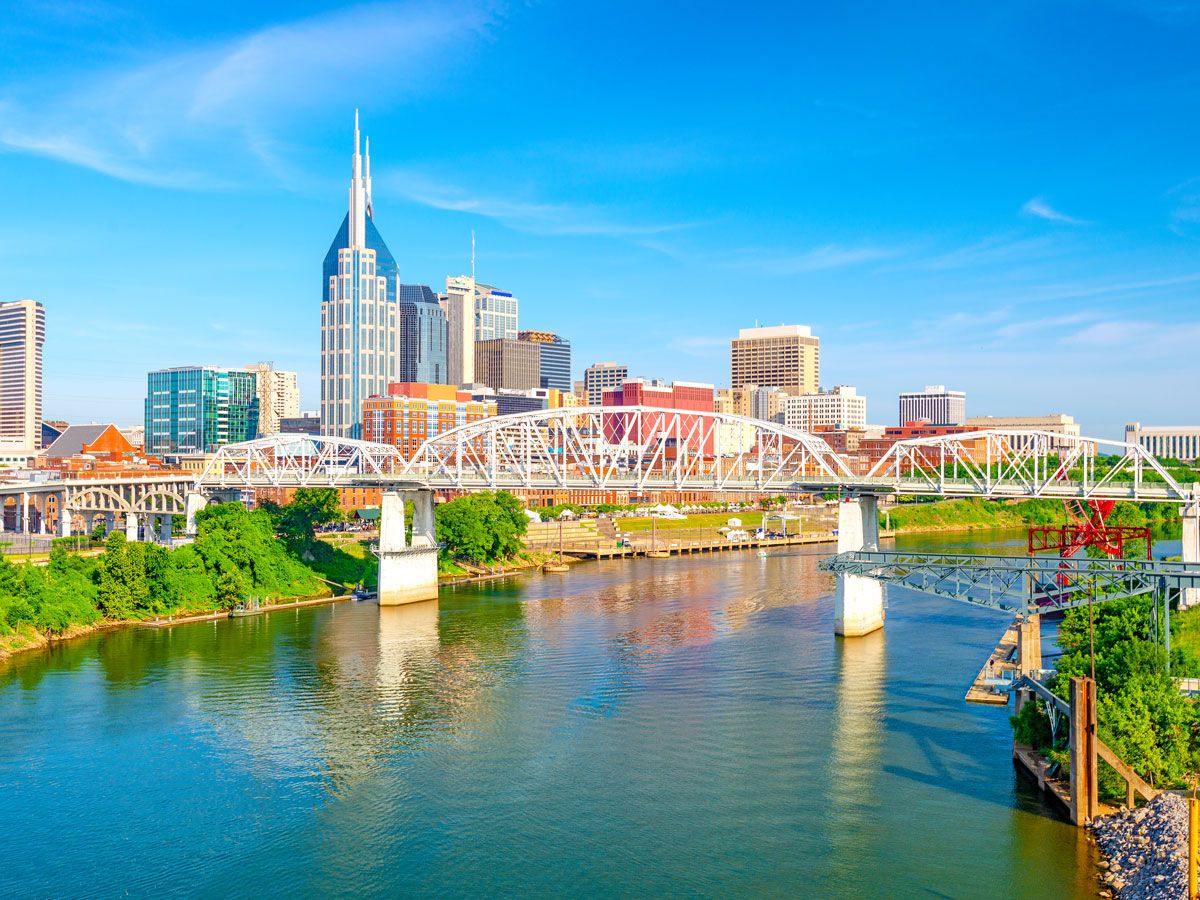
While Music City has been gaining popularity in recent years, it’s still possible to find affordable lodging, transportation, and dining options — which means that your Nashville getaway doesn’t have to break the bank. Nashville’s legendary music scene often offers incredible value: Many honky-tonk venues on Broadway provide free live music daily, while cover charges at premium venues rarely exceed $15. The Country Music Hall of Fame costs $26, but the city hosts numerous free outdoor concerts year-round, especially during CMA Fest and other festivals.
Famous hot chicken spots such as Hattie B’s serve generous portions for under $20, while emerging neighborhoods including the Gulch and Music Row provide excellent midrange dining options. Free activities abound, from exploring the full-scale Parthenon replica at Centennial Park to walking around the vibrant murals throughout the city.
Advertisement
More from our network
Daily Passport is part of Inbox Studio, an email-first media company. *Indicates a third-party property.
Tips •September 8, 2025•Updated: September 9, 2025
By Rachel Gresh
Author
Rachel Gresh
Rachel is a Washington, D.C.–based travel and lifestyle writer with roots in the Great Lakes region. When she’s not writing for publications such as The Discoverer and Interesting Facts, you’ll find her wandering through museums or exploring destinations off the beaten path.
Have you ever dreamed of traveling not just to a destination, but to a specific moment in time? With retro travel, you can do just that. This vacation trend is all about creating new memories in nostalgic settings. Imagine sipping a malted milkshake at a 1950s-style diner or watching a St. Tropez sunset aboard a classic 1960s-era Riva boat. Retro travel invites you to bridge the gap between past and present, connecting you to your favorite moments in time — or moments you wish you could have experienced firsthand. Find out how to celebrate the joy of “the good old days” by embracing the retro travel trend.
Why Time Travel Is Trending
Photo credit: Image courtesy of Hilton Madison
Nostalgic travel is on the rise. According to research from Hilton Hotels, “recreating memories” ranks as the third-most popular reason for leisure travel in the United States in 2025. Furthermore, 58% of global travelers expressed their desire to visit destinations tied to their childhood.
The term “retro,” by definition, describes something that is imitative of a style, fashion, or design from the recent past. But the retro travel trend is also about personal connections to these memories. You might be dreaming of wandering the streets of London like your favorite band, the Beatles, did in the 1960s. Or perhaps you’d like to soak up the sun in the streets of Miami, surrounded by 1920s art deco architecture and swaying palms. Retro travel can also be as simple as taking a day trip to a drive-in movie theater or renting a spot at your favorite childhood campground. Essentially, if it stirs up memories from the not-so-distant past, it qualifies as retro. Below, explore a few ideas for your next retro getaway.
Set Out on an Americana Road Trip
Credit: Tiago_Fernandez/ iStock Editorial via Getty Images Plus
A road trip is one of the most nostalgic ways to see the U.S. While there are many worthwhile routes to choose from, none captures the essence of classic Americana quite like Route 66. Spanning from Chicago, Illinois, to Los Angeles, California, this highway features all the key elements of a bygone era, from roadside diners and motels to kitschy attractions and quirky museums.
At the eastern end of Route 66, you’ll find one of Chicago’s oldest diners still in operation, Lou Mitchell’s. This classic eatery has been fueling travelers with all-day breakfast since 1923, three years before Route 66 first opened. On the opposite end of the route lies Santa Monica Pier, home to one of the best photo ops on Route 66: the famous “End of the Trail” sign.
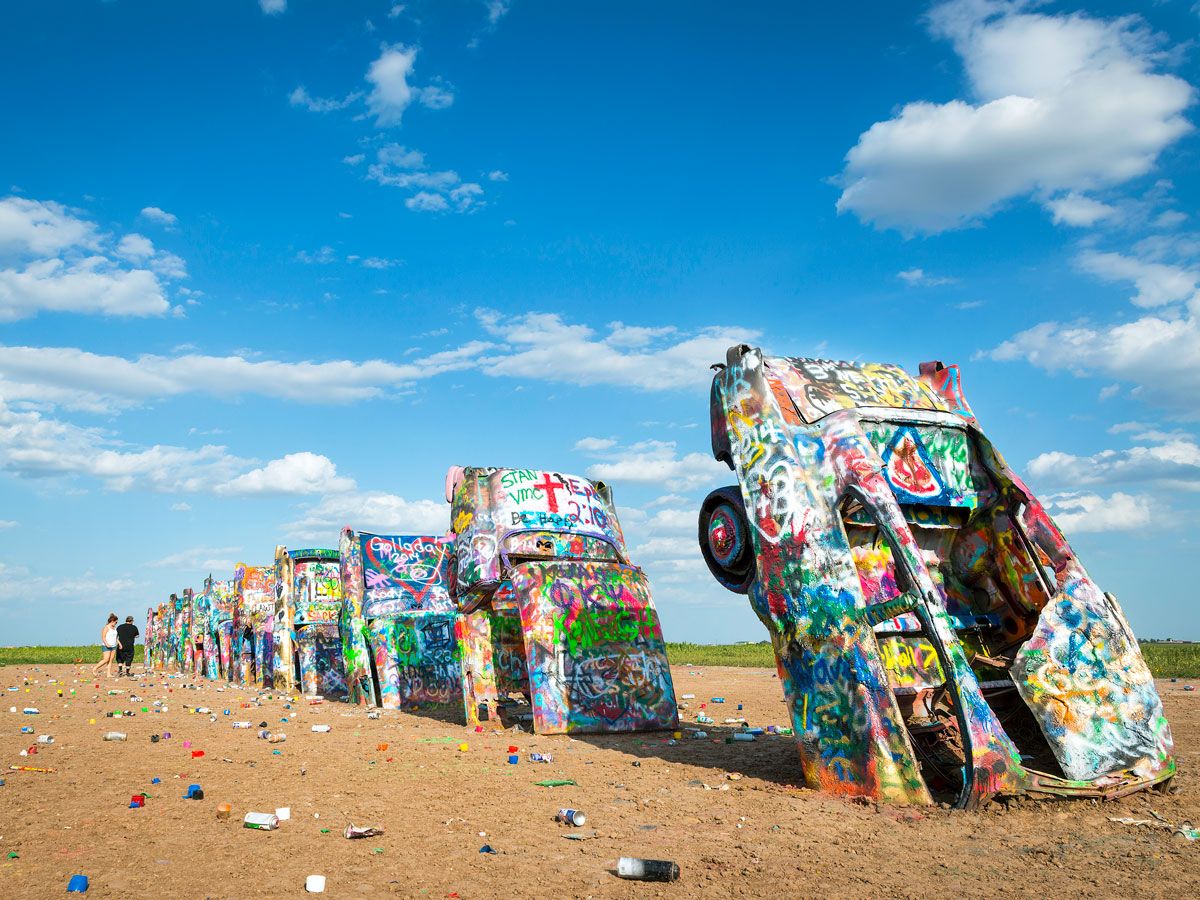
Whichever way you travel, the journey is just as memorable as the destination. Along the way, keep your eyes peeled for eccentric roadside attractions that make Route 66 a nostalgia-fueled ride. Oklahoma’s Blue Whale of Cantoosa, Amarillo’s Cadillac Ranch in Texas, and the Wigwam Motel in Holbrook, Arizona, are among the many highlights.
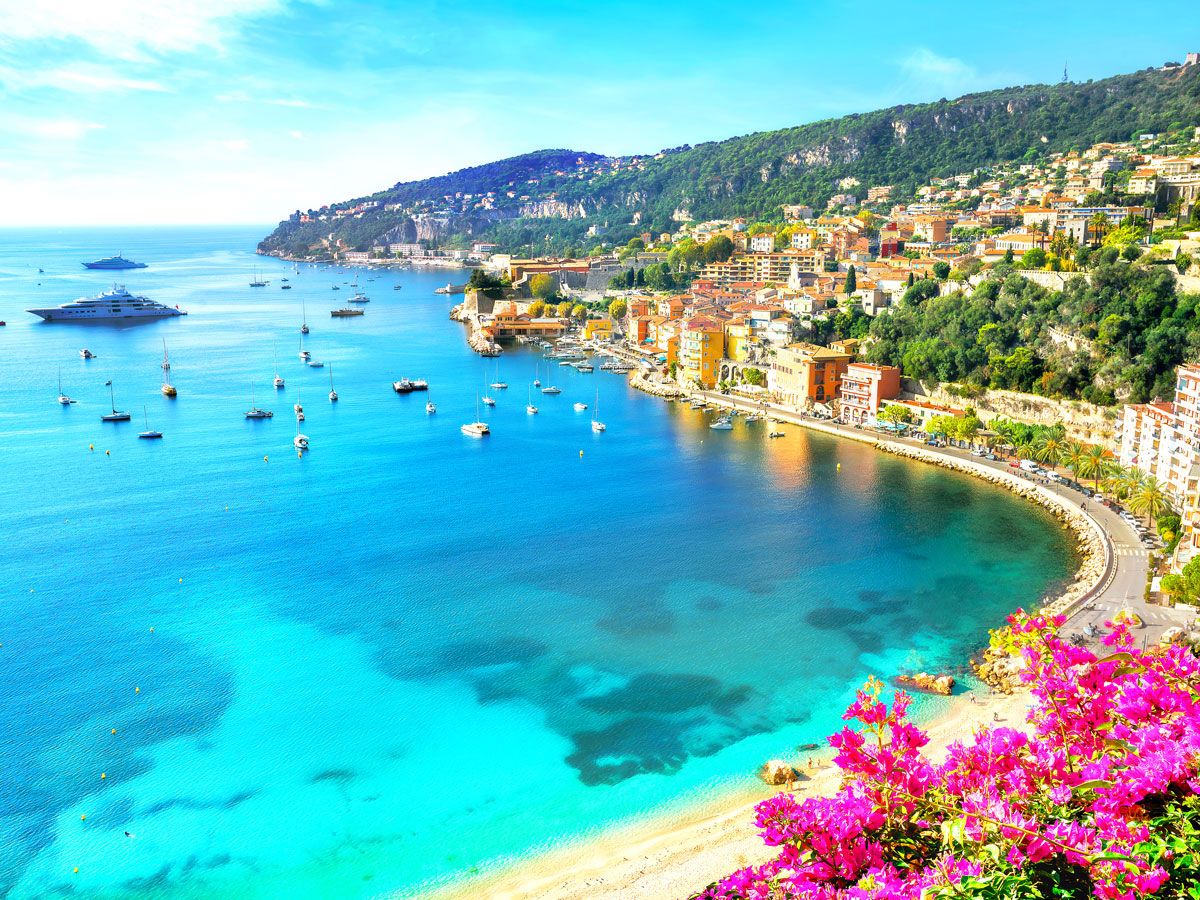
Picture this: You’re relaxing at a stylish beach club under striped umbrellas while enjoying a refreshing spritz or traditional gelato, just as iconic Hollywood stars did on the Italian and French Rivieras during the mid-20th century.
Today, you can embrace the spirit of la dolce vita (Italian for “the sweet life”) in the picturesque Italian fishing village of Portofino, where legends including Elizabeth Taylor, Humphrey Bogart, and Clark Gable frequently vacationed. One of the most glamorous hotels in the region, Splendido, was known to host royals and celebrities during these halcyon days. Elevate your stay by chartering a classic mahogany Riva boat, a symbol of sophistication during this era.
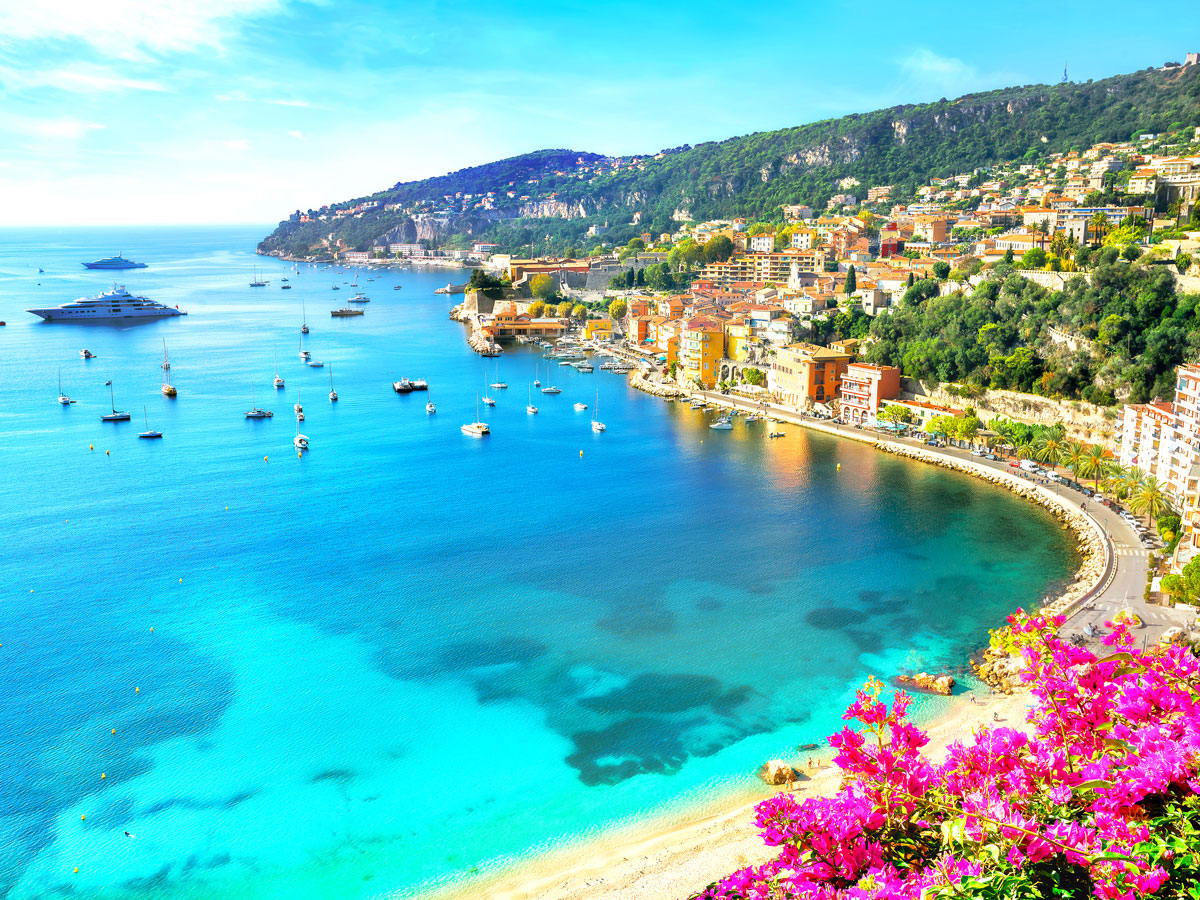
On the French Riviera, seaside retreats such as Nice, Monaco, St. Tropez, and Cannes also offer a taste of Old Hollywood magic. Explore chic hotels, retro beach clubs, and French vintage markets, or partake in some Gatsby-inspired sightseeing at the Villa Ephrussi de Rothschild in Saint-Jean-Cap-Ferrat. Built in the early 20th century, this bubblegum-pink villa features nine themed gardens that overlook the Mediterranean Sea. And don’t forget the timeless Monte Carlo Casino in Monaco, a staple of the French Riviera, with vintage sports cars parked outside the glamorous Belle Époque-style building.
Before the Jet Age, to cross the Atlantic aboard ocean liners often took a week or so, but those lucky travelers could take advantage of the leisurely pace with ballroom dancing, gourmet meals, and evenings beneath the stars.
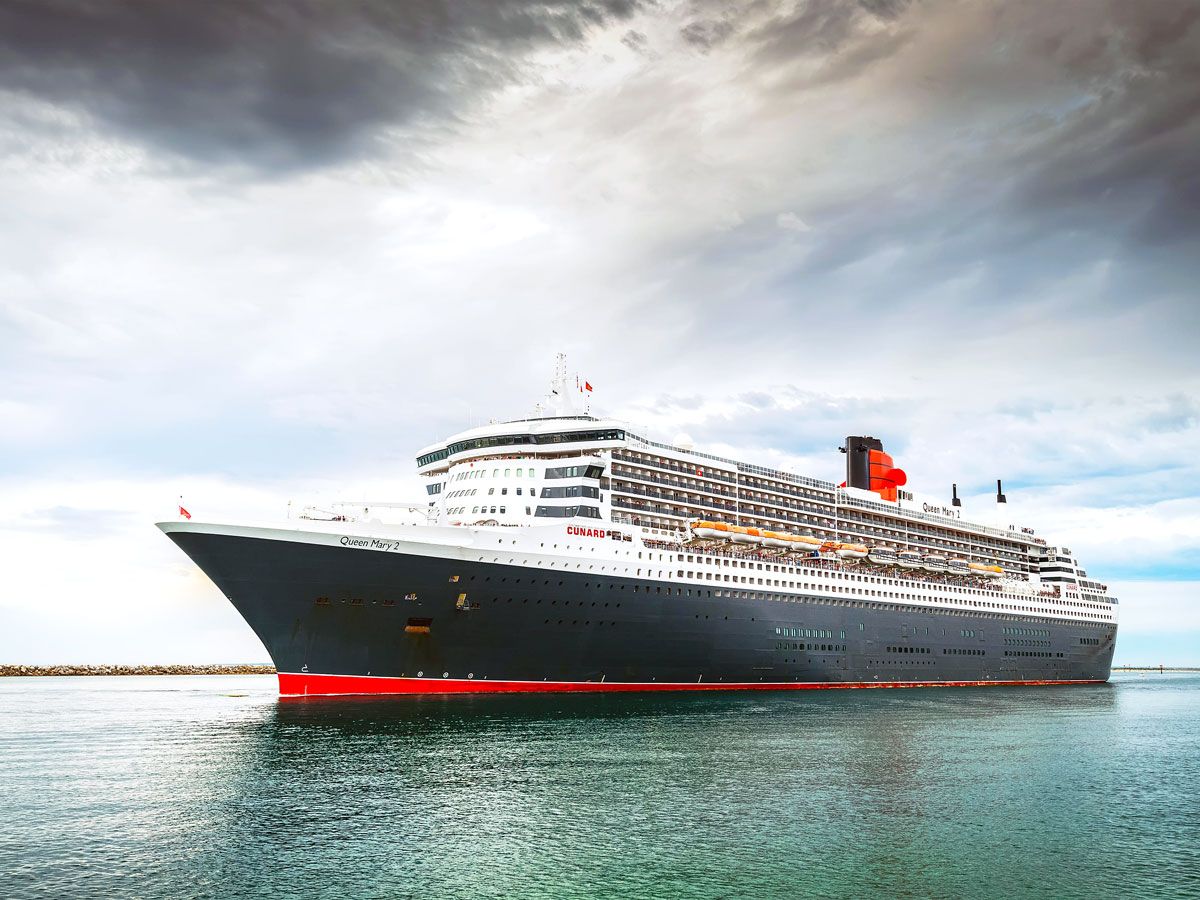
Reminiscent of a floating time machine, the Queen Mary 2 is the only modern version of an ocean liner sailing today, transporting guests between New York City and Southampton, England. This isn’t your typical cruise ship — you won’t find any waterslides or thrill rides — but the Queen Mary 2 epitomizes the spirit of the classic ocean liner.
While aboard, guests are invited to take afternoon tea on the high seas, attend a black tie gala, or sip Champagne to the backdrop of live music. For an added touch of nostalgia, consider booking your getaway through a tour company like Ahoy Vintage Cruises, where you can immerse yourself in themed itineraries, such as a 1920s art deco journey aboard the ship.
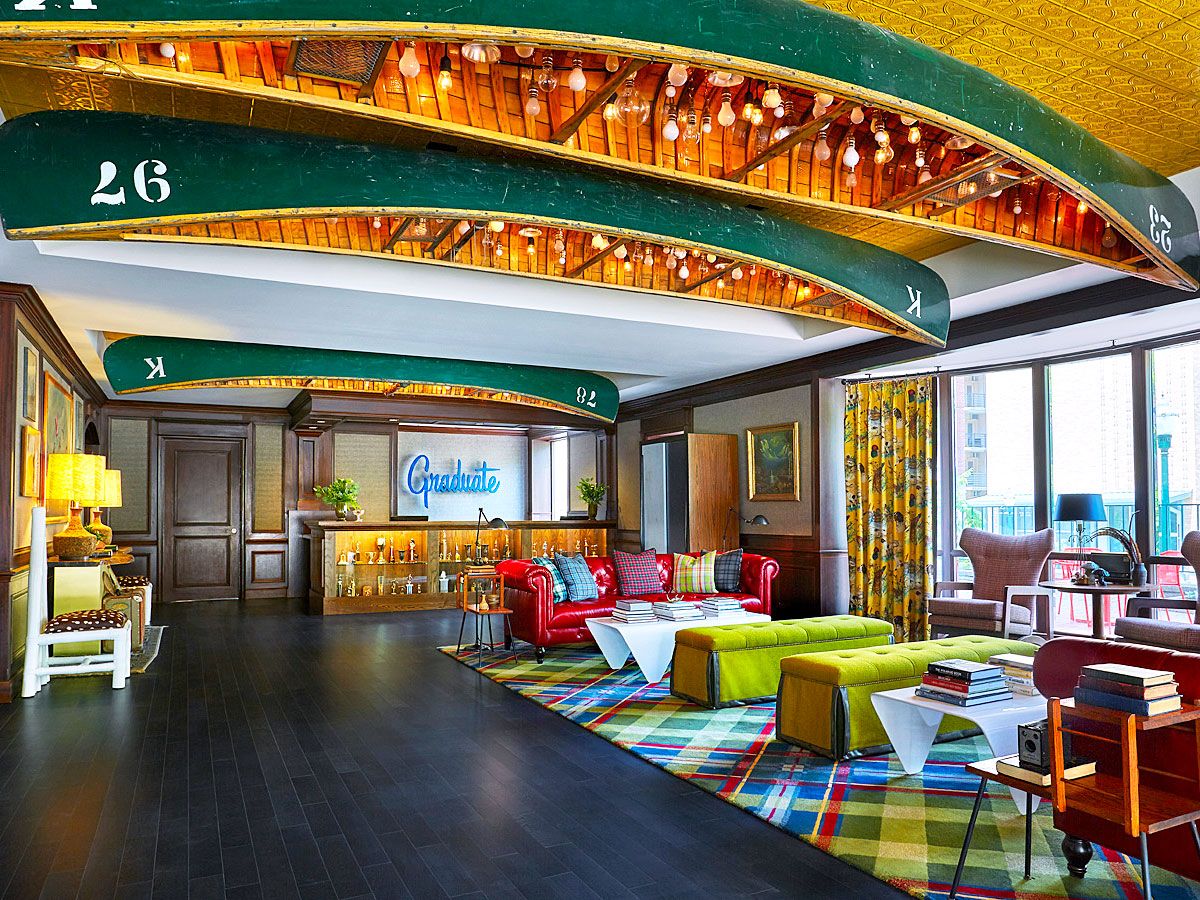
Sometimes, the hotel itself is the destination, where you can fully immerse yourself in your chosen retro time period. Take, for example, the Très Hotel in Kuala Lumpur, Malaysia. Inspired by Wes Anderson’s unique filmmaking style, this hotel features suites with names such as “the Rushmore” and “the Moonrise,” and it leans into the retro theme with a candy-hued 1960s color palette, funky decor, and mismatched furniture.
In Spain’s Balearic Islands, the Paradiso Ibiza Art Hotel brings the atmosphere of Miami’s Ocean Drive in the 1970s and ’80s to the Mediterranean. This playful beachside retreat feels like stepping into a time capsule. It features bold and bright suites equipped with vintage amenities, including Marshall speakers and Smeg refrigerators.
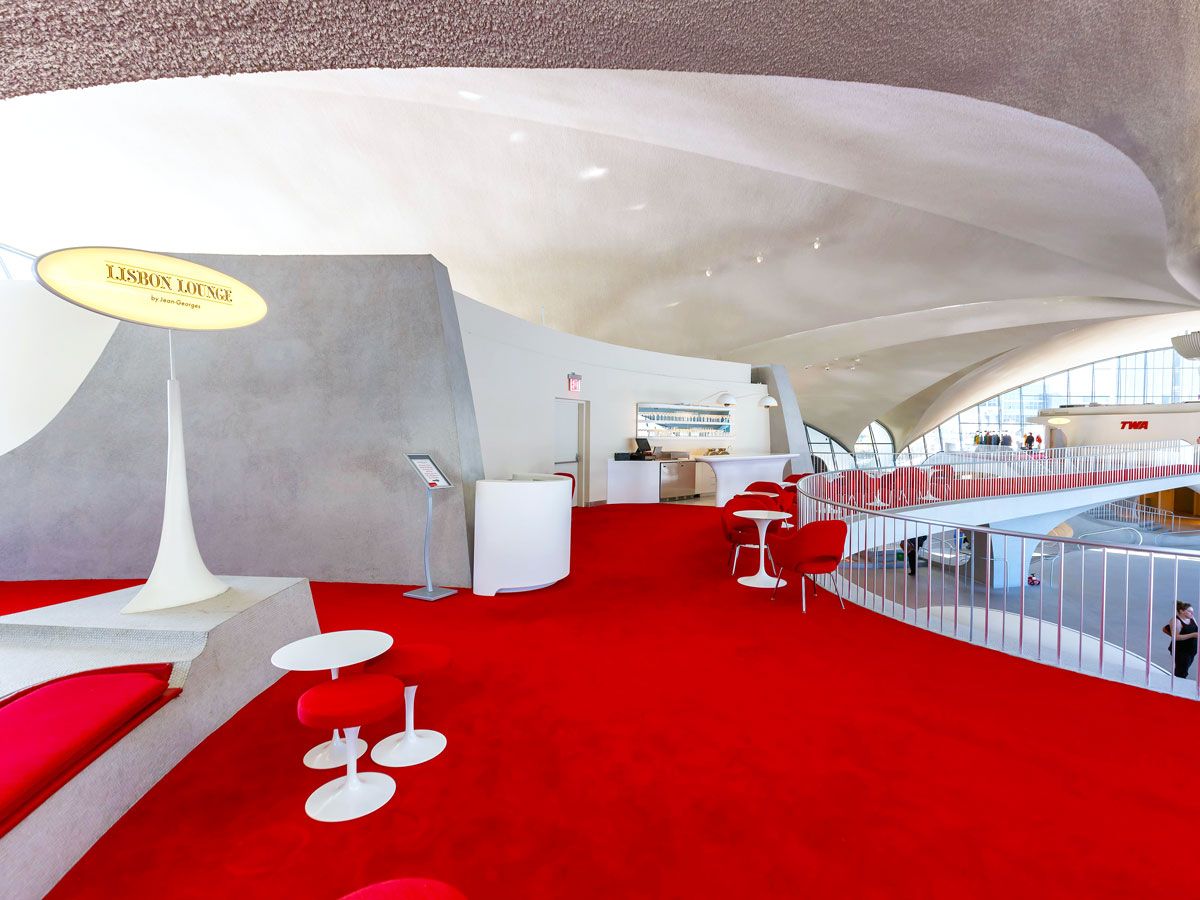
Back in the United States, the TWA Hotel at New York’s JFK Airport stands out as one of the most nostalgic accommodations in the country. This mid-century modern marvel transports visitors back to the golden age of air travel; in fact, it’s housed in the iconic TWA terminal at JFK that opened in 1962 and reopened as the hotel in 2019. One of its most notable features is the restored 1958 Lockheed Constellation aircraft parked outside, which has been converted into a bar called Connie. The TWA Hotel recently won the 2025 Skytrax World Airport Award for the Best Airport Hotel in North America, proving that nostalgia-influenced travel remains more popular than ever.
I Visited All 30 MLB Stadiums — Here’s My Ranking of the Best Ballparks
By
Bennett Kleinman
Read time: 18 minutes
September 4, 2025
Updated: September 4, 2025
I Visited All 30 MLB Stadiums — Here’s My Ranking of the Best Ballparks
Culture •September 4, 2025•Updated: September 4, 2025
By Bennett Kleinman
Author
Bennett Kleinman
Bennett is a New York City-based staff writer for Daily Passport. He previously contributed to television programs such as the Late Show With David Letterman, as well as digital publications like the Onion. Bennett has traveled to 48 U.S. states and all 30 Major League Baseball stadiums.
In 1997, I attended my first baseball game at the former Yankee Stadium. I didn’t realize it at the time, but that was the start of my journey to becoming an avid baseball fan. Eventually, it became a personal goal of mine to visit all 30 active MLB stadiums. After nearly three decades of traveling around the country, I finally accomplished that feat in 2025. Looking back, I can say that each ballpark had something to offer and that I have fond memories of all the games I got to experience in person. But some stadiums stood out more than others, and as a baseball superfan who views the sport as a great excuse to travel to a new city, I set out to rank all 30 ballparks in the league, hoping to help other travelers narrow down their bucket lists. Without further ado, here is my ultimate (and highly subjective) ranking of the best baseball stadiums in America.
30. Sutter Health Park – West Sacramento, California
Credit: JasonDoiy/ iStock Unreleased via Getty Images
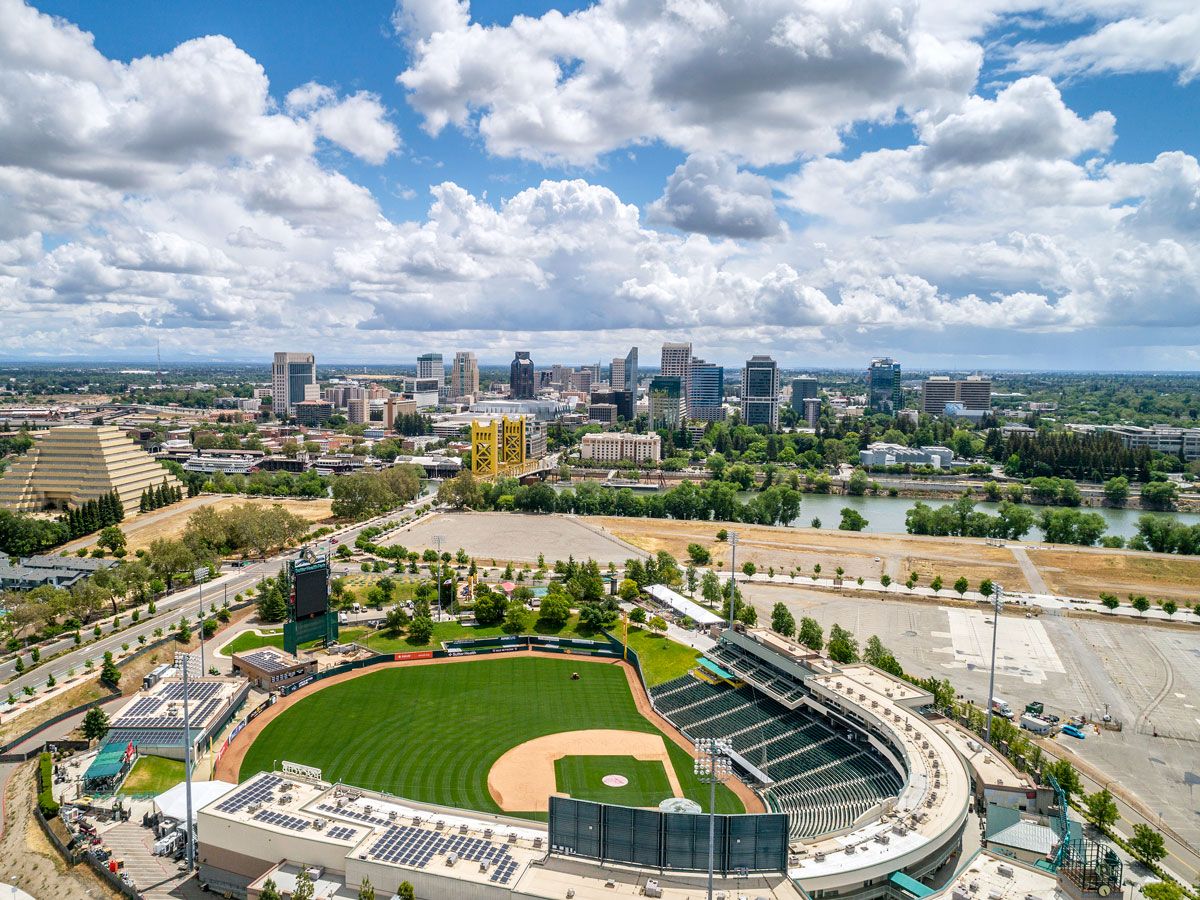
Located roughly a mile west of the California State Capitol, Sutter Health Park was originally built in 2000 as a Minor League Baseball stadium. However, it currently serves as the temporary home of the Athletics (formerly of Oakland) until their planned relocation to Las Vegas in 2028. It was also the 30th and final active MLB ballpark I needed to visit to finish my goal of visiting every single stadium. I enjoyed the stadium for what it was, but the reality is it’s a small ballpark with limited amenities, so it lands at the bottom of my ranking. That said, Sutter Health Park will always hold a special place in my heart for being the last stop on my journey in July 2025 — at least until future MLB stadiums are built.
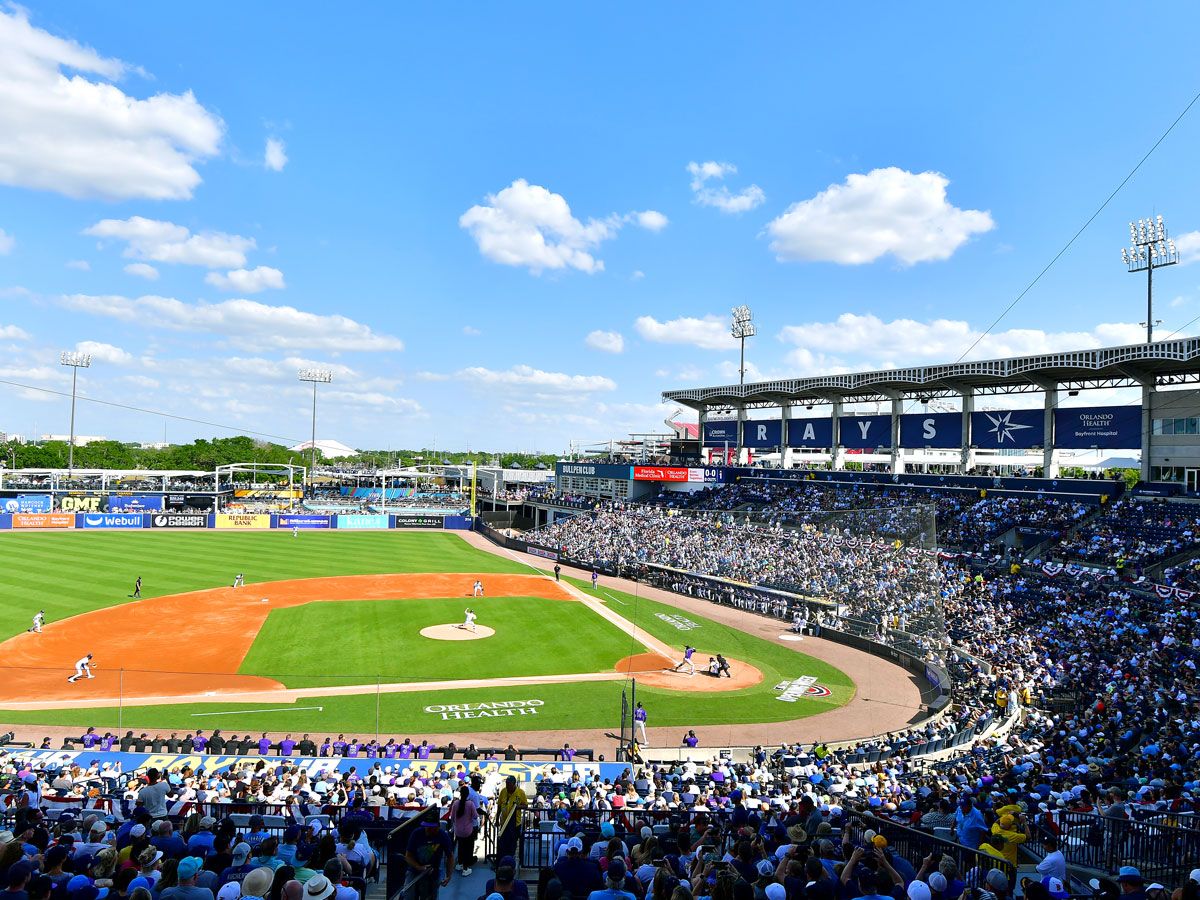
George M. Steinbrenner FIeld, located in northwest Tampa, is technically administered by the New York Yankees, who hold spring training there each year. As of 2025, however, it’s also the current home of the Tampa Bay Rays, who are temporarily displaced due to extensive damage to their usual home stadium, Tropicana Field, from Hurricane Milton in 2024. I have fond memories of visiting Steinbrenner Field in 2004 to see my beloved Yankees train for the season ahead. But, like Sutter Health Park, it’s a small stadium with fewer amenities than a true MLB ballpark. I’ll add that I did see the Rays play at Tropicana Field in 2023, so as soon as they move back after renovations, expect their home field to get bumped up a few spots in my ranking of the best MLB stadiums.
28. Rate Field – Chicago, Illinois
Credit: Joseph Weiser/ Icon Sportswire via Getty Images
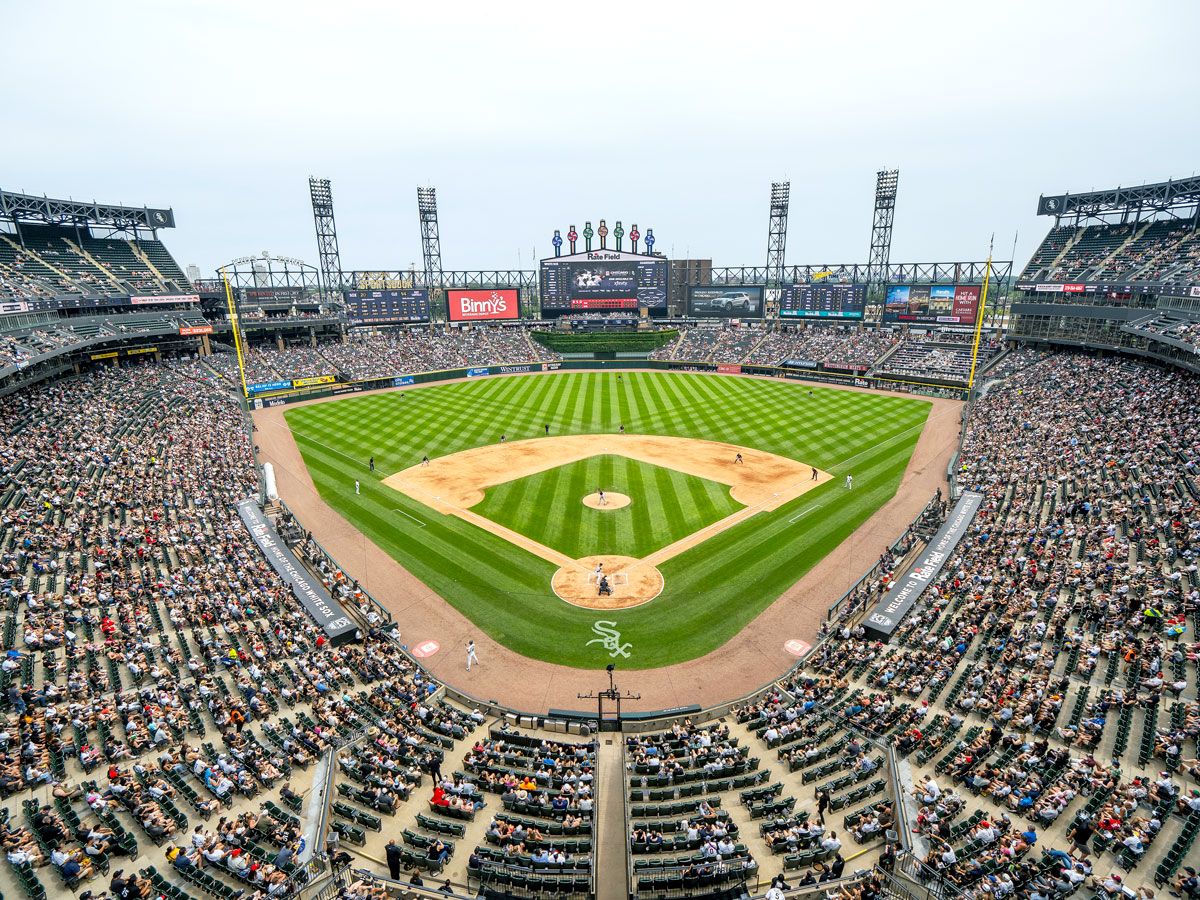
As far as permanent MLB stadiums, I rank the home of the Chicago White Sox last — though that’s not to say I consider it a bad stadium by any means. Located on the South Side of Chicago, Rate Field is easily accessible via the CTA’s Red Line and has served as the home of the White Sox since 1991. I visited first in 2001 and again for the 2003 MLB All-Star Game, which was one of my favorite baseball memories. While I find many elements of the stadium to be unremarkable, there are several features that pay homage to the team’s original home — including colorful pinwheels atop the scoreboard, plus a shower in the outfield concourse that used to be part of Comiskey Park, where fans can cool down during the game.
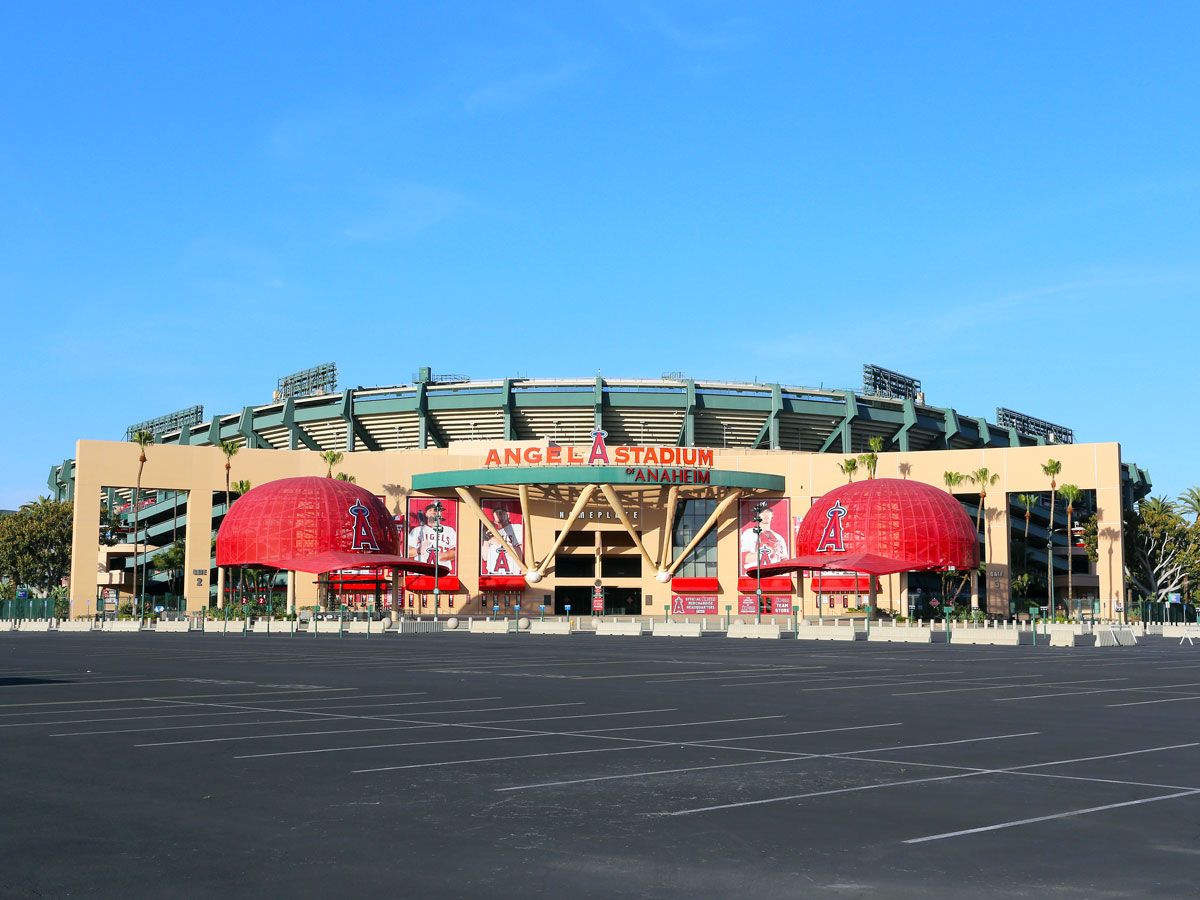
While nearby Disneyland is said to be the “happiest place on Earth,” I’d consider Angel Stadium to be the “most adequate place to watch a baseball game.” Though the park, built in 1966, is the fourth-oldest in MLB, it doesn’t exactly feel unique, nor does it seem to embrace its history. That said, Angel Stadium benefits from the beautiful year-round weather of Southern California and the wonderful talents who have played there. In 2018, I watched three-time MLB MVP Shohei Ohtani pitch during his rookie season, which will always be a fond memory for me.
26. LoanDepot Park – Miami, Florida
Credit: felixmizioznikov/ iStock Editorial via Getty Images Plus
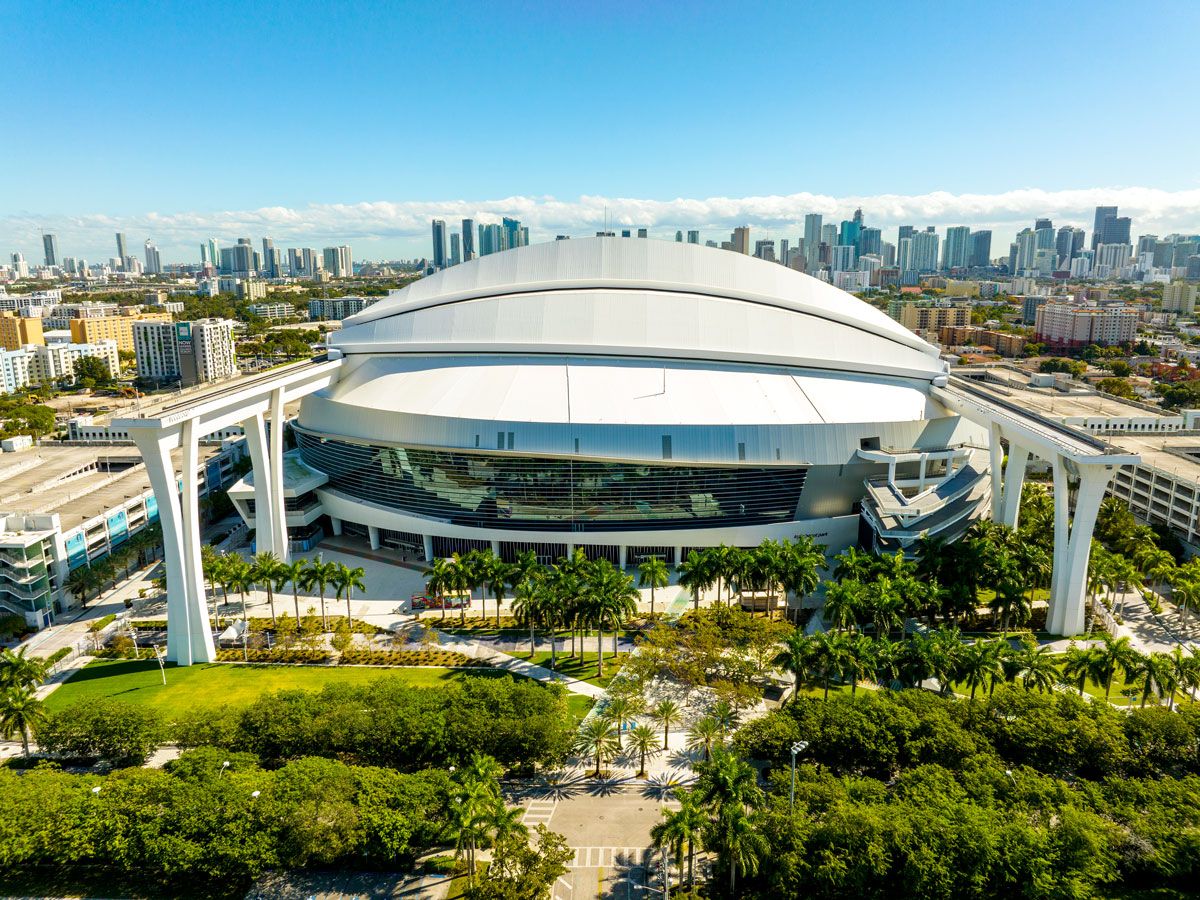
When I visited this home of the Miami Marlins in 2023, I was impressed by many of its modern features, including the retractable roof that remained open for the games I attended. But at the same time, I found the concessions — and the crowd — to be somewhat lacking. Part of that might be due to the stadium’s location (2 miles west of downtown Miami, which can be a headache to navigate through traffic), but I still enjoyed sitting just a few rows behind home plate for less money than I’d pay to sit in the upper deck at Yankee Stadium.
25. Rogers Centre – Toronto, Ontario
Credit: Jon Blacker/ MLB via Getty Images
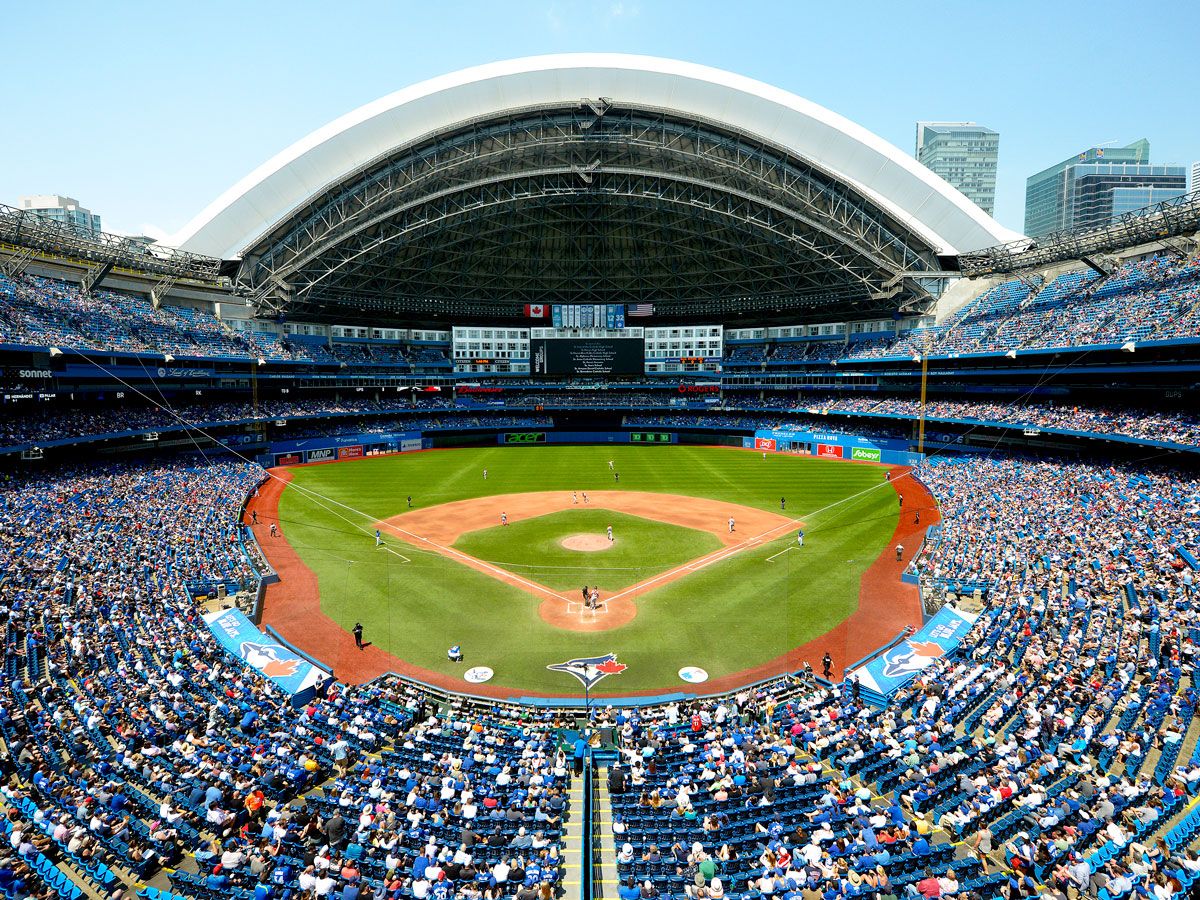
I’ll be the first to admit that my ranking of the Rogers Centre is somewhat dated, as I last visited in 2008, well before an extensive renovation process that took place in the 2020s. While I can only speak to my time there long before those upgrades — which added wider seating and improved concessions — it remains true that, when the stadium’s roof is open, guests are still treated to incredible views of the CN Tower looming overhead. I also think that the hotel built directly into the stadium is a delightful quirk (one you won’t find at any other MLB stadium), and the stadium’s convenient proximity to downtown Toronto can’t be topped.
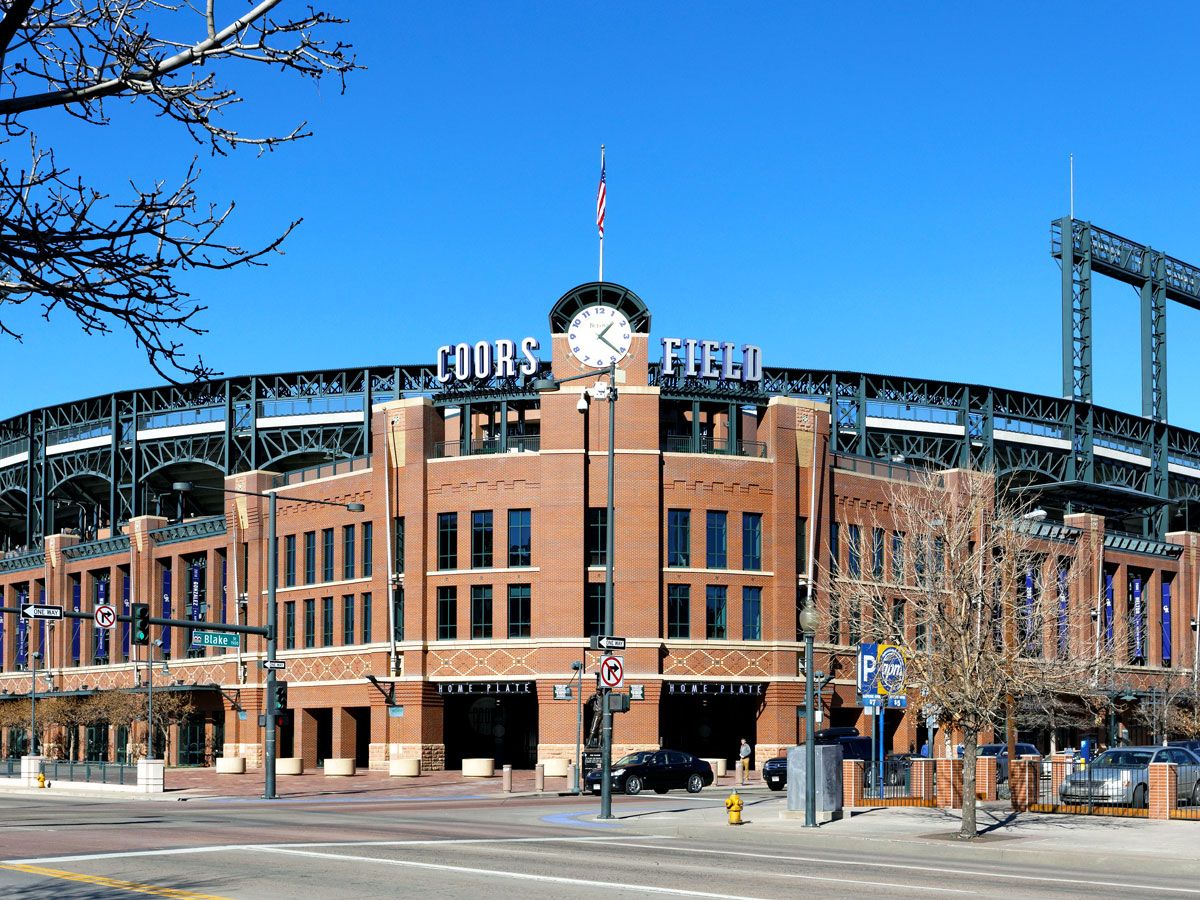
When you step foot in Coors Field — as I did for the first time back in 2012 — you’ll probably notice a row of purple seats located in the upper deck. This unique feature denotes the chairs located exactly 1 mile above sea level. It’s one of the many memorable details I enjoyed about this home of the Colorado Rockies, which opened in 1995 in downtown Denver. Coors Field also offers the most unique ballpark concession I’ve ever consumed: fried rocky mountain oysters. While I’d probably opt for a hot dog next time, it was, without question, a memorable culinary experience.
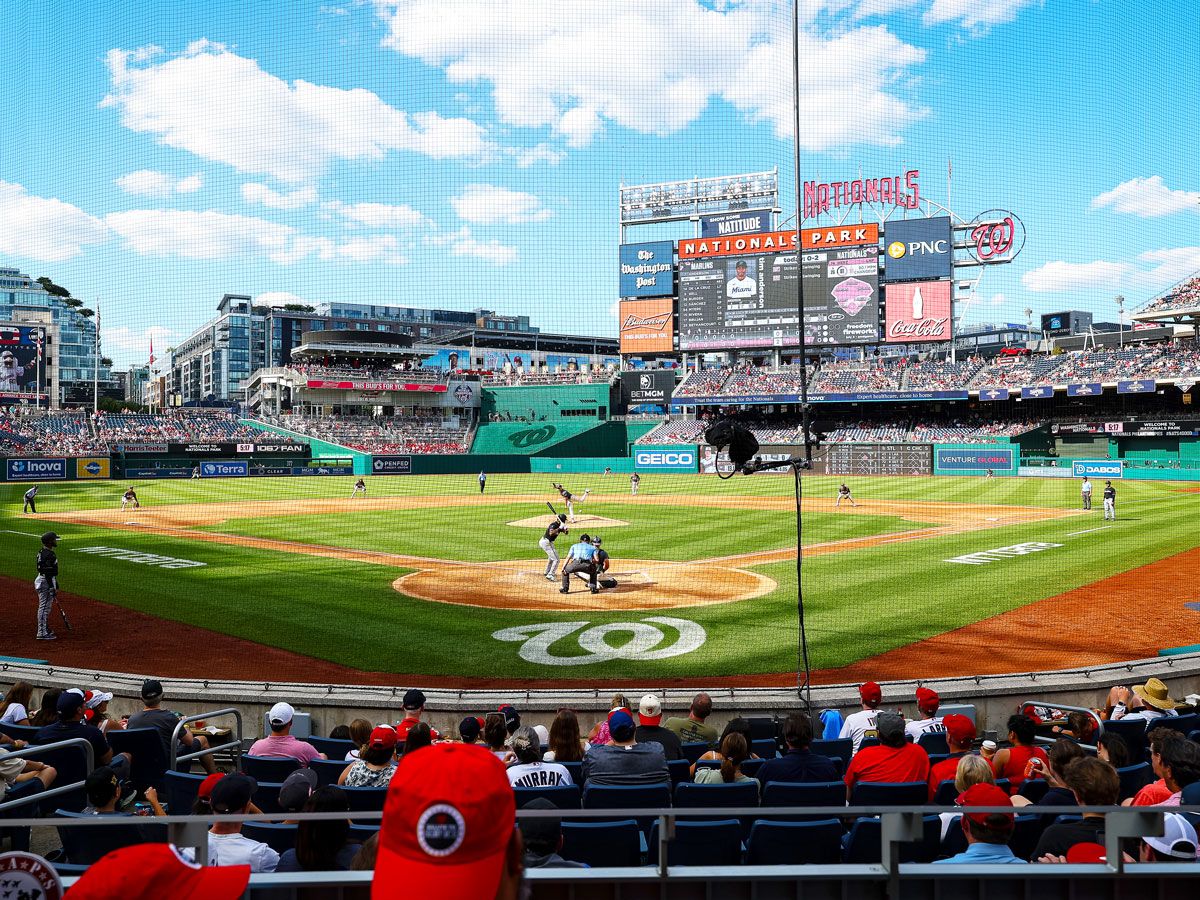
As someone who used to consider the Montreal Expos my second-favorite team, I was disappointed when they moved to D.C. in 2005 and became the Washington Nationals. But when the team opened up a new stadium in 2008, I decided to let bygones be bygones and attend a game. During my 2010 visit, I was struck by how convenient it was to get to the ballpark aboard the D.C. Metro. I was also quite impressed by the stadium itself — it didn’t seem like there was a bad seat in the house. I’ve visited many times since, usually indulging in a half-smoke hot dog from Ben’s Chili Bowl each time.
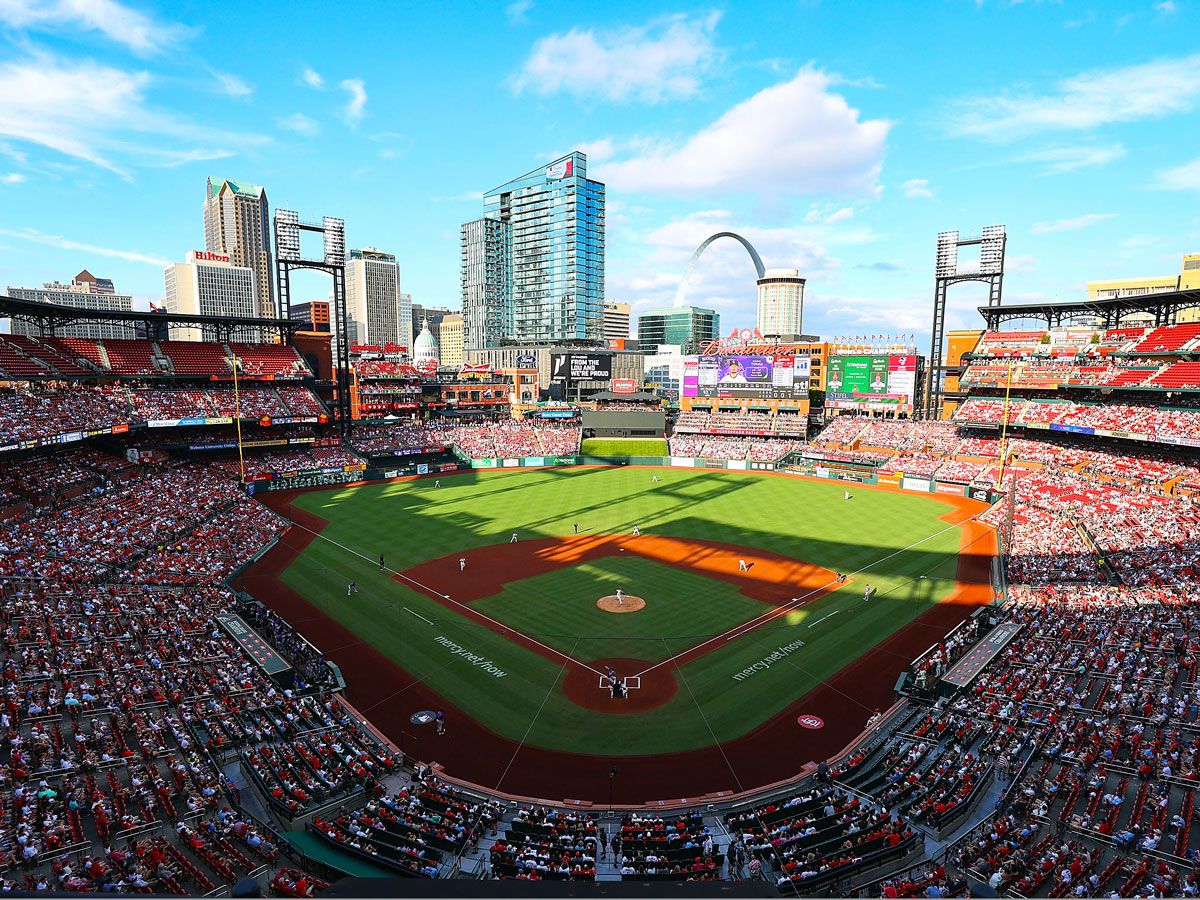
Busch Stadium, home of the St. Louis Cardinals, offers one of the most majestic views of any baseball stadium, with the Gateway Arch located less than a half mile past centerfield. But landmarks aside, it’s simply a great place to watch baseball. During my two visits to Busch in 2012 and 2018, I found it to be a comfortable and affordable place to take in a ballgame with one of the most storied teams in the MLB. My only criticism is of the closed concourses, which make it difficult to see what’s happening on the field while you go to buy food or head to the bathroom.
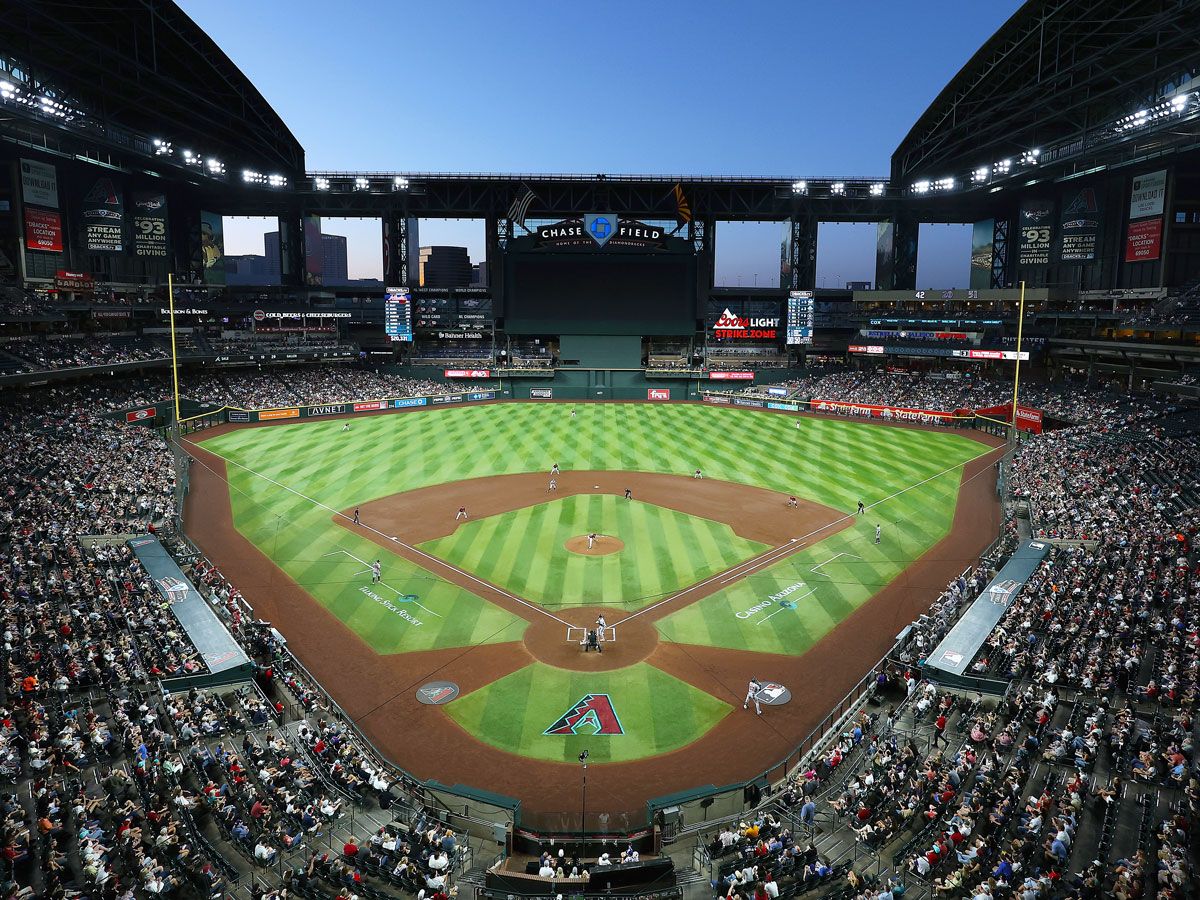
Waiting in line to get into Chase Field in 105-degree Arizona heat certainly wasn’t fun, but thankfully, I felt relief the moment I stepped inside. The stadium, which opened in 1998 in the central part of Phoenix as the home of the Arizona Diamondbacks, has a retractable roof to keep the sun out and spectators comfortable. One of the ballpark’s most interesting features is the pool in right field, though my ticket didn’t provide me access, so that bucket-list opportunity will have to wait for another day. But I still enjoyed a delicious churro dog — a play on a typical hot dog with a churro instead of meat, a long glazed doughnut instead of a bun, and caramel and chocolate sauce instead of mustard and ketchup.
20. Globe Life Field – Arlington, Texas
Credit: CRobertson/ iStock Editorial via Getty Images Plus
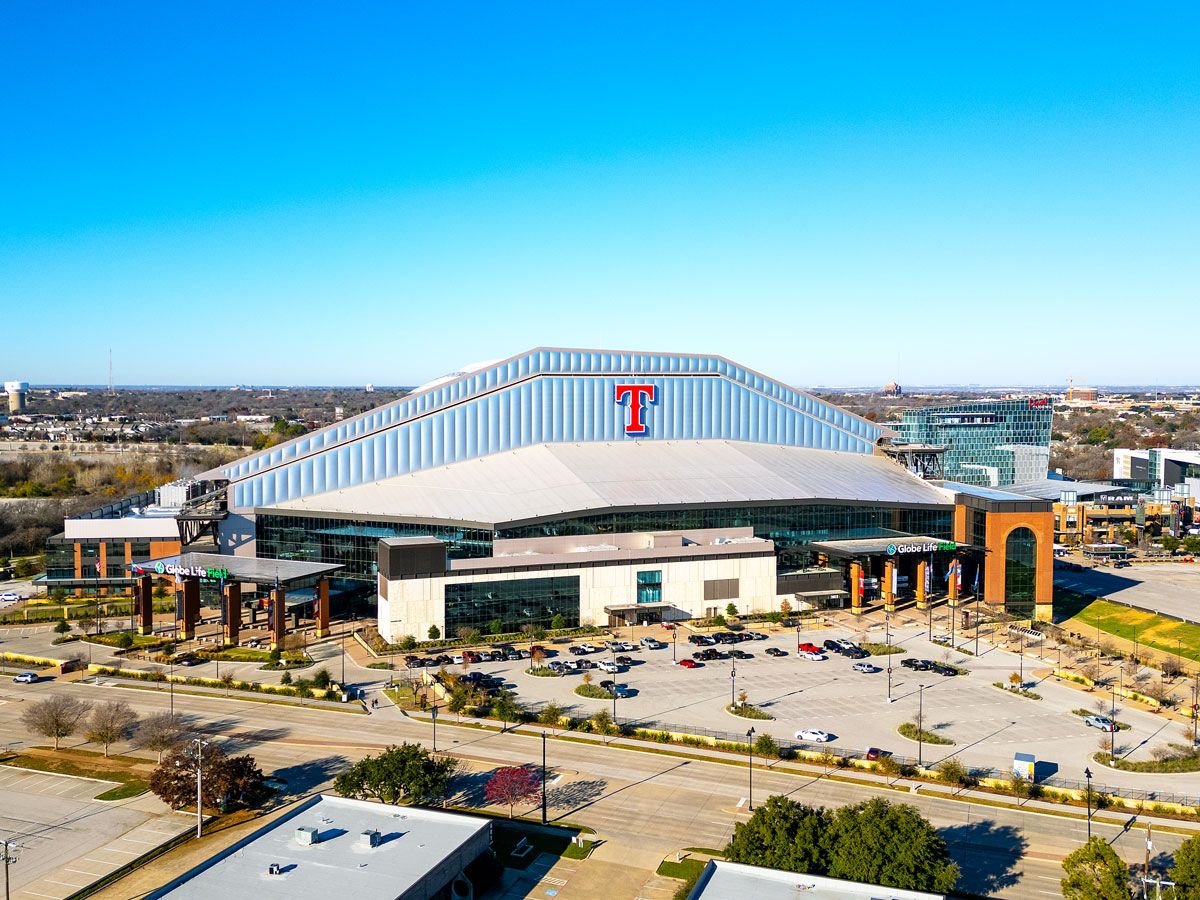
In 2024, I visited the newest MLB stadium to date, Globe Life Field, which was built in 2020 for the Texas Rangers. The field is located in an Arlington sports and entertainment complex that also hosts the Dallas Cowboys. One of the best features of Globe Life Field is its retractable roof, which thankfully remained closed the entire time I was there because of the sweltering heat outside. I also enjoyed the state-of-the-art video boards broadcasting images in crystal-clear quality and the comfortable and affordable seats just a few rows from the field.
19. Oriole Park at Camden Yards – Baltimore, Maryland
Credit: Rob Tringali/ MLB Photos via Getty Images
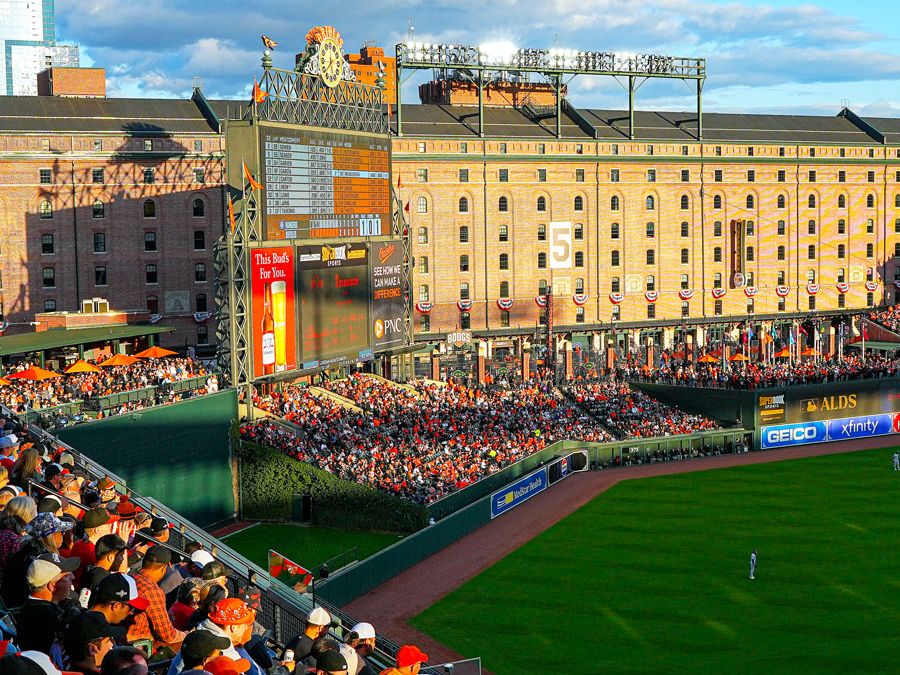
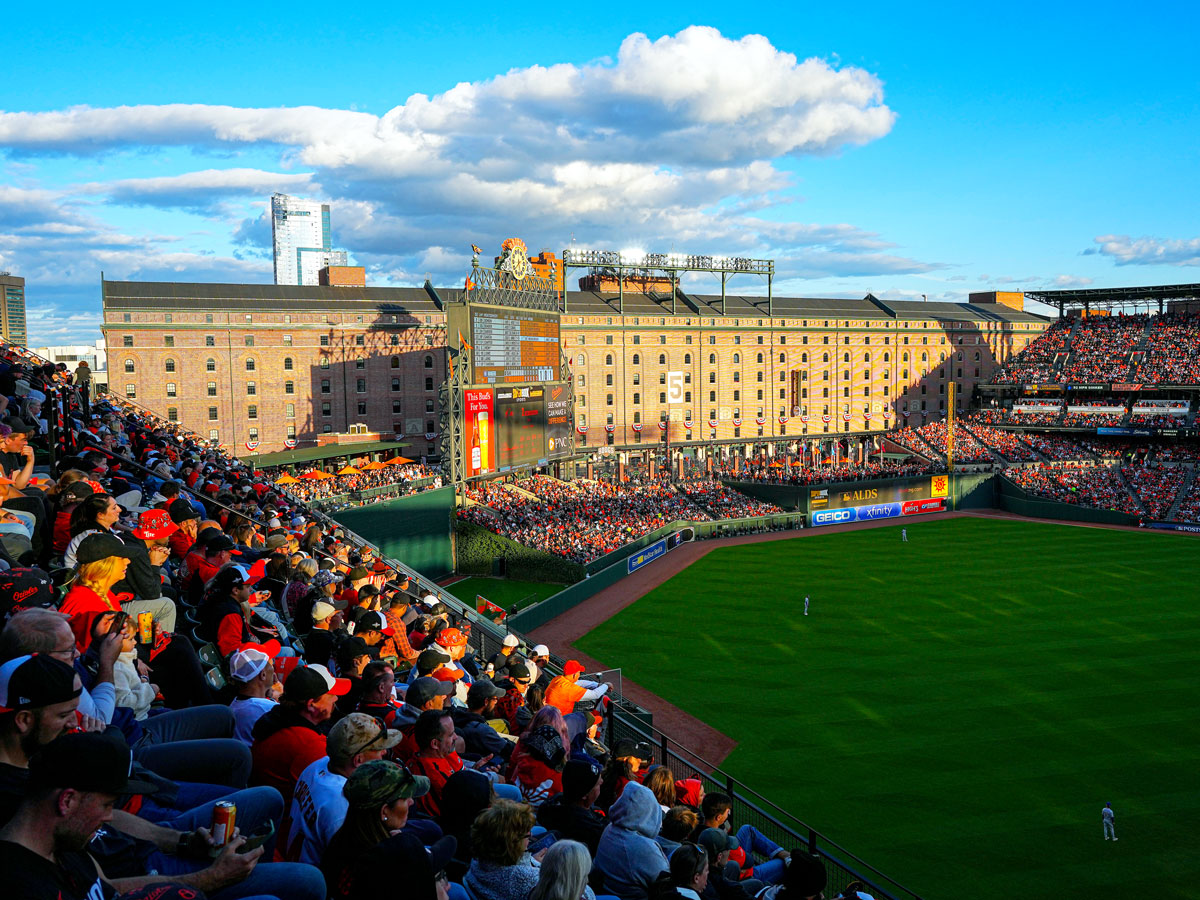
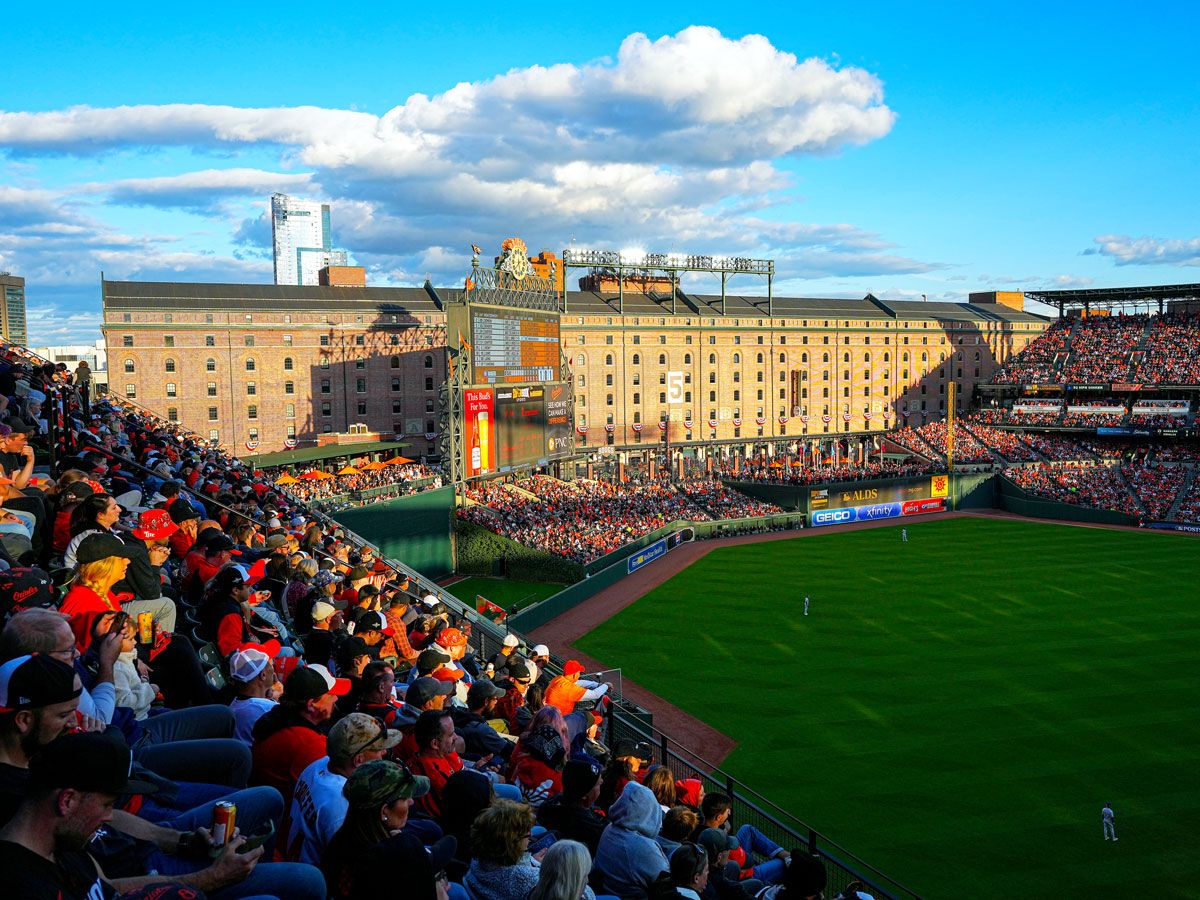
A No. 19 ranking for Camden Yards may be controversial among die-hard baseball fans, but we’ve reached the point in our rankings where I have mostly positive things to say about each remaining stadium. Camden Yards is no exception. Located in downtown Baltimore near the Inner Harbor, the ballpark opened in 1992, helping to usher in a new era of stadium design that diverged from many of the less interesting, cookie-cutter fields that preceded it. Among the stadium’s most notable features is the old warehouse located on Eutaw Street beyond the right-field wall and the many brass markers commemorating past home runs that landed on the street over the course of the stadium’s history.
18. Yankee Stadium – The Bronx, New York
Credit: Rob Tringali/ Sports Illustrated via Getty Images
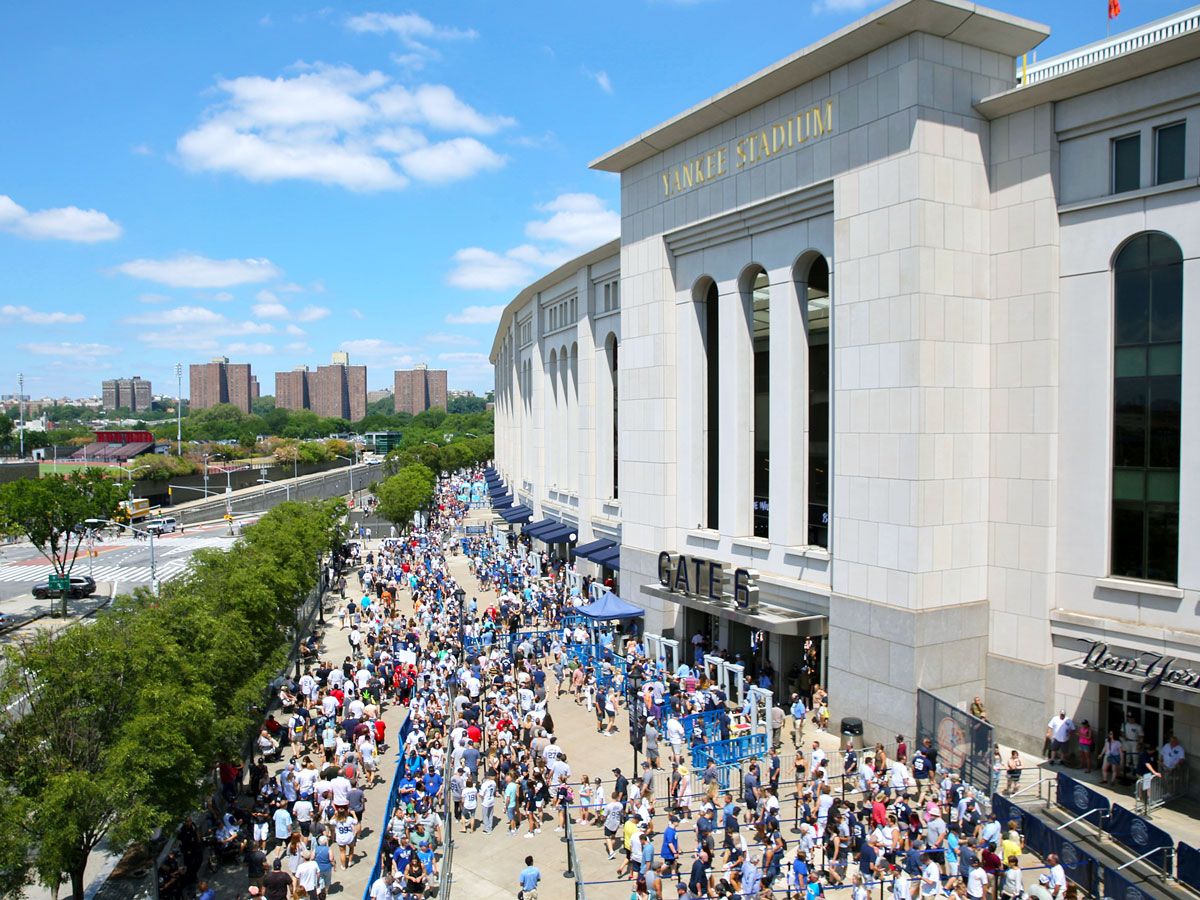
As a lifelong Yankees fan and someone who attends dozens of home games each year, I spend a lot of time in the new Yankee Stadium, which opened in 2009. Unfortunately, I feel that it lacks the character of the old stadium in many ways — it’s a little too polished and corporate. But despite those criticisms, it also provides many comforts that were lacking in its predecessor. For instance, all of the seats on the lower level are padded, which is a major step up from the hard, plastic seats found in many other ballparks. Additionally, the stadium is a quick 20-minute subway ride from midtown Manhattan up to the Bronx.
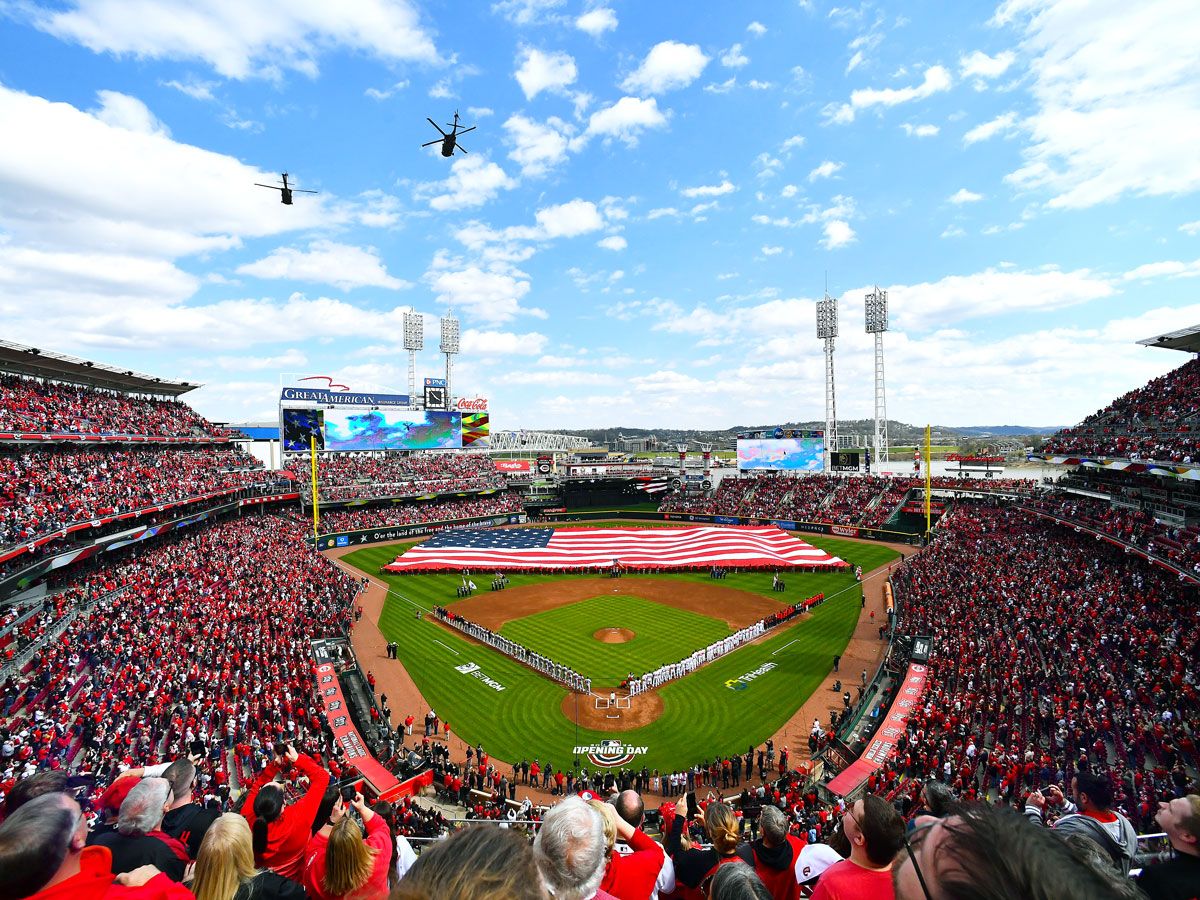
When I visited the home of the Cincinnati Reds in April 2018, I was surprised by how few other people were in attendance at such a nice ballpark. The park is located conveniently in downtown Cincinnati, and I was able to walk to the stadium from my hotel across the river in Covington, Kentucky. I also enjoyed taking a stroll through the adjacent Hall of Fame and Museum, which contained many fascinating relics from Cincinnati Reds history. As for the ballpark itself, there isn’t a bad seat in the house, in my opinion.
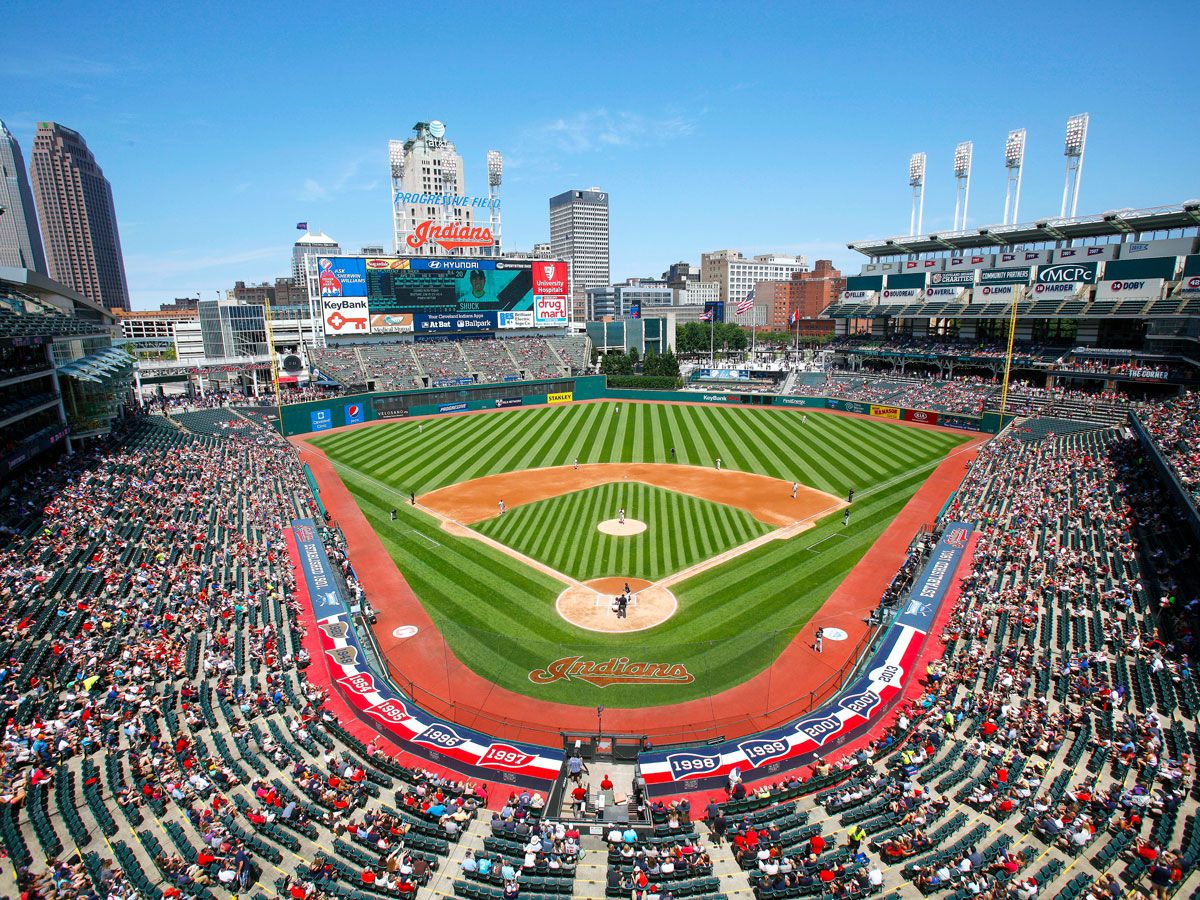
I’ve attended games at Progressive Field many times between the mid-2000s and 2019, including a World Series and an All-Star Game. You can always tell how passionate the Cleveland fanbase is about their team — in fact, the stadium sold out 455 consecutive games between 1995 and 2001. Opened in 1994, Progressive Field is just a 25-minute walk from the shores of Lake Erie, placing it in a convenient spot in downtown Cleveland. One of the most notable highlights of the stadium is just how close you can get to the bullpens in right field, allowing you to see pitchers warm up just a few feet away.
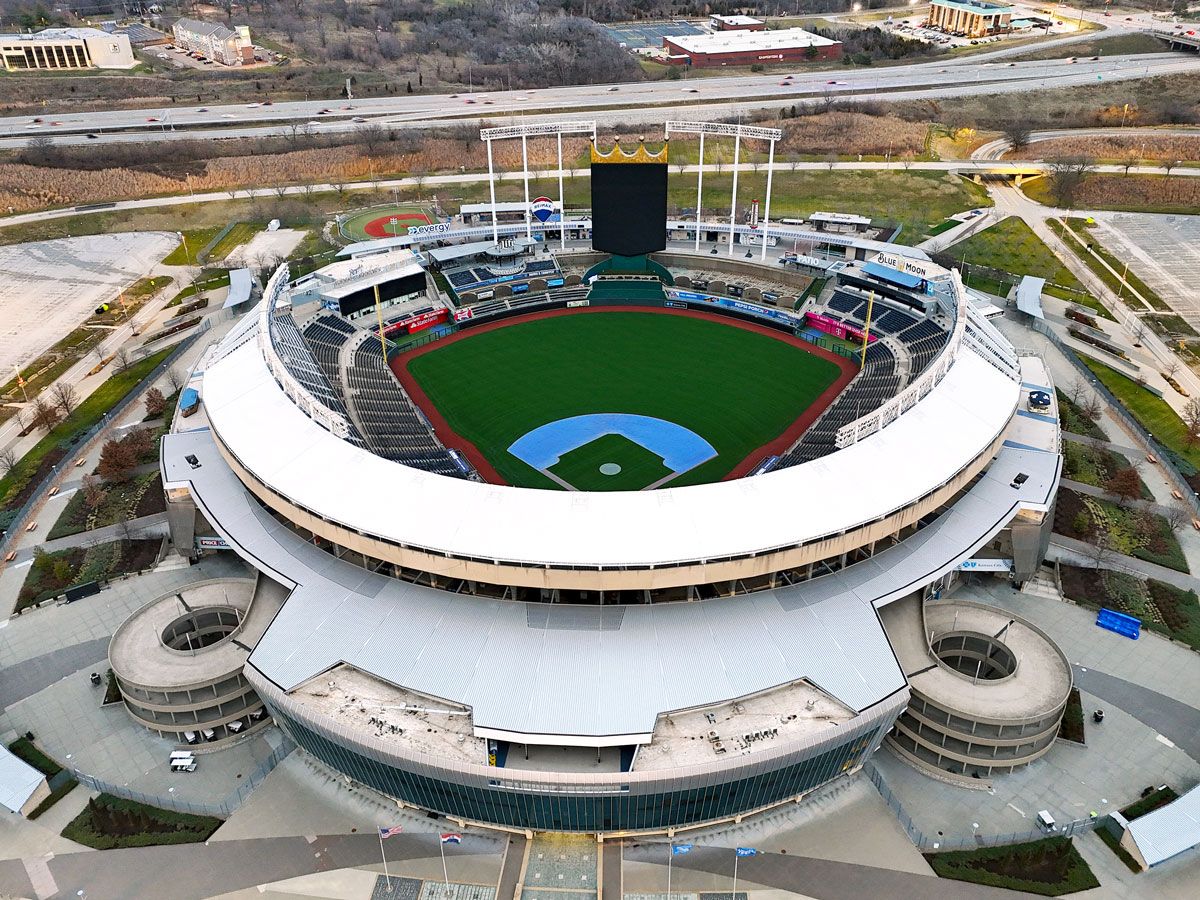
There’s an ongoing debate in Kansas City over whether and where to build a new stadium for the Royals. Personally, I find that unnecessary, because I consider the current Kauffman Stadium to be among the nicest MLB ballparks in North America. Though the park opened in 1973, it feels much newer. It’s located in a dedicated sports complex adjacent to the home of the NFL’s Kansas City Chiefs, which some would argue is a drawback given how difficult it is to reach without a car. That said, the park has many stunning features, none more beautiful than the fountains and waterfalls beyond the outfield wall. I had a fantastic experience when I visited in 2018, made all the more pleasant by the fact that I took in a game while indulging in some classic Kansas City-style barbecue.
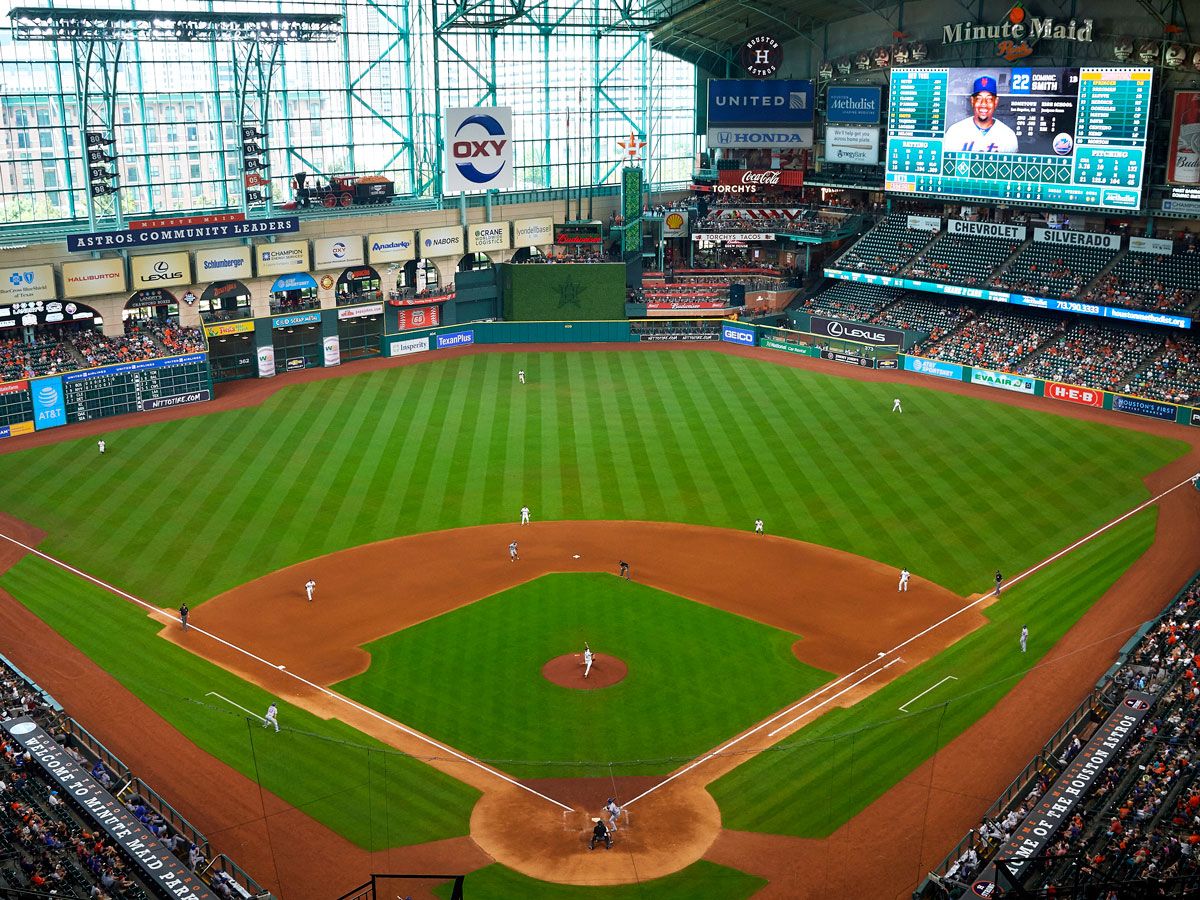
Credit: Greg Nelson/ Sports Illustrated via Getty Images
There’s no sugar-coating this: As a Yankees fan, I despise the Houston Astros. But I will give their ballpark credit — when I visited in 2024, I was struck by its unique architecture and its convenient proximity to downtown Houston. The stadium, opened in 2000, features a retractable roof that keeps the Houston humidity at bay. As I did a lap around the stadium, I enjoyed looking at the field from the many vantage points throughout the park. These include the Crawford Boxes in left field, which provide an elevated view of the outfield from 19 feet above.
13. American Family Field – Milwaukee, Wisconsin
Credit: Joe Hendrickson/ iStock Editorial via Getty Images Plus
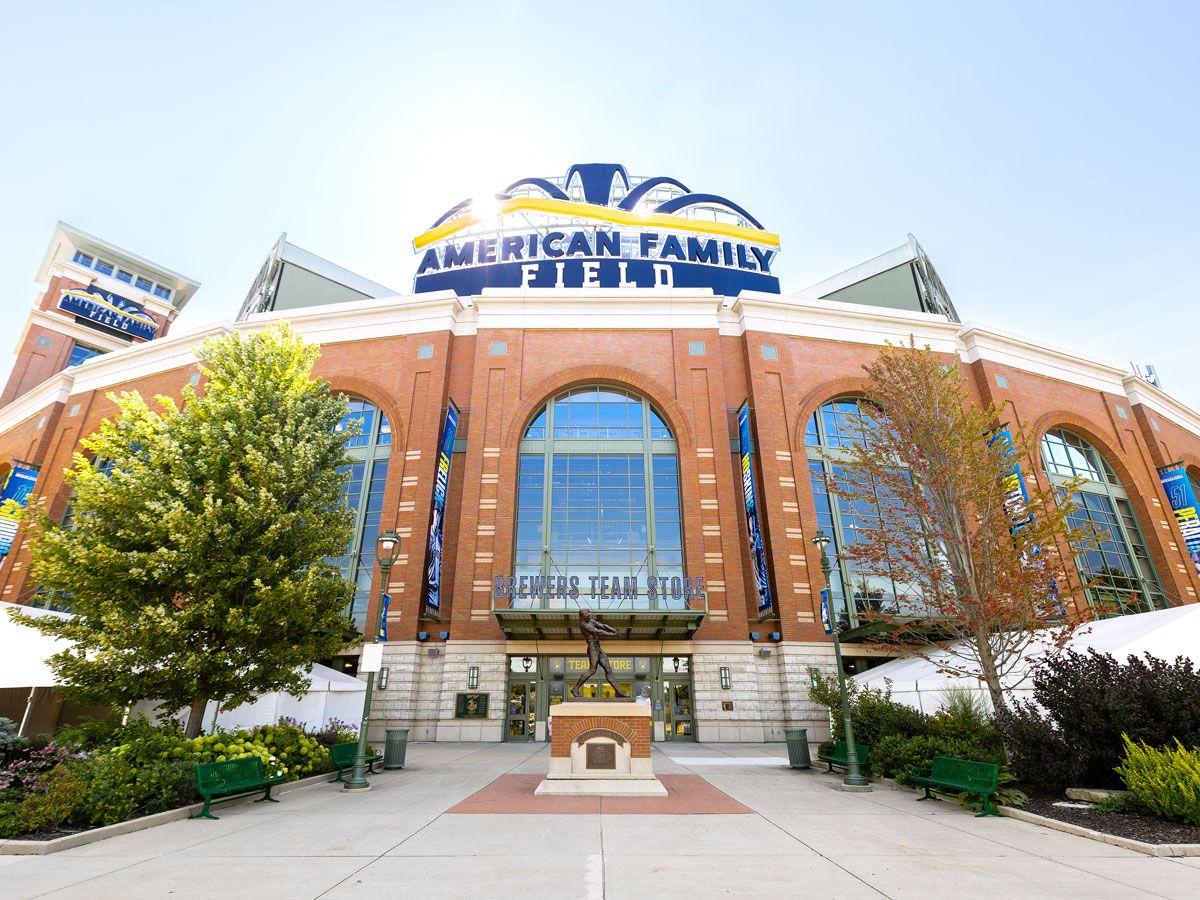
American Family Field holds a special place in my heart as the first location my family visited on a baseball road trip we took in 2001, and I’ll admit that nostalgia may have bumped it up a few spots in my rankings. The field, located roughly 4 miles west of downtown Milwaukee, opened the very same year I first visited. No trip to this park is complete without seeing the Sausage Race, a competition between five different sausage mascots that happens every game prior to the seventh inning. If you’re wondering, sausages are also sold at various concession stands around the ballpark, so be sure to pick up your favorite flavor during your visit.
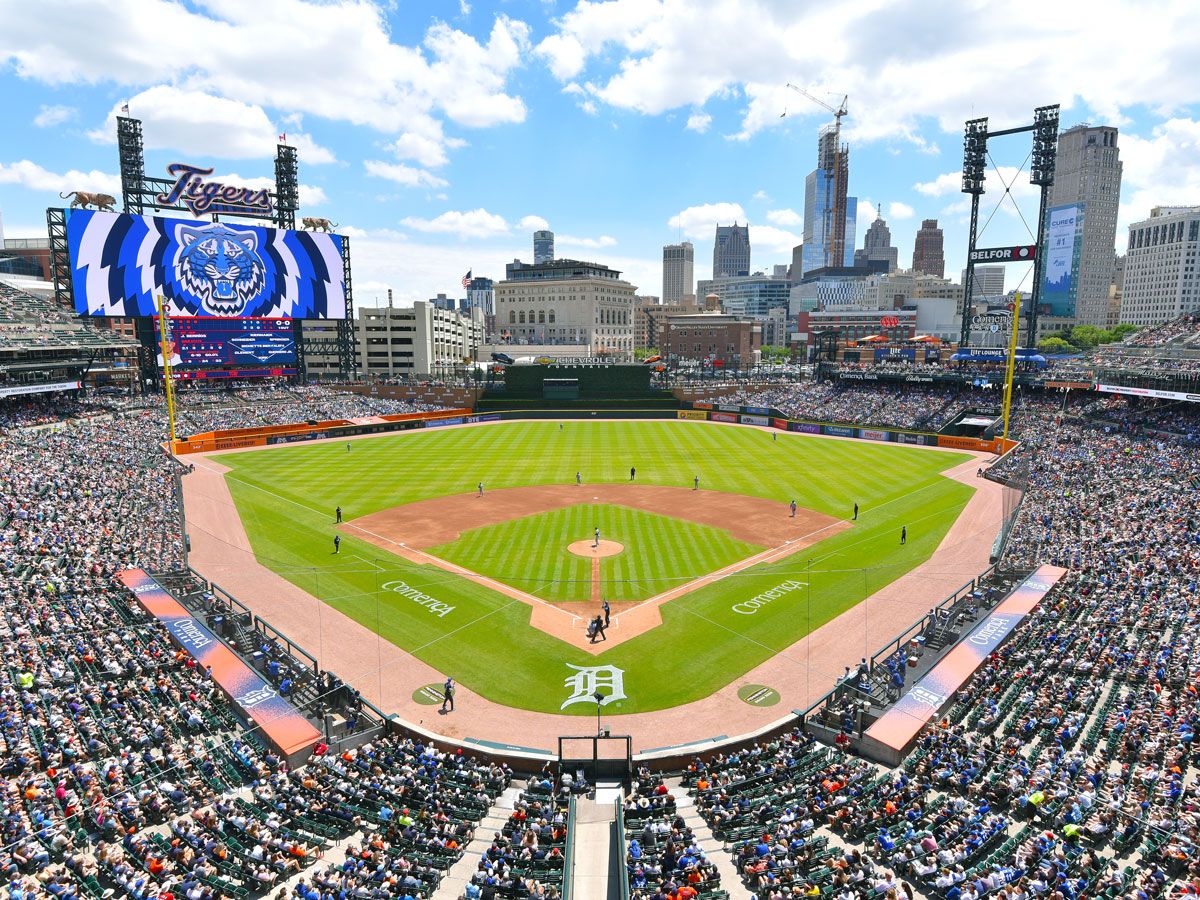
In 2000, the Detroit Tigers replaced the historic Tiger Stadium with Comerica Park, located in downtown Detroit as part of a complex that also hosts the NFL’s Detroit Lions next door. What impressed me about Comerica Park was its no-frills approach — it’s a delightful spot to take in the sport I love, and there’s not a bad seat in the house. There are also activities for the entire family, including a carousel along the first-base concourse. The park’s convenient location and retro design elements make it a must-visit for any baseball fan.
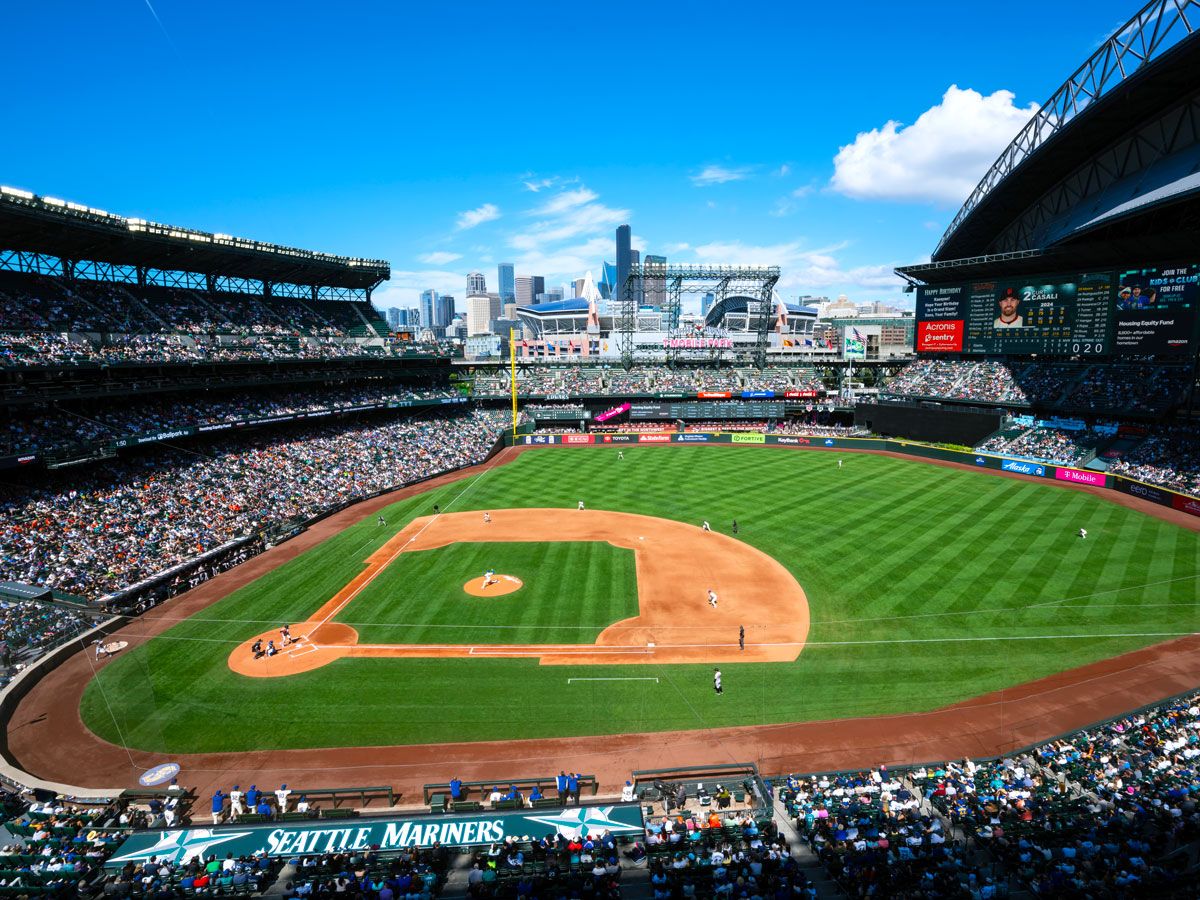
Venture to the upper deck at T-Mobile park, and you’re in for quite the treat. Look one way and you’ll see the Space Needle in the distance; gaze the other direction to witness Mount Rainier in all its splendor. But in addition to those stunning views, this home field of the Seattle Mariners excels in its core mission — it is simply a great place to watch baseball. I enjoyed the concessions, from the happy-hour-priced beers before first pitch to the decadent crab sandwich, along with the impressive merchandise selection.
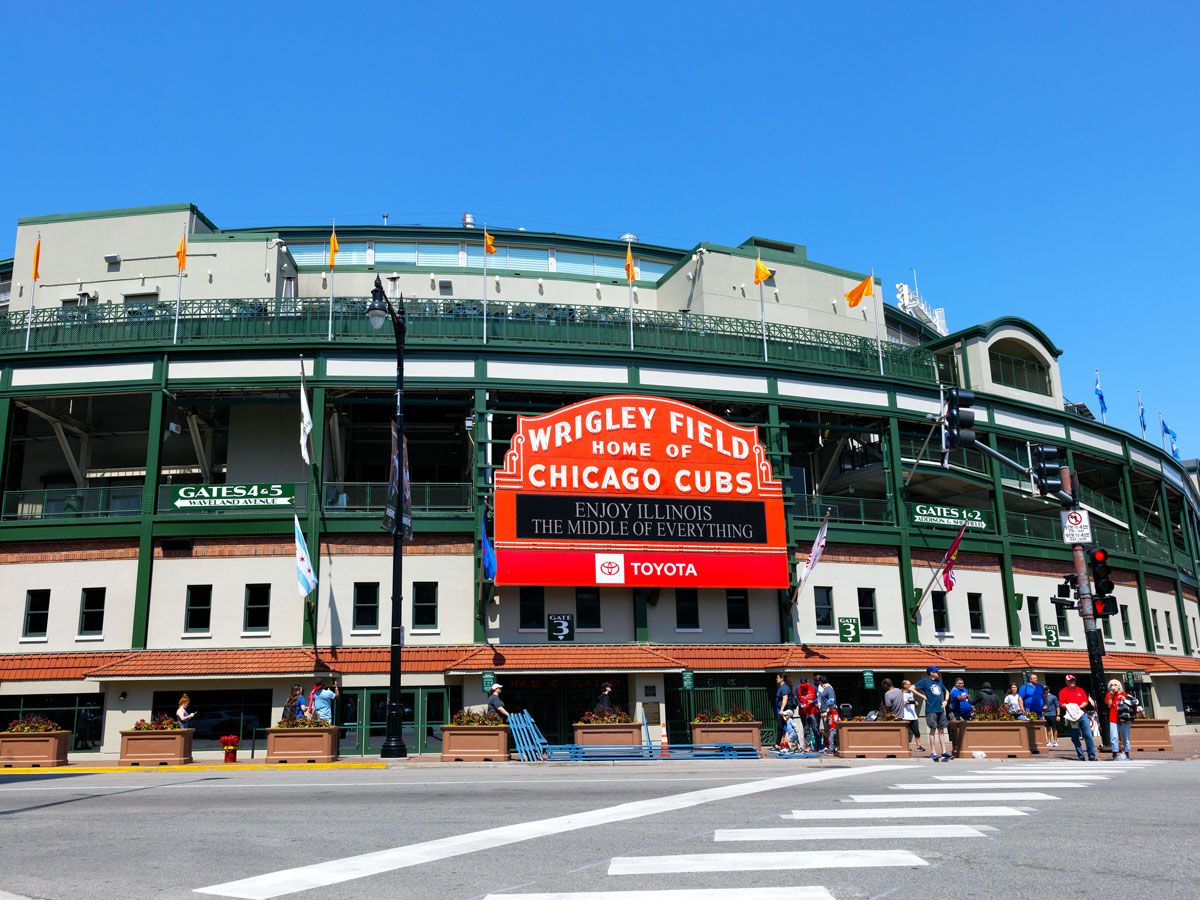
When I first visited the home of the Cubs in 2001 as a young child, I didn’t truly appreciate or understand the stadium’s history. But when I came back to Wrigley as an adult in 2014 and again in 2015, I changed my tune. Opened in 1914, Wrigley Field is the second-oldest ballpark in MLB. It boasts many unique and historic features, perhaps none more memorable than the ivy plants that adorn the outfield wall. The ballpark is surrounded by the vibrant Wrigleyville neighborhood, a delightful place to eat, drink, and shop alongside fellow Cubs fans before and after a game.
9. Dodger Stadium – Los Angeles, California
Credit: Kirk Wester/ iStock Editorial via Getty Images Plus
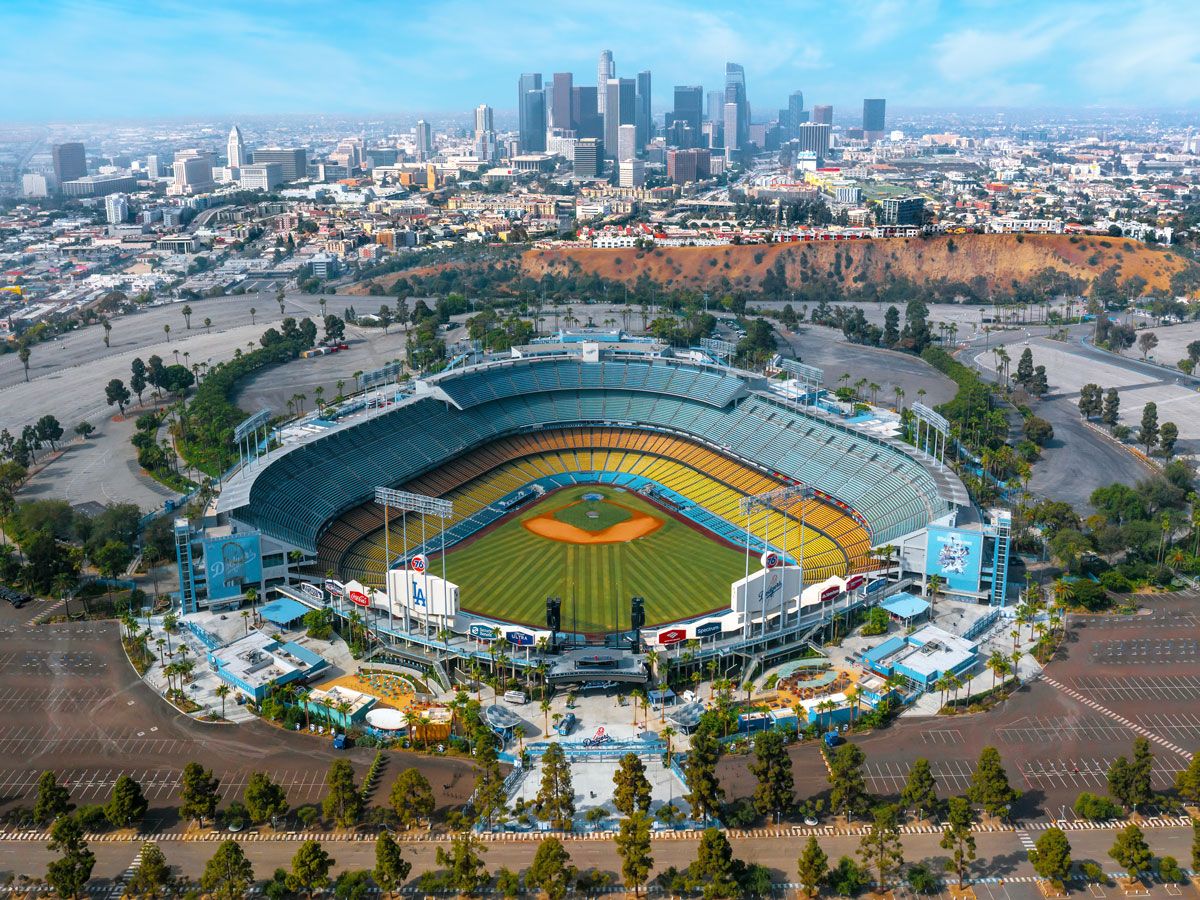
As the third-oldest ballpark in MLB, Dodger Stadium boasts a retro style that hearkens back to the 1960s era when it opened. Some of the seats may not be the most comfortable, and the concessions didn’t leave me especially impressed — sorry to all you Dodger Dog fans out there — but all told, the stadium was a beautiful and memorable spot to watch a baseball game. Though many fans complain about the traffic, it’s just a short walk to the nearby neighborhood of Echo Park, where my friends and I enjoyed a few beers and street hot dogs after the game.
8. Citizens Bank Park – Philadelphia, Pennsylvania
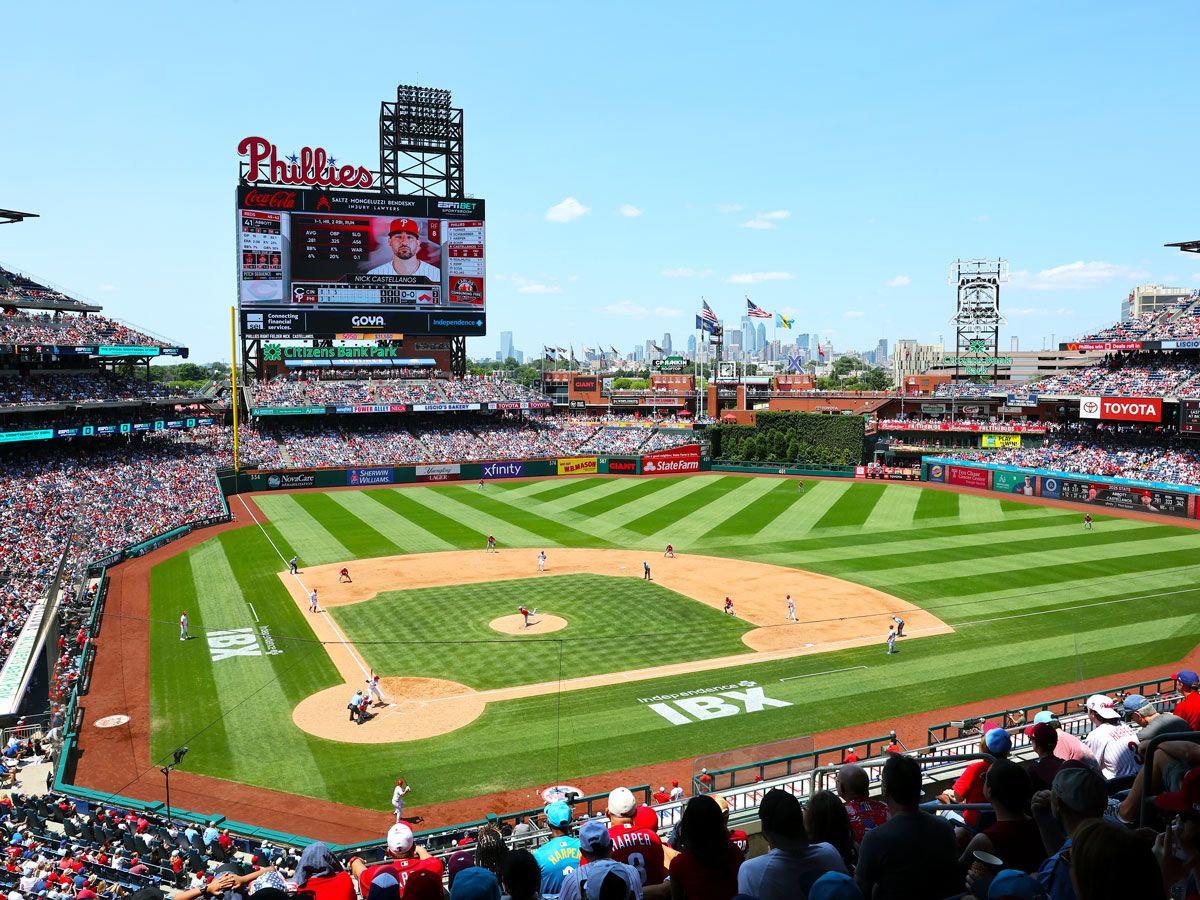
Citizens Bank Park opened in 2004 as part of the South Philadelphia Sports Complex, which is easily accessible along the city’s Broad Street subway line. My favorite part of the ballpark? The food. The stadium serves up some of the tastiest ballpark concessions I’ve ever ordered, from cheesesteaks to crab fries and roast pork sandwiches. I recently returned to the ballpark earlier in 2025 and was pleased to see that it maintains the same charm and appeal it had when I first visited as a kid back in 2004.
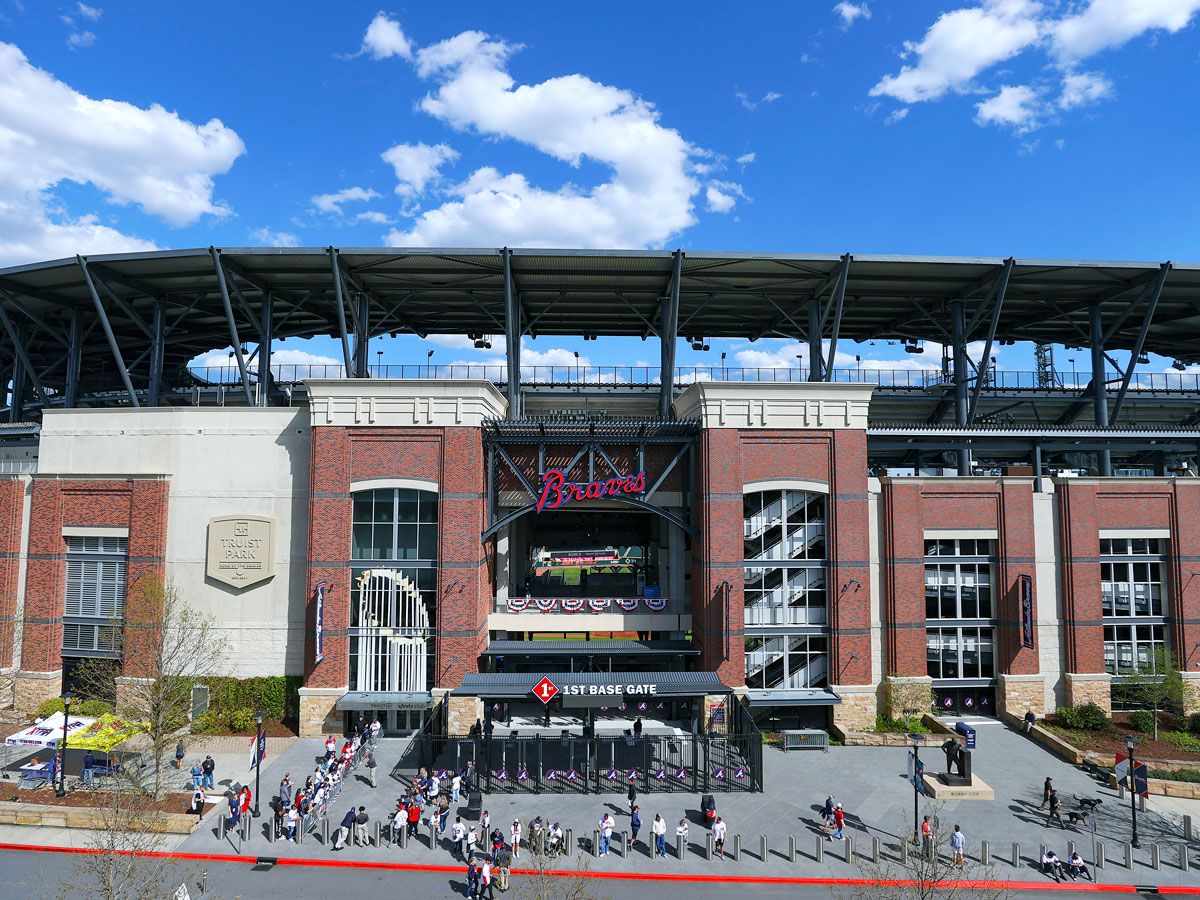
In 2016, I visited Atlanta to take in a game at Turner Field, the former home of the Braves. But that stadium paled in comparison to their current home, Truist Park, which opened in 2017. I visited in 2023 and found that the area around the stadium features a great selection of bars, restaurants, and other venues for Braves fans to congregate before and after the game. Inside the stadium, I enjoyed delicious barbecue and a tasty craft beer at the Terrapin Taproom in right field, before venturing over to my seat for some baseball. While temperatures were chilly and rainy that night, I still had a blast taking in a game at this lovely stadium.
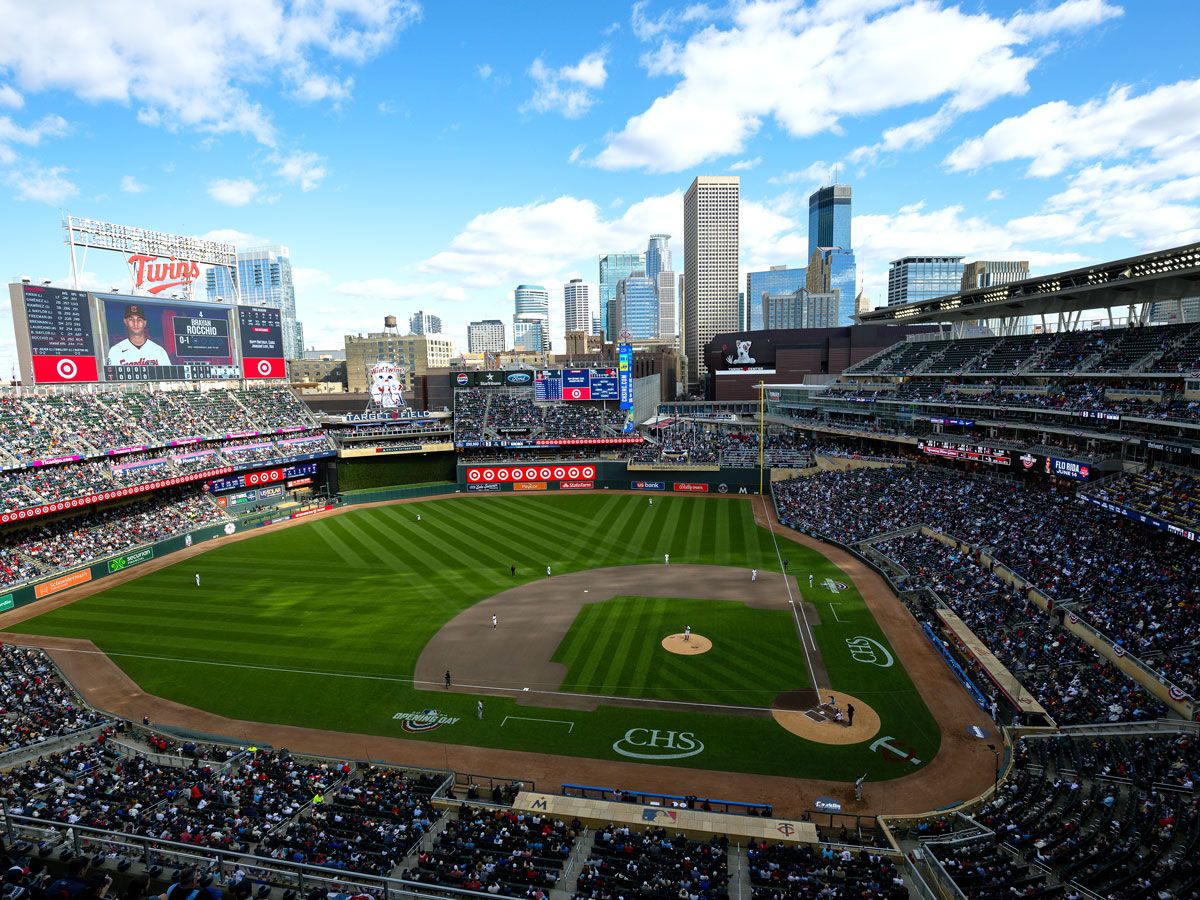
Despite the fact that it was 30 degrees Fahrenheit outside when I visited Target Field in 2024, I still look back fondly on my game there. Target Field opened in 2010 in downtown Minneapolis, replacing the former Metrodome (which I also had the pleasure of visiting). The field is beautifully adorned with limestone, and the heaters along the concourse are a nice touch to keep fans from freezing on those cold early spring nights. I also enjoyed the concessions, including the Asian-style hot dog I got from Union Hmong Kitchen in left field. Leaving the stadium after the game was a breeze, too.
5. Citi Field – Queens, New York
Credit: Tim Clayton/ Corbis Sport via Getty Images
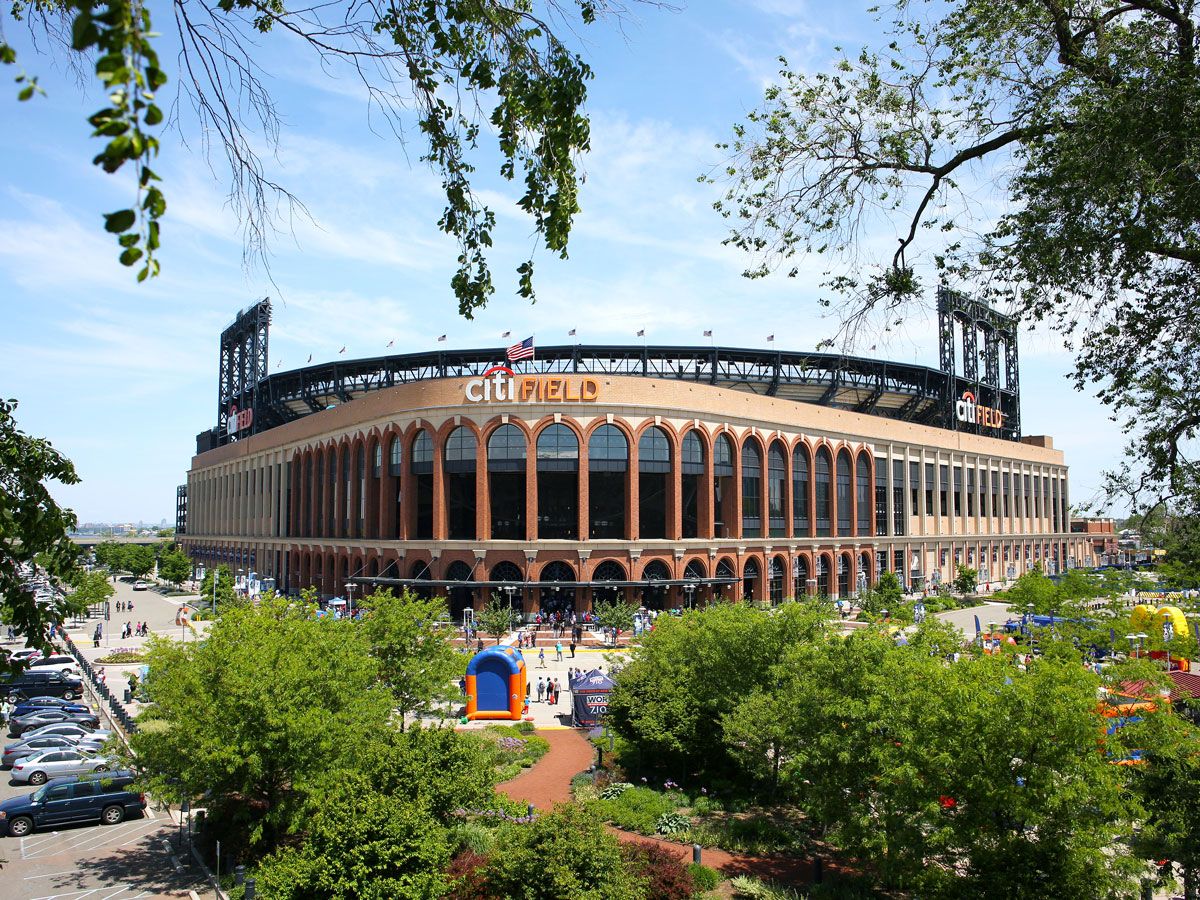
When Citi Field and the new Yankee Stadium both opened in 2009, I wholeheartedly believed that my team had the better park. But as the years have gone by, I’ve come to realize that the Mets have gained the upper hand in making their ballpark a must-visit destination for baseball fans. It starts with the incredible food, which includes New York City staples such as hot pastrami sandwiches, burgers from Shake Shack, slices from Prince Street Pizza, and other local favorites. It’s also just a 30-minute subway ride on the 7 line from Grand Central Station in midtown Manhattan, making it incredibly convenient whether you’re a local or someone visiting the city.
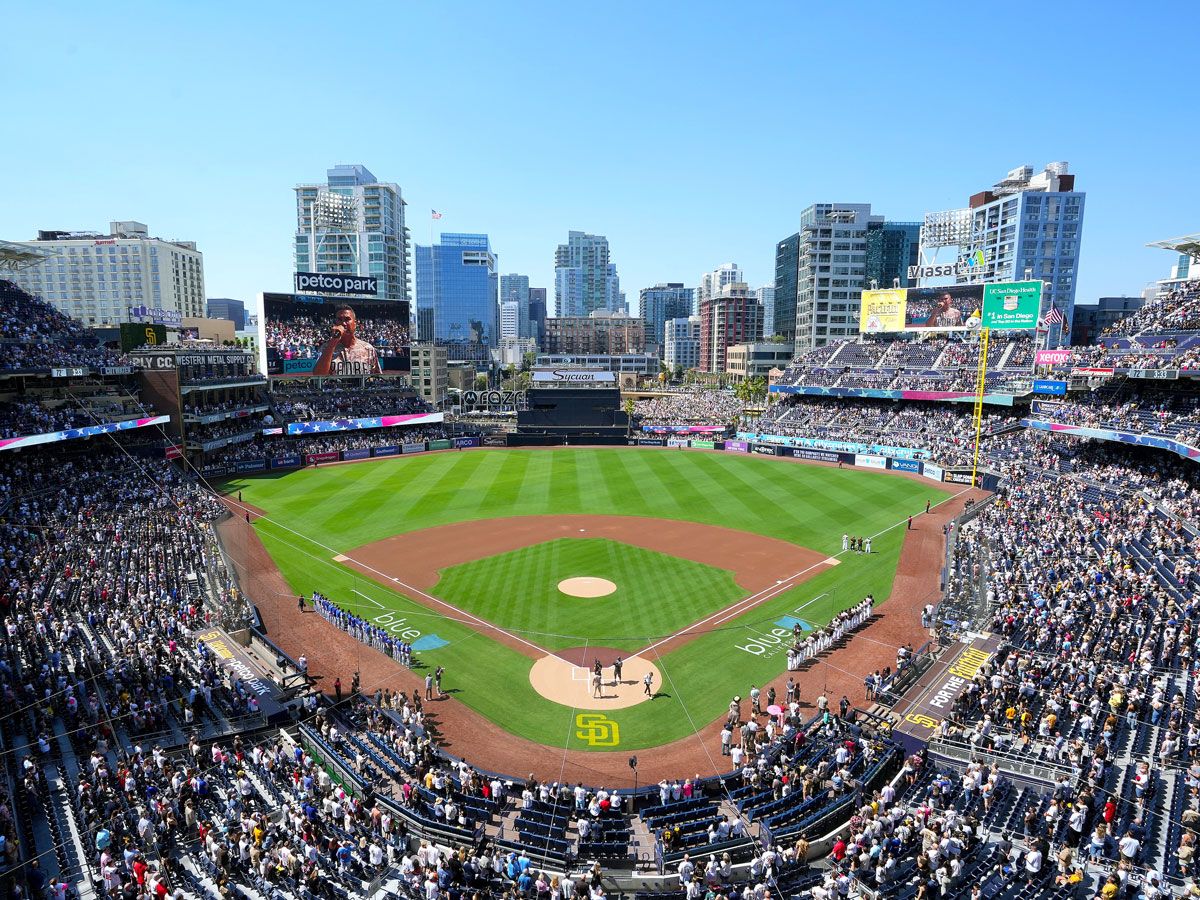
San Diego has a reputation for being a beautiful city, and that extends to their MLB ballpark. In my opinion, the Padres play in one of the most impressively designed stadiums in the league. One of the park’s standout features is the historic Western Metal Supply Co. building in left field, which has been seamlessly integrated into the stadium design. Petco Park also features a 2.8-acre greenspace past centerfield called Gallagher Square, which offers views of the game, a playground for kids, and even an off-leash dog park. The stadium is conveniently located in the city’s Gaslamp Quarter, putting it in close proximity to popular hotels, restaurants, and attractions.
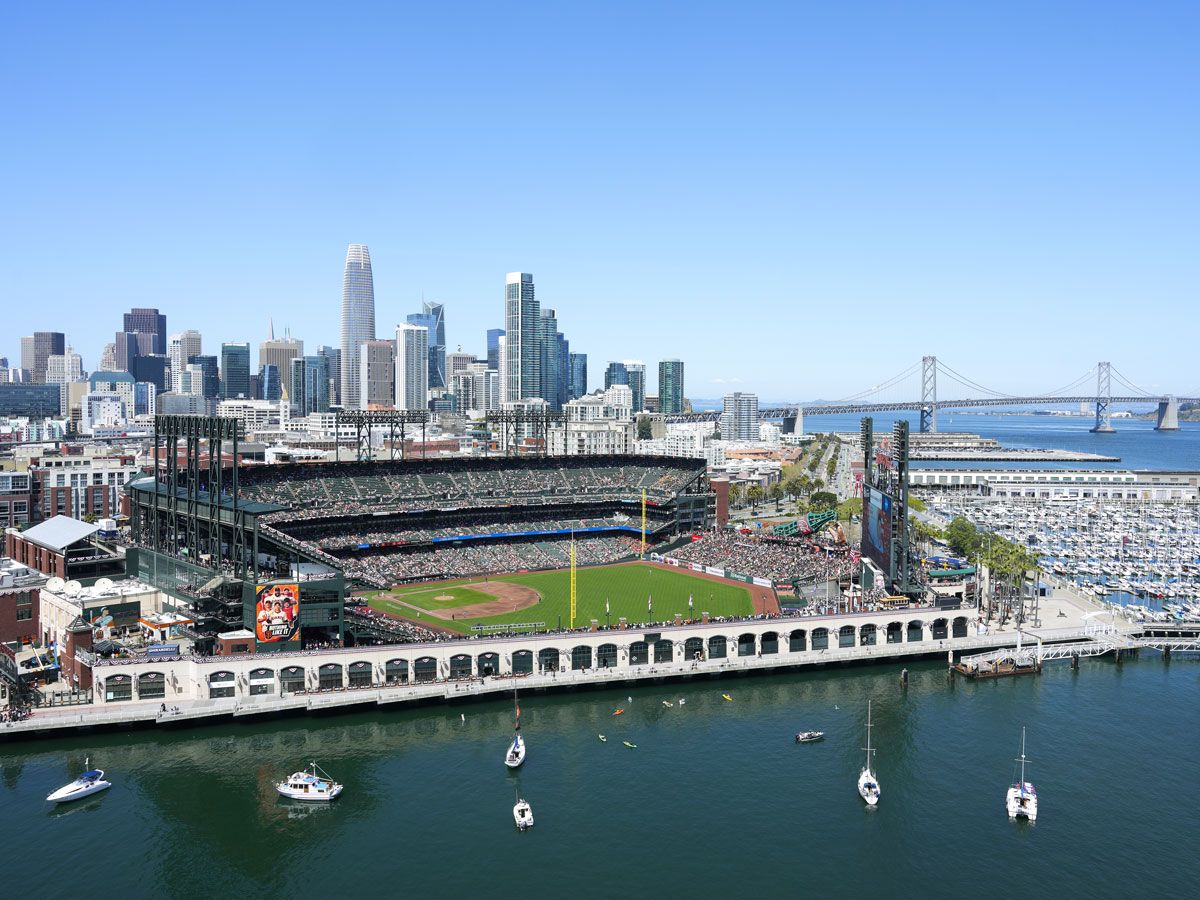
When I was young, I spent many hours watching Barry Bonds hit home runs into McCovey Cove on TV. So, it was a bucket-list experience when I finally got to see the stadium with my own eyes in July 2025. The views from inside the stadium are among the best you’ll find in baseball, as the ballpark sits adjacent to San Francisco Bay. The experience is made all the better by the giant plates of garlic fries being served up at various concession stands around the park. I was also lucky to see a memorable game: I witnessed the Giants’ Patrick Bailey hit a walk-off, inside-the-park home run to cap off a wonderful night.
2. PNC Park – Pittsburgh, Pennsylvania
Credit: Brandon Sloter/ Icon Sportswire via Getty Images
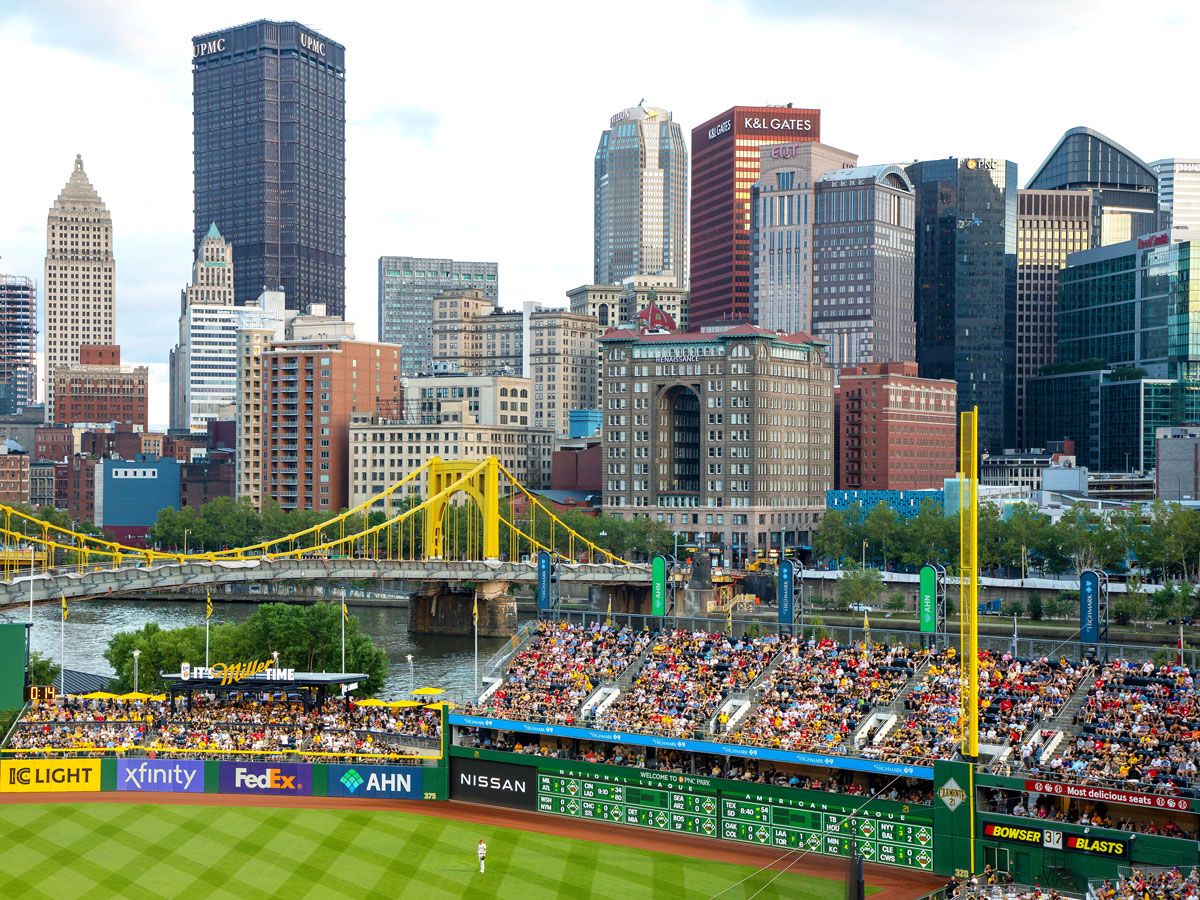
In terms of modern stadiums, my favorite is PNC Park, home of the Pittsburgh Pirates. The stadium, opened in 2001, is located along Allegheny River, near where it converges with the Monongahela River to form the Ohio River. Fans are treated to stunning views of the city skyline, plus tasty concessions such as french fry-stuffed sandwiches from Primanti Bros. I’ve been lucky enough to visit PNC Park on many occasions, including the 2006 All-Star Game, and I eagerly await an opportunity to return.
1. Fenway Park – Boston, Massachusetts
Credit: Billie Weiss/ Boston Red Sox via Getty Images Sport
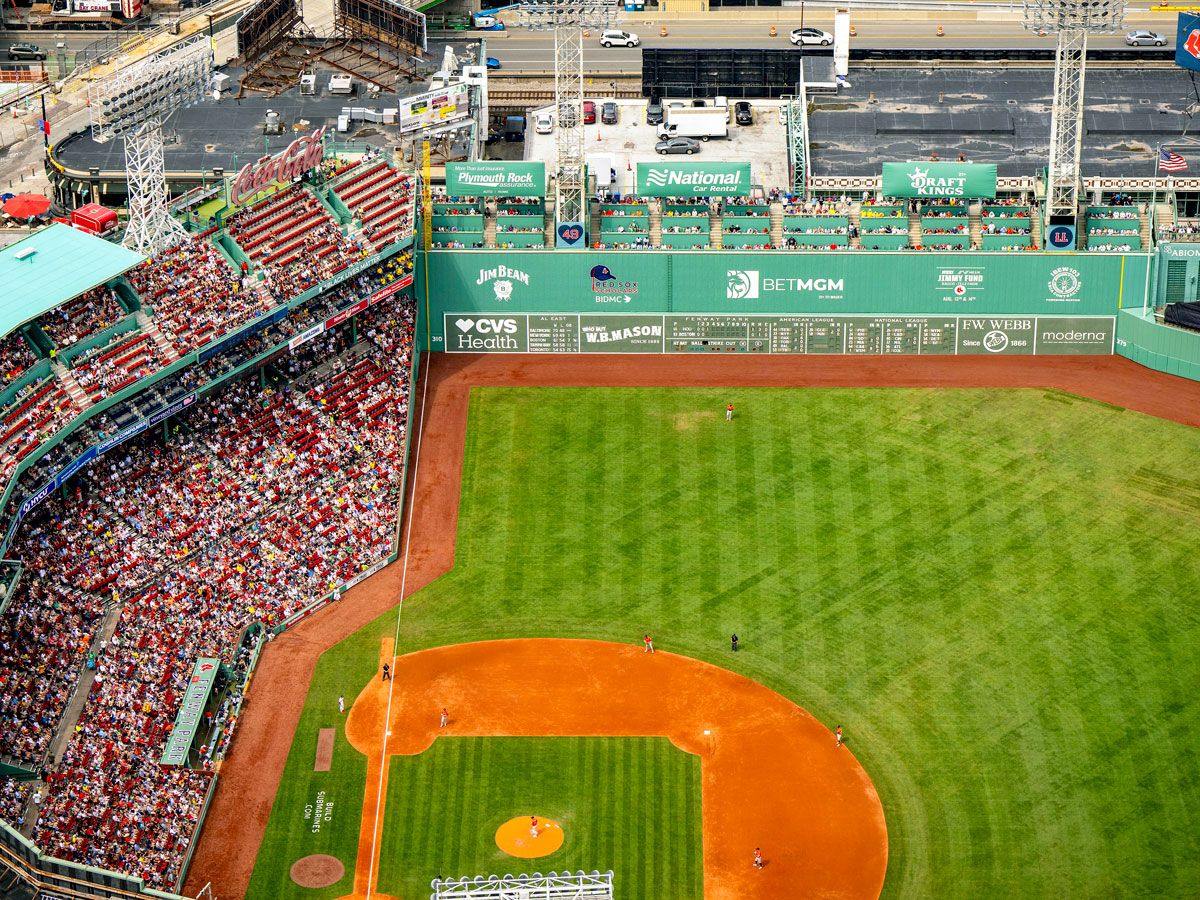
Built in 1912, Fenway Park — the home of the Red Sox — is the oldest MLB stadium still in use. And while it pains me to admit it as a Yankee fan, Fenway is also my favorite ballpark in the league. I’ve been attending games at Fenway since I was 8 years old; in fact, I loved it so much that I used to make a point of visiting at least once a year. Its historic design is unlike any other, especially the Green Monster, a towering 37-foot wall in left field. In 2003, the Red Sox installed seats atop the Green Monster, providing a bird’s-eye view of the field and a memorable experience to anyone lucky enough to sit there. But, truly, no matter where you sit, Fenway is a wonderful place to take in a baseball game — you won’t find a more classic baseball experience anywhere else in the league.
Ever Heard of Janet Airlines? Inside the U.S. Government’s Secret Airline
By
Michael Nordine
Read time: 4 minutes
September 4, 2025
Updated: September 4, 2025
Ever Heard of Janet Airlines? Inside the U.S. Government’s Secret Airline
History •September 4, 2025•Updated: September 4, 2025
By Michael Nordine
Author
Michael Nordine
Michael is a staff writer for Daily Passport and film critic who writes the weekly newsletter Movie Brief. His writing and criticism have also appeared in the Los Angeles Times, Variety, and the Washington Post, among others. A native Angeleno, his favorite countries to visit are Norway and Japan.
You’ve surely never flown on Janet Airlines, but there’s a decent chance you’ve seen one of its planes somewhere in the Southwest without knowing it. There’s a good reason for the uncertainty: The airline flies a semisecret fleet of aircraft owned and operated by the Department of the Air Force, which uses it to ferry military personnel, contractors, and civilians working for the Department of Defense to Special Access Program Facilities (SAPF). Here’s what we know about Janet Airlines, the unofficial name for the U.S. government’s highly classified airline.
Given the highly classified nature of the operation, no one knows for sure why Janet Airlines is called Janet Airlines. But there are several theories as to the meaning of the unofficial moniker, which is used as the airline’s call sign with air traffic controllers. According to a report from Business Insider, some think it’s an acronym for “Just Another Nonexistent Terminal,” while others have suggested it stands for “Joint Air Network for Employee Transportation.”
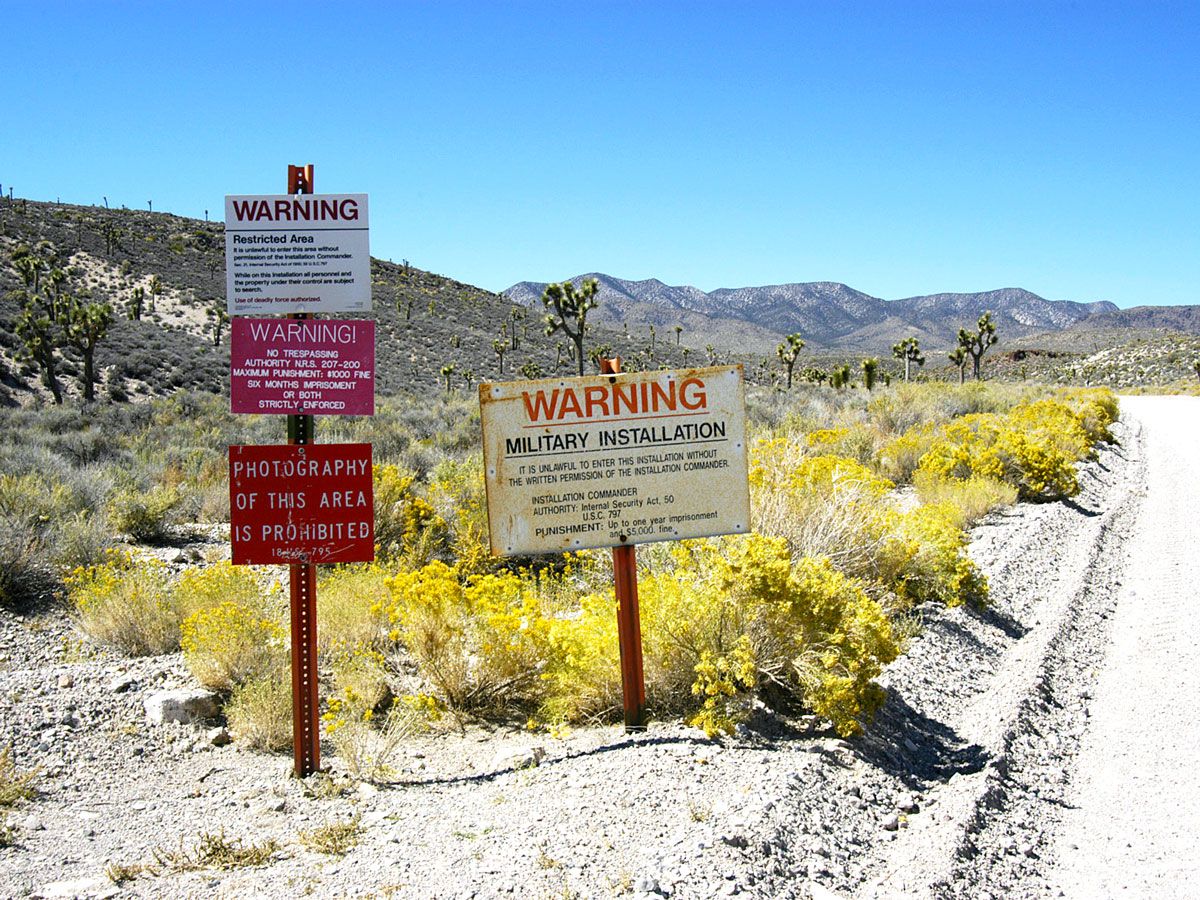
Though there’s no reason to assume anything nefarious about Janet, they certainly threw conspiracy theorists a bone by having their first flight travel from Las Vegas to Homey Airport, the official name for the airfield at Area 51, in 1972.
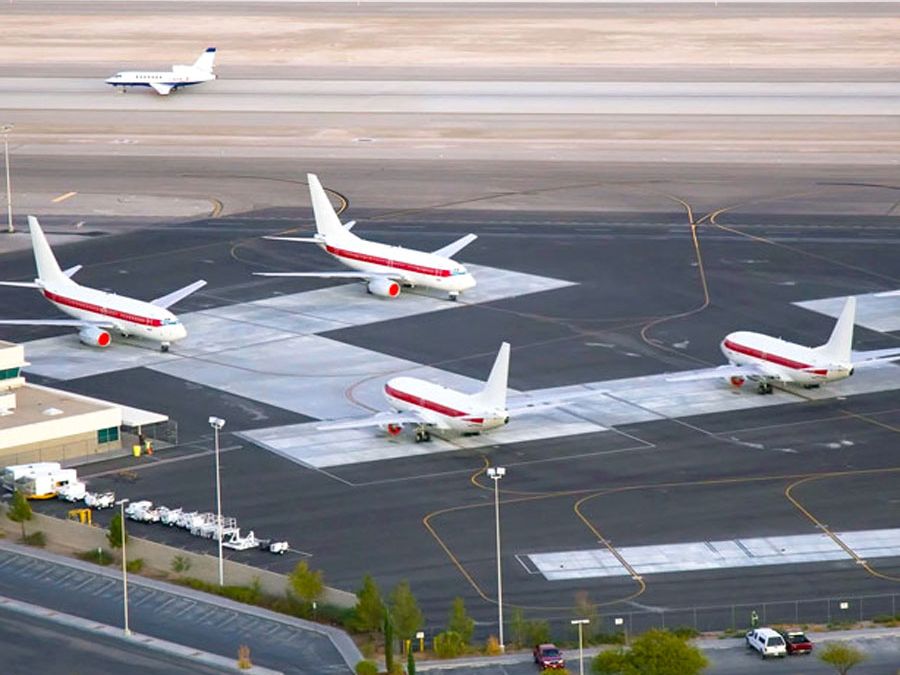
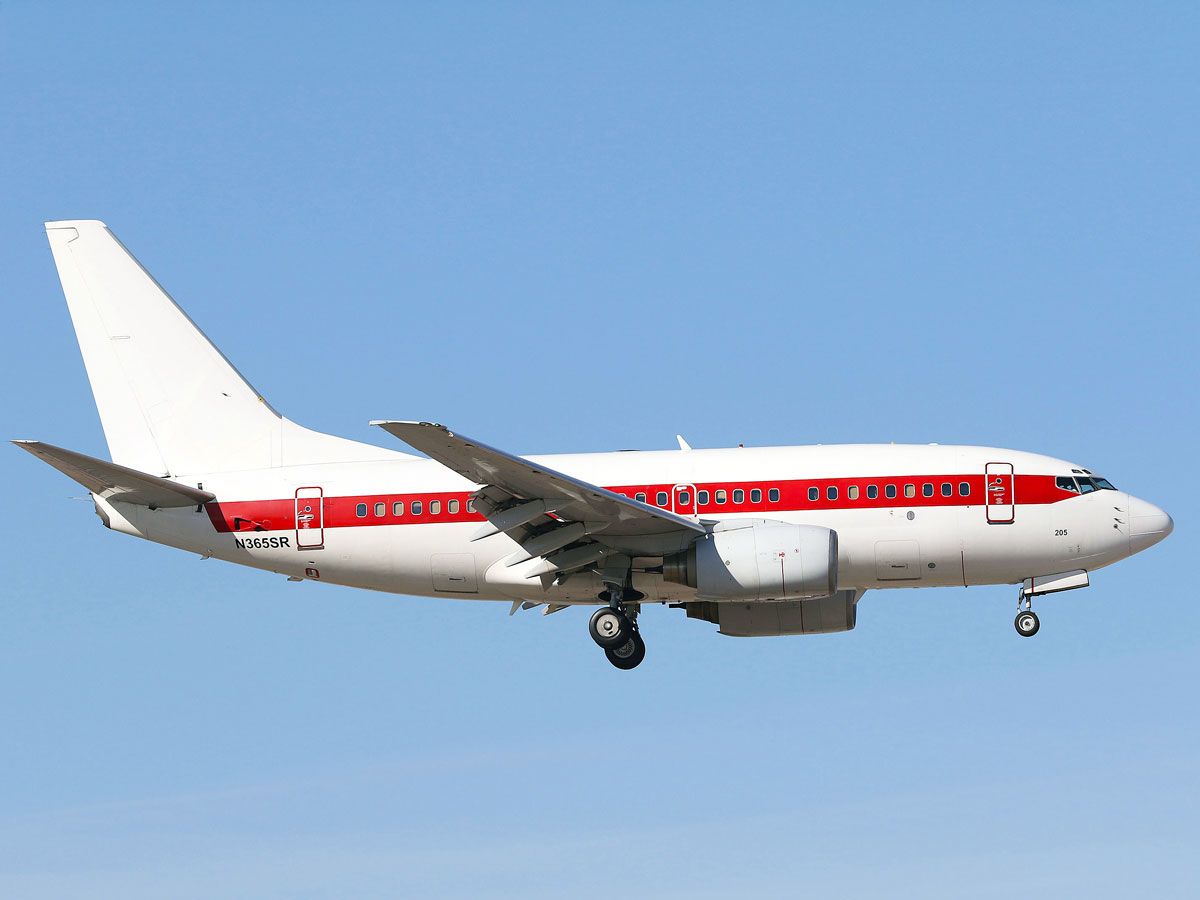
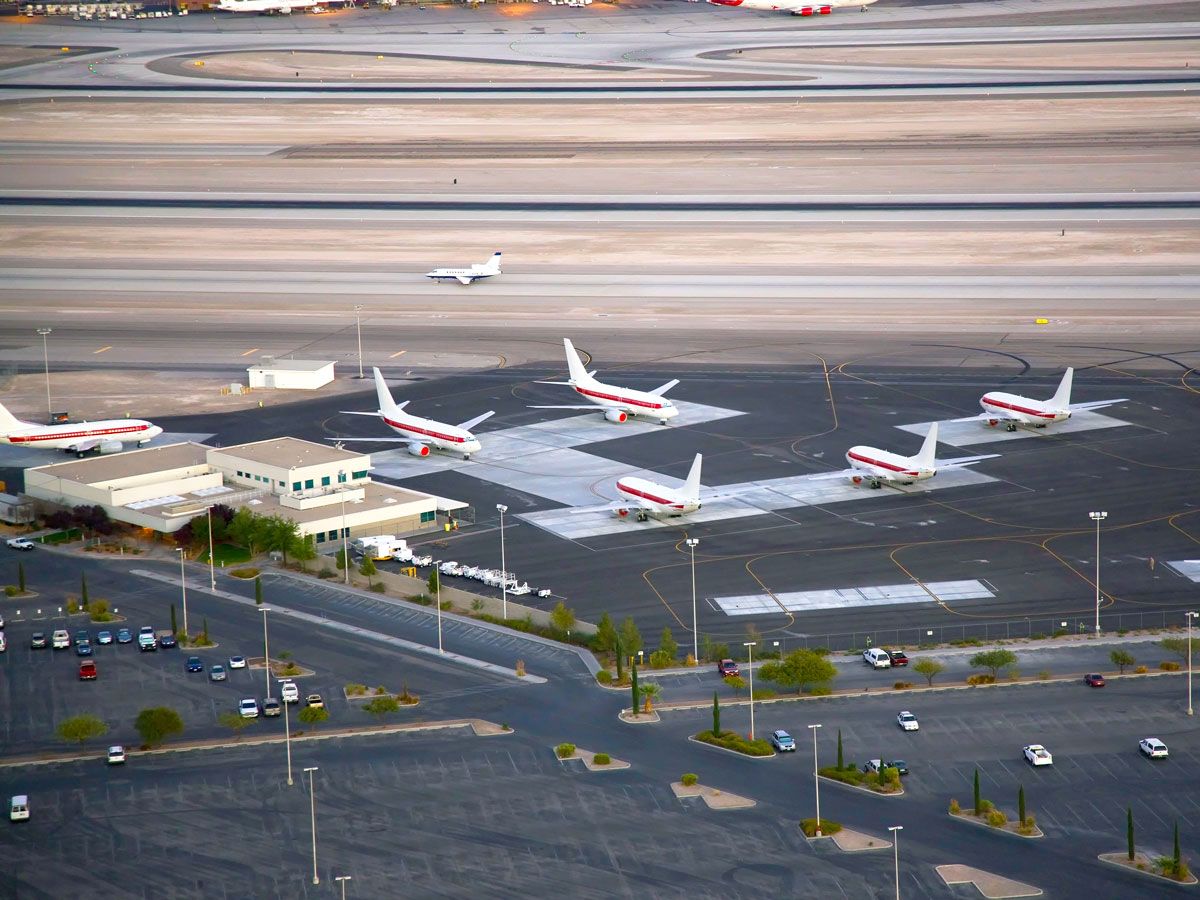
Today, just 11 aircraft make up the Janet fleet. Unlike other aspects of the airline, the planes the airline operates are well known. Currently, there are six Boeing 737-600s and five twin-engine Beechcraft turboprops. All six 737s formerly flew for Air China from 2003 to 2009 under lease from General Electric Capital Aviation Services (GECAS). The aircraft were transferred to the Air Force beginning in 2008.
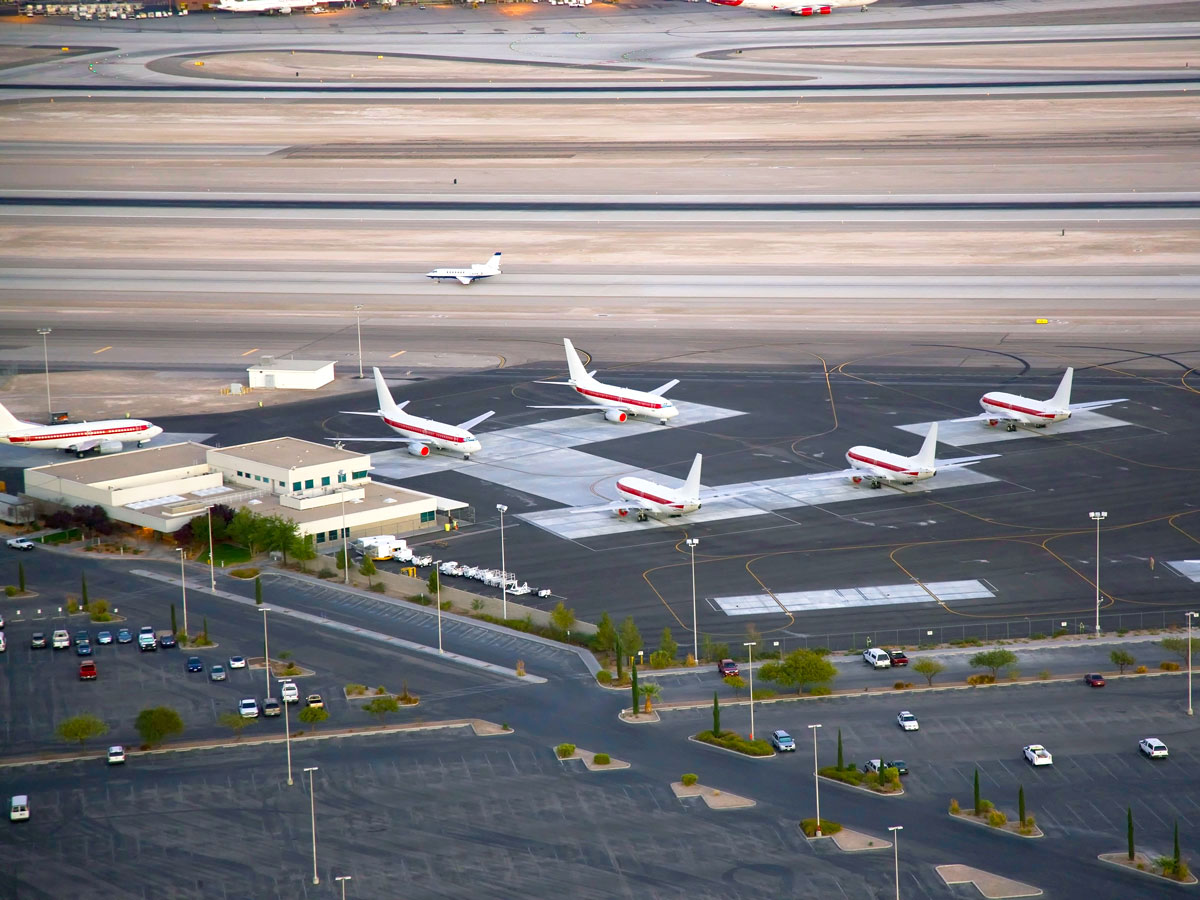
The 737s are recognizable for their short fuselages and tall vertical stabilizers, which give them a distinctive look, though they are otherwise unmarked aside from a horizontal red stripe on their sides. That first flight from Las Vegas to Area 51 was made with a Douglas DC-6, which, along with a second DC-6, was in operation until 1981.
One of the main routes Janet flies today is the same one it started with in 1972: from Harry Reid International Airport (formerly McCarran International Airport) to Area 51. If you’ve flown in or out of Las Vegas, you might have noticed a private terminal on the west side used for helicopters and private jets. It’s the same one Janet Airlines uses. Though the highly secretive base at Area 51 — officially known as Homey Lake or Groom Lake — is only 83 miles away, the easiest way to reach it from certain directions is by air.
Janet also flies to other military sites that, like Area 51, are part of the Nevada Test and Training Range (NTTR), which the Nellis Air Force Base website describes as “a flexible, realistic and multidimensional battle-space to conduct testing tactics development, and advanced training in support of U.S. national interests.” If that sounds vague, well, that’s very much in keeping with most of what is publicly known about Janet. According to the independent Area 51 enthusiast website Dreamland Resort, other destinations include Naval Air Weapons Station China Lake, Edwards Air Force Base, and Palmdale Plant 42, all of which are in California. Most of what happens at these installations is on a need-to-know basis.
These destinations have code names, too. Plant 42 is known as Station 1, Area 51 is Station 3, Basecamp is Station 6, Tonopah Test Range is Station 7, and Janet Terminal at Harry Reid is Station 9.
If you’d like to know more about Janet, you might have to get a job there. The airline does occasionally hire flight attendants, though the requirements are a bit steeper than they would be at, say, United or Southwest. Anyone hoping to fly the friendly skies with Janet Airlines will need to be comfortable handling unusual security situations such as hijackings and also will need to obtain top-secret government clearance. Considerations include applicants’ allegiance to the United States, alcohol and drug use, financial status, foreign influence, and mental health.
Flight attendants also must keep any information about their duties and the destinations they’re flying to shrouded in secrecy, so it’s unlikely that the rest of us will know much more about Janet anytime soon. In fact, it wasn’t until 2013 that the CIA officially confirmed the existence of the airline’s secret base at Area 51 through a Freedom of Information Act (FOIA) request filed in 2005.
Advertisement
More from our network
Daily Passport is part of Inbox Studio, an email-first media company. *Indicates a third-party property.
6 Things That Are Totally Normal in Other Countries (But Not in the U.S.)
By
Julia Hammond
Read time: 4 minutes
September 4, 2025
Updated: September 4, 2025
6 Things That Are Totally Normal in Other Countries (But Not in the U.S.)
Tips •September 4, 2025•Updated: September 4, 2025
By Julia Hammond
Author
Julia Hammond
Julia is a U.K.-based travel writer whose work has been featured in The Independent, The Telegraph, The New Zealand Herald, and Culture Trip, among others. She’s an enthusiastic advocate for independent travel and a passionate geographer who has had the privilege of traveling to more than 130 countries in search of a story.
For travelers, the joy and wonder that comes with venturing overseas is often associated with moments when we embrace new experiences and encounter practices we don’t see at home. In the opening act of George Bernard Shaw’s play Widowers’ Houses, one of the characters remarks, “I dislike feeling at home when I am abroad” — and it’s a mantra that many of today’s most avid travelers would echo. With that in mind, discover seven things that are totally normal in other countries that Americans might find strange.
Luxembourg: Riding Free Public Transportation Everywhere
Credit: Jui-Chi Chan/ iStock via Getty Images Plus
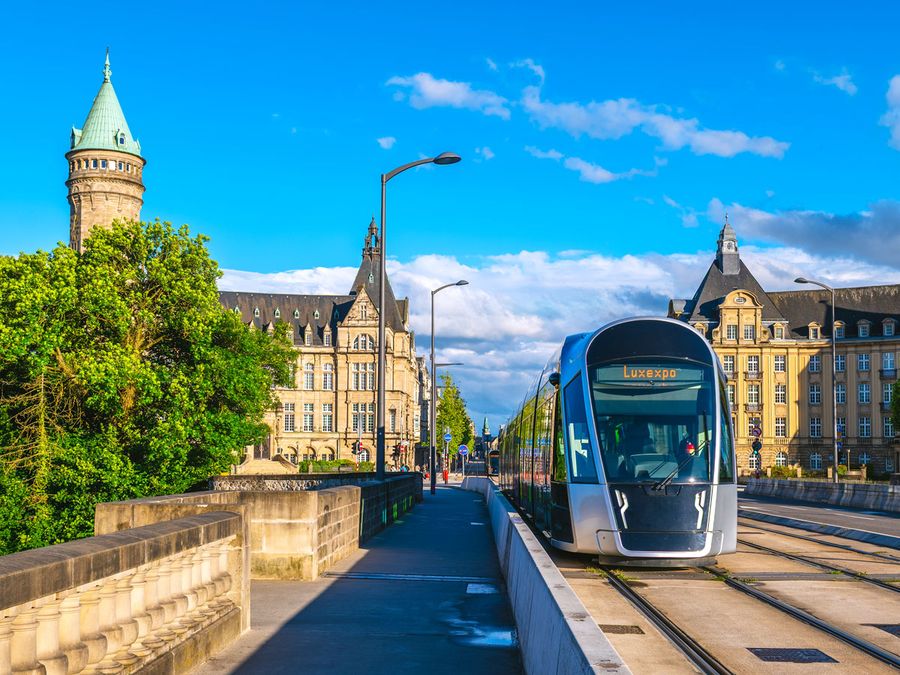
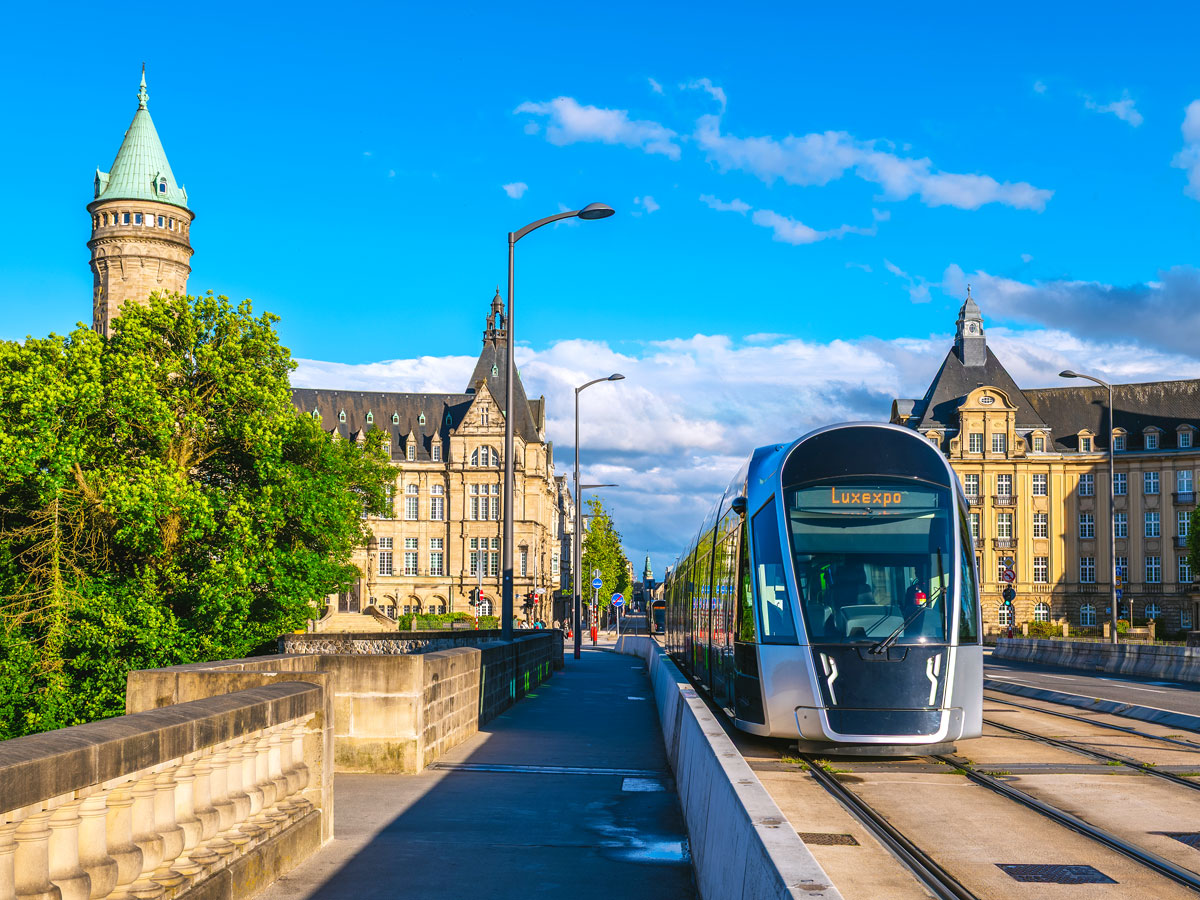
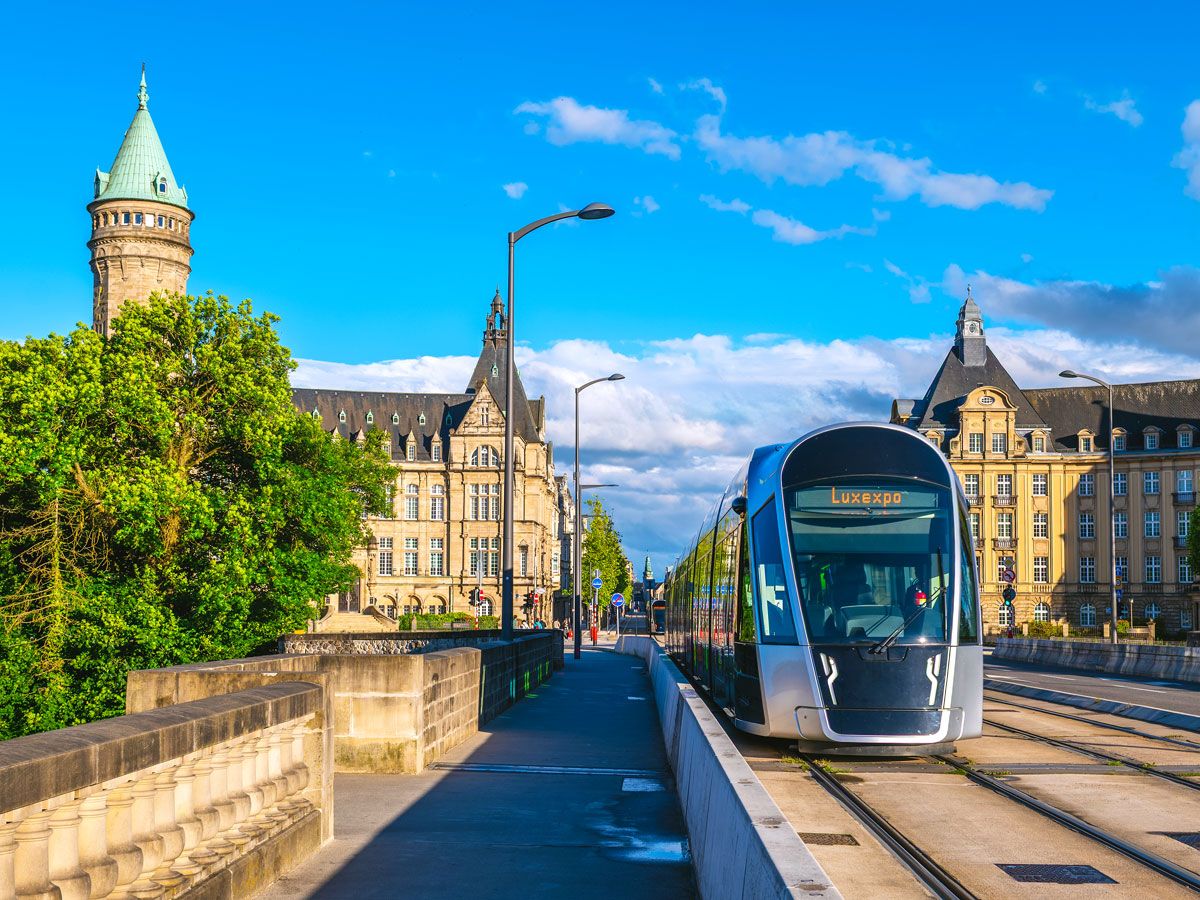
Depending on where you live in the U.S., you might be fortunate to enjoy free public transportation in your city. But can you imagine doing so across an entire state or country? That’s precisely what the Luxembourg government introduced in 2020. Whether you opt to ride a bus, train, or tram, it won’t cost you a cent in this European nation, the smallest of the 27 EU member states. Regardless of where the journey takes you, residents and visitors don’t need a ticket to travel in standard class until they cross the border into a neighboring country.
In the U.S. and many other cultures, it’s a common habit among friends and family members to greet each other with a hug, a kiss on the cheek, or perhaps both. When visiting the Netherlands, however, don’t pull away from a local before a third peck, or you might create an awkward situation. While Dutch people embrace the extra affection, it’s a good idea to approach sufficiently slowly to avoid making a social faux pas by kissing a person who isn’t expecting it, such as a casual acquaintance. Air kisses are preferable, and most people opt to kiss the left side first, followed by the right and the left again, but there’s no hard-and-fast rule that this will always be the favored routine.
Finland – Leaving a Baby in a Stroller Outside for a Nap
If you’re touring the Nordic nations in winter, you might be alarmed to see strollers with babies in them parked outside cafés and stores with no sign of a responsible adult. But in countries such as Finland and Sweden, it’s a perfectly normal thing to do. The thinking behind it is that the swaddled infants will get a healthy dose of fresh air as they nap, and that doing so better enables them to ward off colds and sniffles. The common practice is also emblematic of the high degree of trust among members of the local community. Many parents view it as a way of instilling a love of the outdoors as well as building their child’s independence and resilience.
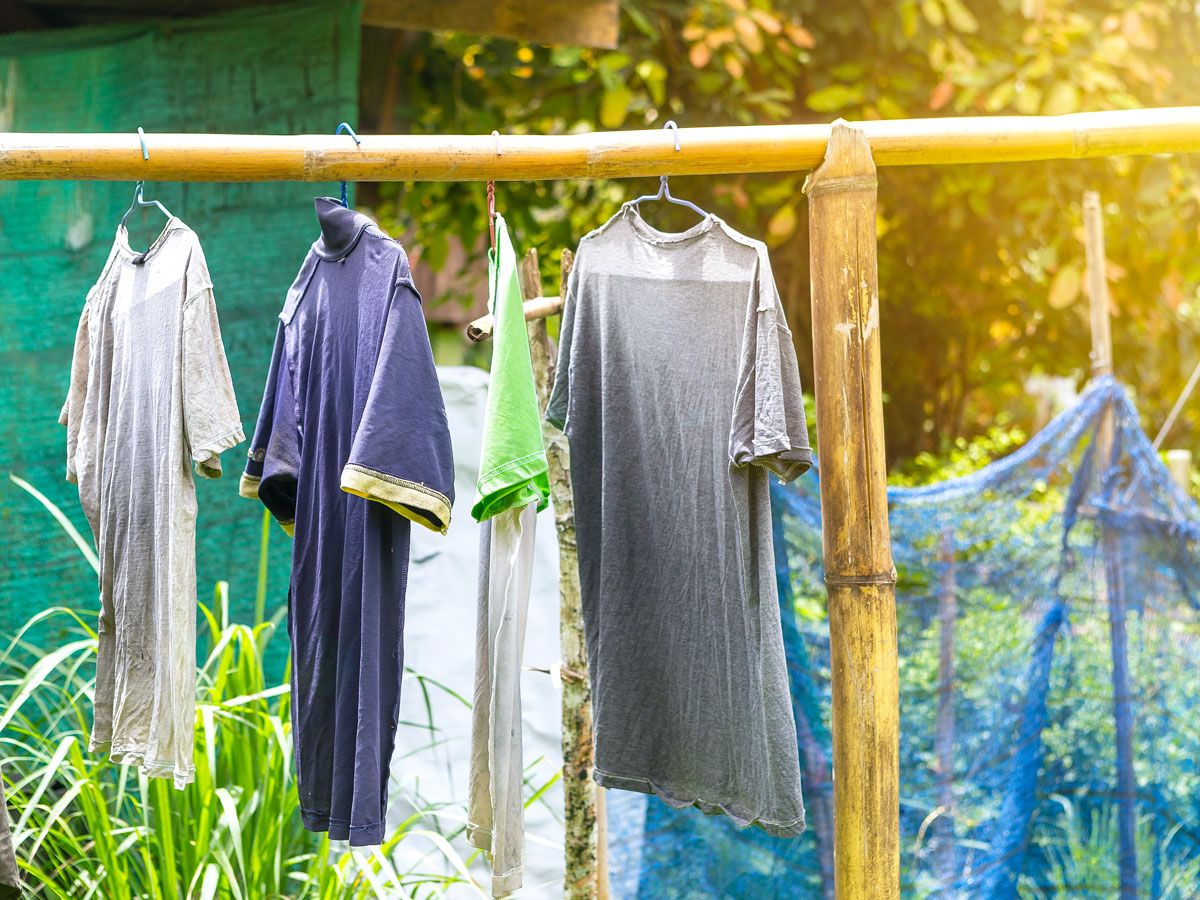
Take a stroll through one of the older residential neighborhoods in Singapore, and you’ll likely notice bamboo poles laden with wet clothing protruding from apartment buildings. The tradition of hanging laundry out to dry in this way was a solution to the lack of space and a response to Singapore’s humid climate, as clothes dried faster outside. However, the practice is dying out, which is probably good news for anyone walking alongside the buildings. According to statistics shared by the Ministry for National Development, there have been an estimated 100 cases of bamboo poles falling; as a consequence, new housing isn’t being fitted with the required fixtures to maintain this tradition.
There’s nothing unusual about walking barefoot on the beach, but in New Zealand (and neighboring Australia), locals take things much further than in the U.S. In summer especially, it is remarkably common to see people walking without shoes in public spaces such as parks, sidewalks, and even in supermarkets. For New Zealand’s Indigenous Maori peoples, entering a marae (communal sacred meeting grounds) shoeless shows respect; it’s also a way to feel a deeper connection to the land. Nevertheless, while the practice of going barefoot in New Zealand is championed by many, there are some places where you’ll need to don shoes, such as in upscale malls or on flights.
The requirement to tip for services is ingrained in American culture, and in many instances factored into pay structures. But in Japan, it’s an entirely different scenario. There, tipping is not the norm, and offering to add gratuity to a restaurant check or even round up a taxi fare is likely to result in confusion or may even be considered rude. In Japanese culture, the idea of omotenashi refers to the deep-rooted desire to look after guests and provide warm hospitality. If you’re keen to recognize good service, positive comments go a long way — tailored praise requires thought and as such is considered far more meaningful than anything with monetary value.
When Did People Start Sending Postcards From Vacation?
By
Daily Passport Team
Read time: 6 minutes
September 4, 2025
Updated: September 5, 2025
When Did People Start Sending Postcards From Vacation?
History •September 4, 2025•Updated: September 5, 2025
By Daily Passport Team
Author
Daily Passport Team
Daily Passport writers have been seen in publications such as National Geographic, Food & Wine, CBC, Condé Nast Traveler, and Business Insider. They're passionate about uncovering unique destinations and sharing expert tips with curious travelers.
Wherever your travels take you, postcards are the first thing you see outside any self-respecting gift shop. Chances are, you’ve sent a few postcards yourself, detailing news of your exciting adventures to friends and family back home, and have heard about your loved ones’ vacations in return. But have you ever wondered how the postcard tradition came to be? Let’s delve into the fascinating history of the humble postcard.
The postcard was born as a result of two key inventions: the postal service and the printing press. In the United Kingdom, the introduction of the Penny Black (the world’s first adhesive stamp) in 1840 meant that lightweight letters and cards could be mailed quickly and cheaply. A similar innovation happened in the United States in 1861, when Congress began allowing privately printed cards to be sent in the national mail.
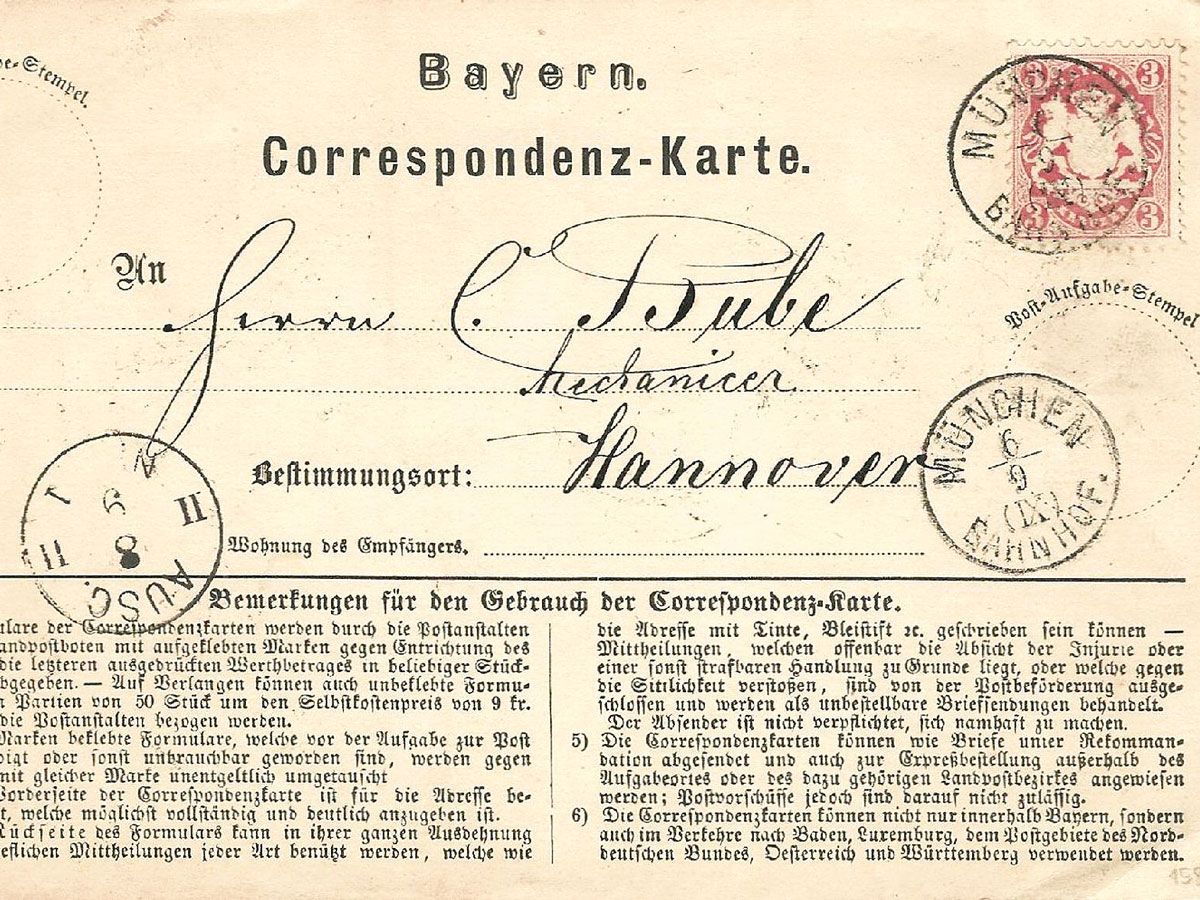
The idea for a card that could be mailed without the use of an envelope was first proposed by Heinrich von Stephan, the general post director for the German postal service, at the 1865 Karlsruhe Postal Conference. His idea was rejected, however, as his colleagues did not believe that people would allow their private messages to be read by nosy postmen. Neighboring Austria took a similar idea and ran with it, introducing the correspondenz-karte in 1869. The open card without an envelope, which cost half the price of an ordinary letter to mail, was a surprising success.
With the onset of the Franco-Prussian War in 1870, the correspondenz-karte (and similar versions in other European countries) became an ideal method for soldiers to send rapid, inexpensive notes to those back home. They became essential for keeping soldiers’ morale high. That same year, the British Post Office issued their first official postcards, selling an astonishing 76 million of them that year. Britain wasn’t at war during that time, so it was mostly civilians who purchased them. With the introduction of the Bank Holidays Act in 1871, Brits flocked from the factories to the seaside, using postcards to tell family and friends about the jolly time they were having.
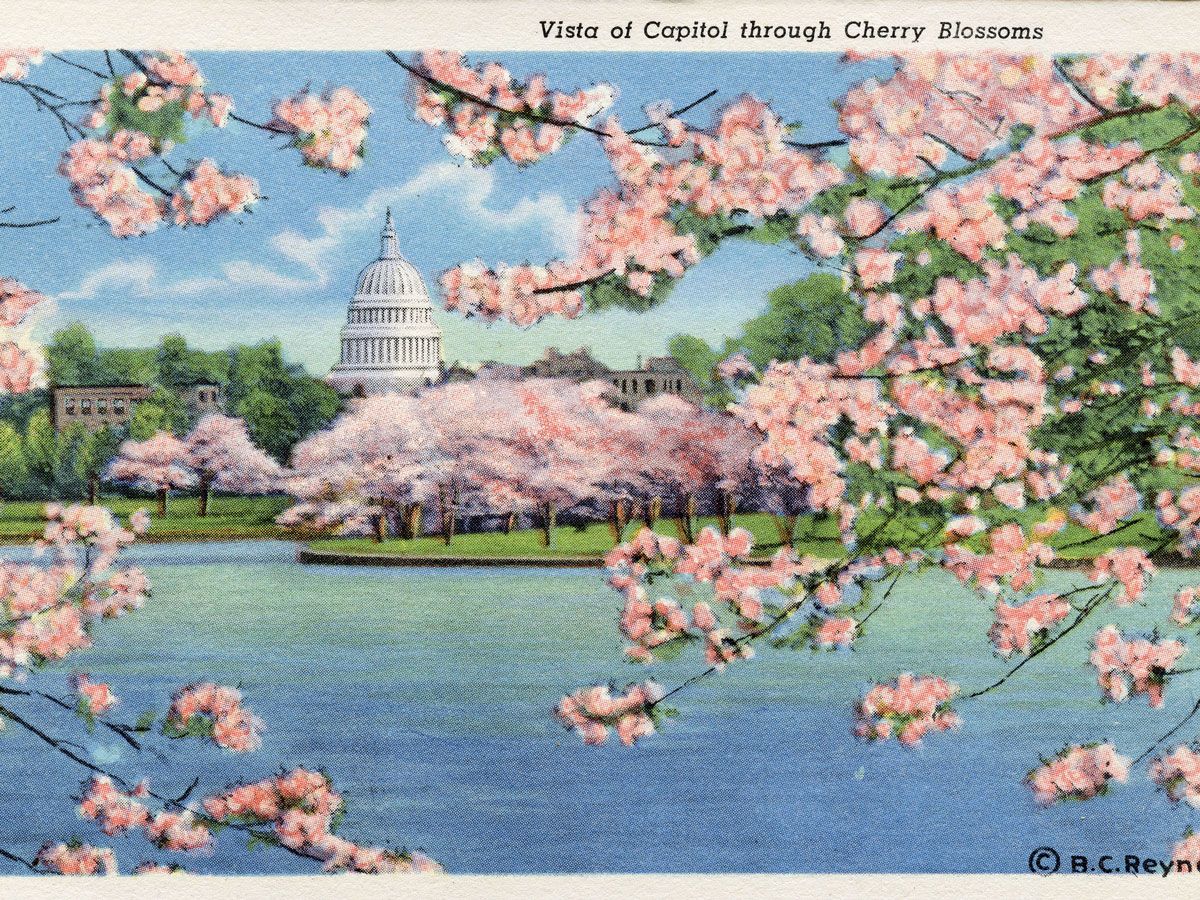
The U.S. government began printing postcards in the early 1870s. Many of these had images of notable sites on them, such as an engraving of the Capitol. Yet, postcards back then were still little more than boring, brief memos — a far cry from the vibrant versions we’re used to today. It took the construction of a world-famous landmark for postcards to become the way to boast about one’s travels.
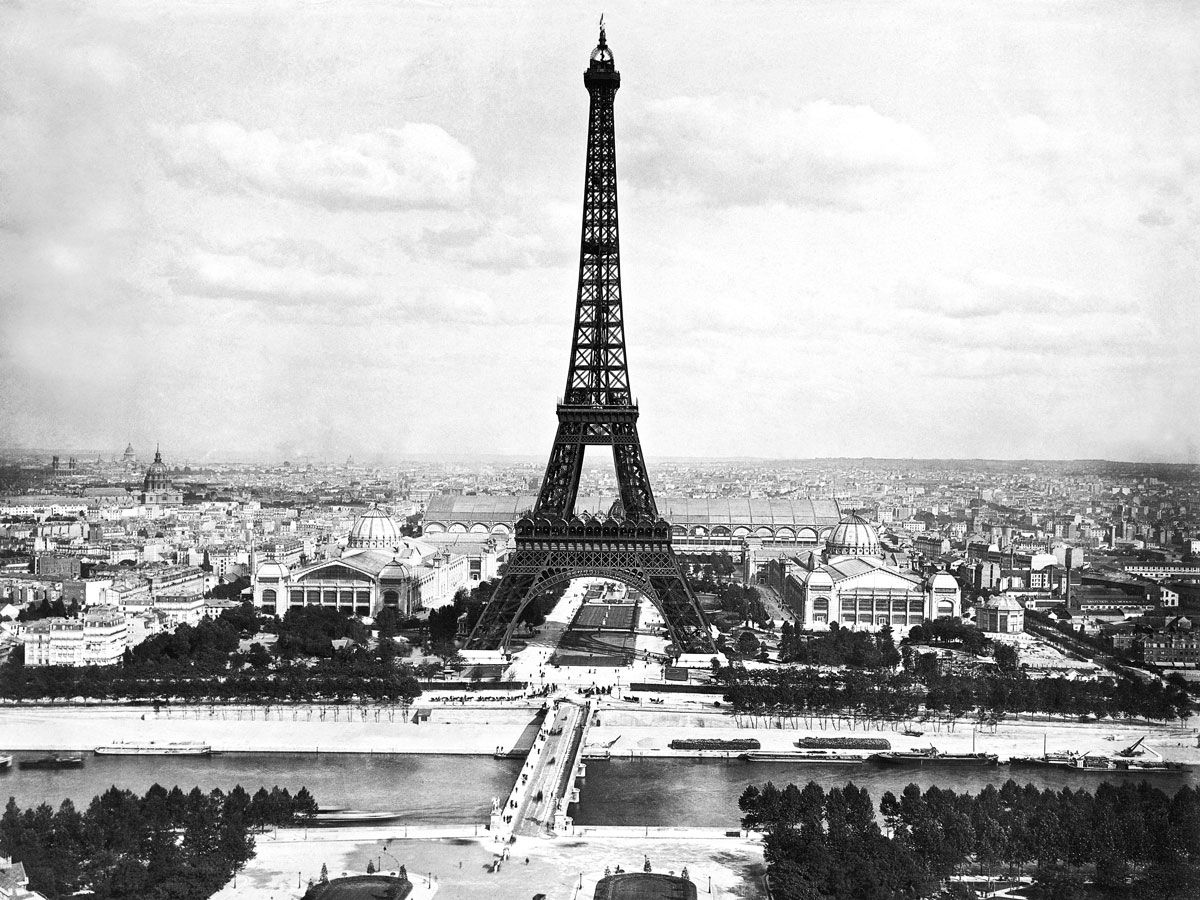
Picture this: You are at the opening of the Eiffel Tower for the 1889 world’s fair. People around you stop to crane their necks at the structure’s full height. Naturally, attendees wanted their acquaintances to know they were present at this historic occasion, so special postcards, featuring an engraving of the tower by Charles Libonis, could be bought and even mailed from the Eiffel Tower itself.
The postcard mania continued into the next world’s fair in Chicago in 1893. Forty-six nations set up stands to educate the 26 million fair visitors, many of whom may not have set foot outside the borders of their own state. Once again, the official postcards of the event — this time designed by Charles W. Goldsmith using new color-printing technology — were a smash hit.
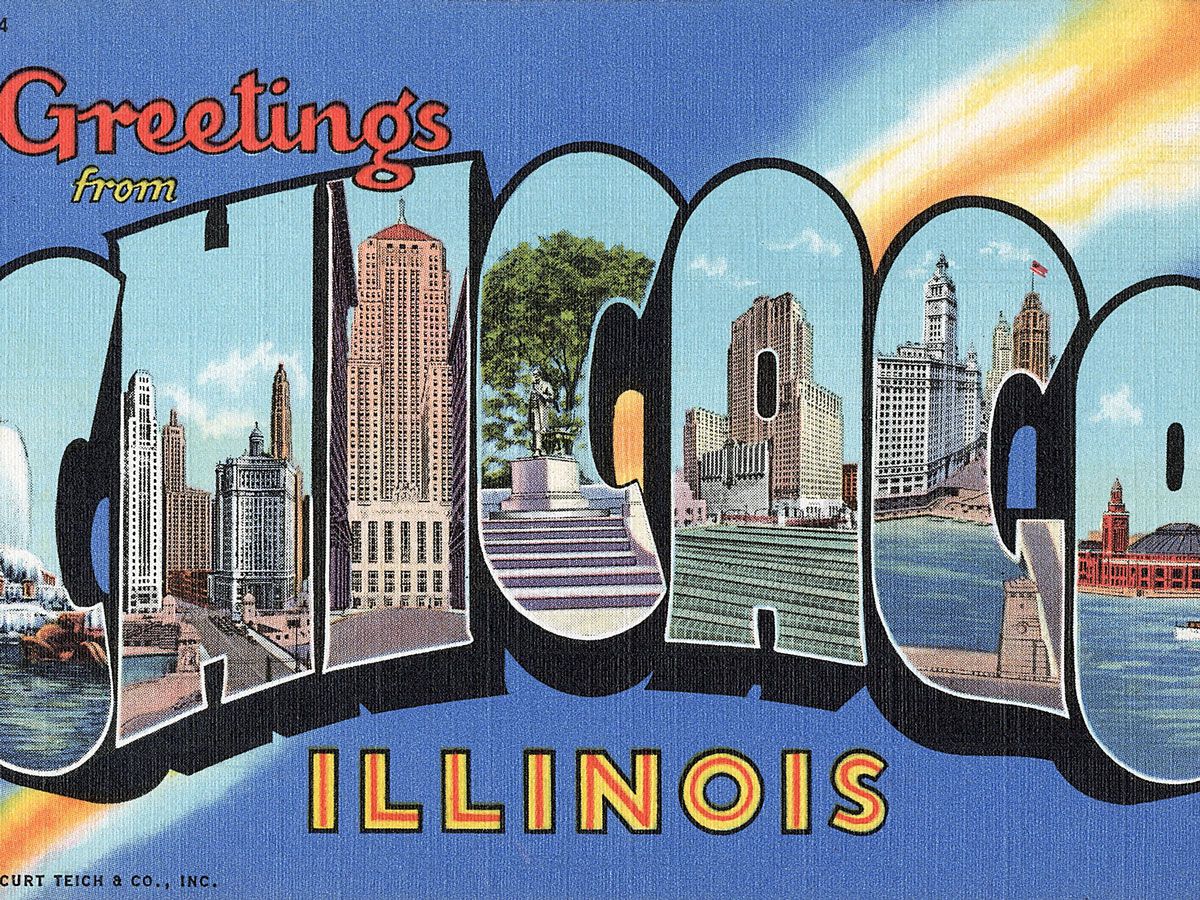
Five years later, a German immigrant named Curt Teich arrived in Chicago. His family ran a printing press back in Germany, and Teich decided to set up his own company in the Windy City. However, competition was tough. Many of the great minds who attended the 1893 world’s fair decided to stick around to see if they could make their own Chicago fortune printing newspapers. Searching for another niche, Teich saw an opportunity in the burgeoning postcard trade. He packed his camera and order pad, and hopped on a train to document the wonders of small-town America. For Teich, no town was too insignificant.
Developments across the pond helped Teich’s business. In the early 20th century, postcards continued to be wildly popular in Europe. They were cheap to send and could be delivered in a matter of hours, with as many as 12 postal collections a day in London. And as wealthier Europeans toured the world, postcards proved to be a handy way of communicating with loved ones at home. They also became a collector’s item, with each new design adding to the treasure trove of an amateur collector. And in 1945, postcards even led to the creation of a new word, deltiology — the hobby of collecting postcards.
Unfortunately, World War I, the Great Depression, and World War II put a damper on fun-filled vacations and leisurely pursuits. However, Teich’s business kept going and growing, as he sensed that postcards were more than just a passing fad.
As a child, Teich would have been familiar with postcards emblazoned with the words “Gruss Aus…” (“Greetings From…”) accompanied by an illustration of an idyllic German town. Teich, with his vast collection of images of various American cities, brought this same idea to the United States. The airbrushed images were distinctly American and played up to nostalgic, sentimental views of America unscarred by war and recession. Teich’s designs showcased each town’s main landmarks with each letter of its name, from its picturesque city hall to the spectacular waterfalls lying just outside city limits.
After the wars were over, Americans hit the newly opened Route 66 to explore all their country had to offer. Teich’s postcards were the perfect way to show off to the folks back home. Stocked in five-and-dime stores such as Woolworth’s, the postcards drew in hordes of customers. Many loved that Teich had a design for seemingly every place in America — 150,000 are estimated to have existed.
By the 1960s, photographic postcards had overtaken Teich’s design as the most popular style of postcard in America. Postcards also became less useful as a rapid way of sending information, as other, quicker postal services (and even the telephone) had become household staples. Still, postcards remained a vacation tradition, one we continue to this day. From Lady Liberty to the savannas of Africa, and everywhere in between, postcards are truly a global phenomenon.
The warm, fuzzy feeling we get upon receiving a postcard today is the same feeling people 150 years ago would have felt, seeing a colorful little card from somewhere far away arriving in the mail. Nowadays, we can send virtual postcards, personalized versions, and even 3-D ones. But next time you travel somewhere new, try picking up a few old-fashioned ones and sending them to your friends — you might just spark a new appreciation of these humble, nostalgic souvenirs.
Advertisement
More from our network
Daily Passport is part of Inbox Studio, an email-first media company. *Indicates a third-party property.
Bradley is an English travel writer who’s wandered through 50-plus countries and lived on four continents while chasing waves, the perfect pint, and family adventures. Bradley's work has appeared in publications such as Skyscanner and Matador Network, and he now splits his time between Buenos Aires and Uruguay.
From famous battlefields to the homes of civil rights leaders and gold rush-era landmarks, America’s National Historical Parks and National Historic Sites are living windows into the past. While a historical park tends to encompass an entire town or a collection of landmarks, a historic site focuses on a single location. Collectively, they help to keep alive the people, places, and stories that have shaped the nation’s culture, history, and heritage. Read on to discover the 10 most-visited National Historic Sites and National Historical Parks in the United States, as of 2024.
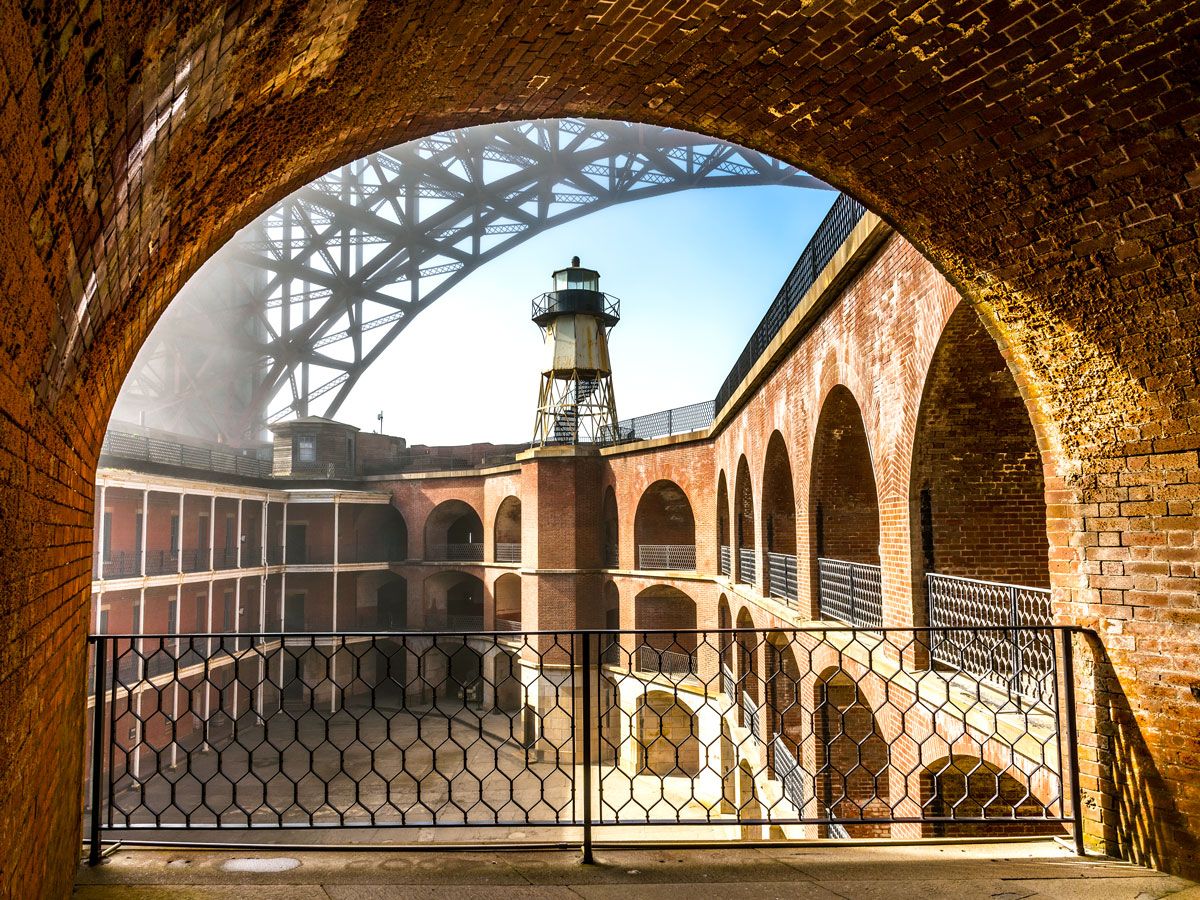
10. Fort Point National Historic Site – San Francisco, California
Nestled beneath the southern end of the Golden Gate Bridge, Fort Point has stood guard over San Francisco for over 150 years. Constructed from 1853 to 1861, at the height of the California gold rush, it was part of the Third System of Coastal Forts, whose main purpose was to protect the country from naval attacks. However, Fort Point was never deployed in battle. In the years that followed, the landmark was utilized as barracks, a military school, and a World War II station.
Today, visitors can check out the multilevel casemates and enjoy sweeping views of the San Francisco Bay and Golden Gate Bridge from the fort’s rooftop. Additionally, ranger-led talks, programs, and museum exhibits shed light on the fort’s fascinating history.
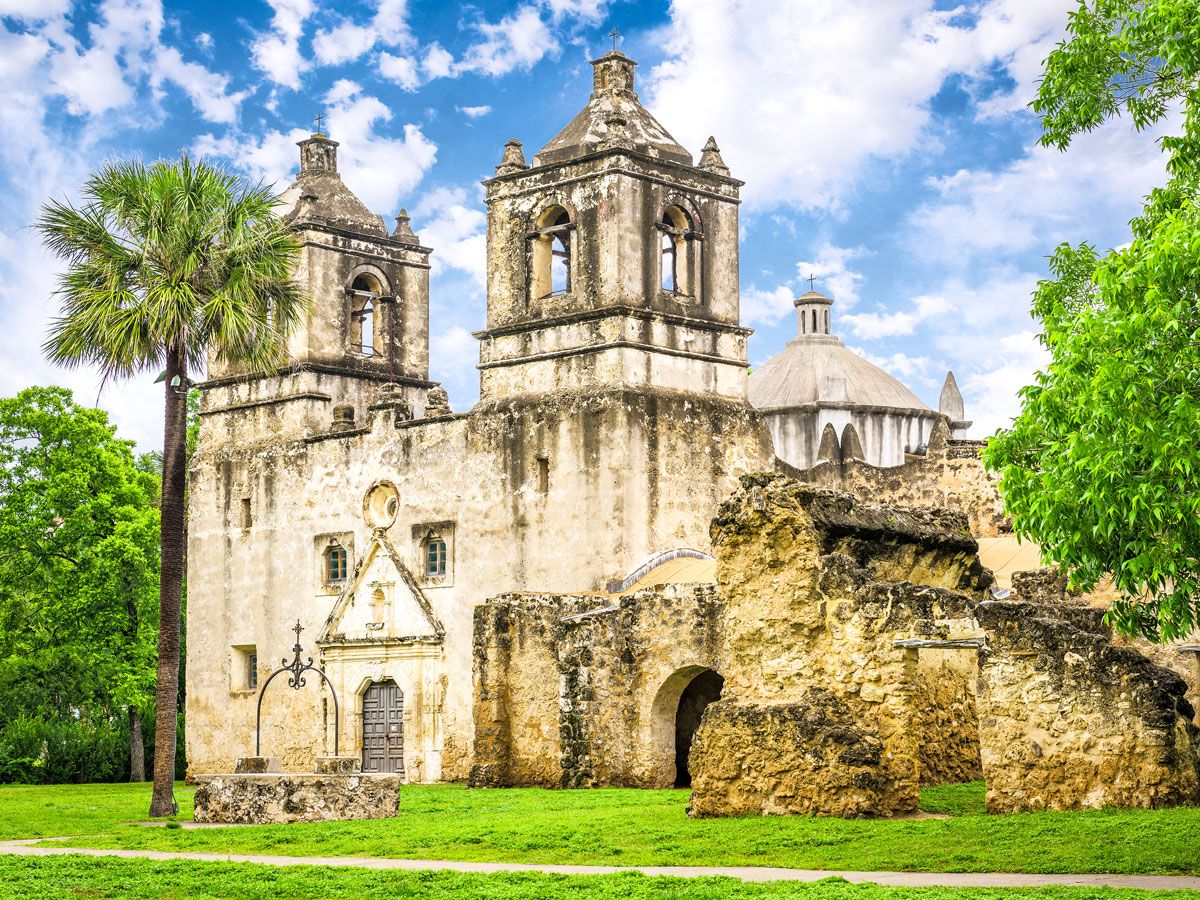
9. San Antonio Missions National Historical Park – San Antonio, Texas
The San Antonio Missions National Historical Park tells the stories of Indigenous South Texans and the Spanish missionaries who arrived in the area in the early 1700s. Spread over 948 acres, the park shelters the remains of four missions: San José, Concepción, San Juan Capistrano, and Espada. Each was at the heart of a thriving frontier town in the 18th century, and today they form North America’s largest concentration of Spanish missions.
Self-guided or ranger-led tours of the missions offer the chance to explore the living quarters, intricate stonework, and antique frescoes. Linking the park with downtown San Antonio is the 8-mile-long Mission Reach section of San Antonio River Walk. Ideal for walking or cycling, it passes public art displays, the Alamo, and other historical landmarks.
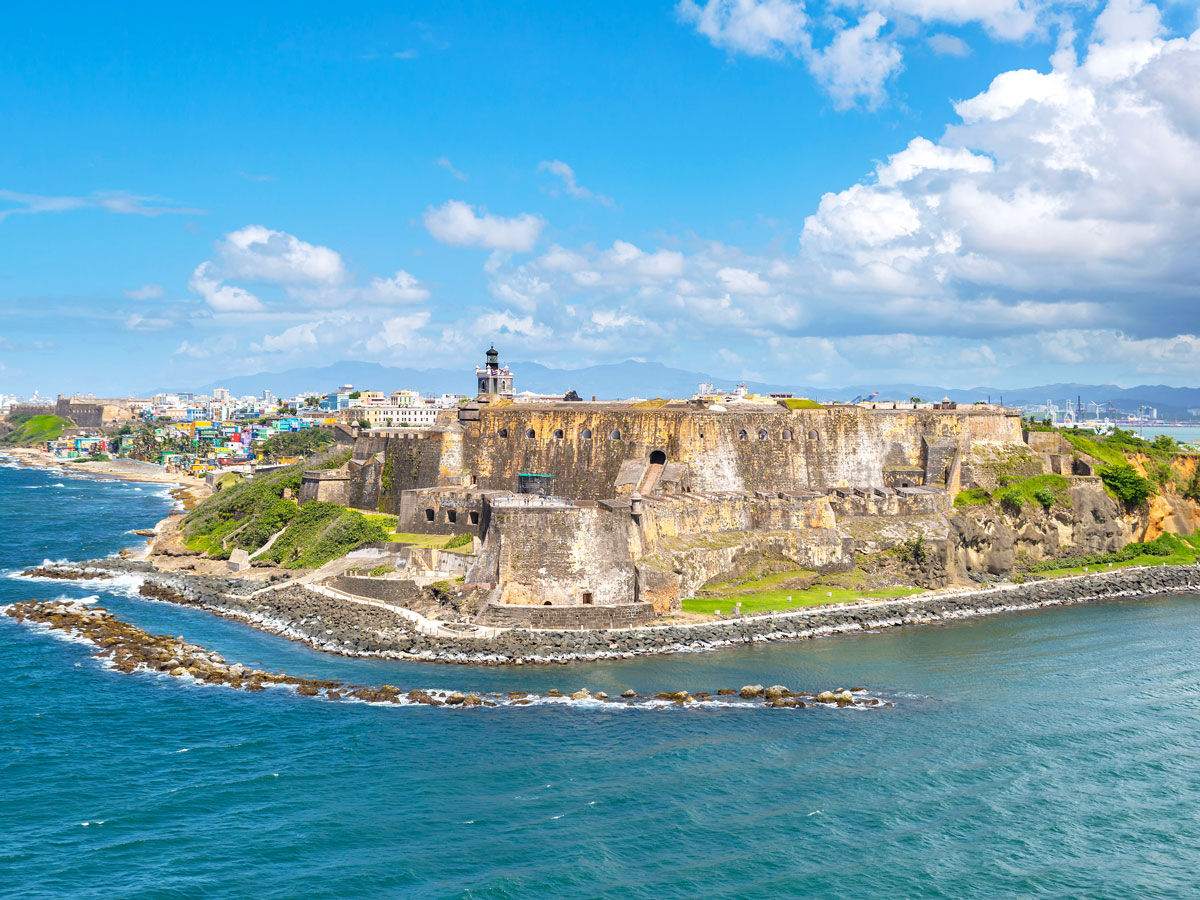
8. San Juan National Historic Site – San Juan, Puerto Rico
Credit: UCG/ Universal Images Group via Getty Images
Recreation visits in 2024: 1.33 million
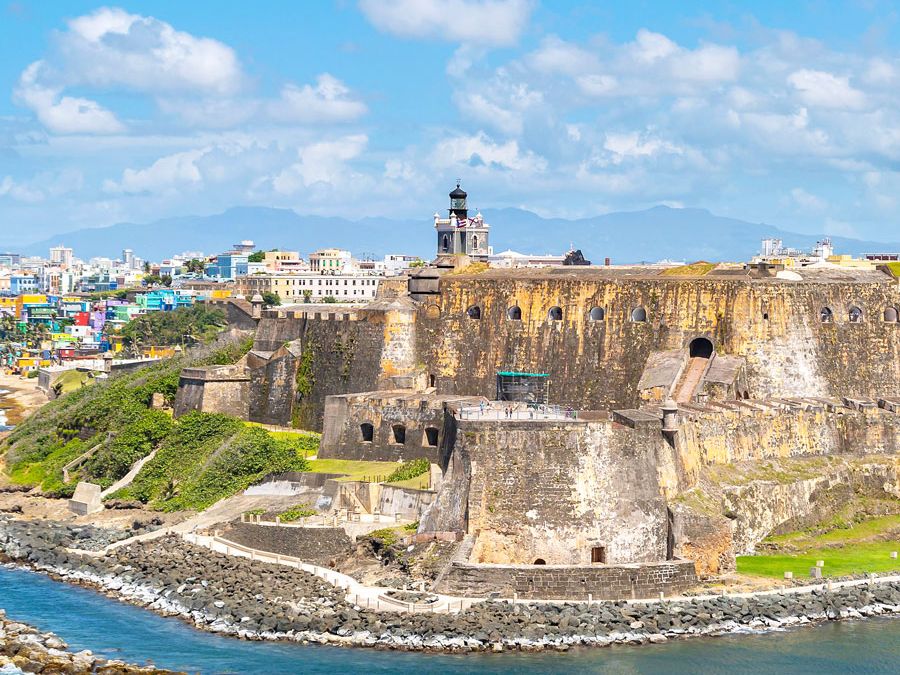
Standing proud at the entrance to the Bay of San Juan, San Juan National Historic Site boasts some of the finest Spanish colonial architecture in the Americas. This UNESCO World Heritage Site was built progressively from the 1500s through the 1700s, with modifications in the centuries that followed. Its defensive walls, forts, and military buildings served to protect Puerto Rico from privateer attacks and colonial invasions.
The site encompasses key landmarks within the Old San Juan district. Here, the Castillo San Felipe del Morro and Castillo San Cristóbal forts stand almost unblemished, and the Cuartel de Ballajá military barracks have been reimagined as a cultural center. Meanwhile, Paseo del Morro affords sweeping views over the Caribbean Sea. Adding to the charm are the nearby boutiques, cafés, and churches that line scenic plazas and cobblestone streets in Old San Juan.
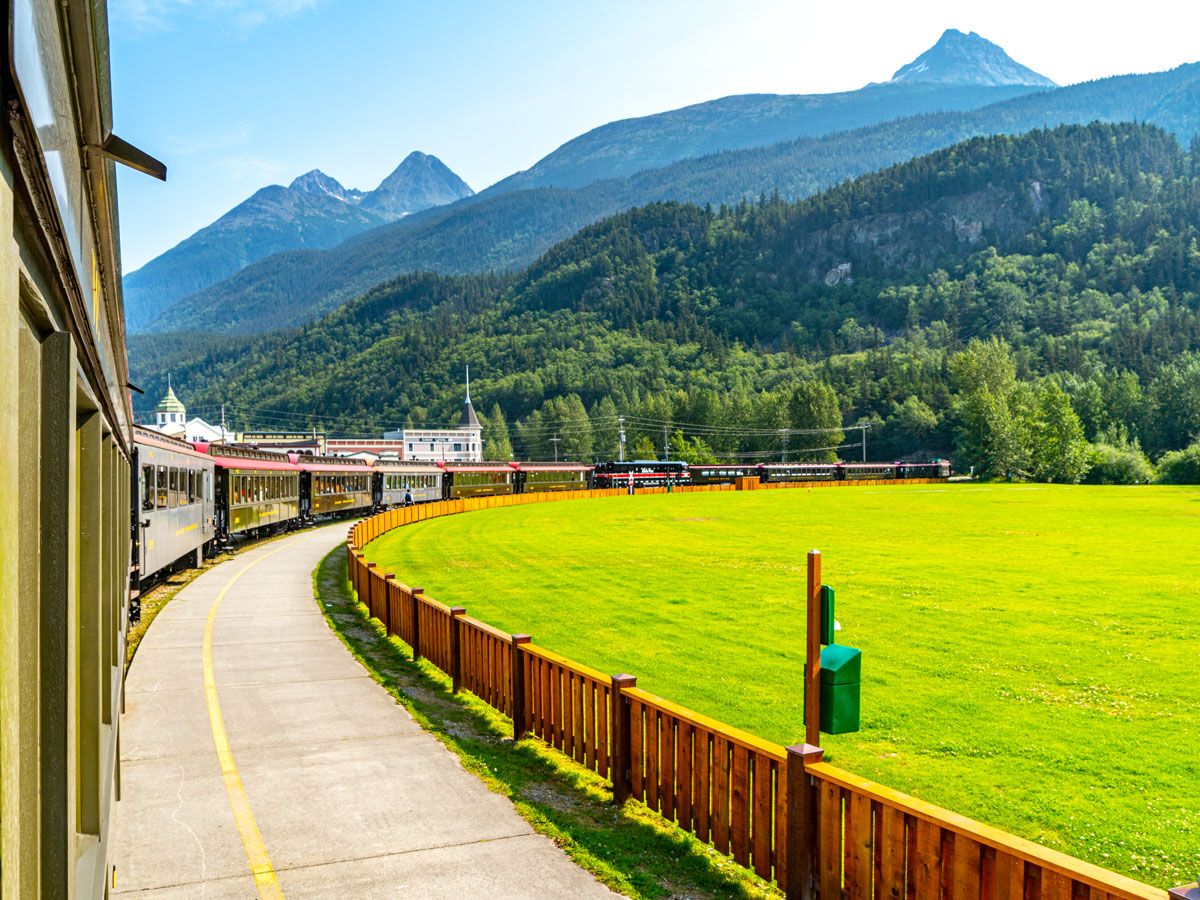
In 1896, Keish, a member of the Tagish First Nation who also went by the nickname Skookum Jim, discovered gold at Bonanza Creek, near Dawson City in the Yukon. His discovery sparked a stampede of prospectors to Alaska and the Yukon Territory, an event known as the Klondike gold rush. Once-quiet First Nations settlements turned into boomtowns overnight as an estimated 100,000 prospectors arrived to seek their fortune. Detailing the legacy of the 1897-1898 boom, the Klondike Gold Rush National Historical Park preserves a six-block district in the city of Skagway, Alaska, alongside nearby sites tied to the gold rush.
Downtown Skagway is home to preserved buildings such as the Mascot Saloon and Moore Cabin, built by the town’s founder William Moore. Nearby Dyea, once a boomtown that rivaled Skagway, is now a ghost town that marks the starting point of the Chilkoot Trail, a 33-mile backpacking and hiking trail that retraces the path once trodden by hopeful gold seekers.
6. Valley Forge National Historical Park – King of Prussia, Pennsylvania
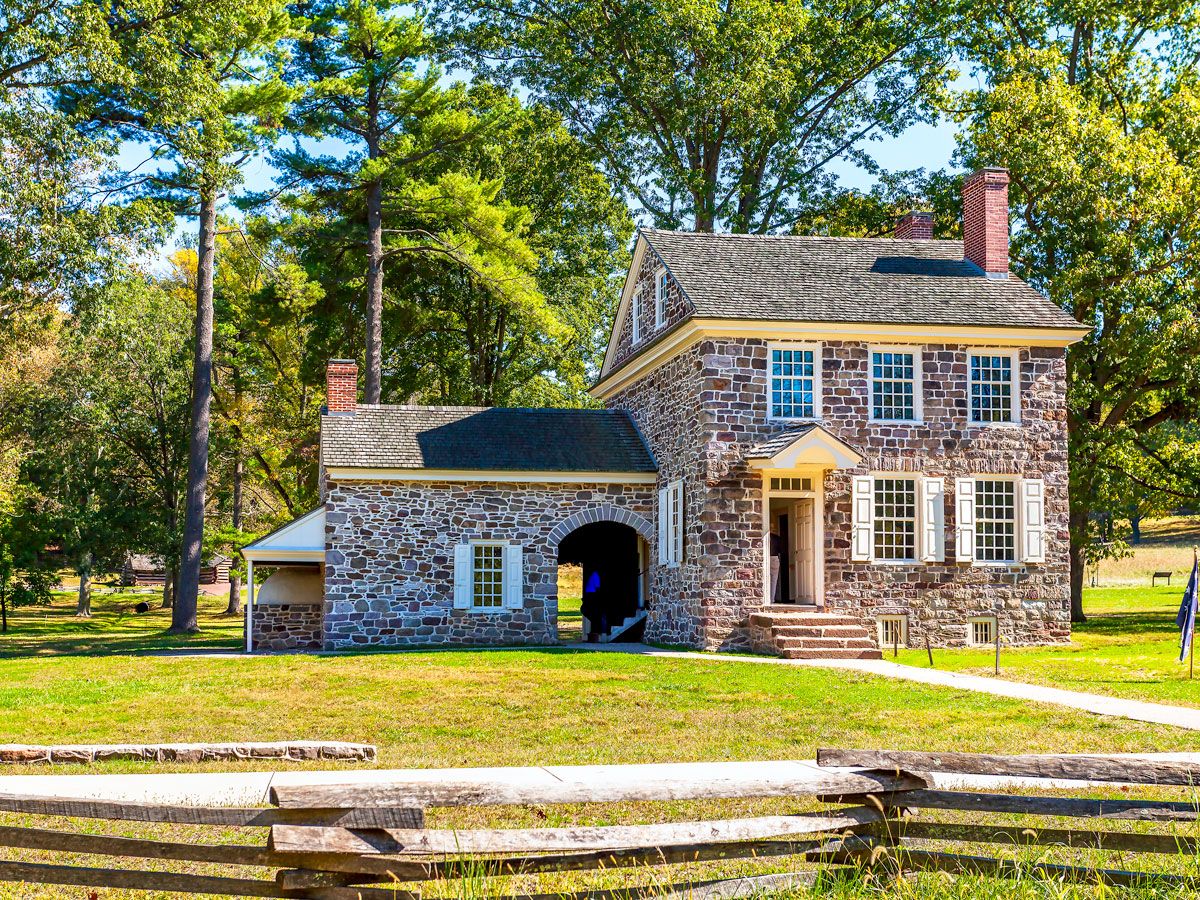
During the brutal winter of 1777 to 1778, George Washington and the Continental Army set up camp in Valley Forge, Pennsylvania. The troops faced extreme temperatures, food shortages, and disease. Nevertheless, under the training of Baron von Steuben, they transformed into a disciplined and unified unit. This marked a pivotal turning point in the Revolutionary War, symbolizing the perseverance to fight for independence. Nearly 250 years later, the 3,500 acre site is a thought-provoking and quintessential stop for anyone interested in American history.
Dominating the lush landscape is the triumphal National Memorial Arch, which honors the army’s 12,000 troops. Visitors can learn their stories at the Visitor Center at Valley Forge, visit Washington’s headquarters, and see re-creations of the log huts used for shelter. There are also 35 miles of walking and biking trails around meadows and forests to explore.
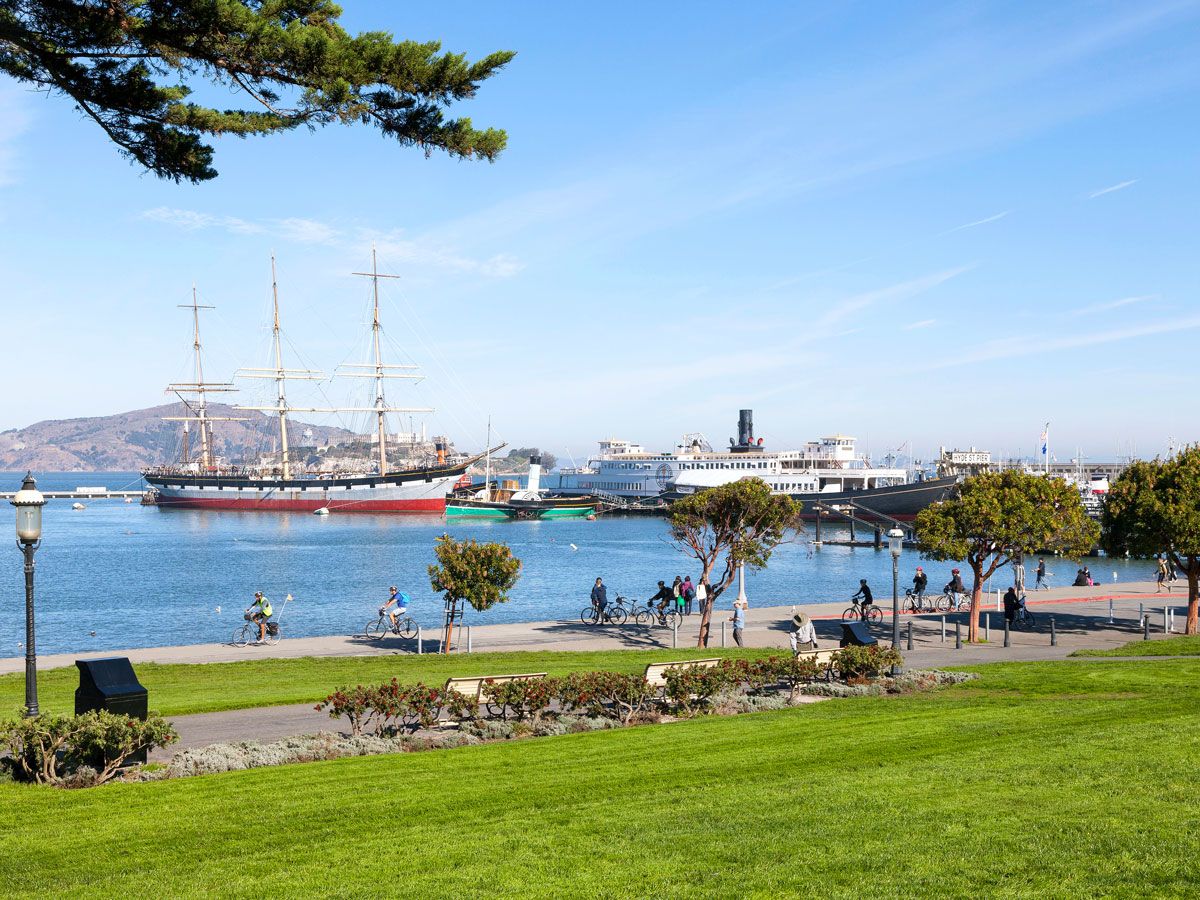
Set around Aquatic Park Cove, San Francisco Maritime National Historical Park details California’s impressive seafaring history. The 50-acre park encompasses art deco landmarks, maritime buildings, shipyards, and seafront promenades. In the east end of the park, you’ll find the iconic Hyde Street Pier (currently closed for renovations). Opened in 1922, it served as a vital ferry link across the bay to Berkeley, Oakland, and Sausalito. Historic ships, including the Balcutha and Hercules, once lined the pier, although many have since been relocated to Mare Island Historic Park for preservation.
Located in an old brick cannery warehouse, the Visitor Center features interactive exhibits, including a display of San Francisco’s original six neighborhoods. Find more art, artifacts, and activities at the Maritime Research Center and Maritime Museum. The latter occupies the former Aquatic Park Bathhouse, itself a Streamline Moderne-style architectural masterpiece overlooking the bay.
4. Colonial National Historical Park – Williamsburg, Virginia
Colonial National Historical Park brings together two of the most pivotal sites in American history. On the banks of the James River sits Jamestown, the first permanent English settlement in the country, established in 1607. Here, archaeological remains, reconstructed forts, and hands-on exhibits highlight the innovations and struggles that shaped the colony. The Jamestown Glasshouse also showcases the colony’s first efforts at industrialization.
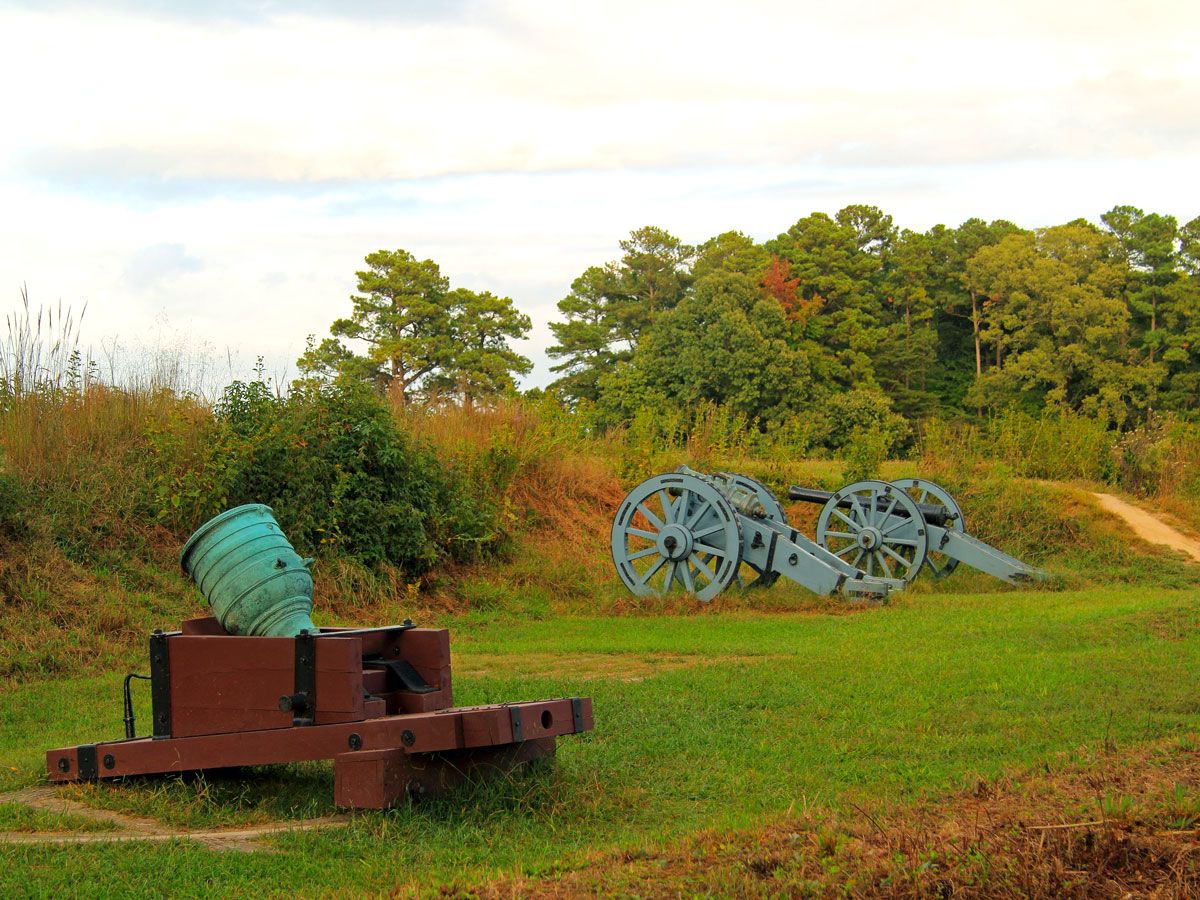
On the opposite side of the Williamsburg Peninsula is the Yorktown Battlefield, where American and French troops fought together to defeat the British in 1781. Walk the battlefields and check out the visitors center, where a short film and exhibits delve into the events of the 1781 Siege of Yorktown. And don’t miss the 23-mile-long Colonial Parkway, which combines fascinating colonial history and one of Virginia’s most bucolic landscapes in one go.
3. Boston National Historical Park – Boston, Massachusetts
Boston National Historical Park groups together some of the most defining sites in Boston’s rise from a center for colonial resistance to a naval powerhouse in the newly independent United States. Compact and walkable, the park is an all-encompassing and immersive journey into the birth of the nation. Seven of the park’s eight attractions are connected by the Freedom Trail. This 2.5-mile redbrick pathway weaves through the city, passing historical landmarks and interactive exhibits.
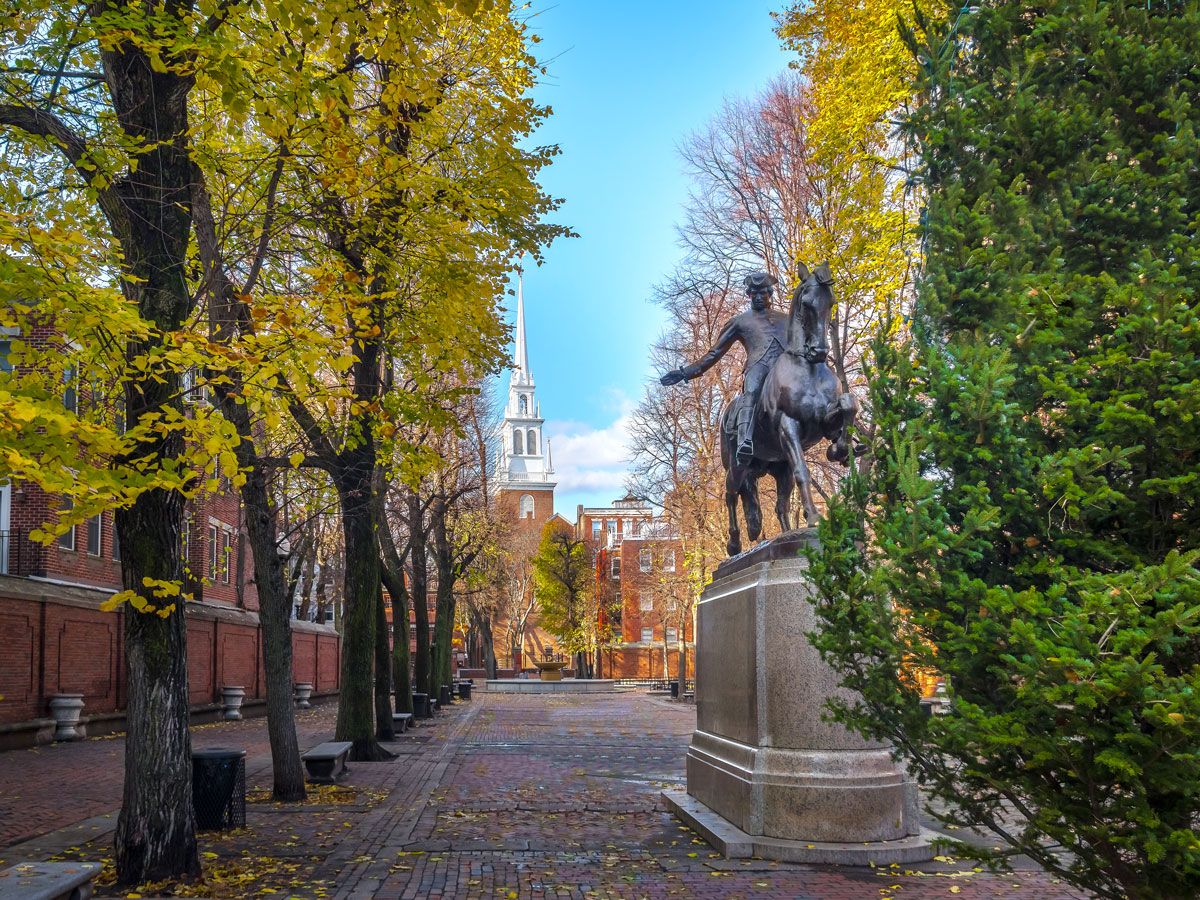
One of the most popular stops is the Old North Church, where Paul Revere set off on his famous midnight ride in 1775 to warn colonists of advancing British troops. A few months later, one of the first major battles of the Revolution unfolded at Bunker Hill Monument. In the heart of downtown Boston, Faneuil Hall hosted gatherings where colonists protested and listened to stirring oratory. And don’t miss the Charlestown Navy Yard, where the USS Constitution, the world’s oldest commissioned warship, is moored and open for tours.
2. Independence National Historical Park – Philadelphia, Pennsylvania
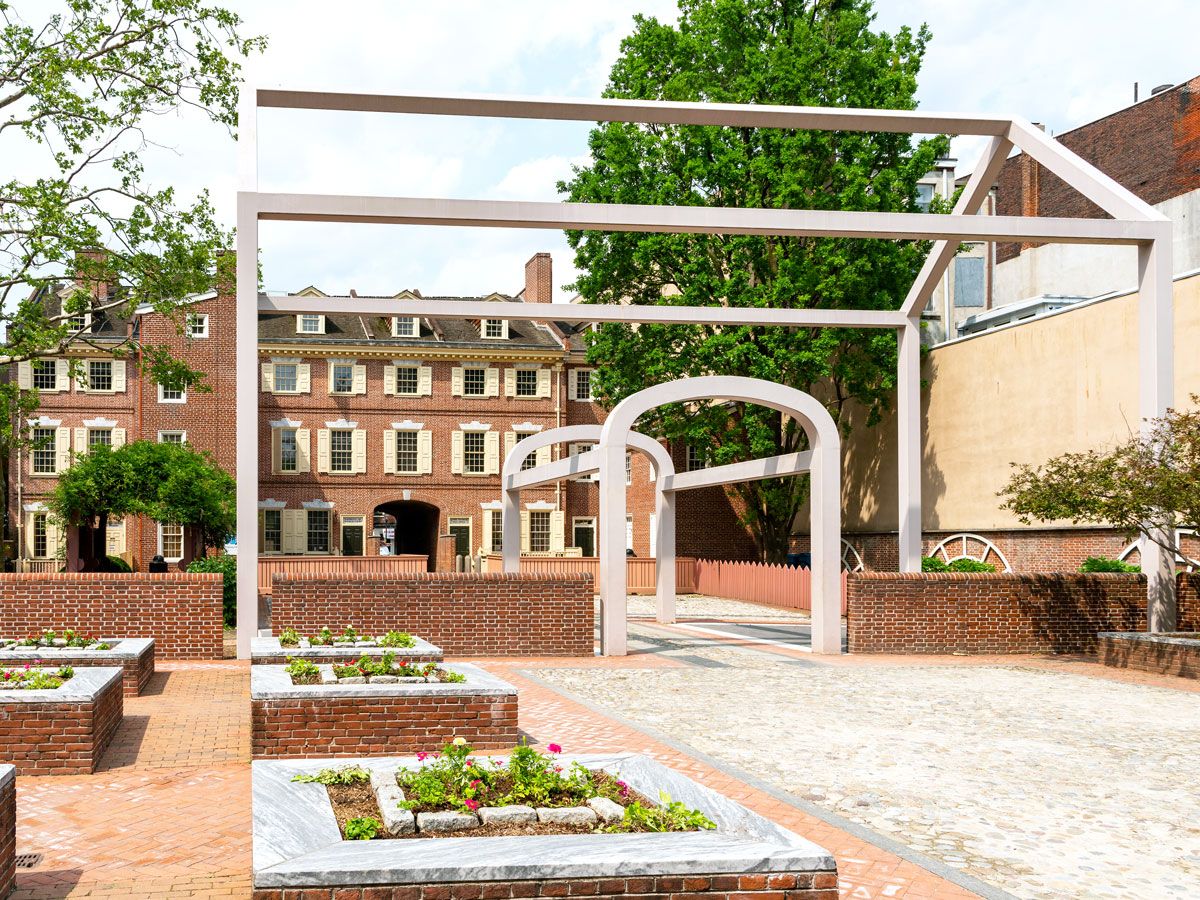
Independence National Historical Park covers 20 landmark-filled blocks in Philadelphia’s Center City neighborhood. Here, a collection of historic buildings and museums present an opportunity to discover the nation’s founding stories. Standing in the heart of the park is Independence Hall, where the Declaration of Independence and U.S. Constitution were debated, finalized, and signed.
At the Benjamin Franklin Museum, original artifacts and immersive exhibits tell the story of the founding father who signed the Declaration of Independence. You’ll also find portrayals of explorers, politicians, and military officers hanging in the Portrait Gallery in the Second Bank. Outdoors, the peaceful Magnolia Garden draws on George Washington’s love for magnolias, while gorgeous flower displays fill the 18th-Century Garden and Rose Garden. Lastly, be sure to listen for the hourly chime of the Centennial Bell, which first rang to commemorate the nation’s 100th anniversary.
1. Chesapeake and Ohio Canal National Historical Park – Potomac, Maryland
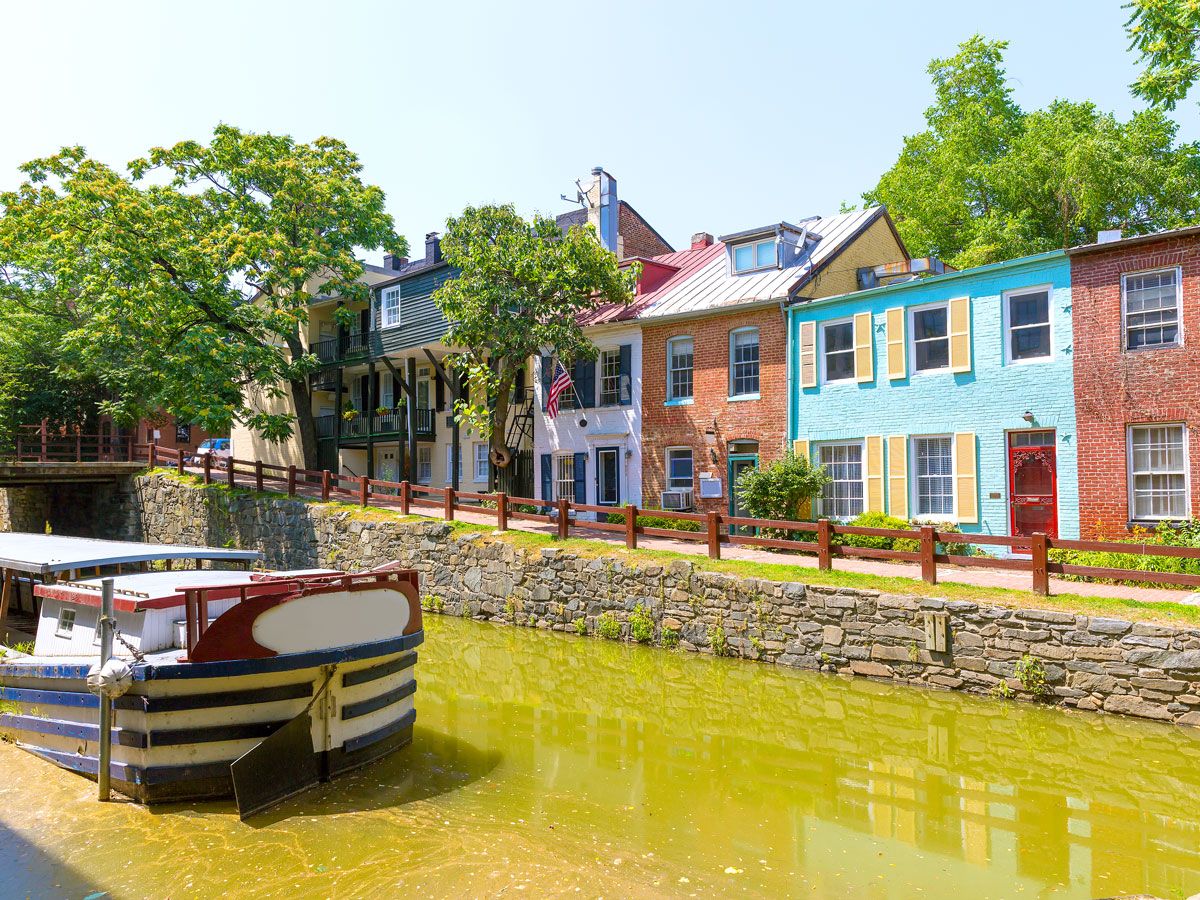
America’s most popular National Historical Park is the Chesapeake and Ohio Canal National Historical Park, which incorporates 185 miles of the historic Pennsylvania and Ohio Canal (aka the P&O Canal). The canal, which served as a vital transportation route along the Potomac River from 1831 to 1924, was built to transport agricultural goods, coal, and lumber between Washington, D.C., and the mountains of western Maryland. During nearly a century of operation, it provided employment to the people of the Potomac River Valley while witnessing battles, community growth, and transportation milestones.
Today, the canal’s aqueducts, locks, and towpaths remain as poignant reminders of 19th-century innovations in commerce and engineering. Lockhouses have been converted into interpretation centers, and guided tours and ranger programs tell stories of daily life on the canal. Ideal for biking, hiking, and horseback riding, the towpath follows the course of the river, meandering through canal towns, forests, and wetlands. The site offers both a lesson in industrial history and the opportunity to discover the untouched natural landscapes and thriving wildlife of the Potomac region.
Tips •September 3, 2025•Updated: September 3, 2025
By Julia Hammond
Author
Julia Hammond
Julia is a U.K.-based travel writer whose work has been featured in The Independent, The Telegraph, The New Zealand Herald, and Culture Trip, among others. She’s an enthusiastic advocate for independent travel and a passionate geographer who has had the privilege of traveling to more than 130 countries in search of a story.
When booking flights, many travelers want to simply grab the best fare possible. But knowing when to book can be hard to pin down. Thanks to the airlines’ dynamic pricing models, there’s no way of knowing for certain that the same tickets won’t cost less at some point between when you buy and when you fly. As a consequence, the internet is full of hacks about how to ensure you book at the right time — but amid all the accurate tips, there’s a slew of misinformation and outdated advice. Take a look at five of the most common flight-booking myths below.
One of the most prevalent flight-booking tips you may have come across is that Tuesday is the cheapest day to book flights. Unfortunately, this is outdated advice, based on the way some airlines used to release seats and launch sales. According to the 2025 Air Hacks Report, published by Expedia in conjunction with the Airlines Reporting Corporation, Sunday is the best day to book a flight.
In an analysis of flight bookings between January and October 2024, the report concluded that “domestic travelers can save 6% while international travelers can save 17% compared to booking on a Monday or Friday.” The same report claims that actually flying on a Saturday instead of Sunday, the most expensive day, can save domestic travelers 17%.
At the end of the day, however, there’s no one-size-fits-all answer — and there’s still considerable variation depending on your route. So, it pays to be flexible with different times, dates, and even neighboring airports until you find the best combination for your trip.
Browsing in incognito mode allows you to prevent cookies and other browsing data from being tracked before embarking on your flight search. Cookies are small pieces of text that note traffic to a website, creating a log of your browsing history and preferences. However, while cookies record the searches you make, many experts say they don’t influence pricing.
Instead, airlines use dynamic pricing, raising or lowering fares in response to demand. This may mean that how far in advance you book can influence the prices you see — once seats become limited in supply, they go up in price.
While you could theoretically score a deal by waiting until closer to your departure date to book, by betting the airline still has seats to fill, that strategy doesn’t always lead to big savings. Depending on the route, it can actually result in the exact opposite, particularly during peak demand periods like summer or the holiday season. Tracking prices using a tool such as Skyscanner’s Price Alerts or Google Flights is generally more likely to secure you a better fare than simply clearing your cookies.
Credit: ozgurcankaya/ iStock via Getty Images Plus
Sometimes, the route you wish to travel is served by both low-cost carriers — like Spirit, JetBlue, or Frontier — and full-service airlines such as American, Delta, or United. If that’s true, you might be forgiven for thinking that the former will automatically give you the best deal. That’s not always the case. In a competitive market, full-service airlines have had to make changes to their own pricing structures to hold their market share, most notably with the introduction of basic-economy fares.
As a result, it’s now crucial that you factor in add-on fees for things such as seat selection, carry-on or checked baggage, in-flight food, and other extras such as priority boarding. Only once you’ve totaled up these costs can you work out which airline is best on price for your dates, so think carefully about what your needs are and do the math before settling on an airline.
An Overbooked Flight Is a Traveler’s Worst Nightmare
Overbooking isn’t a myth: Airlines routinely sell more seats than are available for any given flight. The reason this happens is to allow for no-shows — those who book a flight but change their plans at the last minute. From the airline’s perspective, the practice makes solid business sense, enabling them to minimize empty seats and maximize revenue. But surely, it can’t ever be a good thing for a bumped passenger, right?
Think again. If you are flexible with your travel plans, volunteering to give up your seat opens up the possibility of compensation. Incentives can take the form of cash, travel vouchers, and even upgrades. It’s always a good idea to carefully check the terms and conditions of what the airline is offering before agreeing. Sometimes, however, no volunteers come forward and passengers can be bumped against their wishes. These passengers are due compensation, but only in certain situations. For more information, visit the U.S. Department of Transportation website.
It was once commonly cheaper to book a flight if your travel dates incorporated a Saturday night stay. The thinking behind this pricing policy was that business travelers would be flying during the week, but in most cases they weren’t paying for their ticket, so airlines could charge more. Leisure travelers, on the other hand, would be far more likely to base decisions on when to fly according to the price of their flight — hence the Saturday night rule or other minimum-stay requirements to spread out demand.
Lately, however, the lines between business and leisure travelers have become blurred. And since low-cost carriers revolutionized the industry by selling fares for individual segments rather than discounted round-trip fares, the Saturday night rule has faded into a myth rather than reality.
Outdoors •September 3, 2025•Updated: September 3, 2025
By Bennett Kleinman
Author
Bennett Kleinman
Bennett is a New York City-based staff writer for Daily Passport. He previously contributed to television programs such as the Late Show With David Letterman, as well as digital publications like the Onion. Bennett has traveled to 48 U.S. states and all 30 Major League Baseball stadiums.
Hate traveling in high humidity? Look no further — we’re taking a look at the 20 least humid states in the U.S. These rankings are based on data compiled by climatologist Brian Brettschneider for Forbes, which analyzed a metric known as dew point — a measurement of the total amount of moisture in the air. The lower the dew point, the drier (and less humid) the air will feel, whereas higher dew points are closely associated with unpleasant mugginess. Discover the 20 least humid U.S. states based on their average annual dew point. (And, if you’re curious, we’ve also ranked America’s most humid states.)
New York is a state that experiences four true seasons, so the dew point can vary substantially throughout the year. For instance, in central New York, the dew point bottoms out at 16.1 degrees in January and rises to 66 degrees in July. A similar trend is seen in New York City, where the dew point tends to hover in the 20s and 30s between November and April, before rising up to the 40s, 50s, and 60s throughout the summer. All told, the average annual dew point throughout New York state comes in at just under 40 degrees, which places it among the 20 least humid states in the nation.
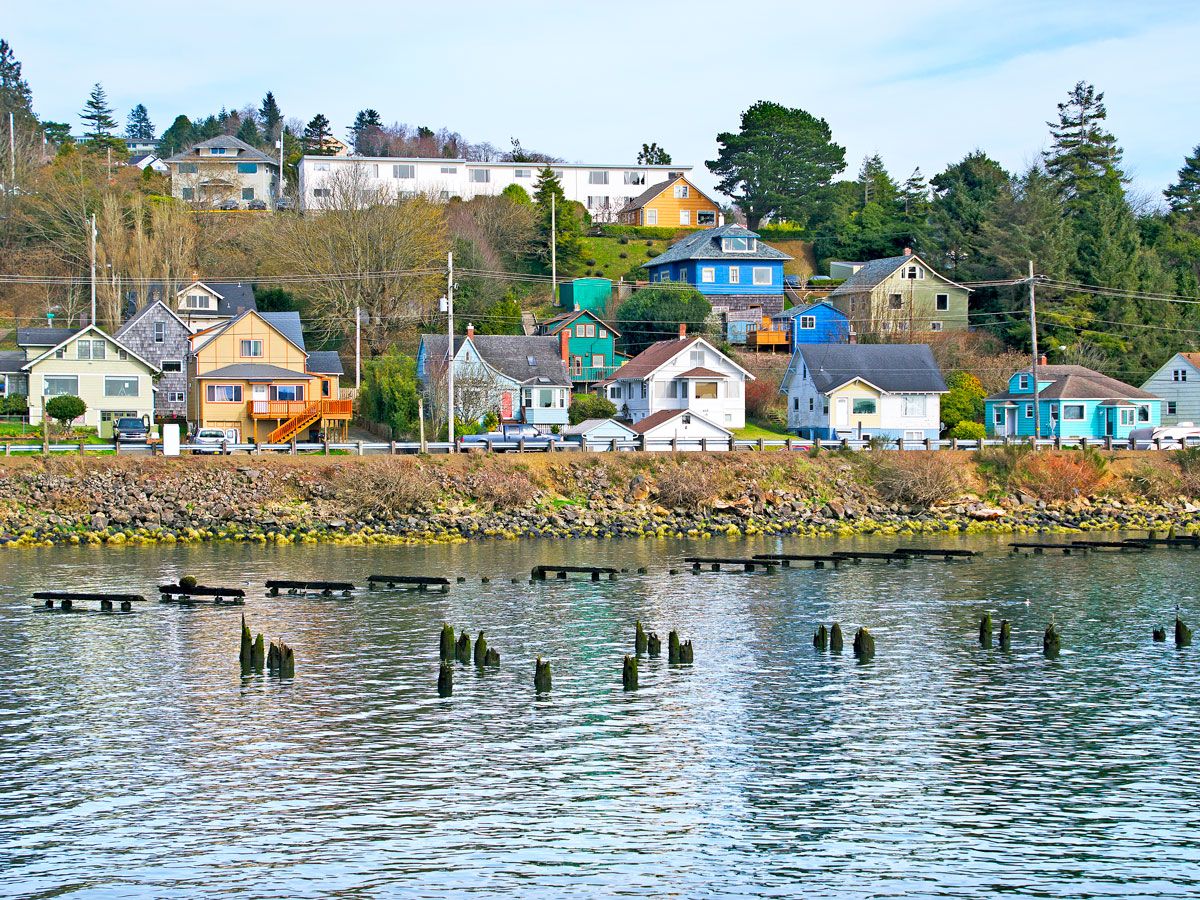
Given its proximity to the ocean, Oregon’s coastal region tends to have more moisture in the air than the eastern parts of the state. But no matter where you find yourself in the Beaver State, the humidity shouldn’t be too overwhelming. For example, Portland has a fairly narrow dew point, between 36 and 54 degrees year-round. This falls below the 55-to-65-degree range, which the National Weather Services considers “sticky” and “muggy.” However, the lack of humidity does have its drawbacks, as Oregon has seen an increased risk of wildfires and droughts during particularly dry summers in recent years.
Michigan sits adjacent to four of the five Great Lakes, so there’s definitely a lot of moisture in the air. But despite that, Michigan’s average dew point isn’t considered too oppressive. Measurements from Detroit, for instance, indicate that the city’s annual dew point bottoms out at 19 degrees in January and rises to only 61 degrees in July. While a dew point of 61 does mean some muggy days, it falls short of the severe humidity more commonly found in the South. Dew points dip even lower in Michigan’s Upper Peninsula, where averages range from around 10 degrees in the winter up to the mid-50s in summer.
Though Nebraska has experienced an abnormally humid summer in 2025, on average, it ranks as the 17th-least-humid state in the nation. Dew points tend to be lower in the western part of the state, as elevations rise from east to west as you get closer to the Rocky Mountains. This is because higher elevations tend to have thinner air, which can only hold so much moisture. But even in Omaha, in the eastern part of Nebraska, there’s only a 57% chance of the dew point going above 65 degrees, and that’s mostly in July.
Even in the dead of summer, there’s less than a 40% chance of experiencing sticky, unpleasant weather in Wisconsin cities like Madison and Milwaukee. In Madison, in particular, there are only 30 days each year that could be considered very humid, mostly in July and August. For the remaining 10 months of the year, the weather is relatively dry throughout the Badger State.
The coastal town of Portsmouth experiences roughly 9.2 muggy days each July. But with only 18 miles of coastline in the entire state, most cities in New Hampshire are located further inland. This separation from the ocean means less humidity in the air — and fewer sticky days to boot. For instance, Claremont, located in the west-central part of the state near the Vermont border, sees dew point averages dipping as low as 13 degrees in the winter and rising to just over 61 degrees in summer.
14. Vermont
Credit: Guy Banville/ iStock via Getty Images Plus
Average annual dew point: 35.9 degrees
Vermont’s average annual dew point comes in at just under 36 degrees. In the capital of Montpelier, the monthly average hovers around 11 degrees in the winter and up to 58 degrees in July, with October being the closest to the state’s annual average. Over in Burlington, which is located in the northwestern part of the state along Lake Champlain, there’s only a 23% chance of encountering a muggy day in July. From October through April, the odds of experiencing noticeable humidity are more or less zero.
13. South Dakota
Credit: pabradyphoto/ iStock via Getty Images Plus
Average annual dew point: 34.6 degrees
In eastern South Dakota cities such as Sioux Falls, there tend to be around 25 to 30 notably humid days each year — still fewer than you’ll find in the more humid Gulf states. As you travel farther west, you’ll find even fewer humid days. Rapid City, located along the Black Hills National Forest in western South Dakota, experiences fewer than two humid days each year on average. The state follows a similar pattern to the neighboring state of Nebraska — as you travel west, elevations rise, the air becomes thinner, and humidity decreases.
Though Maine ranks in the top 10 in terms of “relative humidity” — a statistic that measures the amount of water vapor in the air relative to how much it can hold — many climatologists consider that a less accurate reading than dew point when it comes to what the average person experiences as humidity. In terms of dew point, the Pine Tree State ranks as the 12th-least-humid state in the U.S. However, recent climatological trends have shown an increase in statewide humidity throughout Maine. In Bangor, for example, 2021 was the most humid summer on record. Even still, truly humid days in Maine continue to be few and far between.
11. Minnesota
Credit: Sanghwan Kim/ iStock via Getty Images Plus
Average annual dew point: 33.9 degrees
Minnesota is home to the Northwest Angle, the northernmost point in the Lower 48. Given its northerly location, the state tends to experience drier summers than many of the states located farther south toward the Gulf. For instance, the lowest dew point ever recorded in the Twin Cities was just 10 degrees in 2020. But even in those hot Minneapolis summers, average dew points tend to max out at around 61 degrees, resulting in a generally dry and pleasant environment.
North Dakota ranks as the 10th-least-humid state in the U.S. The state capital, Bismarck, sees average dew points dip as low as the single digits in January. On the flip side, the city’s dew point typically peaks around 58 degrees in July. The Red River Valley, which is located in the northeastern part of the state, tends to be the most humid part of North Dakota, thanks to the additional moisture in the air from the river.
Arizona has a reputation for its dry heat, one reason so many retirees and snowbirds flock there. Not only does Arizona boast the ninth-lowest statewide average dew point in the country, but it also has the second-lowest relative humidity, at 38.5%. Those two metrics combine to create dry air conditions throughout the Grand Canyon State. Notably, in the retirement community of Youngtown, the minimum average dew point fell as low as -4.1 degrees in February 2011.
In general, low dew point levels mean dry summers and mild winters for those living in Idaho. Things are especially comfortable year round in Boise, where the dew point rarely exceeds 60 degrees on even the hottest of summer days. As you go north in Idaho, the dew point drops even further. Take, for instance, the community of Fernwood, which recorded a record low dew point of -33.9 degrees in January 2024. The Snake River plateau is the driest area in Idaho, with less than 10 inches of annual partial precipitation.
Much like the neighboring state of Arizona, New Mexico is a haven for those who loathe humid weather. The state has the seventh-lowest average dew point and third-lowest relative humidity in the country. In Albuquerque, the dew point averages 44.5 degrees from June to September. The state’s dry climate is attributable to its low precipitation levels, plentiful amounts of unobstructed sunshine, and mountainous terrain.
Despite Montana’s reputation for having low humidity, KULR in Billings reports that regions east of the Rockies have seen a 2.5-degree increase in average summer dew point since 1950. As climate scientist Cameron Lee told the station, “This is showing a massive increase over a relatively short period of time.” So despite Montana’s ranking as the sixth-least-humid state for now, changing climate trends are likely to have a continued impact on the state’s overall humidity levels going forward.
With the fifth-lowest dew point and fifth-lowest relative humidity in the country, the Centennial State is known for its dry summers and winters. For example, the northern Denver suburb of Thornton sees dew points dip as low as -14.9 degrees. That said, the city of Denver just experienced its highest dew point in 17 years, hitting 66 degrees in July 2025. But generally, the high elevation and thin mountain air of Colorado keeps the air from holding too much moisture.
Similar to neighboring Colorado, Utah’s combination of mountainous and desert terrain contribute to less humidity in the air. Even though temperatures can spike into the triple digits in summer, the lack of humidity means that weather is often more manageable. In Salt Lake City, for instance, average dew point tends to fall into a very narrow range between 23 degrees in the winter and 45 degrees in the summer. Additionally, with less moisture in the air, Utah’s skies tend to be a deeper shade of blue, according to the state’s official tourism board.
Not only does Nevada have the third-lowest dew point in the U.S., but it also boasts the lowest relative humidity of any state. According to data from WeatherSpark, the city of Reno boasts the most dry days anywhere in the nation, with an average of 363.91 days annually, followed by the nearby city of Sparks, with 363.78 days. (Outside of Nevada, the U.S. city with the most dry days is Bend, Oregon, with 363.66). Farther south in Las Vegas, dew point averages rarely exceed 44 degrees; they spend most of the year in the 20s or low 30s.
In Wyoming’s capital, Cheyenne, the average dew point maxes out at 46 degrees in the dead of summer, while in winter, averages drop as low as 10 degrees. The driest part of the state is the Big Horn Basin, located in Wyoming’s north-central region. The basin’s lower portion experiences only 5 to 8 inches of annual precipitation, as the surrounding mountain ranges block moisture from entering the area, keeping humidity levels low.
Despite having the highest relative humidity of any state, Alaska ranks dead last in terms of the dew point metric. This is because colder air masses frequently seen in Alaska can’t hold as much moisture as warmer air masses. So while the relative humidity in Alaska may be higher, the average statewide dew point is the lowest of any state. In Anchorage, the average dew point caps out at 50 degrees in July, but tends to sit in the teens from November through March. However, there are some more humid exceptions in Alaska, such as St. Paul Island of the Aleutians. St. Paul is surrounded by the ocean on each side, so moisture levels tend to be higher there than in other areas in Alaska.