10 Beautiful European Cities You’ve Probably Never Heard Of
By
Michael Nordine
Read time: 5 minutes
August 28, 2025
Updated: July 17, 2026
10 Beautiful European Cities You’ve Probably Never Heard Of
Culture •August 28, 2025•Updated: July 17, 2026
By Michael Nordine
Author
Michael Nordine
Michael is a staff writer for Daily Passport and film critic who writes the weekly newsletter Movie Brief. His writing and criticism have also appeared in the Los Angeles Times, Variety, and the Washington Post, among others. A native Angeleno, his favorite countries to visit are Norway and Japan.
If you’ve been to London, Rome, and the other big European capitals, and you’re ready to explore more of Europe, look no further. You could spend weeks, months, or even years traveling across the continent without seeing every place you’d like to, but checking a few of these lesser-visited European cities off your list is a good start.
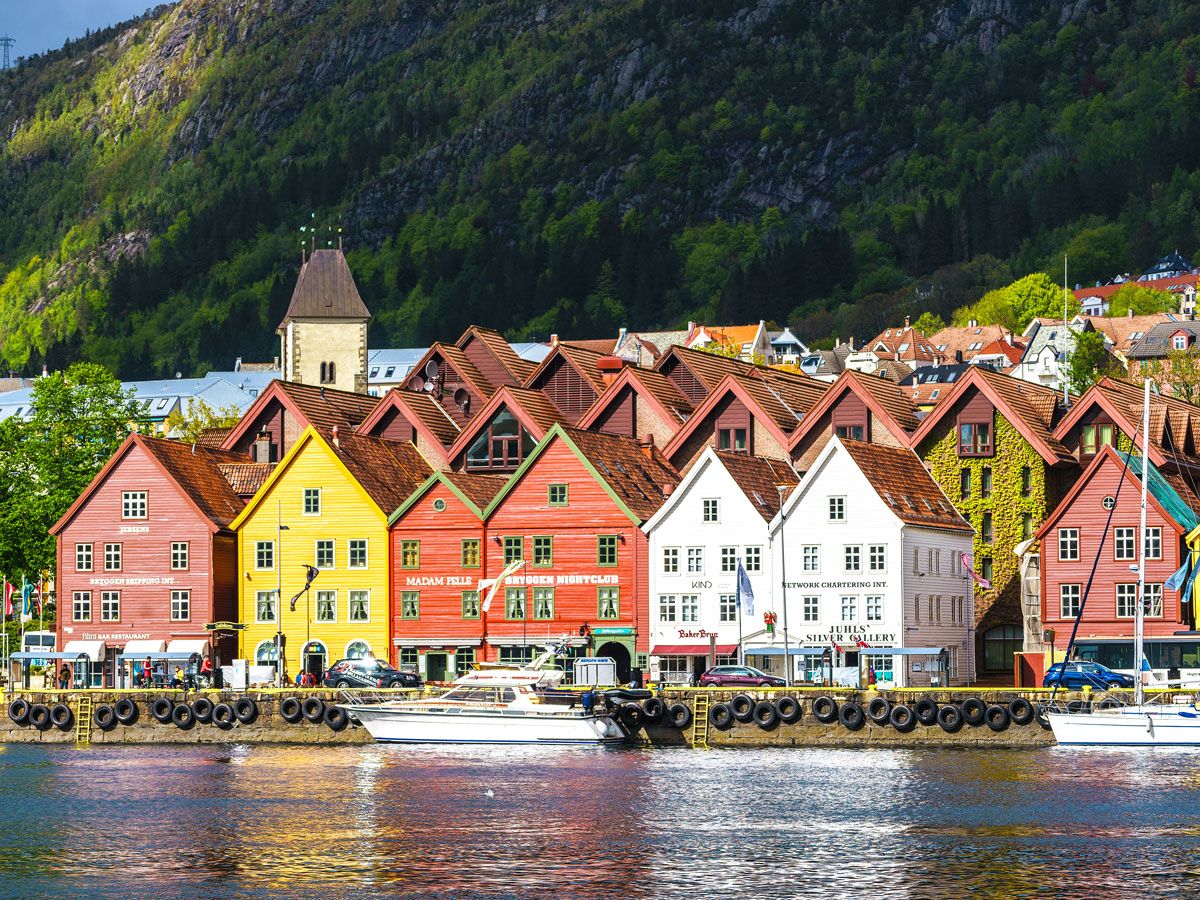
Oslo is the capital and most populous city in Norway, but Bergen might just be the prettiest. Also known as the “city of seven mountains,” Bergen — home to just under 300,000 people — is the gateway to a number of Norway’s most breathtaking fjords, including the Sognefjord and Hardangerfjord. Its U-shaped port is especially striking from above — and given how conducive those mountains are to hikes, there are plenty of opportunities to take in the view from whatever elevation strikes your fancy. Bergen’s colorful seaside buildings may you remind you of those in Copenhagen, Denmark, but there’s less hustle and bustle to distract you from how scenic the city is.
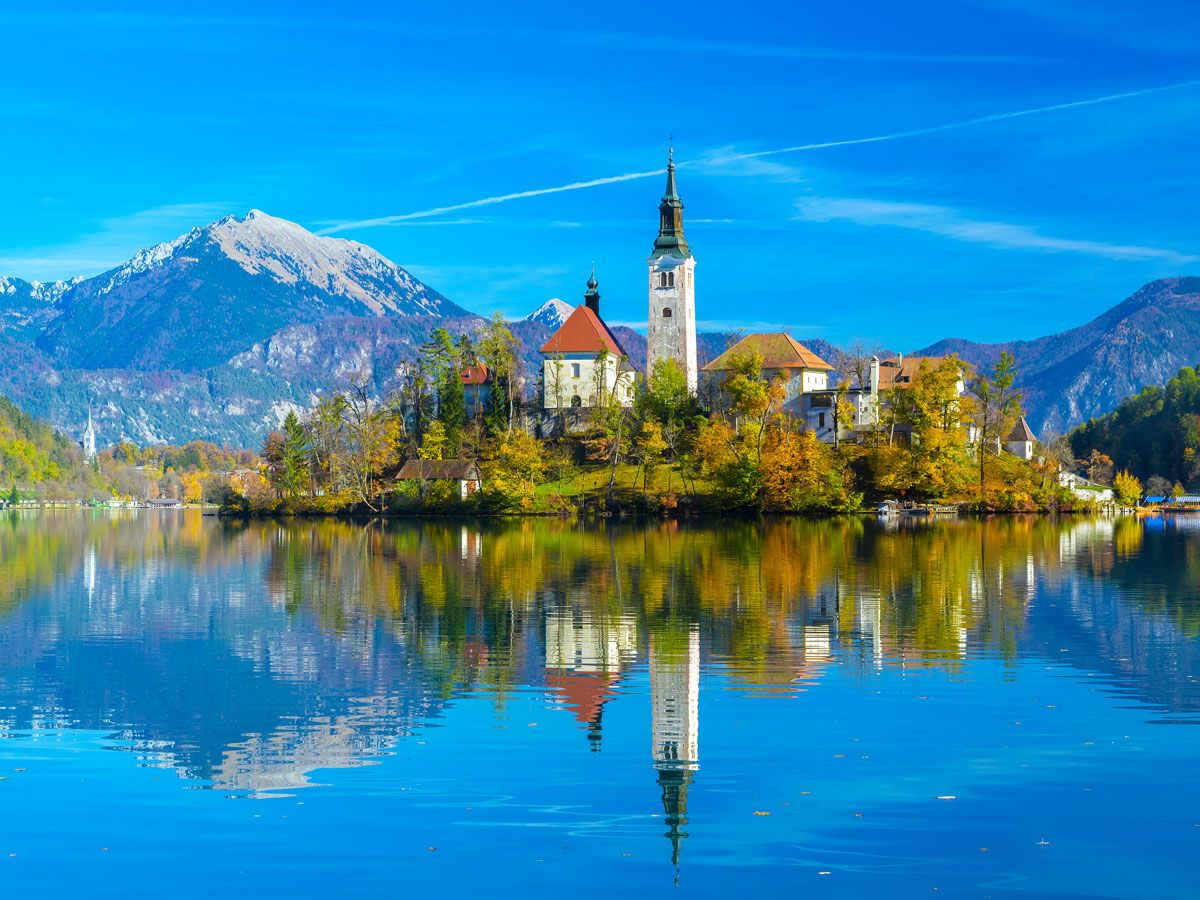
If you can resist the charms of a fairy-tale-like island in the middle of a glacial lake, you have more restraint than us. The aforementioned — and oft-photographed — Lake Bled is the main reason why most tourists come here, but it is just one reason to visit Bled. The tiny Slovenian town (population: 8,100) also boasts a stunning cliffside castle and is famous for Blejska kremšnita (Bled cream cake) — a delicious treat that warrants a trip all its own.
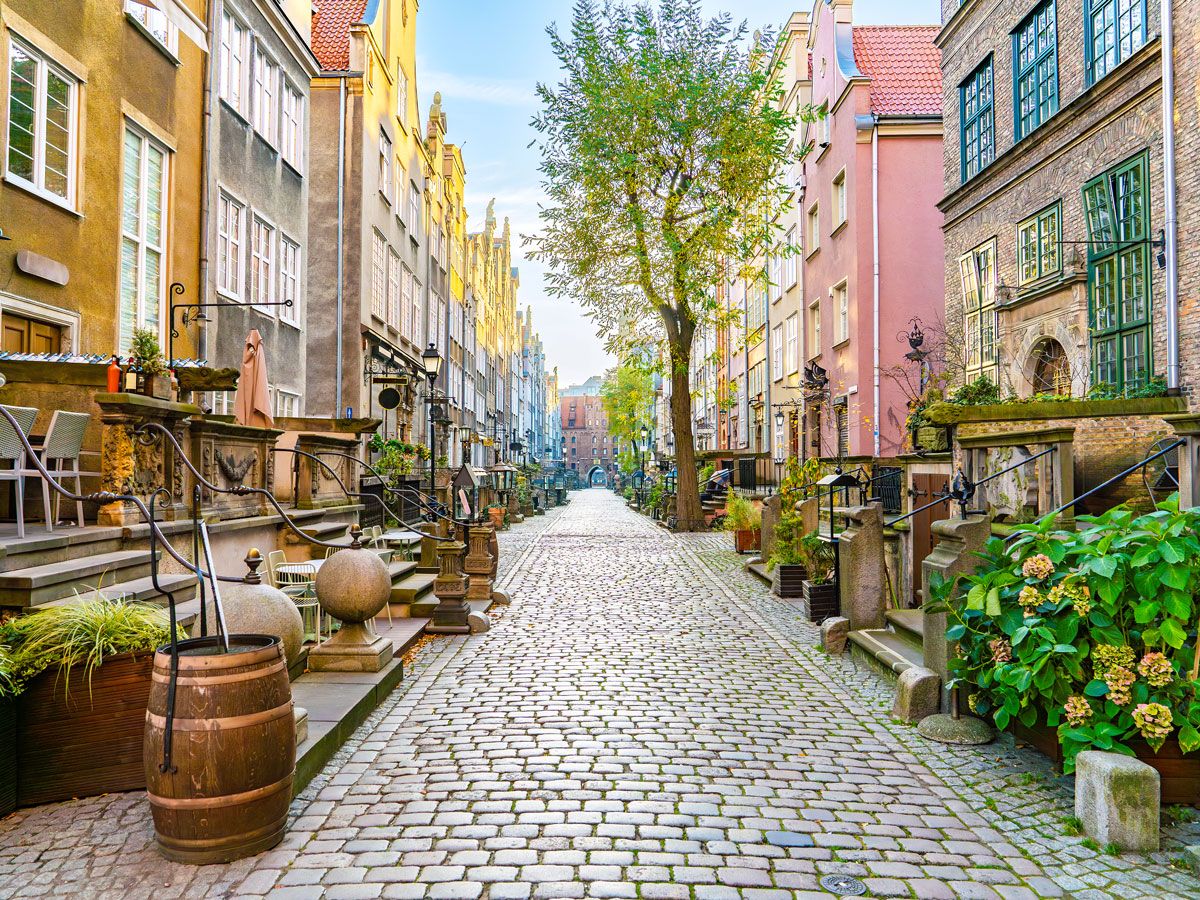
A must for history buffs who will be fascinated by its rich past, Gdańsk is one of Poland’s lesser-known gems. This jewel on the Baltic coast also boasts one of Europe’s most picturesque old towns — that is, according to Rick Steves. If you aren’t sure where to start, go for attractions like Artus Court (named for King Arthur) and the nearby Neptune’s Fountain along the Royal Route. There’s no better way to get acquainted with the city before launching your own exploration.
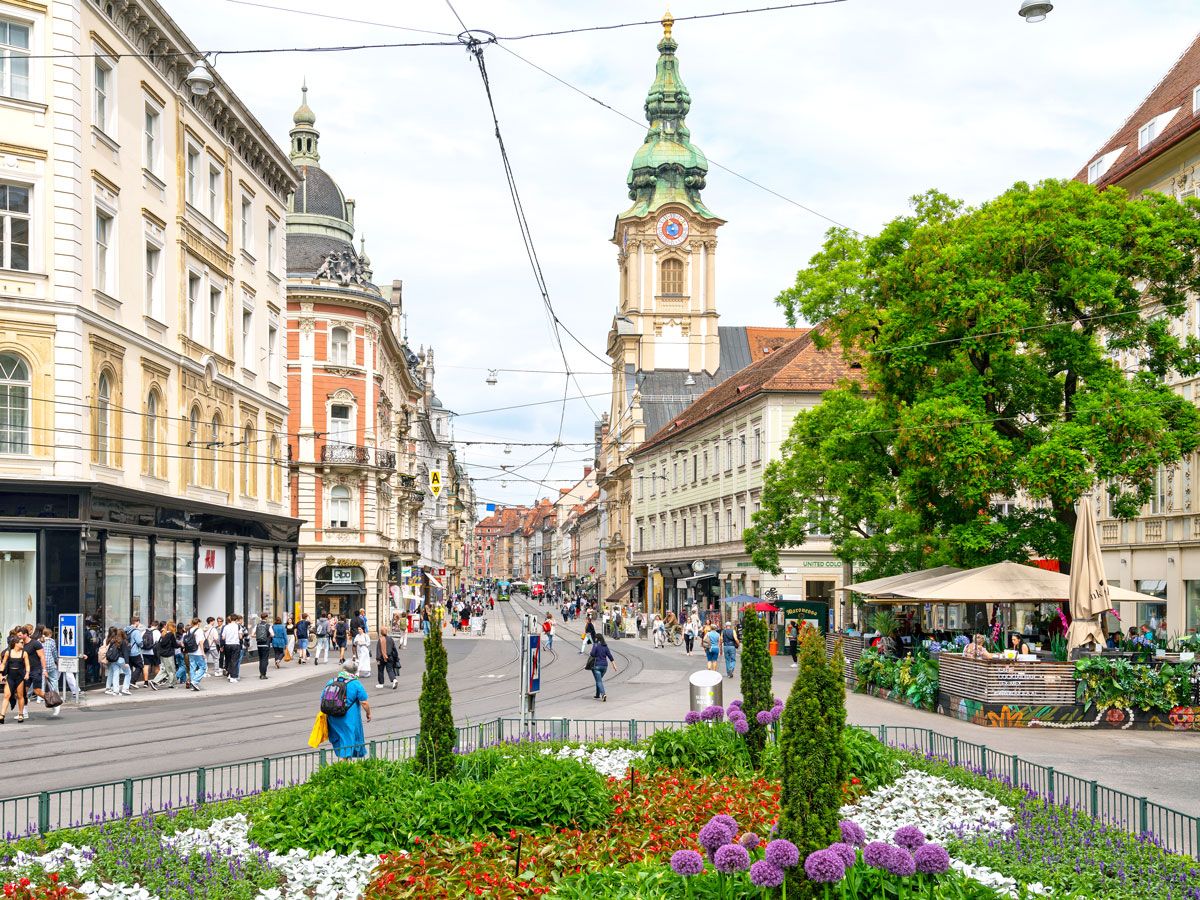
If you only have time to visit one city in Austria, most tourists probably would choose Vienna. If you really want to experience the country, though, you should make time for Graz. A college town that’s been designated as both a City of Culinary Delights (2008) and Cultural Capital of Europe (2003), Graz is gorgeous throughout. But the city’s charm is especially evident from Schlossberg, a 1,550-foot hill that offers stunning views of the city whose name means “little castle.”
Getting to Locarno isn’t easy — the nearest airport, in Lugano, is both tiny and a little intimidating to land in. But we’d argue that the trek is certainly worth it. Nestled alongside Lake Maggiore (also known as Verbano) at the southern end of the Swiss Alps, the picturesque town of 16,000 is like a postcard come to life. If you visit in early August, you can even catch a movie in the Piazza Grande as part of the Locarno Film Festival, which has been ongoing since 1946.
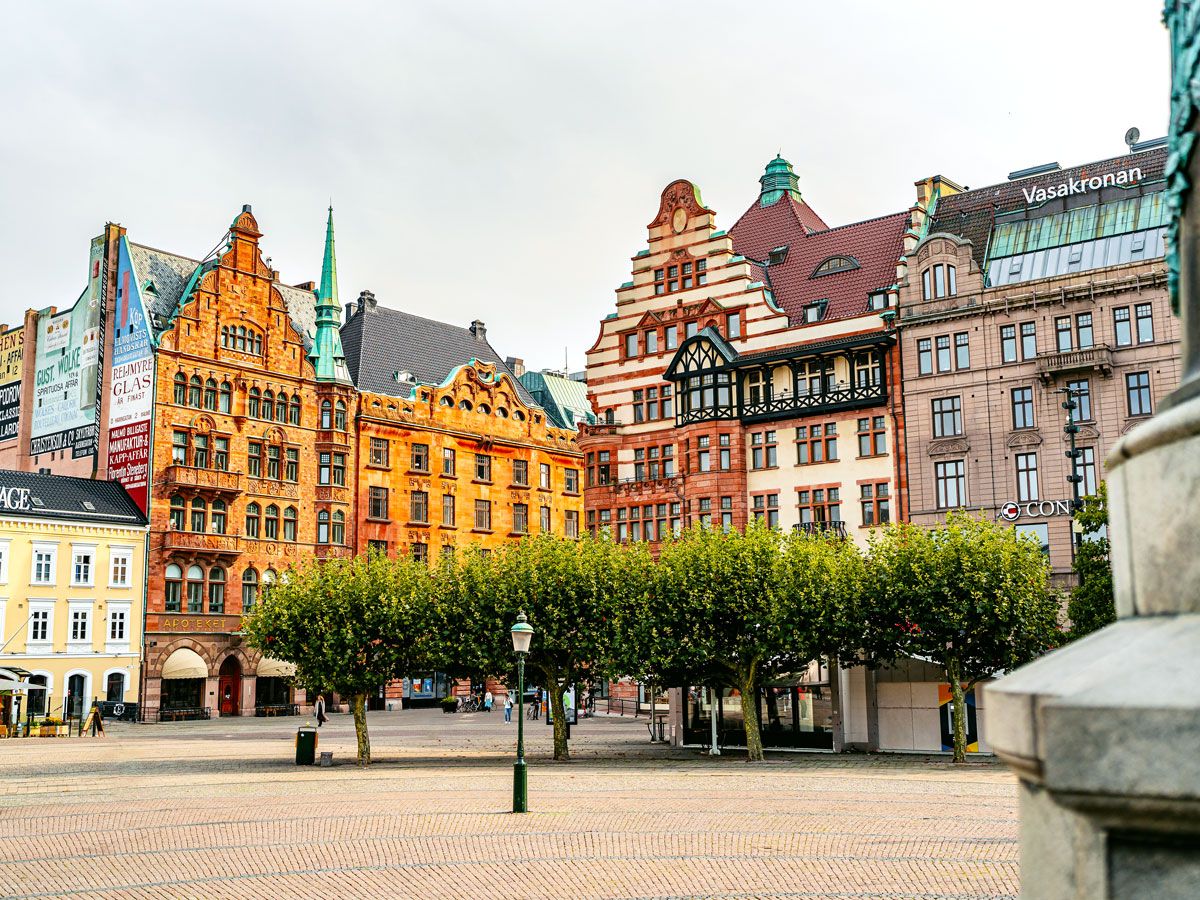
If you’re visiting Copenhagen, consider extending your trip with a side excursion to Malmö. Though it is Sweden’s third-largest city, Malmö is considerably less popular with American tourists. It’s easy to get there thanks to the impressive Øresund Bridge, a 25,748-foot-long engineering marvel linking Copenhagen and Malmö. Offering an enchanting mix of old-world charm and modern urbanism, the charming, quickly growing city is home to both a 500-year-old castle and a neo-futurist twisting skyscraper called the Turning Torso.
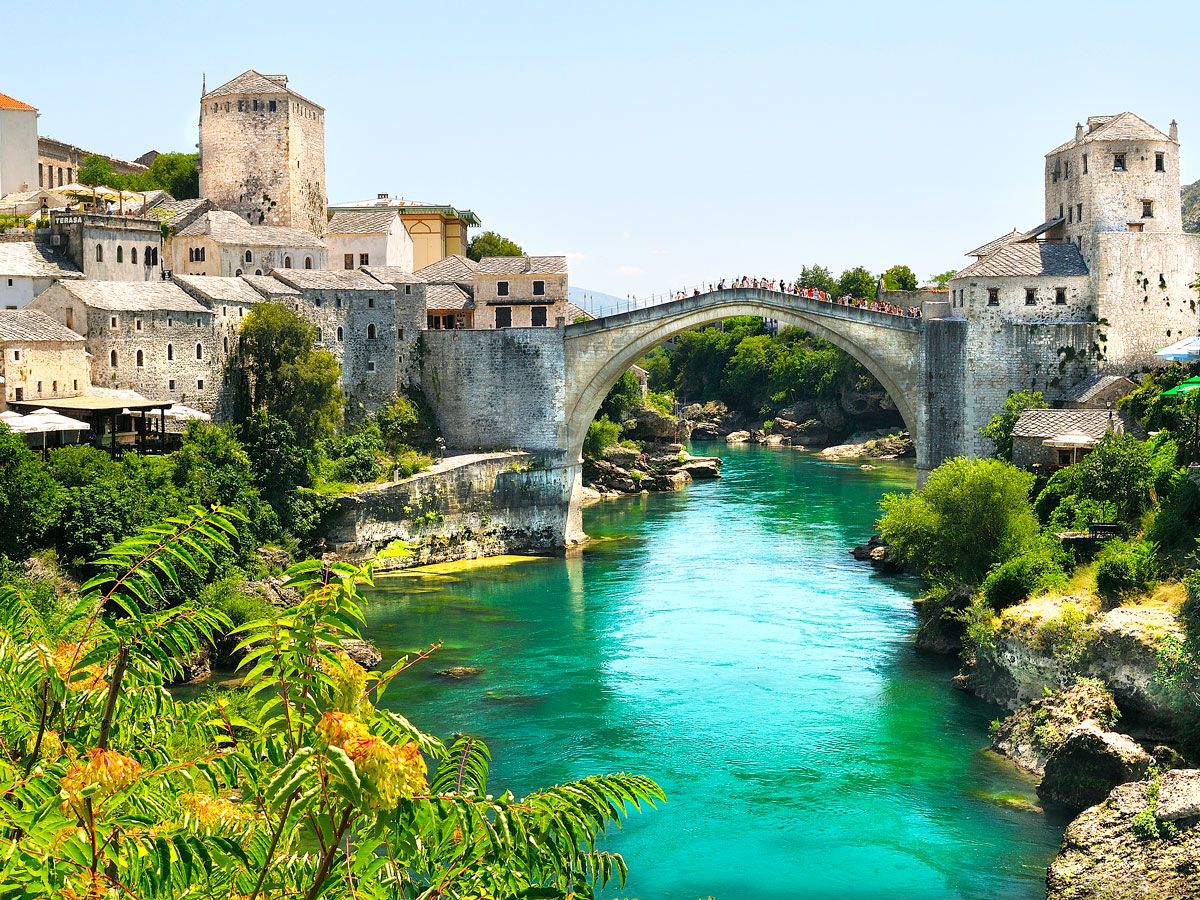
The Stari Most (Old Bridge) that links the two sides of Mostar is like something out of a fantasy novel. The bridge was destroyed during the 1993 Croat-Bosniak War after standing for 427 years, but it has since been rebuilt, which should be welcome news to anyone who appreciates remarkable 16th-century architecture. The bridge is also among the most popular spots in the country for cliff divers. Mostar itself is no less striking than its most famous landmark, particularly when seen from the viewing platform located on a nearby hill.
Only 42,000 people live in Ohrid, and it’s hard not to be envious of them after catching a glimpse of this lakeside town. The city’s namesake, Lake Ohrid, is among the oldest lakes in the world and, with a maximum depth of 945 feet, one of the deepest in Europe, too. Often called the “Jerusalem of the Balkans” for the 365 churches it used to be home to — one for every day of the year, as natives used to say — Ohrid is one of those places you won’t be able to stop talking about once you visit.
Paris in the north and the entire South of France tend to get most of the attention from visitors, but central France holds a special allure of its own. That’s especially true of the Loire Valley, sometimes known as the “Garden of France,” and the commune of Saumur in particular. There are more than 10,000 dolmens (single-chamber tombs) in France, and the Dolmen de Bagneaux in Saumur is the largest. (It’s also located behind a cafe, making it easy to access.) But the real attraction here is the 10th-century Château de Saumur, which was originally built to defend against those pesky Normans and remains an awe-inspiring site more than 1,000 years later.
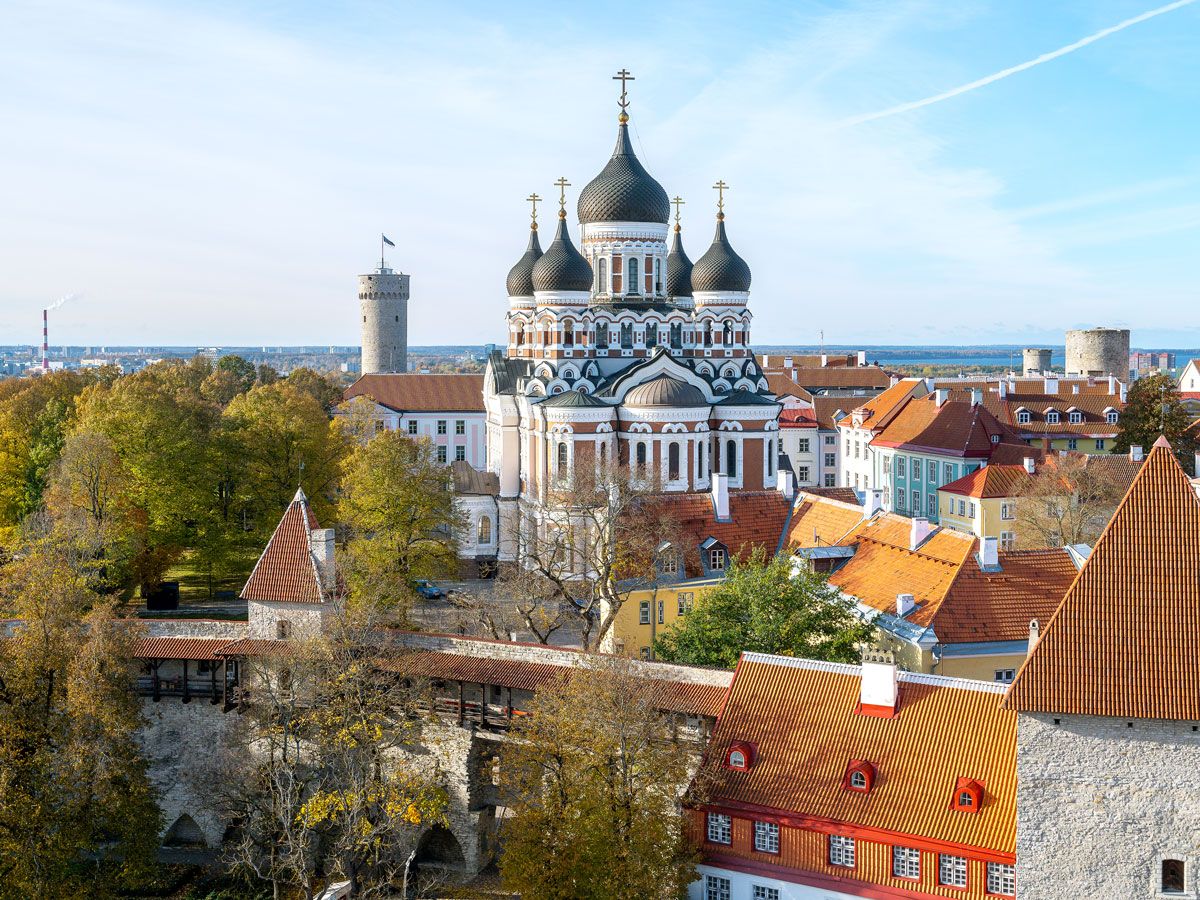
Eight centuries after it was built, Tallinn’s Old Town remains one of Europe’s most well-preserved medieval cities — so much so that it was made a UNESCO World Heritage Site in 1997. That old-world charm blends seamlessly with an ultra-modern sensibility that has made Estonia’s capital and largest city uniquely “smart,” with more free Wi-Fi and digital services than most of its peers. But more importantly, it’s still relatively off-the-radar in terms of tourism (at least compared with bigger cities like Barcelona and Amsterdam) — making Tallinn an excellent place for travelers in search of lesser-known European gems.
A New Rule Is About To Change Every Trip to Europe
By
Julia Hammond
Read time: 4 minutes
August 28, 2025
Updated: April 28, 2026
A New Rule Is About To Change Every Trip to Europe
Tips •August 28, 2025•Updated: April 28, 2026
By Julia Hammond
Author
Julia Hammond
Julia is a U.K.-based travel writer whose work has been featured in The Independent, The Telegraph, The New Zealand Herald, and Culture Trip, among others. She’s an enthusiastic advocate for independent travel and a passionate geographer who has had the privilege of traveling to more than 130 countries in search of a story.
Whether you’re a first-time visitor to Europe or a frequent traveler across the pond, you should be aware that there are changes afoot. In late 2026, the European Union plans to introduce new entry requirements for U.S. travelers, following the rollout of a new electronic entry and exit system in April this year. Be prepared for Europe’s electronic travel authorization and ensure a stress-free trip with our helpful guide.
What Is the ETIAS?
Credit: Vera_Petrunina/ iStock via Getty Images Plus
Sometime during the fourth quarter of 2026, the EU intends to implement a new electronic authorization for travelers from qualifying visa-exempt countries such as the U.S., Canada, and the U.K. If you were previously able to enter Europe for a short-term stay without obtaining a visa, you will now need to apply for an ETIAS, which stands for European Travel Information and Authorization System, before you travel.
You’ll need to apply for an ETIAS if you’re visiting one or more of 30 European countries — 26 out of the 27 members of the EU (excluding the Republic of Ireland), plus Iceland, Norway, Switzerland, and Liechtenstein. Additionally, since Andorra, San Marino, Monaco, and Vatican City are accessible only via another EU country, these destinations are also impacted by the change.
Once your ETIAS travel authorization has been approved — a process that should take no more than three days, and typically even less than that — you can travel to these European countries as often as you want for as many as 90 days in any 180-day period. The ETIAS is valid for three years, as long as you are using the same passport.
Effectively, the ETIAS acts as a prescreening program. It will operate in a similar way to the long-established ESTA that eligible visitors have needed to apply for prior to arriving in the U.S. since 2009. It also follows a similar move by the U.K., which introduced its Electronic Travel Application (ETA) in 2025.
The application will collect personal details and ask about your travel plans, criminal convictions, and other relevant data in advance. In doing so, EU border authorities believe they can boost security for their citizens by having a better understanding up front about who is traveling in and out of the Schengen Area. The system also aims to cut down on immigration wait times by providing essential information in advance.
The ETIAS follows the introduction of Europe’s new Entry/Exit System (EES), which began a phased rollout in October 2025 and went fully live on April 10, 2026. (Not without a few hiccups, however.) The new digital border control system replaces traditional passport stamps with electronic passenger details and biometrics. Passengers will find the new fully digital entry and exit checkpoints in the same countries above that are implementing the ETIAS, with the exception of Cyprus (for the time being).
It’s been reported that the ETIAS will go live six months after the new EES. So, while the EU has yet to announce a firm date, we can expect to see it sometime in October 2026, after which travelers will have to apply and pay for authorization in advance to visit most of Europe.
The ETIAS hit headlines recently when it was announced that the fee would be 20 euros (around $23 USD) per person, rather than the 7-euro fee that was initially proposed. Notably, travelers who are under the age of 18 or over the age of 70 are exempt from the application fee, though all travelers will still have to apply and be approved for an ETIAS regardless of their age.
This price hike comes in response to inflation and higher operating costs than were previously expected. It has also taken longer than anticipated to roll out the ETIAS, largely due to the need to align policies and coordinate procedures between so many different countries. EU authorities expect the increased revenue to help pay for features such as upgraded automation, stronger encryption, and improved coordination with the new Entry/Exit System (EES).
Despite the higher cost of an ETIAS, Europeans currently pay significantly more for an ESTA to be able to visit the U.S.. In September 2025, the U.S. government hiked the cost of the ESTA, nearly doubling it from $21 to $40 USD.
Other countries have introduced similar electronic travel authorizations or are considering their implementation. For example, the Electronic Travel Authorization (ETA) for the U.K. costs £20 (around $27) as of April 2026. Hop on a flight to Australia, and your ETA will set you back AU$20 ($14 USD); for New Zealand, it’s NZ$17 ($10 USD).
While no one likes extra tourism fees, in practice, paying an additional $23 for a European vacation or business trip isn’t likely to be a deal breaker for most travelers, given the cost of the trip as a whole. However, it’s important to be prepared for these new entry requirements ahead of time so you can avoid any last-minute stress before you jet off to Europe later this year.
Advertisement
More from our network
Daily Passport is part of Inbox Studio, an email-first media company. *Indicates a third-party property.
Geography •August 22, 2025•Updated: August 22, 2025
By Bradley O'Neill
Author
Bradley O'Neill
Bradley is an English travel writer who’s wandered through 50-plus countries and lived on four continents while chasing waves, the perfect pint, and family adventures. Bradley's work has appeared in publications such as Skyscanner and Matador Network, and he now splits his time between Buenos Aires and Uruguay.
The 50 U.S. states span an impressive 3.8 million square miles, which is similar to the entire continent of Europe. But not every state is characterized by enormous swathes of land and water. Some are bite-sized regions that pack in rich histories, vibrant cities, and charming small towns within just a few thousand square miles. So, whether you’re drawn to colonial streets or scenic coastlines, take a look at the 10 smallest states by area.
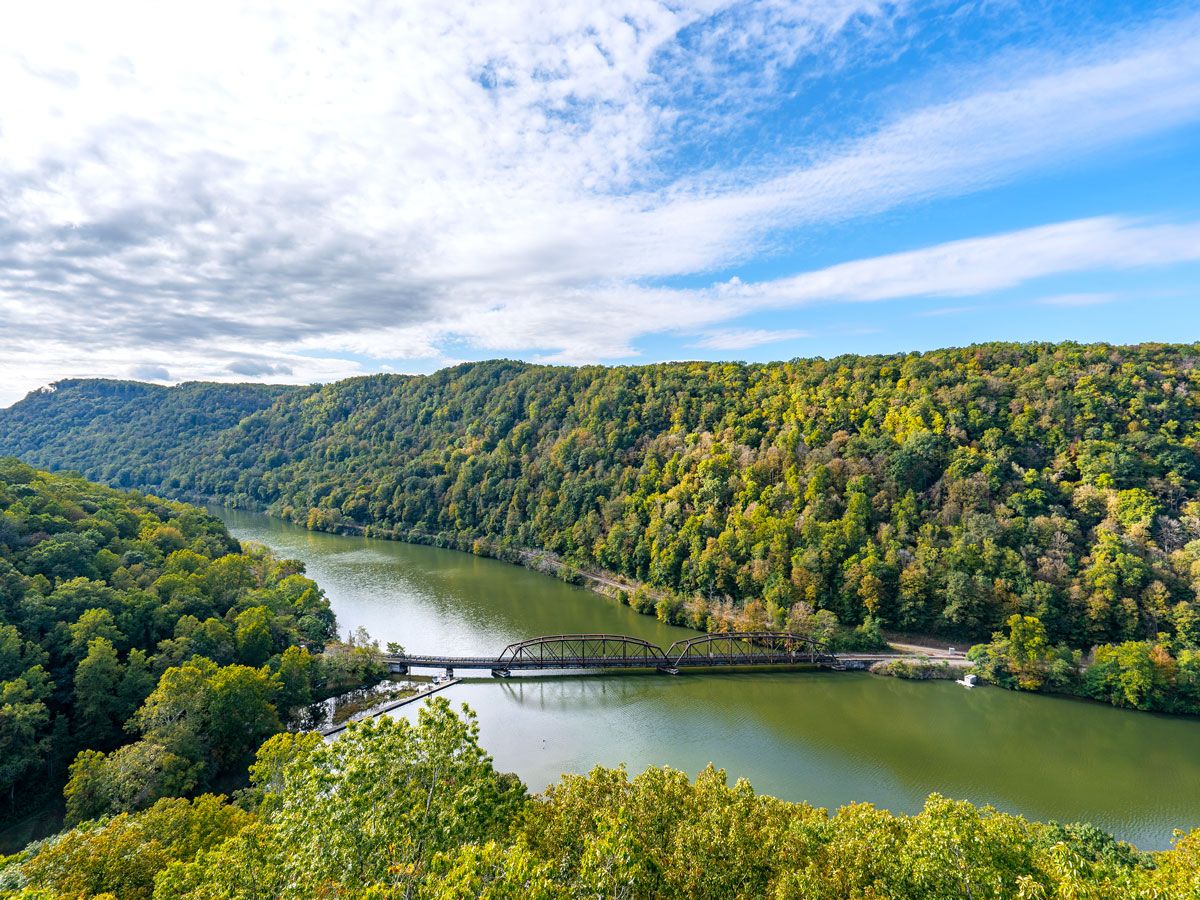
The Mountain State was first inhabited by Paleo-Indians some 12,500 years ago and later by the Cherokee and Delaware peoples, among other Indigenous tribes. From 1607 to 1861, the area was part of the British Virgin Colony, which later became the state of Virginia. In 1863, under President Abraham Lincoln and following the formation of an independent government by the state’s western counties, West Virginia branched off to become the 35th state. Interestingly, it is the only U.S. state created by presidential proclamation.
Today, West Virginia’s rugged natural scenery is a playground for outdoor adventures, from hiking and white water rafting around New River Gorge National Park to skiing on Snowshoe Mountain. A short section of the Appalachian Trail cuts through the Harpers Ferry National Historical Park, the ancestral home of the Shawnee and Tuscarora peoples that bore witness to pivotal battles during the Civil War.
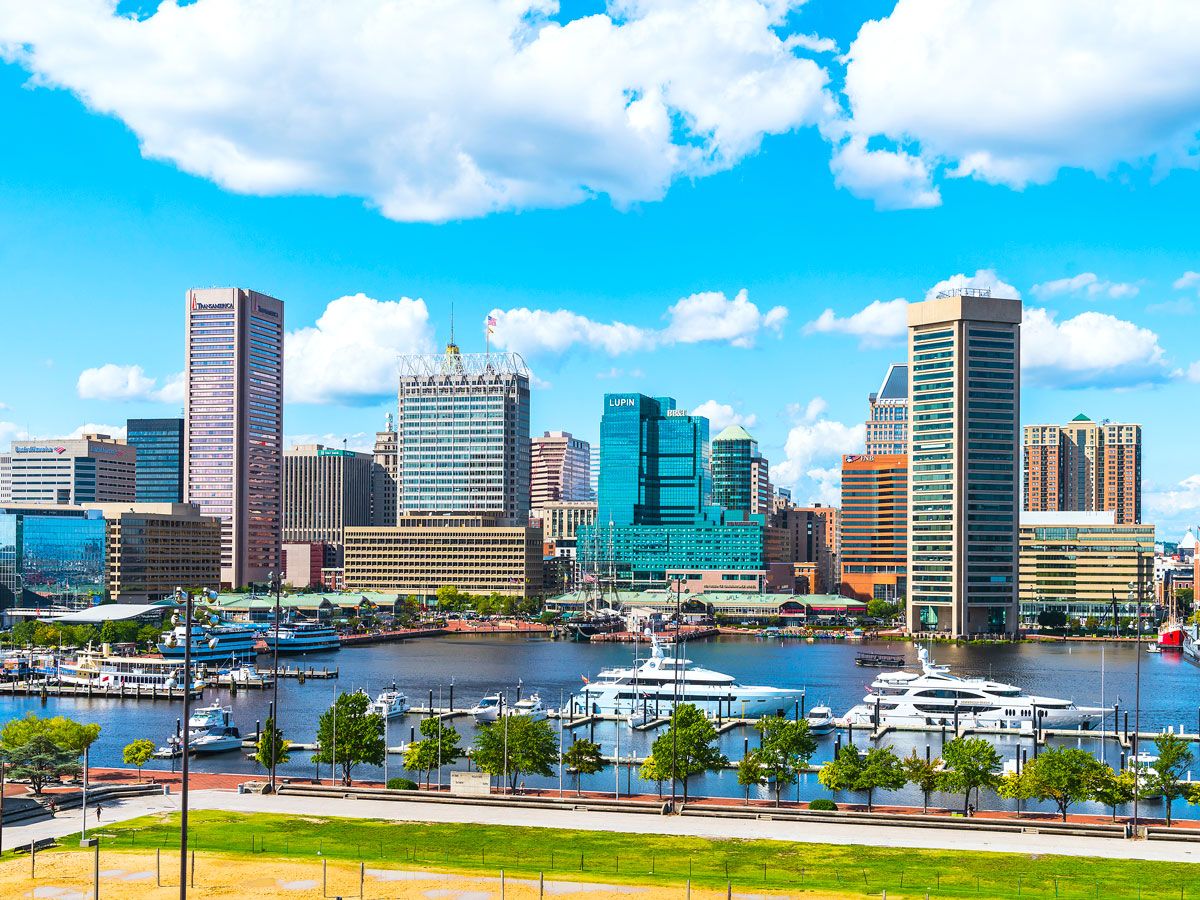
Founded in 1632 as a refuge for English Catholics, the Maryland colony quickly flourished thanks to its tobacco trade and busy ports. One of the original 13 colonies, Maryland is named after Queen Henrietta Maria of England. Historians also have found evidence of of Lenape, Nanticoke, and Powhatan peoples living in the region as far back as 13,000 years ago. In Baltimore, the Maryland Center for History and Culture brings state history to life through art, archaeological discoveries, and hands-on exhibits.
One of Maryland’s biggest draws is Chesapeake Bay, the northern portion of which is found within the state. It lures culture buffs and nature lovers with its mix of historical sites, waterfront towns, and wildlife reserves. Be sure to visit Harriet Tubman Underground Railroad National Historical Park to walk the terrain the famed abolitionist traversed while leading nearly 70 people to freedom in the 1800s. Elsewhere in Maryland, visitors can discover the sandy beaches, salt marshes, and wild ponies of Assateague Island.
Credit: AscentXmedia/ iStock via Getty Images Plus
Area: 10,932 square miles
Around 1,500 years ago, Polynesian voyagers arrived on the islands of Hawaii, after paddling across the Pacific Ocean in double-hulled canoes and using the stars for navigation. In 1795, warrior chief Kamehameha, who later became the islands’ first king, established the Kingdom of Hawaii. By 1810, all of the islands had been unified. Hawaii continued as an independent kingdom until 1898, when it was annexed by the United States, and later admitted to the Union in 1959.
This remote Pacific chain is made up of eight main islands, six of which are open to visitors. Almost three-quarters of Hawaiian residents live on Oahu, where the bustling metropolis of Honolulu sits alongside the surf meccas of Waikiki and the North Shore. Spectacular natural wonders dot the archipelago’s landscape, including Hawaiʻi Volcanoes National Park and Haleakalā National Park. Notably, Hawaii is home to the tallest waterfalls in the U.S. and the world’s highest sea cliffs.
7. Massachusetts
Credit: Sanghwan Kim/ iStock via Getty Images Plus
Area: 10,554 square miles
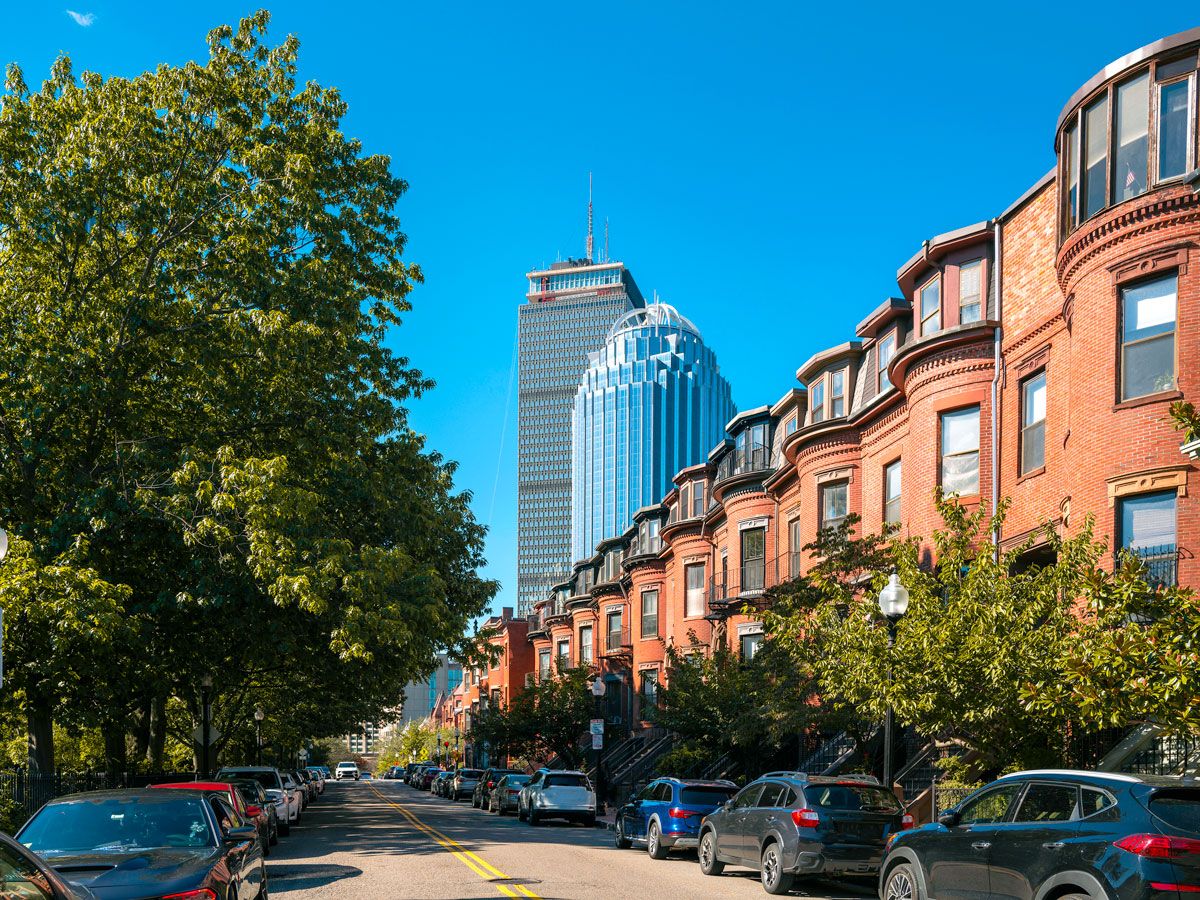
Officially declared a state in 1788, Massachusetts has witnessed many significant milestones in U.S. history, starting with the Mayflower ship landing at Provincetown on Cape Cod in 1620. Soon after, the Pilgrims established the Plymouth Colony, one of the earliest European settlements in North America. Around 150 years later, the Boston Tea Party was a catalyst for the American Revolution. And long before all of this, the state was home to the Mohegan, Mohican, and Wampanoag peoples.
From the Berkshire Mountains to the lighthouse-dotted Atlantic coastline, Massachusetts has a diverse geographical landscape. Martha’s Vineyard is a celebrity-favorite historic vacation spot known for its quaint harbor towns, while Nantucket welcomes tourists with its dune-backed beaches. In Boston, don’t miss the Freedom Trail, a 2.5-mile route incorporating 16 sites related to the American Revolution. And every March, the state capital hosts one of the most famous St. Patrick’s Day events outside of Ireland.
6. Vermont
Credit: KenWiedemann/ iStock via Getty Images Plus
Area: 9,616 square miles
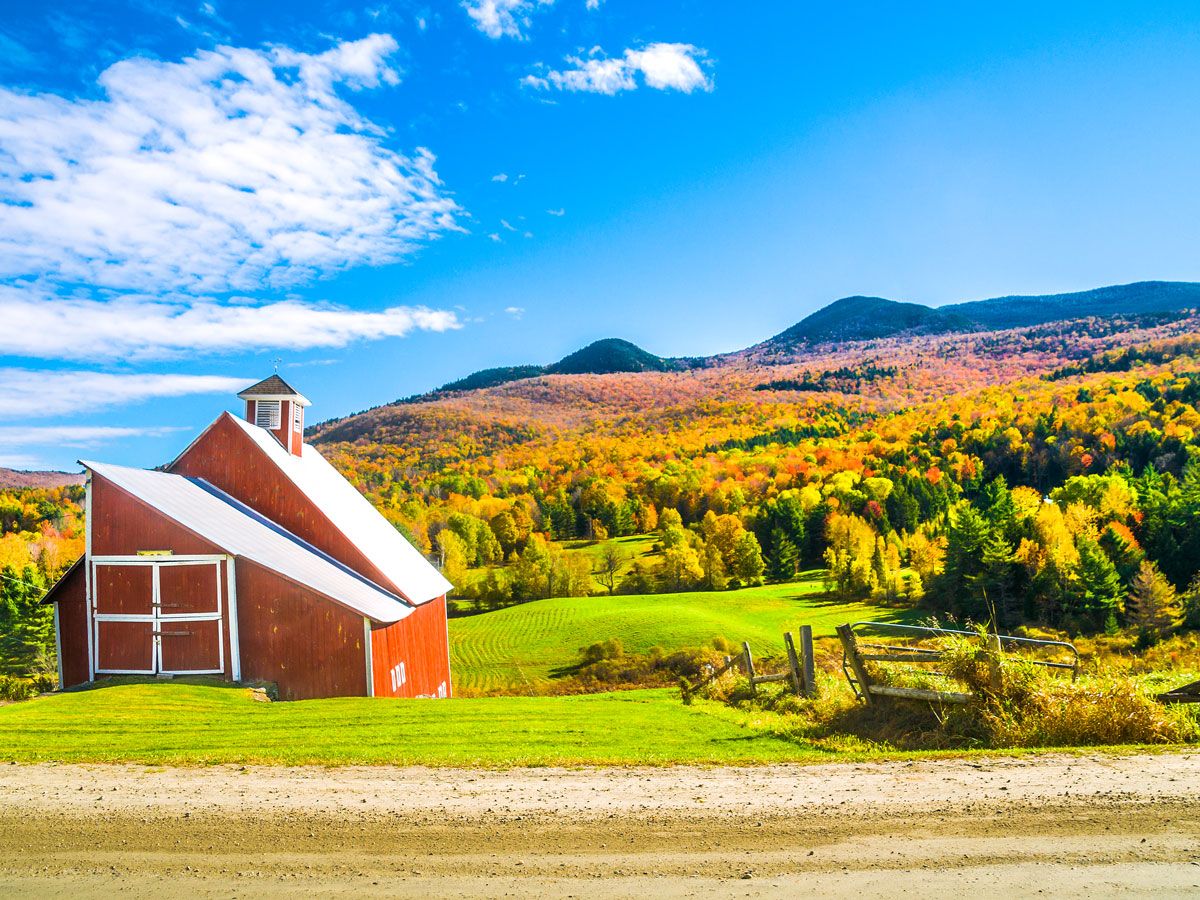
Like many states, Indigenous peoples were the first to inhabit Vermont, which was home to the Abenaki tribe, among others. When French explorer Samuel de Champlain arrived in 1609, he named the region “Les Monts Verts” after the Green Mountains. This inspired both the state’s official name and nickname, the Green Mountain State. Interestingly, Vermont briefly declared itself an independent republic in 1777 before ultimately joining the Union in 1791.
Today, Vermont is home to 55 state parks and a 150-mile stretch of the Appalachian Trail, part of which is shared with the Long Trail, running for 272 miles across the Green Mountains. In Stowe, small-town charm blends with first-rate skiing at Stowe Mountain Resort, while Burlington boasts a lively arts scene on the banks of Lake Champlain.
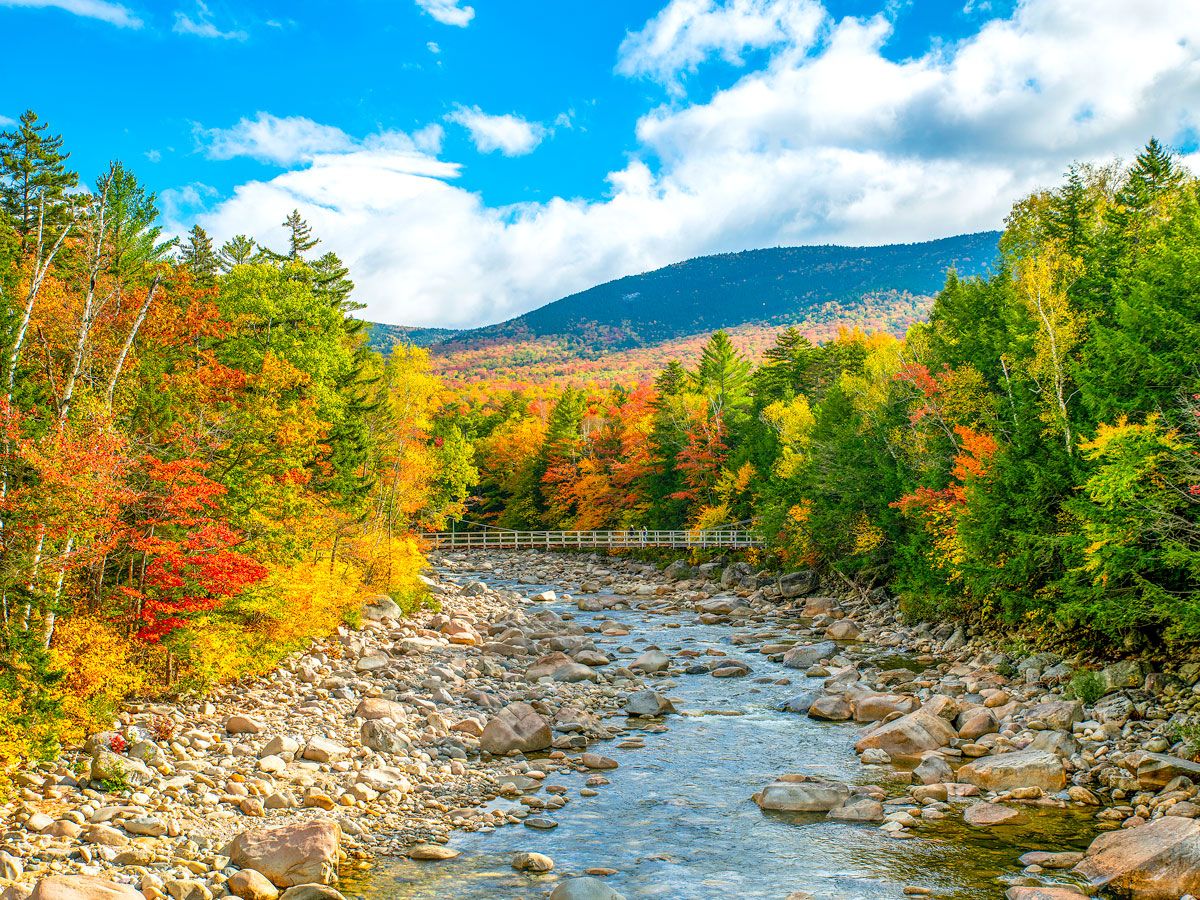
Vermont’s eastern neighbor is also the ancestral home of the Abenaki peoples, as well as the Pennacock peoples. Founded as the New Hampshire colony in 1623, it was the first colony to declare independence from England and was granted statehood in 1788. Today, New Hampshire is among the country’s best places to experience fall foliage — particularly the Kancamagus Scenic Byway winding through White Mountain National Forest.
Some of the highest annual snowfall in the country also makes New Hampshire a snowsports hot spot. Powder hounds can carve up on around 30 ski resorts, including the popular Breton Woods Ski Area. Those looking for a dose of culture will find well-preserved Georgian architecture in Portsmouth and historic mills around Dover. And beachgoers make the most of the shortest state shoreline, at just 18 miles.
The earliest inhabitants of New Jersey were the Lenni Lenape peoples roughly 10,000 years ago. In the 1600s, the Dutch established the New Netherland colony, followed by a short-lived Swedish settlement. The English took control of the region in 1644, naming it after the isle of Jersey in the Channel Islands.
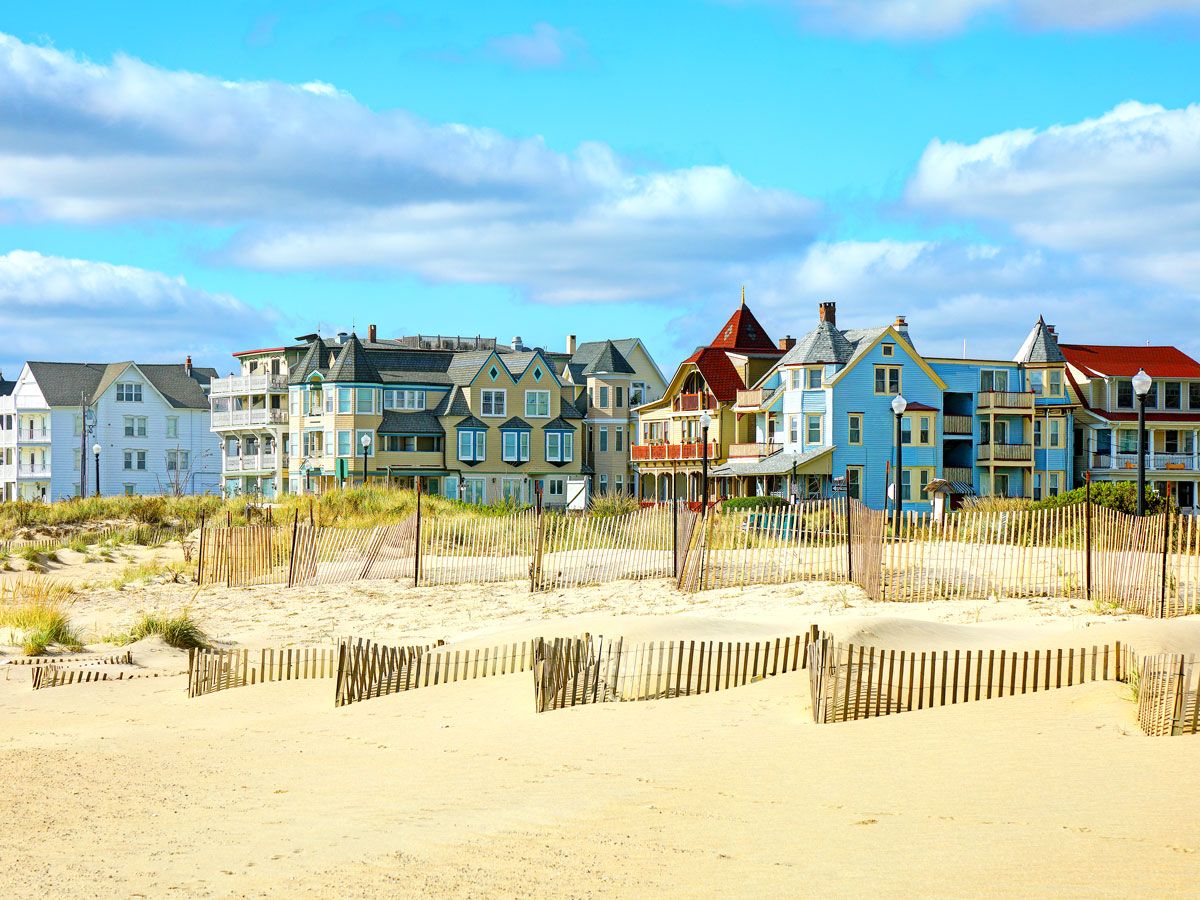
Sweeping beaches and American Revolutionary War history draw many visitors to the Garden State. Popular destinations include the entertainment-packed boardwalks of the Jersey Shore and Washington Crossing Historic Park, where George Washington’s troops crossed the Delaware River. New Jersey is also the “Diner Capital of the World,” with an estimated 450 diners spread around the state.
3. Connecticut
Credit: KenWiedemann/ iStock via Getty Images Plus
Area: 5,543 square miles
One of the six New England states, Connecticut stretches inland from the shores of Long Island Sound. Just 70 miles long and 110 miles wide, it’s one of the country’s most densely populated states, with around 760 people per square mile. Connecticut’s name means “land on the long tidal river” in the Algonquian language. Before the arrival of Dutch and English settlers, the Algonquian people were the main inhabitants of the region.
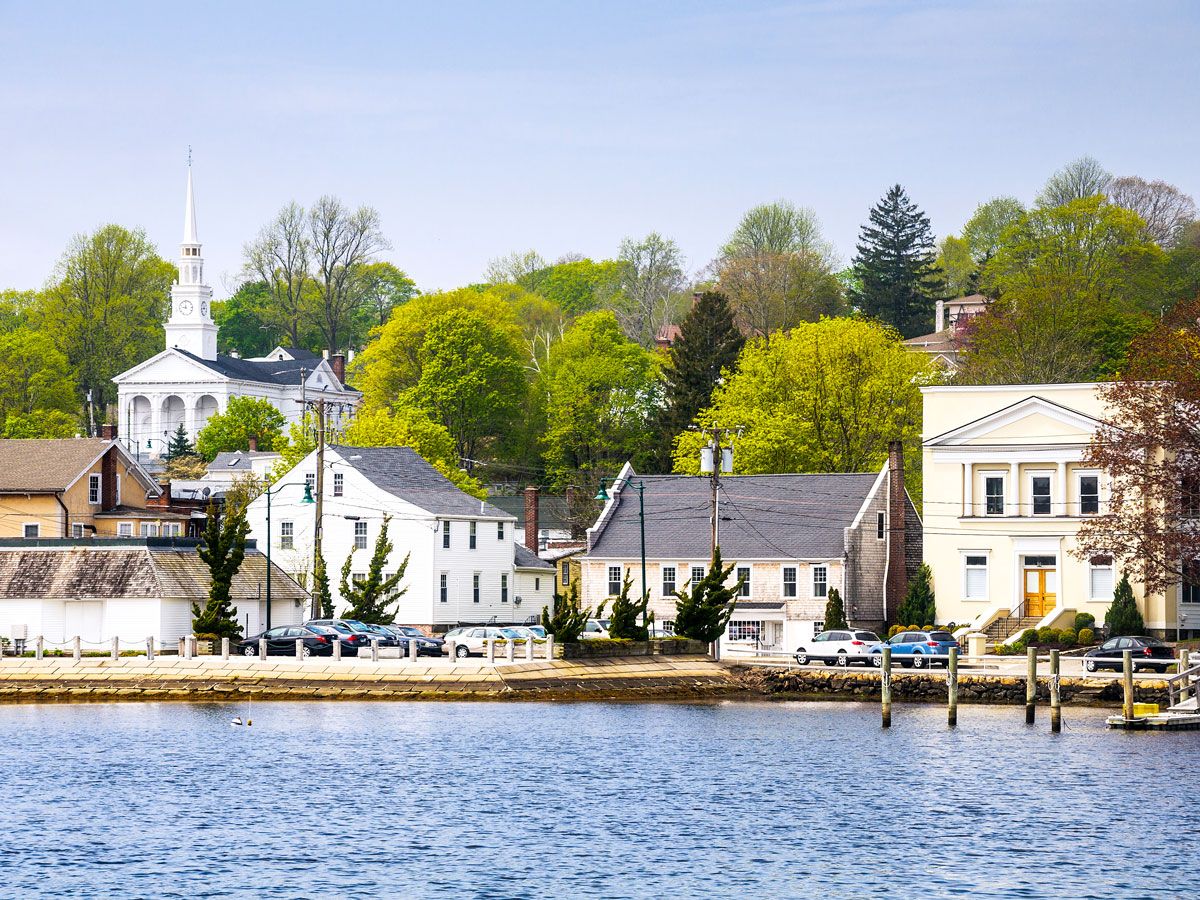
Despite its compact size, Connecticut packs in a variety of different landscapes, from the pastoral farmlands of Kent Falls State Park to the prehistoric lands of Dinosaur State Park and the vineyards of Litchfield County. Picture-perfect small towns steeped in maritime history sit along the state’s shoreline. See: Mystic, the epitome of New England charm and home to a working seaport, wharfside shops, and the Mystic Seaport Museum.
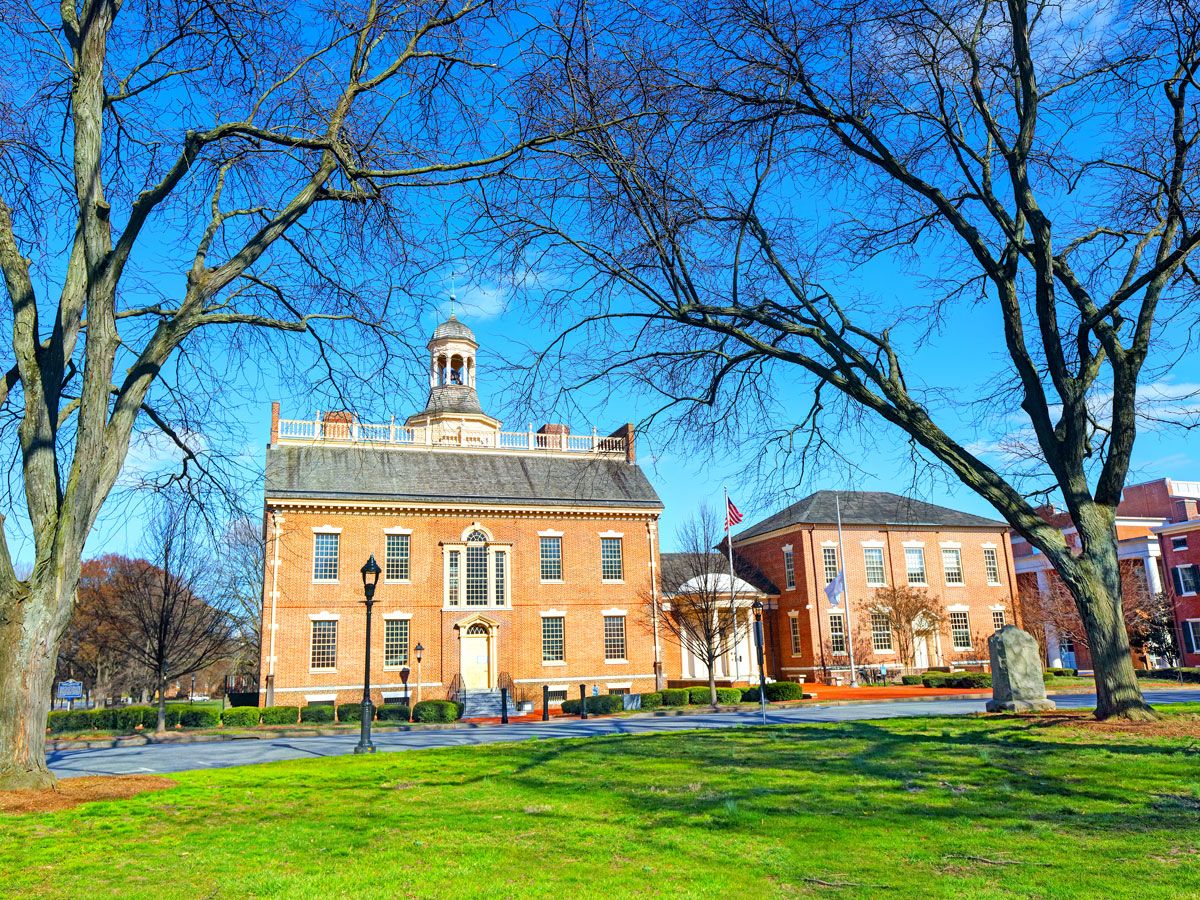
The First State gets its nickname because it was the first of the 13 colonies to ratify the U.S. Constitution in 1787. Before that, the Lenni Lenape and Nanticoke peoples lived there for thousands of years prior to European colonization. The state’s small size means that, today, it’s split into only three counties: New Castle, Kent, and Sussex. This is the fewest number of counties of any state — a far cry from the 254 counties of Texas, the state with the highest number.
Life along Delaware’s Atlantic coast is centered on towns such as Bethaney Beach and Rehoboth Beach, featuring quintessential boardwalk entertainment and seafood restaurants serving blue crab and clams. Inland, Brandywine Creek State Park offers lush meadows and old-growth forests alongside tubing and kayaking adventures.
Measuring just 48 miles long and 37 miles wide, Rhode Island is the smallest U.S. state by area. With around 1,075 people per square mile, it’s also the third-most densely populated state. Some of the state’s earliest settlers were the Niantic, Narragansett, and Wampanoag peoples. In the 1600s, English minister Roger Williams established a colony after being expelled from Massachusetts for his views of religious freedom and separation of church and state.
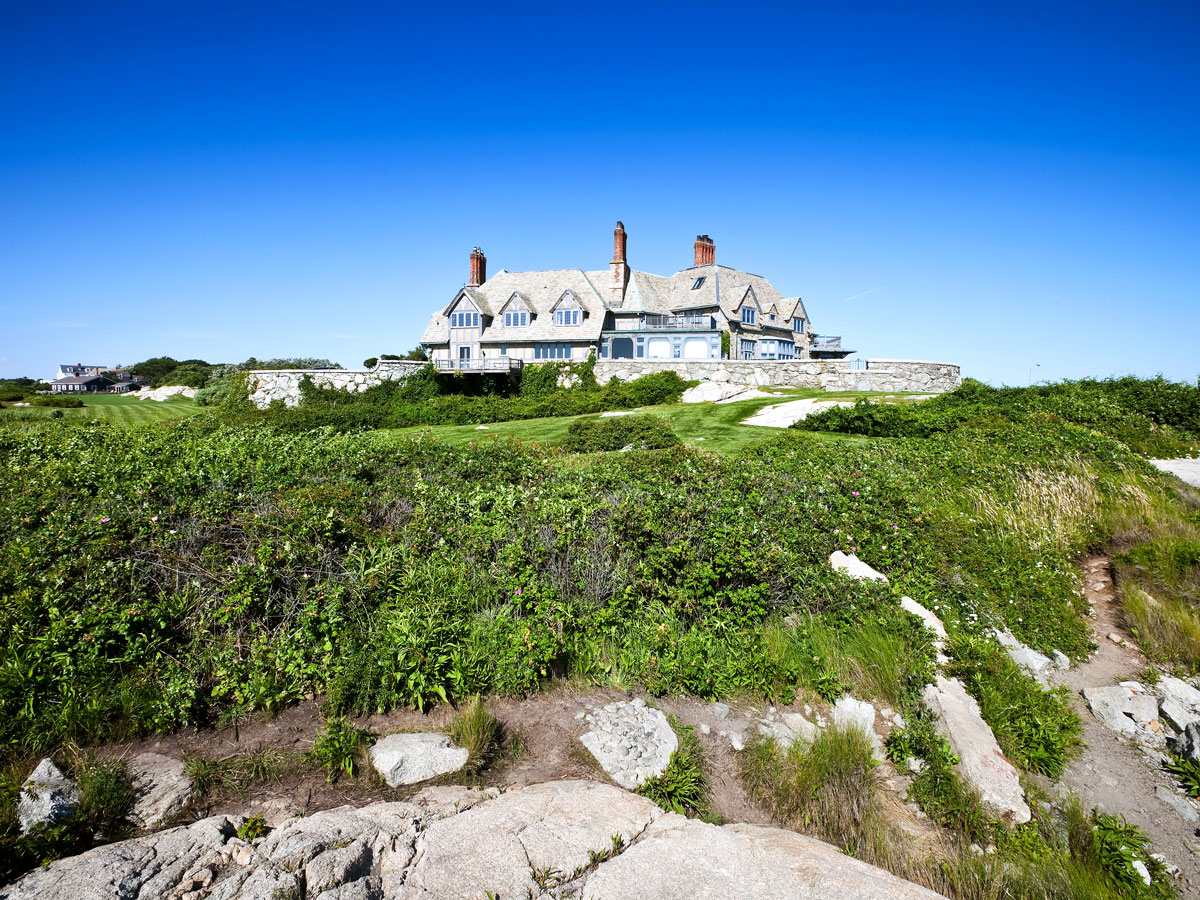
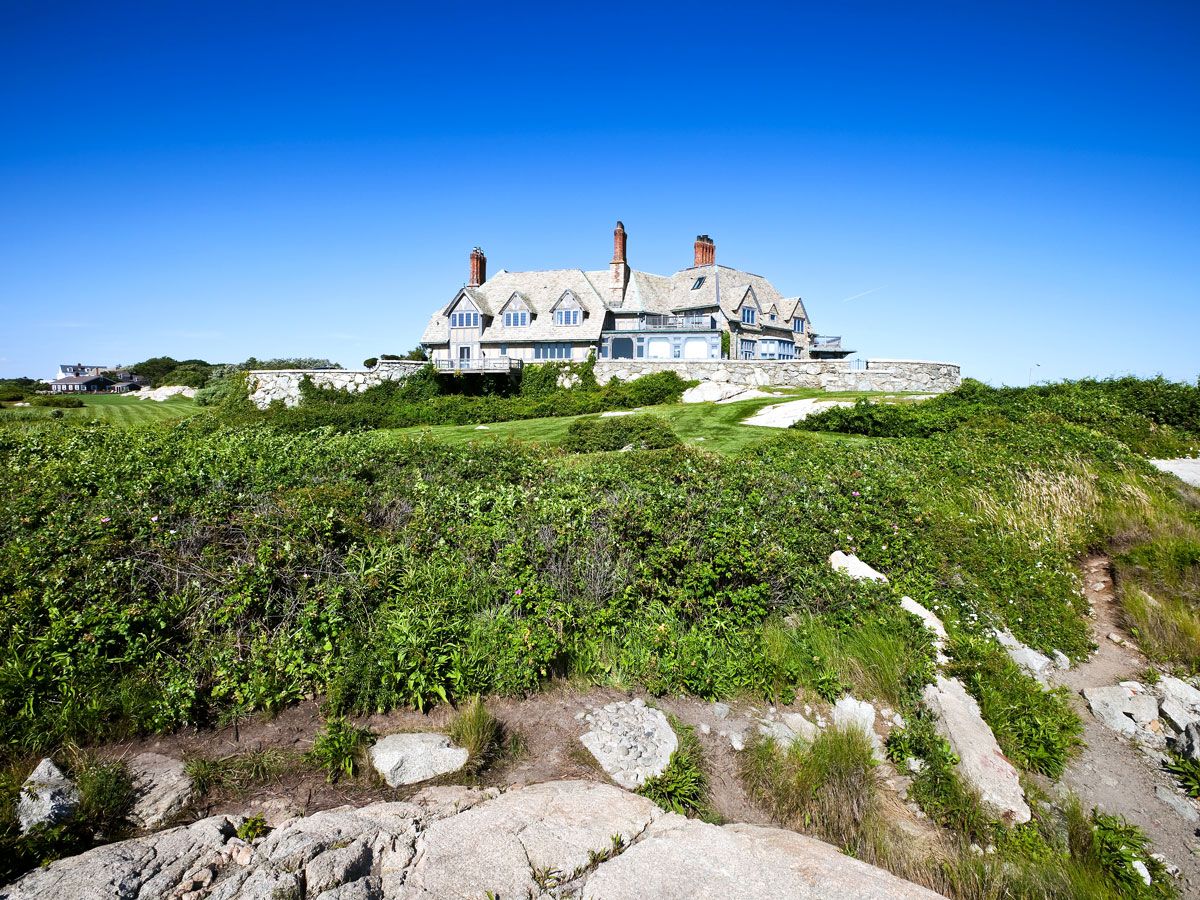
Despite its small size, Rhode Island boasts a 400-mile coastline, which earned it the nickname the “Ocean State.” It meanders along Black Island Sound before cutting into Narragansett Bay and creating a series of dramatic bays, coves, and cliffs, from the surf break at Narragansett Beach to the calmer waters of Misquamicut State Beach. No visit is complete without a stop in Newport, famed for its maritime heritage, Gilded Age mansions, and prestigious regattas.
The TSA Is Now Allowing Some Passengers To Skip This Step
By
Peter Vanden Bos
Read time: 4 minutes
August 22, 2025
Updated: August 22, 2025
The TSA Is Now Allowing Some Passengers To Skip This Step
Tips •August 22, 2025•Updated: August 22, 2025
By Peter Vanden Bos
Author
Peter Vanden Bos
Peter is a Toronto-based journalist, editor, content strategist, and self-professed avgeek with 15 years of experience covering all things travel. Prior to joining Daily Passport, he oversaw newsletter publication for Travelzoo. His favorite destinations to explore include Japan, France, Chile, New Zealand, and his adopted home country of Canada.
No traveler likes to wait in a long line — especially after a long-haul flight. But if you’re flying internationally back to the U.S. and have a domestic connection, that’s likely exactly what you’ll be facing. When travelers arrive in the U.S. from an international flight, they not only have to stand in a customs line but also must wait for their checked bags, recheck them, and clear TSA security again. Fortunately, a new pilot program called One Stop Security (OSS) promises to reduce wait times during your next layover — find out how it works and where you can use it below.
Most travelers prefer to fly nonstop if they can, but often that’s not possible, especially if their home airport is a smaller one. Under the current system, if you take an international flight to a U.S. airport that is not your final destination, you have to jump through a number of hoops before boarding your domestic connection.
First, you must clear customs and immigration (unless you’re flying from an airport with preclearance). Those lines can be lengthy, but you can skip them if you have Global Entry or you’re enrolled in Mobile Passport Control. Then, if you have checked bags, which is often the case for travelers on big international trips, you have to proceed to the baggage claim, wait for your luggage, and check them again to your final destination.
Lastly, you’ll have to undergo TSA security screening, even though you went through a similar process before boarding the first leg of your trip. That’s where One Stop Security (OSS) comes in: Travelers on a handful of flights that are participating in this pilot program can bypass the second security screening altogether and don’t have to worry about collecting and rechecking their bags.
Instead, passengers on those flights will head to a dedicated customs area at the arrival gate that is separate from standard screening. There, they will undergo passport checks before heading directly to their connecting gate, while bags are transferred automatically.
Industry experts have praised the pilot program. In a statement, the U.S. Travel Association said One Stop Security signals “a new era for U.S. travel,” calling it “a smart, long-overdue step toward modernizing the travel experience, eliminating redundant screening, cutting connection times, and unlocking more international air service.”
Unfortunately, you might have to wait a while to take advantage of the new program, which is a partnership between airlines, the TSA, U.S. Customs and Border Protection, and the U.K.’s Department of Transport.
Currently, One Stop Security is available to a very limited number of passengers. American Airlines was the first to introduce the program in the U.S., starting with flights from London Heathrow Airport to Dallas/Fort Worth in July 2025. In a statement, the airline said the streamlined process reduces connection times for those passengers by 50%.
Delta Air Lines also introduced One Stop Security on select flights from London Heathrow to Atlanta in July. However, with Delta’s program, travelers must be enrolled in Global Entry or Mobile Passport Control to be able to skip the second TSA screening. Delta says those passengers who are eligible can save up to 45 minutes on their connections.
Details on the future of the program are scarce, but the TSA’s deputy administrator Adam Stahl said in an interview that more international airports will be added in the “coming months.”
The program launched on the other side of the pond in February 2025. Passengers landing at London’s Heathrow Airport on select flights from Dallas/Fort Worth and connecting to destinations outside of Britain can also skip security checkpoints upon arrival.
In recent months, the TSA has announced a number of changes aimed at reducing wait times and improving the passenger experience. The biggest change came in July 2025, when the department dropped the requirement for passengers to remove their shoes at standard security screening checkpoints. Additionally, the TSA has introduced dedicated family screening lanes at select airports, with more to be rolled out in the coming months. Many U.S. airports have also implemented a new security system called Credential Authentication Technology (CAT), which allows passengers to breeze past security without showing their boarding pass.
Outdoors •August 22, 2025•Updated: August 22, 2025
By Fiona Mokry
Author
Fiona Mokry
Fiona has spent her career exploring the world and working in the travel industry, turning her lifelong passion into a profession. From planning custom trips to sharing stories as a travel writer for publications such as The Discoverer, she’s all about helping others experience the world in a deeper, more meaningful way.
Some of the most unforgettable views in the U.S. aren’t visible from highways or hiking trails — they’re seen from the deck of a ferry. Whether you’re gliding past the Statue of Liberty or cruising through remote Alaskan landscapes, these scenic rides turn getting from point A to point B into part of the adventure. Check out five of the most scenic ferry rides in America.
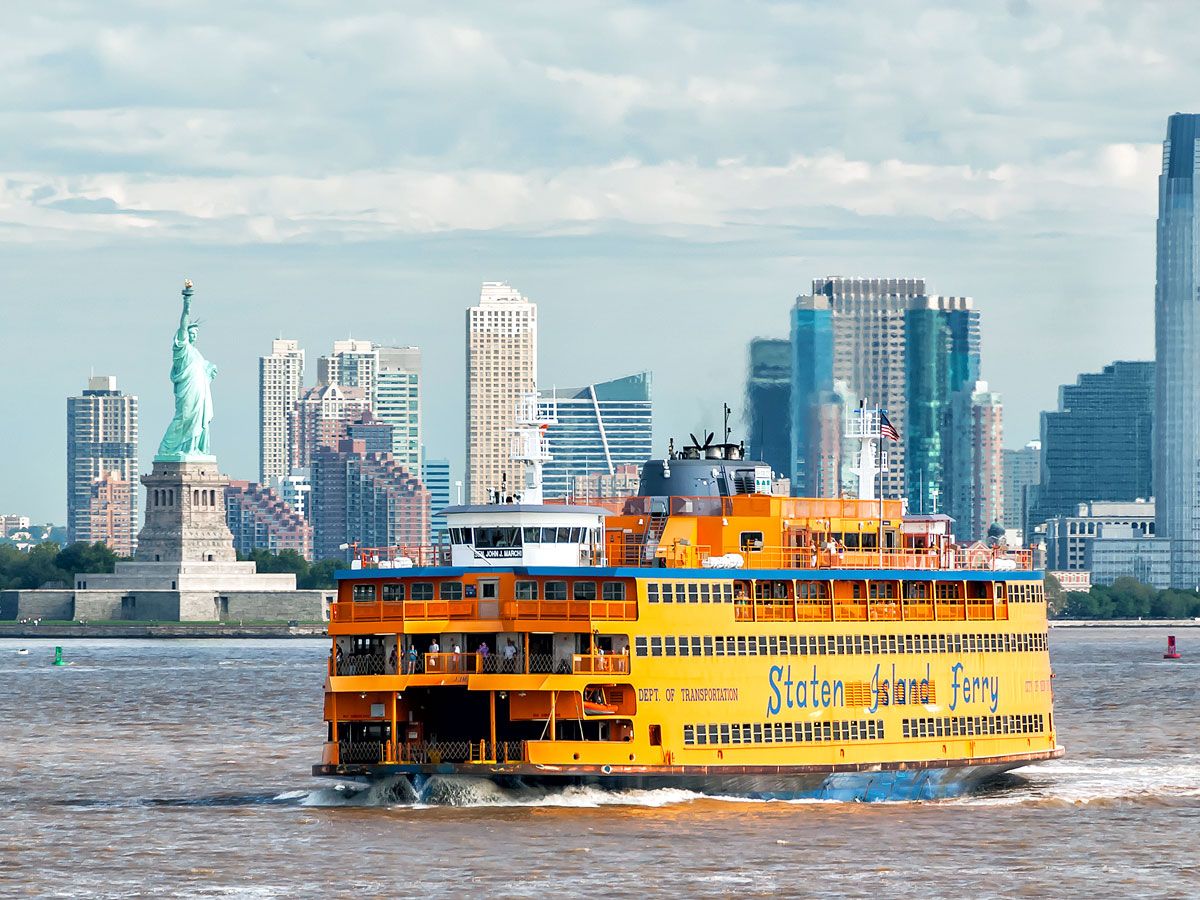
Skip the pricey harbor cruises and head to Whitehall Terminal in Lower Manhattan, where the Staten Island Ferry is ready to take you on a scenic — and better yet, free — ride across New York Harbor. Running seven days a week, 365 days a year, this free commuter ferry happens to offer some of New York City’s best views, including the Statue of Liberty, Ellis Island, and the Verrazano-Narrows Bridge. The ferry runs between Staten Island and Manhattan, carrying nearly 22 million passengers each year with over 100 trips daily. It’s a quick 25-minute ride each way, but more than enough time to snap some great photos.
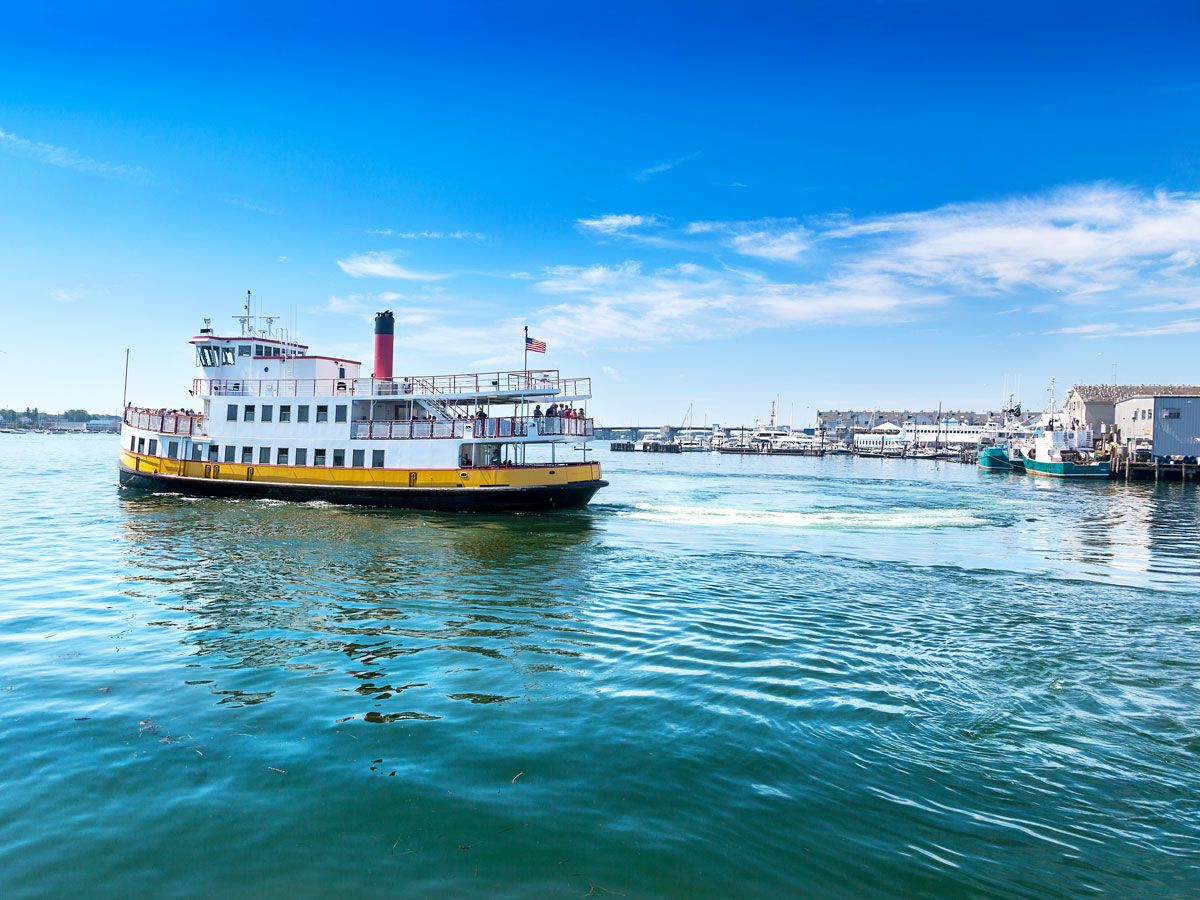
There’s perhaps no better way to take in Maine’s classic coastal views than from the water — and a ferry ride past Portland’s busy harbor gives you a front-row seat. From historic lighthouses to rugged shorelines and passing lobster boats, the scenery is quintessentially New England.
Hop on one of the yellow-and-black Casco Bay Lines ferries from Commercial Street and cruise past it all while heading out to the islands just offshore. The 20-minute, $14 one-way ride to Peaks Island takes you to beaches, bike paths, restaurants, and plenty of serene coastal vibes. Other islands — such as Long Island, Little Diamond, and Chebeague — are just as easy (and affordable) to reach by ferry.
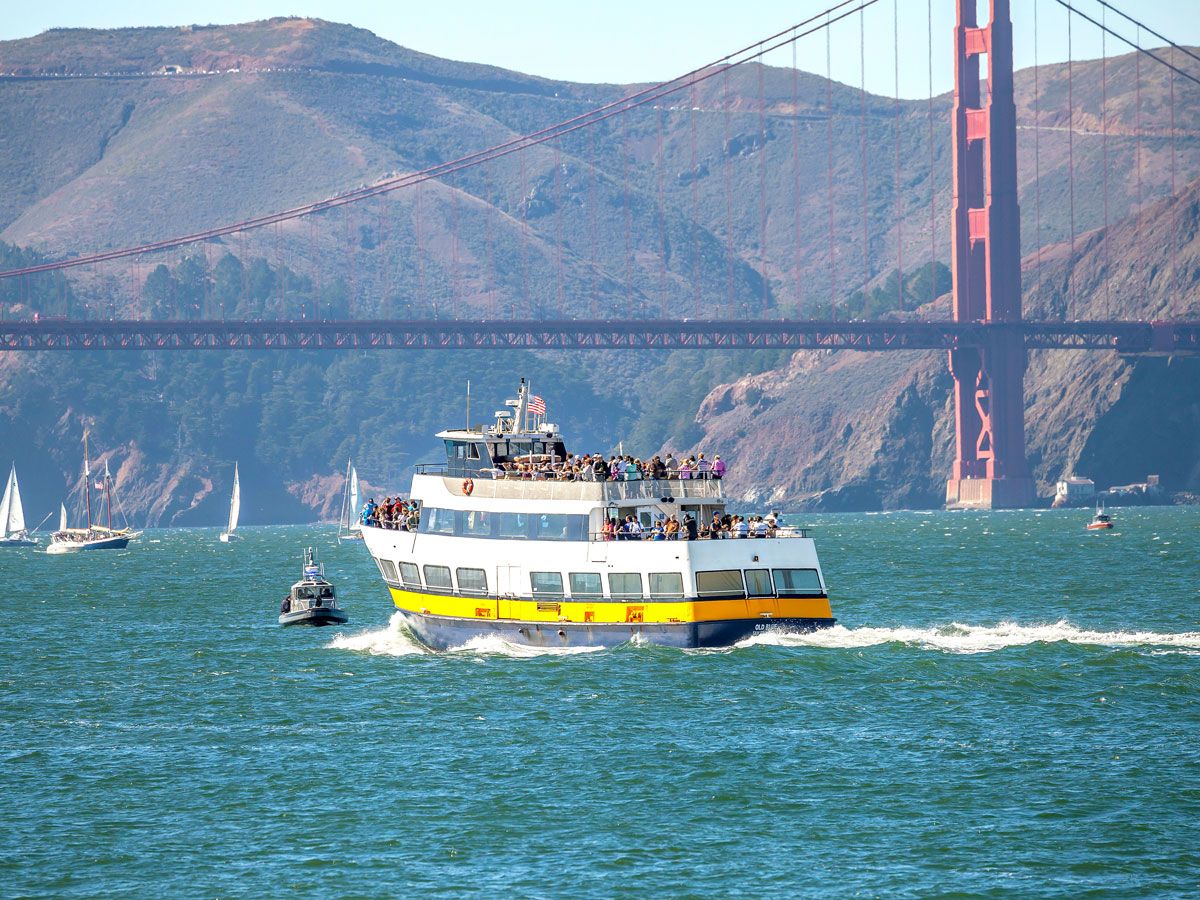
Departing from the start of Market Street along the Embarcadero, the Golden Gate Ferry offers a quick and scenic journey across San Francisco Bay to popular day-trip destinations including Sausalito, Tiburon, Angel Island, and Larkspur in Marin County. Each ride takes about 30 minutes and costs $14 to $15.50 each way for adults, with discounted options for seniors, kids, and Clipper Card transit users.
The ride treats passengers to sweeping views of the Golden Gate Bridge, Alcatraz, and the San Francisco skyline. Time it right, and you might even catch the sun setting behind the city’s iconic bridge — a spectacular way to cap any ferry ride. But many passengers turn the ferry ride into a full-day outing — you can hike or bike around Angel Island State Park, stroll Sausalito’s waterfront boardwalk, or explore Tiburon’s hidden gems and snap pictures at the panoramic lookout from the Hippie Tree.
Cape May-Lewes Ferry – New Jersey and Delaware
Credit: Holcy/ iStock Editorial via Getty Images Plus
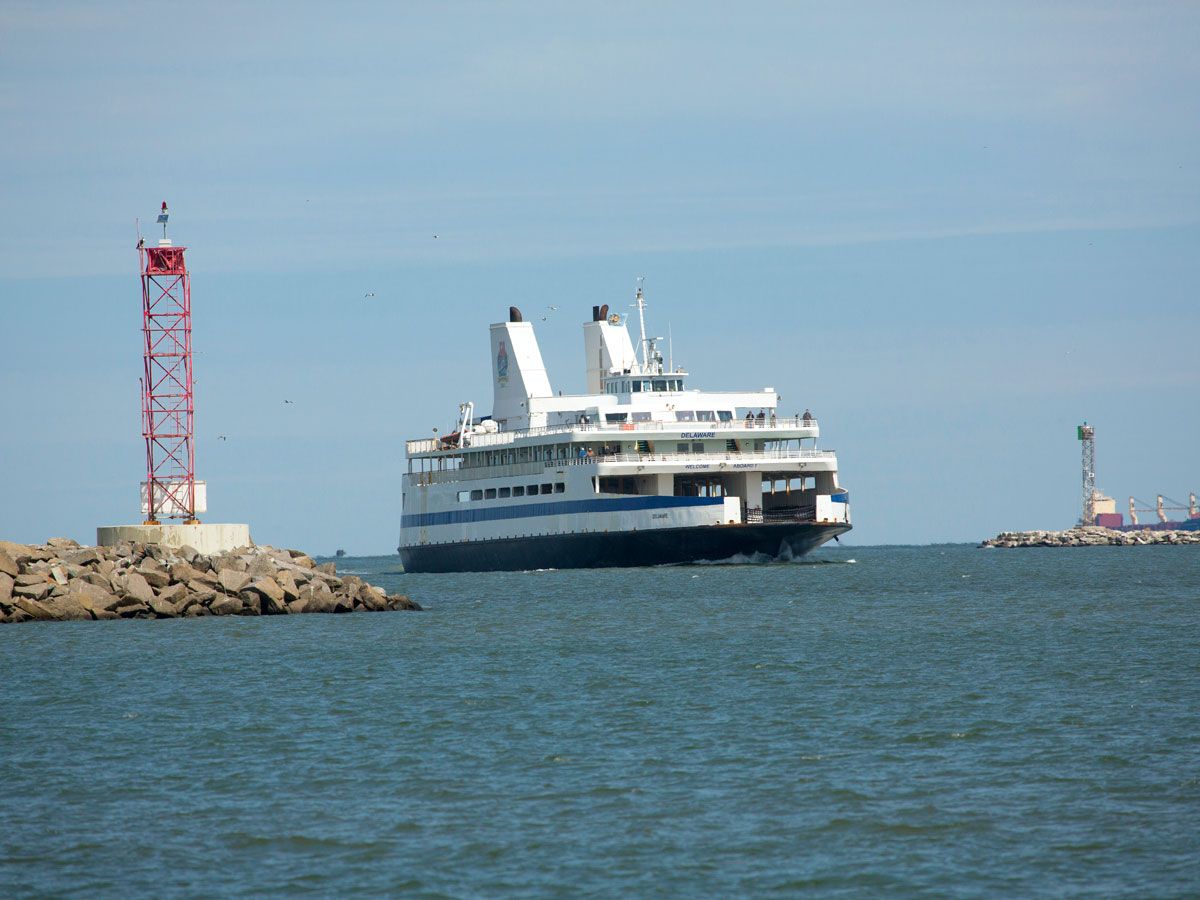
Traveling 17 miles across the Delaware Bay, the Cape May-Lewes Ferry runs daily between Cape May, New Jersey, and Lewes, Delaware. Keep your eyes peeled during the 85-minute ride for dolphins and whales off the bow, along with historic lighthouses and charming oceanside towns. On either end, oceanfront restaurants await with seafood dishes perfect for kicking off or wrapping up your day by the water. Adult fares are $10 each way.
Part commuter transit, part scenic cruise, the Alaska Marine Highway System is a network of ferries that offer an exceptional way to explore the rugged beauty of Alaska’s coastline. Spanning more than 3,500 miles and connecting 32 terminals, this ferry system — also designated a Scenic National Byway — connects many rural communities while also providing easy access to glacier tourism.
With its northernmost port in Dutch Harbor, part of the remote Aleutian Islands, the system stretches all the way south to Bellingham, Washington. (The ferry from Bellingham to Ketchikan takes a whopping 38 hours.) Some of the coastal towns along the way aren’t even accessible by road, offering a rare glimpse into off-the-grid Alaskan life. On board, expect dramatic views of glaciers, fjords, snow-capped peaks, and even the occasional active volcano.Fares vary depending on the route.
Advertisement
More from our network
Daily Passport is part of Inbox Studio, an email-first media company. *Indicates a third-party property.
15 College Towns That Double as Great Tourist Destinations
By
Daily Passport Team
Read time: 11 minutes
August 22, 2025
Updated: March 3, 2026
15 College Towns That Double as Great Tourist Destinations
Culture •August 22, 2025•Updated: March 3, 2026
By Daily Passport Team
Author
Daily Passport Team
Daily Passport writers have been seen in publications such as National Geographic, Food & Wine, CBC, Condé Nast Traveler, and Business Insider. They're passionate about uncovering unique destinations and sharing expert tips with curious travelers.
The U.S. is home to nearly 4,000 colleges and universities, often situated on idyllic campuses that seem to leap straight out of the pages of a brochure. Many of them are located in equally gorgeous towns worthy of a visit in their own right — even if your student days are long gone. Explore 15 of the most beautiful U.S. college towns and cities and a few of the year-round activities you can enjoy at each one.
Although close enough to Detroit to be able to hop aboard an international flight, Ann Arbor is far enough from Motor City to have its own distinct character. College football is a big deal at the University of Michigan, and you’ll know when the Wolverines are playing by the crowds of avid fans pouring along the tree-lined streets to the stadium. The campus also has several excellent museums, as well as an arboretum and botanical gardens.
Winters can be harsh — this is Michigan, after all — but even in the snow, Ann Arbor is easy to navigate on foot or bike. After a day of cheering on the quarterback or working up a sweat outdoors, spend some time relaxing in one of downtown’s many bookshops before taking in a movie at the Michigan Theater and stopping in at one of Main Street’s many eateries.
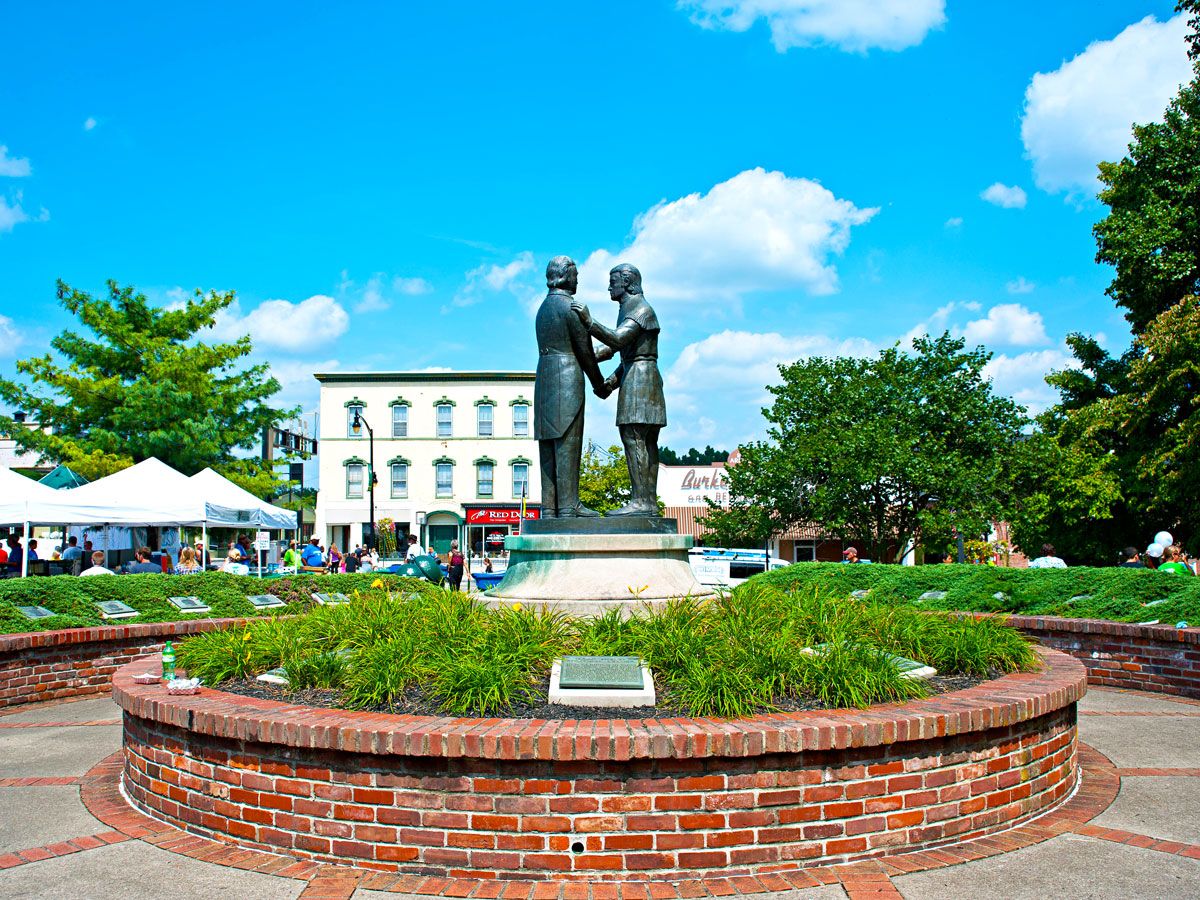
A long way from the beaches of Florida, Miami University is located in the idyllic town of Oxford, Ohio. The college was once nicknamed“the Yale of the West,” and the campus area certainly does conjure up images of New England with its red brick buildings and shady tree-lined streets.
The town is easily walkable, but in warm weather, locals head to Hueston Woods State Park for hiking, fishing, horse riding, or perhaps just lazing by the creek. Afterward, stop by the farmer’s market or one of the popular brunch locales (Patterson’s Café is a favorite). In the spring, local wineries all come to town for the annual wine festival, while summer evenings are filled with art gallery hops, outdoor music and movie screenings. Later in the year, as the winter evenings get longer, ice skating and Christmas festivities add to the charm of the irresistible college town.
Located a mile from Lake Champlain on a hill above downtown Burlington, the University of Vermont is ideally situated for visitors and students to take advantage of the surroundings any time of year. In the summer, rent a paddleboard and spend hours along the shoreline or go further afield for a hike in the Green Mountains at Mount Philo. In the winter months, Burlington is bursting with hygge, and when you’re ready to leave the cozy shops and breweries, there are several skiing areas nearby. Bolton Valley is a 25-minute drive, and Stowe is also less than an hour away. Don’t forget that Vermont is home to Ben and Jerry’s, and it’s always a good time to take a break for ice cream.
Few cities in the U.S. feel quite as utopian as Boulder. The clean, crisp air and surrounding mountains create an invigorating vibe for numerous outdoor activities around town. Time your visit to a University of Colorado Buffs football game and enjoy an epic view of the Flatirons from the stadium. Enjoy the pregame festivities at one of the numerous breweries, preferably on the patio so you can soak up the Colorado sunshine. (Avery or Twisted Pine are two solid choices.)
For more active pursuits, hike the popular Chautauqua Meadow trail or kayak on Boulder Creek in summer. When it comes to winter, many of the students (and visitors) in town are drawn to the ease of access to skiing and snowboarding in the area — a number of world-class ski resorts are within a two-hour drive of Boulder.
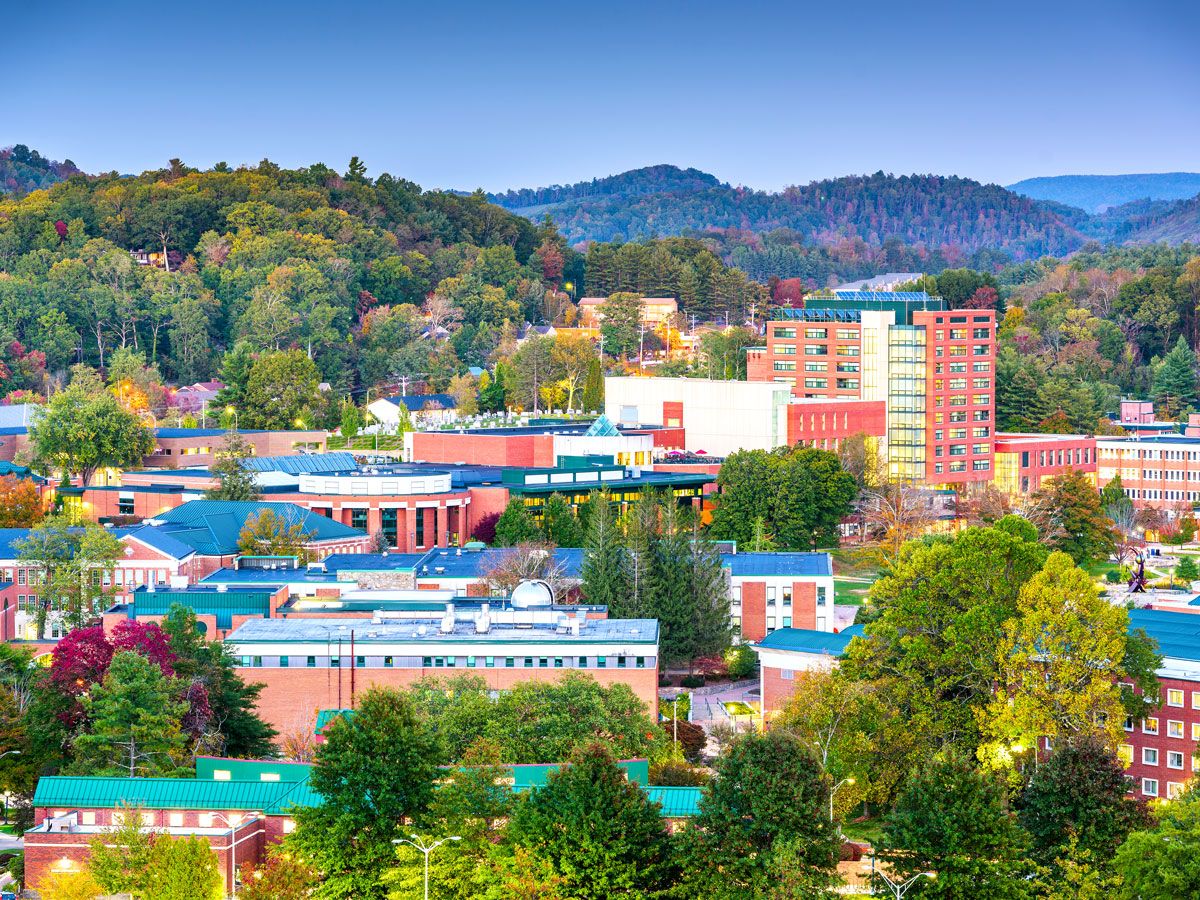
Deep in the Blue Ridge Mountains, Boone feels like a true escape from the grid. As the home of Appalachian State University, the city boasts a mix of mountain and college cultures, resulting in an eclectic, inviting atmosphere. For an easy hike, try Howard’s Knob, a mountain which sits in the middle of Boone. A more difficult option is the trek to the Grandfather’s Bridge — a mile-high suspension bridge that offers 360-degree views of the mountains. On your return to town, shop and explore King Street and dine on modern Southern food (Vidalia is a favorite).
Home to the state capital and the University of Wisconsin-Madison campus, Madison is situated on an isthmus between two lakes. In the summertime, visitors can rent a kayak and paddle up to one of the many waterfront restaurants. Or, if you can brave the cold, you can even rent snowshoes to walk along the lake in winter.
Locals flock to the Dane County Farmers Market on Saturdays from April to November for local wares, produce, and flowers. If you visit, also consider taking a tour of the majestic state capitol building or the impressive botanical gardens while you’re in town. One local specialty you can’t leave without trying is fried cheese curds — you can find them at most local breweries.
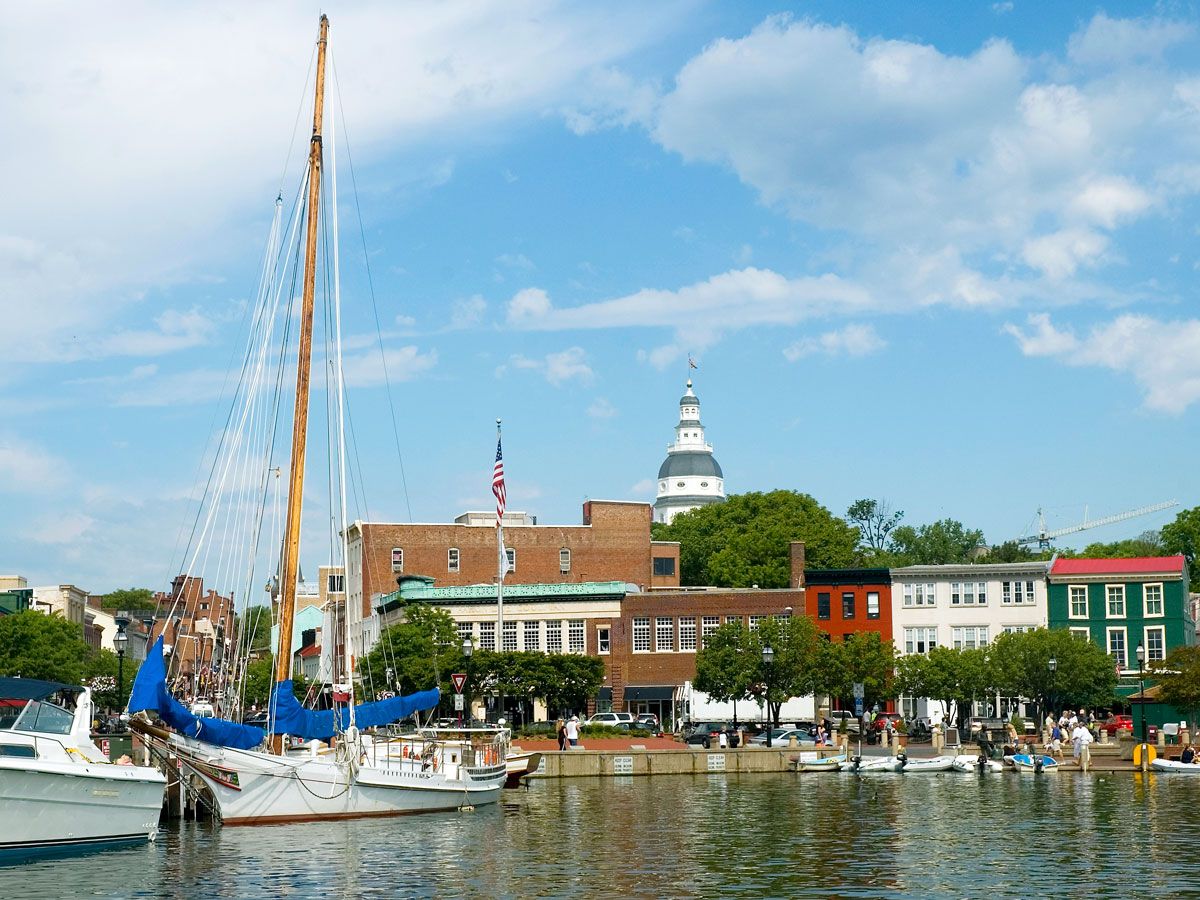
Home to the United States Naval Academy, Annapolis, the capital of Maryland, is a historic city located along the Chesapeake Bay. When visiting, be sure to take a leisurely stroll and peruse the boutiques downtown and grab a drink along the water, but another unique way to take in the surroundings is a sailing cruise around the harbor with Schooner Woodwind. (For a cheaper option, grab a water taxi between your destinations).
Extend your afternoon by visiting the Naval Academy — if you happen to visit on a weekend, you might be lucky enough to catch a wedding party outside the chapel holding their swords high for the happy couple. No visit to Annapolis is complete without a crab feast, and there are several spots around town like Cantler’s and Mike’s Crab House for a down-home meal with mallets.
About an hour south of Lexington, Danville frequently features in lists of the best small towns in the nation. The presence of Centre College means residents and visitors can enjoy a packed calendar of performing arts at the Norton Center. In summer, take in a show at the outdoor Pioneer Playhouse, where several Hollywood stars got their start. The town hosts several popular festivals each year, including the Great American Brass Band Festival in June. Throughout the year, Main Street is buzzing with small shops, pubs, and restaurants; the town even has a dollhouse museum. Exploring the charming downtown, you’ll feel as if you’ve gone back to a simpler time.
If Montana conjures up images of open pastures and fly fishing, you’ll be in for a surprise when you see just how much more the charming city of Missoula — home to the University of Montana — has to offer. To be sure, the fishing is magnificent; the Clark Fork River was the setting for all of those idyllic river scenes in A River Runs Through It. In the summer, take a hike to the top of Mount Sentinel, marked by the giant M on the hillside overlooking the town, or head to the 61,000 acres of Rattlesnake National Recreation Area and Wilderness.
Once winter comes, the mountain bike trails of the Snowbowl are transformed into cross-country skiing trails. On the edge of town, the Historical Museum at Fort Missoula showcases a number of preserved buildings that chart the town’s history, from pioneer days to when the fort was used as an internment camp during World War II. Meanwhile, downtown is home to the children’s theater, numerous art galleries, and plenty of restaurants and pubs. Sit by the river, take in the mountain air, and ponder the benefits of staying here a little longer.
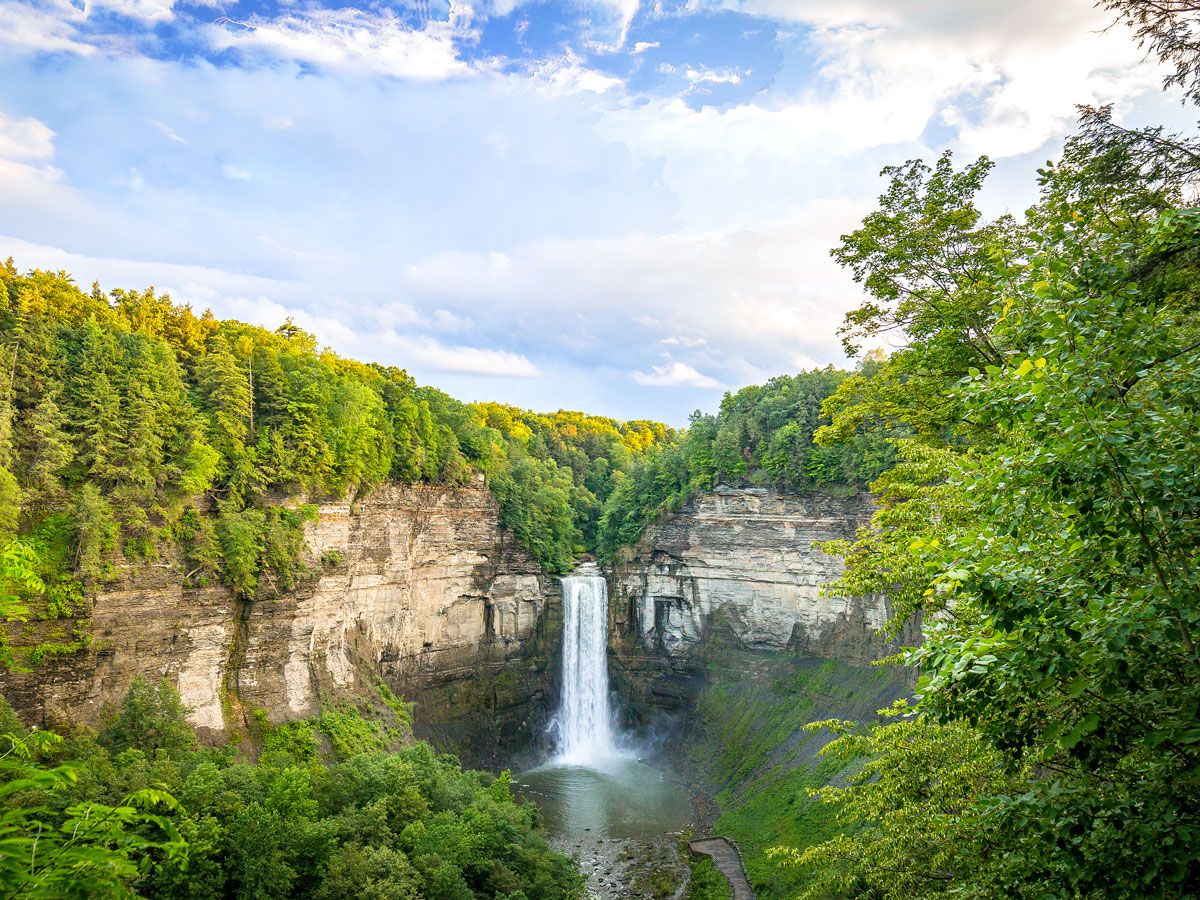
Located in upstate New York, the college town of Ithaca makes the most of all four seasons. This part of the state has access to several state parks and opportunities for skiing and skating in the winter, fabulous fall foliage, and hiking and water sports in the warmer months. Much of the town’s population attends or works at Cornell University, and so there is a strong sense of community here, plus numerous options for live entertainment and nightlife.
Despite the brewpubs, shops, and pedestrian streets of Victorian houses downtown, the star attraction of Ithaca is its proximity to so many outdoor activities. It overlooks Cayuga Lake, the longest of the region’s Finger Lakes. From swimming and boating on its waters to hiking and climbing along its banks, there are many welcome escapes from hitting the books.
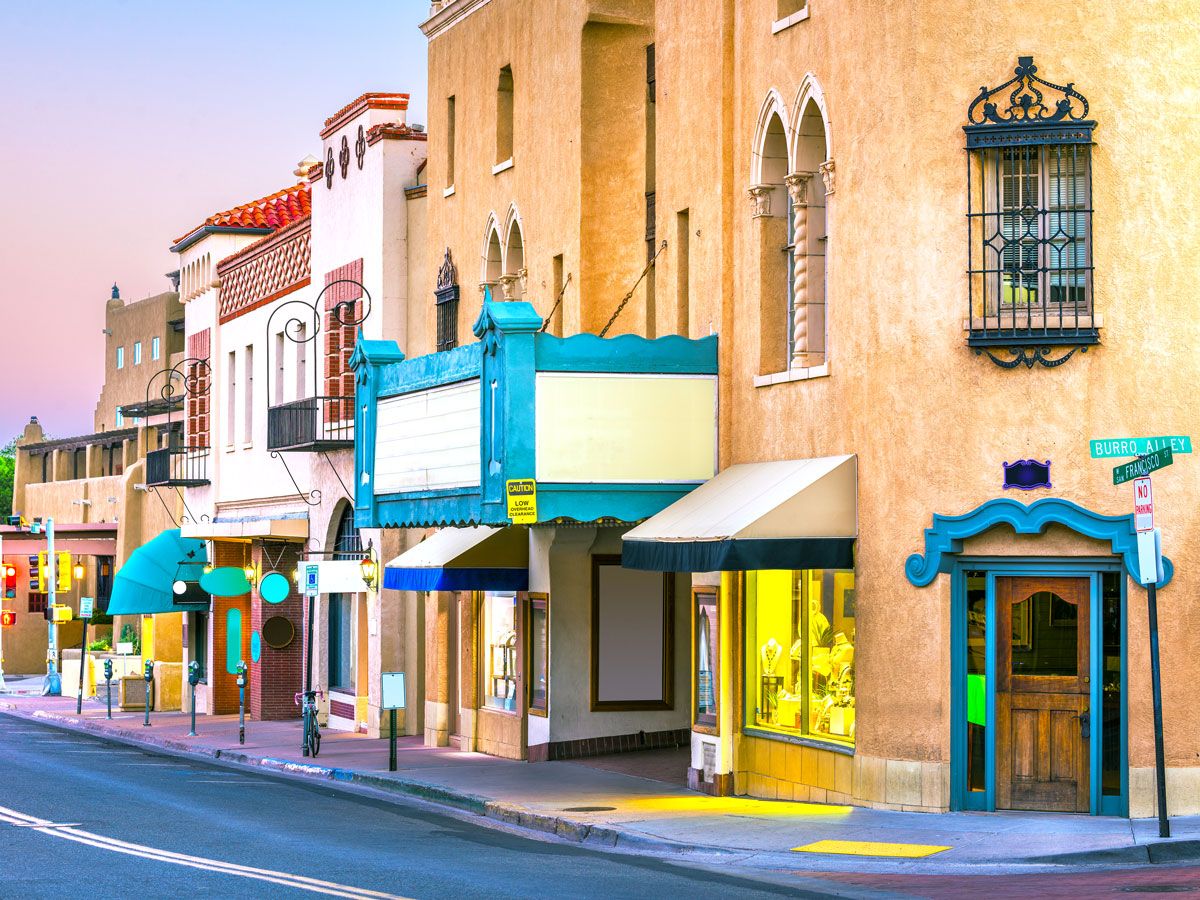
In addition to being the home of St. John’s College, Santa Fe is the state capital of New Mexico. As a result, the small city is alive with culture and history. The mountains surrounding Santa Fe provide some spectacular views, but ultimately it is the town’s funky artistic vibe that attracts so many people, with more than 250 art galleries, museums, and markets to visit.
Choose from those dedicated to Georgia O’Keeffe, International Folk Art, Indian Arts and Culture, Meow Wolf, and many other options. After spending the day rejuvenating your creative spirit, indulge your taste buds at one of Santa Fe’s many charming local restaurants, or take a culinary tour of the town to learn about the Spanish and Indigenous influences in the regional cuisine.
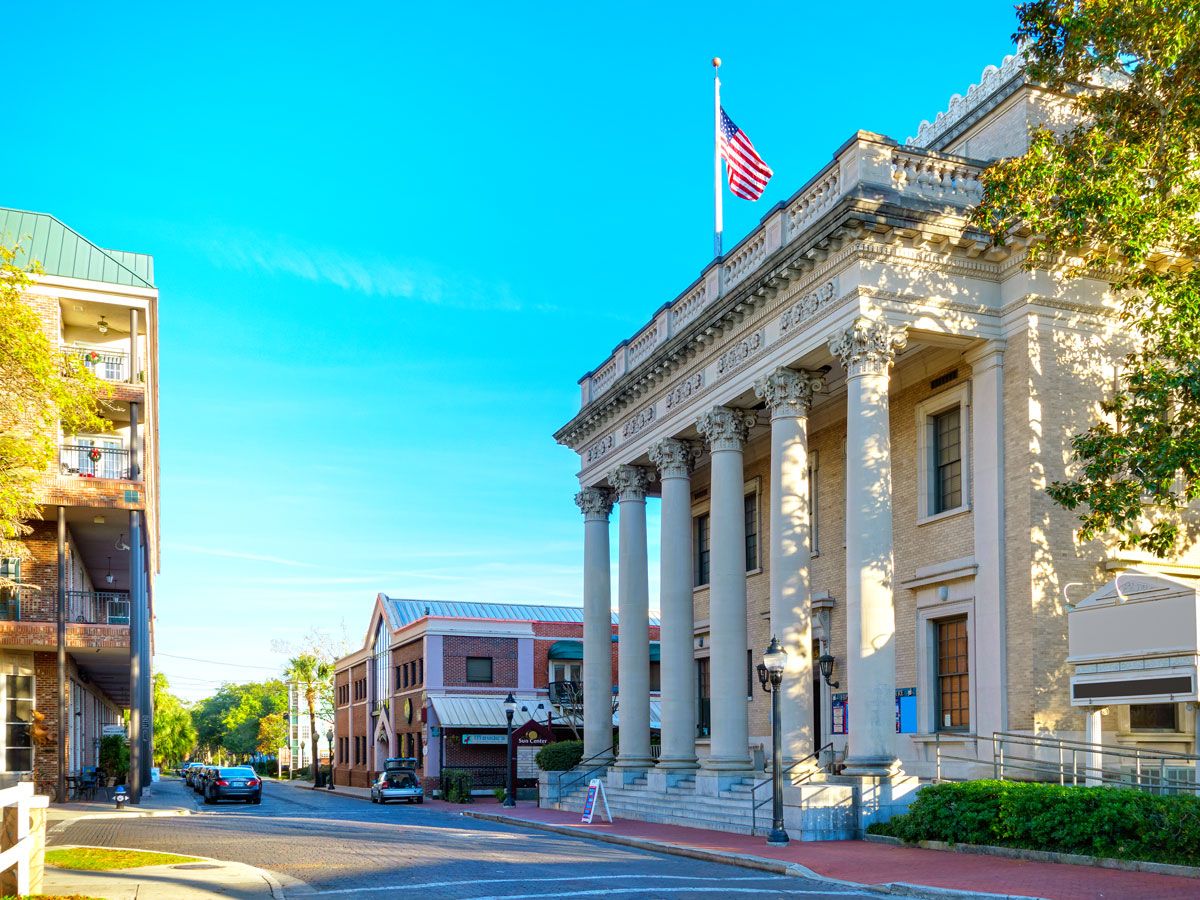
With beautiful weather, year-round blue skies, and the sprawling Florida wetlands surrounding town, Gainesville is proof that inland parts of the state have just as much to offer as the coast. Spanish moss drapes elegantly across the branches of the city’s trees, creating a gauzy tropical effect that complements the stately Southern buildings.
At the southern edge of town, Paynes Prairie Preserve State Park, established in 1971, is home to several hundred species of birds, as well as bison, wild horses, and (of course) gators. At the opposite end of town is Devil’s Millhopper Geological State Park, a miniature rainforest that contains a number of precious fossil remains. The Butterfly Rainforest at the Florida Museum of Natural History is also a great option for families.
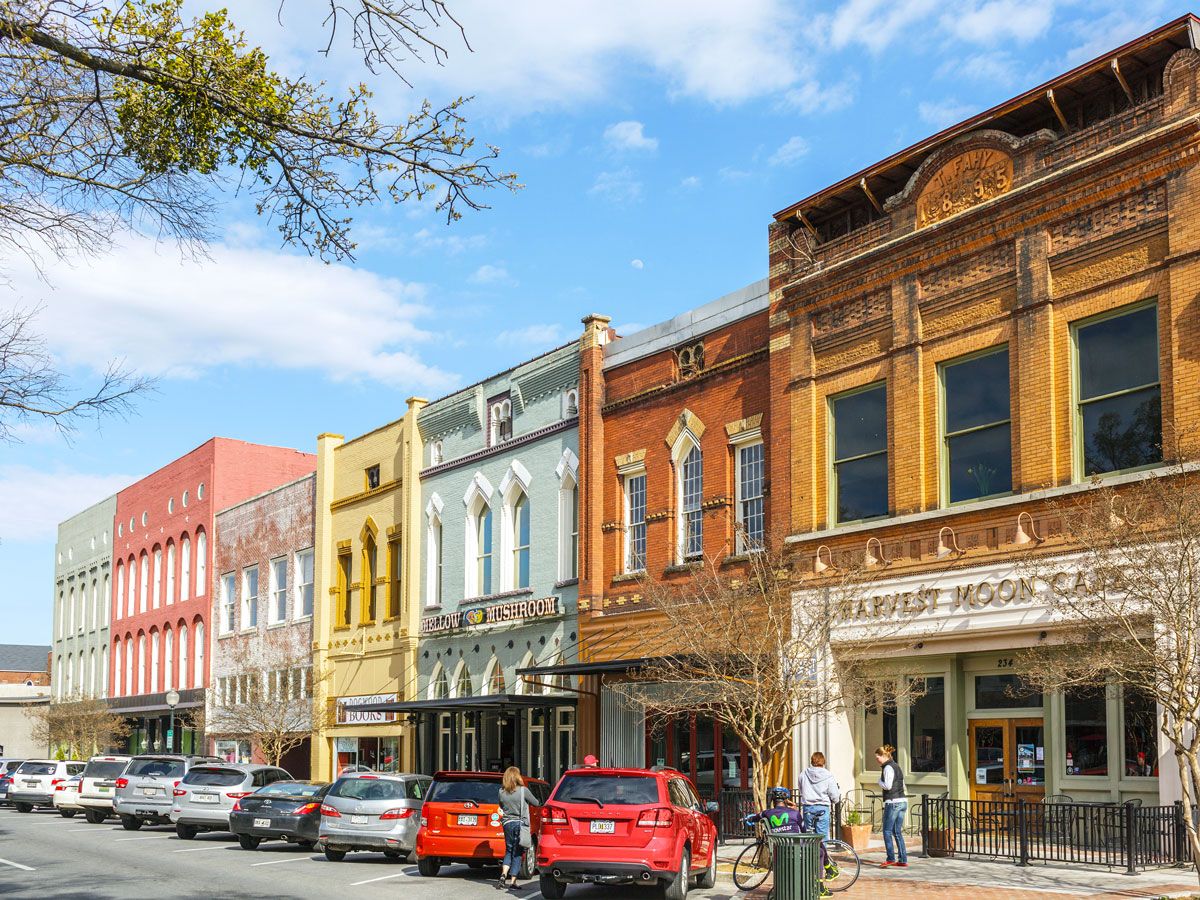
Rome sits near the center of the triangle formed by Chattanooga, Tennessee; Huntsville, Alabama; and Atlanta, Georgia. The college town — home to the likes of Berry College and Shorter University — has undergone an impressive revitalization in recent years. The result is a city that is filled with galleries, shops, restaurants, and historic buildings.
Any visitor should make a stop by City Hall to see the Romulus and Remus statue that stands out front. The bronze statue is an exact replica of the Etruscan original in Rome, Italy, and was a gift from the original city of Rome in 1929. This Rome also has a fascinating history, with its location on the Trail of Tears. Chieftain’s Museum was once owned by Cherokee leader Major Ridge; today, it operates as a museum depicting the history of the Cherokee people in the area. Visitors can also take in America’s favorite pastime by watching the Rome Braves, the town’s minor league baseball team.
Chapel Hill combines great food, a lively downtown, gorgeous architecture, and good weather — making it a city that is much more than its (albeit impressive) college campus. If museums are your thing, you have equally excellent choices between art and science. When you’re done soaking up the culture, more than 700 acres of parkland make it easy to get some fresh air. Add another 1,000 acres with the North Carolina Botanical Garden and you might forget that Chapel Hill also happens to be a worldwide center for scientific research and development.
But there’s more to Chapel Hill than academic research and the outdoors — the city has become is a rising food hotspot. Bon Appetit previously called it “America’s Foodiest Small Town” and, befitting that status, Chapel Hill continues to host a plethora of food festivals throughout the year. As the sun goes down, head to Franklin Street to take in some live entertainment, local brews, wood-fired pizza, or some Turkish delights.
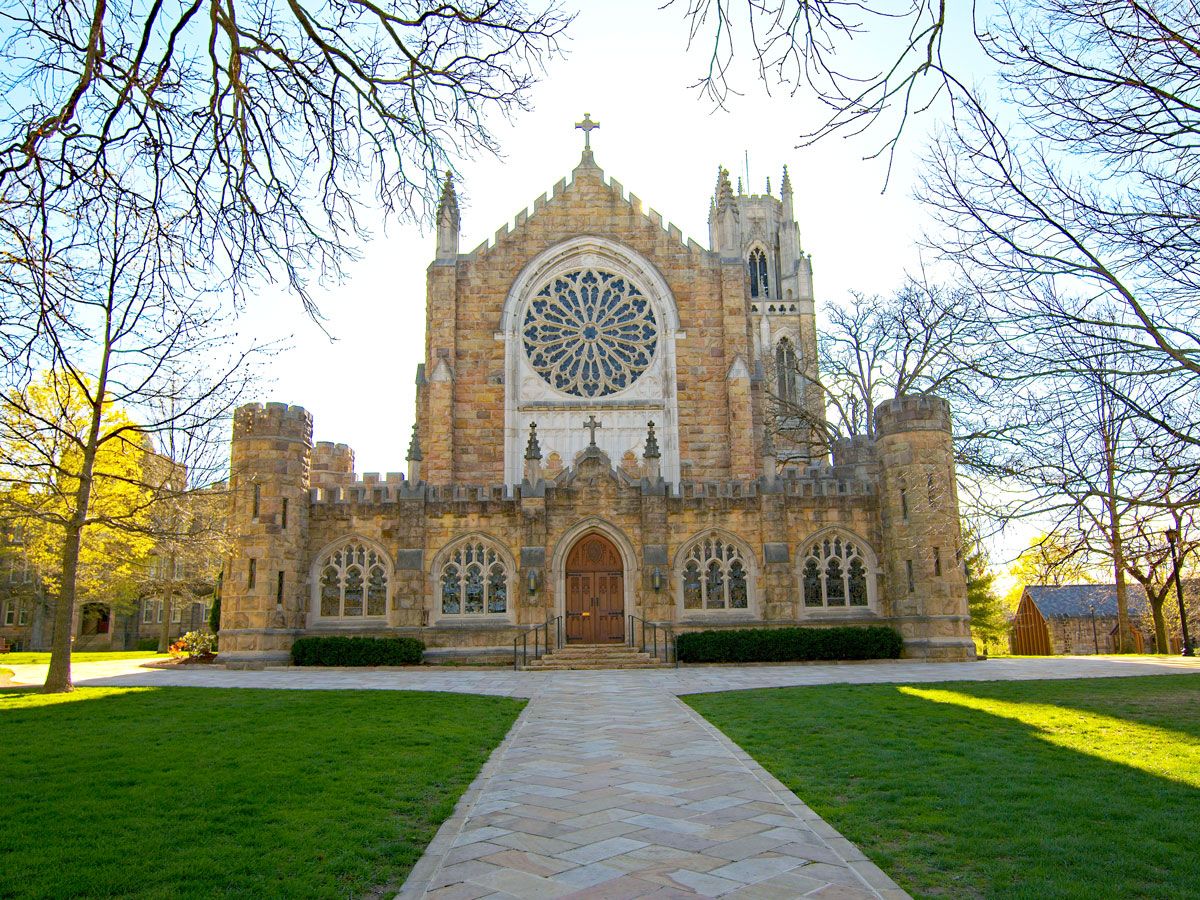
About an hour’s drive northwest of Chattanooga, the small community of Sewanee is hidden in the remote forests of Tennessee. It’s a popular destination for writers who come to attend workshops at the University of the South (otherwise known simply as Sewanee), but there is also much to offer those seeking a little peace and quiet surrounded by nature.
The university is the focal point of this small town, and the gothic campus begs to be explored. Another point of interest is the Cross, a striking memorial to those Sewanee graduates who died in World War I. After wandering through the campus, shop for a few local gifts at the Lemon Fair or stop for a bite at the Blue Chair. Hikers can meander along the Mountain Goat Trail, or make the quick trip to South Cumberland State Park for panoramic views.
Rachel is a Washington, D.C.–based travel and lifestyle writer with roots in the Great Lakes region. When she’s not writing for publications such as The Discoverer and Interesting Facts, you’ll find her wandering through museums or exploring destinations off the beaten path.
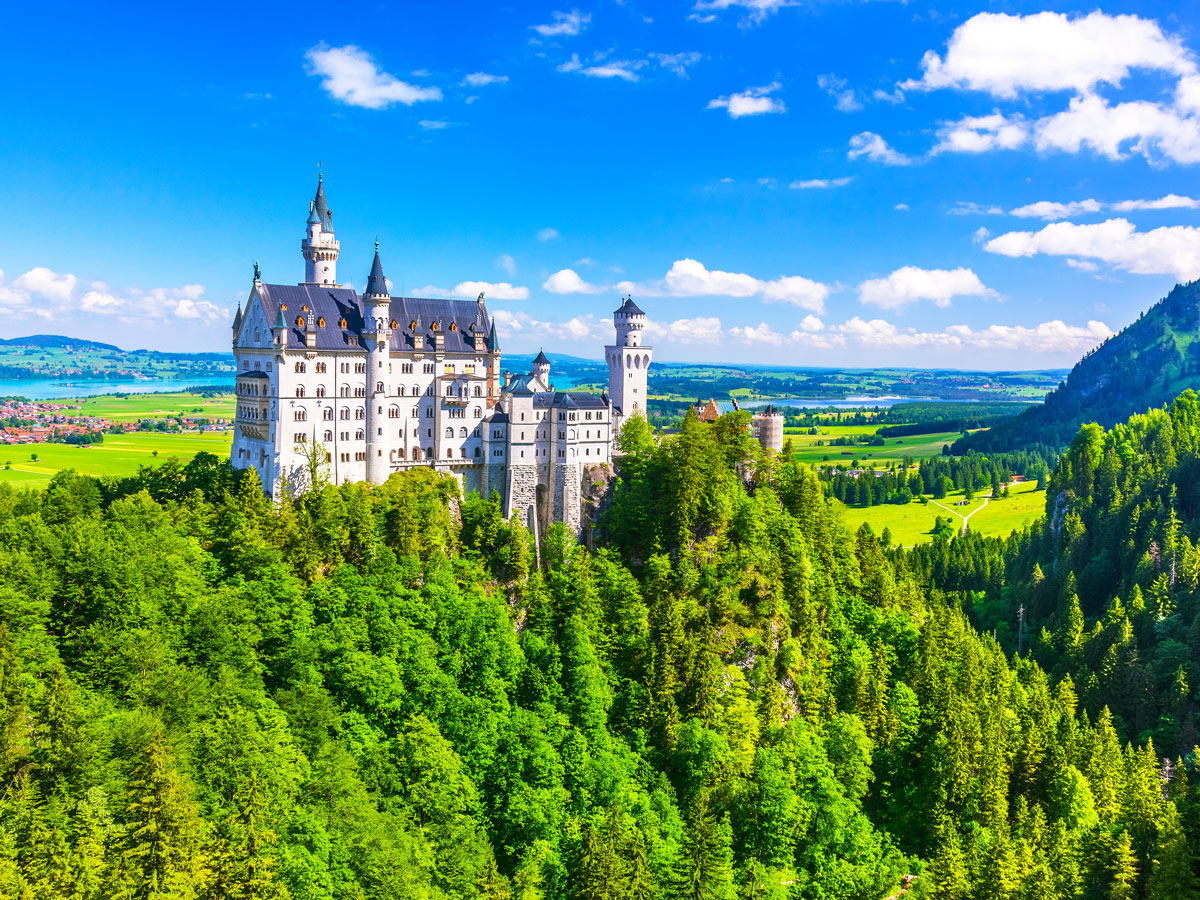
Travelers now have 26 new reasons to pack their suitcases. Last month, the UNESCO World Heritage Committee wrapped up its 47th session in Paris, France, where they chose 26 new cultural and natural properties to be added to UNESCO’s World Heritage List. This brings the total to a whopping 1,248 sites of cultural and natural significance across 170 countries. Among the new inductees is one of Europe’s most famous landmarks — a postcard-perfect fairy-tale castle tucked away in Germany’s Bavarian Alps.
History of Neuschwanstein Castle
Credit: bluejayphoto/ iStock Editorial via Getty Images Plus
You’ve seen it on postcards, in travel blogs, and even a version of it at Disneyland: Neuschwanstein has earned its place on the world’s stage as Germany’s most recognizable castle. Perched above the village of Schwangau, this 19th-century palace is now registered on the UNESCO World Heritage List. Neuschwanstein was the brainchild of “Mad” King Ludwig II, who gained his nickname for being one of Bavaria’s most eccentric rulers, known for his reclusive lifestyle and over-the-top architectural projects. Unfortunately, he did not live to see the completion of Neuschwanstein before he died in 1886.
The foundation for the palace was laid in September 1869 on the site of two earlier castles. The interior of the 65,000-square-foot castle was never finished; in fact, only about a dozen rooms have been completed since construction began. Following King Ludwig’s mysterious death in 1886, the castle opened to the public as a museum and has been enchanting visitors ever since.
Today, Neuschwanstein — unfinished rooms and all — ranks among the most popular tourist attractions in Europe. An estimated 1.4 million annual visitors come to admire its stunning architecture, Alpine views, and storied halls. Highlights of the castle include an elaborate two-story throne room modeled after a Byzantine basilica and Singers’ Hall, a lavish space that served as Ludwig’s monument to medieval legends. Even Walt Disney was captivated by Neuschwanstein’s fairy-tale charm — his visit to the castle famously inspired the design of Sleeping Beauty’s Castle in Disneyland.
Neuschwanstein might be the headliner, but it is not the only Ludwig landmark to join the UNESCO World Heritage List this year. Three additional Bavarian estates — Linderhof Palace, Herrenchiemsee Palace and Park, and the King’s House on Schachen — have also been recognized.
These opulent properties were constructed between 1864 and 1886, and like Neuschwanstein, opened as museums after Ludwig’s death. Reflecting the ruler’s unique architectural preferences, they draw inspiration from all things grand, romantic, or mythological, from the Palace of Versailles to German fairy tales, Richard Wagner’s operas, and the medieval Wartburg Castle.
Linderhof Palace is located in the Ettaler Forest of southwest Bavaria, about 30 miles east of Neuschwanstein Castle by car. Although it is the smallest of King Ludwig’s three palaces, it might be the most sentimental — it was the only palace completed before his death, making it the place where he spent most of his time.
The interior is decorated in the neo-Rococo style, with floor-to-ceiling embellishments and an elaborate peacock throne, complete with three bronze peacock statues and vibrantly colored silk cushions. Artisans in Munich and Paris designed the showstopping throne under the supervision of the king. Other highlights include an artificial dripstone cave known as the Venus Grotto, a shimmering Hall of Mirrors, and, surrounding the palace, the immaculate Linderhof Park, inspired by one of Ludwig’s favorite places, Versailles.
Herrenchiemsee Palace and Park
Credit: Andia/ Universal Images Group via Getty Images
Herrenchiemsee Palace and Park might be Ludwig’s most regal creation. Situated on Chiemsee, Bavaria’s largest lake, the 600-acre island palace complex was the king’s largest architectural undertaking. The ruler built this palace as a “Temple of Fame” in honor of King Louis XIV of France, whom he greatly admired.
Herrenchiemsee is often referred to as the “Bavarian Versailles.” The island boasts a sprawling complex of palatial buildings, museums, and green spaces, including the Royal Palace, the King Ludwig II Museum, two art galleries within the Augustinian Monastery, and lush French-style gardens featuring fountains and walking paths.
The King’s House on Schachen is the most remote of Ludwig’s royal properties. This Alpine retreat isn’t a castle in the traditional sense; rather, it was inspired by the wooden chalets of Switzerland and designed for countryside relaxation. It was also the king’s favorite escape — he celebrated his birthday there each year on August 25.
Unlike Ludwig’s three palaces, King’s House on Schachen isn’t easily accessible by car. Situated at the foot of the Wetterstein massif at an altitude of 6,122 feet, the estate is accessible only by a six- to seven-hour hike (though Ludwig was taken there via horse carriage). For those willing to make the trek, the view of the surrounding Northern Limestone Alps is magical.
Other New UNESCO Entries for 2025
Credit: Nick Rains/ Corbis Documentary via Getty Images
In addition to the extravagant works championed by King Ludwig, more than 20 new cultural and natural wonders have been granted UNESCO World Heritage status this year, from ancient rock art to rainforest sanctuaries.
One standout addition is Australia’s Murujuga Cultural Landscape, famous for its collection of over 1 million Aboriginal petroglyphs. Older than the Pyramids of Giza, this area has been inhabited and preserved by the Ngarda-Ngarli peoples, a collective term for the five Traditional Owner groups of Murujuga, for the past 50,000 years.
In Mexico, the Wixárika Route, a sacred trail of 20 sites, winds across five states, connecting the Wixárika Indigenous peoples in their rituals and ceremonies. Also known as “Tatehuarí Huajuyé” or the “Path of Our Grandfather Fire,” it is one of the best representations of pre-Columbian routes still used in the Americas.
On the opposite side of the globe, China’s Xixia Imperial Tombs from the Xixia Dynasty (11th to 13th centuries) features honeycomb-shaped imperial tombs set against the backdrop of the southern Helan Mountains. It stands as the most intact archaeological site from the Xixia period.
Several natural wonders have also landed a spot on UNESCO’s list. Among this year’s newly protected landscapes are the Bijagós Islands in Guinea-Bissau, the Gola Rainforest National Park and Tiwai Island Wildlife Sanctuary in Sierra Leone, Møns Klint chalk cliffs in Denmark, and the Peruaçu River Canyon in Brazil.
Julia is a U.K.-based travel writer whose work has been featured in The Independent, The Telegraph, The New Zealand Herald, and Culture Trip, among others. She’s an enthusiastic advocate for independent travel and a passionate geographer who has had the privilege of traveling to more than 130 countries in search of a story.
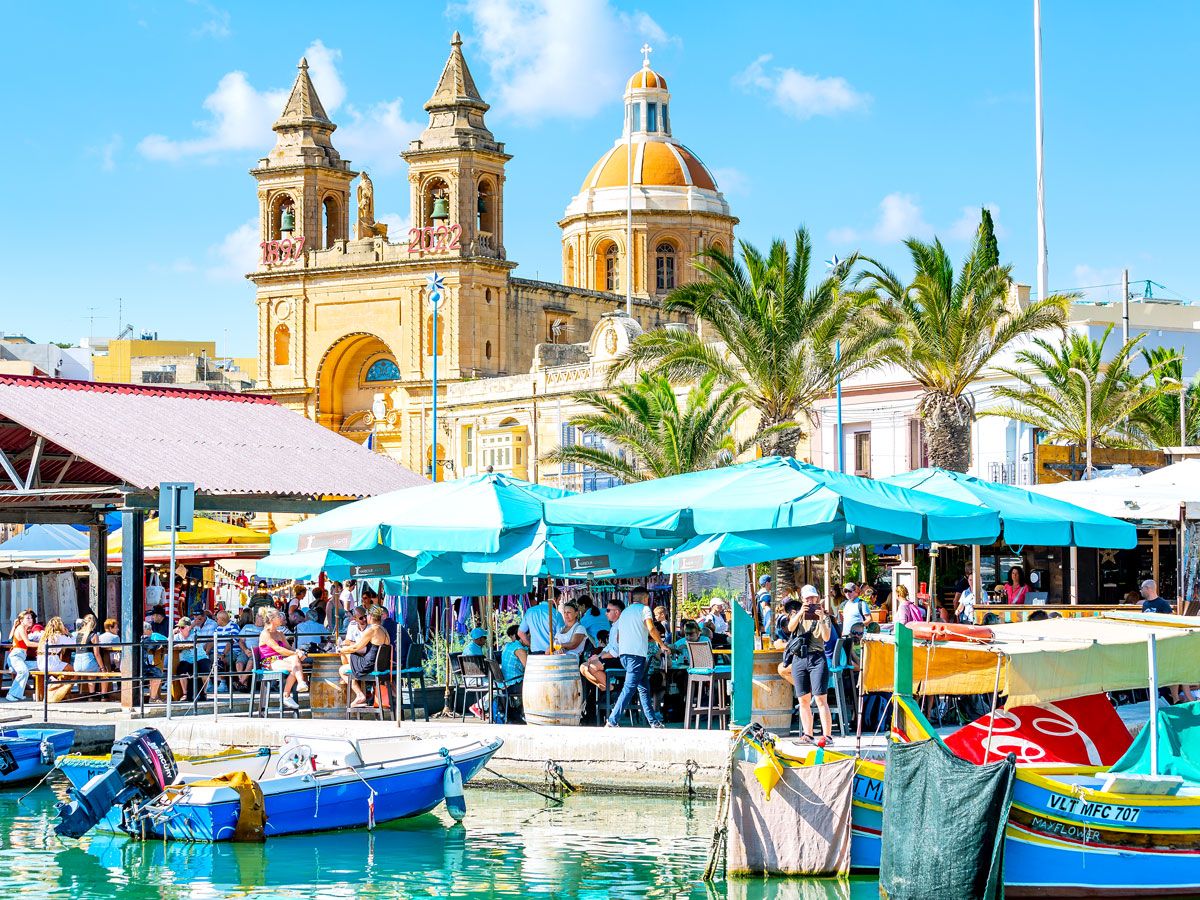
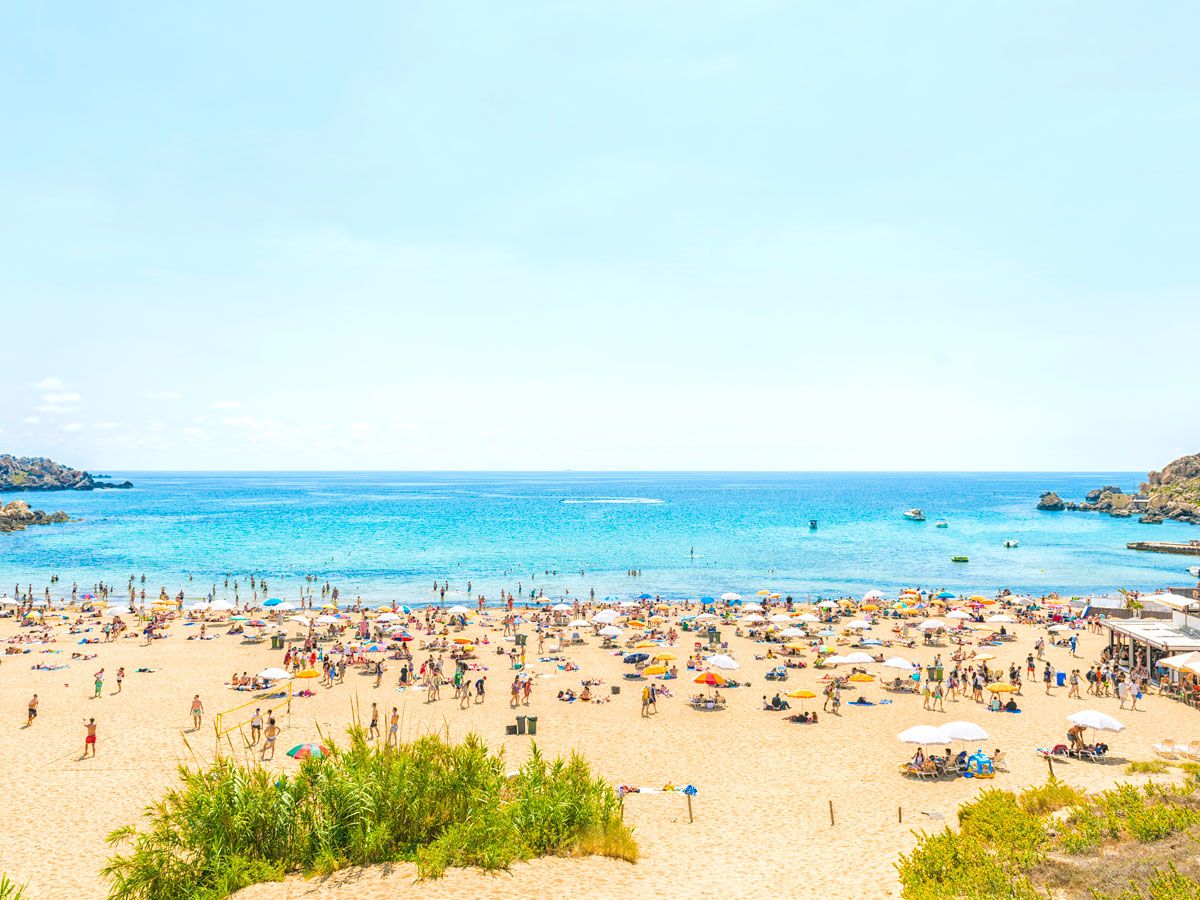
The Mediterranean island of Malta may be one of the smallest countries in the world, but as of late, it’s made big waves with American retirees looking for a new adventure, as seen on a recent segment by CBS Sunday Morning. Discover why Malta is so appealing as a retirement destination and what you might expect if you move to — or simply vacation in — this beautiful and often overlooked European country.
According to a 2023 report from TheMalta Independent, an impressive 96% of Maltese citizens understand at least some English, with more than 60% claiming advanced proficiency. The figure is actually higher than the percentage who claim to understand Maltese (90%). The widespread understanding of English means that making friends, joining clubs, and generally sourcing help when needed is much easier for American visitors or retirees. As communication is such an important part of assimilating into a new community — not least for the important stuff such as banking and health care — this should be welcome news to anyone from the U.S. hoping to retire to Malta.
Malta’s cost of living is about 8.4% less than the average cost of living in the European Union. Prices on the island are considerably lower than in countries such as Austria, France, and Ireland. They are on a par with other Mediterranean countries such as Spain, Italy, and Cyprus (though a little higher than in budget-friendly Portugal). For retirees on a fixed income, the cost of living is an attractive proposition, as the average monthly rent in Malta is €970 for a single person. Health care is also universal and significantly cheaper, costing around €50 per person per month — potentially leaving you with spare cash to spend on exploring your new surroundings.
Taxation Is Attractive
Credit: travellaggio/ iStock via Getty Images Plus
The Maltese government levies a flat rate of 15% on income. There’s also a treaty in place that ensures U.S. citizens do not pay tax twice on the same income, as long as they have made a minimum payment of €4,500 in income tax that year. In addition, permanent residents moving to Malta from a country outside the EU are exempt from paying customs duties on personal property, including household goods and cars, and don’t need to pay social security contributions (though you will not be eligible for public health care coverage and will need to obtain a private policy). If you’re thinking about making the move, be sure to consult an experienced financial adviser who can give you a clearer picture about the taxation details in Malta.
Malta enjoys one of the sunniest climates of Europe. You can expect an average of over 300 sunny days each year in this part of the Mediterranean. Summers are hot and dry, with temperatures regularly reaching the mid-to-upper 80s for extended periods. Spring and fall are more pleasant, particularly for hiking and other outdoor activities, and winters are typically mild. Winter is when most rain falls, though typically you’ll experience less than 4 inches of rain a month, even in the wettest months of December and January. And according to the UK’s Met Office, it hasn’t snowed in Malta since 1962.
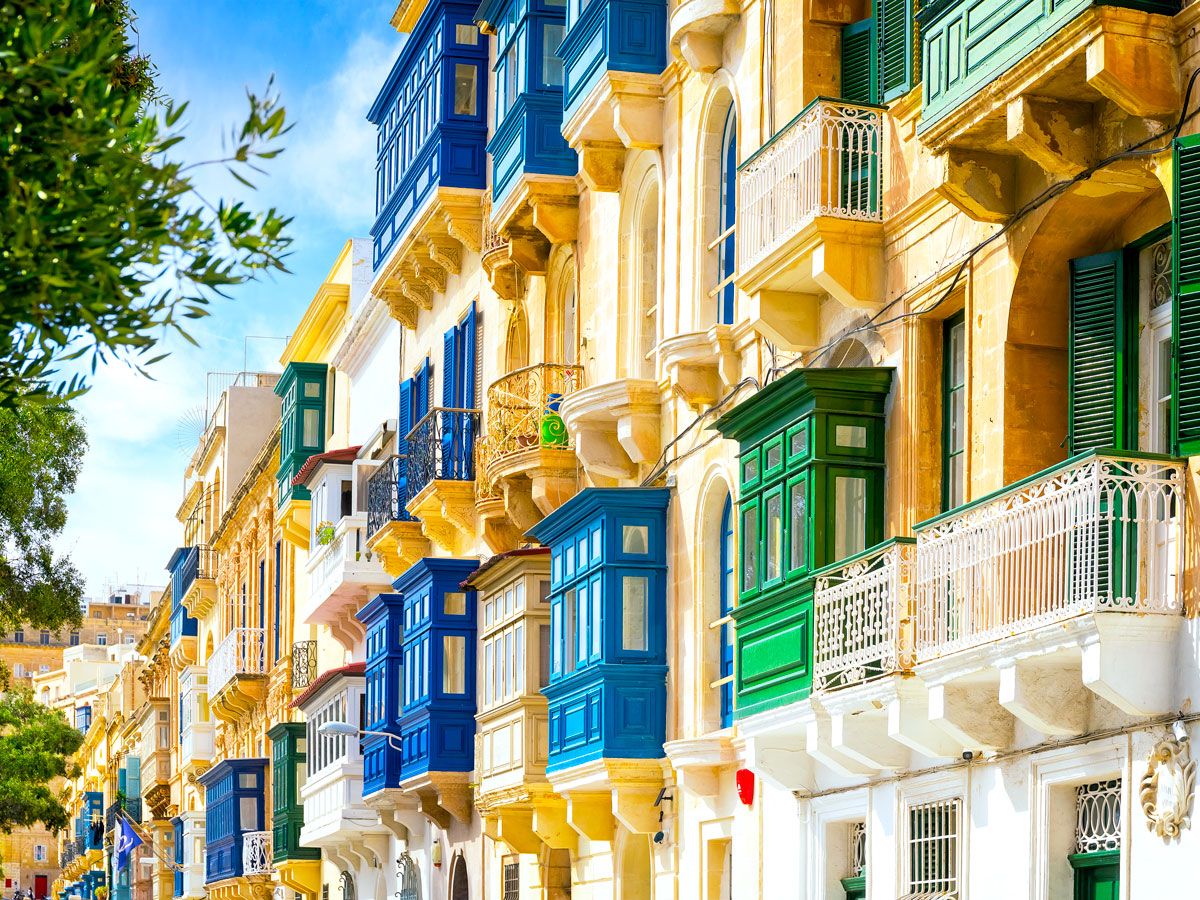
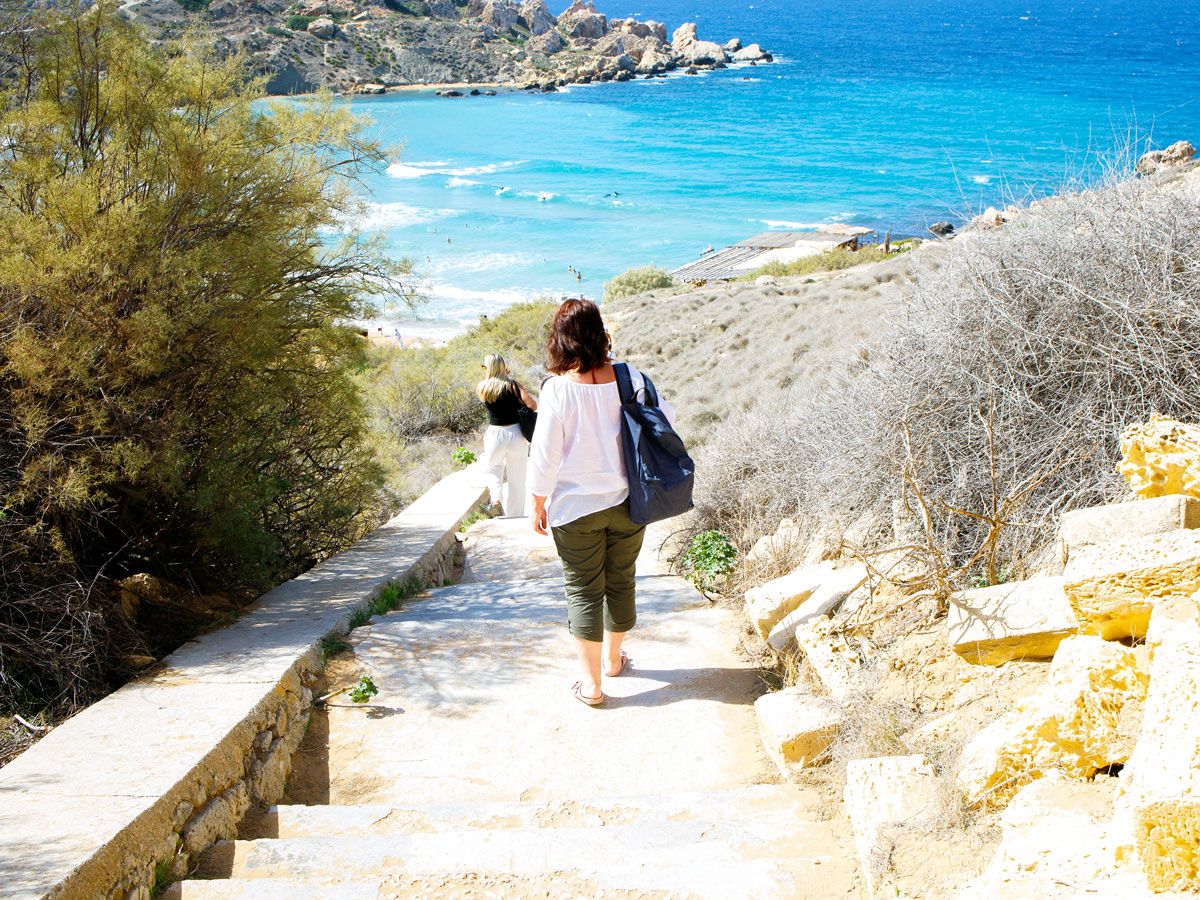
Retirement should be fun, so having plenty to do and see in the place you choose as your base is a must. Malta packs a lot into a relatively small area of 122 square miles. Historic cities such as Valletta and Mdina boast fascinating museums and a slew of cultural events, while the scenic countryside is littered with ancient ruins. The coastline is arguably Malta’s biggest draw, punctuated by picturesque fishing villages and dramatic natural landscapes that form a scenic backdrop to sea-based activities.
As part of the Schengen Agreement, Maltese residents are able to move freely to other member states in the EU. Basing yourself in Malta therefore opens up a wealth of sightseeing opportunities not only on the island but also in the wider European region. There are currently 29 European countries that are part of the Schengen Area, including popular destinations such as France, Iceland, and Switzerland.
Currently, there are two main pathways a U.S. citizen can qualify to retire in Malta, each with their own specific requirements:
Malta Retirement Program: Applicants to the Malta Retirement Program need to satisfy certain criteria. Crucially, they must be in receipt of a pension and not be seeking paid employment. However, philanthropic activities such as charity work are permitted.
Global Residence Program: Those seeking to retire in Malta with the intent to continue working could qualify for the country’s Global Residence Program. This is a five-year residence visa that requires that applicants have a stable income stream and can show proof of accommodation and evidence of a health insurance policy.
Advertisement
More from our network
Daily Passport is part of Inbox Studio, an email-first media company. *Indicates a third-party property.
What To Know About the TSA’s New Family Screening Lines
By
Peter Vanden Bos
Read time: 4 minutes
August 22, 2025
Updated: August 22, 2025
What To Know About the TSA’s New Family Screening Lines
Tips •August 22, 2025•Updated: August 22, 2025
By Peter Vanden Bos
Author
Peter Vanden Bos
Peter is a Toronto-based journalist, editor, content strategist, and self-professed avgeek with 15 years of experience covering all things travel. Prior to joining Daily Passport, he oversaw newsletter publication for Travelzoo. His favorite destinations to explore include Japan, France, Chile, New Zealand, and his adopted home country of Canada.
The memories we make on family vacations are priceless, but getting through the airport with young kids also comes with its fair share of stress. If you’re planning to travel soon with the family in tow (or know someone who is), we have good news: The TSA has introduced new dedicated screening lanes at select U.S. airports to allow families with children to pass through security checkpoints more easily, which should lead to fewer headaches for everyone. Here are all the details and where you can find the TSA’s new family lanes.
Anyone who’s traveled with little ones before will tell you it can be a stressful juggling act. Between wrangling distracted toddlers, folding strollers, and carrying extra diaper bags and backpacks full of games and toys, the security screening process for families can be time-consuming and cumbersome. By offering dedicated screening lanes, the TSA’s new “Families on the Fly” aims to make the security experience smoother and quicker for both families and the other passengers in line behind them.
According to a TSA press release, the goal of the program is “to mitigate the unique challenges families face when traveling and minimize stress while maintaining the highest level of security.” Families traveling with children ages 12 and younger — including all adults in the party — are eligible (but not required) to use the lanes.
While the family lanes should help remove bottlenecks, one of the best ways to speed through security is still to enroll in TSA PreCheck, which offers quicker screening without the need to remove laptops. Children ages 17 and under can go through the TSA PreCheck lane with their enrolled parents, as long as they are traveling on the same reservation.
As part of the new family initiatives, the TSA has also introduced dedicated PreCheck lanes for service members and their families. Plus, through October 31, 2025, the TSA is offering families a $15 discount on new enrollments in PreCheck.
The TSA’s new family screening lanes debuted in July at Orlando International Airport — which makes perfect sense, given its proximity to theme parks that are popular with young kids — and at Charlotte-Douglas International Airport, a major hub for American Airlines.
As of late August, expect to find family lanes staffed by dedicated TSA officers at the following airports:
Charlotte-Douglas International Airport (CLT), North Carolina
Honolulu Daniel K. Inouye International Airport (HNL), Hawaii
John Wayne Orange County Airport (SNA), California
Luis Muñoz Marín International Airport (SJU), Puerto Rico
Orlando International Airport (MCO), Florida
Oklahoma City Will Rogers International Airport (OKC), Oklahoma
Providence T. F. Green International Airport (PVD), Rhode Island
The TSA says the program will be rolling out to select airports across the country “in the coming months,” according to the press release.
The news for families comes on the heels of another major TSA announcement: As of July 2025, passengers are no longer required to remove their shoes for standard security checks.
In a statement explaining the change, Secretary of Homeland Security Kristi Noem, whose department oversees the TSA, explained, “In those 20 years since that policy was put in place, our security technology has changed dramatically. It’s evolved.” She added, “We expect this change will drastically decrease passenger wait times at our TSA checkpoints.”
The agency is also expanding its Touchless ID program to additional airports. The biometric technology aims to further reduce wait times since passengers don’t need to fumble in their bag to show their ID or boarding pass as they pass through the checkpoint. Biometric screening is also being tested at departure gates at select airports. Remember, you can always opt out of facial recognition, but if you do, make sure to bring your REAL ID, which is required to board domestic flights as of May this year.
Fiona has spent her career exploring the world and working in the travel industry, turning her lifelong passion into a profession. From planning custom trips to sharing stories as a travel writer for publications such as The Discoverer, she’s all about helping others experience the world in a deeper, more meaningful way.
Savvy travelers know that you don’t have to visit a big city to eat well. Small cities across the U.S. are serving up seriously good food, from inventive seafood dishes and mouthwatering barbecue fare to fresh, farm-to-table meals and world-class wine lists. Here are five of the best small American cities for foodies.
This small but fast-growing city of 57,000 is surrounded by cattle fields and country farms, setting the stage for a burgeoning food scene. Local chefs are tapping into Bozeman’s natural bounty of beef, grains, and produce to create dishes that are both hearty and creative, served everywhere from casual diners to fine-dining restaurants.
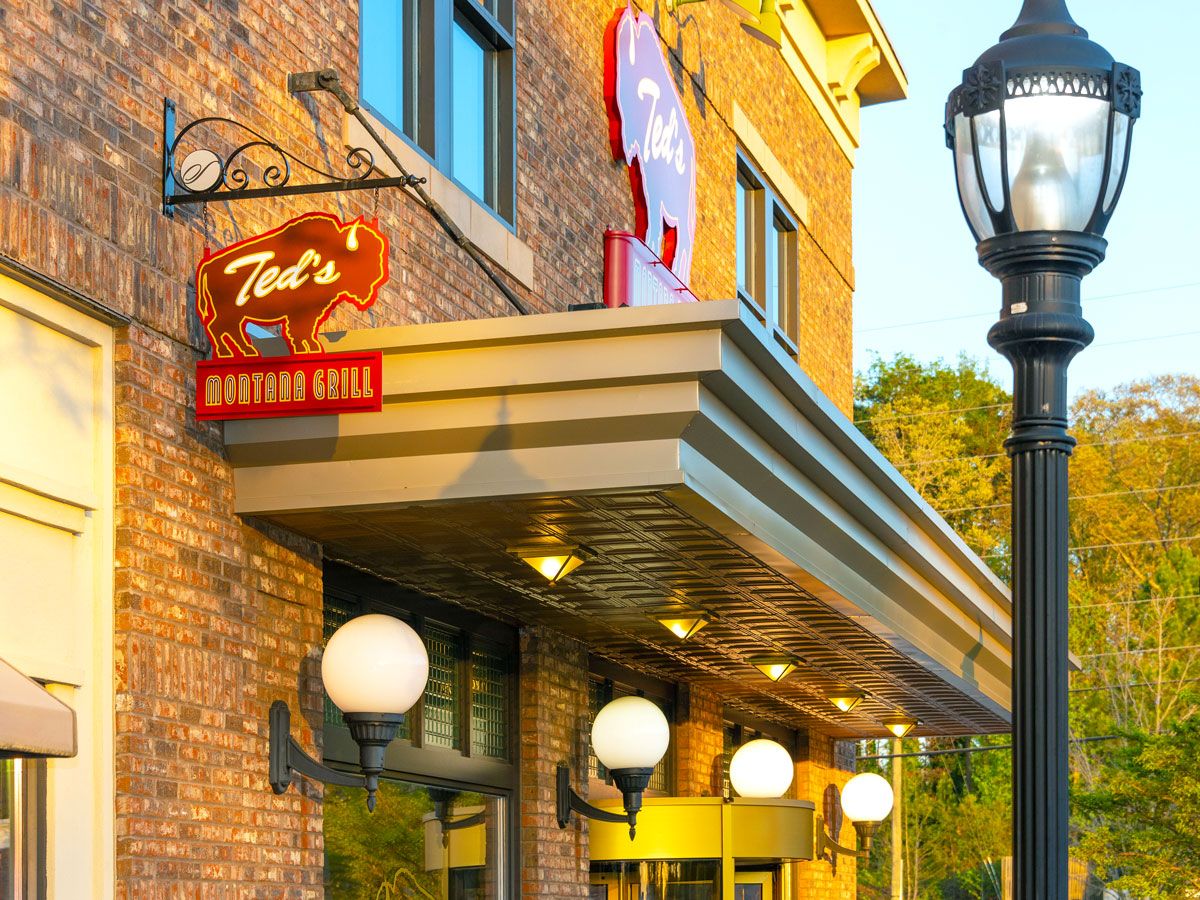
While steakhouses and barbecue joints are popular — and often where you’ll find the city’s best bison burgers, brisket sandwiches, baby back ribs, elk steaks, and the like — Bozeman also surprises with its range of international cuisine. Top picks include Ted’s Montana Grill for classic American barbecue, Open Range for steaks and seafood, City Vineyard for one of the city’s best wine selections, and La Brasserie for refined European cuisine. To cap it off, Bozeman also boasts a booming craft brewery scene, so foodies and beer lovers alike have plenty on tap to enjoy.
Healdsburg may be a small, charming city of just 11,000 people, but don’t let its size fool you. The smallest city on our list boasts six Michelin-recognized restaurants in the city proper and seven more in the surrounding area of Sonoma County. The local food scene in Healdsburg is heavily focused on fresh ingredients, farm-to-table dining, and, of course, world-class wine.
At the top of the list is SingleThread, a three-Michelin-star restaurant located on a 24-acre farm that supplies many of the ingredients for its exquisite seasonal tasting menu. On the other end of the price spectrum, you’ll find stylish bakeries and cool cafes serving plant-based menus, focused on sustainability and local ingredients. Plus, in a place like Sonoma Valley, where wine reigns supreme, cozy wine bars with award-winning pours are abundant. The moral of the story is you’ll eat (and drink) very well in Healdsburg.
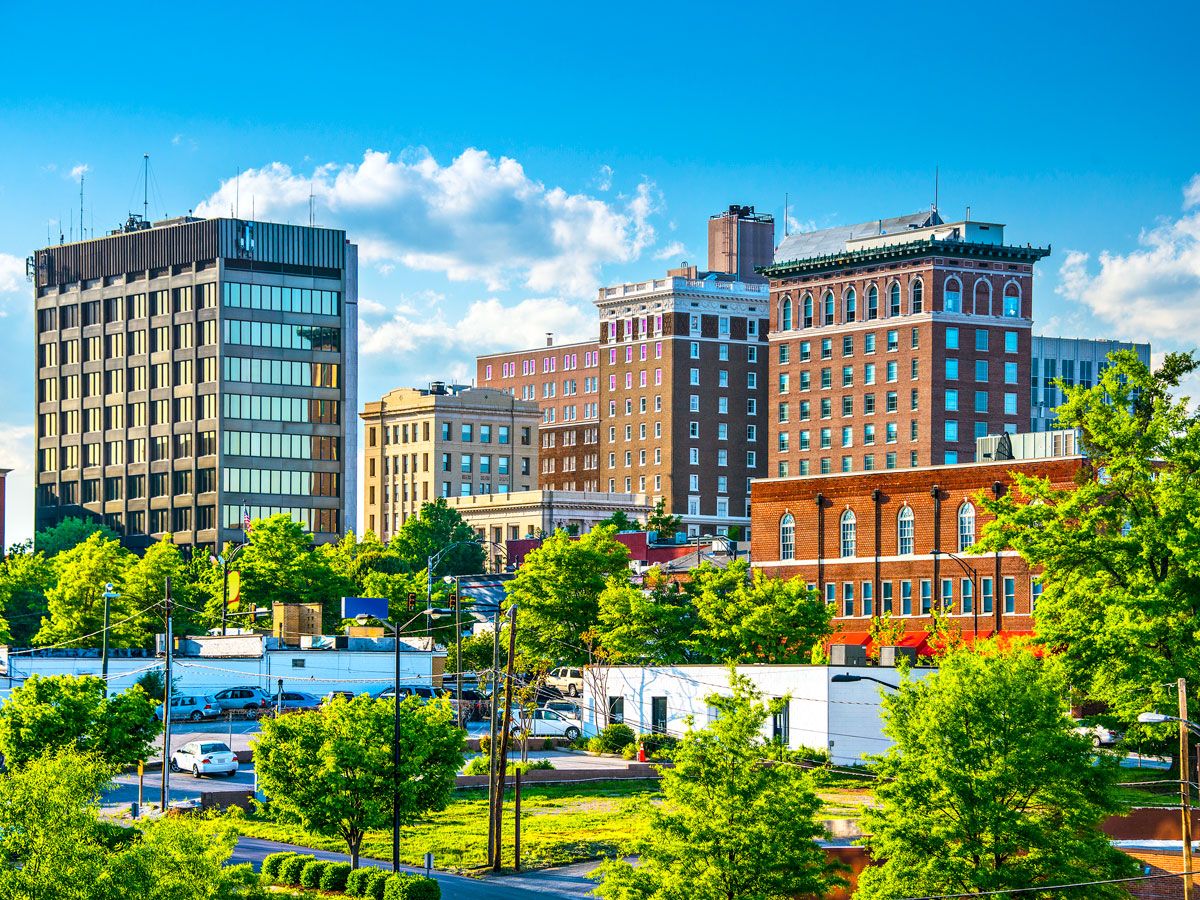
Greenville is a city of 72,000 that packs a serious culinary punch for its 30-square-mile size. Thanks to the fertile soil of upstate South Carolina, Greenville has made a name for itself with seasonal dishes, creative menus, and a focus on honest, natural ingredients. Many Greenville restaurants sit on their own plots of farmland, allowing them to incorporate hyperlocal produce into their dishes. Topsoil and Fork and Plough, located slightly outside the downtown area, are both exceptional examples of farm-focused cuisine.
Meanwhile, downtown Greenville offers around 200 restaurants packed into just 12 city blocks, with international cuisine from over 30 countries — making it one of the most interesting places to eat in the Southeast. Several spots have earned recognition from the James Beard Foundation, including O-Ku Sushi for its inventive sushi and cocktails, Scoundrel for elevated French cuisine, and Topsoil Kitchen + Market for exceptional pastries.
Portland, Maine
Credit: Brianna Soukup/ Portland Press Herald via Getty Images
Once known primarily for its local lobster, this small city in southern Maine has transformed into an international culinary hot spot while still putting local seafood front and center. Located on a working harbor, Portland embraces a boat-to-table approach, evidenced by long-standing staples such as Boone Fish House (operating since 1898), J’s Oyster (since 1977), and Dimillio’s on the Water (open since 1982).
Over the decades, Portland has steadily built a reputation for creative, standout restaurants that showcase its coastal location and fresh seafood. Today’s highlights include Luke’s Lobster, Scales, Eventide Oyster Co., and the Shop. It’s not all about seafood, either — Izakaya Minato serves inventive Japanese small plates, while Via Vecchio is a beloved Italian spot with a quintessentially Portland brick-and-wood interior. But perhaps Portland’s biggest claim to fame is its brewery scene, with more breweries per capita than any other U.S. city — roughly 18 for every 50,000 people.
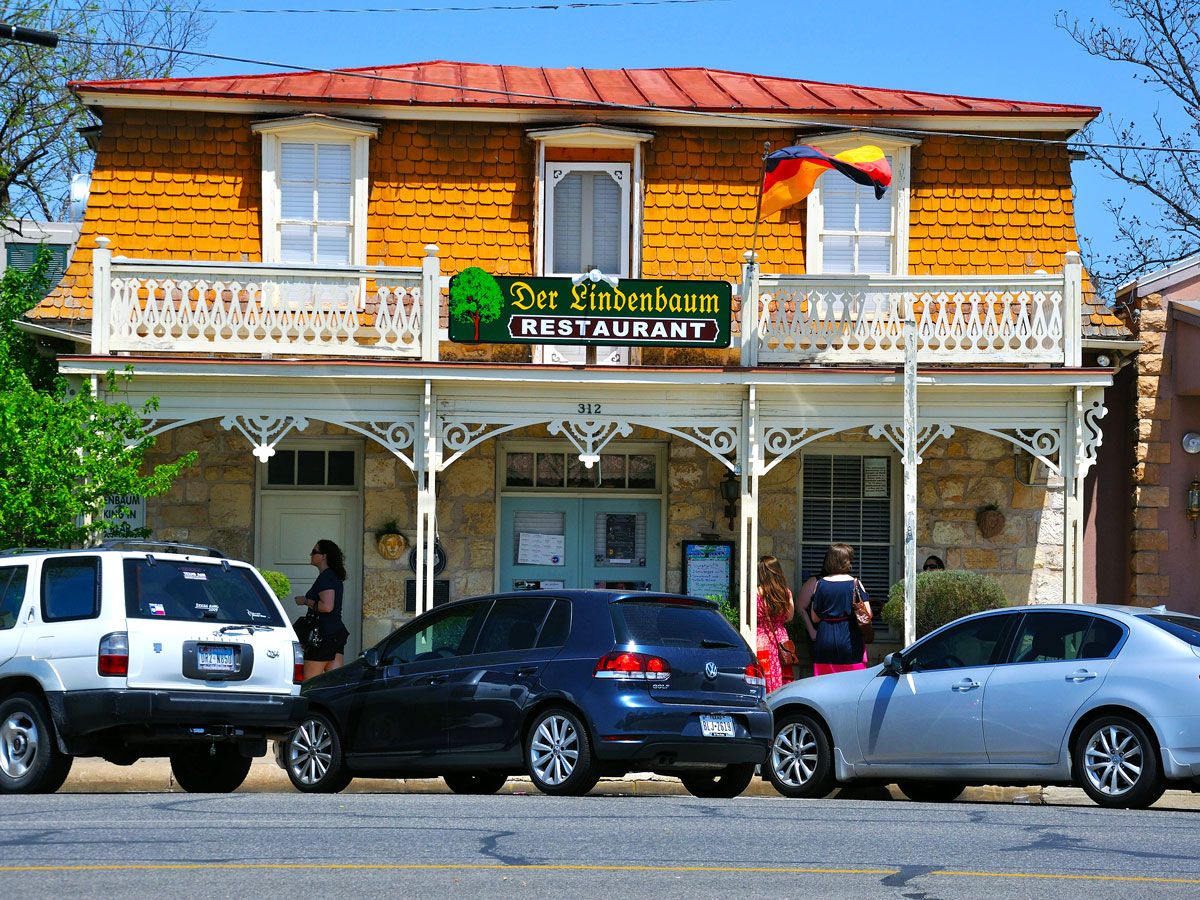
Texas barbecue meets authentic German cuisine in the small city of Fredericksburg, with a population of 11,500 people. German immigrants founded Fredericksburg in 1846, and evidence of European culture is still seen today in everything from the architecture to the food. Located in the heart of Texas wine country, Fredericksburg leads with its strong agricultural roots and plentiful vineyards to create a surprising epicenter for food and wine in south-central Texas.
Farm-to-table is the norm, with local restaurants sourcing grassfed beef from family-owned farms and seasonal produce like peaches and pecans from Hill Country orchards. Cabernet Grill highlights the best of both worlds with tasty fare and an all-Texas wine list, while Der Lindenbaum pays homage to its roots by serving up genuine German cuisine in a historic building. With 75 wineries, vineyards, and tasting rooms in the surrounding county, visitors will find many opportunities to sip and savor throughout this charming Texas city.
Advertisement
More from our network
Daily Passport is part of Inbox Studio, an email-first media company. *Indicates a third-party property.